24 Interior Design Styles List Explained With Examples

You know the room you like when you see it. Finding its name is another story.
Is that warm, uncluttered living room Scandinavian, Japandi, or organic modern? And why does searching “modern furniture” bring up so many different looks?
An interior design styles list helps put names to the details you keep saving, so choosing furniture feels a little less like guesswork.
The quick answer
- Midcentury modern suits clean lines and warm wood; Scandinavian suits bright rooms and cozy textiles.
- Japandi combines simple furniture with natural textures and craftsmanship.
- Traditional style suits familiar furniture shapes, layered patterns, and comfortable seating.
- Use one direction for the larger furniture pieces, then add lighting, rugs, and personal objects you enjoy.
Below, we’ll walk through 24 styles, explain what makes each recognizable, and share a useful product for bringing the look into your own space.
You can keep the sofa you love. We’re finding its people.
An Interior Design Styles List You Can Scan in a Minute
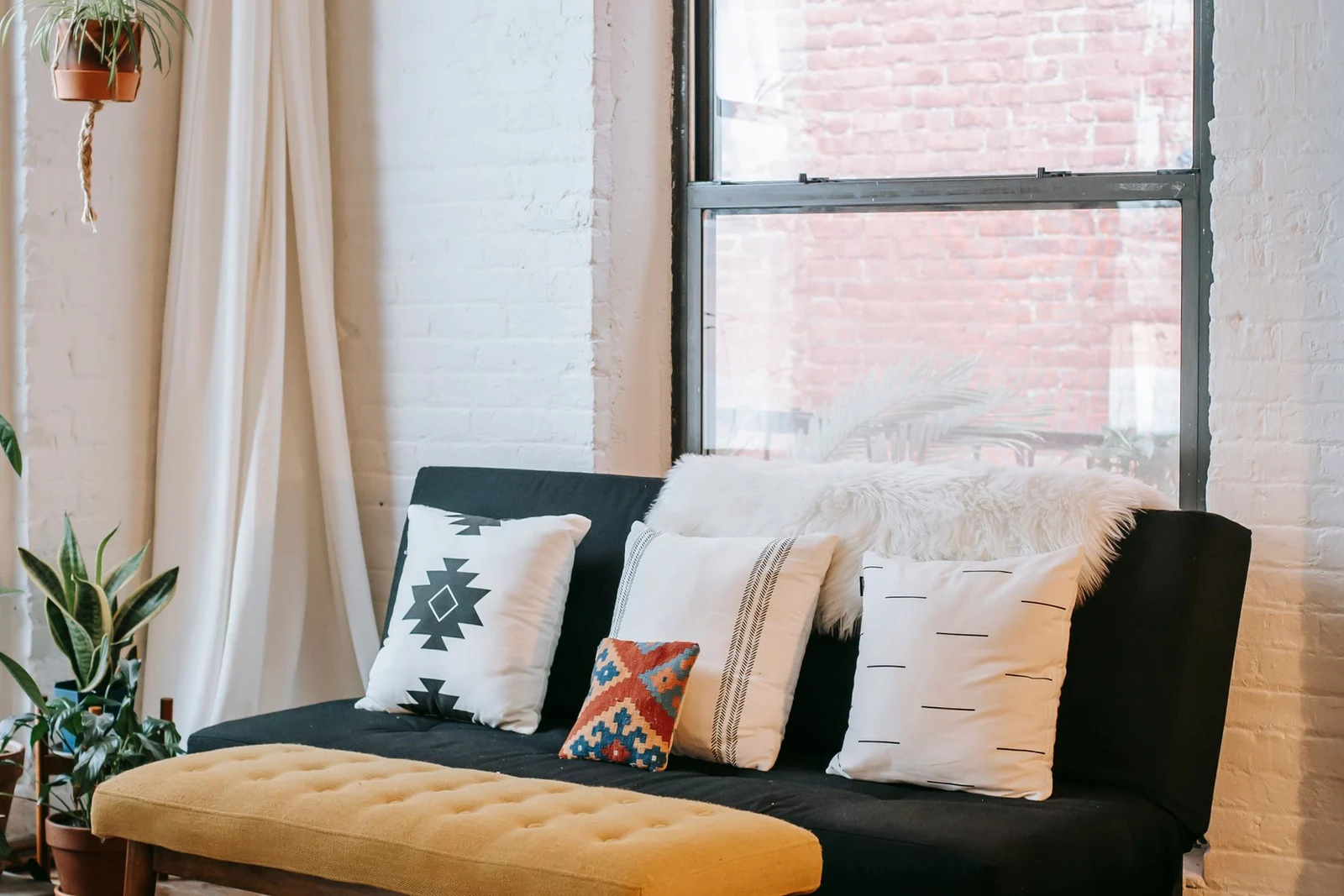
An interior design style is a recognizable combination of furniture, colors, materials, and decorative details. Learning those combinations helps you understand why certain rooms appeal to you and which pieces will work together.
Your favorite rooms might share pale wood, curved furniture, or an abundance of floral fabric. Those repeated details are more useful than a single label.
| If you like rooms that feel… | Explore these styles |
|---|---|
| Simple and uncluttered | Modern, contemporary, minimalist |
| Light, warm, and natural | Scandinavian, Japandi, organic modern |
| Classic and comfortable | Traditional, transitional, modern classic |
| Welcoming and full of character | Farmhouse, rustic, French country, English country |
| Airy and relaxed | Coastal, Mediterranean |
| Personal and layered | Bohemian, eclectic, maximalist |
| Dramatic and polished | Art Deco, Hollywood Regency |
| Raw and architectural | Industrial |
| Soft and romantic | Shabby chic |
| Grounded in craftsmanship | Arts and Crafts |
A helpful note: Styles overlap. A wood table might work in several different rooms because the furniture, lighting, and textiles around it change how it feels.
24 Interior Design Styles and How to Bring Them Home
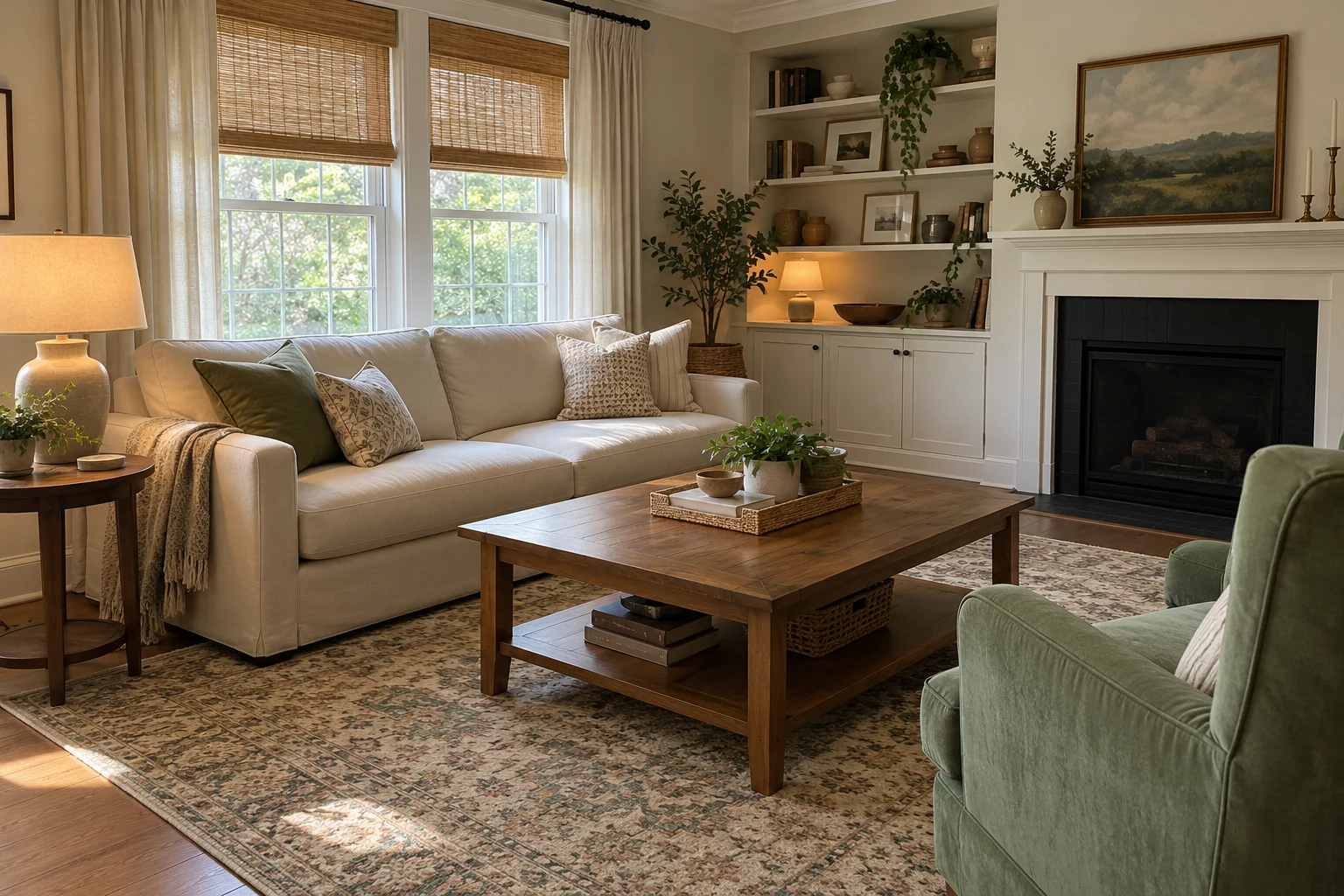
Look at the larger shapes first, then the materials and smaller details. A room’s sofa, tables, and storage usually establish its direction. Accessories help reinforce it.
As you read, notice which descriptions sound like the home you want to live in, including the ordinary evenings when the laundry basket is still out.
1. Modern: Clean Lines With Room to Breathe
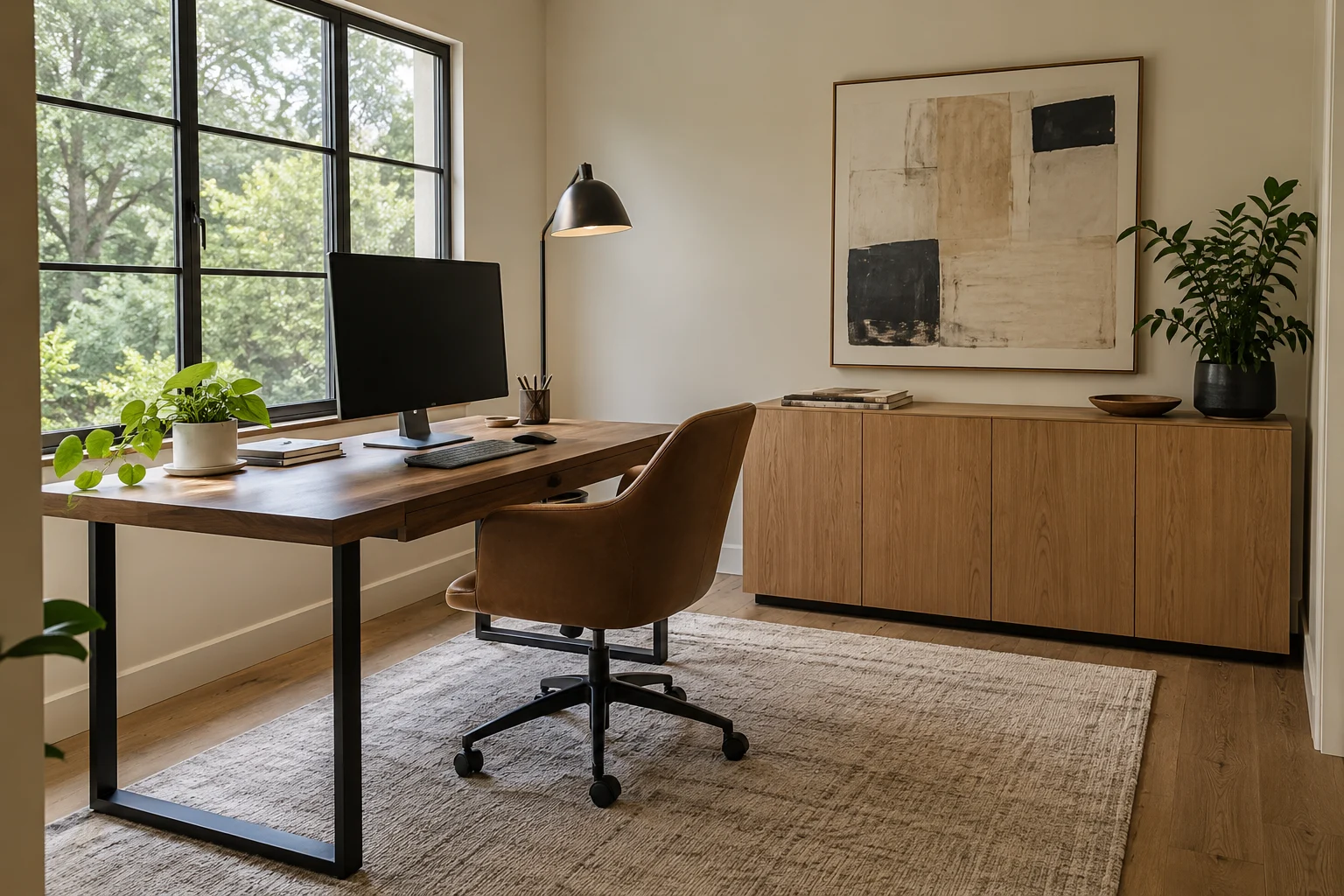
Modern interiors emphasize useful furniture, simple forms, and relatively little ornament. The style has roots in twentieth-century modernism, with wood, glass, metal, and strong shapes playing important roles.
Furniture often looks visually light because its structure is easy to see.
For a modern living room, pair a straightforward sofa with a simple coffee table and closed storage. A large piece of art can provide the main decorative statement. Giving each piece enough space helps the arrangement feel settled.
A home office can follow the same approach. Keep the desk surface usable, organize the cables, and choose a chair whose color connects with the rest of the room.
Brown upholstery alongside wood furniture can make a working corner feel more integrated with your living space.
A piece to bring it home: The YFO Brown Home Office Desk Chair provides adjustable seating in a warm brown finish. Pair it with a simple desk and a restrained lamp to keep the workspace visually connected.
2. Contemporary: A Fresh Look That Keeps Evolving
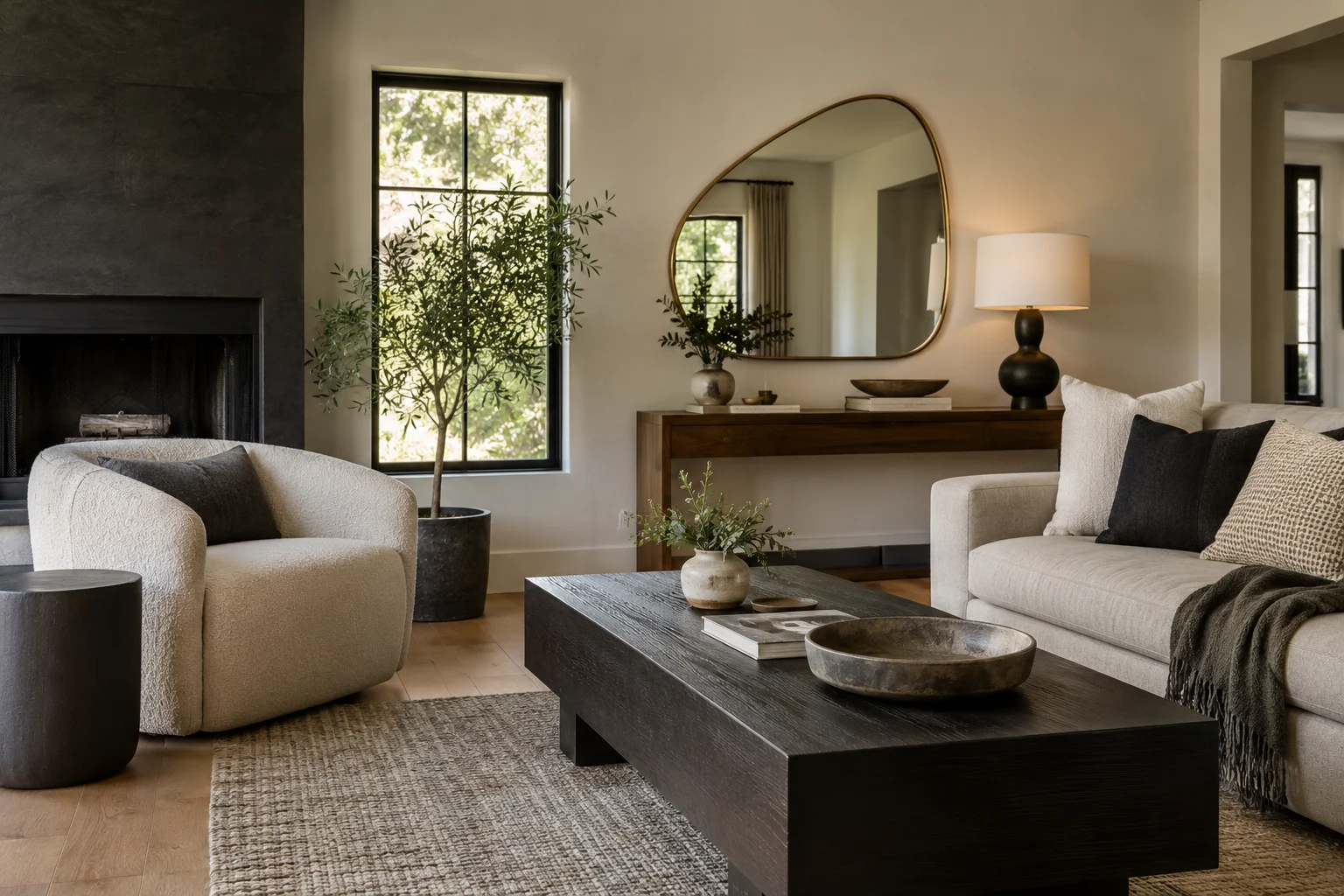
Contemporary design reflects the present, so its defining features evolve. In a contemporary room, you might see sculptural lighting, rounded upholstery, substantial tables, and an edited mix of materials.
The arrangement usually feels deliberate, with a few pieces attracting most of the attention.
The easiest way to bring this look home is to choose one expressive shape and give it room.
A curved chair can sit beside a rectangular sofa. An irregular mirror can soften a console with straight edges. Repeating every unusual shape would dilute the effect.
If your room already has basic furniture, a distinctive accessory can do plenty. Keep the surrounding objects simple enough that the new piece feels intentional. That also makes future updates easier.
A piece to bring it home: The PERFNIQUE Irregular Asymmetrical Wall Mirror adds a flowing outline and gold finish. Its 32-by-24-inch shape works as a decorative focal point above a console or dresser.
3. Midcentury Modern: Warm Wood and a Little Retro Character
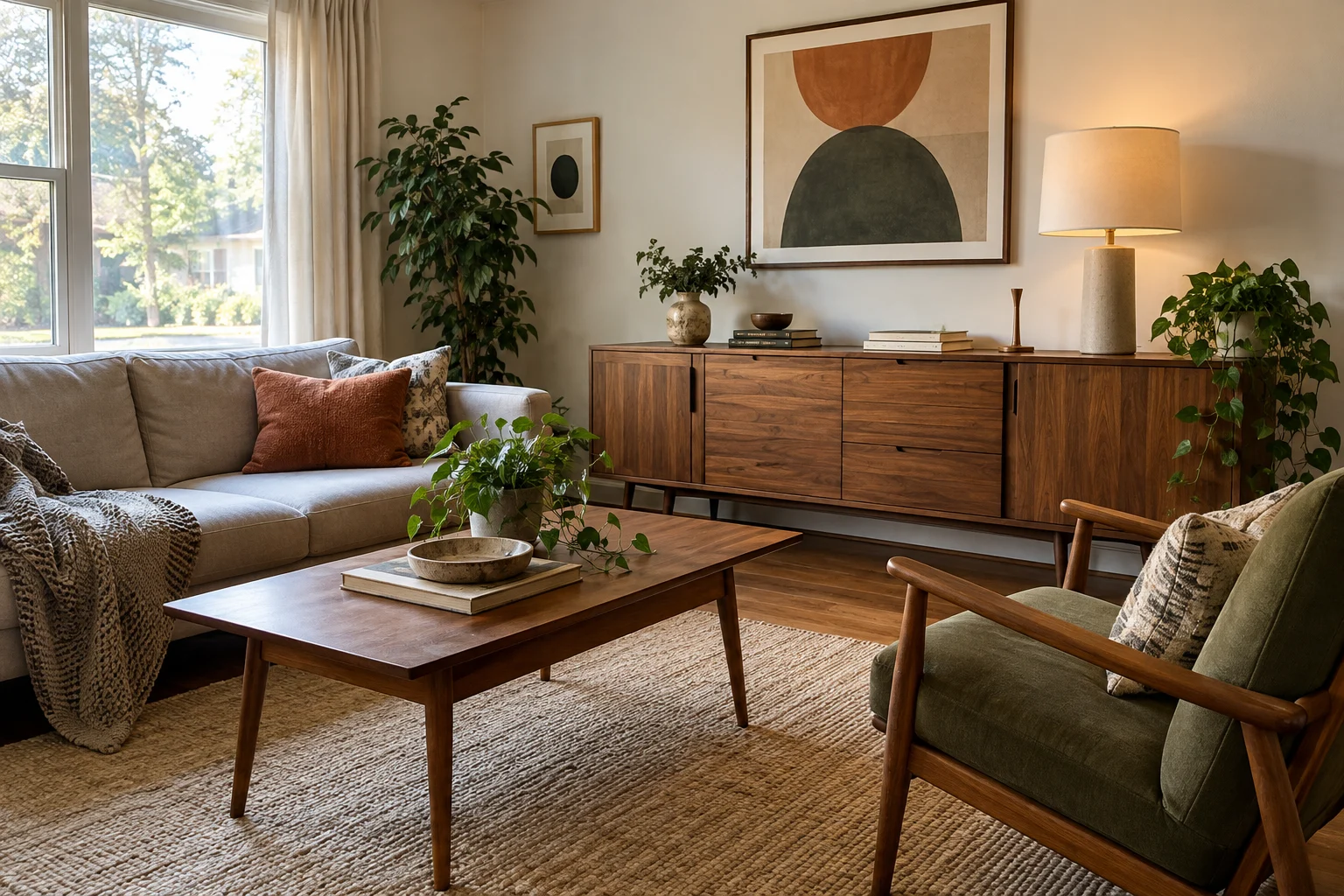
Midcentury modern combines functional furniture with warm woods, expressive shapes, and selective color. Tapered legs, rounded edges, and relatively low furniture are familiar clues. Olive, mustard, rust, and muted blue can sit comfortably alongside wood tones.
The furniture usually does much of the decorating. A distinctive sideboard or chair can establish the direction, leaving the walls and surrounding accessories fairly quiet. A room full of equally attention-grabbing pieces becomes harder to read.
Try a wood cabinet, a simple upholstered sofa, and a lamp with a clear geometric silhouette.
Add one color through a cushion or artwork, then repeat it elsewhere in a smaller amount. That little repetition helps the room feel connected.
A piece to bring it home: The BOBOMOMO Warm Beige Table Lamp Set offers simple bases and linen shades that can support this arrangement. The bases are resin with a stone-look finish, making them a contemporary accessory for a room led by midcentury furniture.
4. Minimalist: Fewer Pieces, Better Everyday Function
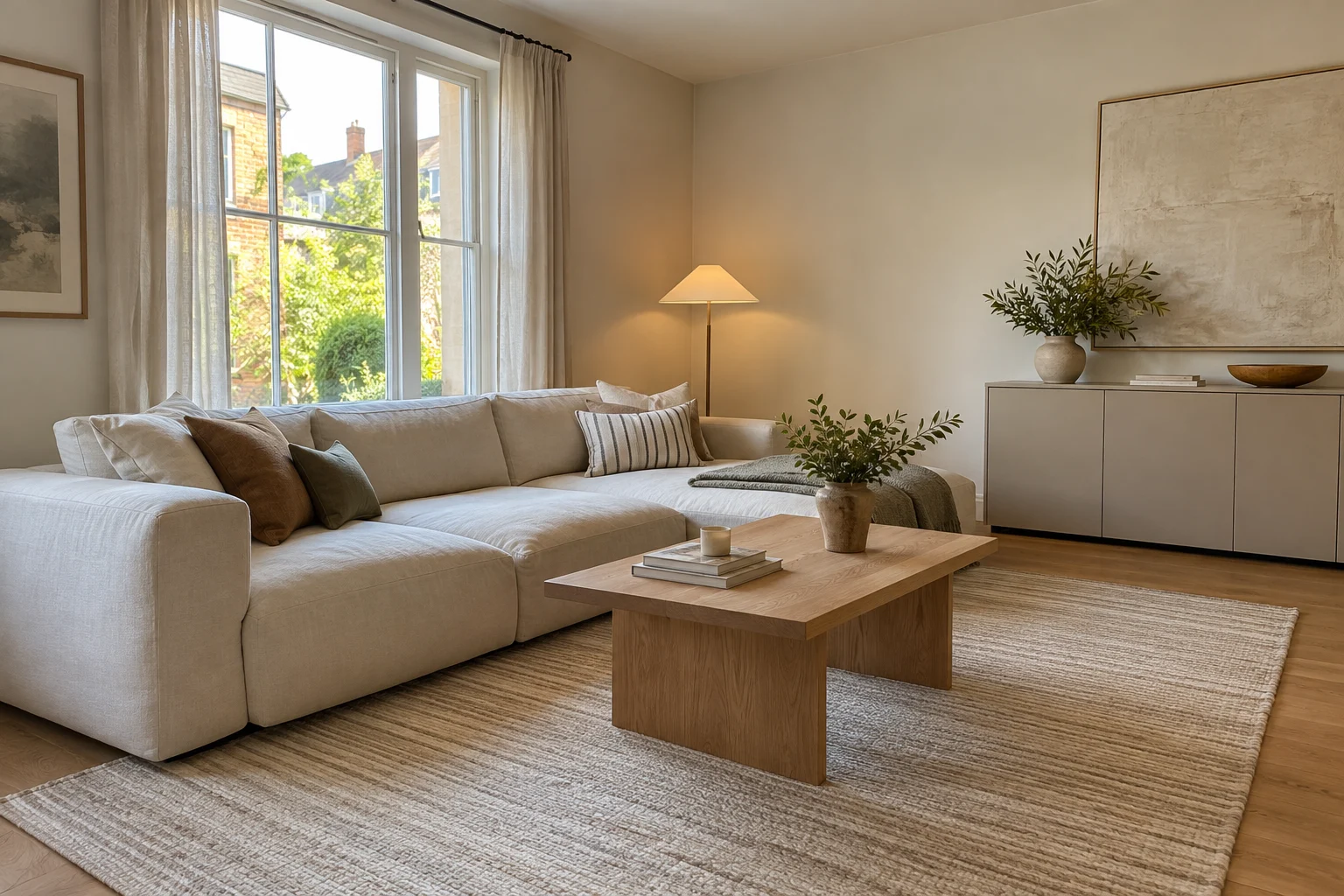
Minimalist design reduces visual clutter and gives useful pieces more space. Simple furniture, a limited material palette, and thoughtful storage are central to the look. Texture and lighting provide interest when decorative objects are kept to a minimum.
The practical question is where your everyday belongings will live. If chargers, paperwork, and remote controls keep collecting on the coffee table, the room needs a storage solution.
A closed cabinet can improve the appearance more effectively than another decorative purchase.
Keep the largest surfaces calm, then introduce subtle variation. A textured rug can soften a plain sofa and floor without creating a strong competing pattern. You still get depth, while the overall room remains quiet.
A piece to bring it home: The Abani Beige Textured Stripe Area Rug brings understated texture beneath a seating area. Its neutral stripe design works with simple furniture and a restrained palette.
5. Scandinavian: Bright Rooms With Plenty of Softness
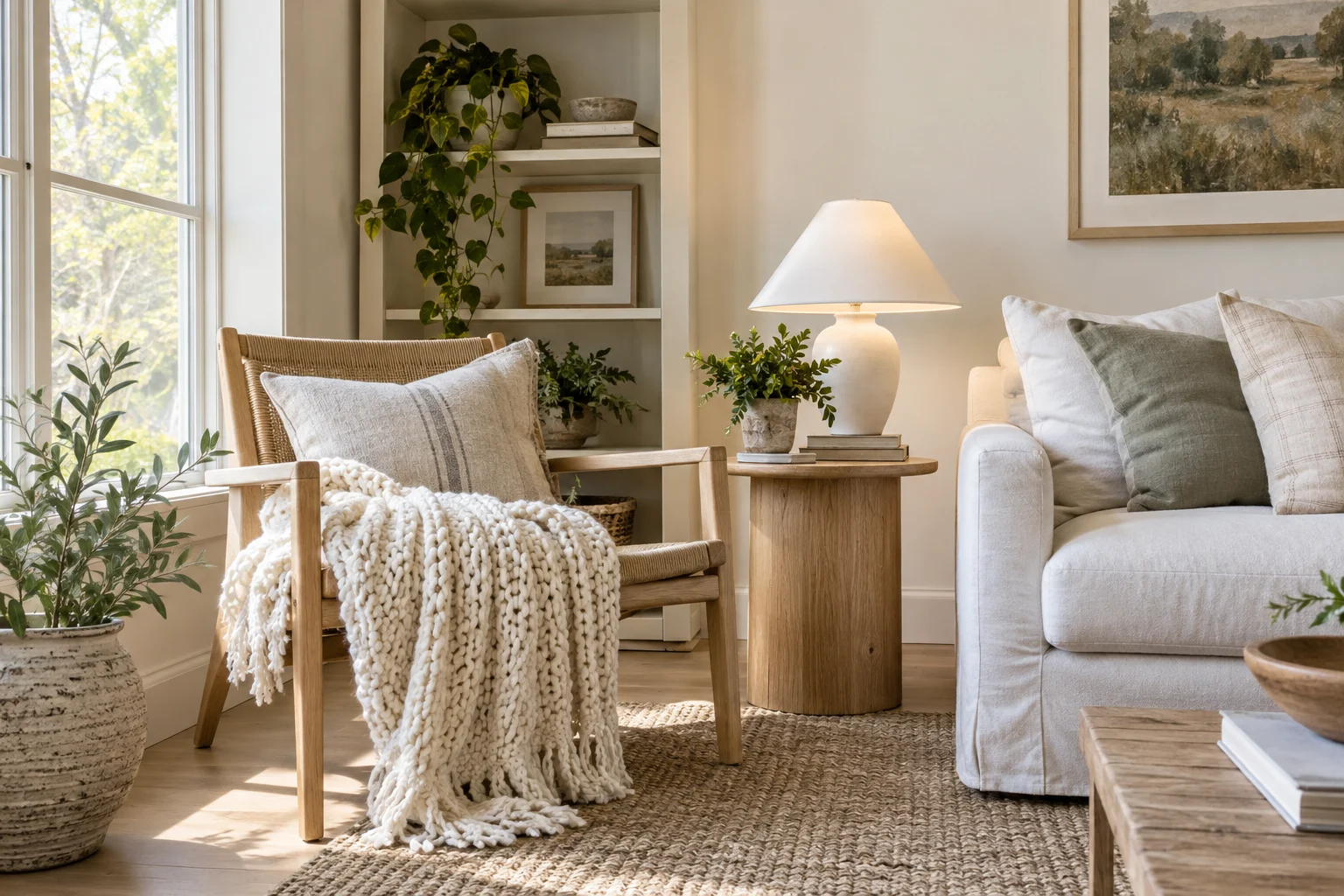
Scandinavian interiors combine practical furniture, light, and comfortable textures. Pale woods, straightforward shapes, and useful everyday objects often appear together. Color can be part of the room, especially when the overall arrangement remains clear and relaxed.
Think about a chair you’ll actually sit in, a lamp beside it, and somewhere to put your cup. Scandinavian rooms tend to feel inviting because the furniture supports ordinary routines. Comfort has a visible place in the design.
If your room looks a little bare, add texture before filling every surface. A knitted throw, woven rug, and fabric lampshade can soften the space while preserving its openness.
Our guide to layering curtains, rugs, and upholstery explains how those different textures work together.
A piece to bring it home: The Admitrack Ivory Chunky Knit Throw adds a large-scale knitted texture to a sofa or reading chair. It is made from chenille yarn, with an ivory color that suits pale wood and soft neutral upholstery.
6. Japandi: Quiet Spaces With Beautiful Everyday Pieces
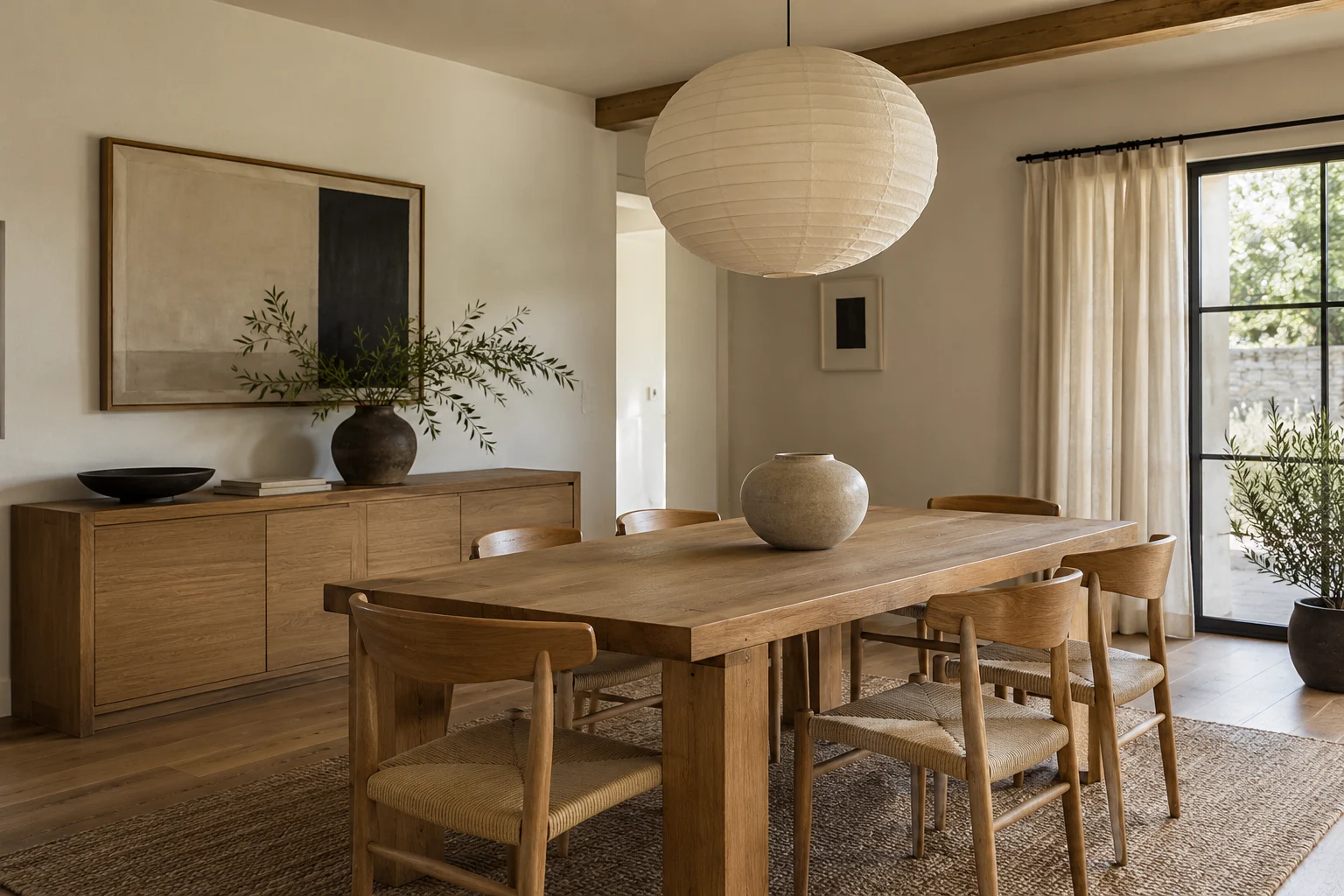
Japandi brings together Japanese and Scandinavian design influences through simplicity, craftsmanship, and natural-looking materials. Low furniture, clear surfaces, subtle texture, and carefully placed objects help define the look.
Spacing matters as much as the individual pieces. A ceramic vessel becomes easier to appreciate when it has some room around it. A low table feels more deliberate when the surrounding furniture shares a calm, horizontal arrangement.
Use a small selection of materials, such as wood, woven fabric, and ceramics. A little contrast can help: pale upholstery beside darker wood, or a charcoal cushion against an off-white chair.
The result feels more complete than a room where everything is nearly the same beige.
A piece to bring it home: The Fivemengo 20-Inch Off-White Linen Pendant Light brings a rounded lantern shape and softly filtered light. Its linen shade pairs naturally with wood furniture and a restrained palette.
7. Organic Modern: Simple Shapes, Rich Natural Texture
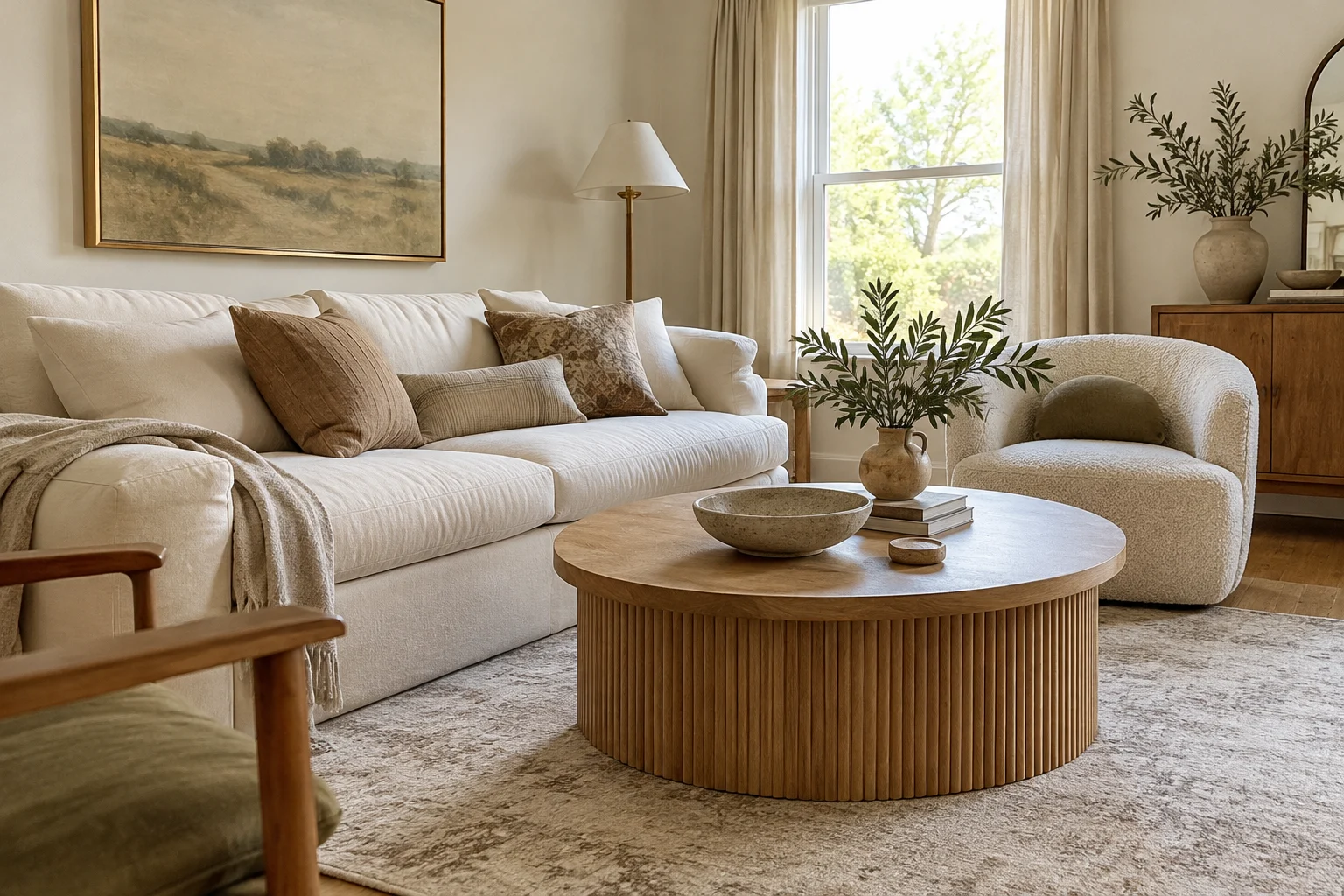
Organic modern combines streamlined furniture with earthy colors, tactile surfaces, and softer shapes. Wood grain, textured upholstery, ceramics, and stone-like finishes create interest without requiring a busy pattern mix.
This is a useful direction when you like simple rooms but want them to feel warmer.
Pair a clean-lined sofa with a rounded coffee table, then add a textured cushion or ceramic lamp. Each material should be distinct enough to register.
Keep some contrast between the floor, furniture, and upholstery. A pale rug beneath a slightly darker table helps its shape stand out. For combinations beyond beige, explore our earth tone interior color palettes.
A piece to bring it home: The FGXJY Round Coffee Table With Storage combines a rounded profile, fluted detailing, and concealed storage. Its construction uses wood veneer over MDF, with a natural finish that supports an earthy room.
8. Traditional: Familiar Shapes That Feel Settled In
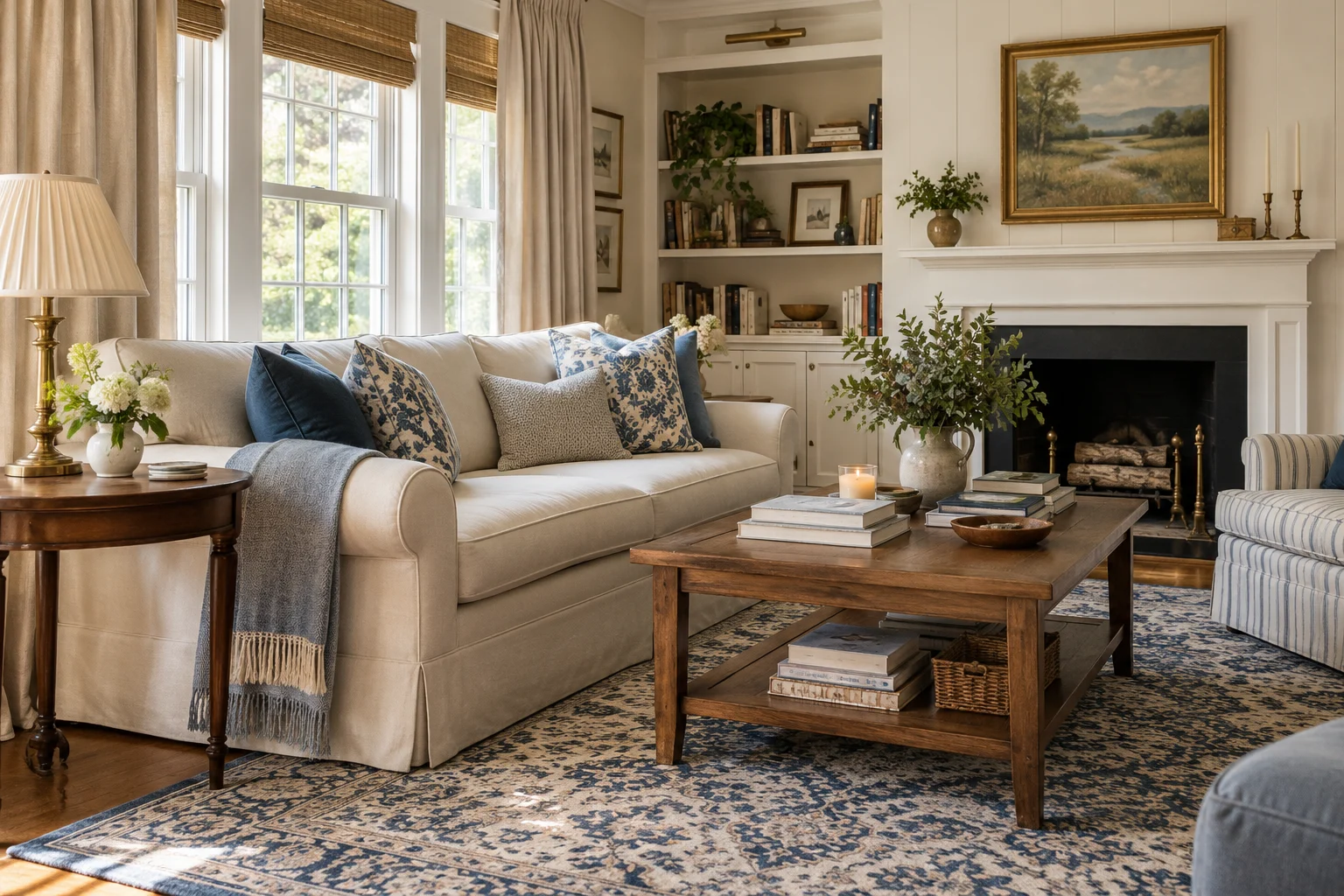
Traditional design favors classic furniture shapes, balanced arrangements, and layered fabrics. Rich wood, patterned rugs, shaded lamps, and upholstered seating often appear together. The overall effect is comfortable and familiar.
Symmetry is a helpful tool here. Two lamps on a console or a pair of chairs facing a sofa can make a room feel organized.
Every object does not need a matching partner; use balance where it helps the furniture arrangement.
If you have an inherited cabinet or dining table, give it a useful role.
Pull a color from its wood tone into a picture frame or lamp, then connect it to the softer furnishings with a rug. Personal pieces feel more at home when the room acknowledges them.
A piece to bring it home: The EppieBasic Cordless Table Lamp With Pleated Shade combines a vintage gold finish with a familiar shaded silhouette. Its rechargeable design makes it useful on a console or side table where a trailing cord would interrupt the arrangement.
9. Transitional: When Old and New Work Together
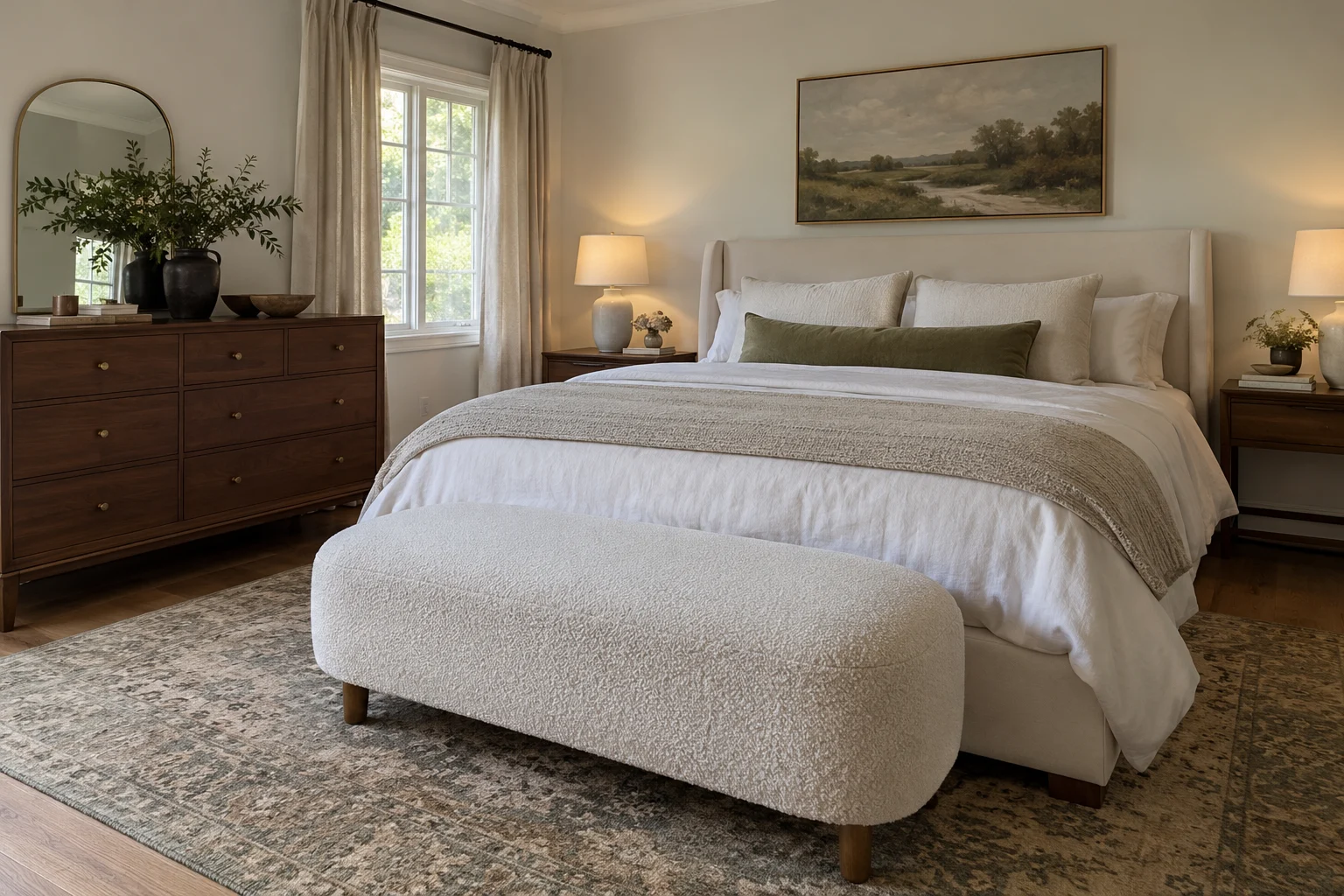
Transitional style blends traditional comfort with simpler, more contemporary furniture forms. It works especially well when you like classic pieces but prefer a quieter palette and fewer decorative details.
This is also a practical answer when two people have different tastes. One person’s traditional dresser can sit alongside the other’s streamlined bed. Repeating a wood tone, fabric color, or metal finish gives the pieces a shared connection.
Use texture to make the combination feel intentional. Smooth wood, a softly upholstered seat, and a muted rug can bring variety without introducing several competing patterns. The room should feel comfortable enough to settle into.
A piece to bring it home: The INK+IVY Bailey Bouclé-Style Curved Storage Bench adds soft upholstery, a curved front, and hidden storage. Place it against a wall or at the foot of a bed to introduce a fresher shape alongside classic furniture.
10. Modern Classic: Decorative Detail With a Lighter Touch
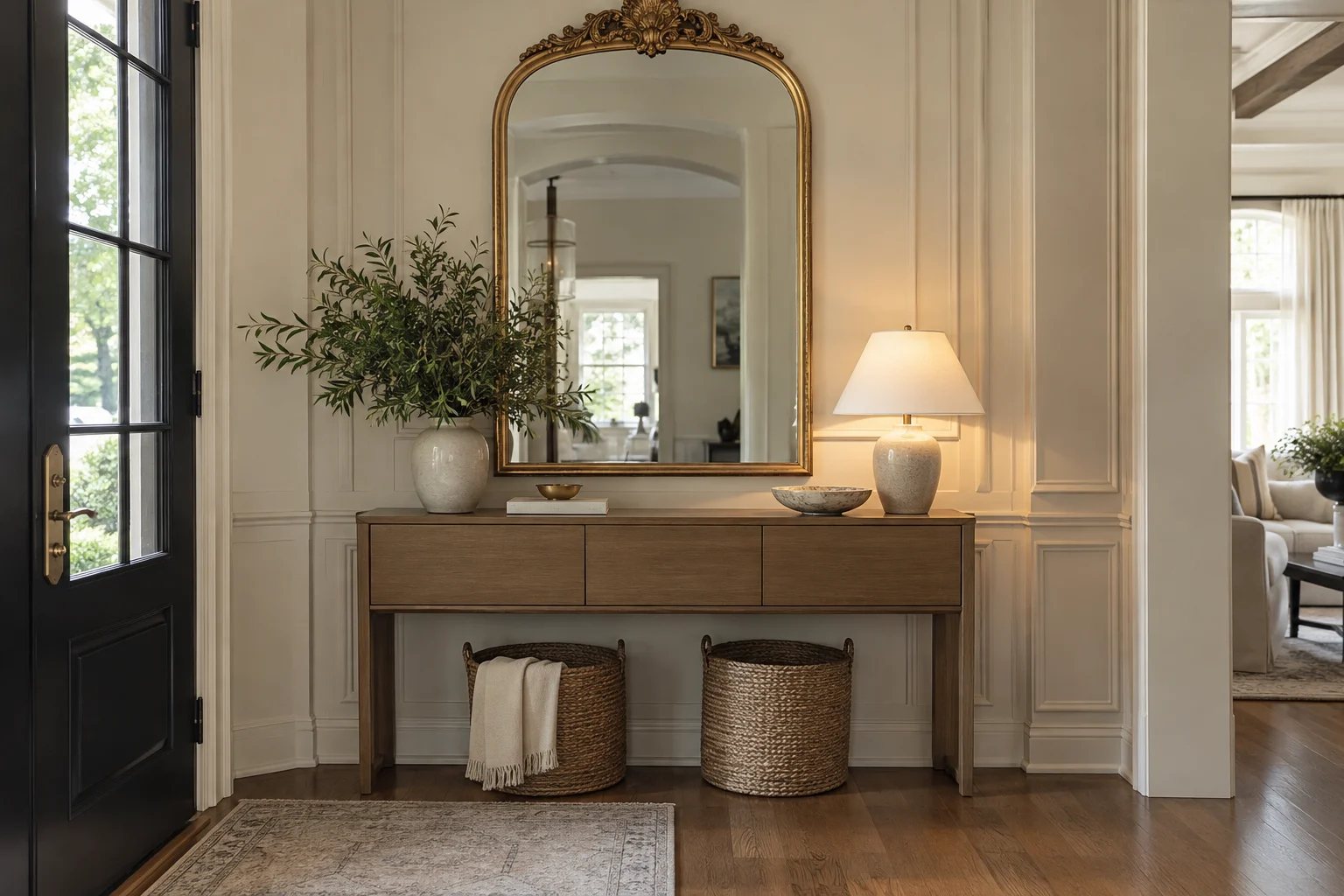
Modern classic interiors combine classical details with comparatively restrained furniture and colors. Wall molding, balanced layouts, and decorative mirrors can share space with clean-lined seating and simple tables.
You can achieve the effect without adding architectural detailing everywhere. One ornate piece above a plain surface creates a clear relationship between decorative and simple forms. Keep the surrounding objects limited so that relationship remains visible.
A soft palette also helps. Ivory, taupe, muted green, and deep brown give the furniture enough variation while allowing decorative details to stand out. A metal finish repeated in a lamp or picture frame can connect the room.
A piece to bring it home: The PERFNIQUE Gold Arched Baroque Mirror introduces scrollwork and a classic arch above a streamlined console or dresser. Its 30-by-19-inch size makes it a manageable decorative feature.
11. Farmhouse: Practical Pieces and Everyday Warmth
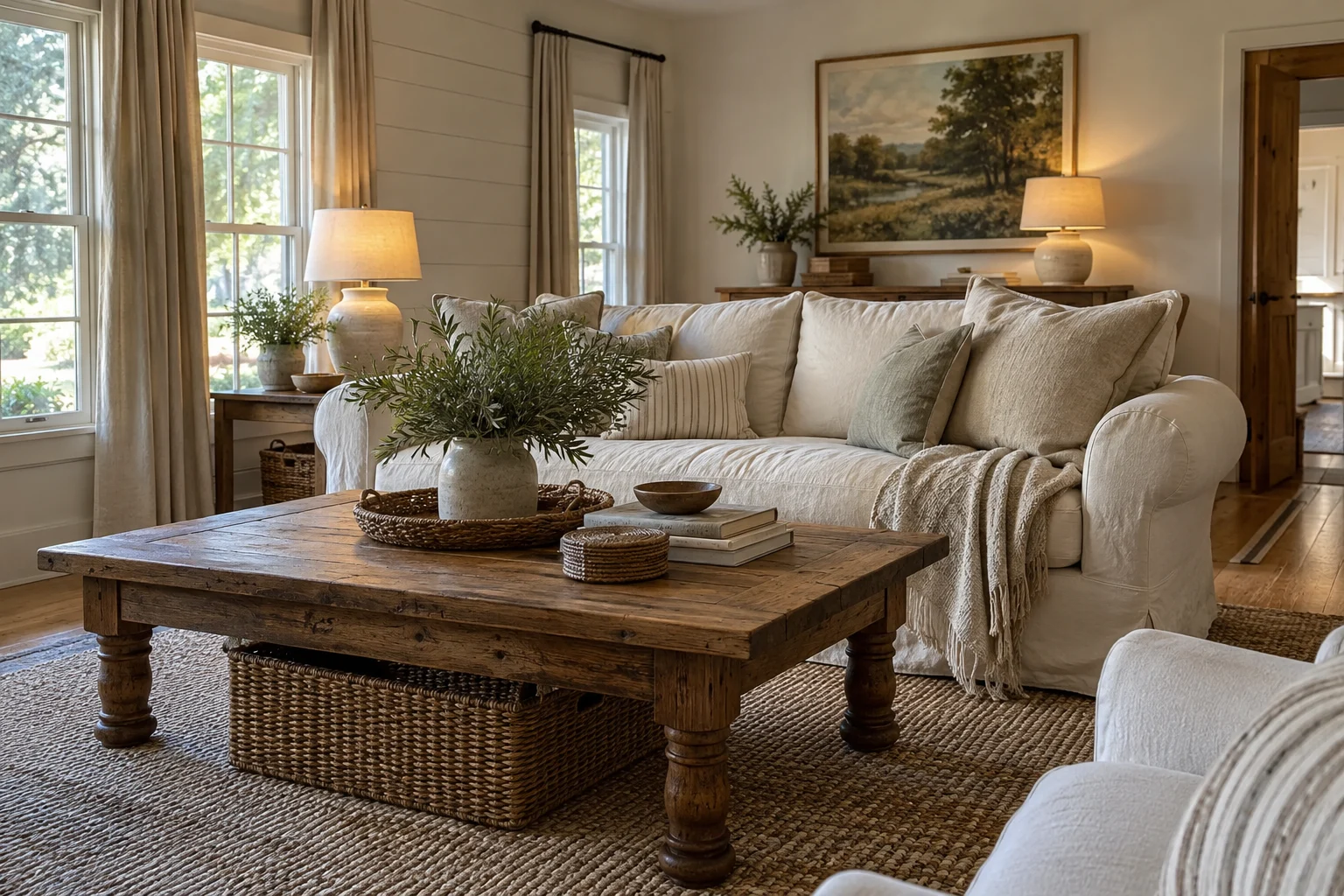
Farmhouse style centers on useful furniture, welcoming layouts, and materials with an approachable feel. Wood tables, simple cabinetry, woven fabrics, and gently weathered finishes are common. Modern farmhouse versions often introduce cleaner silhouettes and stronger metal accents.
Think about the places where people naturally gather. A dining bench, generous sofa, or kitchen table can become the room’s main feature.
The furniture should make those routines easier, including the quick breakfast and the long conversation after dinner.
Keep decorative details connected to the room’s purpose. Cushions that make a bench more comfortable or baskets that hold blankets contribute to both the look and its usefulness. A few repeated colors will keep the mixture coherent.
A piece to bring it home: The MIULEE Natural Beige Euro Sham Pillow Covers offer a linen-blend texture and relaxed flange edges. The linked set contains two 24-by-24-inch covers; inserts are separate.
12. Rustic: Let the Materials Show Their Character
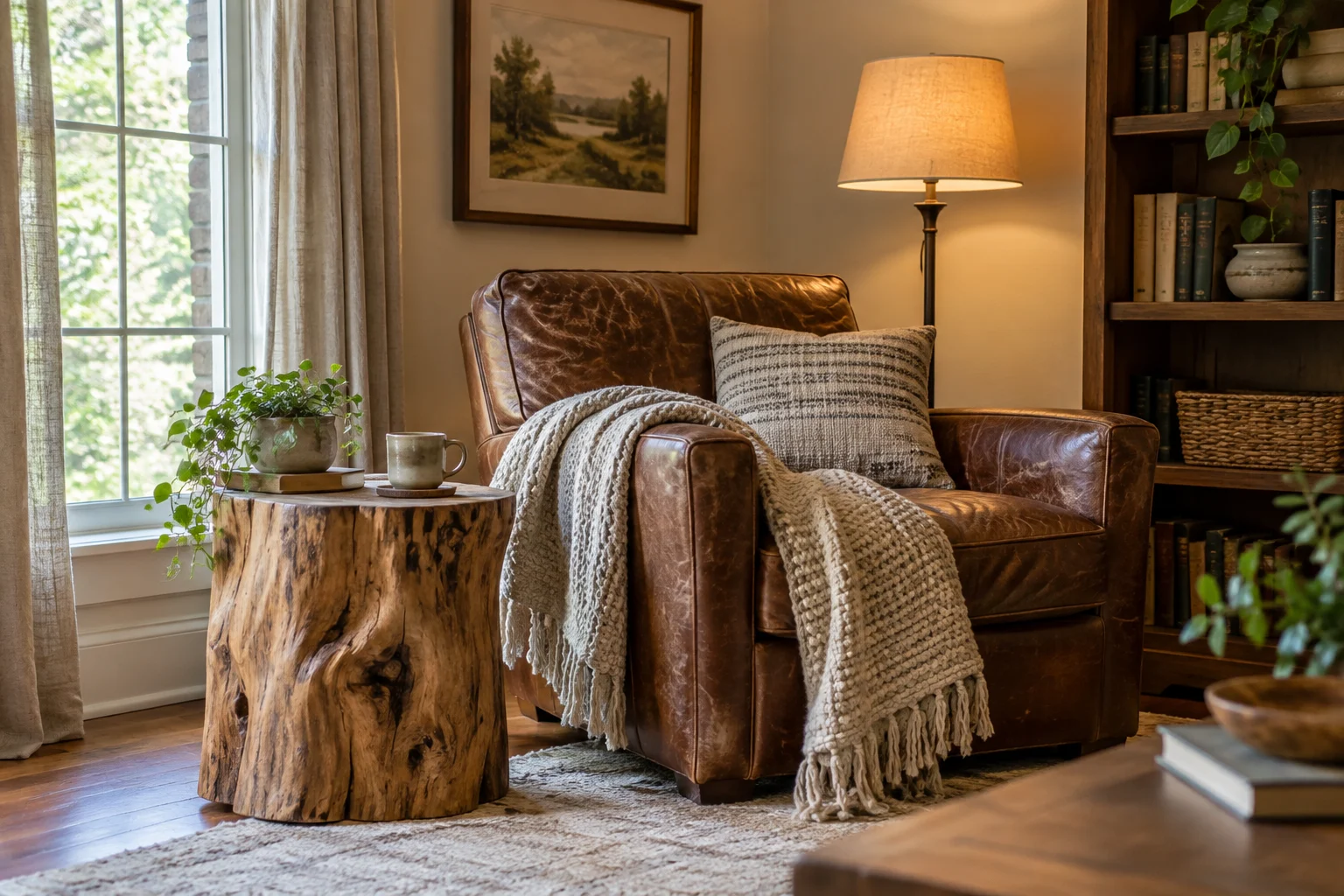
Rustic interiors emphasize visible grain, weathered surfaces, substantial furniture, and tactile fabrics. Wood and stone often lead the design, with leather, woven textiles, and aged metal supporting them.
The strongest material needs some breathing room. If a table has a pronounced grain or irregular outline, keep its surrounding accessories simple. A plain sofa and quiet rug help you appreciate the wood instead of competing with it.
Rustic rooms can feel comfortable and open, even with darker furniture. Use lighter upholstery or curtains to balance a substantial table, then add warm lighting beside the seating. The contrast gives the room depth.
A piece to bring it home: The WELLAND Natural Stump Accent Table brings an organic outline and visible wood character beside a chair or sofa. Its shape provides a natural focal point without needing much decoration on top.
13. French Country: Weathered Wood With a Graceful Side
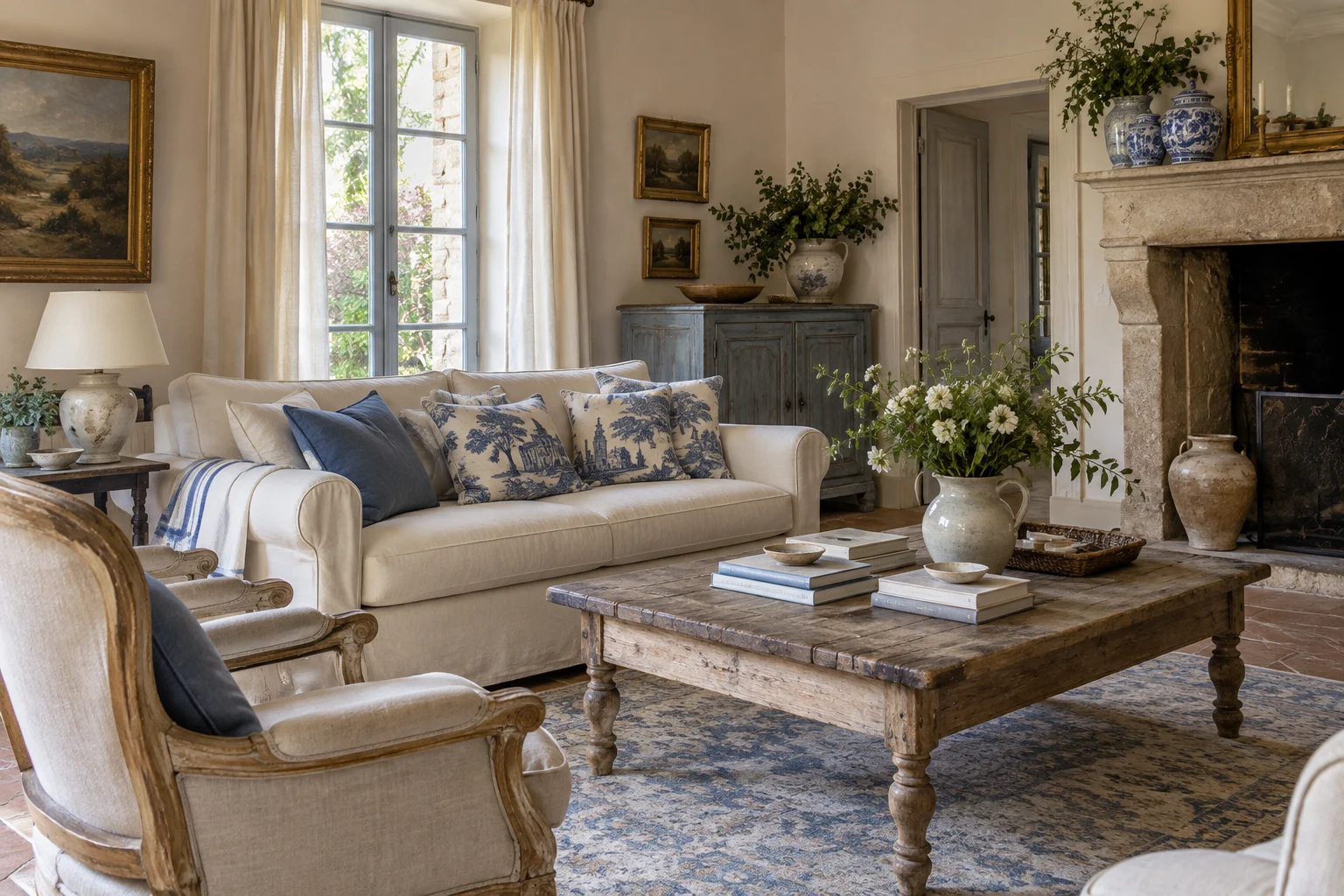
French country combines rustic materials with graceful furniture shapes and softly layered fabrics. Weathered wood, muted colors, curved chair backs, toile, and small floral patterns are familiar features.
A little pattern can establish the mood quickly. Place toile cushions on a plain upholstered sofa, or add a patterned fabric beside simple linen curtains. Keeping one pattern prominent makes the room feel easier to read.
The furniture does not need to match perfectly. Different wood pieces can work together when they share a similar softness of color or aged appearance.
Add ceramics and a shaded lamp to connect the practical furniture with the decorative details.
A piece to bring it home: The Tebjh Blue Toile French Country Pillow Covers introduce a classic scenic pattern. The set of two 18-by-18-inch covers works especially well against cream upholstery or a simple wood bench.
14. English Country: A Room That Feels Collected Over Time
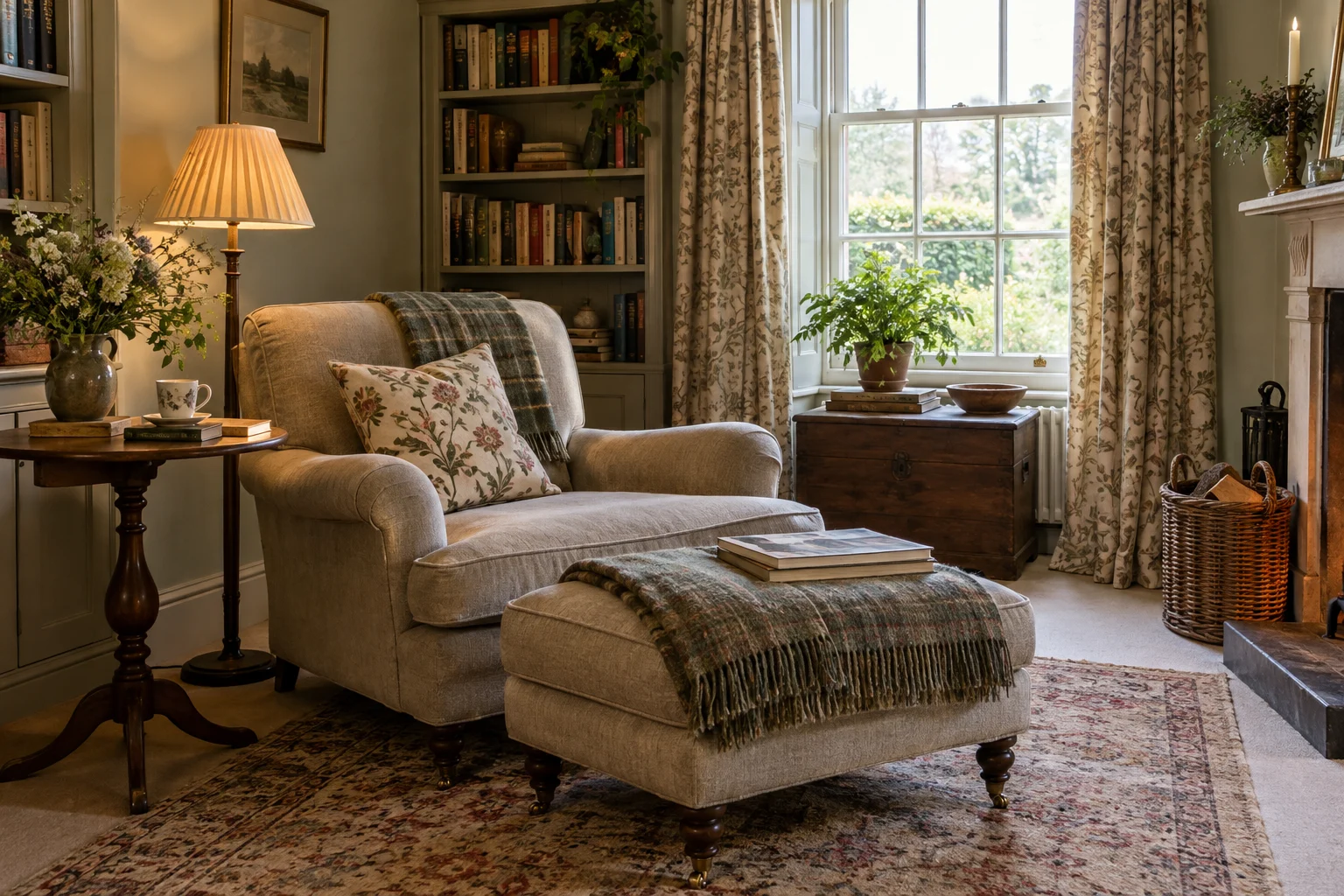
English country style layers familiar patterns, antiques, books, and comfortable upholstered furniture. Florals, checks, stripes, and collected objects can share the same room, giving it a lived-in quality.
A reading corner is an easy place to use the approach.
Put a lamp beside your favorite chair, add a small table, and bring in a fabric with a little character. The useful arrangement keeps the decorative layers grounded.
When mixing patterns, vary their scale and repeat a color. A small check can sit beside a larger botanical print when both include taupe or green.
For a bedroom version, our floral bed sheet guide offers another way to introduce that softness.
A piece to bring it home: The Lazzzy Taupe Vintage Floral Curtains bring a botanical print in a light-filtering linen-blend fabric. The muted color makes them easier to pair with patterned cushions or an existing rug.
15. Coastal: Light, Breezy, and Easy to Live With
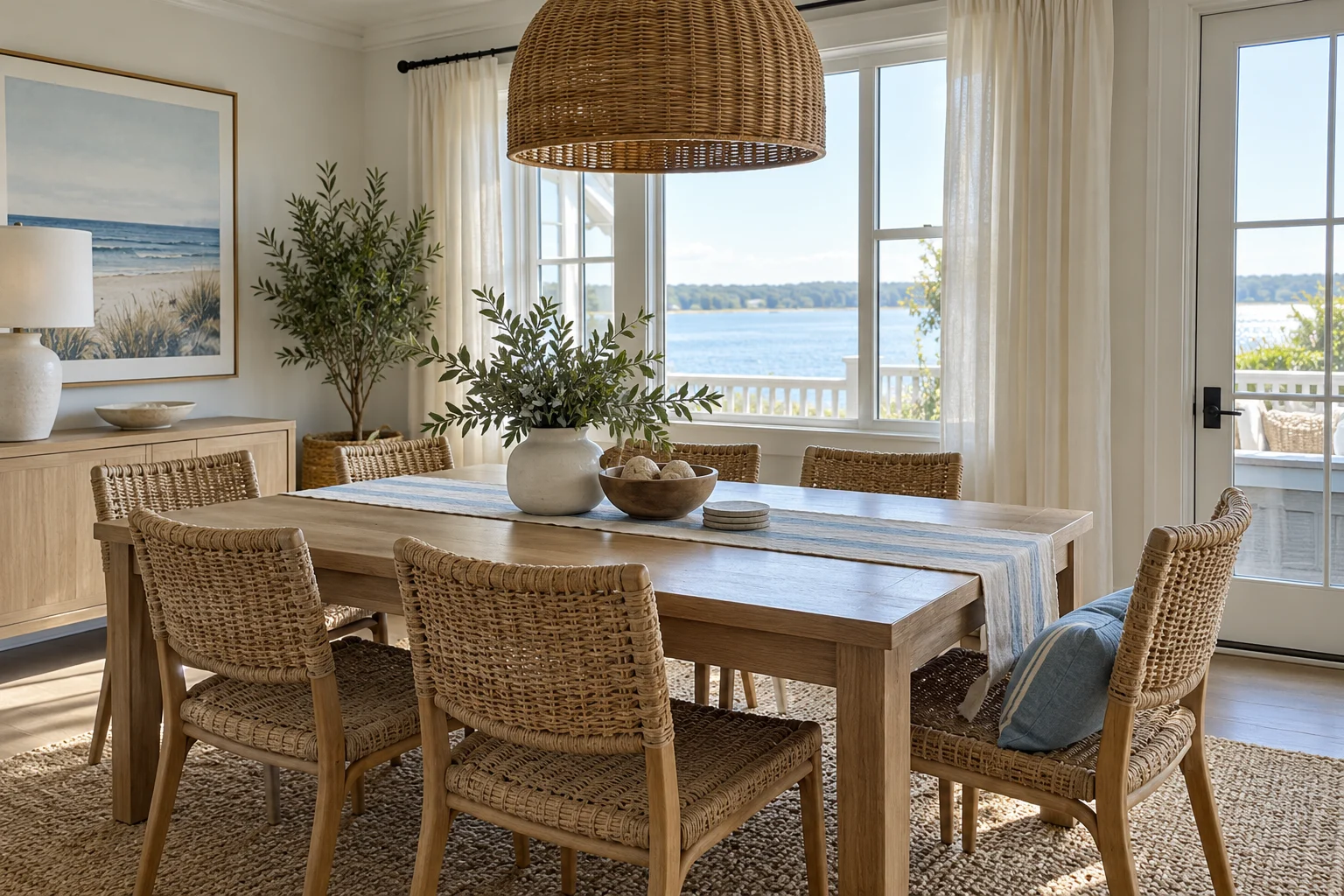
Coastal interiors draw on light, natural textures, comfortable furniture, and colors associated with the shore. White, sand, soft blue, and green are common choices, with rattan, woven fibers, and relaxed fabrics adding texture.
You can bring the mood into an ordinary living room through the larger surfaces.
Light curtains, comfortable upholstery, and a woven light fitting create an airy foundation. A few darker wood details keep the room from looking washed out.
Coastal also has room for different interpretations. A blue-and-white room can feel crisp, while a California coastal approach often leans toward warmer neutrals and relaxed materials. Choose the version that works with your existing floor and furniture.
A piece to bring it home: The InterMaka 24-Inch Rattan Chandelier adds woven texture above a dining table or seating area. Its broad tiered shape and gold-toned hardware suit a coastal room with simple furniture.
16. Mediterranean: Earthy Color and Sun-Warmed Texture
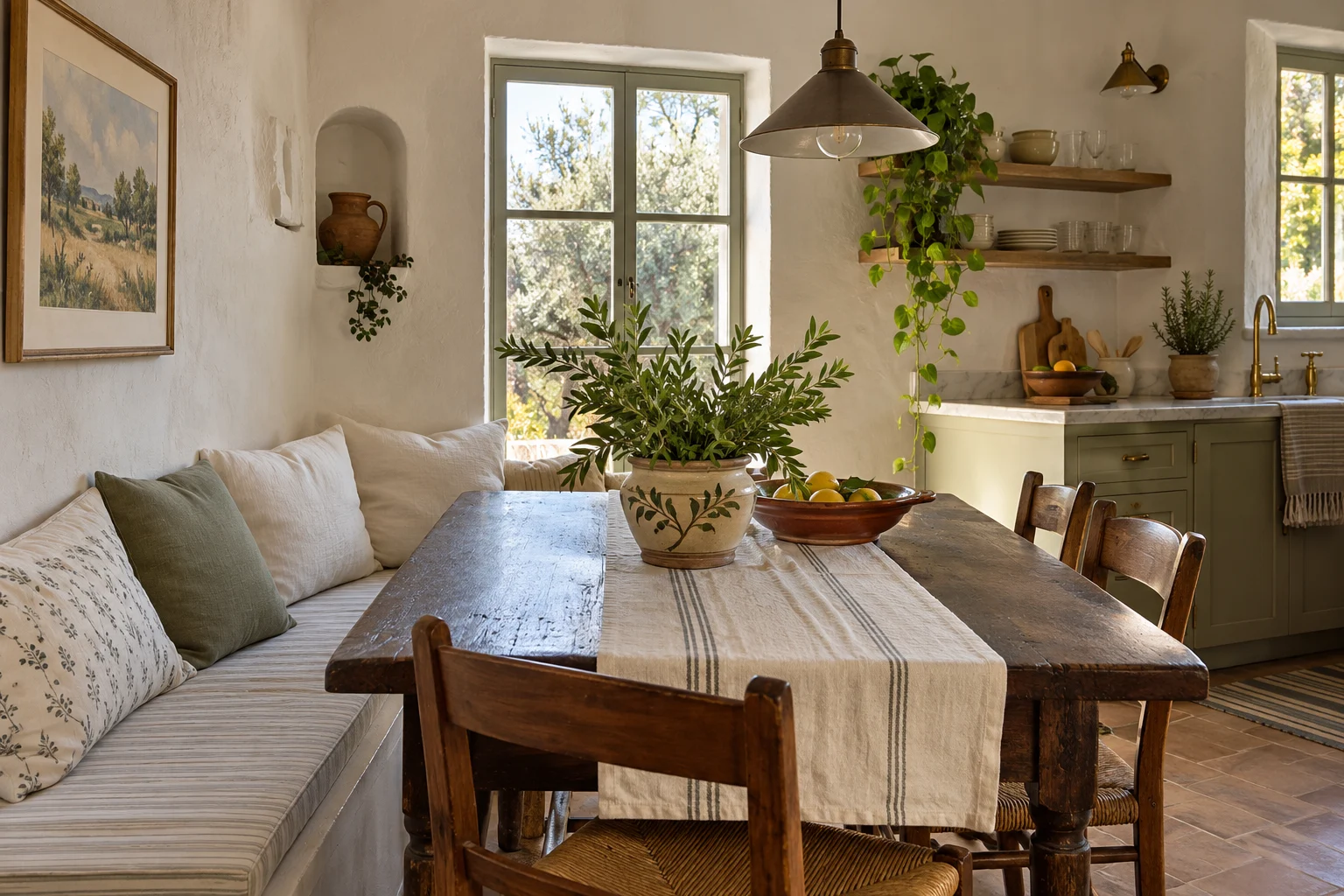
Mediterranean-inspired interiors often combine plaster-like surfaces, earthy colors, wood, ceramics, tile, and iron details. The region includes many traditions, so the look can range from pale and breezy to richly colored and substantial.
For an achievable version, focus on a few materials. A ceramic pot on a wood console, a textured rug, and warm-colored textiles can establish the direction.
You do not need to recreate the architecture of a villa to enjoy the palette.
Olive green, terracotta, cream, and muted blue work well in this setting. Repeat two or three of those colors through different objects, allowing the wood and ceramics to provide their own variation. That keeps the room feeling connected.
A piece to bring it home: The Xiaan Jiaju Olive Ceramic Planter adds decorative pottery and an olive-themed detail to a kitchen or living area. Pair it with simple surrounding objects so its pattern remains visible.
17. Bohemian: Layers With a Personal Story
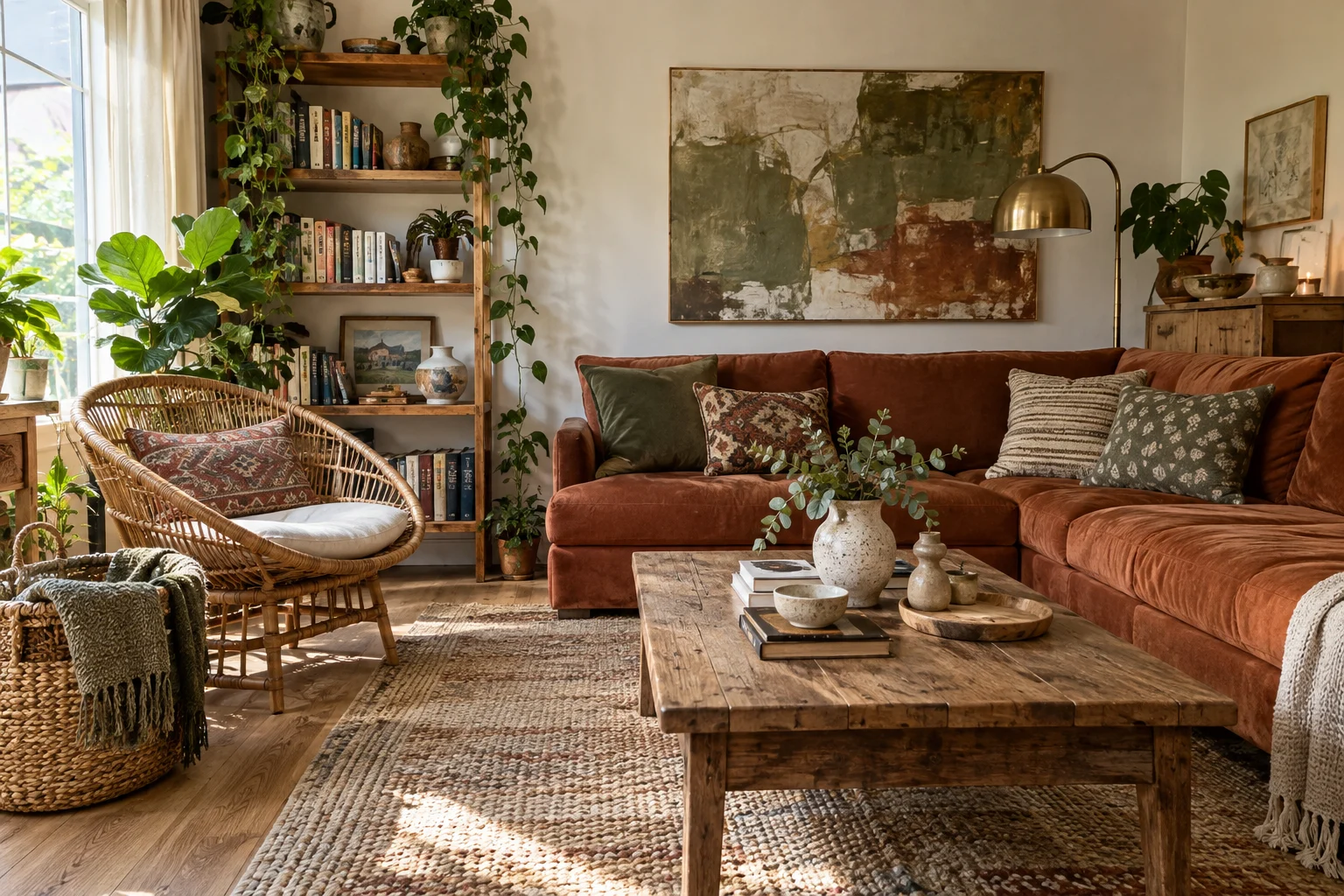
Bohemian interiors bring together relaxed textiles, collected objects, plants, and varied patterns. Rattan, woven fabrics, vintage furniture, and handmade pieces often contribute to the layered appearance.
The most convincing rooms develop around things their owners enjoy. Books, art, a favorite textile, or an unusual object can guide the decorating. Give those pieces useful or visible places instead of filling every available surface at once.
A repeated color helps the mixture hold together. If a patterned cushion contains rust, bring a similar tone into a pot or artwork. Leave some plain fabric between the patterns so each one has a chance to register.
A piece to bring it home: The PAPEROX Tranquil Faces Bookends add expressive sculptural forms to a shelf of favorite books. Their bronze-and-white painted resin finish works as one collected accent among wood, textiles, and ceramics.
18. Eclectic: Different Pieces With Something in Common
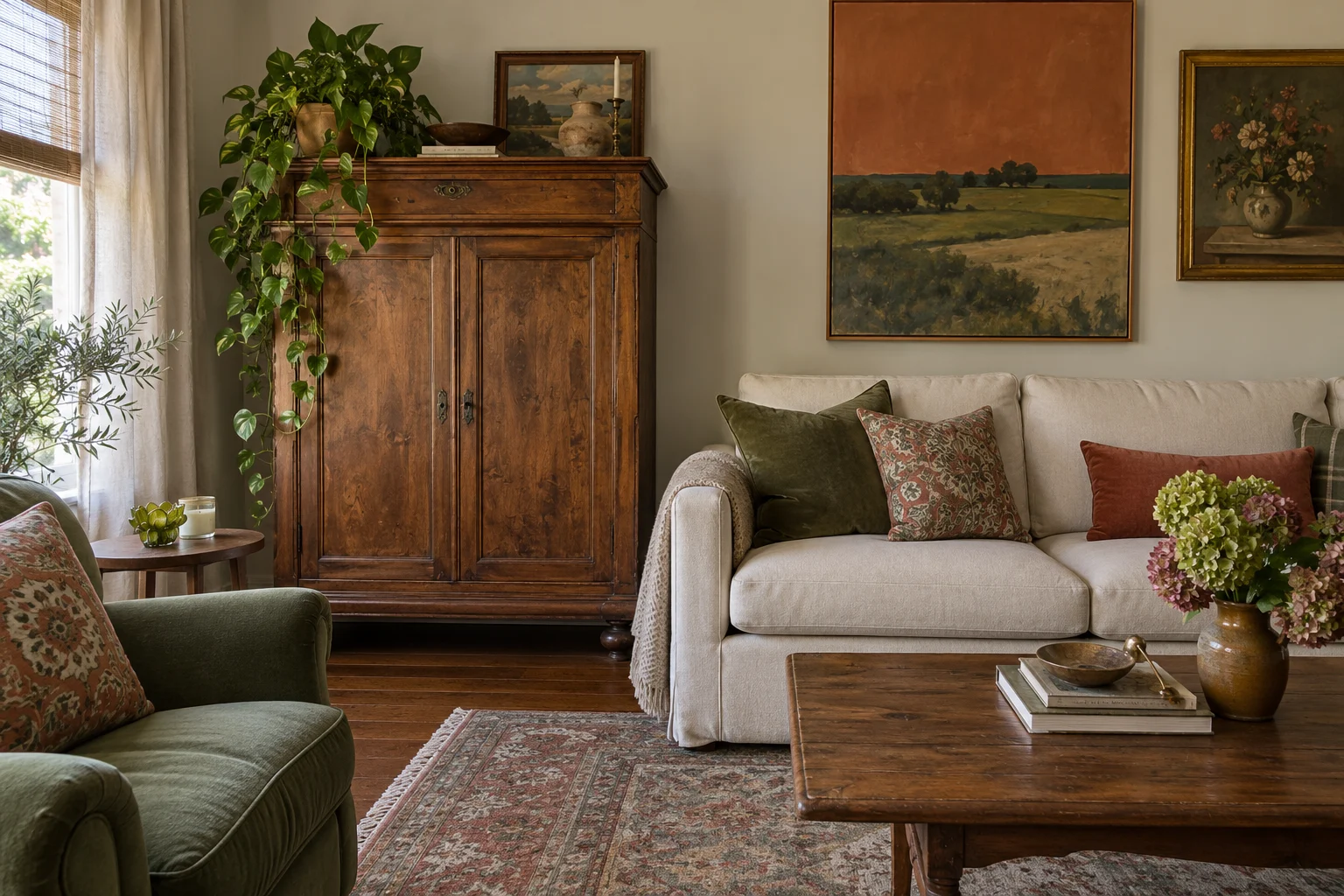
Eclectic design combines different periods, shapes, and decorative styles through deliberate connections. The pieces may look quite different individually, yet repeated colors, materials, or proportions help them belong together.
Suppose you love your grandmother’s cabinet and a very contemporary sofa. A rug containing colors from both pieces can connect them. A lamp with a finish that echoes the cabinet hardware provides another small link.
The trick is to make the combinations legible. Choose a few interesting contrasts, then leave enough quiet space around them. When every object is unusual, the eye has a harder time finding the pieces you care about most.
A piece to bring it home: The WYghyronic Green Flower Candle Warmer Lamp introduces a playful floral form to a side table. Its green color can connect with artwork or a cushion while its shape adds something unexpected.
19. Maximalist: More Color, More Pattern, More Personality
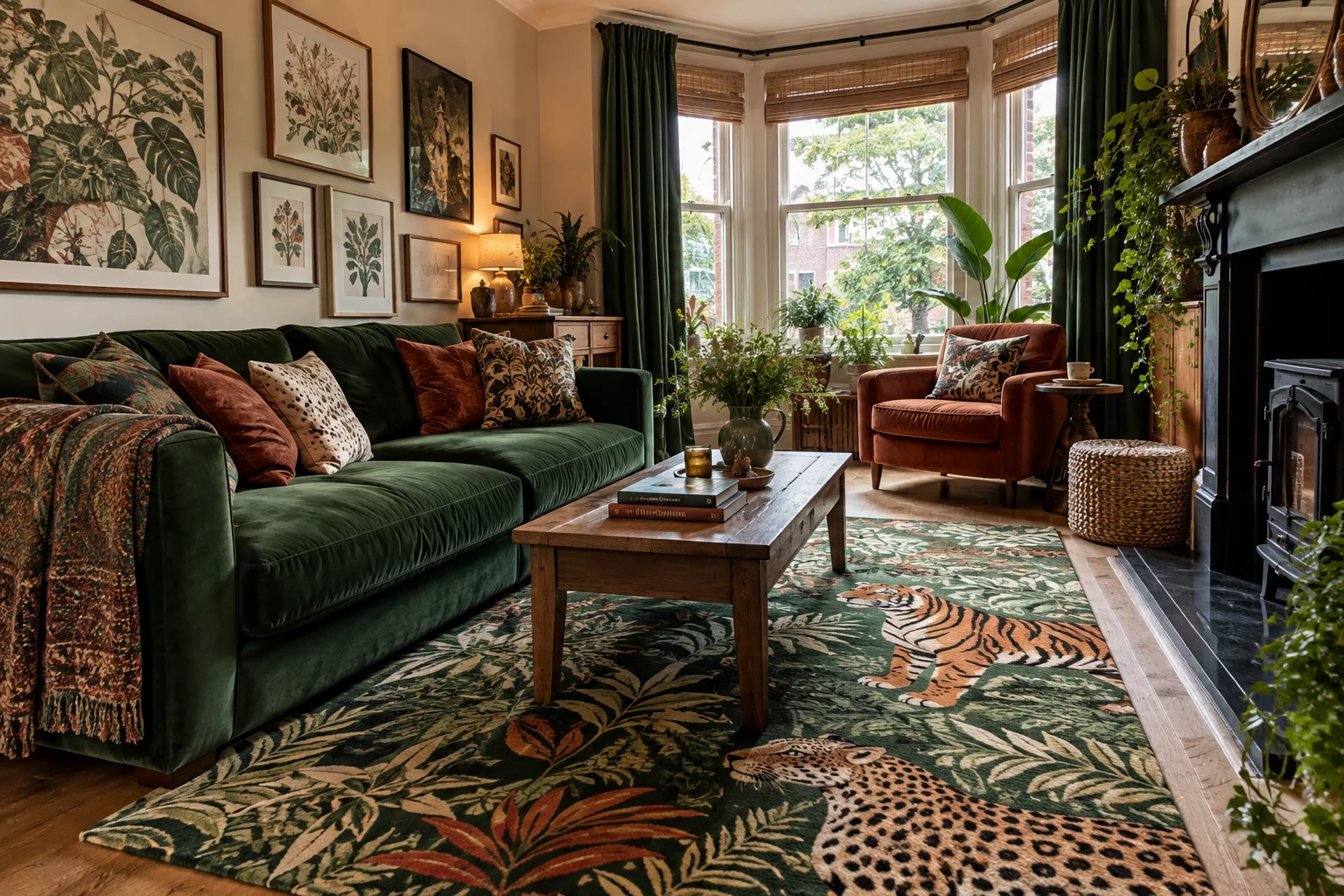
Maximalism celebrates abundant color, pattern, art, and personal objects. Its strength comes from how the layers connect. Repeated colors and clear furniture arrangements make the visual richness easier to enjoy.
Choose a patterned piece you love and borrow from its palette. A rug containing green, cream, and warm brown can guide cushions, artwork, and lampshades. The room gains variety while still having a recognizable thread.
Keep daily use in mind as the layers grow. You need somewhere to set a drink, a clear route through the furniture, and enough light to read. Those practical decisions make a decorated room comfortable to inhabit.
A piece to bring it home: The Joydeco Green Tiger and Cheetah Print Rug brings an expressive animal-and-foliage design to the floor. Use its colors to guide the rest of the room, especially if you are introducing several patterns.
20. Art Deco: Strong Geometry and a Little Glamour
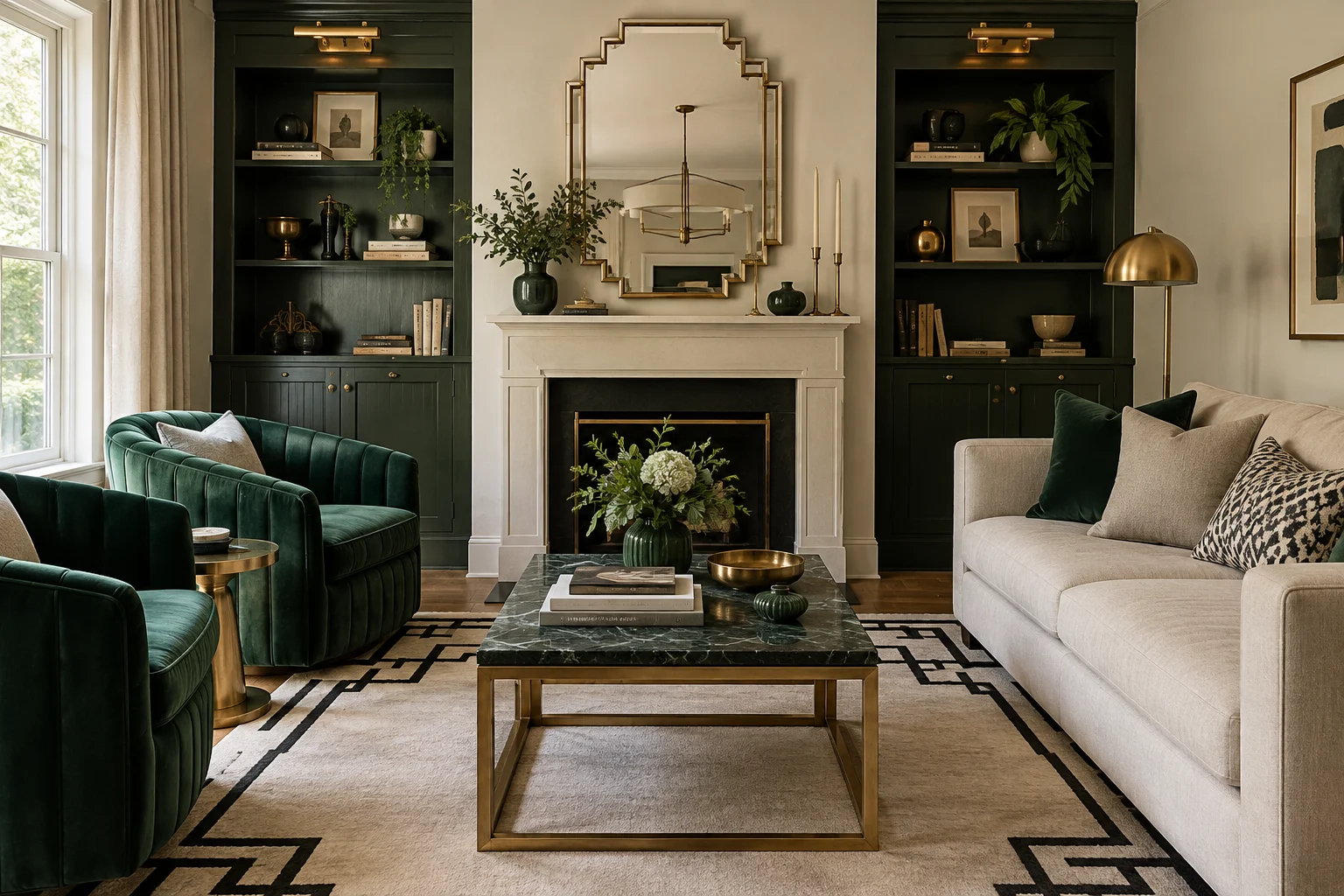
Art Deco combines bold geometry, symmetry, polished surfaces, and confident color. Stepped shapes, curved furniture, geometric patterns, and reflective details help establish the look.
Structure is important. Position the main furniture clearly, then repeat a shape or finish through the room. A geometric rug, paired lamps, or a balanced arrangement of artwork can provide that order.
Rich color works best when it has enough room to be seen. Deep green upholstery beside a simple gold-toned lamp, for example, creates a clear relationship. Add smaller decorative objects after the larger shapes feel settled.
A piece to bring it home: The KAIYUAN Green and Gold Snake Vase supplies a rich green surface and gold-toned ornament. Use it as a dramatic accent alongside the geometry and balanced arrangements that establish the room’s Art Deco direction. The vase is made from resin.
21. Hollywood Regency: A Room Ready for Company
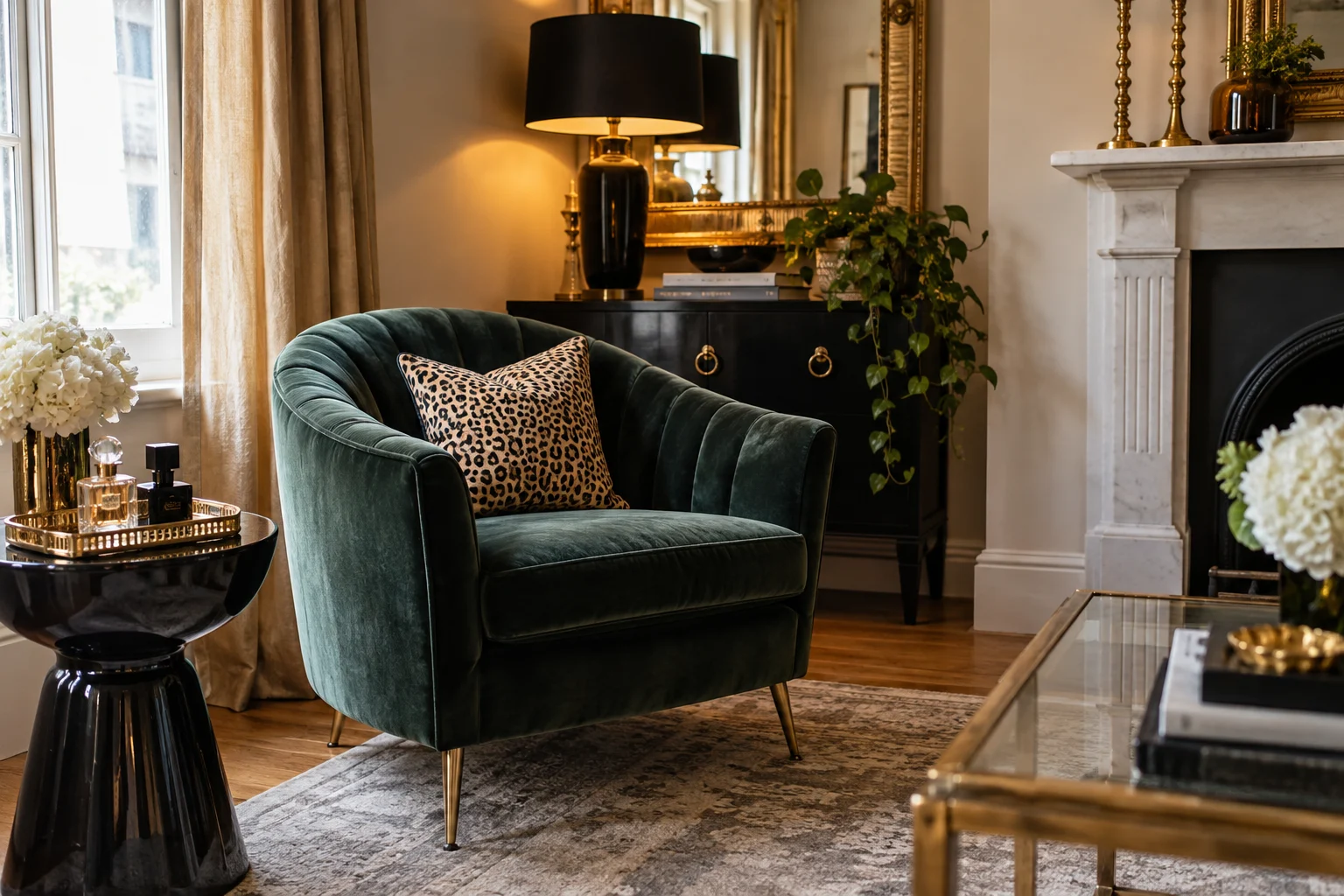
Hollywood Regency favors theatrical contrast, decorative lighting, plush fabrics, and glossy finishes. Mirrors, lacquered furniture, metallic details, and expressive accessories contribute to its dressed-up atmosphere.
You can use the style in a small area without changing the entire room.
A drinks table, vanity, or console provides enough space for a reflective surface and a few decorative pieces. Keep the arrangement intentional so the shine has a clear focal point.
Comfort remains part of the picture. Generous upholstery and a useful table beside the seating make the room welcoming. The decorative layers should support the feeling of a place where people want to gather.
A piece to bring it home: The WELAISA Vintage Gold Mirrored Tray groups perfume bottles, small accessories, or decorative objects on one reflective surface. Its gold-colored frame adds the polished detail this style enjoys.
22. Industrial: Raw Materials With Comfortable Edges
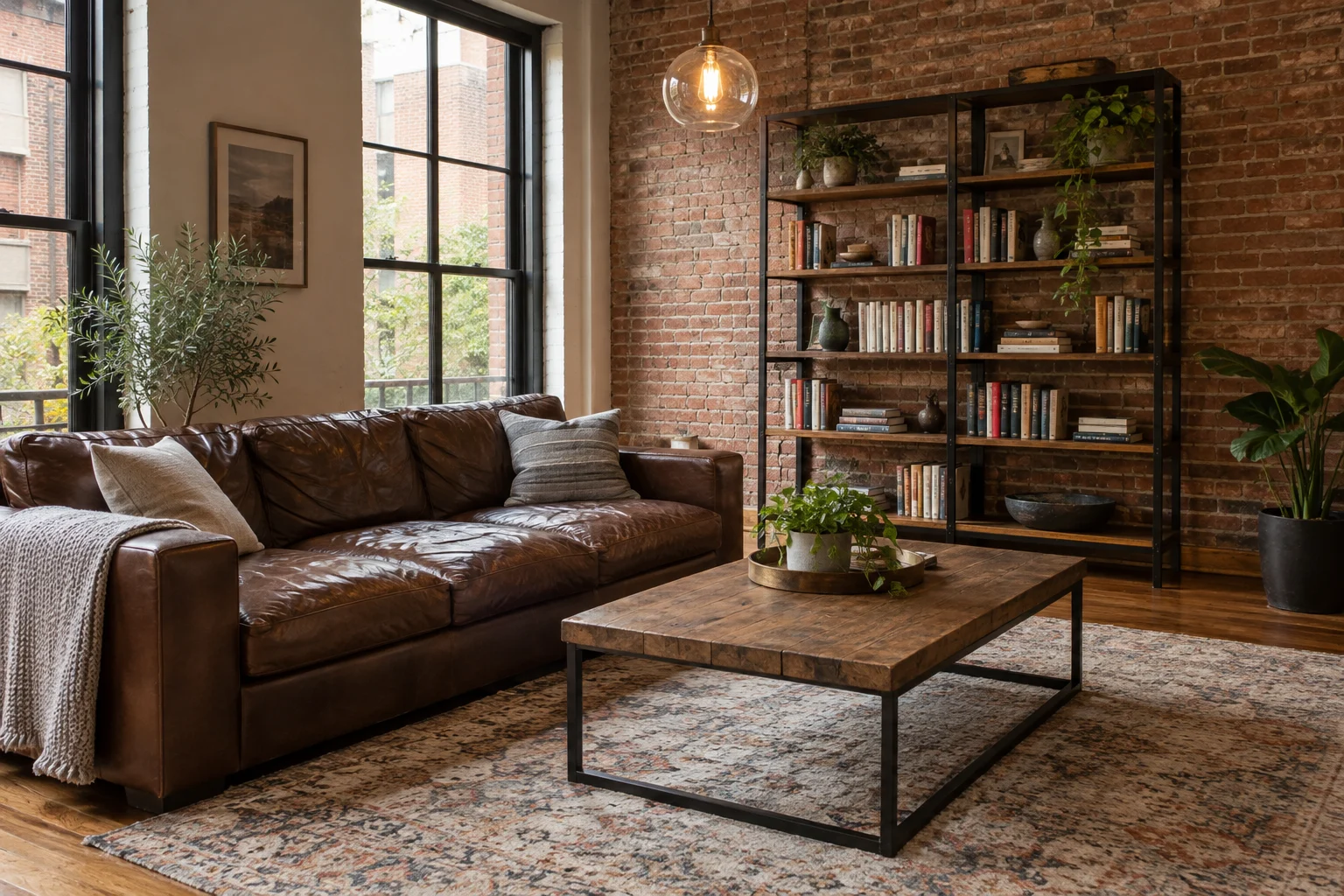
Industrial interiors take cues from working buildings through metal, brick, concrete, wood, and visibly functional forms. Open shelving, straightforward furniture, and exposed architectural details often contribute to the look.
A home can use those materials on a smaller scale. A metal-framed shelf beside a wood desk introduces the relationship without changing the walls. Upholstered seating and a rug then soften the harder surfaces.
Lighting has a strong visual role because the fixture’s structure is often visible. Dark metal fittings and exposed-style bulbs can reinforce the room’s materials. Use additional shaded lighting near seating to make the arrangement comfortable for evenings.
A piece to bring it home: The TJOY Warm White Edison-Style LED Bulbs provide a visible filament look with 2700K light. Their E26 bases and elongated shape suit compatible exposed-bulb fixtures used in industrial-style rooms.
23. Shabby Chic: Soft Florals and Well-Loved Finishes
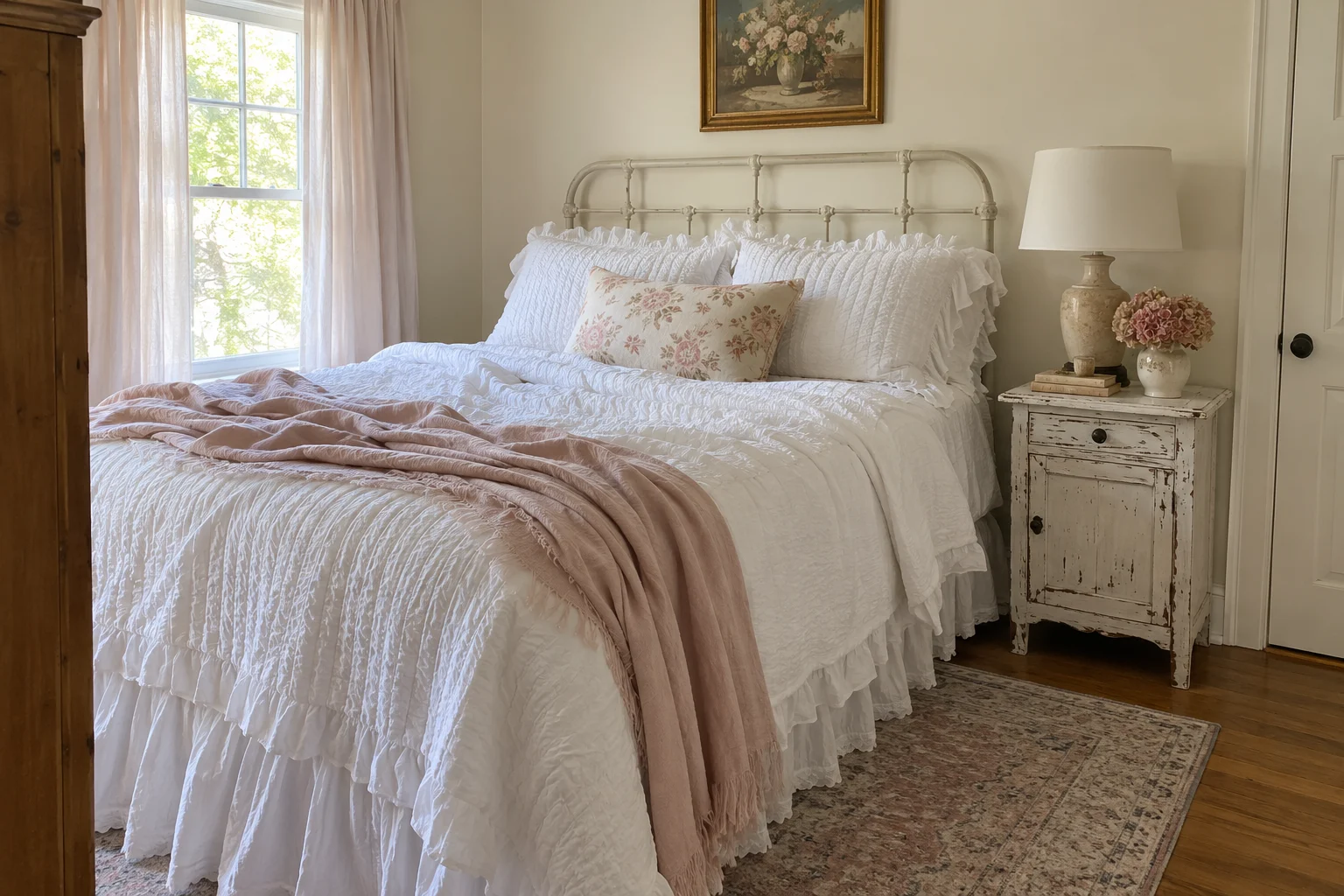
Shabby chic combines pale colors, weathered painted furniture, romantic fabrics, and vintage-inspired details. Florals, slipcovers, gathered fabric, and gently worn finishes are recognizable features.
A bedroom is an easy place to bring those elements together.
Let the bedding provide most of the softness, then add a painted bedside table and a simple lamp. Keeping some surfaces clear helps the fabric details stand out.
The colors can stay fairly restrained. White, blush, muted blue, and soft green work well with aged wood or painted furniture.
If the room already has a floral pattern, use plain textured bedding to give it some breathing room.
A piece to bring it home: The JOLLYVOGUE White Ruffle Seersucker Comforter Set adds texture and ruffled edges in a single color. The linked queen set includes a comforter and two pillow shams.
24. Arts and Crafts: Workmanship Worth Looking At
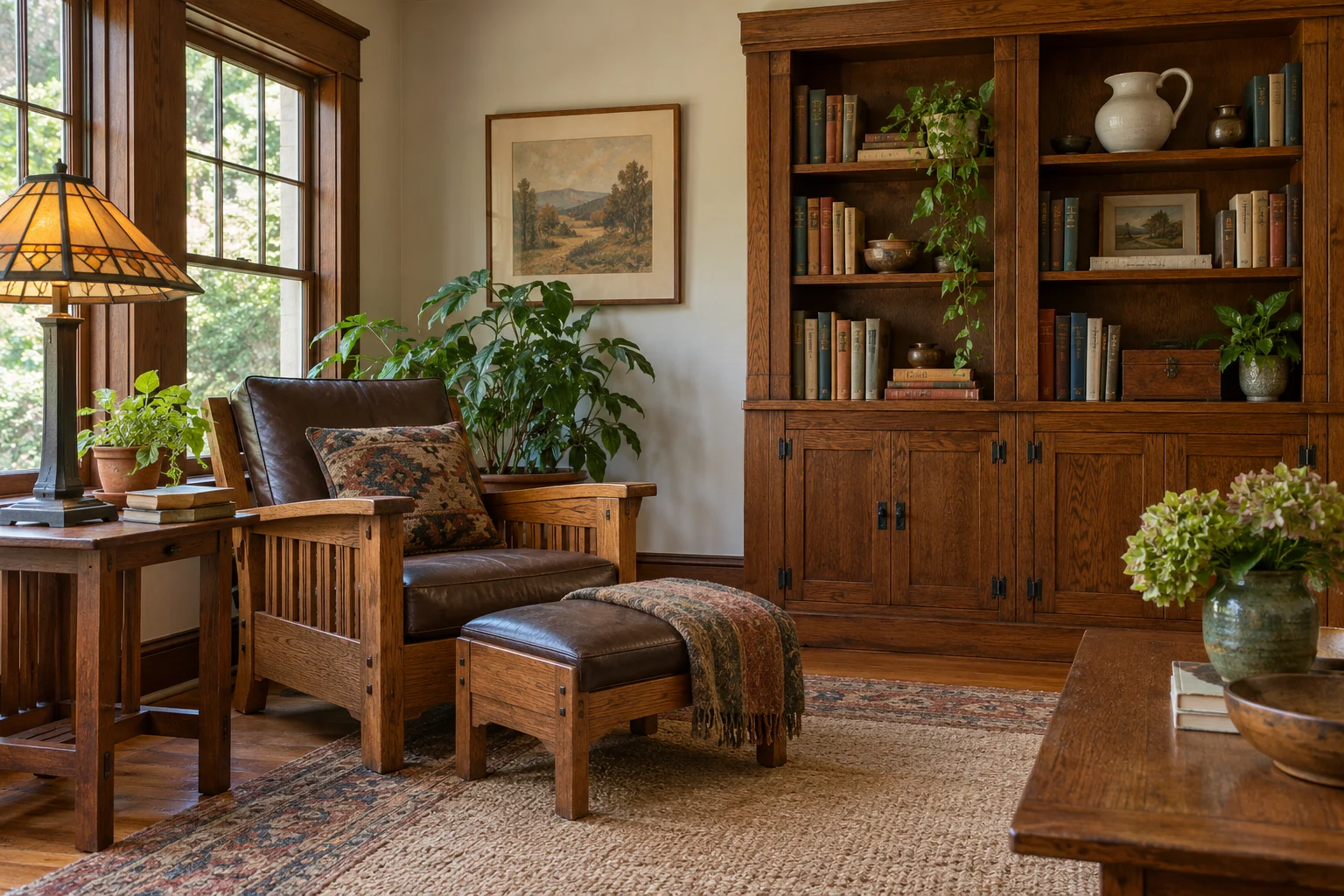
Arts and Crafts design values useful forms, visible workmanship, and the character of materials. Wood furniture, substantial cabinetry, ceramics, and decorative craft can create a room with a strong sense of construction and purpose.
Look for furniture whose design is easy to understand: a sturdy bookcase, a chair with a clear frame, or a table that lets the wood grain remain visible.
A small number of substantial pieces can establish the room more effectively than many decorative additions.
Accessories should support those materials. Pottery, woven textiles, and carefully chosen artwork bring variation around the wood. Give an interesting vessel its own space on a shelf so its shape and surface can be appreciated.
A piece to bring it home: The BlossoME White Ceramic Vase With Handle adds a simple jug form and distressed matte texture. Its restrained color works beside oak furniture, books, and other earthy materials.
Similar Names, Different Rooms: The Styles People Mix Up
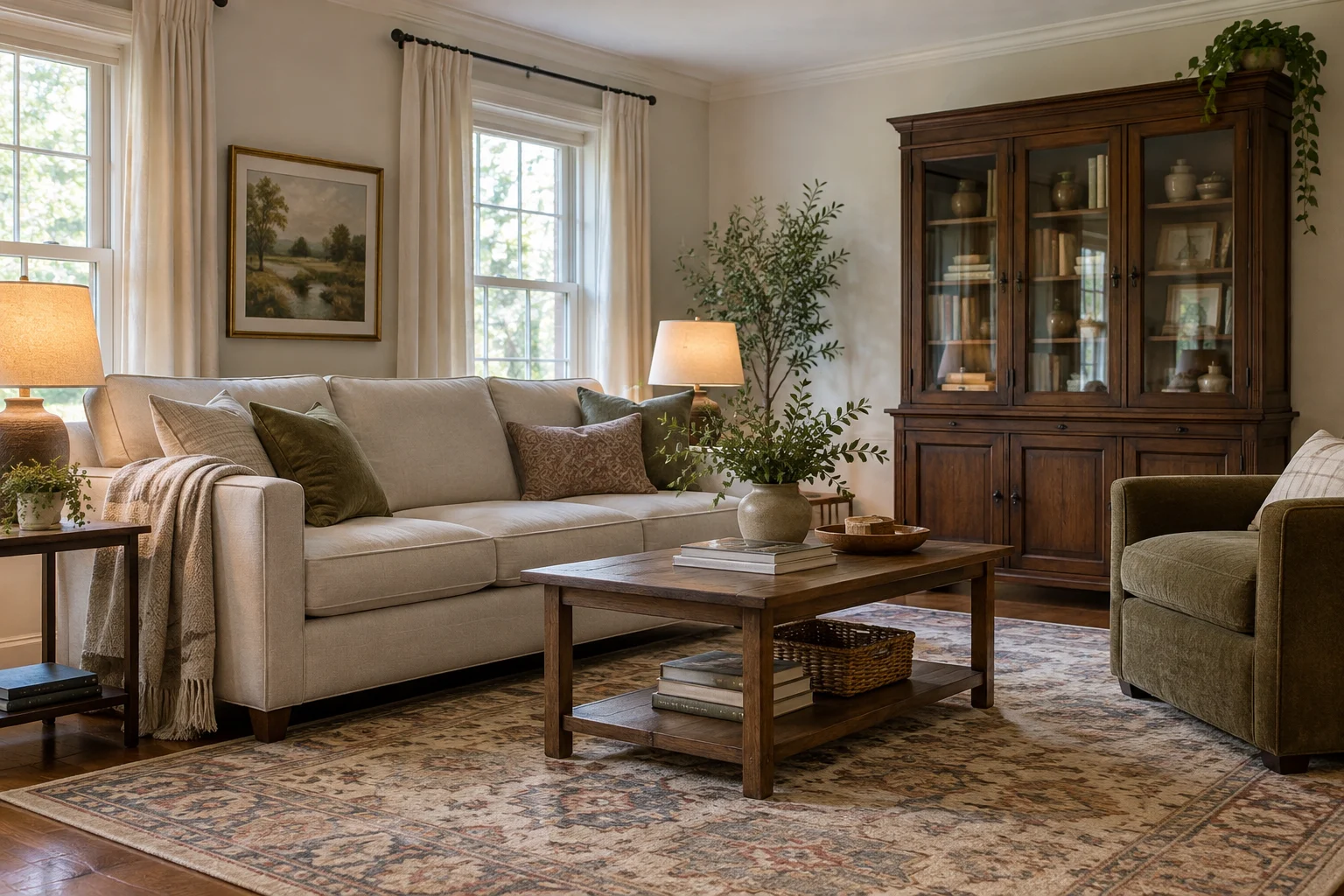
The clearest differences usually come from the furniture, the amount of decoration, and how the pieces are combined. A single cushion or lamp rarely tells the whole story.
| Styles | The useful distinction |
|---|---|
| Modern and contemporary | Modern refers to a historical design tradition. Contemporary reflects the present and evolves. |
| Modern and midcentury modern | Modern is the broader movement. Midcentury modern describes a recognizable period with distinctive furniture and material choices. |
| Traditional and transitional | Traditional leans more consistently into classic forms and layered details. Transitional blends that comfort with simpler contemporary pieces. |
| Scandinavian and Japandi | Both can emphasize useful furniture and restrained decoration. Japandi specifically brings Japanese and Scandinavian influences together. |
| Bohemian and eclectic | Bohemian often emphasizes relaxed textiles and a collected atmosphere. Eclectic describes intentional combinations across styles and periods. |
| Eclectic and maximalist | Eclectic concerns the mixture of influences. Maximalism concerns the abundance of color, pattern, and objects. |
| Farmhouse and rustic | Farmhouse emphasizes practical rural character. Rustic places greater emphasis on raw, aged, and visibly textured materials. |
| Art Deco and Hollywood Regency | Art Deco relies strongly on geometry and structured composition. Hollywood Regency leans into theatrical decoration and glossy glamour. |
A useful distinction: Biophilic design focuses on connections with nature and can work across several decorating styles. Feng shui is a spatial practice with its own traditions. Neither needs to become a catch-all label for a room’s appearance.
How to Find Your Interior Design Style Without Replacing Everything
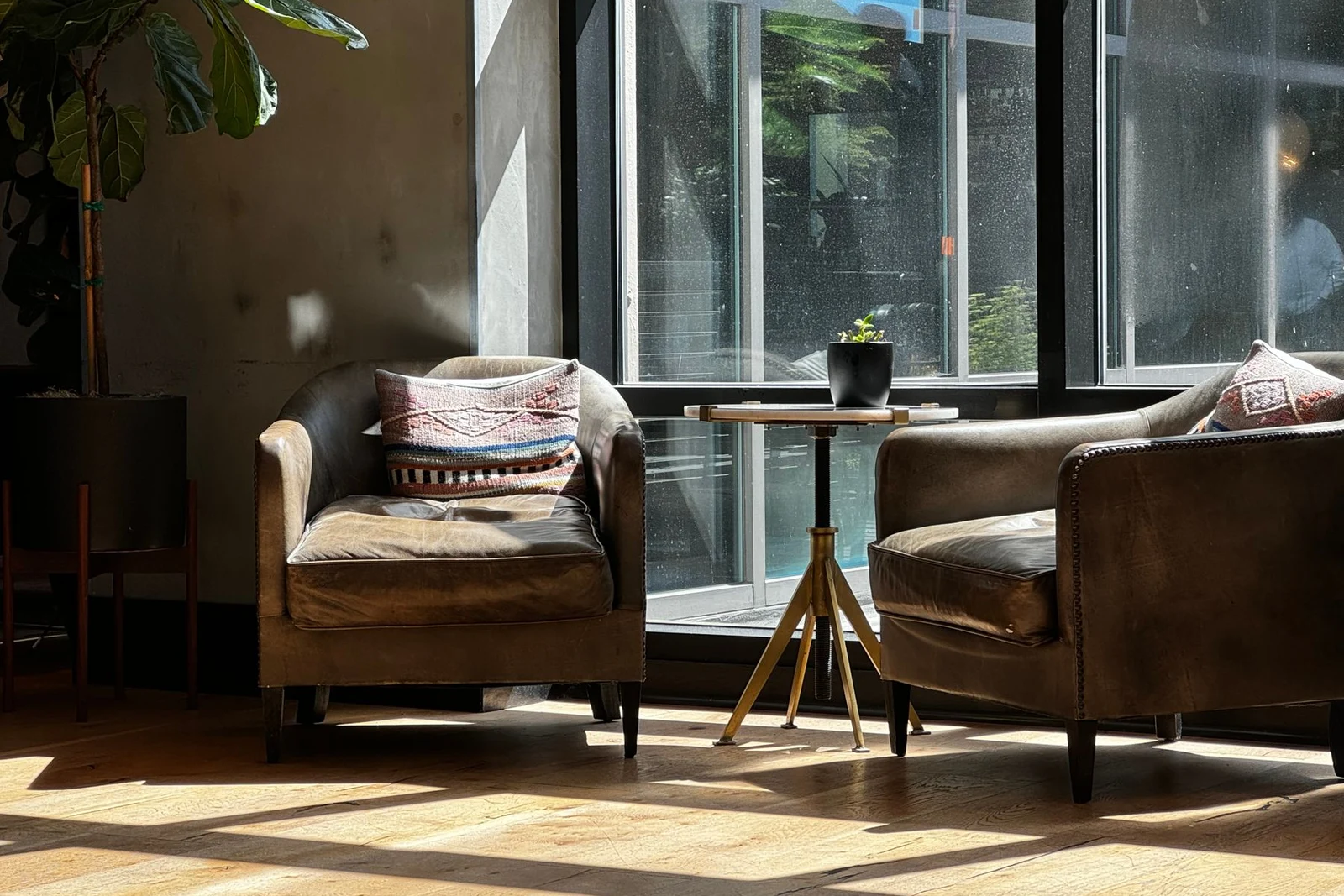
Find the repeated details in your favorite spaces, then connect them to the pieces you plan to keep. That gives you a practical direction for future decisions.
Look for What Repeats in Your Saved Rooms
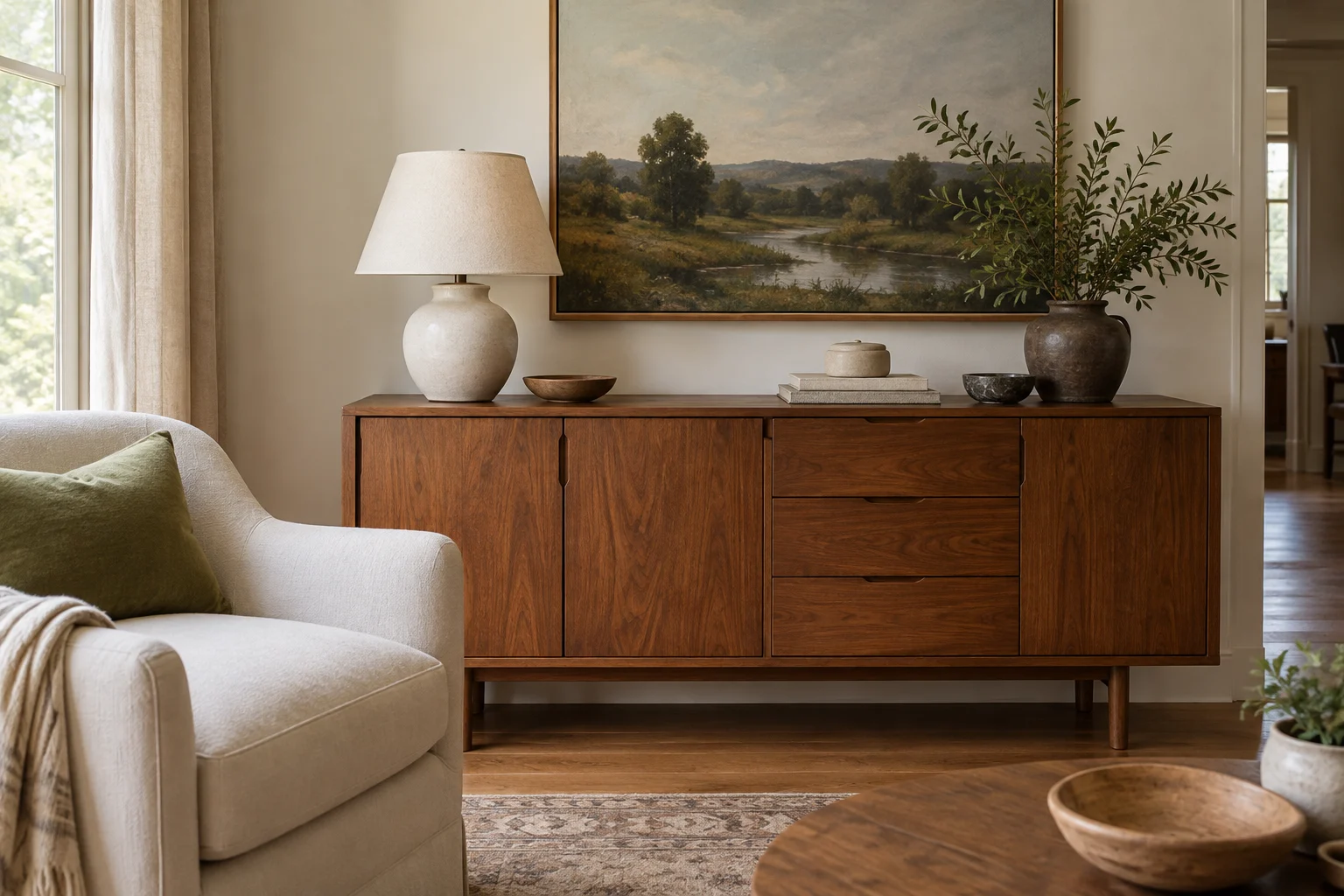
Repeated details are the strongest clues to your taste. Look through a small selection of saved rooms and identify the furniture shapes, materials, and colors they share.
Perhaps every room includes dark wood, even though the captions use different style names. Or perhaps you keep choosing rooms with patterned curtains and comfortable armchairs. Write down those details before making another purchase.
Let the Pieces You’re Keeping Guide the Plan
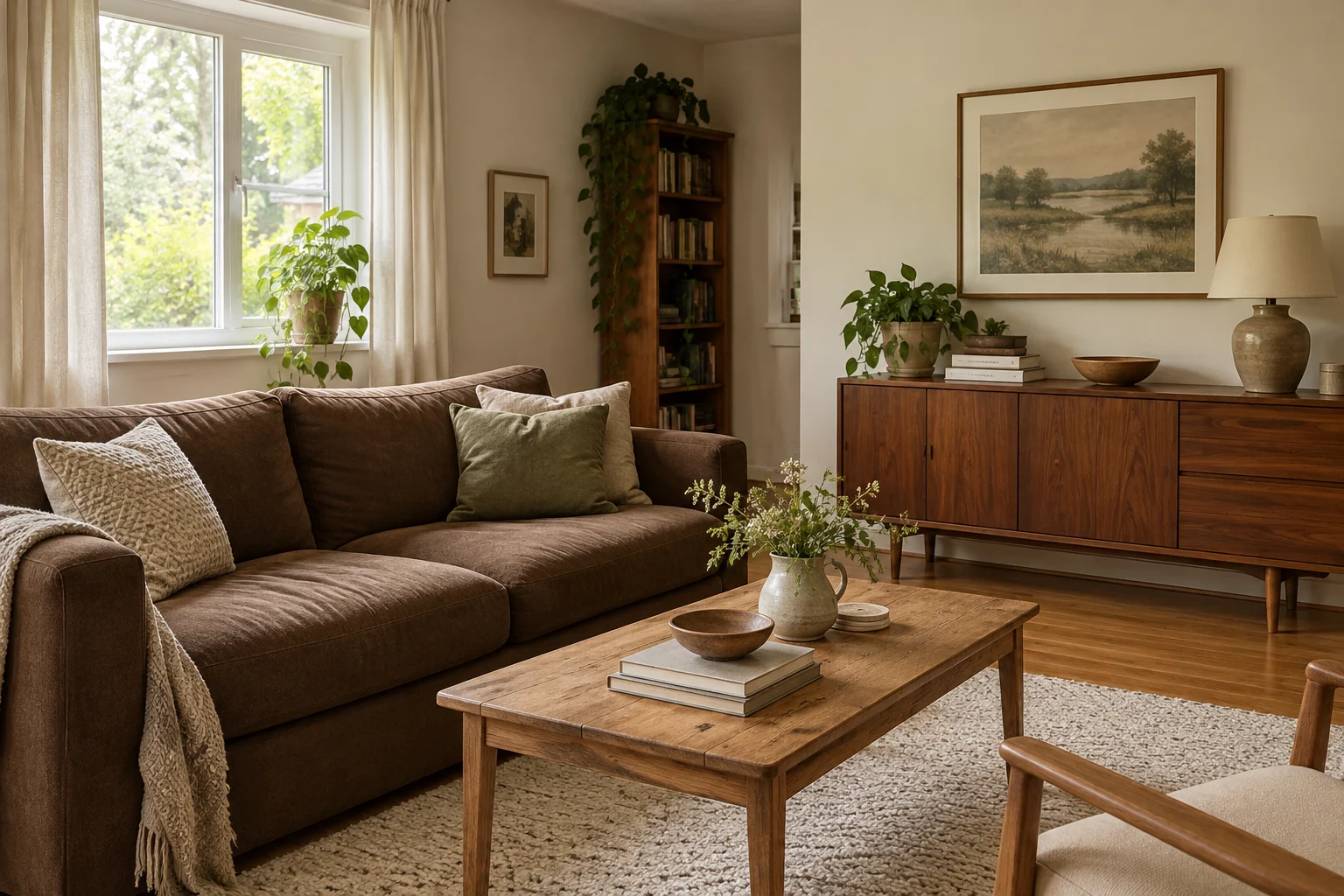
Work with the largest pieces that will remain in the space. Flooring, cabinetry, sofas, and substantial tables influence how new colors and materials will look.
A warm brown sofa can connect with midcentury, rustic, traditional, or eclectic furnishings. The surrounding choices determine the direction. Our earth tone color palette guide offers combinations that work with familiar wood tones and upholstery.
Give One Style the Biggest Role
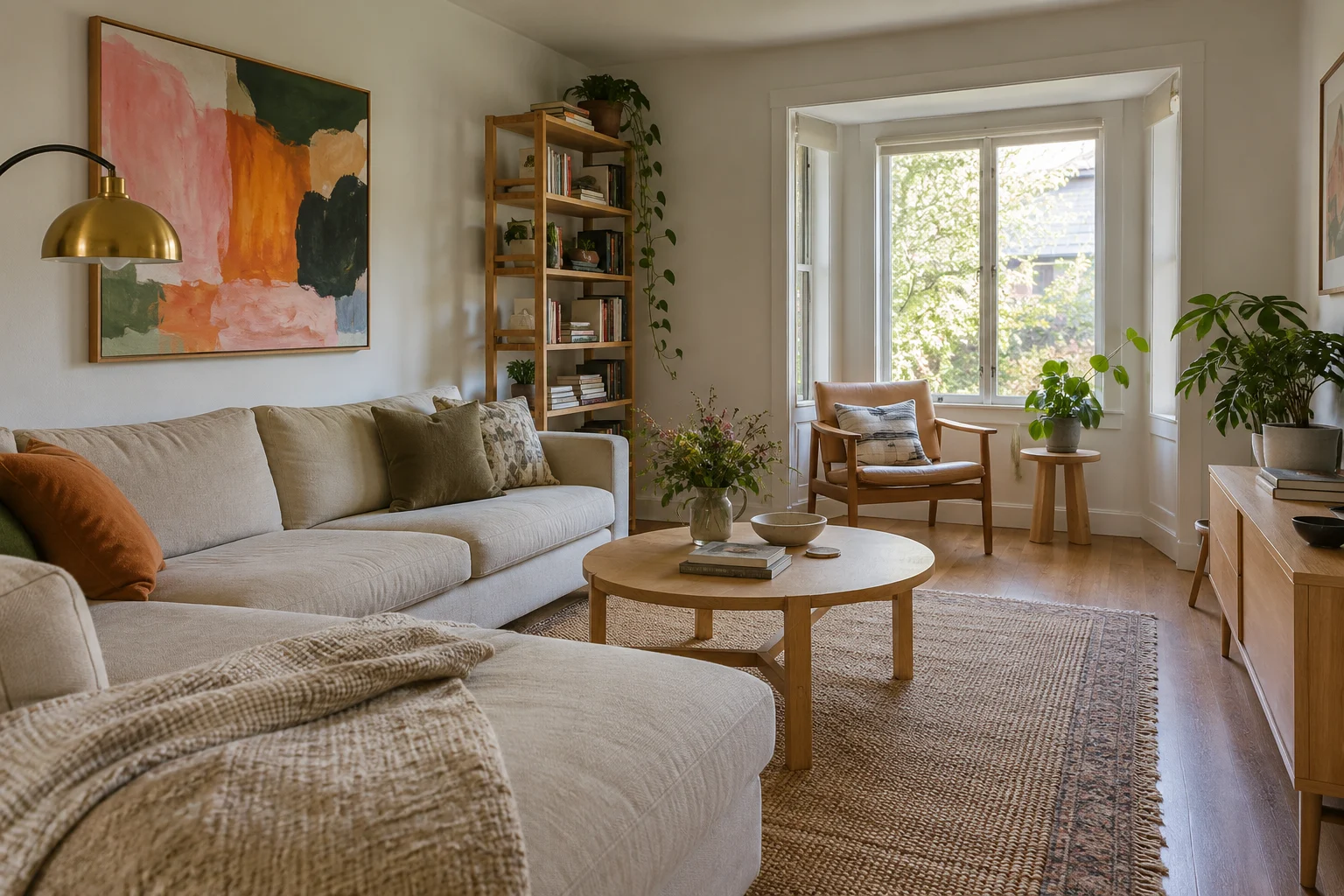
Use one style to guide the main furniture, then bring in another through a smaller number of details. This gives the room enough consistency to accommodate personal favorites.
For example, simple Scandinavian furniture can support a more eclectic lamp and artwork. Traditional seating can work with contemporary tables when a shared rug or color palette connects them.
Think of the larger pieces as the steady rhythm that lets the smaller details vary.
Try One Corner Before Buying for the Whole Room
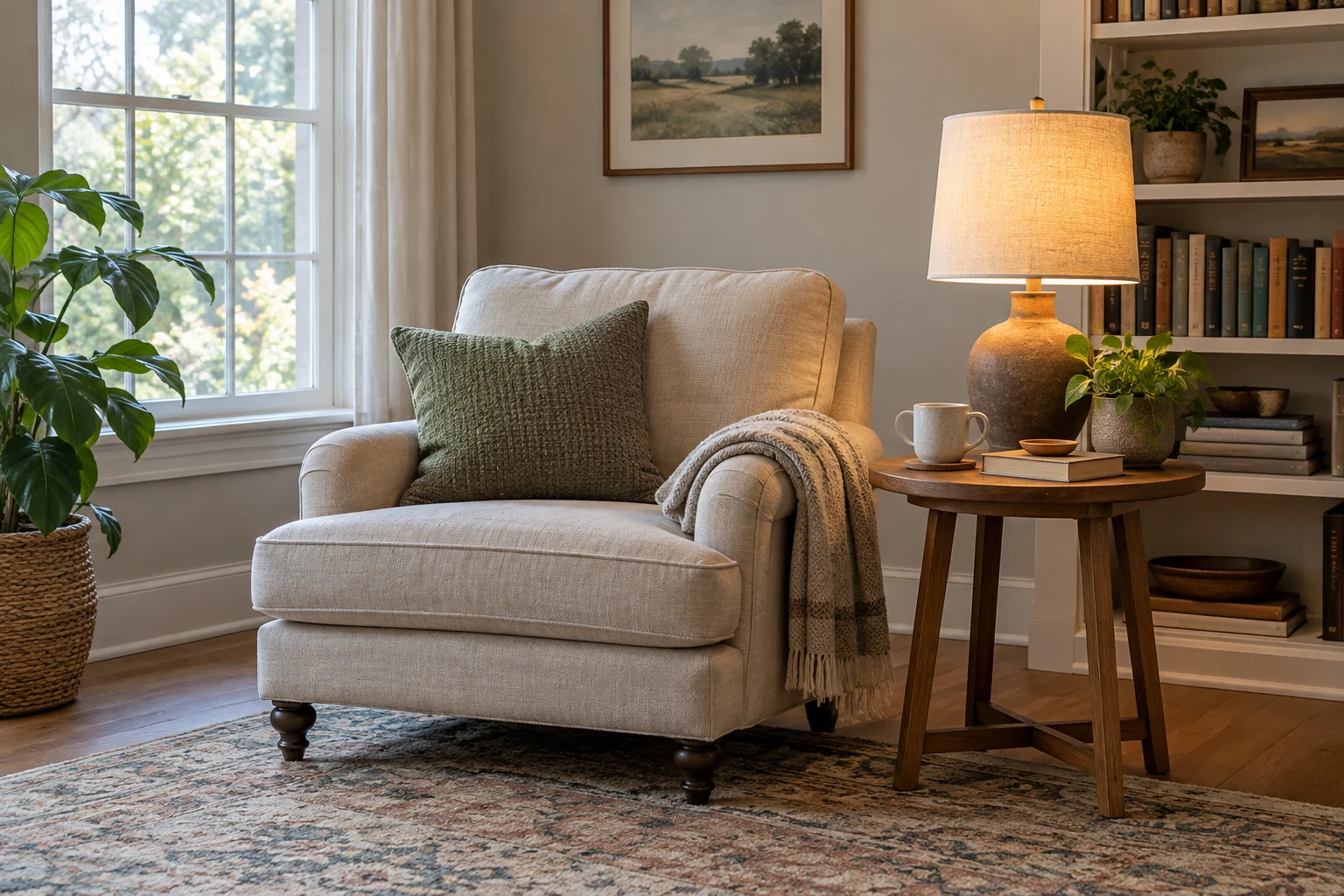
Complete one useful area before extending the look across the room. A reading corner or bedside arrangement lets you see how the materials and colors interact.
Live with the combination through ordinary routines. You will quickly notice whether the table is useful, the lighting works, and the palette feels comfortable.
For tighter layouts, our small sofa guide can help you choose seating that leaves room for the rest of the arrangement.
The Furniture and Decor That Work Across Several Styles
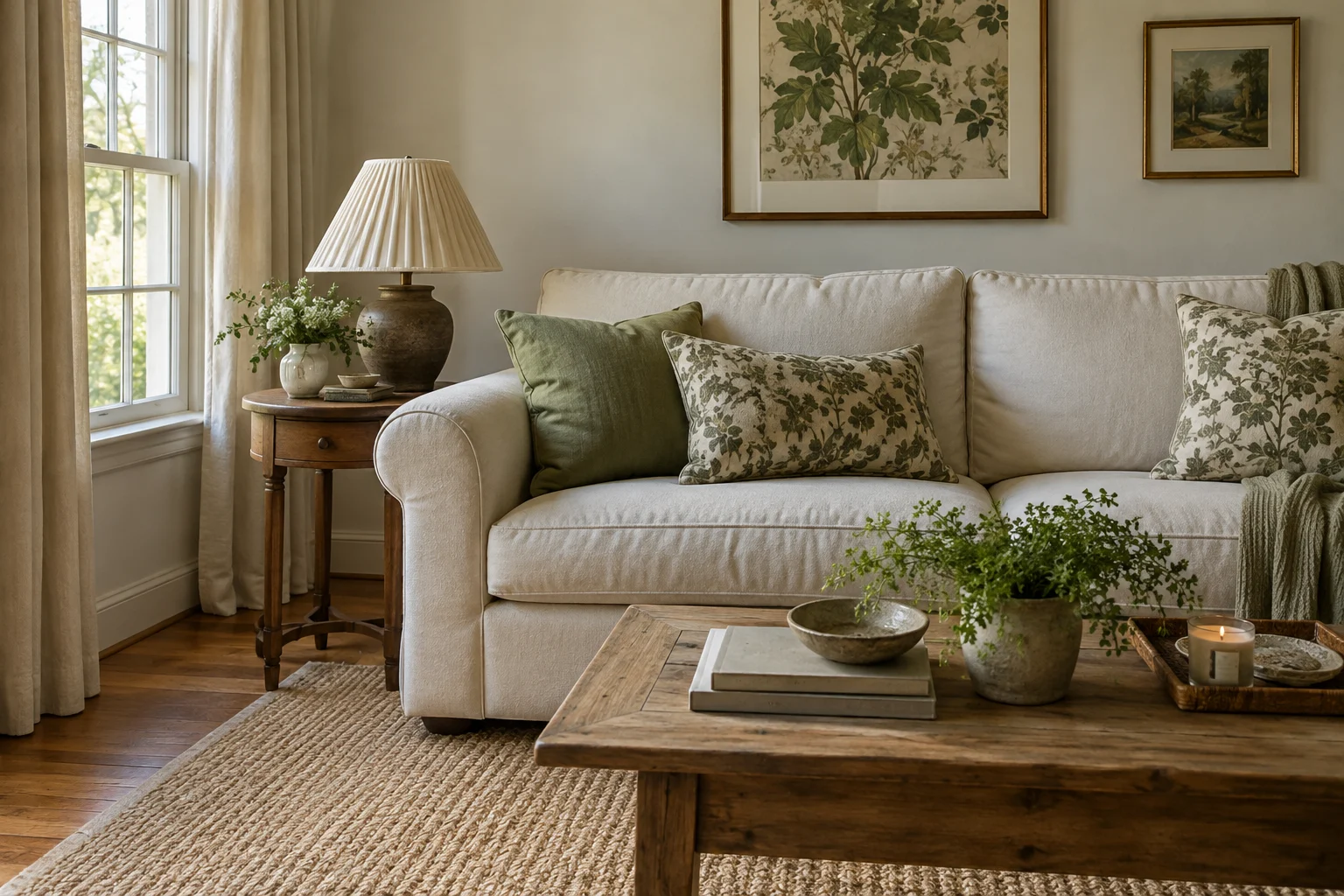
The most adaptable products repeat materials or shapes already present in the room. Their usefulness comes from how they connect with the surrounding furniture.
A beige textured rug can support minimalist, transitional, or organic modern furniture. A pleated lamp can feel traditional beside a patterned chair or eclectic beside a brightly painted cabinet. The setting changes how you read the piece.
| Product type | What it contributes | Styles it can support |
|---|---|---|
| Textured neutral rug | A quiet foundation and softer floor surface | Minimalist, Scandinavian, transitional, organic modern |
| Pleated shaded lamp | Familiar shape and gentle decorative detail | Traditional, English country, eclectic |
| Rounded wood table | Softer edges and visible wood character | Organic modern, contemporary, Japandi |
| Woven light fitting | Texture above the furniture | Coastal, bohemian, farmhouse |
| Ceramic vase or planter | Shape, surface variation, and a small amount of color | Mediterranean, rustic, organic modern, Arts and Crafts |
| Ornate mirror | A decorative focal point | Modern classic, traditional, eclectic |
| Floral cushion covers | Pattern without replacing larger furniture | English country, French country, bohemian, farmhouse |
The DKwizme Olive Green Vintage Floral Pillow Covers are a useful example of that last category. Their muted botanical pattern can connect green accents with plain upholstery in a relaxed country or layered bohemian room. The set includes two 18-by-18-inch covers, with inserts sold separately.
A Quick Checklist Before You Buy
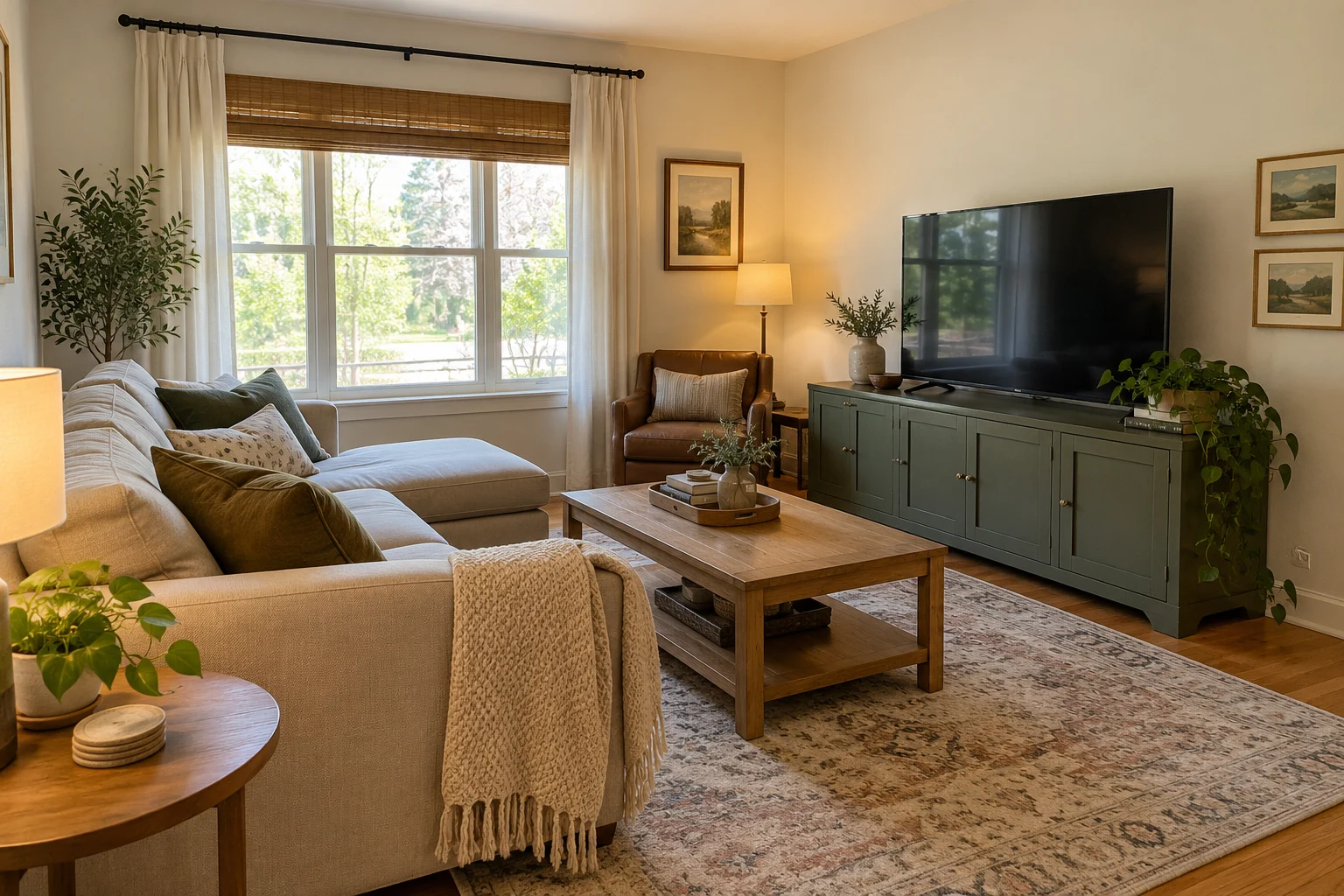
Buy for a clear role in the room. A product can be attractive and still leave the space feeling unfinished if it adds another competing color, repeats something you already have, or takes up needed floor space.
- It repeats a color, material, or shape already in the room.
- It supports the style I want to emphasize.
- It has a useful role or a clear decorative purpose.
- Its proportions work with the surrounding furniture.
- It leaves enough space for everyday movement.
- It works with the pieces I plan to keep.
- I have a specific place for it.
- It fills a gap in the room rather than adding to a crowded surface.
A budget-friendly rule: Finish one problem at a time. A room that needs better lighting will usually benefit more from a useful lamp than from several extra decorative objects.
Interior Design Styles: Your Questions Answered
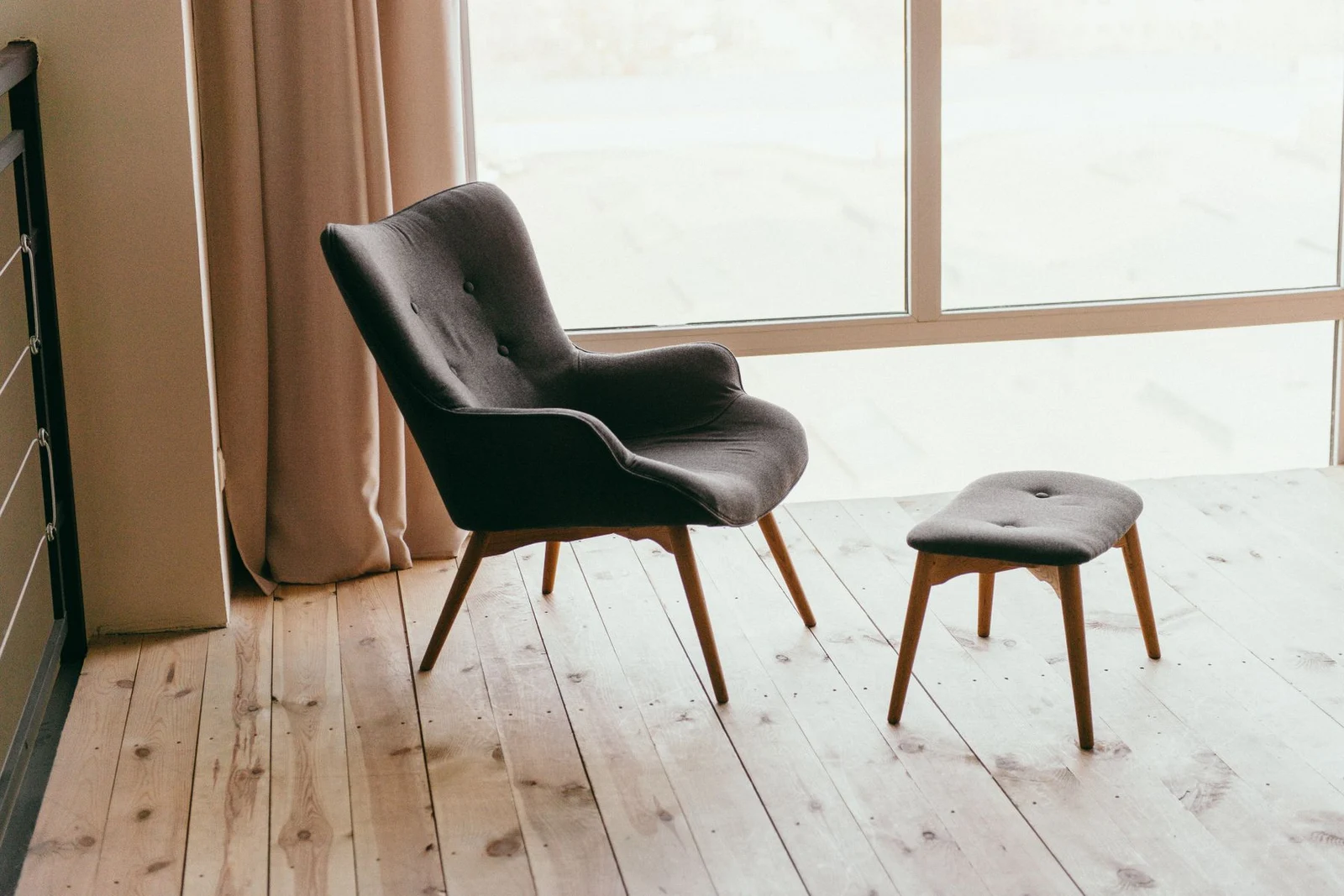
You can use style names as helpful descriptions while making choices that suit your own home. The goal is a room that feels connected and works for daily life.
How Many Interior Design Styles Are There?
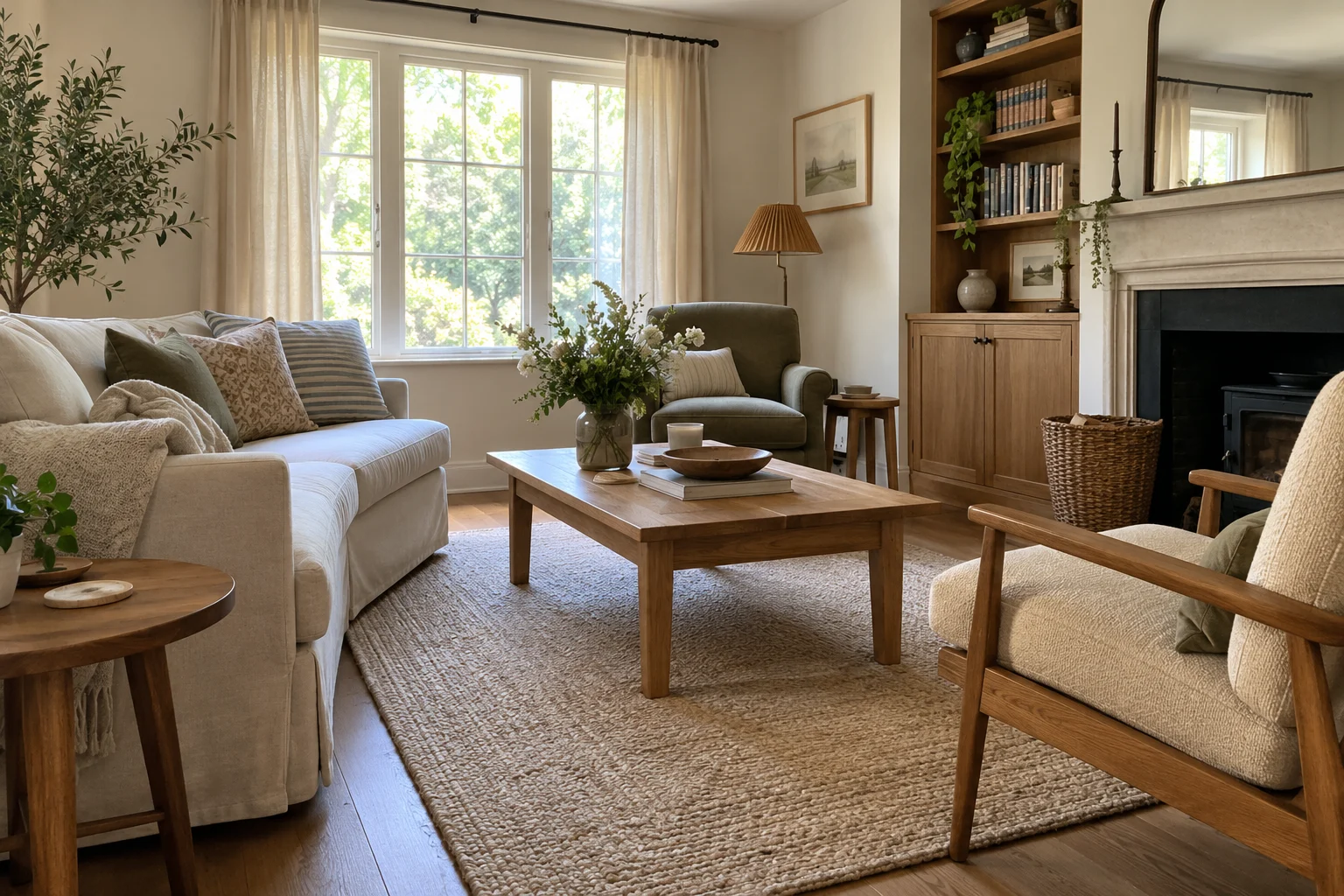
There is no fixed total. Historical movements, regional traditions, contemporary interpretations, and newer decorating labels overlap.
These 24 styles provide a useful vocabulary for recognizing common features. More specific names can describe variations within them, such as California coastal or modern farmhouse.
Can You Mix Two Interior Design Styles?
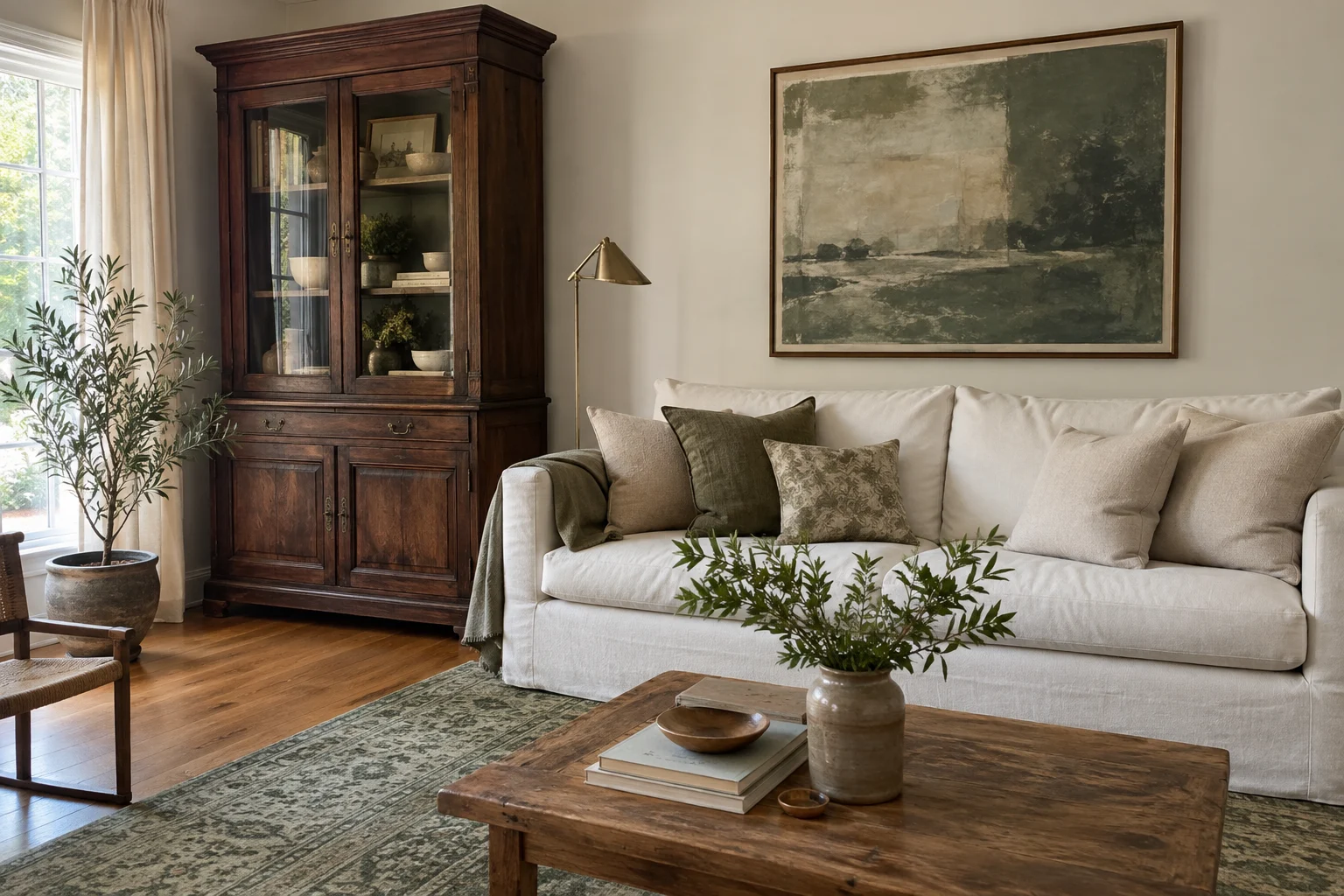
Yes. Connect the styles through color, material, shape, or scale. A classic wood cabinet and a contemporary sofa can share a room when the rug, artwork, or lighting gives them something in common.
Choose the connection deliberately. Repeating a wood tone in a picture frame or carrying a cushion color into artwork is often enough to make the combination feel more settled.
What If Every Room Has a Different Style?
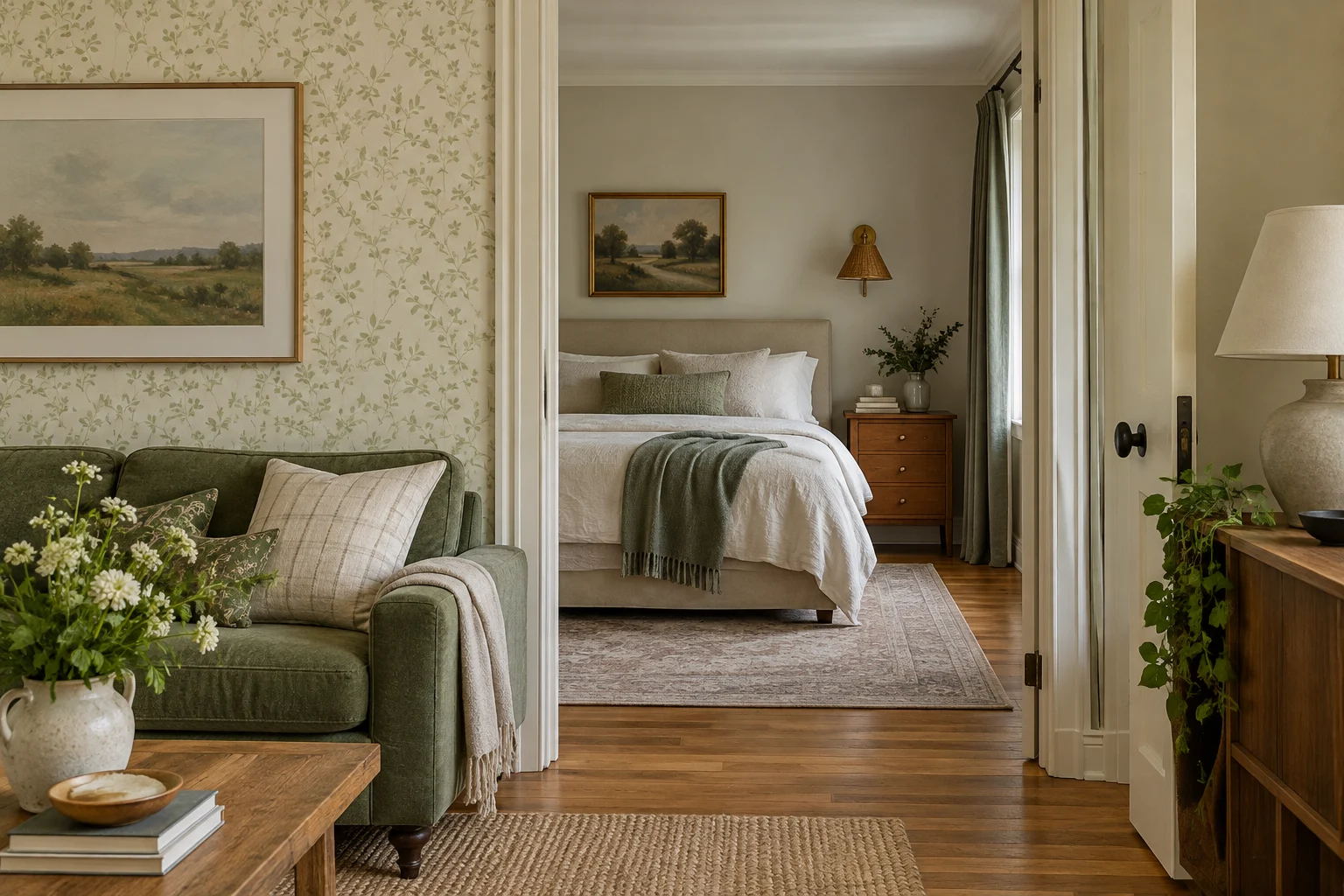
Different rooms can have different personalities while sharing a few consistent details. Related colors, recurring wood tones, or similar metal finishes help adjoining spaces feel connected.
A quiet bedroom and a richly patterned living room can work in the same home. Carrying one color between them provides a small visual link without requiring identical furniture.
Which Styles Work in a Small Home?
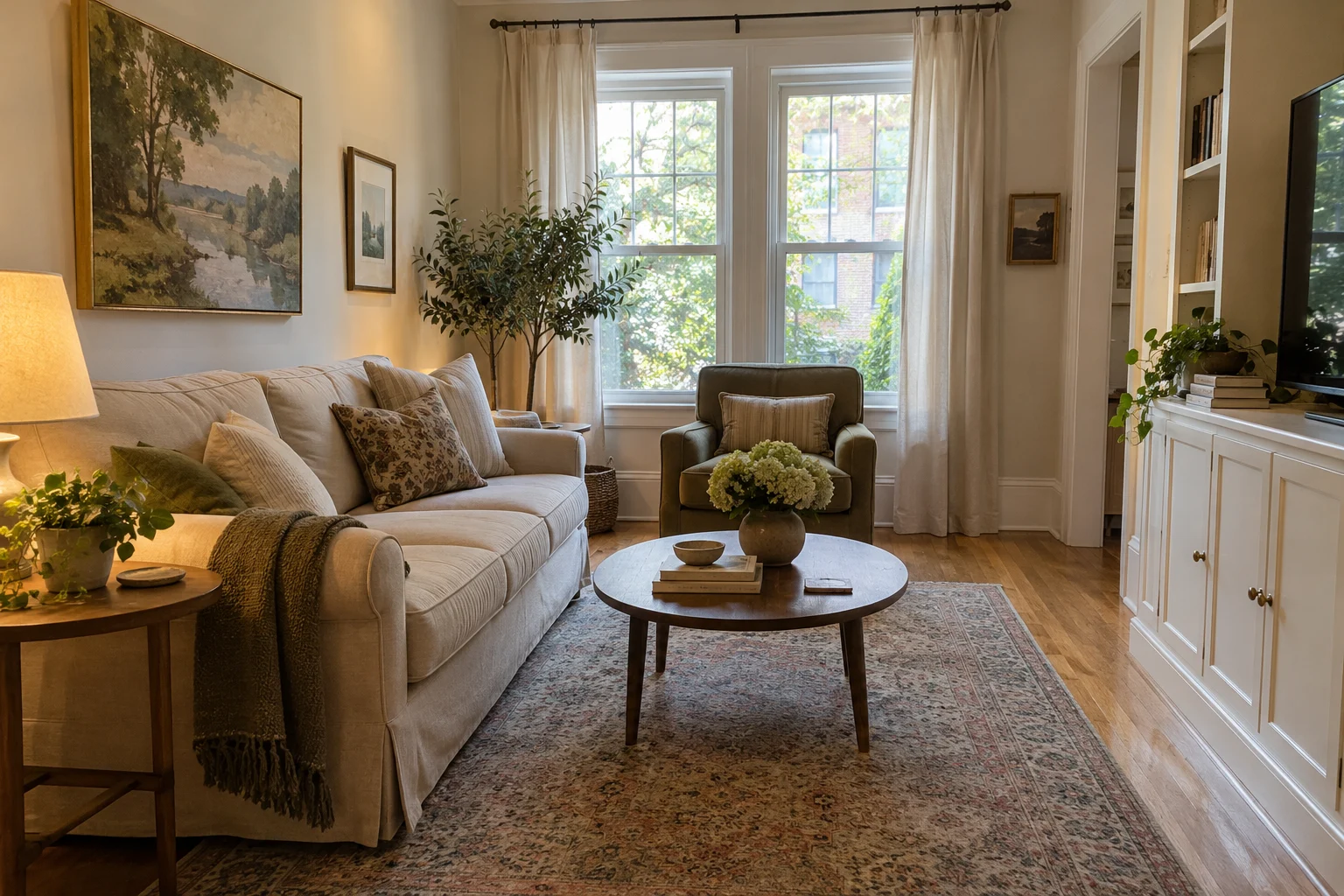
Furniture scale, circulation, and storage matter more than the style label. A compact traditional room can work beautifully with appropriately sized seating. A minimalist room can still feel crowded if its furniture is too large.
Choose pieces that leave practical routes through the room and provide the storage you need. Legs, open space beneath furniture, and restrained arrangements can help, but comfort and usefulness should guide the final layout.
How Can You Change Your Style on a Budget?
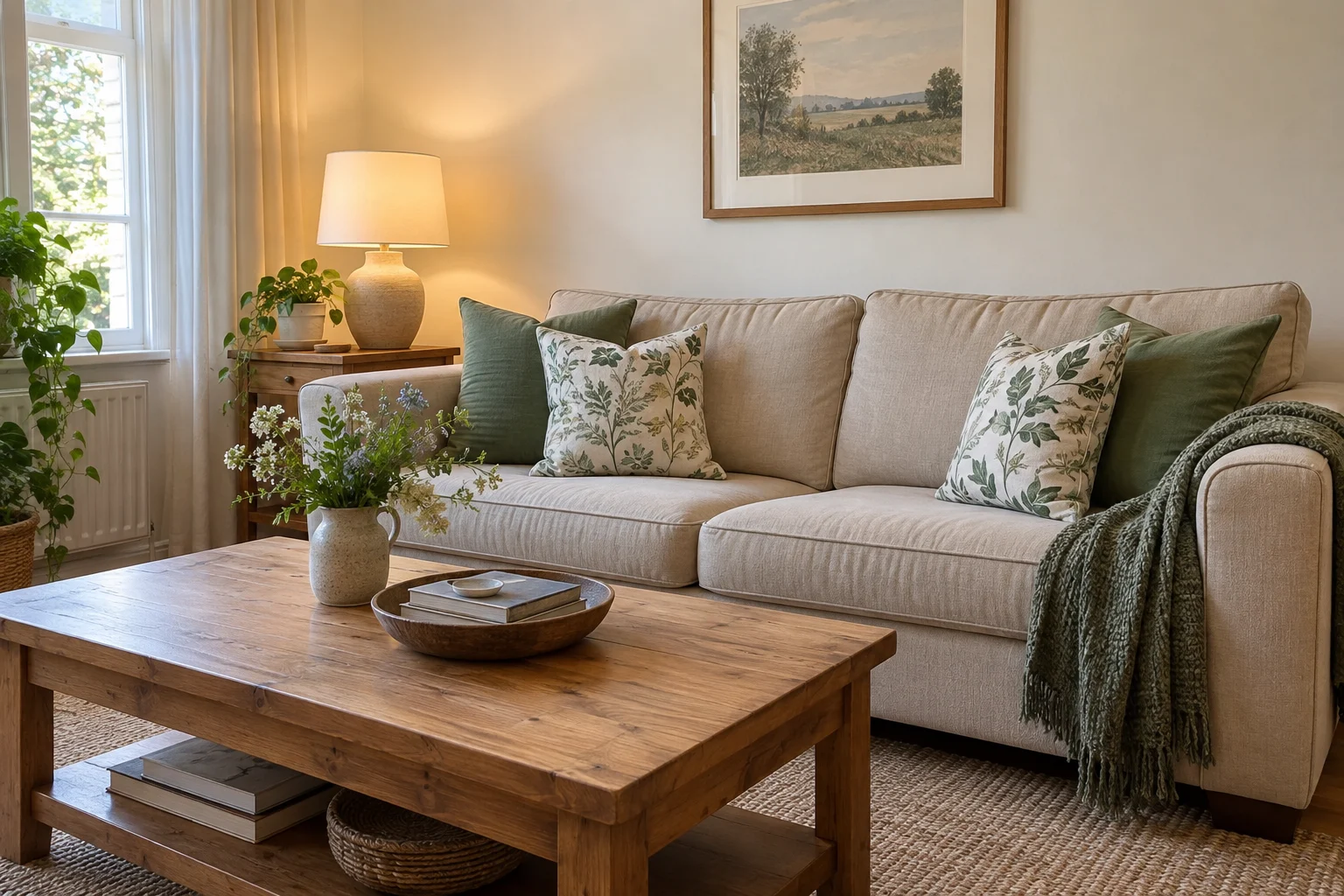
Rearrange, edit, and change the smaller elements before replacing major furniture. Cushions, curtains, bedding, lighting, and artwork can shift a room’s mood while working with what you own.
A traditional chair can feel fresher beside a simple table. A plain sofa can lean coastal with woven texture or English country with botanical fabrics. Make the change in one area, then repeat the successful details elsewhere.
Shop the Details That Make the Style
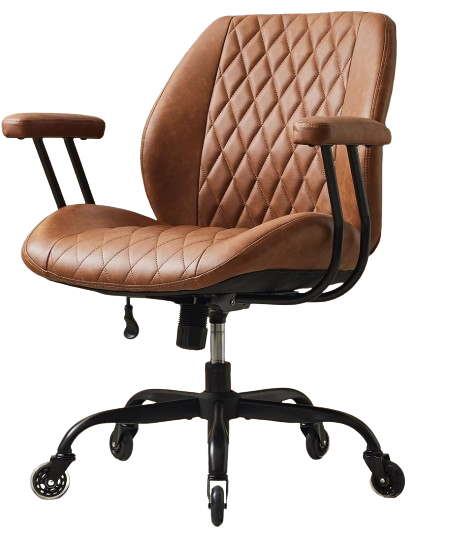 YFO Brown Home Office Desk ChairWarm brown upholstery and adjustable seating for a modern workspace with a simple desk.
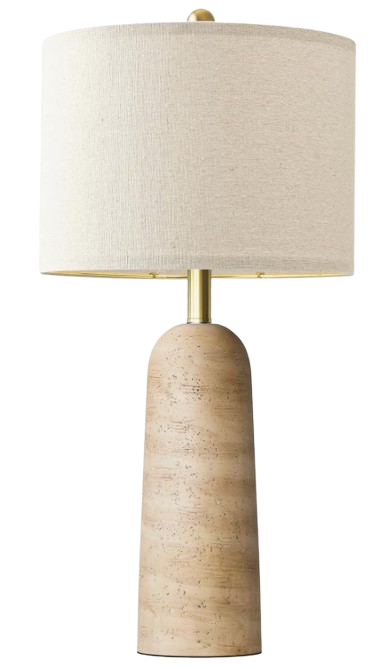 BOBOMOMO Warm Beige Table Lamps, Set of TwoLinen shades and warm beige resin bases with a stone-look finish for pairing with wood furniture.
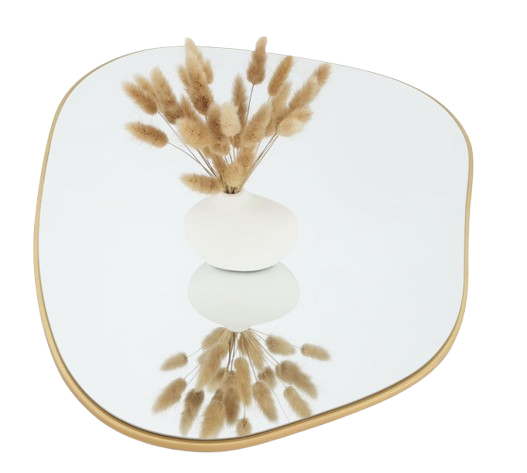 PERFNIQUE Irregular Asymmetrical Wall MirrorA flowing gold-finished mirror for adding a contemporary focal point above a console or dresser.
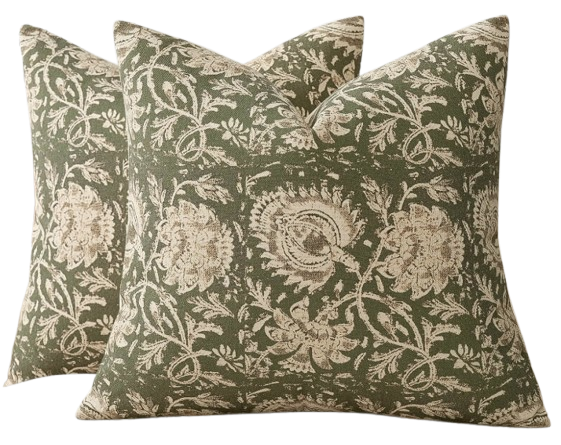 DKwizme Olive Green Vintage Floral Pillow CoversTwo 18-by-18-inch botanical cushion covers for farmhouse, country, or bohemian rooms. Inserts are separate.
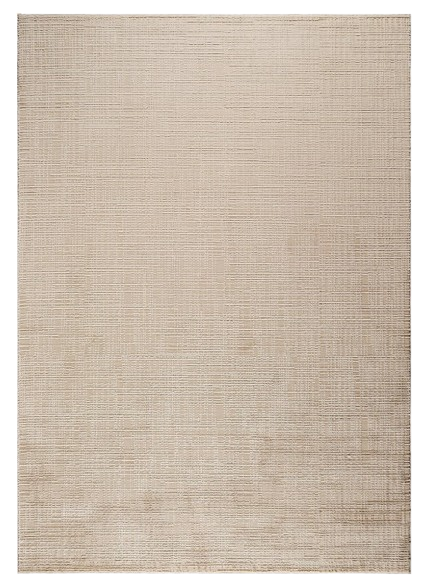 Abani Beige Textured Stripe Area RugA quiet textured stripe rug for grounding minimalist, Scandinavian, or transitional seating.
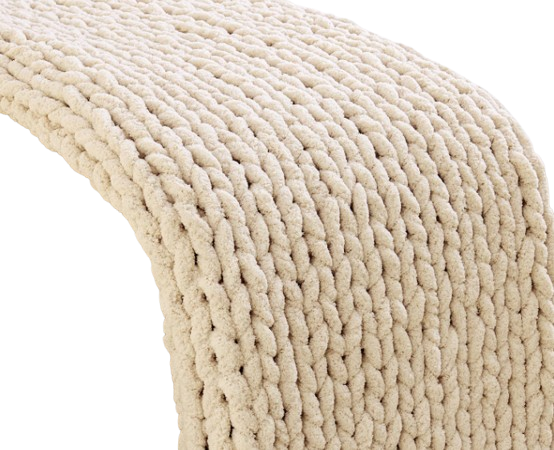 Admitrack Ivory Chunky Knit ThrowAn ivory chenille knit throw that adds generous texture to a sofa or Scandinavian reading chair.
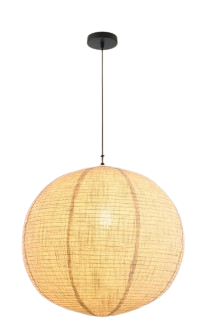 Fivemengo Off-White Linen Pendant LightA rounded 20-inch linen lantern shade for soft light over a calm Japandi dining or seating area.
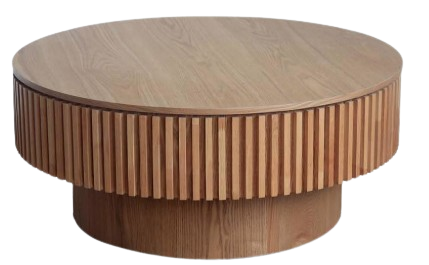 FGXJY Round Coffee Table With StorageA rounded fluted table with concealed storage and a natural wood veneer over MDF construction.
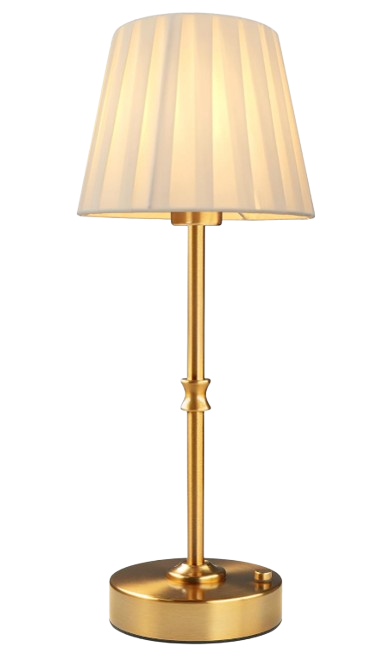 EppieBasic Cordless Table Lamp With Pleated ShadeA rechargeable gold-finished lamp with a pleated shade for traditional bedside tables and consoles.
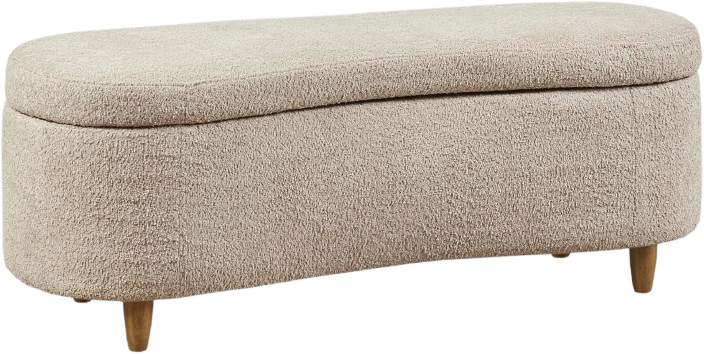 INK+IVY Bailey Bouclé-Style Curved Storage BenchA softly upholstered curved bench with hidden storage for a transitional bedroom or entryway.
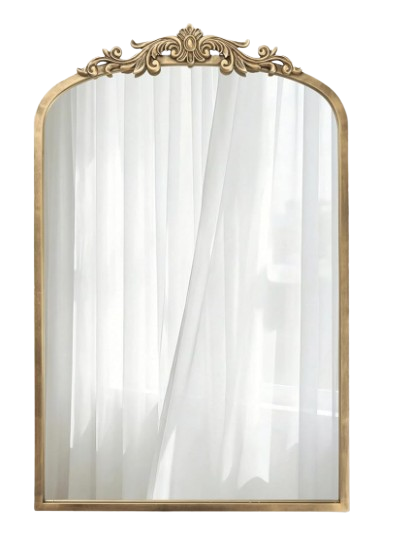 PERFNIQUE Gold Arched Baroque MirrorAn ornate 30-by-19-inch gold arched mirror for balancing a streamlined modern classic console.
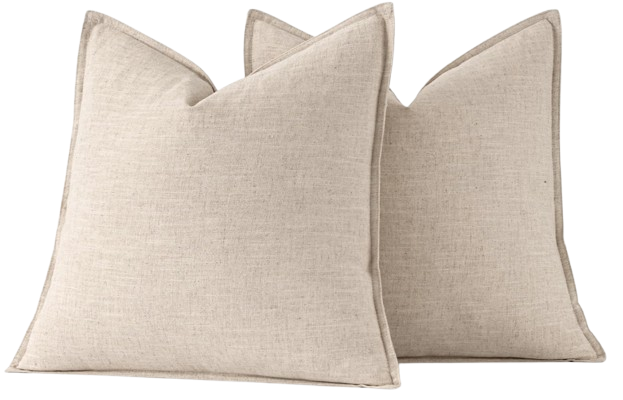 MIULEE Natural Beige Euro Sham Pillow CoversTwo 24-by-24-inch linen-blend covers with relaxed flange edges for farmhouse sofas and beds. Inserts are separate.
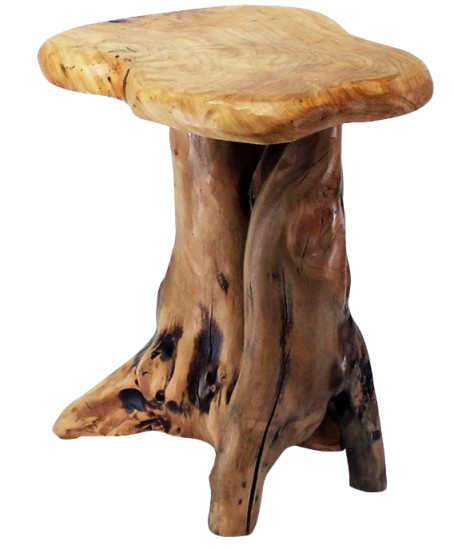 WELLAND Natural Stump Accent TableVisible wood character and an irregular outline for a rustic chair-side table.
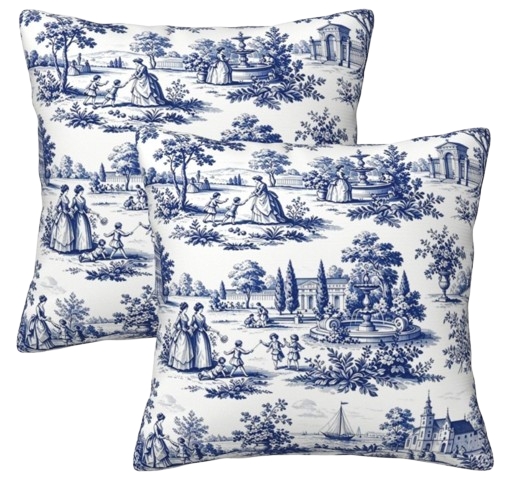 Tebjh Blue Toile French Country Pillow CoversTwo blue-and-white scenic pillow covers for cream upholstery and weathered French country furniture.
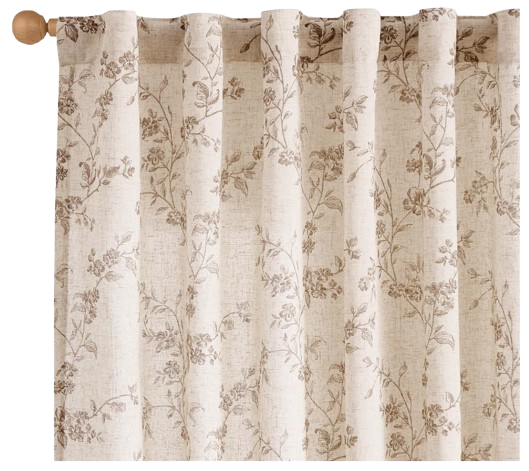 Lazzzy Taupe Vintage Floral CurtainsLight-filtering linen-blend panels with a muted botanical print for an English country room.
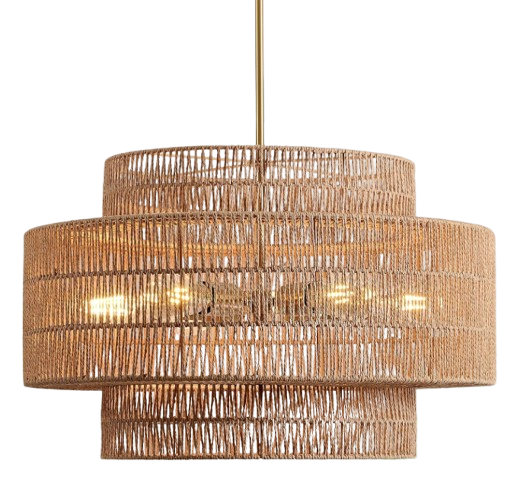 InterMaka 24-Inch Rattan ChandelierA broad tiered woven chandelier with gold-toned hardware for a relaxed coastal dining area.
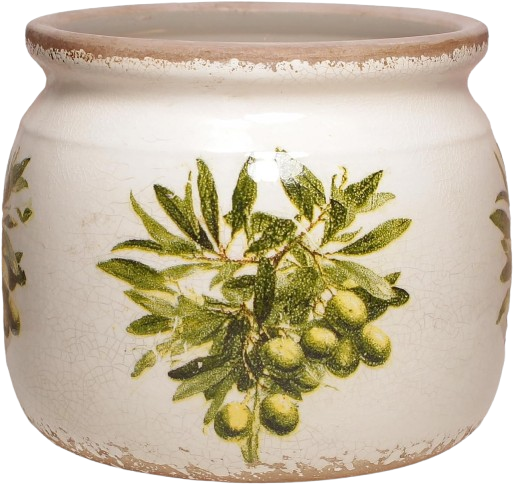 Xiaan Jiaju Olive Ceramic PlanterAn olive-decorated ceramic planter that brings a Mediterranean detail to a kitchen or living room.
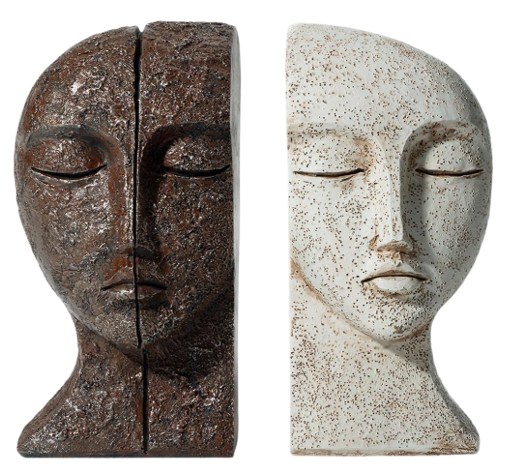 PAPEROX Tranquil Faces BookendsExpressive bronze-and-white painted resin bookends for a personal, layered bookshelf.
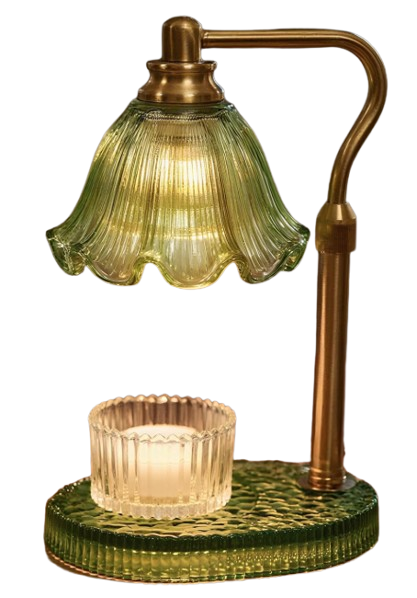 WYghyronic Green Flower Candle Warmer LampA playful green floral candle warmer for connecting colorful details in an eclectic room.
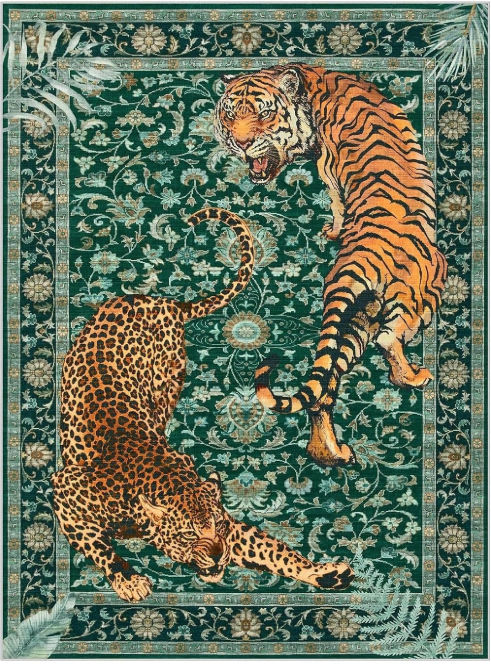 Joydeco Green Tiger and Cheetah Print RugA richly patterned green animal-and-foliage rug that can guide the palette in a maximalist room.
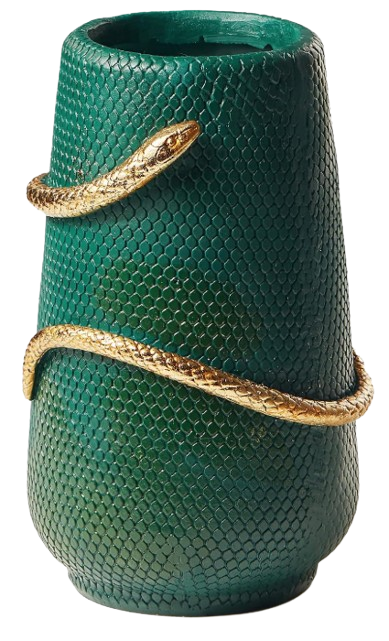 KAIYUAN Green and Gold Snake VaseA dramatic resin vase with green texture and gold-toned ornament for a richly colored accent.
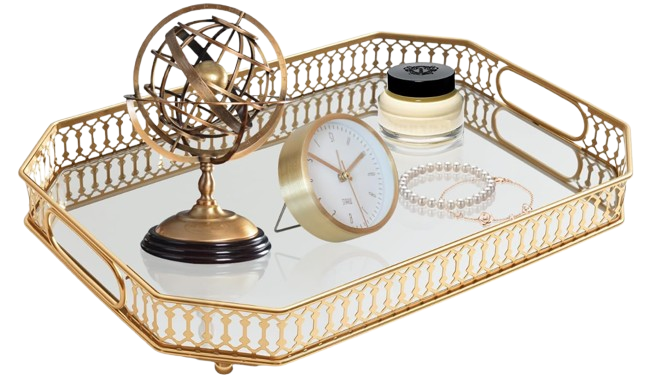 WELAISA Vintage Gold Mirrored TrayA reflective gold-framed tray for grouping decorative objects with Hollywood Regency flair.
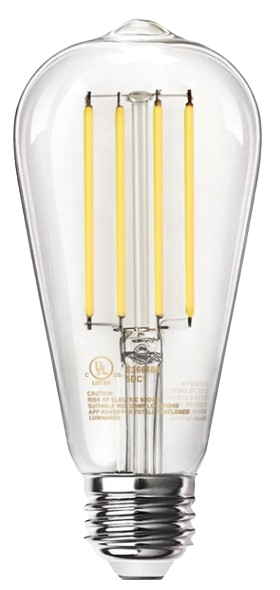 TJOY Warm White Edison-Style LED BulbsVisible-filament LED bulbs with warm 2700K light and E26 bases for compatible industrial-style fixtures.
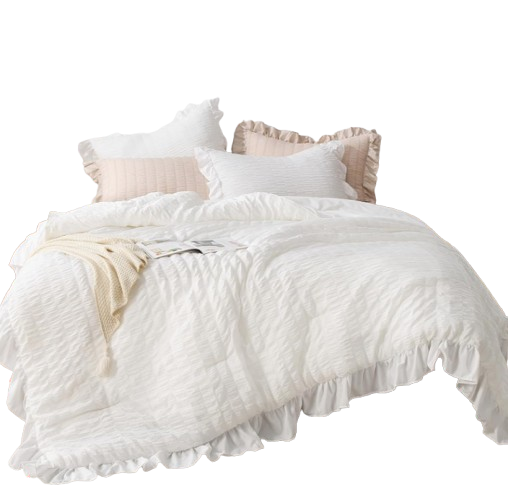 JOLLYVOGUE White Ruffle Seersucker Comforter SetA textured white queen comforter and two shams with ruffled edges for a shabby chic bedroom.
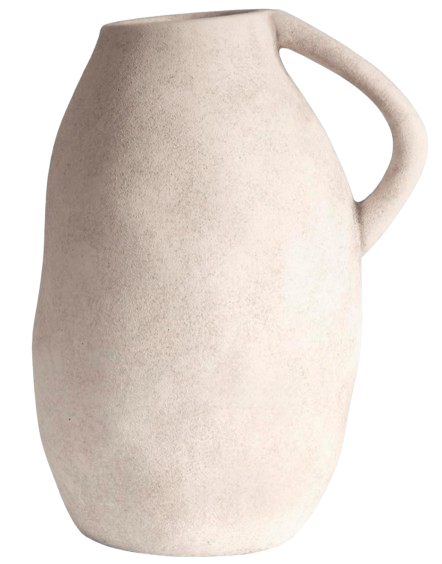 BlossoME White Ceramic Vase With HandleA simple handled ceramic jug with a distressed matte surface for styling beside wood furniture.