How to Update Your Living Room on a Budget: 15 Free and Affordable Ideas

Updating a living room can get expensive quickly. You look at a new sofa, then notice the rug needs replacing, and suddenly a simple refresh has turned into a shopping list you can’t justify. If you want to update your living room on a budget, it helps to work out which changes will make a difference before spending on the whole room.
The quick answer
- Rearrange furniture and reuse pieces from other rooms before buying replacements.
- Spend on the problem free changes cannot solve, such as poor lighting or curtains that do not fit.
- Fresh pillow covers, personal artwork, and tidier surfaces and cables can improve the room without a large purchase.
These 15 ideas range from free adjustments to affordable purchases and small DIY projects. Choose the ones that address what bothers you most, and tackle them at a pace your budget allows.
Before You Spend: What Is Actually Bothering You?
Name the frustration you want to fix before you buy anything. A cramped route to the door calls for a different answer than a room that feels gloomy after sunset.
| What feels wrong | First thing to try |
|---|---|
| The room feels cramped | Remove one unnecessary piece and test a different arrangement |
| It looks gloomy at night | Move or add a lamp where light is missing |
| The furniture feels mismatched | Repeat an existing color through textiles or accessories |
| The room looks unfinished | Check the size and placement of curtains, rugs, and art |
| Everyday clutter takes over | Give frequently used items storage near where they accumulate |
1. Clear the Surfaces and See What the Room Already Has
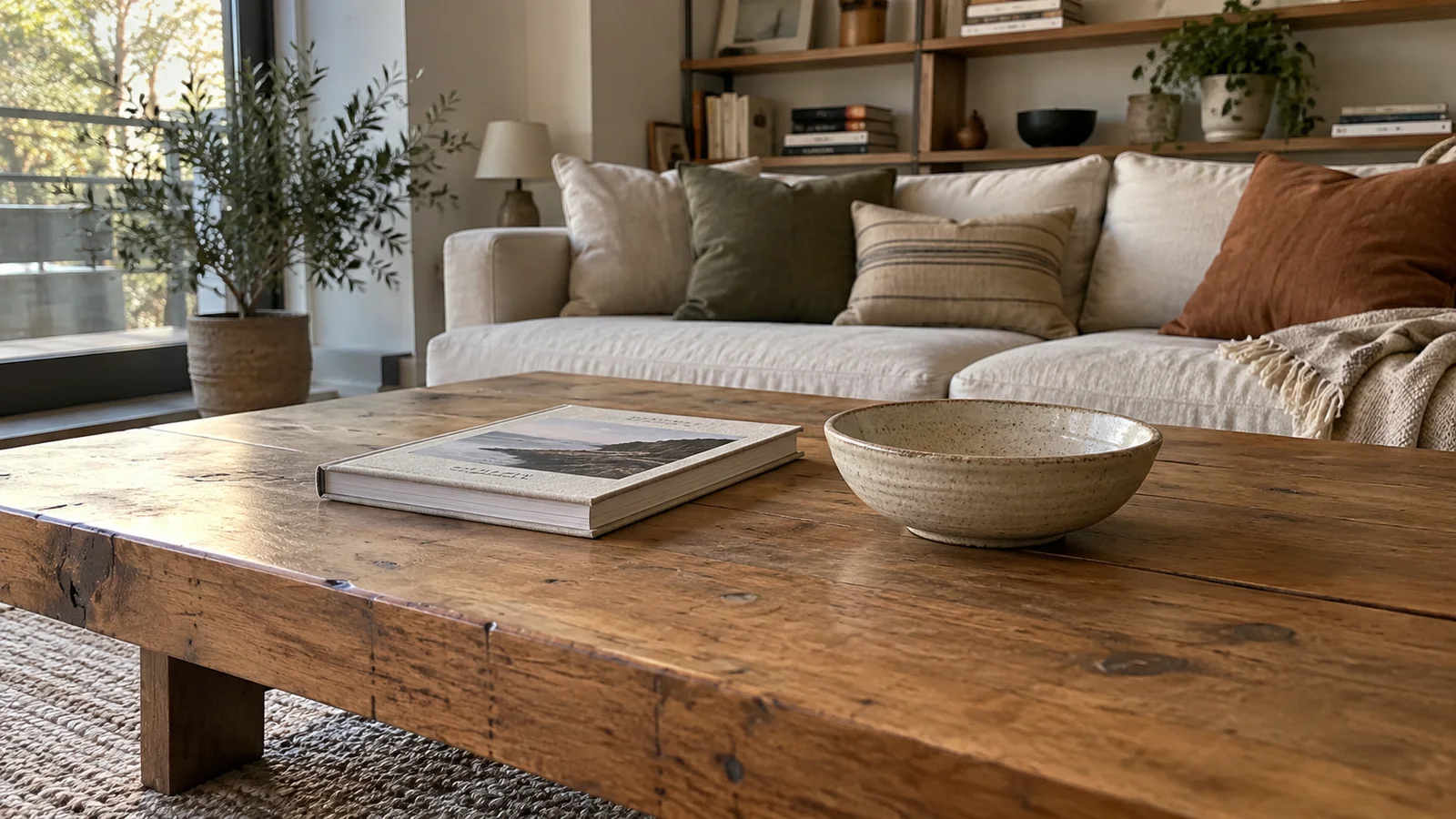
Remove the loose extras and clean the room before deciding it needs new decor. Clear the coffee table, lift everything off the shelves, straighten the sofa cushions, and wipe the windows and lampshades.
Put back the things you use or love. Leave a place for a drink on the table and enough space on the sofa to sit down. If a mark on the upholstery keeps catching your eye, our guide to cleaning couch stains can help you deal with it without making the patch worse.
2. Move the Furniture Before You Replace It
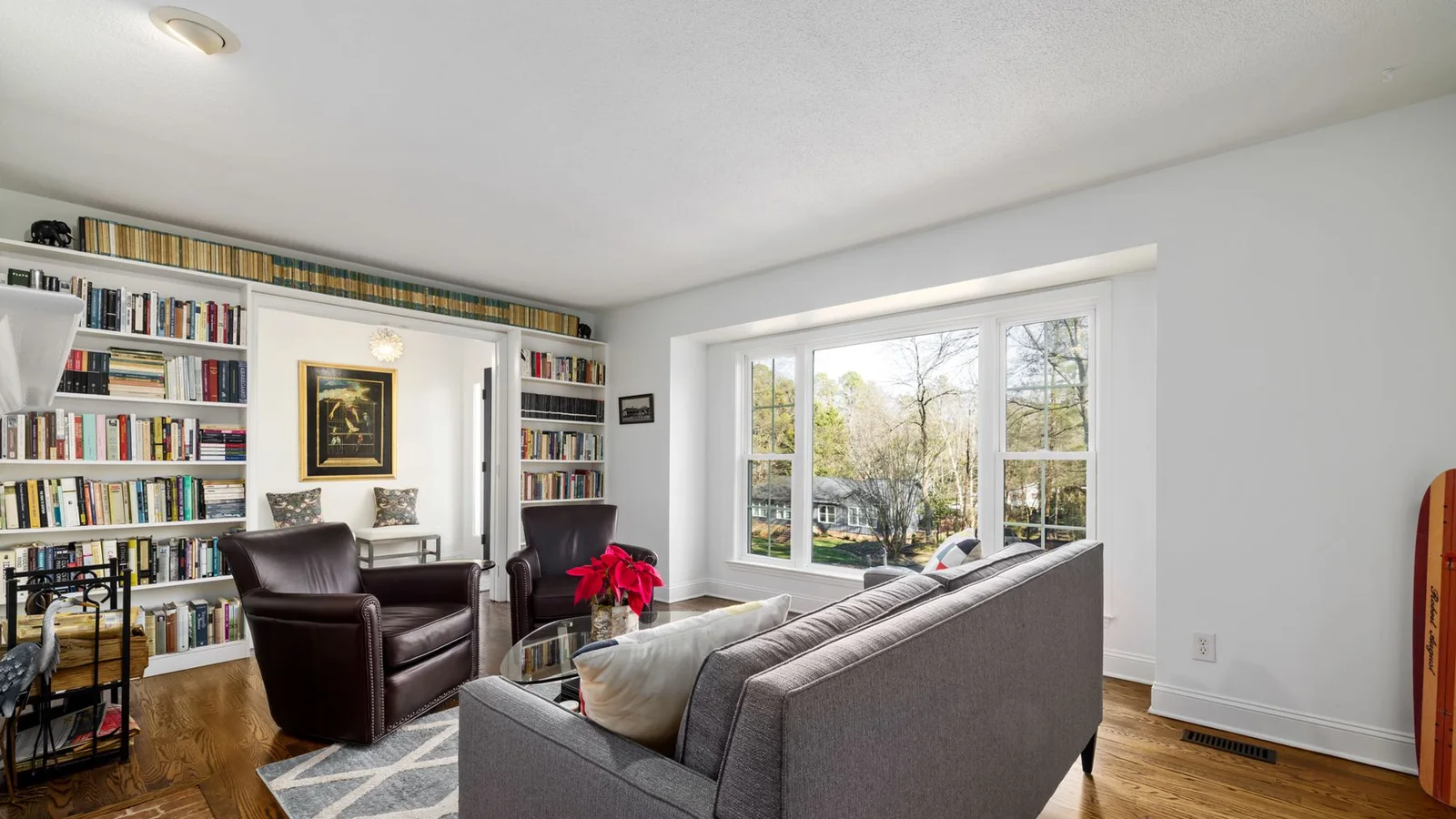
Move the seating until it supports the way you use the room. Choose a focal point, then bring chairs close enough that people can talk without calling across the rug.
Walk the usual route to the door and into nearby rooms. The sofa might look great on paper but feel awkward if you have to squeeze behind it every day. Move the rug and lamps along with the seating so the new layout feels intentional. Our guide to choosing a sofa layout gives you more arrangements to try.
3. Shop the Rest of Your Home
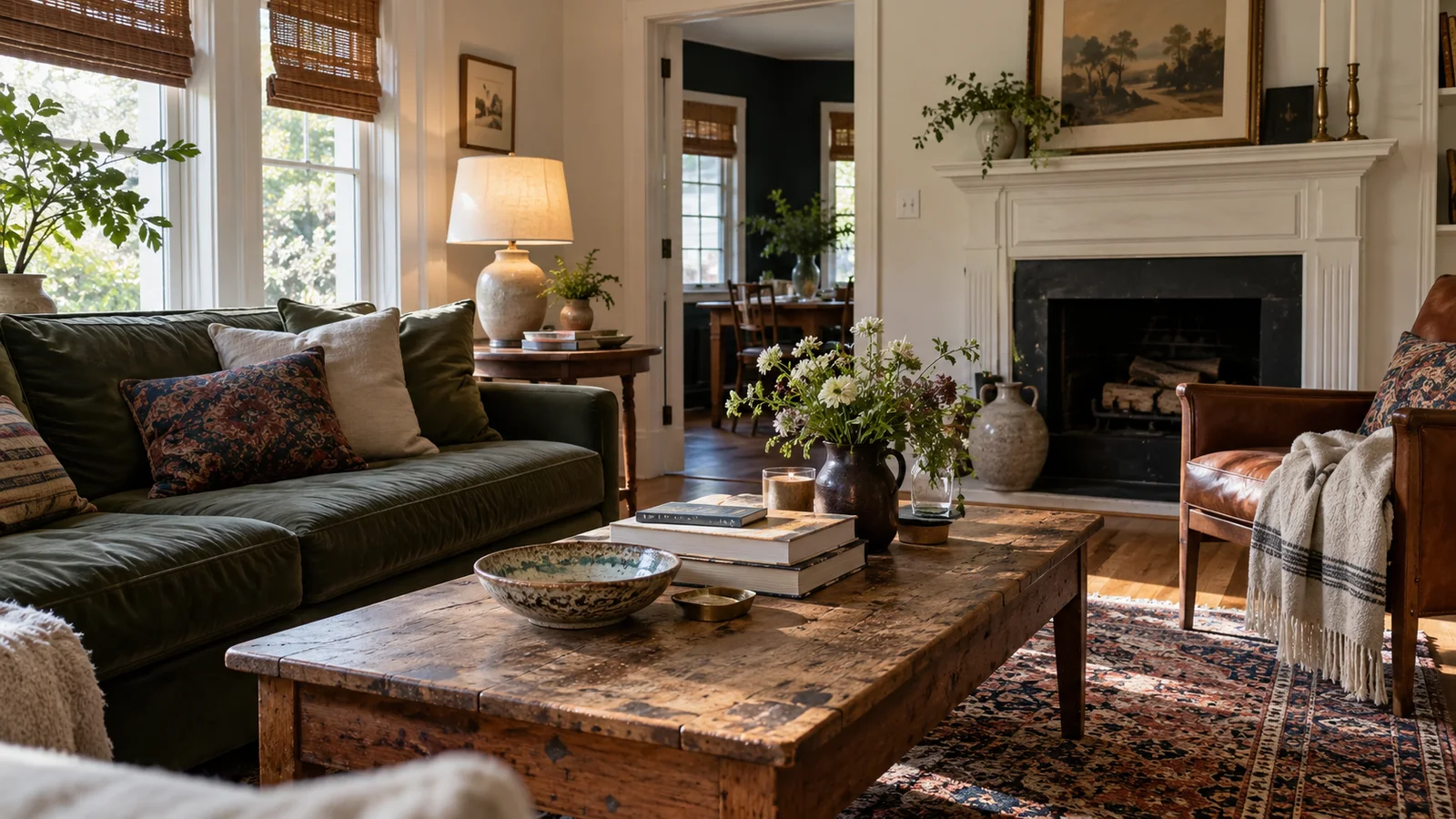
Borrow a lamp, throw, small table, or piece of art from another room. A bedside lamp might work better beside the sofa; a bedroom throw could soften an armchair.
Even a serving bowl can hold remotes on the coffee table. Choose one color from something that is staying in the room, such as the rug or a print, and repeat it in a few of your borrowed pieces. Try this pass before shopping for accessories.
4. Give the Room Better Light After Dark

Place light where you sit and where the room goes dark. First, move a lamp you already own to the chair or sofa where you actually read. A better shade or compatible warm-looking bulb might solve the problem on its own.
If there is no lamp to move, the IKEA RANARP floor/reading lamp puts adjustable light beside a seat without taking up a side table. Check the lamp dimensions, bulb requirements, and outlet location before ordering. For more lighting choices, see our guide to table lamps after dark.
5. Give the Sofa Fresh Covers and a Throw

Keep comfortable pillow inserts and change the covers. Pull one or two colors from art or a rug already in the room, then mix a solid cover with a texture or small pattern. A throw adds softness without using up every seat.
The IKEA GURLI cushion cover is a simple option if its size works with your insert. Check the cover dimensions and care instructions; an inexpensive cover is less useful if it bunches around the pillow you own.
6. Make the Curtains Fit the Window

Correct the length, fullness, and rod placement before replacing your panels. Raising the rod can make the wall feel taller, but only if the fabric still reaches the intended point near the floor. Moving it wider can uncover more glass when the curtains are open.
If the panels truly are too short or too skimpy, IKEA RITVA curtains are a ready-made cotton option. Compare the available lengths and width to your window before buying. Our curtain length and fullness guide walks through the fit.
Need Privacy Without Heavy Curtains?
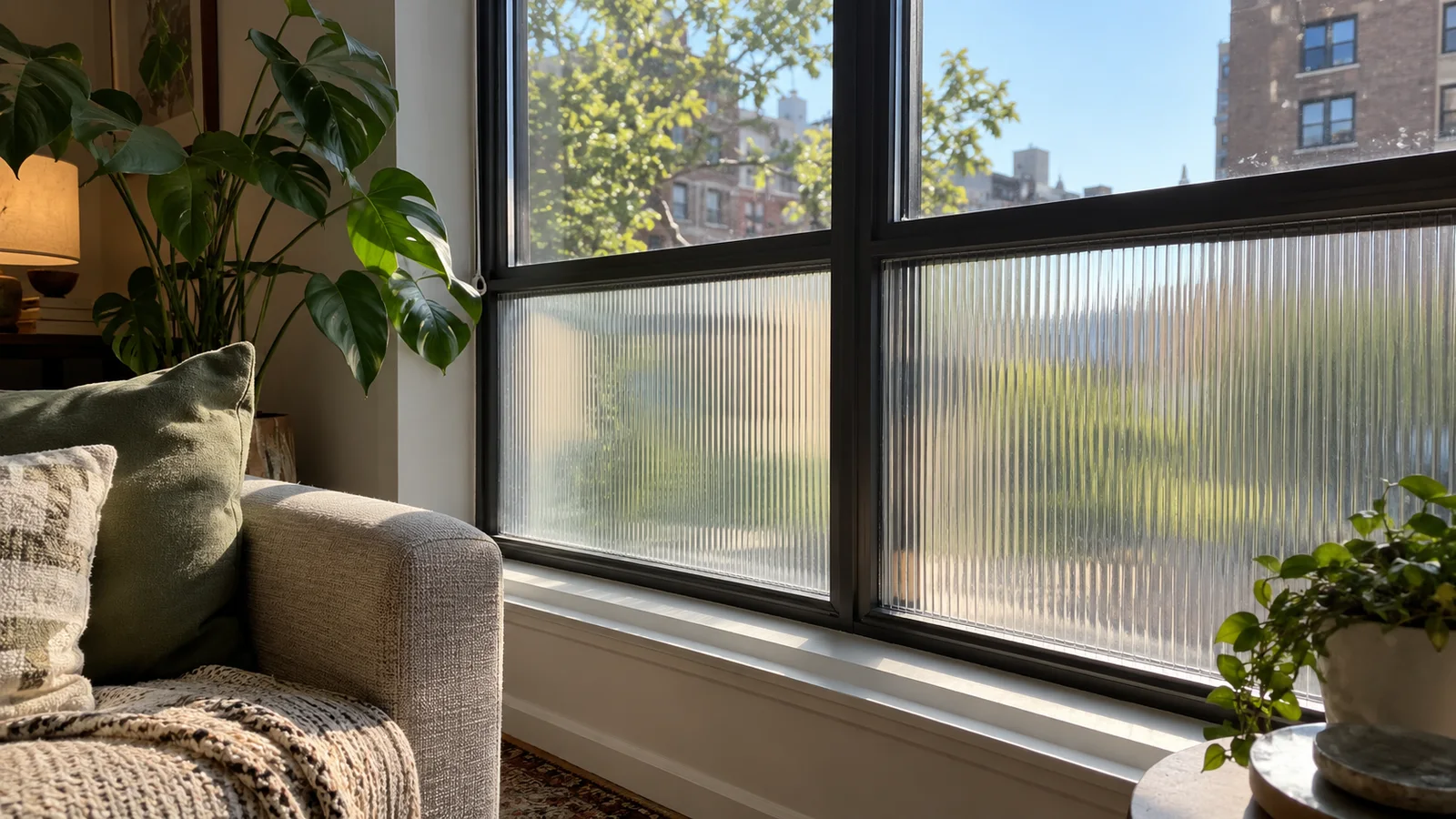
Use suitable privacy film on the windows that need screening. It can leave the room feeling lighter than a heavy panel drawn all day.
Purlfrost reeded window film is one example. Check the film’s glass compatibility, how much privacy it offers at night, and the installation instructions before you cut it.
7. Check the Rug’s Size Before Shopping for a New Pattern
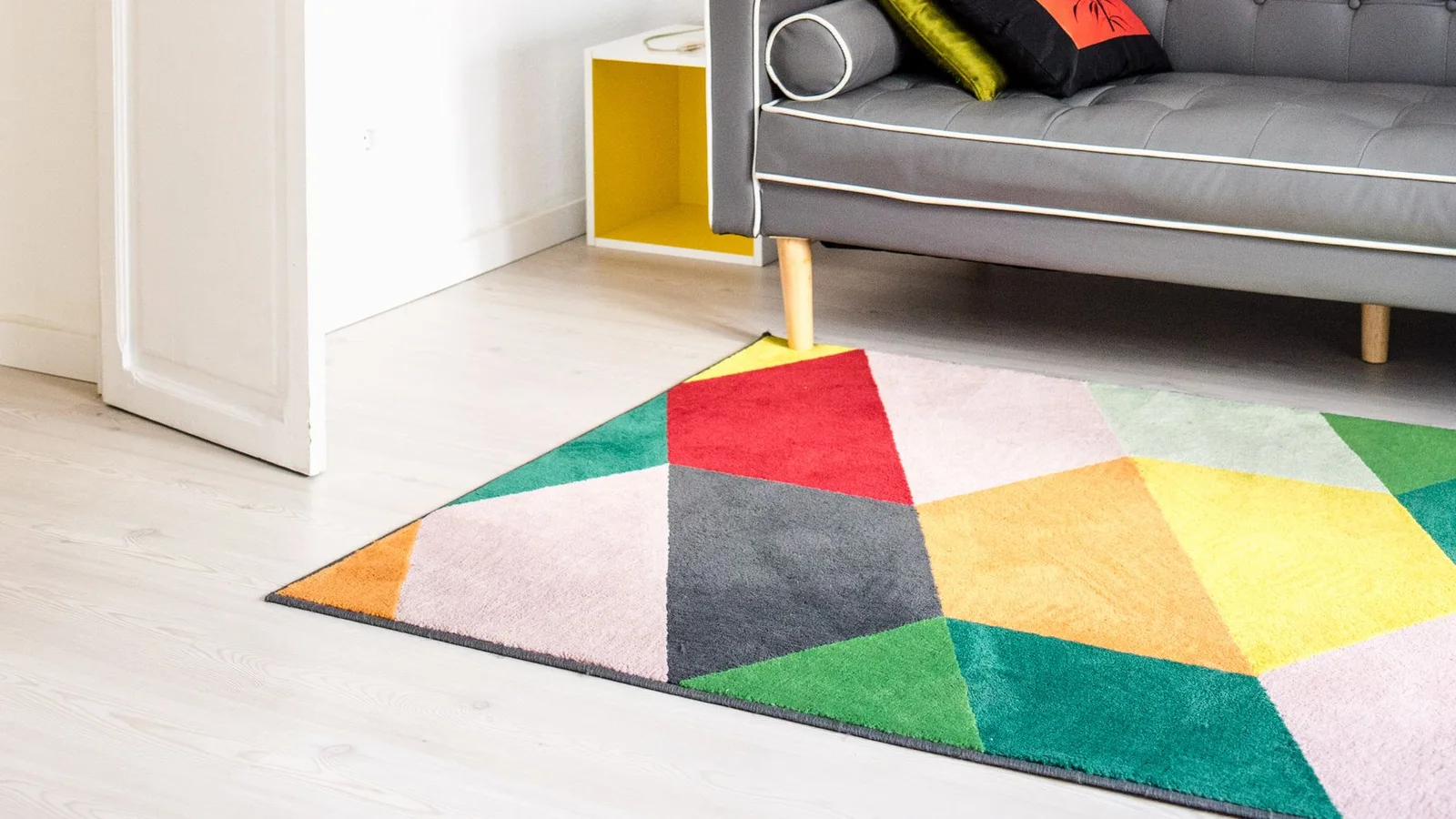
Use the rug to connect the seating arrangement. Before buying a new pattern, try repositioning the rug you have so the furniture relates to it. A rug that ends in the middle of the conversation area can make everything feel separate.
If you need another size, map the seating area and allow for a rug pad where appropriate. The IKEA LOHALS flatwoven rug adds natural texture, though its firm feel and care needs will suit some households better than others. Check our room-by-room rug size guide before settling on dimensions.
8. Put Your Own Photos and Finds on the Walls
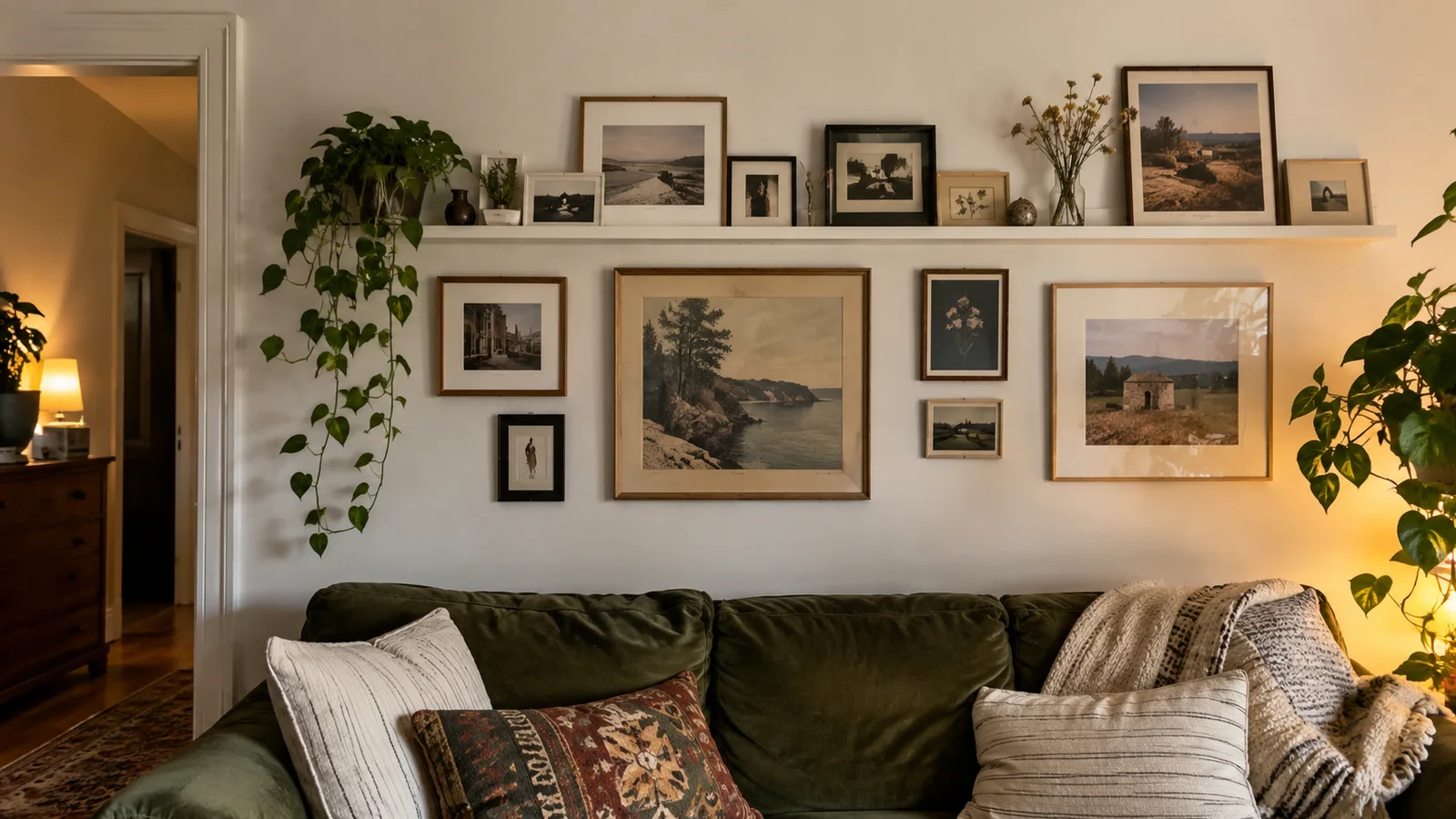
Print favorite photos, frame postcards, or display a fabric remnant you have kept. Secondhand frames can make a small collection affordable, especially when you repeat a color or finish.
Group smaller pieces so they have enough presence above the sofa. The IKEA MOSSLANDA picture ledge lets you rotate prints without making a new hole for each frame, though wall fasteners are additional. For a lighter framed piece on a suitable surface, Command X-Large picture hanging strips may work; follow the package’s surface and weight guidance. Our art wall guide can help with spacing.
9. Use Paint Where It Will Change the Room Most
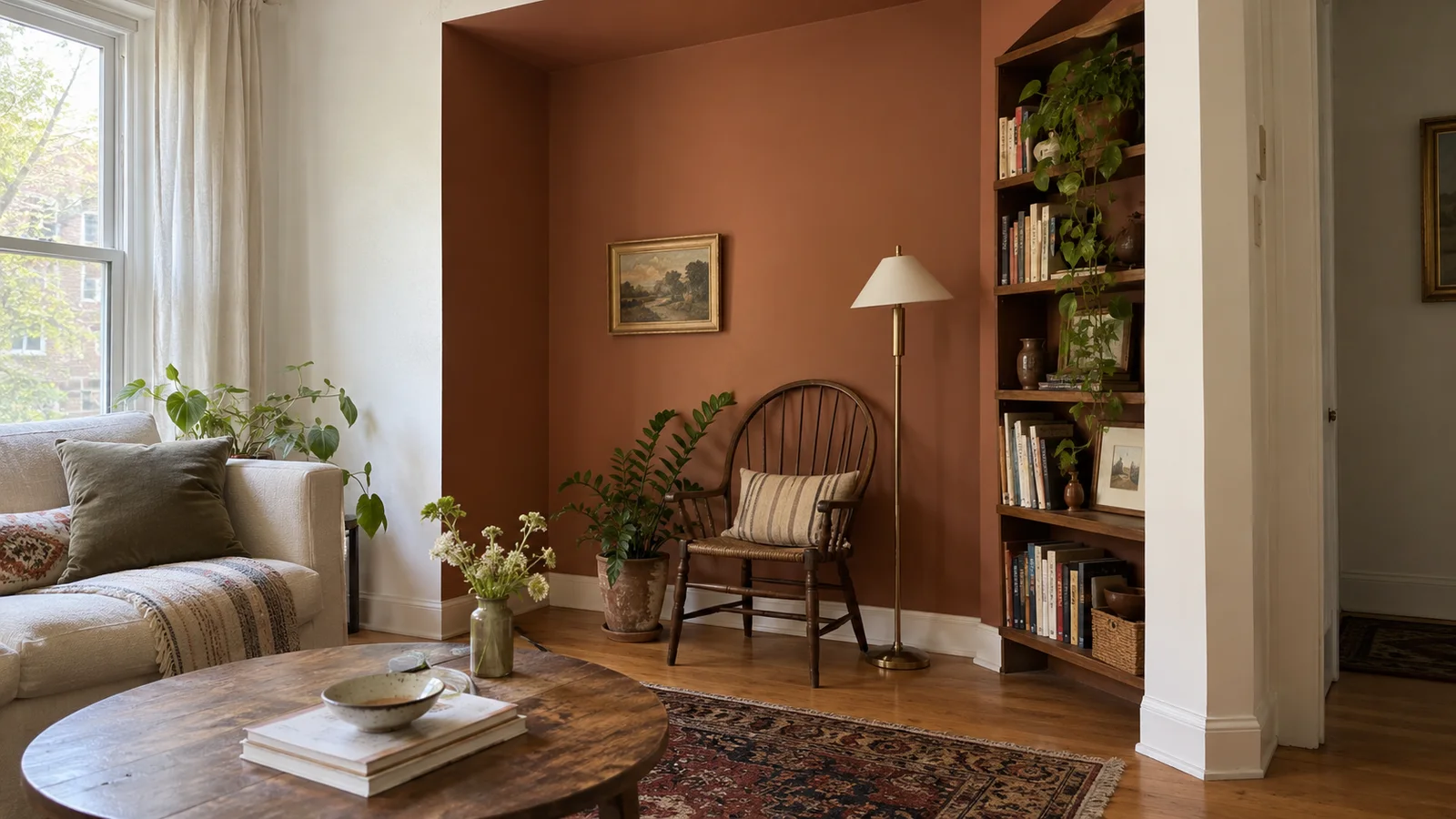
Choose a paint project that changes what you notice every day. A marked wall might need a touch-up, while a plain alcove, tired door, or small stretch of trim could carry a new color.
Test the color in your room at different times of day. A sample pot helps you choose, but the full project budget should include surface preparation, primer if required, tools, enough paint for coverage, and finishing supplies. A weekend project is more satisfying when you can finish it.
10. Give One Tired Piece of Furniture Another Chance
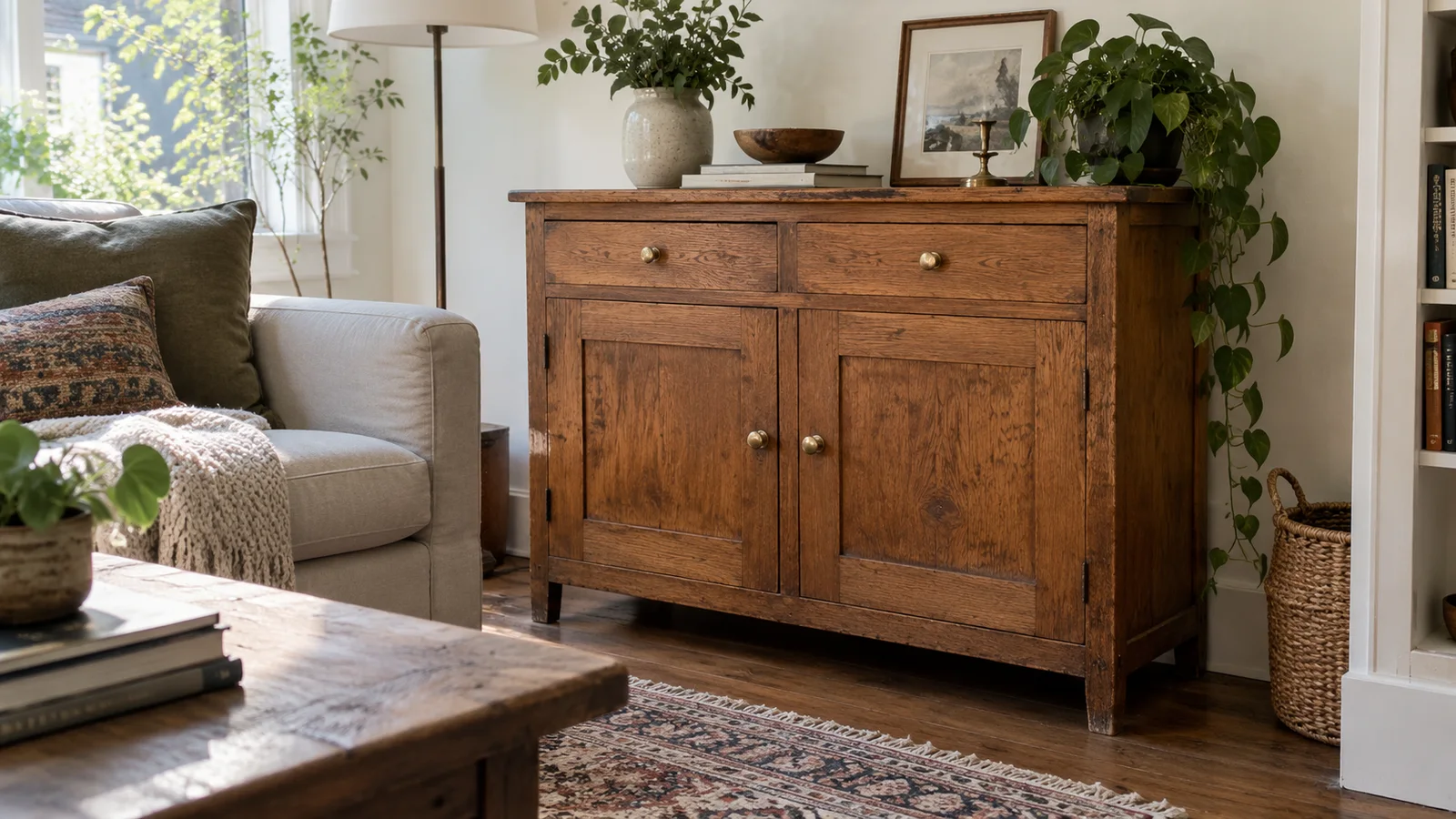
Refresh a sturdy table or cabinet before replacing it. Clean it well and tighten loose fittings first. Sometimes the surface looks tired because the hardware is worn or the piece has never had a thorough wipe-down.
If paint is the answer, Annie Sloan Chalk Paint is one furniture option. Check the preparation and protective finish required for your particular surface, then add those materials to the cost. A low paint price alone does not tell you the cost of a completed cabinet.
Add Pattern to a Plain Cabinet
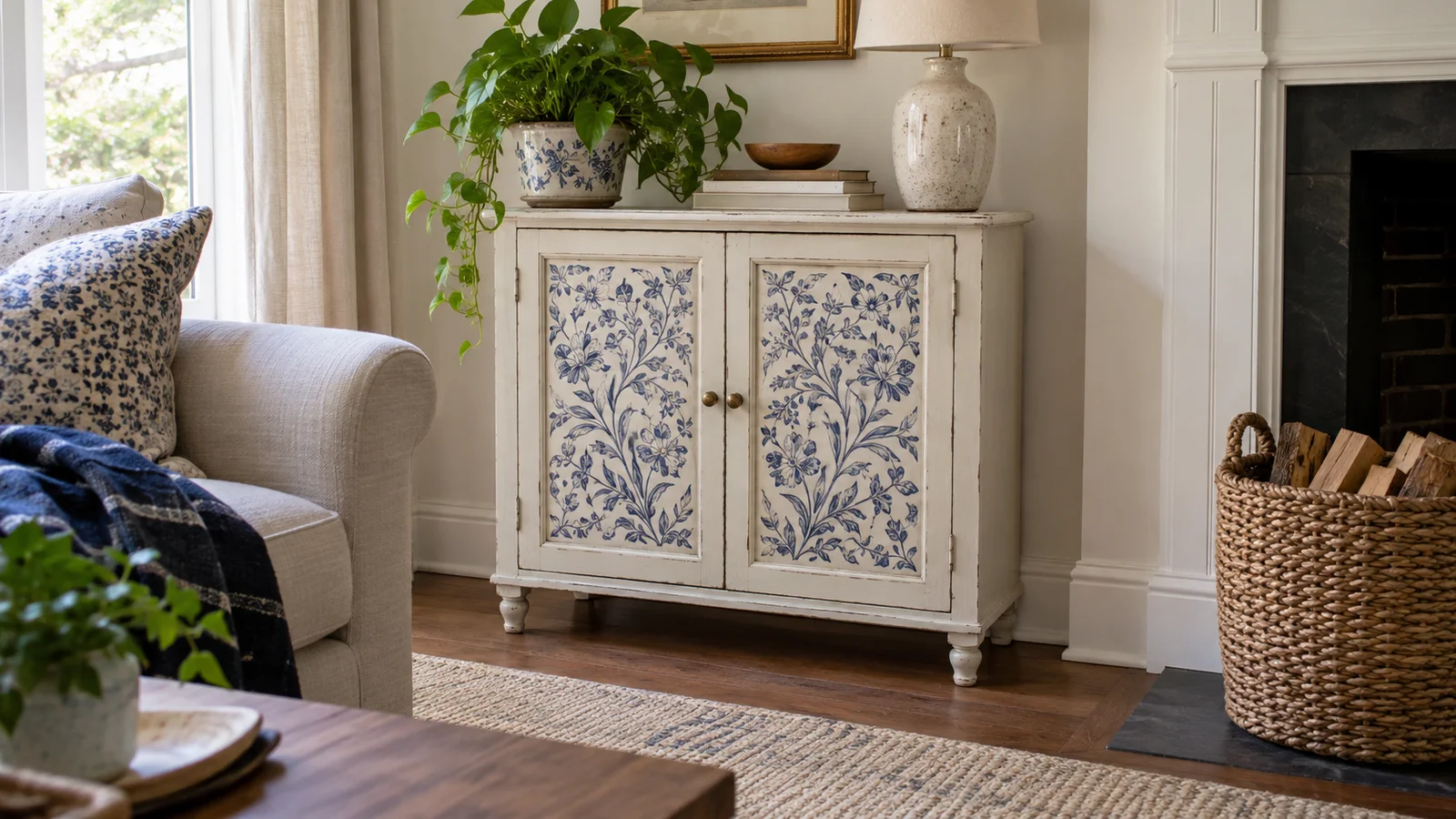
Keep the pattern to a contained surface, such as cabinet door panels or the back of a bookcase. Decoupage paper or leftover wallpaper can bring in color without covering an entire wall.
Clean and prepare the surface, test the adhesive and finish, and let each layer cure as directed. If you might change your mind often, a removable insert behind a shelf is easier to swap than a permanent finish.
11. Thrift the Piece Your Room Is Missing
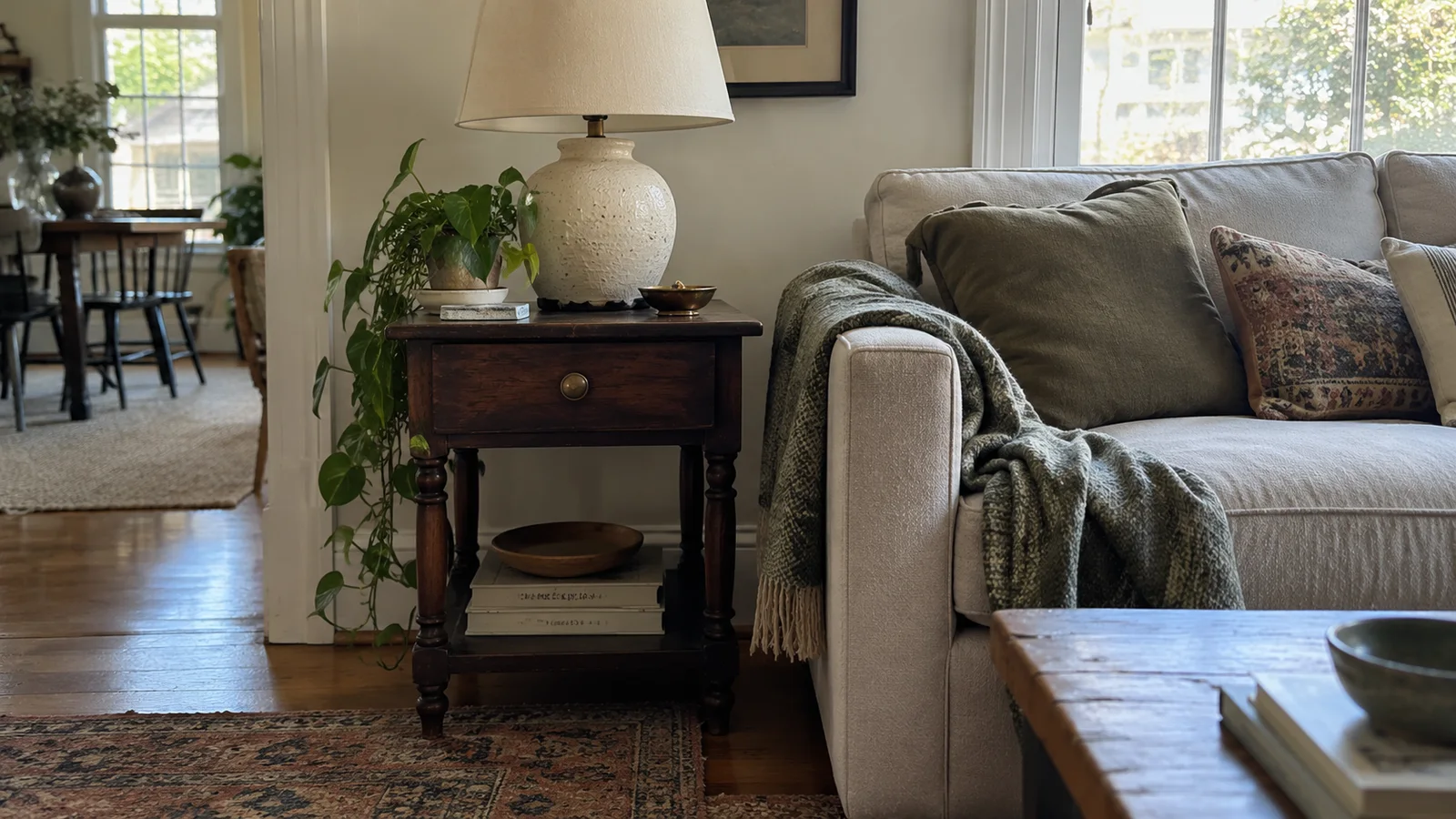
Go secondhand shopping with one item and its maximum size in mind. A side table, frame, mirror, or small cabinet is easier to judge when you know exactly where it will go.
Check that it is stable and look for damage that would cost more to repair than the piece is worth. Remember collection or delivery costs, especially for a heavy find. A vintage accent can sit comfortably among newer basics; our guide to mixing vintage and newer furniture shows how.
12. Add Greenery With Enough Presence to Notice
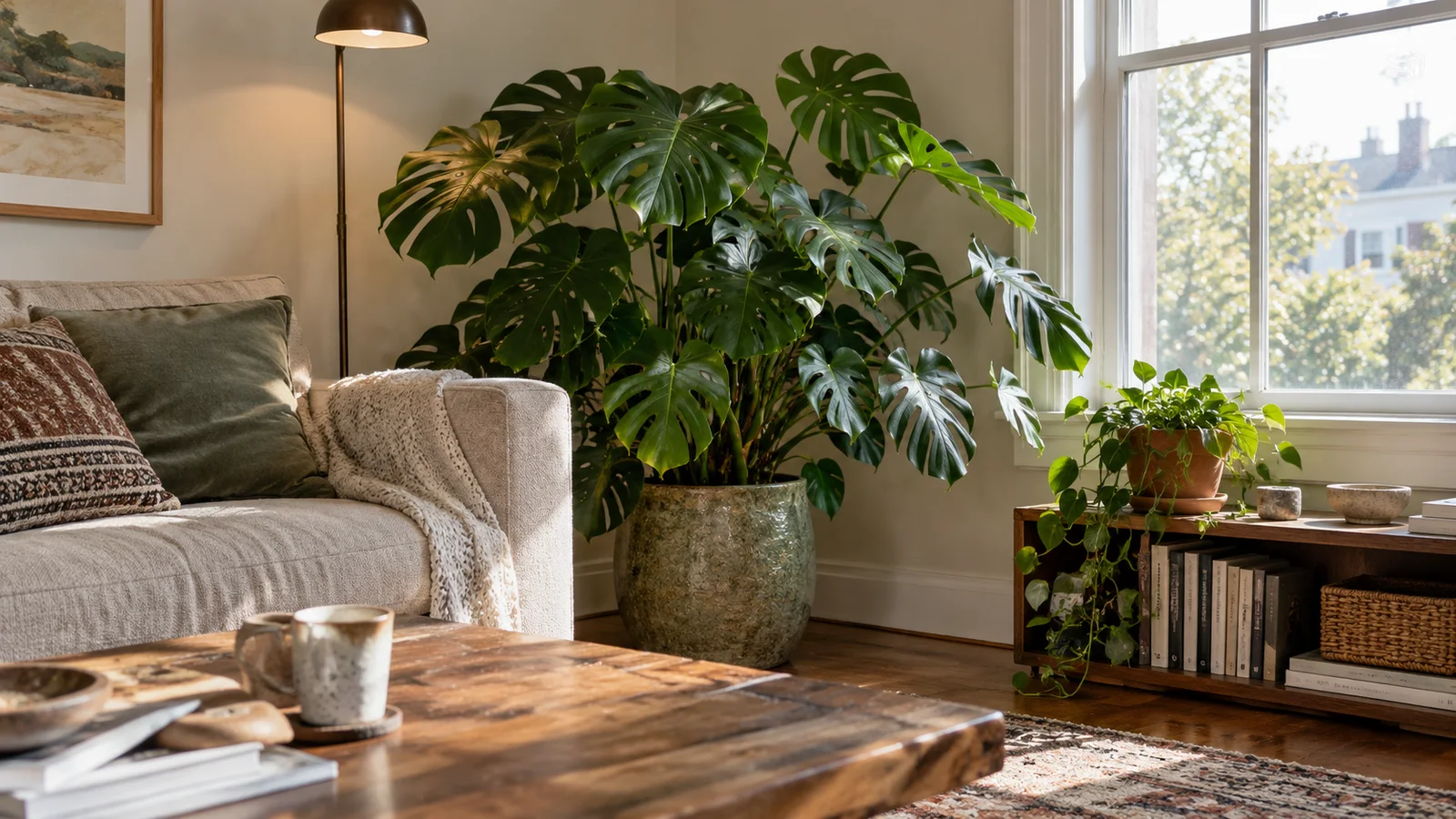
Pick a plant or arrangement that fits the light and the size of its spot. You might move an existing plant into view, display garden clippings in a vase, or group two smaller pots at different heights.
If the corner really needs a larger plant, check the care needs and budget for a suitable pot too. A large plant that struggles in the available light will not feel like a bargain for long.
13. Restyle the Coffee Table and Shelves
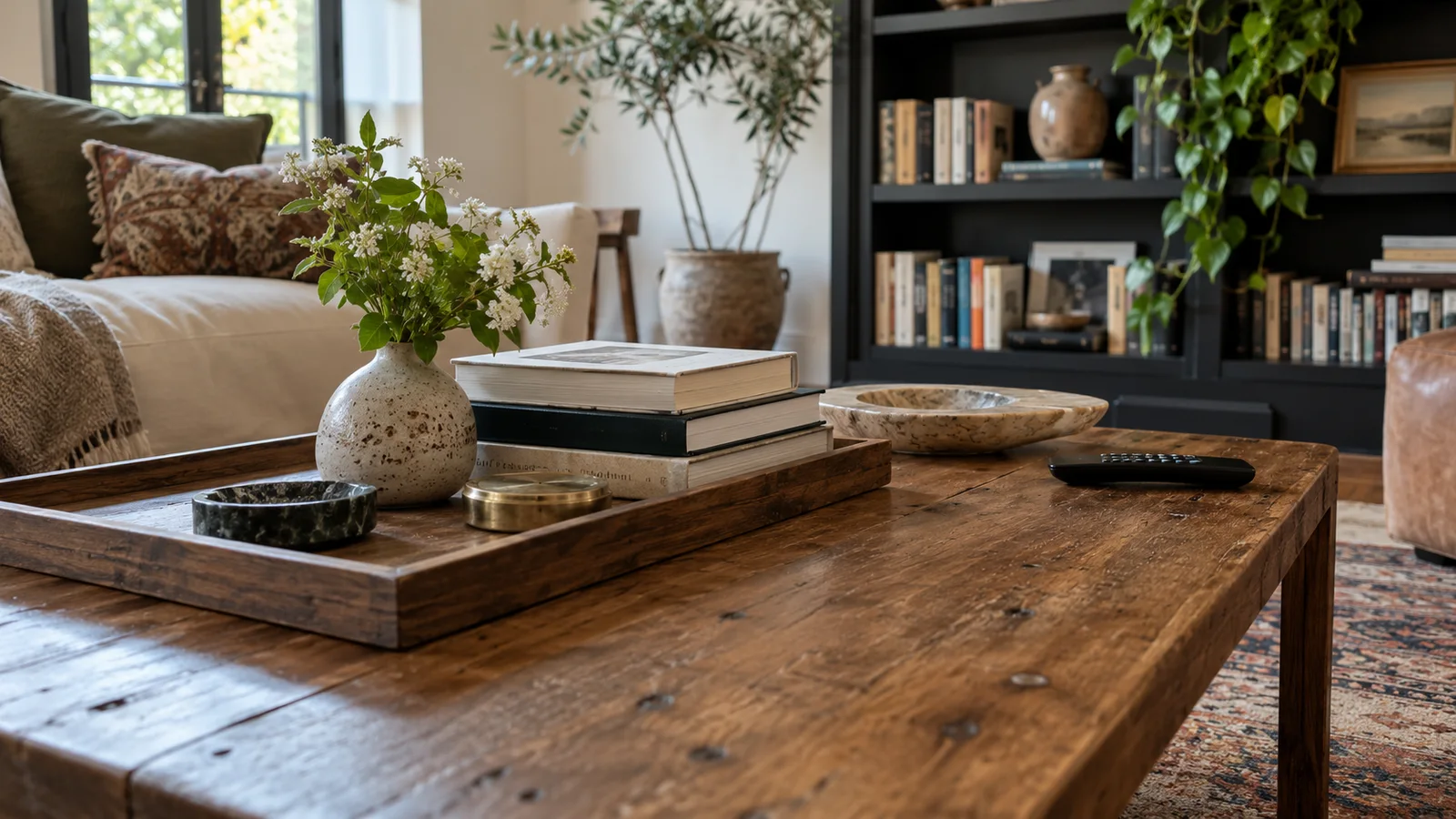
Build a small arrangement from useful or meaningful things you already own. A tray can gather remotes, a short stack of books can lift a small vase, and one favorite object can be enough.
Vary the heights, then sit down and see whether there is still room for a mug. On shelves, give your favorite pieces some space instead of squeezing in everything at once. Rotate stored decor later when you want another change.
14. Give Everyday Clutter a Place to Land
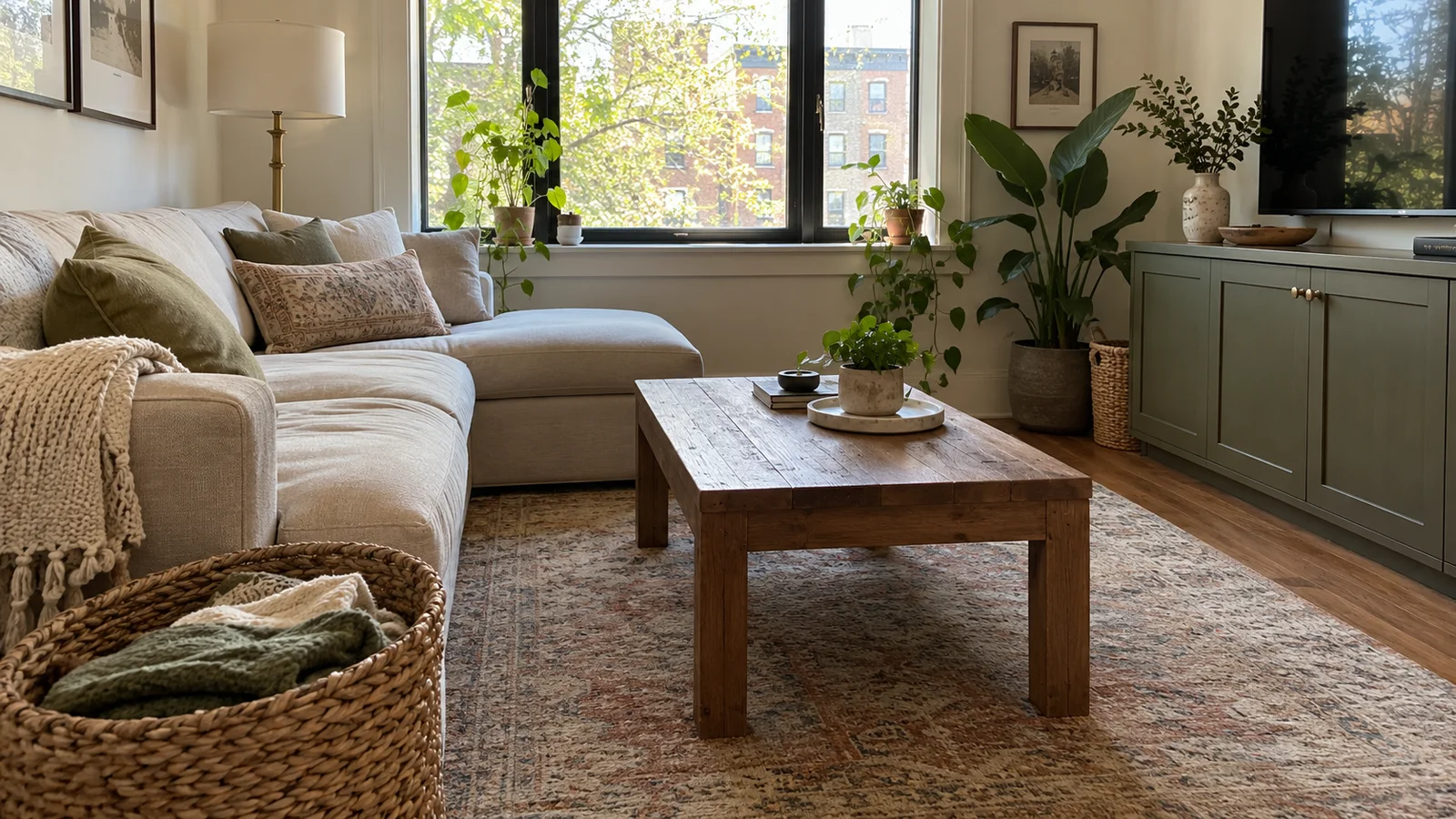
Put storage where the clutter actually appears. A basket beside the sofa can take the throws, a drawer can hold chargers, and an existing cabinet can keep games close to the seats where you play them.
Measure the belongings before choosing a new container. A storage ottoman earns its floor space when you also want a footrest or occasional seat; our small living room storage ottoman guide compares the options.
15. Add One Detail That Makes the Room Feel Finished
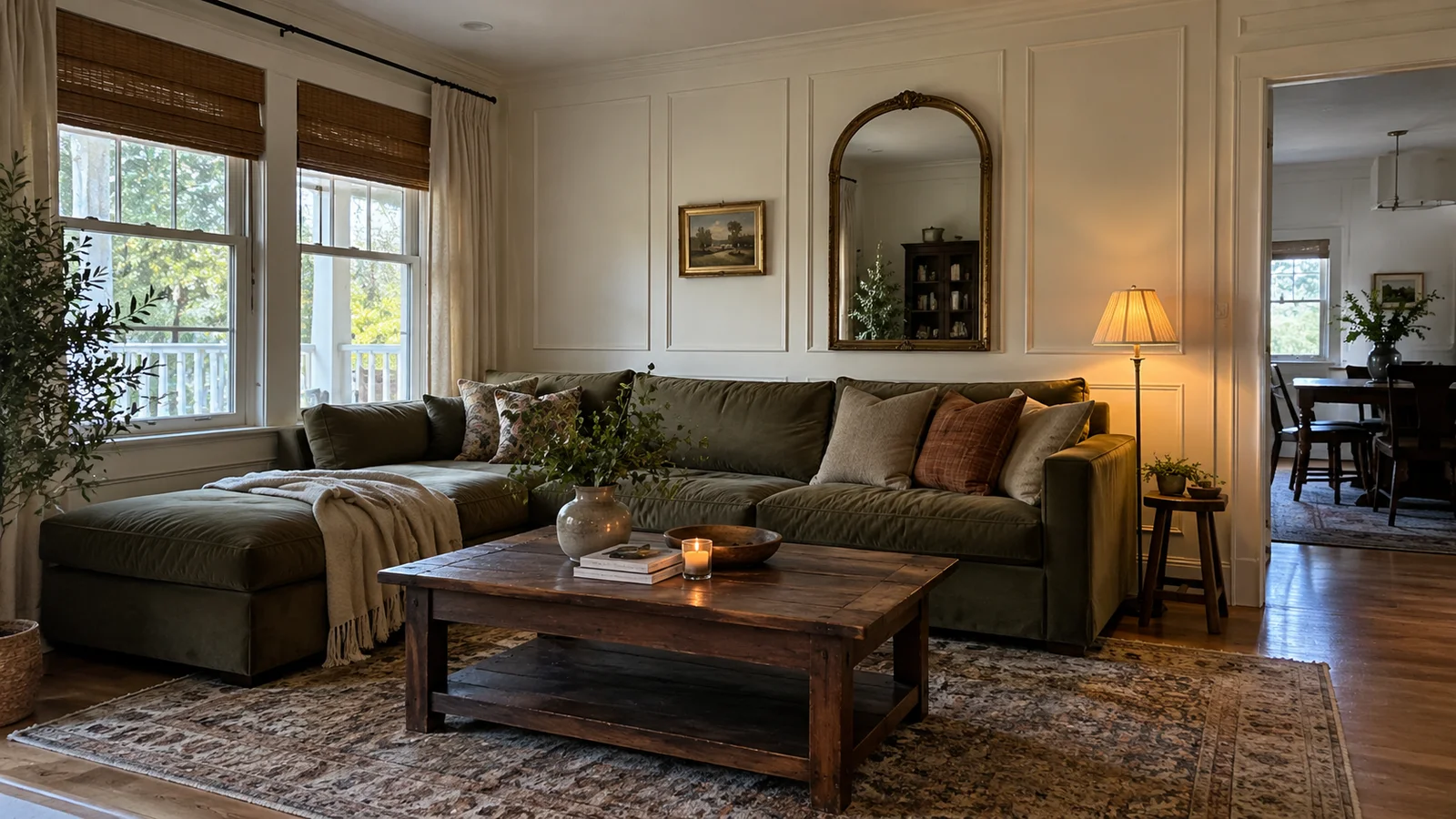
Choose one manageable decorative project once the room’s layout works. A painted border, simple picture-frame molding, or a ceiling medallion can add interest without buying another large piece of furniture.
An Ekena Millwork ceiling medallion is one optional example if it suits your ceiling and light fixture. Include adhesive, paint, electrical help if needed, and installation time when you compare costs. The smallest project often looks best when it answers something specific about the room.
What to Prioritize With the Budget You Have
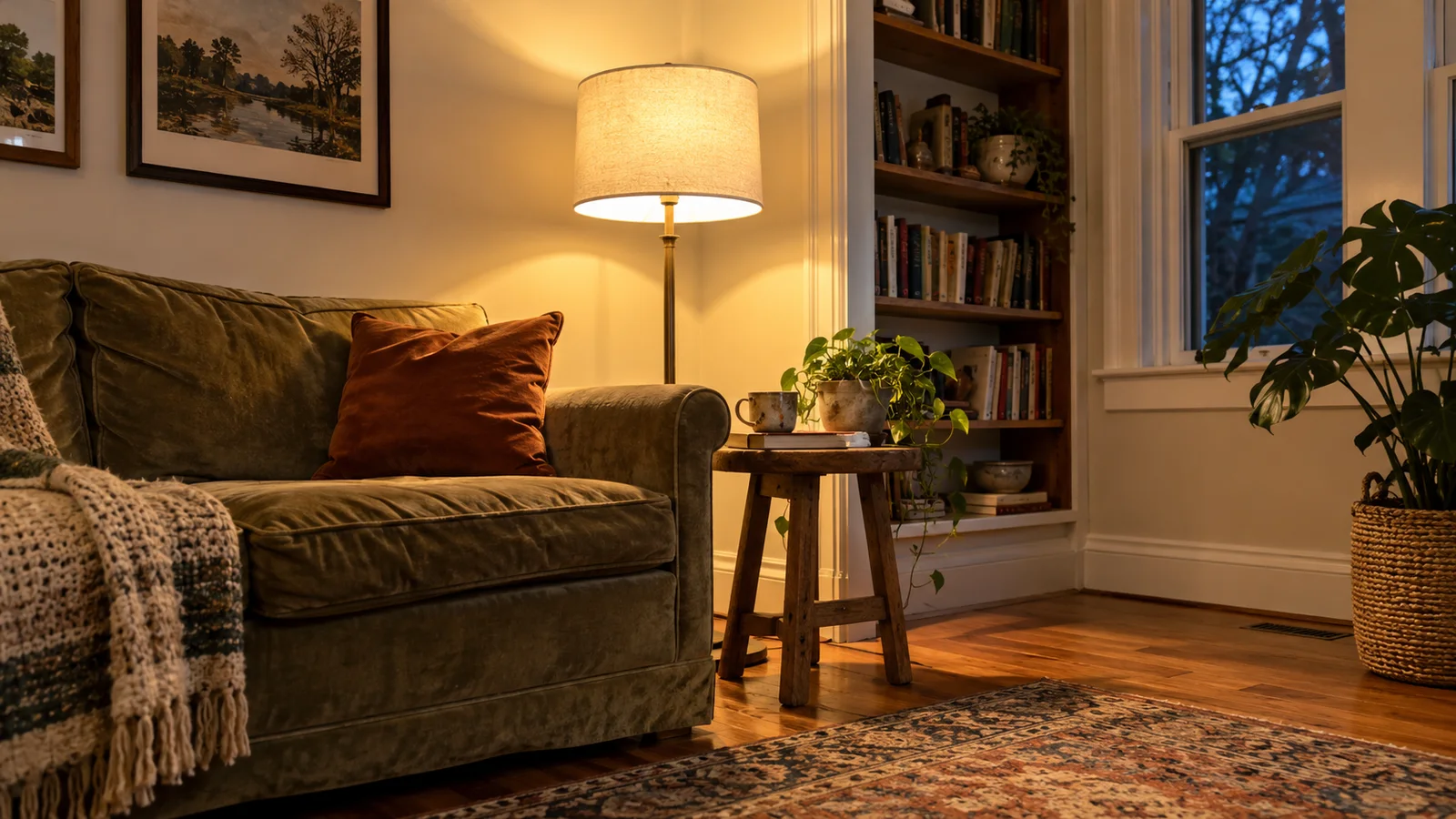
Pick one budget level and one problem to solve. These are alternative plans, not steps in a shopping sequence. Prices vary by store and location, so use the amounts as planning limits.
| Budget | A useful plan |
|---|---|
| No spending | Clean, edit, rearrange, and borrow from other rooms |
| Up to $50 | Solve one small issue with covers, bulbs, a shade, or framing supplies |
| Up to $150 | Focus on one visible area, such as the window or a poorly lit seat |
| Up to $300 | Compare a suitable rug, a larger textile change, or one furniture refresh project |
Give the change a week before adding another. You will have a clearer idea of what the room still needs.
Before You Buy: A Quick Checklist
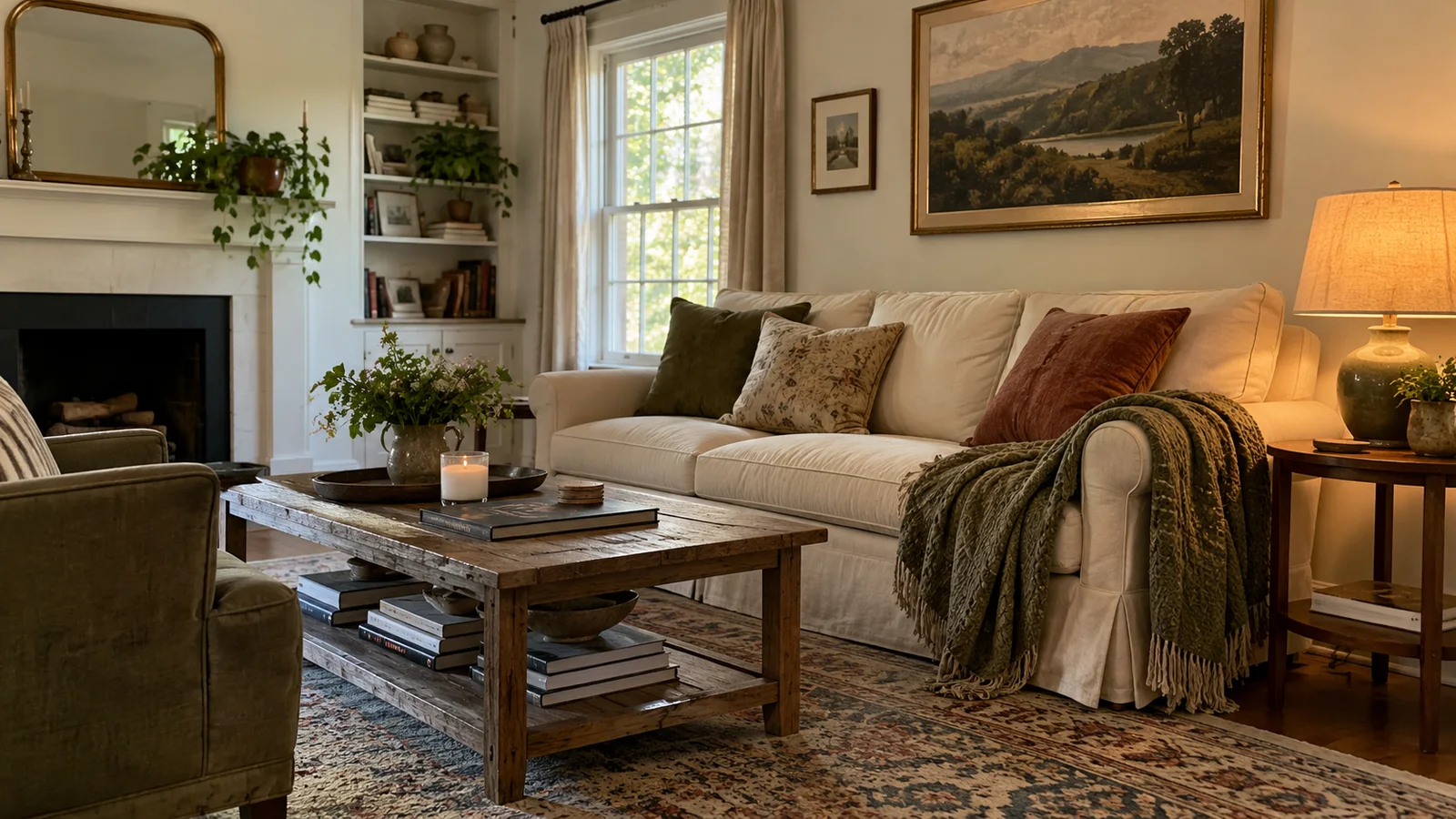
A quick checklist before you start your budget decorating journey:
- I know which problem I want to solve.
- I have tried something I already own.
- The size, color, and materials work in my room.
- I have included hardware, delivery, and finishing supplies in my budget.
- I know where the item will go.
- One useful purchase will help more than several small accessories.
FAQs About Updating a Living Room on a Budget
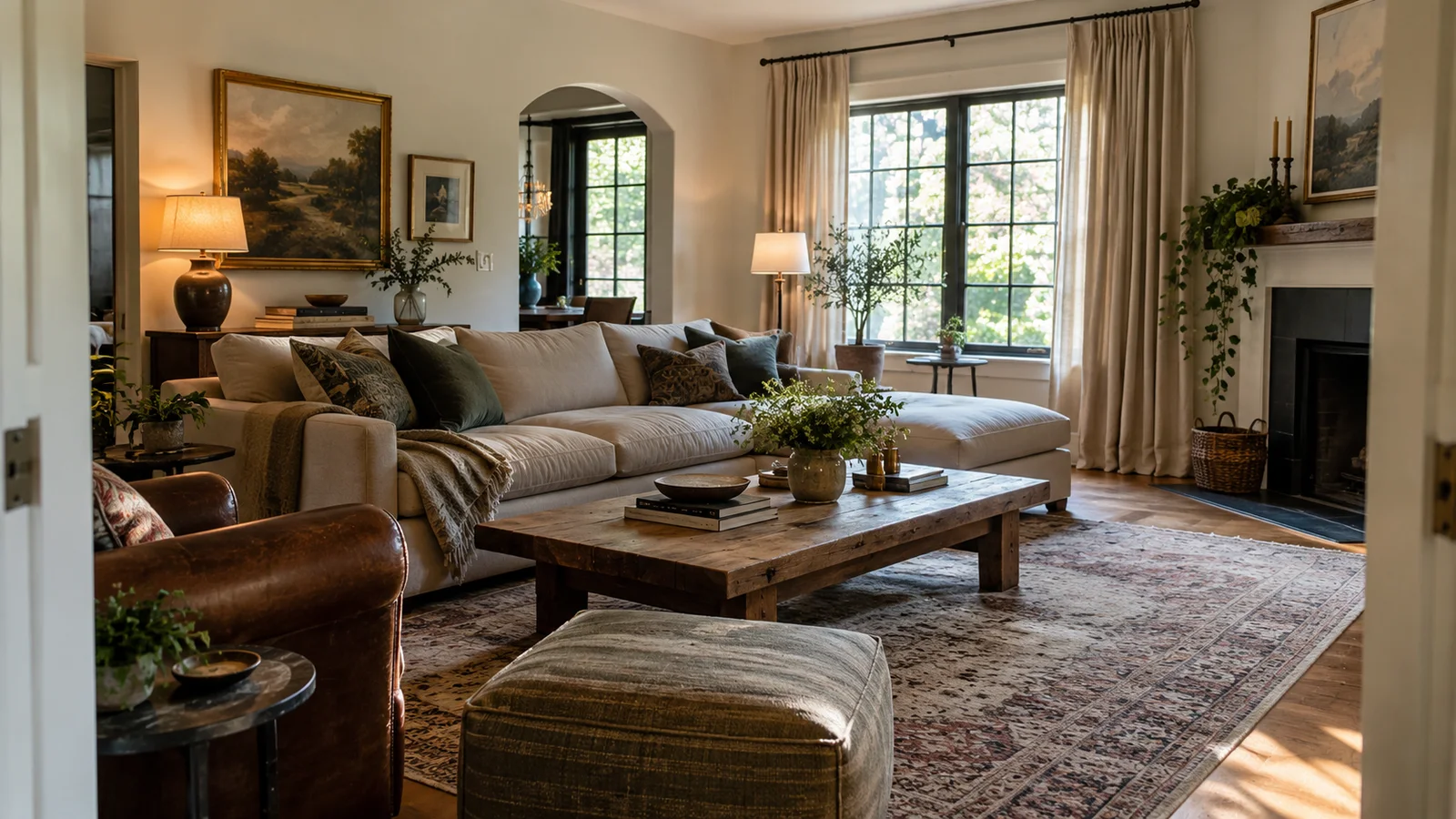
What Is the Cheapest Way to Update a Living Room?
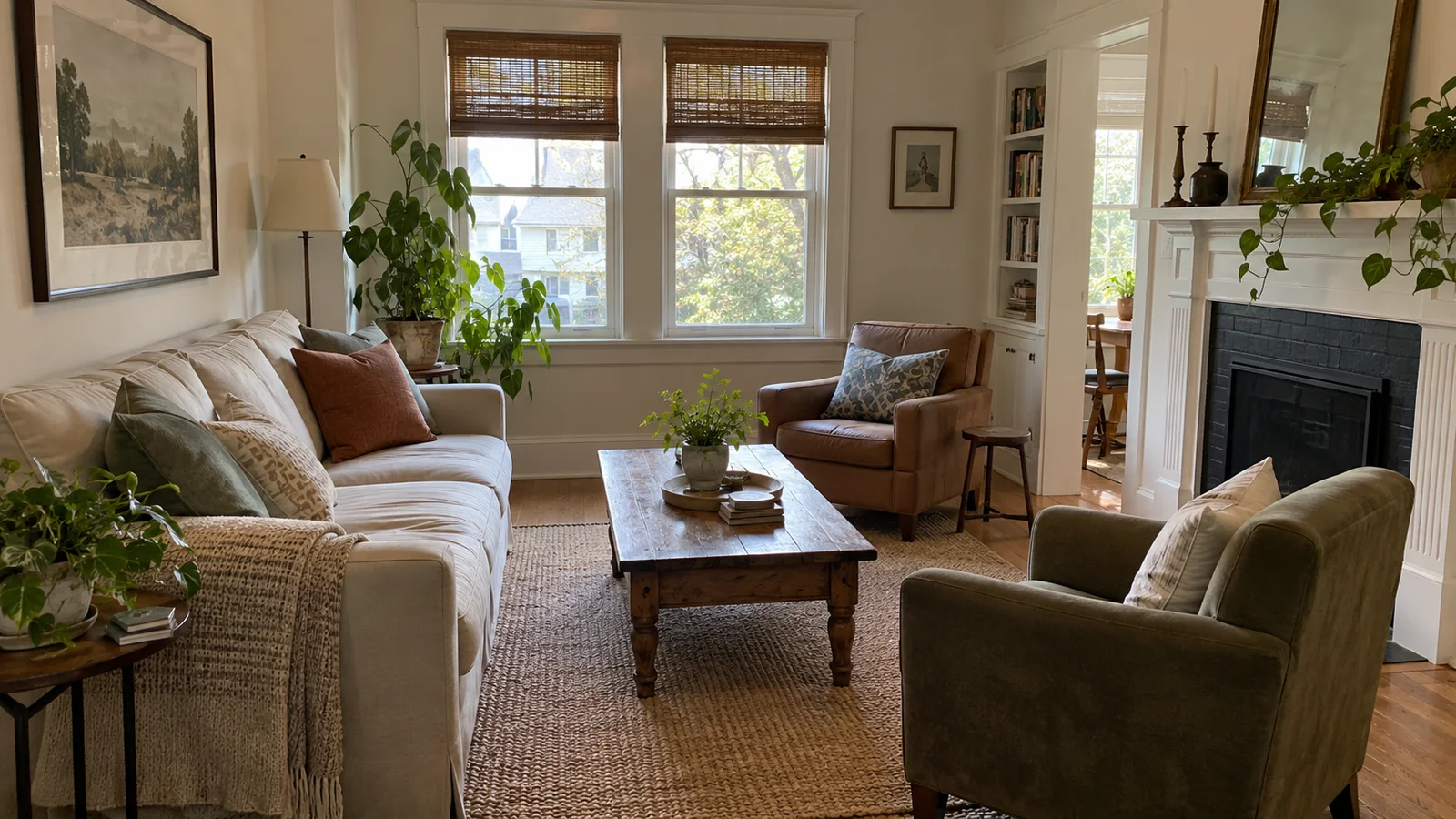
Clean, edit, and rearrange what you already own. Move the chairs and lamps, borrow a throw or table from another room, and put back only the accessories you want to see every day. That gives you a clearer room before you spend.
Which Small Change Makes the Biggest Difference?
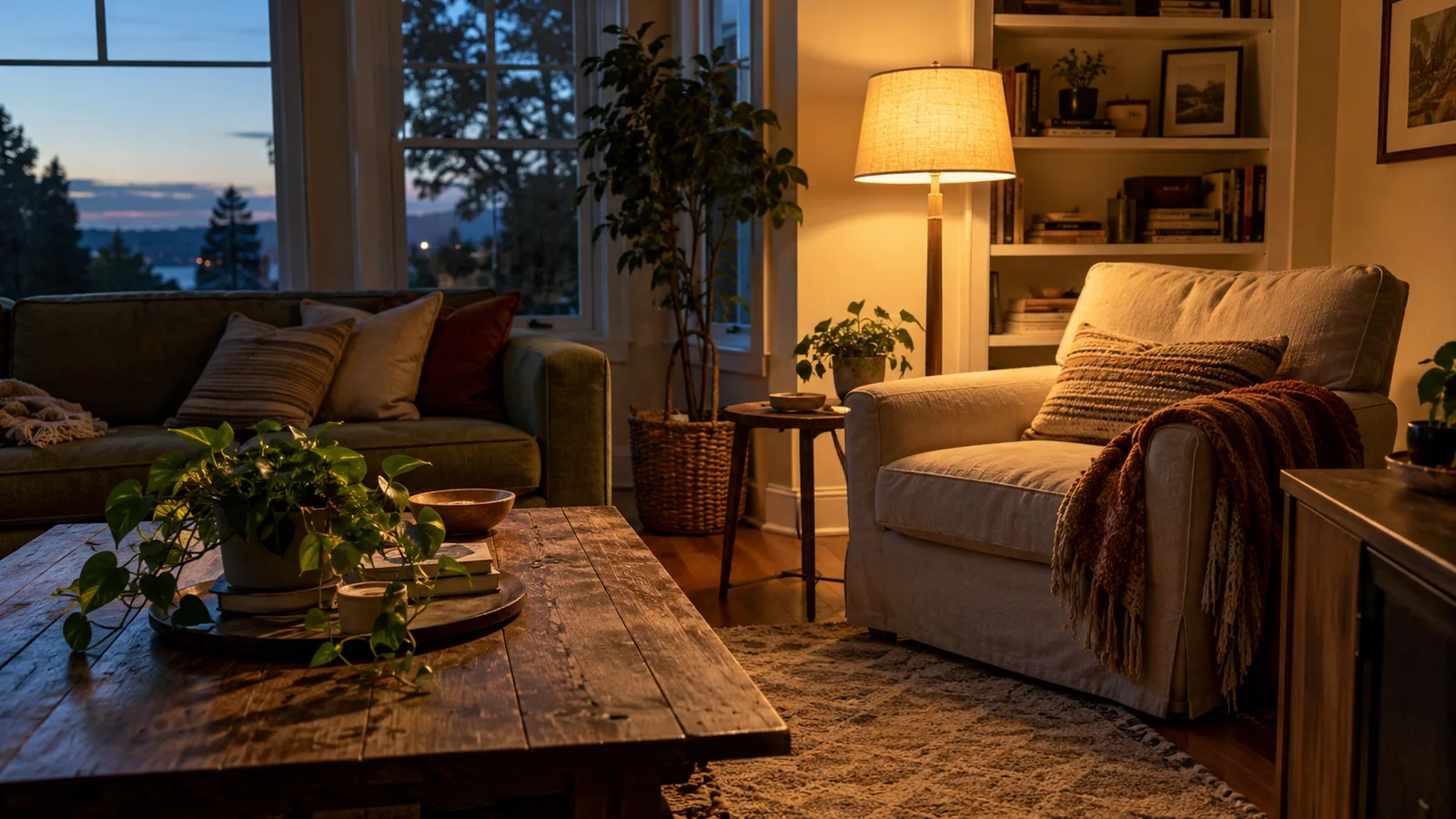
Fix the thing you notice most often. Better lighting helps a gloomy room, a new layout helps a cramped one, and better-scaled curtains or a rug can help an unfinished room. The best small change depends on your daily frustration.
How Can I Update a Dated Living Room Without Buying a New Sofa?
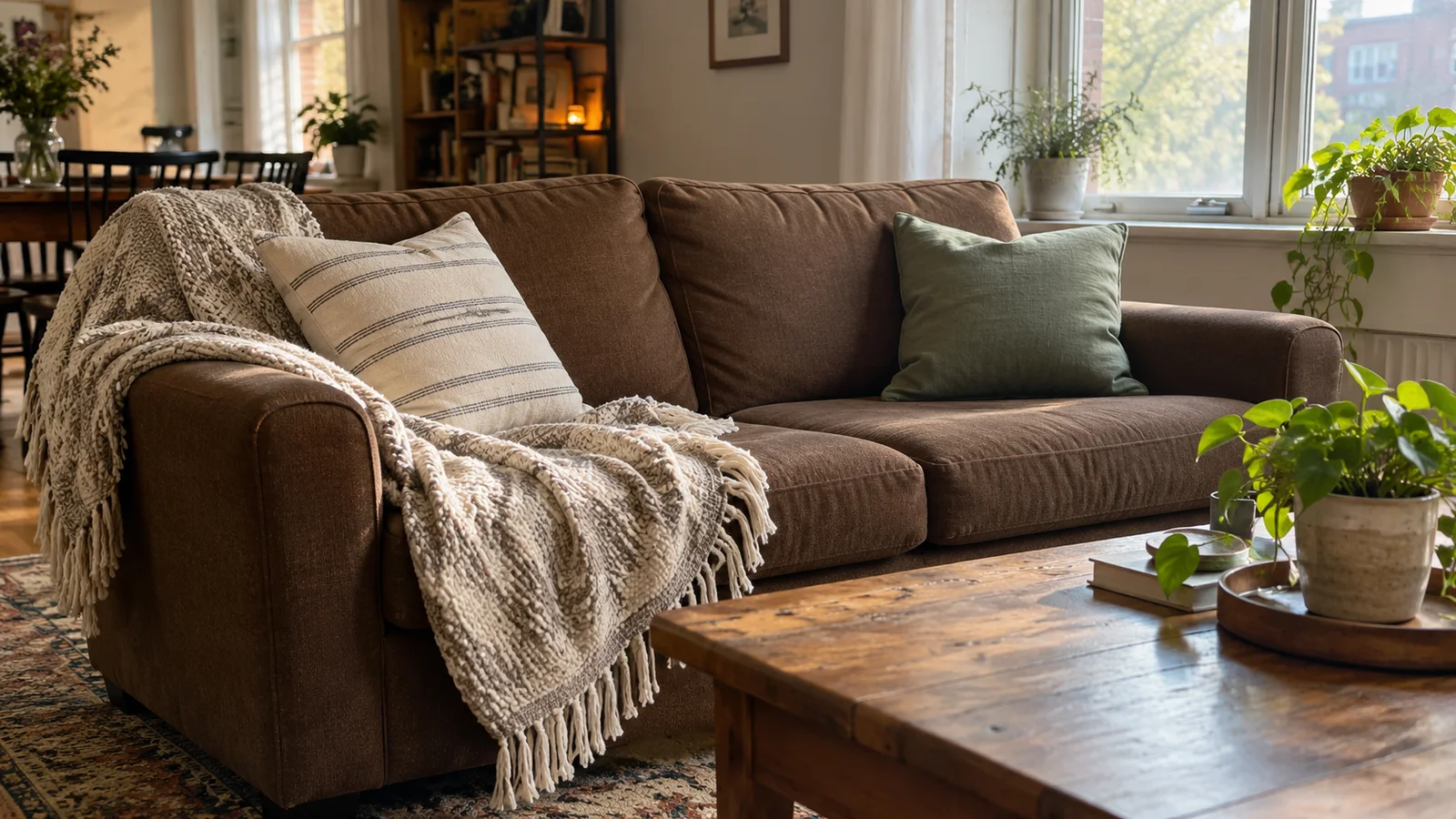
Clean the sofa and update what surrounds it. Try coordinated pillow covers, a throw, better lighting, and a wall or rug color that works with the upholstery. If you want a slipcover, check the sofa’s shape and the cover’s fit before buying.
How Can I Make a Budget Living Room Look More Put Together?
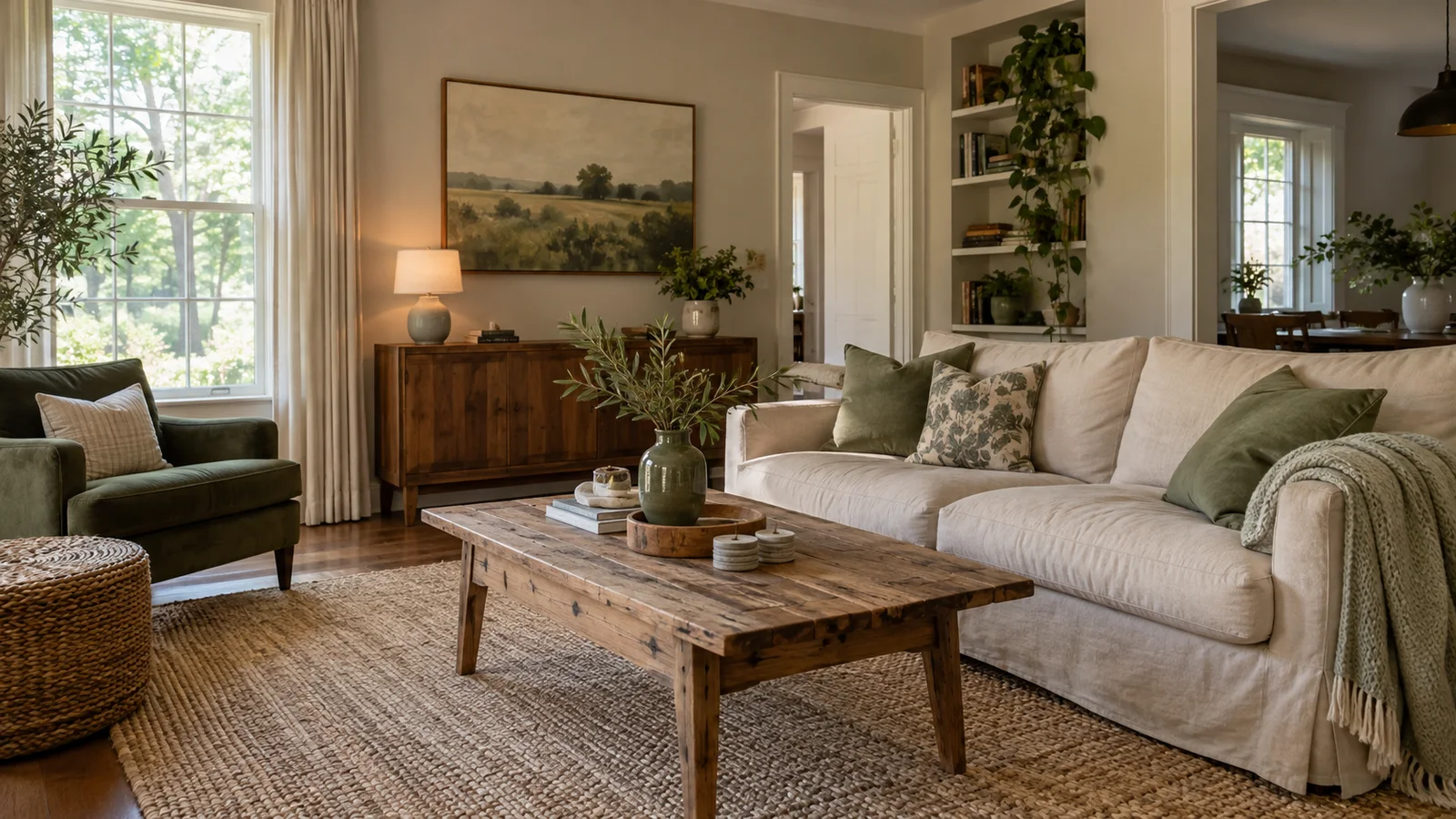
Repeat a few colors, keep the furniture at a comfortable scale, and leave some clear space. Mix textures through a rug, cushions, and wood rather than buying many unrelated accessories. A room can feel collected without looking crowded.
What Can I Change in a Rental Living Room?
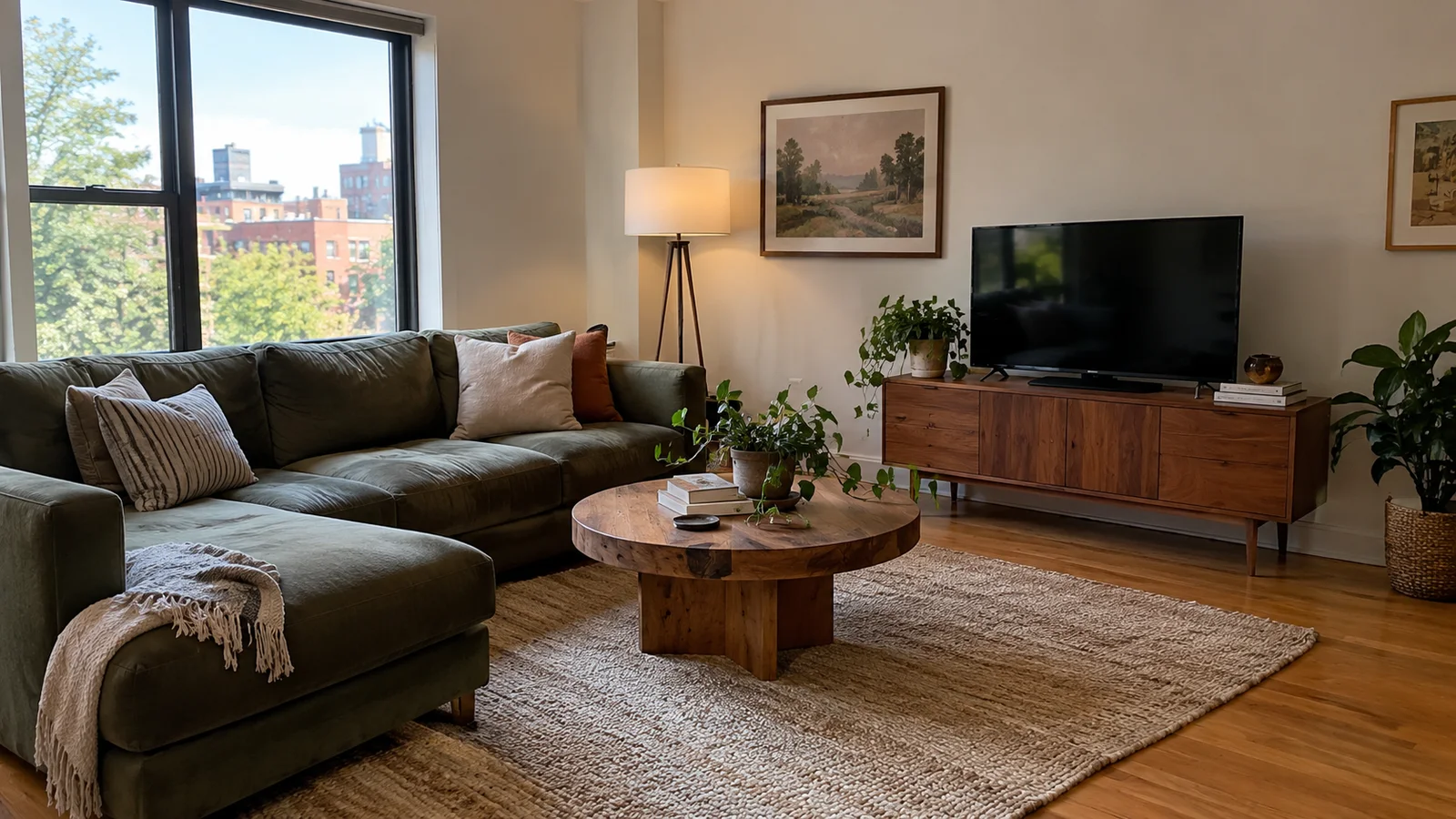
Use furniture, textiles, and lighting you can take with you. A movable rug, freestanding lamp, pillow covers, and art can make the space yours. Check your lease and each product’s surface or installation guidance before adding wall hooks, window film, or fixtures.
Where Should I Spend More and Where Can I Save?
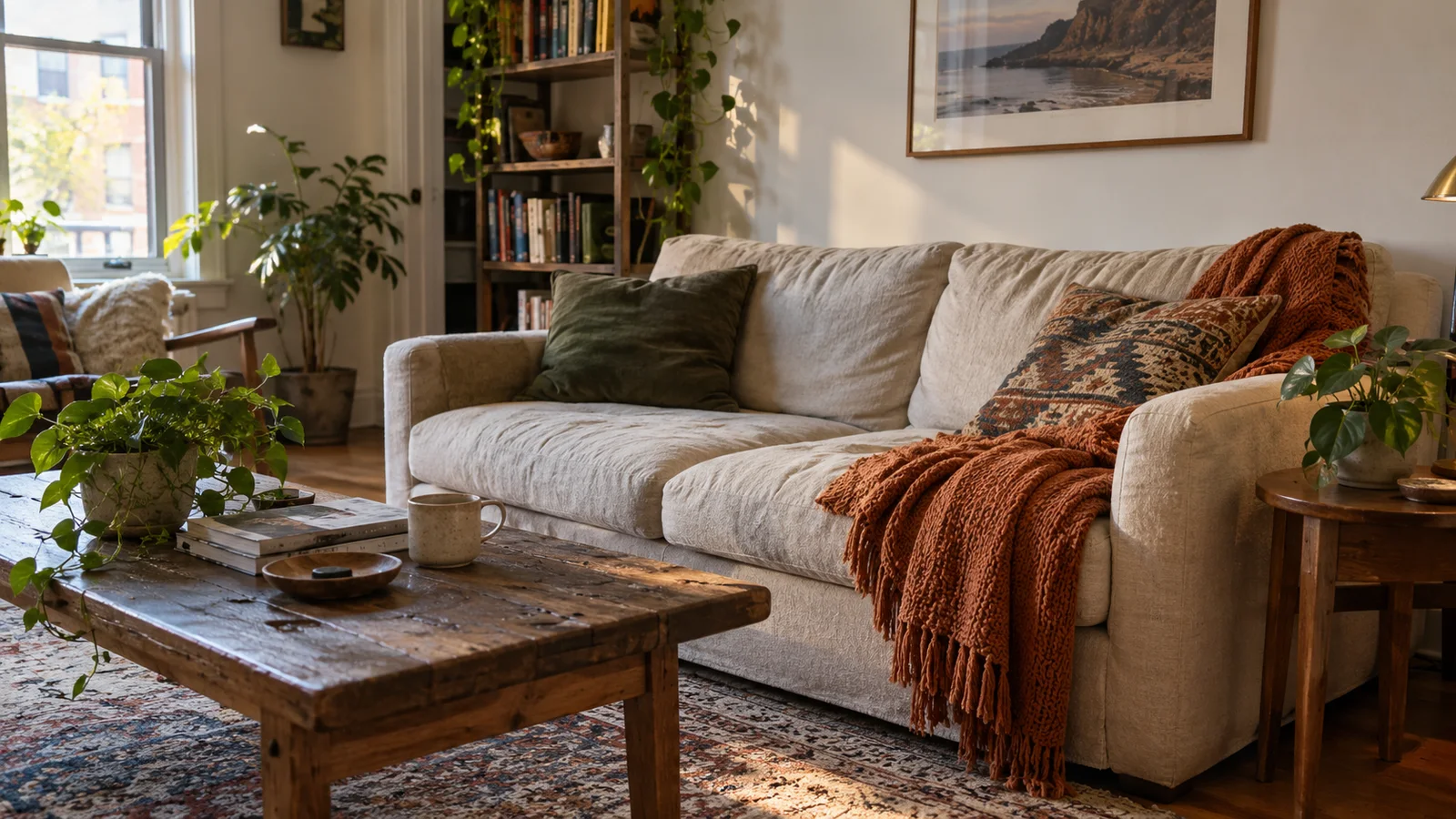
Spend on comfort and daily function when a piece truly needs replacing. Save with secondhand side tables and frames, reused accessories, and smaller textile changes. Compare the complete cost of any project before you commit.
Useful Products for a Budget Living Room Update
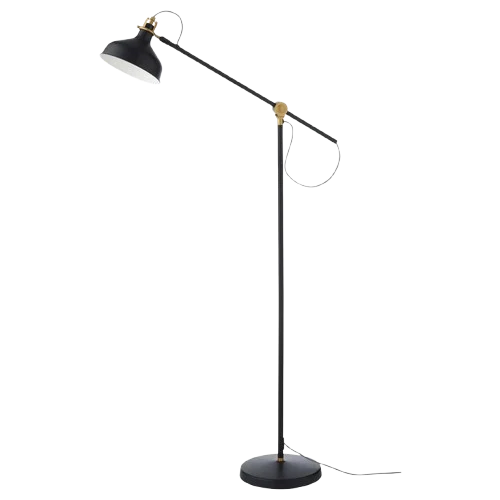 IKEA RANARP floor/reading lampAdjustable light for the seat you use after dark.
 IKEA GURLI cushion coverA simple cover for an insert you already own.
 IKEA RITVA curtainsReady-made panels when your window needs more length or fullness.
 Purlfrost reeded window filmPrivacy for a suitable window while daylight still comes through.
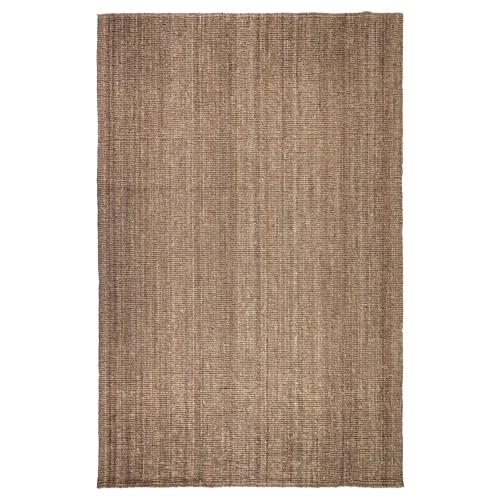 IKEA LOHALS flatwoven rugNatural texture in a size that can connect the seating.
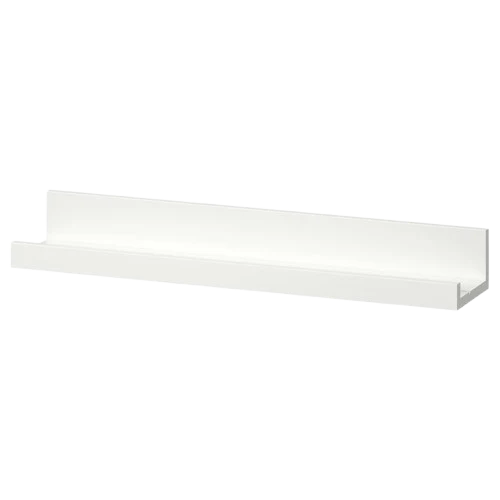 IKEA MOSSLANDA picture ledgeA shallow place to rotate photos, prints, and small frames.
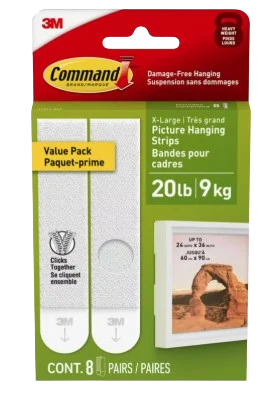 Command X-Large picture hanging stripsHanging strips for a compatible frame and approved wall surface.
 Annie Sloan Chalk PaintFurniture paint for a sound piece that deserves another look.