Minimalism Without Throwing Things Away: 10 Practical Ways

You might like the idea of a simpler home and still want to keep your books, family photographs, and supplies for a hobby you enjoy. Sorting everything into donation bags probably doesn’t sound that appealing.
Minimalism without throwing things away gives you time to change how you arrange, store, and use your belongings. A clearer table or a cupboard where things are easier to find can improve your day before you decide to give anything away.
The quick answer
- Keep useful and meaningful belongings, including things you need occasionally.
- Try fewer things on display and rotate your favorites.
- Put uncertain decorations in a labeled trial box before deciding.
- Reuse storage you already own, close to where you need it.
- Pause optional purchases while you work out what’s missing.
- Sell, donate, or give things away when you’re ready.
Below are 10 practical ways to make your home easier to use and maintain. You can try one shelf, drawer, or corner without sorting the whole house.
1. A Simpler Home Begins With What You Want to Keep
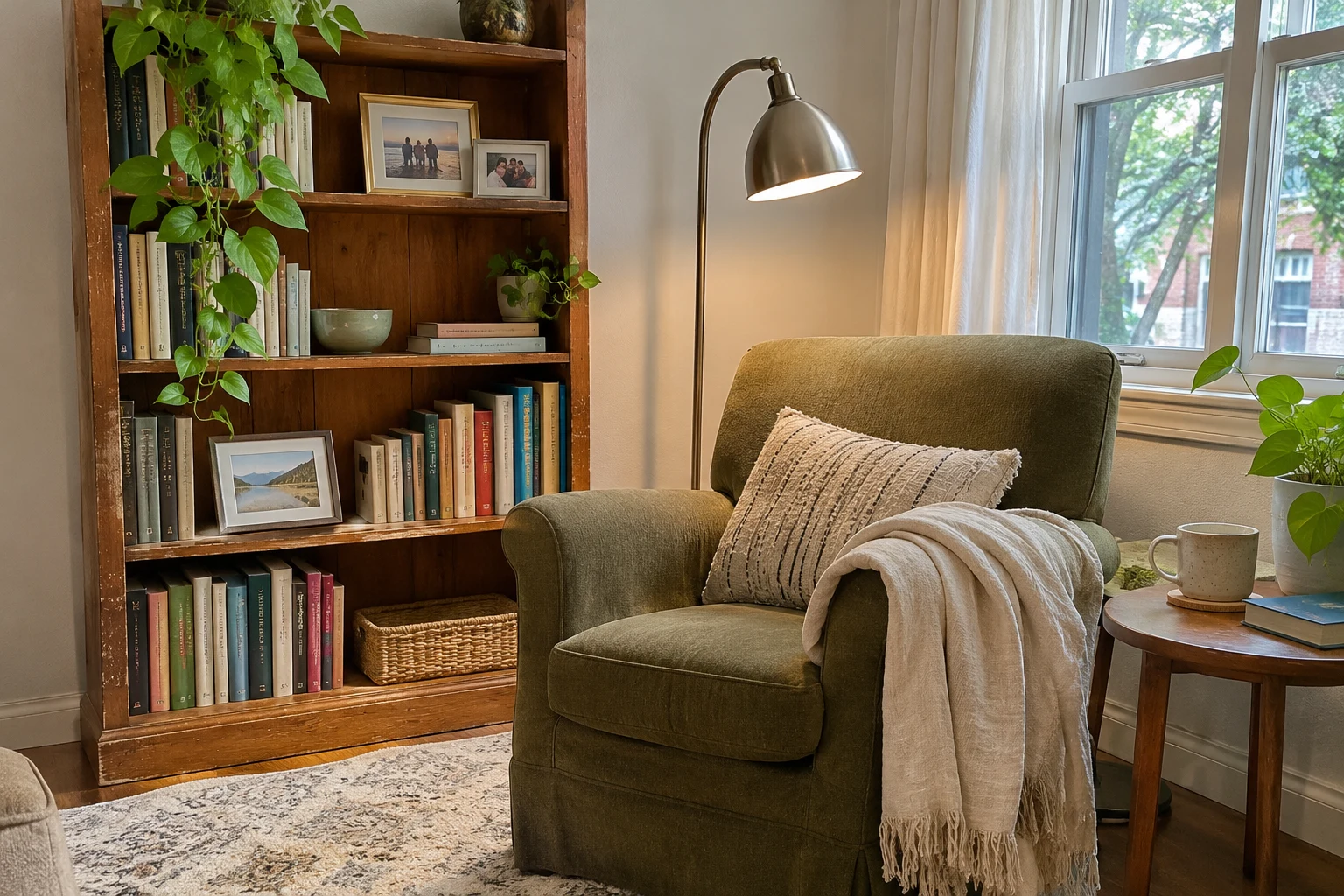
The things you use, enjoy, or value personally deserve a place in your home. Knowing what you want to keep makes decisions about everything else easier.
Perhaps you read every evening. Your books, reading lamp, and comfortable chair are useful parts of the room. Someone who sews may need space for fabric and a half-finished project.
A room arranged around those activities will be more useful than one copied from a photograph of nearly empty shelves.
A helpful question is: What do I want to do here more easily?
You might want to eat at the table without moving paperwork, find your headphones quickly, or spread out a puzzle without clearing the coffee table first. Those are specific problems you can solve.
There’s no fixed number of belongings that makes someone a minimalist. Your household, hobbies, and routines affect how much you need.
However, everything still needs somewhere suitable to go. When a shelf is so full that removing one book pulls out three others, the arrangement needs attention. Some books could move to another shelf, or you could store a selection elsewhere and rotate them.
2. One Clear Surface Can Make Everyday Life Easier
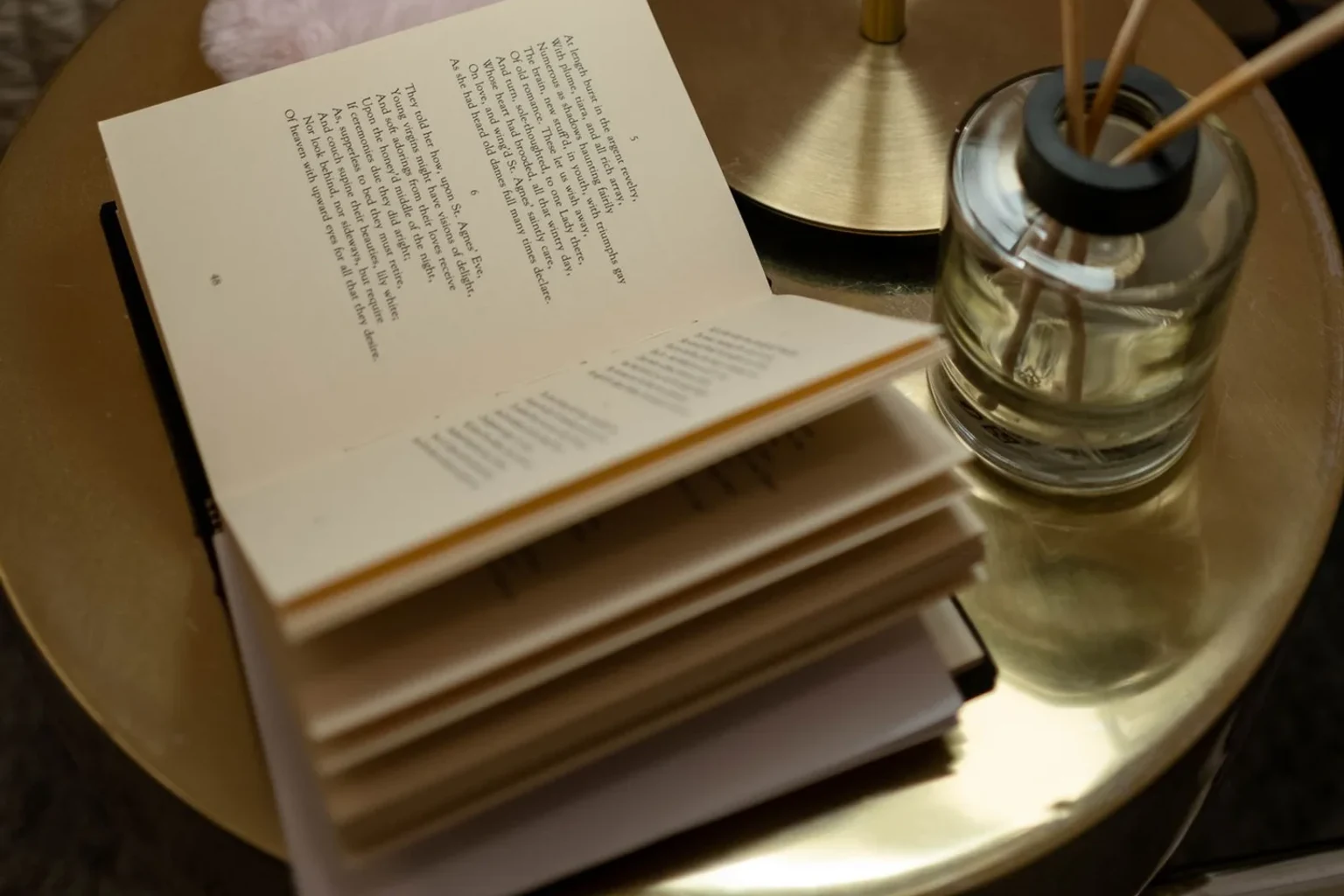
Clearing one surface you use often is a manageable first step. A bedside table, desk, kitchen counter, or dining table will do.
The aim is to leave enough space for what you do there.
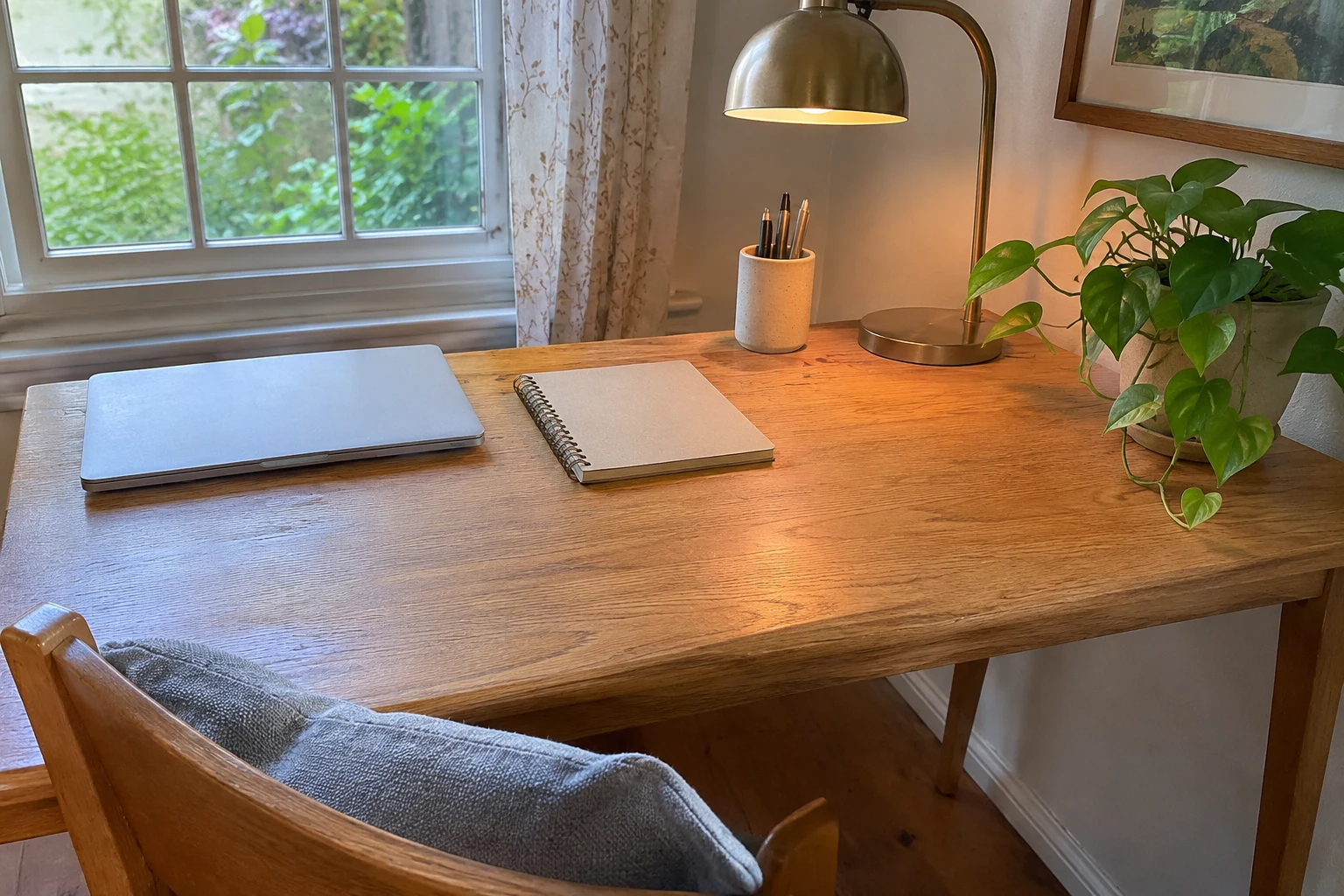
A desk might need a laptop, notebook, and lamp. Spare stationery can go in a drawer, yesterday’s mug can return to the kitchen, and unrelated paperwork can go into a folder.
You’ve made the desk easier to use without giving away anything.
For small essentials, an existing dish or shallow basket may be enough. Keys and sunglasses can stay together near the entrance, while a remote and reading glasses can share a tray beside the sofa.
If you use several pens, markers, or brushes every day, the SKYDUE Rotating Pen Organizer has five compartments and turns so you can reach each section. It gives frequently used supplies one place on the desk.
Keep spare supplies in a drawer so the desktop holder doesn’t become another crowded container.
Leave room around your essentials. A well-organized desk still needs space to write, work, or set down a drink.
If the room looks crowded even after tidying, our guide to reducing visual clutter explains how spacing, packaging, and repeated colors affect its appearance.
3. A Trial Box Gives You Time to Decide
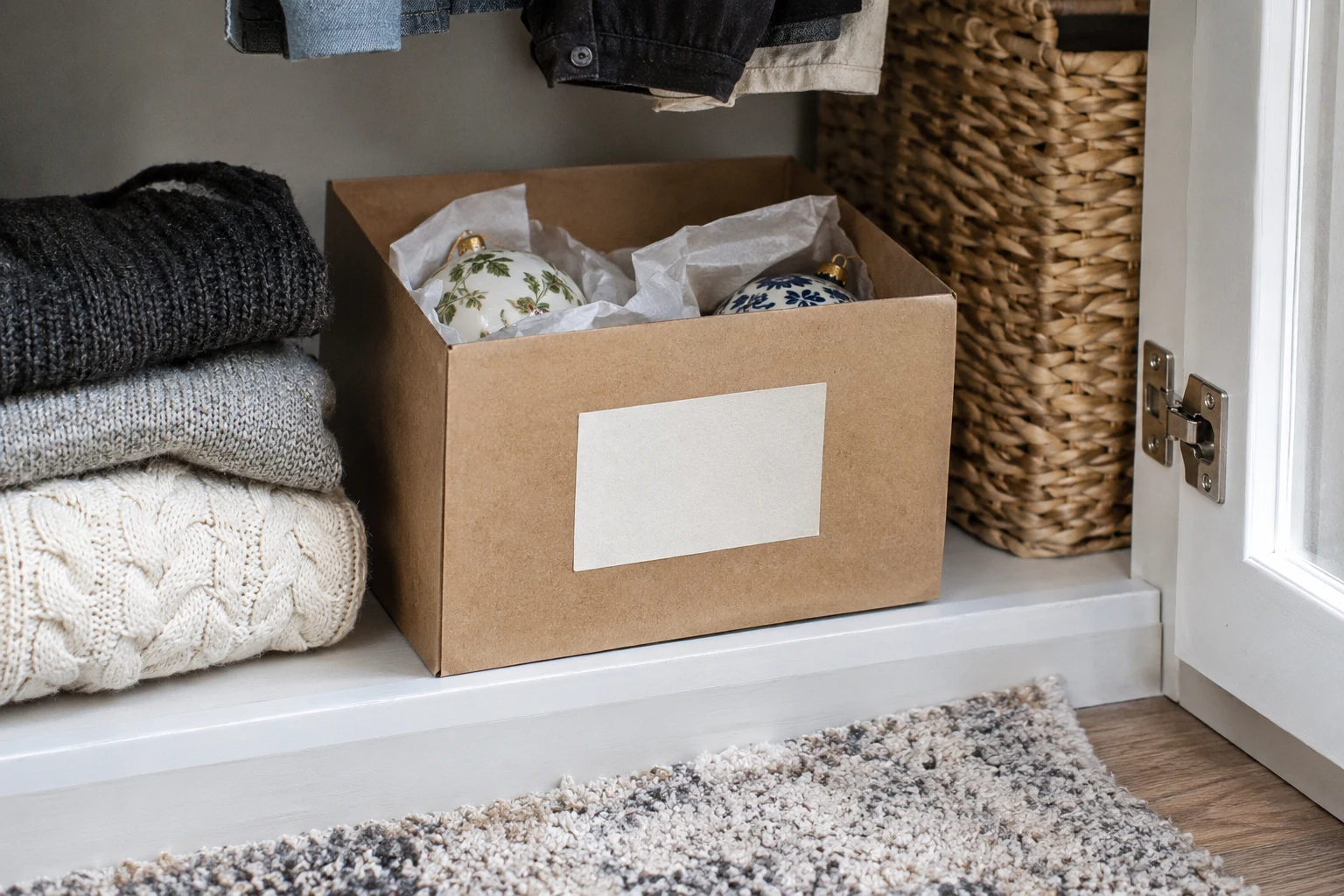
A temporary trial box helps when you’re unsure about decorations or accessories. Put them away for a while and see which ones you want back.
This works well for extra ornaments, decorative cushions, or objects crowded onto a console. Keep your favorite pieces in place and pack the others carefully.
A simple process is enough:
- Choose a small group of nonessential items.
- Write the contents on the box.
- Add a review date, perhaps a month away.
- Store it somewhere dry and accessible.
- Bring anything back whenever you want it.
Maybe you miss the little vase from your friend but prefer the shelf without the other ornaments. That helps you decide what you enjoy having on display.
At the review date, look through the contents before deciding. You can return an item, try it in another room, store it longer, or pass it on.
An ordinary cardboard box is fine for this experiment. There’s no need to buy permanent storage while you’re still deciding.
4. Your Favorite Things Don’t All Need to Be on Display
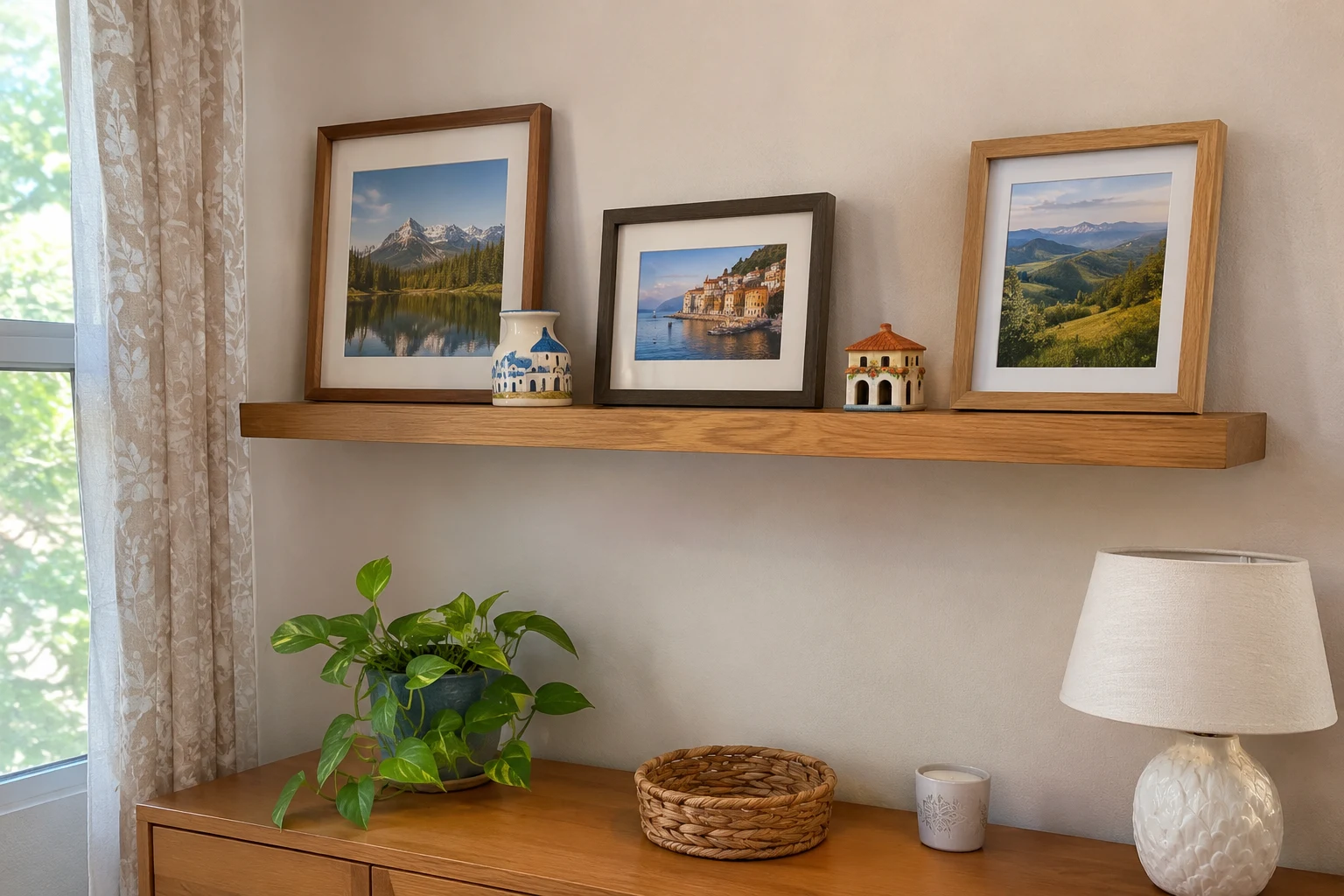
Rotating a collection lets you keep the things you love while displaying fewer at a time.
This works especially well for family photographs, travel souvenirs, small artworks, and seasonal decorations. Putting something away doesn’t mean you have to give it away later.
For example, you could display photographs from one family holiday for a few months, then swap them for another selection. The remaining prints can stay together in an album.
An existing shelf or picture ledge makes changing photographs straightforward. An album is useful when you want to look through several memories without covering every surface in frames.
Collections you use regularly may need a different arrangement. If you play records every weekend, accessible record storage makes more sense than packing most of them away.
Useful keepsakes can also become part of everyday life. A sturdy inherited bowl could hold keys, while a handmade blanket could stay beside your favorite chair.
Protect fragile pieces, and take your time with belongings that would be difficult or impossible to replace.
5. Some Things Are Worth Keeping Even When You Rarely Use Them
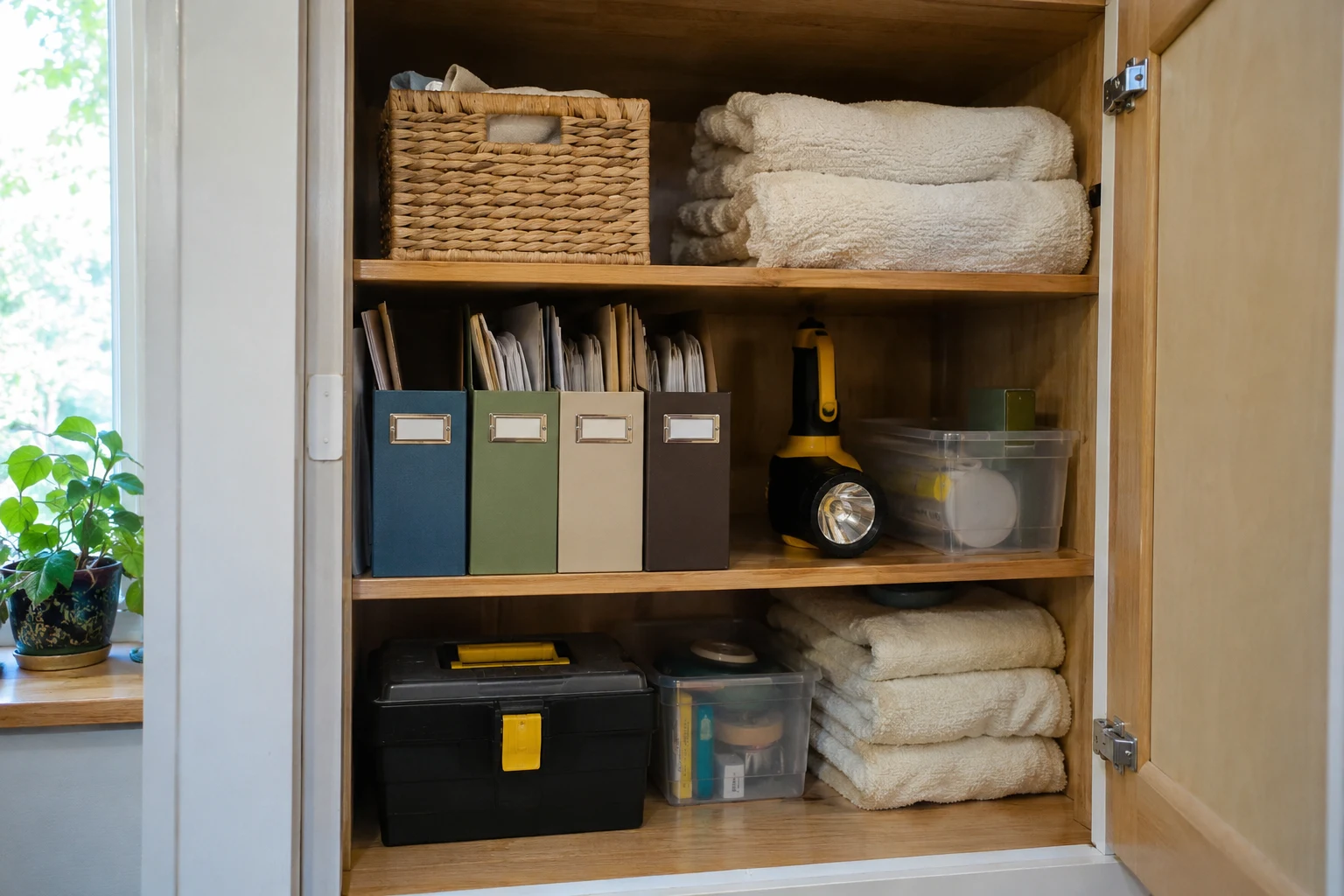
Occasional use is a good reason to keep something. You may rarely need a flashlight, spare key, or guest blanket, but you’ll appreciate having it when the time comes.
A rule such as “I haven’t used it this month” won’t tell you much about these belongings.
| What you have | Why it may be worth keeping | A practical storage approach |
|---|---|---|
| Important original documents | Some originals remain necessary even when you have digital copies. | A secure, clearly organized document file. |
| Household tools and furniture hardware | Repairs and moving may require them. | A tool kit and labeled bags for spare parts. |
| Emergency supplies | They need to be available when an unexpected problem happens. | A designated, accessible place. |
| Spare bedding and towels | Laundry routines and overnight guests can justify extras. | Together in a cupboard or suitable storage bag. |
| Hobby supplies | Seasonal and occasional hobbies still matter. | Grouped by activity so the supplies are easy to use. |
| Irreplaceable keepsakes | Their value may come from a person or memory. | Protective storage or a careful display. |
| Spare keys and old storage drives | Keys may still be useful, and drives may contain important files. | Identified keys and organized drives after reviewing their contents. |
For household paperwork, the SKYDUE Eight-Pocket Expanding File Folder separates documents into sections and includes labels. You could use those sections for household records, warranties, receipts you need to keep, and paperwork awaiting action.
Store the folder somewhere secure. It keeps papers organized but doesn’t replace protective storage for valuable originals.
The amount you keep should suit your household. A spare set of sheets may make laundry day easier. Several unopened replacements for something you rarely use may be more than you need.
Keep extras for a clear purpose, rather than following a strict rule that every duplicate must go.
6. Convenient Storage Beats Another Box in the Wrong Place
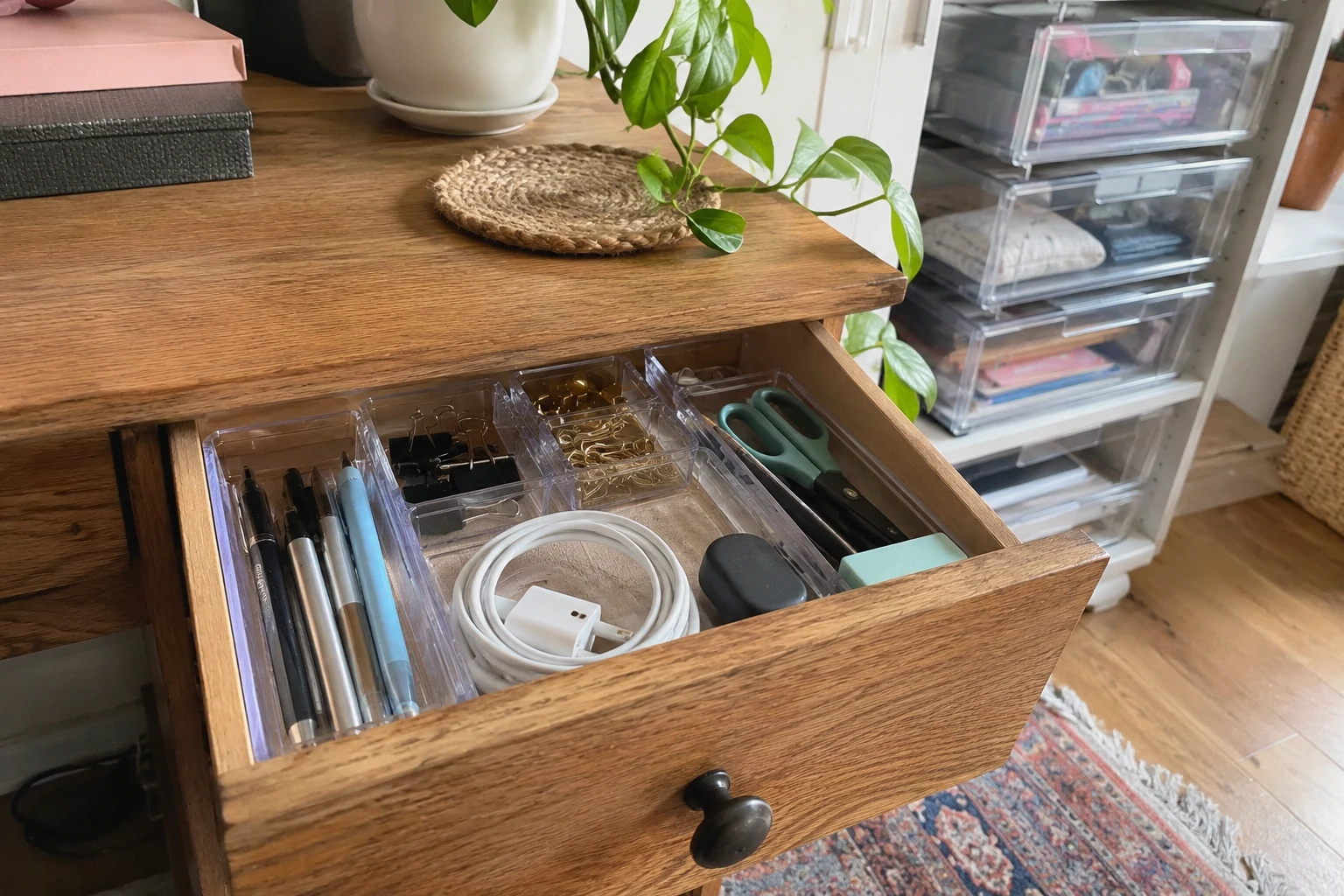
Belongings are easier to put away when their storage is close to where you use them.
Knitting supplies might belong beside the sofa. Charging cables need a convenient place near the outlet. Pens and notebooks should be close to the desk.
Before buying an organizer, gather the items that need storage. A shallow box from another room may fit them perfectly.
If small supplies keep mixing together, the Vtopmart 25-Piece Clear Drawer Organizer Set provides trays in four sizes. Separate compartments can keep hair accessories, stationery, or charging cables from becoming one tangled pile.
Use the trays you need and leave room for larger belongings. Every part of the drawer doesn’t need its own container.
For cupboards with open space above the contents, the Vtopmart Large Stackable Storage Drawers, Set of Four offer another arrangement. The clear drawers pull out, so you can reach smaller supplies without lifting off a container above them.
They can be useful for grouped toiletries or craft supplies inside a cupboard. Clear storage makes the contents visible, so it works particularly well behind a cabinet door when you want the room itself to look less busy.
Match storage to how often you use something:
- Open baskets or compartments suit items used throughout the day.
- Drawers and cupboards keep everyday belongings accessible and out of view.
- Covered containers can suit occasional or seasonal items.
If putting something away requires moving several other things first, adjust the arrangement.
For cables that remain visible during use, our guide to hiding cords and cables has practical options for desks, lamps, and entertainment areas.
7. A Minimalist Room Can Still Have Color and Personality
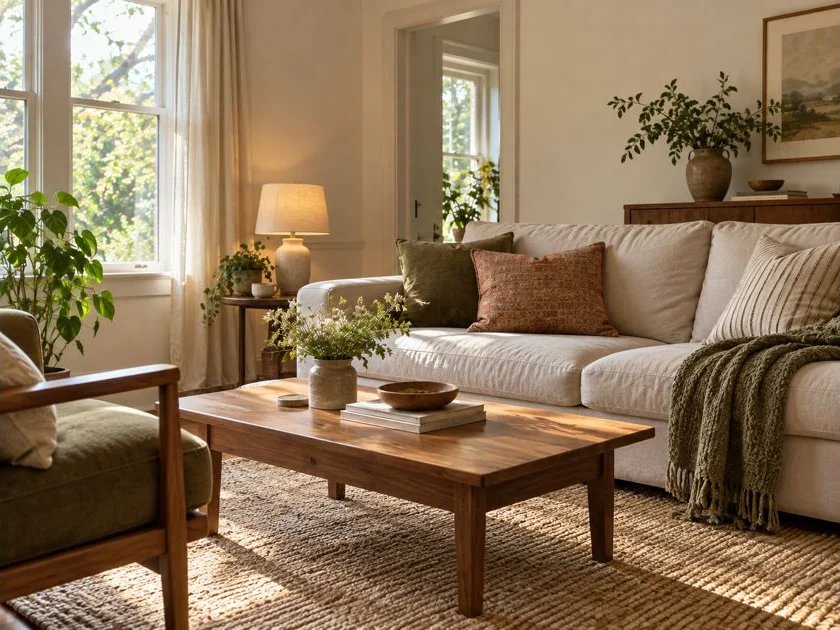
Your favorite colors, comfortable fabrics, and meaningful decorations can stay. There’s no need to replace useful furniture to create a simpler home.
Perhaps you already have a green sofa, a wooden cabinet, and patterned curtains. Those pieces can guide the room’s colors.
A green detail in a picture might coordinate with the sofa. A wooden frame could work with the cabinet. Repeating a few existing colors helps different pieces look good together without buying a matching set.
Meanwhile, space between objects makes individual pieces easier to see. A small sculpture can be difficult to appreciate when it’s squeezed between several frames and a plant.
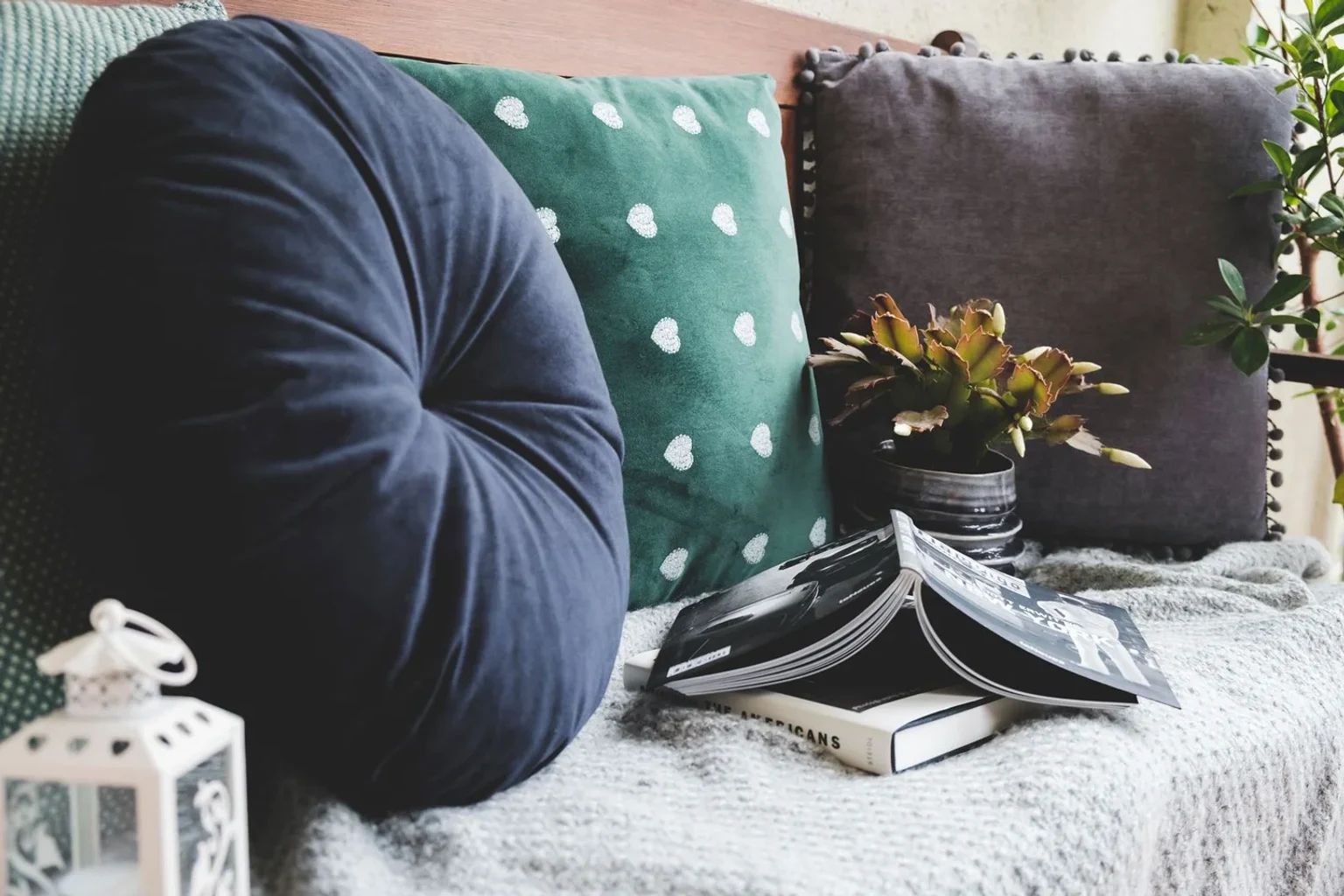
Comfort matters, too. The cushion you use behind your back and the blanket you reach for every evening have a clear purpose.
Try rearranging before replacing. Moving a picture, reducing a crowded display, or changing the position of a lamp may be enough.
Our guide to decorating on a budget offers more ways to improve a room using what you already own.
8. Fewer New Purchases Mean Fewer Decisions Later
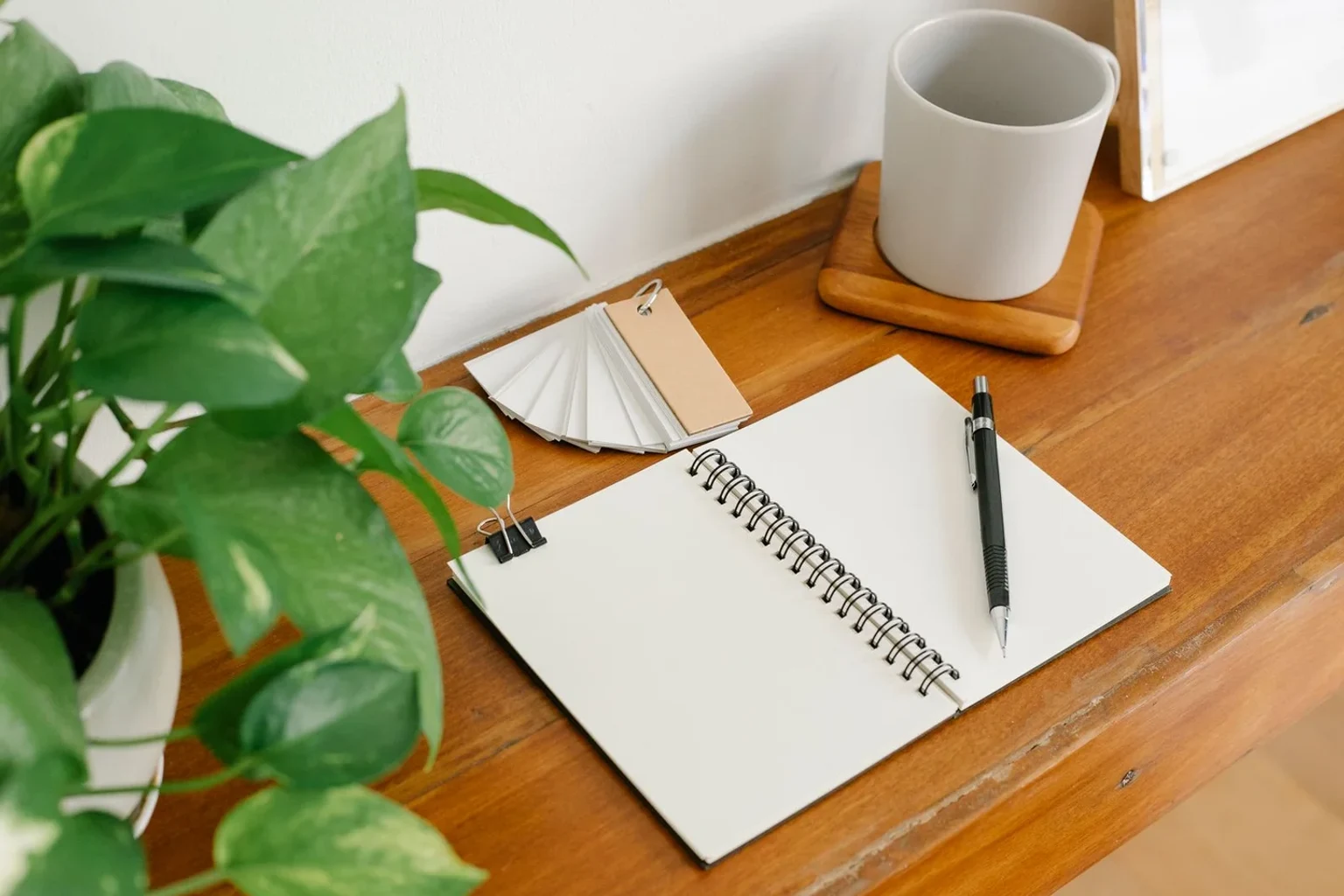
A pause on nonessential shopping gives you time to use what you have and notice what’s missing.
Choose one category that tends to build up, such as decorations, clothes, beauty products, or hobby supplies. A month is a practical trial period, with room for genuine necessities.
When you want something, write it on a list instead of buying it immediately. Add two details:
- What would I use it for?
- Where would I keep it?
“Basket for the knitting beside the sofa” describes a specific need. You can then see whether an existing basket does the job.
Buying several baskets because they look useful leaves those decisions until after you’ve brought them home.
Promotional emails and shopping feeds can make the pause harder. Unsubscribing from frequent sales messages removes some of the reminders to browse.
You can also borrow or rent equipment for an occasional project when practical. A tool used for one afternoon may otherwise occupy a cupboard for years.
At the end of the pause, revisit your list. Buy for a clear need, rather than because the item is still on sale.
9. Useful Things Can Go to Someone Who Wants Them
When you’re ready to part with something, selling, donating, or giving it away can help someone else use it.
The best option depends on the item and how much time you want to spend arranging the handover.
Furniture in good condition may suit a local resale listing. A friend might welcome books you’ve finished. Freecycle or a neighborhood gifting group can help you offer usable household items locally.
Donations should be usable and belong to a category the organization accepts.
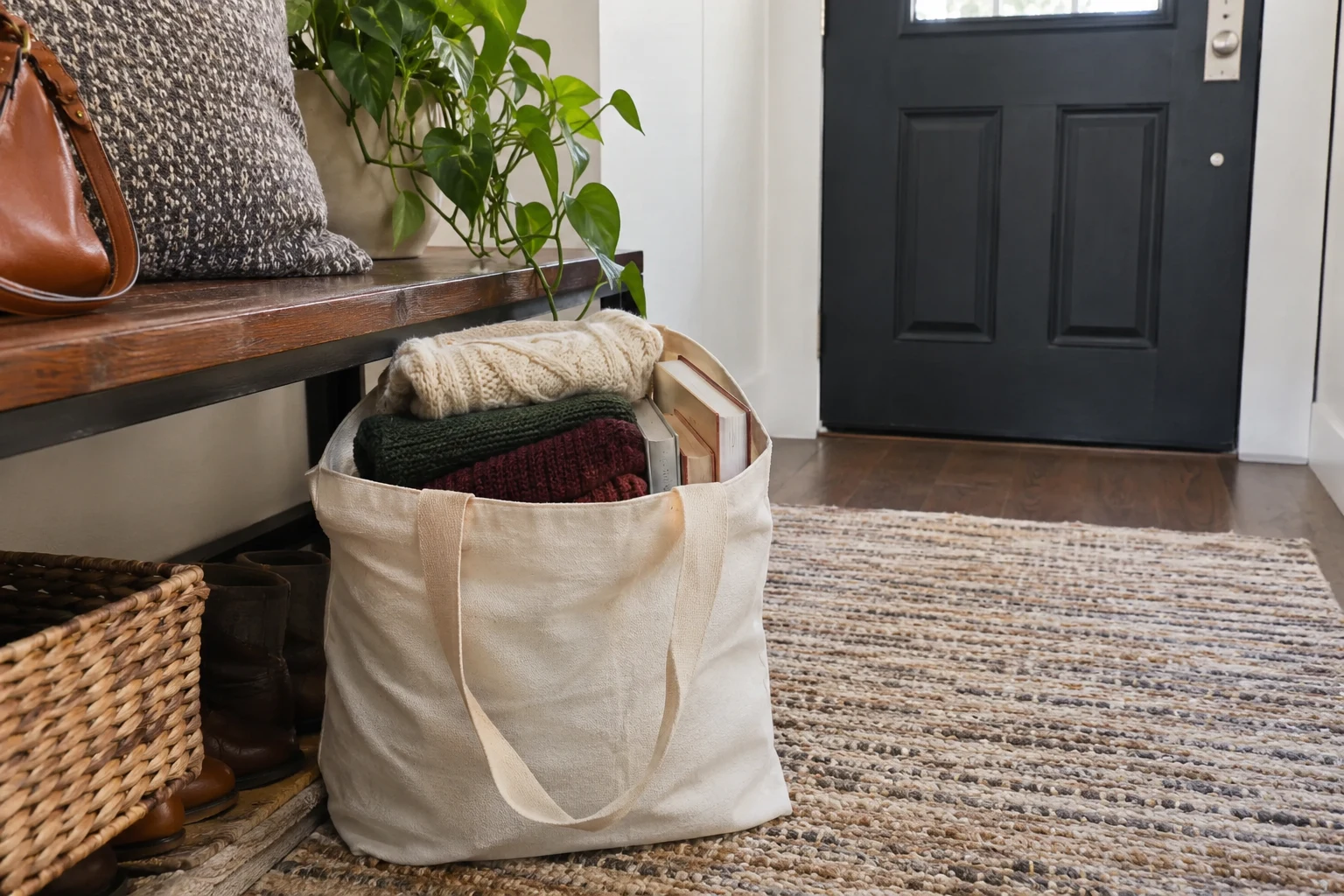
An existing reusable tote is useful for collecting things you’ve decided to pass on. Arrange a pickup or choose a drop-off day so the bag doesn’t stay in the hallway for months.
If something hasn’t sold by your chosen date, decide whether to lower the price, give it away, or keep it. A row of unsold items can make the room harder to use.
Keeping everything during an initial trial is fine. Over time, you may find that some things no longer suit your needs or available space. You can make those decisions gradually.
10. A Short Daily Tidy Helps the Changes Last
A brief routine for putting things away and sorting new items helps prevent the same piles from coming back.
It could happen after dinner, when work ends, or before bed. You only need to focus on the area you’ve been improving.
For example:
- Mugs return to the kitchen.
- Books and supplies go back after use.
- Mail needing action stays in one designated place.
- Important paperwork goes into its file.
- Unwanted leaflets and unneeded packaging go into the appropriate recycling or disposal bin.
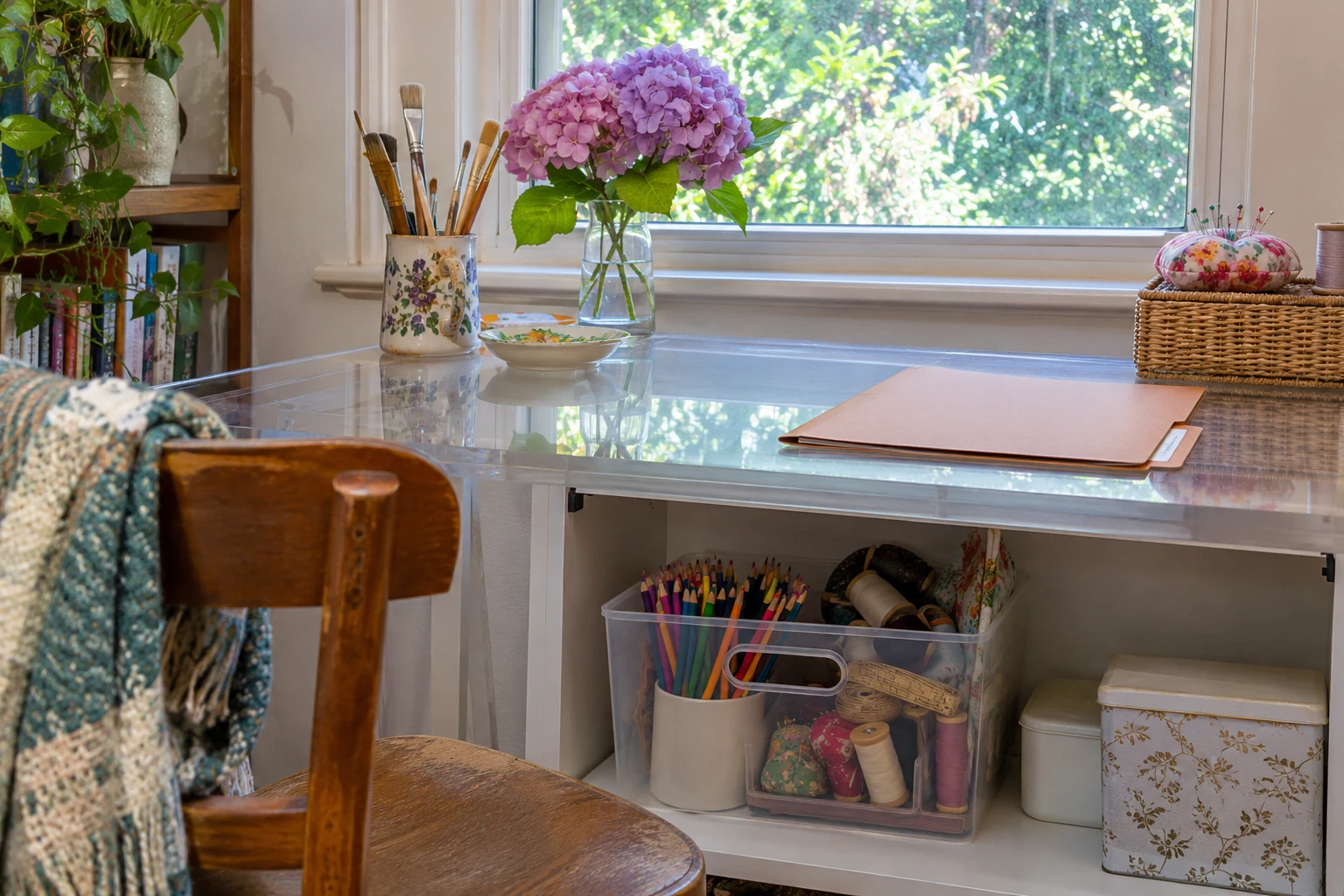
Ongoing projects need somewhere to go, too. Drawing supplies or sewing materials can stay together in a portable container until you use them again.
The ClearSpace Clear Plastic Storage Bins have open tops and built-in handles. One can hold supplies for a current project, then move from the table to a nearby shelf when you need the surface clear.
Keep each bin for a specific group of items. Mixing paperwork, cables, and craft supplies together will make them harder to find later.
When the same pile keeps appearing, look at what’s in it. The storage may be inconvenient, or the items may need a regular time for dealing with them.
Changing where you keep something can make tidying easier than repeatedly moving it out of the way.
Your First Small Reset
One completed area is enough for today. Use it for a few days, then adjust anything that feels inconvenient.
- I chose one area that would be easier to use with less clutter.
- I kept useful and meaningful belongings.
- I returned misplaced items to their usual places.
- I tried fewer decorations on display.
- I labeled any trial box and chose a review date.
- I reused available storage before buying more.
- I paused optional purchases while testing the arrangement.
- I agreed on shared changes with the people I live with.
You might bring back a photograph you miss, move a basket closer to your chair, or give your current book more space beside the bed. Those small adjustments help the room work better for you.
Minimalism Without Throwing Things Away: FAQs
Can I Try Minimalism Without Getting Rid of Anything?
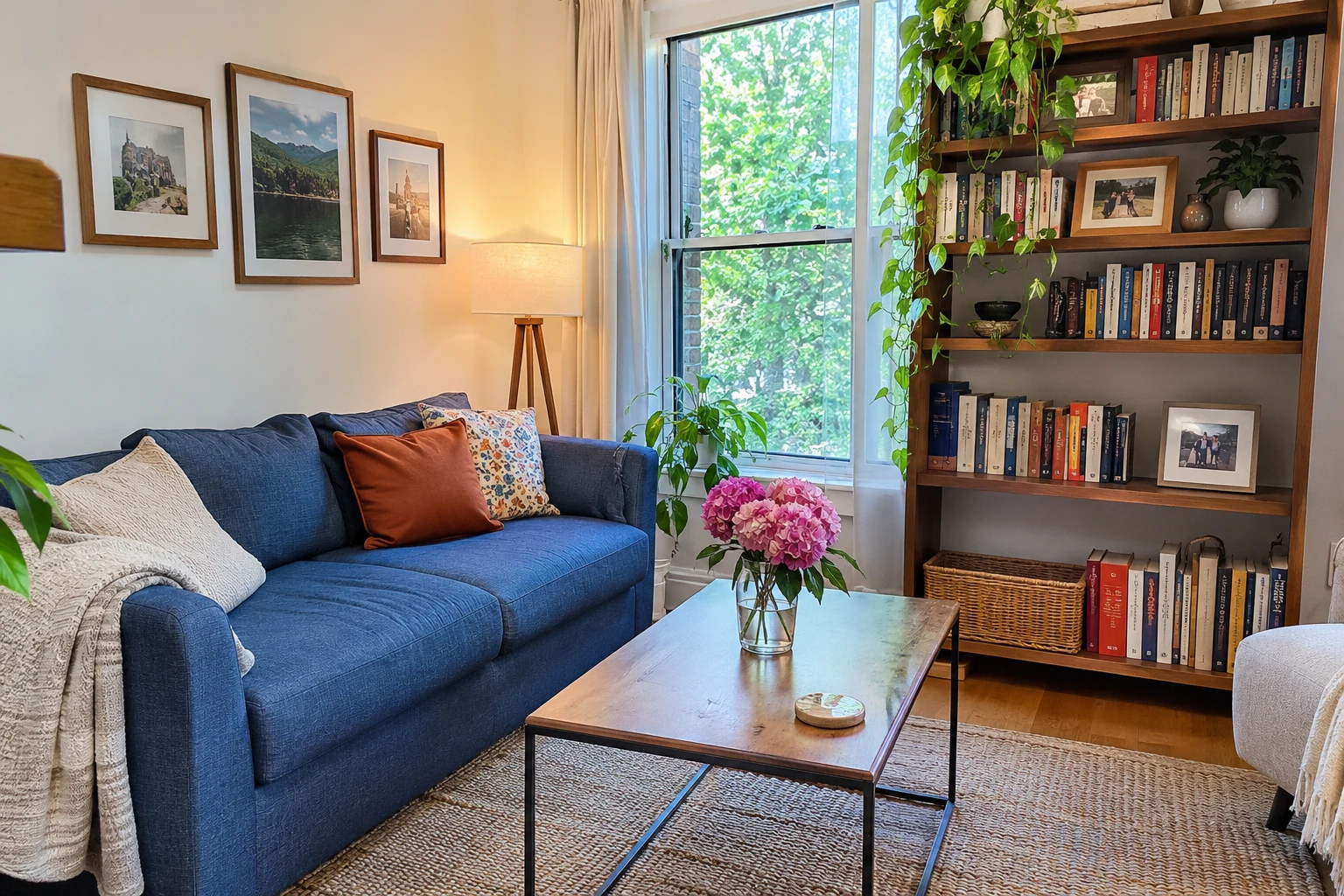
Yes. You can buy less, rearrange displays, and improve storage while keeping your current belongings.
That gives you time to learn what works. If cupboards and rooms remain too crowded to use comfortably, you may eventually need to decide what fits your space.
What if I Regret Giving Something Away?
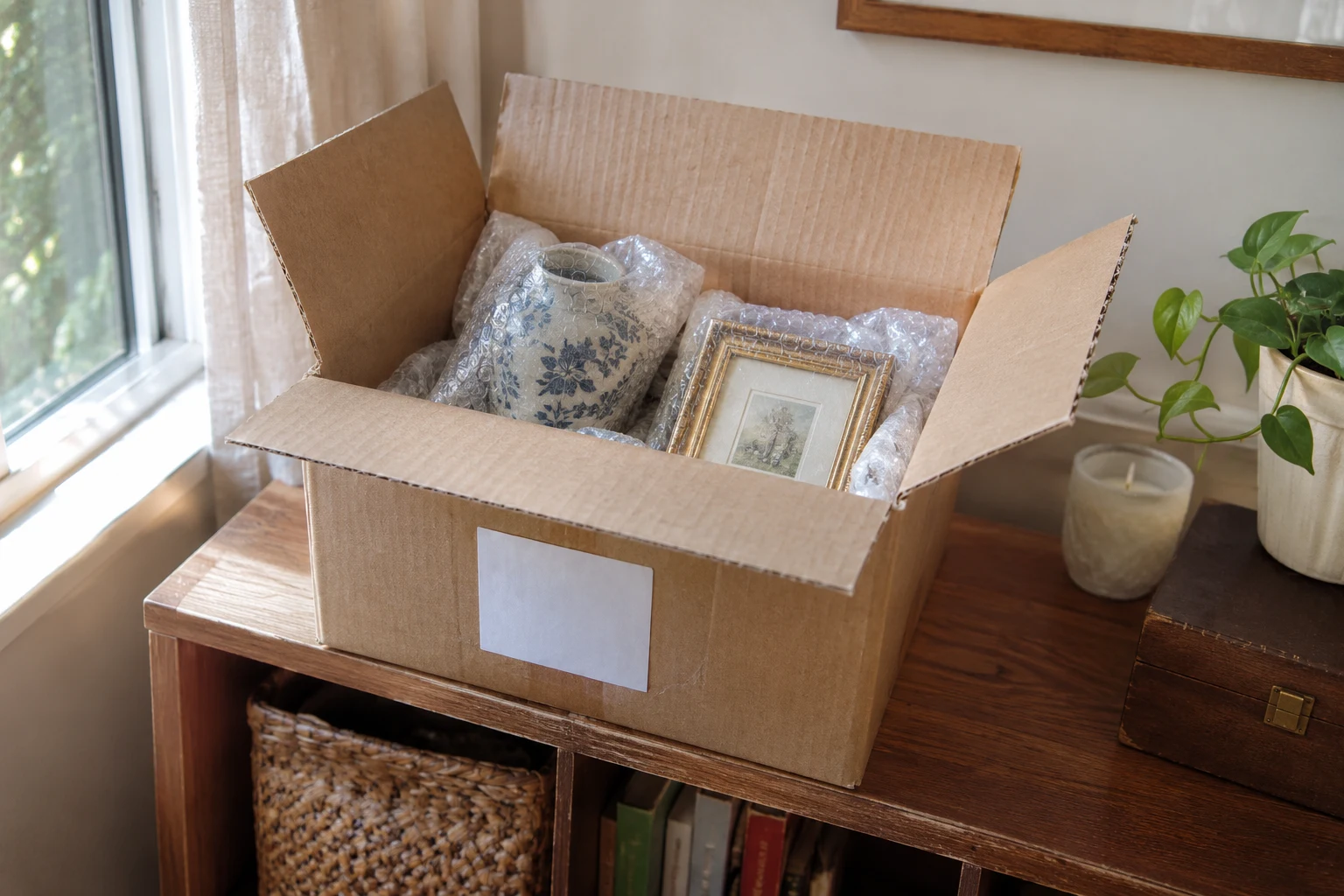
A temporary storage period helps you see how you feel before passing something on. Keep the contents labeled and accessible, then review them individually.
Take extra time with irreplaceable belongings. Practice with easier decisions, such as extra decorations you’re unsure about, before sorting sentimental items.
Can I Keep Collections, Books, and Sentimental Items?
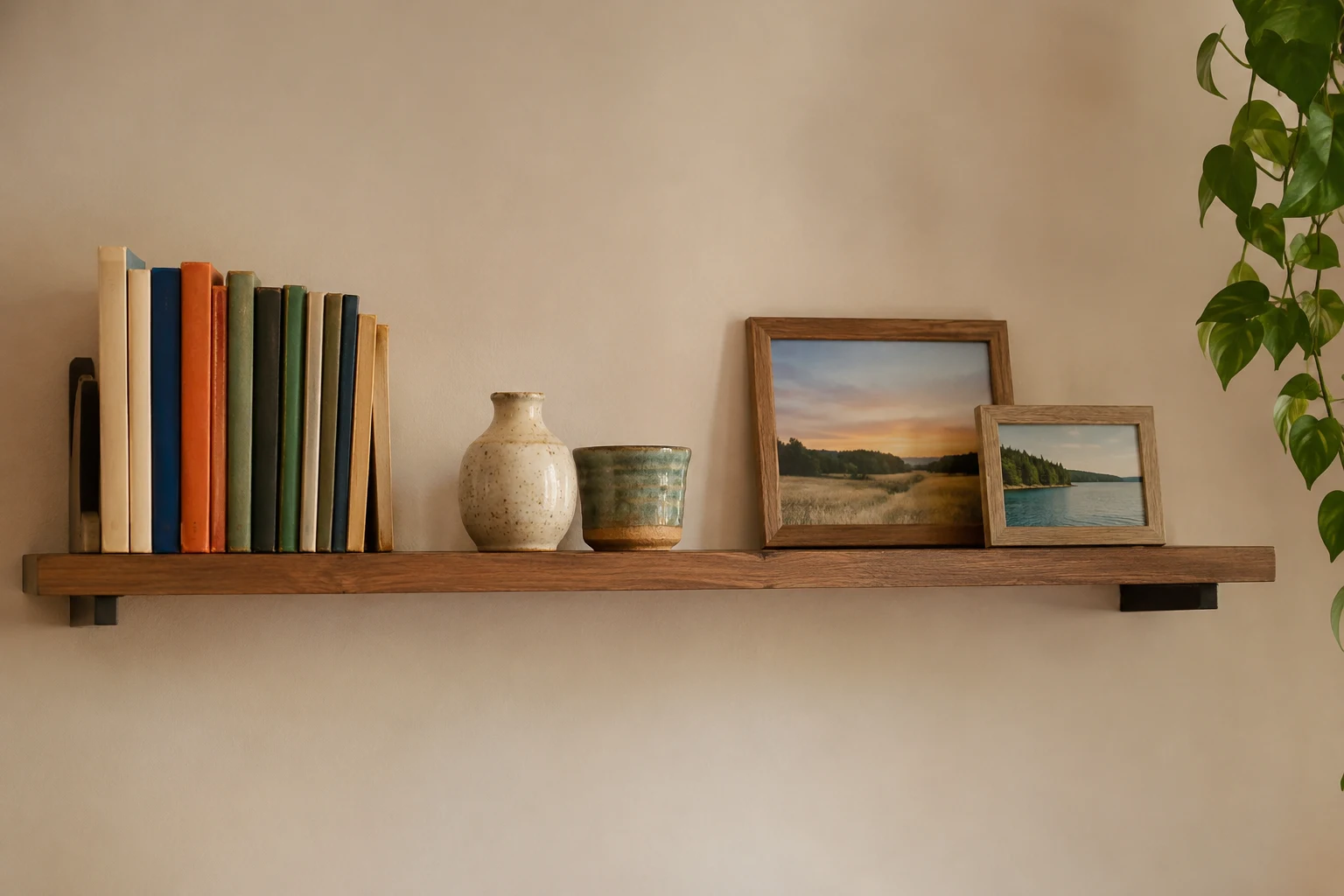
Yes. Enjoyment and personal meaning are good reasons to keep things. Accessible shelves, albums, and suitable storage can help you care for them.
If the display feels crowded, rotate a selection. You can keep a collection without showing every piece at once.
Is Putting Things in Boxes Enough?
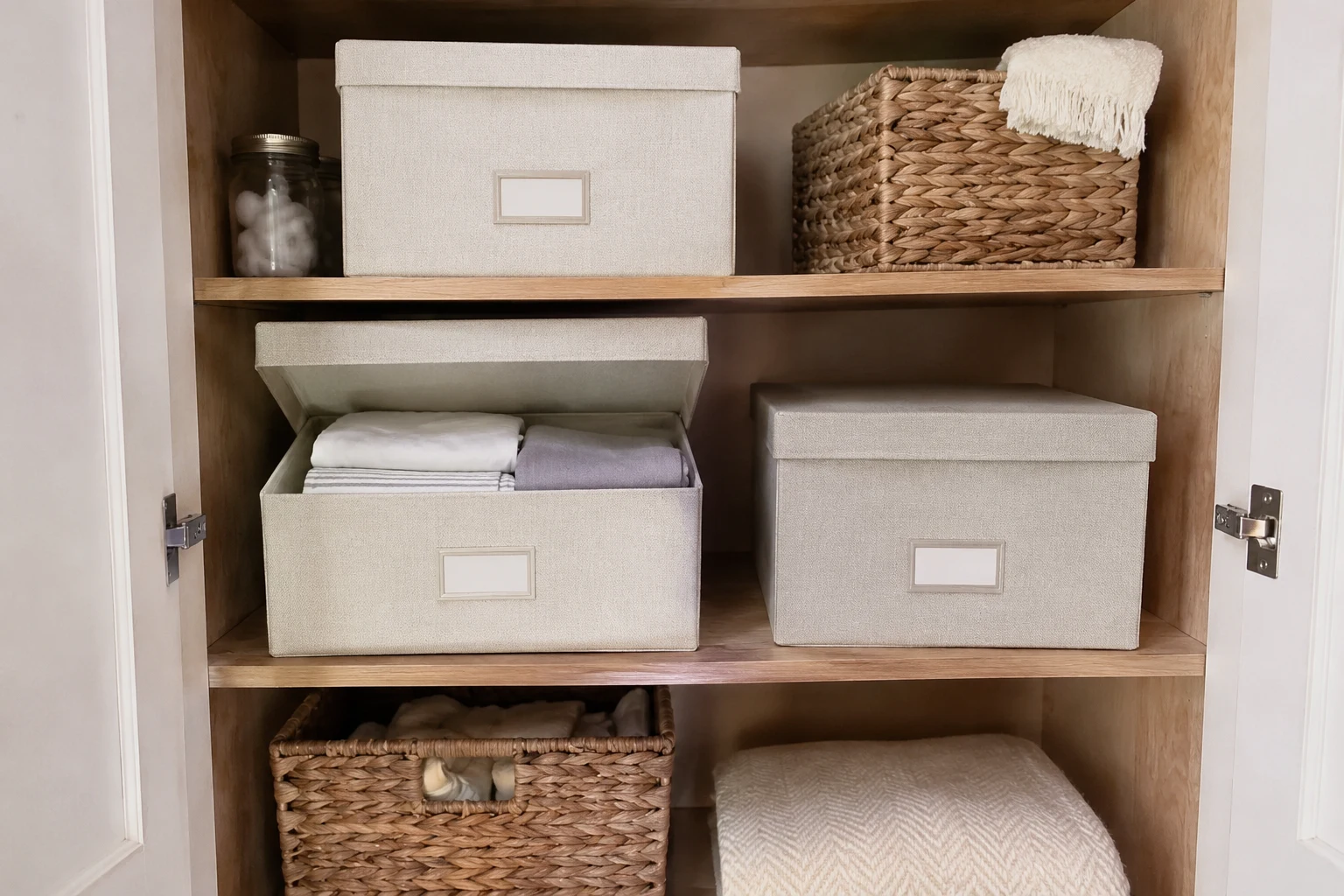
Boxes help when their contents are organized, accessible, and worth keeping. Moving unsorted belongings into a cupboard usually leaves you with the same decisions to make later.
Group items by use, label them clearly, and leave enough access to retrieve what you need.
How Can This Work When My Family Likes Keeping Things?
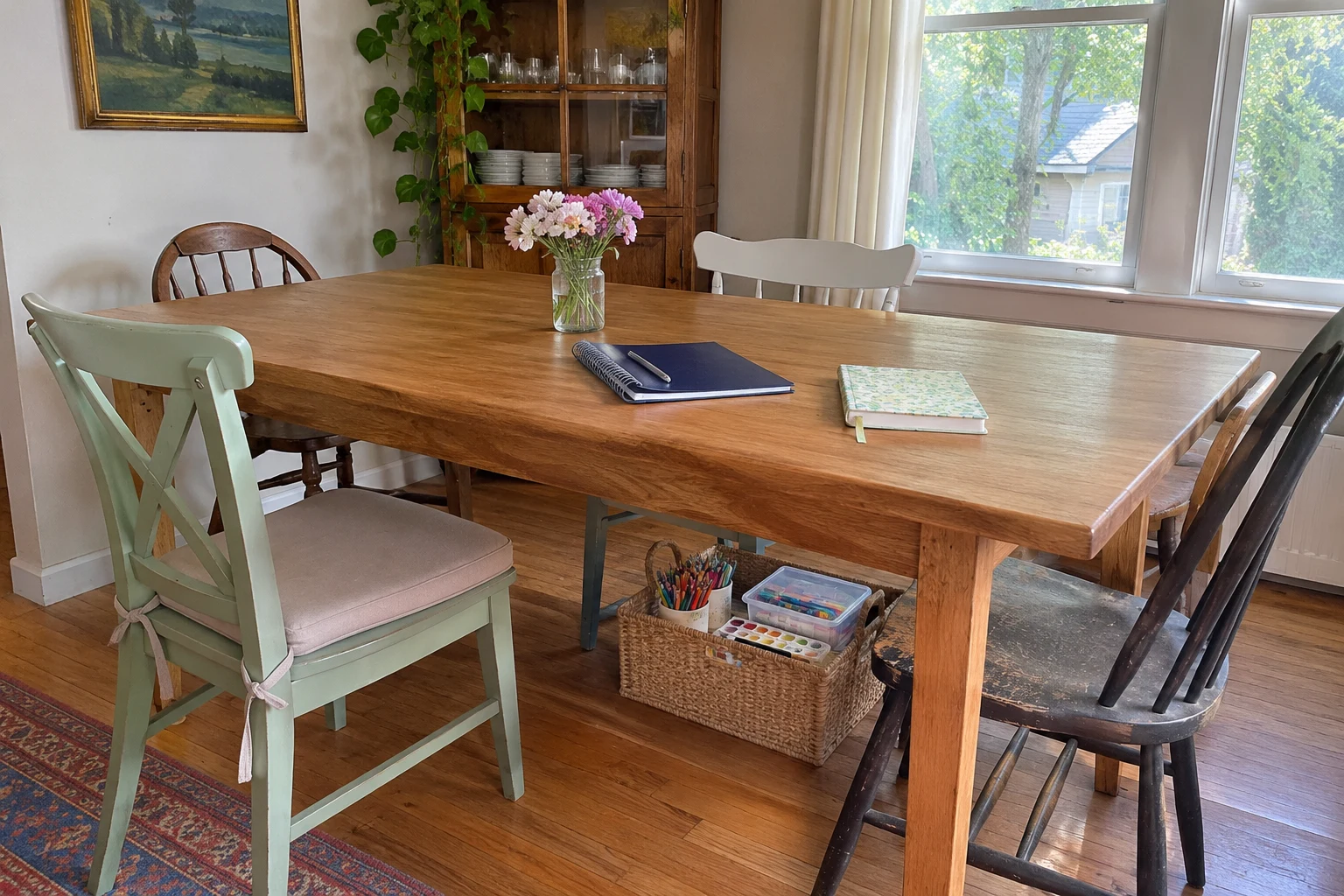
Focus on your own belongings and agreed shared areas. You might keep the dining table available for meals while allowing personal collections in bedrooms or on designated shelves.
Discuss everyday needs, such as where to do homework, keep supplies, and find shared items. People living together don’t have to prefer the same amount of decoration.
Do I Need to Buy Organizers?
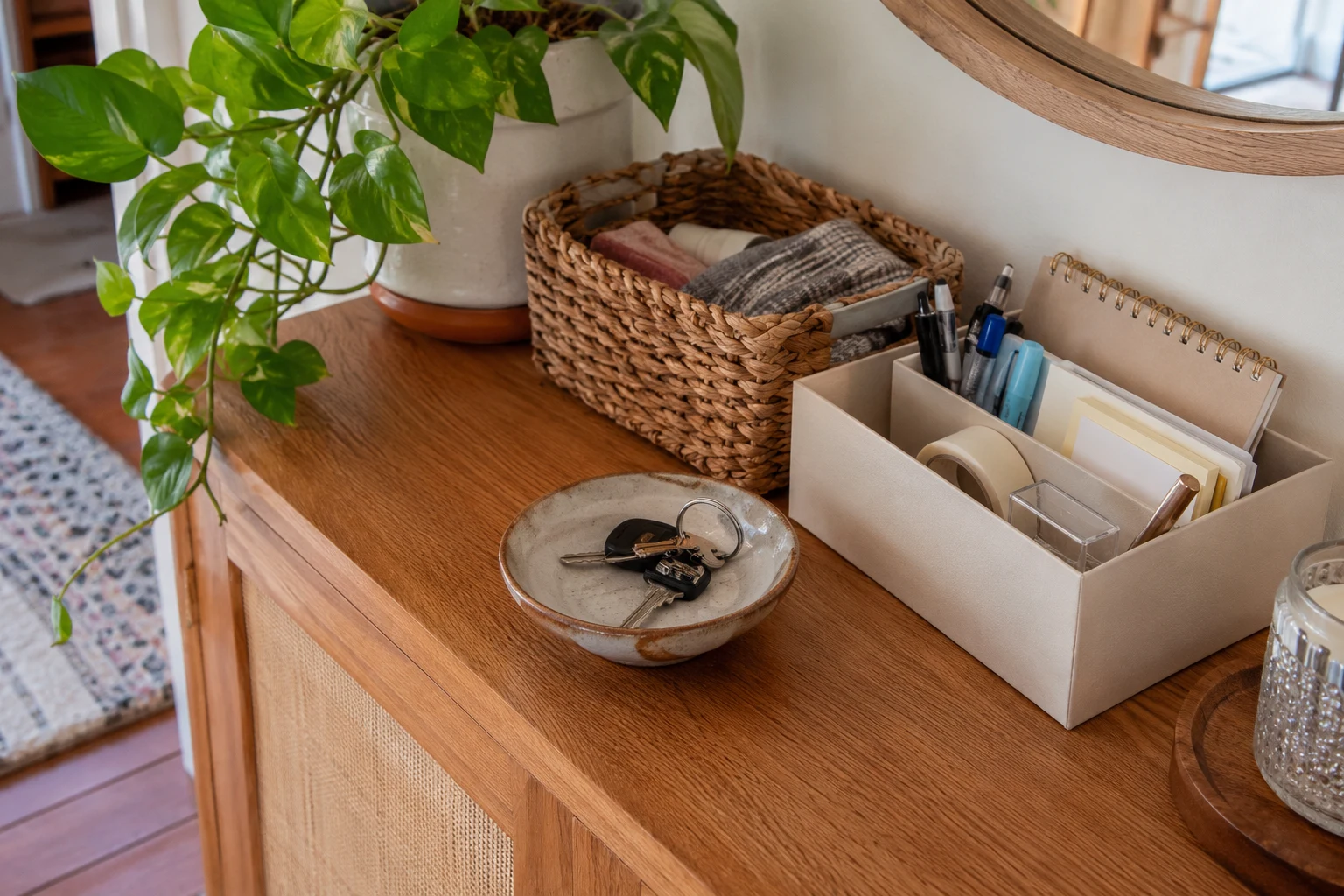
No. Use the storage you already have first. A shoebox can separate supplies, a spare dish can hold keys, and an unused basket can keep a project together.
An organizer is worth adding when you know what it needs to hold and where it will go.
Useful Organizers, If You Need Them
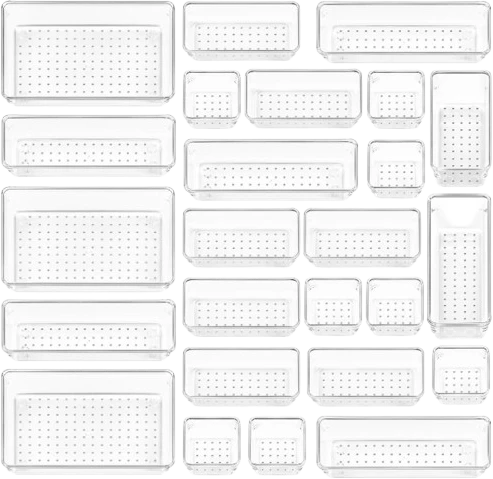 Vtopmart 25-Piece Clear Drawer Organizer SetClear trays in four sizes for separating stationery, accessories, and other small supplies.
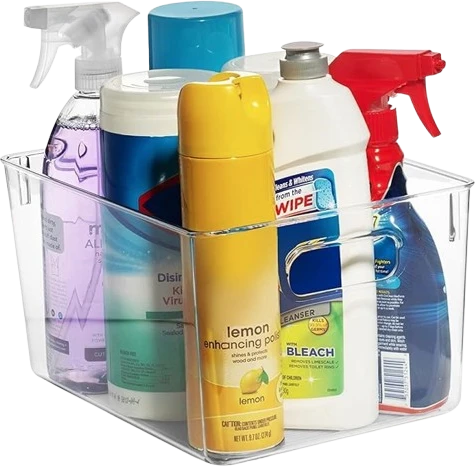 ClearSpace Clear Plastic Storage BinsOpen storage bins with handles for keeping everyday supplies together.
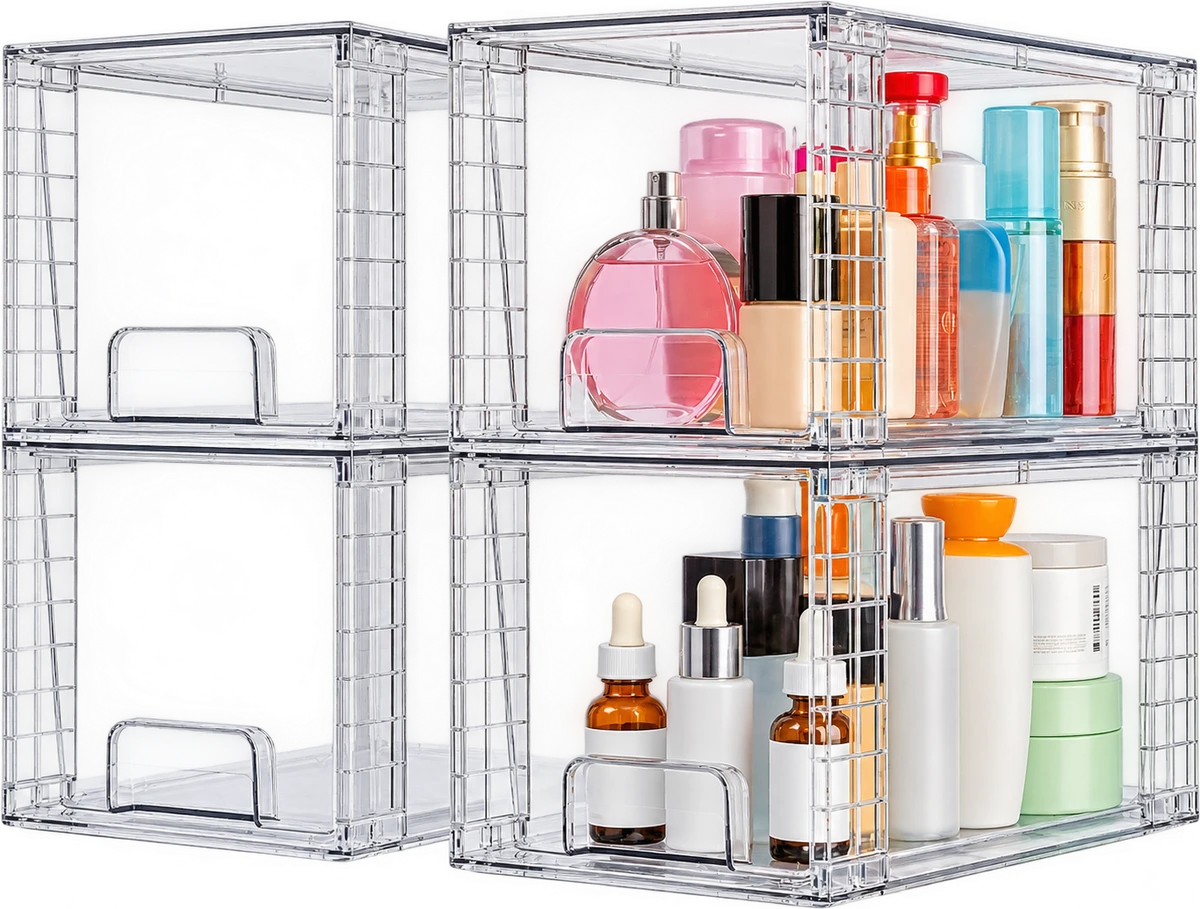 Vtopmart Large Stackable Storage Drawers, Set of FourClear pull-out drawers for smaller supplies inside cupboards or on shelves.
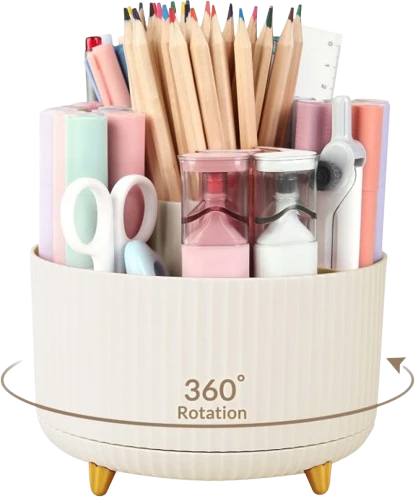 SKYDUE Rotating Pen OrganizerA rotating holder with five compartments for pens, markers, or brushes.
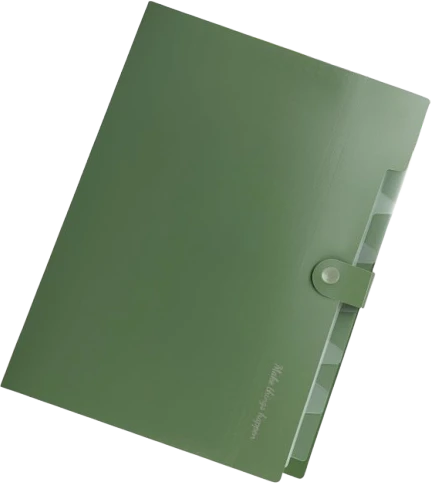 SKYDUE Eight-Pocket Expanding File FolderA labeled accordion folder for household paperwork, bills, and receipts.