Bathroom Essentials for Your First Apartment: What to Buy Before Move-In Day

Getting the keys to your first apartment is exciting. You can finally choose your own furniture, arrange things your way, and eat dinner whenever you like. Then the practical questions arrive. What do you actually need to buy? When it comes to bathroom essentials for first apartment living, a few easily forgotten items can make the difference between a comfortable first evening and a shopping trip with wet hair.
The quick answer
- For move-in day, have toilet paper, soap, towels, and toiletries ready, along with any curtain and liner your shower needs.
- A bath mat and small trash can cover two everyday needs that are easy to forget.
- Buy a plunger, toilet brush, and basic cleaning supplies before you need them. Extra storage and decorations can wait.
You probably own some of these already. The checklist below will help you spot what’s missing, choose storage that fits, and save the decorative extras for when you’ve caught your breath.
Your Move-In Day Bathroom Checklist
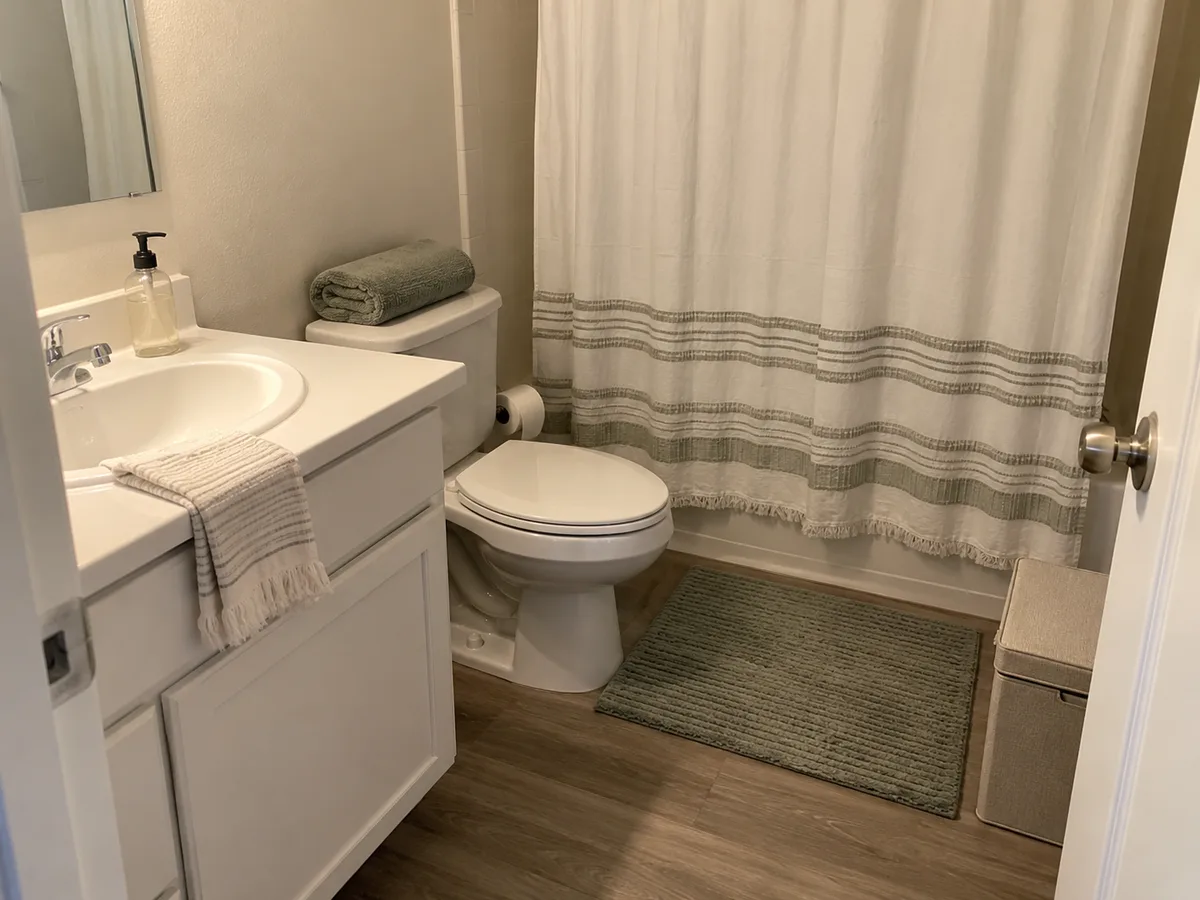
Pack your immediate bathroom supplies together and keep the box somewhere you can reach easily. “Bathroom: open first” is a much more useful label than “miscellaneous,” especially after carrying furniture upstairs.
- Toilet paper and an accessible spare roll
- Hand soap and a hand towel
- A clean bath towel for each person
- Toothbrush, toothpaste, and everyday toiletries
- Shower curtain or liner, rings, and a rod if needed
- Bath mat
- Small trash can and liners
- Toilet brush and toilet plunger
- Suitable cleaning supplies and cloths
- Personal care supplies for that evening
The Everyday Basics You’ll Reach For Immediately
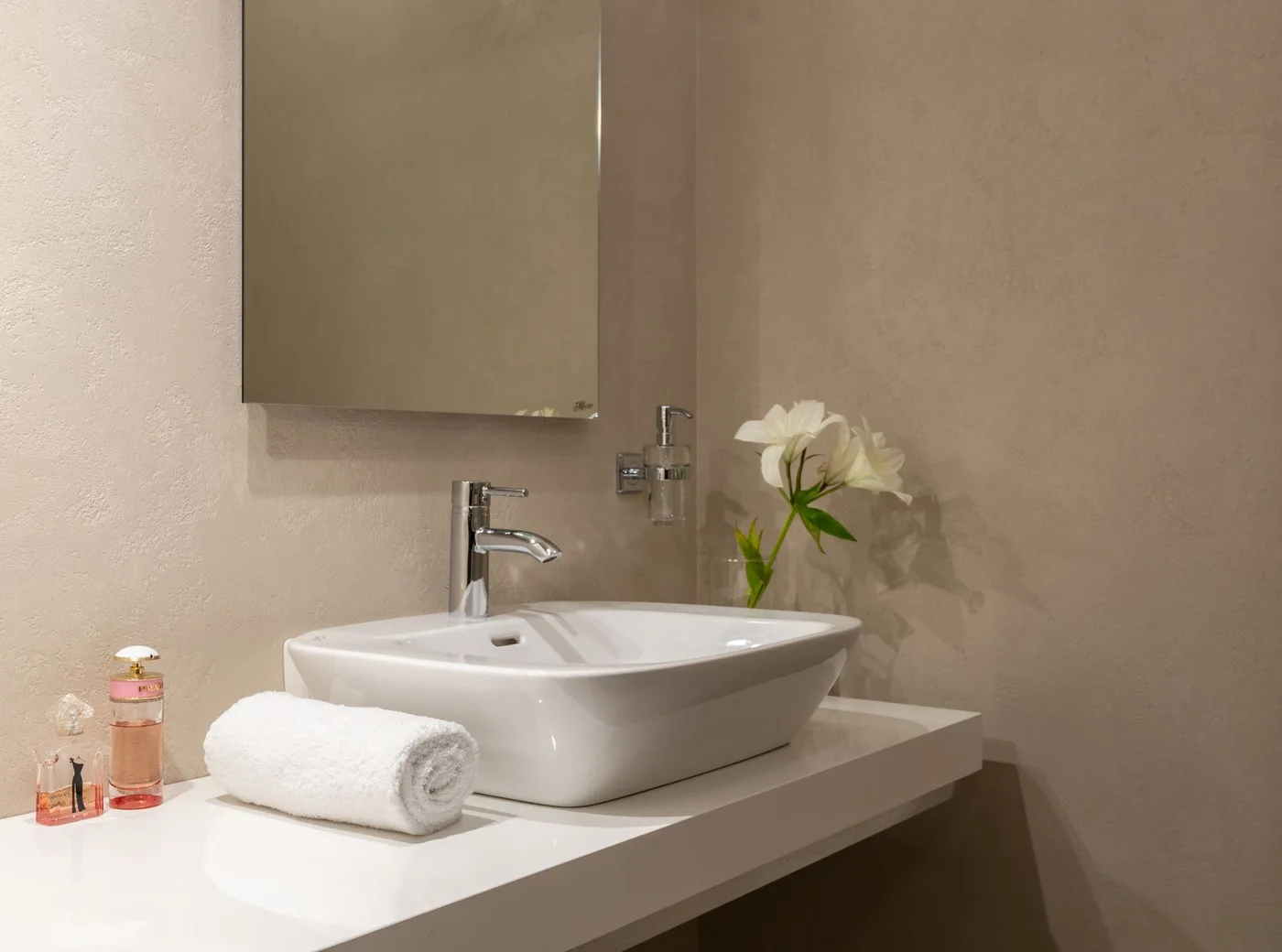
Cover your usual bathroom routine before buying accessories. Think through washing your hands, taking a shower, brushing your teeth, and getting dressed. Those ordinary moments give you a useful shopping list.
1. Toilet Paper, Including the Roll Nobody Has to Ask For
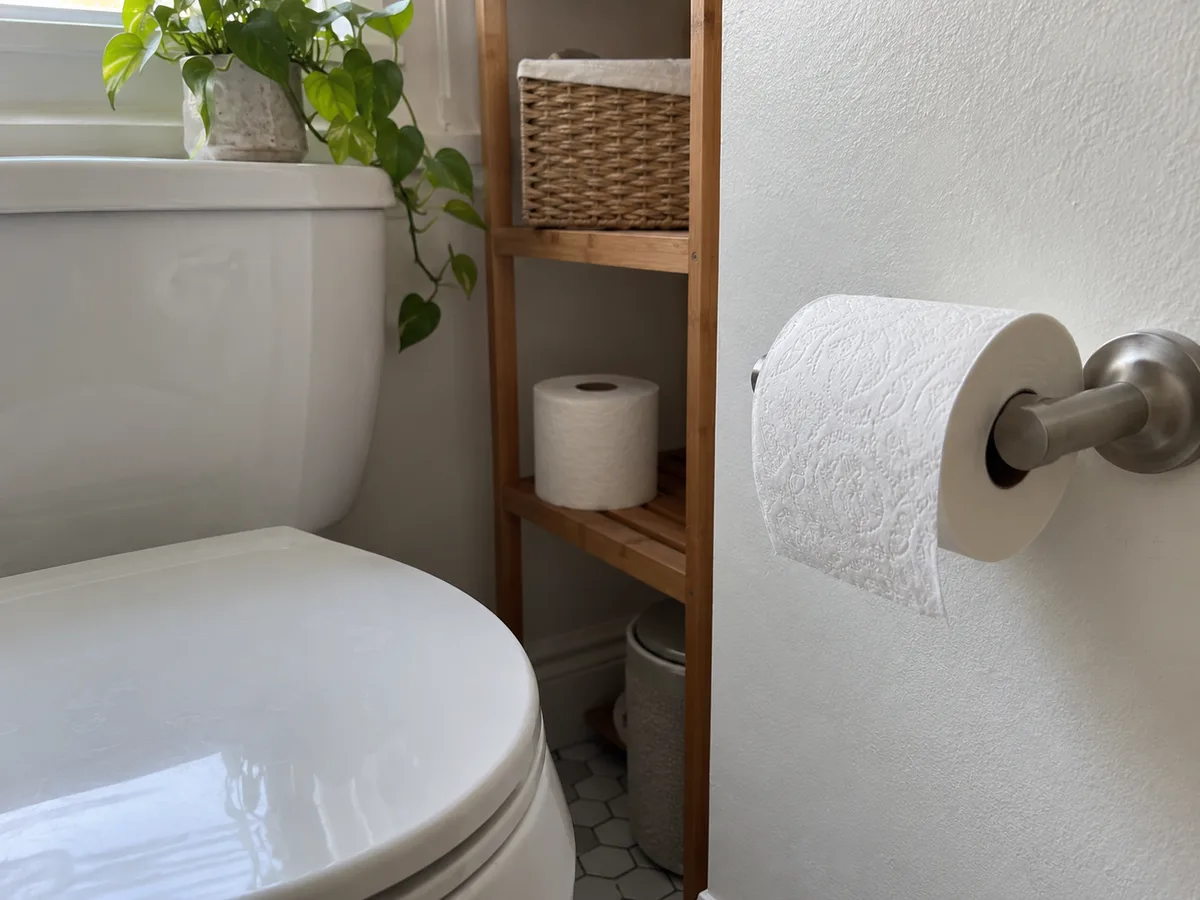
Buy a modest supply of toilet paper and keep one spare within reach. Put it out as soon as you arrive, before the unpacking takes over.
Check whether there’s already a holder attached to the wall. If there is, you can skip buying another one. A shelf or small basket can hold the spare.
That enormous bulk pack can wait until you know where it will live. A tiny bathroom fills up surprisingly quickly.
2. Hand Soap Beside the Sink
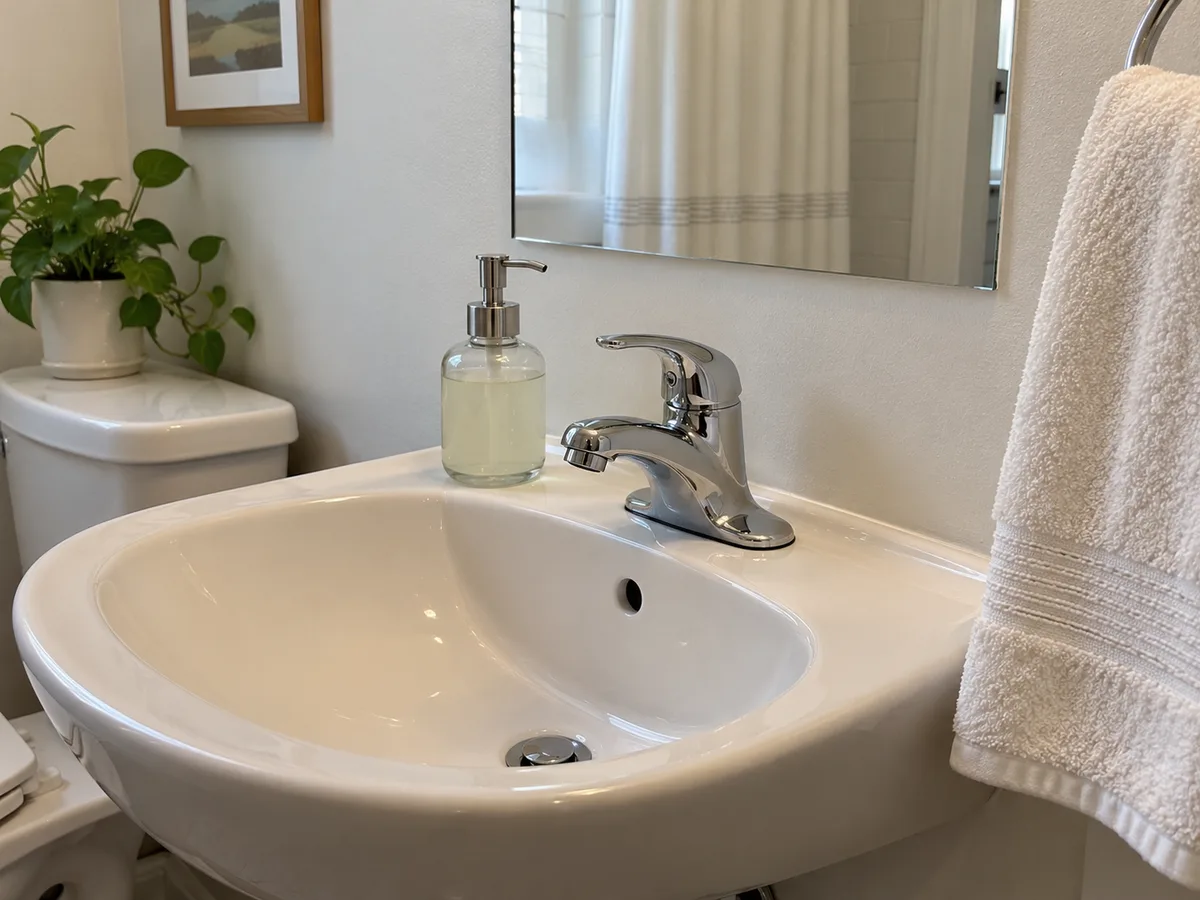
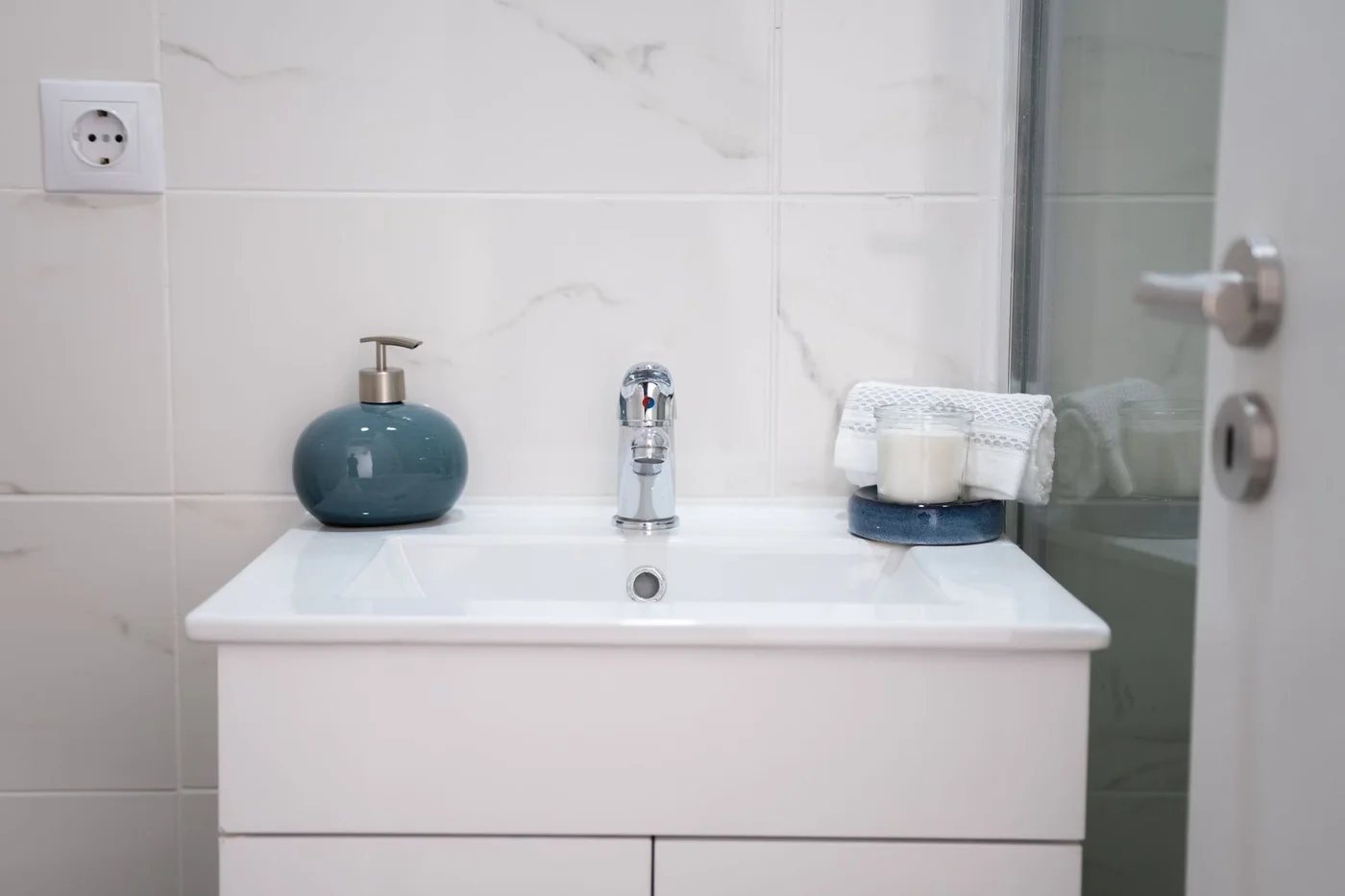
Put hand soap by the sink immediately, along with a clean hand towel. You’ll want both after carrying boxes, wiping shelves, and unpacking things that have been sitting in storage.
The bottle your soap comes in is enough. There’s no need to buy a separate dispenser just to make the bathroom usable.
If you prefer bar soap, use a draining dish so it has somewhere to dry between washes.
3. Bath Towels, Hand Towels, and a Laundry Backup
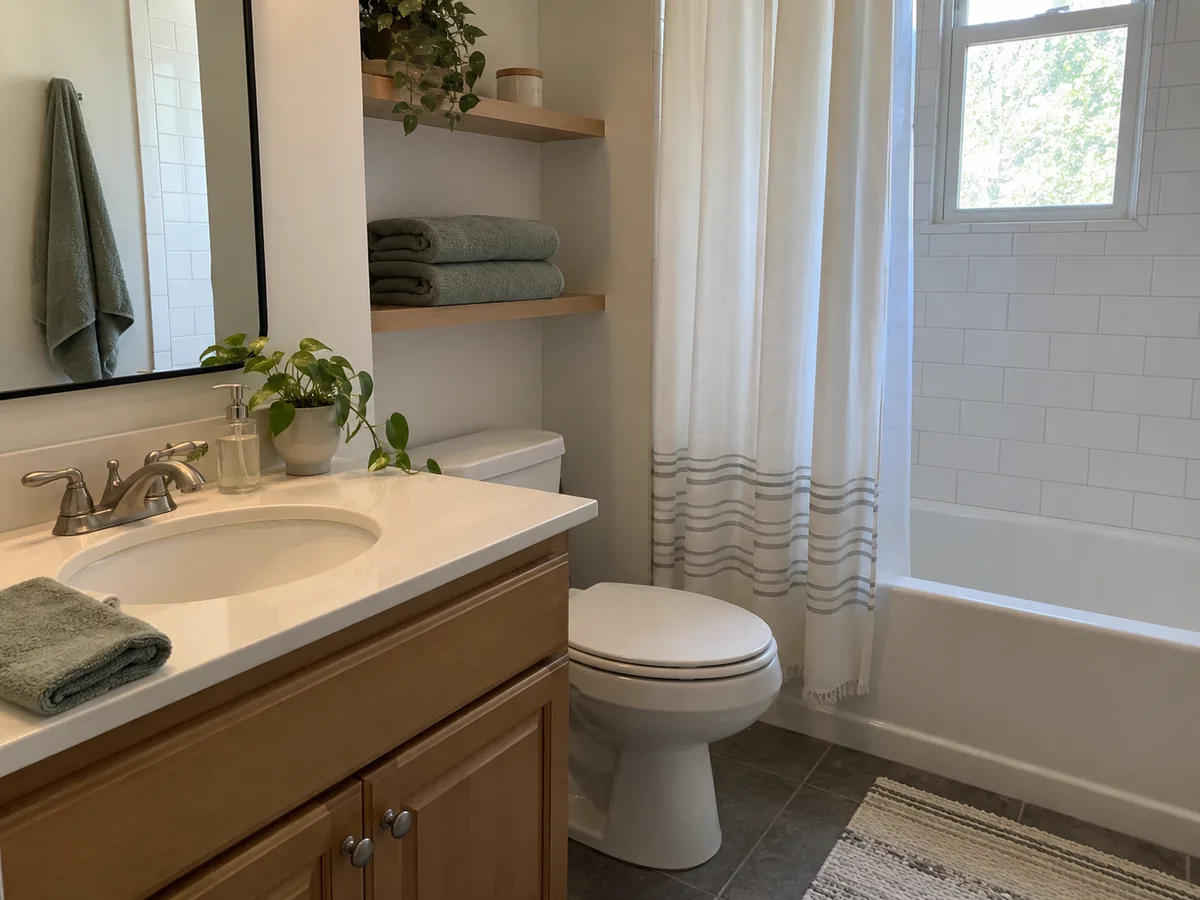
Two bath towels per person are a practical baseline, with hand towels for the sink and washcloths if you use them. That gives you a spare when one towel is in the laundry.
Doing laundry less often? You may want another. Already own clean towels you like? Bring those along.
For an optional upgrade, Buffy Organic Cotton Bath Towels come as a pair of substantial cotton towels. Check that you have enough hanging space for whichever towels you choose.
4. A Shower Curtain Setup With All the Pieces
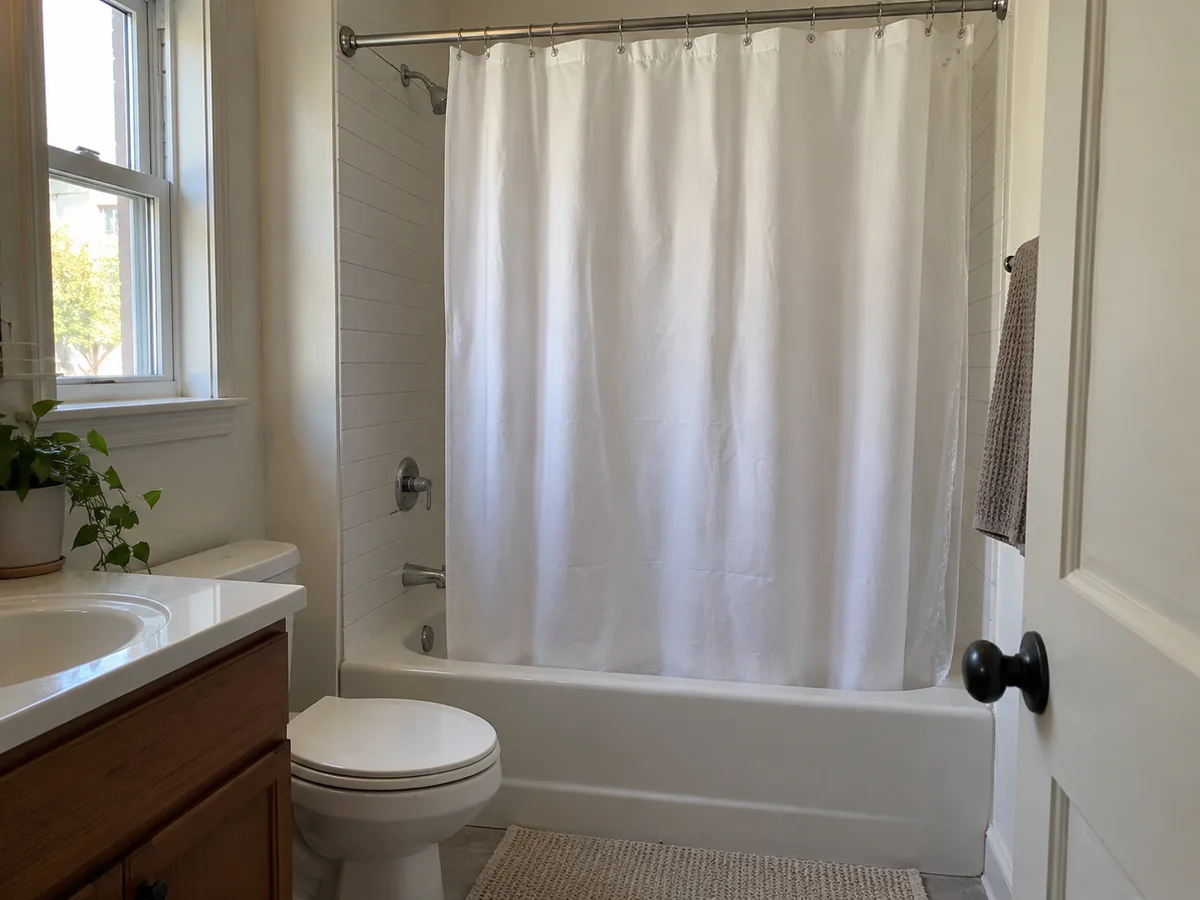
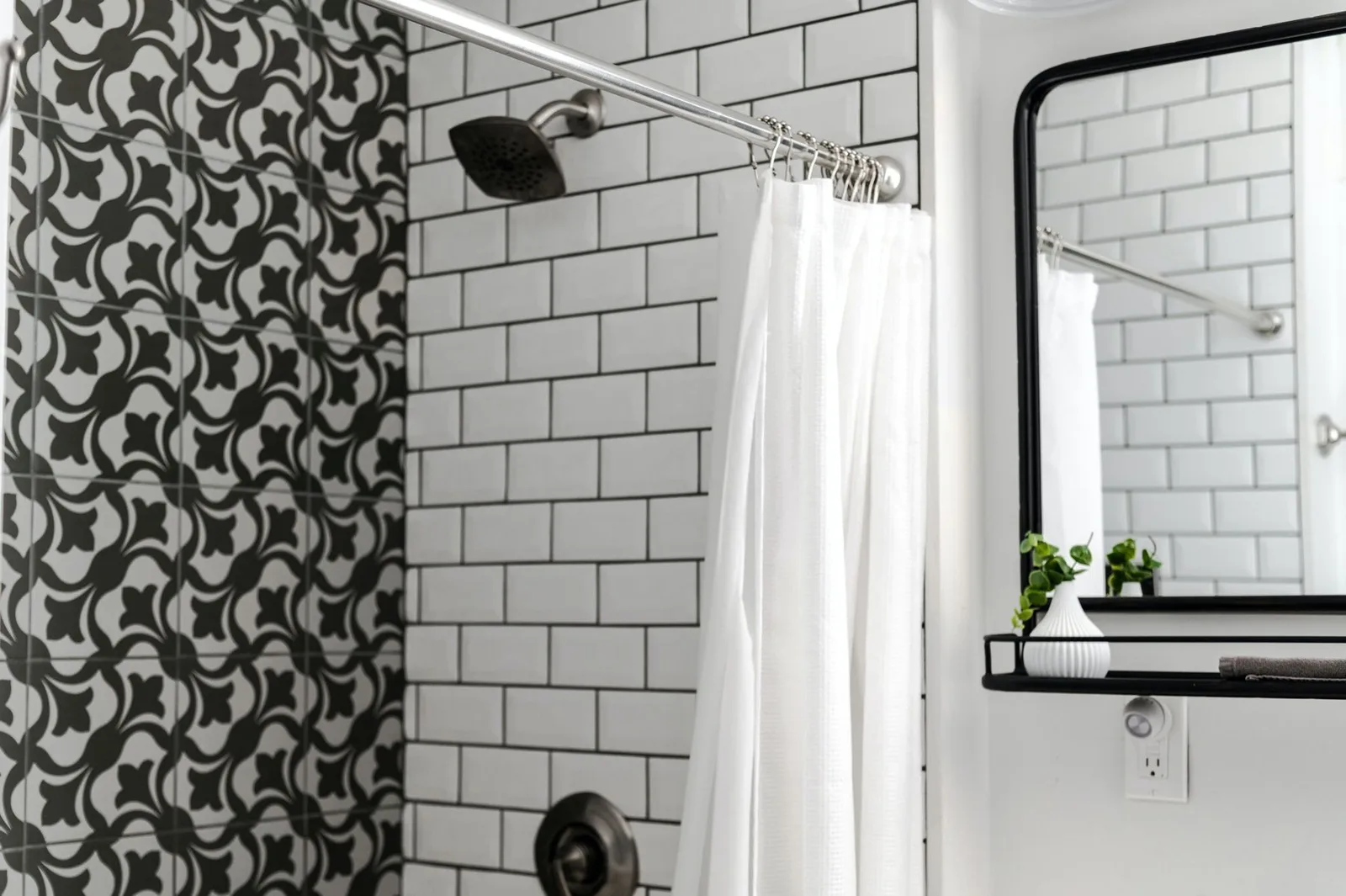
Check whether your shower needs a curtain, then buy the hanging pieces and water barrier together. Measure the opening and hanging height before choosing a size.
A decorative fabric curtain may need a separate liner to keep water inside the tub. A liner designed for standalone use can be enough on its own.
Our guide to waterproof shower curtain liners explains the options. For a decorative layer, the Boll & Branch Waffle Shower Curtain adds cotton texture.
5. A Bath Mat That Fits Outside the Shower
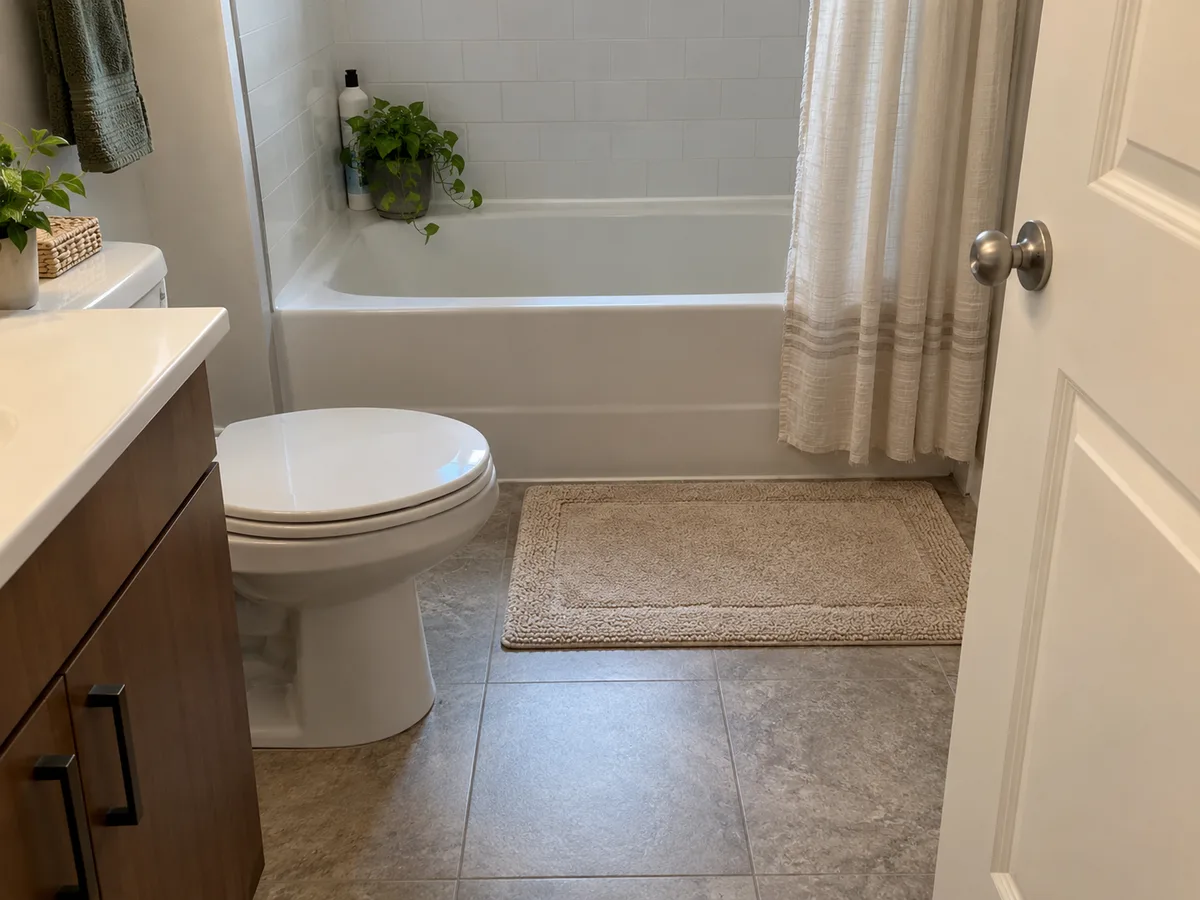
Choose an absorbent bath mat that fits the floor space and stays securely in place. Check its care instructions, backing, and compatibility with your flooring.
Open the door fully before settling on a size. A thick mat that catches under the door will become annoying very quickly.
An outside bath mat catches drips from your feet. An in-tub nonslip mat serves a different purpose, so check which one you’re buying.
6. Toothbrush, Toothpaste, and Floss in One Easy-to-Find Bag
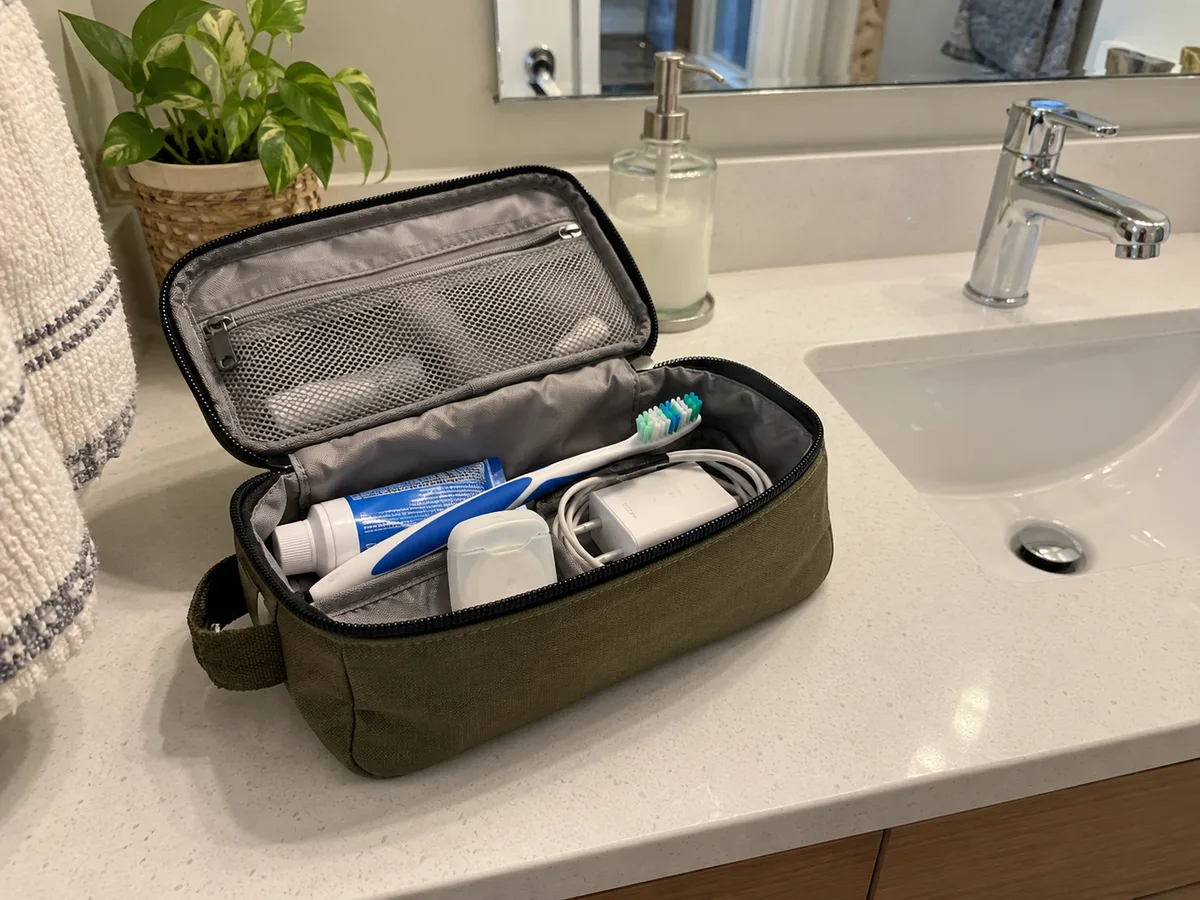
Keep your toothbrush, toothpaste, and floss with your overnight things. Bring the products you already use rather than buying another set just because you’re moving.
If you use an electric toothbrush, pack its charger in the same bag. Otherwise, there’s a good chance it will end up sharing a box with a television remote and three cables nobody recognizes.
Unpack these supplies before you get tired enough to forget where you put the bag.
7. The Shower Products You Already Use
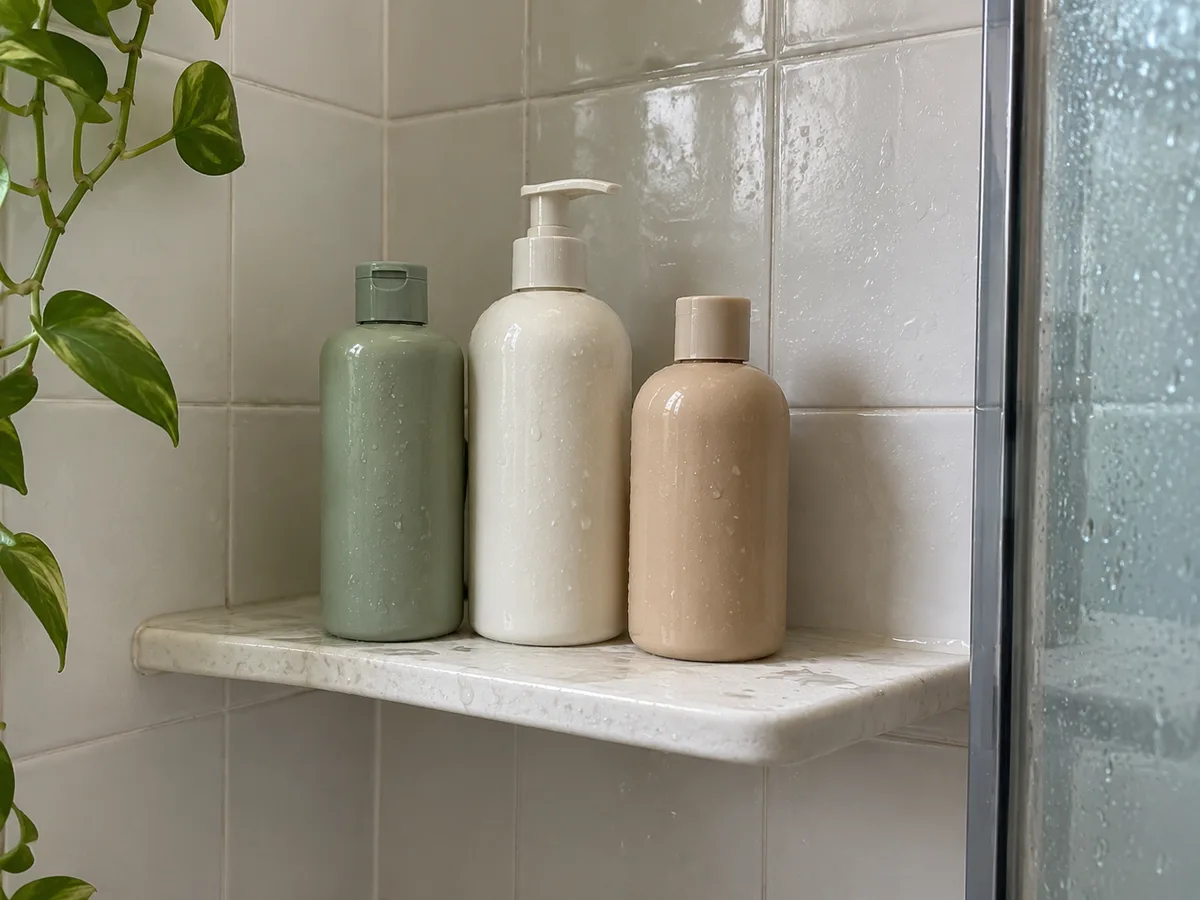
Bring shampoo, conditioner if you use it, and body wash or bar soap. Your normal shower routine is a better guide than a large matching gift set.
Check how much is left in each bottle before moving. Discovering your shampoo is nearly empty halfway through your first shower is avoidable.
Keep bottle lids secure during transport, and place anything that could leak inside a washable pouch or sealed bag.
8. Personal Care Supplies for Your Actual Routine
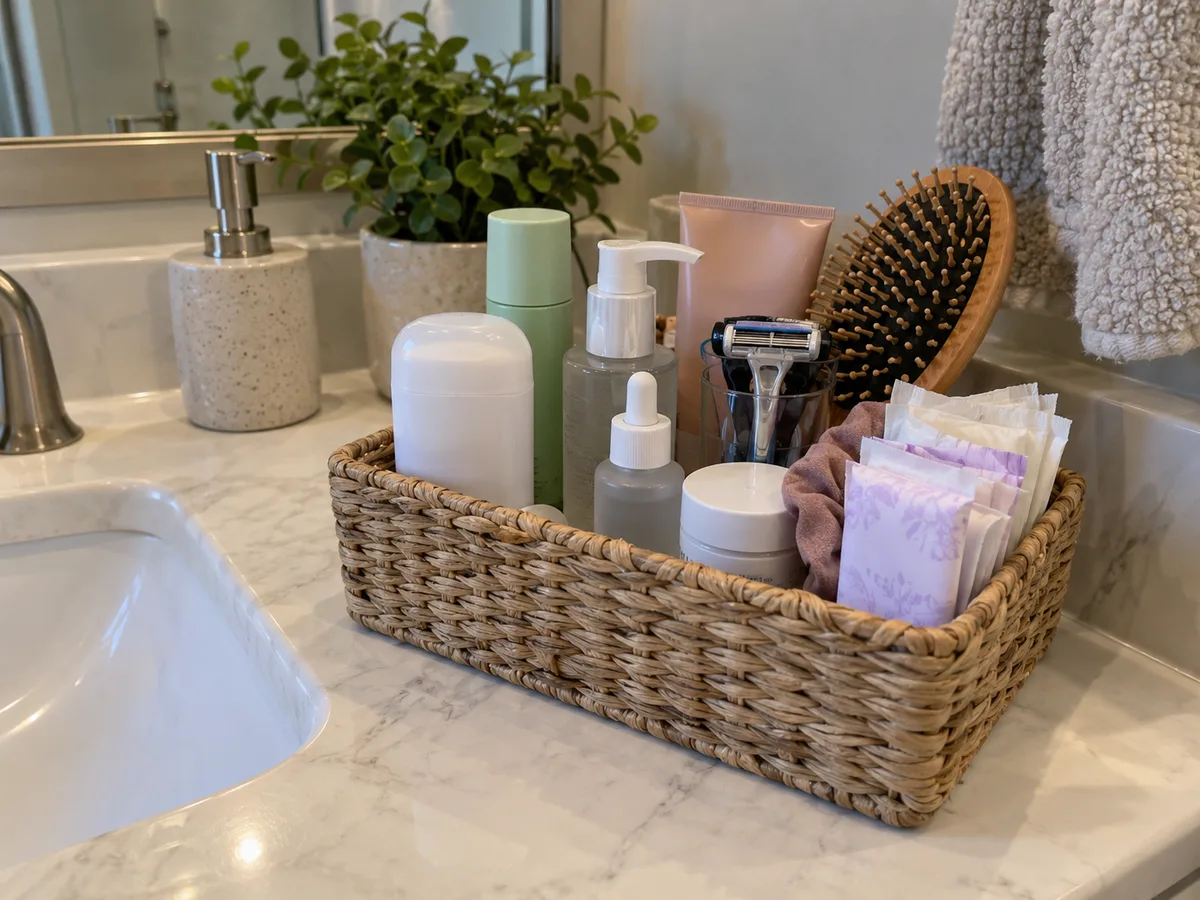
Pack the personal care products you regularly reach for, including any menstrual supplies, shaving products, deodorant, skincare, and hair care you use.
A useful trick is to leave a small basket out during your last morning in the old place. As you finish using something, put it in the basket. You’ll quickly build a list based on your habits.
You don’t need every item on someone else’s routine to be prepared for your own.
Cleaning Supplies You’ll Be Glad You Bought Early
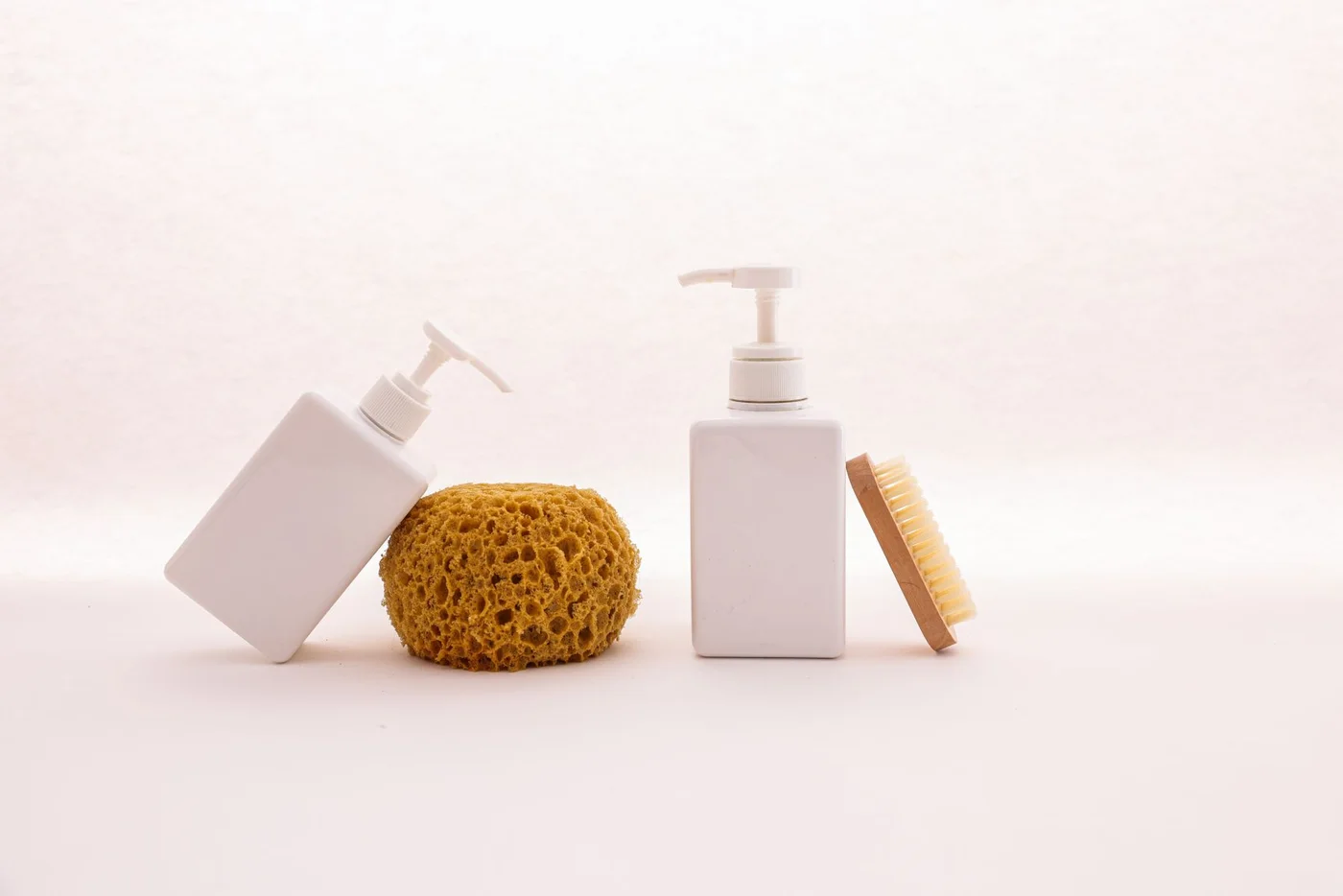
Have enough supplies to clean the toilet, sink, and shower before unpacking everything around them. You’ll have easier access while the counters and shelves are still empty.
9. A Toilet Brush With Its Own Holder
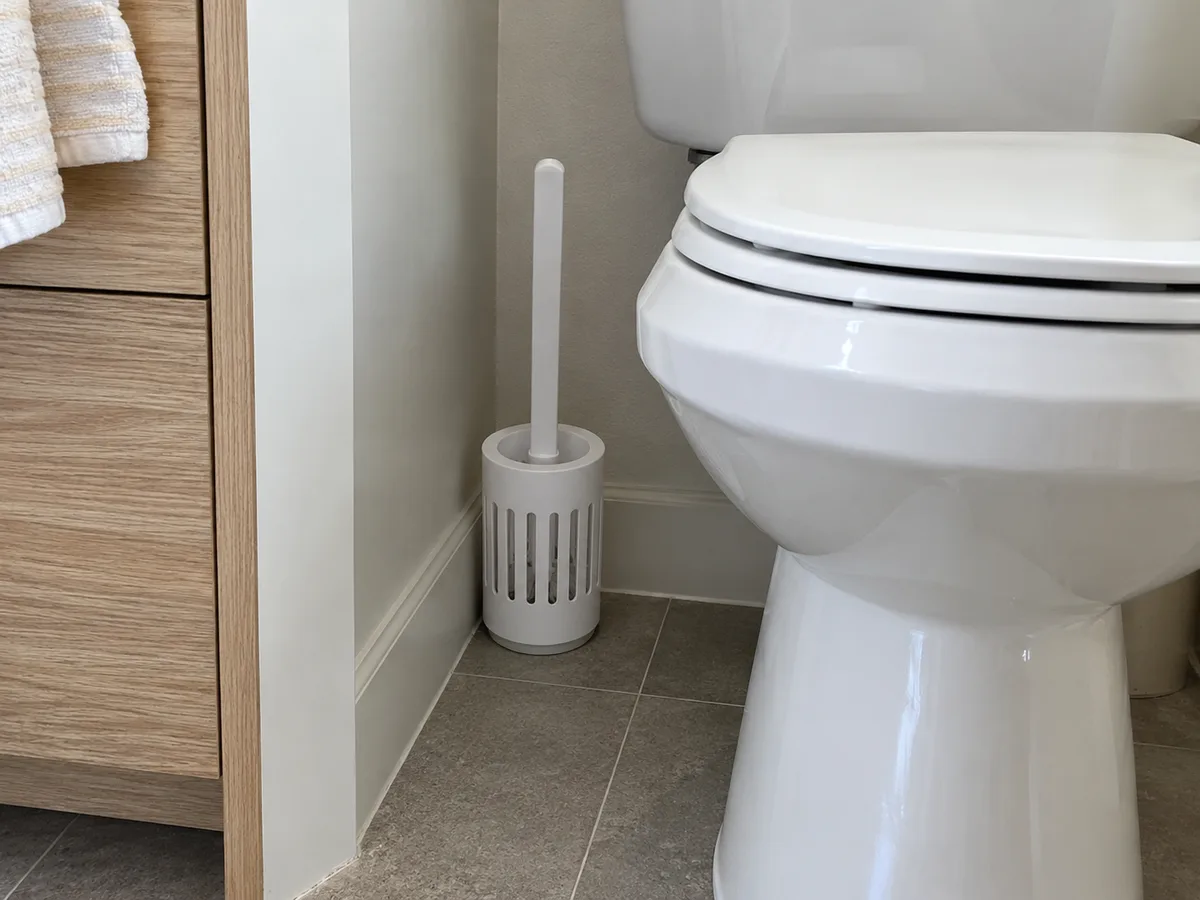
Buy a toilet brush with a holder that is easy to empty and clean. It belongs on the initial shopping list, even if choosing towels is considerably more fun.
The OXO Compact Toilet Brush & Canister is one option with a covered holder and a ventilated drip tray.
Whichever brush you choose, leave enough room to lift it out comfortably. Wedging the holder behind a bin makes a simple cleaning job unnecessarily awkward.
10. A Toilet Plunger Before the Late-Night Emergency
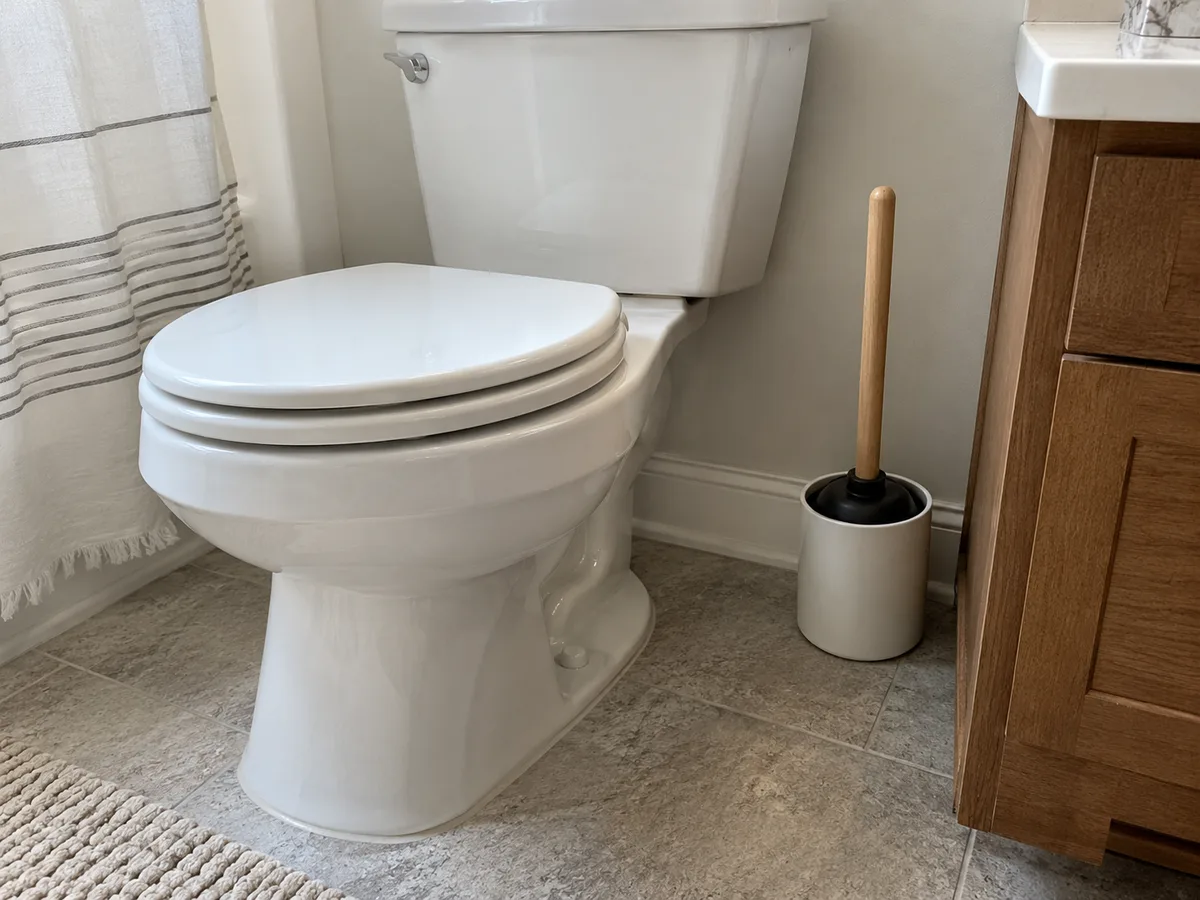
Choose a plunger intended for toilets and keep it accessible. Check the packaging instead of assuming every plunger is suited to the same job.
A toilet plunger often has an extended flange or a shaped head designed to seal around the toilet outlet. A basic flat cup is commonly intended for sinks.
This is one purchase worth making before there’s a problem. Nobody enjoys searching for an open shop while worrying about the bathroom floor.
11. A Small Cleaning Kit You’ll Actually Use
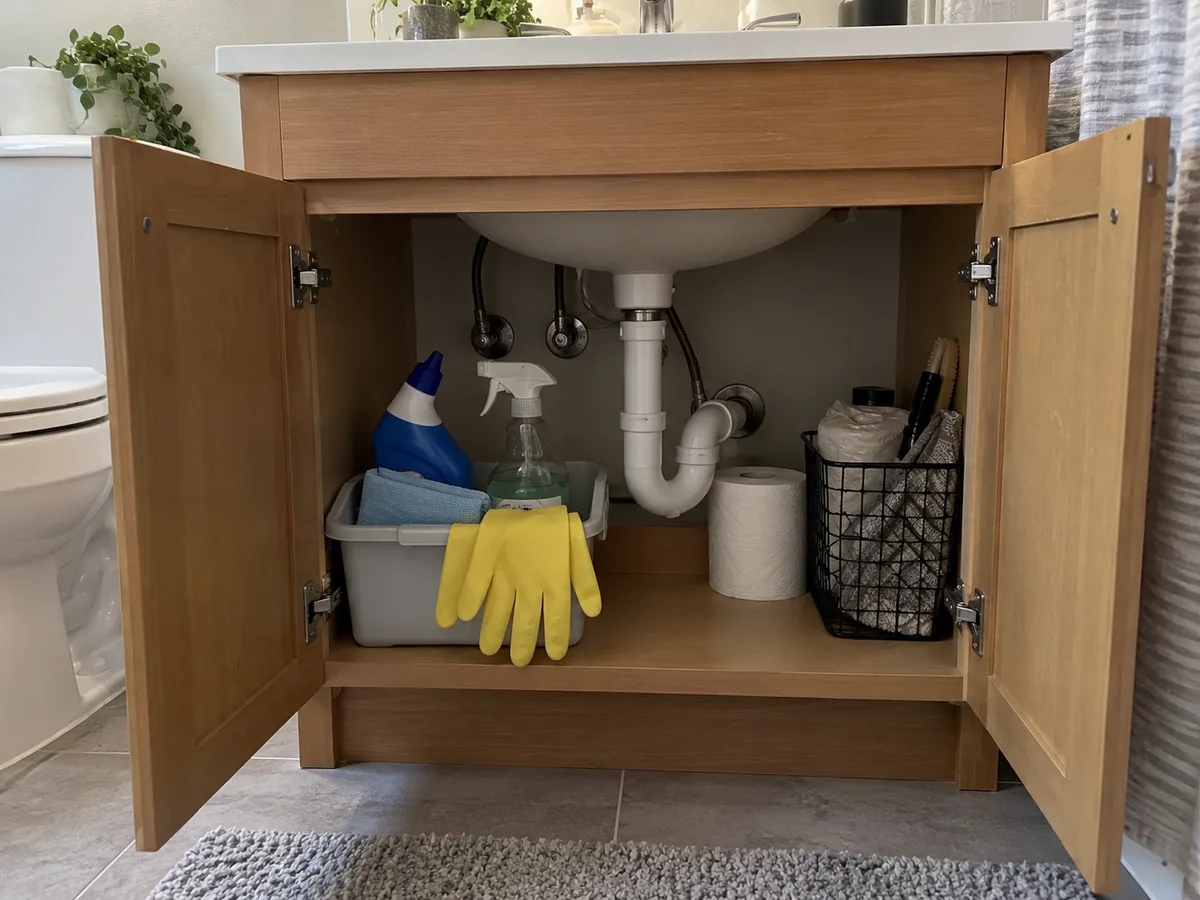
Buy toilet bowl cleaner and a cleaner suitable for your sink, counter, and shower surfaces. Check the labels against the materials in your bathroom.
Lysol, Clorox, Method, and Scrubbing Bubbles offer different formulas, so choose by the product’s intended use rather than the brand alone. You may need something different for natural stone than for ceramic tile.
12. Cleaning Cloths, a Scrubbing Tool, and Gloves
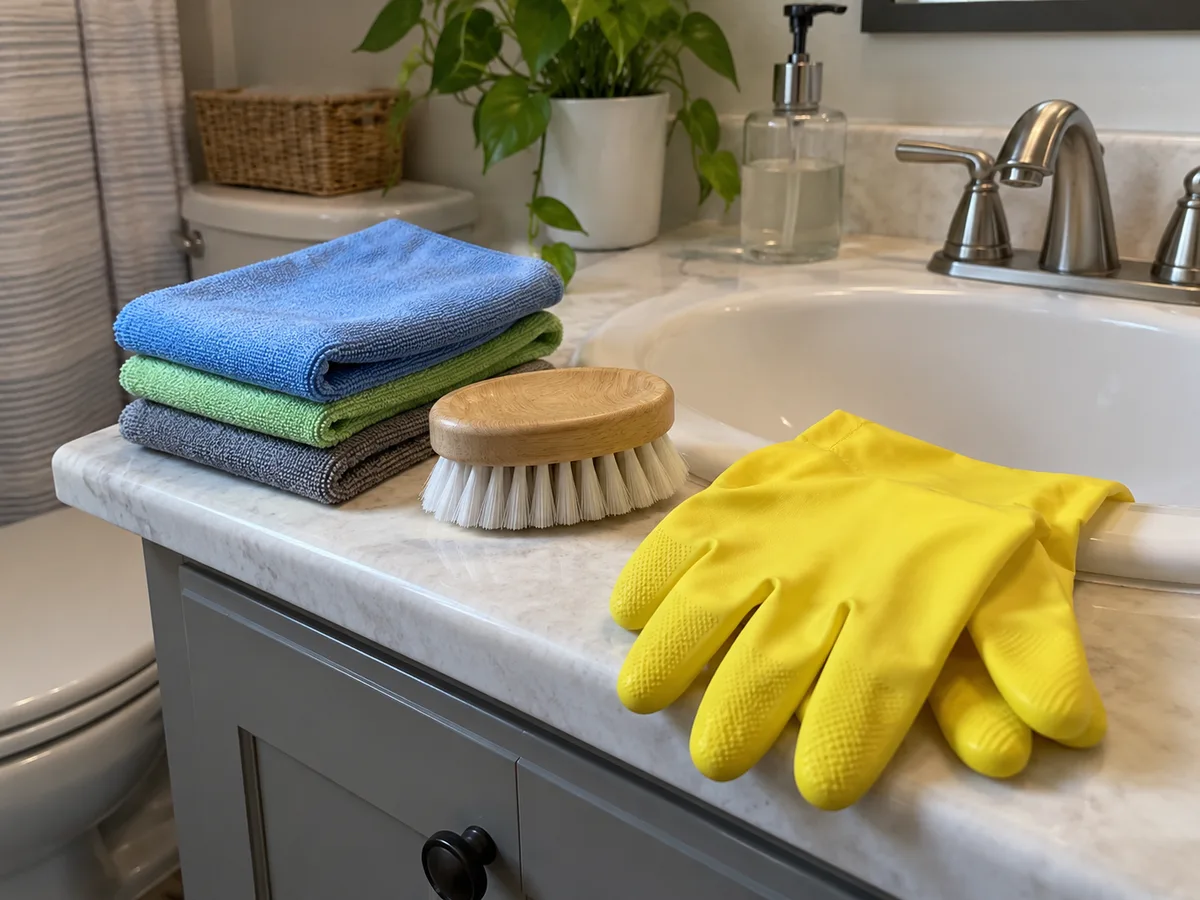
Add reusable cleaning cloths, a suitable sponge or scrubbing brush, and gloves. A bottle of cleaner won’t get you far without something to wipe it away.
Keep toilet-cleaning cloths separate from the ones used around the sink. Different colors make that easier to remember when you’re cleaning in a hurry.
Choose tools appropriate for the surface. A rough scrubber that works on one material may scratch another, so check before attacking a stubborn mark.
13. A Small Trash Can With Liners That Fit
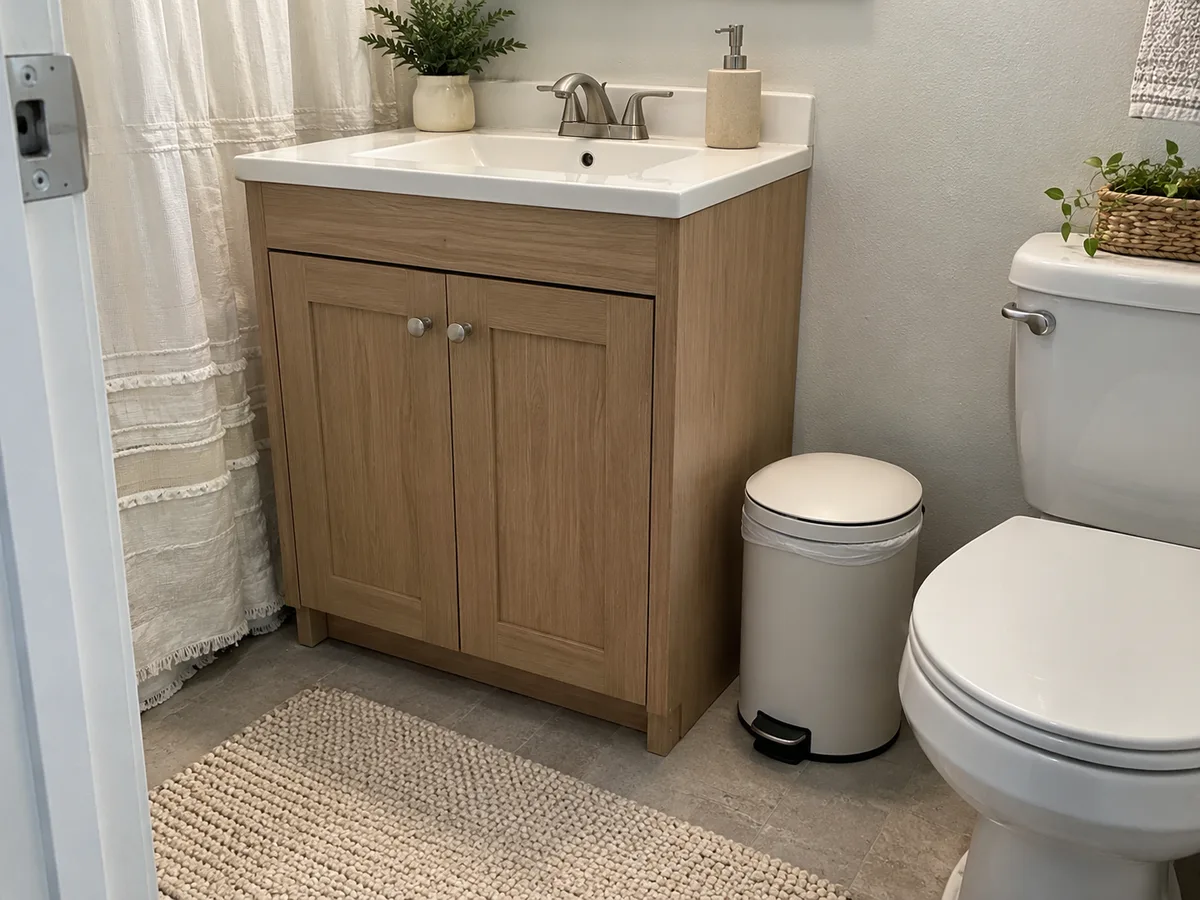
Choose a bathroom bin that fits its intended spot and has enough room for the lid or pedal to operate. Check the liner size at the same time.
The Brabantia NewIcon 3-Litre Pedal Bin is a compact option with a removable inner bucket.
A small bin suits a tight space, though you’ll empty it more often. For a shared bathroom, a slightly larger size may be more convenient if there’s room.
Storage That Fits the Bathroom You Actually Have
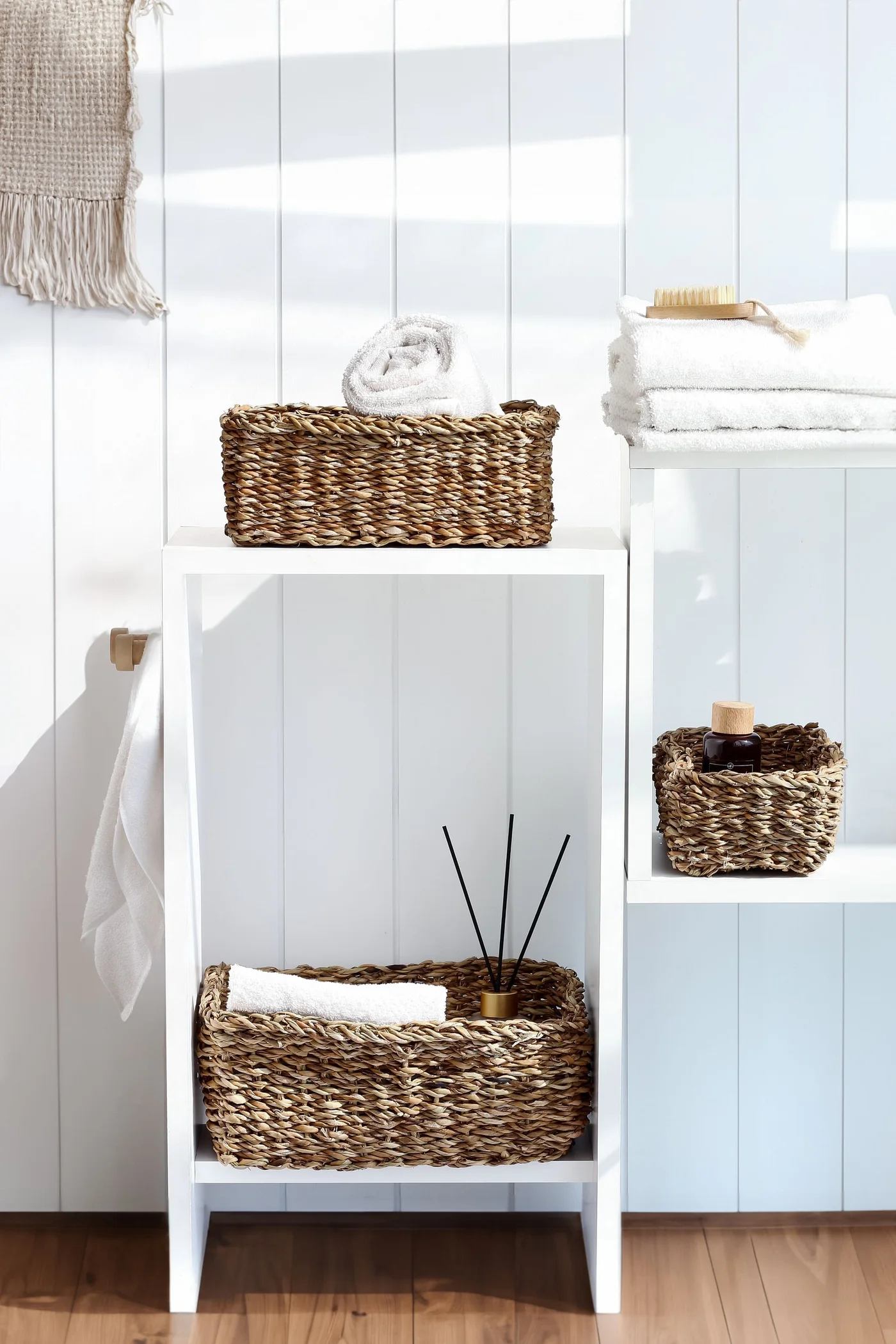
Buy storage after checking the bathroom’s usable space. Existing shelves, cabinets, and hooks may cover more than you expect once you’ve unpacked only what you need.
14. A Shower Caddy for the Bottles on the Tub Edge
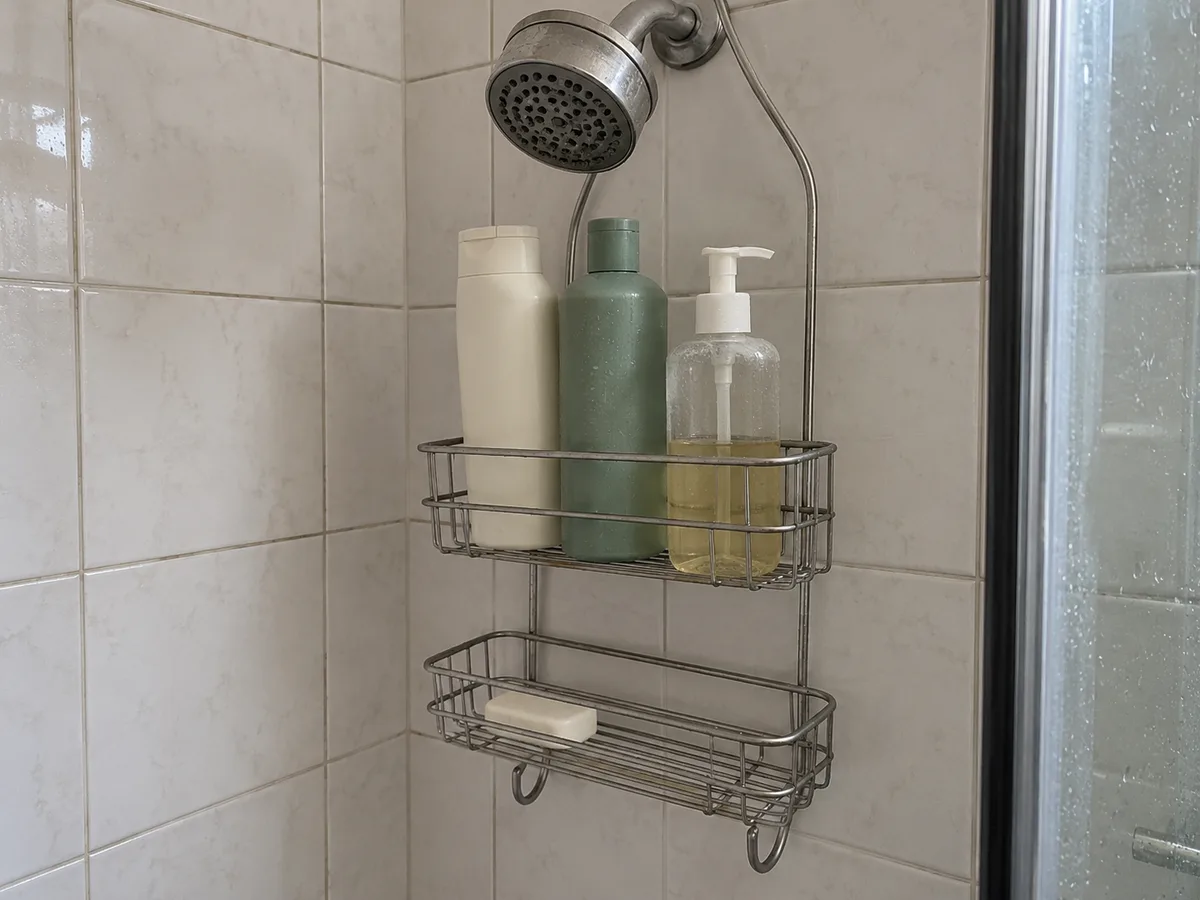
Match the caddy to your shower layout and the bottles you use. Tall pump bottles need more shelf clearance than small tubes.
A hanging caddy needs a suitable support. Suction-mounted designs need a compatible surface, while a portable basket can be useful in a shared bathroom.
For a teak option, the AquaTeak Moa Oval Teak Shower Organizer hangs from a showerhead or suitable hook. Check its dimensions and mounting requirements before buying.
15. A Toothbrush Holder You Can Clean Easily
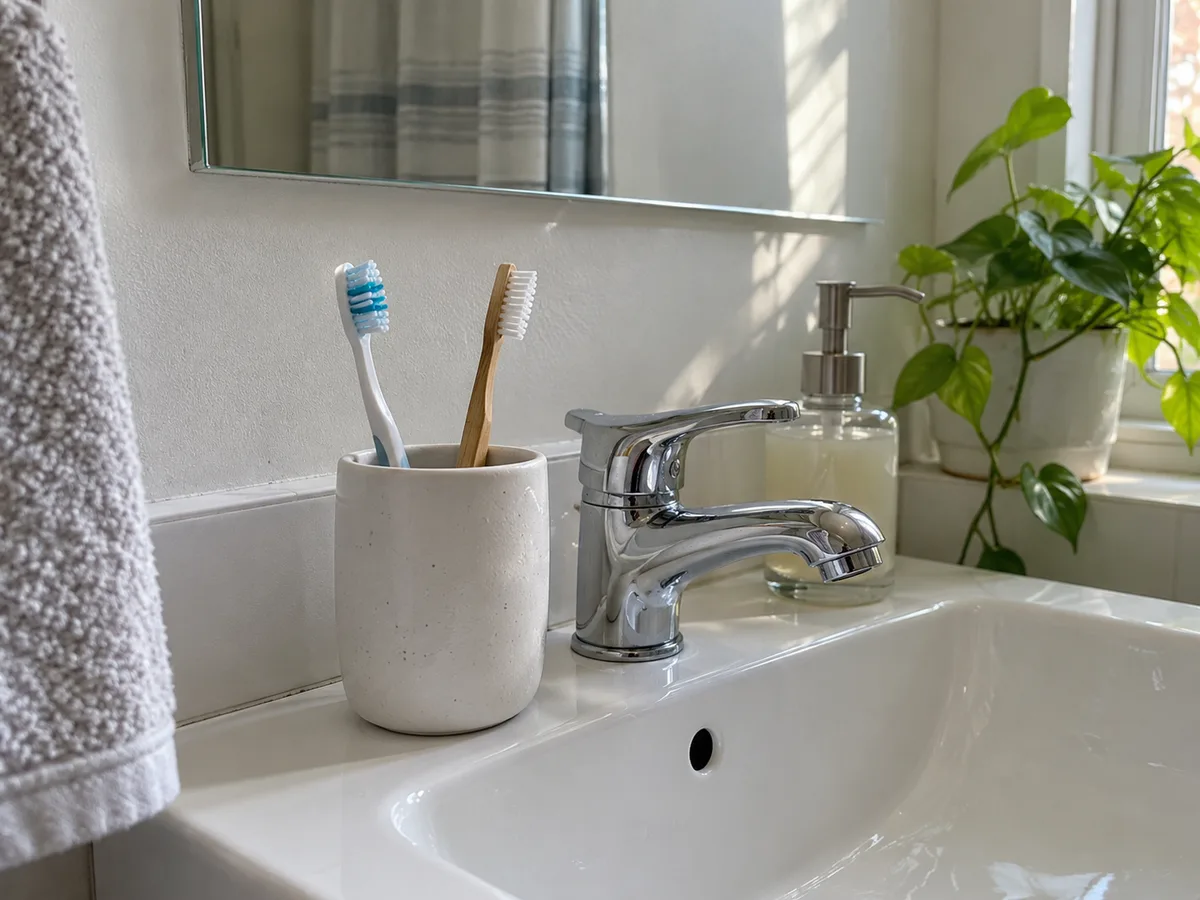
Choose a holder that fits your toothbrush and is easy to rinse, empty, and dry. Removable parts or a wide opening make cleaning less fiddly.
Electric toothbrushes can be wider than the slots in some matching bathroom sets. Check the fit before paying for a set you can only partly use.
A suitable cup you already own may be enough. Just empty any collected water and clean it regularly.
16. Enough Hooks or Rails for Wet Towels
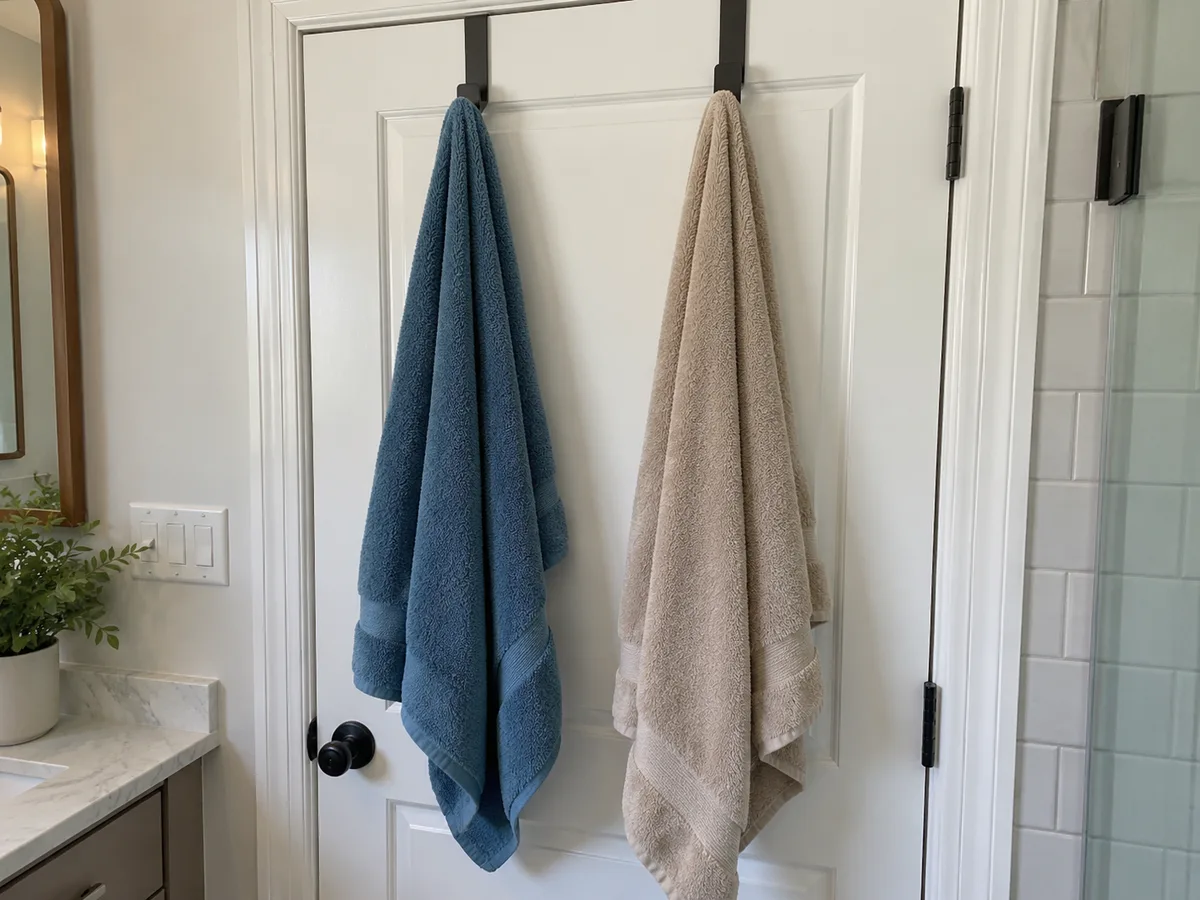
Check that everyone has somewhere to hang a wet towel. Having several clean towels won’t solve the problem if there’s nowhere for the used ones to dry.
Use the existing rails first. Over-door hooks can add hanging space, provided the door still closes properly and the hooks suit its thickness.
17. Under-Sink Bins That Fit Around the Pipes
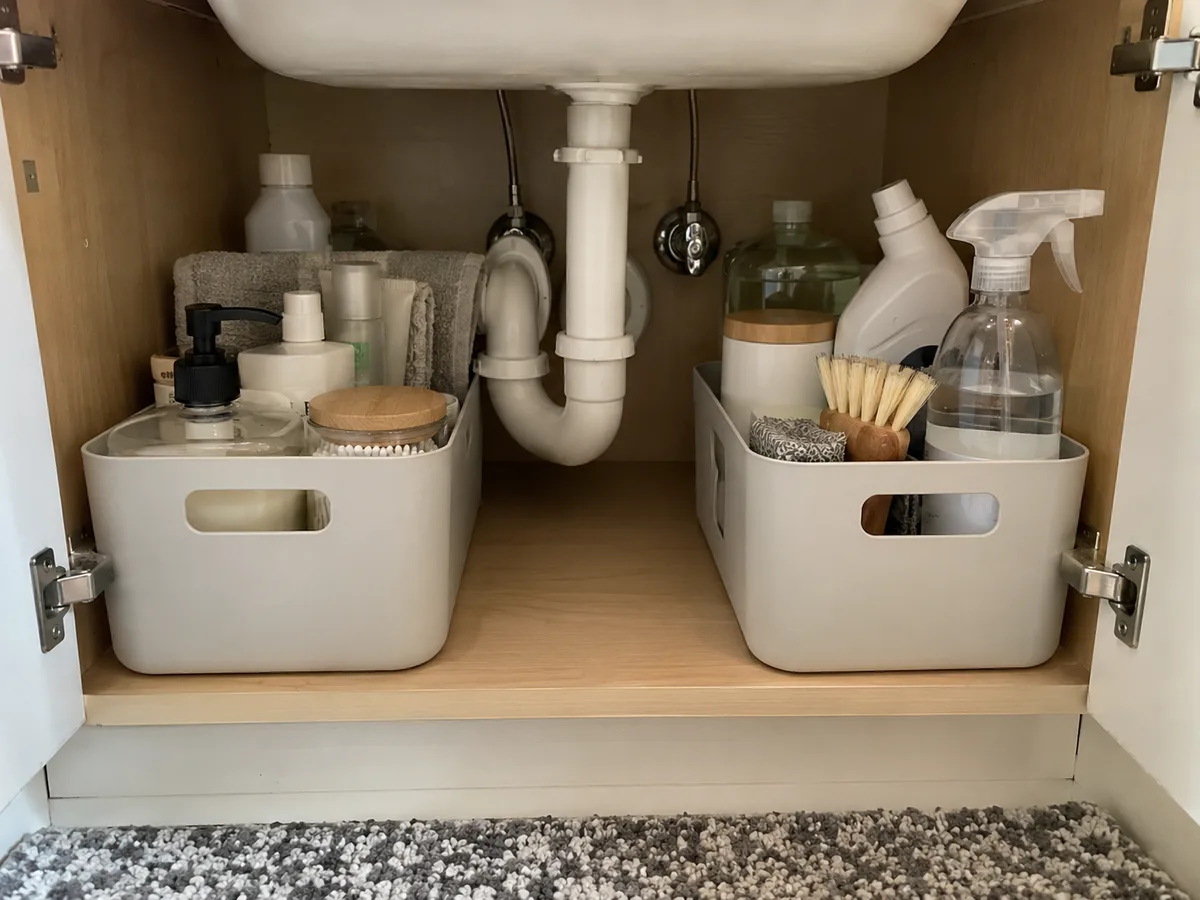
Measure around the pipes, hinges, and cabinet opening before buying an under-sink organizer. The cabinet’s full width is rarely the space you can actually use.
Two small bins may fit better than one large drawer system. You can also lift them out to clean or reach the plumbing.
Keep frequently used supplies near the front. Our guide to organizing bathroom cabinets has more ways to arrange an awkward cupboard.
18. One Small Spot for Backup Supplies
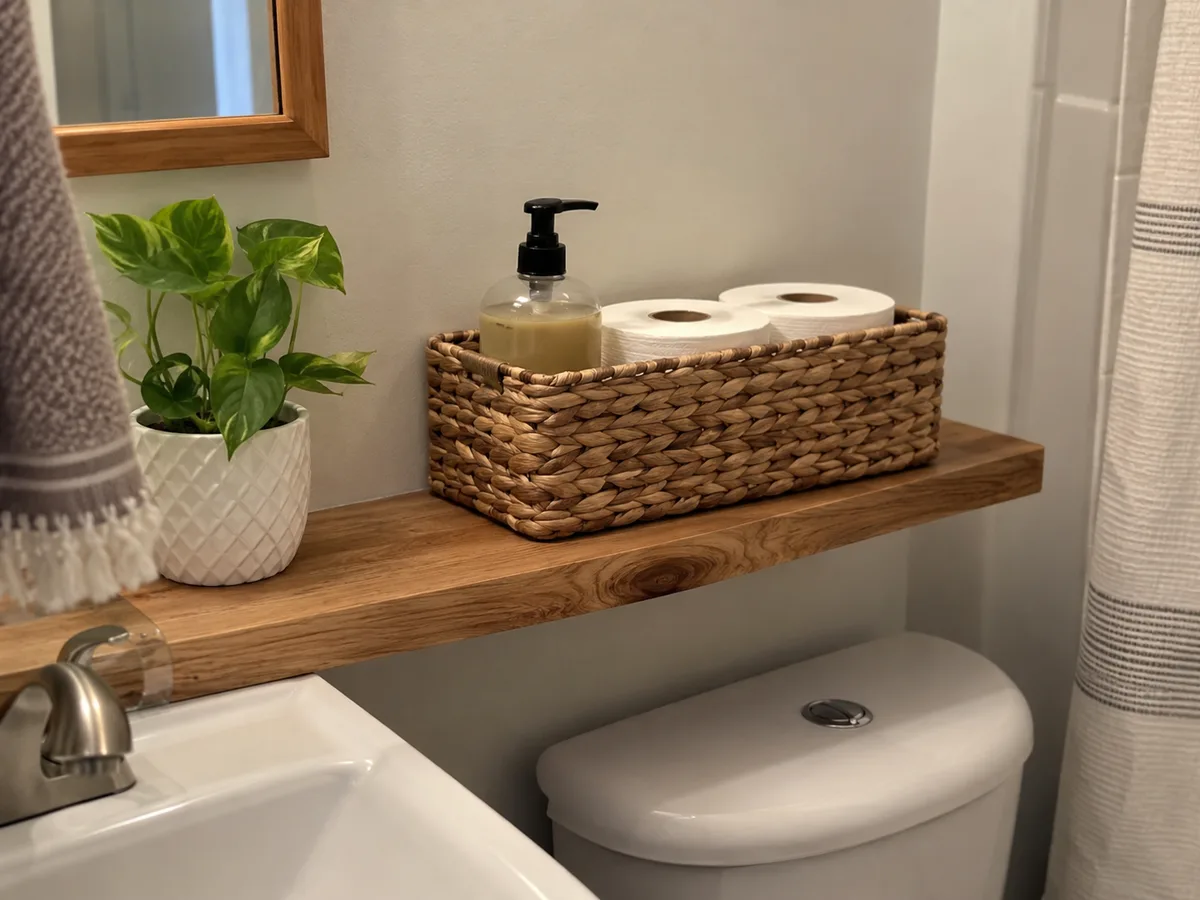
Keep spare toilet paper, soap, and other frequently used refills together. One shelf or basket may be all you need.
If you keep buying things you already own, arrange the backups so you can see them before shopping. Leave enough space to remove a bottle without unloading everything.
Extra storage furniture can wait until you know what’s left over. This small bathroom storage plan can help you find space without crowding the room.
19. A Laundry Hamper Somewhere Nearby
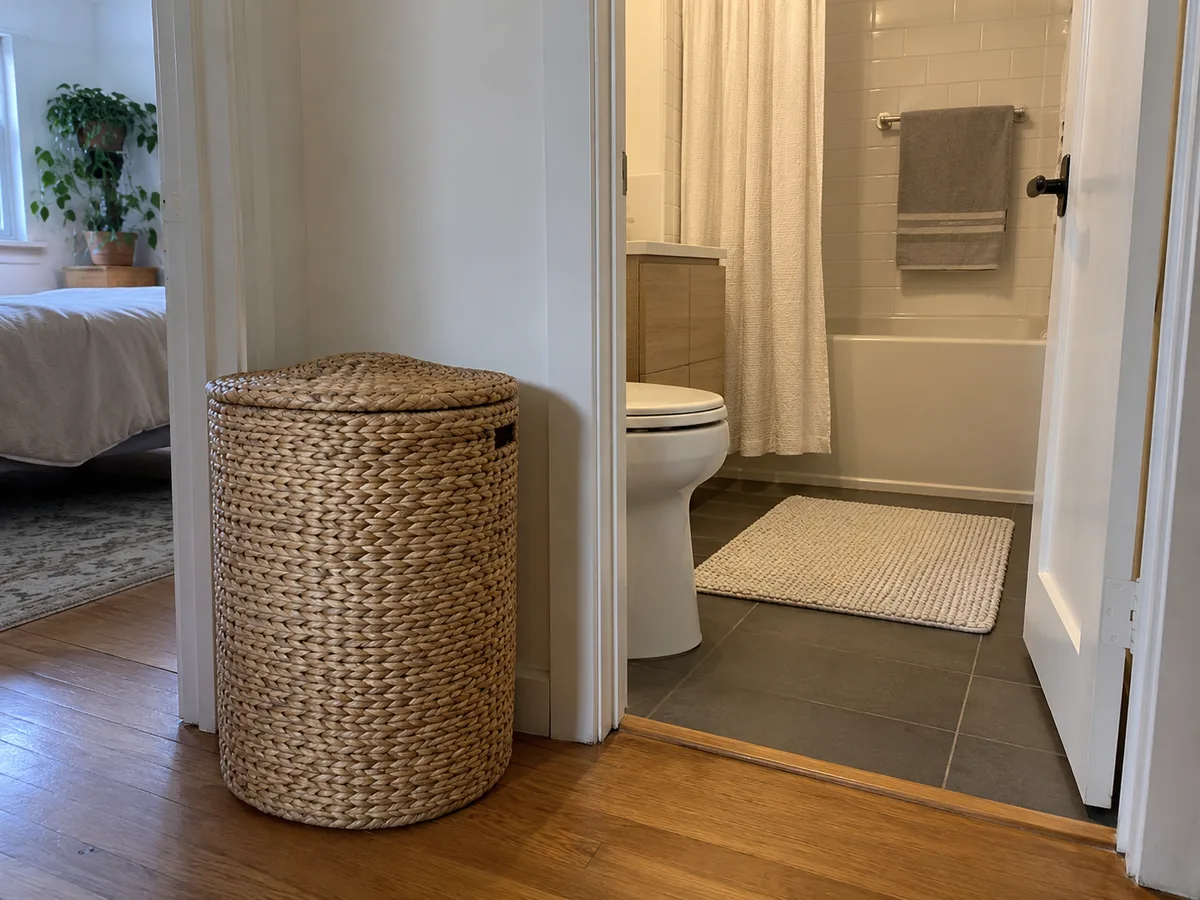
Give dirty laundry a convenient place to go, even if that place is in the bedroom. A small bathroom doesn’t automatically need its own hamper.
Use the one you already have if it’s easy to reach. If you buy another, check that it won’t block the door, cabinet, or toilet.
Let wet towels dry before leaving them in a pile of laundry. A hamper is handy for collecting clothes, but it doesn’t replace towel-hanging space.
20. A Squeegee If You Have Glass Shower Doors
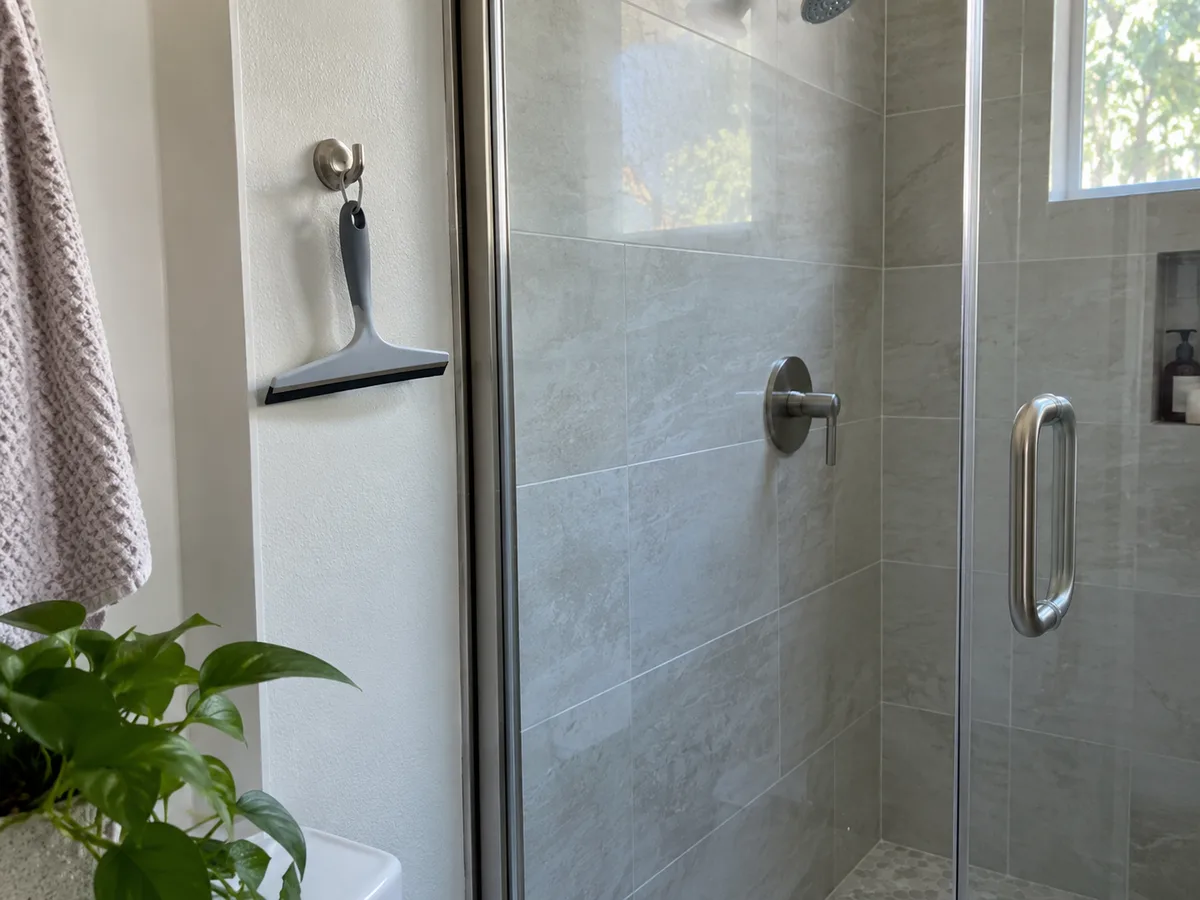
A squeegee is a useful extra if your shower has glass doors or panels. It lets you remove much of the water left on the glass after showering.
Choose a size you can move comfortably around handles and corners. Store it on a compatible hook where it won’t obstruct the door.
If your bathroom has a tub and curtain, this can probably wait. Buy according to the shower you have.
Bathroom Purchases That Can Wait

Give yourself time to use the bathroom before buying decorative extras or replacement fixtures. After a week or two, you’ll have a much clearer idea of what’s missing.
These purchases can usually wait:
- Matching soap dispensers and accessory sets
- Decorative baskets
- Guest toiletry collections
- Another mirror when the existing one works
- Artwork and display towels
- A replacement showerhead
- Freestanding storage bought before measuring
- Fragrance products
A working showerhead doesn’t need replacing just because you’ve seen a prettier one. Likewise, an empty shelf doesn’t need filling immediately.
For more help deciding where to spend, see how to decorate a small apartment on a budget.
Sharing the Bathroom? Agree on These Three Things
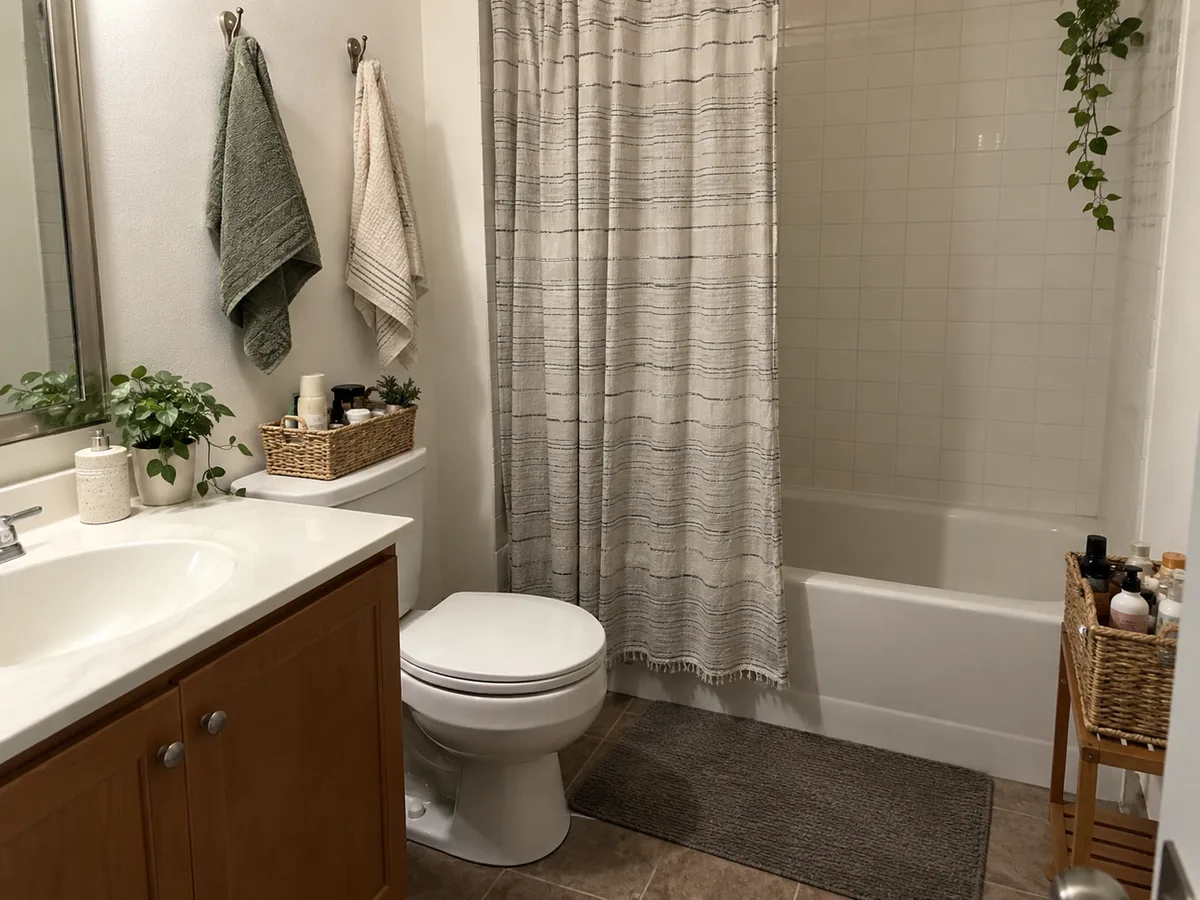
Agree on supplies, storage, and cleaning before small annoyances become regular arguments. A five-minute conversation can prevent a month of quietly wondering who keeps finishing the soap.
- Who buys shared supplies? Decide how you’ll replace toilet paper, hand soap, bin liners, and cleaning products.
- Where does everyone keep their things? Assign shelf space and towel hooks so nobody has to rearrange the bathroom each morning.
- Who cleans what, and when? Choose a simple arrangement everyone understands.
A portable caddy is useful if you prefer keeping personal toiletries in your bedroom. Carry it in, use what you need, and take it back out.
Quick Answers Before You Shop
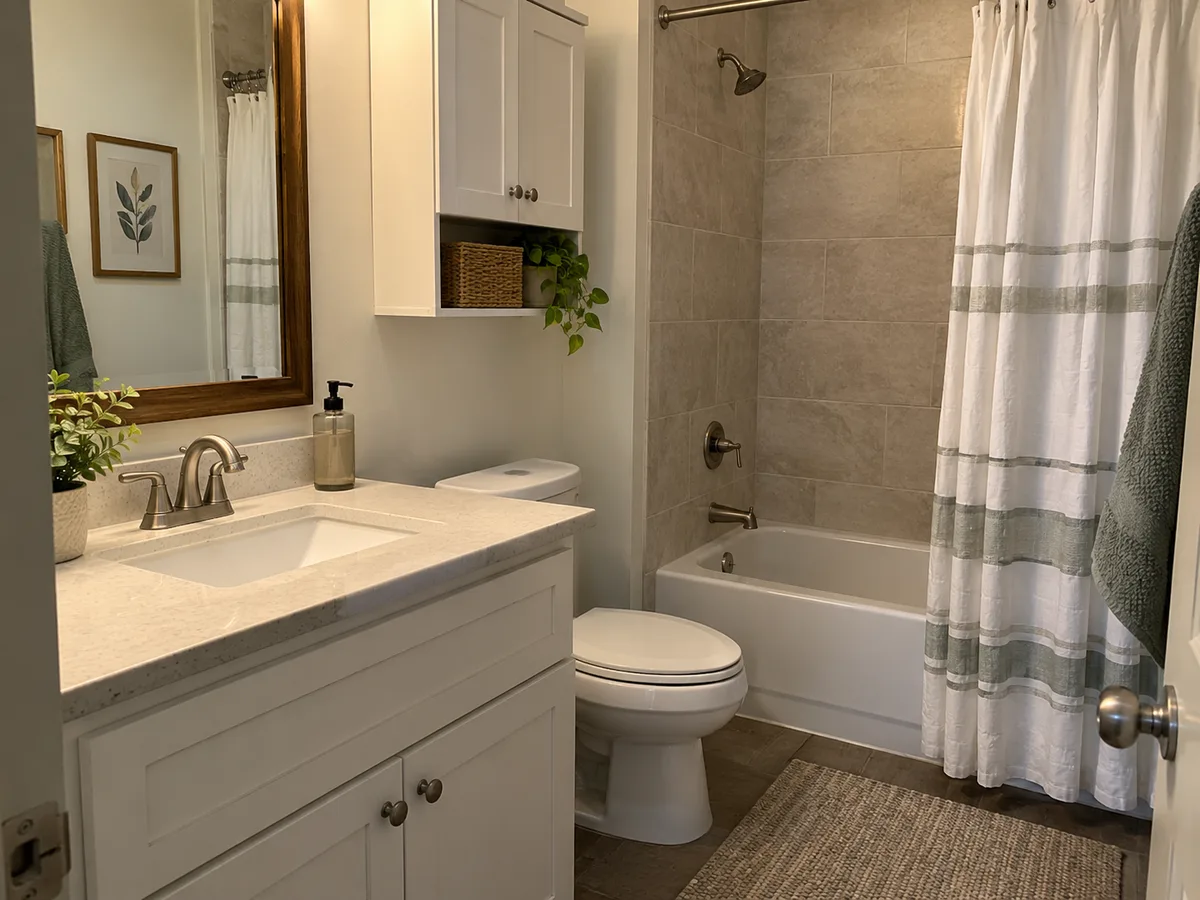
Check your routine, the existing fixtures, and your available space before adding anything else to the basket. These are the questions that usually settle the last few decisions.
How Many Towels Do I Need for My First Apartment?
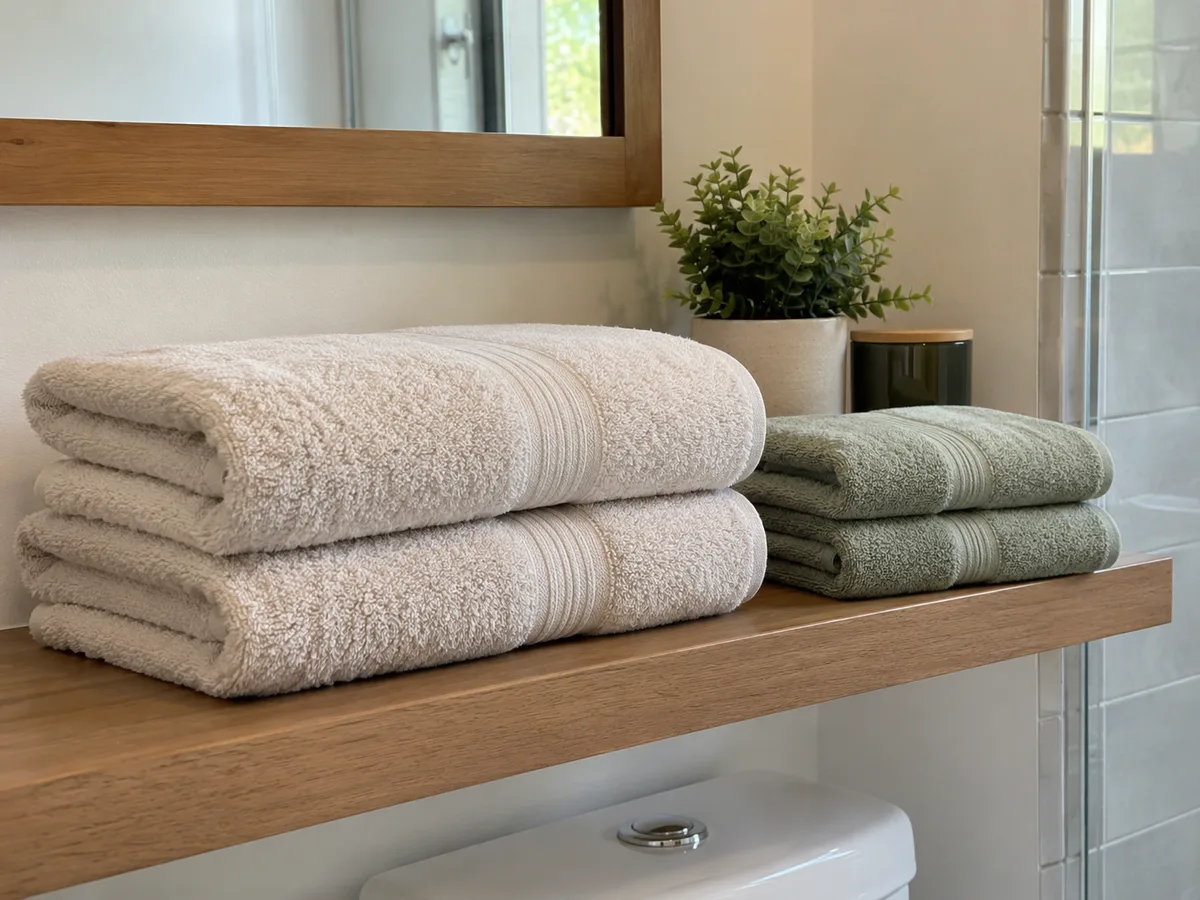
Two bath towels per person are a useful baseline, plus hand towels and any washcloths you use. Add more if your laundry schedule calls for them. An extra set for overnight guests can come later, unless you already know someone is staying.
Do I Need Both a Shower Curtain and a Liner?
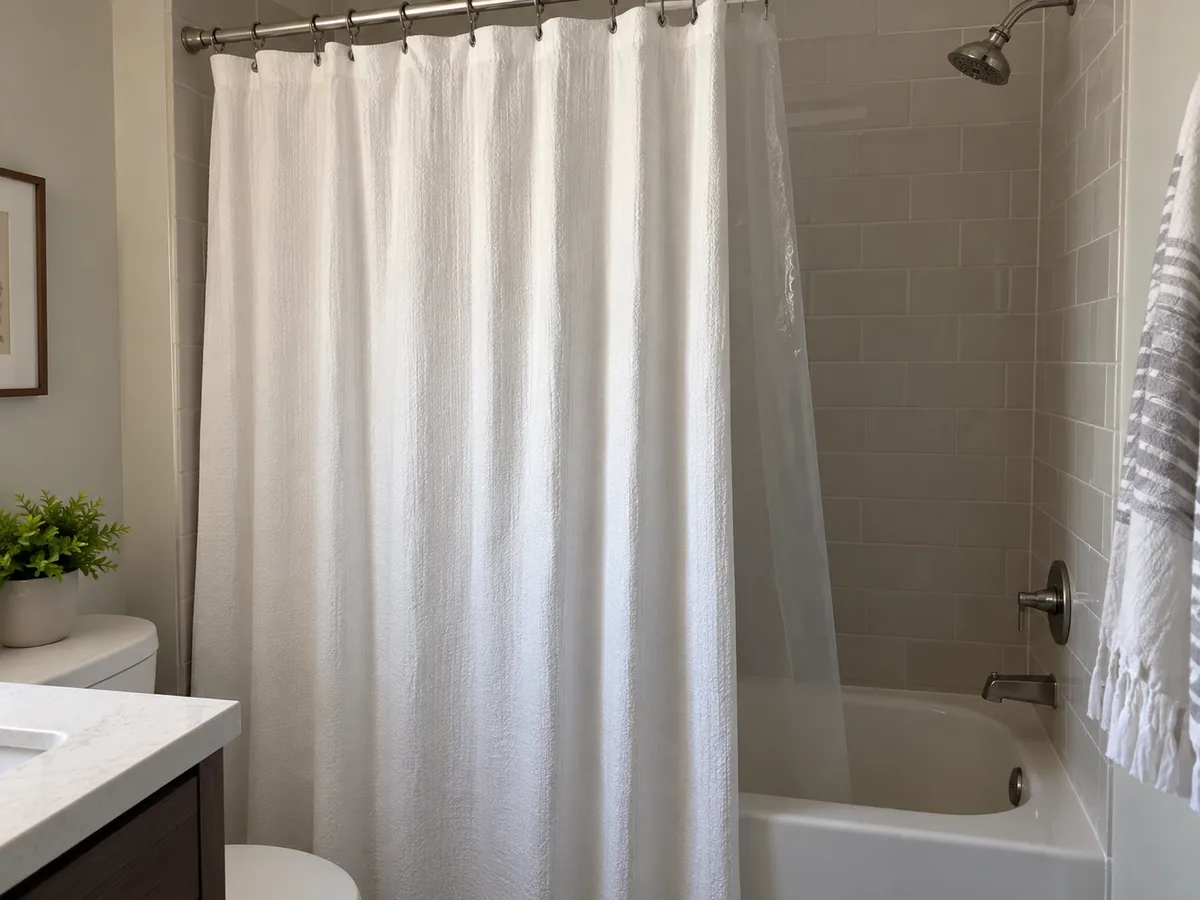
You may need both if your decorative curtain isn’t designed to contain shower water. A suitable standalone liner can work by itself. If the shower already has a properly fitted enclosure, you may need neither. Check the product instructions and your shower setup.
What Should I Buy First on a Tight Budget?
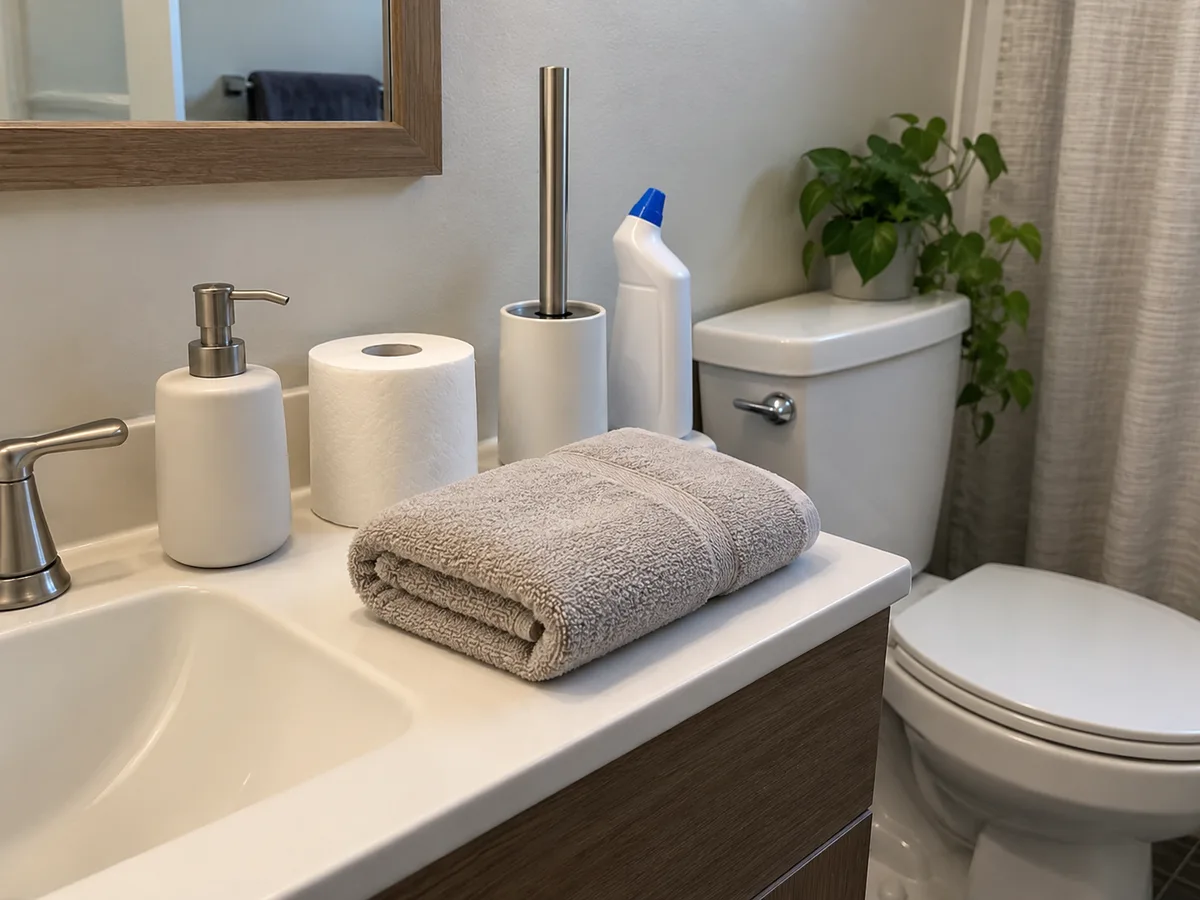
Prioritize toilet paper, soap, towels, toiletries, any necessary shower barrier, and basic cleaning tools. Include a toilet brush, plunger, bin, and bath mat in your initial plan. Bring usable supplies from your previous home and leave matching accessories for later.
What Bathroom Items Should I Check Before Buying?
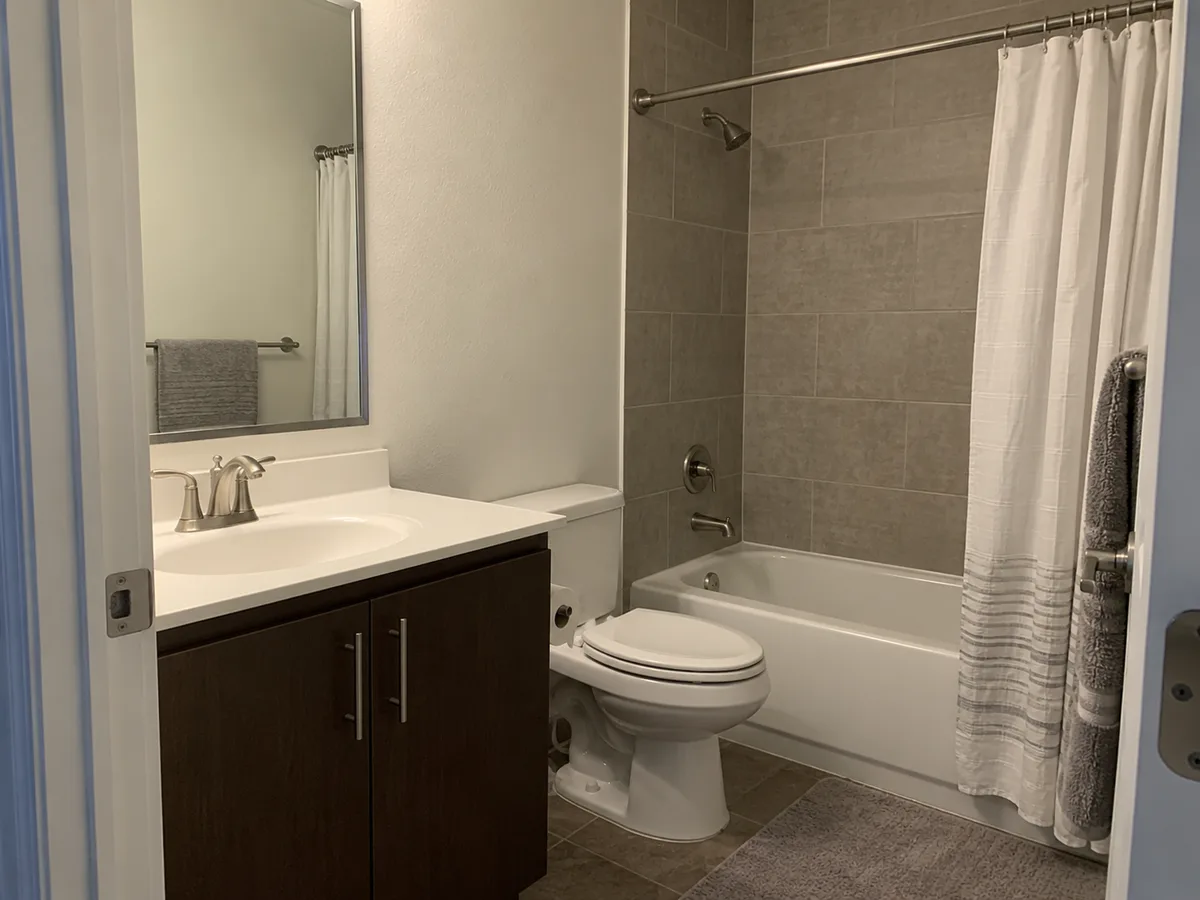
Check the shower enclosure, curtain rod, mirror, towel rails, toilet paper holder, and cabinet space. Measure door clearance and the space around plumbing before buying organizers. Take a few photos during your visit so you can check the layout while shopping.
Shop the Bathroom Basics
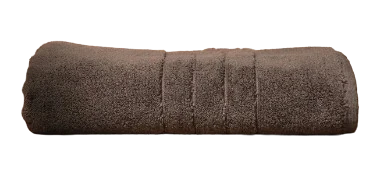 Buffy Organic Cotton Bath TowelsA pair of substantial cotton bath towels for anyone upgrading their everyday set.
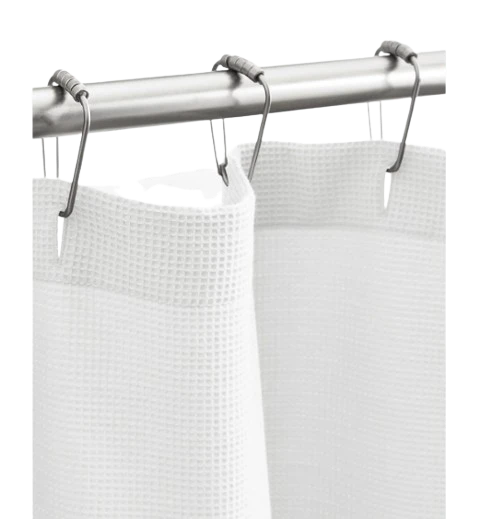 Boll & Branch Waffle Shower CurtainA textured cotton curtain to add a decorative layer around the tub.
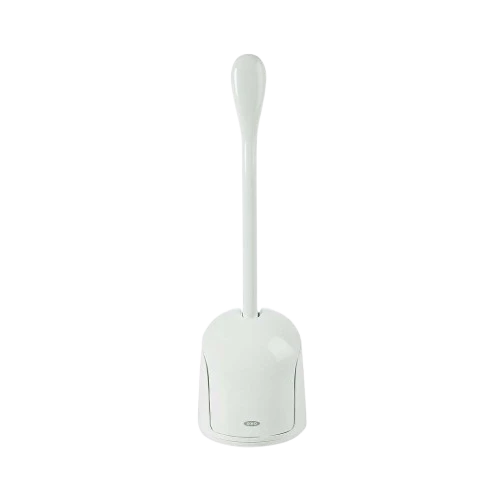 OXO Compact Toilet Brush & CanisterA compact toilet brush with a covered holder and ventilated drip tray.
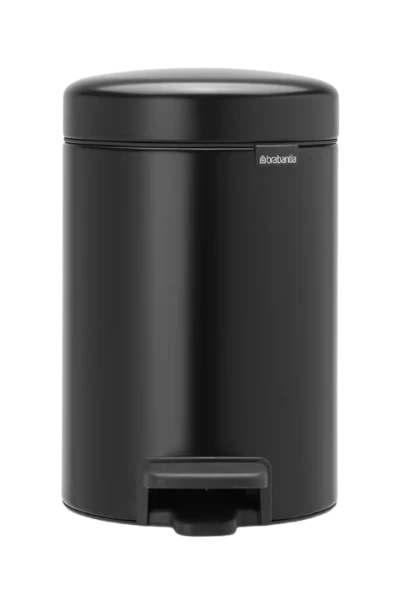 Brabantia NewIcon 3-Litre Pedal BinA small pedal bin with a removable inner bucket for easy emptying.
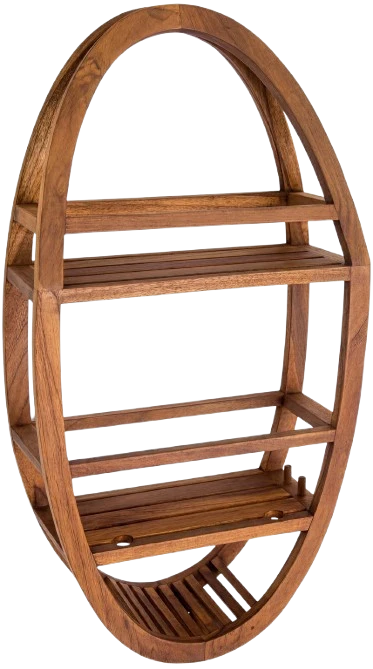 AquaTeak Moa Oval Teak Shower OrganizerA teak shower organizer that hangs from a showerhead or suitable hook.