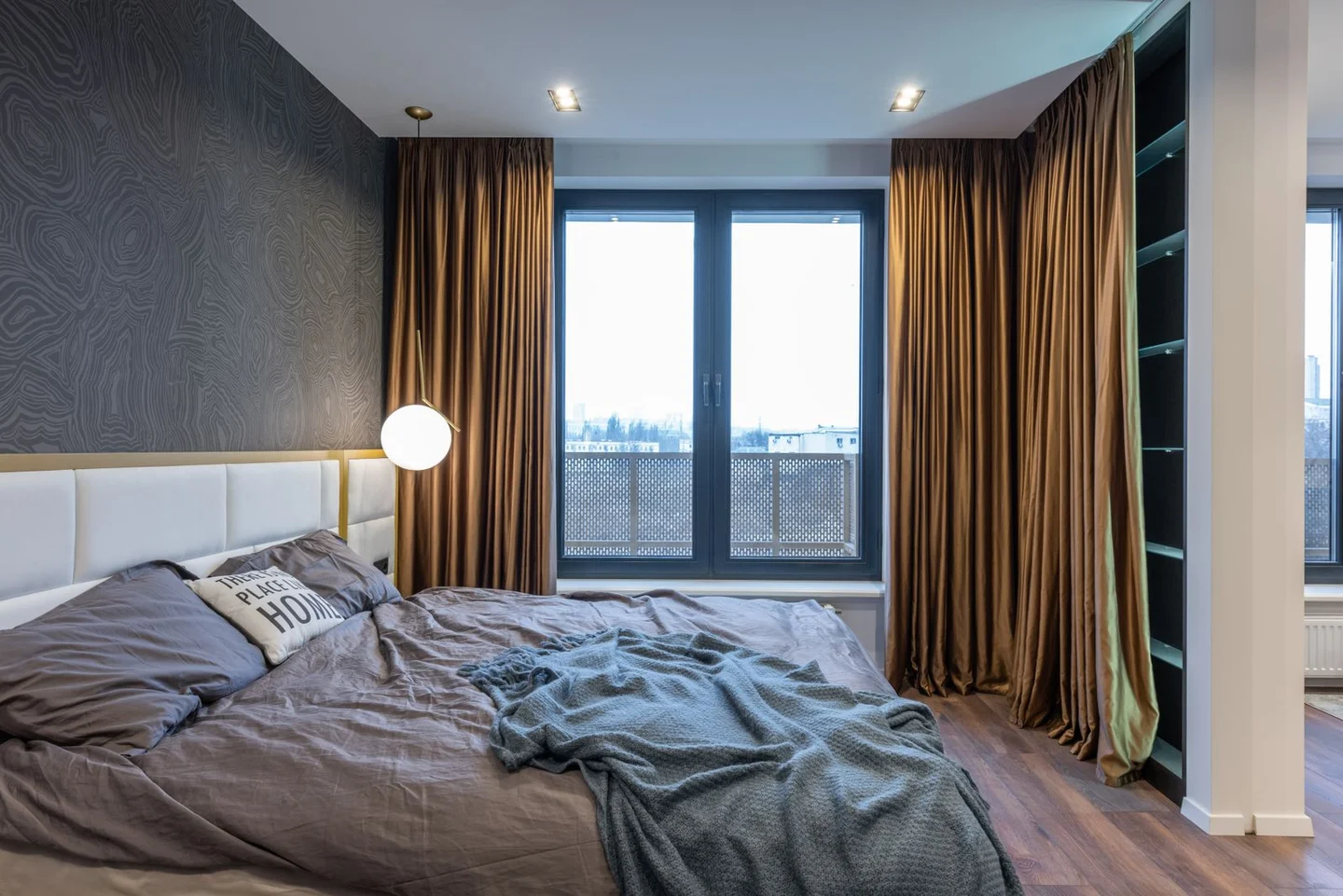
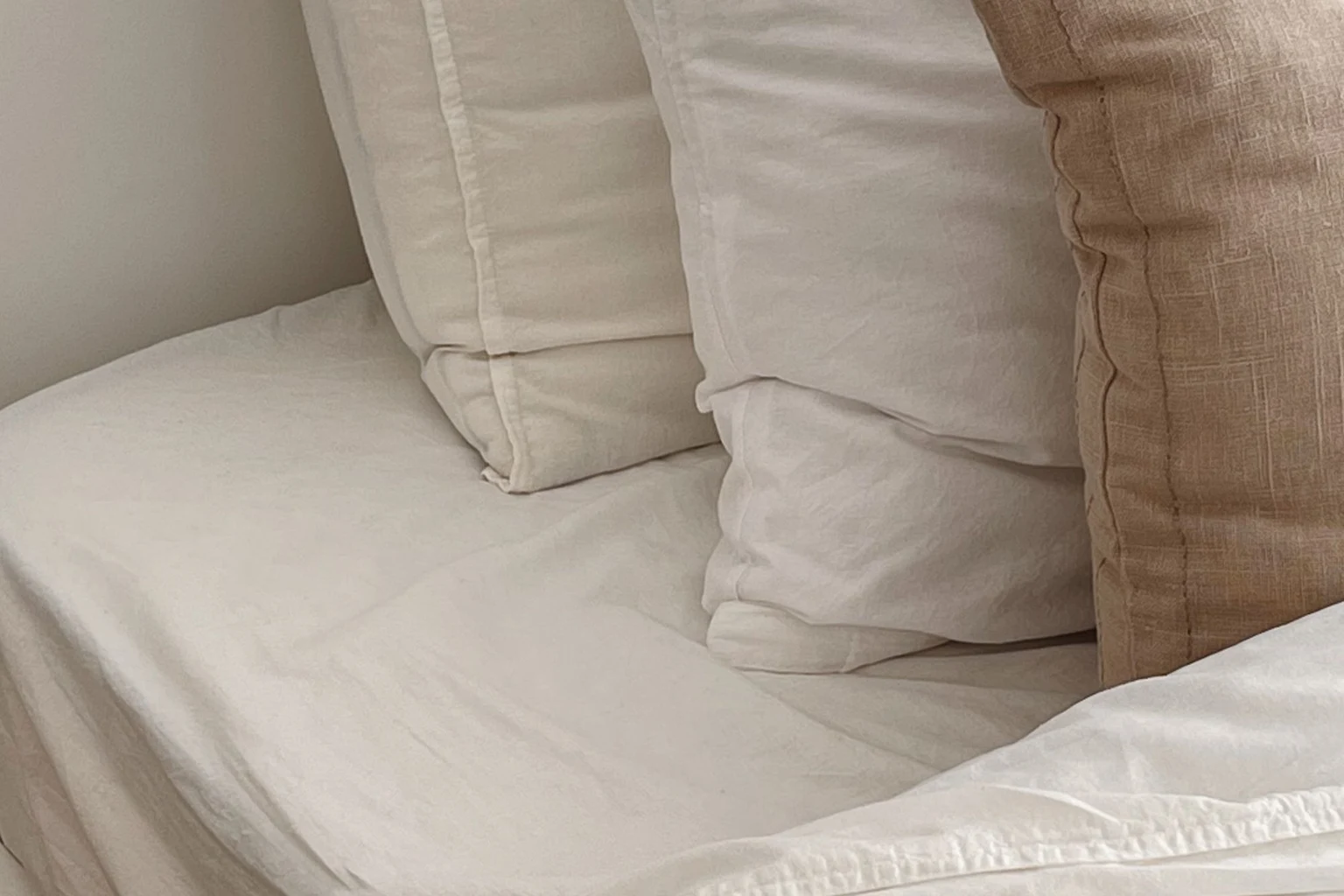
12 Bed in Front of Window Ideas That Work Well


Is the window wall the only place your bed will fit? Try these bed in front of window ideas.
The quick answer
- A bed can work in front of a window with a low or open headboard that leaves more daylight visible.
- High, wide curtains frame the bed and can make an off-center window less noticeable.
- A Roman shade suits a tight space behind the bed. Balanced bedside furniture helps the arrangement look intentional.
You don’t need to replace everything. Sometimes the biggest improvement comes from moving the curtain rod, removing extra decorative pillows, or turning the bed so its long side runs along the window wall.
Here are twelve ways to work with the window you have.
1. A Low Headboard Leaves More of the Window Visible

A low headboard leaves more of the window visible. It gives the bed a defined outline without letting a large upholstered panel take over the whole wall.
A tall headboard and several upright pillows can cover much of the window. A lower headboard and fewer decorative pillows leave more glass visible.
A simple wooden platform bed or low upholstered frame works well here. Pale oak feels light and relaxed, while cream upholstery adds softness beside crisp window trim.
For that upholstered look, the Virubi Cream Upholstered Platform Bed has a base close to the floor, fabric-covered frame, and rounded edges. Its broad headboard gives it a more substantial appearance, so it suits a window with a high sill better than one close to the floor.
The finished height includes more than the frame. A thick mattress and two rows of upright pillows can make a supposedly low bed look surprisingly tall.
Both the headboard and the pillows should leave as much of the window visible as possible. For a higher window, a headboard that sits beneath the sill creates an especially clean line.
2. An Open Headboard Lets Daylight Through

Slender metal bars or wooden spindles work well when a solid headboard would cover too much of the window.
The gaps let you see more of the glass and trim. Think of the difference between looking through a railing and looking at a solid fence. Both create a boundary, but they have very different visual weight.
A black metal bed looks especially good with white bedding and pale curtains. The thin black bars stand out against pale bedding without covering much of the window.
For a softer bedroom, a wooden spindle frame pairs naturally with cream bedding and textured curtains.
There’s one easy styling trap: covering the entire open headboard with cushions. A few pillows are enough, with gaps in the headboard still visible above them.
3. High, Wide Curtains Make a Small Window Look Bigger
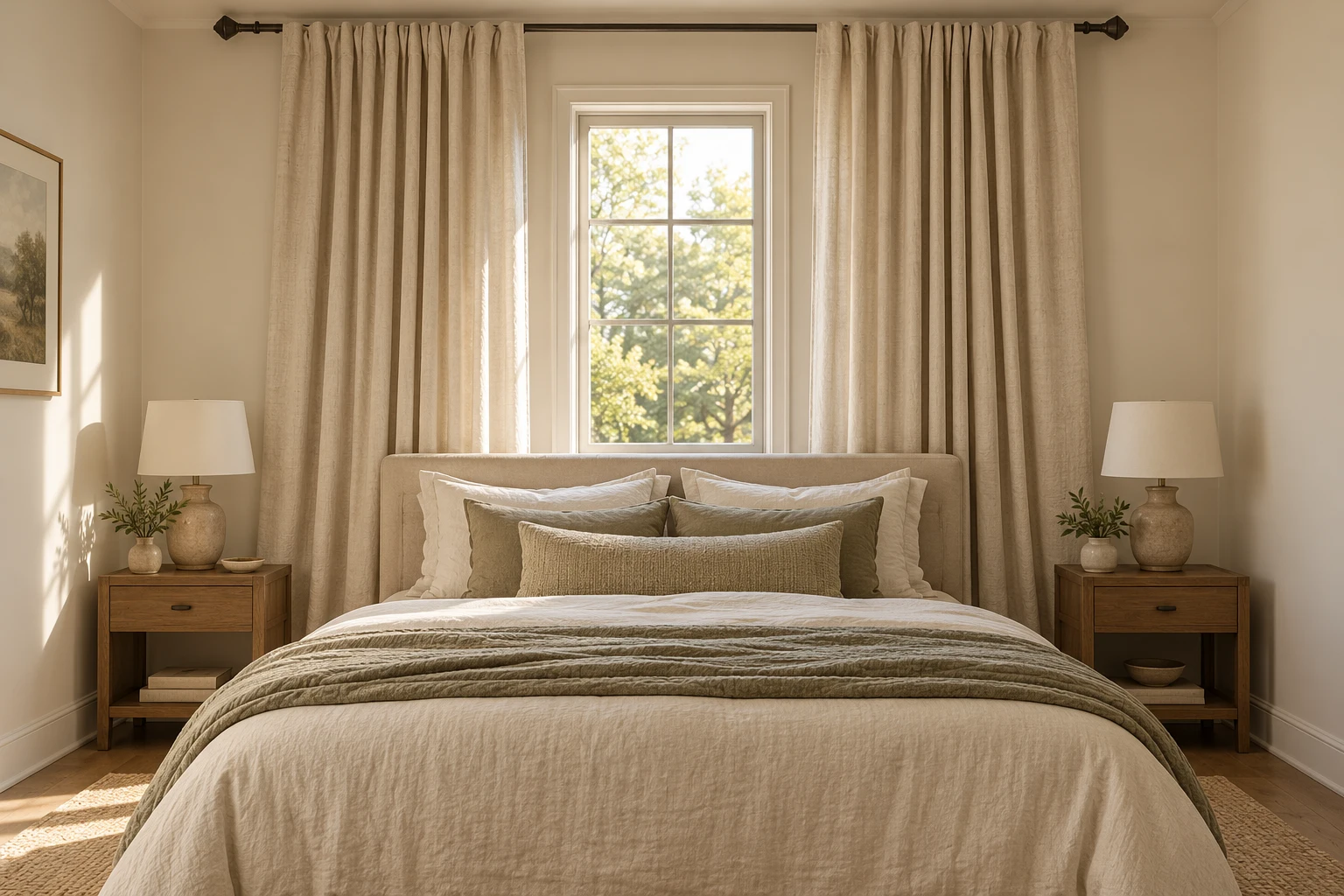
Curtains hung above and beyond the window frame can make a narrow window look more proportionate to the bed beneath it.
A narrow window can look too small above a wide queen bed.
A wider curtain rod lets the panels extend beyond the window, framing an area closer to the bed’s width.
A rod or track closer to the ceiling, paired with floor-length curtains, can make the wall look taller.
The 100% Blackout Shield Linen-Textured Curtains in oatmeal fit this soft, neutral look. The linked set has two panels, each 50 inches wide and 96 inches long, with back-tab and rod-pocket hanging options.
Use enough fabric to keep soft folds when the curtains are closed. A broad curtain wall may need more than one pair. Panels stretched flat across a wide rod can look more like a sheet hung for privacy than a finished window treatment.
Our guide to choosing bedroom curtains goes further into fabric and light control.
4. An Off-Center Window Can Blend Into a Curtain Wall
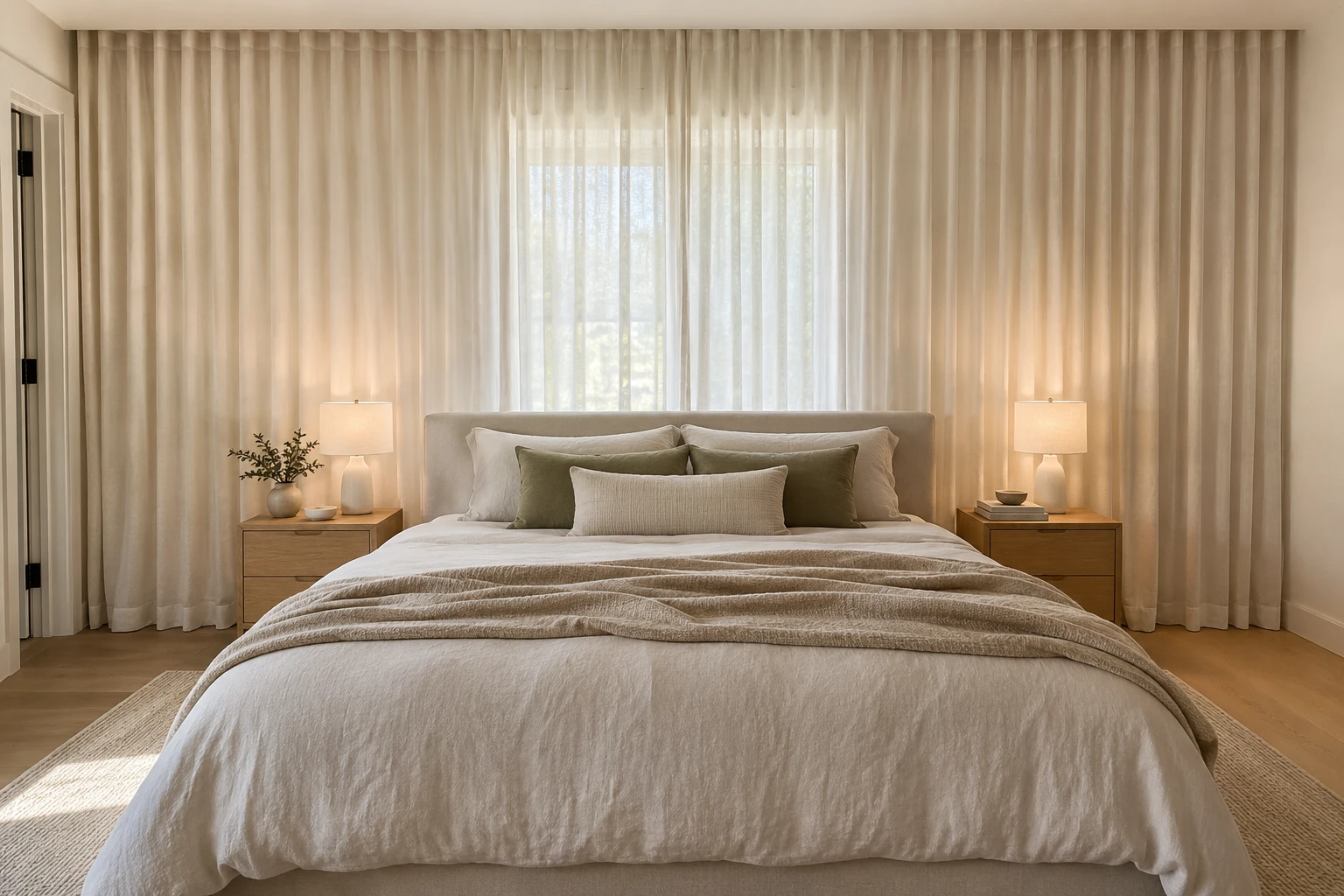
A wide curtain backdrop centered behind the bed makes an off-center window less noticeable.
Perhaps the bed sits perfectly between the doorway and dresser, but the window is several inches to one side. Moving the bed to match it would throw off the rest of the room.
A curtain wall gives you another option.
A longer rod or ceiling track lets the curtains cover part of the wall on either side of the window. With equal lengths of rod or track extending to each side of the bed, the curtains can frame the bed evenly.
Cream or muted neutral fabric keeps a large curtain area from feeling too busy. A simple ceiling track creates a clean finish, while a visible rod adds another decorative detail.
The window will still look off-center when the curtains are fully open. This approach works best when you enjoy the fabric backdrop itself, including during the day.
5. Sheers by Day, Blackout Coverage at Night

Light-filtering curtains let in daylight, while a separate blackout curtain or shade helps darken the room for sleep.
At lunchtime, sunlight behind the bed can look lovely. When it lands directly on your pillow early in the morning, the appeal may wear off.
The Nanspring Ivory Cream Semi-Sheer Curtains bring a softly textured look to the daytime layer. Their light-filtering fabric suits a bedroom where you want brightness without leaving the window completely bare.
The blackout layer is useful at bedtime or when early sunlight wakes you. A double curtain rod works for semi-sheer and heavier panels, while a blackout roller shade can sit at the window behind decorative curtains.
Semi-sheer curtains alone do not provide dependable nighttime privacy. Once the bedroom lights are on, people outside may be able to see through them.
There needs to be enough space behind the headboard to open and close the curtains easily. Curtains should open and close without catching on the bed or dragging bedding along with them.
For a closer look at the differences, read our guide to blackout curtains versus room-darkening curtains.
6. A Roman Shade Keeps a Tight Window Wall Tidy
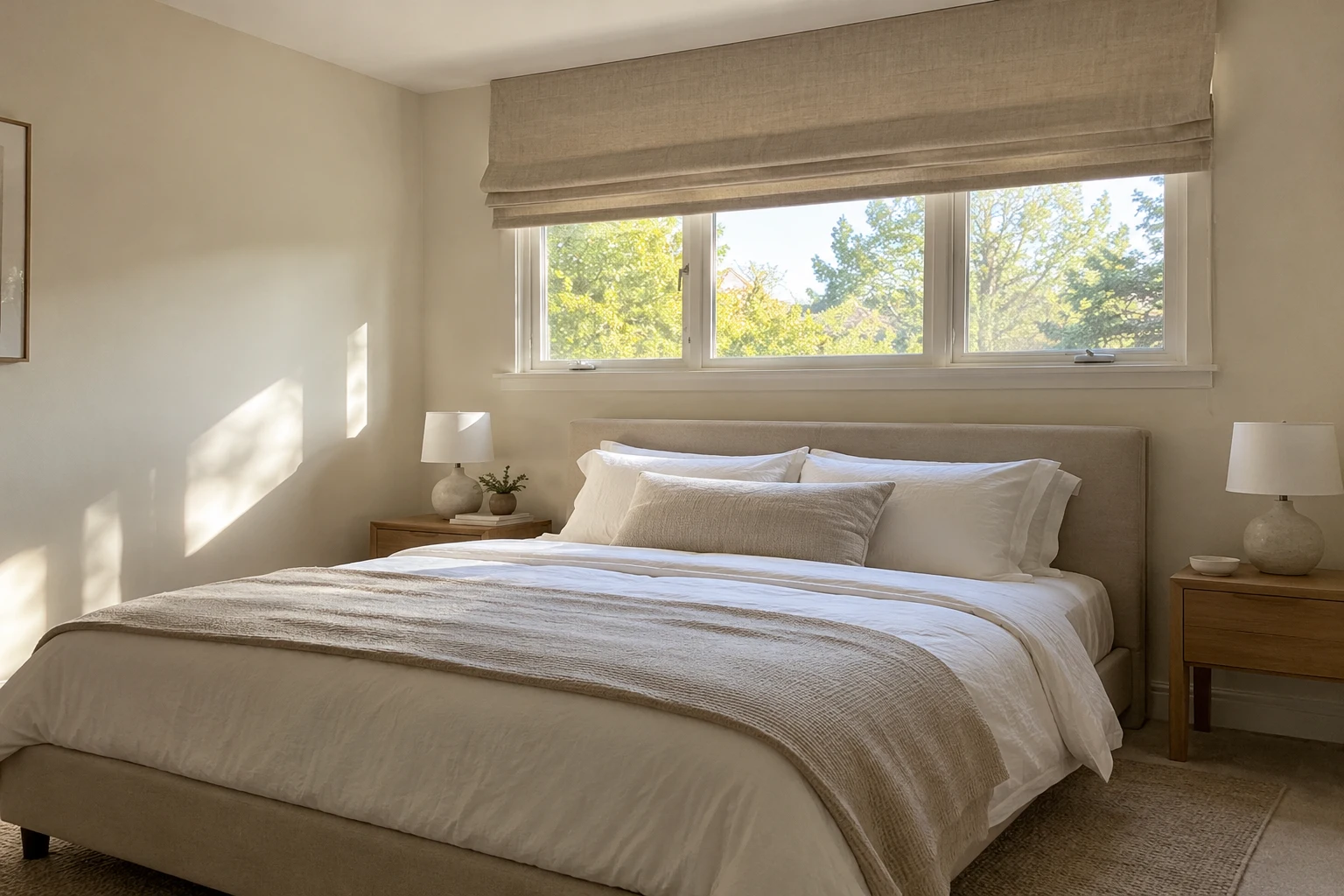
A Roman shade fits neatly above the bed when long curtains would bunch behind the headboard or catch on bedside furniture.
This is particularly useful with a high window. The shade covers the window without hanging down behind the bed.
A fabric Roman shade gives the room a tailored look. Cream fabric, a subtle stripe, or a small woven texture adds interest without competing with the bedding.
Woven wood shades bring a more relaxed texture. Their weave can allow light and views through, so a lined version is the better choice when you need more privacy or darkness.
A cordless Roman shade works well when you can easily reach it. For a window that sits awkwardly behind the bed, a motorized version can make everyday operation easier.
A shade in a similar color to the wall blends in. A color from the bedding gives the window and bed a coordinated look.
7. Two Windows Can Frame the Bed for You

A bed centered between two windows creates a balanced layout when the headboard fits in the gap.
Two windows can provide much of the symmetry for you. Matching shades or curtains repeat the same shape on either side, giving the bed a natural place in the middle.
The headboard’s outline matters here.
A wide rectangular headboard can overlap both windows heavily. An arch or tapered shape may leave more glass visible near the edges while keeping some height in the center.
The shape should suit the actual window arrangement. A lower frame is still the cleaner option when the windows sit close together.
Matching bedside lamps add to the symmetry. The tables can be simple, especially when the headboard and window treatments already give the wall plenty of detail.

9. A Sideways Bed Can Open Up a Small Room
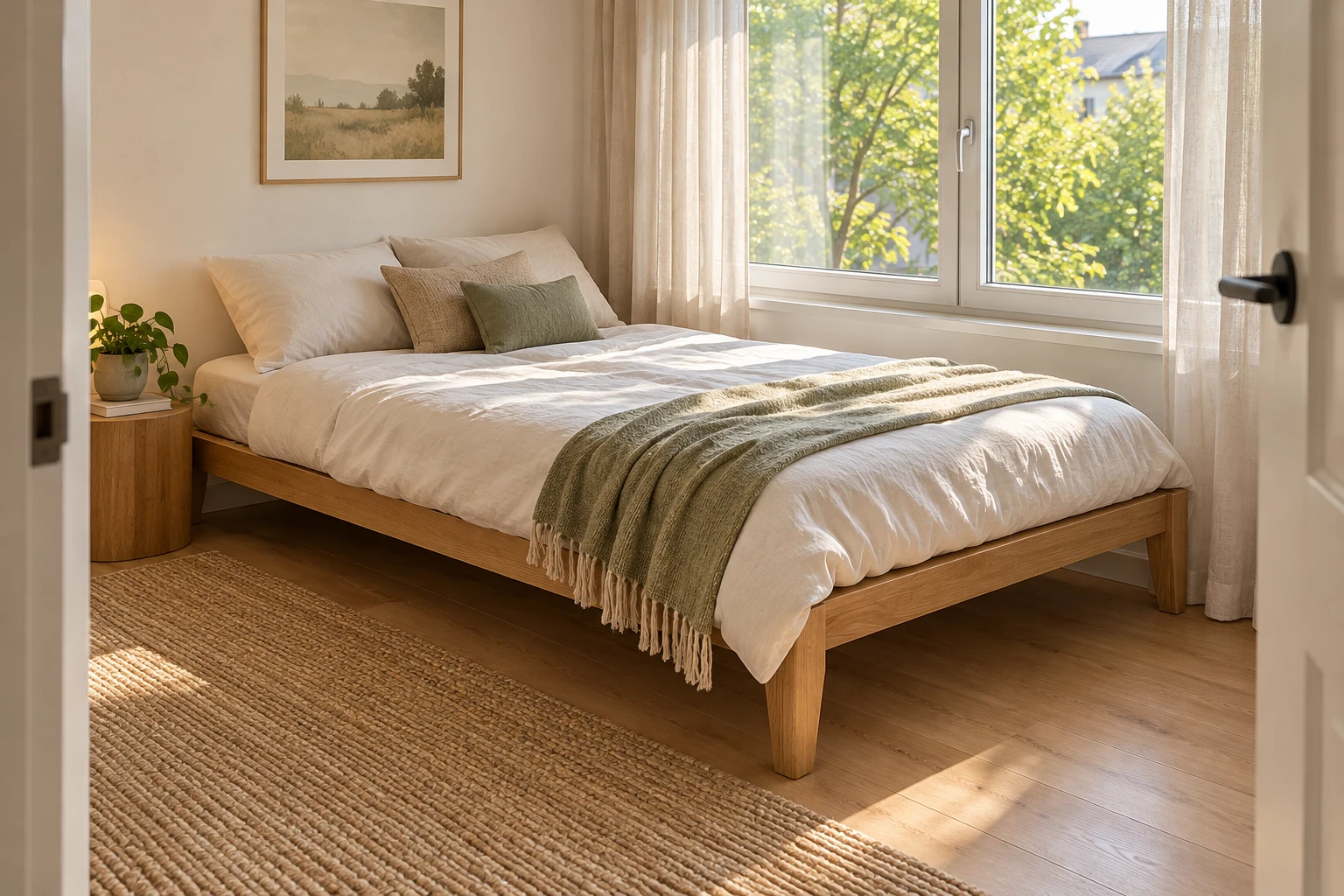
A bed with its long side along the window wall can leave more open floor space in a small room.
This can work especially well in a single-sleeper bedroom, studio, or guest room. The head of the bed can sit against a solid wall, while the window runs alongside it.
A simple daybed makes this arrangement feel natural. A standard bed can also work, with a few cushions along the wall for daytime lounging.
For a pared-back wooden option, the AllForWood Thor Japanese Joinery Bed Frame has a solid-wood frame and comes without a headboard. That keeps the outline simple and gives you more freedom to arrange the bed around the room’s windows.
You might gain enough open floor space for a small desk, a reading chair, or simply a route through the room that doesn’t involve turning sideways.
For two people sharing a bed, access is the tradeoff. Pushing one long side against a wall means the inside sleeper has a less convenient way in and out.
Our guide to arranging bedroom furniture has more advice on leaving room around the bed, doorway, closet, and other furniture.
10. Bedside Lamps Help the Whole Wall Feel Balanced

A lamp on each side lights the area around the bed when the window is dark.
Daylight brightens the wall behind the bed. After sunset, bedside lamps keep that part of the room from feeling dark.
A lamp on either side brings the attention back to the bed. Matching lamps create an orderly look, while similar shade heights help connect mismatched bedside tables.
The SEENSINY Bedside Table Lamp has a compact shape and a round fabric shade that fits easily into this look. A pair goes well with cream curtains, pale bedding, and wood furniture.
Warm 2700K lighting gives the room a gentle evening glow.
Keep the lamp shades in proportion to the bedside tables and away from the curtain fabric. Oversized shades can crowd the window wall and make the tables harder to use.
Where there is suitable wall space beside the window, compact wall lights can free the tabletop for a book, water, and phone.
Our bedroom lighting guide explains how to combine bedside lighting with the rest of the room.
11. Fewer Upright Pillows, More of the Window on Show
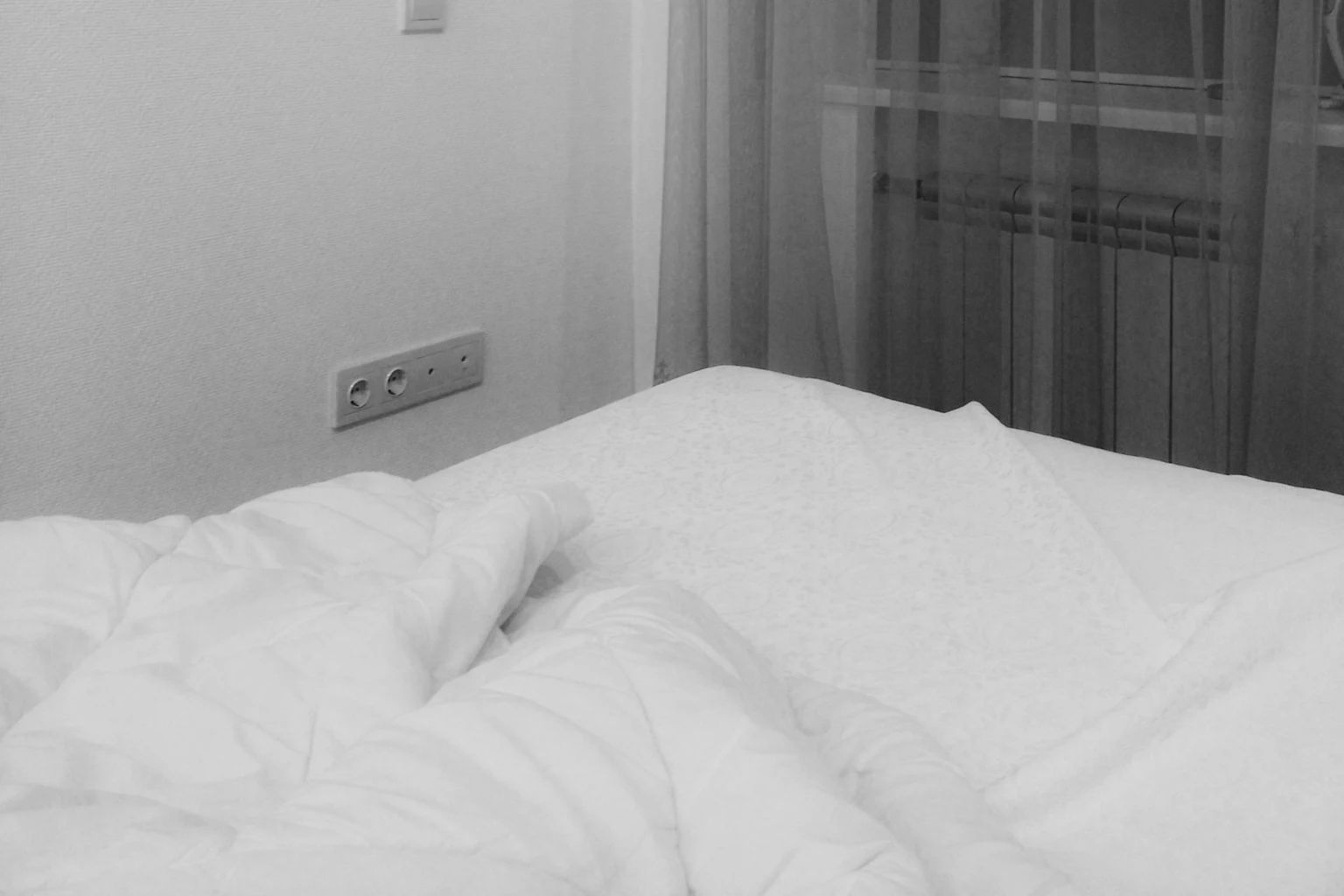
Sleeping pillows laid flat leave more of the window visible, while a duvet, quilt, or throw adds texture to the bed.
You’ve chosen a slim bed frame, left the window visible, and hung the curtains neatly. But six upright cushions can cover much of the window again.
A lower pillow arrangement keeps the window and headboard in view. Stack sleeping pillows horizontally, then add one small accent cushion if you want some pattern.
If you already prefer a flatter pillow, the Acteb Ultra Thin Flat Pillows come as a standard-size pair and suit this lower arrangement. Keep your usual comfortable sleeping pillows if you prefer more height; removing extra decorative cushions can create the same visual improvement.
The bed can still look comfortable and inviting. Try a white duvet with a patterned quilt folded across the foot. A textured throw works too, particularly when the curtains are plain.
The Pacific Coast Goose Feather Down Fiber Comforter adds a fuller white bedding layer without needing a tall cushion display. Its corner and center loops help secure it inside a duvet cover.
A duvet and a folded throw can make the bed look inviting without a tall stack of cushions.
For more ideas on building those layers, see our guide to a luxury hotel bed at home.
12. A Shared Color Across Curtains, Bedding, and Rug
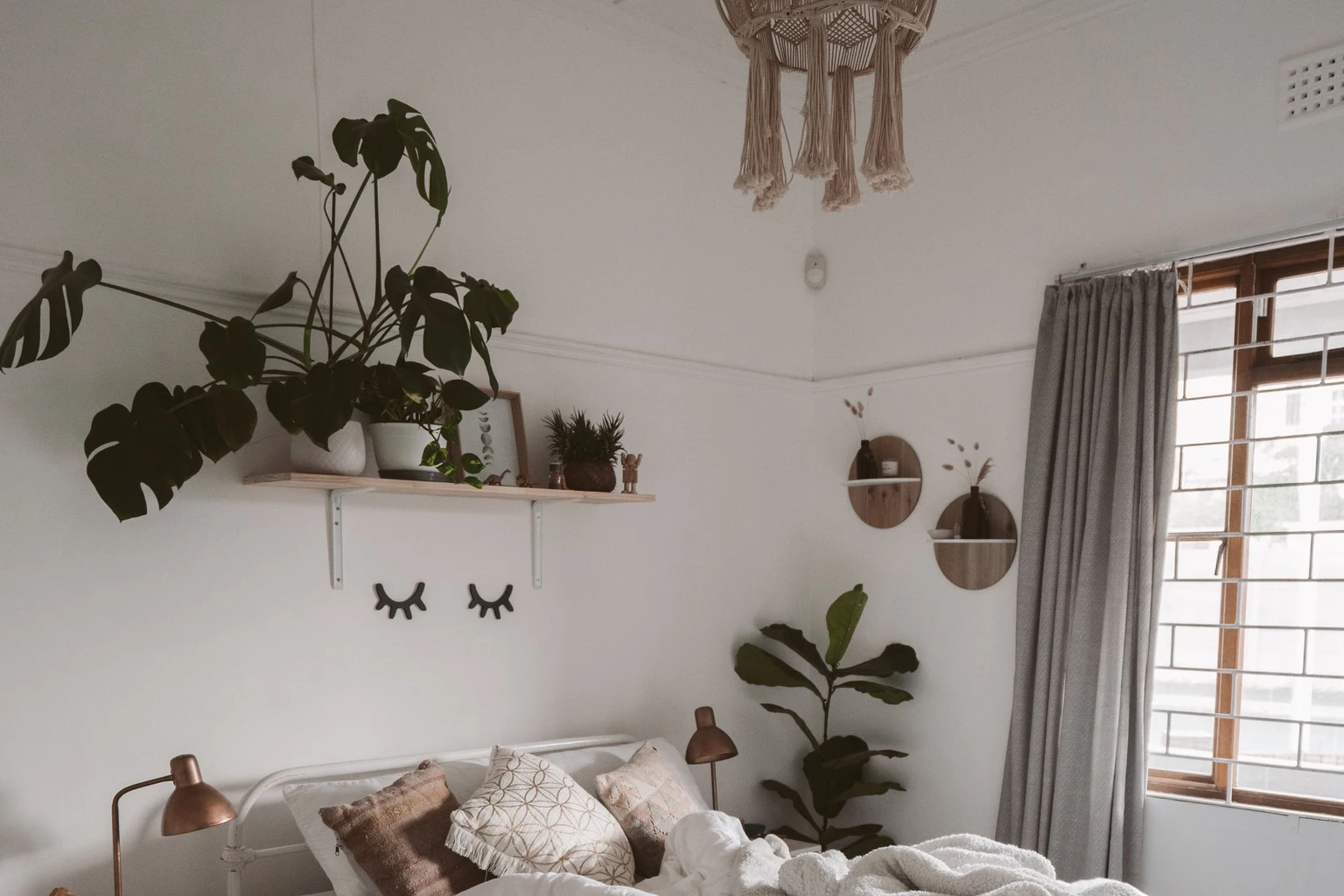
A color repeated in the curtains, bedding, and rug helps the room look coordinated.
Say the rug has a little muted gold in its pattern. A quilt with a similar detail brings that color onto the bed, while cream curtains keep the background calm.
The pieces don’t need to match exactly. A softer version of the same color often looks more relaxed than identical fabric everywhere.
For a pale backdrop, Behr Cotton Knit PPU7-11 is a light beige option that pairs well with cream fabrics and wood furniture.
If you prefer darker colors, Benjamin Moore Vanderberg Blue 721 offers a dark teal with blue, green, and gray notes. Curtains in a similar shade blend with the wall.
Similar colors work well across different fabrics and textures. Smooth bedding, woven curtains, and a patterned rug add variety while keeping the colors coordinated.
Which Idea Fits Your Window?

The best option depends on what makes your current layout awkward. A narrow window needs a different approach from a wide window with curtains trapped behind the bed.
| Your situation | A useful solution |
|---|---|
| A low window behind the pillows | A low headboard, open frame, and flatter pillow arrangement |
| A narrow window above a wider bed | High, wide curtains that frame the bed |
| An off-center window | Wide curtains centered behind the bed, or different-sized bedside tables with matching finishes |
| A high window with little space behind the bed | A Roman shade |
| Two windows close together | A headboard that fits between the windows, with matching curtains or shades |
| A tiny guest room or studio | A sideways bed or daybed arrangement |
| Strong early light | A light-filtering layer with blackout coverage |
| A window wall that feels stark at night | Warm bedside lamps |
Before calling the room finished, run through this quick checklist:
- The window remains accessible, including the handle and any emergency exit.
- Curtains and shades move freely without catching on the headboard.
- The bed sits clear of the glass, heaters, and vents.
- There’s enough space beside the bed for everyone using the bed.
- The pillows leave the intended amount of window visible.
- There’s enough light for reading and getting dressed after dark.
A Few Bed-in-Front-of-a-Window Questions, Answered
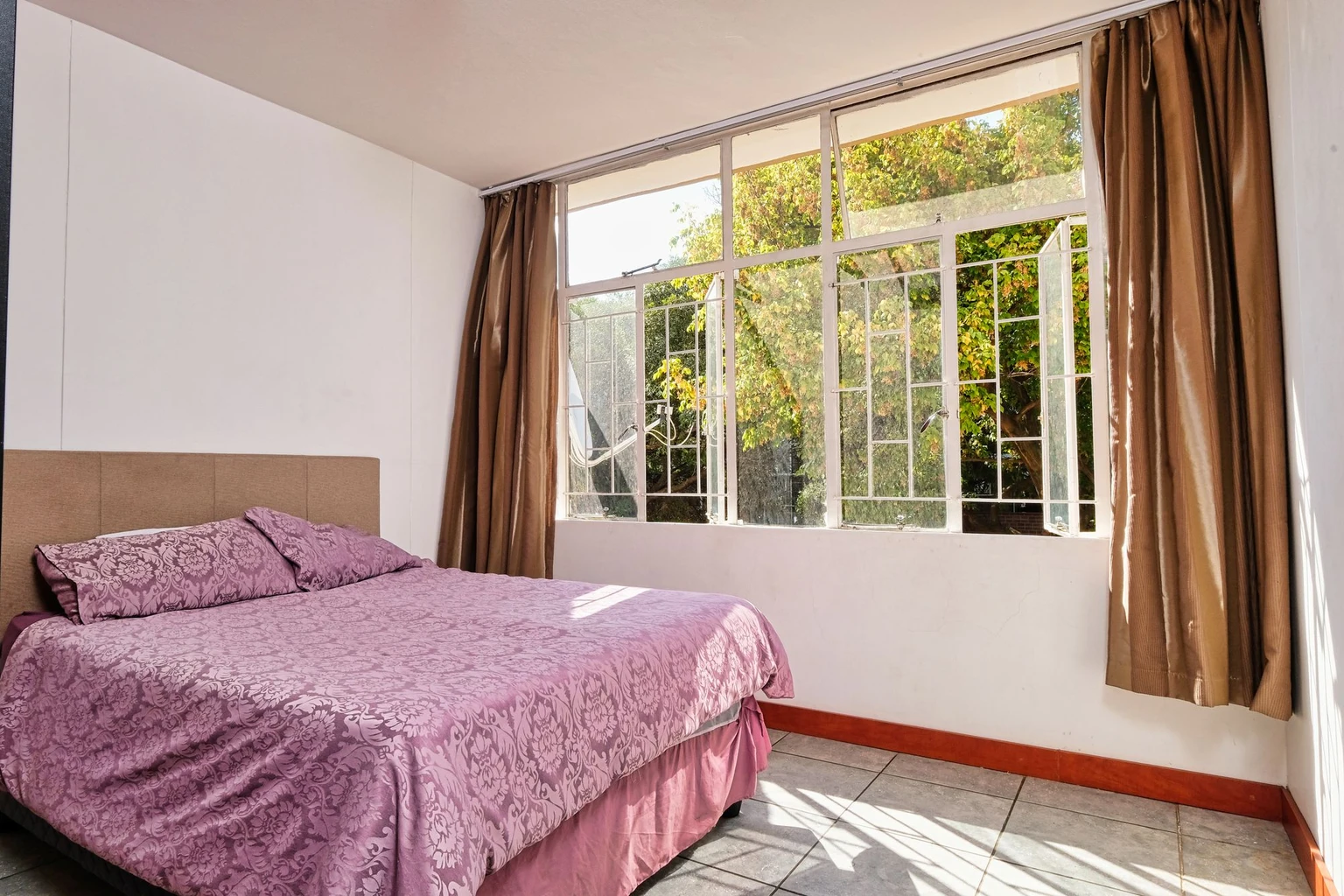
Is it okay to put a bed in front of a window?
Yes, it can work in an adult bedroom when the arrangement preserves window access, ventilation, and any required emergency exit. A low or open headboard often makes the placement easier to style.
What type of headboard works best?
A low upholstered headboard, slender metal frame, or wooden spindle design is usually a useful choice. The best shape leaves the window functional and avoids covering more of it than necessary.
How do you style an off-center window behind a bed?
Use a wider curtain backdrop centered around the bed, or balance the offset with different bedside pieces. Both approaches can work without moving the bed into an awkward position.
Can you put curtains behind a headboard?
Yes, provided there is room for the fabric to hang and move freely. The bed should not pin the curtains against the wall or prevent them from closing.
How much space should you leave behind the bed?
Leave enough for the actual window and its treatment to operate freely. There is no single gap that works for every room: opening windows, projecting handles, and layered curtains need different amounts of space.
Can this layout work without a headboard?
Yes. A simple platform bed with a few pillows leaves more of the window and curtains visible. Keep the bed and pillows clear of the glass, with a supported mattress on a suitable frame.
Shop the Bed-in-Front-of-a-Window Look
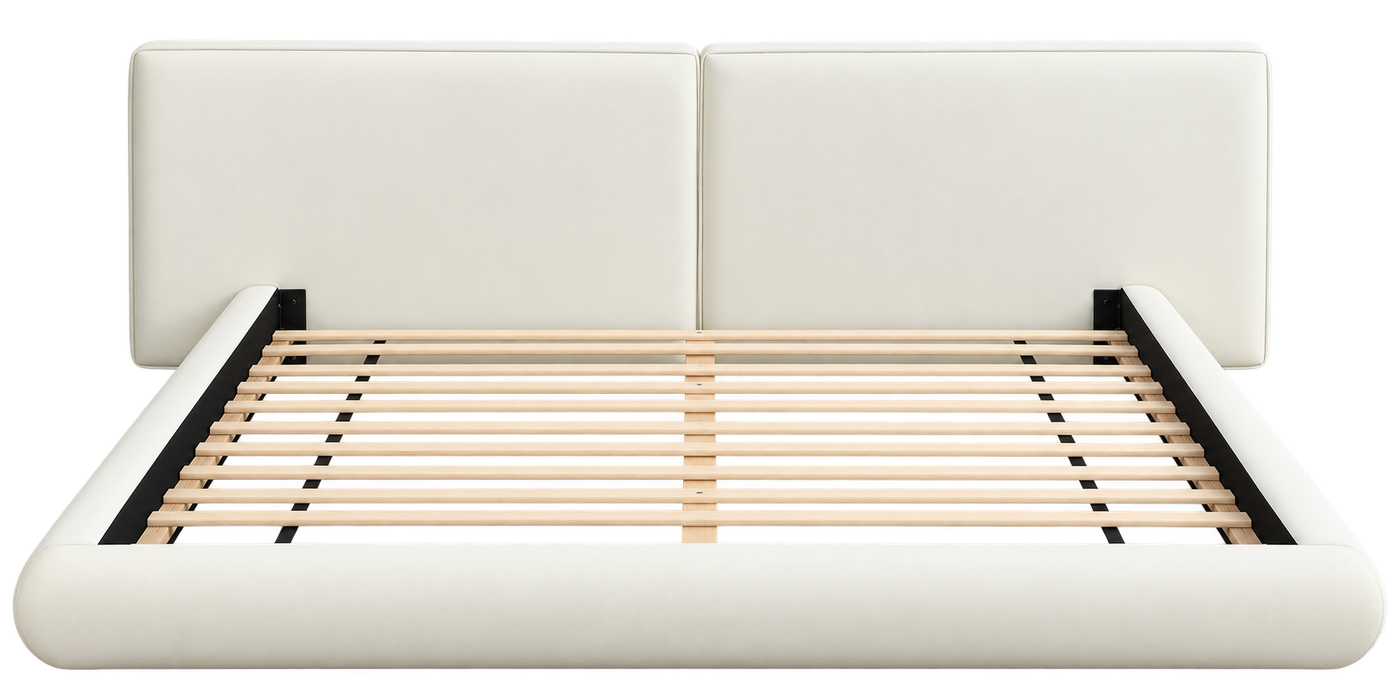 Virubi Cream Upholstered Platform BedA low upholstered frame with rounded edges and a broad headboard.
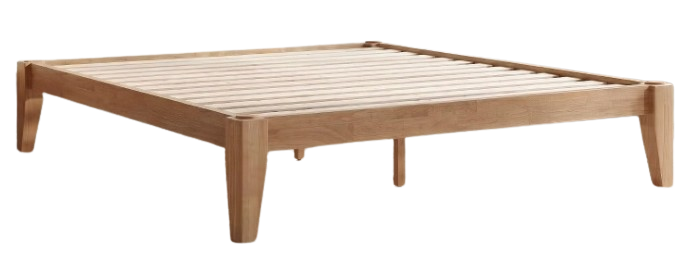 AllForWood Thor Japanese Joinery Bed FrameA simple solid-wood frame without a headboard.
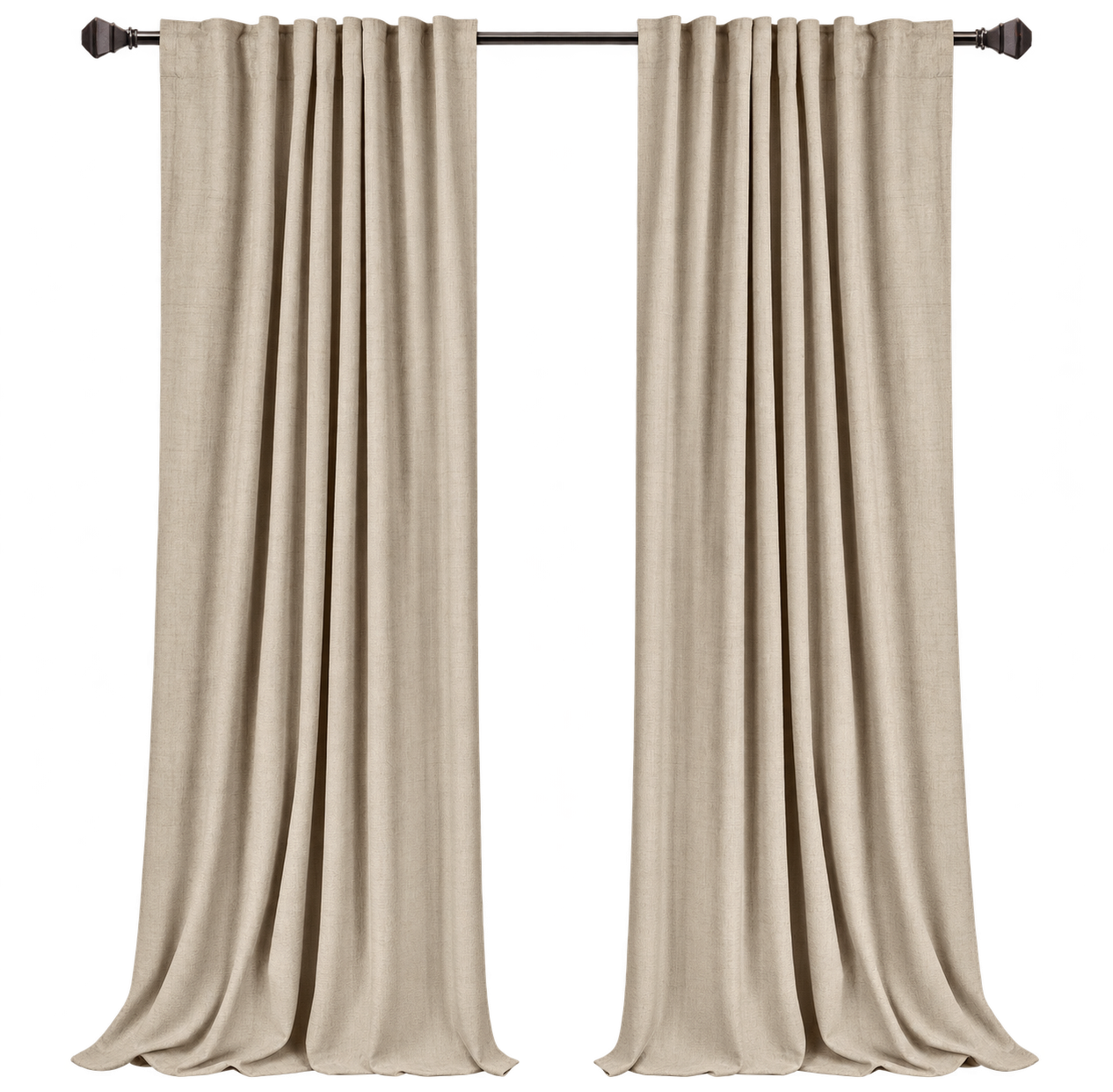 100% Blackout Shield Linen-Textured CurtainsOatmeal blackout curtains that help block light at bedtime.
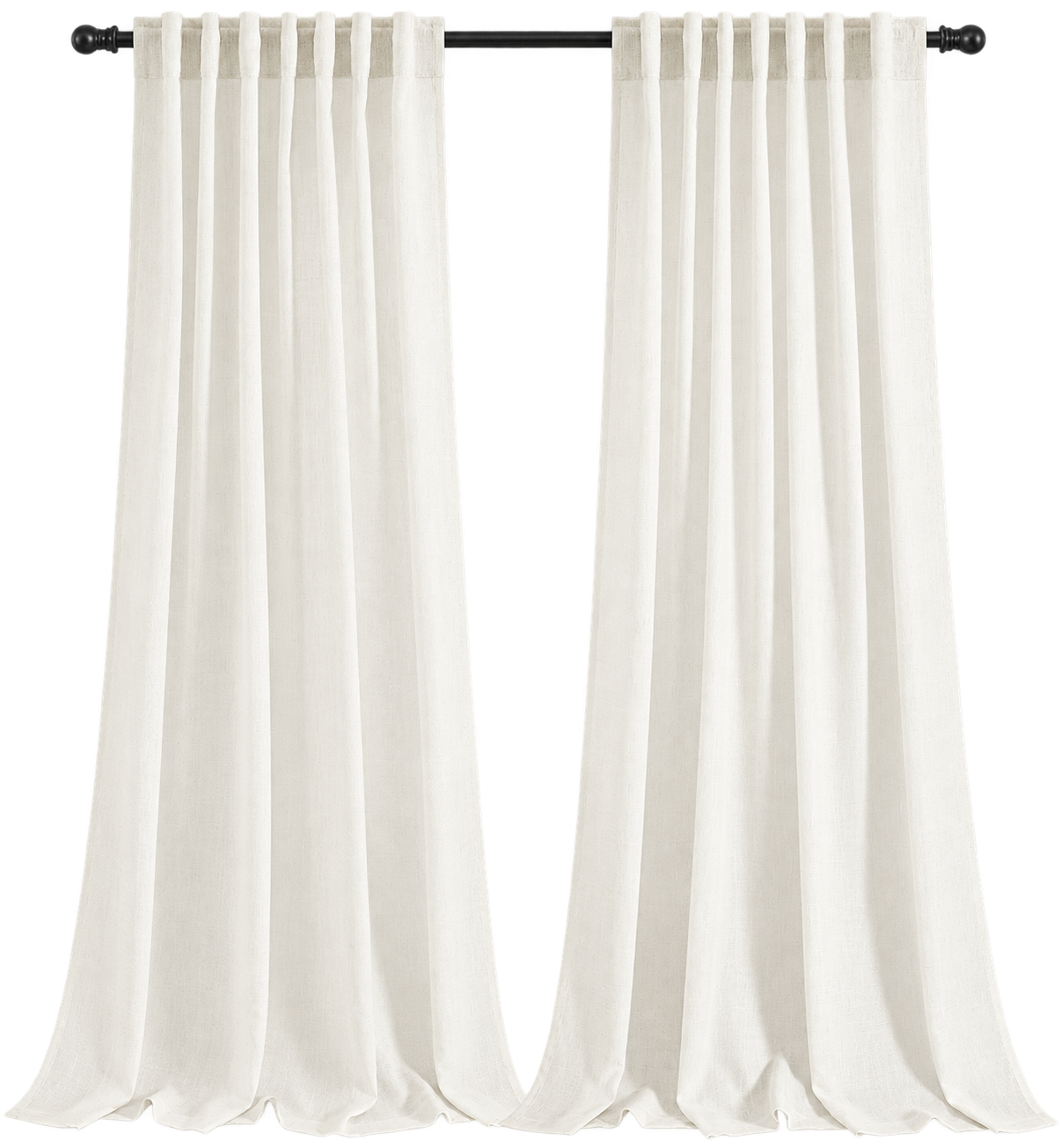 Nanspring Ivory Cream Semi-Sheer CurtainsIvory cream semi-sheer curtains that filter daylight.
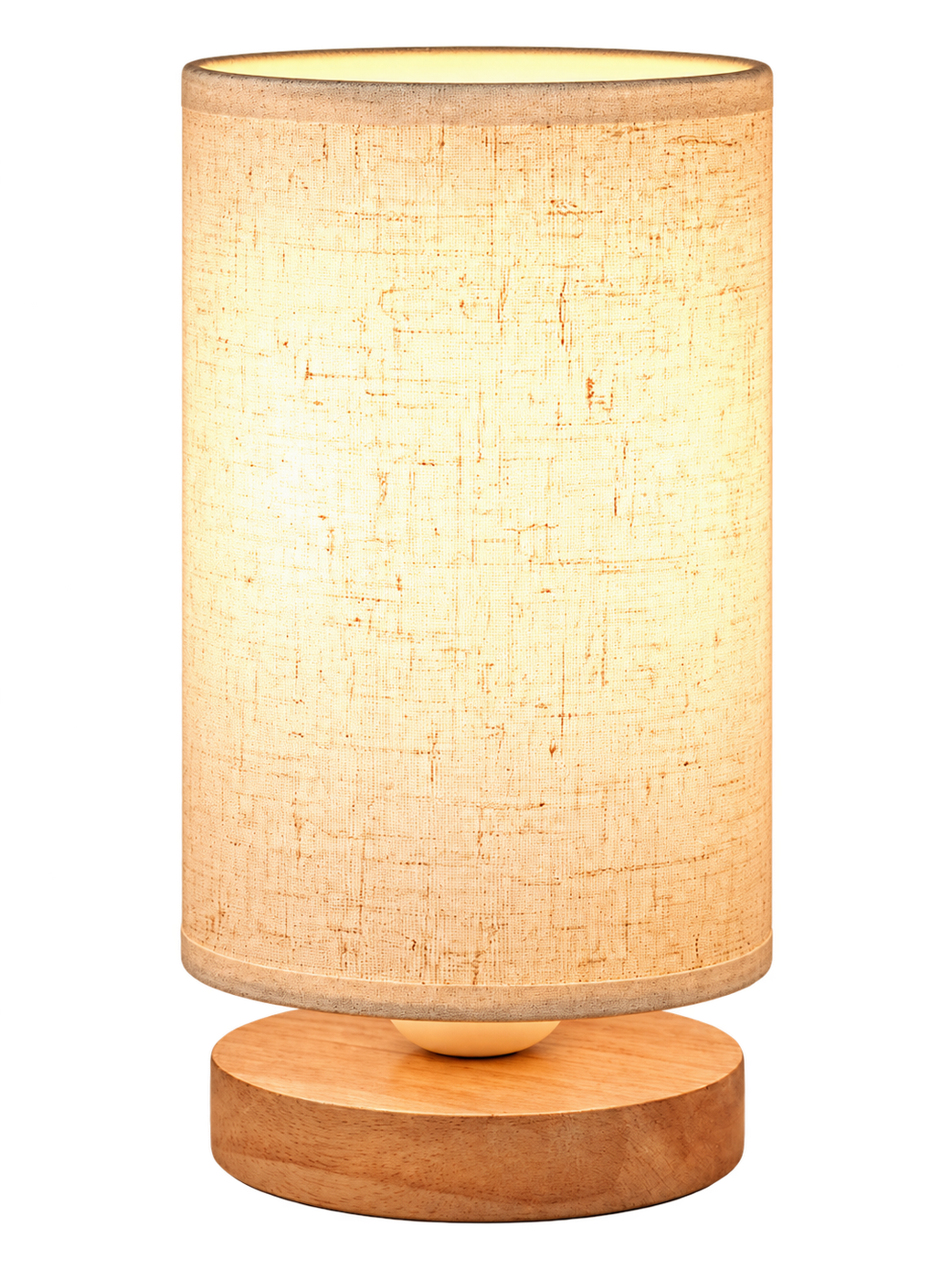 SEENSINY Bedside Table LampA compact lamp with a round fabric shade for the bedside.
 Acteb Ultra Thin Flat PillowsA standard-size pair for people who prefer a flatter pillow.
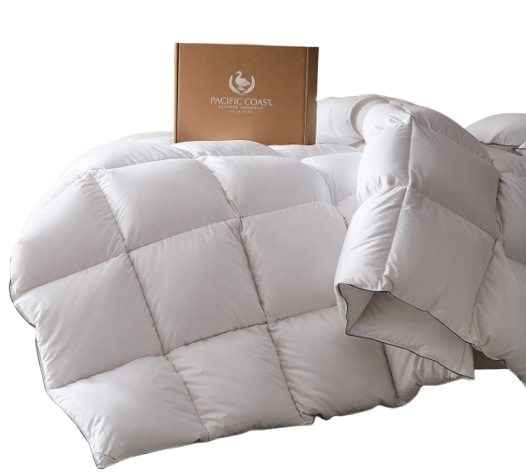 Pacific Coast Goose Feather Down Fiber ComforterA white comforter with loops to hold it in place inside a duvet cover.