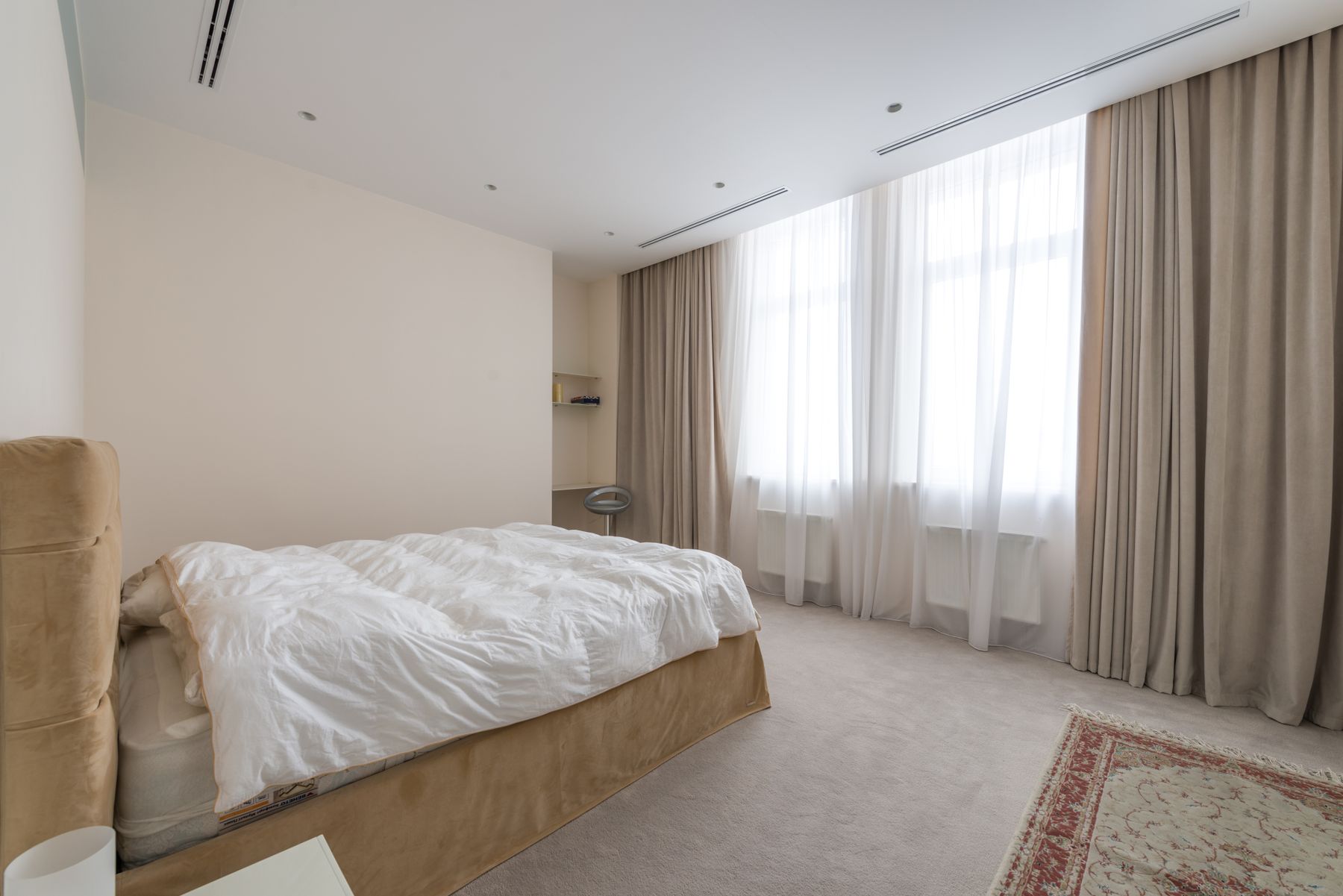
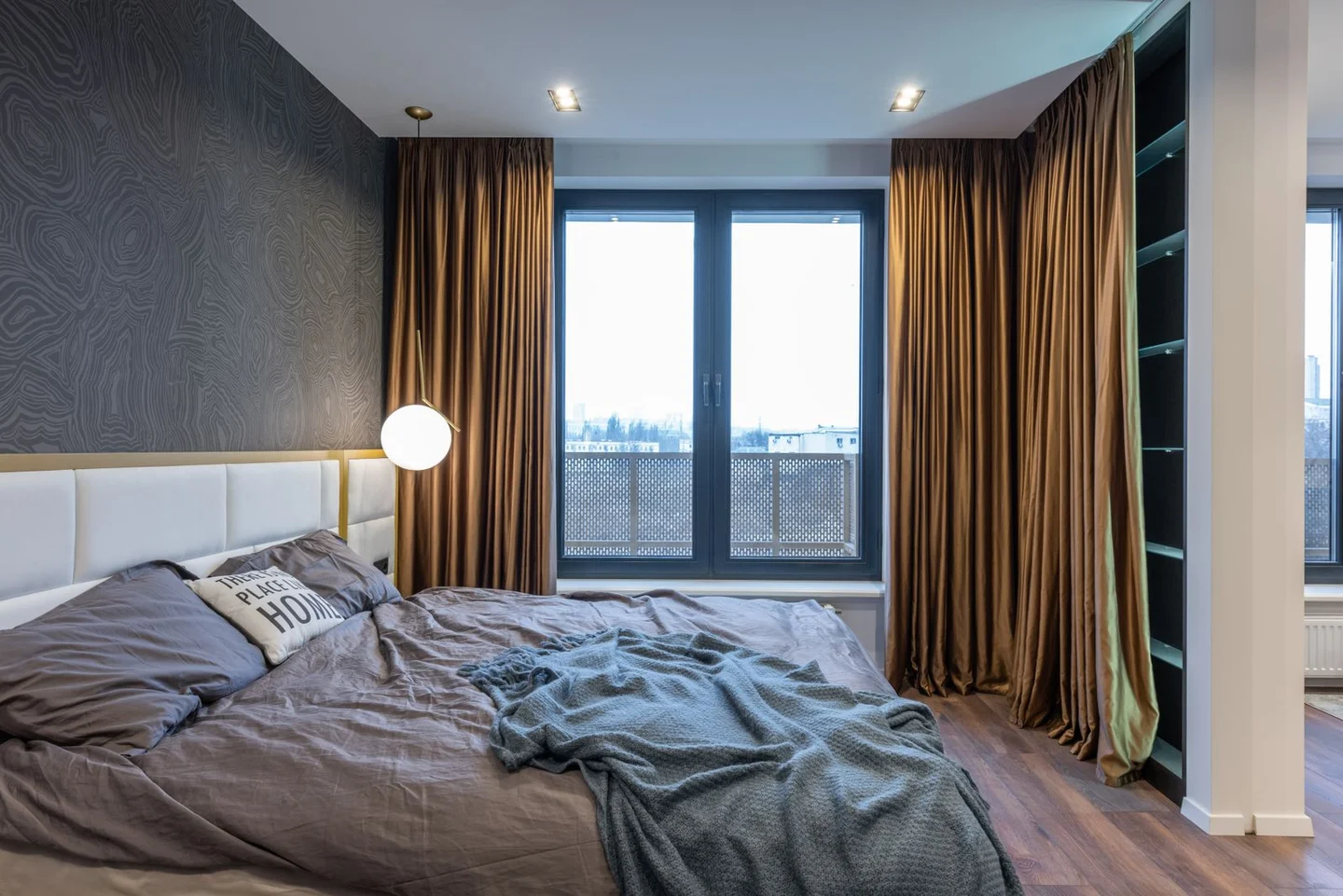
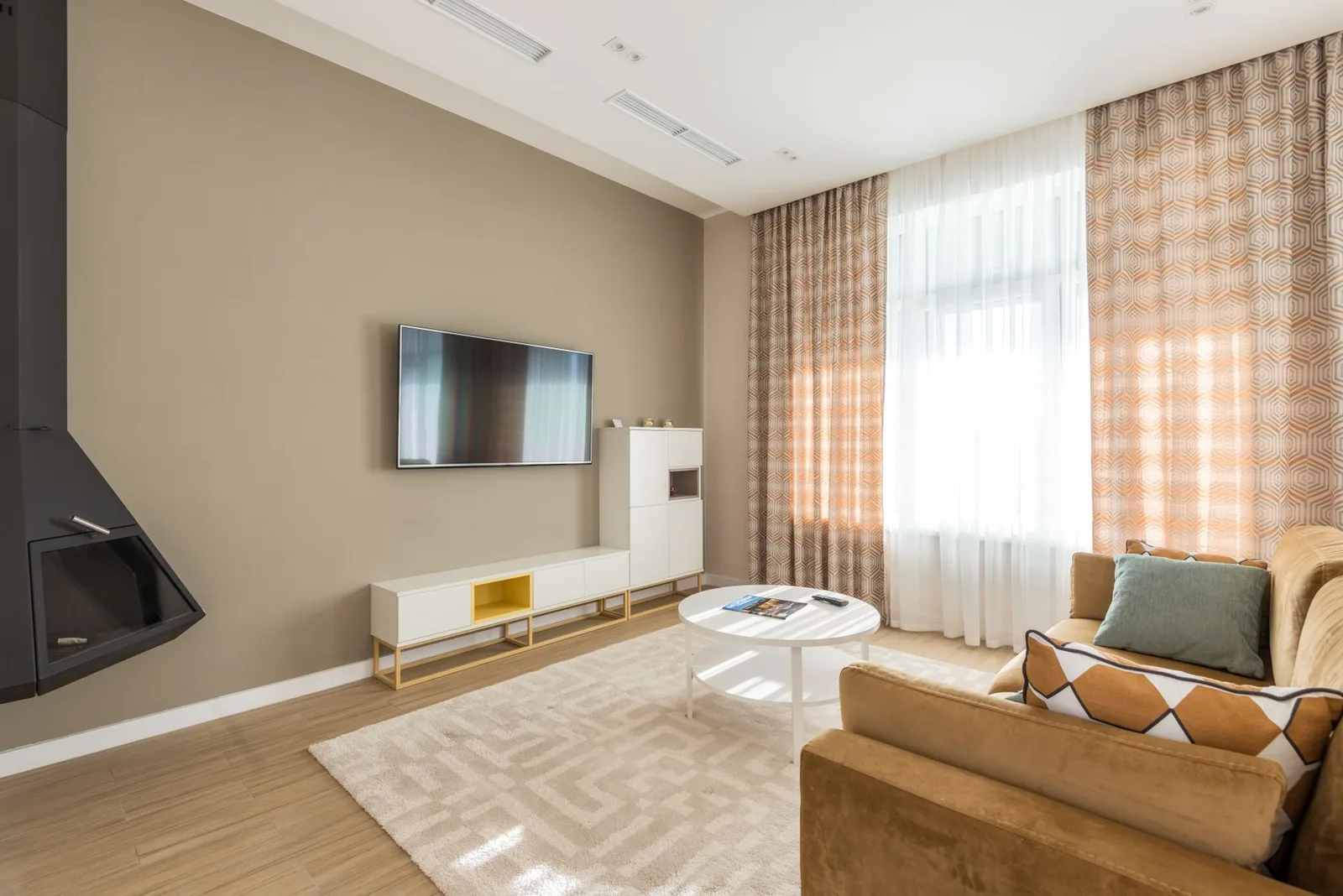
Blackout vs Room Darkening vs Light Filtering Curtains Compared

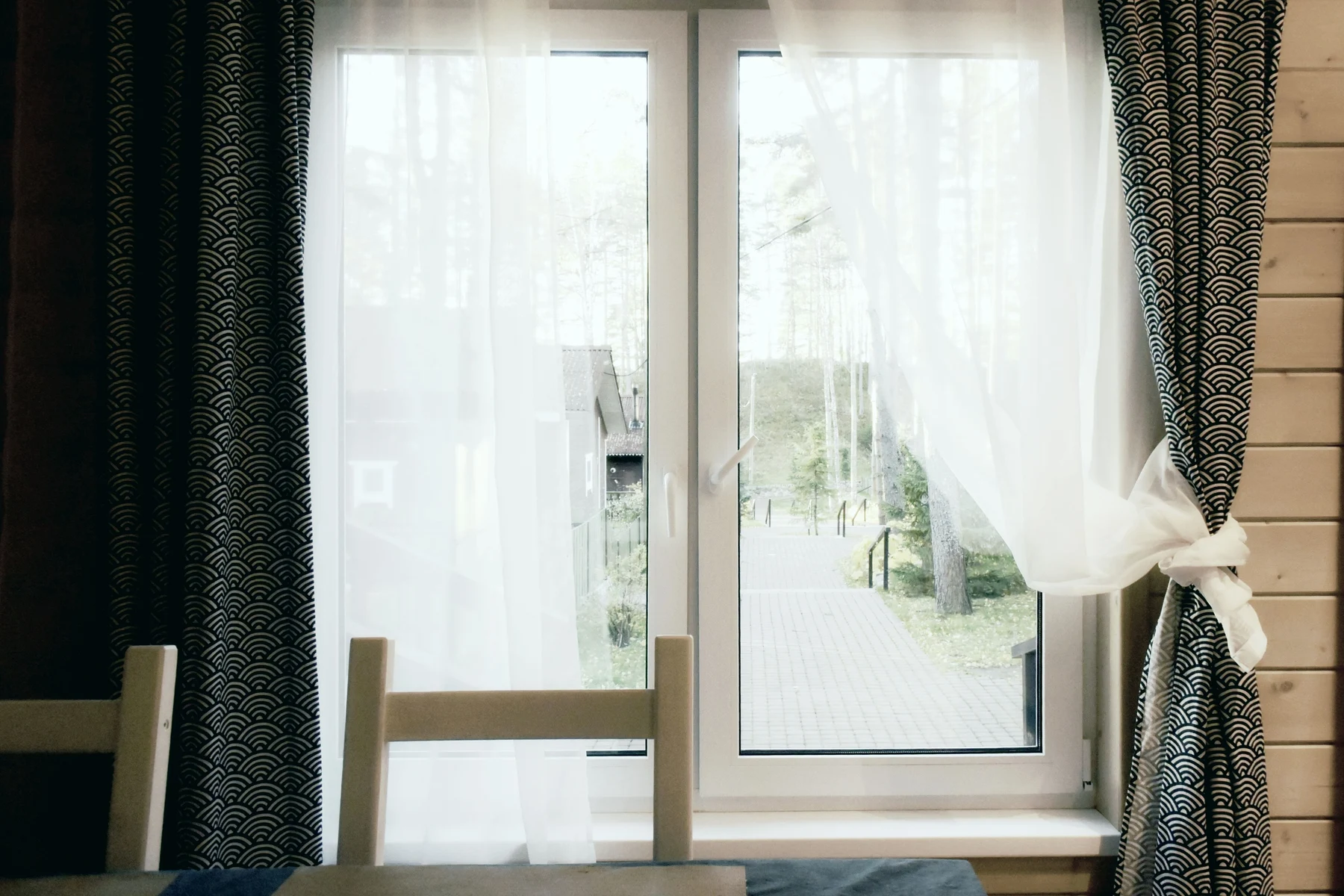
Are your curtains closed, but the room still feels too bright? Or does blocking the afternoon sun leave you reaching for a lamp? Choosing between blackout, room-darkening, and light-filtering curtains is easier when you know how much daylight you want to keep.
Light-filtering curtains keep the room bright, room-darkening curtains make it dimmer, and blackout curtains offer the strongest light blocking. Your daily routine and privacy needs help narrow down the choice. The way the curtains cover the window matters, too.
The quick answer
- Light filtering: Softer daylight for living rooms, dining areas, and daytime work.
- Room darkening: A dimmer room with some daylight still coming through.
- Blackout: Strong light blocking for early sunrise, streetlights, and daytime sleep.
- Two layers: Filtered daylight during the day, with a darker layer for later.
- Good coverage: Enough fabric around the window to reduce light at the sides, top, and middle.
1. Bright, Dim, or Dark? The Difference at a Glance
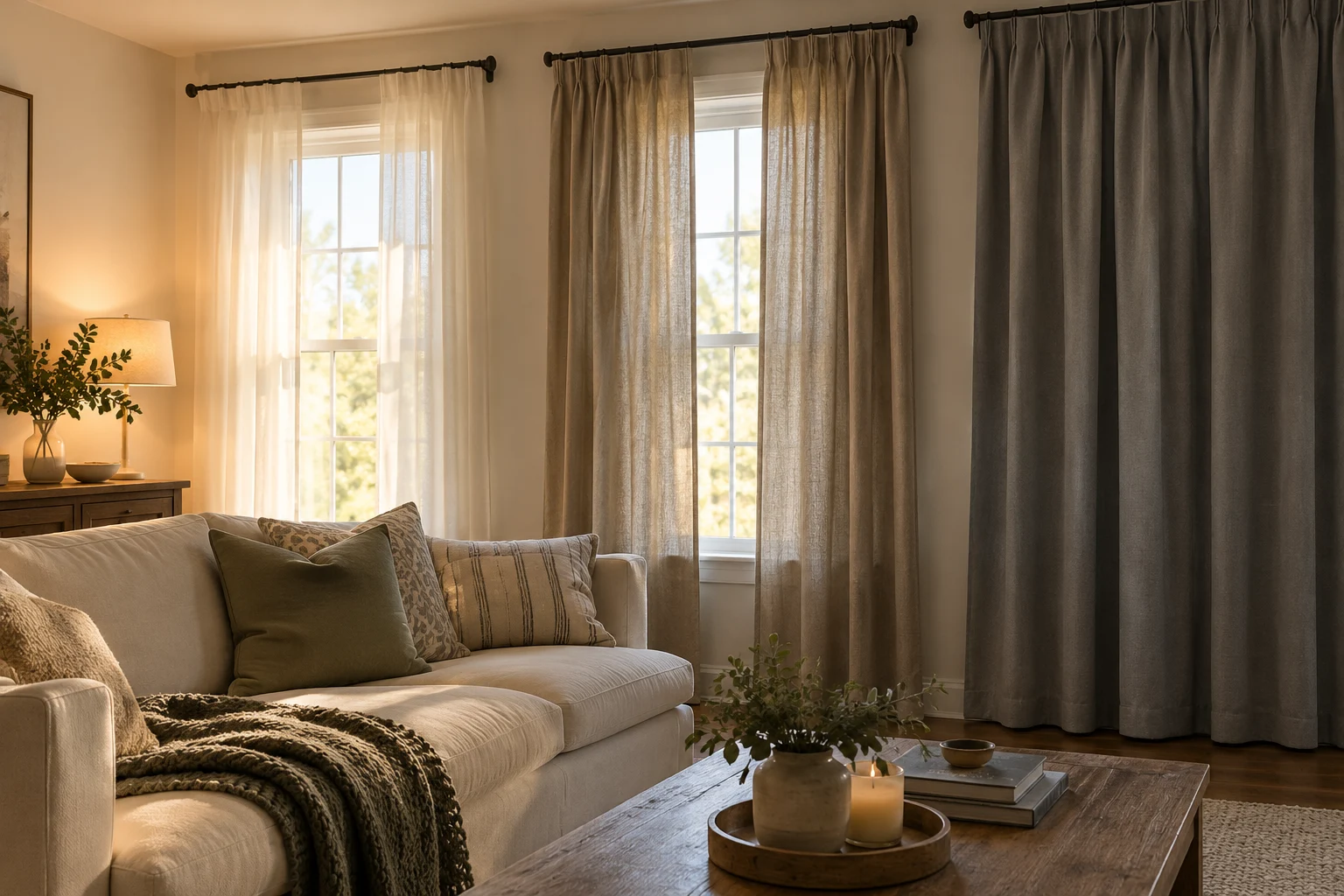
The main difference is how much light passes through the fabric. Light-filtering curtains soften it, room-darkening curtains reduce it, and blackout fabric is designed to block it.
| Feature | Light filtering | Room darkening | Blackout |
|---|---|---|---|
| Main purpose | Soften daylight | Reduce brightness substantially | Block light through the material |
| Room with curtains closed | Bright, with softened light | Dim, with some light remaining | Darkest option when gaps are covered |
| Nighttime privacy | Limited; shapes or details may show | Greater privacy, depending on the fabric | Strong privacy through opaque panels |
| Useful for | Daytime living, dining, and working | Casual TV viewing and dimmer bedrooms | Daytime sleep, early sunlight, and home theaters |
| Main limitation | Won’t make the room dark | Some light can pass through | Light can still enter around the edges |
A dim room may be comfortable for watching an afternoon film. Someone sleeping after a night shift may need much stronger light blocking.
Note: Light-blocking percentages describe a particular product’s performance. They are not a fixed rule for every curtain in that category.
2. Light-Filtering Curtains: Daylight Without So Much Glare
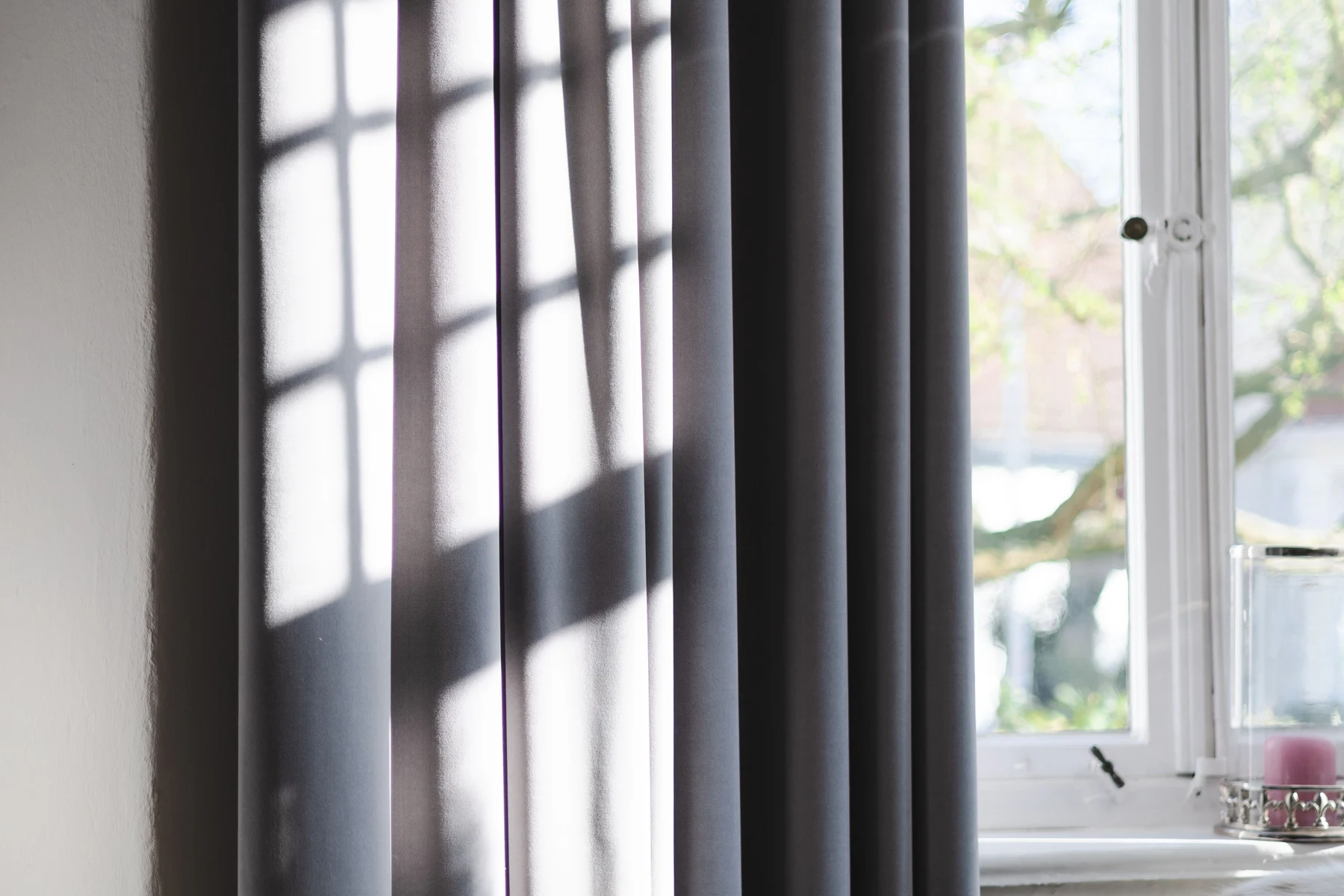
Light-filtering curtains soften sunlight while letting daylight into the room. They work well when you enjoy a bright space but want less harsh light across the furniture.
If the breakfast table gets direct morning sun, a lightweight curtain can soften the glare while keeping the kitchen bright.
Sheer fabrics let through plenty of light and often allow a view through the material. More closely woven light-filtering curtains let less light through, but neither type will make the room dark.
The H.VERSAILTEX Linen-Blend Sheer Curtains suit this lighter look. The ivory set contains two grommet panels, each 52 inches wide and 84 inches long. Their linen-and-polyester blend adds texture while allowing daylight through.
They’re a practical daytime layer for a living room or bedroom. A separate opaque curtain can provide more privacy later.
For a desk beside a sunny window, light filtering may soften mild glare. Direct sunlight on a monitor can still be too strong, so a darker second layer is useful when the sun reaches that spot.
What Happens When the Lights Come On?
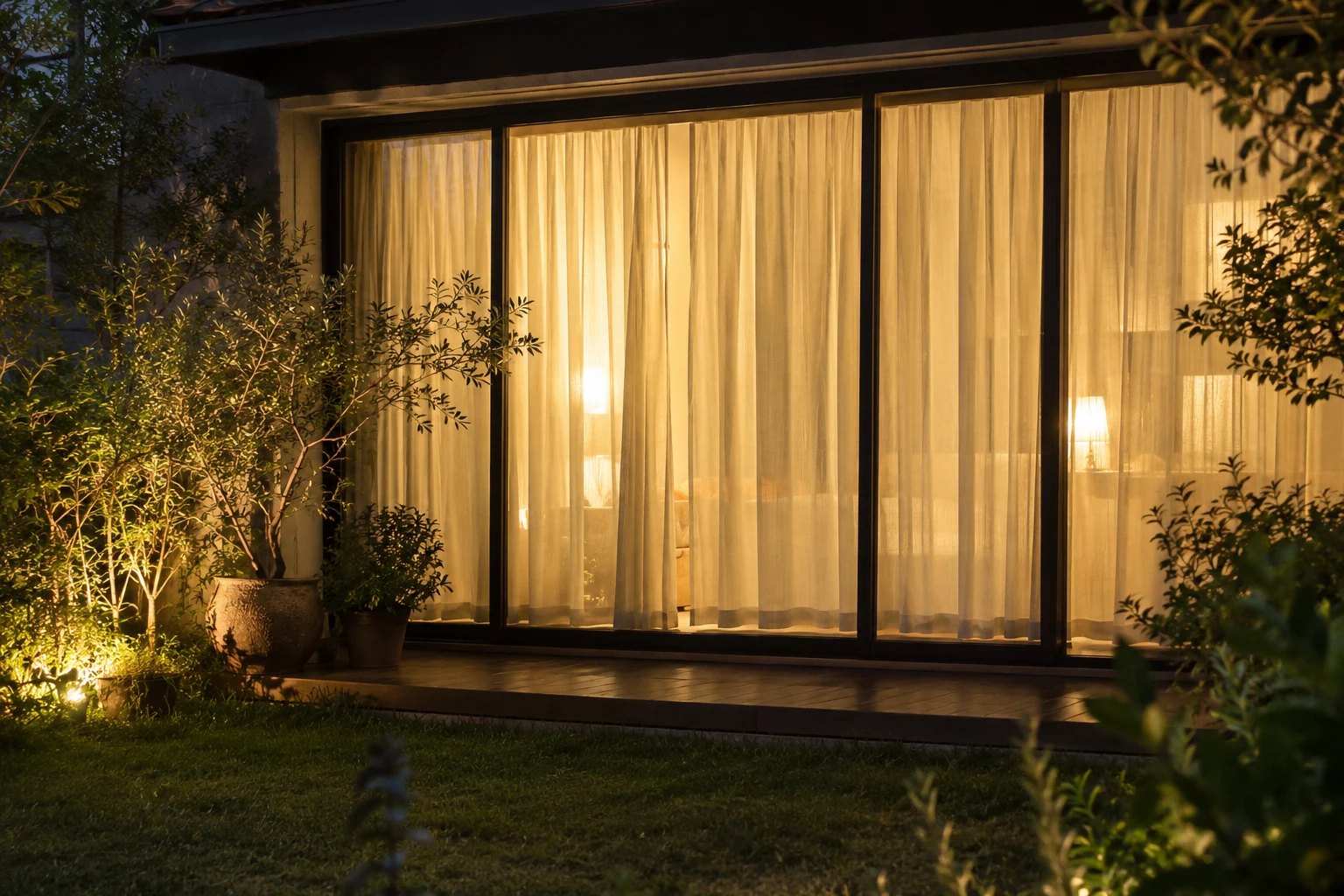
Light-filtering curtains offer limited nighttime privacy. When the room is bright and the outdoors is dark, silhouettes or details can show through.
That matters in a bedroom facing another apartment or a living room beside a shared walkway. A curtain that feels private during the afternoon may reveal movement once the lamps are on.
An opaque room-darkening or blackout layer gives you more coverage at night. The panels also need to meet in the middle and cover the sides of the window.
3. Room-Darkening Curtains: A Dimmer Room With Some Light Left
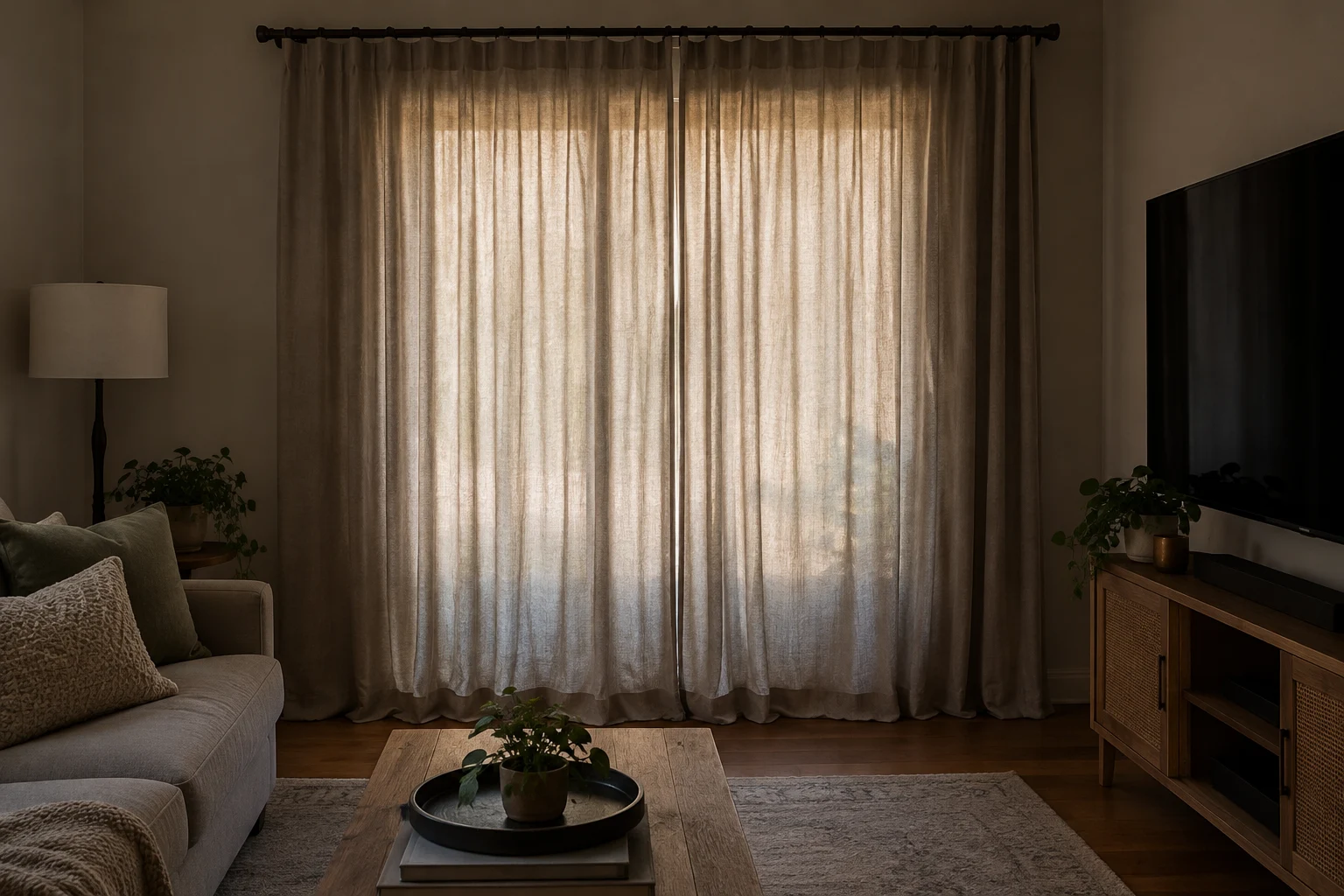
Room-darkening curtains reduce brightness without promising a completely dark room. They suit spaces where you want relief from strong sunlight but don’t mind some light coming through.
Say the afternoon sun makes the television difficult to see. Closing room-darkening curtains can make the picture clearer while leaving enough light to move around comfortably.
They can also suit a bedroom where you like a little morning light. The result depends on the fabric, lining, color, and strength of the sun outside.
A panel may look opaque on a cloudy afternoon and glow when direct sunlight hits it. A tighter weave or added lining generally reduces that glow.
Room-darkening curtains work well if a dim room is enough for you. If even a faint glow keeps you awake, blackout curtains block more light.
Note: Sometimes curtains have both “room darkening” and “blackout” labels. How much light they block depends on the fabric and lining.
4. Blackout Curtains: When Outside Light Keeps Getting in the Way
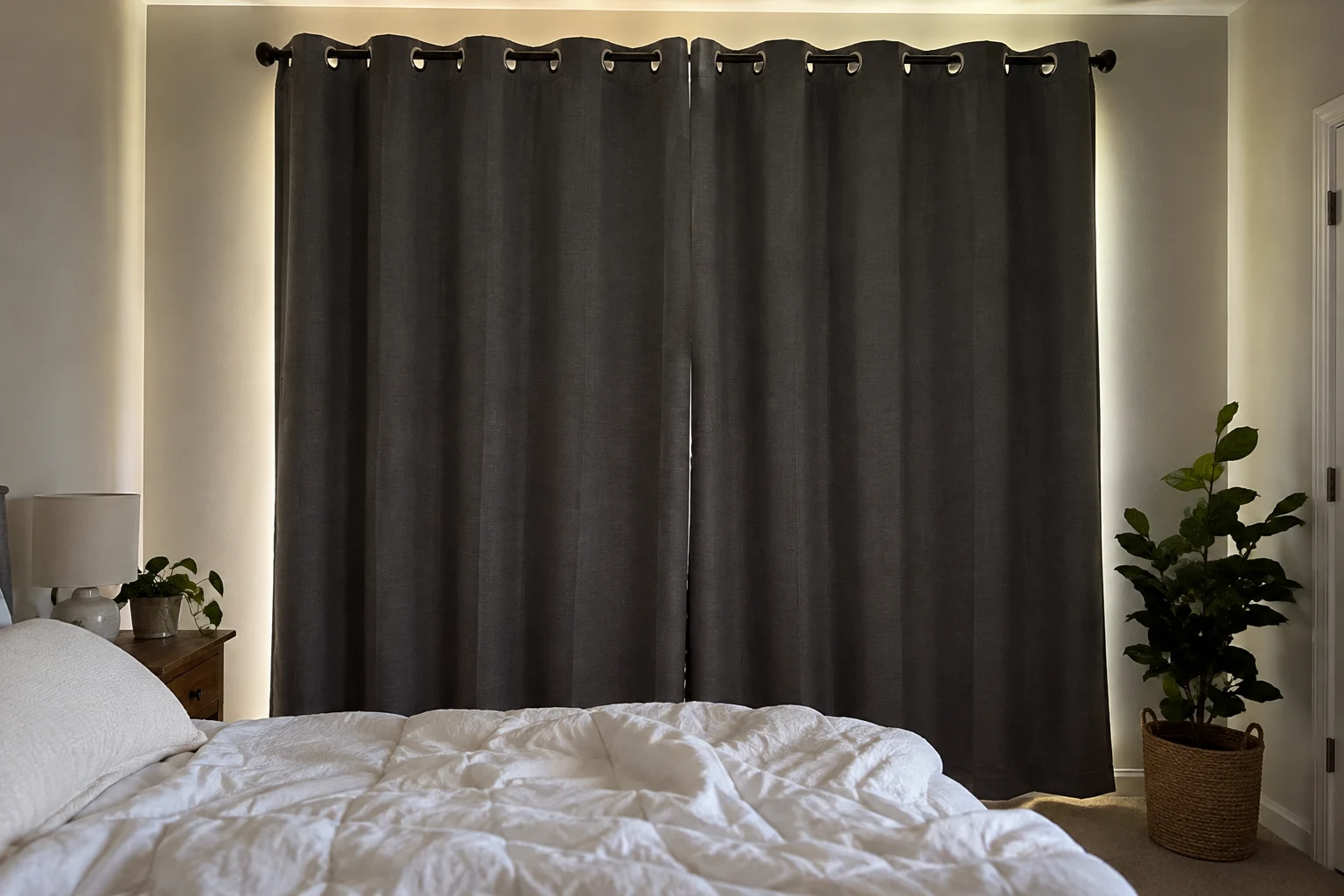
Blackout curtains block light through the fabric with tightly woven fabric, a backing, or a lining. They are useful when outside light reaches the room at the wrong time.
That could be sunrise an hour before your alarm, a streetlight beside the window, or bright afternoon sun when you need to sleep.
The NICETOWN Silver Grey Blackout Curtains use double-layer fabric with a built-in black lining. The set contains two panels, each 52 inches wide and 84 inches long, with grommets at the top.
Their black lining helps block sunlight in a bedroom or media room. The silver-gray front also works with a lighter color scheme.
Blackout curtains can make a room substantially darker, but the panels still need to cover the window properly. A narrow opening beside an opaque curtain can leave a bright strip across the bed.
Pale Curtains Can Still Block Light
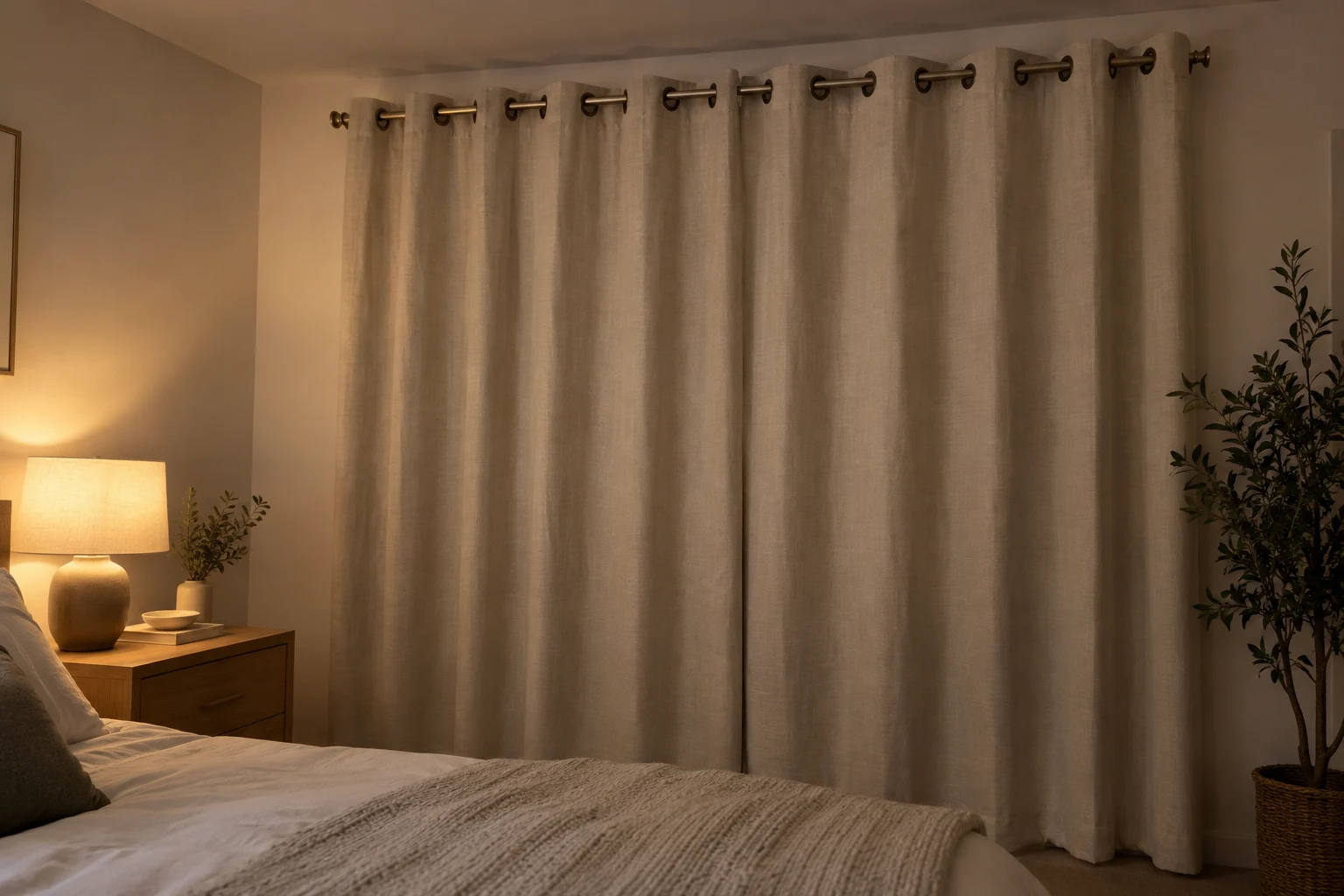
Pale curtains can block light, too. A blackout backing or lining can stop sunlight from passing through the light-colored fabric.
The MIULEE 100% Blackout Linen-Textured Curtains are one example. These natural-beige faux-linen curtains are sold as blackout panels. The set contains two 52-by-84-inch panels with grommet tops.
Their pale finish suits a room where you want the curtains to blend with cream walls, wood furniture, or neutral bedding.
A dark color alone does not guarantee the same result. Loosely woven navy fabric can still let sunlight through, while a pale curtain with a blackout lining can block it.
For more textured options, our linen blackout curtain guide brings together curtains with a softer, linen-style appearance.
5. The Best Match for the Way You Use Each Room
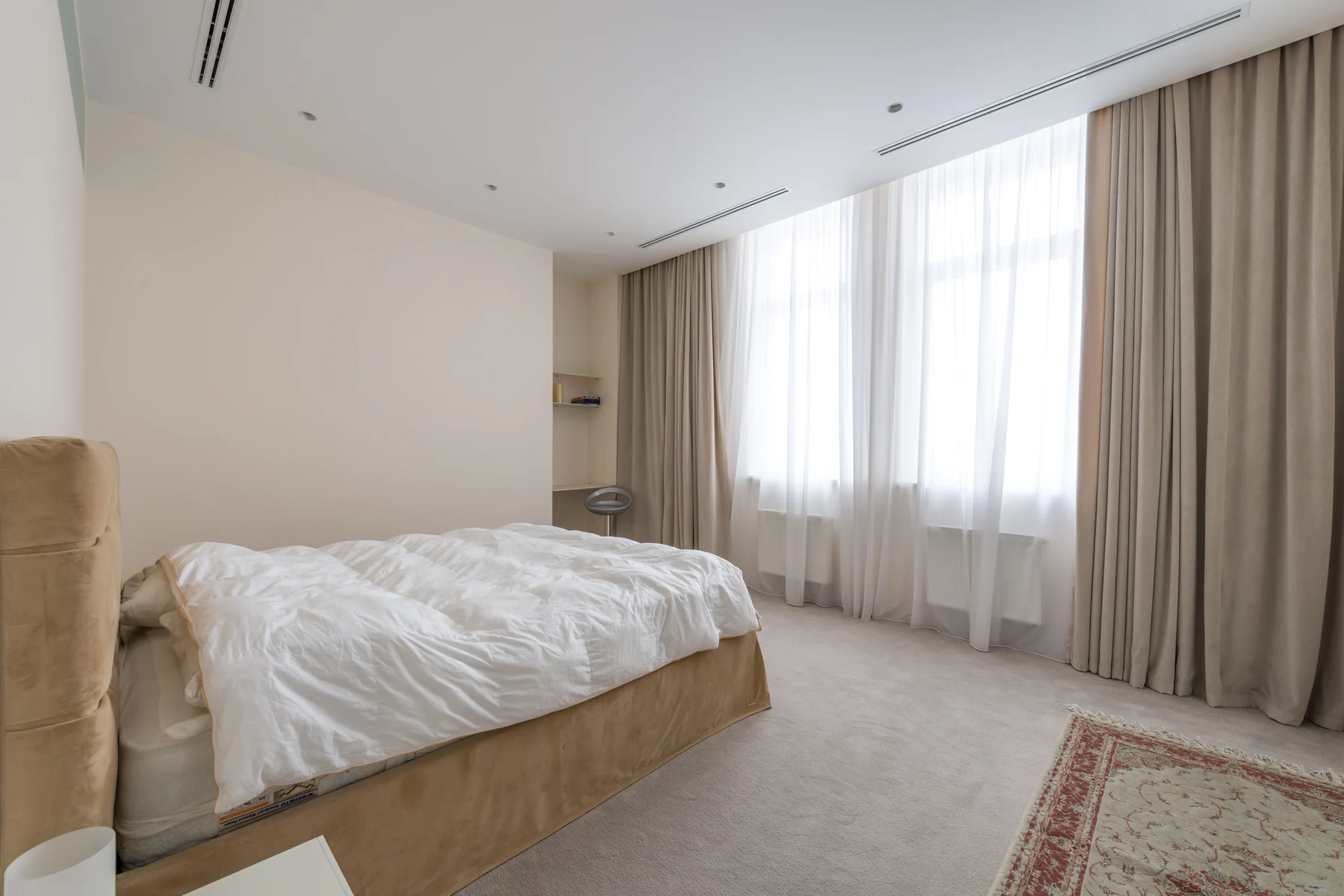
The way you use the room matters more than its name. A bedroom-office needs daylight while you work and privacy when you turn in.
| Room or situation | A useful choice | Why it works |
|---|---|---|
| Bedroom with unwanted sunrise or streetlights | Blackout | Reduces light through the panels |
| Bedroom where some morning light is welcome | Room darkening | Makes the room dimmer without aiming for full darkness |
| Nursery during daytime naps | Blackout | Helps create a darker room |
| Living room used mainly during the day | Light filtering | Softens sunlight while keeping the space bright |
| Living room with strong TV glare | Light filtering plus a darker layer | Allows different light levels throughout the day |
| Home office | Light filtering, with a darker layer for direct sun | Keeps daylight available while offering stronger glare control |
| Dining area | Light filtering | Softens sunlight across the table |
| Home theater | Blackout with good window coverage | Reduces light that can wash out the picture |
| Bathroom facing neighbors | An opaque privacy treatment | Provides more coverage than sheers alone |
Your window’s direction also makes a difference. An east-facing bedroom may get bright early, while a west-facing office can become uncomfortable late in the afternoon.
There’s no need to use the same curtain type throughout the home. Matching the fabric color can make rooms feel connected even when their linings differ.
Our guide to choosing bedroom curtains explains how fabric, length, and hanging style affect the finished look.
6. Blackout Curtains, but the Room Is Still Bright?
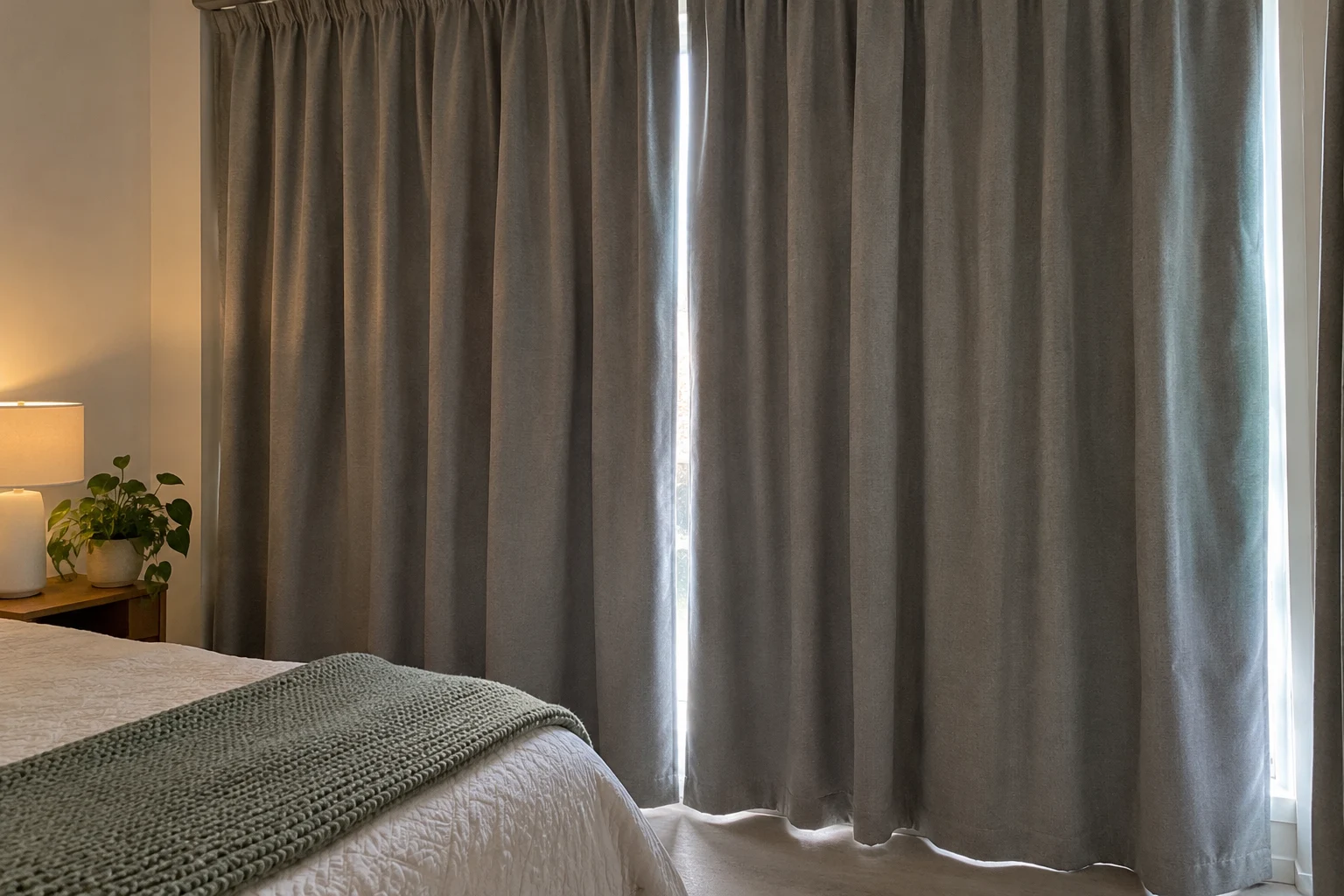
Where the light enters tells you what needs changing. Light passing through the curtain calls for better light-blocking material. Light around the curtain calls for better coverage.
Light Coming Through the Panels
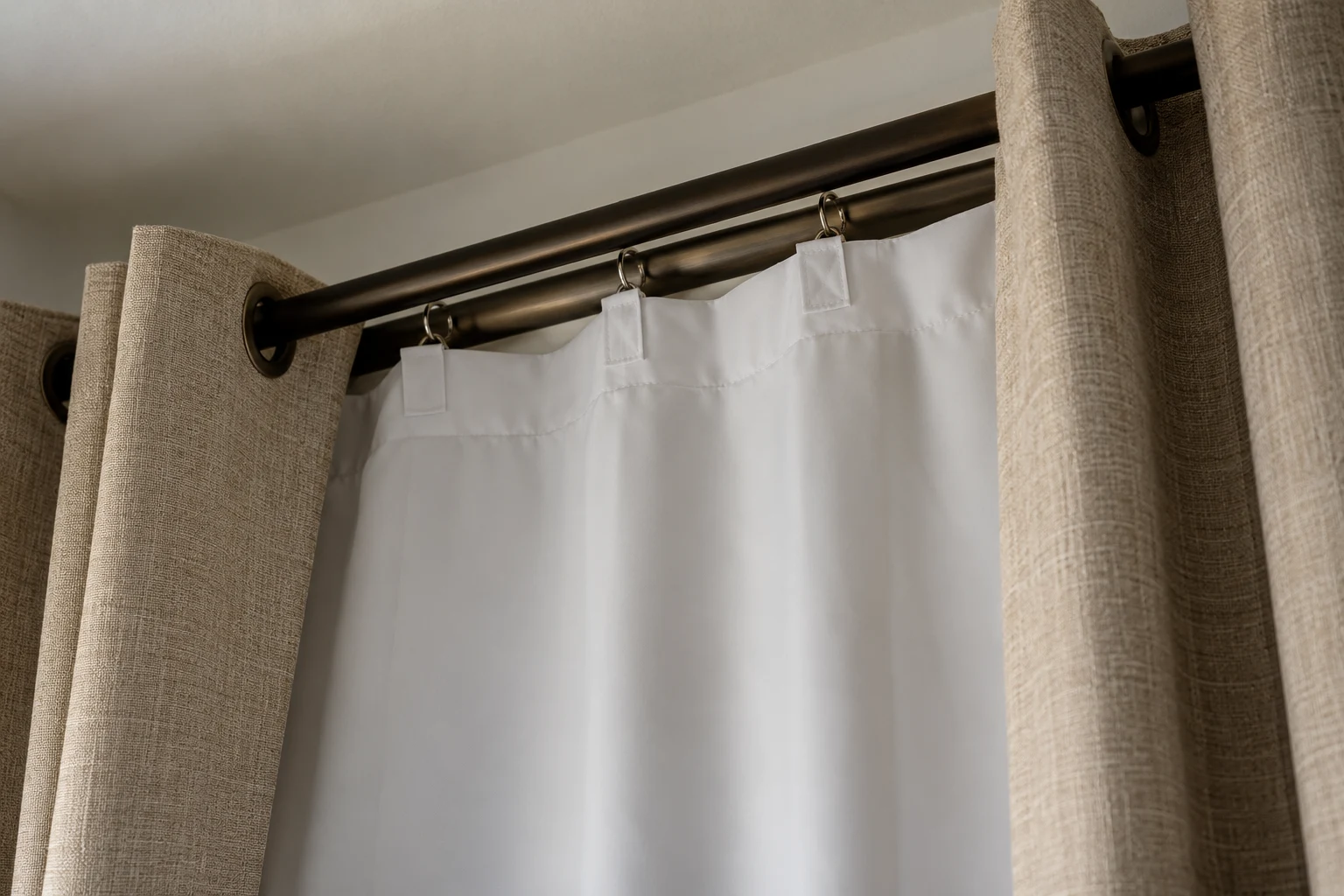
A blackout liner can block more light while letting you keep your existing curtains.
The Chyhomenyc Blackout Curtain Liners come as two 50-by-80-inch panels with 17 binder rings. They are designed for use behind 84-inch curtains.
Each liner has eight tabs. The included rings attach the liners to curtains with eight grommets. With rod-pocket or back-tab curtains, the liners hang on a separate rod.
This is useful when your curtains already have the right color and length, but sunlight shines through them. The liner sits behind the fabric and adds the light-blocking layer.
The liner needs to cover the window fully. Any uncovered glass will still let light in.
Light Around the Edges
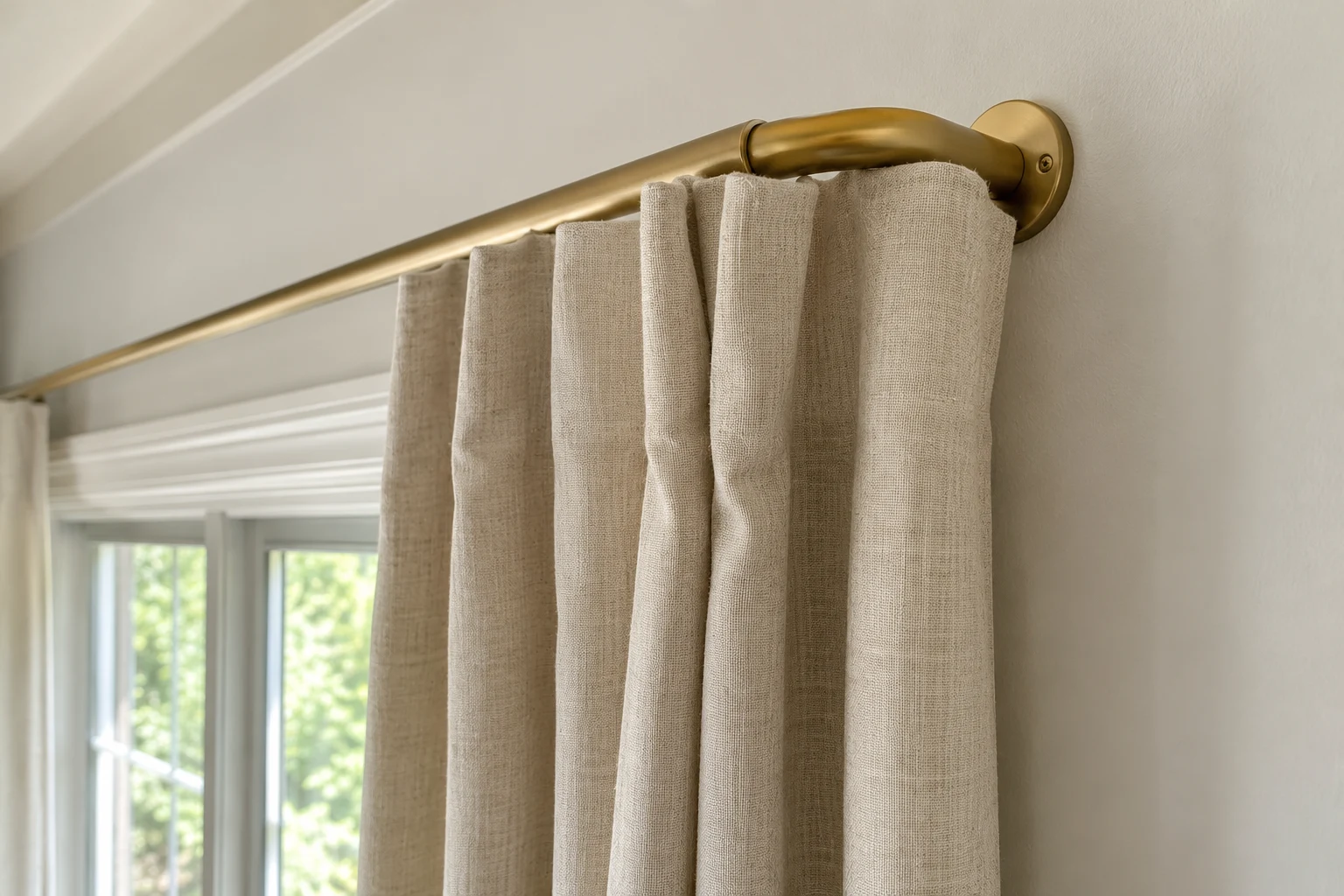
Wider panels that sit closer to the wall help block light around the edges.
Light can enter through these four gaps:
- At the sides: Panels stop too close to the window opening.
- In the middle: The curtains separate instead of meeting or overlapping.
- Above the panels: Space between the fabric and wall lets light spill over.
- Below the panels: The curtain ends before the window is fully covered.
The YaFex Wraparound Curtain Rod has curved ends that bring the curtains back toward the wall. This helps reduce side gaps compared with curtains hanging only across a straight rod.
The adjustable version extends from 32 to 86 inches and has a 1-inch-diameter metal rod. The curved ends help block side light that falls across your pillow.
A wraparound rod helps at the sides, but the panels also need to be wide enough to meet in the middle.
Note: Hanging curtains higher does not automatically solve light leakage. The space between the rod, fabric, and wall also affects how much light gets around the top.
7. Two Layers for Bright Days and Darker Nights
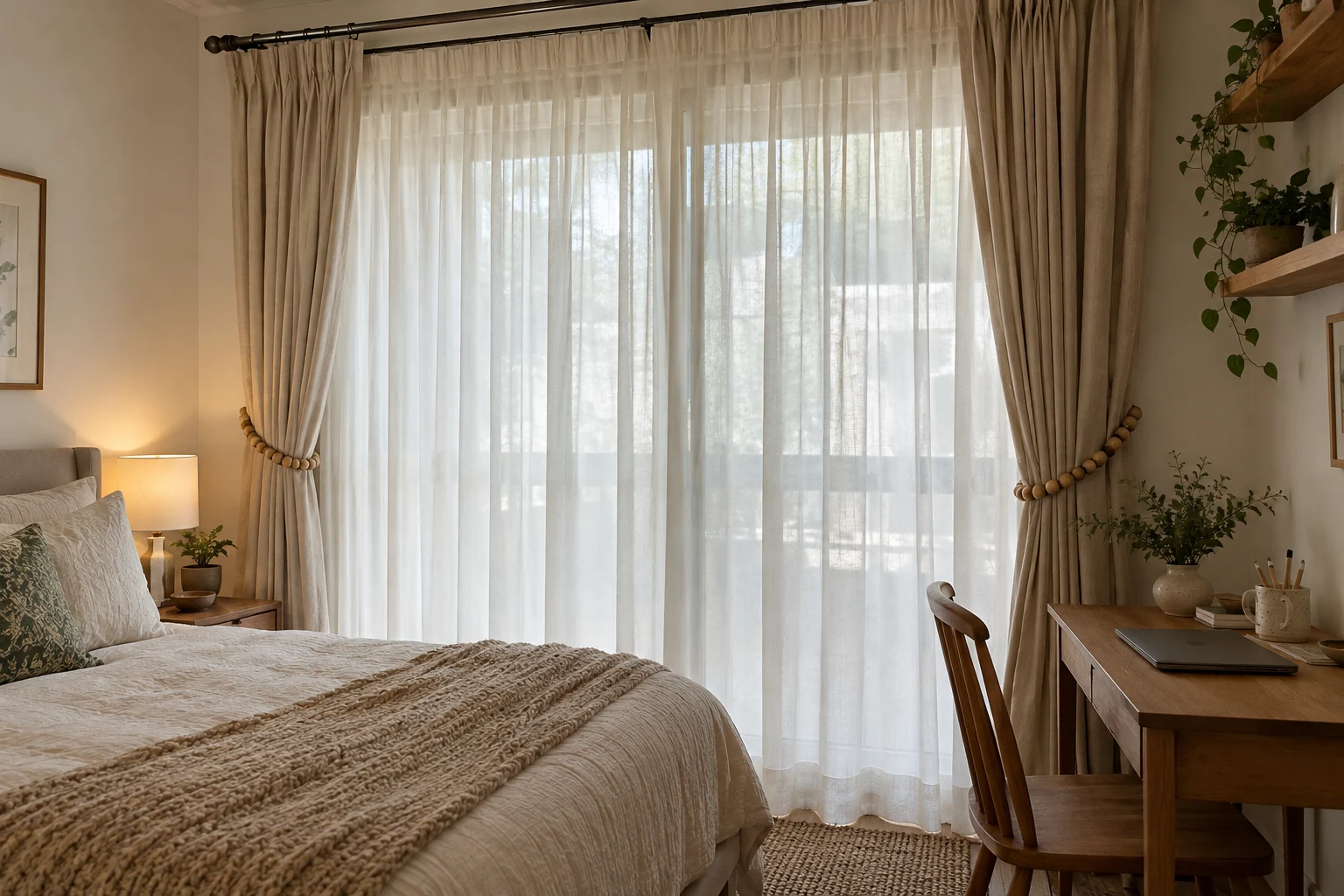
Separate light-filtering and opaque layers give you more control throughout the day.
In a bedroom-office, the light-filtering curtains can stay closed while you work. Later, the blackout curtains close over them for more privacy and darkness.
Three arrangements work well:
- Sheers and blackout curtains on a double rod: Each set opens and closes independently.
- Decorative curtains in front of a blackout shade: The shade provides darkness while the curtains add color and texture.
- A blackout liner behind existing curtains: Adds light blocking while keeping the curtains you already like.
A single rod works for one curtain layer. The YaFex Adjustable Curtain Rod extends from 32 to 144 inches and has a warm-gold finish with metal finials. It is a 1-inch-diameter single rod assembled from several sections.
That makes it an option for hanging one pair of light-filtering or blackout curtains. A double rod or separate tracks let you open and close each layer on its own.
During the day, the KLOGTSIND Magnetic Curtain Tiebacks can hold open the heavier panels. The two-pack uses wooden beads and magnetic closures, so there’s no need for wall-mounted holdback hooks.
They’re handy when you want the curtains gathered neatly at the sides. Releasing them lets the panels close fully again.
8. What About Heat, Noise, and Curtain Weight?
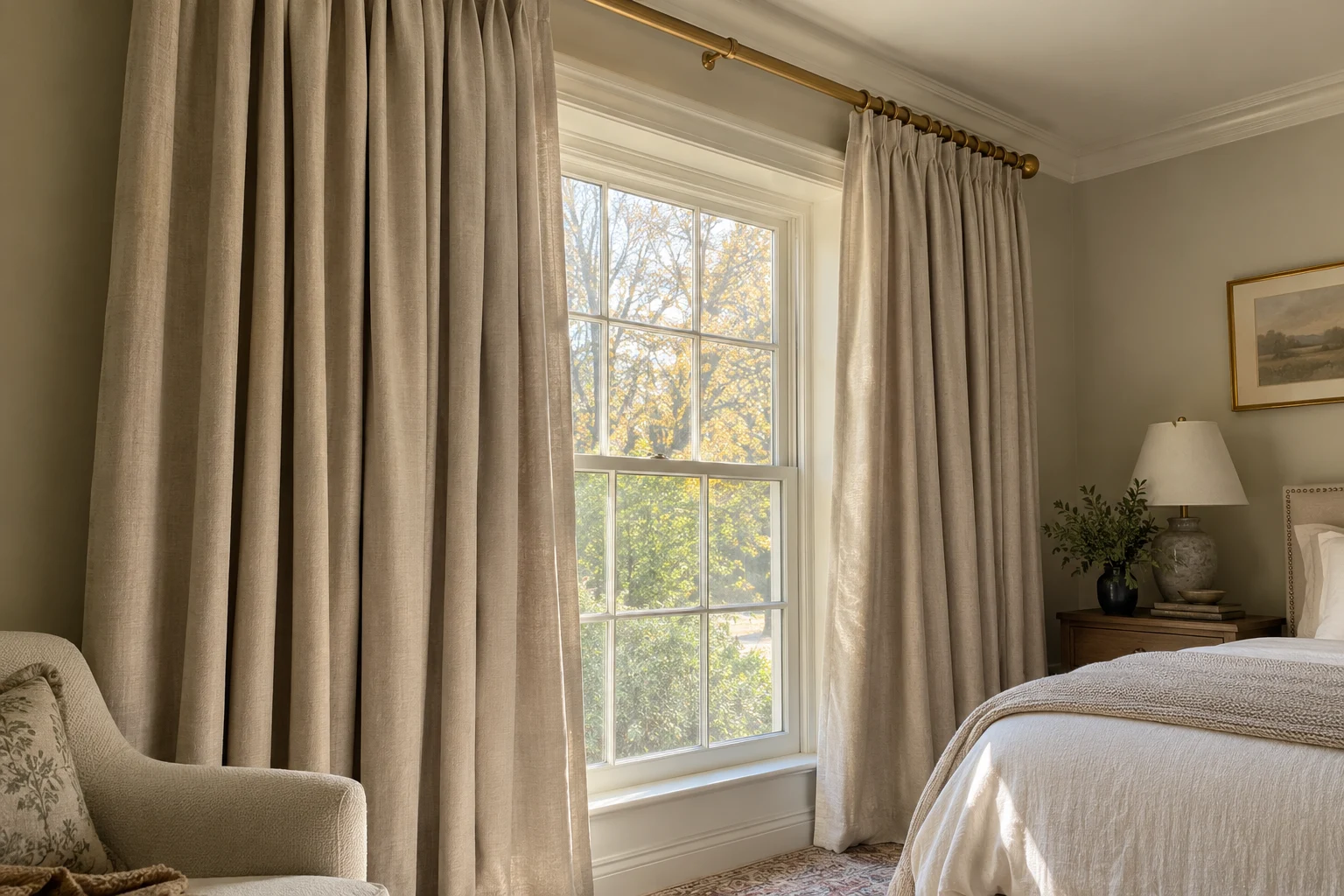
A blackout label describes light control. Heat insulation and noise reduction depend on other details, including the materials and how the curtains are fitted.
Curtains can help reduce direct sunlight entering the room. Their effect on temperature also depends on the backing, window coverage, and gaps that allow air to circulate.
For a room that gets uncomfortably hot, our guide to insulated curtains explains the features that matter for heat control.
Curtains can soften echoes inside a room, but ordinary blackout curtains won’t block traffic noise or loud neighbors.
Extra lining also changes how the curtains hang. A heavier panel may form fuller folds and need stronger support. Secure brackets and suitable hardware matter, especially when adding a liner to an existing set.
9. A Simple Curtain Checklist
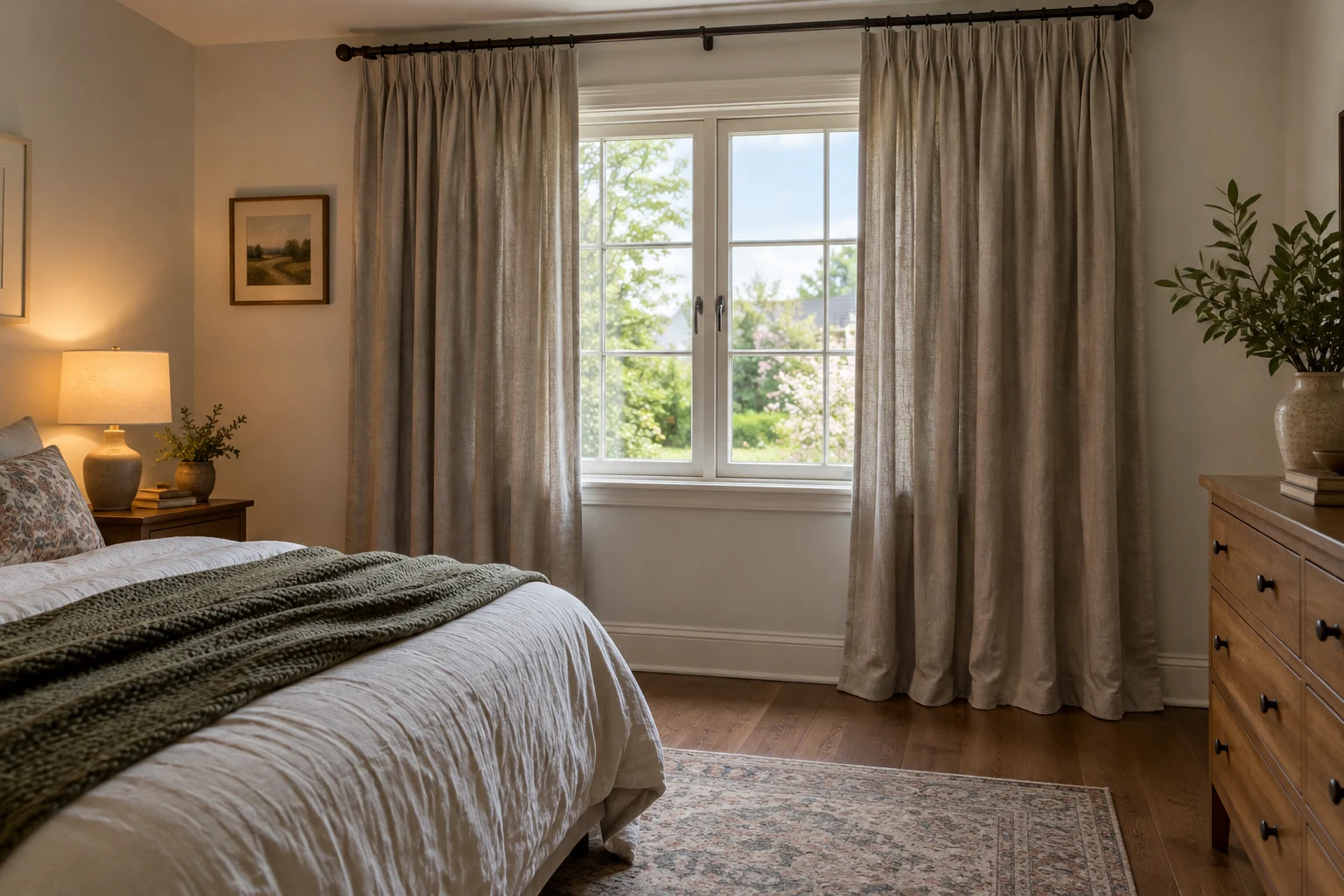
A good curtain setup gives you the light level and privacy you need while opening and closing easily.
- The fabric lets in the amount of daylight you want.
- An opaque layer provides privacy where it is needed at night.
- The panels cover the window and meet without a gap in the middle.
- The outer edges extend beyond the window opening.
- The rod and brackets support the curtains and any added lining.
- Separate layers can move independently.
- Tiebacks release easily when the curtains need to close.
- Fabric stays clear of heaters, vents, and moving windows.
If light comes in around the edges, wider panels will help more than a thicker curtain that leaves the same gaps.
10. Common Questions About Curtain Light Control
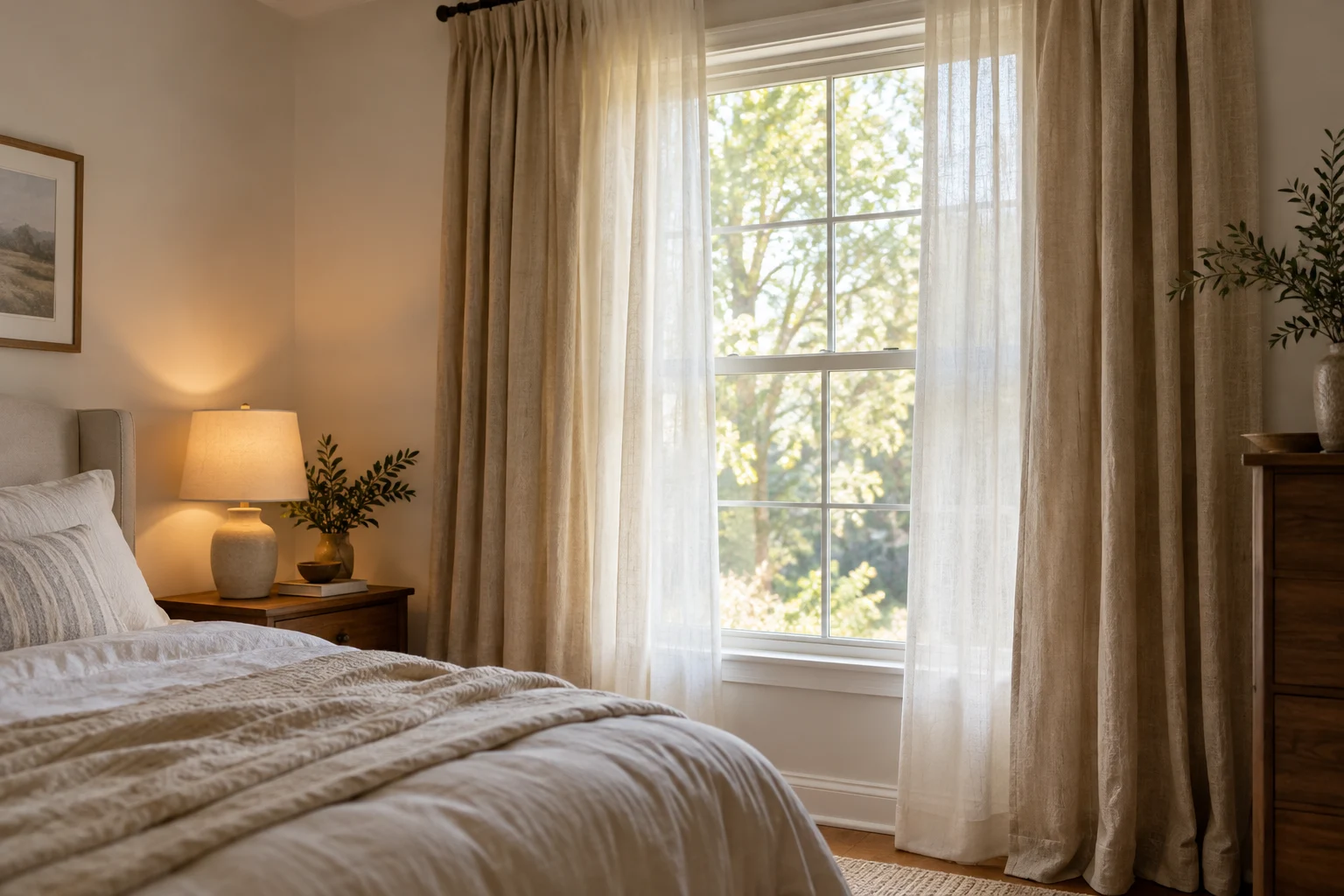
The most common questions involve privacy, lining, and light gaps. Here are the short answers.
Are Room-Darkening Curtains the Same as Blackout?
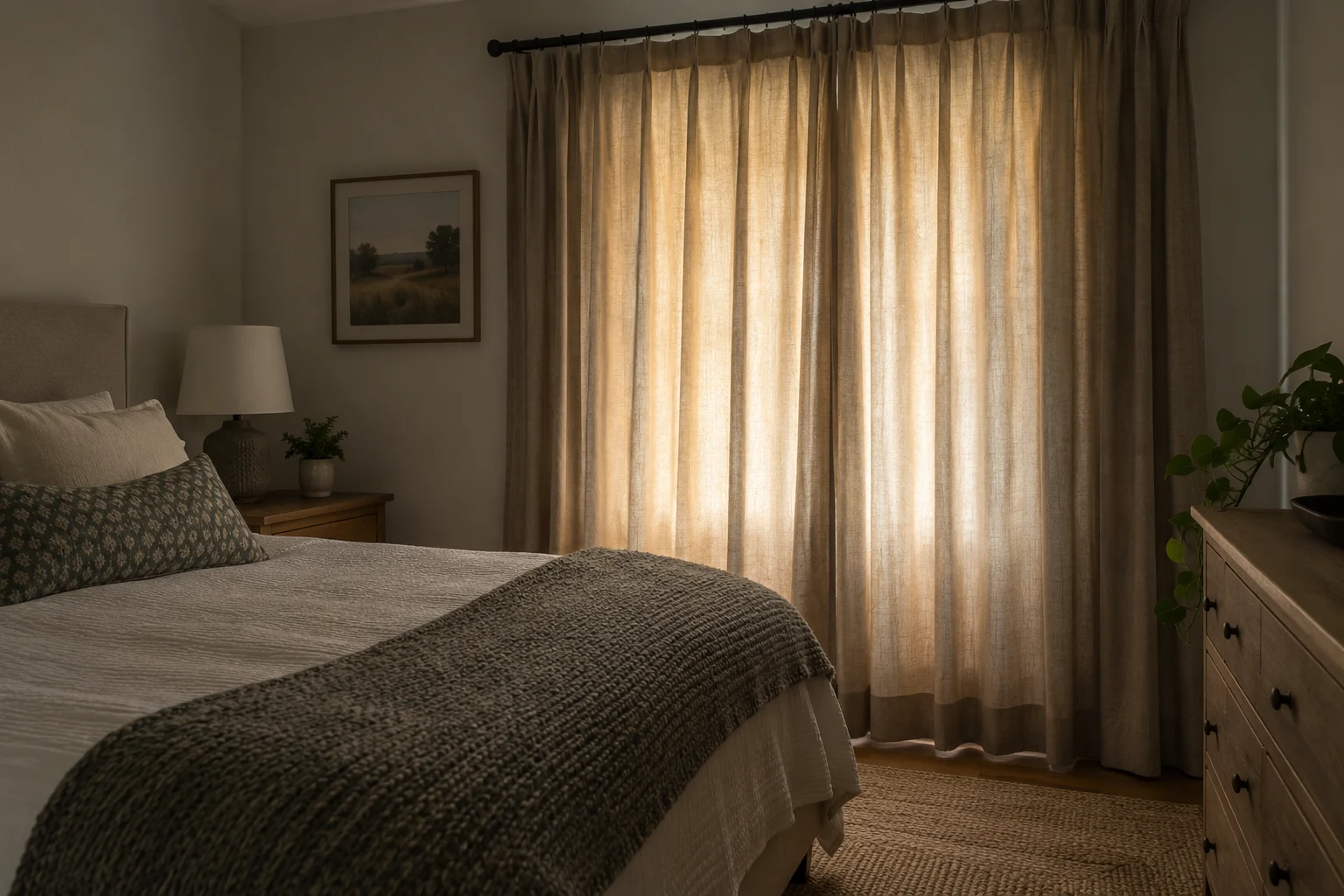
They provide different levels of light control. Room-darkening curtains reduce brightness while allowing some light through. Blackout curtains use fabric, backing, or lining designed to block that light.
Are Light-Filtering Curtains See-Through at Night?
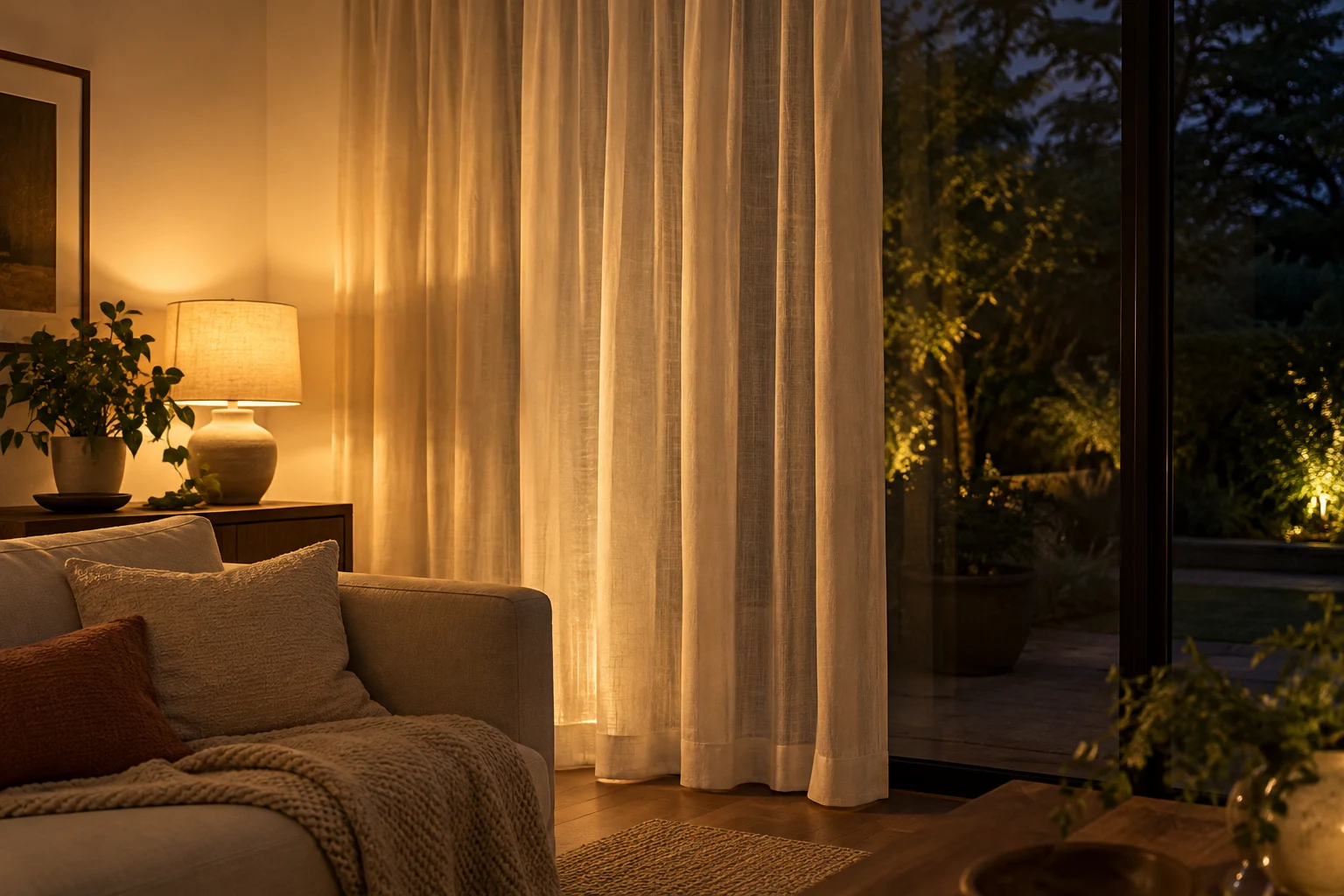
They can be. Silhouettes or details may show when the lights are on inside. An opaque second layer provides more nighttime privacy.
Can White Curtains Provide Blackout?
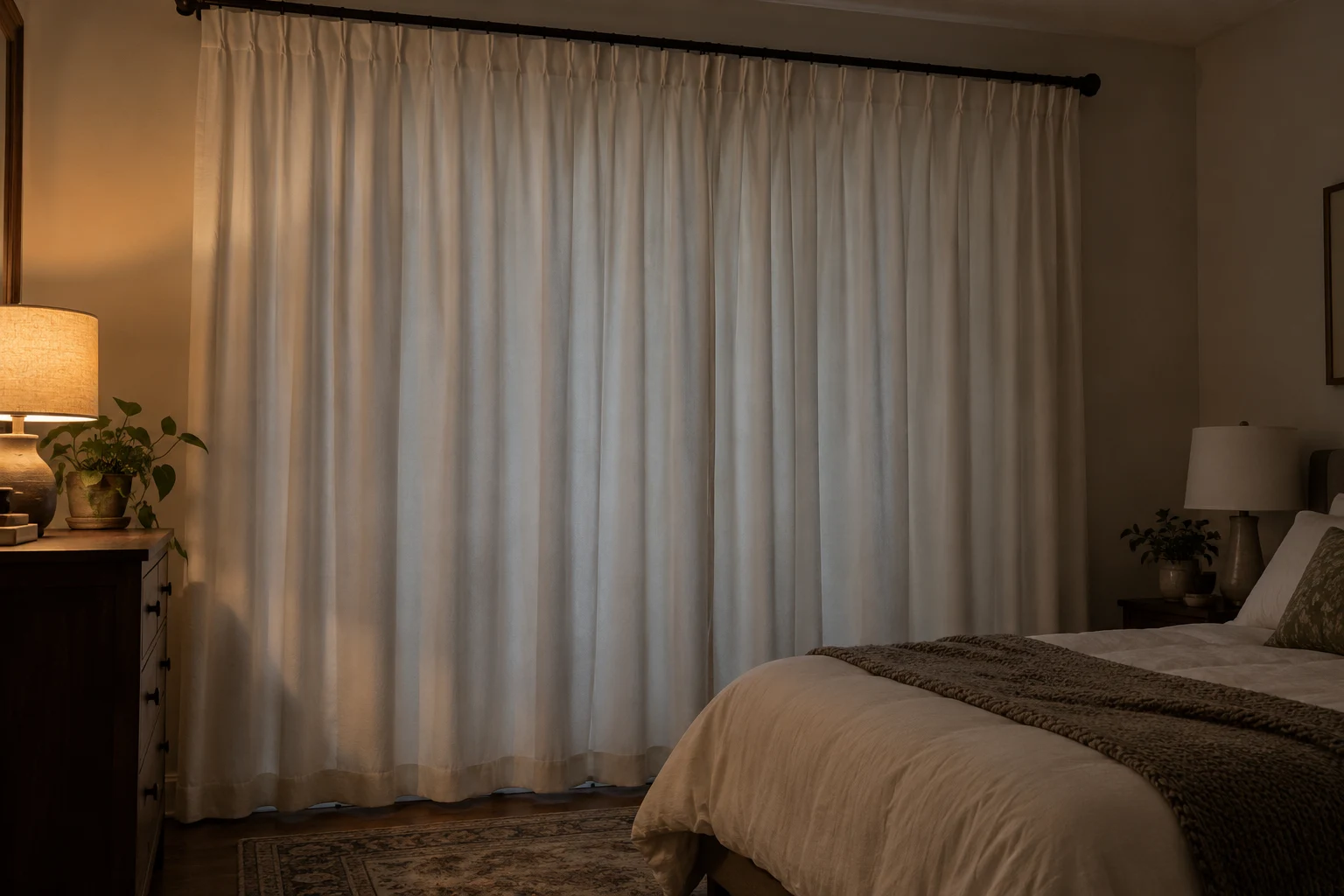
Yes. White and cream curtains can block light with blackout fabric or lining. Their color alone does not tell you how much light they block.
Can a Blackout Liner Improve Curtains I Already Own?
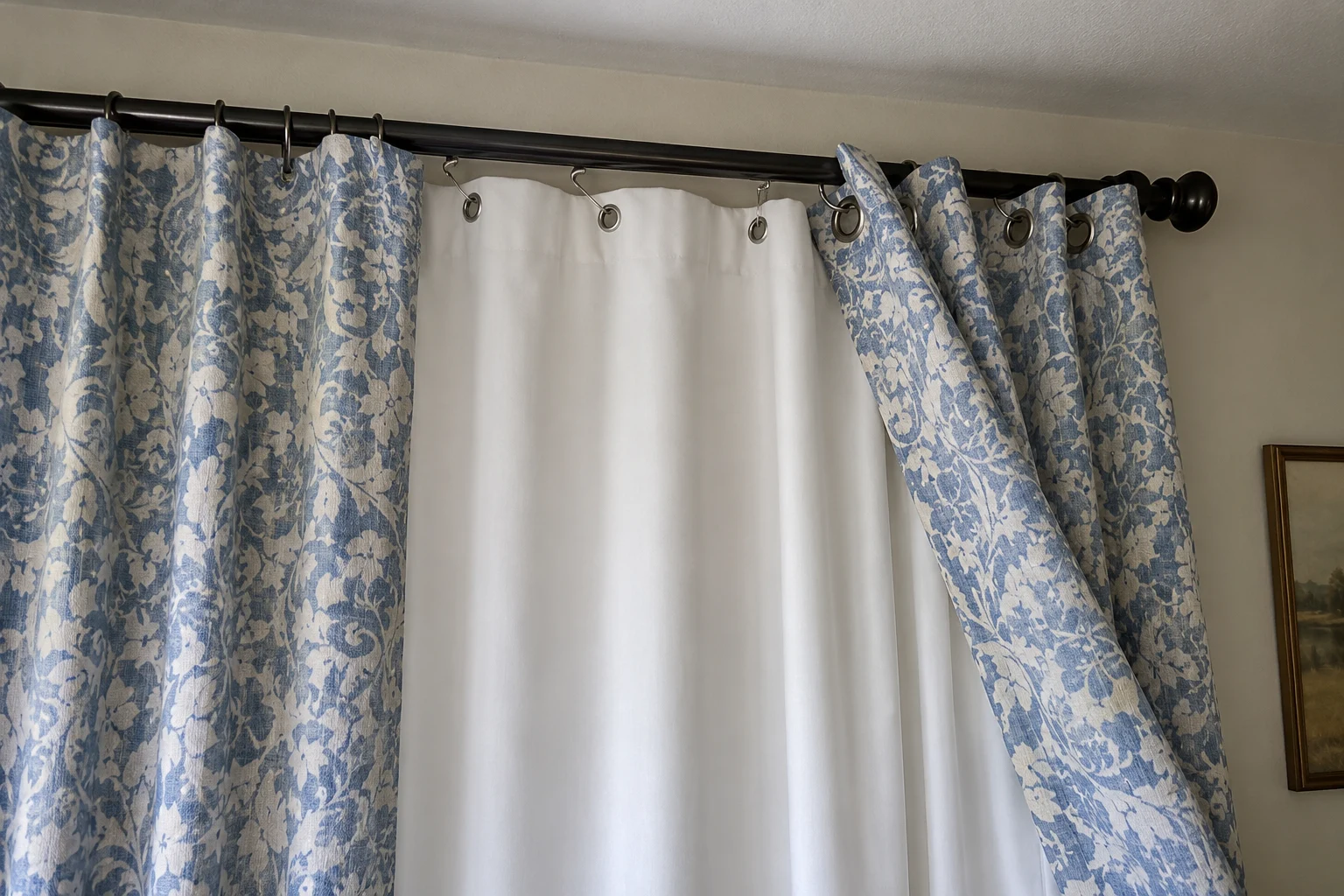
Yes. A liner that fits your curtains can block more light through the fabric. Gaps around the edges will still let light in.
Why Do Blackout Curtains Let Light Around the Sides?
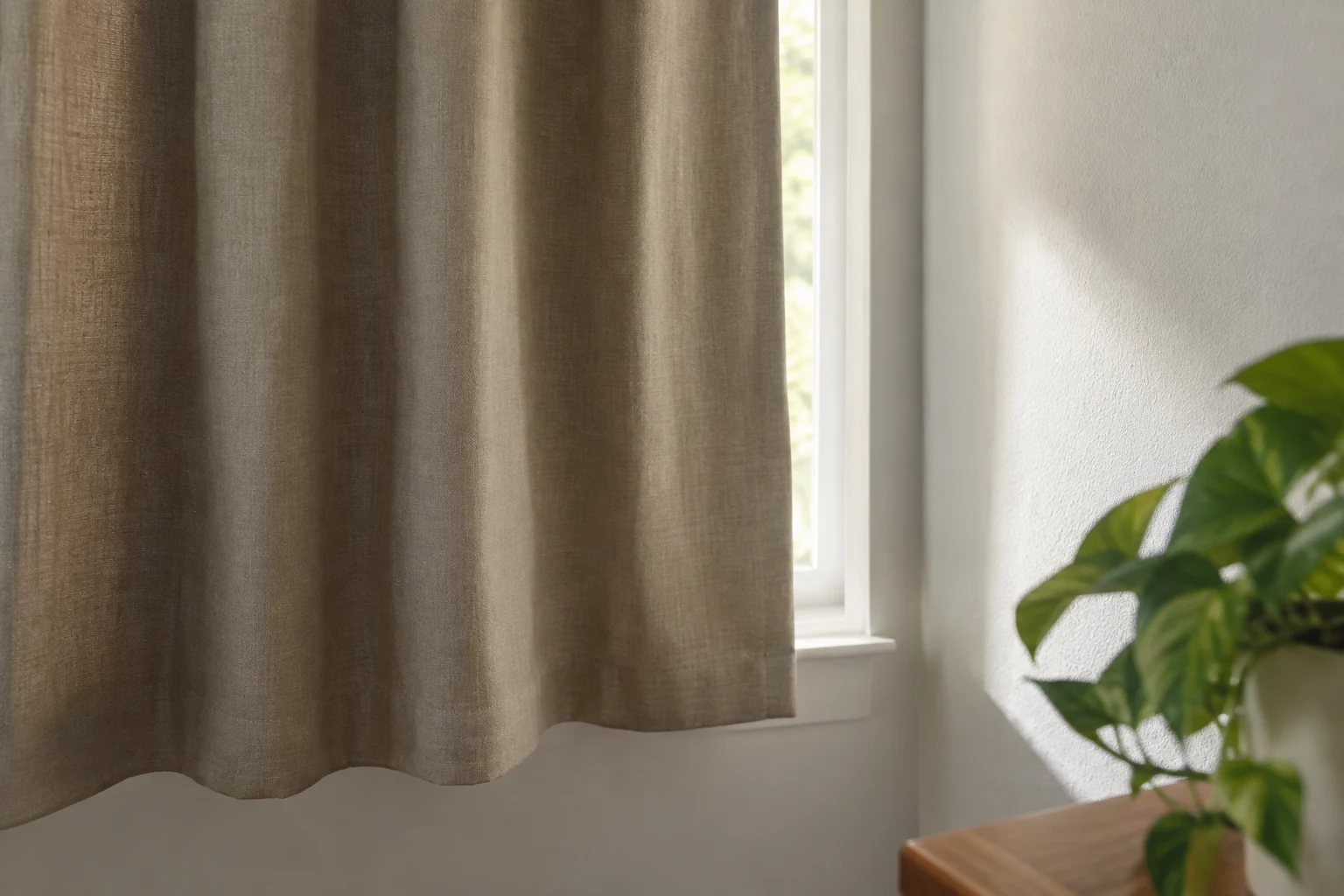
The edges are not fully covered. Wider panels that extend past the window and a wraparound rod can help close those gaps.
Do Blackout Curtains Have to Stay Closed During the Day?
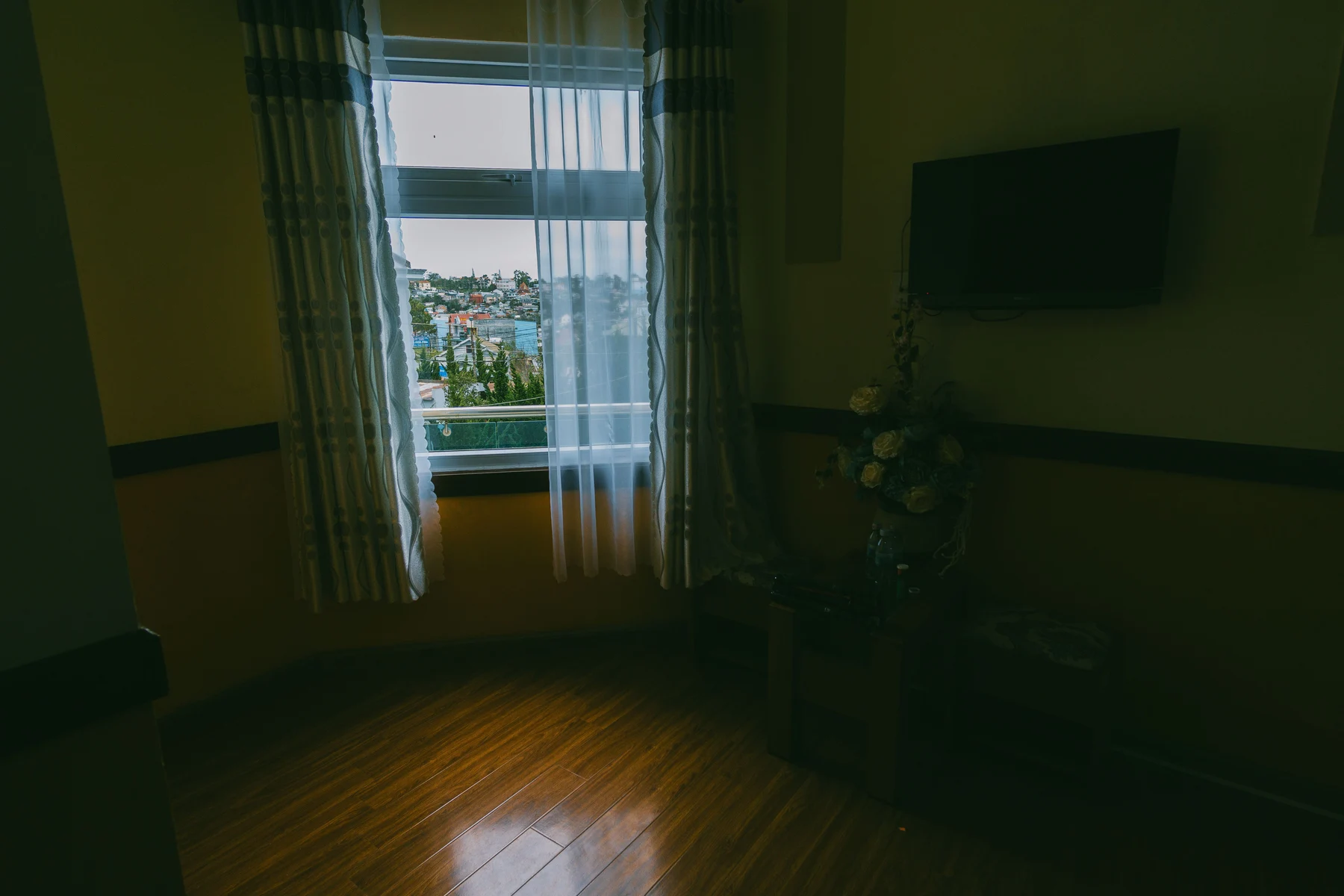
No. They open like other curtains. A light-filtering layer behind them gives you softer daylight when the blackout panels are pulled aside.
Useful Finds for Better Light Control
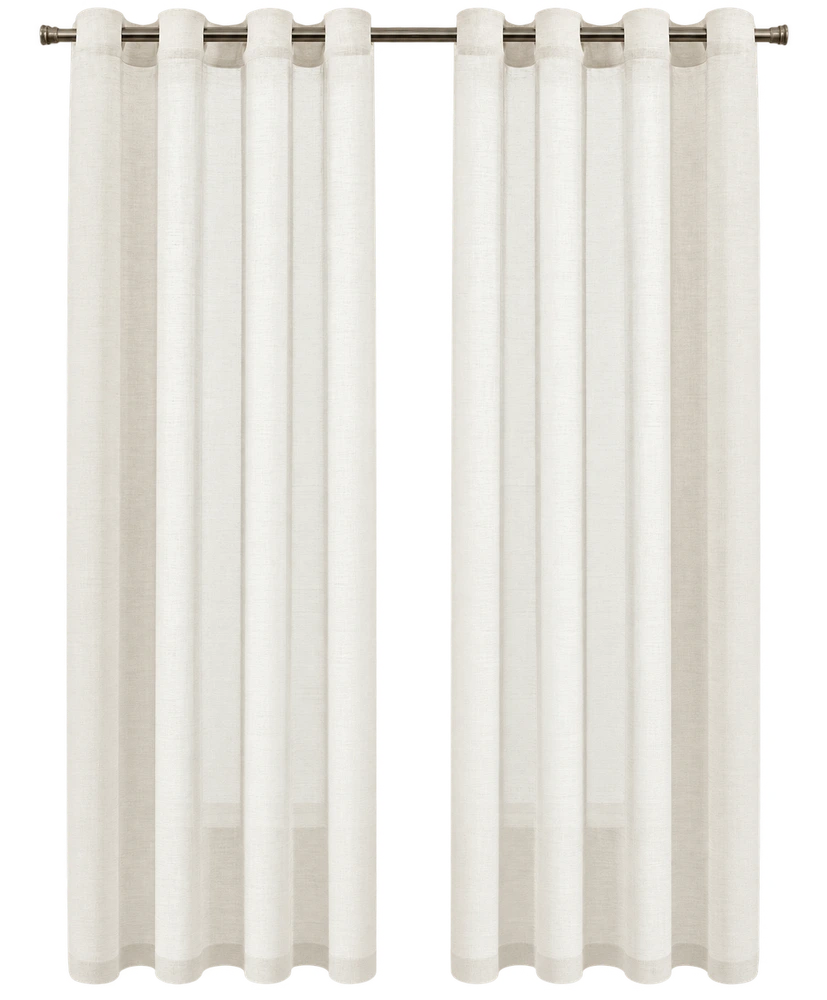 H.VERSAILTEX Linen-Blend Sheer CurtainsTwo ivory 52-by-84-inch grommet panels that soften daylight and add a light, textured finish.
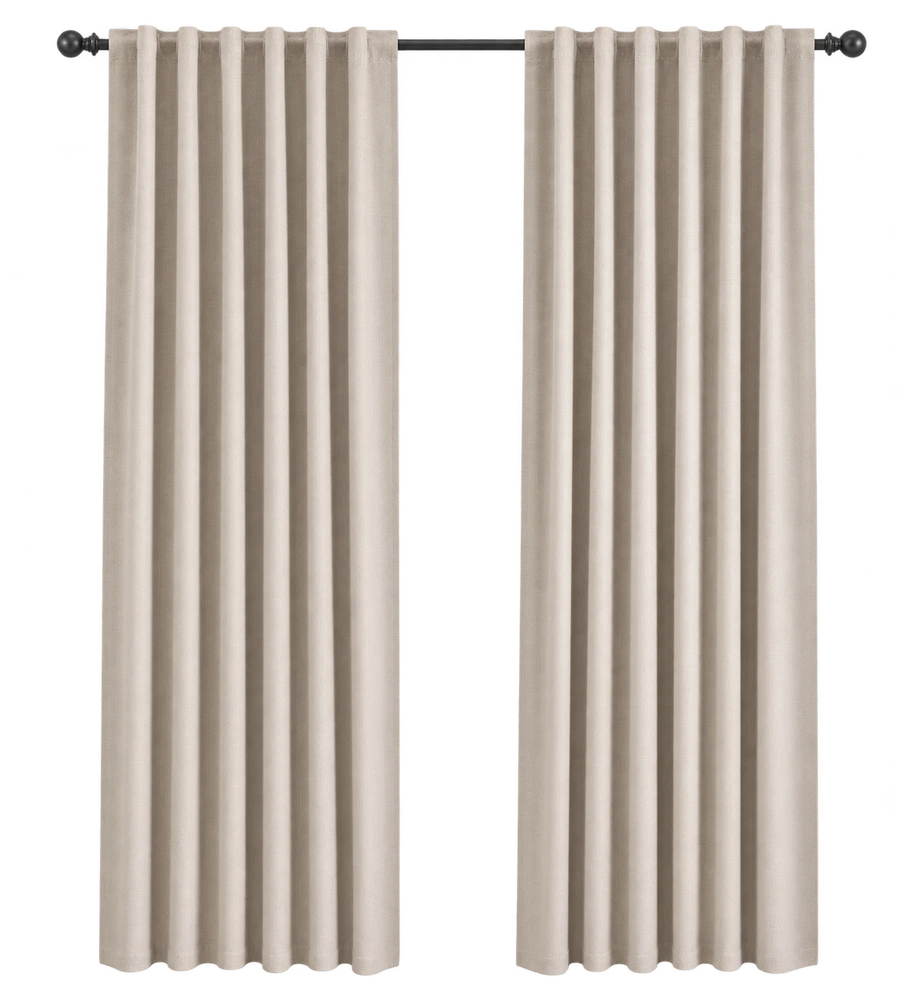 MIULEE 100% Blackout Linen-Textured CurtainsTwo natural-beige 52-by-84-inch blackout panels with a faux-linen texture and grommet tops.
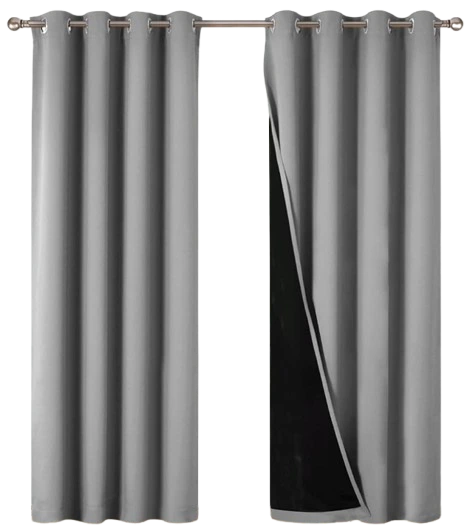 NICETOWN Silver Grey Blackout CurtainsTwo 52-by-84-inch panels with double-layer fabric and built-in black lining for strong light blocking.
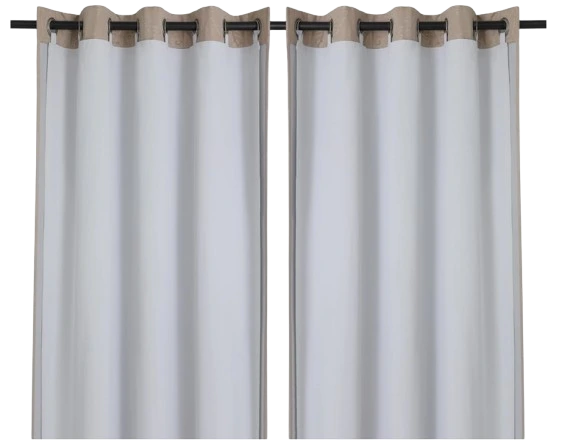 Chyhomenyc Blackout Curtain LinersTwo 50-by-80-inch liners with 17 binder rings for adding a blackout layer behind compatible curtains.
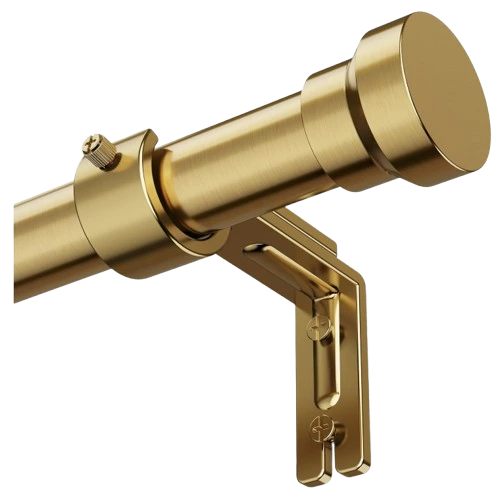 YaFex Adjustable Curtain RodA warm-gold single rod adjustable from 32 to 144 inches, with a 1-inch diameter and metal finials.
 YaFex Wraparound Curtain RodA 32-to-86-inch adjustable rod with curved ends that bring the curtains closer to the wall.
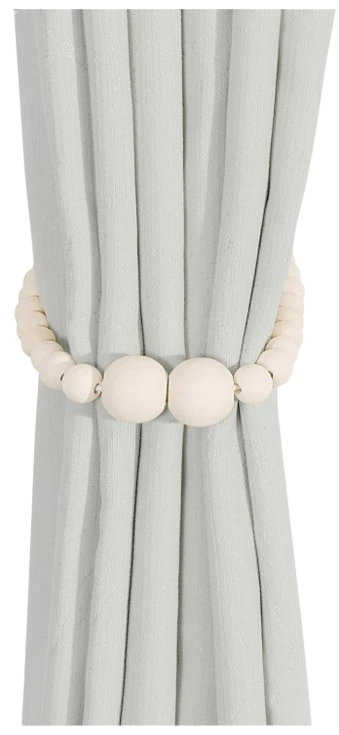 KLOGTSIND Magnetic Curtain TiebacksA pair of wooden-bead tiebacks with magnetic closures for holding curtains open without wall hooks.