Layered Bedroom Lighting: The Cozy Glow Guide

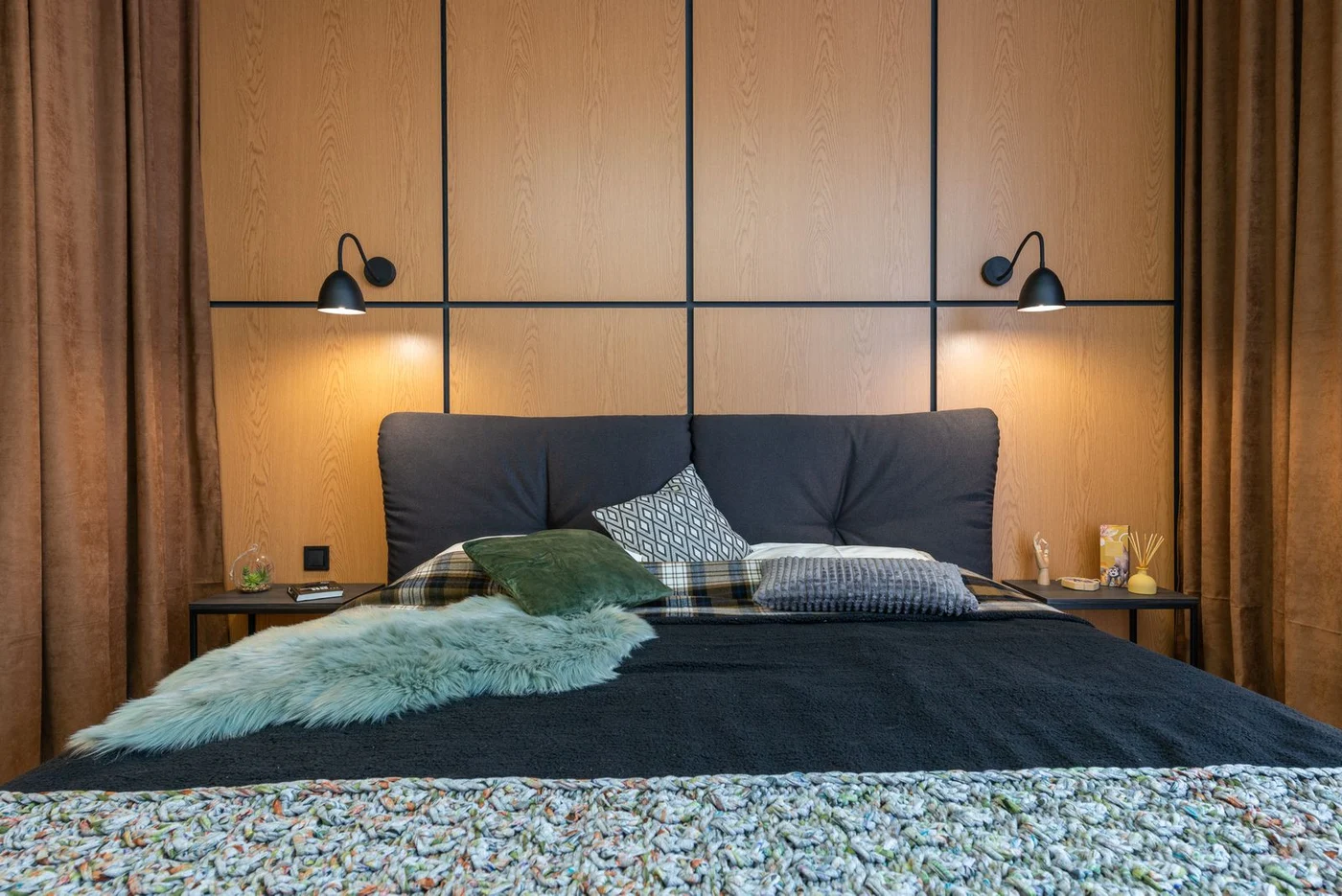
Layering your bedroom lighting can make the room feel cozier while giving you enough light for reading and getting dressed.
The ceiling light is too bright for relaxing, yet one bedside lamp leaves you searching for things in the dark. Different parts of the room need different kinds of light.
The quick answer
- Ambient lighting lights the room as a whole, using a shaded ceiling light or a combination of lamps.
- Task lighting, such as a bedside reading lamp, provides brighter light for reading or getting ready.
- Accent lighting highlights artwork, shelves, or decorative details.
- Combine different heights, warm bulbs, and separate controls so you can adjust the lighting for getting ready, reading, or relaxing.
You may already have part of that setup. A different lampshade, a reading light beside your chair, or a dimmer may be all you need.
Here’s what each lighting layer does, which fixtures to use, and where to put them.
1. Layering Bedroom Lighting Decoded
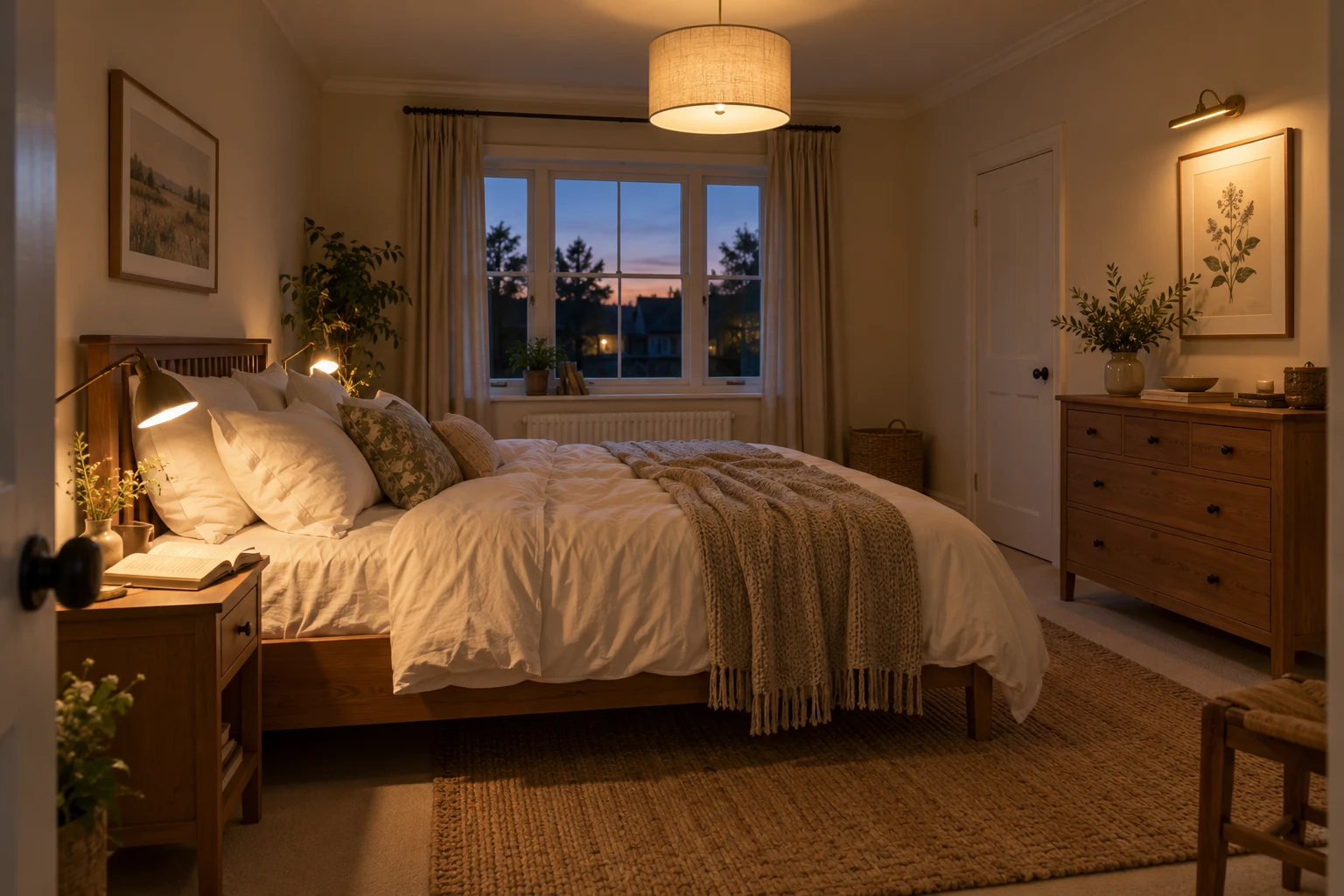
Layering means combining lights that do different jobs, then using them together or separately.
For example, a ceiling light helps you see around the room, while a bedside lamp lights your book.
There are three main layers:
| Lighting layer | What it does | Common fixtures |
|---|---|---|
| Ambient | Provides general light for moving around and seeing the room | Ceiling lights, shaded floor lamps, wall lights, and table lamps used together |
| Task | Provides light for reading, working, or getting ready | Reading lamps, adjustable bedside sconces, desk lamps, and mirror lighting |
| Accent | Highlights a feature or detail | Picture lights, shelf lighting, and concealed lighting directed onto a surface |
A single fixture can serve more than one purpose. A shaded bedside lamp might provide enough light for a book while also gently lighting the surrounding room.
The lighting layer depends on how you use the light.
Note: You do not need to buy a separate light for each layer. Your existing ceiling light and bedside lamps may already provide ambient and task lighting. Accent lighting is an optional finishing touch.
2. Ambient Lighting: A Softer Room After Sunset
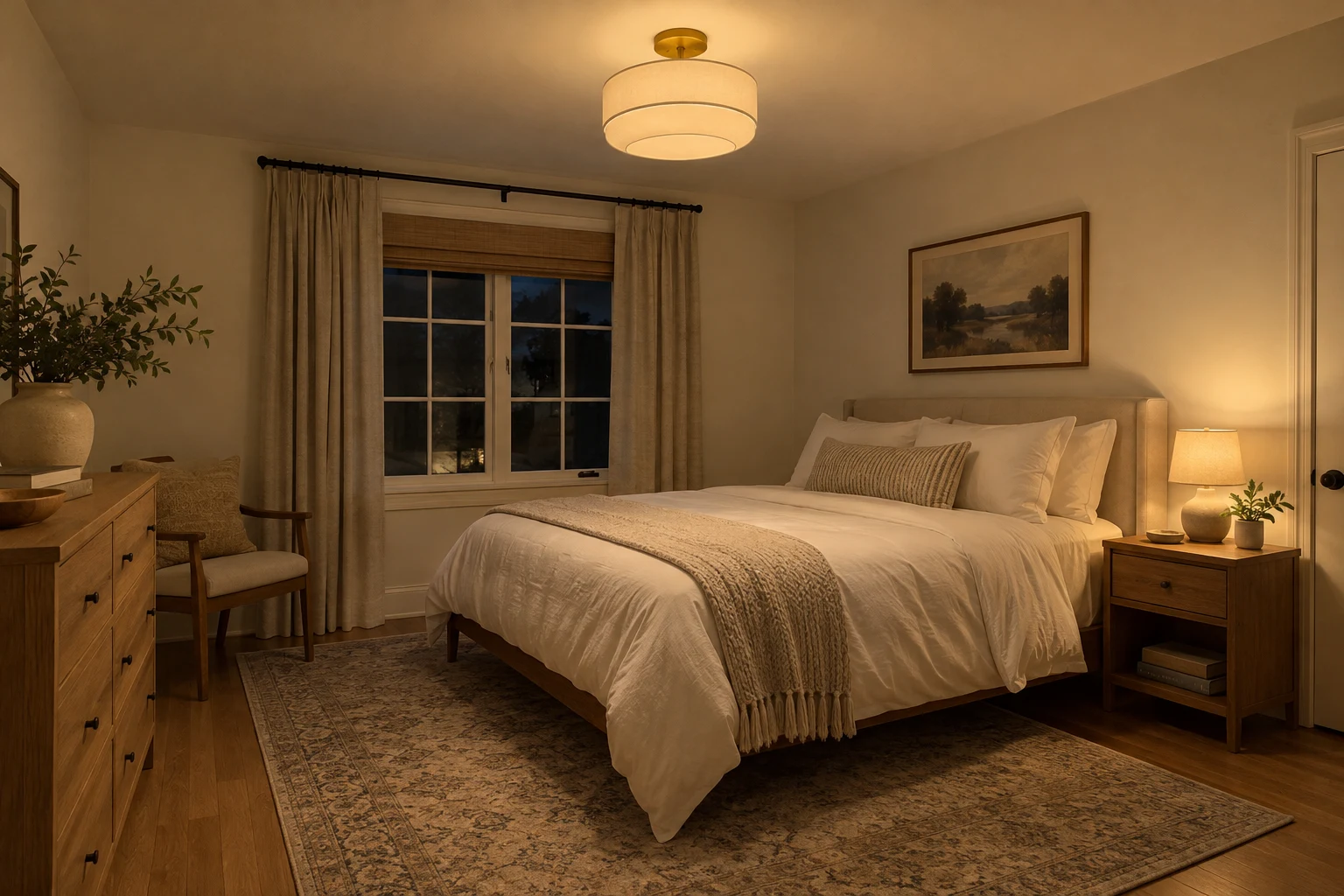
Ambient lighting should let you move around comfortably without making every corner equally bright.
You need enough light to find your slippers, put clothes away, and see where you’re walking.
A ceiling light is a convenient way to light the room. A fabric shade or frosted cover spreads the light and reduces glare.
The HILUXIA Dual-Drum Ceiling Light has fabric shades and a gold finish that suit a bedroom with warm wood, cream bedding, or upholstered furniture.
Its layered fabric shades hang below the ceiling and are more noticeable than a flush-mounted design.
For a simpler shape closer to the ceiling, the Suenigle Dimmable LED Flush-Mount Light offers an alternative with adjustable brightness through a compatible dimmer.
You can turn up the brightness while getting dressed and dim it when you want to relax.
You can switch off the ceiling light when you want softer lighting. Bedside or floor lamps may provide enough light while you relax.
A Bedroom Without a Ceiling Light
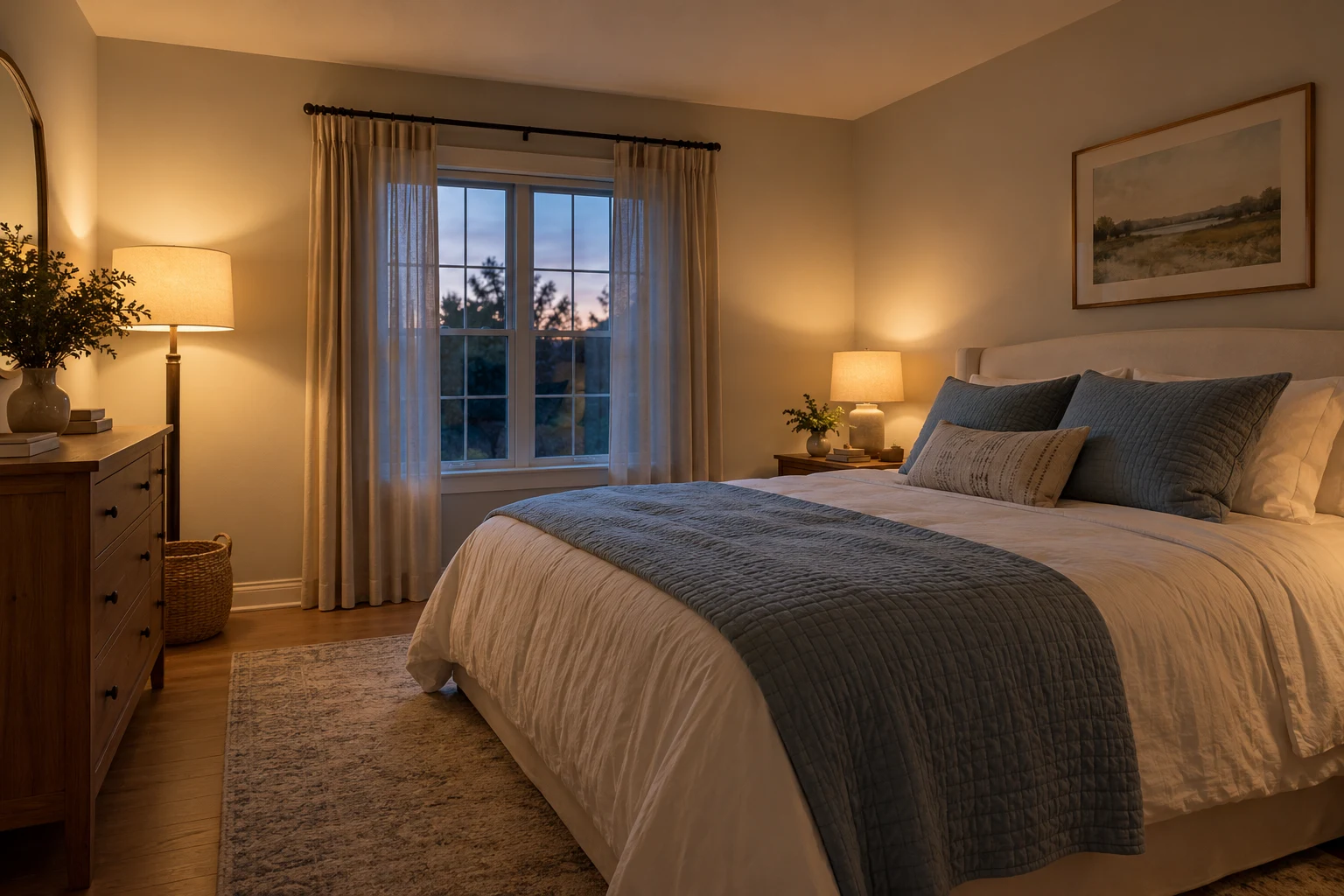
Several lamps placed around the bedroom can provide ambient light without an overhead fixture.
A shaded floor lamp in one corner and a table lamp across the room spread the light more evenly than two lamps placed together.
The Fenmzee Small Table Lamp is a compact option for a dresser or small nightstand. Its beige shade, wood base, and included warm-white bulb provide soft light beside the bed or on a dresser.
At 8.5 inches tall, it provides a soft glow close to the lamp. A taller or adjustable lamp makes more sense when you need light directed onto a book.
3. Task Lighting: Better Light for Reading
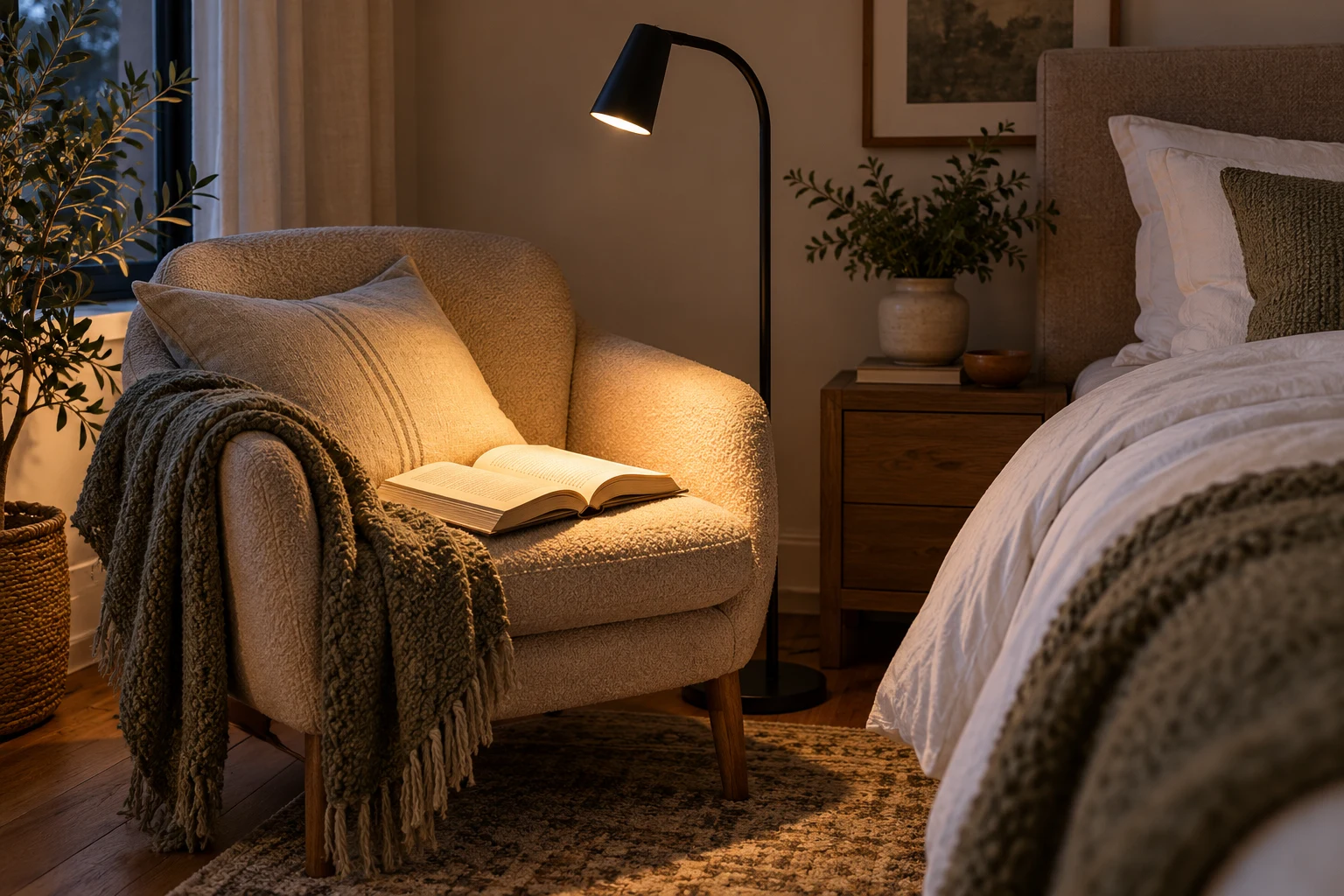
Task lighting provides brighter light for reading, working, or getting ready without lighting the whole room as brightly.
Reading, working at a bedroom desk, and getting ready each need light in a different place.
If you have to lean toward a lamp to read, it may be too far away or pointing in the wrong direction. Bringing the light closer to the page often helps more than making the whole bedroom brighter.
Bedside Lighting That Suits How You Read
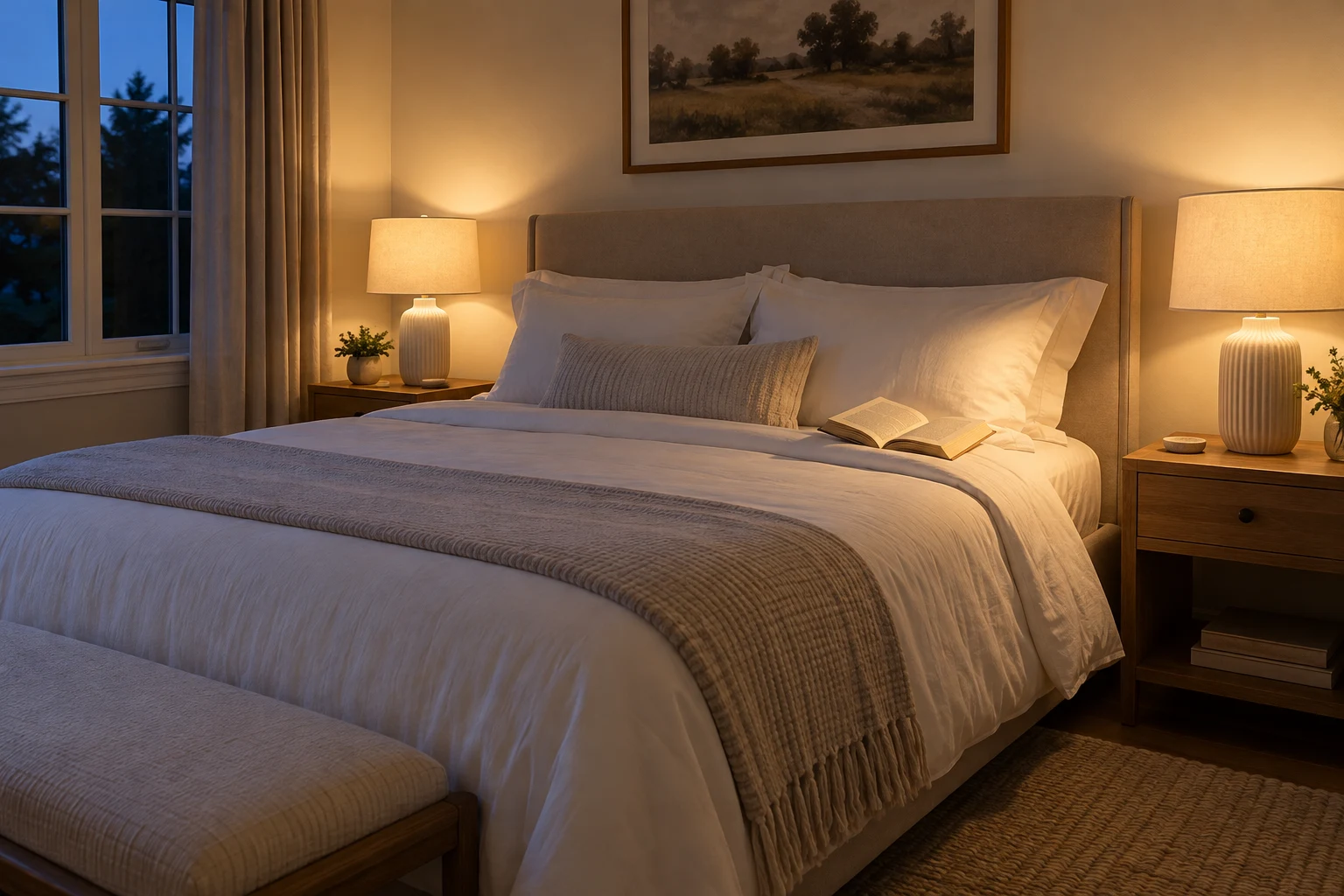
A good bedside light illuminates your book without shining directly into your eyes.
The right position depends on your mattress height, nightstand, and whether you read sitting upright or leaning against pillows.
A shaded table lamp suits a traditional bedside setup. An adjustable wall light offers more control over the direction of the light and leaves the nightstand clear.
The PoKat Ceramic Table Lamp Set provides a matching pair for either side of the bed. The ceramic bases and pale shades work well with neutral bedding and furniture.
When you sit up to read, the page should be clearly lit and the lampshade should hide the bright bulb from view.
Two people sharing a bed should have separate bedside controls.
One person can finish a chapter while the other switches their light off. A directional reading light can also reduce light spilling across the bed, although it will not eliminate it completely.
If a window limits your bedside arrangement, our guide to placing a bed in front of a window covers ways to fit the furniture around it.
Reading Chairs, Desks, and Dressing Areas
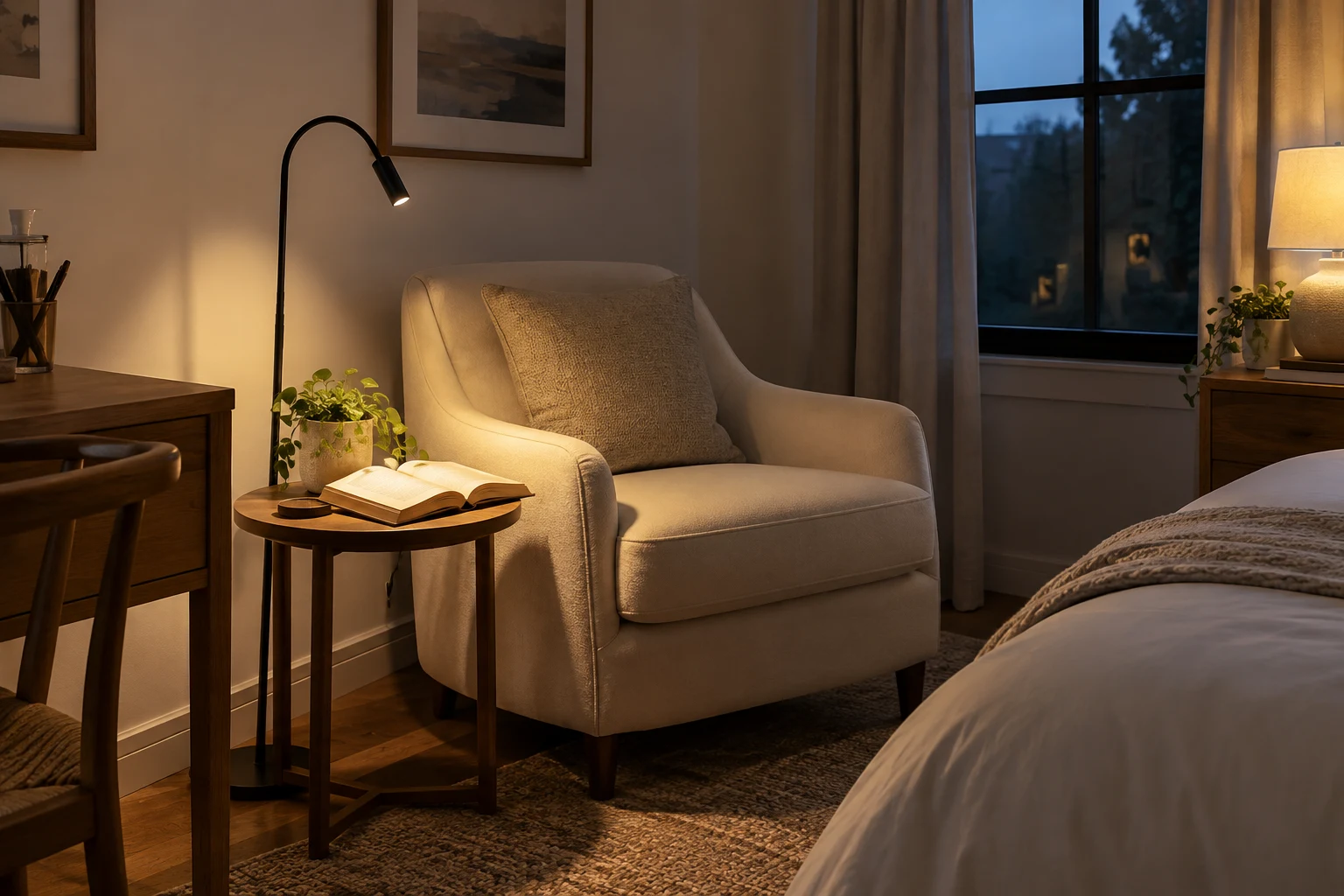
Add a lamp beside the chair or desk you use regularly. A bedside lamp across the room will usually be too far away to help you read or work.
| Where you need light | A useful option | Placement that helps |
|---|---|---|
| Reading chair | Adjustable floor lamp | Beside the chair, aimed toward the book |
| Bedroom desk | Directional desk lamp | Beside the work area, angled so it does not reflect in the screen |
| Dressing mirror | Diffused lighting beside the mirror | Positioned to reduce strong shadows across the face |
| Wardrobe | Interior lighting or a nearby directed fixture | Aimed into the storage area rather than behind you |
The Wio-Mio LED Floor Lamp has a flexible gooseneck, adjustable brightness, and adjustable white-light settings.
Beside a reading chair, you can direct it toward the page and lower the brightness when you’re finished.
Our bedroom furniture arrangement guide can help you fit a reading corner without blocking the route around the bed.
4. Accent Lighting: Artwork, Shelves, and Decorative Details
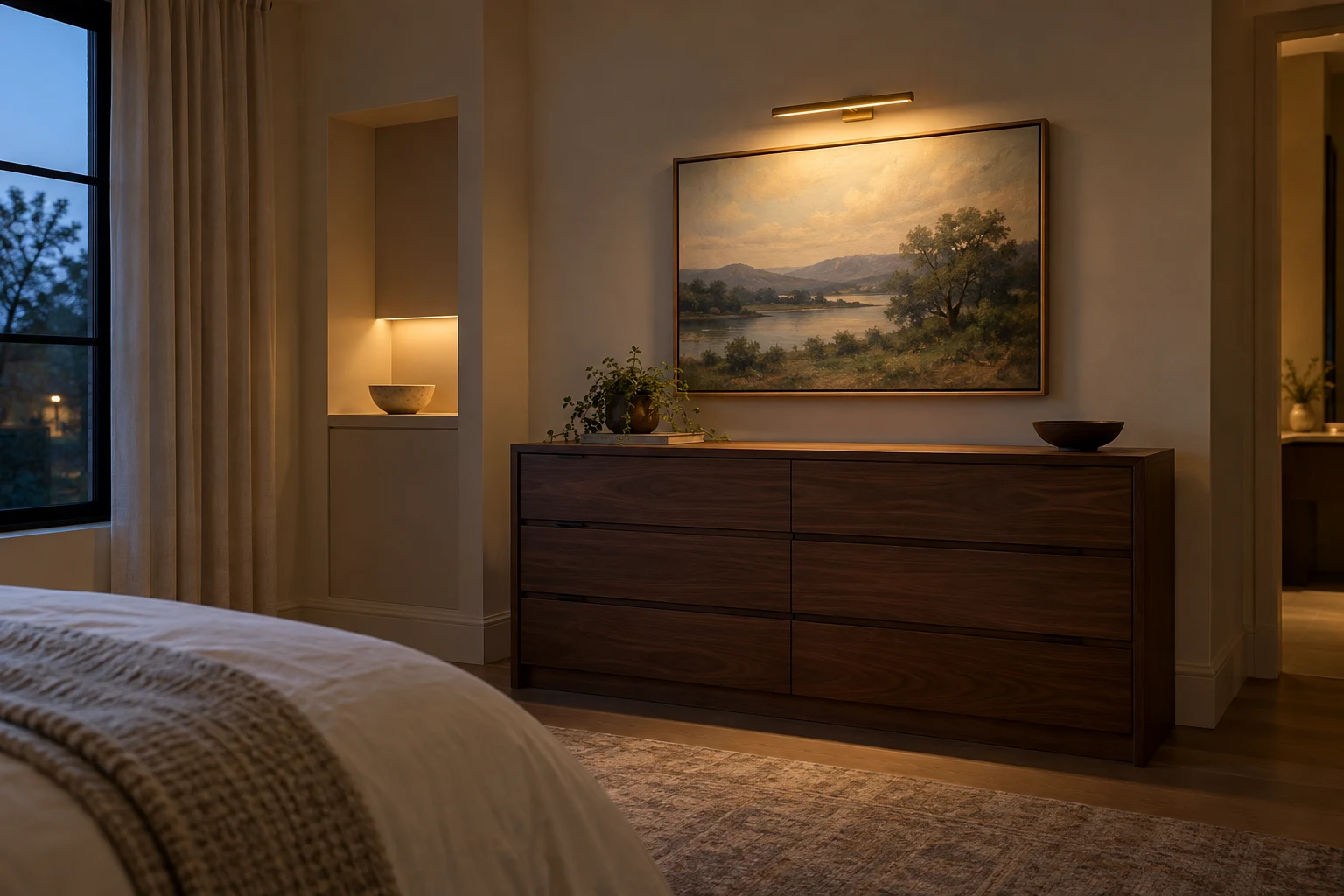
Accent lighting draws attention to artwork, a shelf display, or a textured wall.
A softly lit picture or shelf adds depth to the room without making the whole space brighter.
A picture light is one of the clearest examples. The EZVALO Rechargeable Picture Light belongs above a framed print or painting, where it can direct light onto the artwork.
Because it is rechargeable, you can light the artwork without a visible power cord running down the wall.
A picture light and a reading light have different jobs. The EZVALO is useful for artwork; a dedicated bedside or floor reading lamp is the better choice for a book.
An LED strip hidden beneath a shelf can light the shelf below or the wall behind it without exposing the bright LEDs.
Note: Accent lighting is optional. If there is no artwork, shelving, or architectural detail you want to highlight, a comfortable combination of ambient and task lighting is enough.
A Decorative Lamp Can Still Be Useful
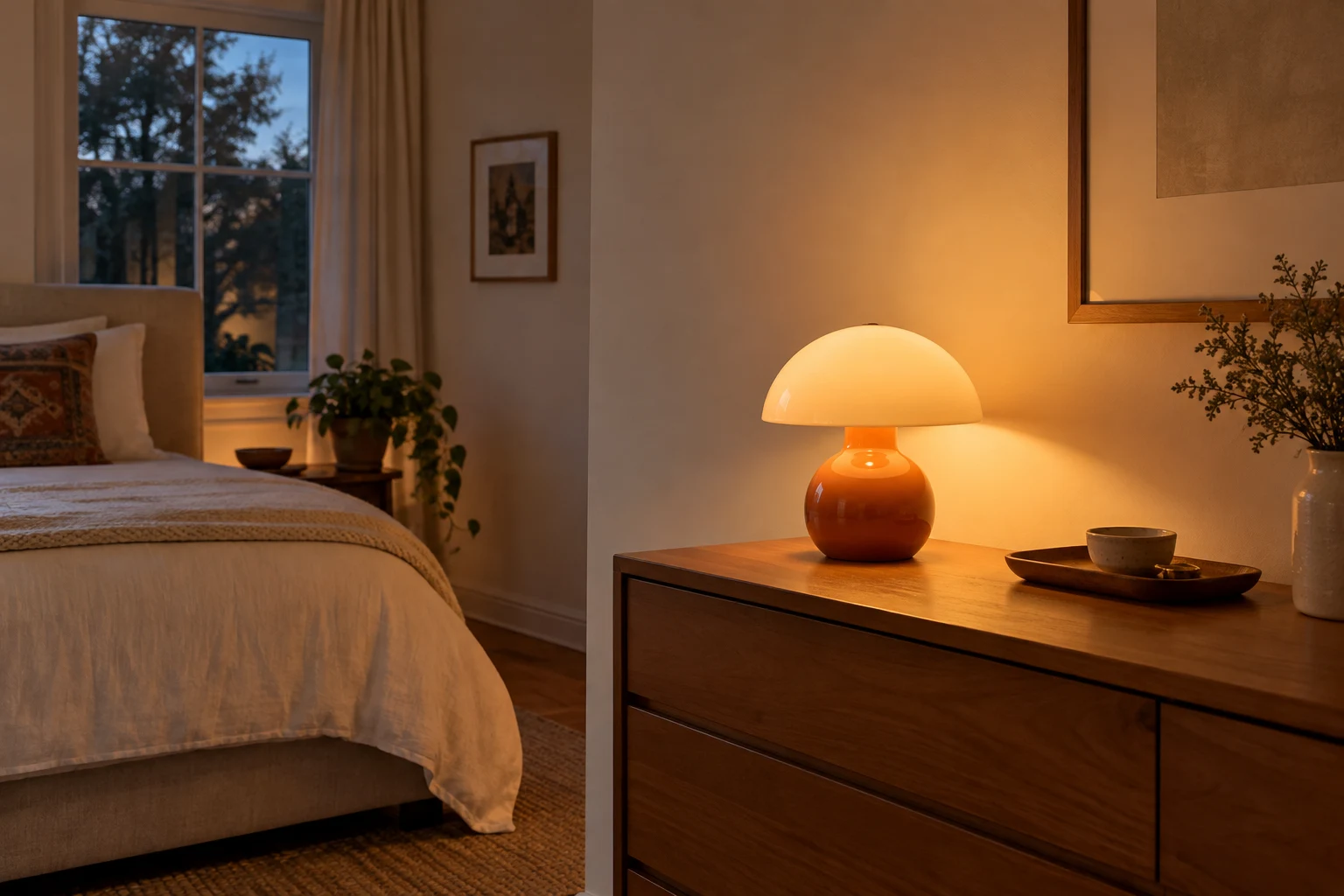
A decorative lamp can provide soft ambient light. It does not have to highlight artwork or another object.
Its shape may be eye-catching, but that alone does not make it accent lighting.
The Dawnwake Mushroom Table Lamp has a cream-colored shade, an orange base, and adjustable brightness.
On a dresser, its orange base adds color during the day, and its shaded light softly illuminates that side of the room at night.
A dresser lamp is especially useful when the other side of the bedroom stays dark with only the bedside lamps on.
5. Different Heights, a More Balanced Bedroom
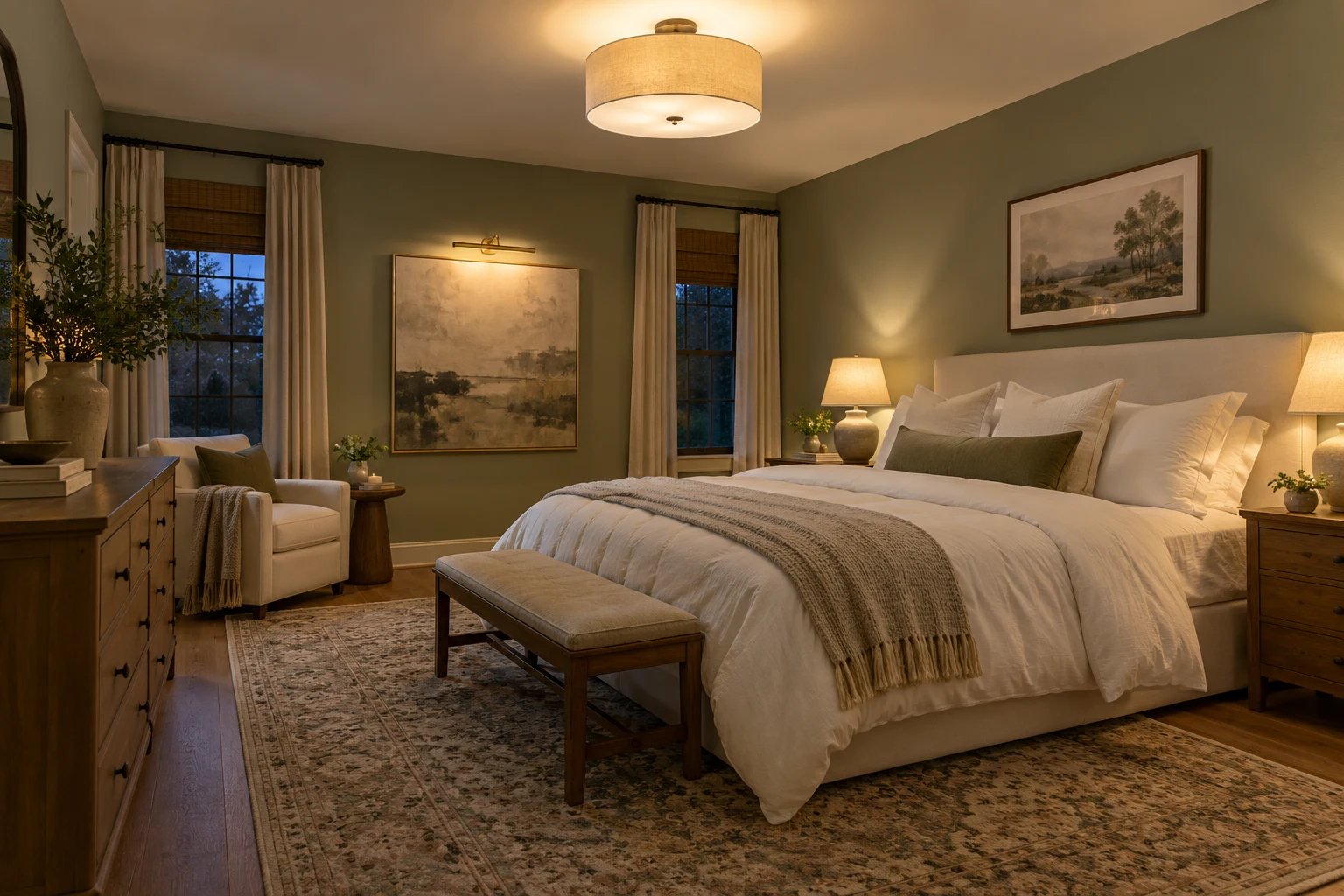
Lights at different heights illuminate more of the room, from the ceiling and walls to the bedside areas.
A ceiling fixture can light the room from above, bedside lamps can provide light closer to the bed, and a picture light can illuminate artwork on a wall.
There is no set height for every lamp. Position each one where it gives you useful light, and spread them around the room.
For example:
- A ceiling light provides general illumination.
- Bedside lamps provide nearby light for reading and relaxing.
- A picture light draws attention to artwork across the room.
Placement across the bedroom matters as much as height. Three fixtures beside the bed can still leave the dresser and wardrobe poorly lit.
The Brightown Battery-Operated Wall Sconces offer another option where there is no convenient outlet.
Their rechargeable bulbs and remote controls make them useful for adding soft wall lighting beside a headboard or dresser.
Because their bulbs need recharging, they are best used alongside a ceiling light or plug-in lamps.
For a smaller room, wall-mounted lighting also leaves more usable surface space. Our small bedroom guide includes other ways to reduce bulky bedside furniture.
6. Warm Bulbs and Shades Change the Feel
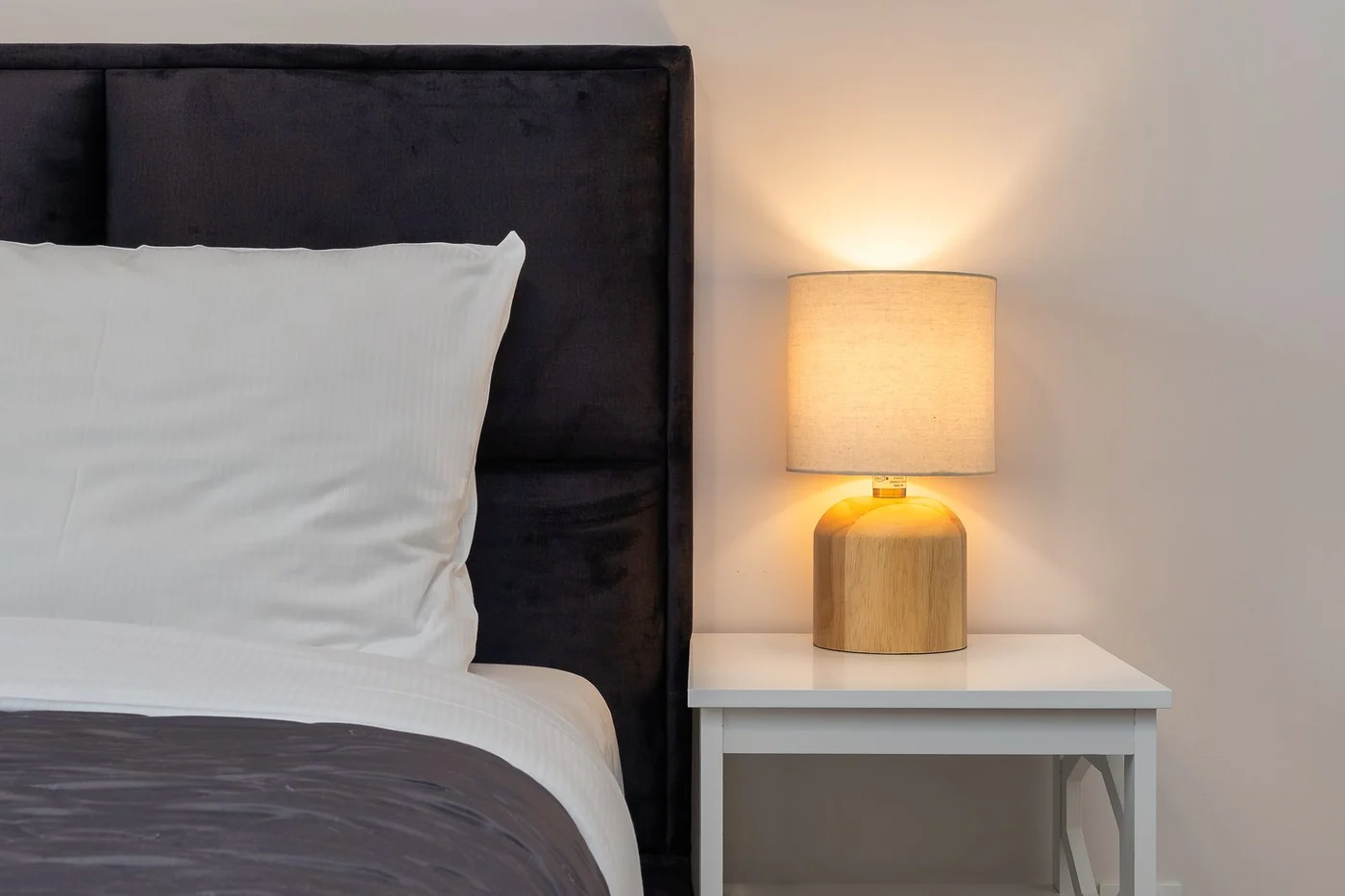
Warm-white light around 2700K to 3000K is a useful choice for a cozy bedroom.
It has a warmer appearance than cool-white light and works well with lamps used for relaxing.
Kelvins describe how warm or cool the light looks. Lumens tell you how much light the bulb produces.
That means warm light can still be bright enough for reading. A dim bulb and a warm bulb are not the same thing.
The Lampshade Matters, Too
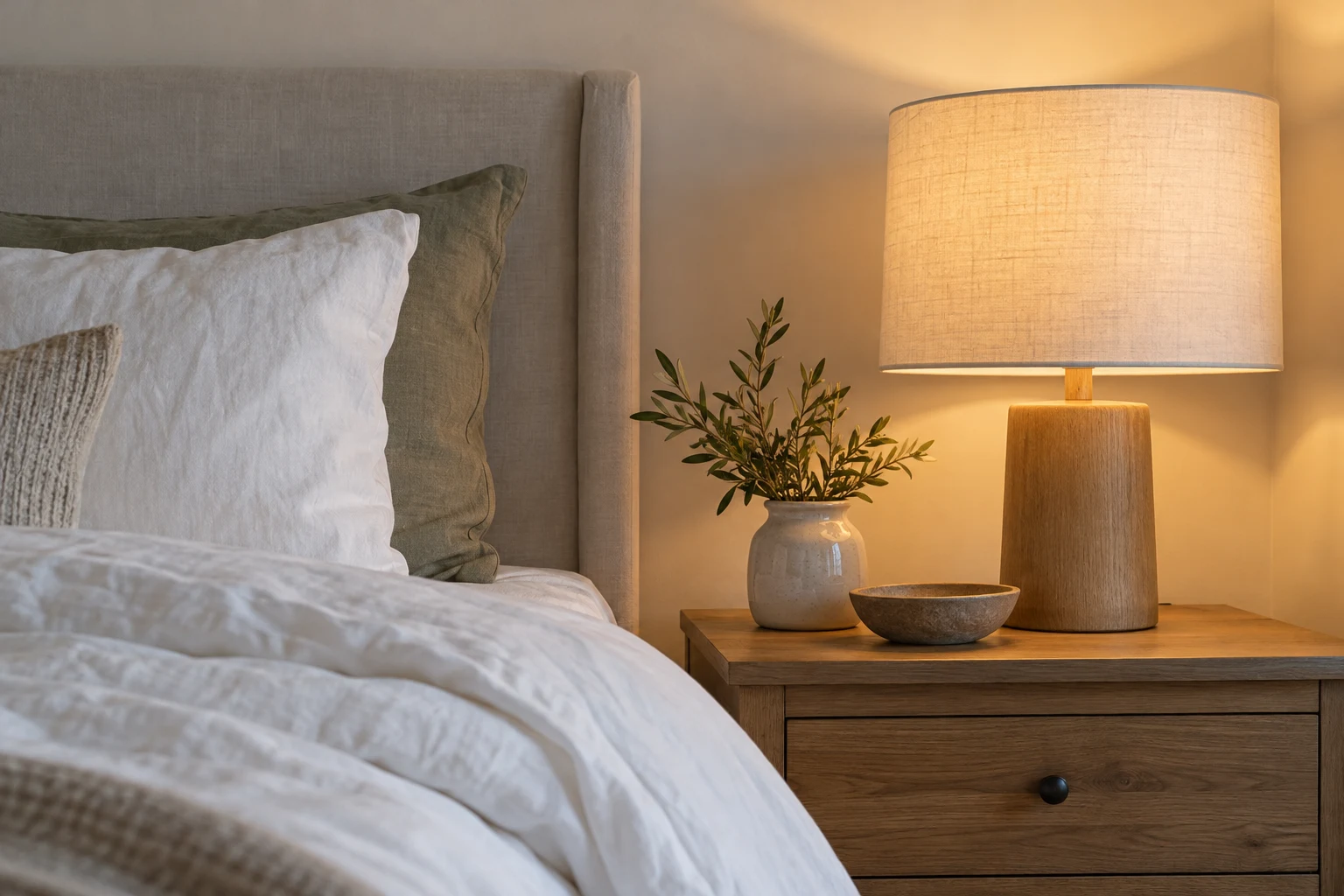
The lampshade affects the direction of the light and whether you can see the bright bulb. Two lamps using similar bulbs can feel very different because of their shades.
| Shade or cover | Typical effect |
|---|---|
| Pale fabric | Allows some light through the sides for a softer surrounding glow |
| Opaque metal | Directs more light through the opening |
| Frosted glass | Spreads the light and makes the bulb less harsh to look at |
| Clear glass | Leaves the bulb more visible and can create stronger glare |
A clear-glass fixture may look beautiful when switched off yet feel uncomfortable above the bed at night.
The bulb should not shine directly into your eyes when you sit or lie in bed.
For lamps used together, similar warm-white settings usually create a more consistent appearance. The shade material can still make one light look warmer than another.
The Philips Hue Smart LED A19 Bulbs offer adjustable white light and dimming through the Hue app. They are an option when you want to change the evening lighting without replacing suitable lamps.
Smart bulbs need a compatible light fitting.
Integrated LED fixtures, such as the Suenigle ceiling light, already contain their light source and do not take replacement A19 bulbs.
7. Separate Controls for Each Light
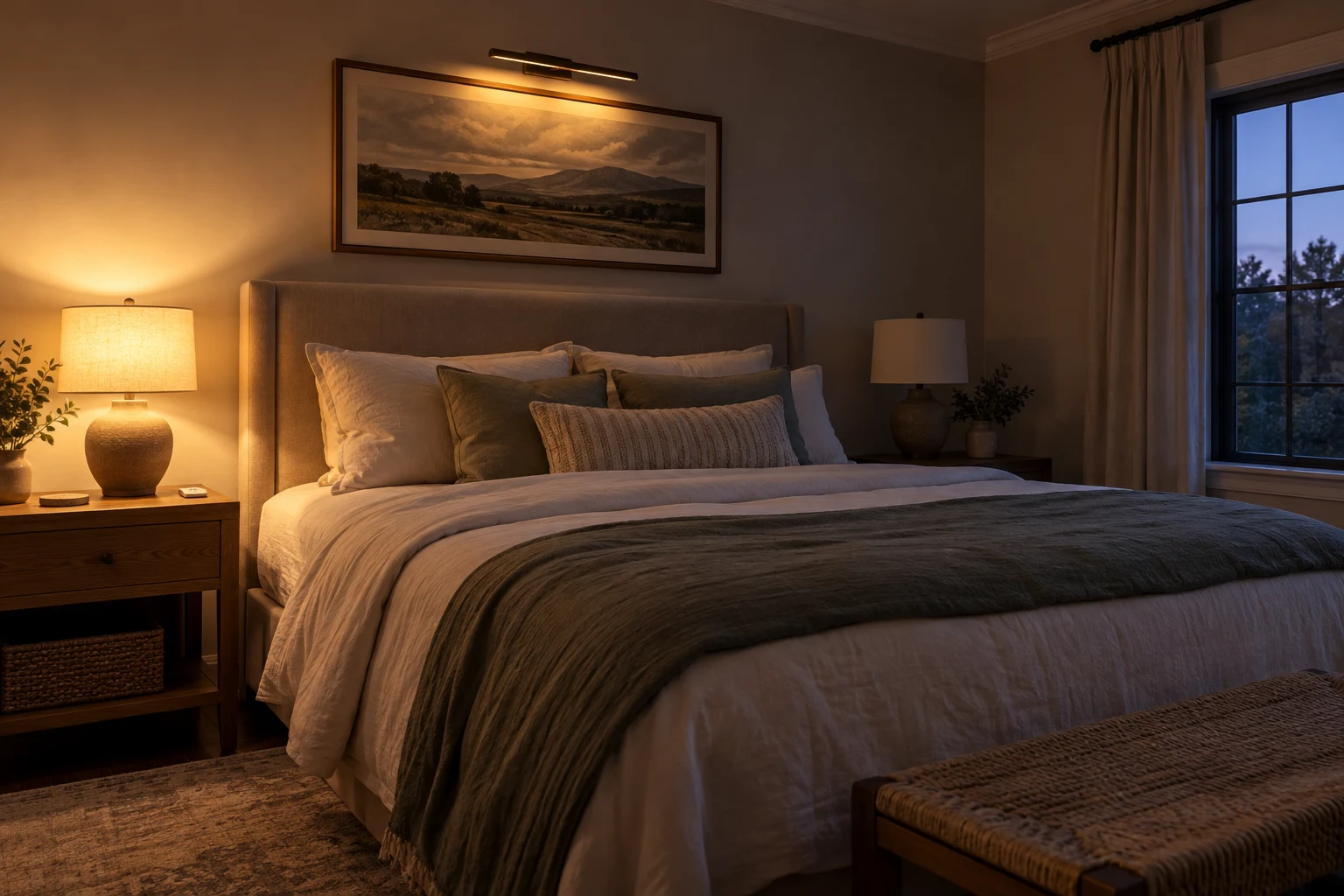
Independent controls let you use the light you need without turning everything on together. That flexibility is what makes a layered setup useful throughout the day.
You might use the same bedroom in four very different ways:
| What you’re doing | A useful combination |
|---|---|
| Getting dressed or putting laundry away | General lighting plus light near the wardrobe |
| Reading in bed | Bedside task light with a little surrounding ambient light |
| Relaxing before bed | Shaded lamps at low brightness, with optional accent lighting |
| Going to sleep | Main lights off, with a low night light only if needed |
A lamp with its own switch is already a separate lighting control. Smart systems are optional.
Dimmers let you use brighter light for getting dressed and softer light for relaxing. Standard LED dimming requires a compatible bulb or integrated fixture and a suitable dimmer.
For smart bulbs, brightness is normally adjusted through their app or compatible smart control. An ordinary wall dimmer is not a substitute for that control.
8. A Complete Layered Setup for Your Bedroom
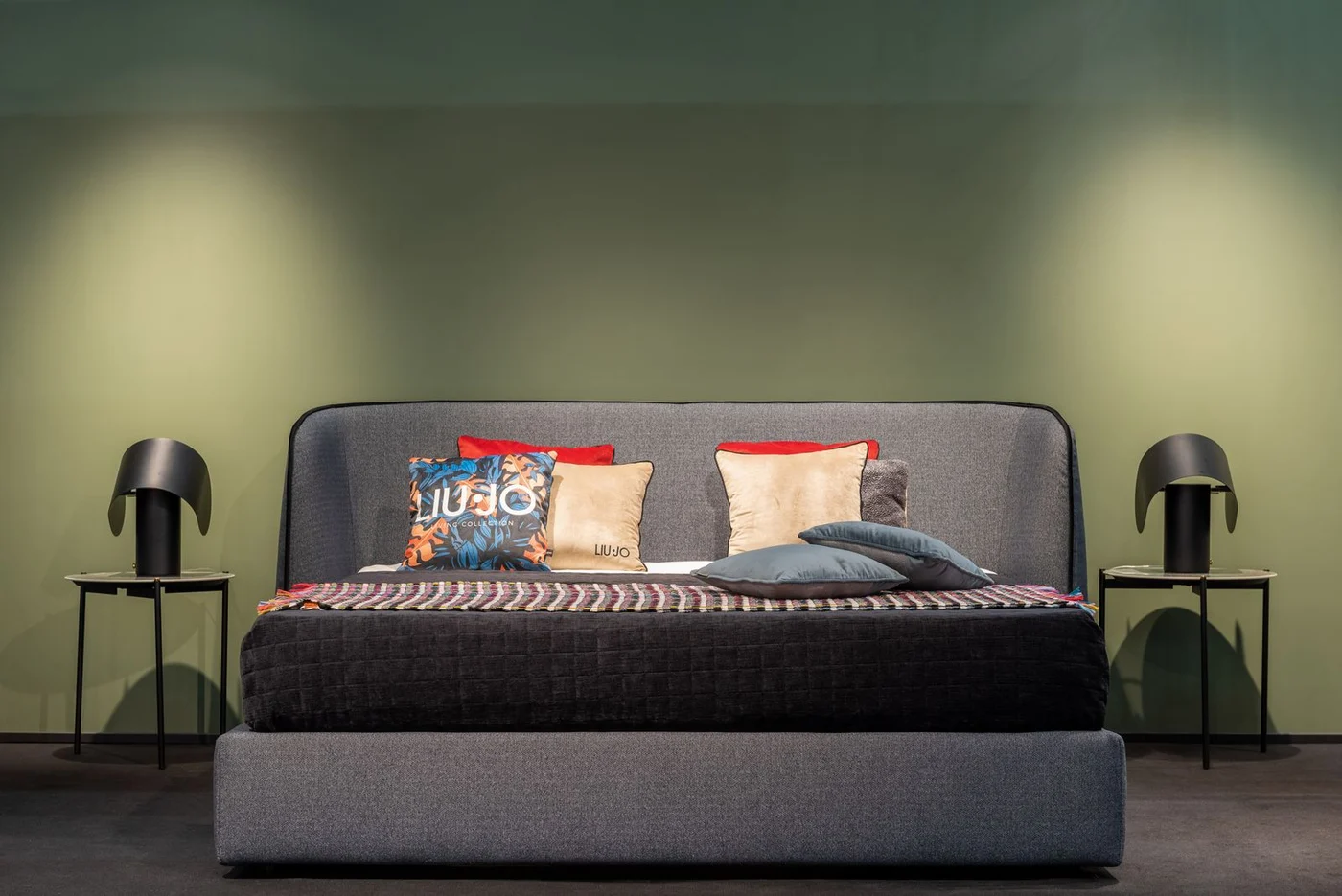
A practical setup combines general room lighting with brighter light for reading or getting ready. Add accent lighting if there is artwork or another detail you want to highlight.
The right combination depends on the room, rather than a fixed number of lamps.
An Everyday Bedroom With a Ceiling Light
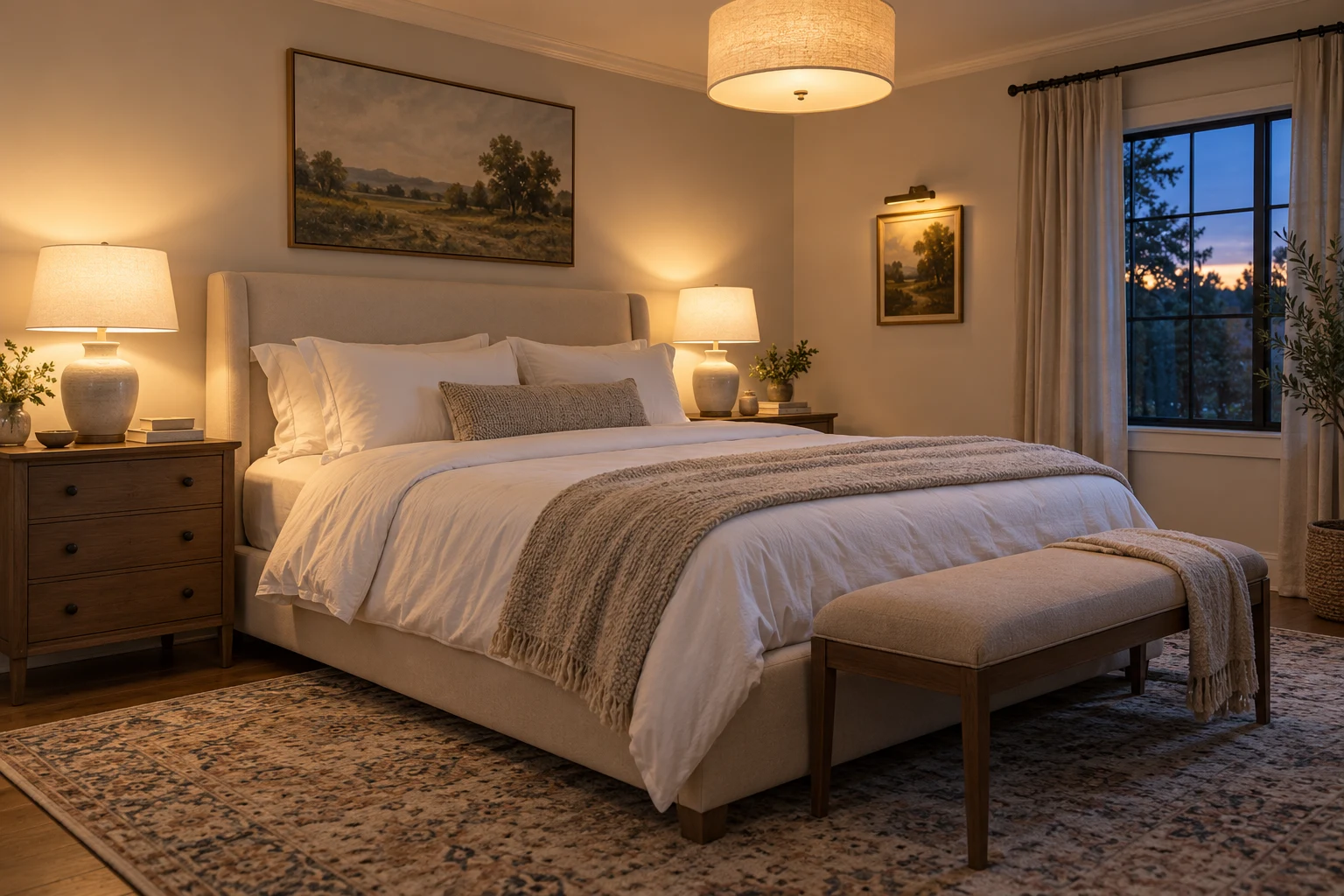
A ceiling light, independently controlled bedside lights, and an optional picture light make a useful everyday combination.
The HILUXIA ceiling fixture can provide general illumination, while the PoKat lamps give both sides of the bed their own light.
An EZVALO picture light adds a separate accent if you have artwork above the dresser.
During the evening, the ceiling light can be switched off while the bedside lamps remain on.
A Small Bedroom With Limited Surface Space
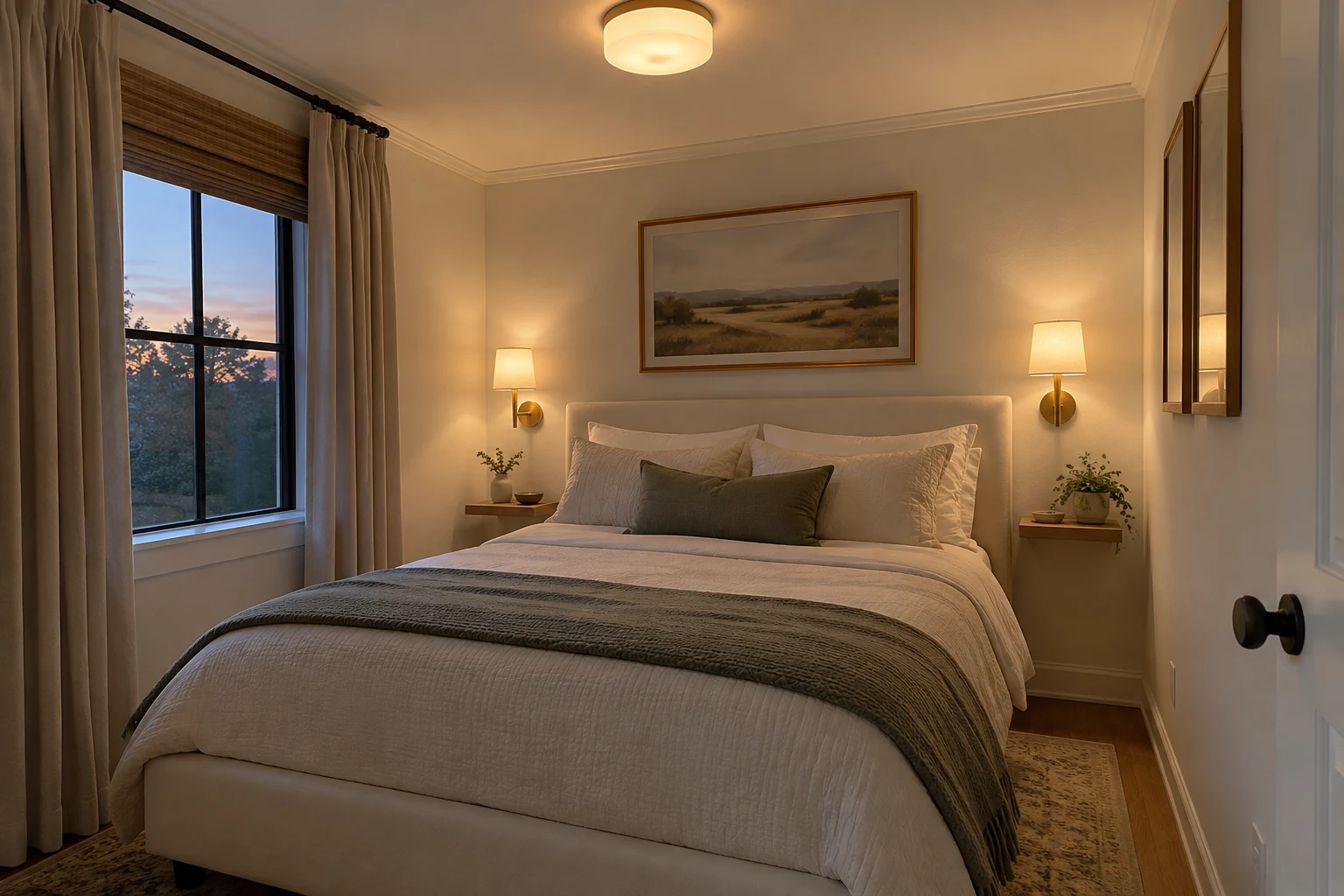
A shallow ceiling fixture and wall-mounted bedside lighting reduce the need for large lamps on small tables.
The Suenigle flush-mount light sits close to the ceiling. Wall lights provide bedside illumination without taking up space on the nightstands.
For frequent reading, an adjustable reading sconce gives better directional control. The Brightown rechargeable sconces are an alternative when you want soft bedside lighting without visible power cords.
There is no need to squeeze in an accent light if the room already feels comfortably lit.
Better Lighting Without New Wiring
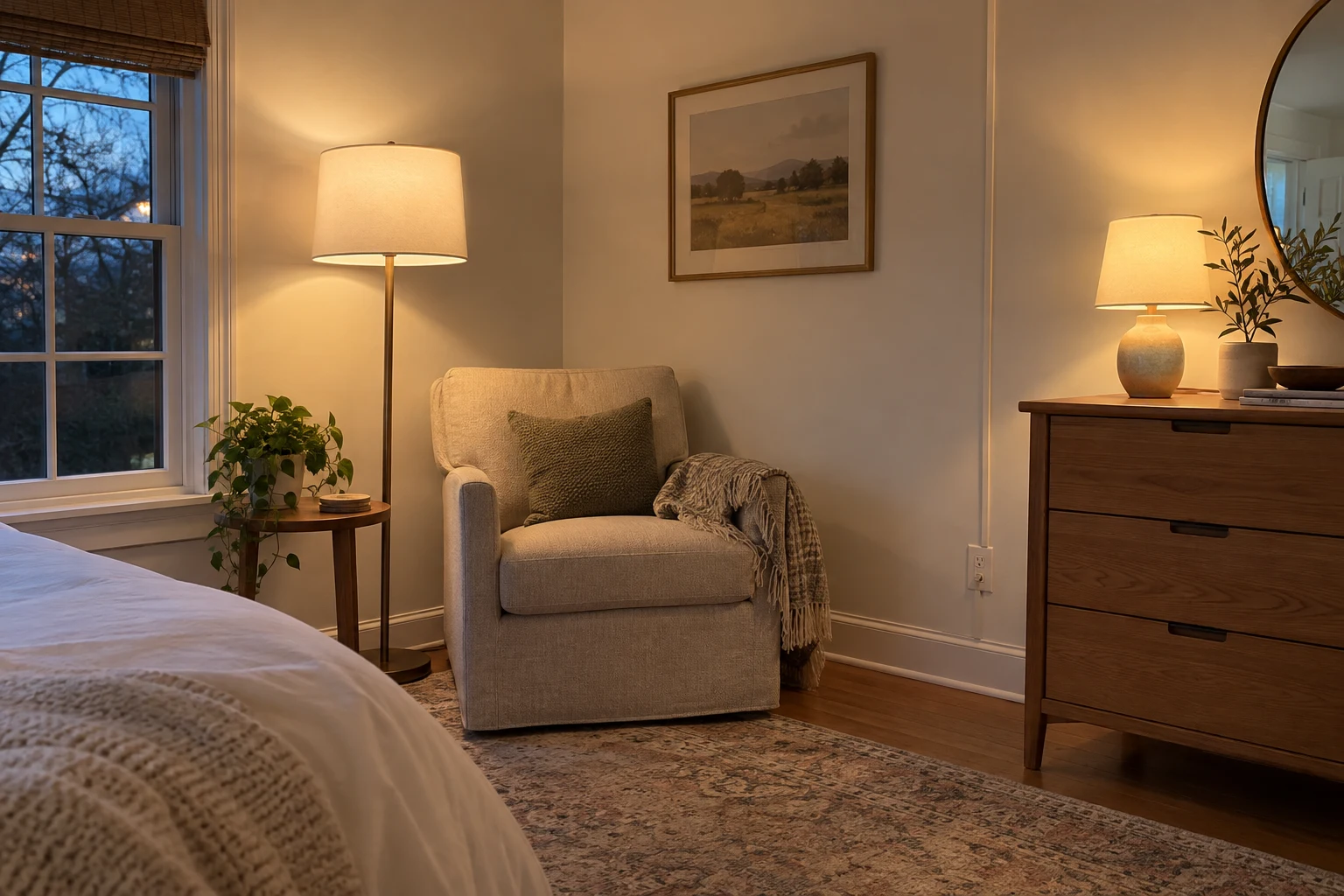
Plug-in lamps and rechargeable lights let you add layers without installing new electrical wiring.
A shaded floor lamp can provide ambient light, the Wio-Mio can illuminate a reading chair, and a small dresser lamp can brighten the opposite side of the room. A rechargeable picture light is optional.
The Delamu Cord Cover Kit helps conceal visible cords along a wall. It is useful for a plug-in wall light or a lamp whose outlet is some distance away.
Even lights that need no new wiring can leave marks on the wall. Screws can leave holes, and adhesive cord covers can lift paint when removed.
Our bedroom cord-hiding guide covers ways to keep cables tidy and out of walking routes.
9. Why the Lighting Still Feels Uncomfortable
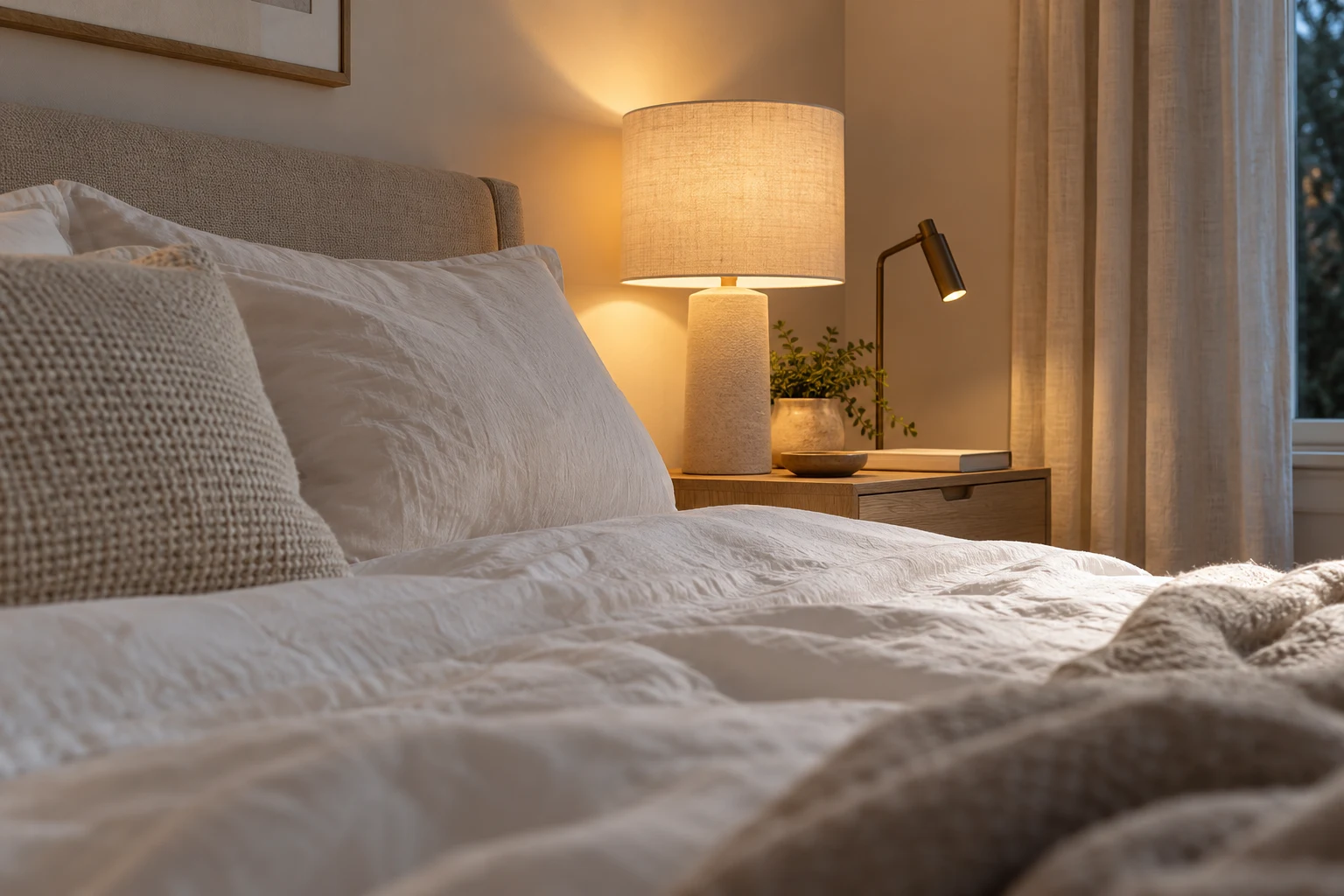
If the lighting feels uncomfortable, adjusting a lamp’s position, angle, or brightness may solve the problem.
| The problem | The useful adjustment |
|---|---|
| You can see the bright bulb while lying in bed | A shade that hides the bright bulb from view, or a different lamp position |
| The room looks cozy, but reading is difficult | A focused task light closer to the page |
| The bedside area is bright while the rest is dark | A lamp on the opposite side of the room |
| Every light looks a different color | Similar warm-white settings for lights used together |
| The entire room becomes bright when one switch is pressed | Separate lamp controls or independently controlled lighting |
| A mirror reflects a bright bulb toward the bed | A different lamp angle or position |
| The accent light is the brightest thing in the room | Dim the accent light so it does not glare or overpower the other lights |
A familiar example is the bright bulb above the bed. Replacing it with a lower-brightness bulb may reduce the glare, but it can also leave the room too dark for getting dressed.
A shaded or diffused fixture, separate bedside lighting, and adjustable brightness address those different needs more effectively.
10. Your Cozy Bedroom Lighting Checklist
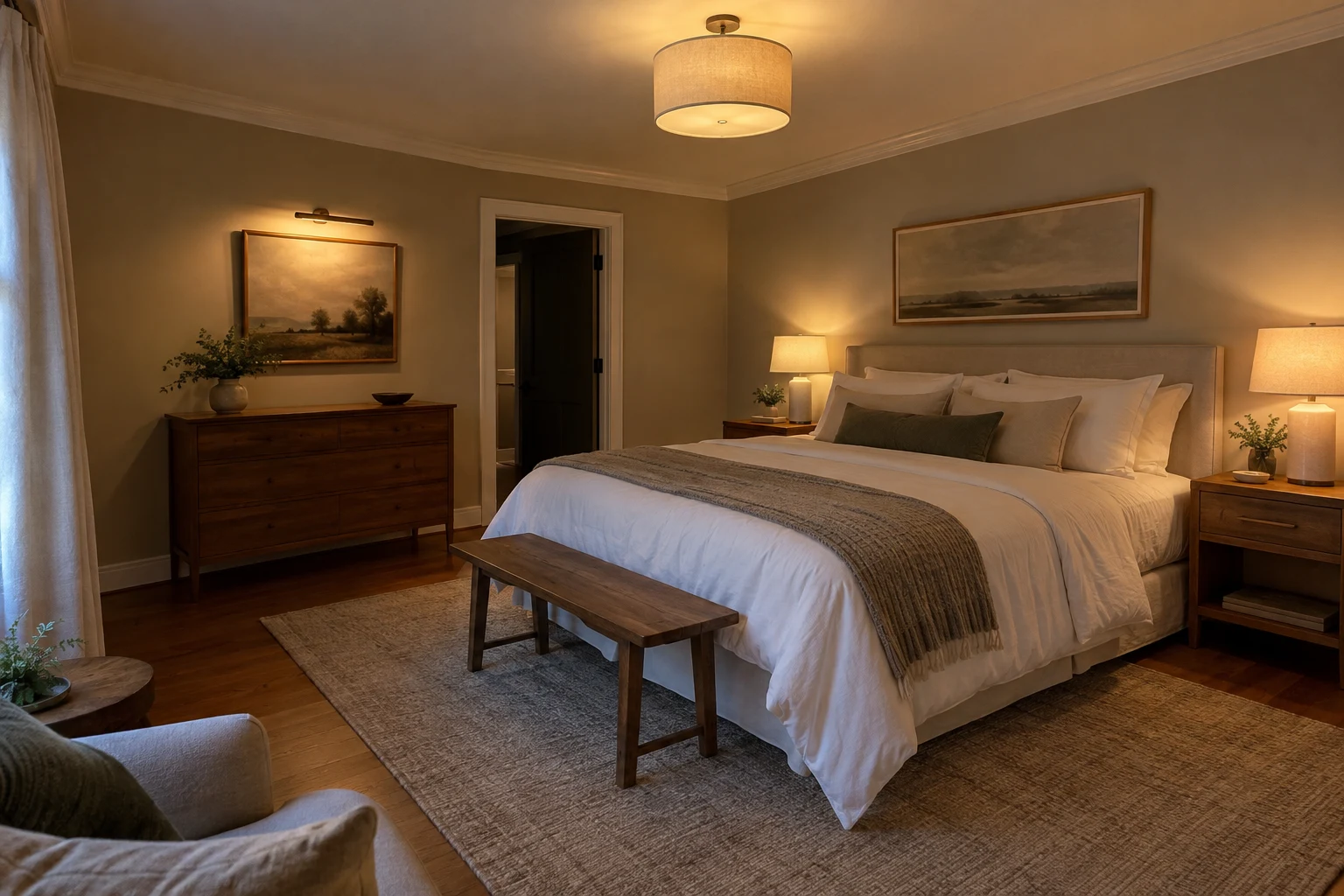
Your setup is ready when you can move around, read, and relax using different combinations of light.
- General lighting makes the room easy to move around in.
- There is enough light for reading, working at the desk, and getting dressed.
- Each sleeper can control their bedside light separately.
- Bright bulbs are hidden from view when you sit or lie in bed.
- Light is distributed across the room.
- Lamps used together give off a similar shade of warm-white light.
- Accent lighting highlights a specific feature.
- Evening brightness can be reduced without making every area dark.
- Switches or remotes are easy to reach.
- Cords stay clear of walking routes.
11. The Bedroom Lighting Questions That Come Up Most
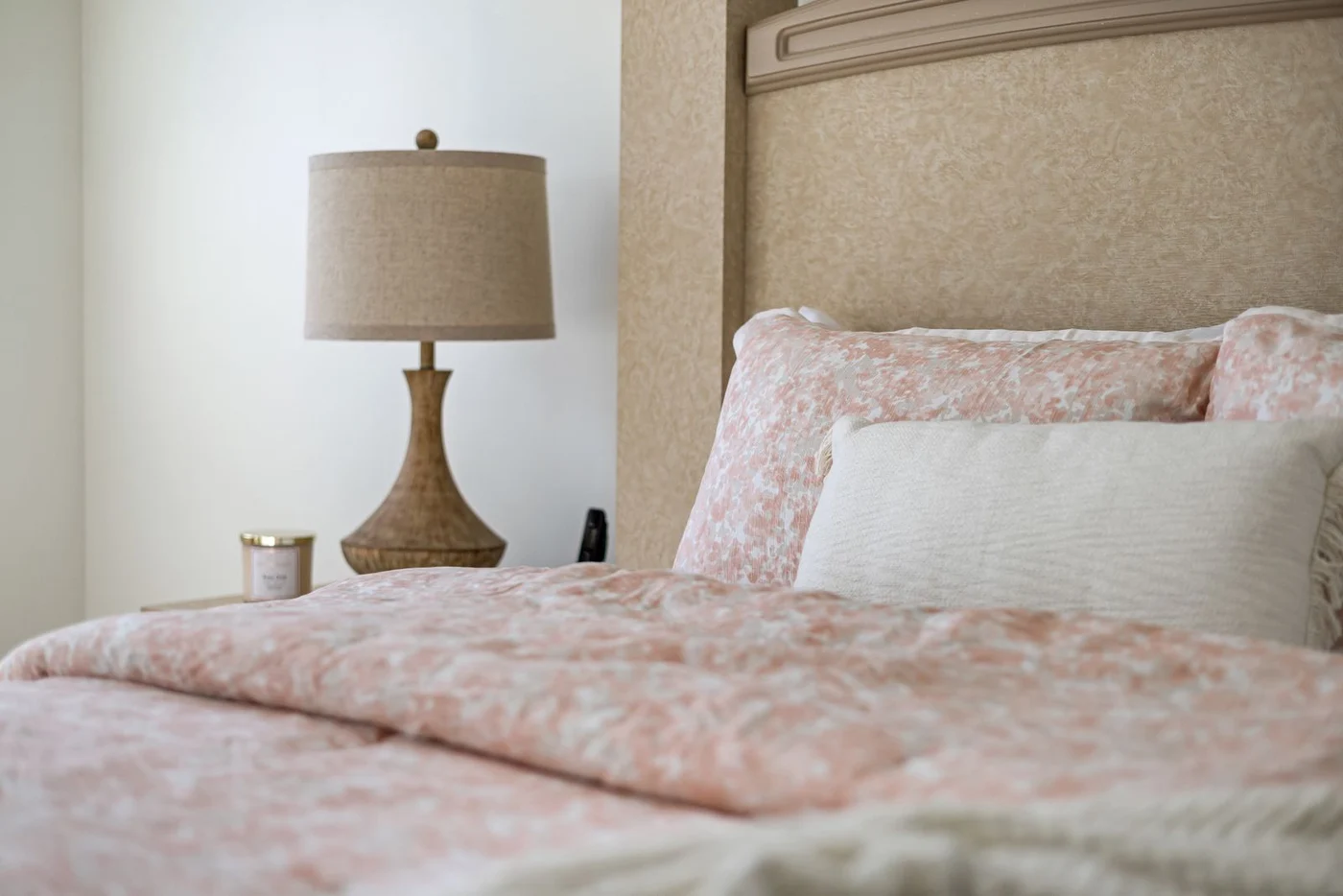
Separate controls let you change the lighting throughout the evening.
How many lights does a bedroom need?
There is no fixed number. A small bedroom may work well with a ceiling light and two bedside lights.
A larger room may also need light near a chair, dresser, or wardrobe. Add lights where you read, get dressed, or struggle to see clearly.
Do all three lighting layers need to be on at once?
No. Ambient and task lighting may be enough while reading. Later, a shaded lamp and a picture light may be enough while you relax.
Can a bedroom feel cozy with a ceiling light?
Yes. A shaded or diffused ceiling fixture can provide comfortable general illumination, particularly when its brightness is adjustable.
Table lamps and floor lamps give you another option when you want softer evening light.
Are matching bedside lamps necessary?
No. Matching lamps create symmetry, but different lamps can work well when they are similar in size and give off a similar shade of warm light. Each one still needs to suit the person using it.
Is warm lighting suitable for reading?
Yes. Warm-white light works well for reading when it is bright enough and aimed at the page. A warm bulb can still produce plenty of light.
Useful Finds for Layered Bedroom Lighting
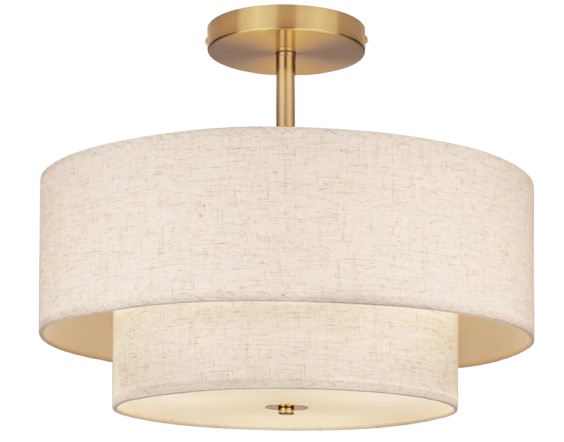 HILUXIA Dual-Drum Ceiling LightA fabric-shaded semi-flush fixture for soft general lighting.
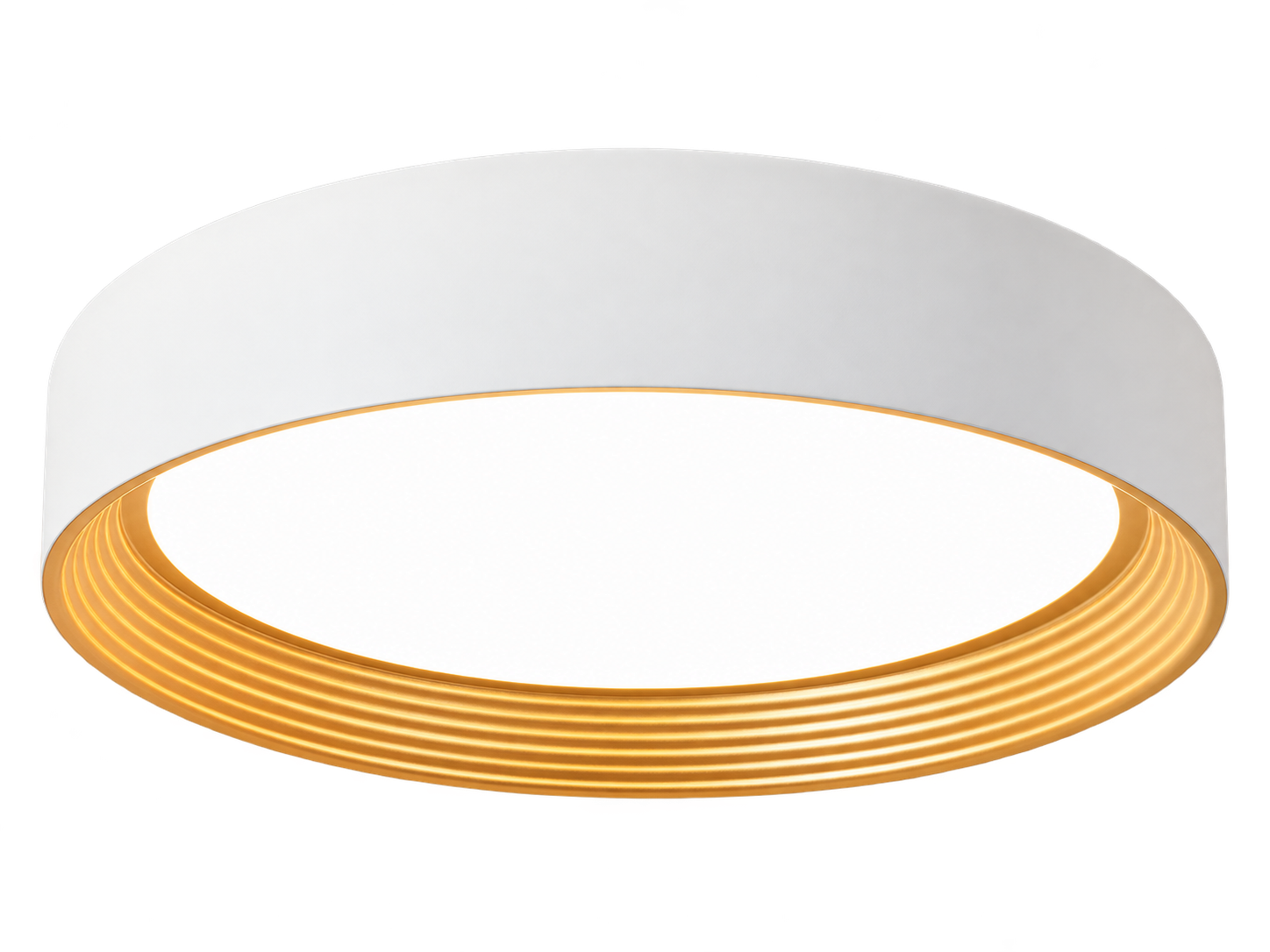 Suenigle Dimmable LED Flush-Mount LightA shallow integrated LED fixture with adjustable brightness through a compatible dimmer.
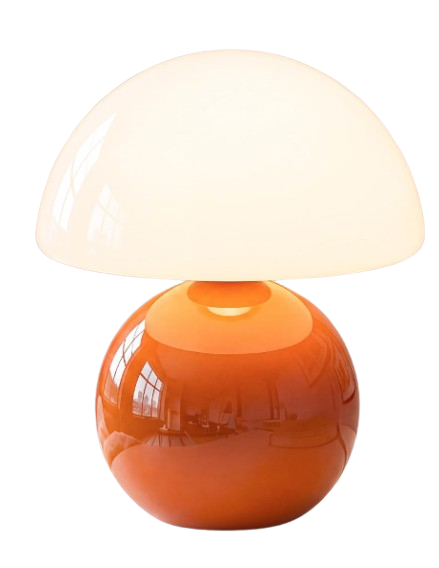 Dawnwake Mushroom Table LampAn orange mushroom-shaped lamp with adjustable brightness for a dresser or side table.
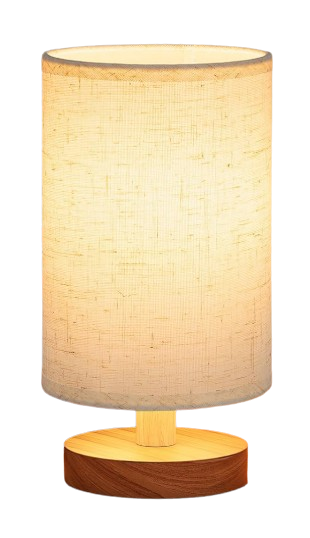 Fenmzee Small Table LampA compact shaded lamp with a wood base and included warm-white bulb.
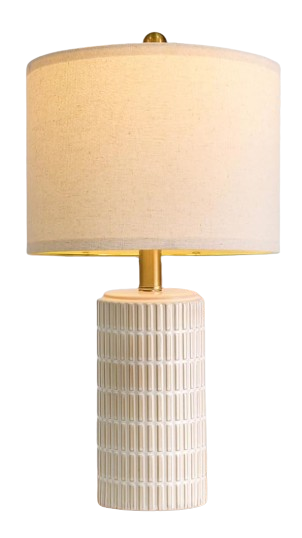 PoKat Ceramic Table Lamp SetMatching ceramic bedside lamps with pale fabric shades.
 EZVALO Rechargeable Picture LightA rechargeable picture light for framed artwork, with no visible power cord.
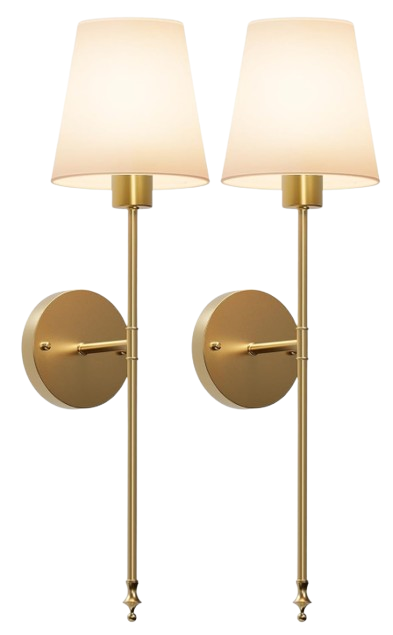 Brightown Battery-Operated Wall SconcesRechargeable wall lights with remote controls for soft light beside a bed or dresser.
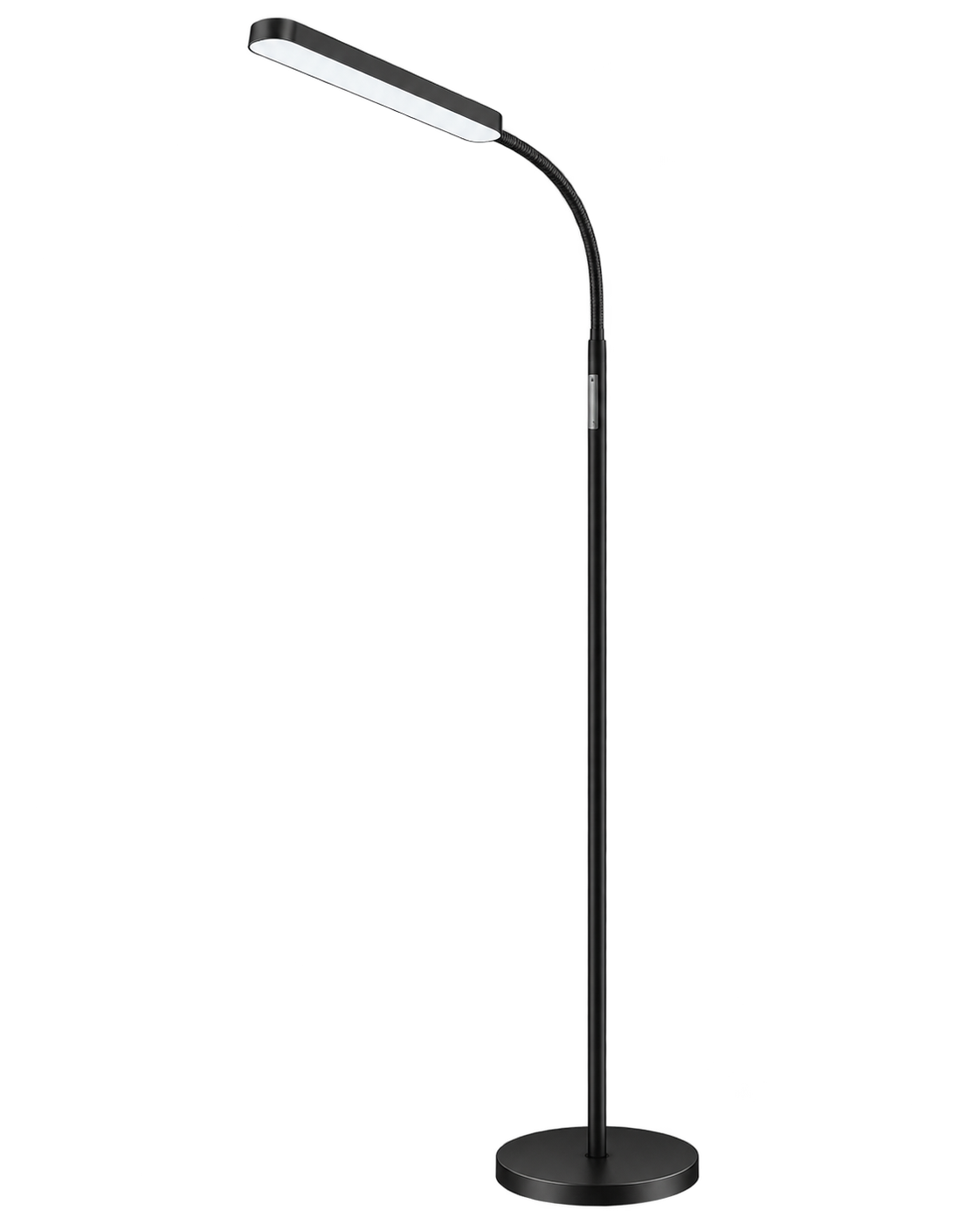 Wio-Mio LED Floor LampA flexible reading lamp with adjustable brightness and white-light settings.
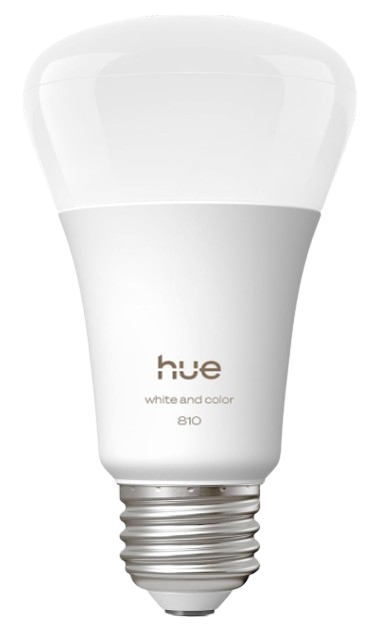 Philips Hue Smart LED A19 BulbsApp-controlled bulbs for adjustable white light and brightness in suitable fixtures.
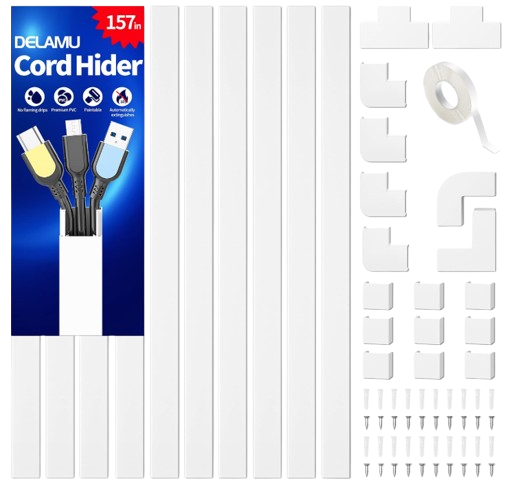 Delamu Cord Hider KitWall-mounted covers that hide visible lamp cords.