Which Curtains Are Best for Your Bedroom? Designer Tips

Which curtains are best for a bedroom? The right pair can block an early sunrise, give you privacy, and make the room look more luxurious. Fabric and lining matter, but the length and hanging height can make an equally noticeable difference.
The quick answer
- Blackout curtains suit blocking outside light; room-darkening curtains suit a little daylight peeking through.
- Pair sheers with opaque curtains or a blackout shade for soft daylight and more privacy after dark.
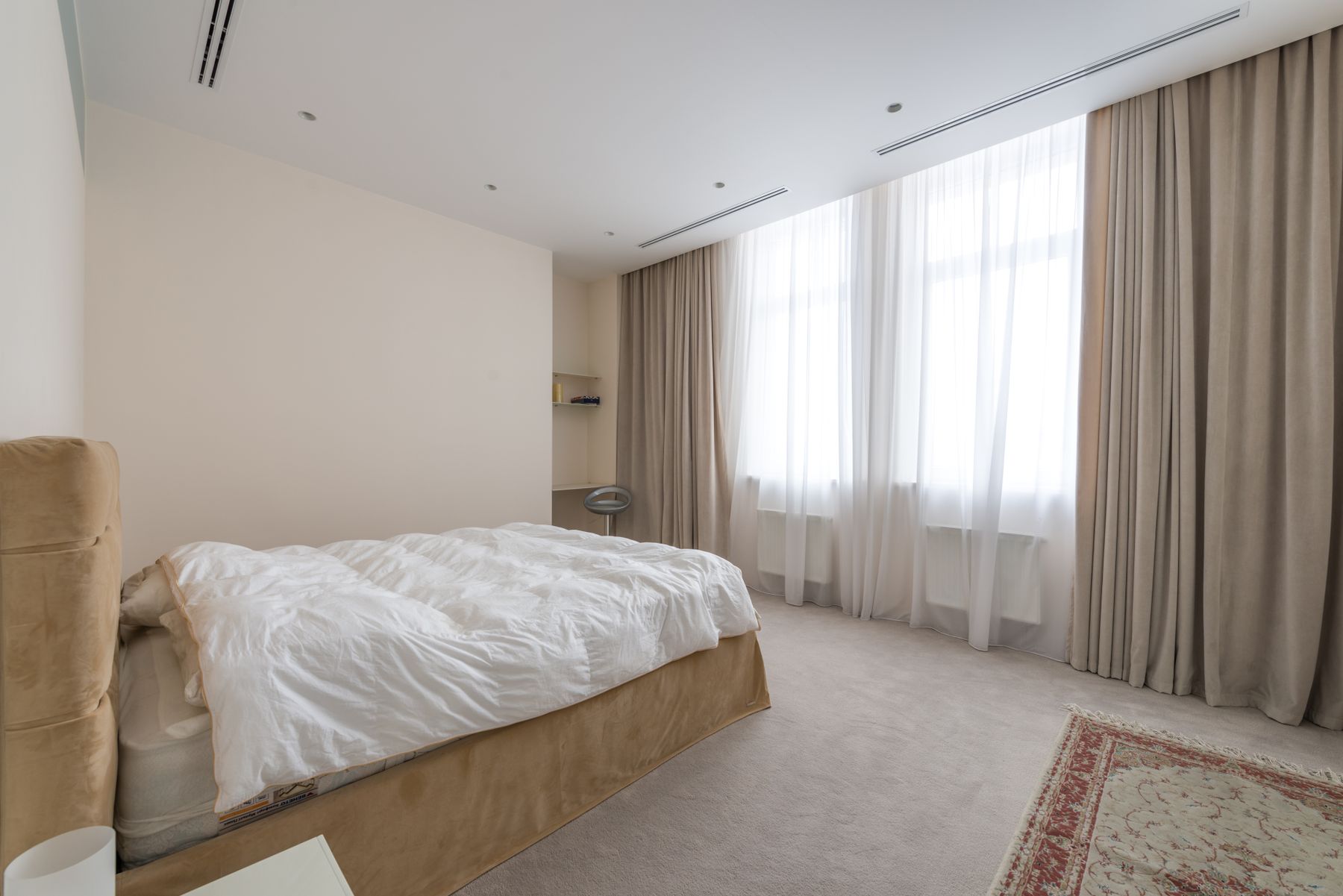
- Curtains hung near the ceiling and down to the floor make the window look taller and give the bedroom a more luxurious finish.
Here’s how to choose the fabric, color, size, and hardware that suit your bedroom, with useful options for each arrangement.
1. How Dark Do You Want Your Bedroom?
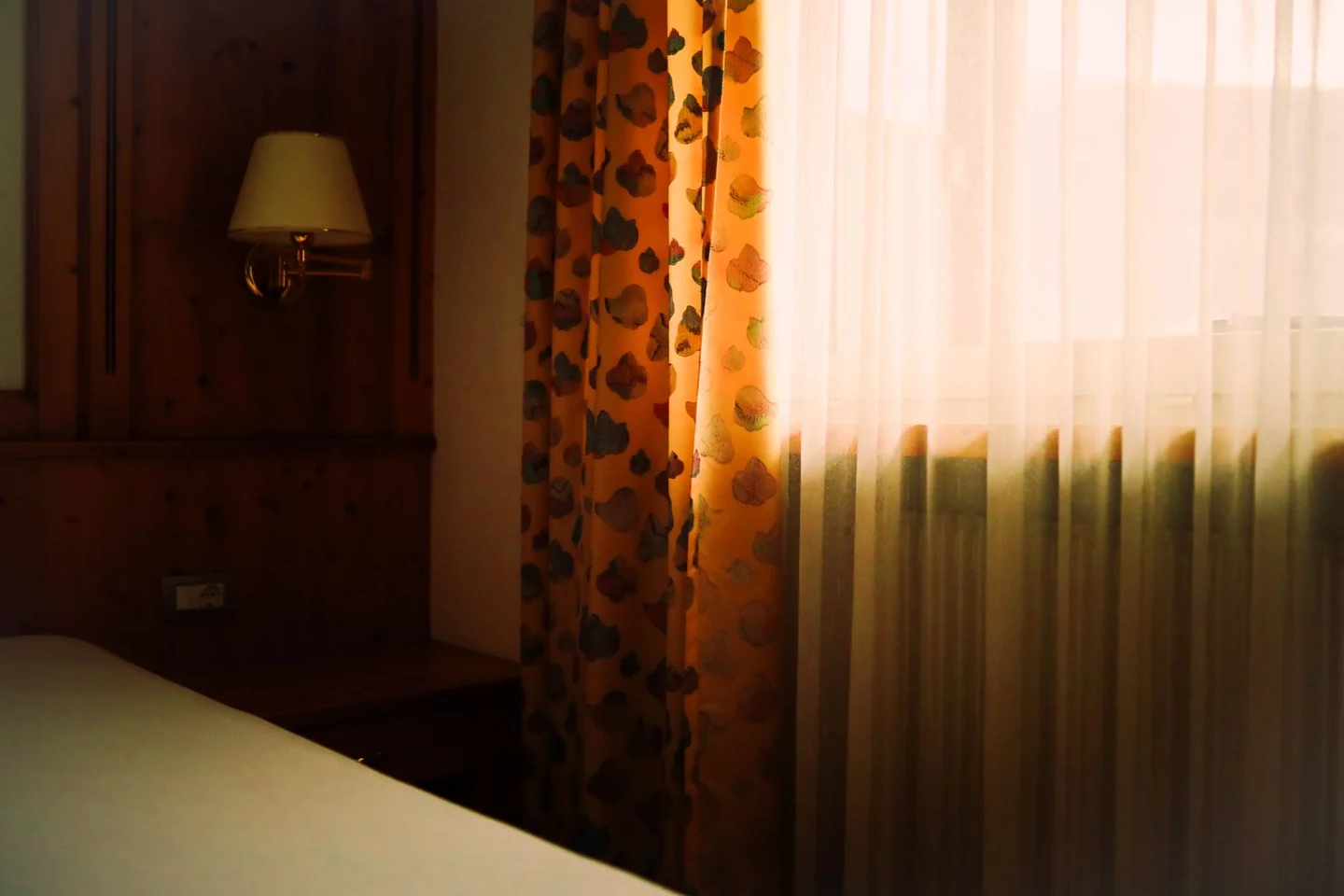
The best curtain type depends on how much light you want in the room while you sleep.
A little morning sunshine might be welcome. But if it wakes you an hour before your alarm, curtains that block more light will be a better fit.
| What you want | A suitable choice | What to expect |
|---|---|---|
| Strong protection from sunrise or streetlights | Blackout curtains | Light-blocking fabric, with good coverage needed around the edges |
| A dimmer bedroom with some daylight | Room-darkening curtains | Less brightness without complete darkness |
| Soft daylight over existing blinds | Light-filtering curtains | Diffused sunlight, with the blinds providing additional privacy |
| Daylight and nighttime privacy | Sheers with opaque curtains or a shade | Separate layers you can open and close independently |
Blackout Curtains for Bright Mornings and Streetlights
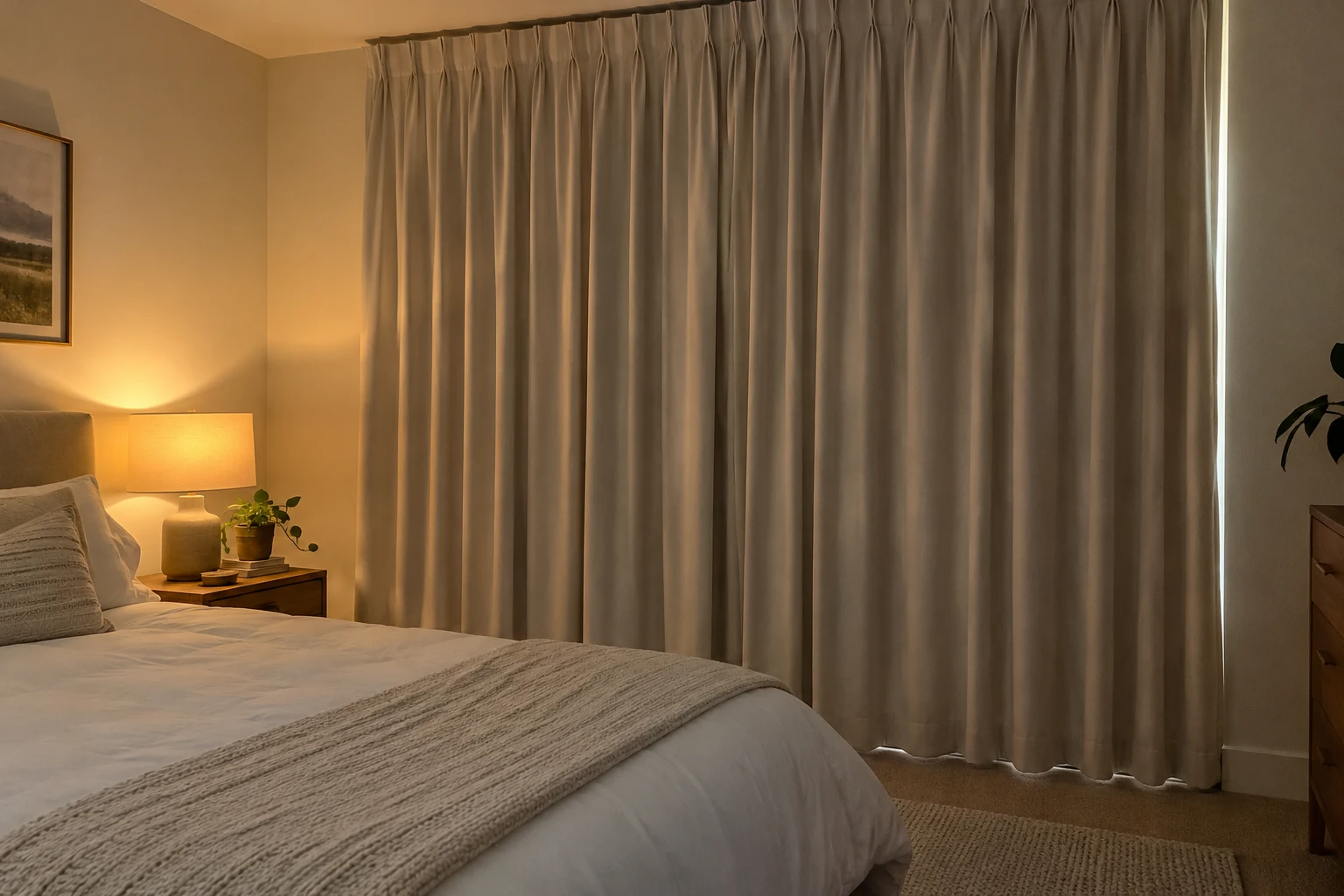
Blackout curtains are the strongest option when outside light keeps your bedroom brighter than you want. Their fabric, lining, or backing blocks light from passing through the panels.
The NICETOWN Blackout Curtains use a double-layer construction for light blocking. They’re a useful option for a bedroom affected by early sunshine or nearby outdoor lighting.
For a simple gray pair, the IKEA ROSENMANDEL Black-out Curtains have a polyester front and an opaque backing. Their heading tape allows different hanging methods, including a rod or a track with suitable hooks.
Blackout fabric still needs enough coverage around the window. A gap between the panels or along the sides can leave a bright strip across the room.
Room-Darkening Curtains for a Little Morning Light
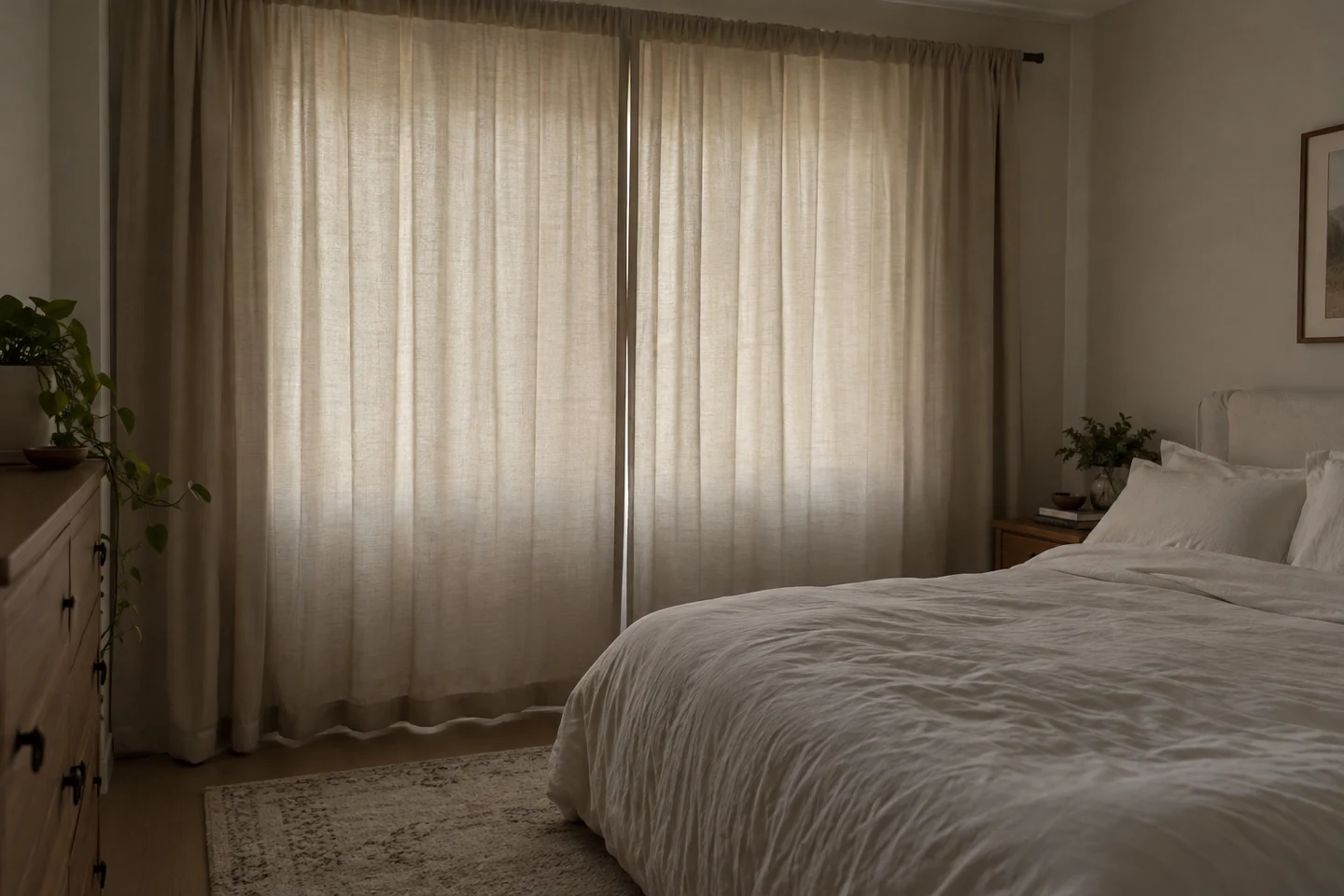
Room-darkening curtains suit you if you want a dim bedroom and don’t mind some light passing through.
They reduce bright sunshine while still letting some daylight into the room.
For anyone who sleeps during the day, blackout curtains are a better choice.
Our guide to blackout versus room-darkening curtains explains the differences.
Light-Filtering Curtains for a Brighter Bedroom

Light-filtering curtains are a good choice when you want gentler daylight or already have blinds that provide darkness and privacy.
If your bedroom doubles as an office, they can soften bright afternoon sunshine without leaving you working in a dark room.
The Nanspring Linen-Blend Curtains offer a textured, semi-sheer option. They allow daylight through, making them suitable as a decorative layer over an opaque shade or blind.
Note: Sheers and semi-sheers don’t provide dependable privacy after dark. When the bedroom lights are on, people outside may be able to see through them.
2. Two Layers Give You More Flexibility

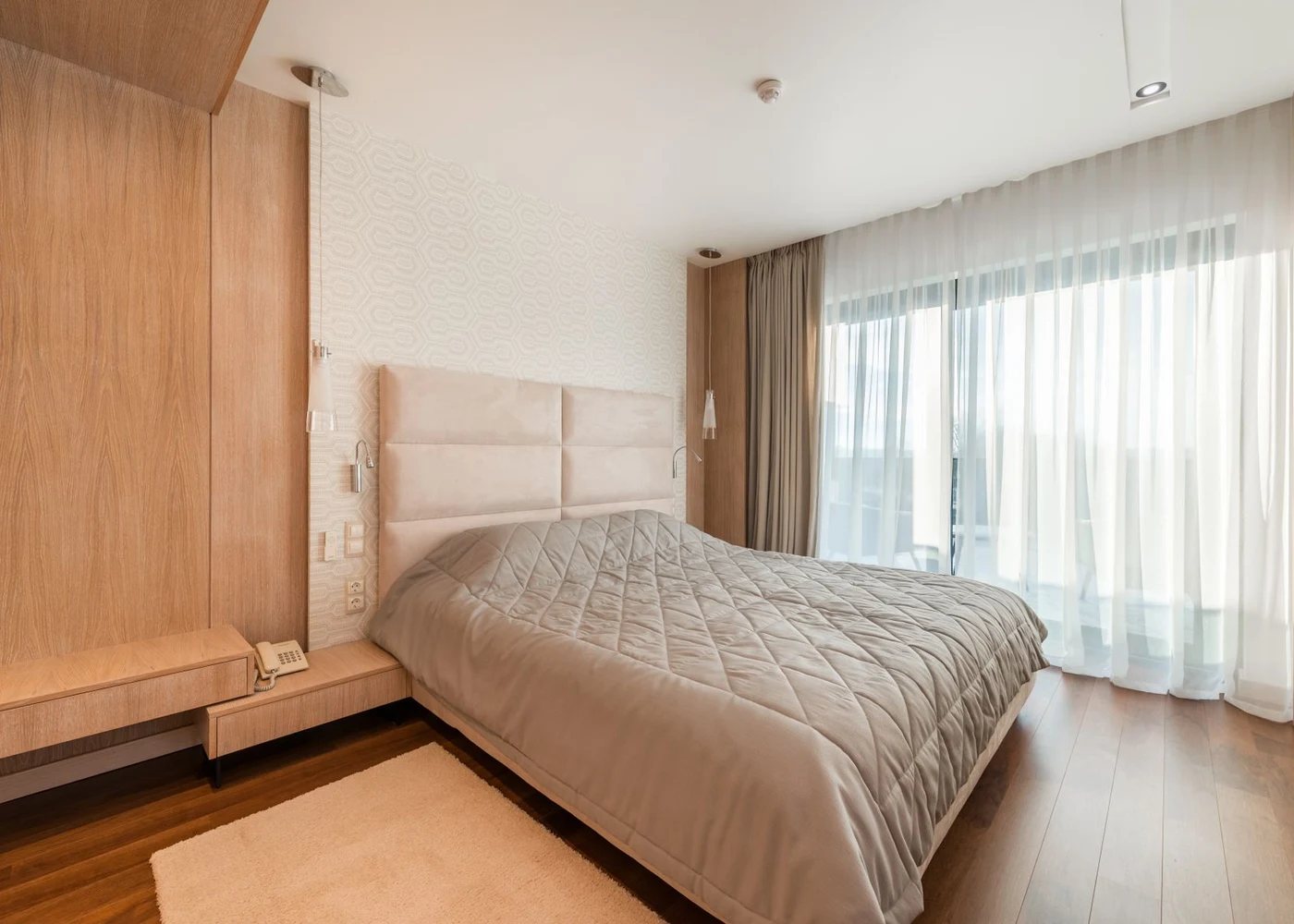
Two separate layers let you enjoy daylight and cover the window fully when you need privacy.
This is particularly useful when your window faces another home. You can leave the heavier curtains open during the afternoon while a lighter layer covers the glass.
Sheers Behind Blackout Curtains
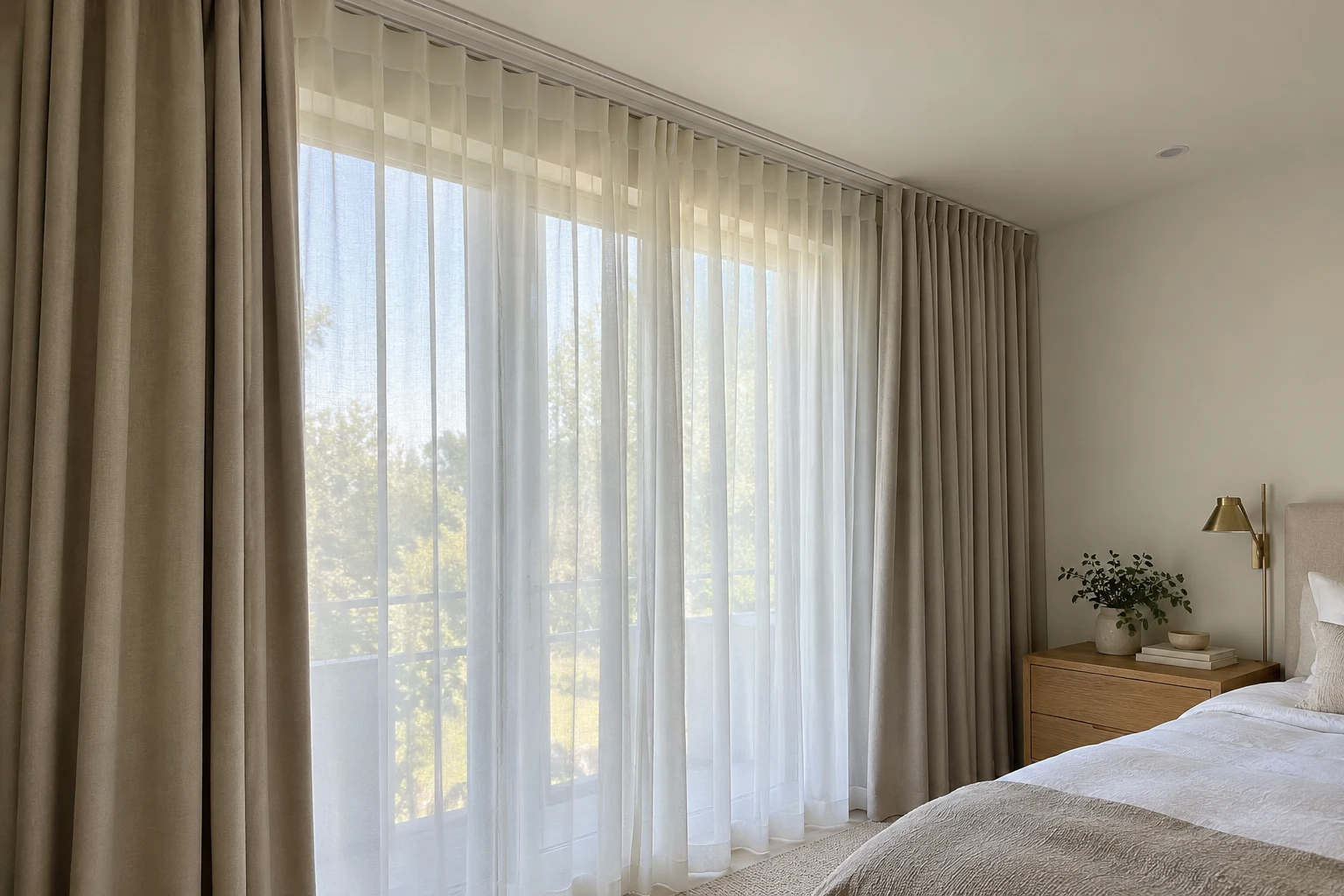
A double rod or double track allows each curtain layer to move independently.
The sheers go closest to the window. The opaque panels hang in front, ready to close at night or whenever you want more darkness.
A PHUSTJKL Double Ceiling Curtain Track provides two separate tracks for this arrangement. Ceiling mounting also works well with long curtains when you want the fabric to extend from near the ceiling to the floor.
Track systems use gliders and suitable curtain hooks. Grommet curtains, which have large metal eyelets, are designed to slide directly onto a rod.
Linen Curtains With a Blackout Shade
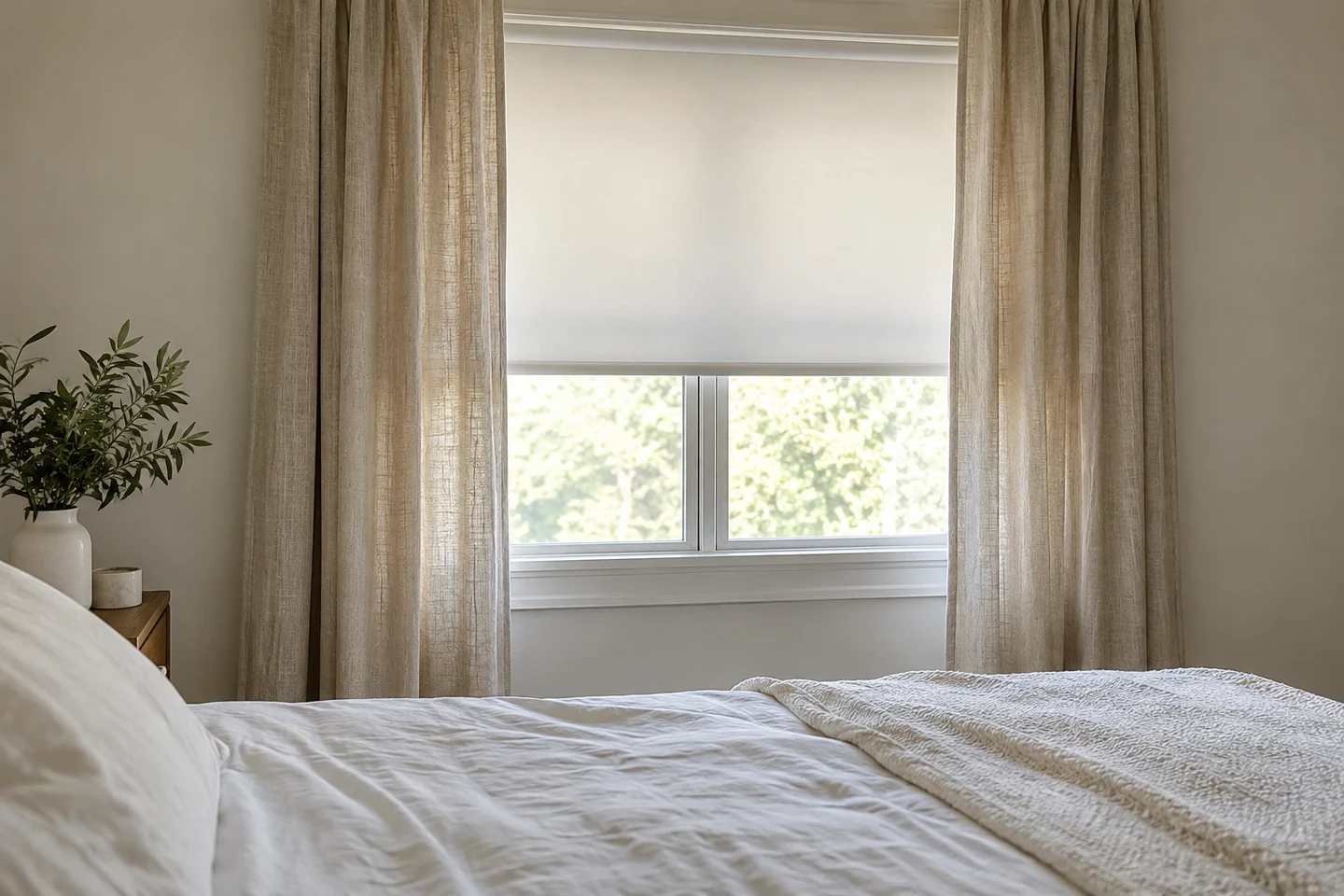
A blackout shade lets you use light-filtering curtains without relying on them to darken the bedroom.
This is a useful arrangement if you love the look of linen but prefer less bulky panels.
Pull the shade down when you want darkness and raise it during the day. A roller shade rolls up neatly, while a Roman shade folds into sections as you raise it.
The linen-blend curtains can stay open at the sides or close to soften daylight.
Curtains Over Blinds You Already Have
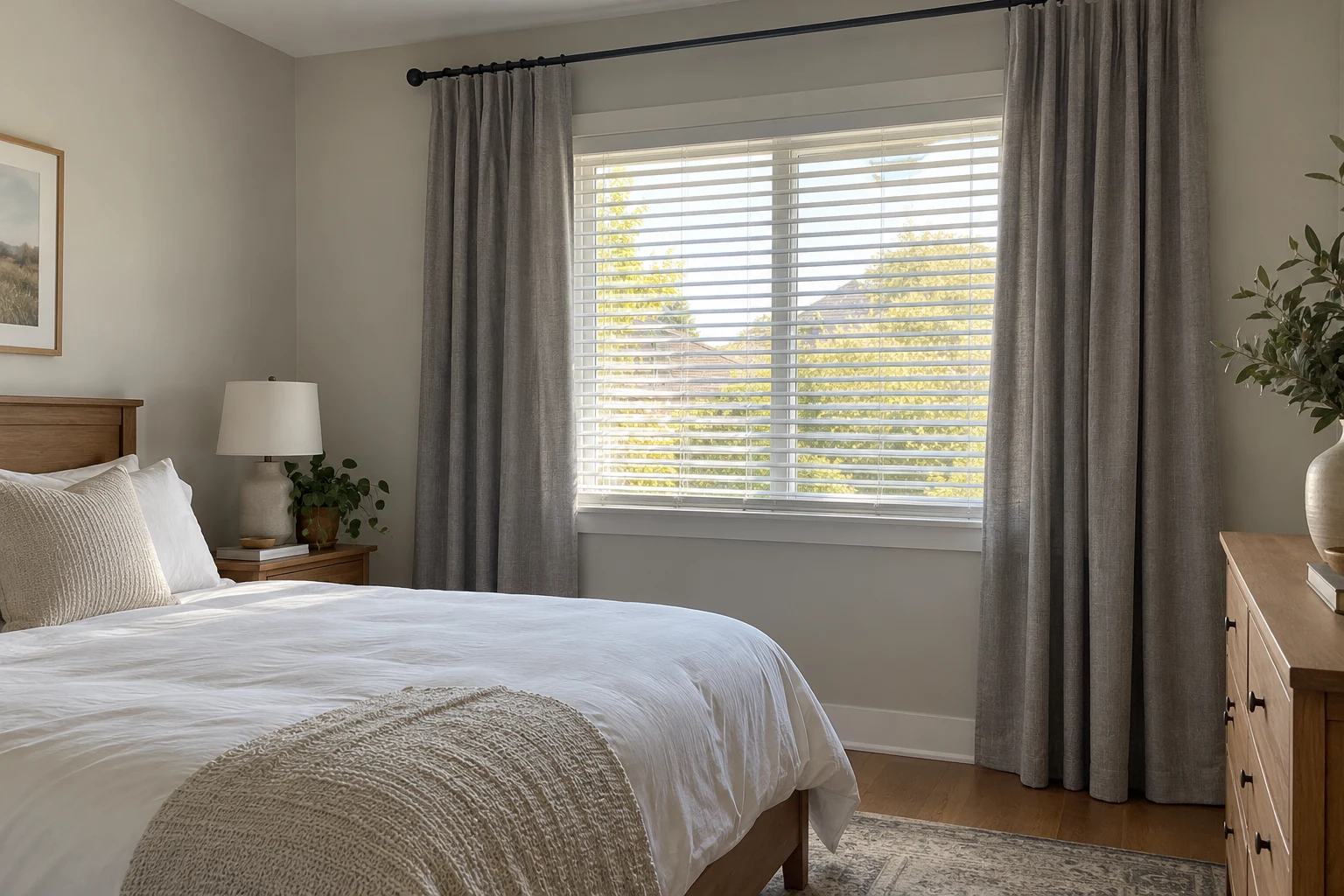
Blinds that already provide enough privacy and darkness can stay. That leaves you free to choose curtains for their color, texture, and length.
Plain blinds may be practical but leave the window looking bare. Long curtains on either side can make a substantial difference without replacing the whole window treatment.
The rod needs enough clearance for the fabric to move past the blind and its fittings without catching.
3. The Fabric Changes How the Bedroom Looks
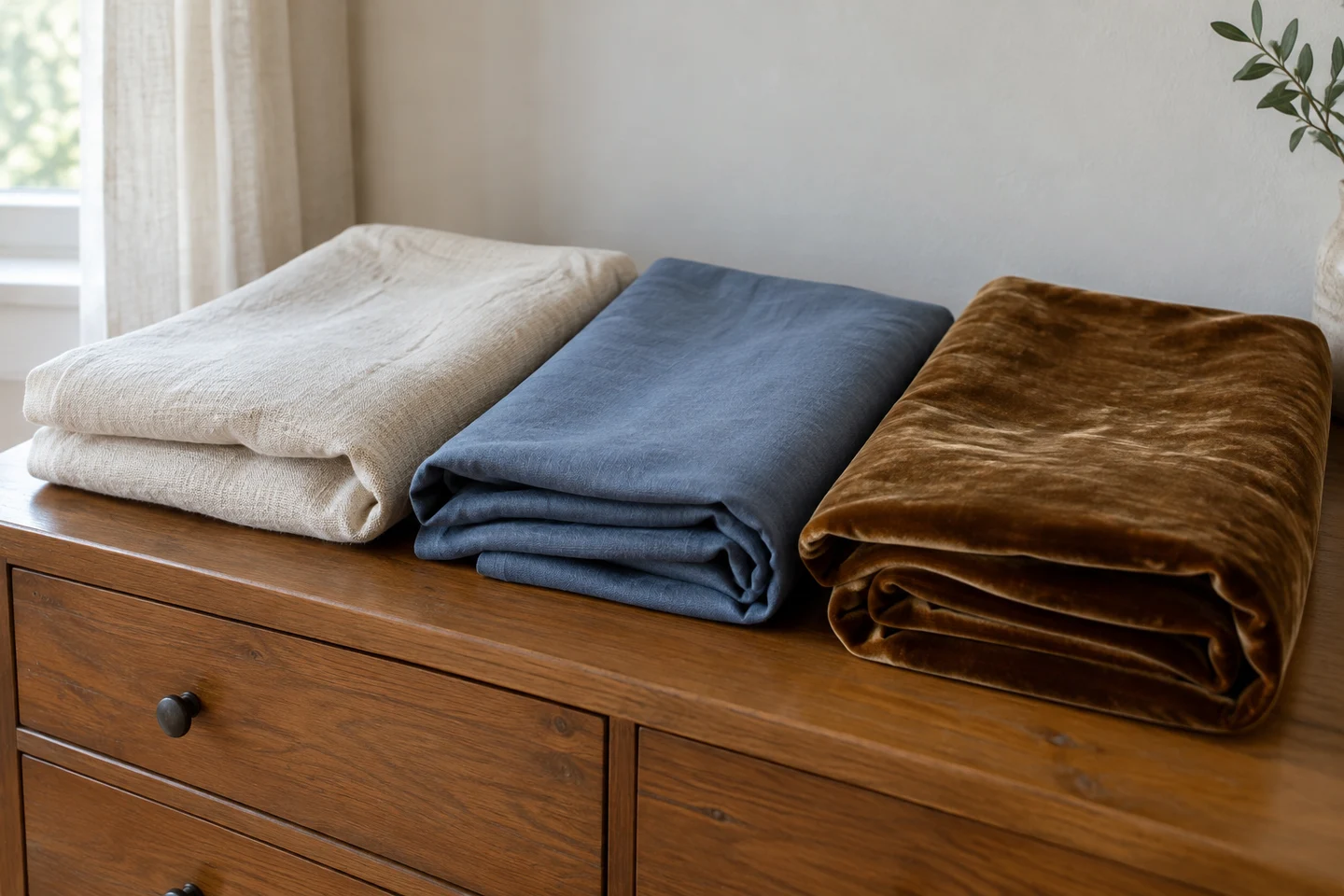
The front fabric determines much of the curtain’s appearance. The lining or backing determines how effectively it blocks light.
That’s why a lightweight-looking curtain can have blackout backing, while thick velvet may still allow some daylight through.
Linen and Linen Blends for a Relaxed Look
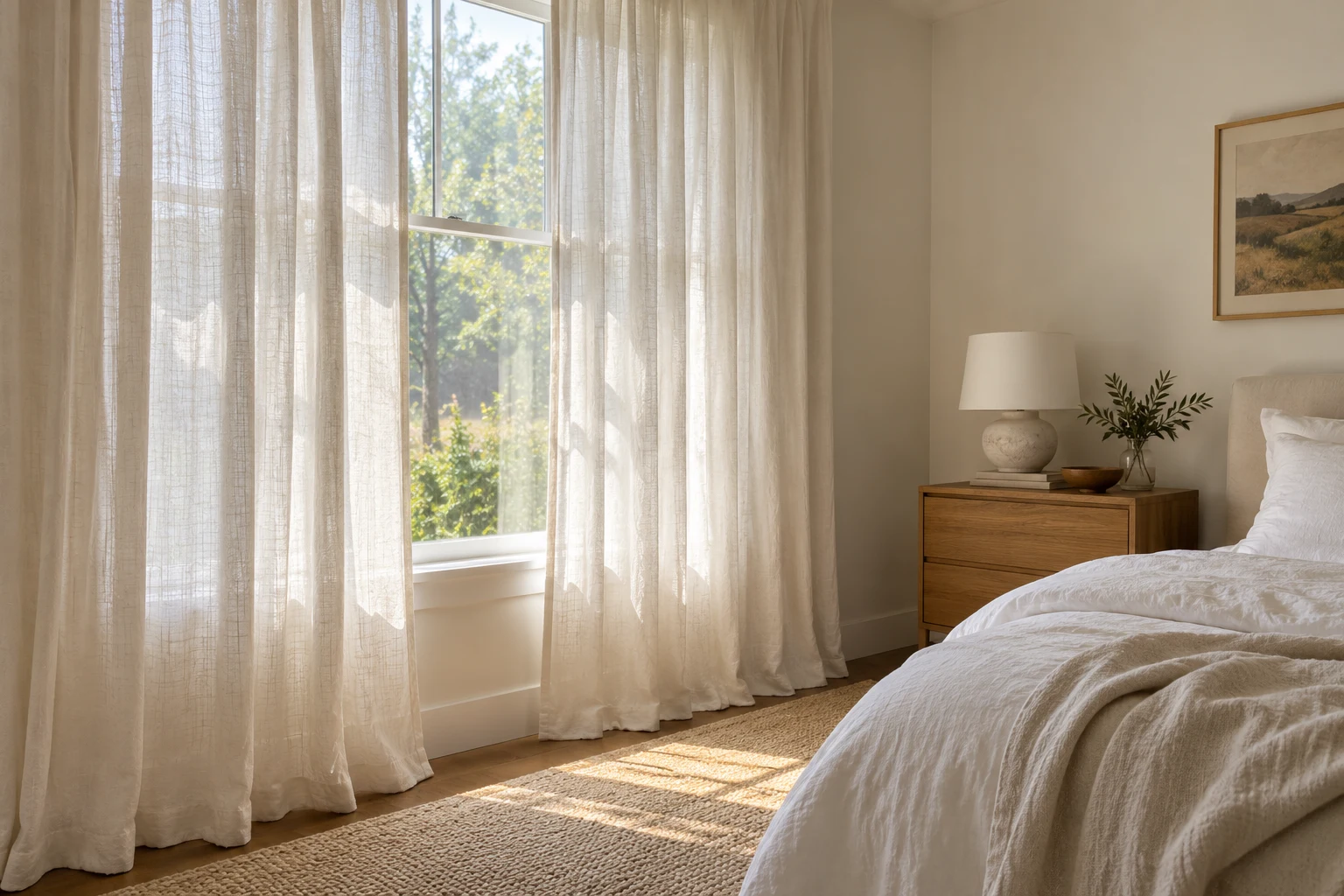
Linen and linen blends suit bedrooms where you want natural-looking texture without a bold pattern.
They look particularly good with cotton bedding, wood furniture, and warm neutral colors.
The Nanspring Linen-Blend Curtains combine 30% linen with 70% polyester. The ivory cream pair has a visible woven texture and allows light through.
Their back tabs and rod pocket offer different ways to hang them. Clip rings are another option and can be purchased separately.
For curtains with a similar texture that block more light, our linen blackout curtain guide focuses on that combination.
Cotton for a Simple, Familiar Finish
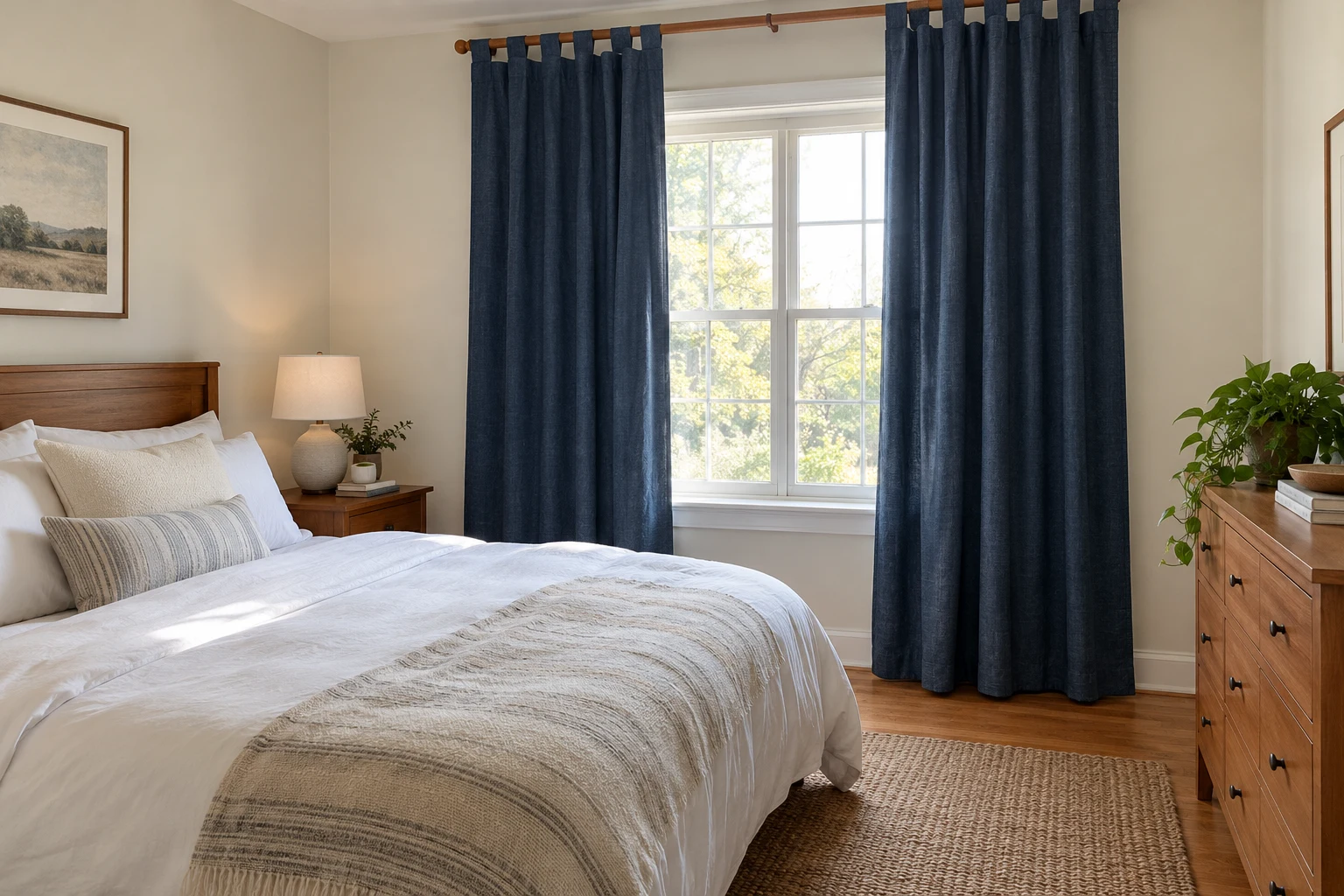
Cotton is a good choice if you prefer a soft-looking fabric with a simple, understated finish.
The Pillowfort Chambray Cotton Curtain Panel has a cotton front and a polyester light-blocking liner. The navy color works well with white bedding and wood furniture.
It has both a rod pocket and back tabs, giving you two hanging options. Despite being sold in the children’s range, its plain design also suits an adult bedroom.
This product includes one panel. A two-panel arrangement needs two.
Velvet for a More Luxurious Look
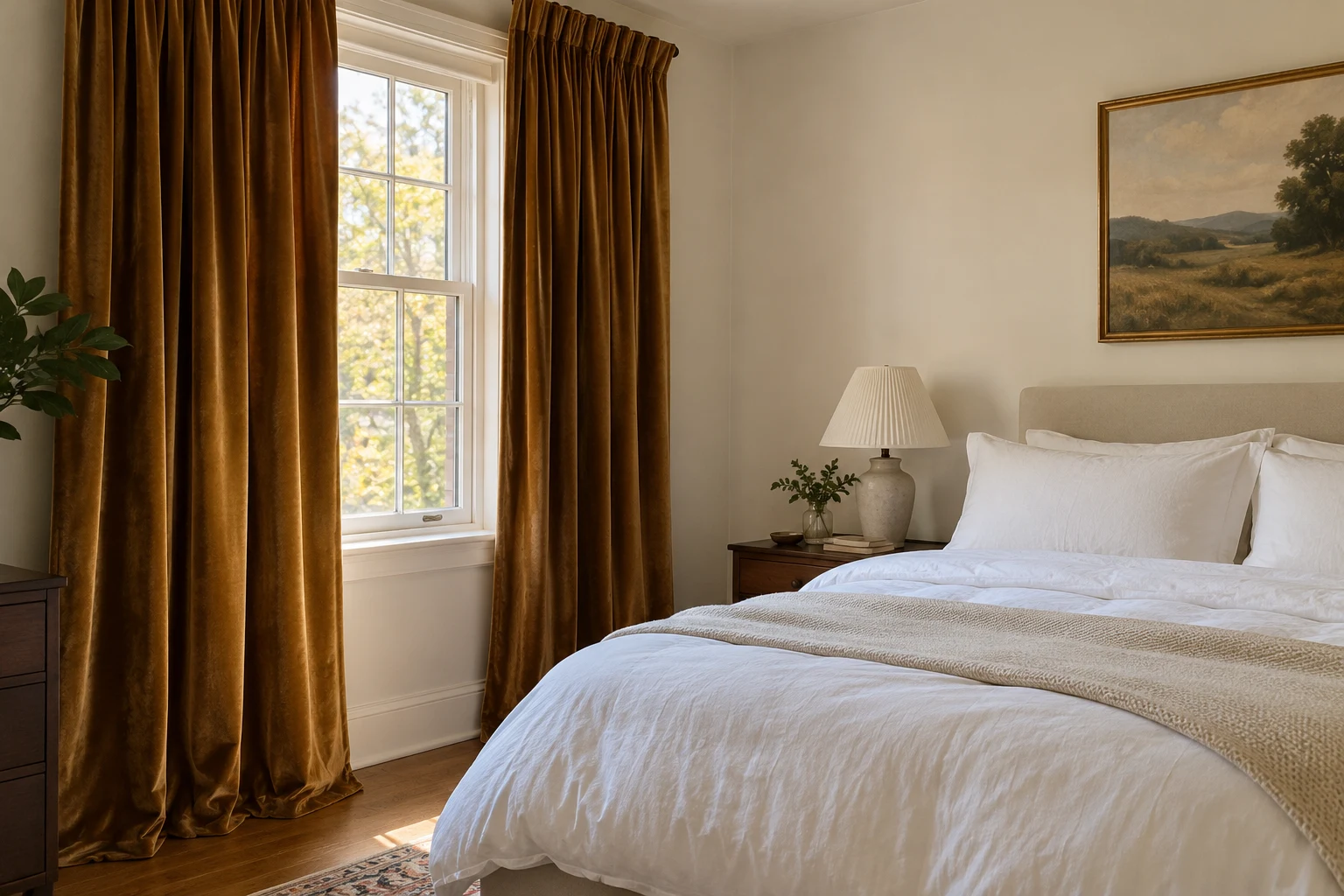
Velvet is a good choice when you want a plush texture and a more luxurious appearance.
It’s quite effective with simple bedding because the plush fabric stands out on its own. You don’t need several patterned pillows or a busy duvet to make the room interesting.
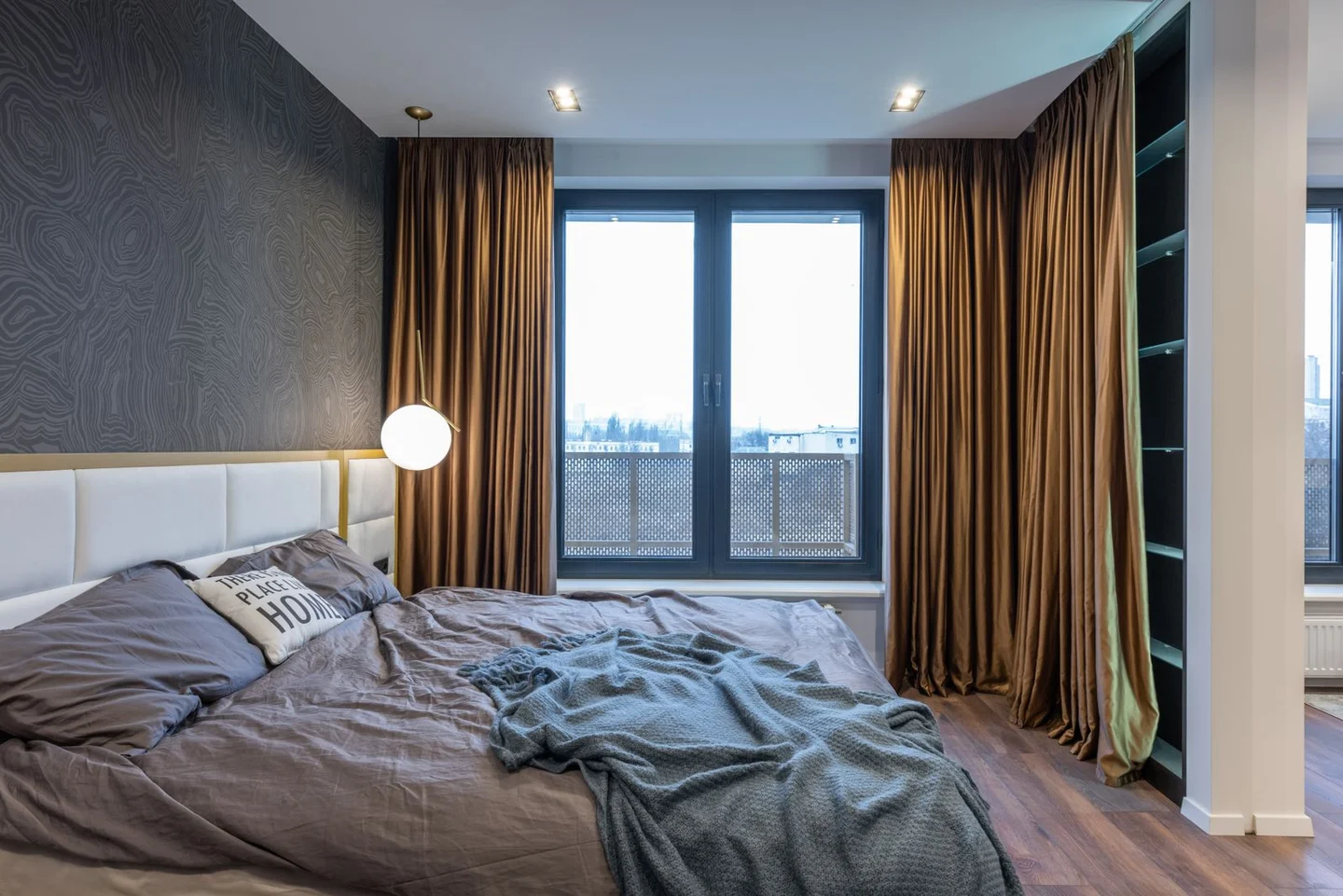
The Lazzzy Golden Brown Velvet Curtains add a warm brown tone and a soft velvet surface. The pair has rod-pocket tops, and the dense fabric helps reduce outside light.
Velvet alone won’t guarantee a dark bedroom. A blackout lining or shade behind it will block more light.
Textured Polyester for a Neutral Bedroom
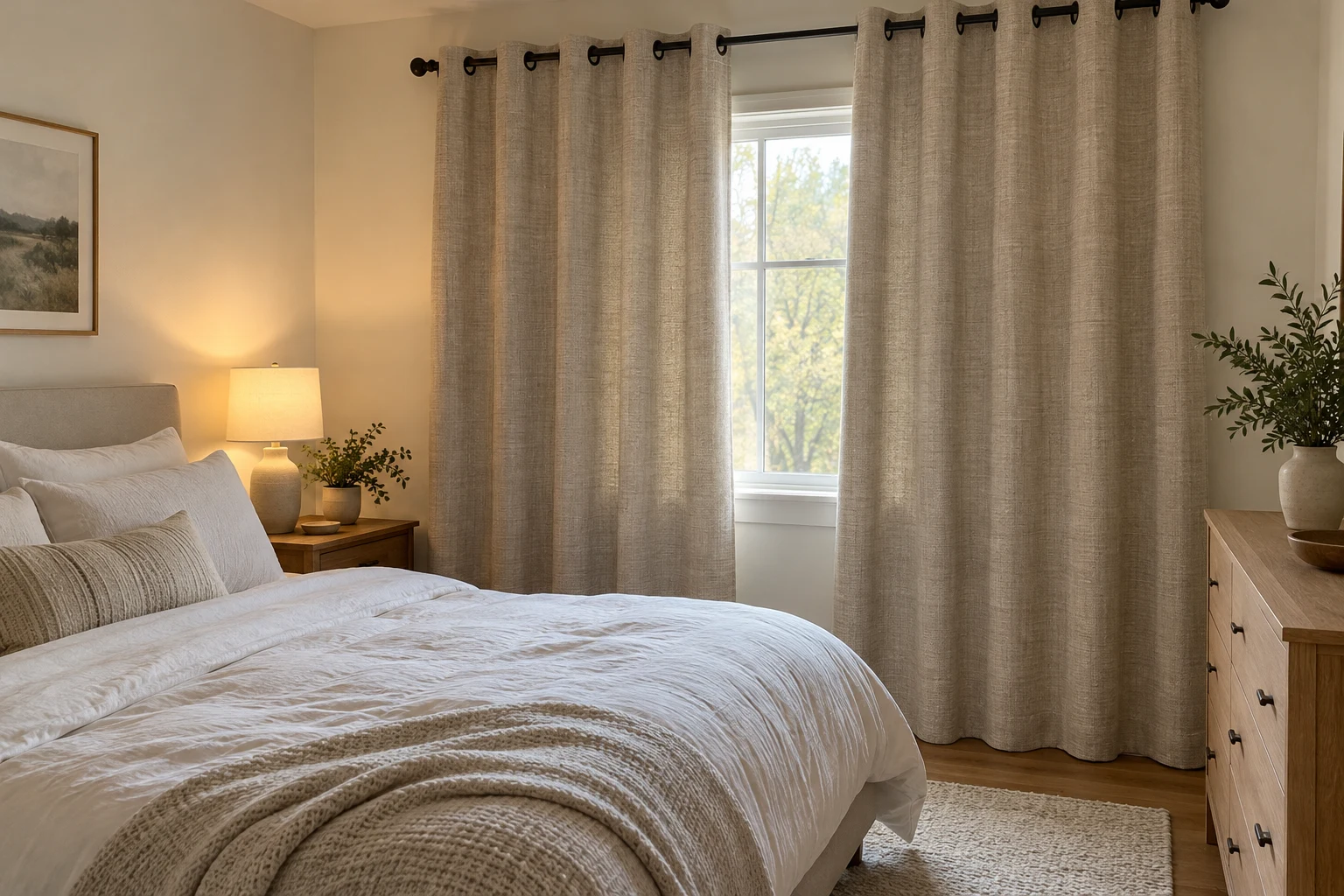
Textured polyester works well when you want a neutral curtain with more detail than a smooth, plain fabric.
The FMFUNCTEX Beige Blackout Curtains combine a woven-looking finish with blackout construction. The set includes two panels with metal eyelets that slide onto a rod.
They suit a bedroom with cream walls, white bedding, and wood furniture, especially if you want a pale curtain rather than a dark one.
The woven finish gives the fabric a subtle pattern, and the beige color goes well with cream, white, and wood tones.
4. Curtain Colors That Work With What You Own
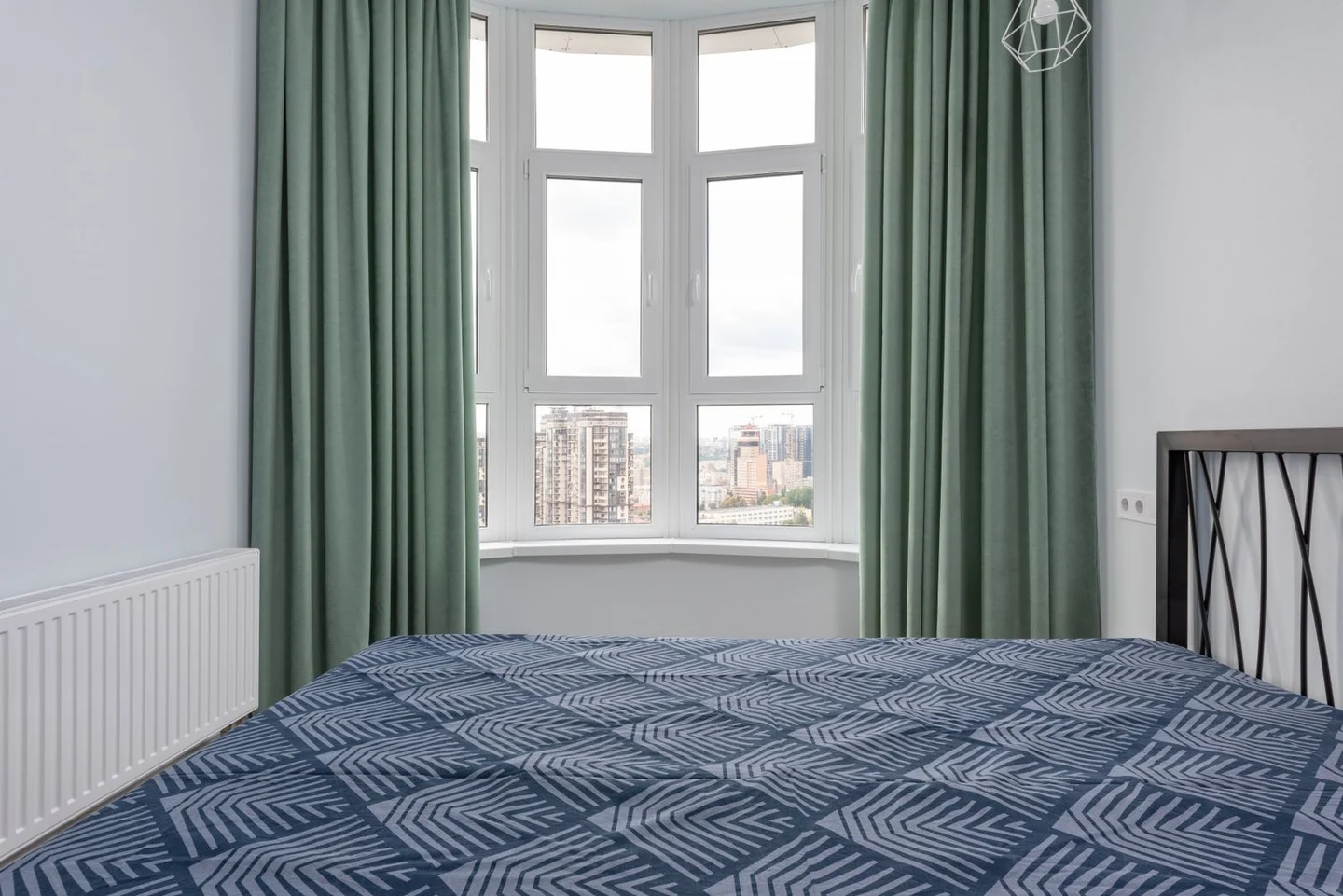
A color already present in the room is usually the easiest choice. It might come from the walls, bedding, rug, or artwork.
You don’t need everything to match. Repeating one color from your bedding or rug is more than enough.
Similar Wall and Curtain Colors

Curtains close to the wall color reduce contrast around the window.
This can be useful in a small bedroom or a room with several windows, where strongly contrasting panels would be more noticeable.
For example, warm beige curtains complement cream walls without requiring an exact color match. A visible weave adds detail even when the colors are similar.
A Color From Your Bedding or Rug
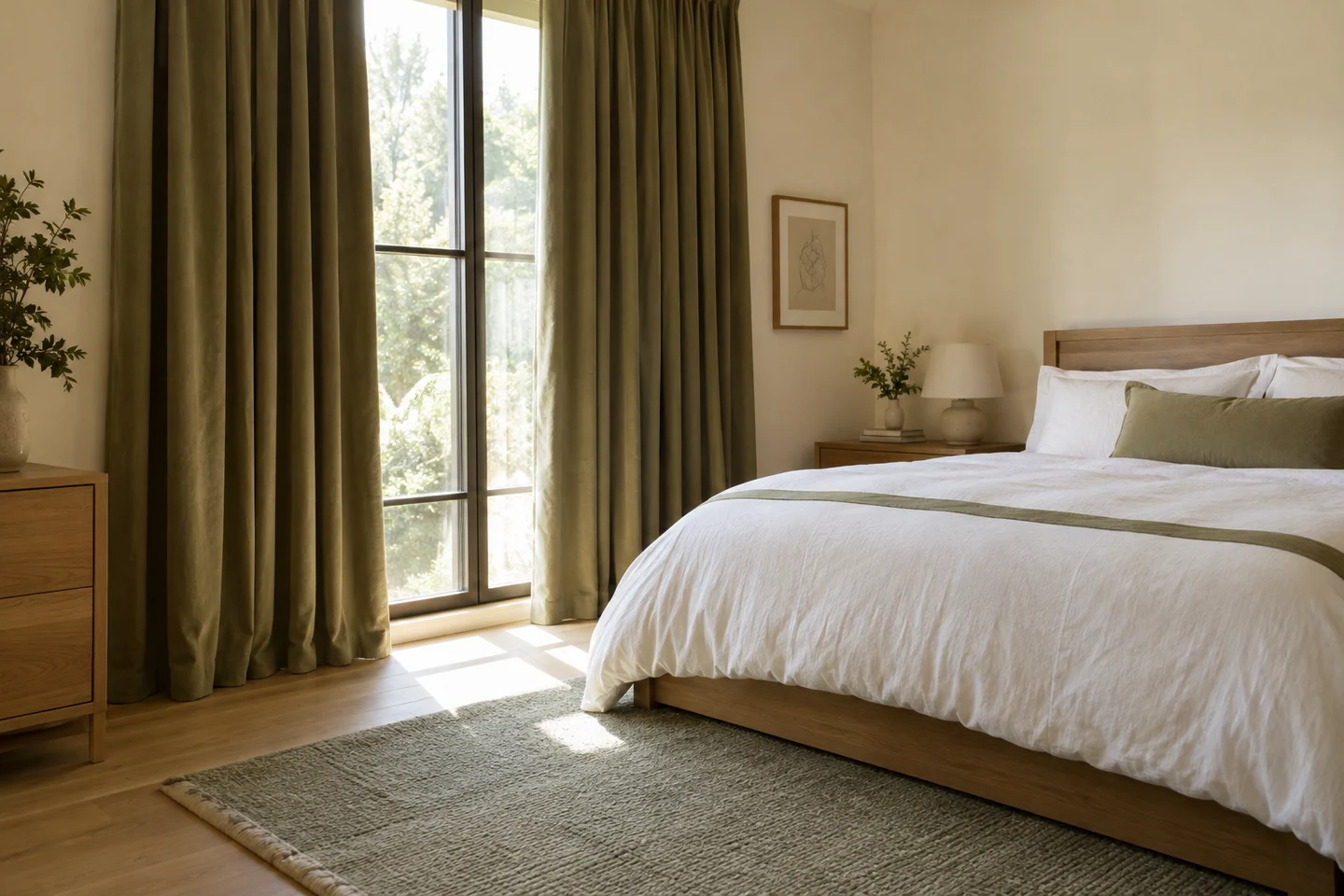
Curtains in a color from your bedding or rug help the room look coordinated.
Navy curtains can match a navy stripe in your bedding. Golden-brown velvet works well with brown details in a rug.
The lampshade, throw, and cushions don’t all need to repeat the same color. Matching the curtains to just one of them is enough.
Patterned Curtains With Plain Bedding
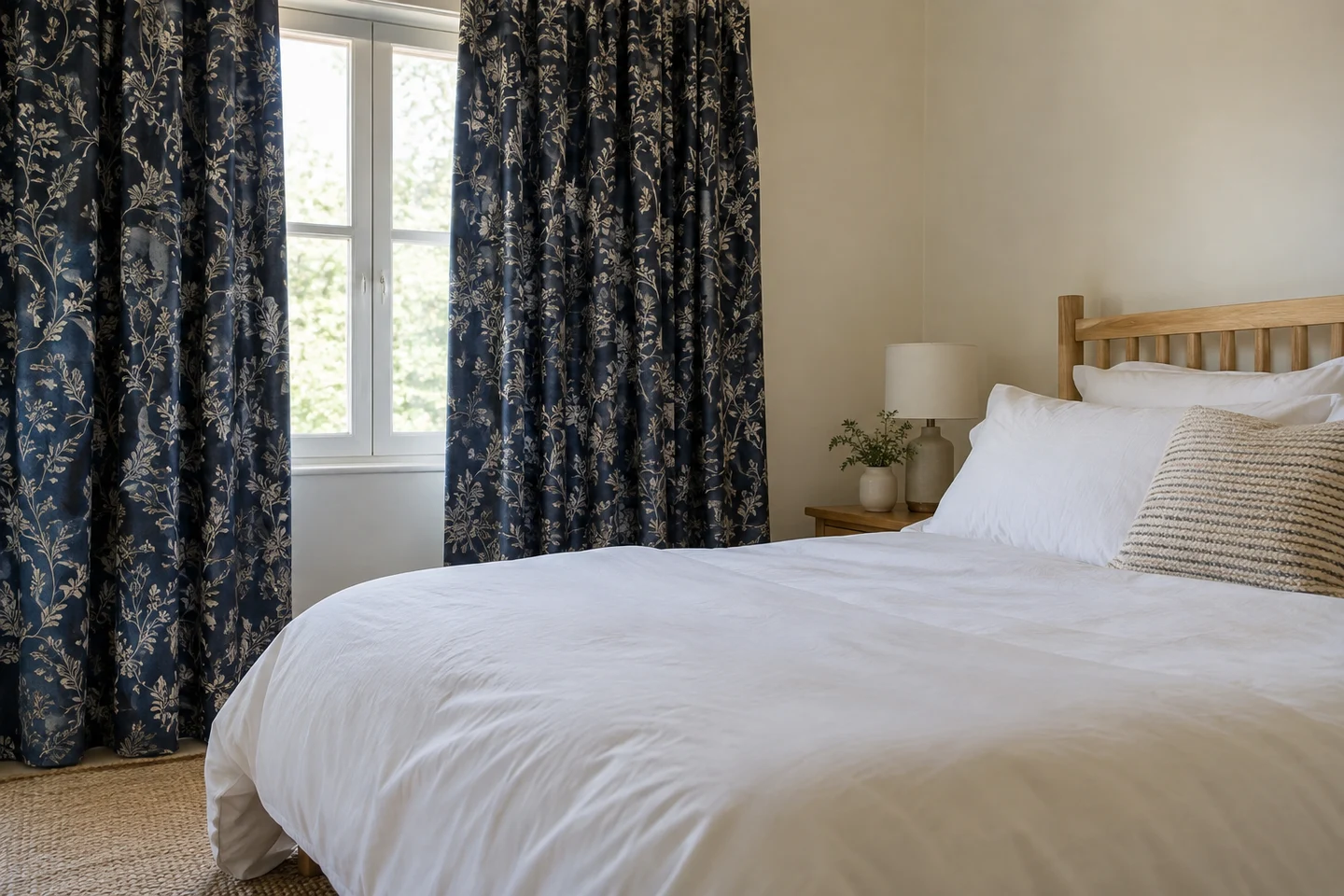
Patterned curtains work well with plain walls and bedding.
If your wallpaper already has a detailed print, plain curtains are a straightforward pairing. If the walls and bedding are mostly solid colors, stripes, checks, or a botanical print can add variety.
The pattern becomes much more visible when the curtains are closed. What looks like a small amount of print beside the window can cover a large part of the wall at night.
Note: White and beige curtains can still block light effectively. The lining and construction matter more than the color of the front fabric.
5. Ceiling-to-Floor Curtains Make a Noticeable Difference
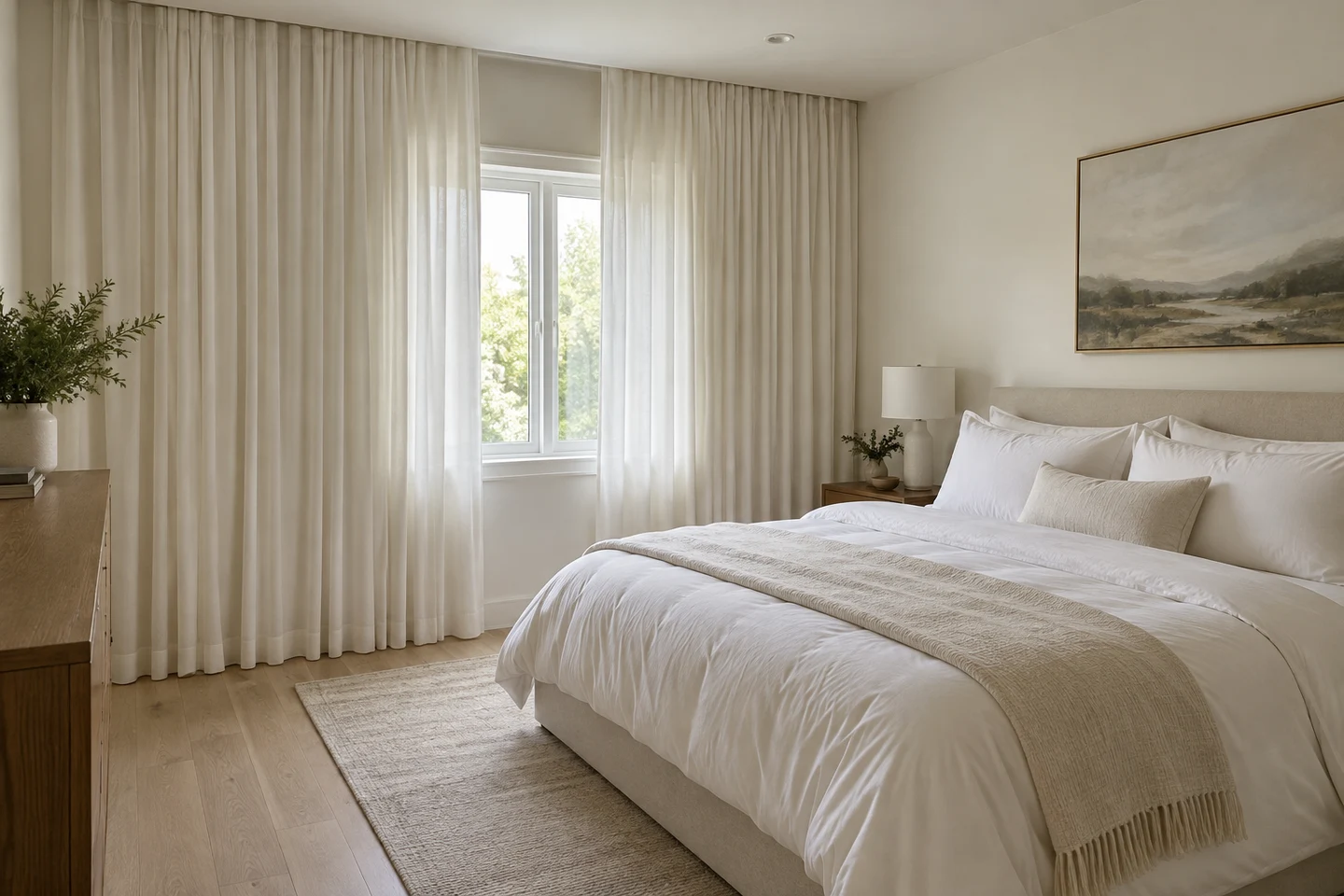
For a substantial visual upgrade, hang curtains close to the ceiling and let them extend to the floor.
The longer panels make the window appear taller and give the room a more luxurious, finished look. This can be a bigger change than replacing short curtains with another pair in a different color.
Even a small window can benefit. The curtains don’t need to stop where the glass ends.
A Higher Rod for a Taller-Looking Window
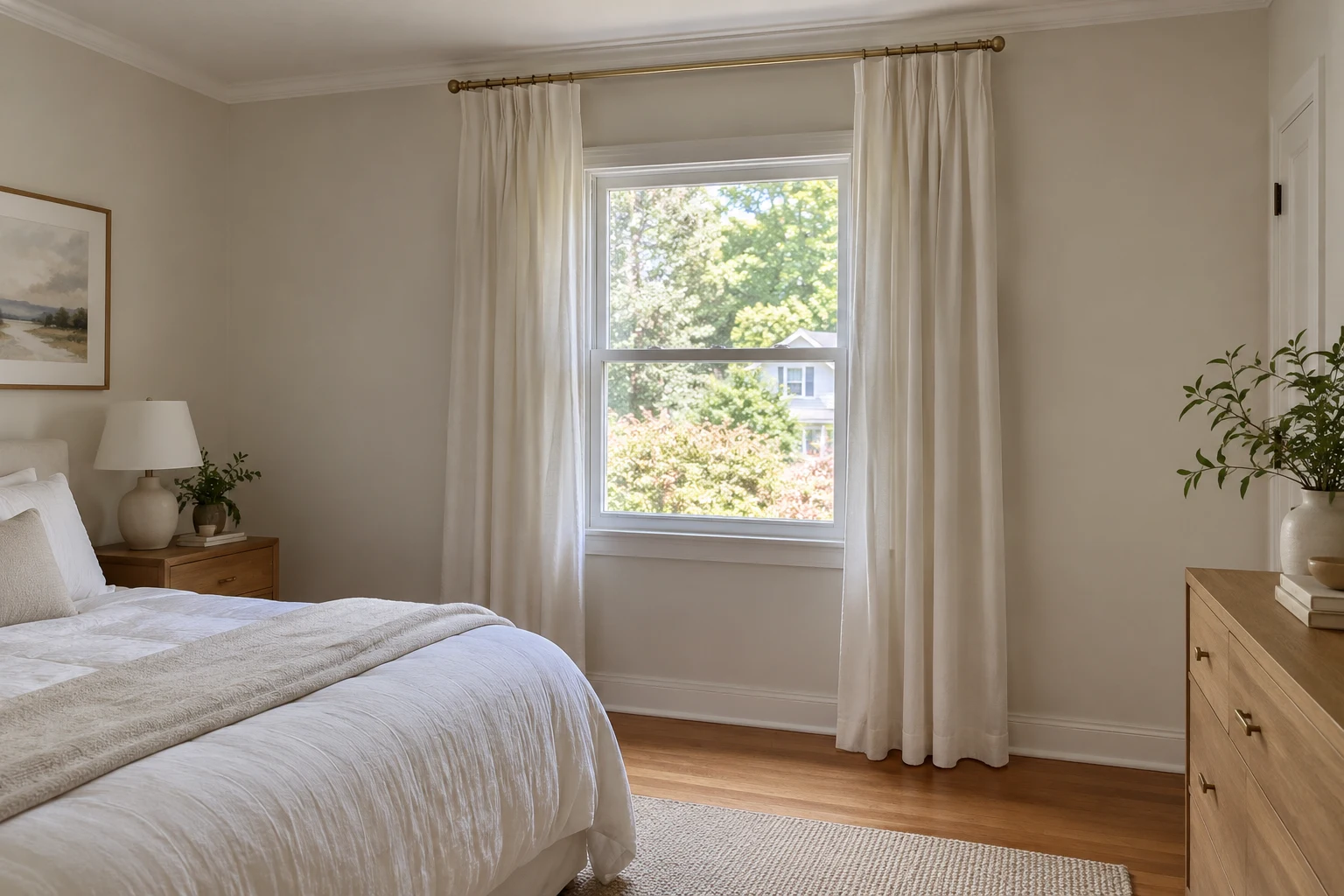
A rod near the ceiling lets you hang longer curtains, making the window look taller.
If your current curtains hang just above the frame and end below the sill, raising the rod and adding longer panels makes the difference immediately visible.
The YaFex Adjustable Gold Curtain Rod is a wall-mounted option with a gold finish. It can adjust from 32 to 114 inches to fit different window widths.
If there’s ceiling molding, mount the rod below it. A ceiling-mounted track is another option for a simple, full-height arrangement.
Full Length Without Fabric Dragging
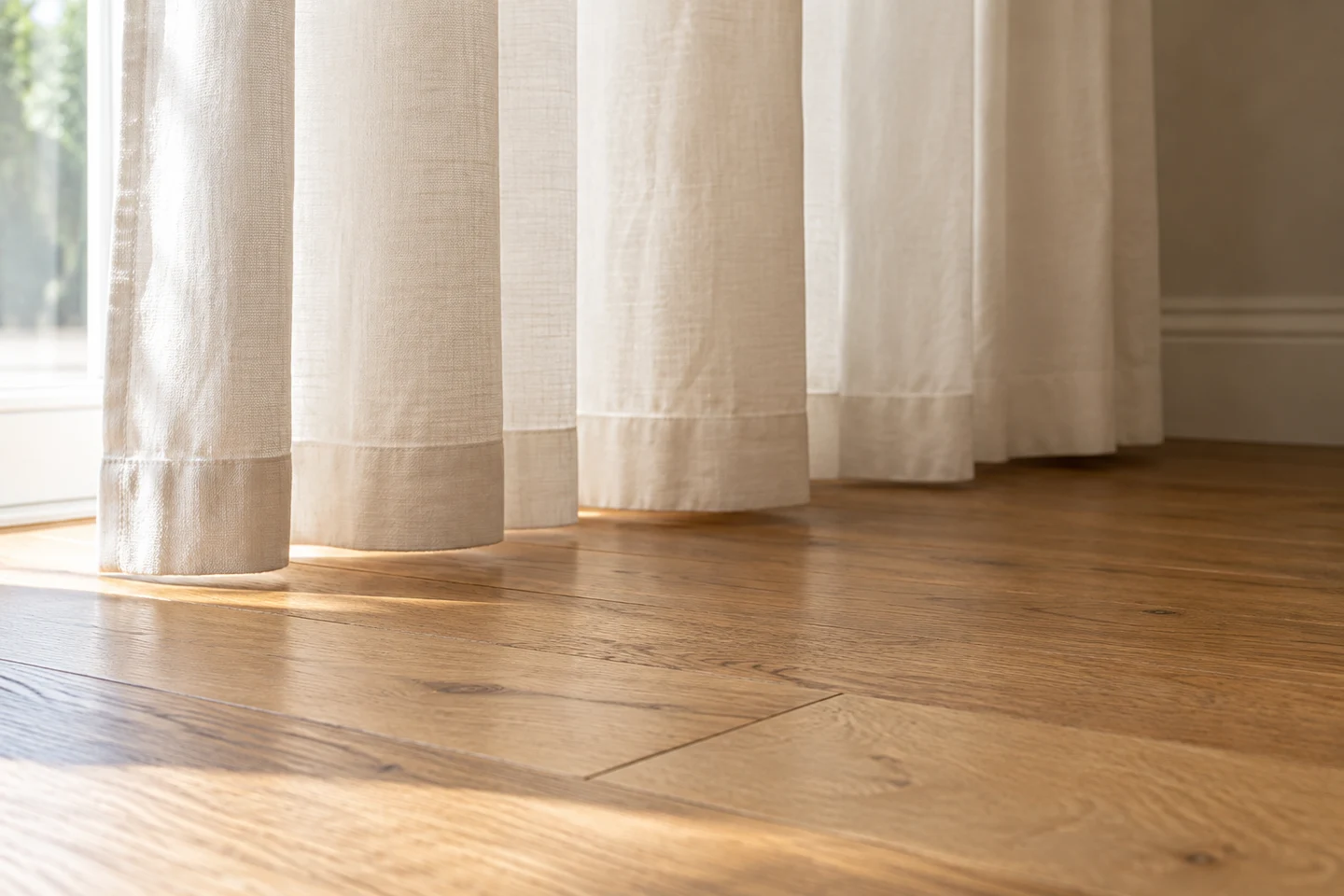
For daily use, the curtains should just clear or lightly touch the floor.
That gives you the full-length appearance without excess fabric dragging every time you open them.
Long fabric pooled on the floor can look decorative, but it collects dust and pet hair and needs more arranging. A neat hem is easier to live with in a busy bedroom.
Near-ceiling mounting needs enough curtain length. For example, an 84-inch panel cannot reach the floor from a hanging point 94 inches above it. A longer panel can be hemmed so it just reaches the floor.
Enough Width for Soft Folds
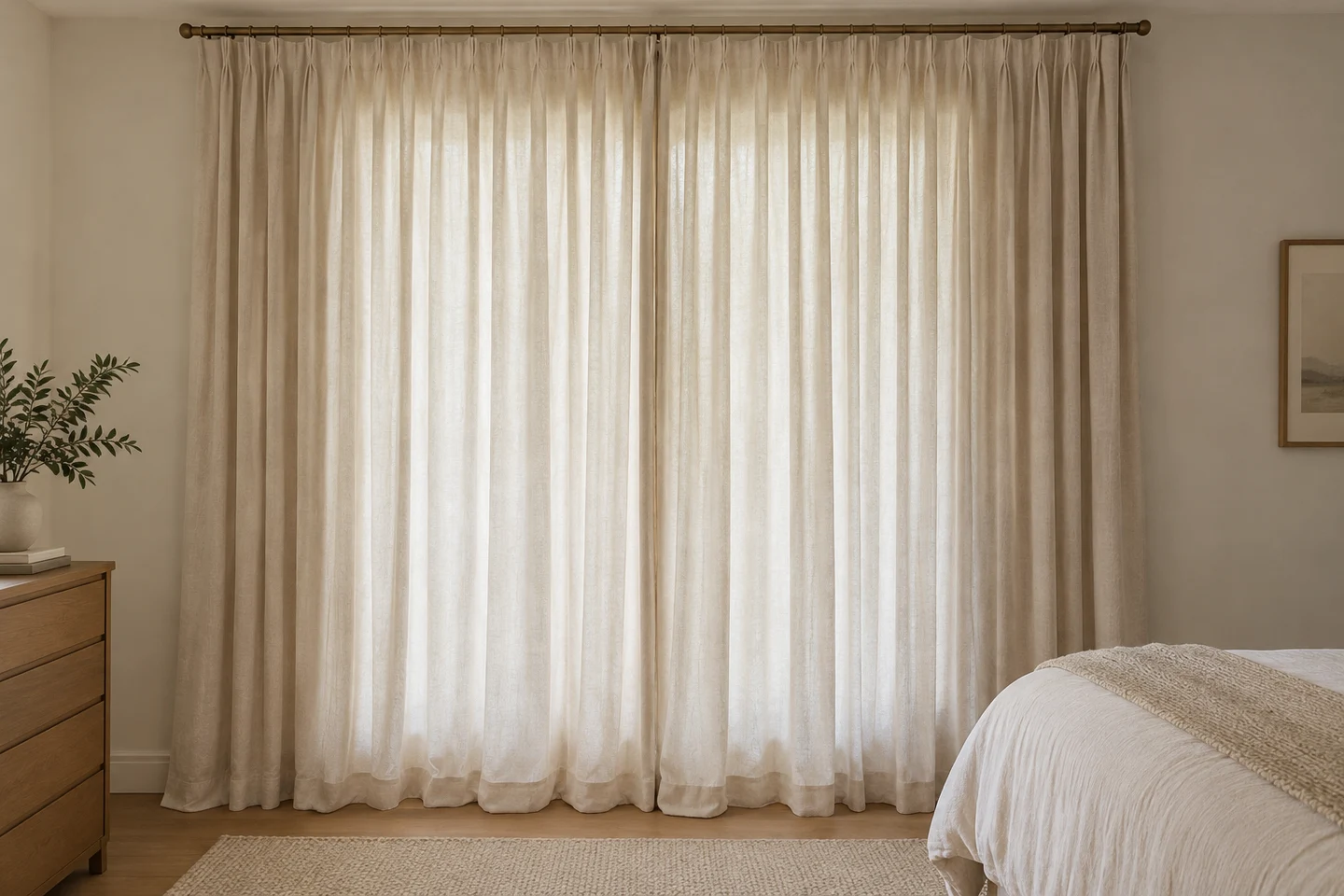
The panels need more fabric than the width they cover to form folds when closed. This extra fabric is called fullness.
As a simple example, two flat panels measuring 60 inches wide each provide 120 inches of fabric. Across a 60-inch hanging width, that gives twice the fabric width.
Ready-pleated curtains are different because their folds are already sewn in. For ready-pleated panels, the finished width is the width after the pleats have been sewn in.
Our curtain measuring guide explains the difference between fabric width, coverage width, and hanging length.
More Space Beside the Window
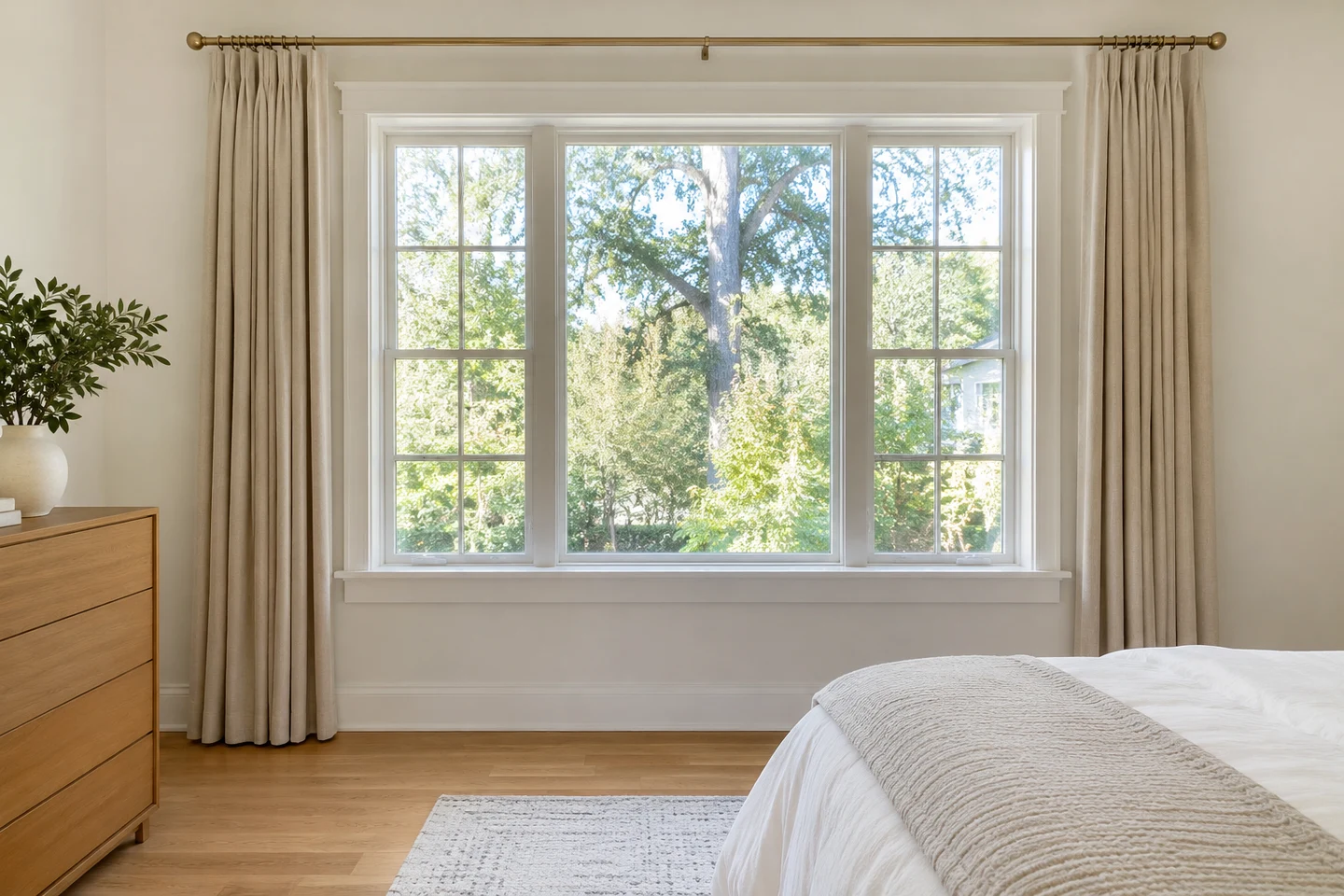
A rod extending beyond the sides of the window lets the curtains open farther away from the glass.
If the rod ends close to the frame, part of each open panel still covers the window. That reduces daylight even when you’ve pulled the curtains back completely.
Thick lined panels need more space beside the frame than lightweight curtains.
Together, a higher rod, longer panels, and more room at the sides can help make a small bedroom look bigger.
6. Curtain Tops and Hardware Matter Every Day
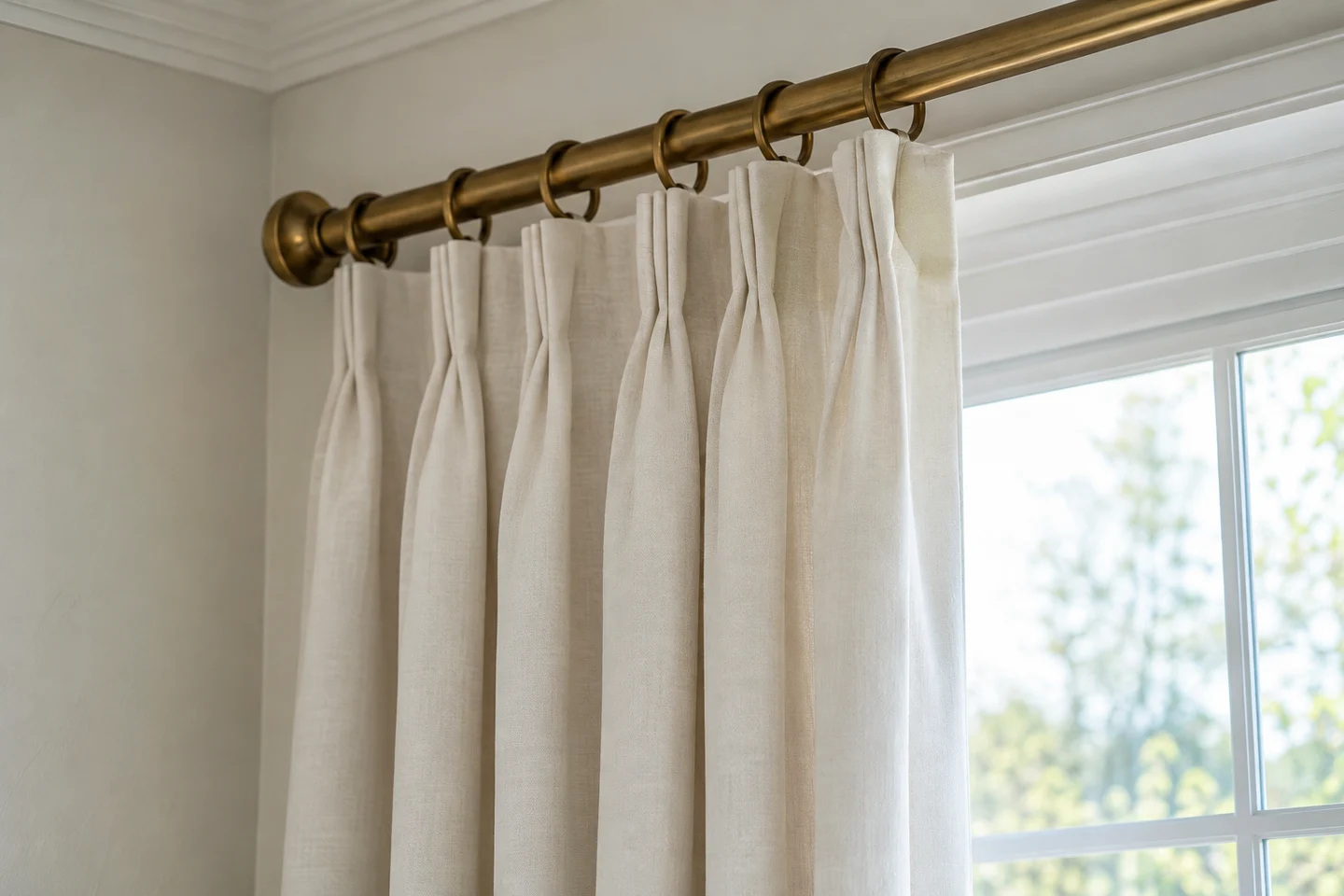
The hanging method should suit how often you open the curtains and the type of panels you have.
A curtain that catches every morning soon becomes frustrating, especially if the window is difficult to reach.
| Hanging style | Appearance | Practical detail |
|---|---|---|
| Pleated curtains on rings or a track | Defined, evenly spaced folds | Suitable for a neat finish and frequent opening |
| Grommet curtains | Broad folds with visible metal eyelets | The rod passes directly through the eyelets |
| Rod-pocket curtains | Fabric covers most of the rod | Friction can make some panels harder to slide |
| Back-tab curtains | Hidden fabric loops and soft folds | Movement depends on the rod and fabric |
A ceiling track is useful for a full-height arrangement, while a visible rod can add a decorative detail.
Pick the PHUSTJKL Double Ceiling Track if you prefer a discreet ceiling-mounted setup for sheers and heavier curtains. The YaFex Gold Rod suits a more decorative look, with the gold metal rod visible above the panels.
The track takes curtains attached with hooks and gliders. The rod works with metal eyelets, rod pockets, back tabs, or rings.
7. Why Is Light Still Coming Around the Curtains?
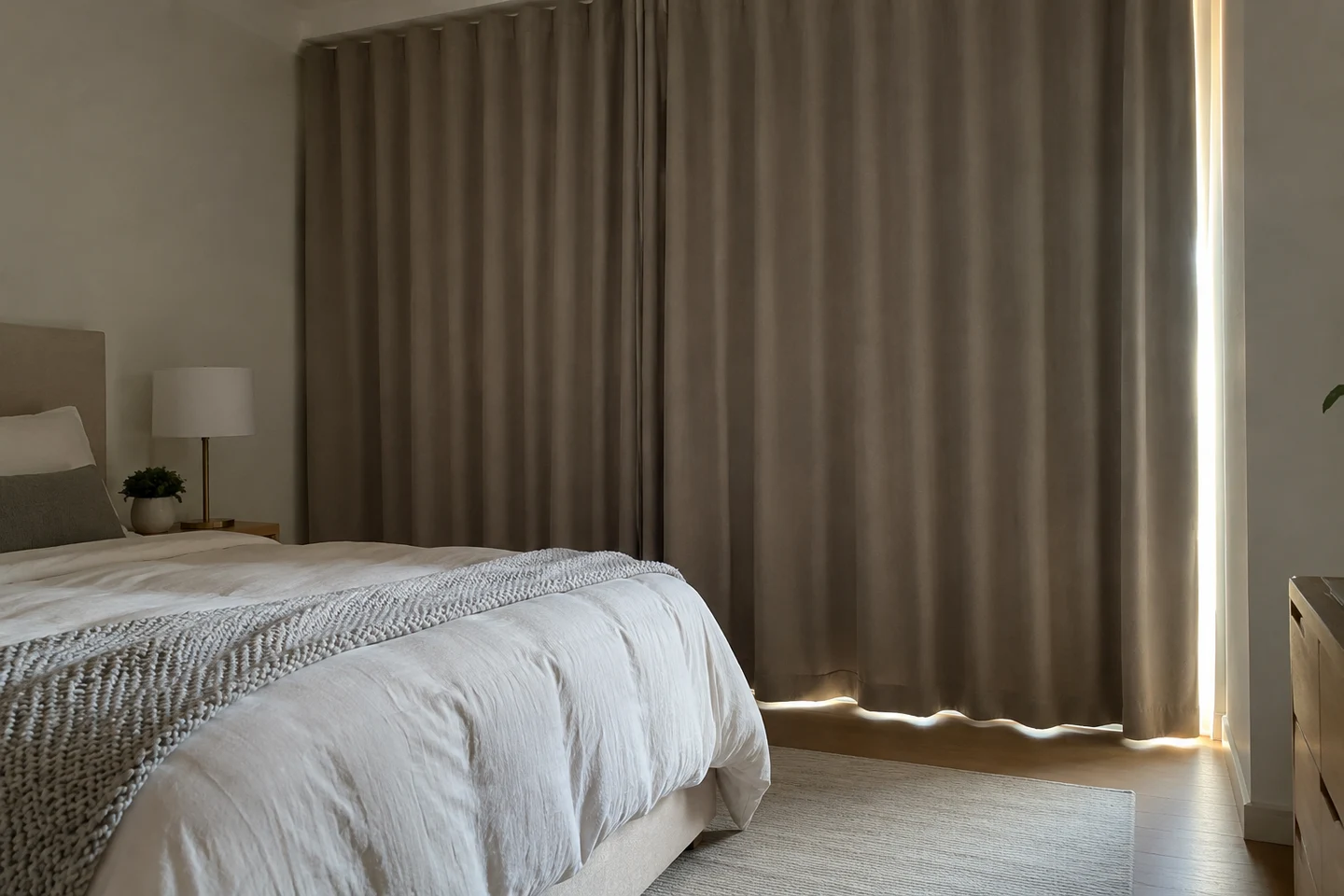
Light passing through the fabric and light entering around it need different fixes.
If the whole panel glows, the fabric is allowing light through. If the panel stays dark but the edges are bright, more opaque fabric won’t close those gaps.
| Where the light appears | What helps |
|---|---|
| Through the fabric | A more opaque lining or an additional blackout shade |
| Between the panels | More width or better overlap where they meet |
| Along the sides | Panels that extend toward the wall, using side returns or a wraparound rod |
| Above the curtains | More coverage above the opening, an enclosed pelmet, or another window covering |
A pelmet is a box-like cover above the curtain top. An enclosed design can help reduce light entering from above.
A blackout shade behind the curtains can block light that still gets through the gaps.
Even blackout curtains let light in around the edges unless they cover the window fully.
8. Awkward Windows Need a Practical Arrangement
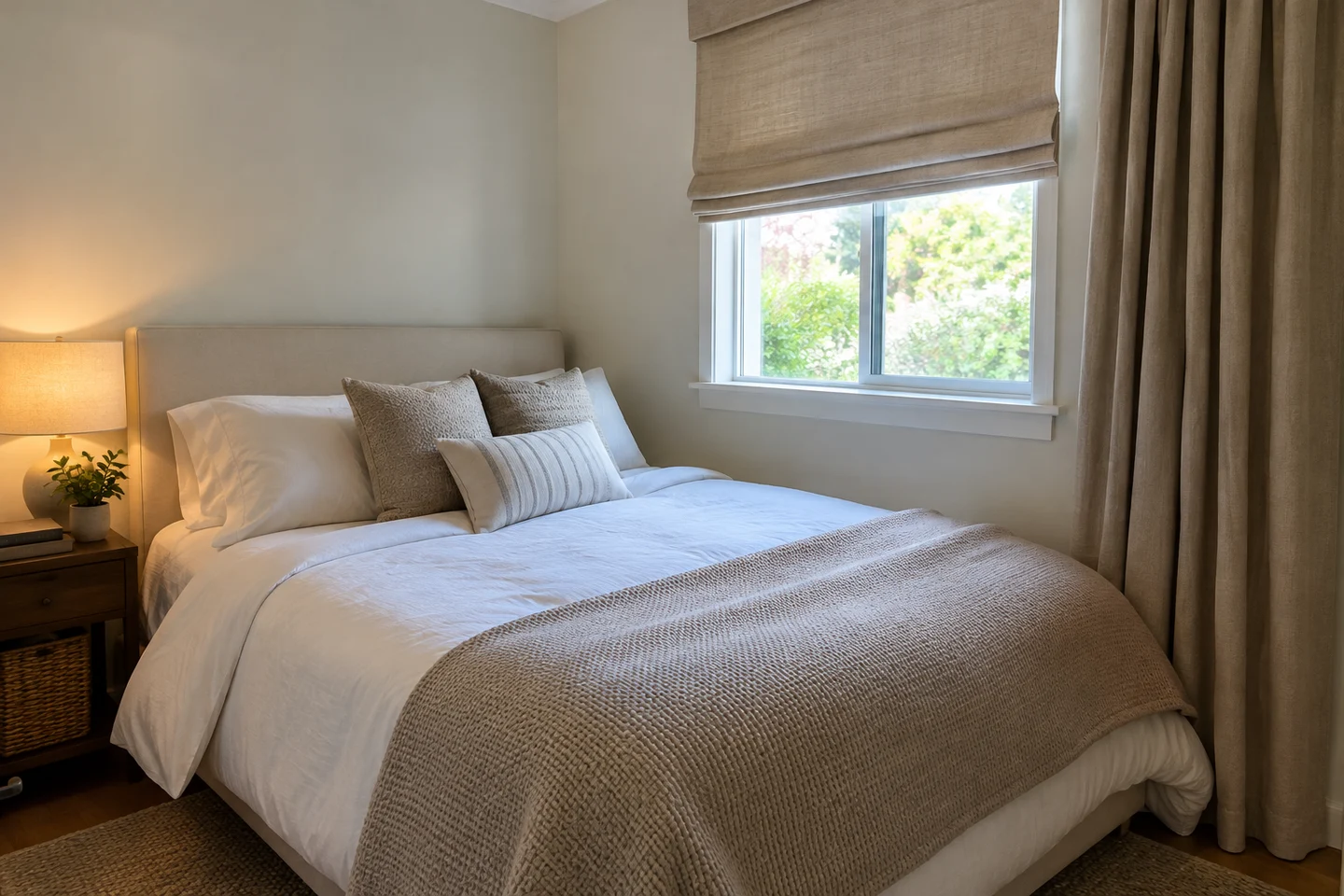
Curtains need enough space to hang freely and open without catching behind furniture.
Long curtains look good, but they shouldn’t get trapped behind furniture or hang over a heater.
A Window Behind the Bed

A shade is often easier to use when the headboard blocks access to the curtains.
Long decorative panels can stay open at the sides, while the shade provides privacy and darkness.
If you want curtains that close across the window, they need a clear path behind the bed and an accessible way to open them.
Our bed-in-front-of-window ideas show arrangements that keep both the bed and window usable.
Two Windows Close Together

A shared rod or track can work well when there’s little wall space between two windows.
The curtains can open to the far left and right of the two windows, leaving the space between them uncovered. There still needs to be enough fabric to cover both windows when closed.
Separate shades beneath the curtains provide individual control if one window gets more direct sun than the other.
Furniture or Heating Below the Window
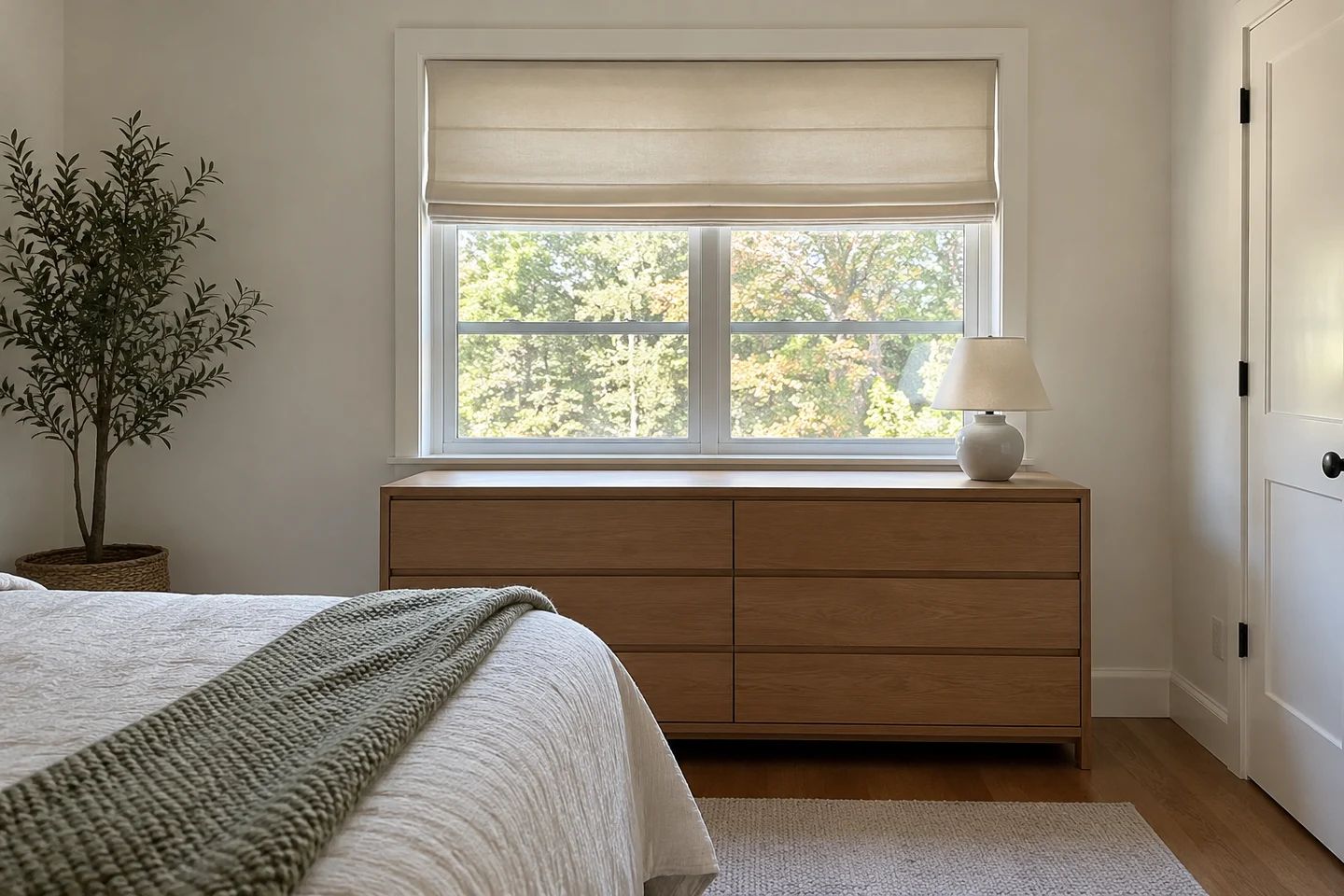
A shade is usually simpler when long curtains would catch behind a dresser or hang near heating equipment.
Short curtains can also work if they end above the furniture and stay clear of heaters.
Fabric should remain clear of heaters and vents. In these situations, using a shade that fits inside the window frame is often the most practical choice.
9. A Short Bedroom Curtain Checklist
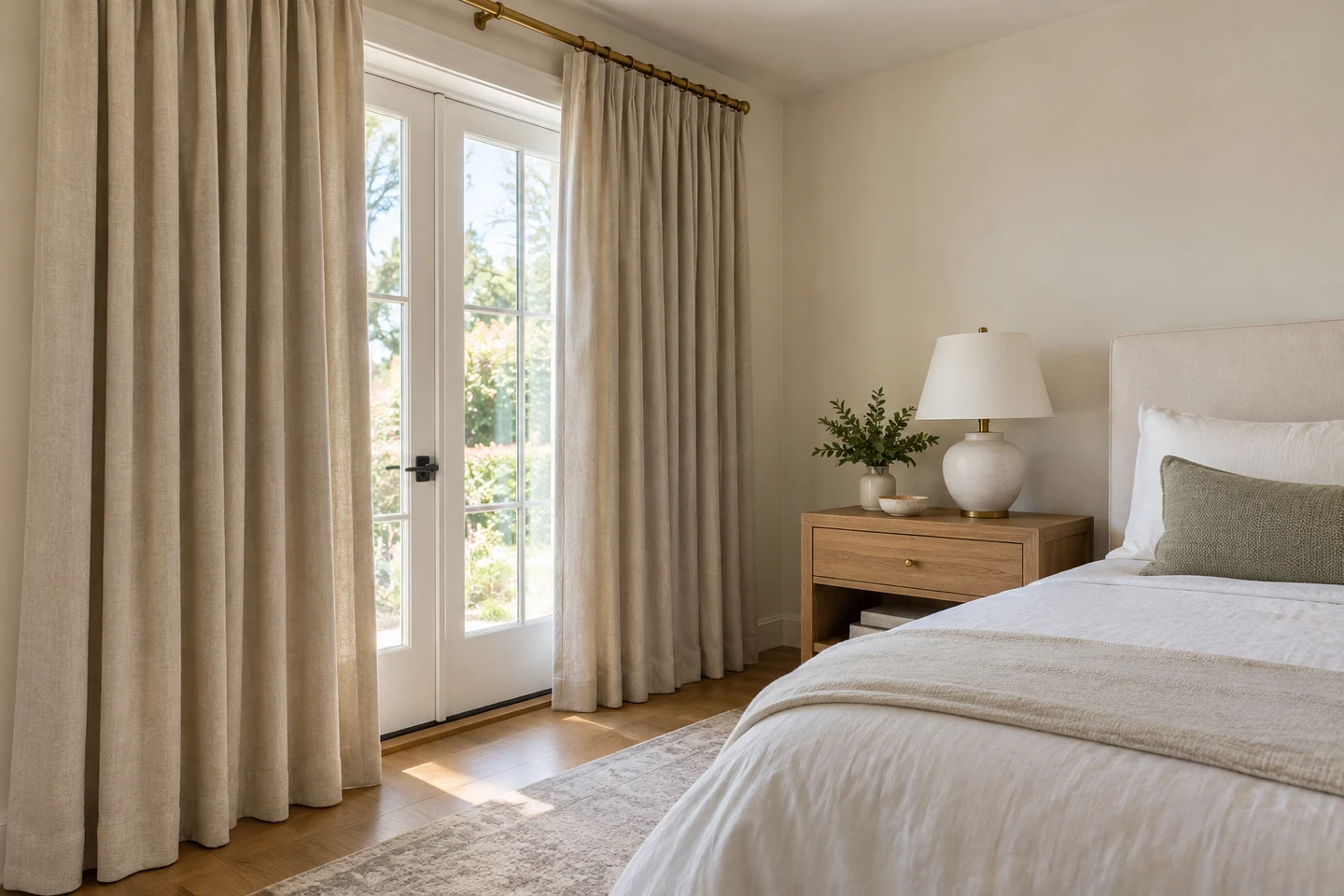
A complete curtain purchase includes enough panels, the correct hanging length, and suitable hardware.
These details prevent the most common disappointments:
- Light level: Blackout, room darkening, or light filtering.
- Nighttime privacy: An opaque layer when the bedroom lights are on.
- Hanging height: Near the ceiling for a taller, more luxurious look where the room allows it.
- Length: Enough fabric to reach the floor from the actual hanging point.
- Width: Enough coverage and fabric for the intended folds.
- Quantity: The correct number of panels.
- Hardware: A rod or track suited to the curtain top and weight.
- Layers: Separate rods or tracks if you want sheers and heavier curtains.
- Care: Cleaning requirements that fit your routine.
- Total cost: Curtains, hardware, hooks, rings, and any hemming.
Shopping note: The Pillowfort curtain is sold as one panel, while IKEA ROSENMANDEL is sold as a pair. Product photos don’t always make that distinction obvious.
10. Bedroom Curtain Questions, Answered
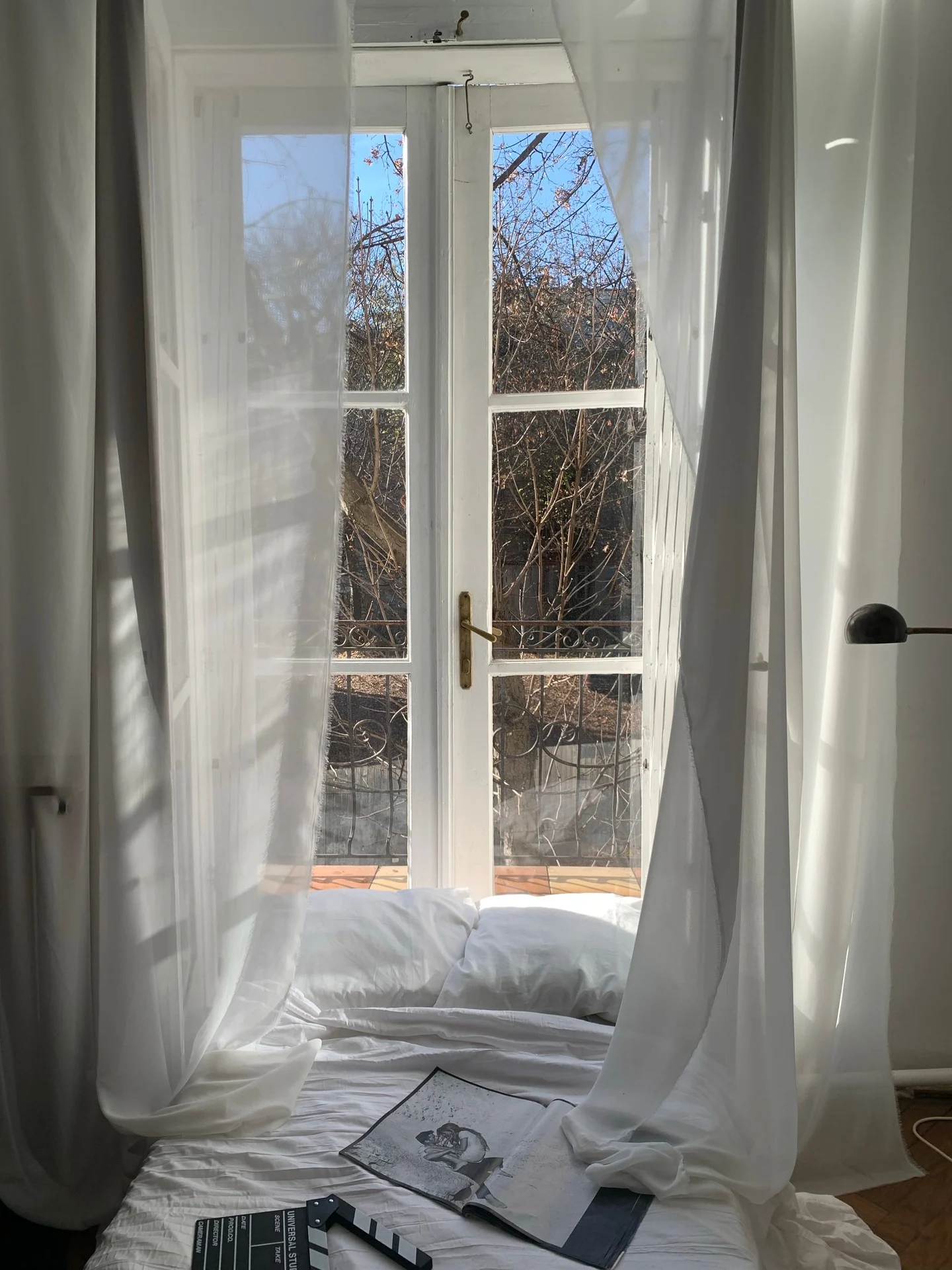
Curtain fabric, lining, length, and placement all affect the finished result. These answers cover the questions that often come up while choosing them.
Can White Curtains Block Sunlight?
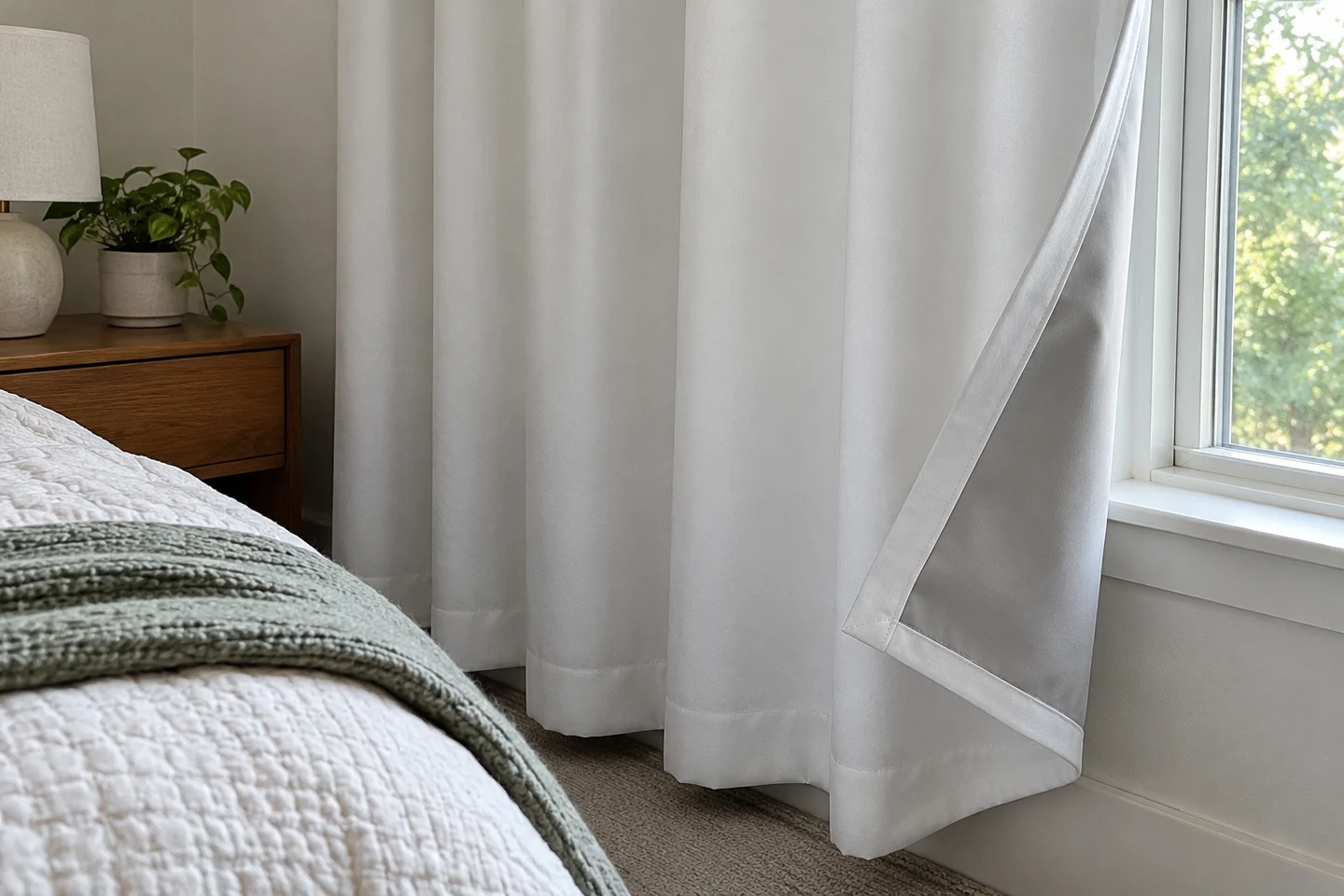
Yes. White curtains can provide strong light blocking when they have suitable blackout backing or lining.
White sheers still let daylight through. The color alone doesn’t tell you how much light will pass through.
Are Sheer Curtains Enough for a Bedroom?
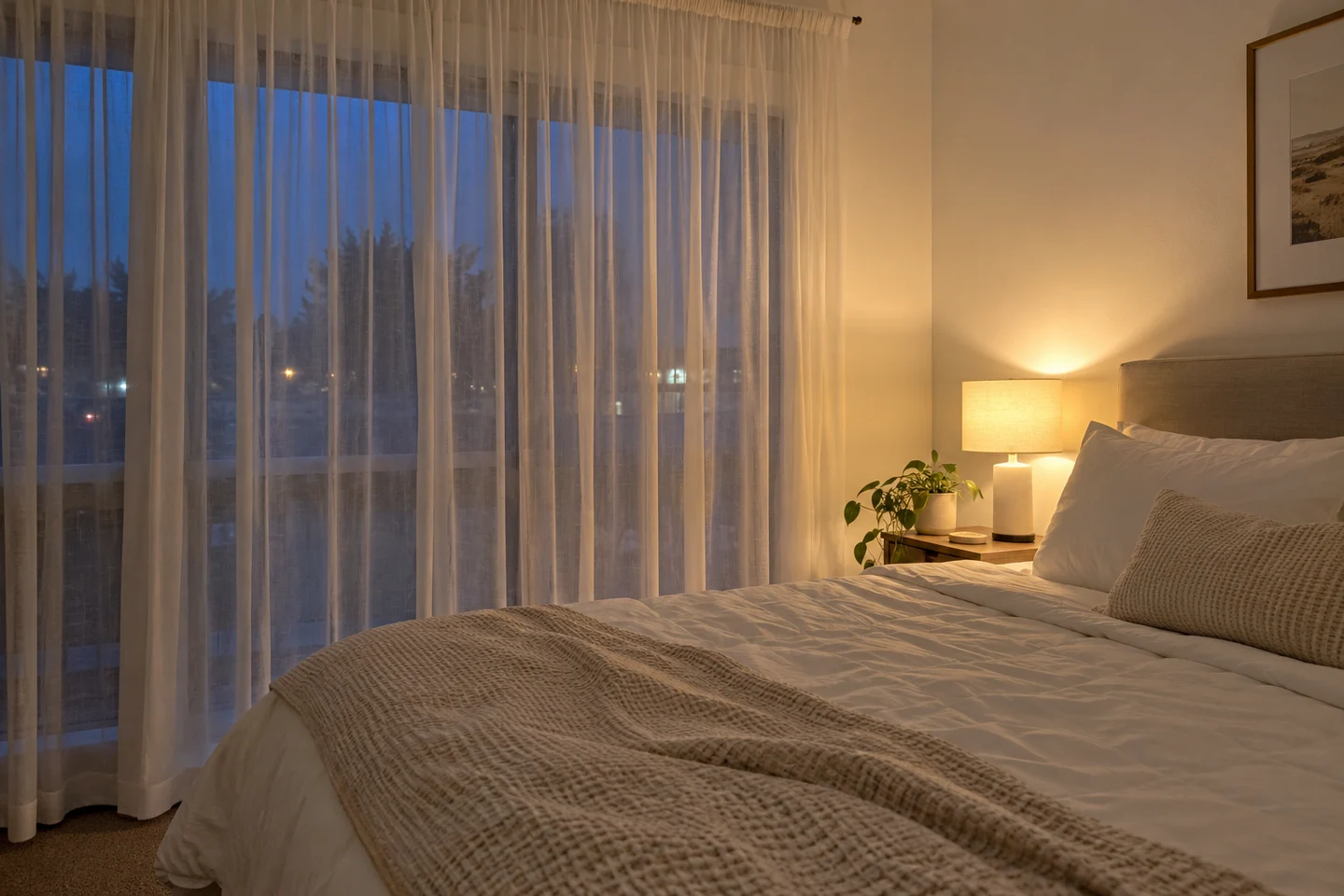
Sheers can be enough as a decorative layer when blinds or shades already provide privacy and darkness.
On their own, they allow substantial light through and may become see-through when the bedroom lights are on.
Should Curtains Match the Walls or Bedding?

Either approach works. Similar wall and curtain colors create less contrast, while a color from the bedding makes the curtains more noticeable.
An exact match isn’t necessary. A shared color or similar undertone is usually enough.
Do Ceiling-to-Floor Curtains Suit Small Bedrooms?
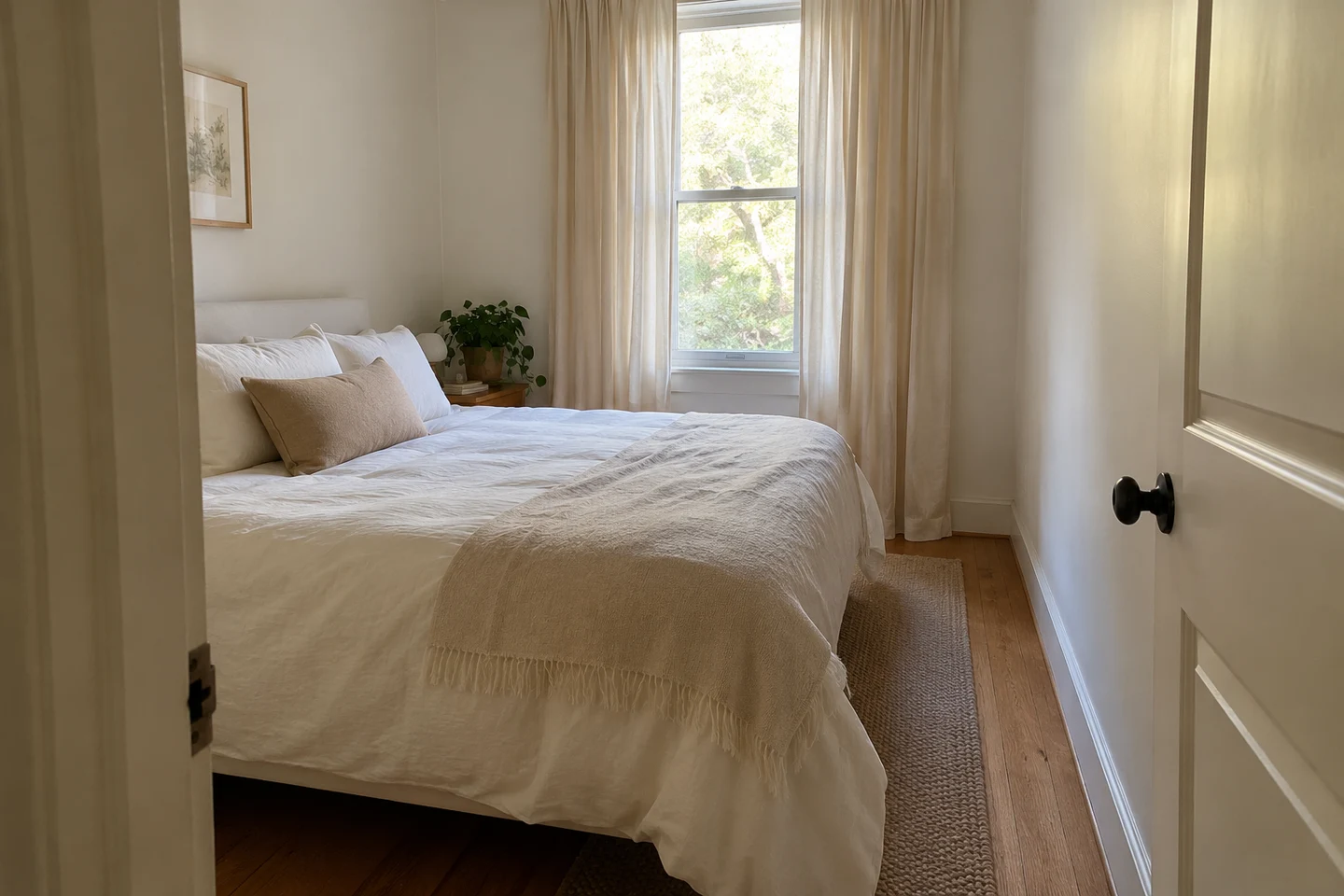
Yes. Curtains hung near the ceiling and extending to the floor can make a small bedroom feel taller and more luxurious.
Panels close to the wall color create a softer contrast. A rod extending beyond the window also helps uncover more glass when the curtains are open.
Can Linen Curtains Make a Bedroom Dark?
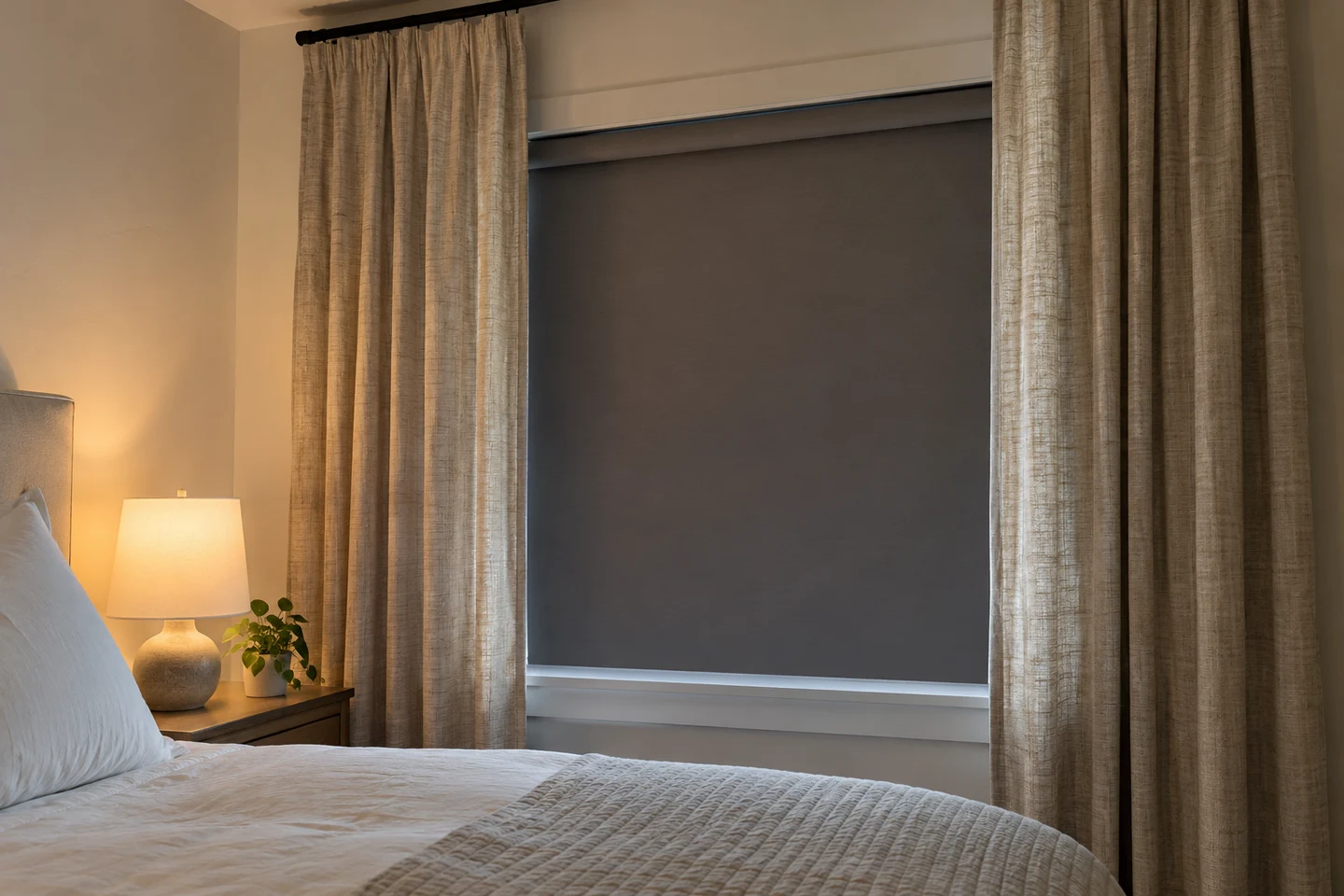
Yes, with an appropriate lining or a blackout shade behind them.
Unlined and semi-sheer linen blends generally allow daylight through. A blackout shade behind the linen lets you keep its light, textured look while darkening the room when needed.
Should Curtains Touch the Floor?
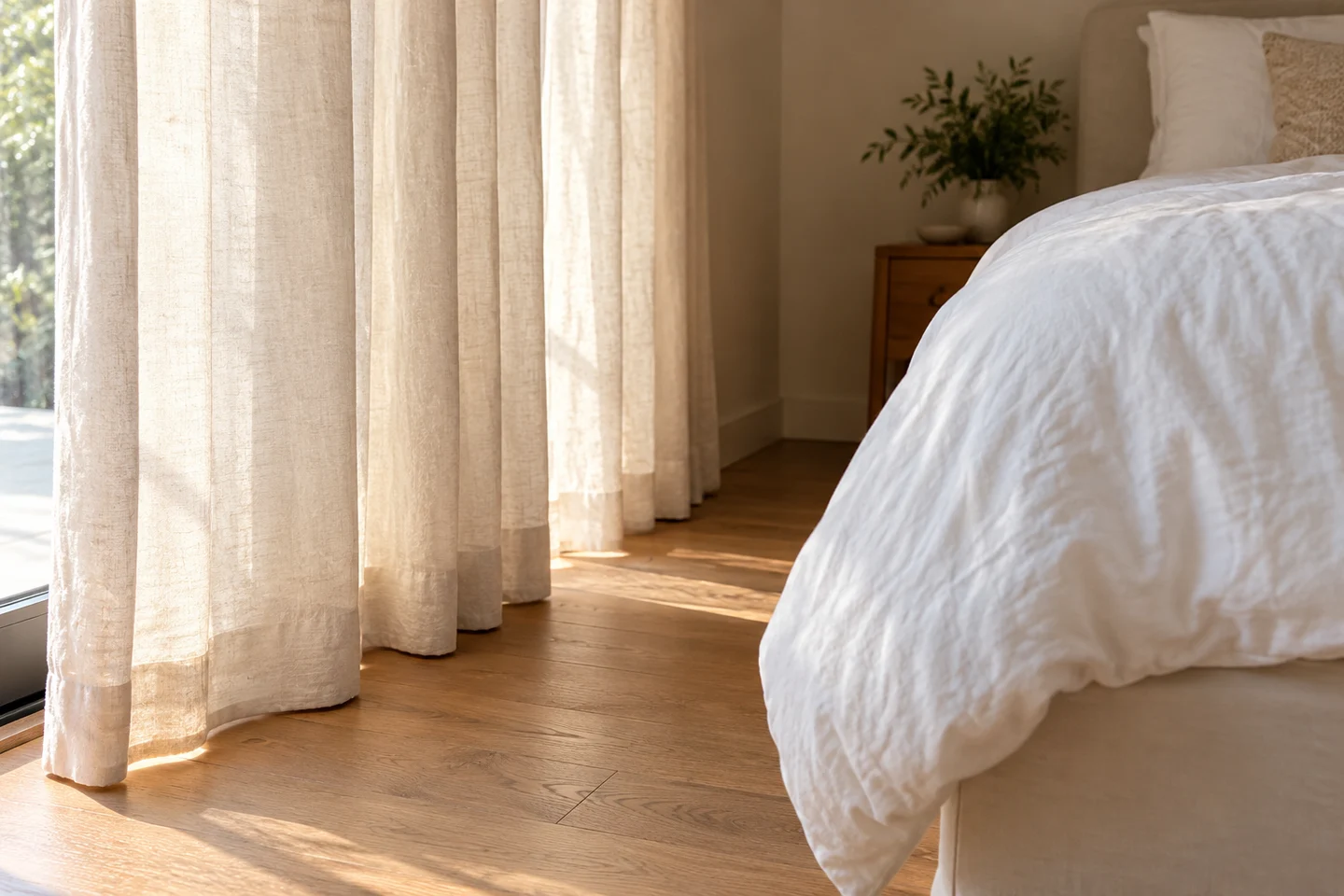
A hem that just clears or lightly touches the floor is a good choice for everyday use.
You’ll get the full-length appearance without having to rearrange extra fabric whenever you clean or open the curtains.
11. Bedroom Curtains and Hardware Worth a Look
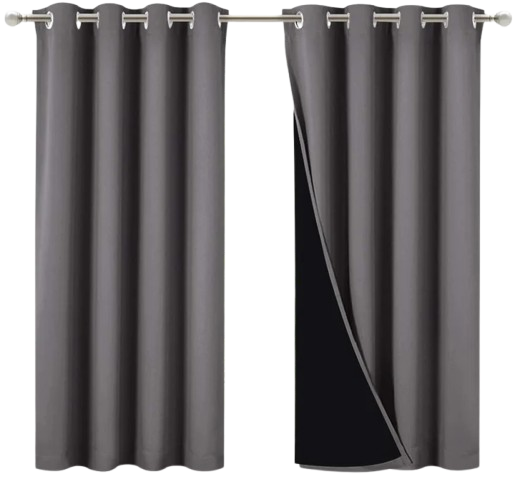 NICETOWN Blackout CurtainsDouble-layer blackout curtains for bedrooms affected by bright outdoor light.
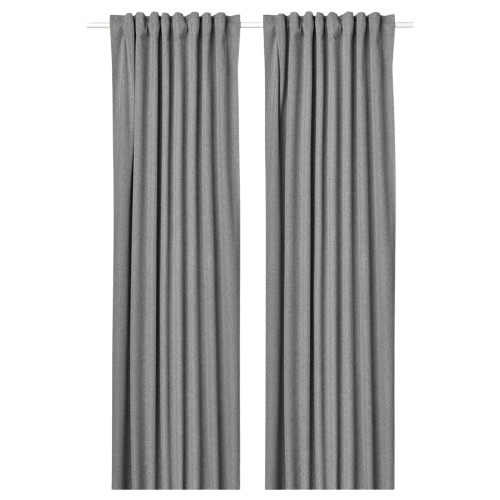 IKEA ROSENMANDEL Black-out CurtainsGray blackout panels sold as a pair, with heading tape for a rod or suitable track hooks.
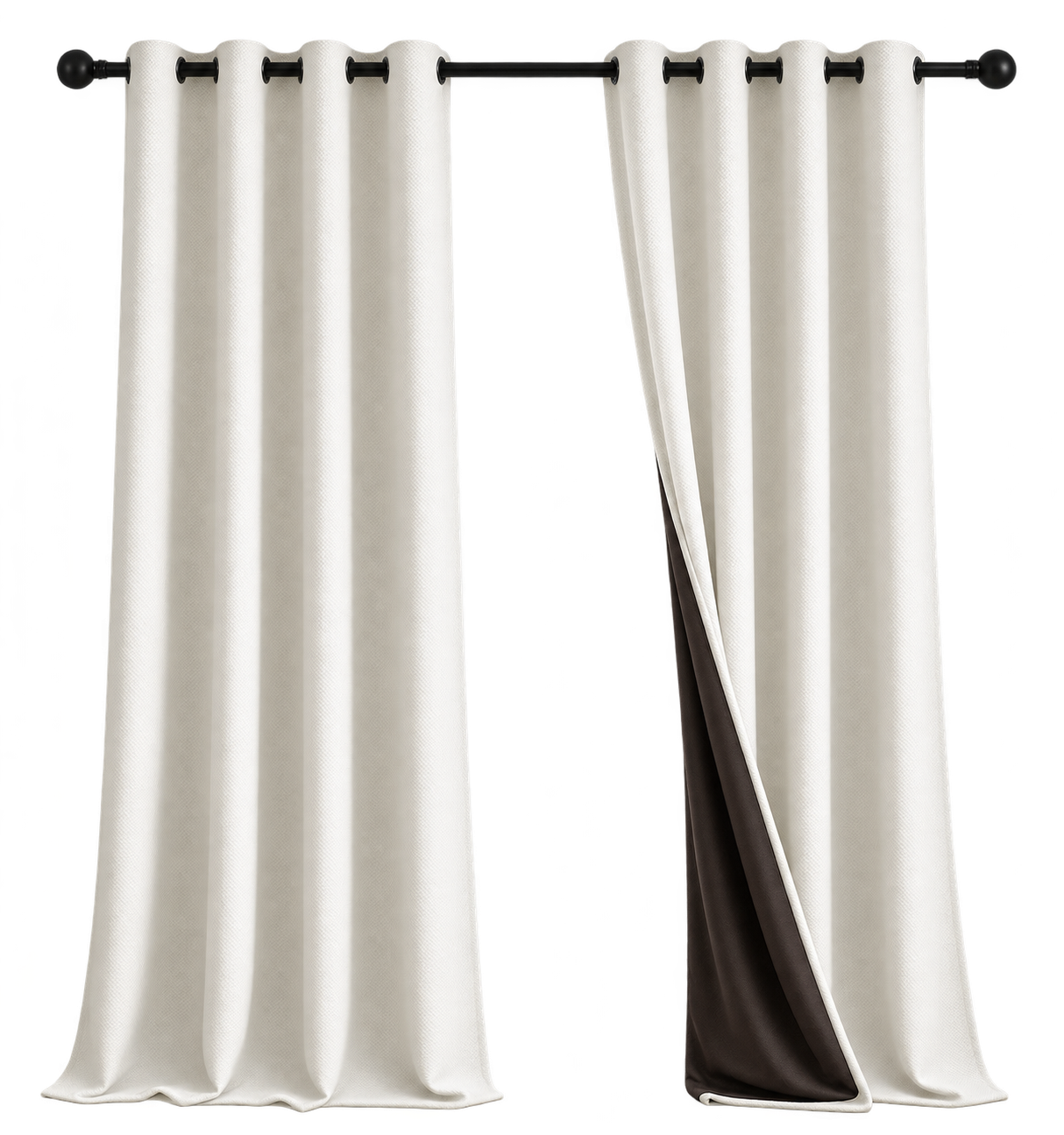 FMFUNCTEX Beige Blackout CurtainsTextured beige blackout curtains with grommet tops, supplied as two panels.
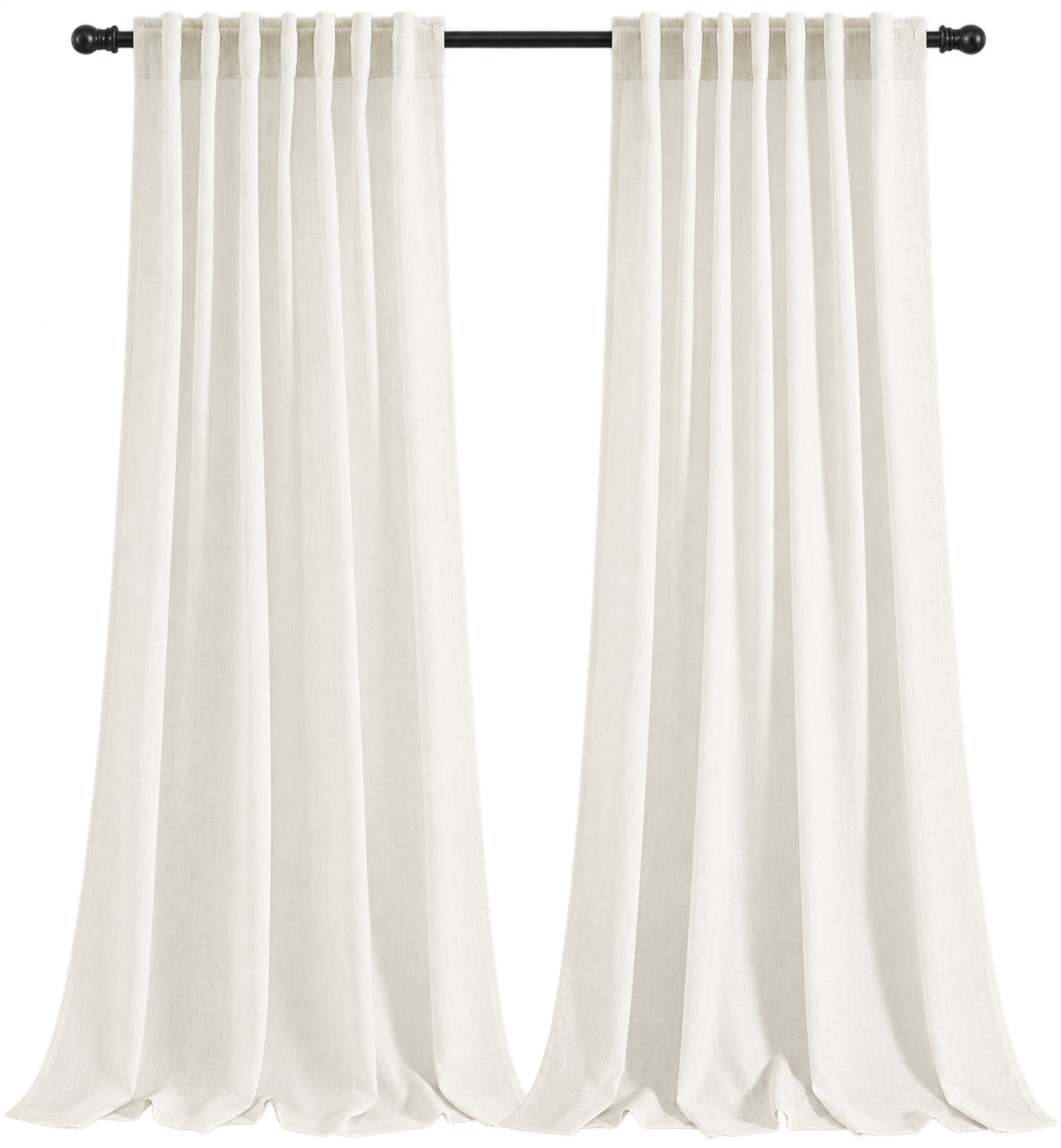 Nanspring Linen-Blend Semi-Sheer CurtainsLight-filtering linen-blend panels with a visible weave for layering over an opaque shade.
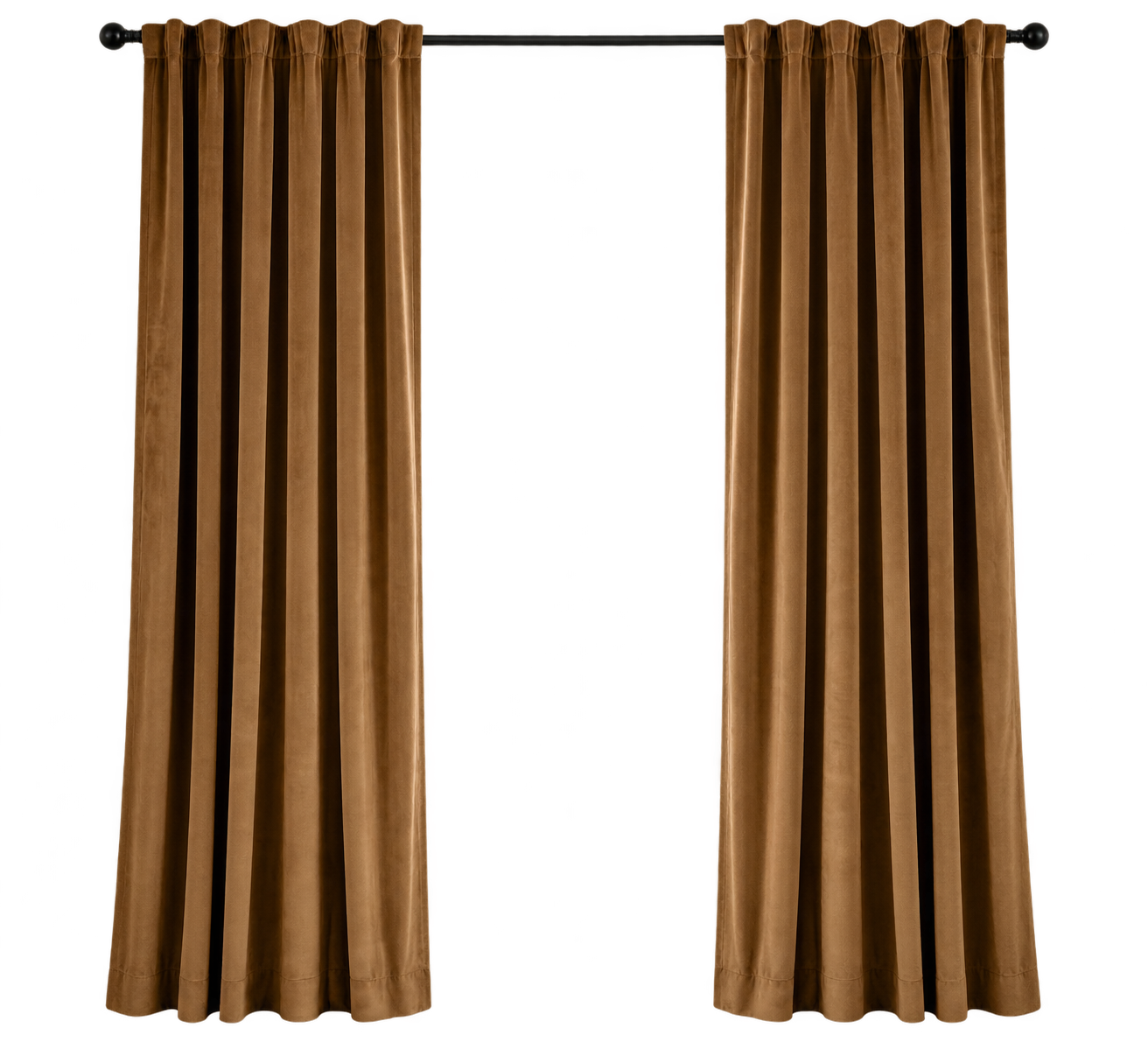 Lazzzy Golden Brown Velvet CurtainsWarm golden-brown velvet panels with rod-pocket tops and a plush texture.
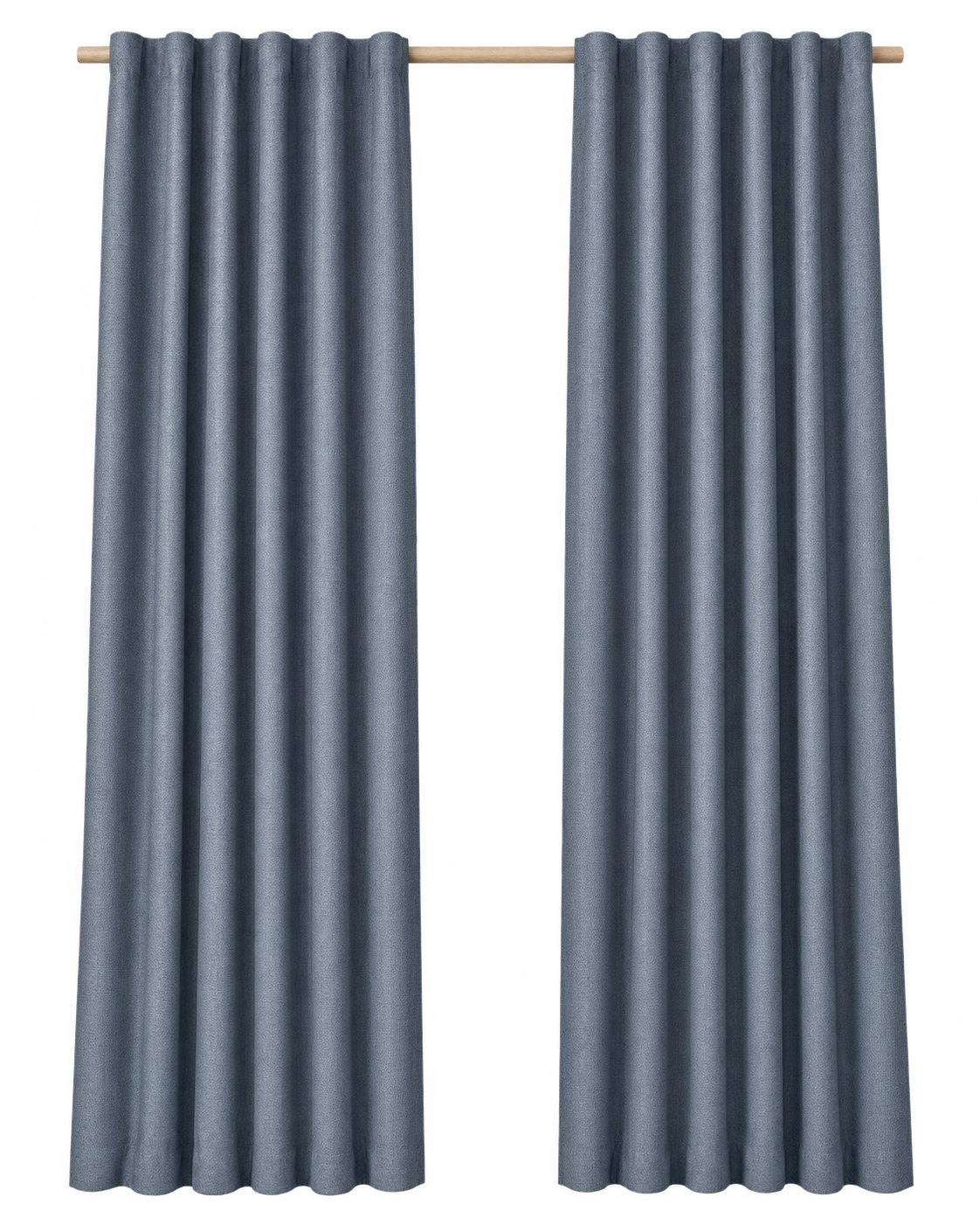 Pillowfort Chambray Cotton Curtain PanelA navy cotton-front curtain with a light-blocking liner. Sold as one panel.
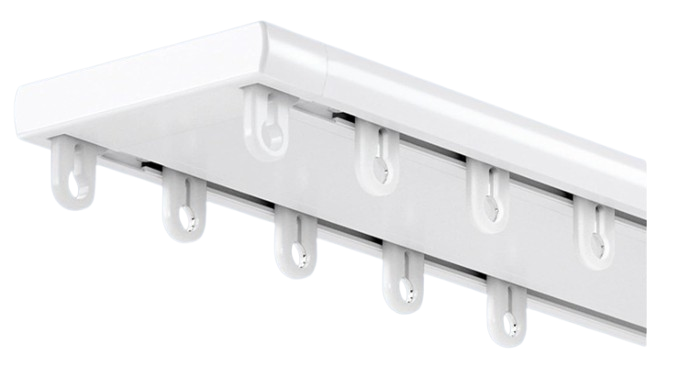 PHUSTJKL Double Ceiling Curtain TrackTwo ceiling-mounted tracks for independently moving sheer and opaque curtain layers.
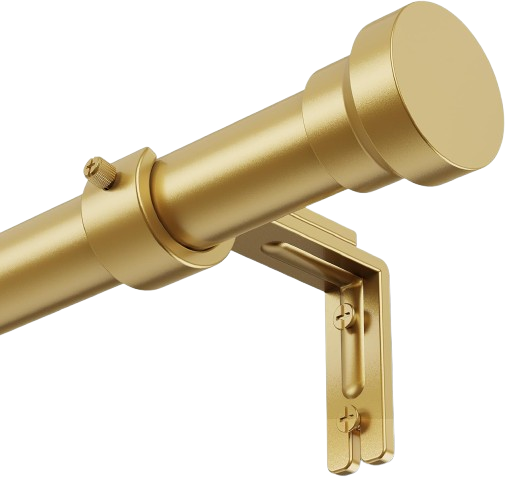 YaFex Adjustable Gold Curtain RodAn adjustable gold wall-mounted rod for a decorative finish above the window.