Decluttering Your Home? 40 Items You Probably Don’t Need Anymore

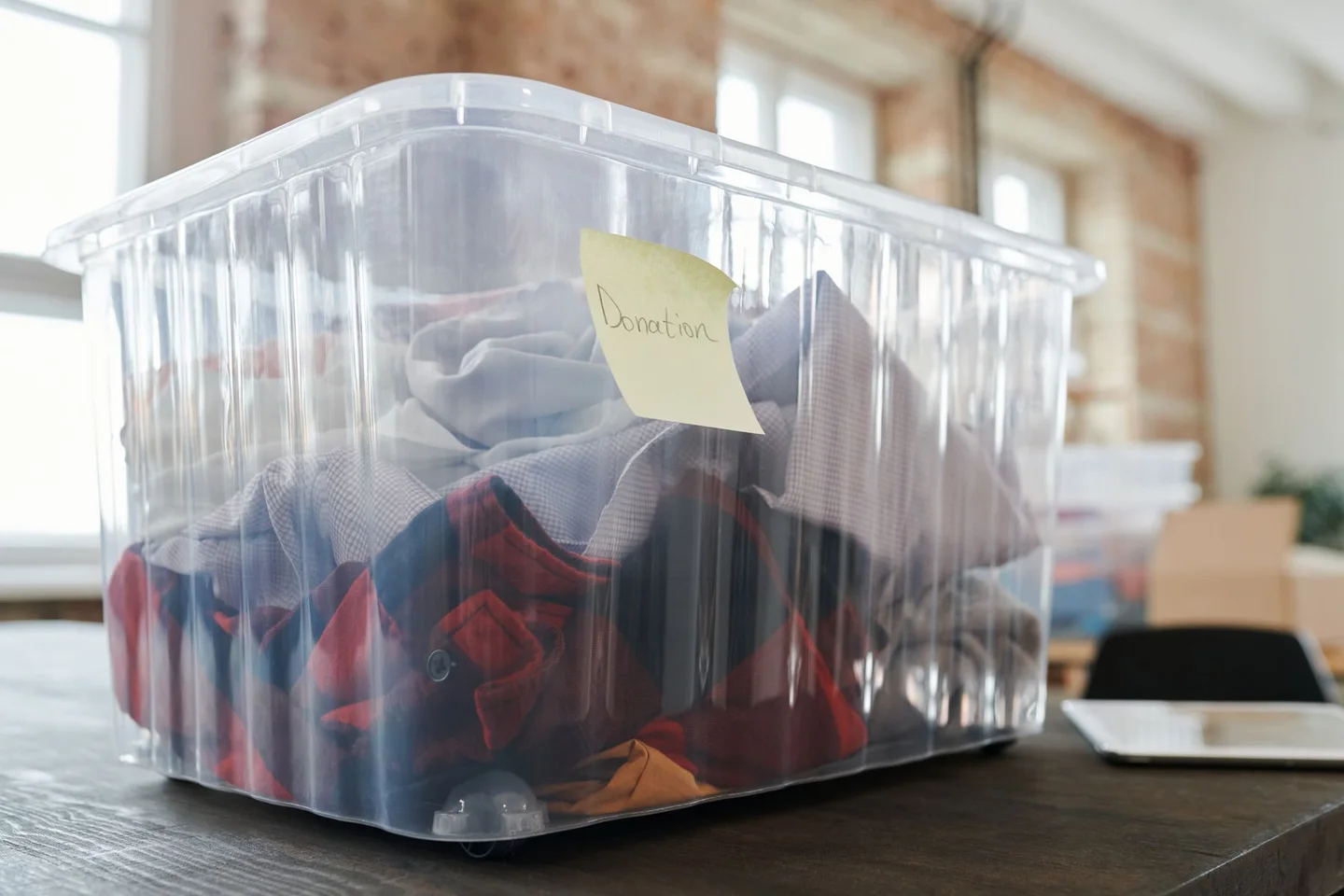
The de-influencing trend makes a pretty good point: we probably don’t need every kitchen gadget, matching storage bin, or viral beauty product that lands on our feeds. Overconsumption is easy to recognize when someone else’s shopping haul fills the screen. At home, decluttering home items gets more complicated. That unused appliance cost money. Those shoes might work with another outfit. And the gift you never liked? Someone you love bought it.
The quick answer
- Remove unused duplicates, unusable products, and broken items without a repair plan first.
- Work through one drawer or shelf at a time, keeping what you use or enjoy.
- Separate unwanted items for donation, selling, recycling, or safe disposal so they leave the house instead of becoming another pile.
You don’t have to empty the whole house this weekend. These 40 items will help you spot manageable decisions, room by room. And when something is still in good condition, donating it can give it a useful next chapter.
Before You Open Another Cupboard, Ask These Three Questions
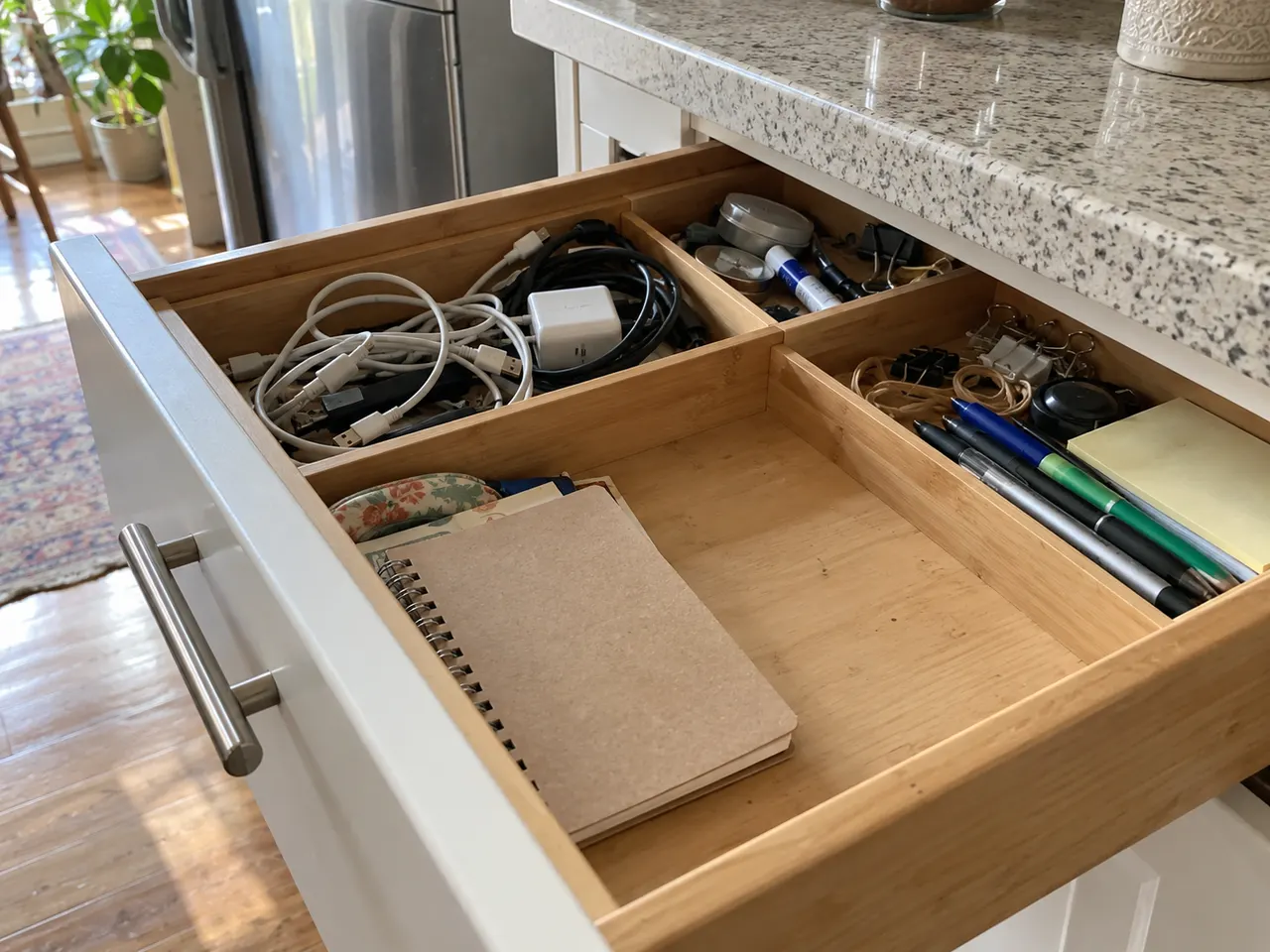
Ask whether the item has a real purpose in your life before deciding where it belongs. These three questions make that easier:
- Do I use this, enjoy it, or need it for a specific purpose?
- Do I already own something that does the same job?
- If it needs fixing, am I willing to arrange that repair?
A favorite ornament earns its space through enjoyment. A spare phone charger earns its space because you actually use it. The third broken toaster waiting for a repair you never plan to book has a weaker case.
Kitchen: Give Your Everyday Favorites Some Breathing Room
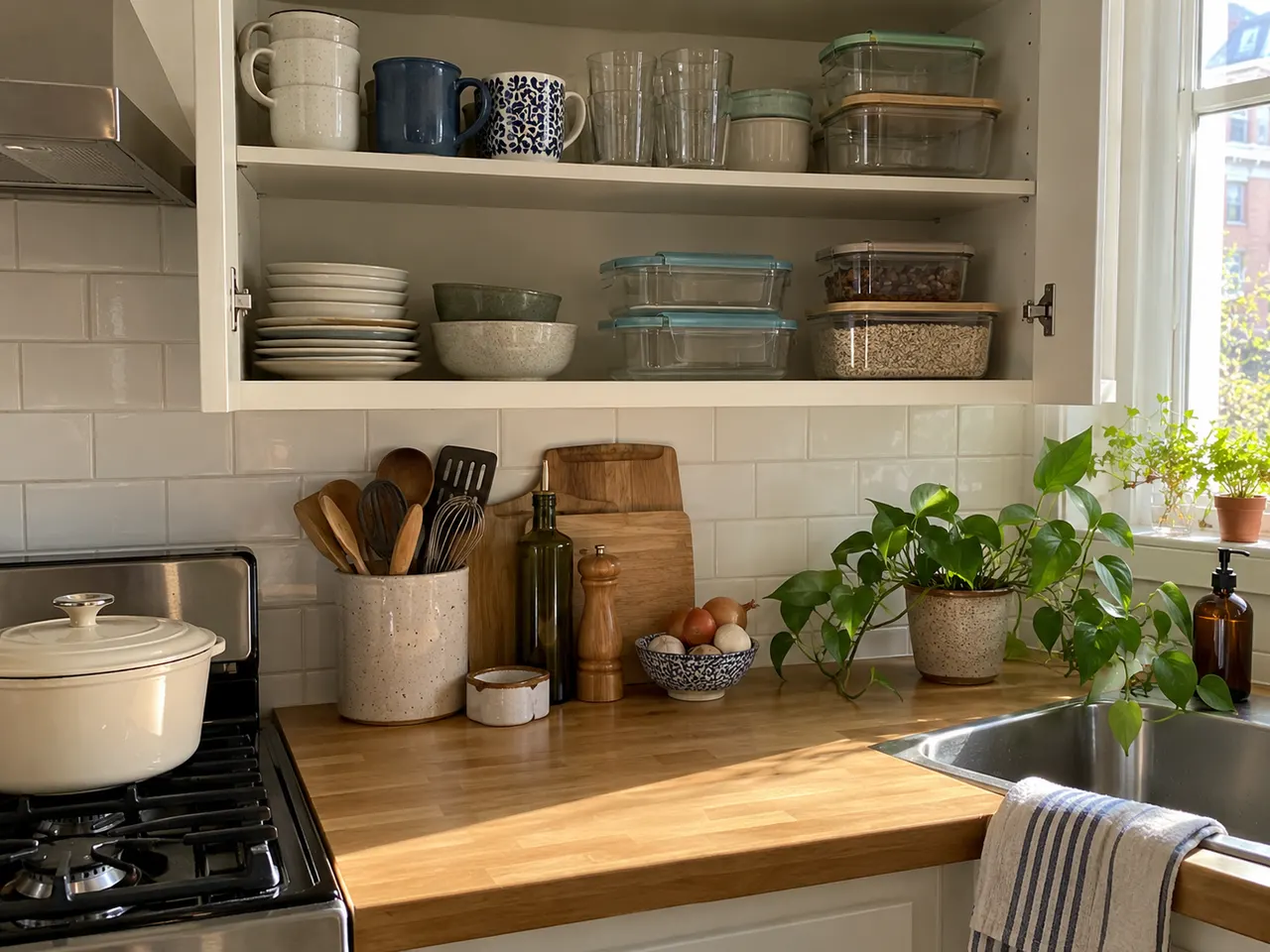
Keep the tools and dishes that suit how you actually cook and eat. A little space between things makes putting them away easier, too.
1. Mugs You Always Reach Past
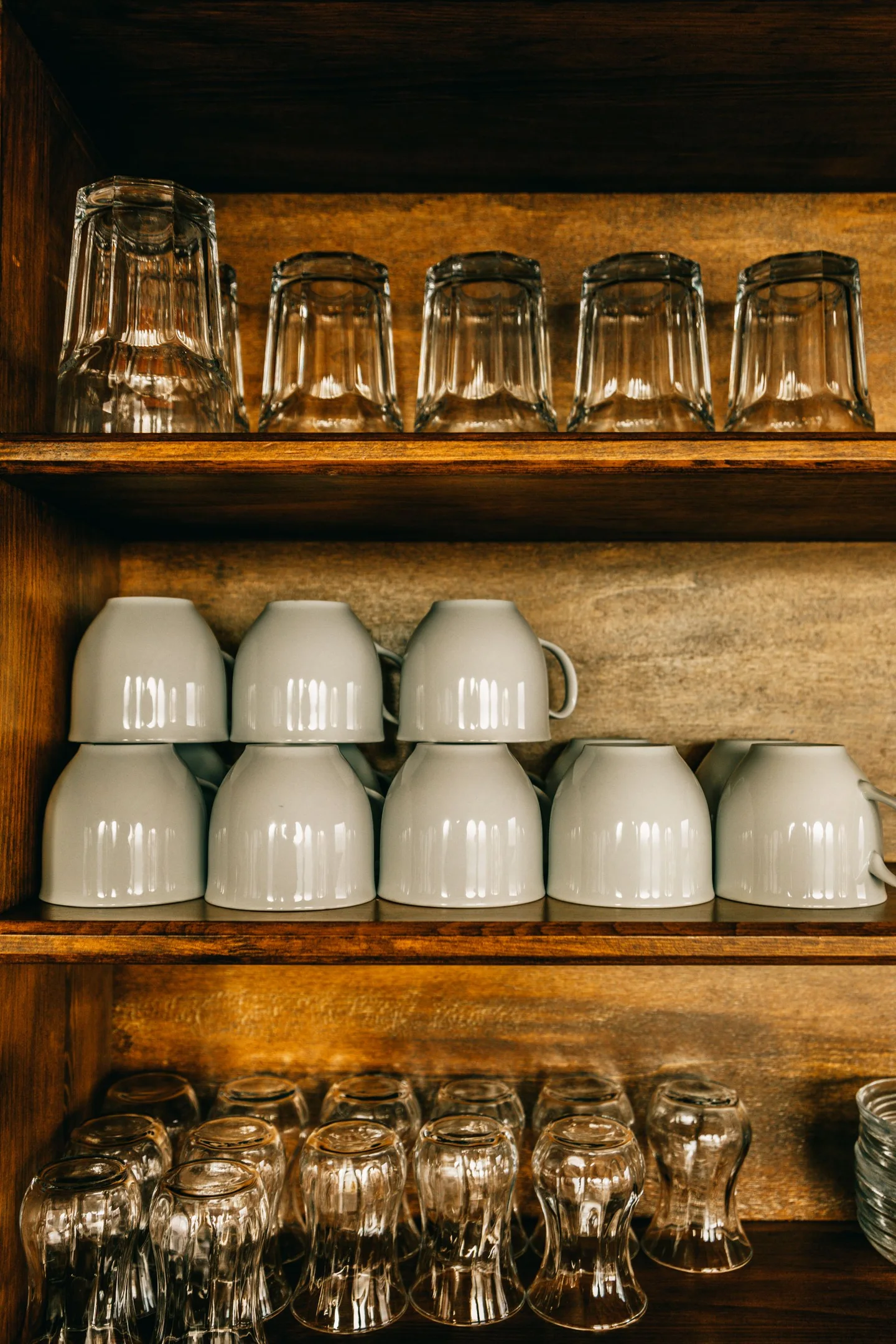
Keep the mugs you enjoy using, plus enough for your usual guests. If you move five uncomfortable cups to reach the same two every morning, the extras are easy donation candidates. A meaningful souvenir can stay. A random promotional mug doesn’t need permanent cupboard space.
2. Water Bottles That Never Leave the Cupboard
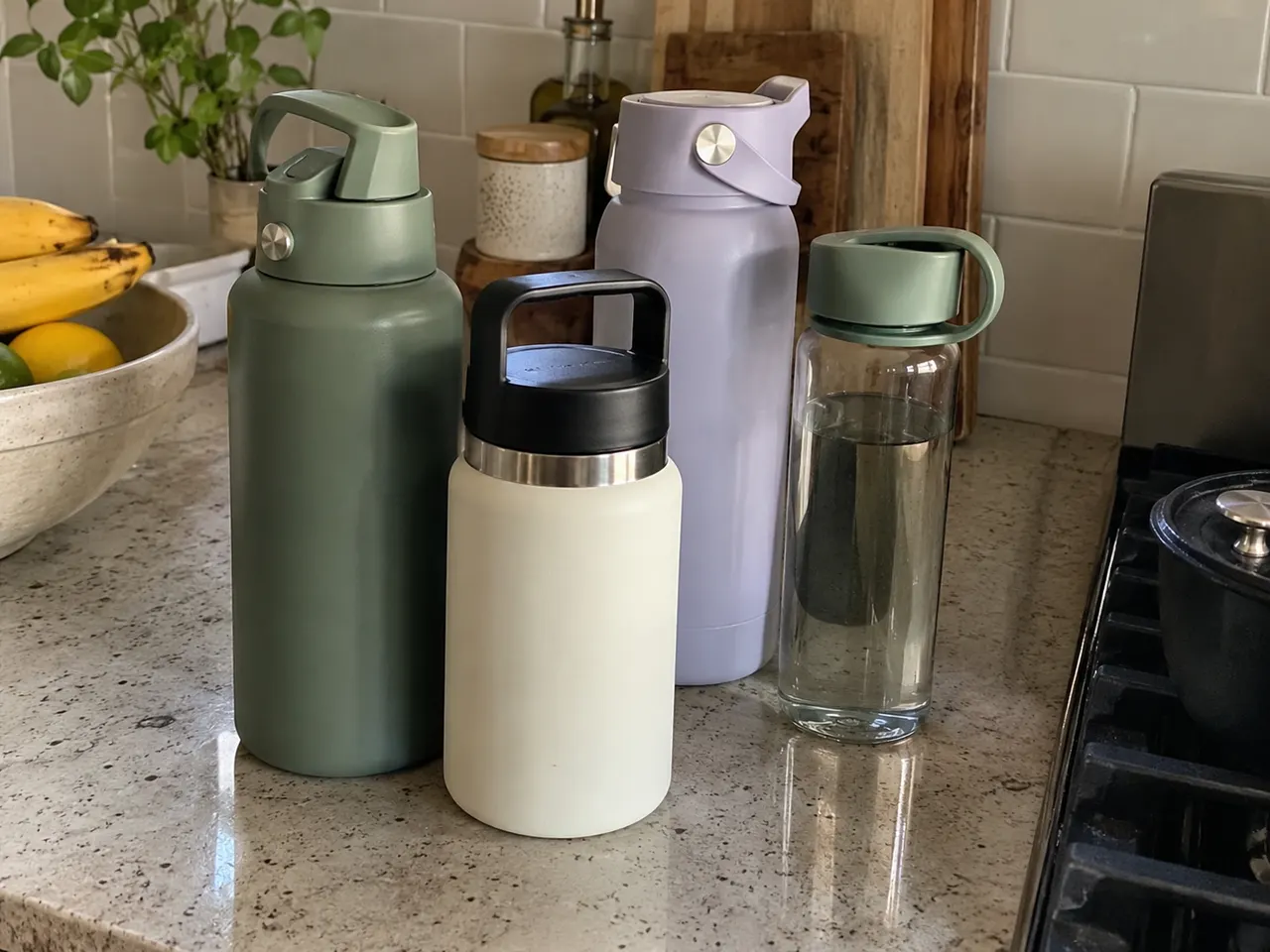
Match your bottle collection to work, school, exercise, and travel. Keep useful sizes and the spares your household needs between washes. Check lids and seals before passing extras along. A bottle that leaks into your bag shouldn’t become someone else’s surprise.
3. Food Containers With No Matching Lid
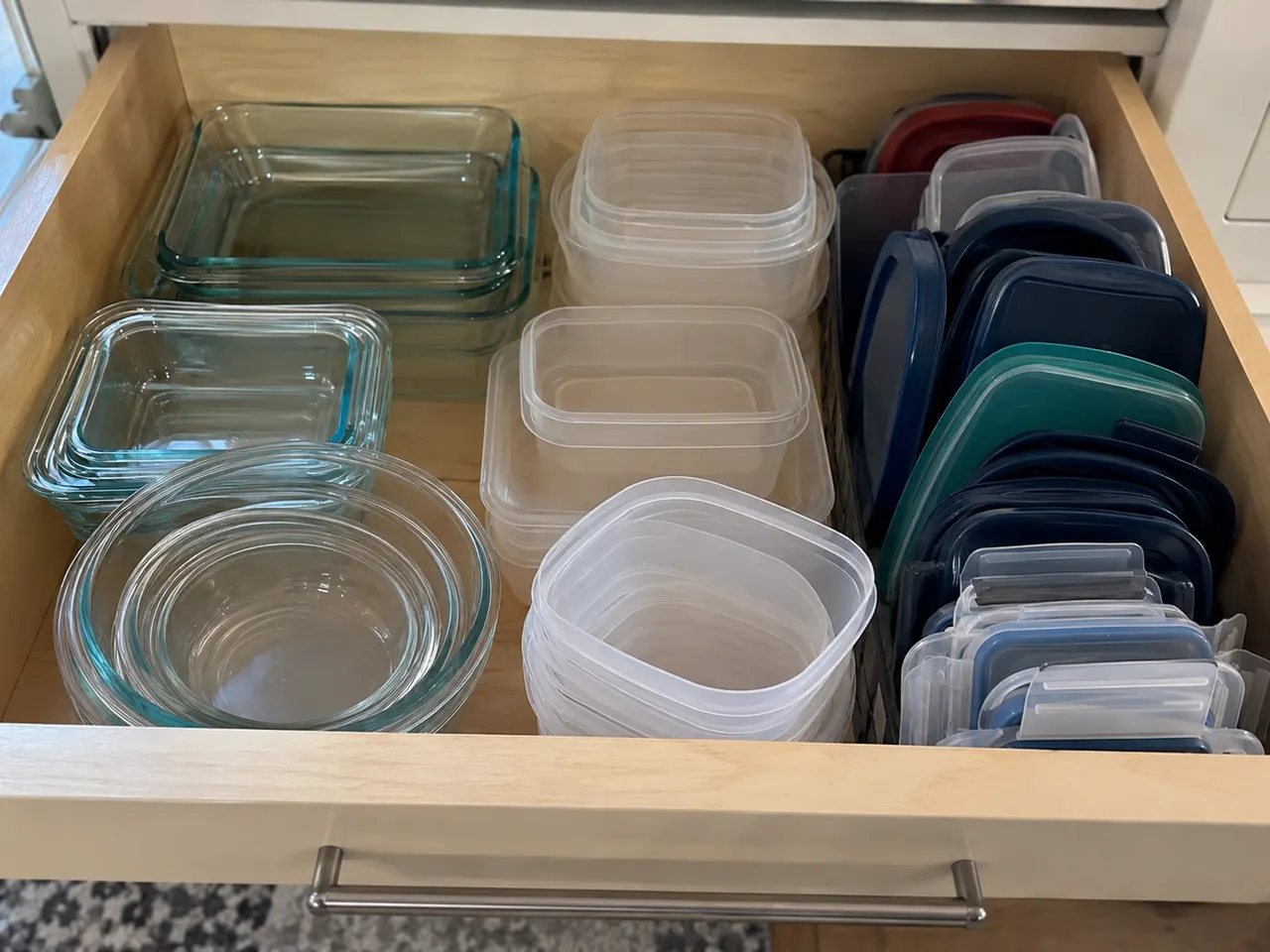
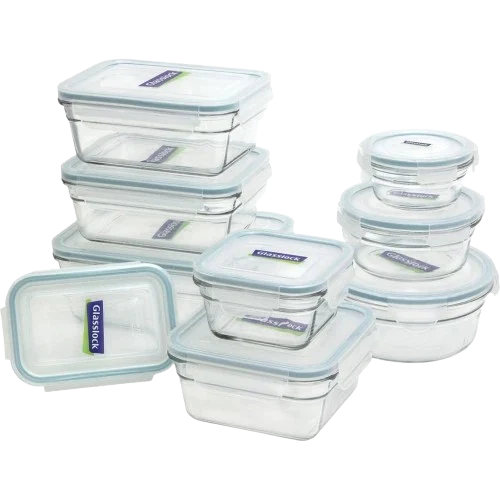
Match every container with its lid, then remove the pieces you can’t use. A lidless tub can hold drawer supplies if you need it there today. Keeping six because they might become organizers someday simply moves the clutter into another category.
4. Duplicate Utensils That Jam the Drawer
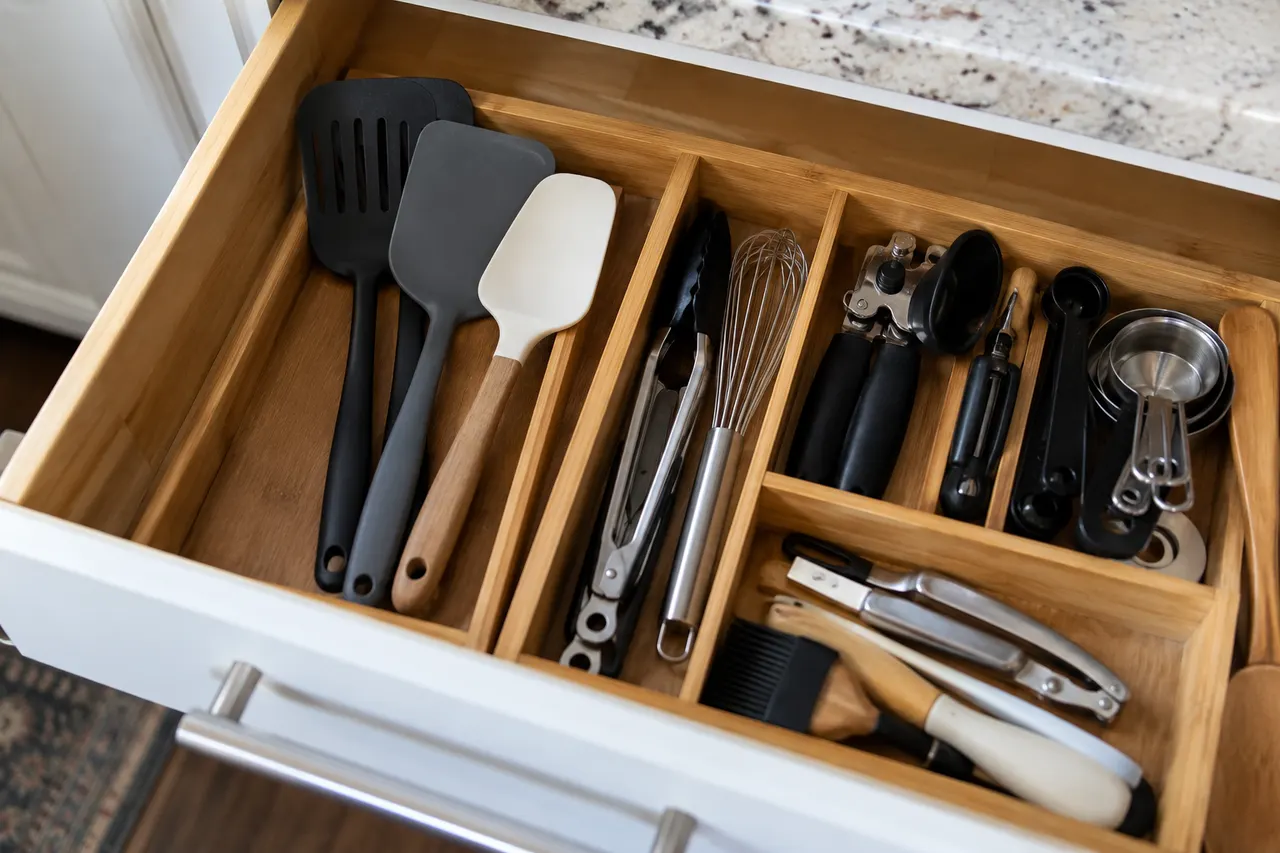
Keep duplicates that help you cook, and pass along the ones that never get picked. Two spatulas can be useful during a busy dinner. Three can openers may be unnecessary. Reach for the most comfortable, reliable version of each tool before deciding what stays.
5. One-Job Gadgets You Never Use
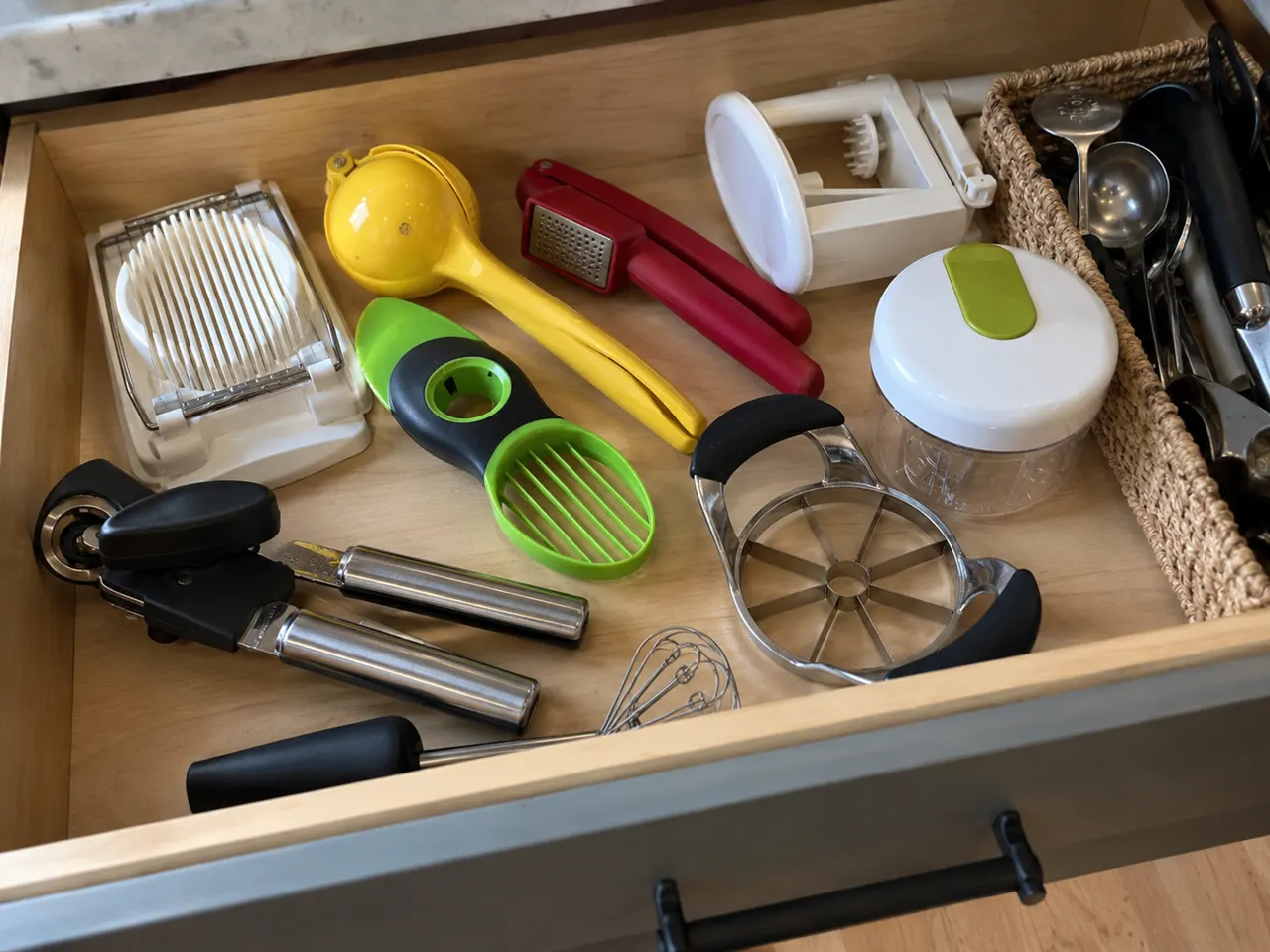
Let go of specialty gadgets that don’t make cooking easier for you. The avocado slicer can leave if you always grab a knife instead. But an apple corer that makes preparation easier on your hands deserves its place, even if it only does one job.
6. Small Appliances for Meals You Never Make
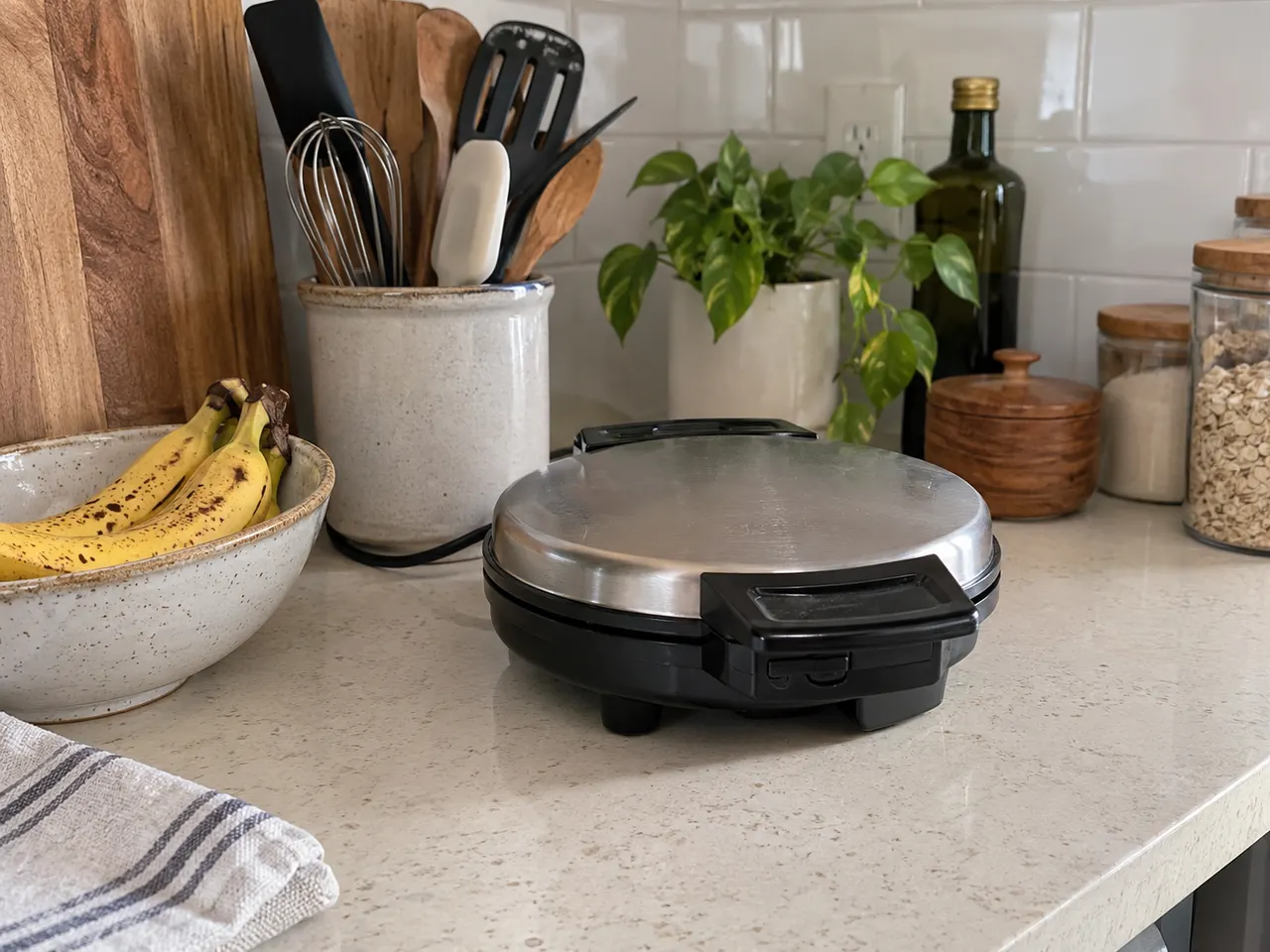
Sell or donate working appliances that no longer match your habits. Buying a bread machine doesn’t commit you to becoming a bread-making household. If you’d rather visit the bakery, that’s useful information. Clean the appliance and include its accessories before passing it on.
7. Chipped Mugs and Cracked Dishes
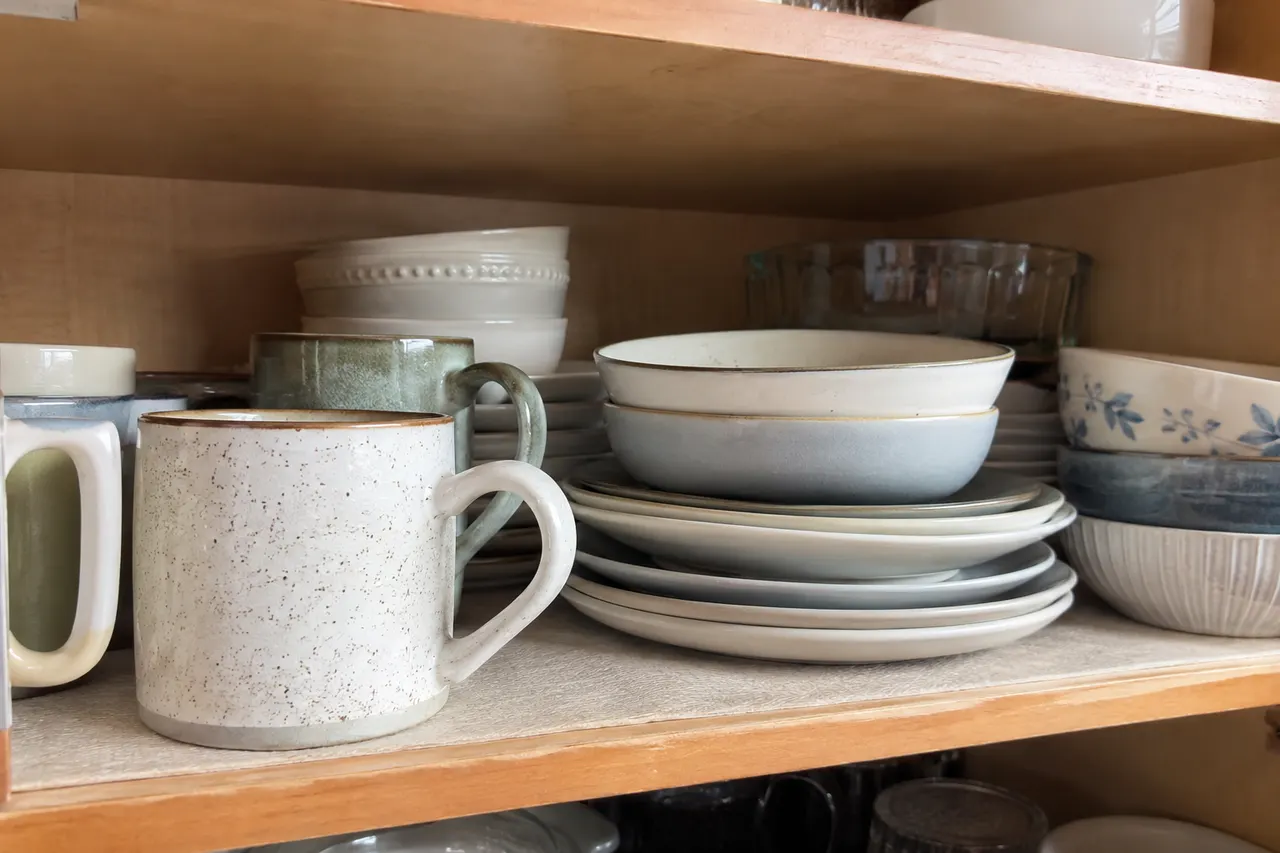
Remove chipped and cracked pieces from everyday use, and keep them out of usable donations. Follow your local disposal rules for ceramics. If you already have a row of empty planters, you probably don’t need another damaged mug waiting to become one.
8. The Takeout Packet Collection
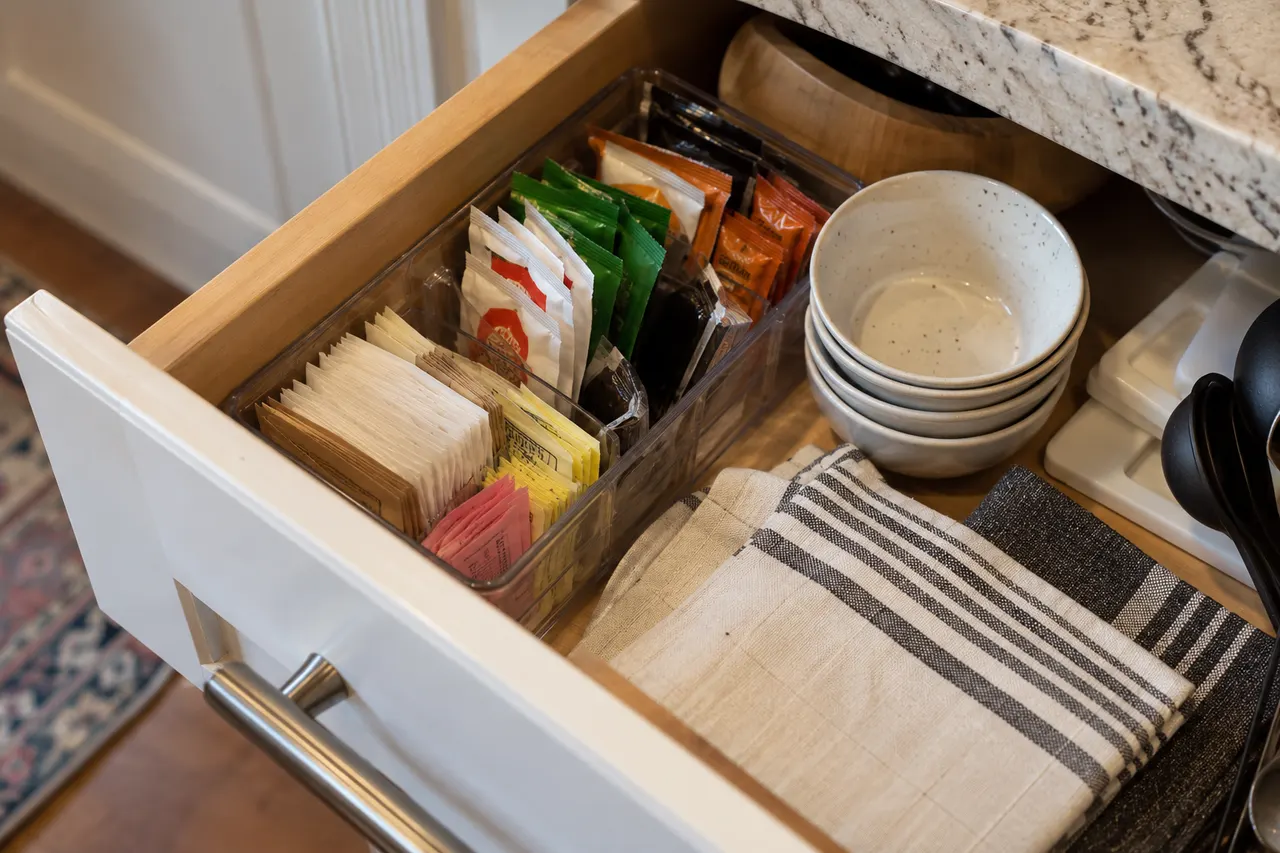
Keep a practical supply of napkins and cutlery, then clear out the forgotten excess. Move usable napkins where you’ll reach for them. Follow storage and date guidance for condiments, and discard leaking or questionable packets. Next order, skip the extras when you can.
9. Forgotten Food That Is No Longer Safe to Eat
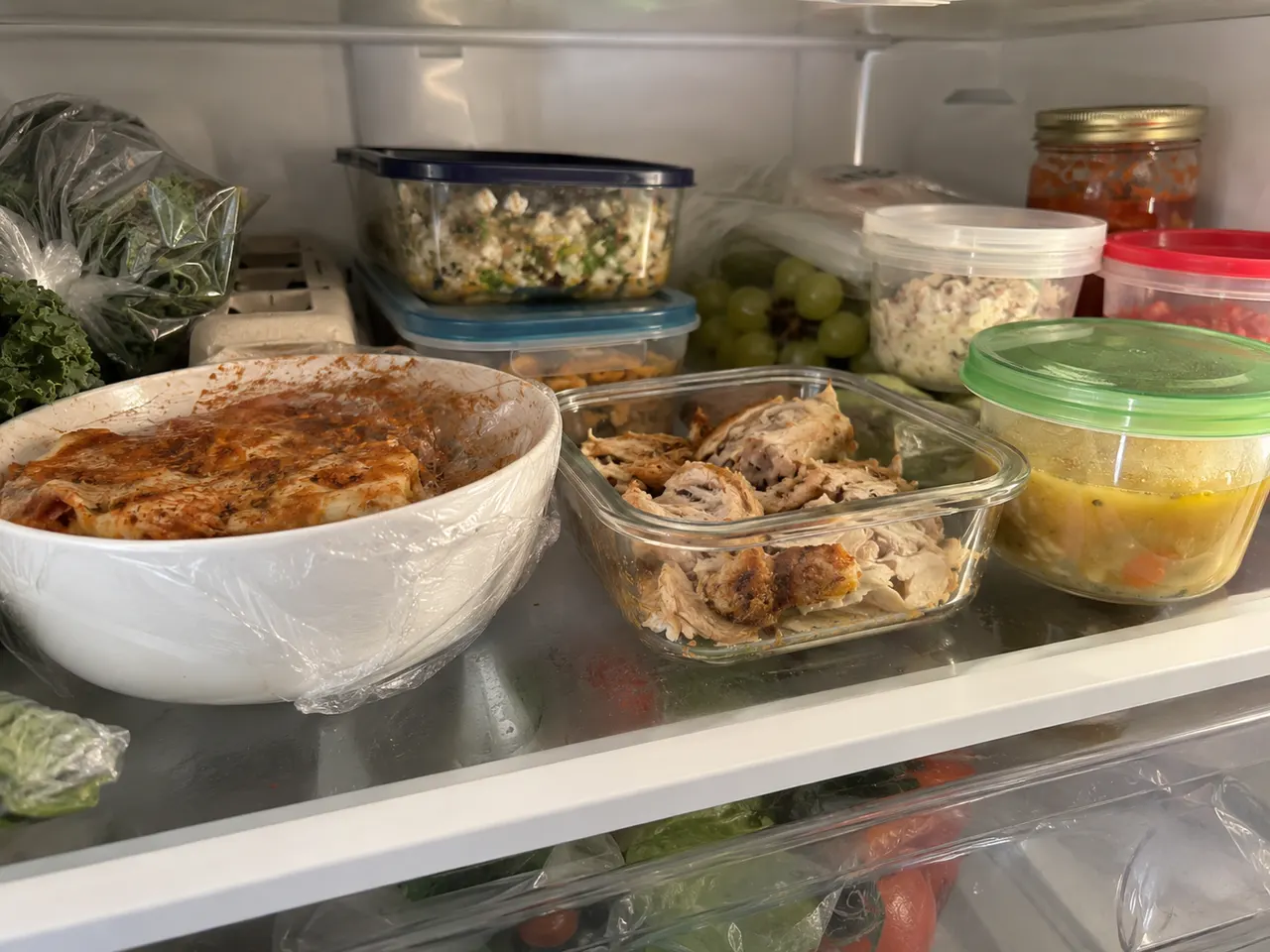
Discard spoiled food and leftovers kept beyond safe storage times. A normal smell alone doesn’t prove food is safe.
A “best if used by” date often describes quality rather than an automatic safety deadline. Use storage history and food-specific guidance alongside dates, as explained in the USDA’s food-date guide.
10. Bags Inside Bags Inside More Bags
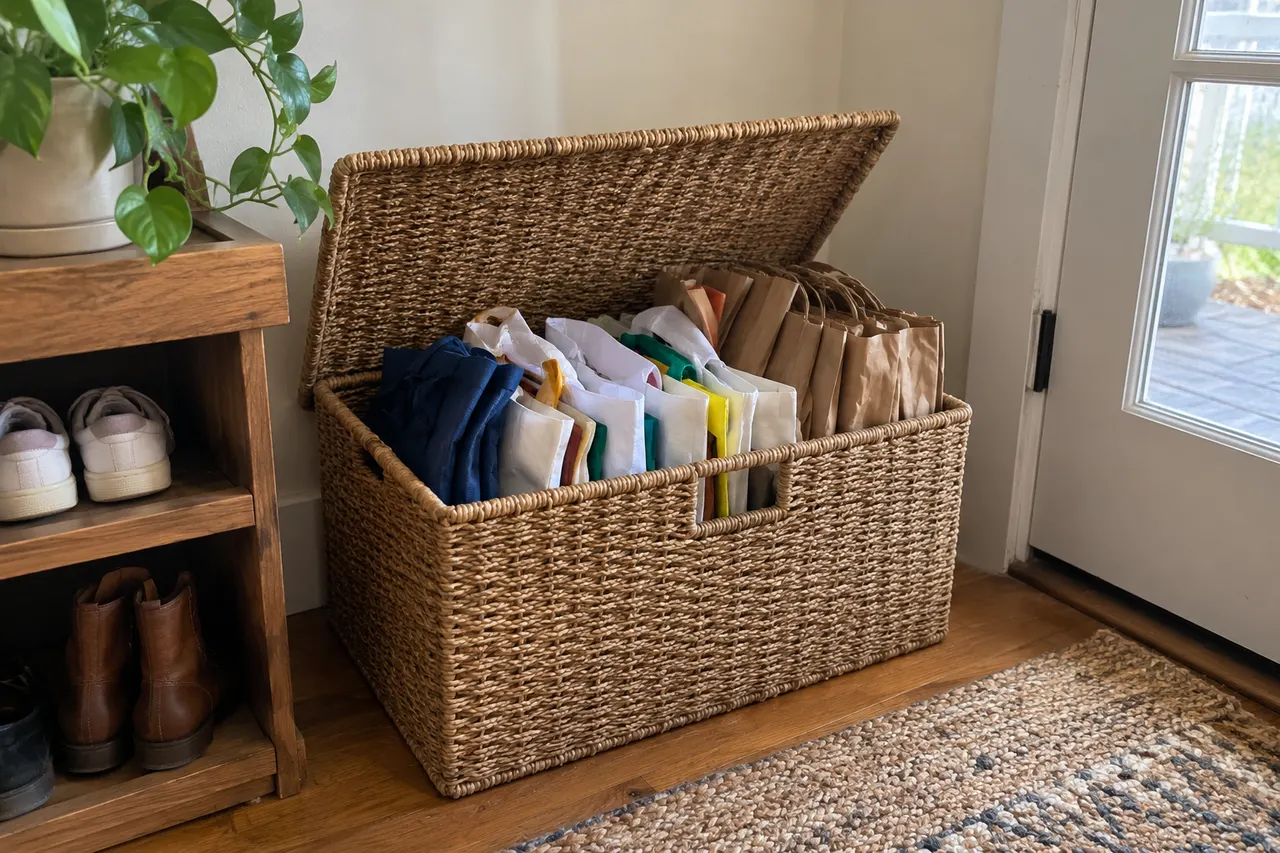
Give spare bags a defined space and keep the amount you use. Put reliable grocery bags near the door or wherever you remember them. Once the storage spot is full, pass along usable extras or follow local recycling guidance instead of adding another bag of bags.
Bathroom: Clear Out the Products You Keep Ignoring
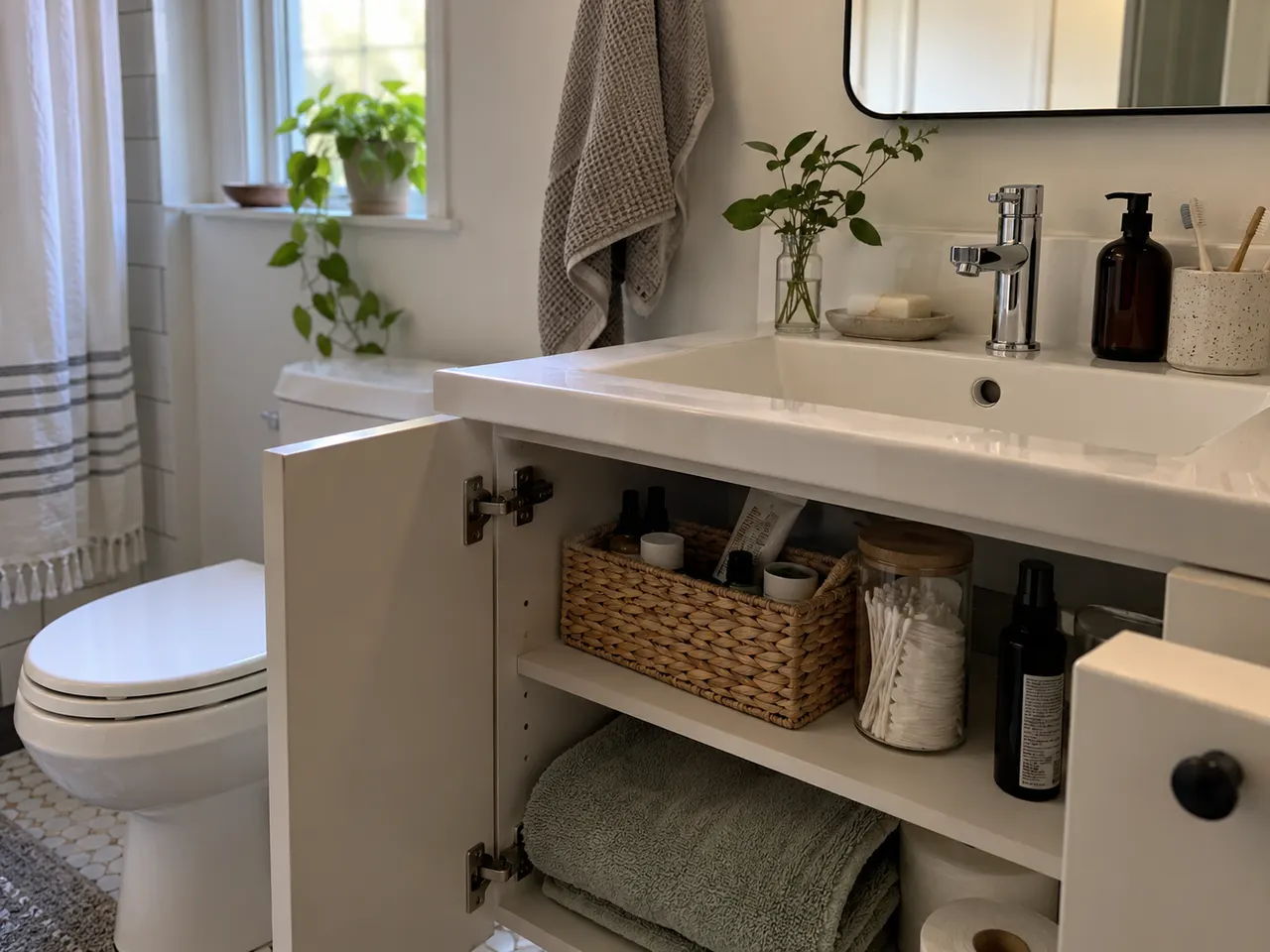
Keep products that suit your routine and are still suitable to use. The bottle you dislike won’t become a better purchase after another year under the sink.
11. Makeup That Has Changed or Dried Out
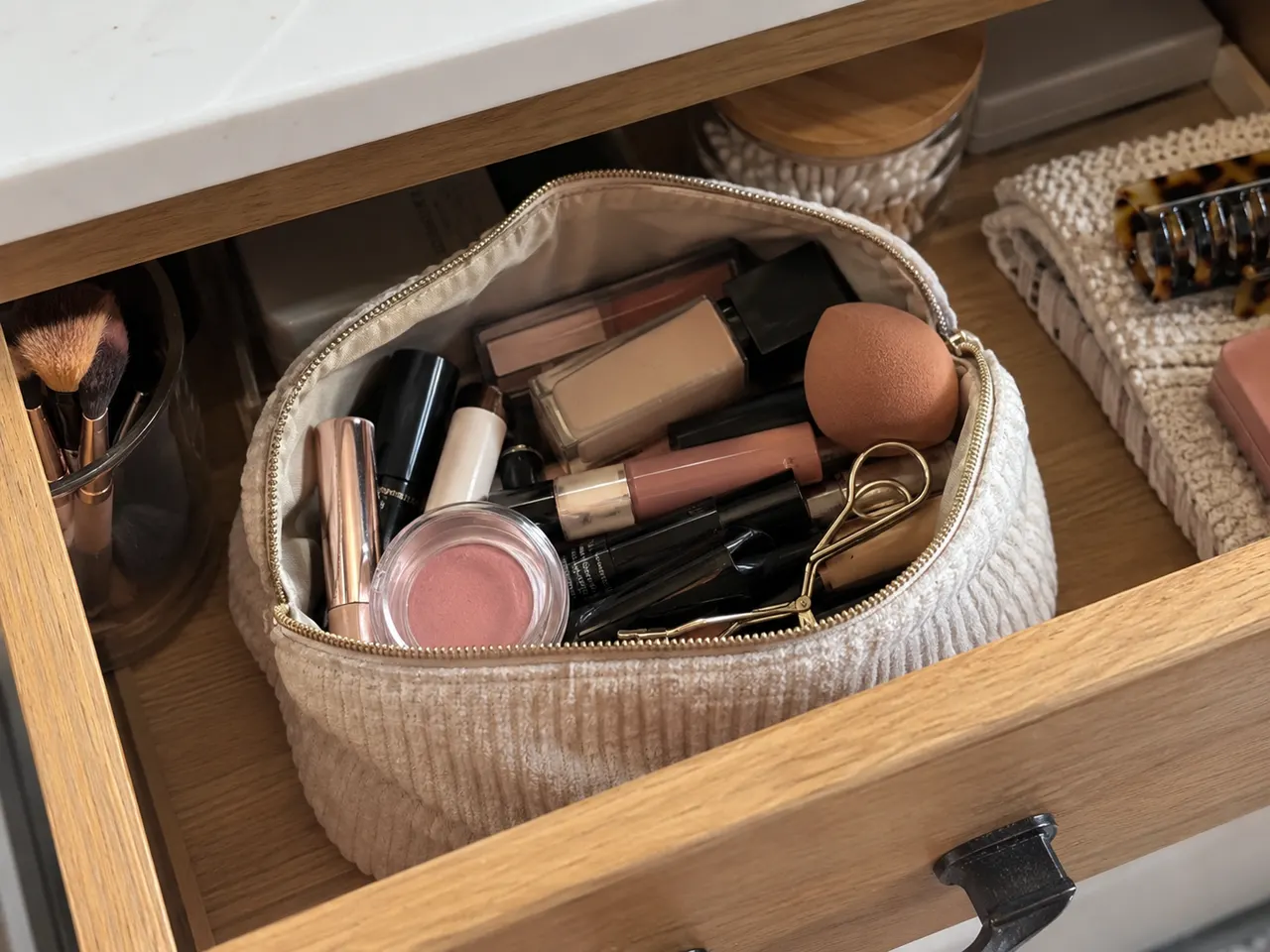
Discard makeup that has changed in smell, texture, or color, and follow the manufacturer’s shelf-life guidance. Check any period-after-opening symbol, too. Don’t add water to revive dried mascara. The FDA’s cosmetics shelf-life guide explains why storage and use affect how long products last.
12. Toiletries You Tried and Didn’t Like
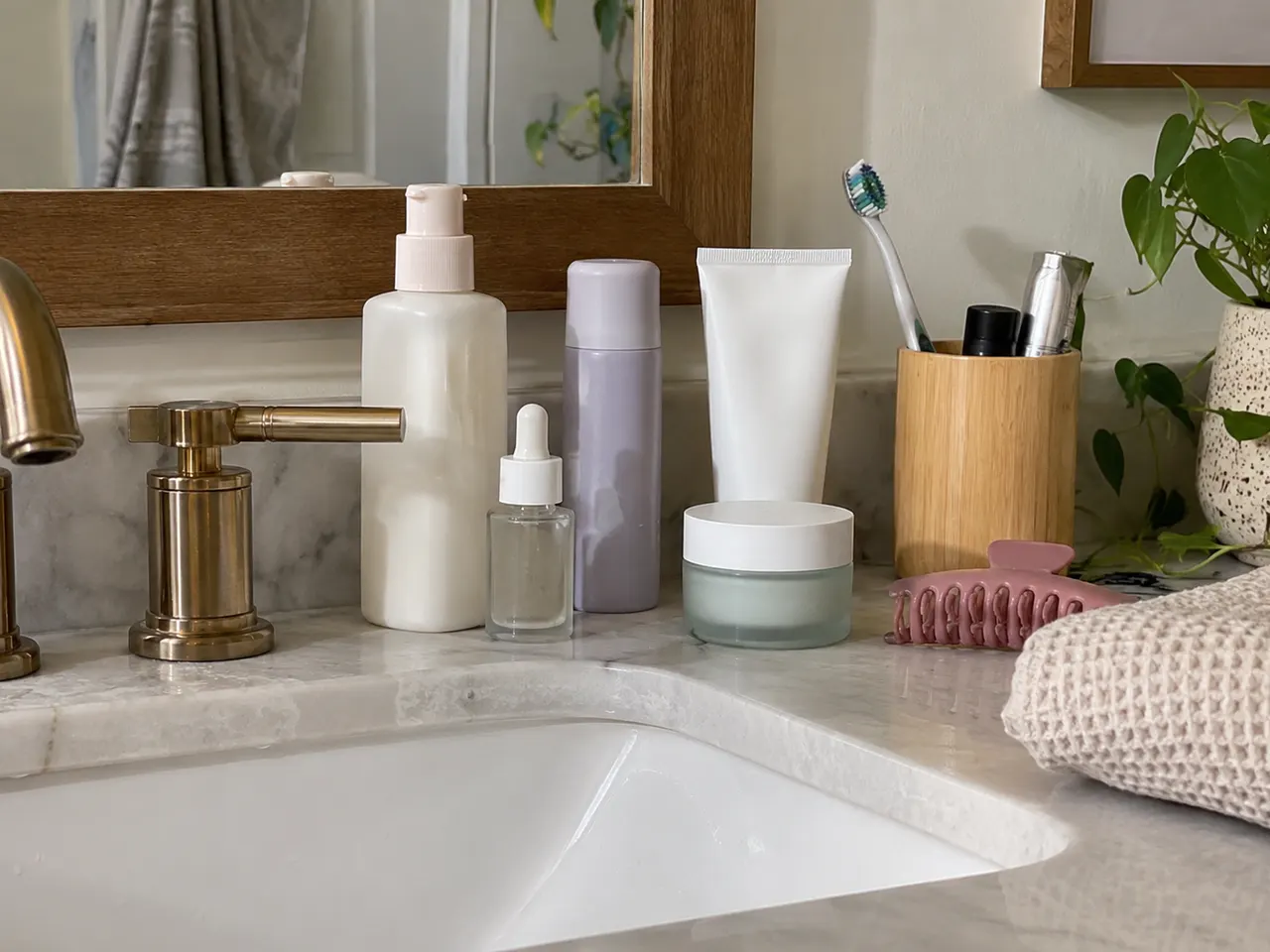
Finish suitable products you’re happy to use, and let go of the ones you keep only out of guilt. An irritating lotion doesn’t deserve another chance just because the bottle is nearly full. Keep opened personal-care products out of donation boxes unless the recipient explicitly accepts them.
13. Hotel Minis Saved for a Trip That Never Comes
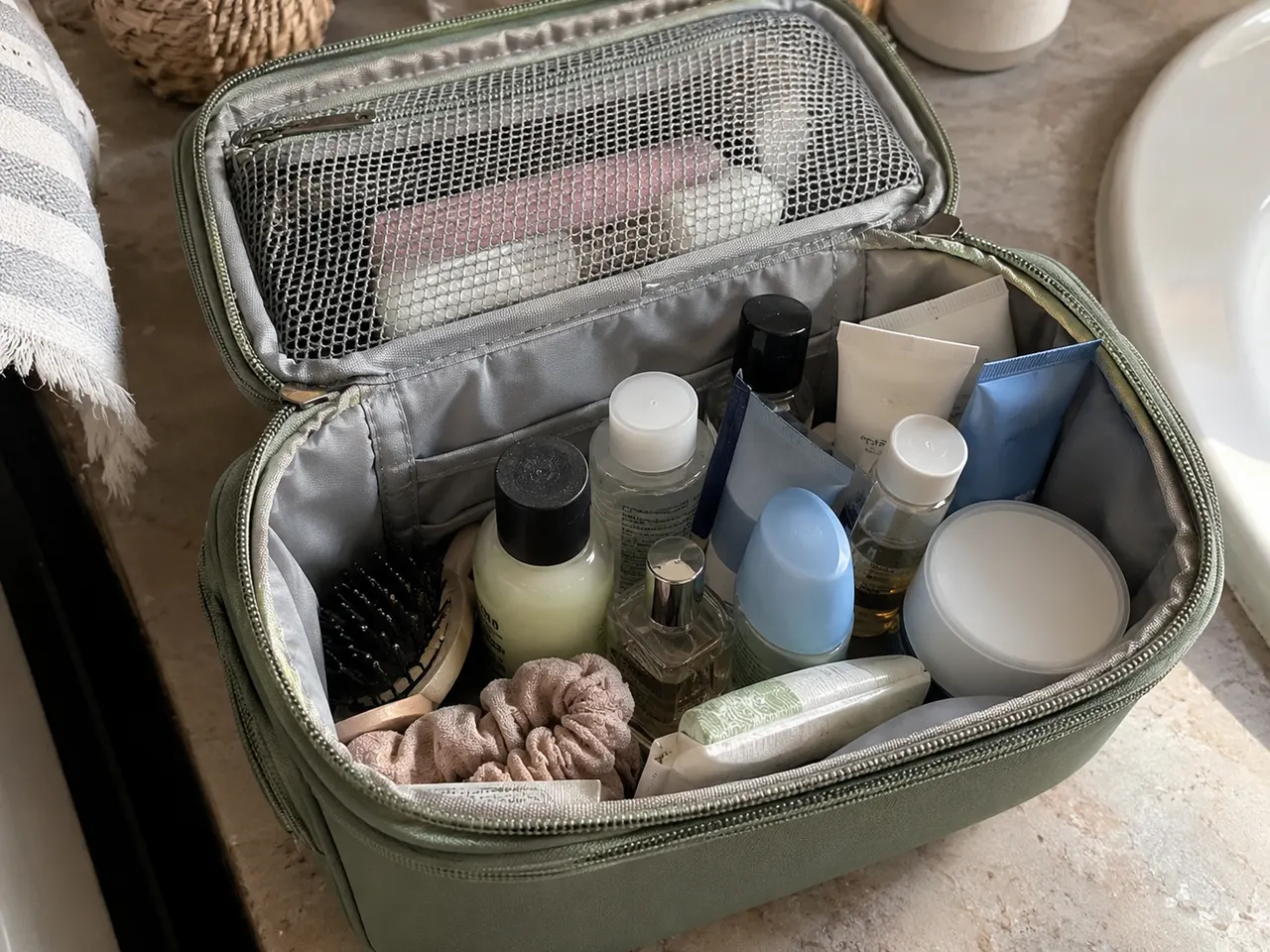
Keep a realistic travel supply and find a home for unopened extras. A few useful minis may save packing time. A shoebox full of tiny conditioners probably won’t. Ask a local organization what it accepts before dropping off toiletries.
14. Nail Polish You Can’t Use or Don’t Enjoy
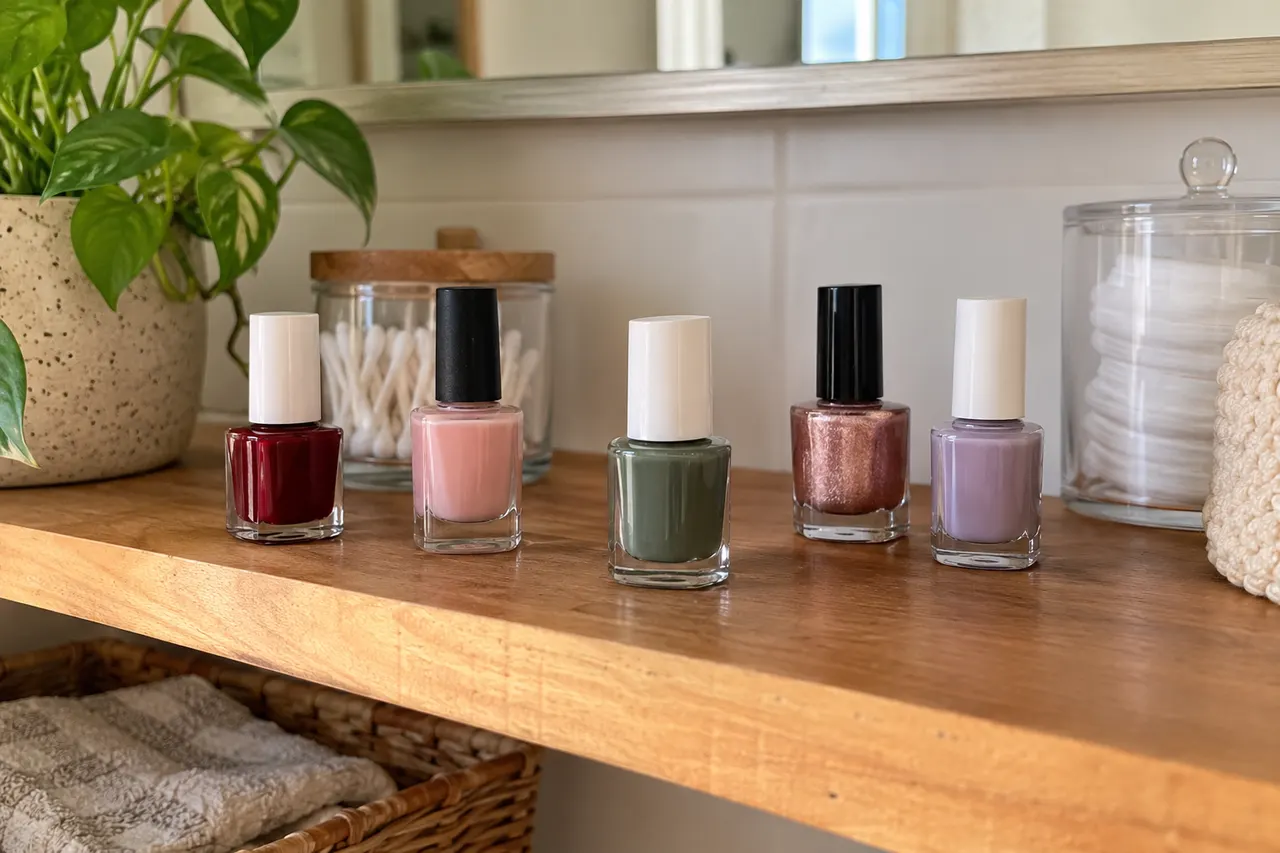
Remove unusable polish and colors you know you won’t wear. That glitter shade can leave even if you bought it for one party. Check local household hazardous-waste guidance for disposal, and don’t pour unwanted polish or remover down the drain.
15. Expired or Unneeded Medicines

Use a medicine take-back program for expired medicines and those you no longer need. Ask your pharmacy about nearby options; not every location accepts returns. Keep current prescribed treatment separate from the clear-out. The FDA’s medicine-disposal guide explains the available disposal routes.
16. Expired Sunscreen
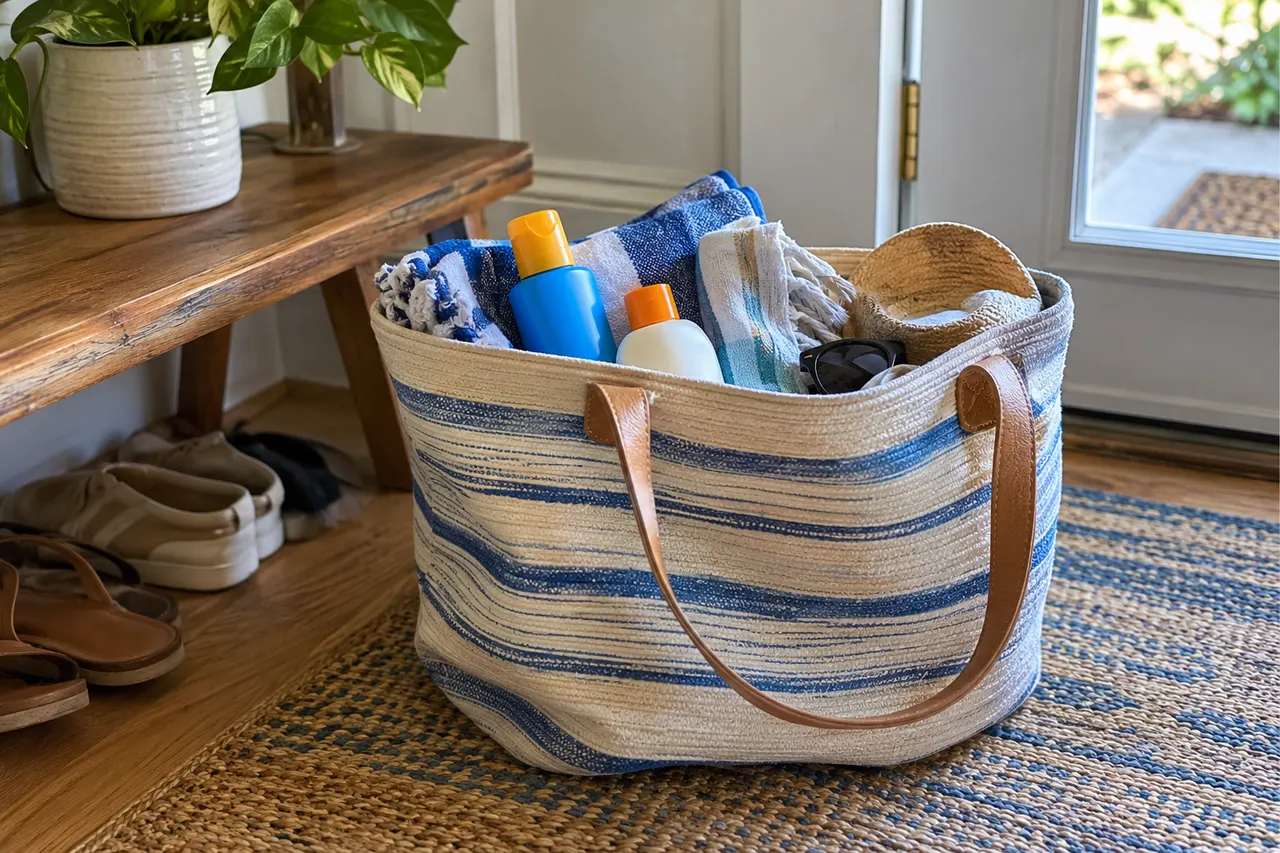
Replace expired sunscreen instead of keeping it as a backup. Check the bottles hiding in beach bags and travel kits. For sunscreen without an expiration date, the FDA says to treat it as expired three years after purchase. Its sunscreen guide covers storage and expiration.
17. Spare Brushes and Styling Tools You Never Reach For
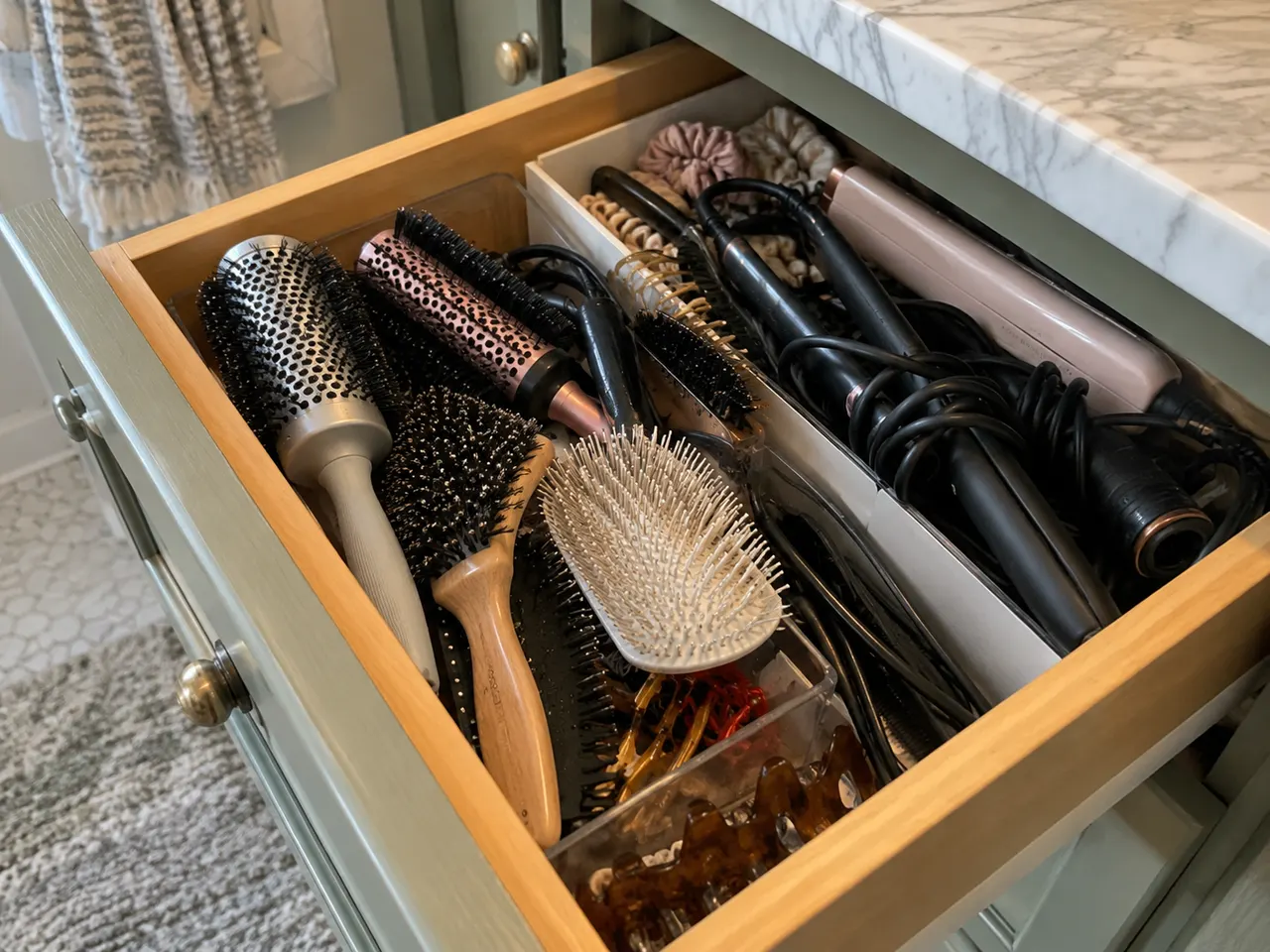
Keep the brushes and tools you use, plus any backup with a clear purpose. If your old curling wand hasn’t left the drawer since you changed hairstyles, pass it along in clean, working condition to someone who wants it. Damaged electrical tools need an appropriate disposal route.
Once you’ve sorted what stays, our guide to organizing bathroom cabinets will help you put everyday products within easy reach.
Closets and Linens: Make Room for What Feels Good to Use
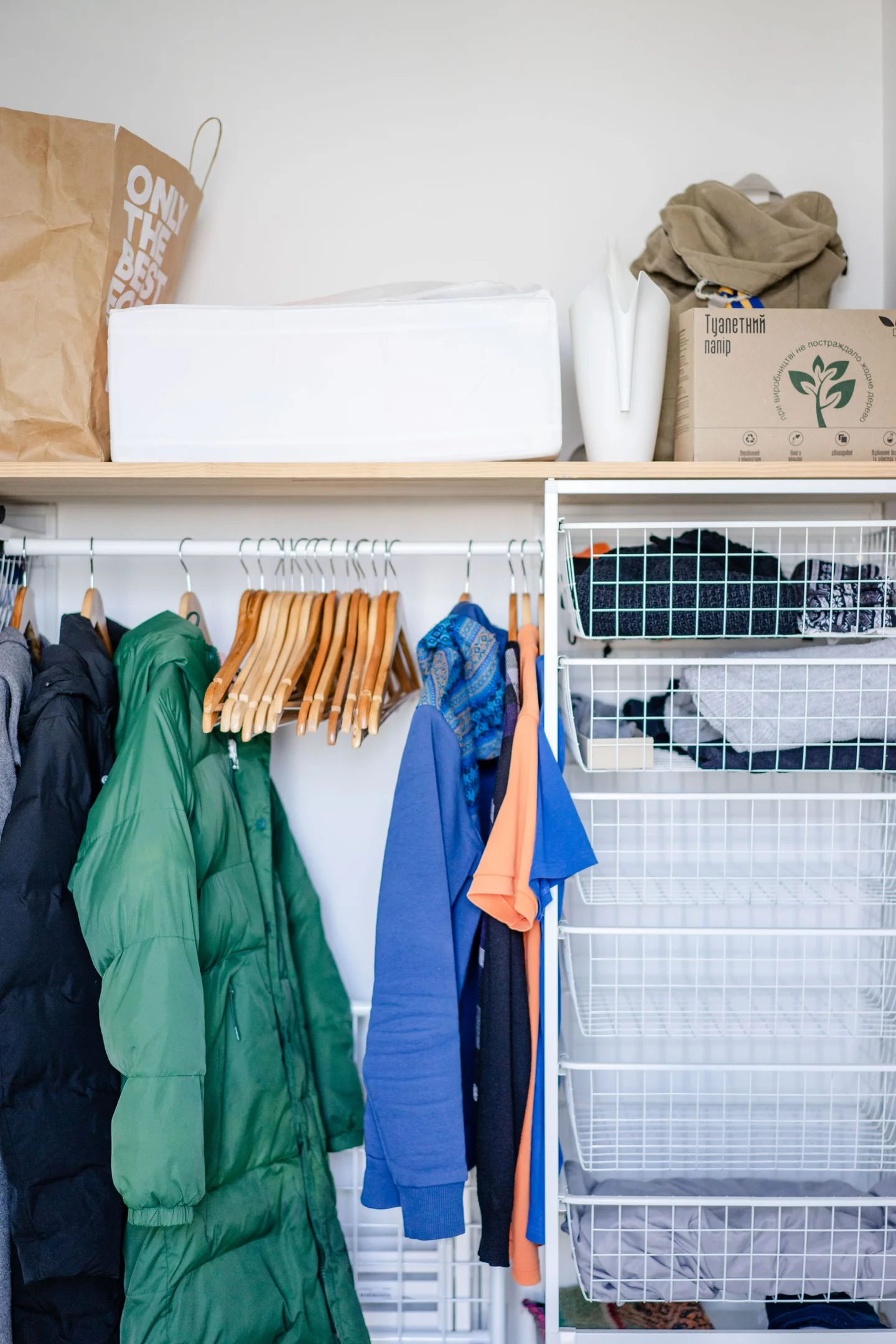
Choose clothes and linens around comfort, usefulness, and your household’s needs. There’s no universal number of shirts or towels you have to meet.
18. Clothes That Feel Wrong Every Time You Put Them On
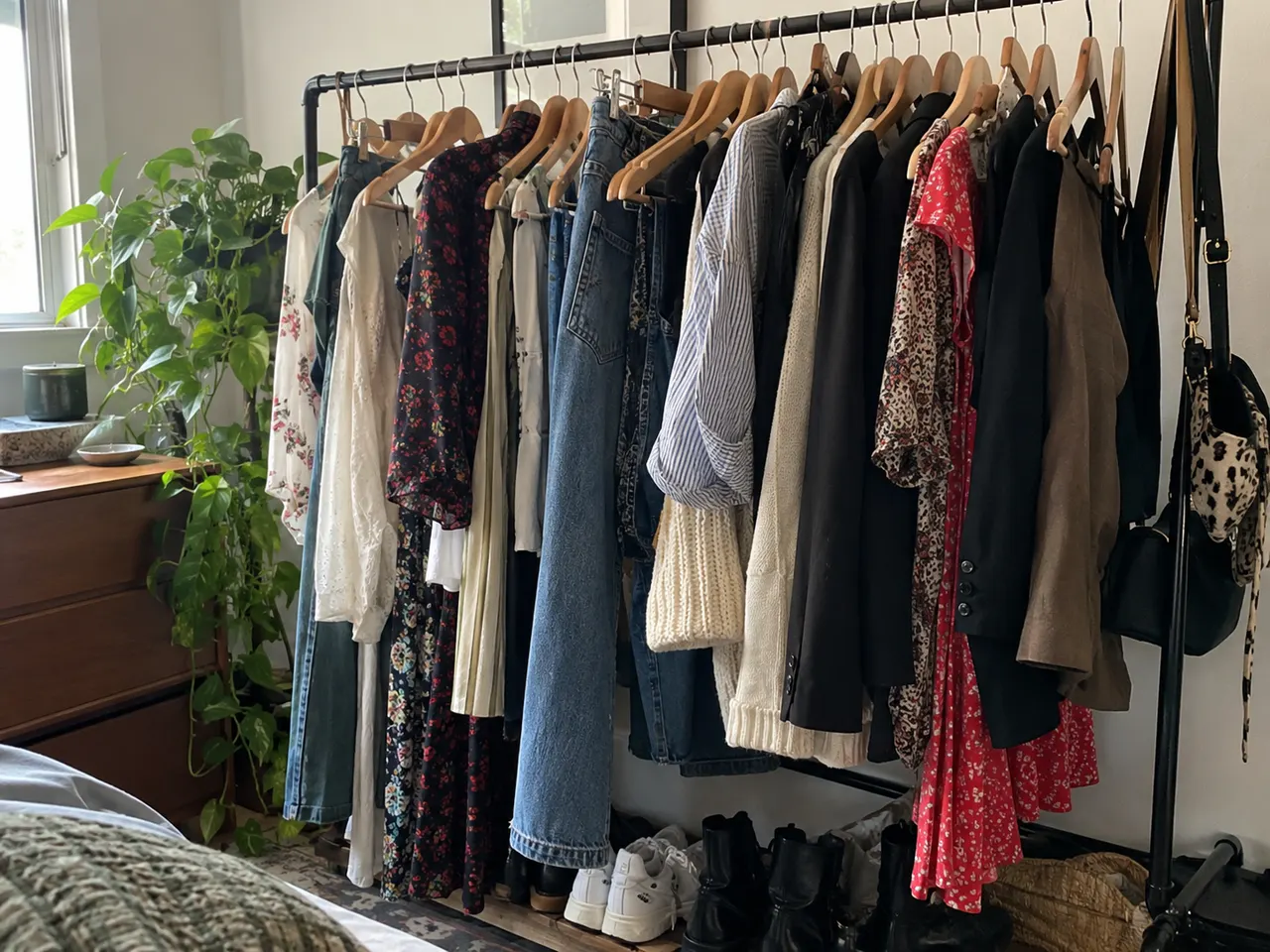
Let go of clothes you repeatedly reject because they feel uncomfortable or unlike you. The waistband that digs in and the fabric that scratches are giving you an answer. If your circumstances are changing, a small, clearly labeled selection for another season of life can still make sense.
19. Socks and Underwear That Have Finished Their Shift
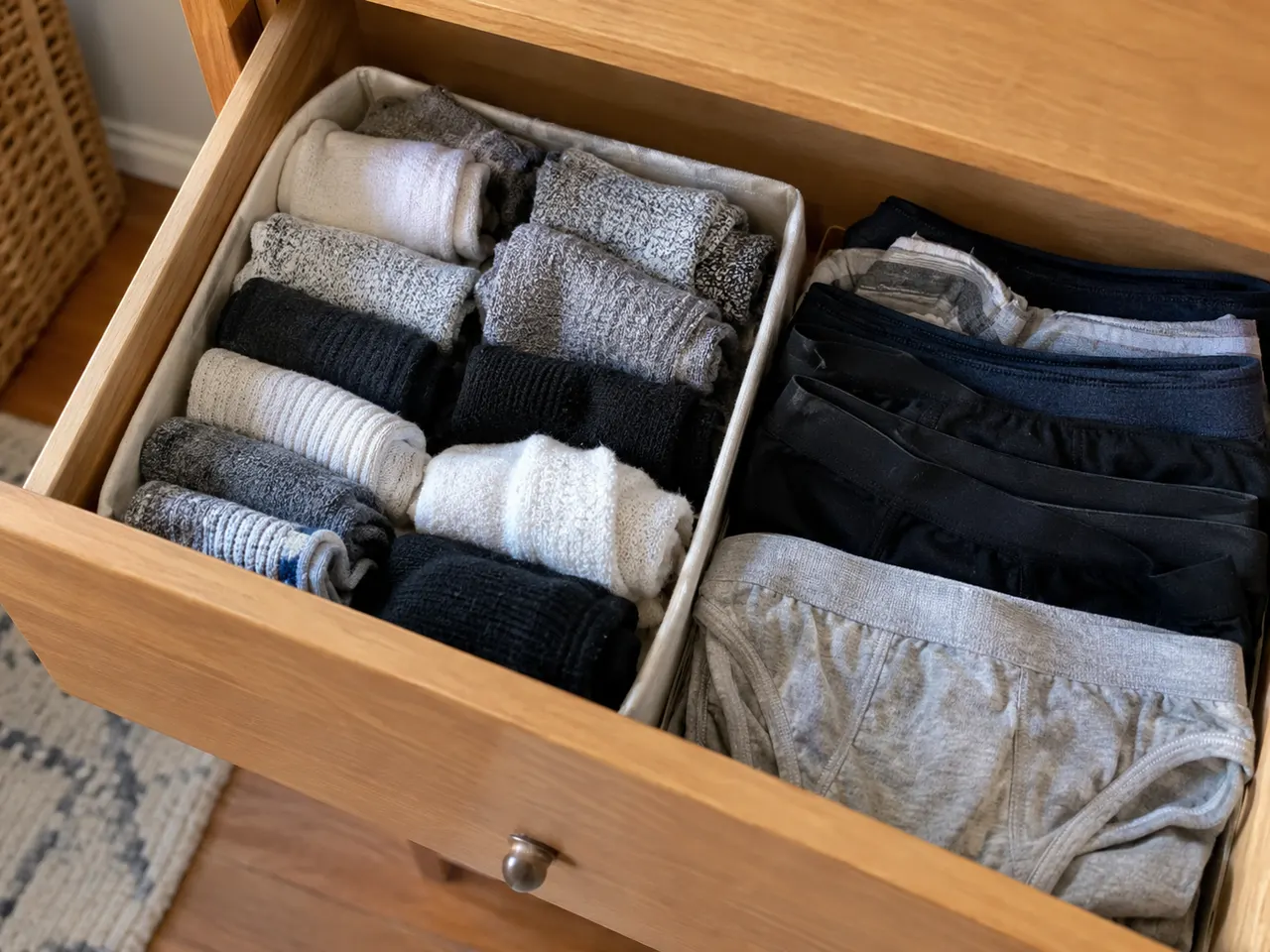
Remove pieces with holes, failed elastic, or a fit you avoid. You don’t have to wait until every pair is unusable. Worn-out underwear doesn’t belong in a general clothing donation bag. Use a textile collection program only when it specifically accepts those items.
20. Shoes You Avoid Wearing
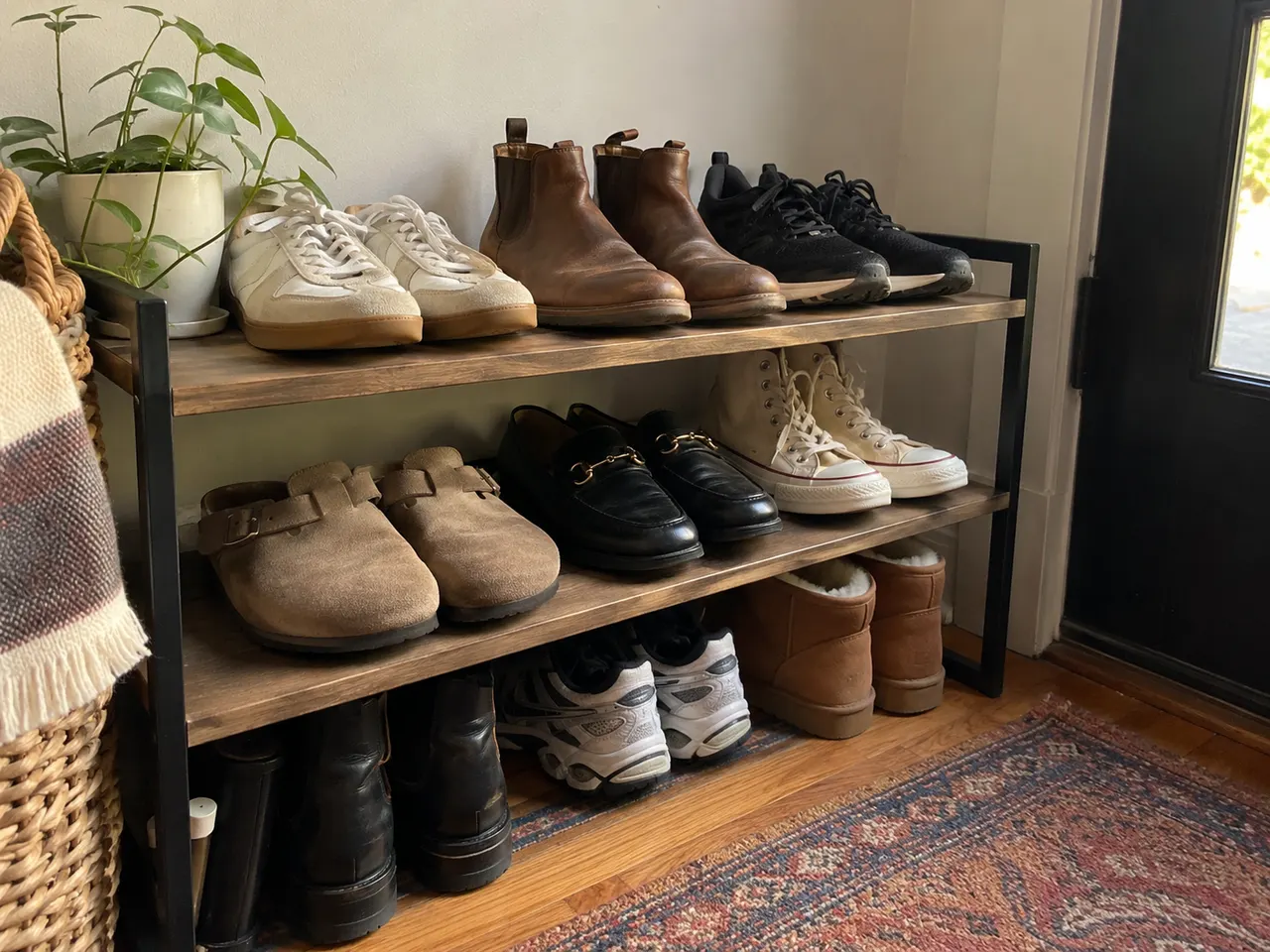
Keep comfortable shoes and repairable favorites you’ll actually fix. Those beautiful heels that hurt before you reach the restaurant may suit someone else better. Book the repair for shoes you love, and pass along unwanted pairs while they’re still in wearable condition.
21. Free T-Shirts You Never Chose
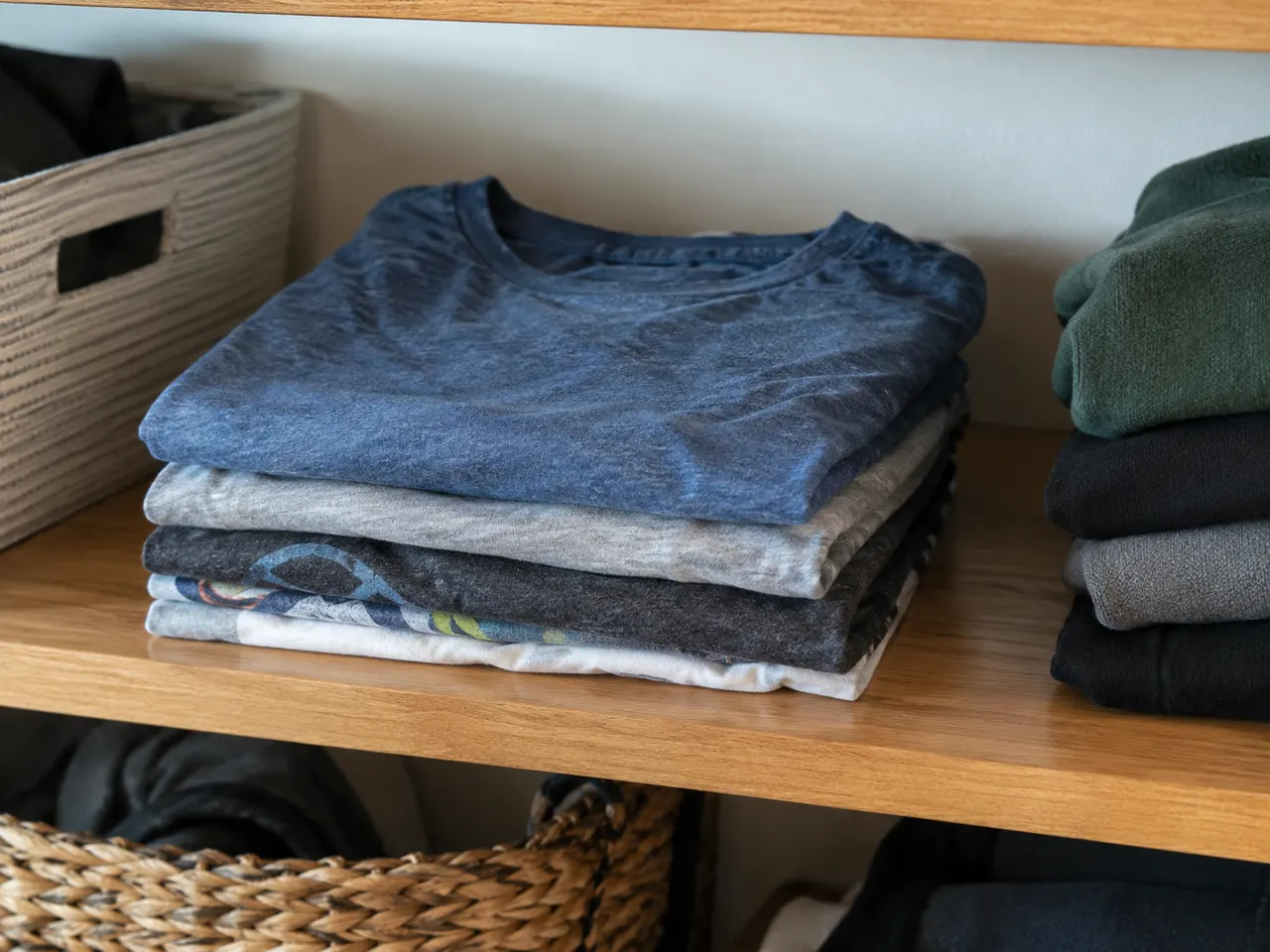
Keep enough old shirts for painting, gardening, or messy jobs, then release the surplus. A free shirt still takes up drawer space. You can remember the fun run without keeping every sponsor logo you’ve collected along the way.
22. Broken Hangers and Surplus Spares
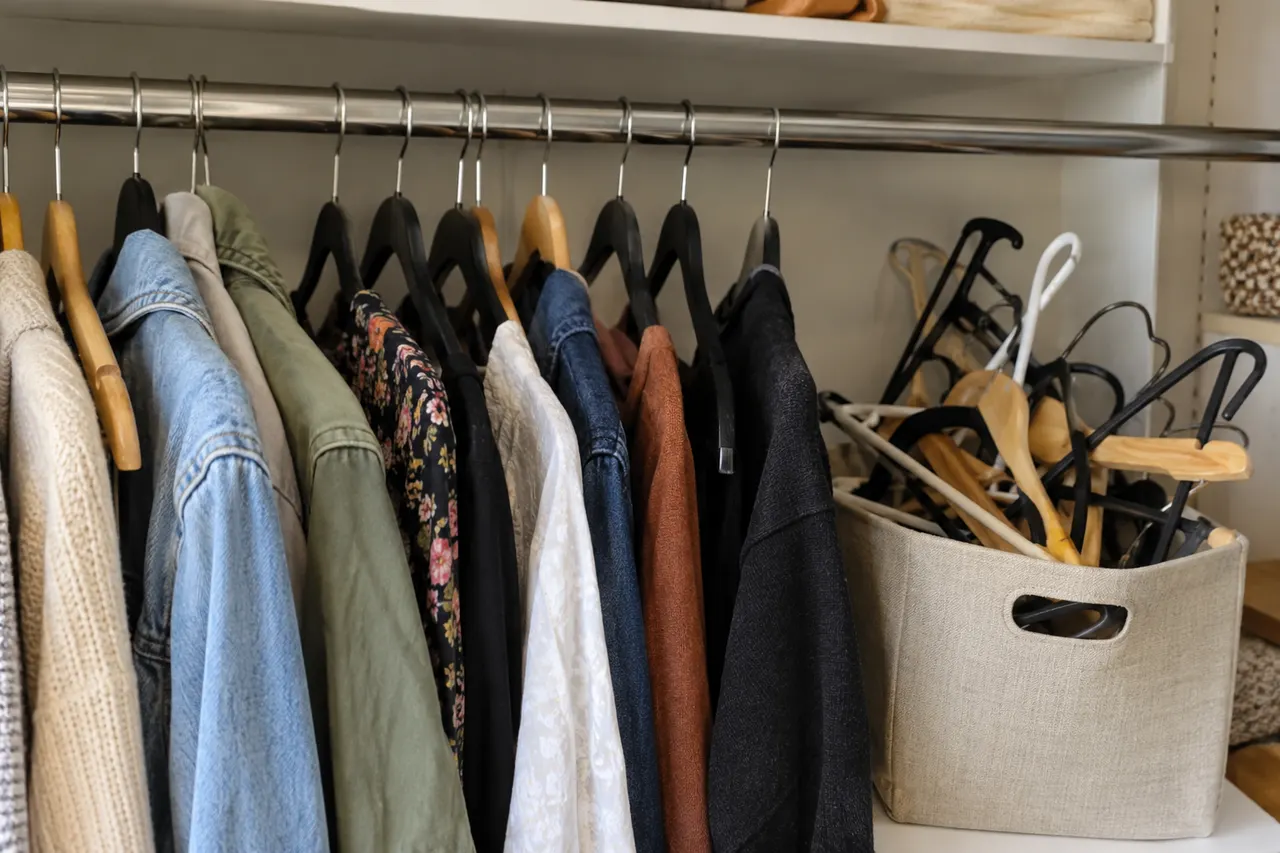
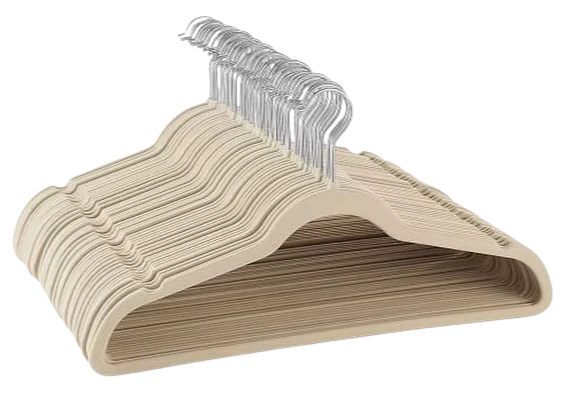
Remove snapped hangers and extras you don’t need for your wardrobe. Keep hangers that support your clothes properly, even if they don’t match. A mixed collection that works is perfectly fine. Replacing everything for a coordinated photo can create another unnecessary shopping list.
23. Bags and Purses That Never Get Picked
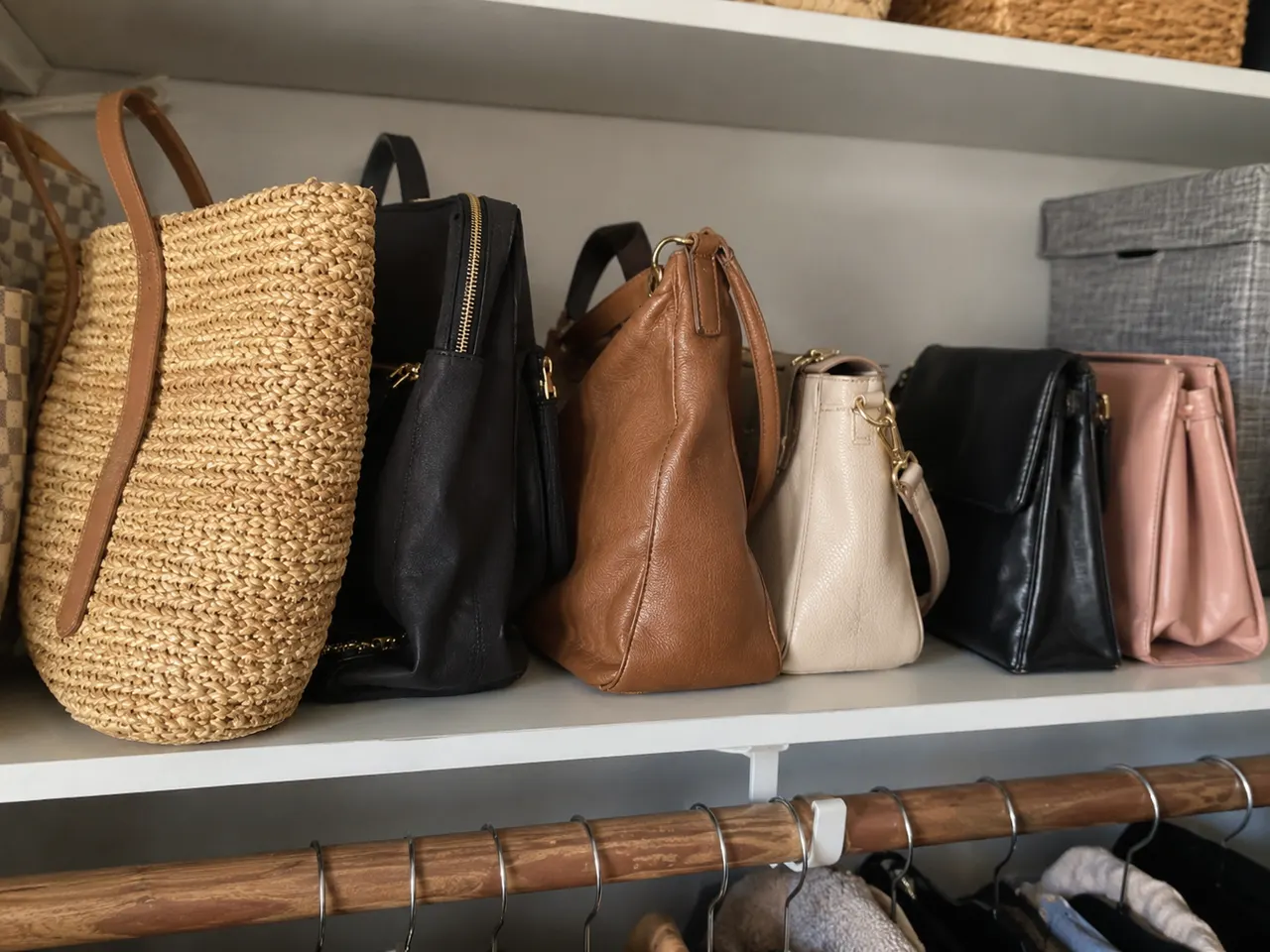
Keep bags that suit real activities, including the ones you use only occasionally. A travel backpack can earn its space between holidays. The handbag that never fits your essentials has less reason to stay. Empty every pocket before donating or selling.
24. Sheets for Beds You No Longer Own
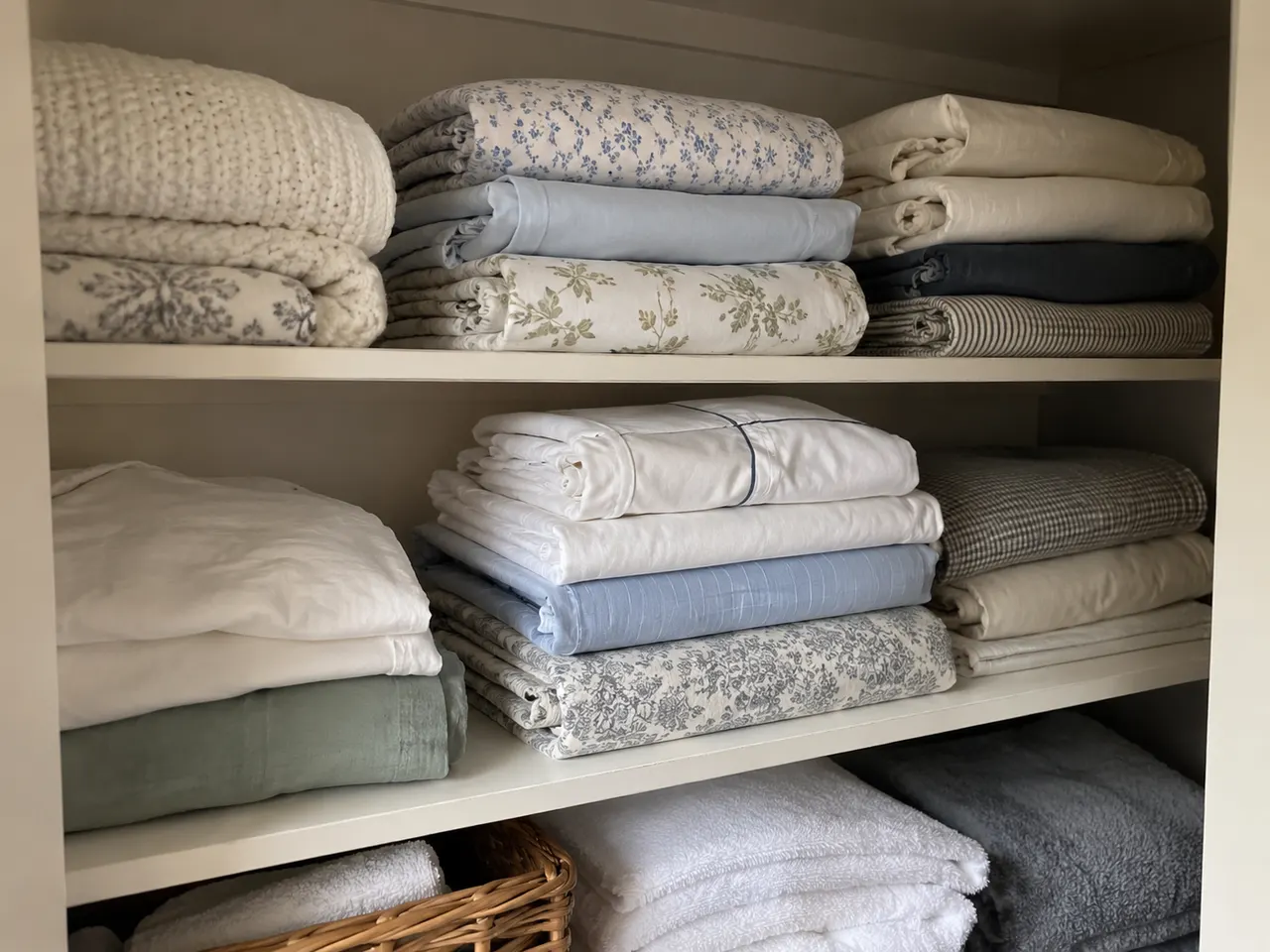
Match sheets to your current mattresses and keep enough for your laundry routine. That fitted sheet from the old double bed won’t help with the new queen. Keep guest bedding if you use it, and donate clean, usable extras where accepted.
25. Towels Saved for an Endless Supply of Messes
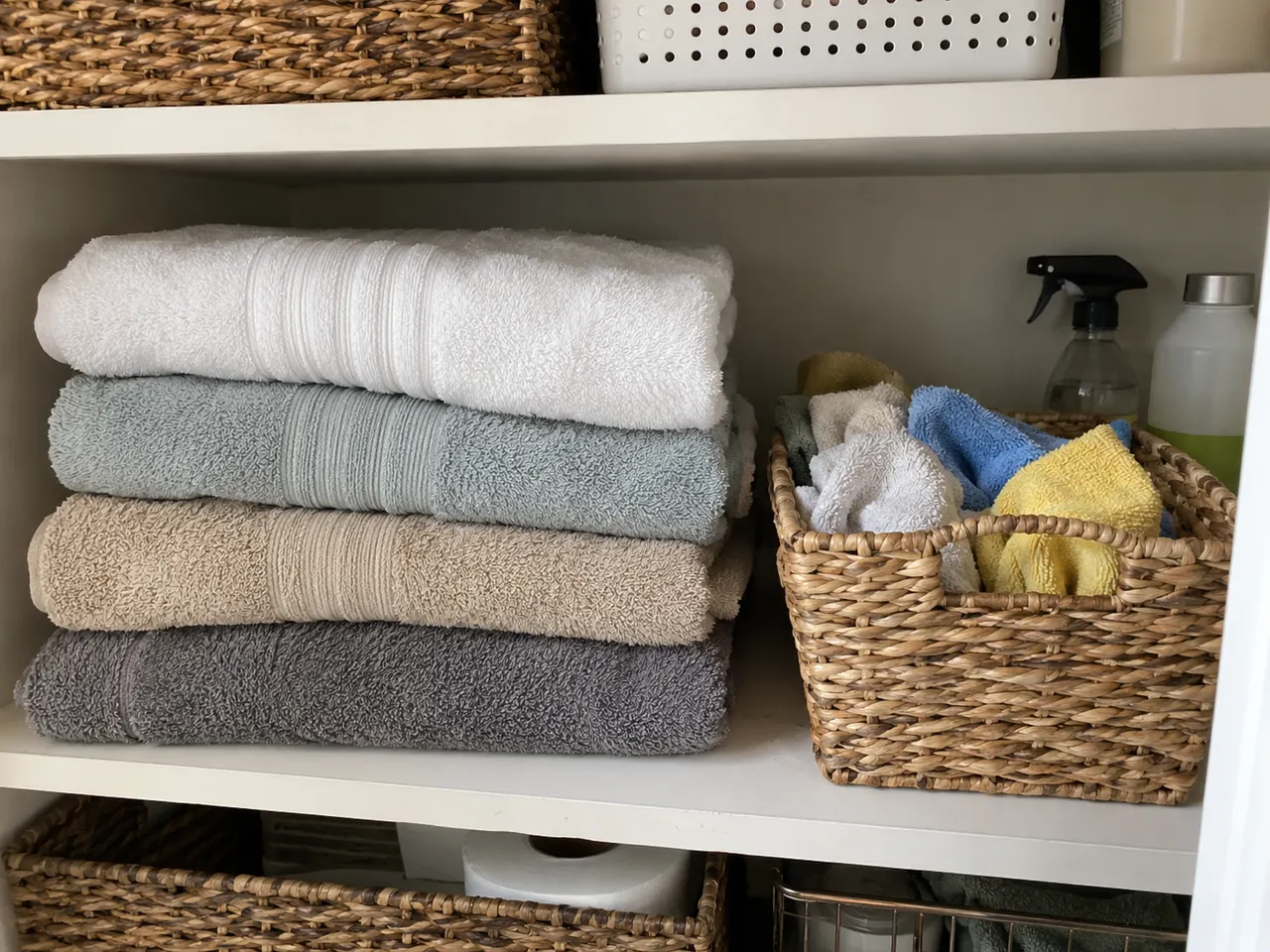
Keep a limited rag supply that fits the jobs you actually do. A few older towels can help with pets, spills, or DIY. An entire cupboard of them is harder to justify. Ask animal shelters or textile programs about their requirements before taking extras over.
Living Room: Keep the Things You Enjoy Seeing

Keep the belongings that make the room pleasant to use and spend time in. Personality belongs here. So does enough space to put down a cup.
26. Decor You Dust but Don’t Really Like

Pass along decor you no longer enjoy displaying. A sale price, old trend, or thoughtful giver doesn’t create a lifetime display requirement. If you feel unsure, remove the piece temporarily and see whether you miss it. You may simply enjoy having that spot clear.
27. Throw Pillows and Blankets That Live on the Floor

Keep enough soft furnishings for comfort without making sitting down a chore. If every movie night begins with moving six pillows elsewhere, reduce the pile. Store genuinely seasonal blankets together and pass along extras that never get used.
28. Books You’re Finished With
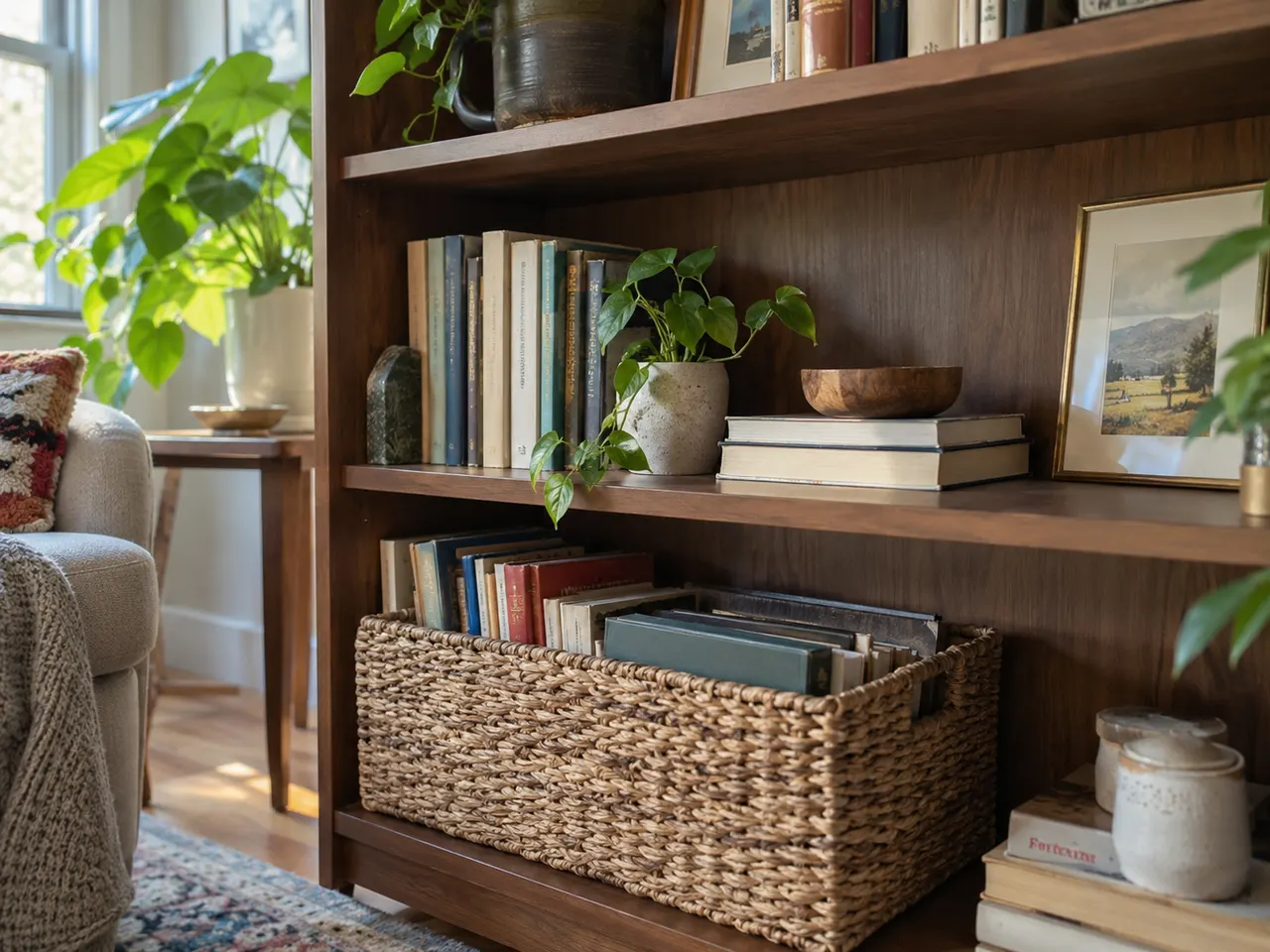
Swap, sell, or donate books you don’t expect to read or enjoy again. Keep reference books, beloved stories, and collections that matter to you. Finishing a book doesn’t automatically make it clutter, and disliking one doesn’t mean you owe it another attempt.
29. Discs and Media You No Longer Play
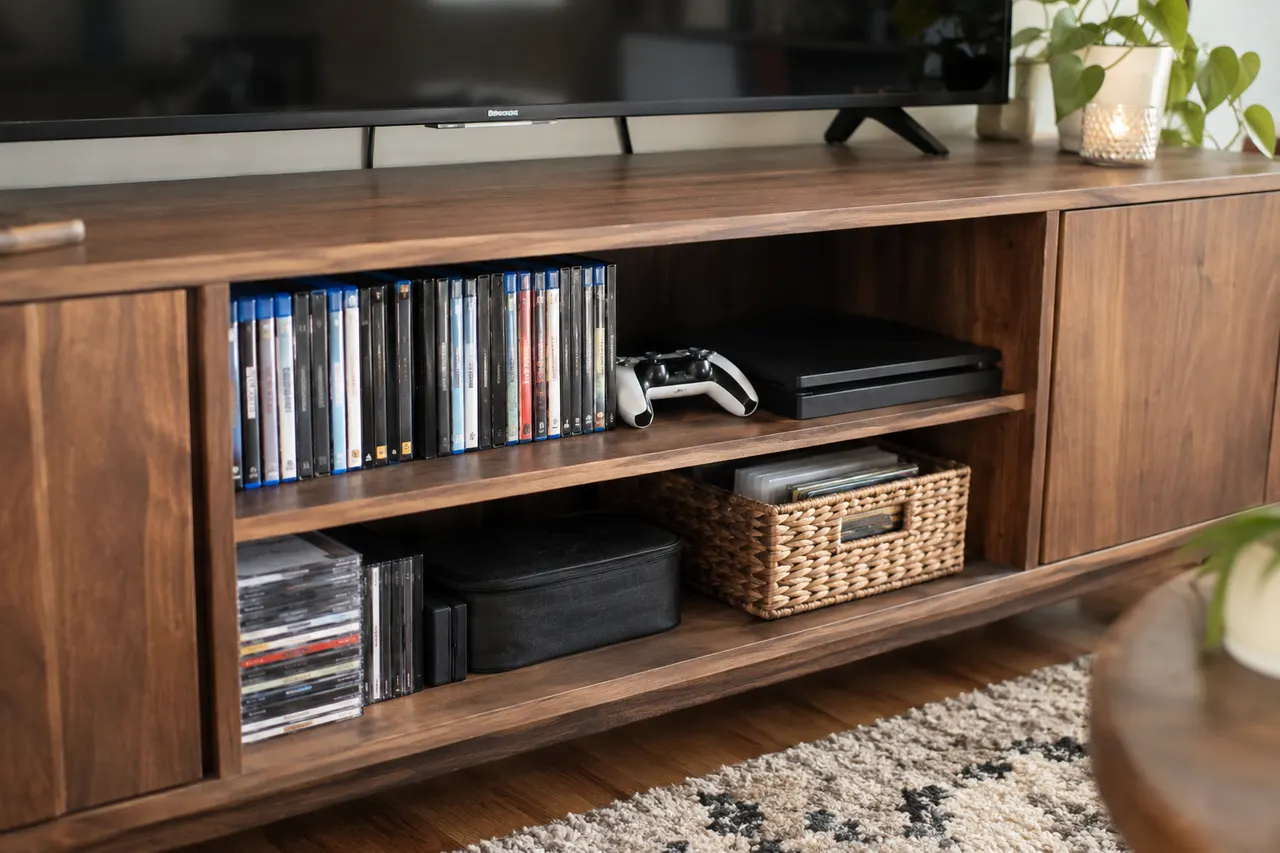
Release media you no longer want, after checking for personal recordings. Family videos and irreplaceable files need a different decision from an unwanted movie box set. Keep a collection you actively enjoy, even if the format is older than everyone’s streaming subscriptions.
30. Empty Candle Jars Waiting for a Purpose
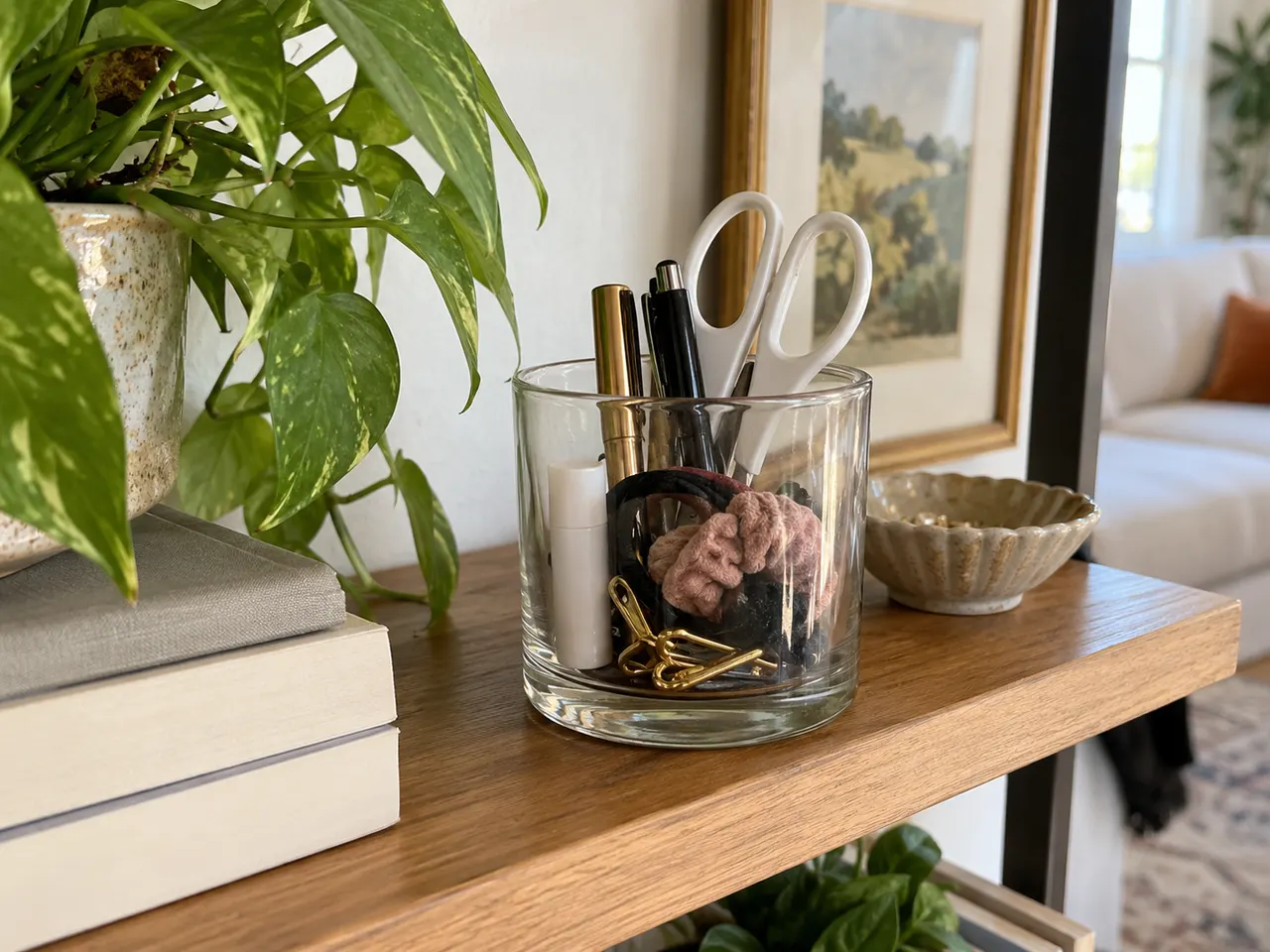
Give a jar an actual job or remove it from the project pile. If one holds cotton pads, great. The other eight don’t need to wait indefinitely. Check local rules before recycling candle containers, since glass types and leftover wax affect acceptance.
For more ways to keep a room personal while reducing the overflow, see Minimalism Without Throwing Everything Away.
Paper and Tech: Sort the “Just in Case” Drawer
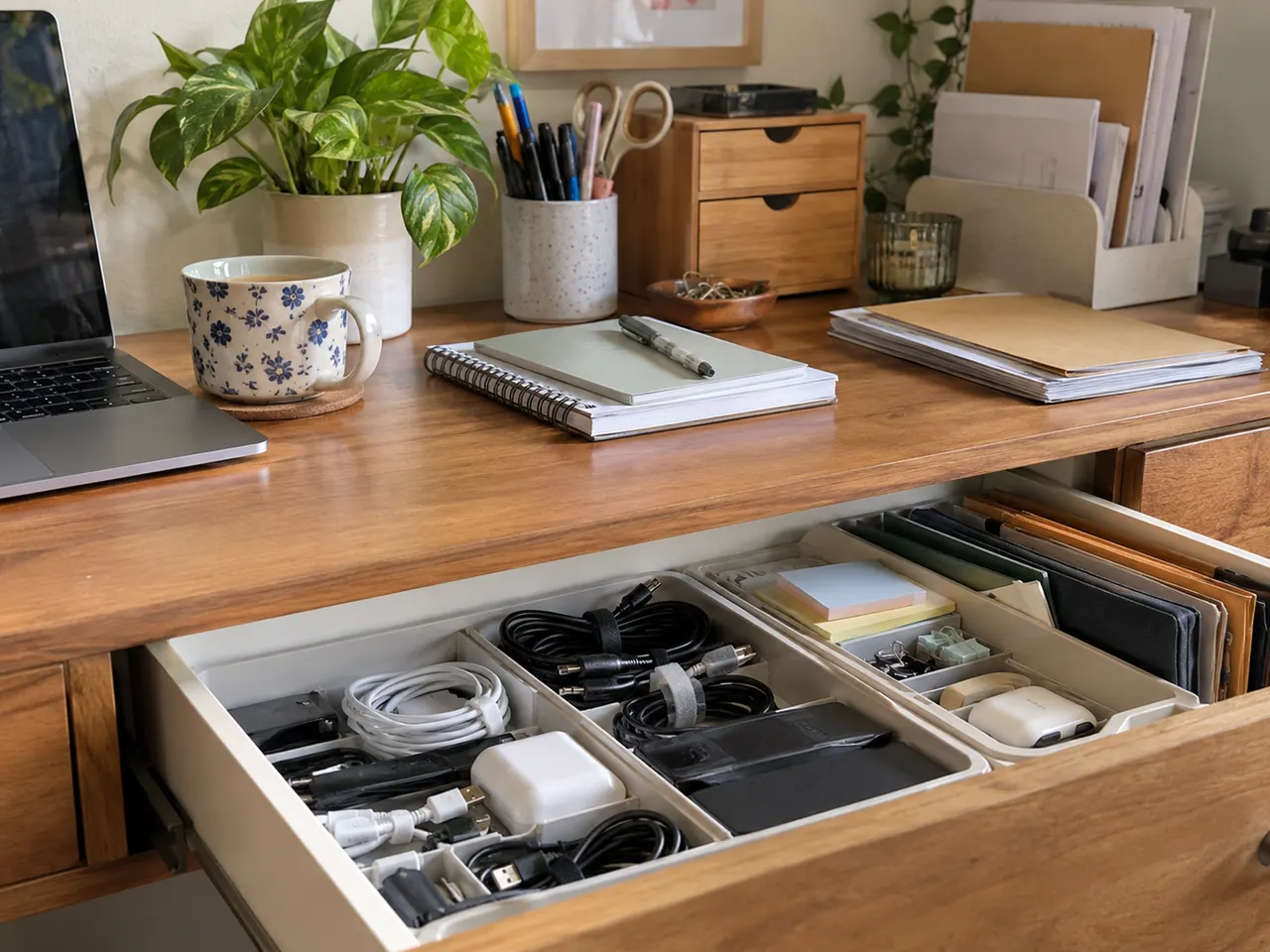
Identify what you’re keeping before clearing the mystery pile. This is one area where a few minutes of checking can prevent an inconvenient mistake.
31. Junk Mail and Receipts With No Remaining Purpose
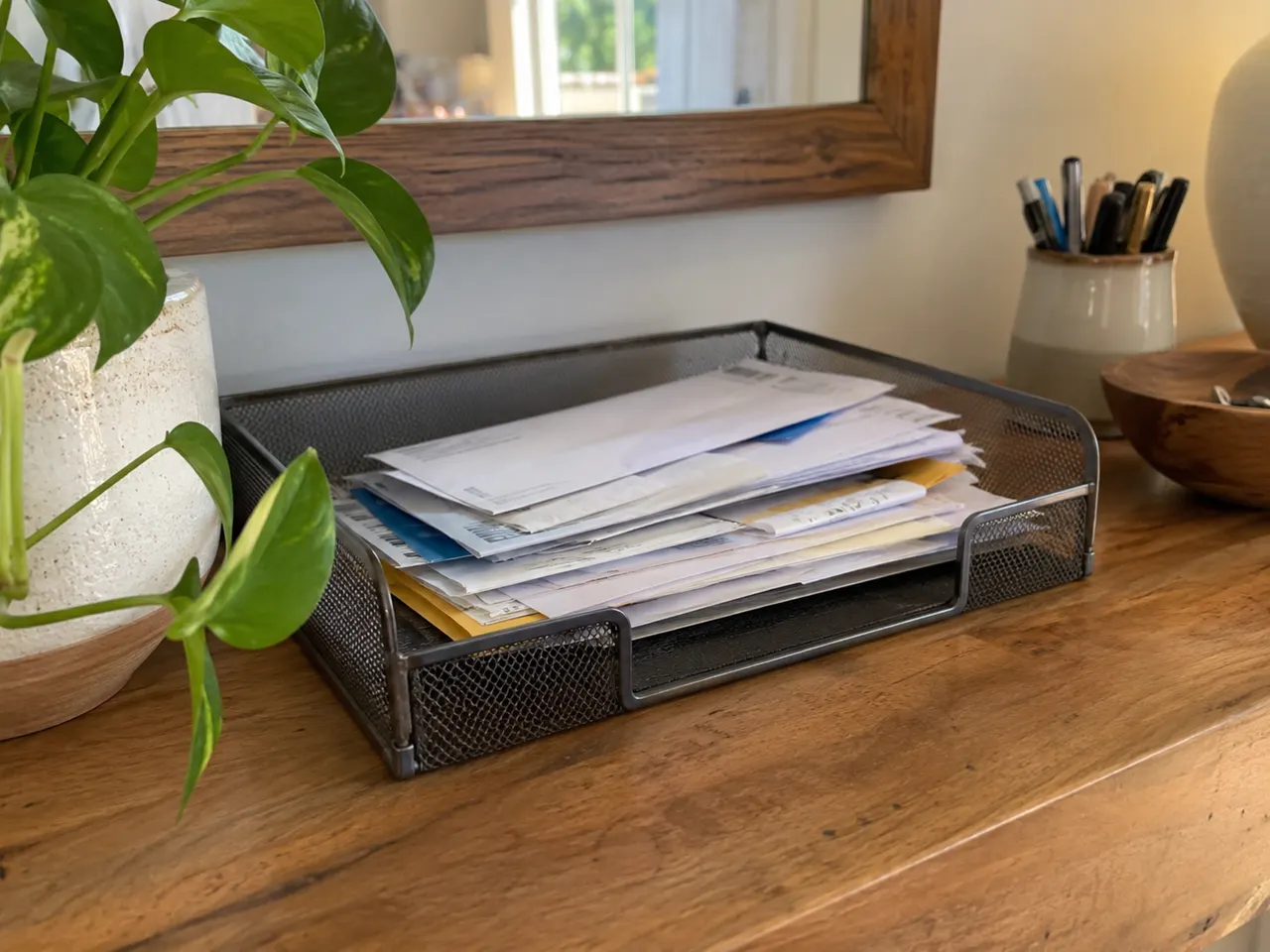
Recycle obvious junk mail and remove receipts once their useful purpose has ended. Separate anything needed for returns, warranties, taxes, insurance, or other records. Shred papers containing sensitive personal information when you’re ready to dispose of them.
32. Manuals for Things You No Longer Own
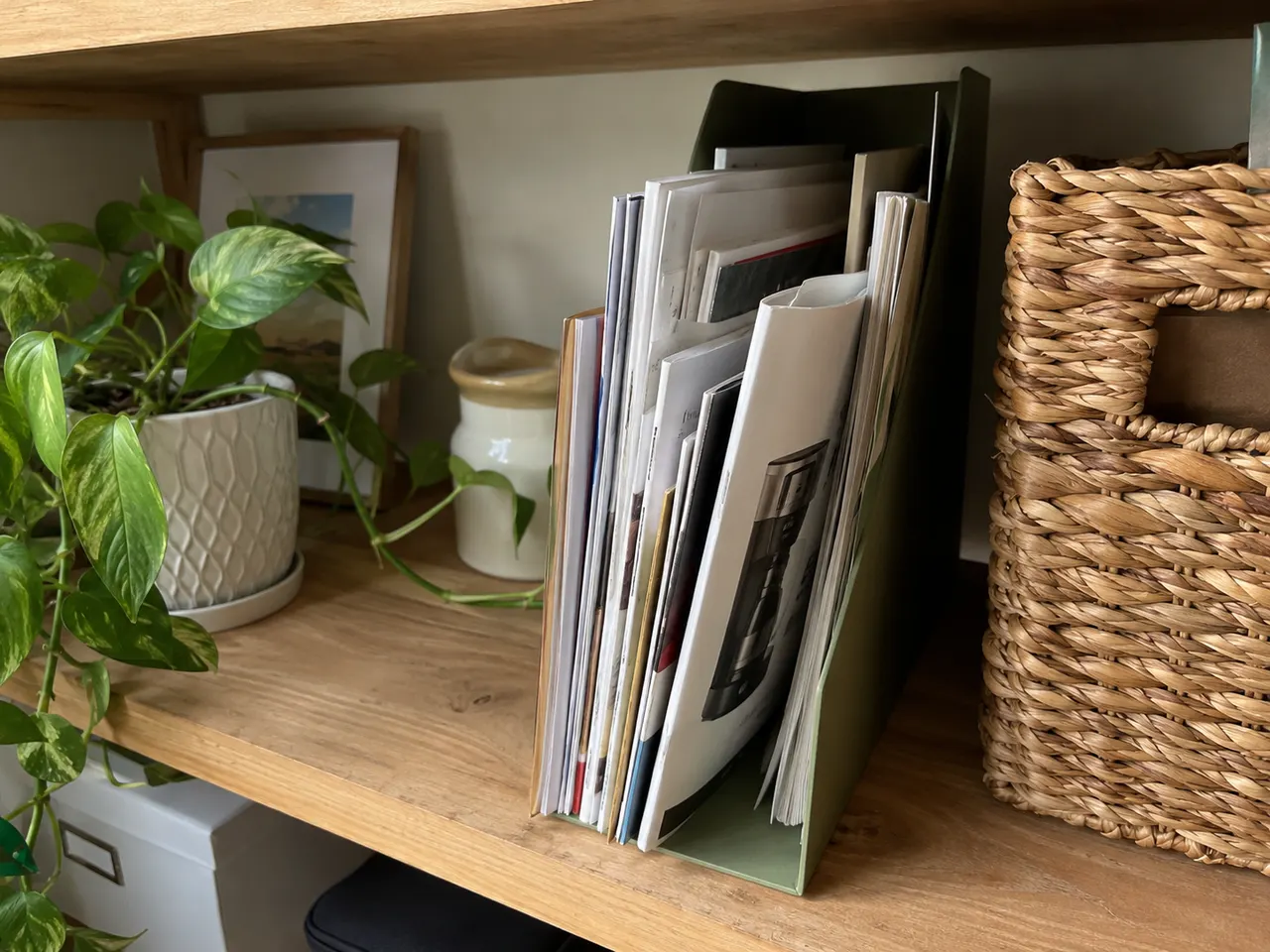
Remove manuals for belongings that have already left. For equipment you still own, save a usable digital copy before discarding the paper version. Keep model numbers and useful warranty information together so you can find them when something stops working.
33. Pens and Markers That Never Work
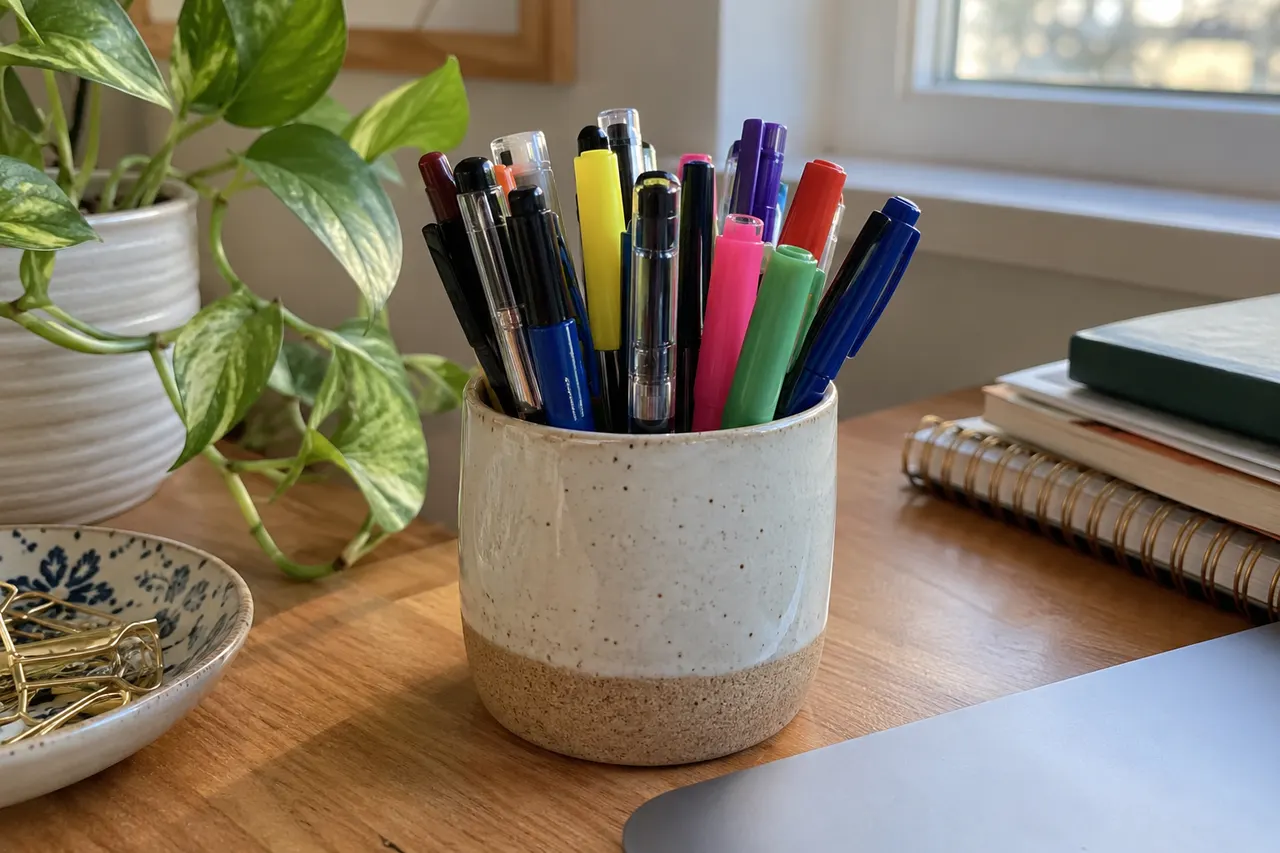
Test each pen and marker, then remove the dried-out ones. This is a satisfying five-minute task because the decision is usually obvious. Keep reliable promotional pens if you use them. The free pen that writes smoothly beats the fancy one that never does.
34. Mystery Cables and Chargers
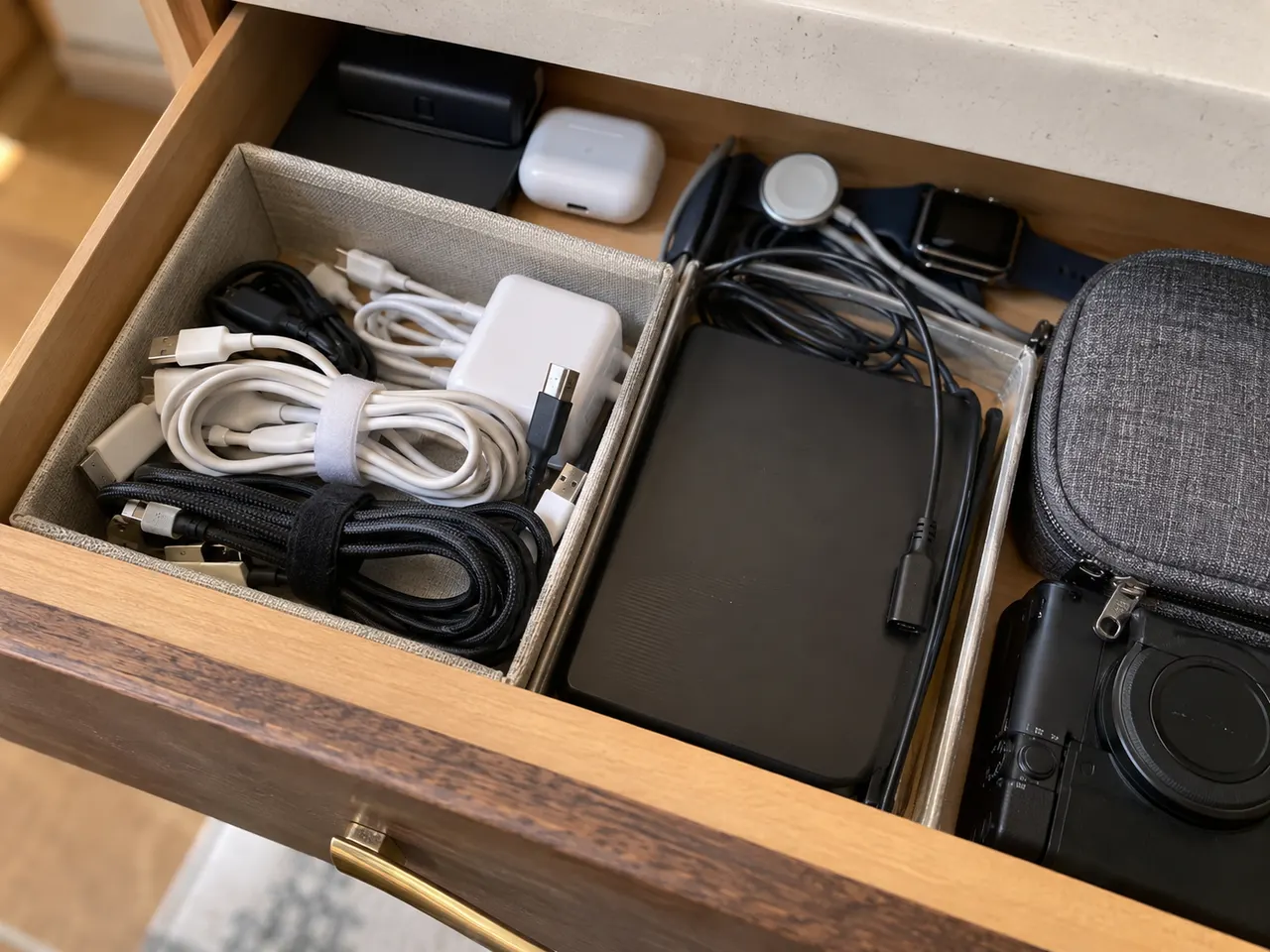
Match cables to equipment before deciding they’re unnecessary. Ask other household members about unfamiliar ones, then label the keepers. Keep any useful spare you genuinely need. Send unwanted cables through an appropriate local collection program instead of leaving them tangled in the drawer.
35. Old Electronics and Orphaned Remotes
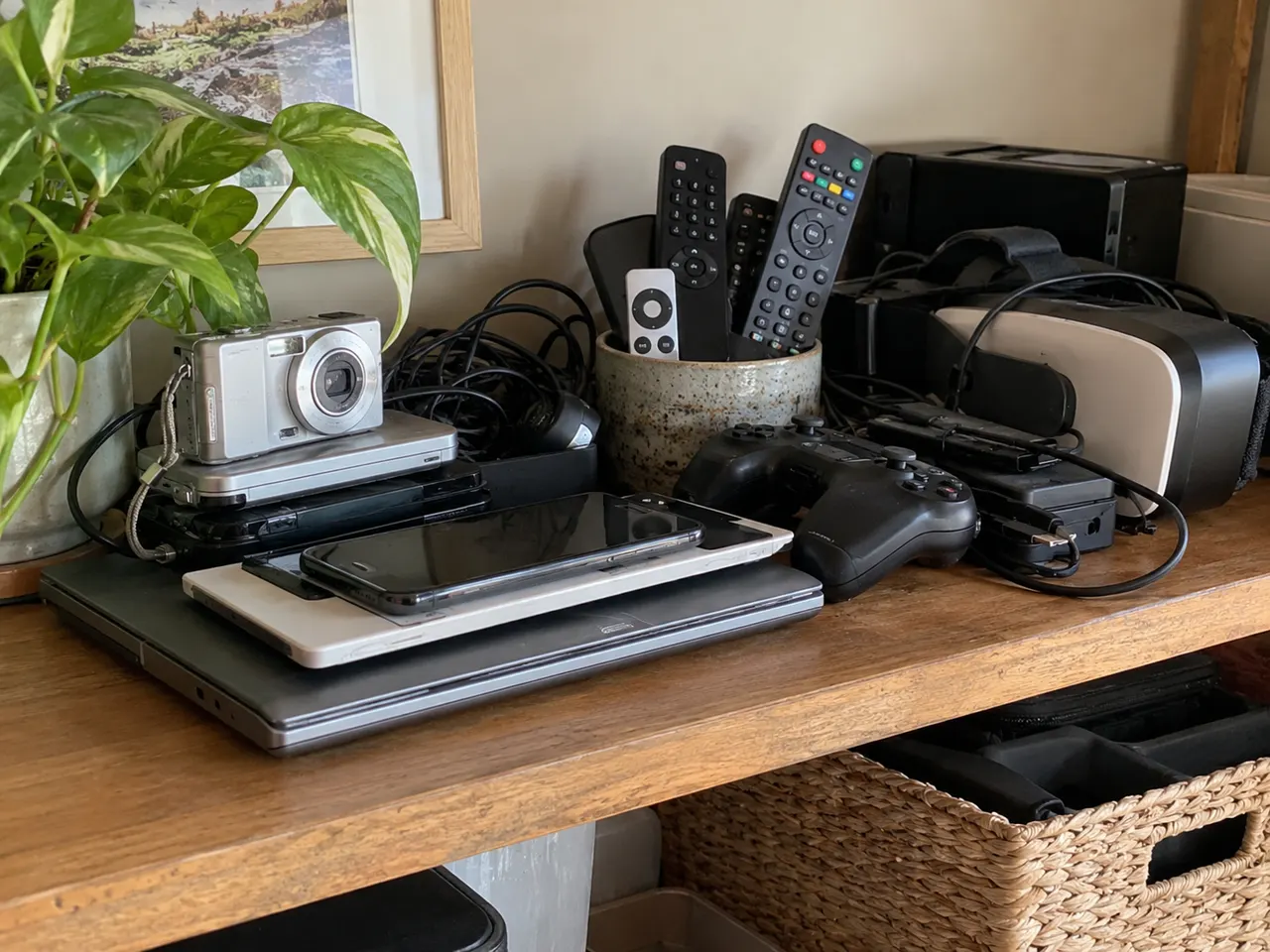
Back up wanted files and remove personal data before selling, donating, or recycling electronics. Follow the manufacturer’s instructions for signing out and erasing the device. Match remotes to equipment first, then use a suitable electronics collection service for things that no longer have a job.
Storage and Hobbies: Clear the Projects You’ve Outgrown
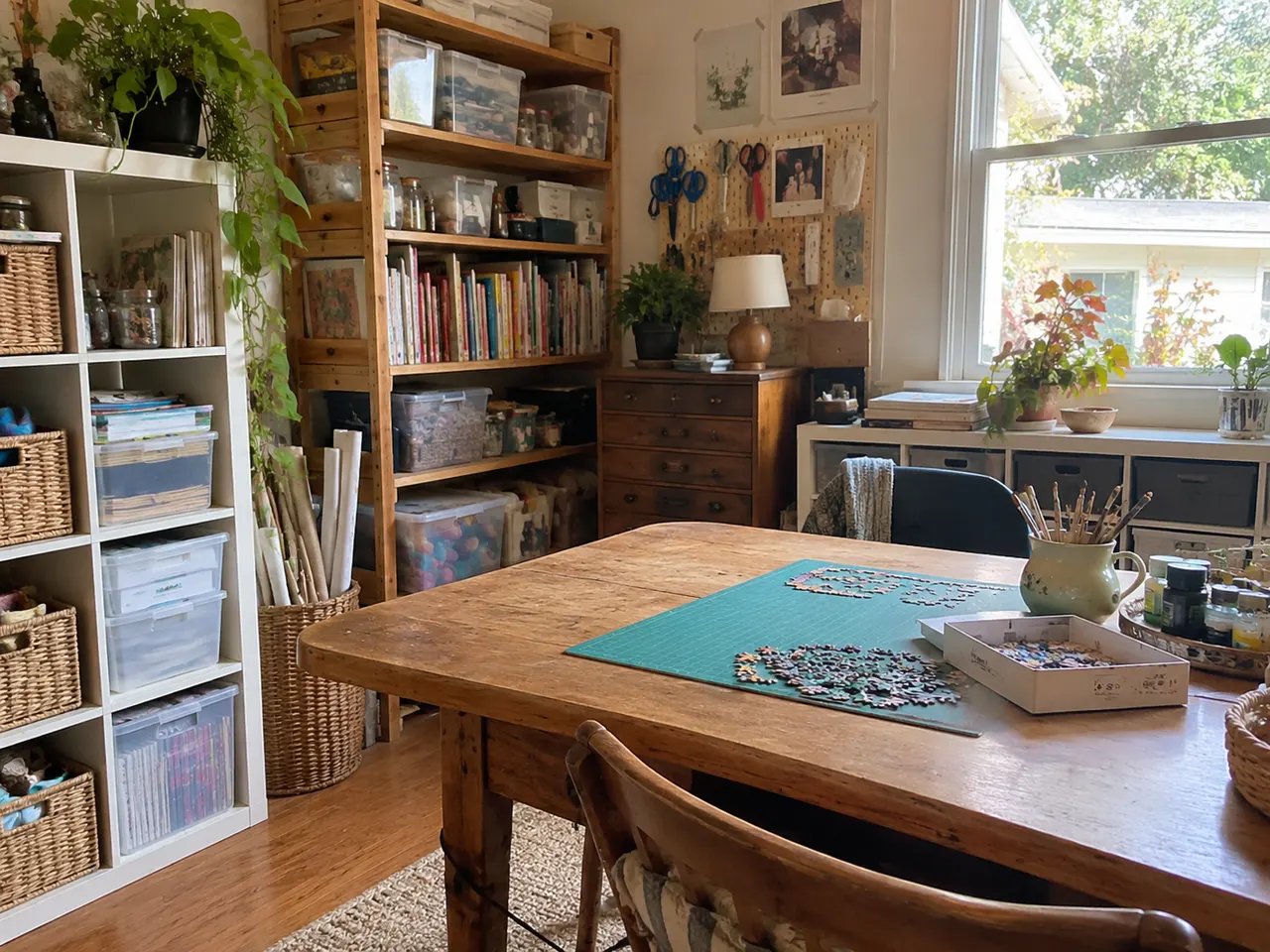
Keep projects you want to return to and release the ones you’ve moved beyond. Your storage space doesn’t have to preserve every interest you’ve ever had.
36. Toys and Games That Are No Longer Used
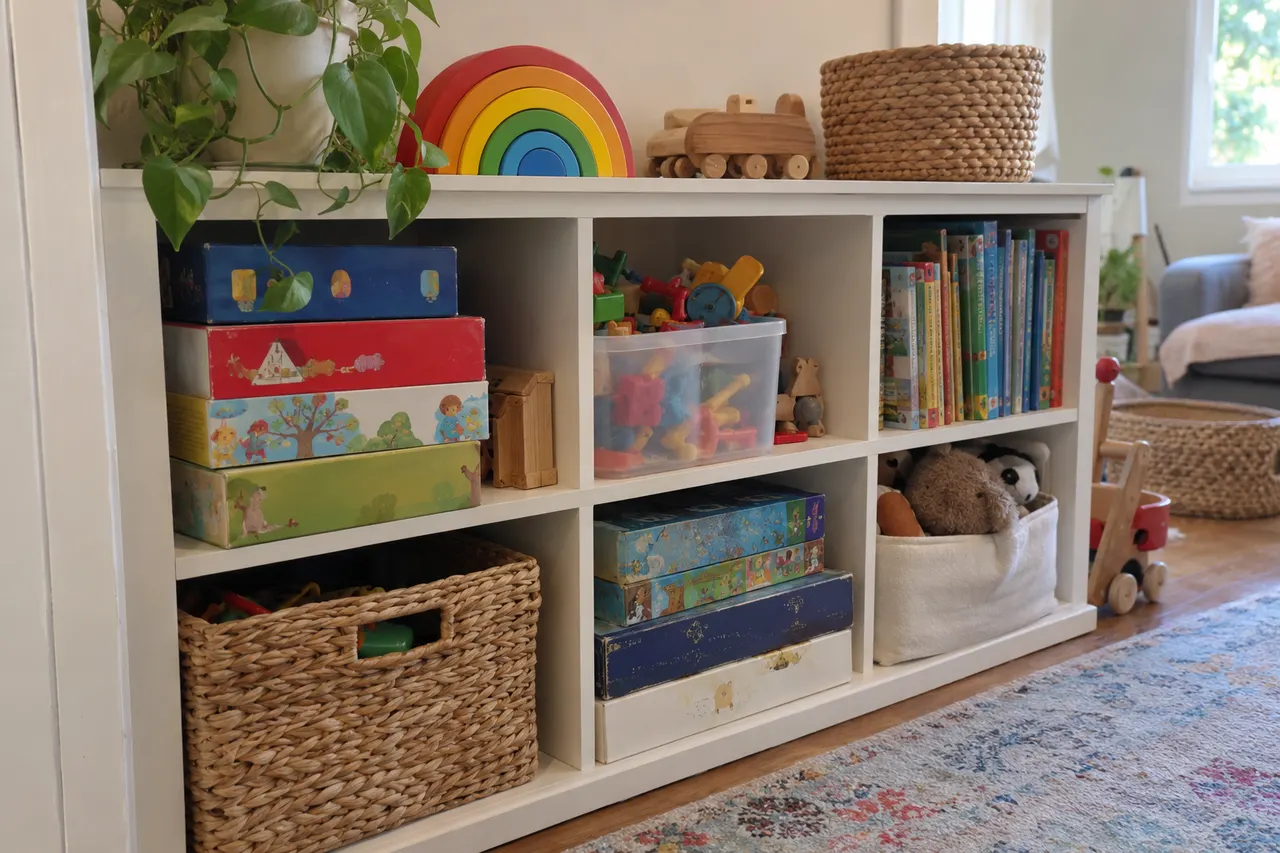
Choose outgoing toys with the people who own and use them. Involve children rather than quietly clearing their belongings. Check whether a missing piece can be replaced before giving up on a favorite game, and make sure donations are usable and accepted by the recipient.
37. Supplies for Hobbies You No Longer Enjoy
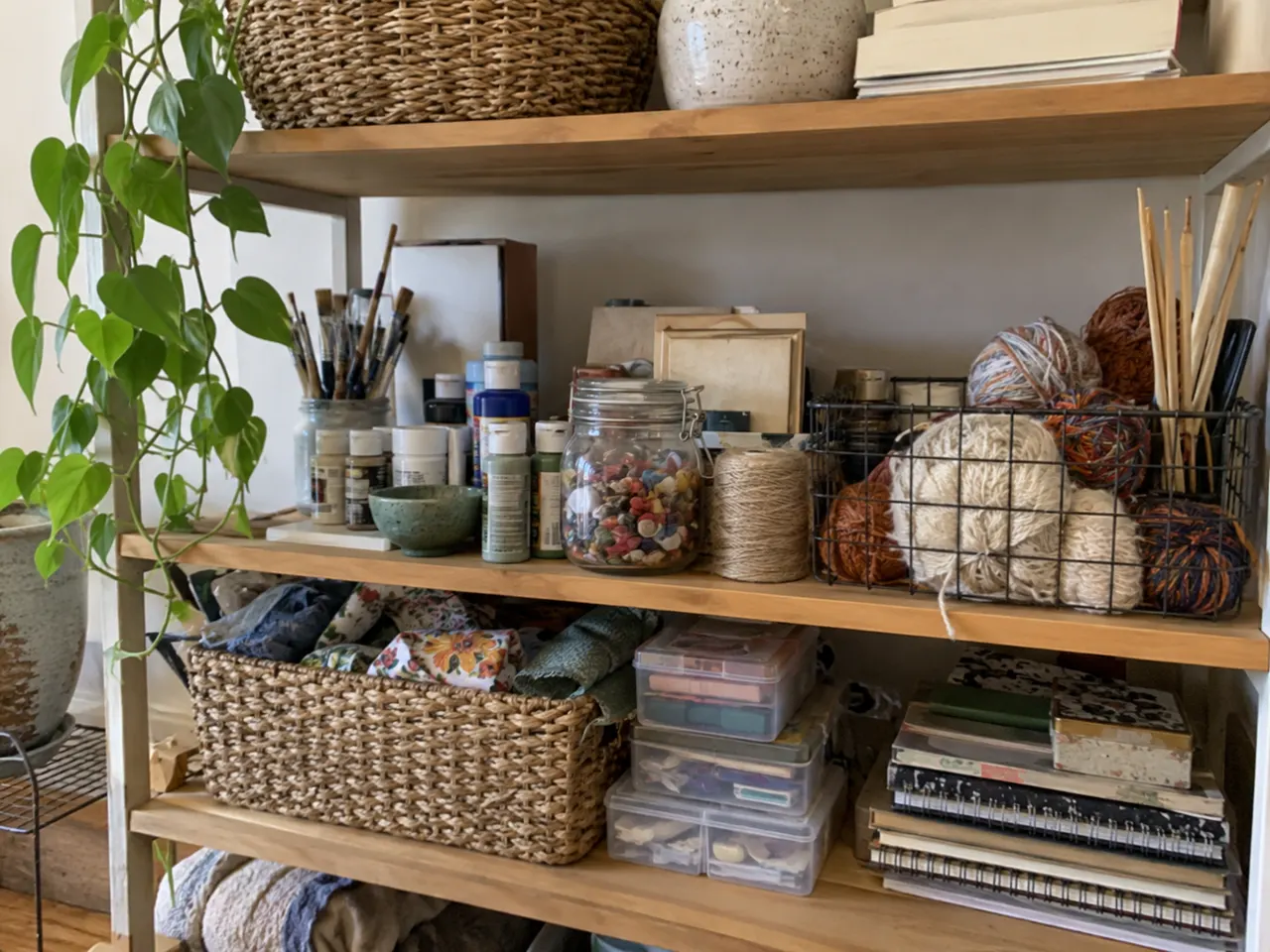
Pass along supplies for hobbies you no longer want to pursue. Learning that knitting isn’t your thing is a perfectly useful outcome. Offer clean, usable materials to someone who wants them, and keep the supplies for projects you can realistically name.
38. Broken Things Without a Repair Plan
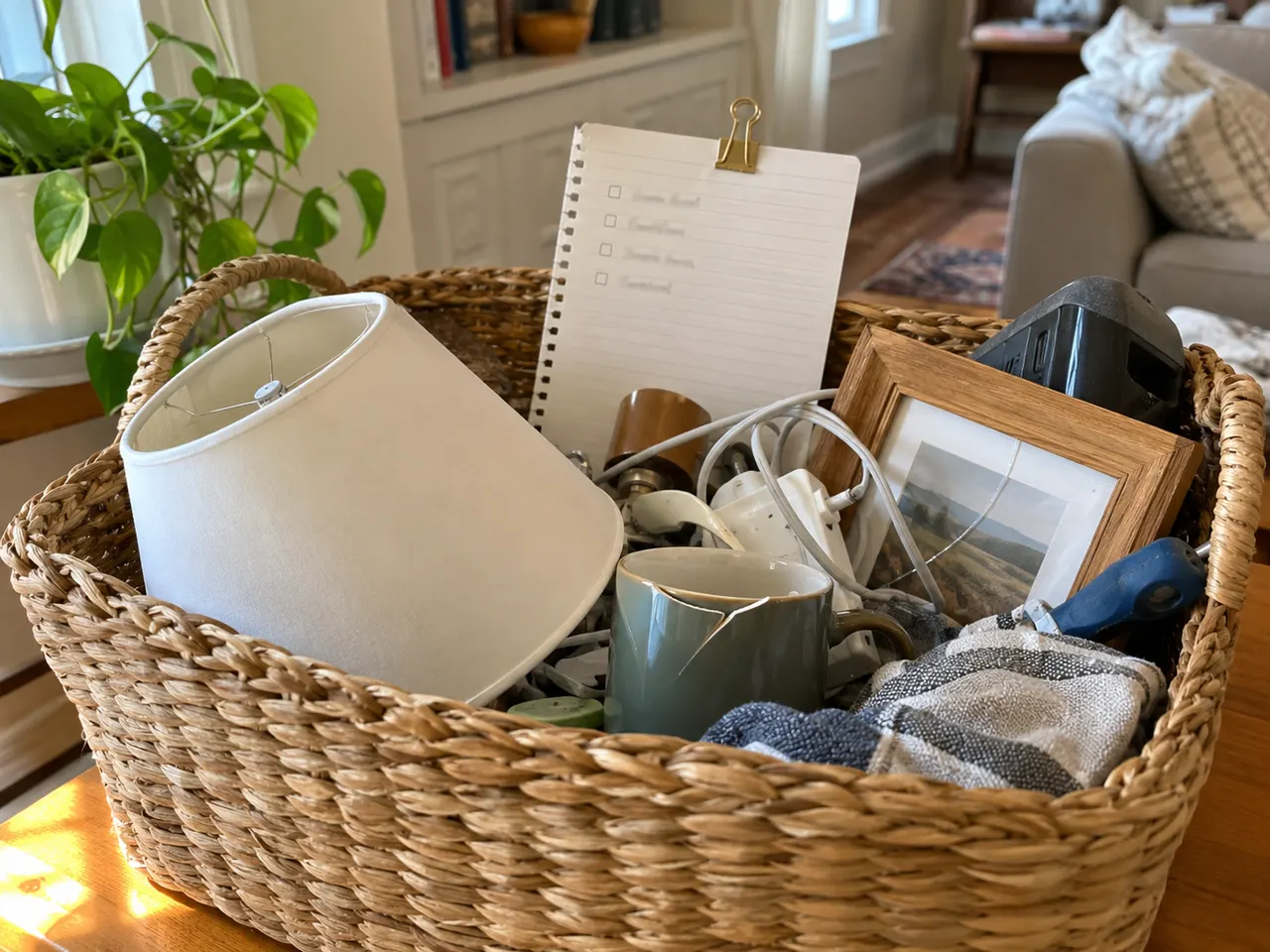
Choose a realistic repair date or give the item another appropriate destination. “Fix someday” can keep a broken lamp in storage for years. Get a quote, order the part, or book the repair. If you aren’t willing to take that step, let it leave.
39. Packaging and Gift Wrap You Won’t Reuse
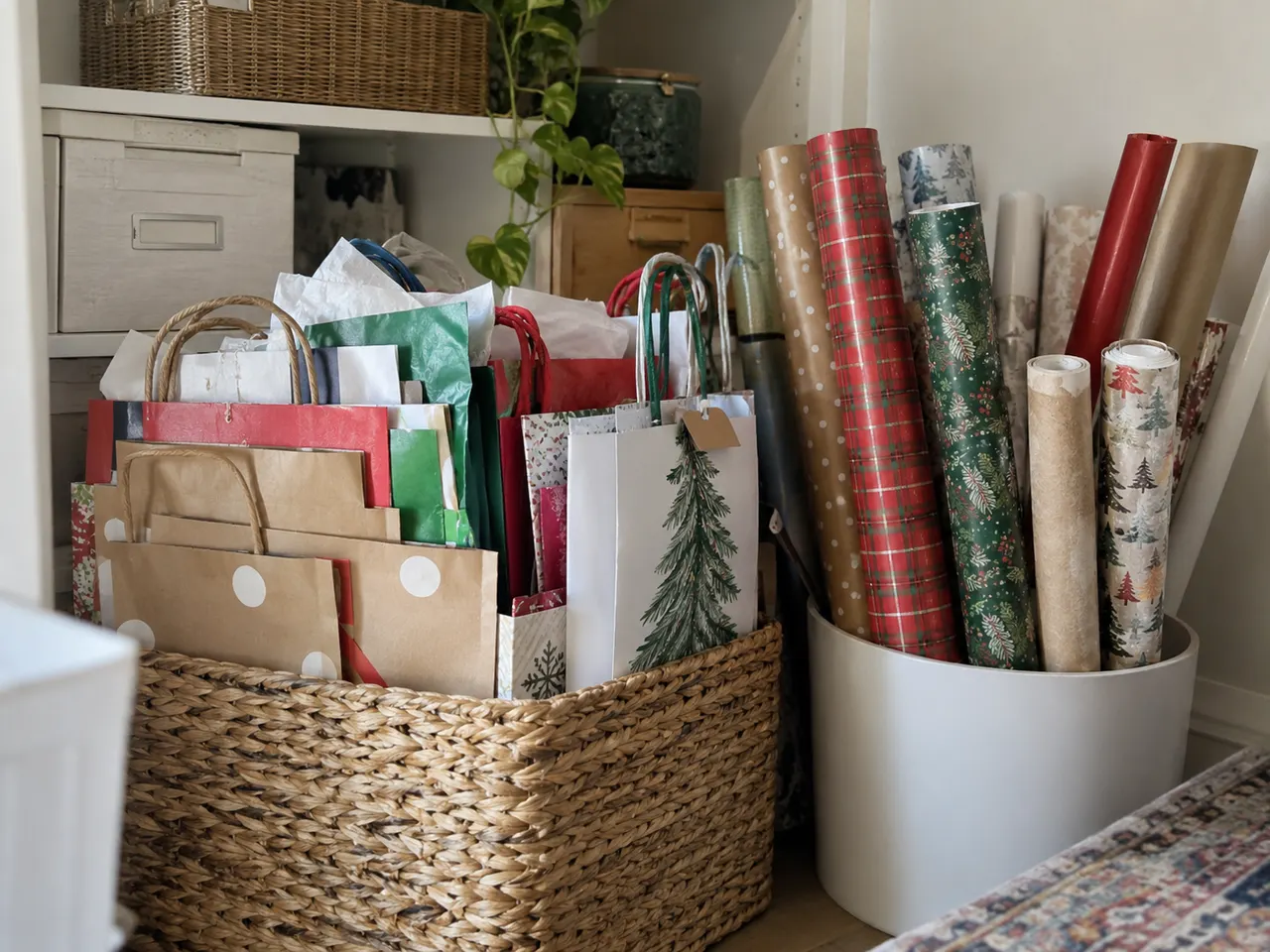
Keep packaging for planned returns or specific storage needs, then reduce the rest. Save gift bags you’d happily give to someone. Flatten useful boxes and set a space limit. Torn tissue and crushed packaging don’t become more useful after another holiday.
40. Organizers That Have Become Clutter
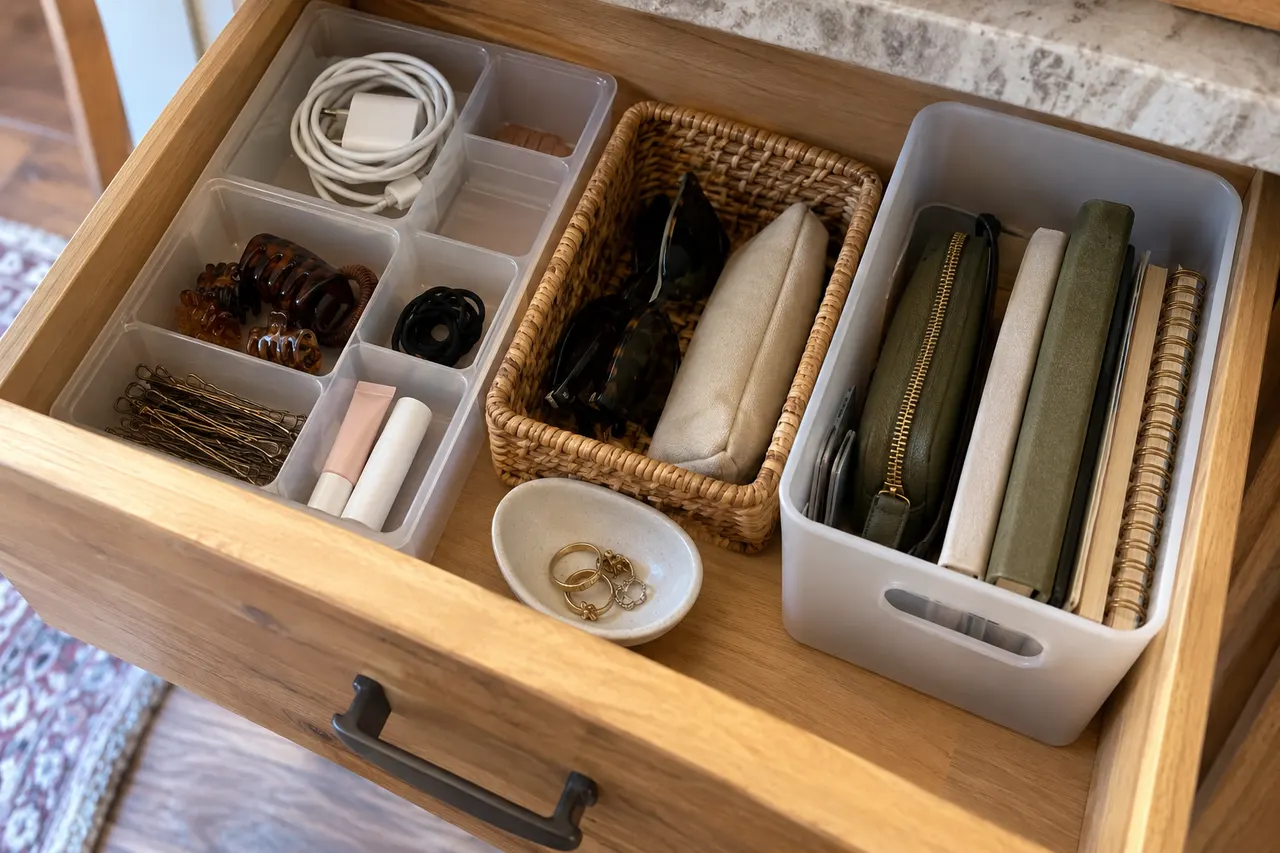
Let go of bins, baskets, and dividers that don’t fit a current job. Buying storage is tempting because it feels productive. But an empty basket still needs somewhere to live. Try the organizers you already own before adding another matching set to your cart.
Still Thinking, “But It’s Perfectly Good”?
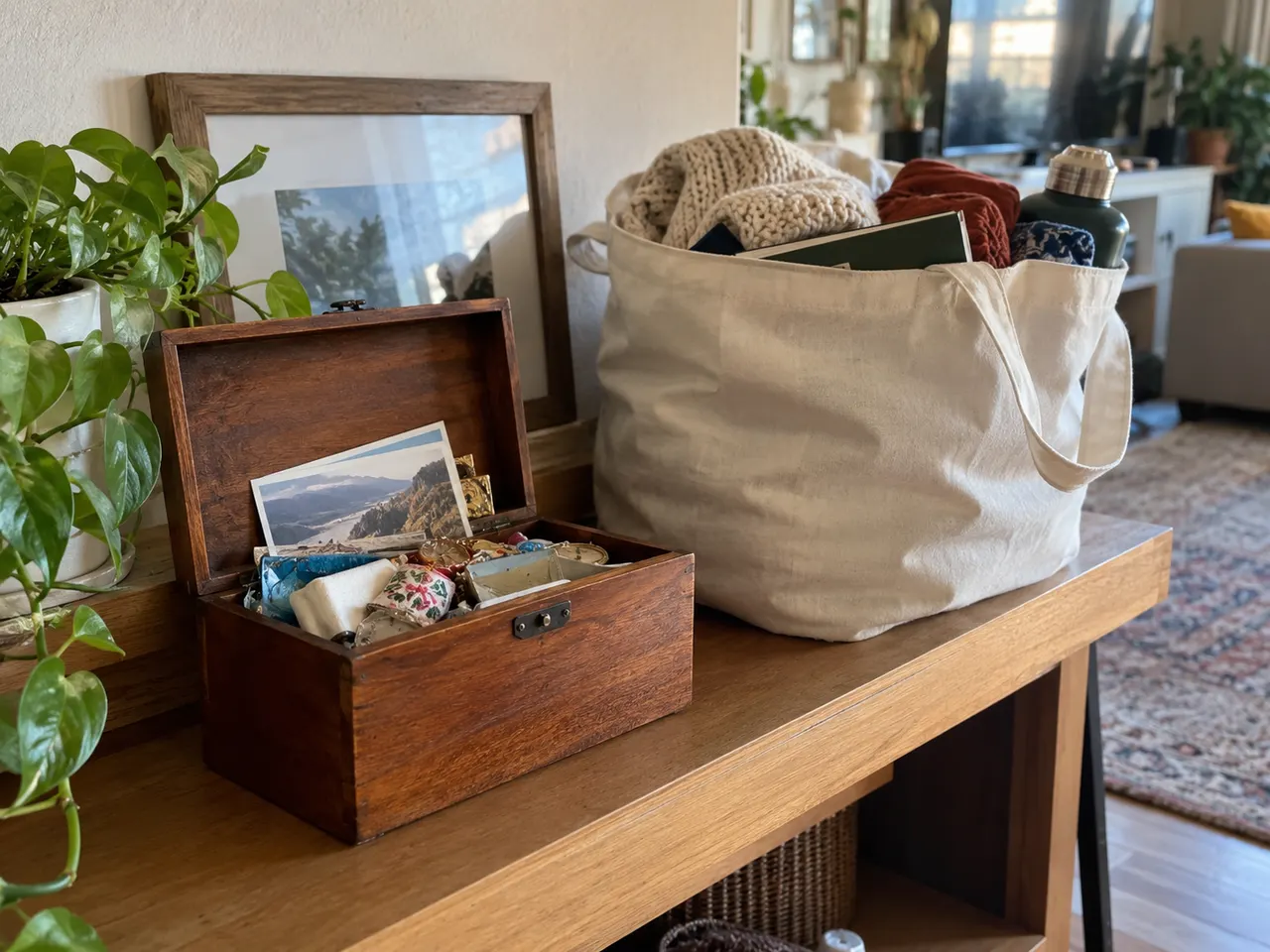
Something can be perfectly usable and still be ready to leave your home. The question is whether you want or need it, and whether keeping it is worth the space.
Three thoughts tend to slow things down:
- “It cost a lot.” That disappointment is real. Keeping the item won’t recover the money, though. Sell it if the likely return is worth the effort, and give yourself a deadline to list it.
- “I might need it.” Name the situation. A spare blanket for regular overnight guests has a clear purpose. Supplies for a hobby you don’t want to do are harder to justify.
- “It reminds me of someone.” Keep meaningful belongings when you want them. You can also choose a few favorites or take a photograph if that feels right. There’s no requirement to reduce memories to a particular box size.
For ordinary belongings you’re unsure about, use a dated “maybe” box with a planned review date. Allow enough time for the relevant season or activity. Keep important records, emergency supplies, and necessary medical items out of this experiment.
Give the Outgoing Pile a Destination
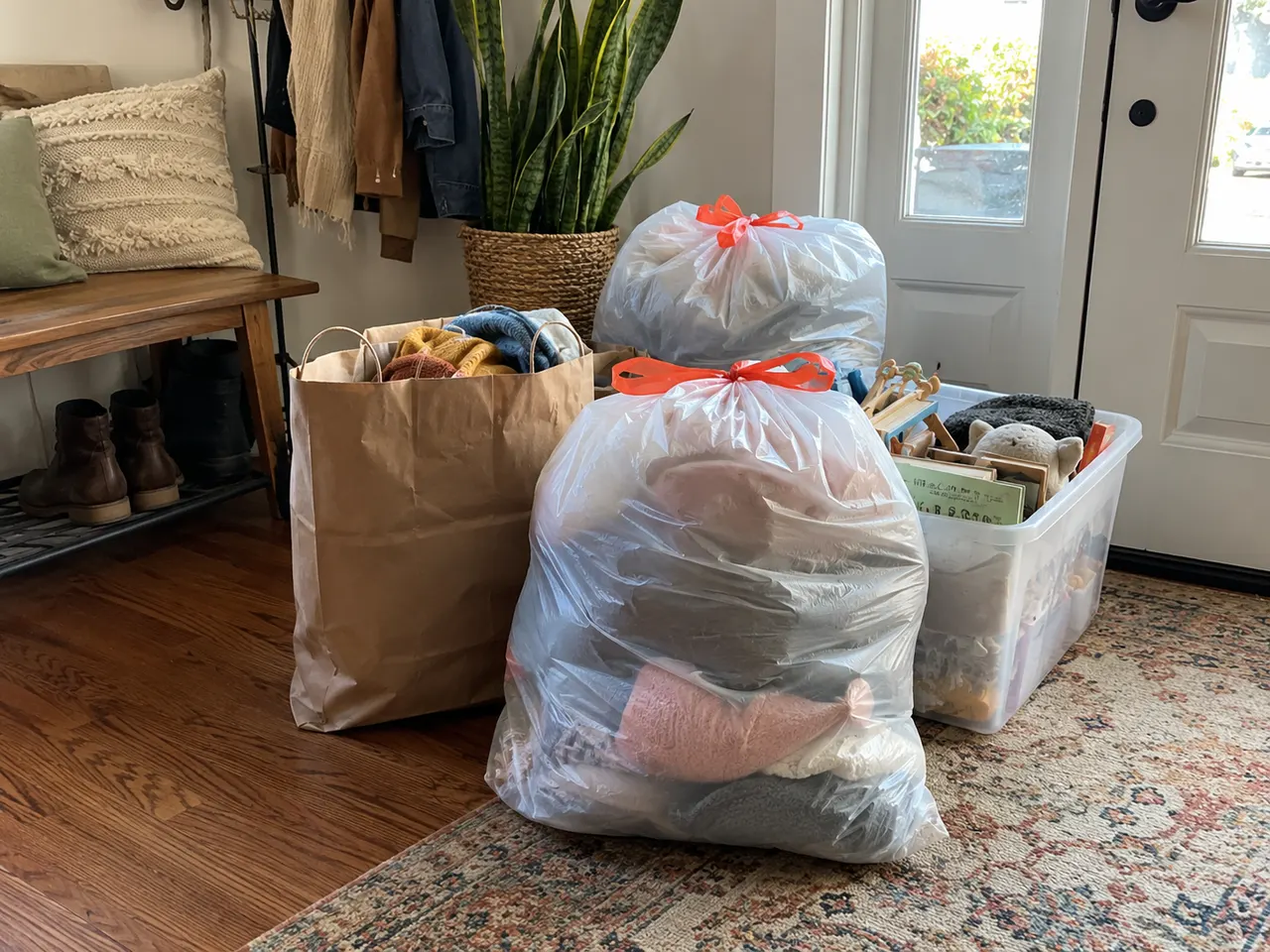
Decide where each item is going before the outgoing pile becomes another storage area. Arrange one drop-off or collection you can realistically complete.
| Destination | What belongs here |
|---|---|
| Donate or give away | Clean, usable belongings the recipient accepts and wants. |
| Sell | Items whose likely resale value makes listing and arranging collection worthwhile. |
| Repair | Belongings with a specific next step and a realistic repair date. |
| Recycle or use specialist collection | Materials, electronics, and other products accepted by the relevant local program. |
| Dispose | Items that cannot safely or practically be reused or recovered, following local rules. |
Donation works best when the item is ready for someone else to use. Empty pockets, clean surfaces, and include essential parts.
Your 15-Minute Decluttering Checklist
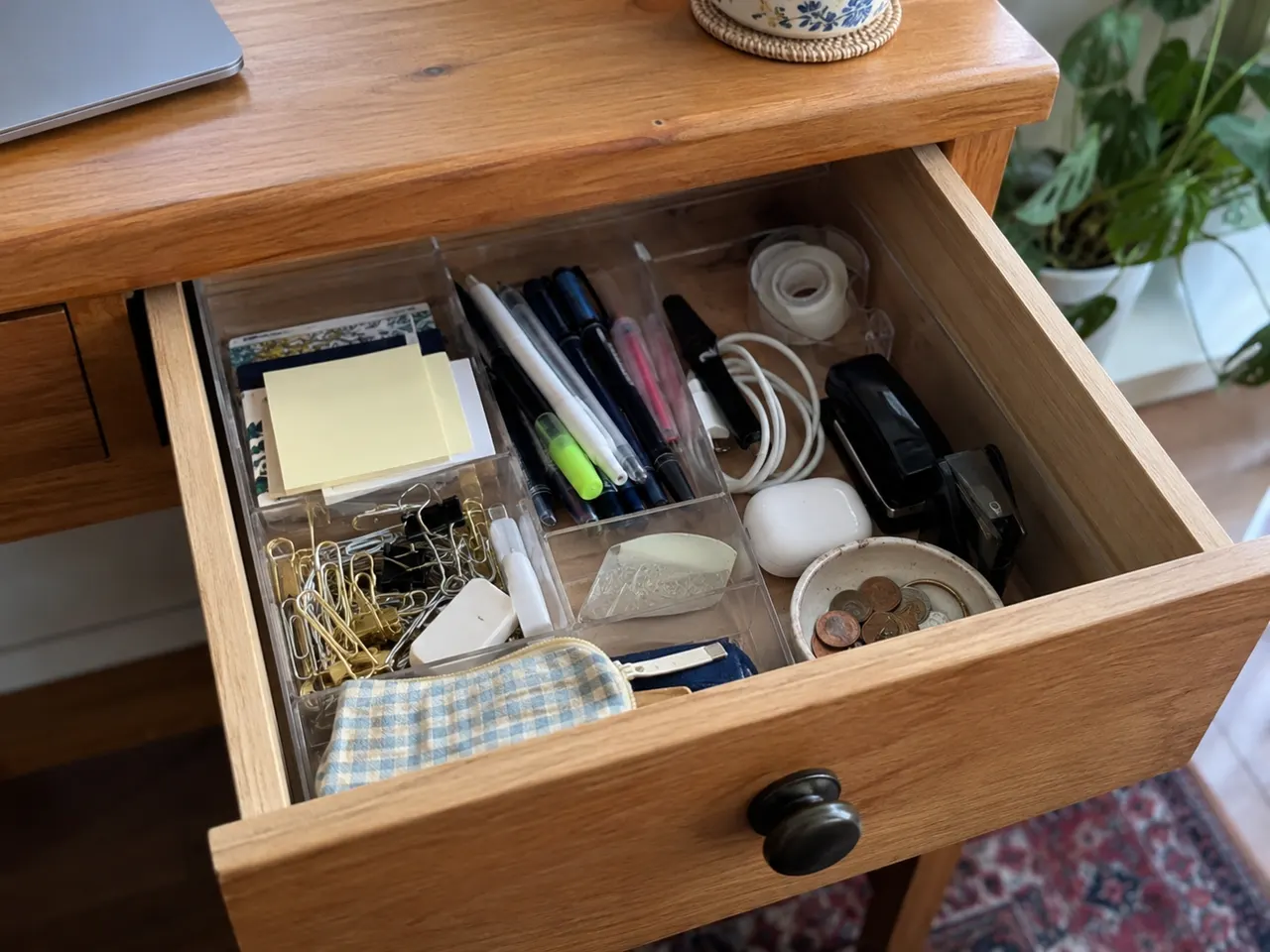
Choose an area you can sort and put back within the time you have. A single shelf is enough.
- Pick one drawer, shelf, or small surface.
- Make the easy decisions first.
- Match lids, cables, and loose parts before removing anything.
- Separate donations, repairs, recycling, and trash.
- Give ordinary “maybe” items a review date.
- Put the keepers back where you use them.
- Schedule the next step for outgoing belongings.
- Note what you already own before buying replacements.
If time runs out, finish putting that area back together. You can tackle the next drawer another day.
Keep the Space You Just Made
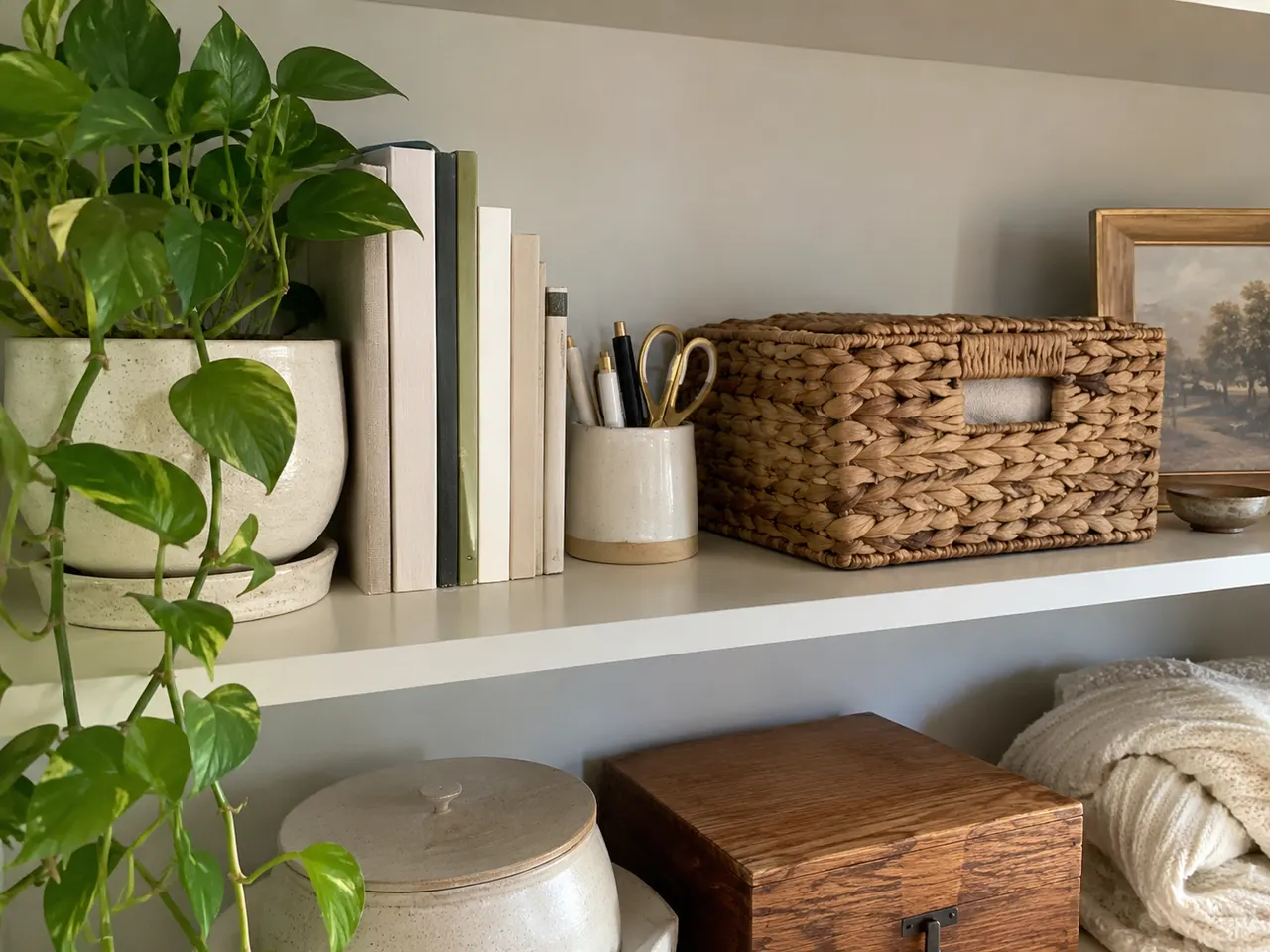
Pause before refilling the space you’ve cleared. Living with it for a while helps you notice what you actually need.
Check cupboards before restocking toiletries or pantry supplies. Borrow equipment for occasional jobs when that’s practical. Keep a small donation bag somewhere convenient, and empty it regularly.
When something catches your eye online, ask where you’d use it, where you’d store it, and whether you already own something suitable. Save the link and come back to it later.
Buy organizers after sorting and measuring. An old shoebox may already solve the drawer problem. Empty space is useful, too.