How to Wash Pillows Without Ruining Them: A Simple Guide


Washing pillows without damaging them comes down to matching the cleaning method to the filling and drying them completely. Many polyester, down, and feather pillows can go in the washer. Solid foam and latex usually need separate cover care and more limited cleaning of the inside.
Perhaps you’ve pulled off a pillowcase and found yellow patches underneath. The pillow still feels comfortable, so throwing it away seems wasteful. A suitable wash may be all it needs, as long as the filling can handle it.
The quick answer
- The filling and care label determine whether the whole pillow can be washed.
- Machine-washable pillows need room in the drum, suitable detergent, and the recommended settings.
- Covers and inserts may need different care, especially on foam and decorative pillows.
- Thorough rinsing removes leftover soap, while a fully dry center helps prevent damp clumps and musty smells.
1. Can Your Pillow Go in the Washing Machine?

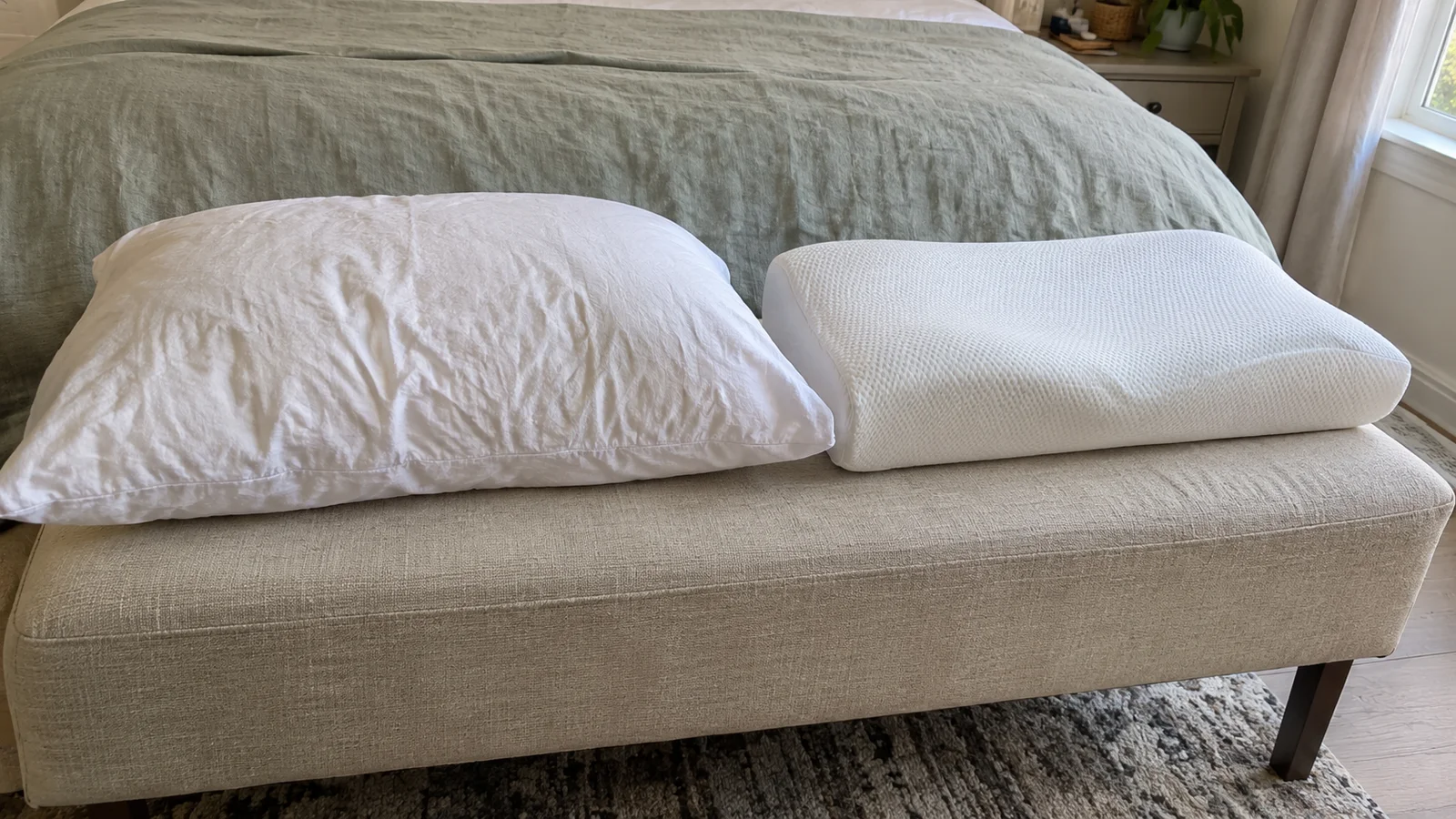
Many polyester, down, and feather pillows are machine-washable, provided their care instructions allow it. The fabric outside doesn’t tell you everything. Two white pillows can contain completely different fillings.
| Pillow type | Cleaning method |
|---|---|
| Polyester or down alternative | Machine-wash when permitted, then dry thoroughly using the approved setting. |
| Down or feathers | Wash with a detergent suitable for the filling and allow enough time for thorough drying. |
| Solid memory foam | Wash the removable cover separately. The core needs limited cleaning, and some foam must stay dry. |
| Shredded memory foam | Instructions vary. Some pillows are washable; others allow only spot cleaning. |
| Latex | Clean the cover separately and follow the core’s specific cleaning instructions. |
| Throw pillows | Treat the cover, filling, and decorative details separately. |
The care label gives the washing and drying instructions for that pillow. A zipper may simply let you adjust the filling.
Note: “Machine-washable cover” applies to the cover. It doesn’t mean the entire pillow can go in the washer. Without clear washing instructions, avoid soaking the filling.
2. What You Need Before Washing
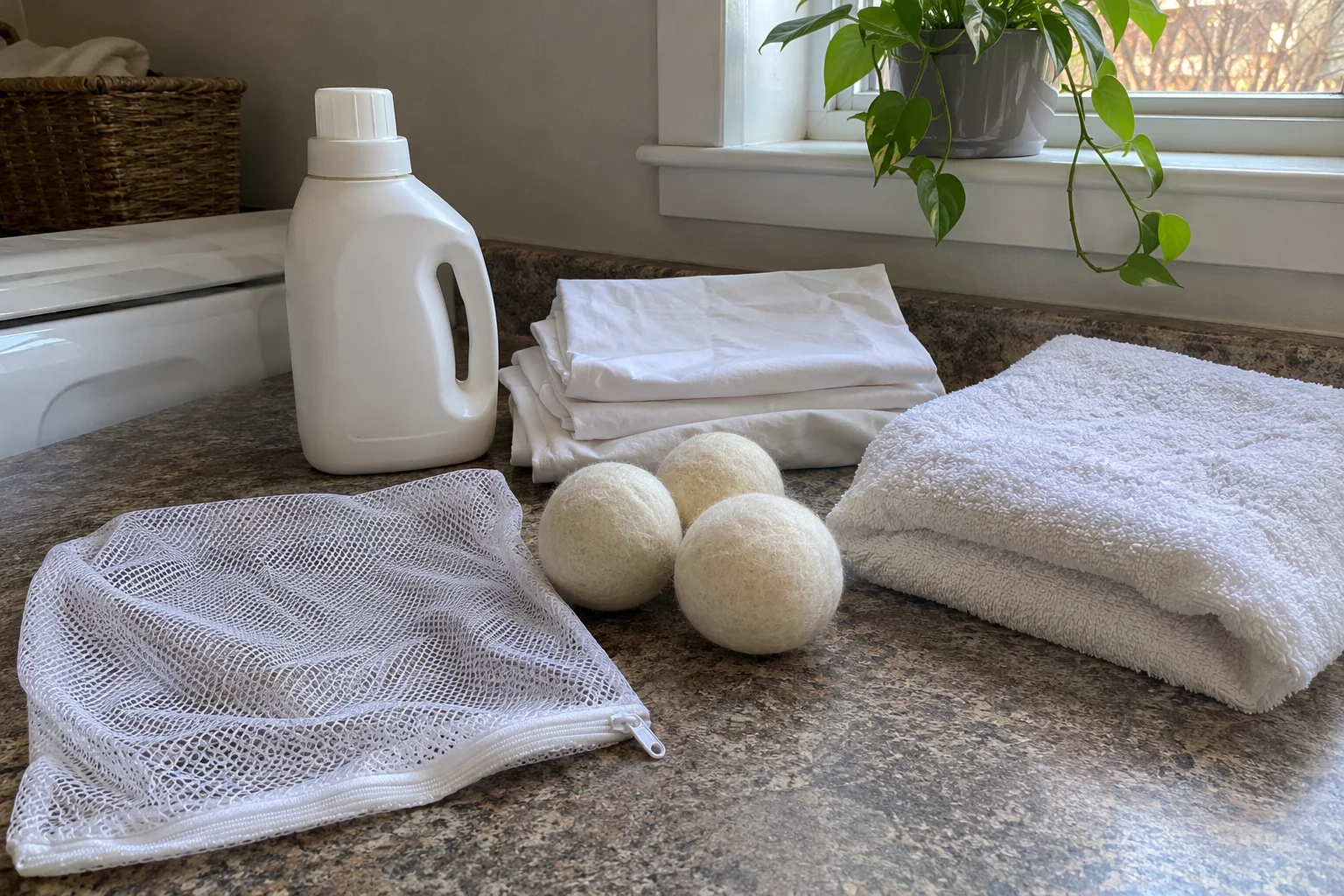
Suitable detergent, clean cloths, and somewhere to dry the pillow cover most of the work. You probably have several of these already.
Depending on the cleaning method, gather:
- Liquid detergent suitable for the shell and filling.
- Clean cloths for spot cleaning.
- Towels for absorbing water after hand-washing.
- Wool dryer balls for pillows that permit tumble drying.
- A drying rack for items that need to dry flat.
- Mesh laundry bags for suitable removable covers.
- A spare pillow in case drying takes longer than expected.
Tide Free & Gentle Liquid Laundry Detergent is a dye- and perfume-free option for washable synthetic pillows and covers that allow regular laundry detergent. Down, wool, and other delicate materials may need a specialist formula.
There’s no need to add several laundry boosters. Each extra product can leave more residue to rinse out.
3. How to Machine-Wash Pillows Without Leaving Them Lumpy
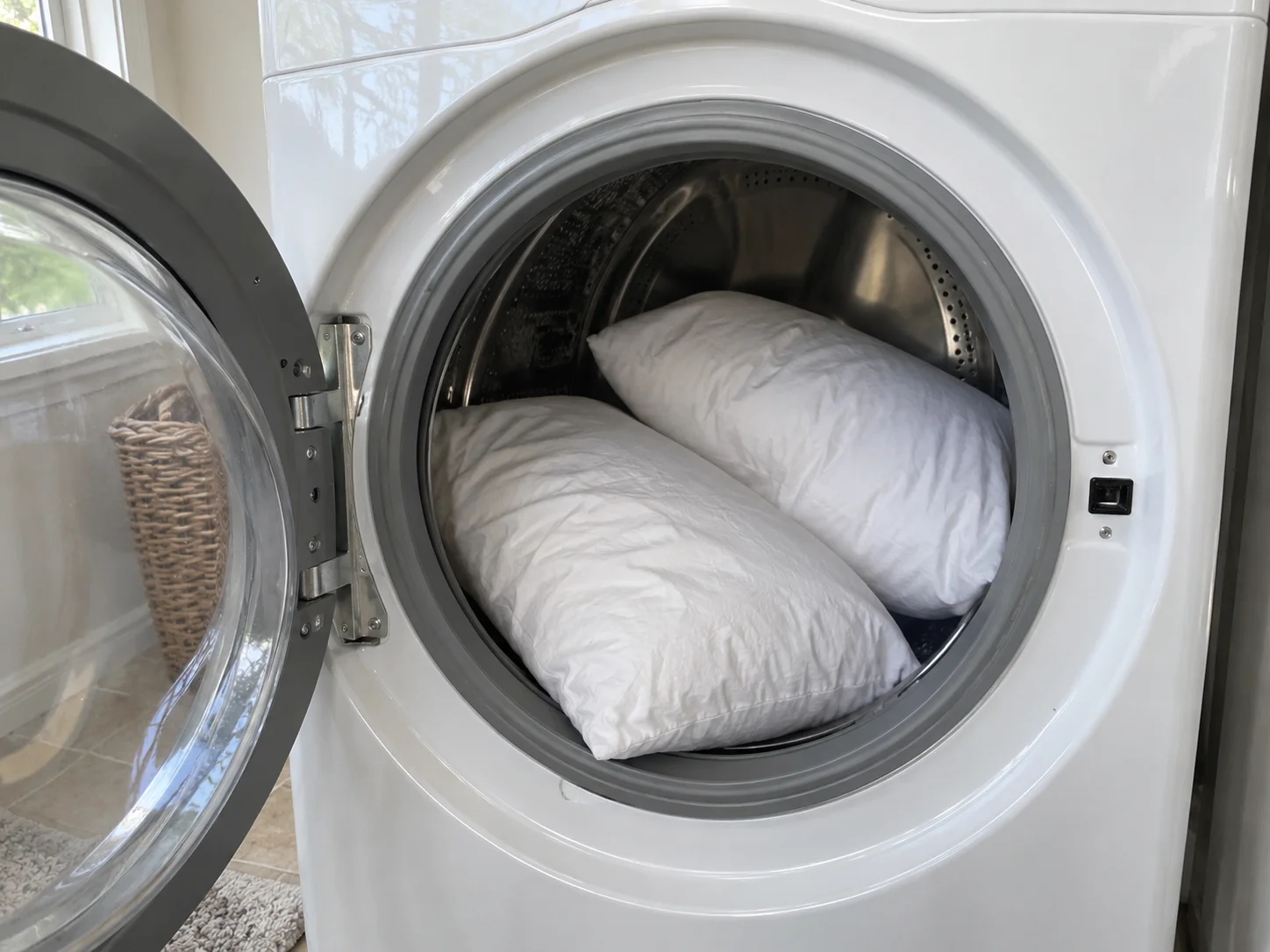
A balanced load, suitable cycle, and thorough rinse help washable pillows keep their shape. An overfilled drum makes washing and rinsing harder.
Loose Seams Need Attention Before the Wash
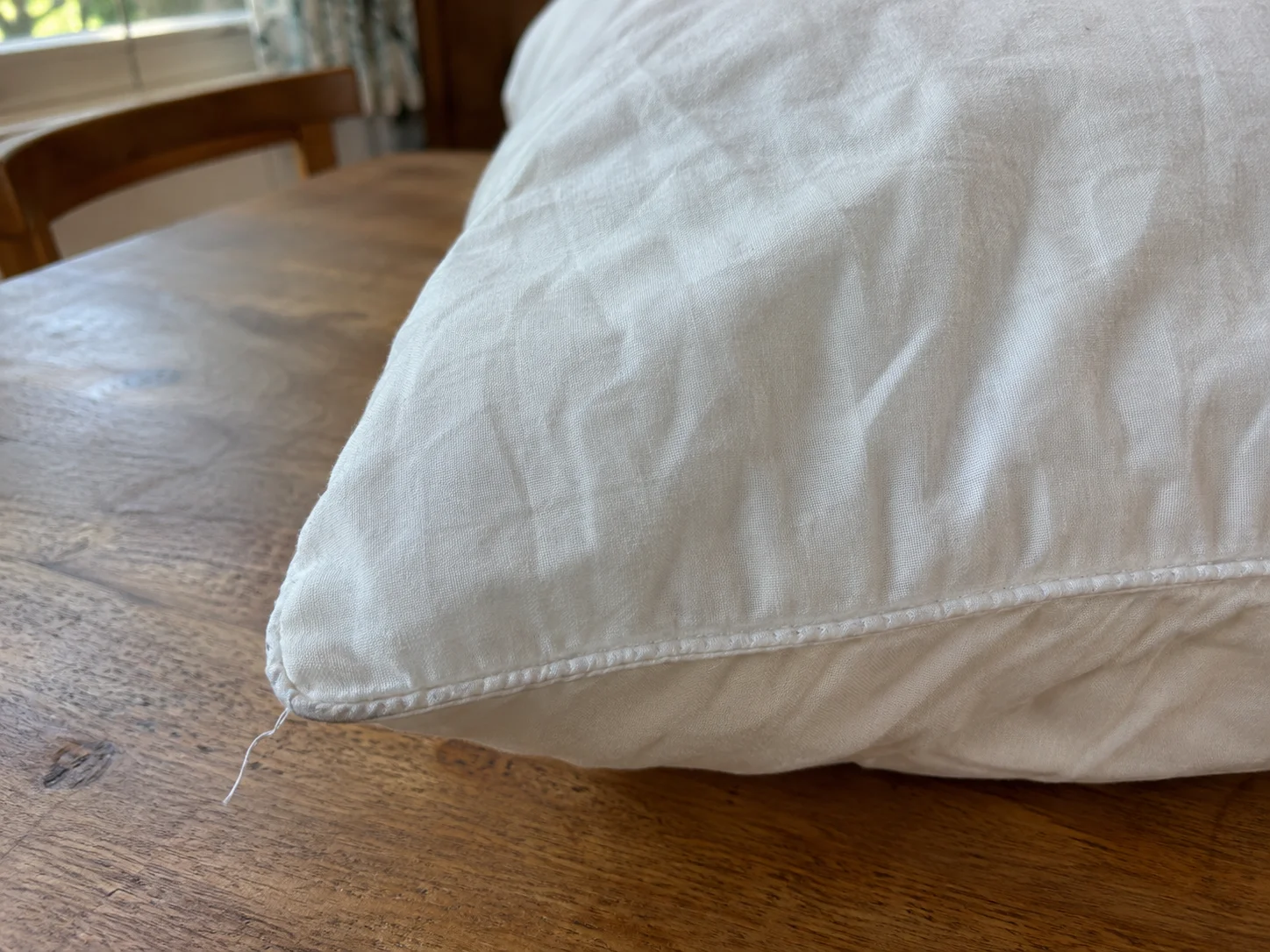
Small holes and loose seams need repairing before washing. Otherwise, the pillow can lose filling and come out uneven.
Remove the pillowcase and protector, then inspect the corners and seams. If the shell is thin and tearing in several places, another wash may cause more damage.
Pretreat suitable stains with a little compatible detergent or stain treatment. Gentle blotting helps work on the mark without roughening the fabric.
Two Pillows Can Balance the Load, If They Fit
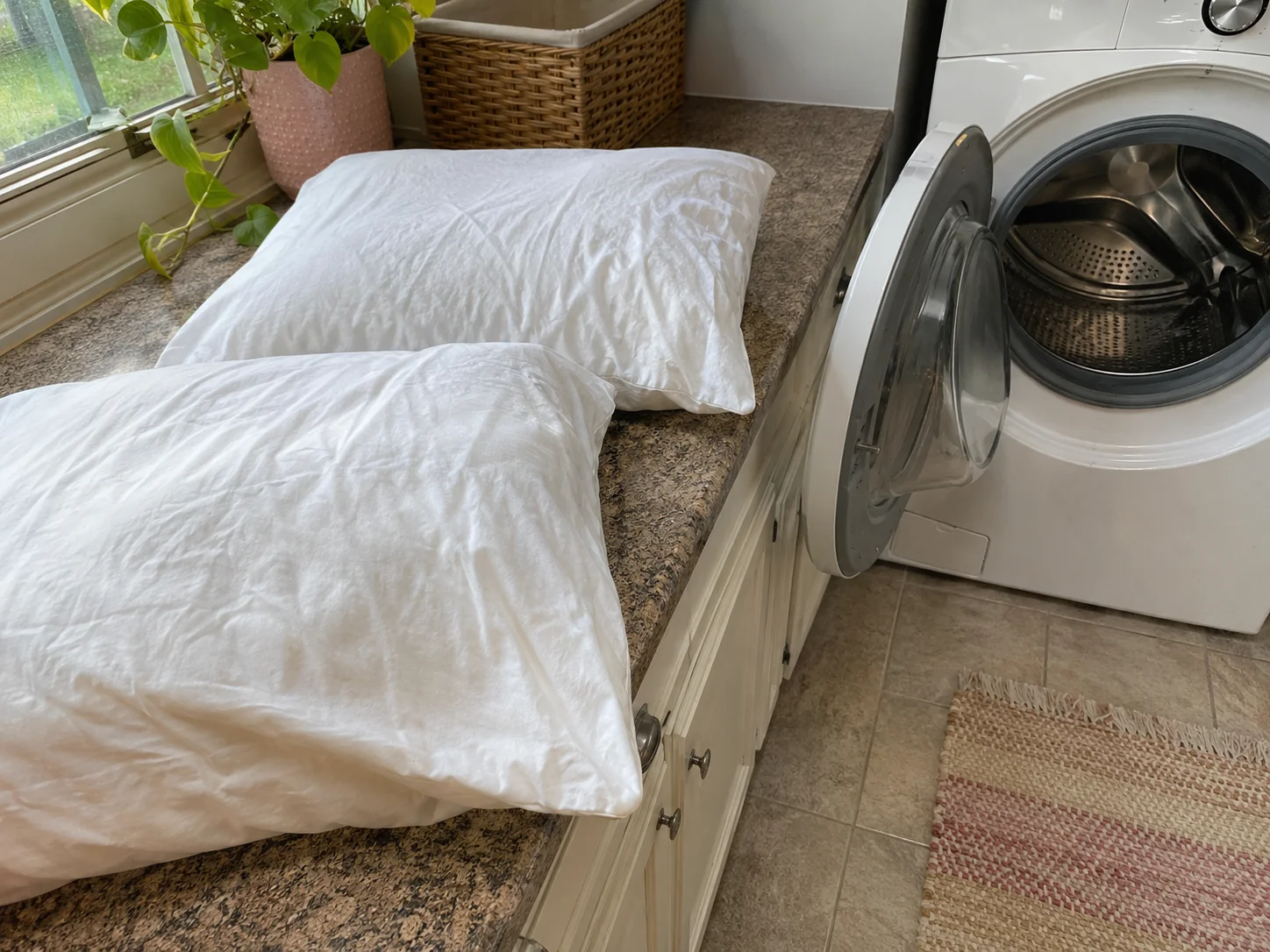
Two similar pillows can help balance the drum, but only when they fit comfortably. Forcing two large pillows into a small washer can leave them poorly washed and difficult to rinse.
Follow the washer’s loading instructions, especially with a center agitator. Pillows should never be tightly wrapped around the agitator or wedged into place.
If the drum is packed before water enters, the load is too large. Bulky pillows may need a larger machine.
Extra Detergent Makes Rinsing Harder
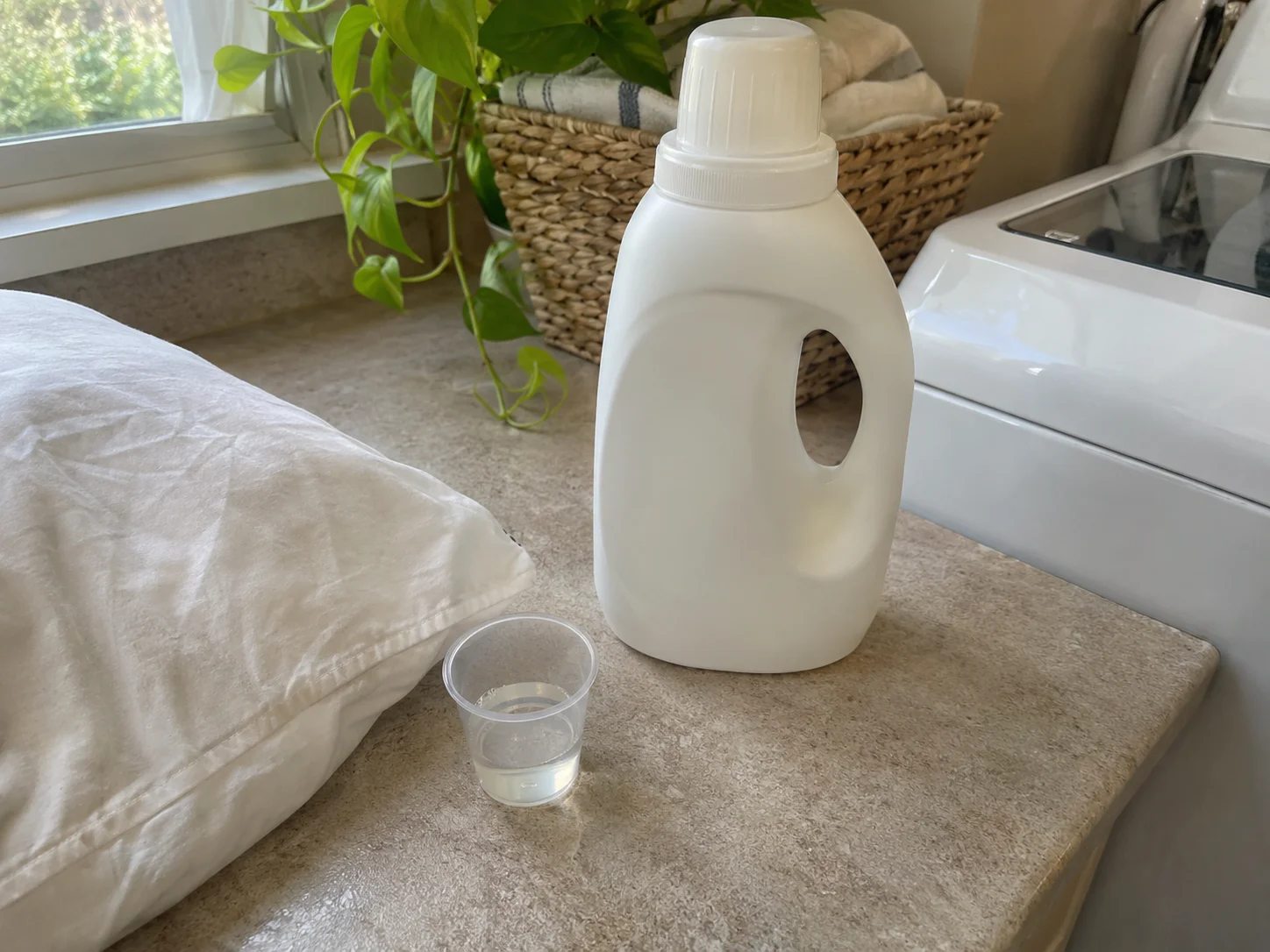
Too much detergent can stay trapped in the filling. That can leave a pillow feeling stiff, slippery, or heavy after washing.
Use the amount appropriate for the detergent, machine, and load. Concentrated formulas vary, so one fixed spoonful measurement won’t suit every product.
Select the pillow’s permitted temperature and cycle. Many washable pillows allow cold or warm water and gentle washing. Hot water isn’t automatically better for stains.
An extra rinse helps remove remaining detergent. If the pillow still feels soapy, finish rinsing before drying it.
4. How to Clean Foam and Latex Without Soaking the Filling
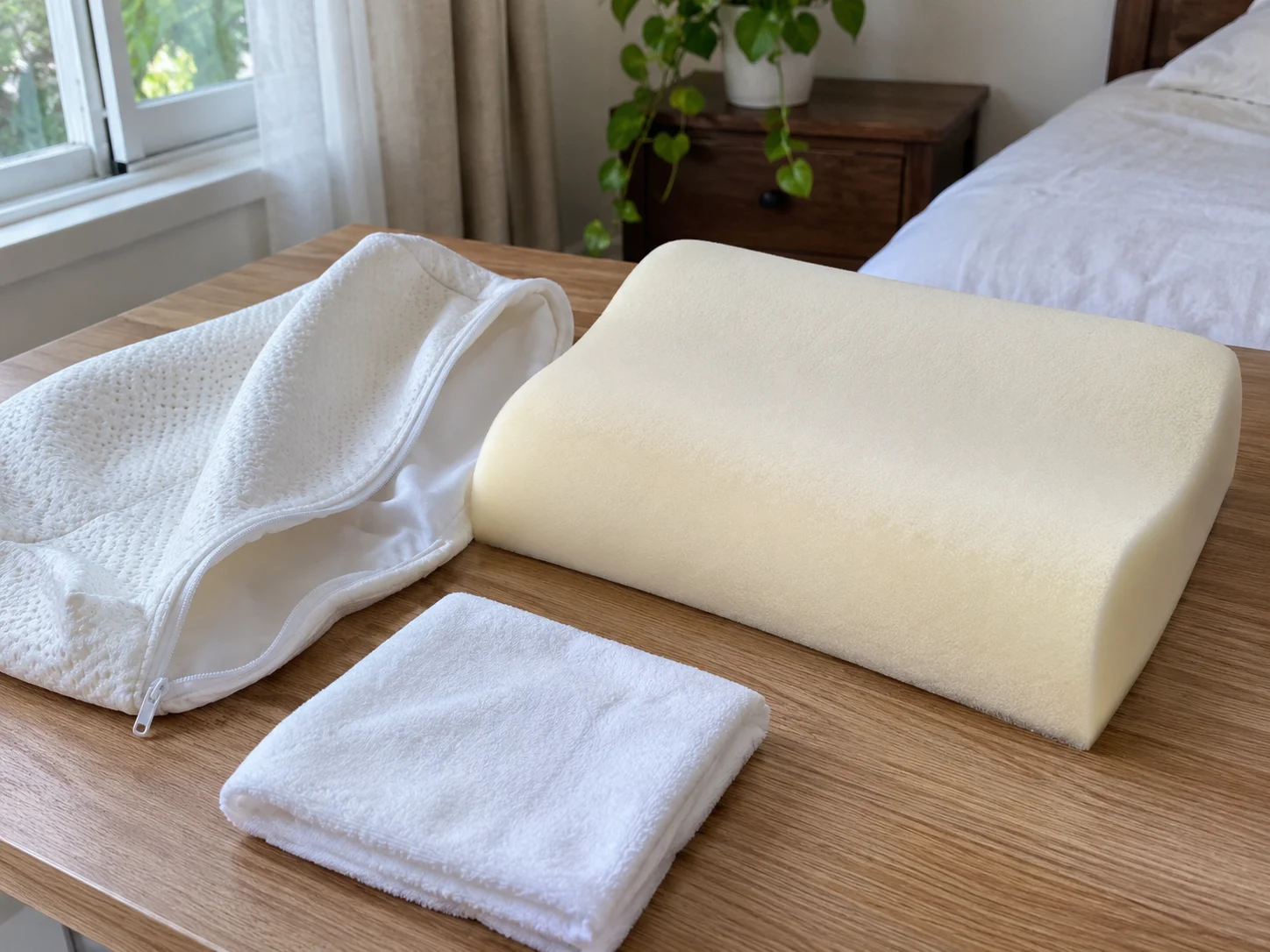
For most solid foam and latex pillows, washing the cover separately is the main cleaning job. A wash cycle can damage the core or leave moisture trapped inside.
Some cores allow gentle spot cleaning. Others must stay dry. Follow the instructions for the filling, which may differ from those for the cover.
Where spot cleaning is permitted:
- Lightly dampen a clean cloth with a suitable cleaning solution.
- Blot the mark without soaking the filling.
- Remove residue with another lightly damp cloth.
- Leave the pillow uncovered with good airflow until fully dry.
HOMEXCEL White Microfiber Cleaning Cloths are useful for this kind of controlled cleaning. Keep one cloth for blotting the mark and another for removing residue. A clean cloth reserved for bedding is a better choice than one previously used with kitchen or bathroom cleaners.
Heavy scrubbing, twisting, and wringing can damage foam. Radiators, hair dryers, and strong direct sunlight can also expose it to excessive heat.
Shredded foam needs its own care instructions. Some adjustable pillows are designed for washing, while others contain filling that must stay out of water.
5. When Hand-Washing Is the Right Choice
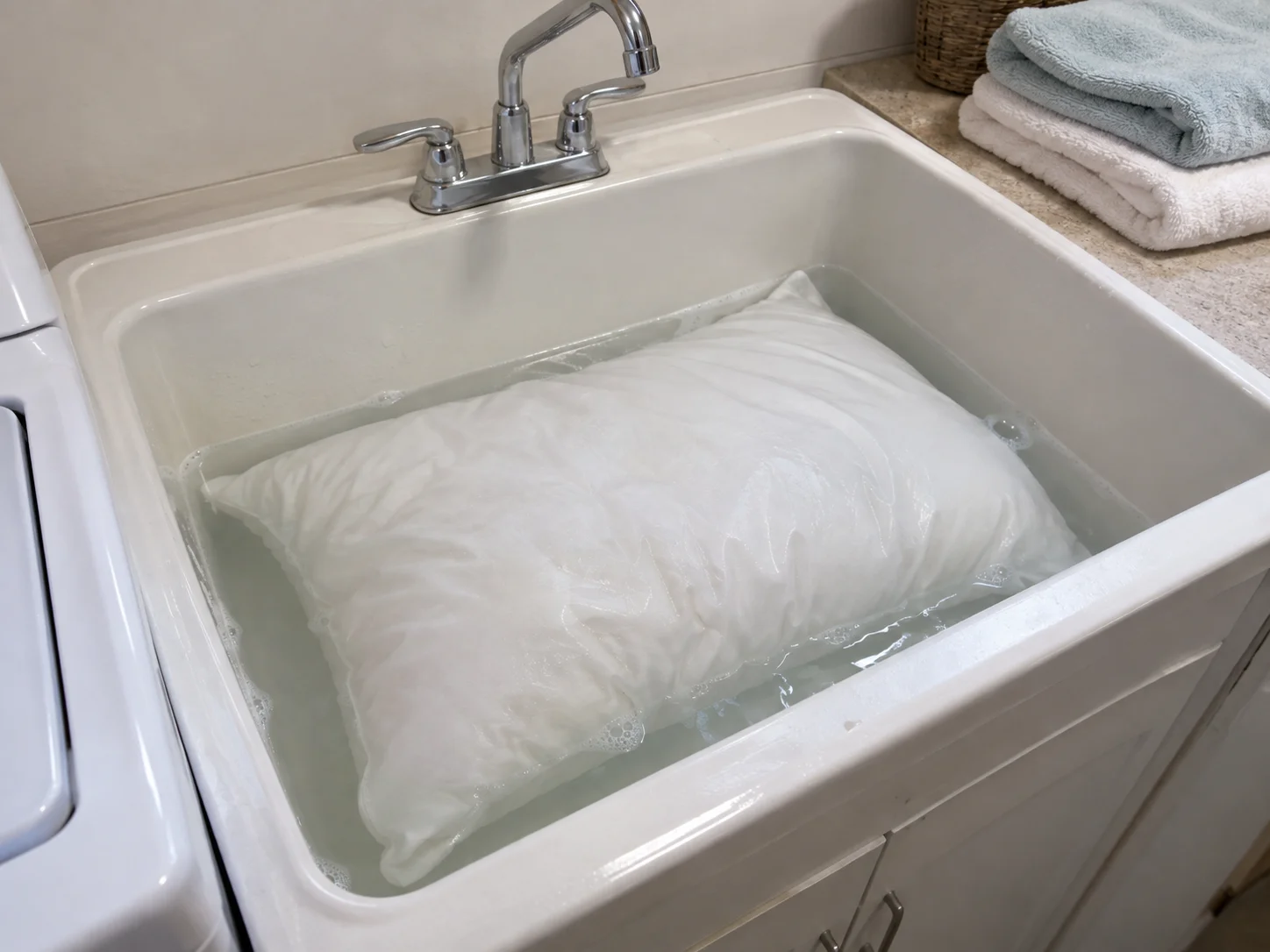
Hand-washing suits pillows specifically approved for it. A pillow marked “do not wash” should stay out of the bathtub too.
For a pillow that allows soaking:
- Fill a clean basin or tub with water at the permitted temperature.
- Mix in a suitable amount of detergent.
- Gently press the pillow to move water through the filling.
- Drain the dirty water and refill with clean water.
- Repeat until the detergent is gone.
- Press out excess water without twisting, then use towels to absorb more moisture.
- Dry using the pillow’s approved method.
A soaked pillow can be surprisingly heavy. Support it underneath when lifting it, rather than pulling it up by one corner.
Having the drying space ready also helps. Nobody wants to find a full drying rack while holding a dripping pillow.
6. How to Dry Pillows All the Way Through
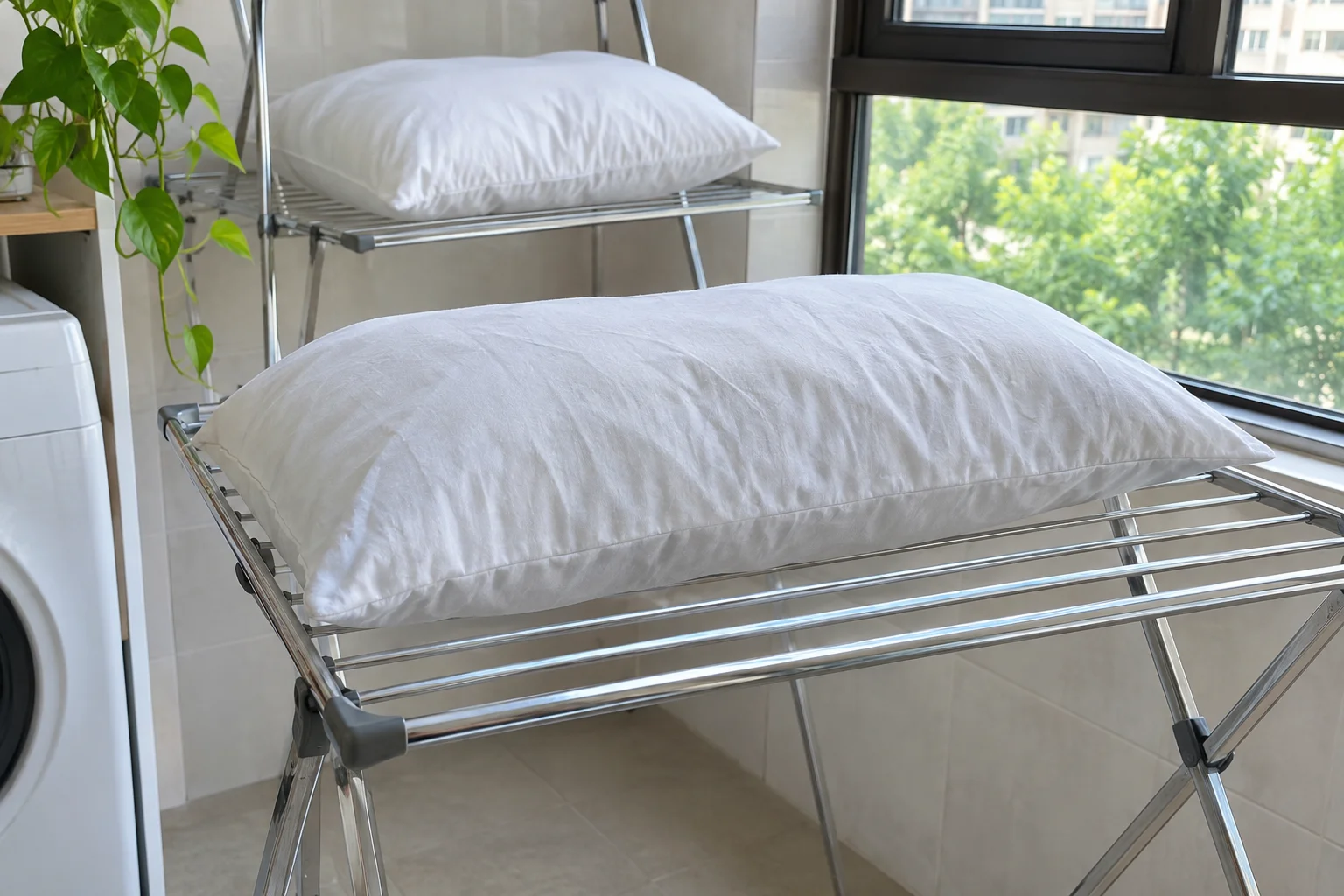
The center must be fully dry before the pillow goes back on the bed. Thick pillows often need much longer than their outer fabric suggests.
Dryer Balls Help Loosen the Filling
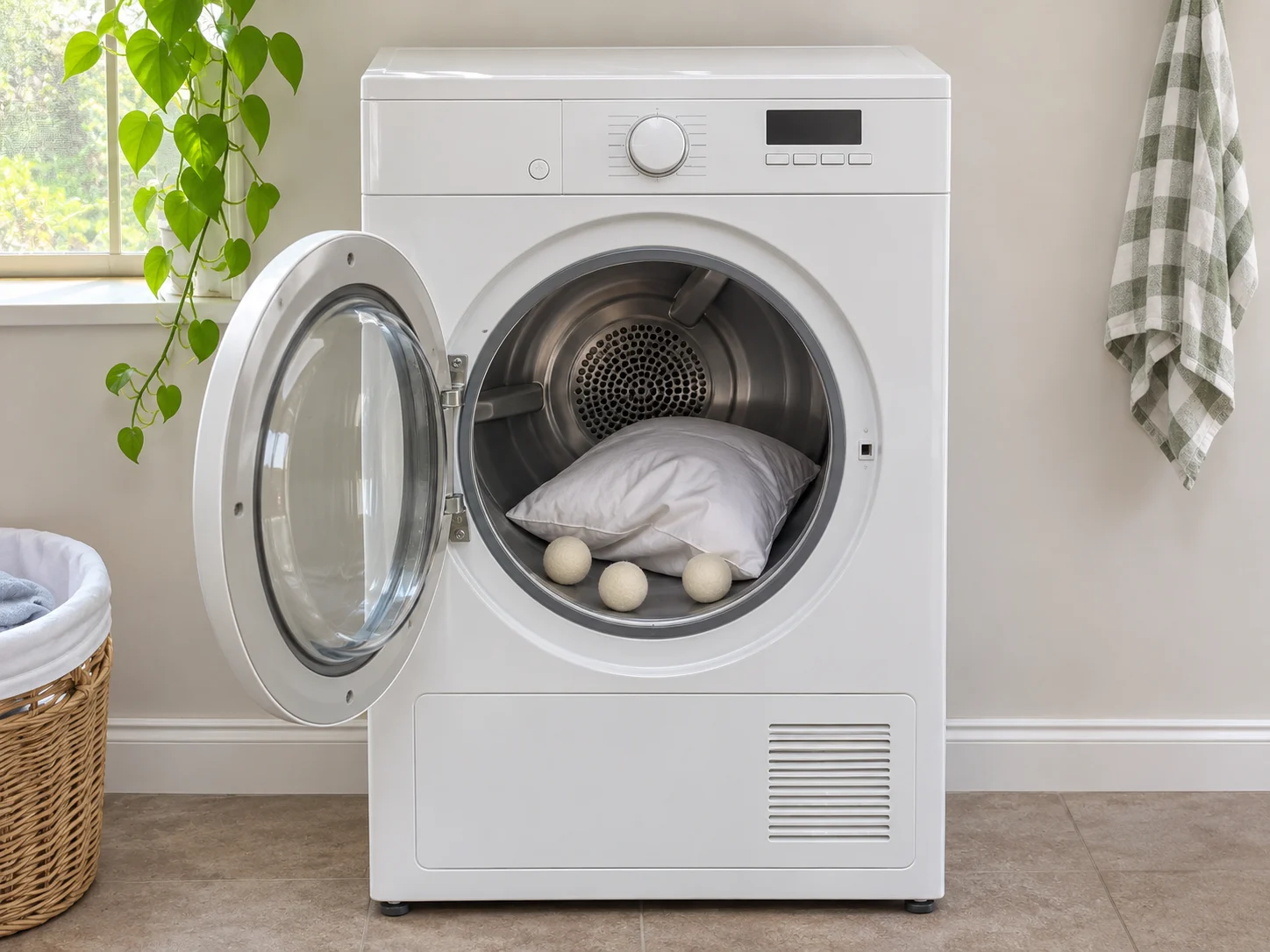
Wool dryer balls can help fluff pillows that permit tumble drying. They move around the drum and help loosen the filling.
Handy Laundry Wool Dryer Balls are a reusable option for this step. They can help with fluffing, but they don’t replace checking that the pillow is dry throughout.
Use the permitted dryer setting and pause periodically to gently redistribute loose clumps. Some pillows need several drying cycles.
Turning up the heat to finish faster can damage the shell or filling. Allow more time at the correct setting instead.
Air-Drying Needs Space Around the Pillow
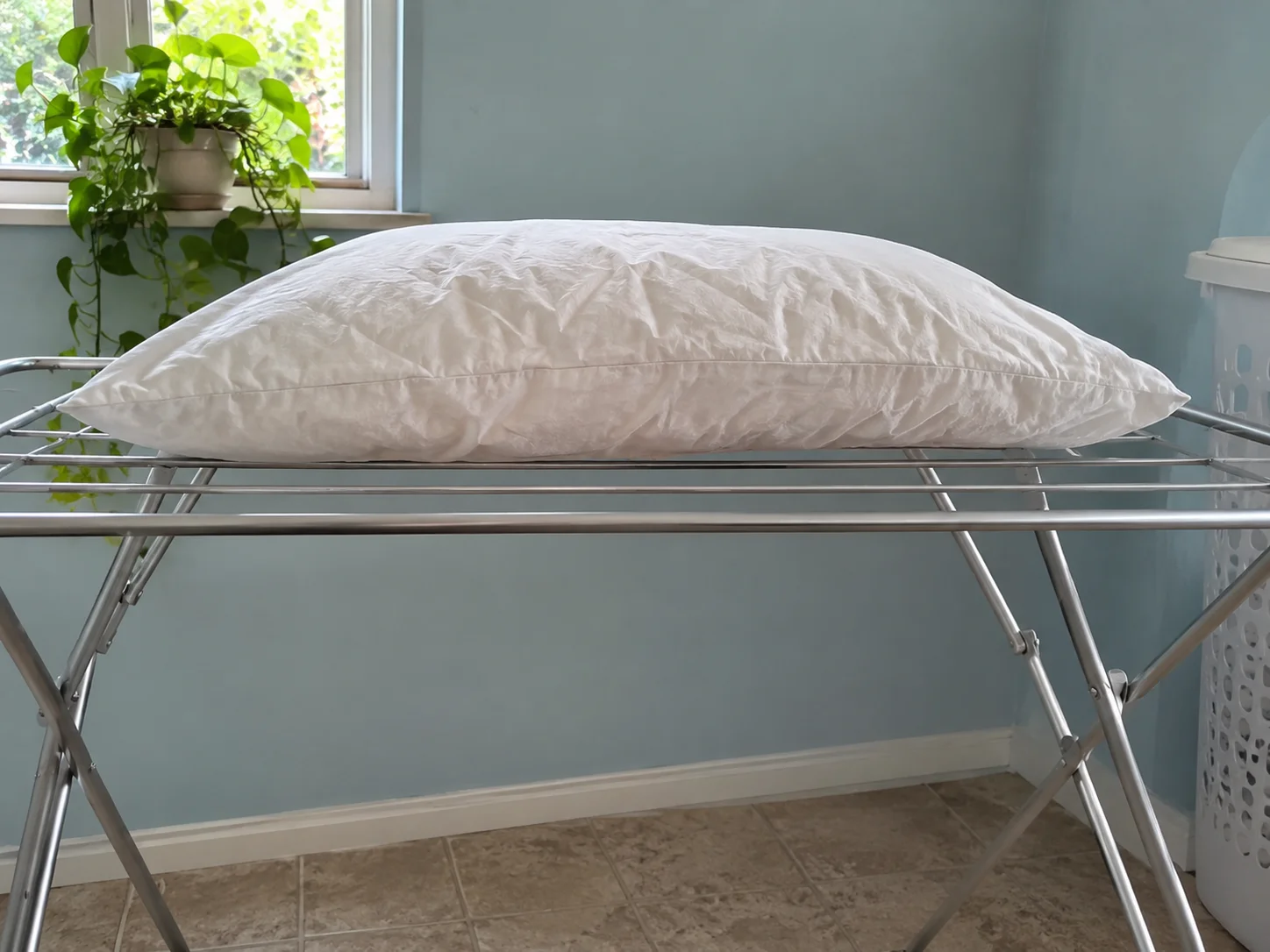
Air needs to circulate around the pillow so moisture can escape. For pillows that must dry flat, a clean rack allows more airflow than a bed or countertop.
Turn the pillow periodically and gently reshape it where appropriate. If towels are underneath, replace them when they become damp.
A fan can improve airflow in a suitable indoor space. Drying time depends on the filling, thickness, humidity, and how much water remains. One afternoon may not be enough.
The Middle Matters More Than the Surface
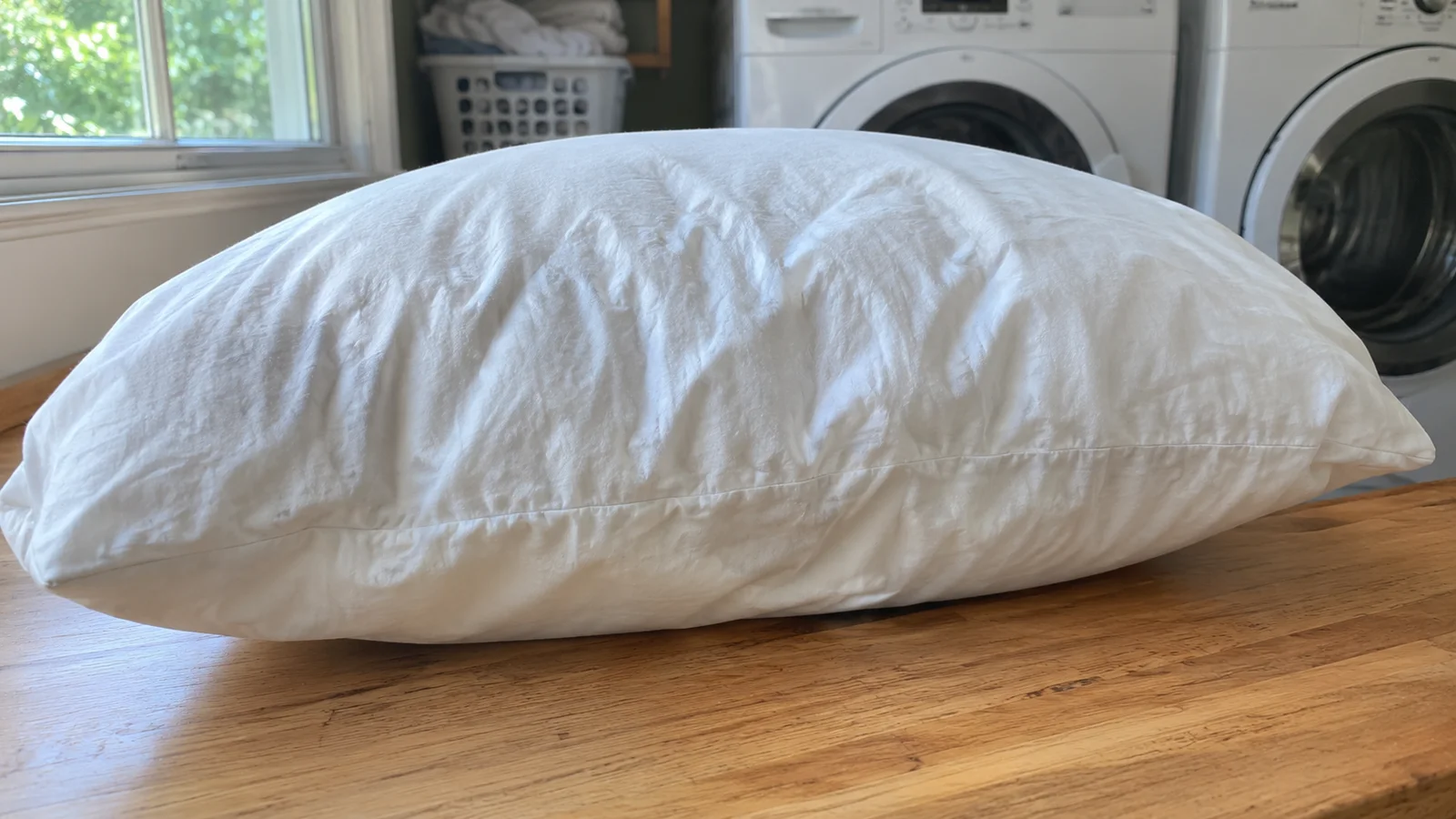
A dry surface doesn’t guarantee dry filling. After tumble drying, let the pillow cool before assessing the center and seams.
Press gently through the thickest areas. Damp patches, unusually heavy filling, or wet clumps mean it needs more drying. Coolness alone isn’t a reliable test because some materials naturally feel cool.
Note: A fresh pillowcase won’t solve damp filling. Leave the pillow uncovered until drying is complete, even if that means using a spare overnight.
7. How to Wash Throw Pillows Without Damaging the Covers
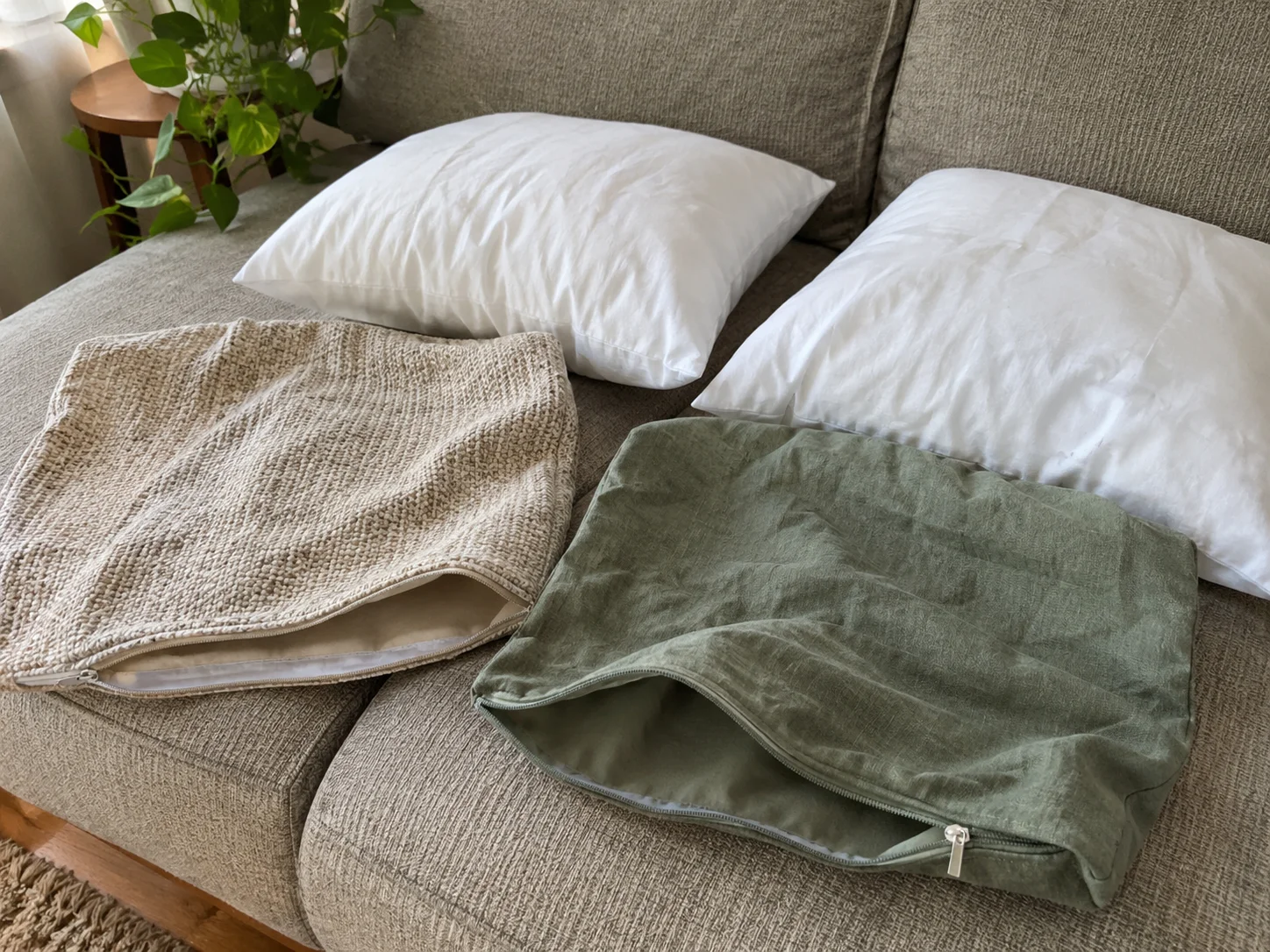
Treat the cover and insert separately. A washable cover can surround foam that cannot be washed, while a washable insert may sit inside a delicate embroidered cover.
Remove the cover where possible and follow each part’s cleaning instructions. For a machine-washable cover, fasten the zipper and use a mesh bag when protection from snagging is needed.
Muchfun Honeycomb Mesh Laundry Bags work for smaller removable covers that fit loosely inside. These 12-by-16-inch bags are intended for smaller laundry items, so they aren’t suitable for enclosing a full bed pillow.
Beads, sequins, delicate stitching, and trims need extra care. A mesh bag cannot make a non-washable cover safe for the machine.
For an approved spot-clean-only cover, blot with a lightly damp cloth and suitable cleaner. Avoid soaking the insert, then remove residue with a separate damp cloth.
If the spill reached the sofa too, our guide to cleaning couch stains covers the surrounding upholstery.
8. Still Yellow, Musty, or Lumpy? Here’s What to Do
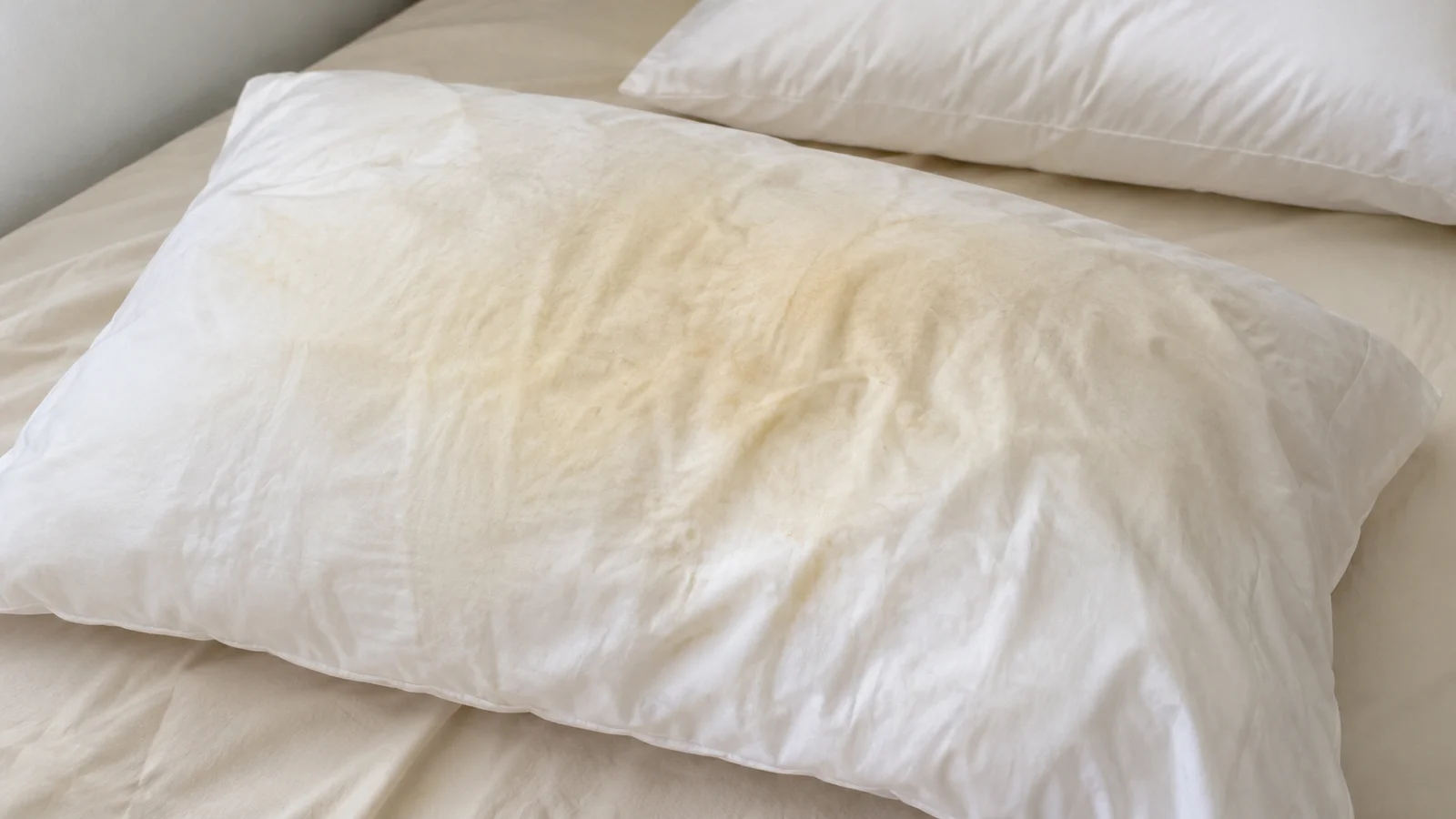
The remaining problem determines the next step. Another full wash isn’t always necessary.
| What you notice | What to do |
|---|---|
| Yellow marks remain | Some discoloration may remain after cleaning. Repeated harsh treatments can damage the fabric without restoring its original color. |
| The pillow feels stiff or soapy | Run another permitted rinse, then dry completely. |
| Filling is damp and clumped | Continue the approved drying method and gently redistribute loose filling. |
| A musty smell remains after complete drying | Avoid covering it with fragrance. Persistent mustiness can mean replacement is needed. |
| The pillow stays flat or uneven | The filling may have worn out. More washing won’t restore its support. |
Yellowing alone doesn’t tell you whether a pillow is clean or needs replacing. Its odor, condition, and comfort matter too.
Fragranced sprays may change the smell without cleaning the filling. Baking soda, essential oils, and sunlight also shouldn’t be treated as reliable ways to disinfect a pillow.
9. How Often Should You Wash Pillows?
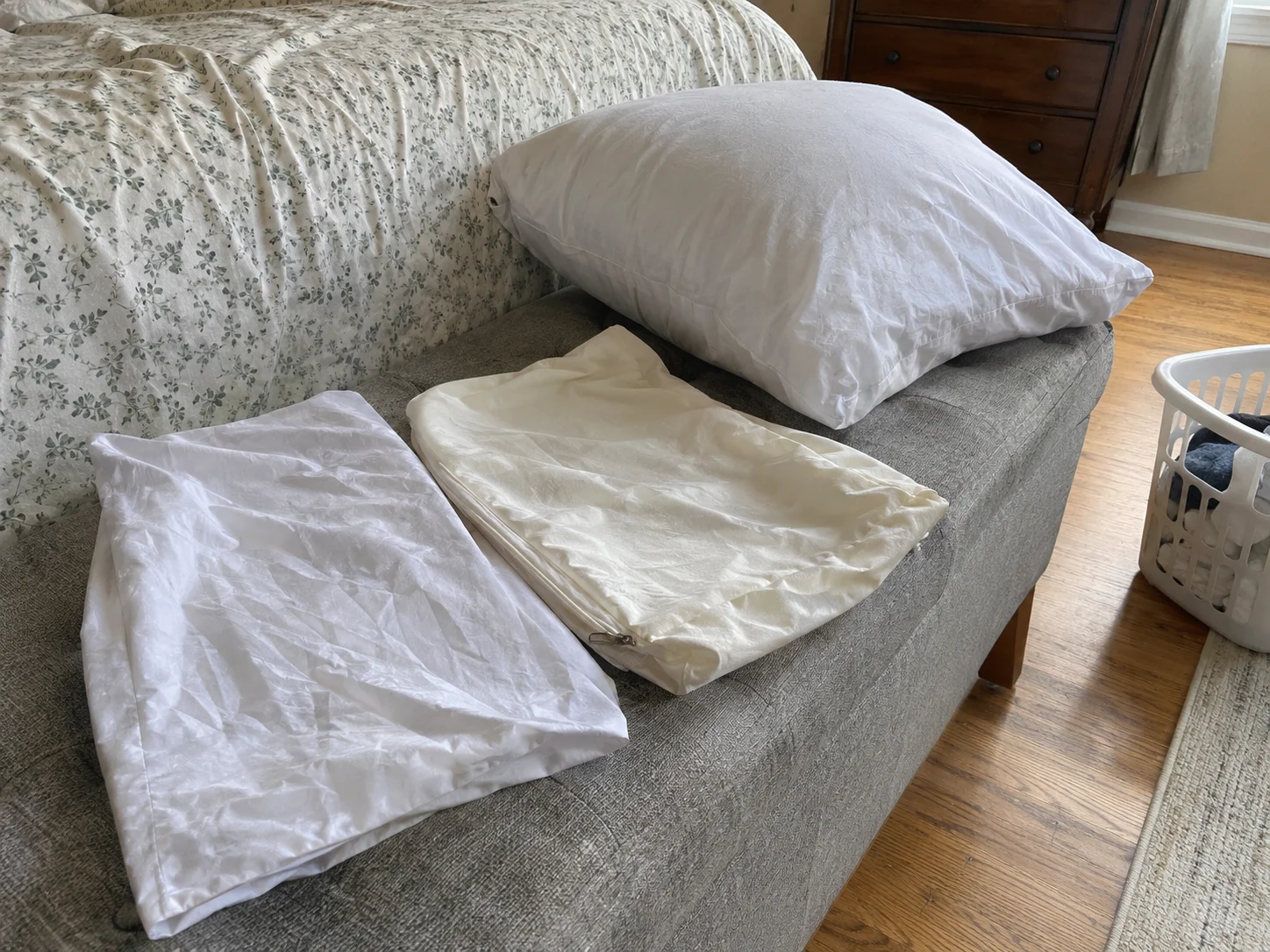
For washable bed pillows, every three to six months is a useful general schedule, alongside their care instructions. Spills, heavy sweating, and frequent use may require earlier cleaning.
Pillowcases usually need washing weekly. Protectors need regular washing too because they collect oils and moisture before these reach the pillow.
Foam cores follow their own maintenance routine rather than a scheduled machine wash.
SureGuard Pillow Protectors provide a zippered protective layer beneath the pillowcase. They’re a practical addition when you want a removable layer to wash between deeper pillow cleanings. They fit standard-size pillows.
A protector still needs washing, and the pillow underneath still needs appropriate care.
For other bulky bedding, our guide to washing a weighted blanket explains how its filling and weight affect cleaning.
10. When It’s Time to Replace the Pillow
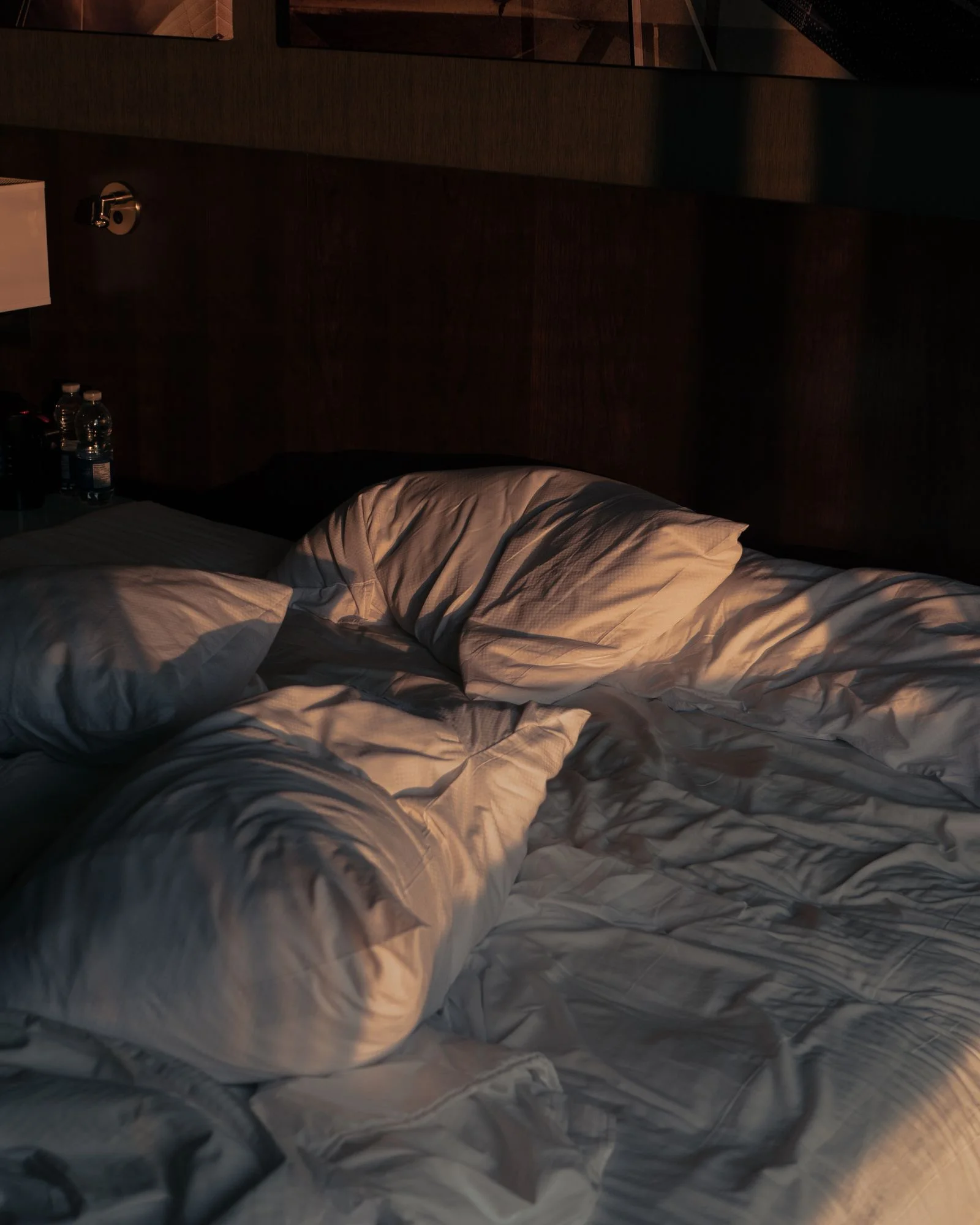
Persistent odors, damaged filling, and lost support are good reasons to replace a pillow. Washing removes dirt, but it cannot repair filling that has broken down.
Replacement makes sense when:
- Clumps remain after complete drying and gentle fluffing.
- The pillow no longer holds a comfortable shape.
- The shell is badly damaged and cannot contain the filling.
- Mustiness persists after appropriate cleaning and drying.
- You find visible mold.
If yours has reached that point, the Beckham Hotel Collection Queen Pillows, Set of Two, are a down-alternative replacement option. They have cotton covers and are sold as washable pillows, making them relevant for anyone who wants easier ongoing care.
There’s no single fold test or replacement age that suits every filling. A solid foam pillow behaves differently from a feather pillow, so its actual condition matters more than a universal rule.
Your Before-and-After Washing Checklist
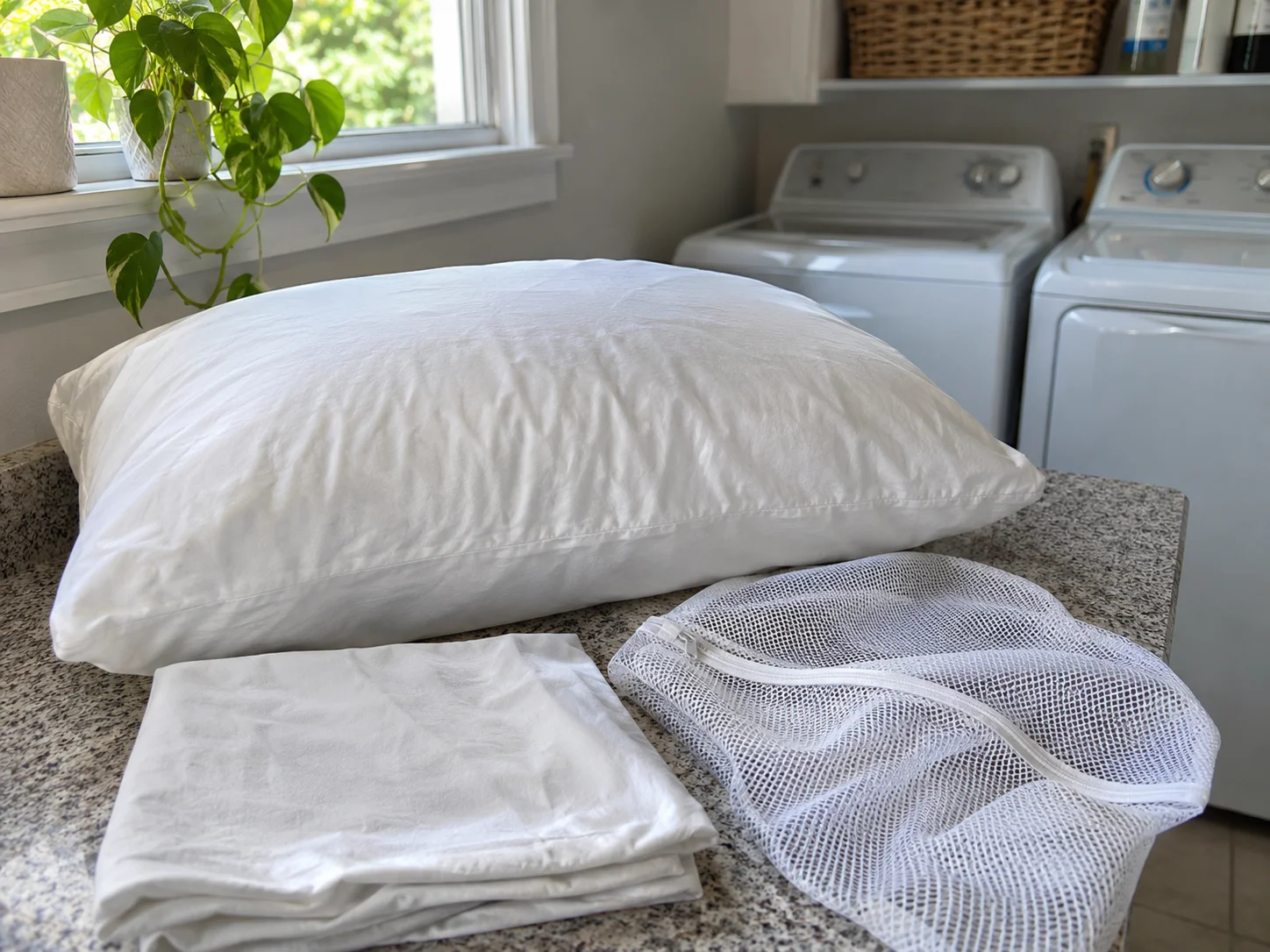
The pillow is ready for bed when cleaning and drying are both finished.
- The filling and permitted cleaning method are identified.
- Pillowcases, protectors, and removable covers are separated.
- The shell and seams are intact.
- The pillow fits comfortably in the washer.
- The detergent and settings suit the pillow.
- Remaining soap has been rinsed away.
- The center and seams are fully dry.
- Clean covers go back on after drying is complete.
Pillow-Washing FAQs
Can I Wash Just One Pillow?
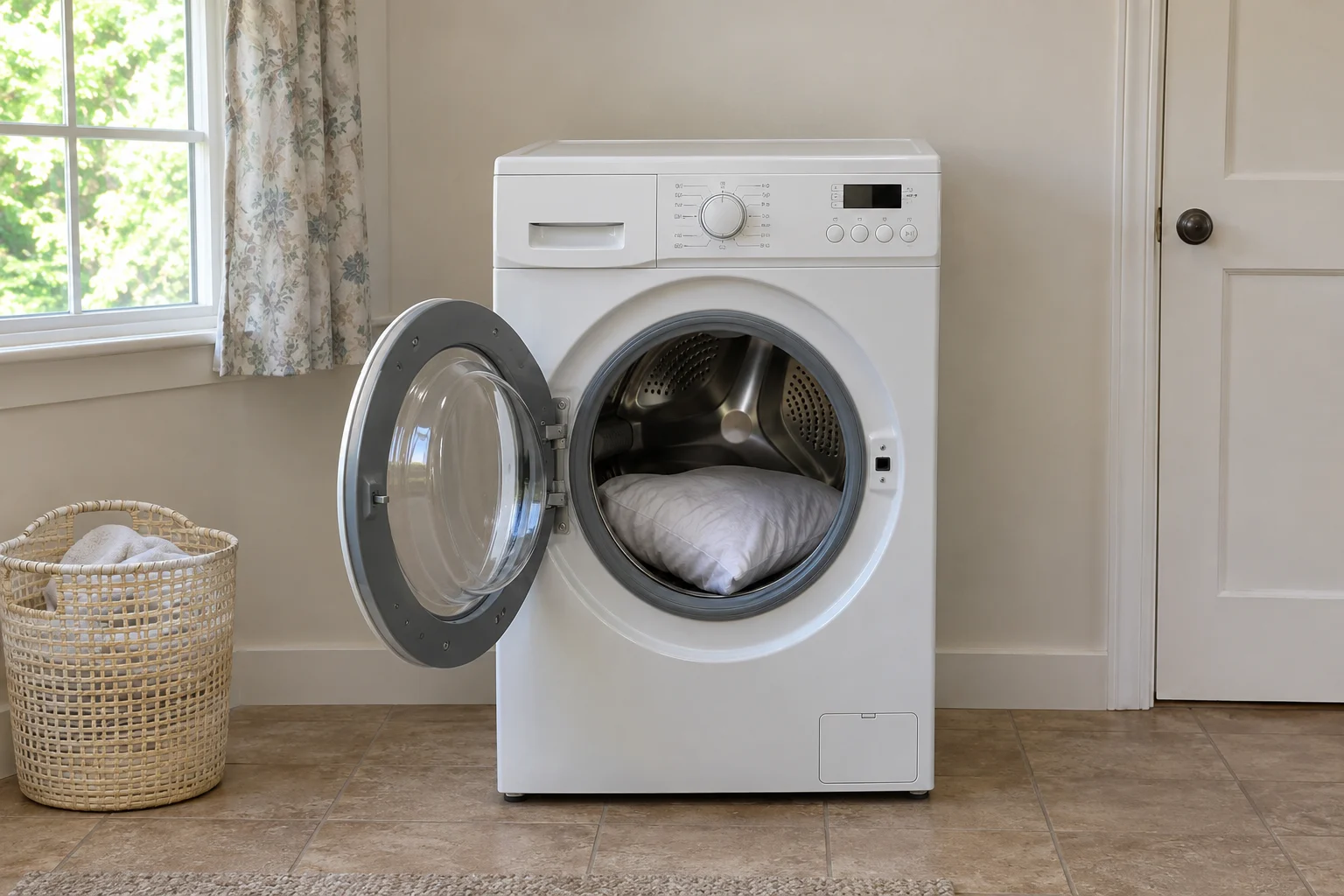
Yes, when the washer permits it and can balance the load. Some machines allow suitable towels alongside a single pillow. Avoid adding so much laundry that the pillow has no room to move.
Is Cold or Warm Water Better?
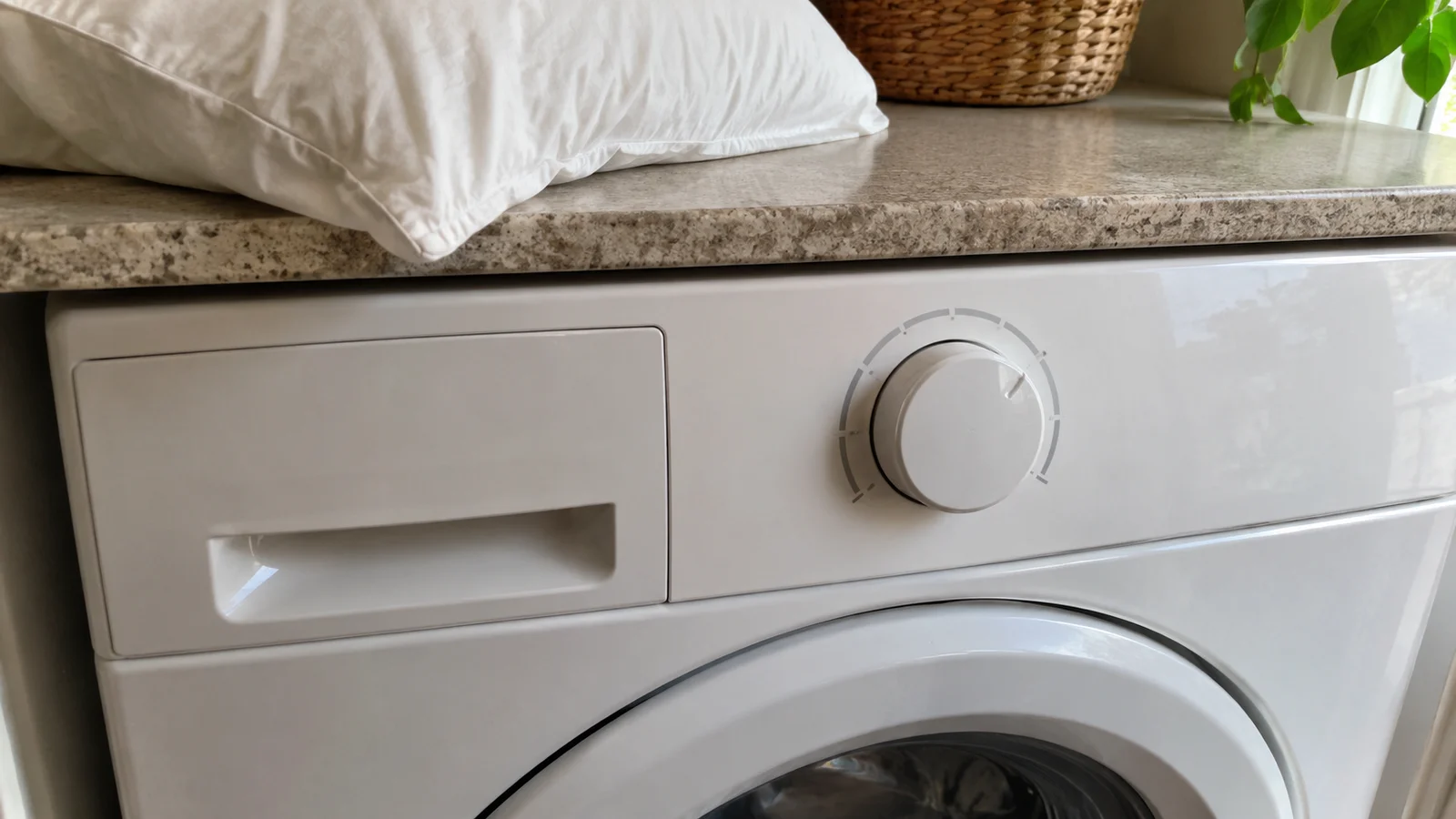
The temperature specified for your pillow is the right choice. Both cold and warm water are used for different washable pillows. Hot water may damage materials or cause shrinkage, so it shouldn’t be an automatic choice for stains.
Can Pillows Dry Without a Dryer?
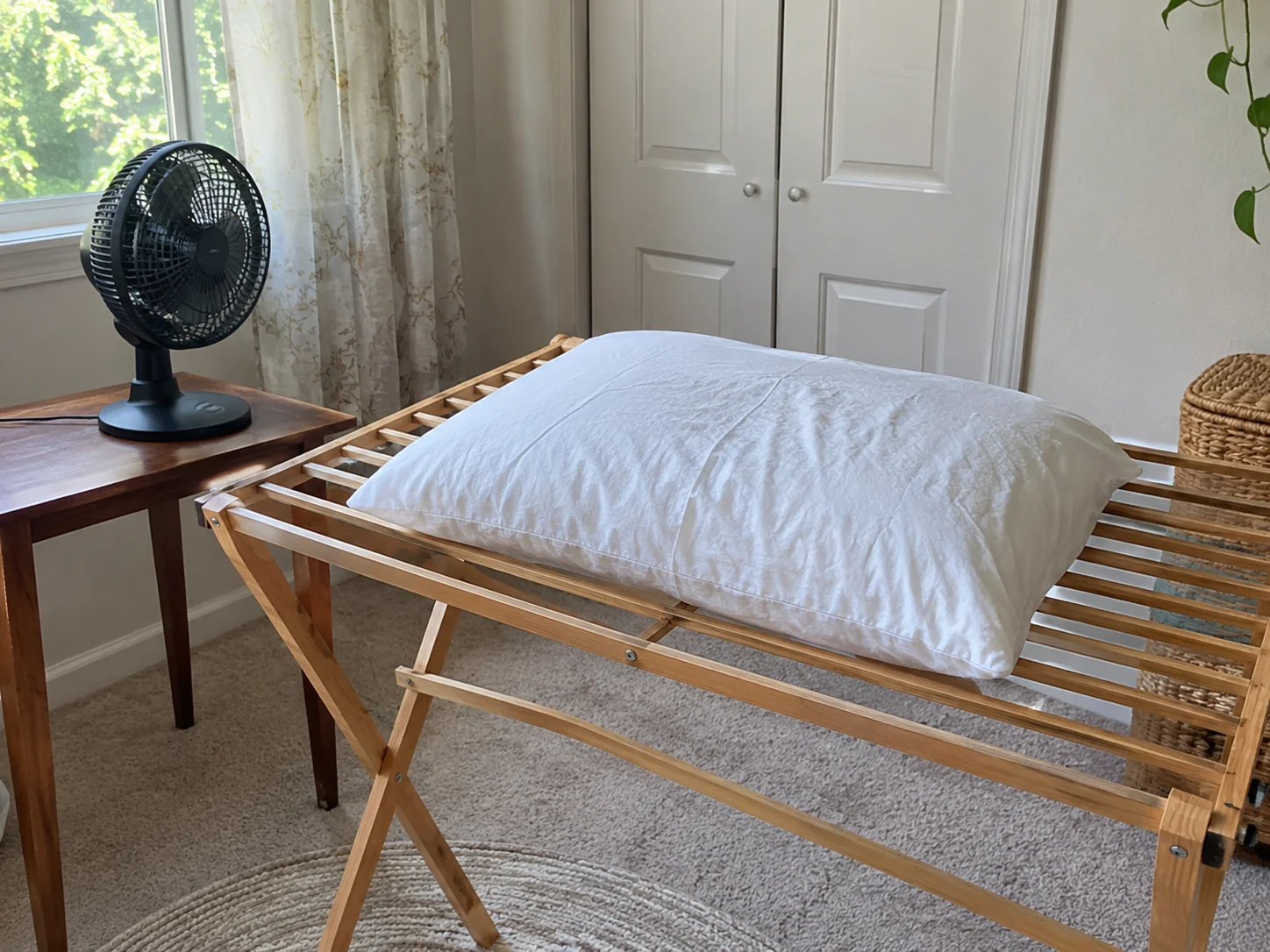
Yes, when the pillow permits air-drying and can dry completely. A flat rack, regular turning, and good ventilation help. A pillow that requires tumble drying needs a suitable dryer.
Why Did My Pillow Become Lumpy?
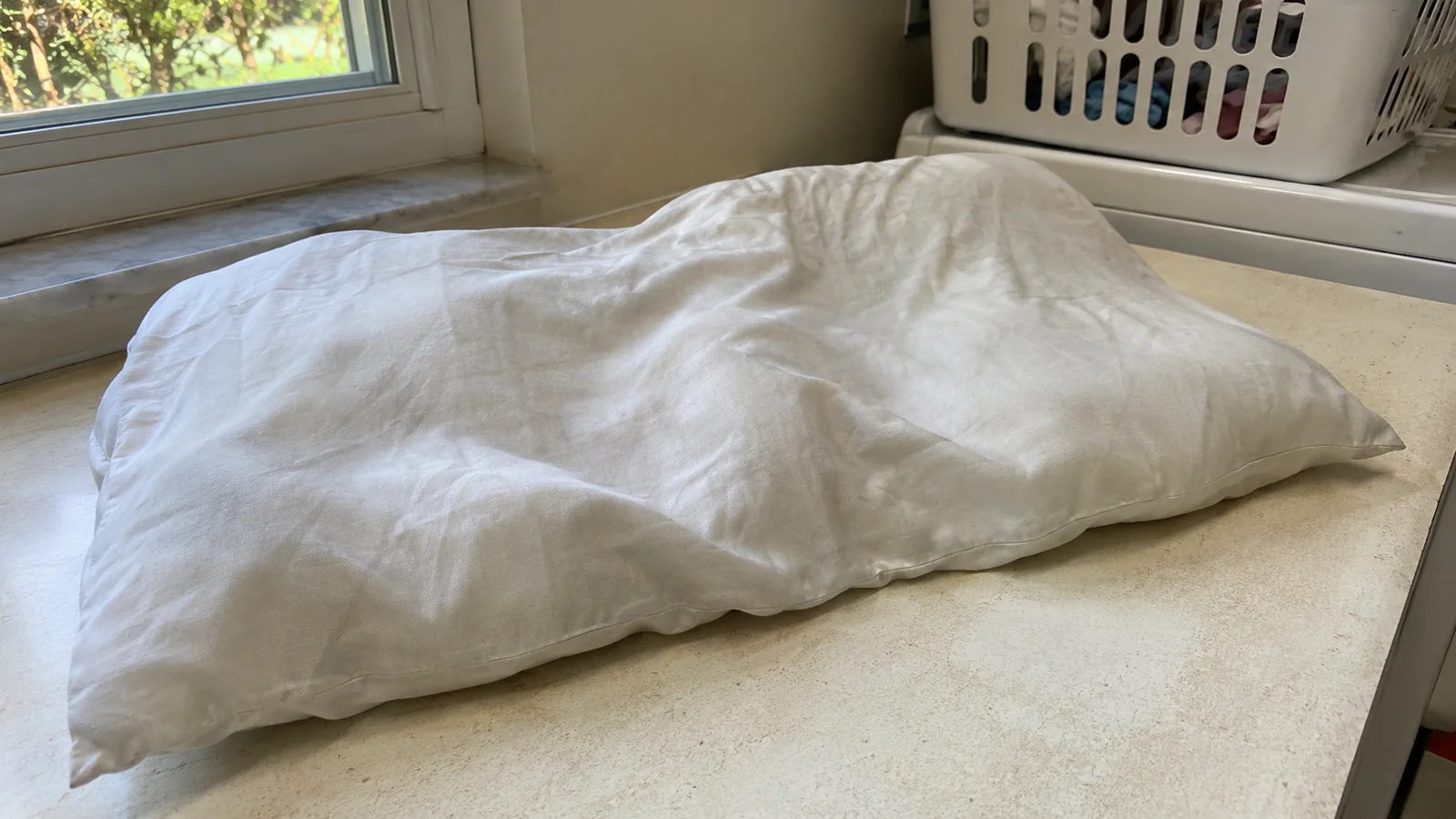
Incomplete drying, leftover soap, and damaged filling can contribute to lumps. Finish drying damp filling, rinse away detergent where permitted, and gently redistribute loose clumps. A fully dry pillow that stays misshapen may be worn out.
Can a Yellow Pillow Still Be Cleaned?
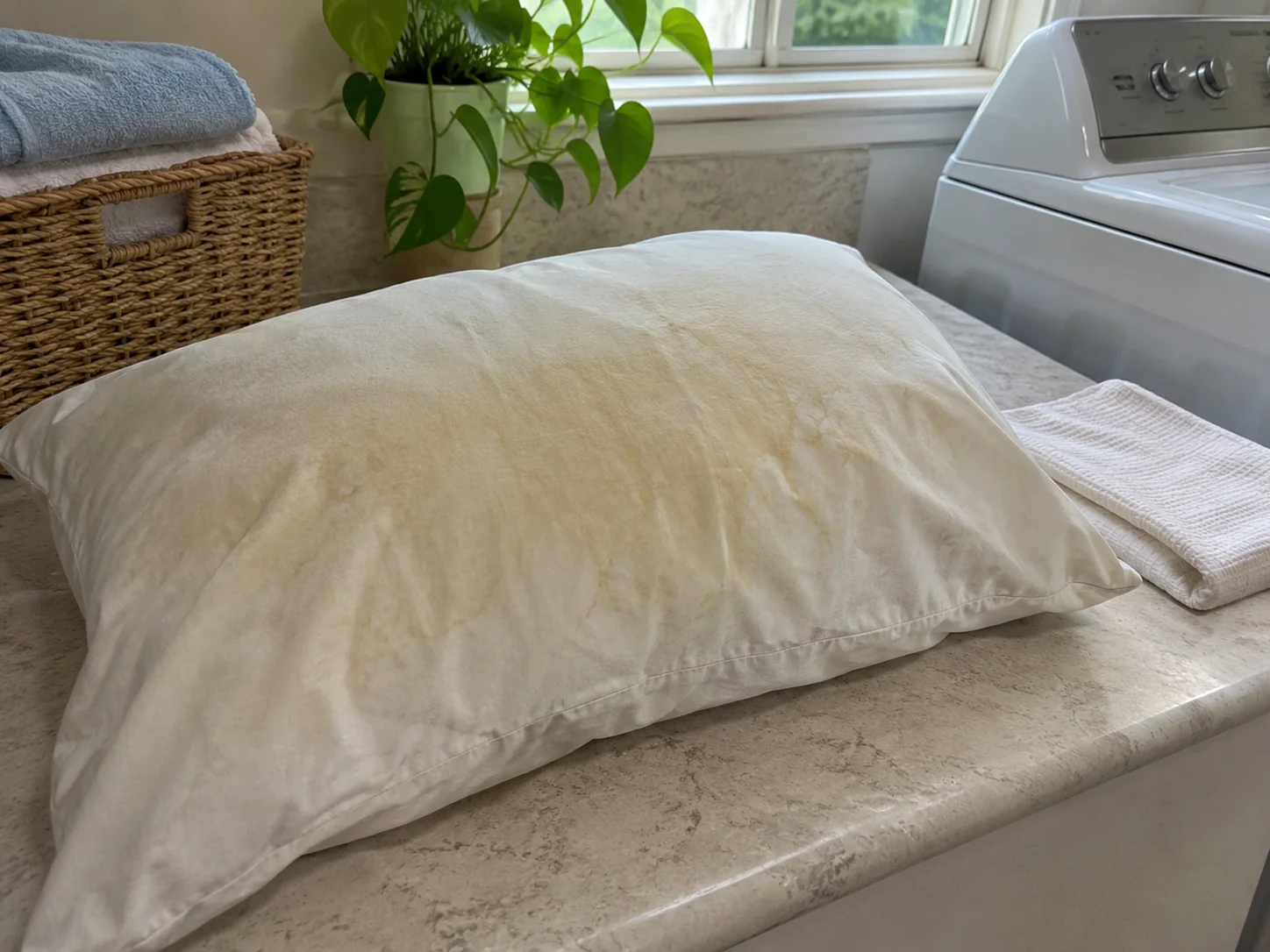
Yes, if the pillow is washable and otherwise in good condition. Cleaning can remove sweat and oils even when some discoloration remains. Mold, persistent odors, or damaged filling are separate reasons to replace it.
Can I Wash a Pillow With No Care Label?
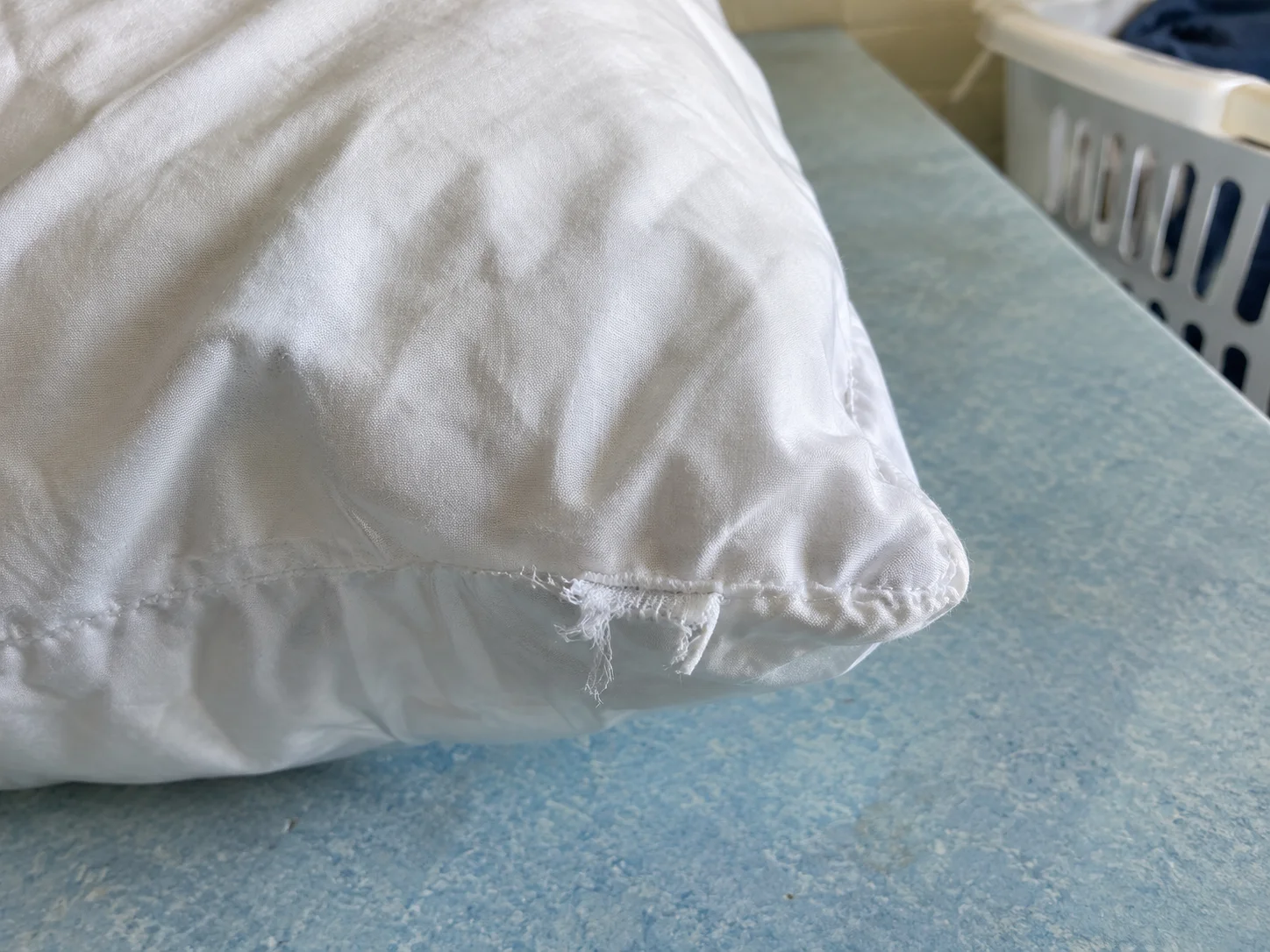
Avoid washing the whole pillow when its cleaning method is unknown. A separately labeled removable cover can be washed as directed. Keep unidentified filling out of water.
Useful Products for Washing and Protecting Pillows
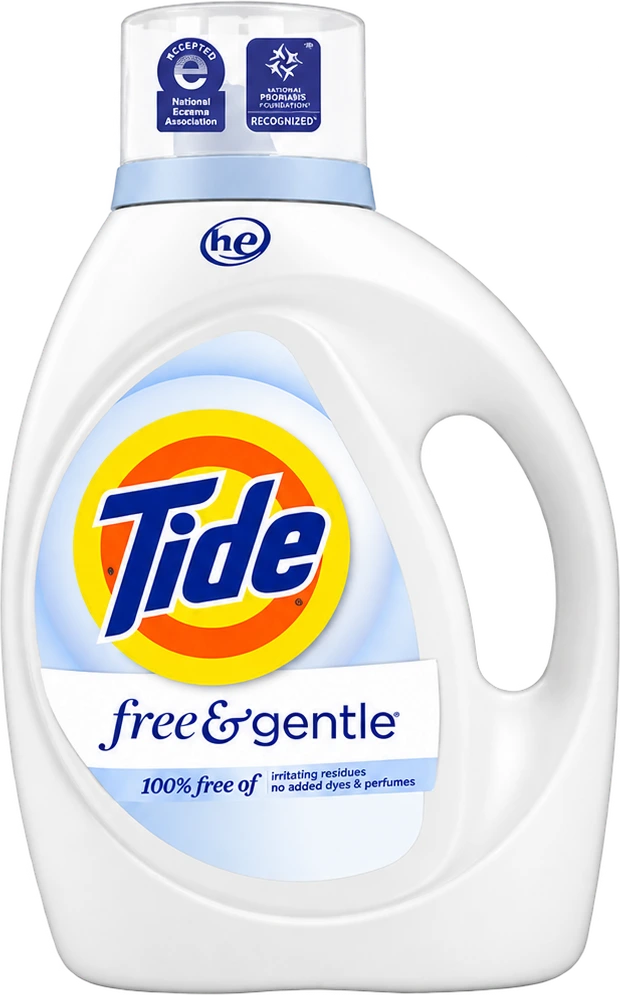 Tide Free & Gentle Liquid Laundry DetergentDye- and perfume-free detergent for washable synthetic pillows and covers.
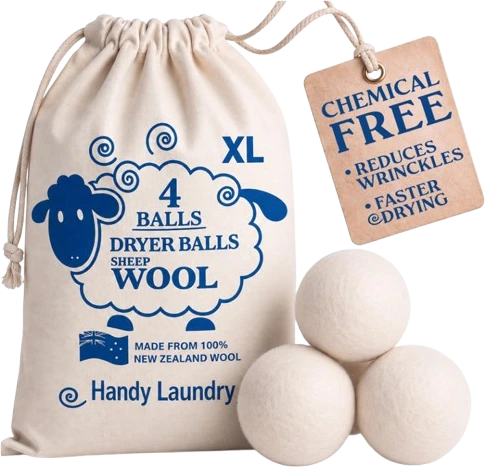 Handy Laundry Wool Dryer BallsReusable wool balls to help fluff pillows approved for tumble drying.
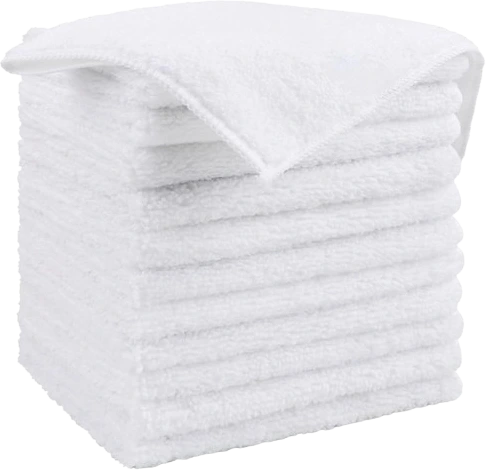 HOMEXCEL White Microfiber Cleaning ClothsSoft white cloths for gentle blotting and removing cleaning residue.
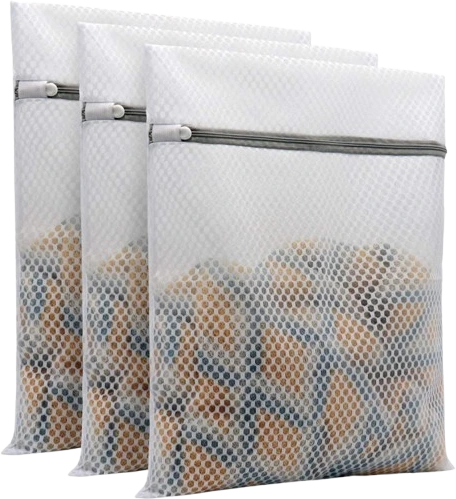 Muchfun Honeycomb Mesh Laundry BagsThree 12-by-16-inch bags for smaller washable covers and delicate laundry.
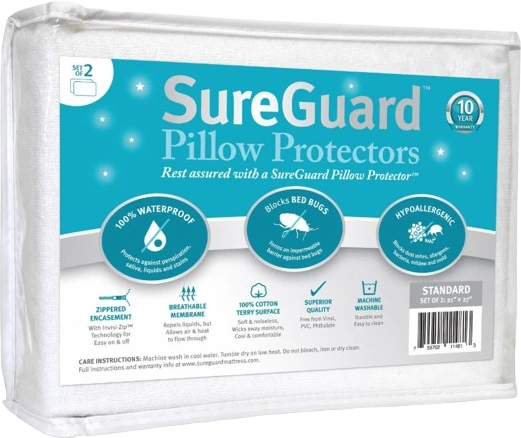 SureGuard Standard-Size Pillow ProtectorsZippered protectors that add a washable layer beneath standard pillowcases.
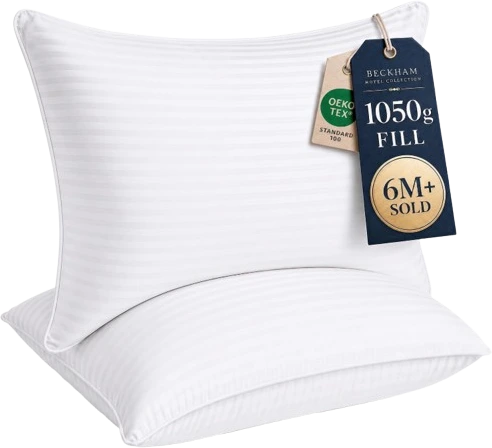 Beckham Hotel Collection Pillow SetWashable down-alternative queen pillows with cotton covers, sold as a pair.