11 Daybed Ideas for Small Spaces That Do More

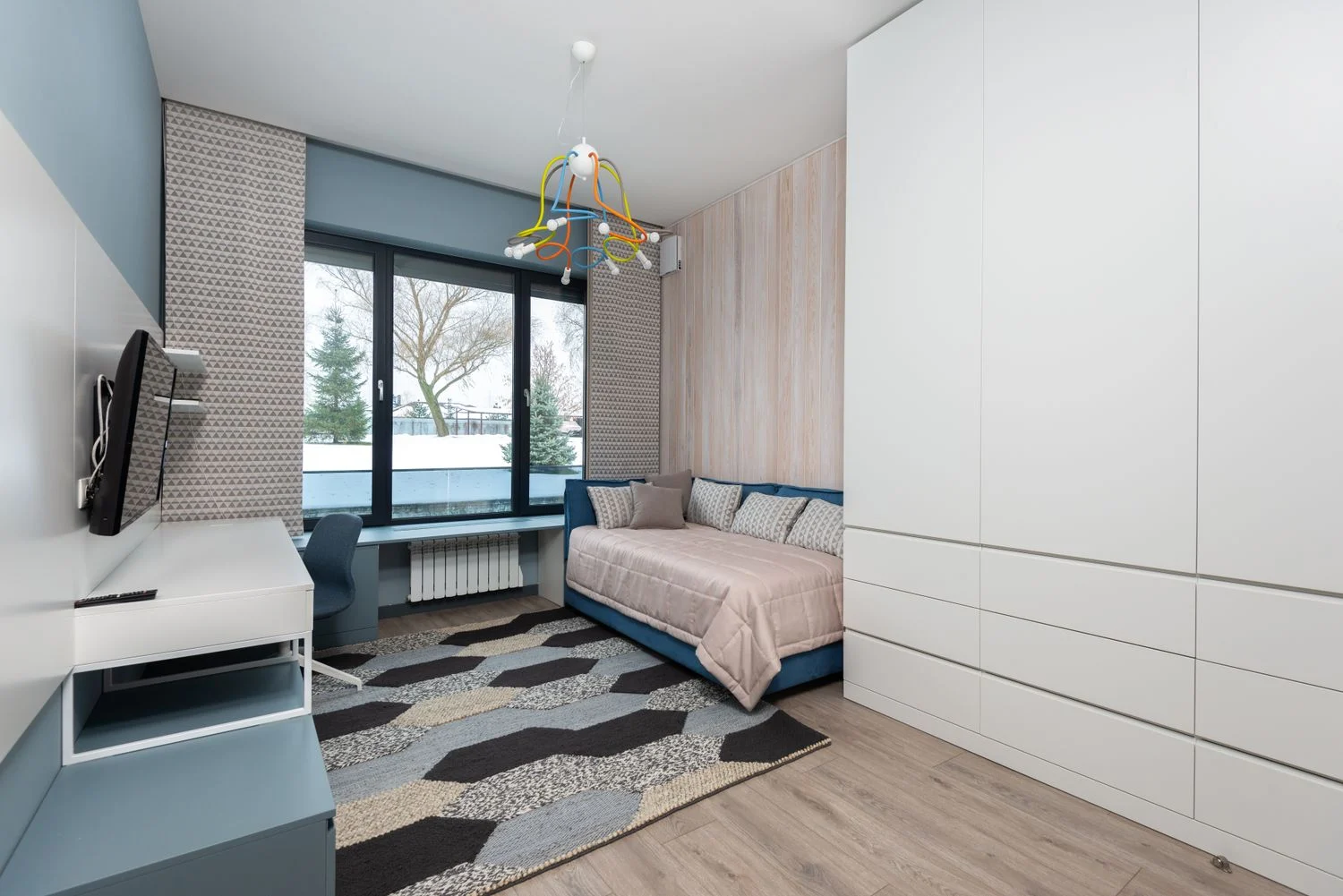
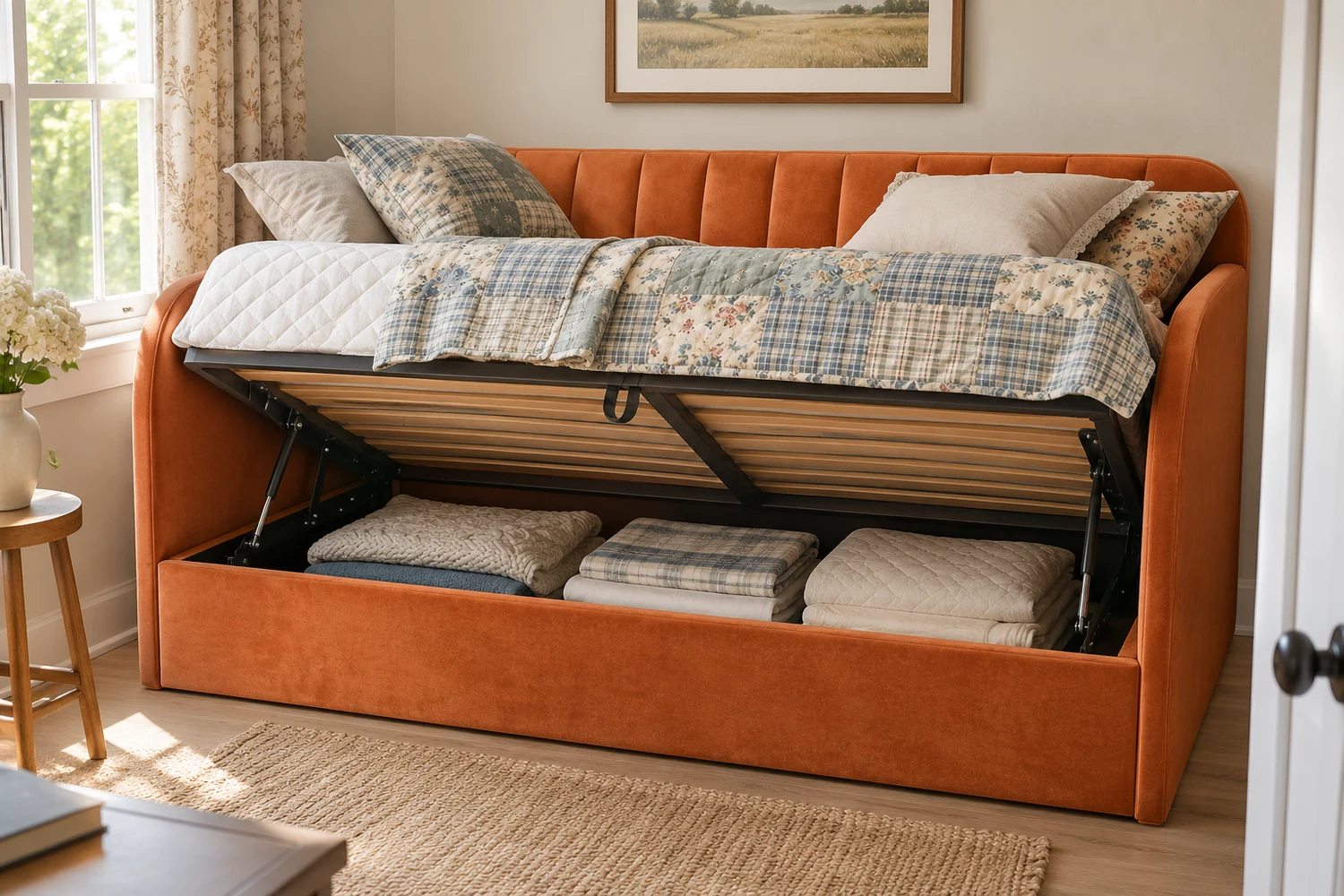
A daybed with built-in storage or a pull-out trundle can help you get more use from a small room.
Storage holds spare bedding without another cabinet, while a trundle adds a sleeping place that tucks away when guests leave. Some designs combine a trundle with shelves in the back, giving you room for books and small essentials, too.
The most useful daybed ideas for small spaces bring those features together with a practical layout. Perhaps you need an office that can host family, a child’s bedroom with more room to play, or a comfortable seat beside the window.
Once you know whether storage or an extra bed would help most, it’s easier to choose the frame and decide where it belongs.
The quick answer
- Under-bed storage keeps spare sheets, blankets, and pillows out of the way.
- A pull-out trundle adds another sleeping place without keeping two beds open all week.
- Some daybeds combine a trundle and back shelving, making small essentials easier to reach.
- Lengthwise wall placement often leaves a larger, more useful area in the middle of the room.
- Supportive cushions, a reading light, and a small table make the daybed useful between guest visits.
Before You Buy: Will It Fit When Everything Is Open?
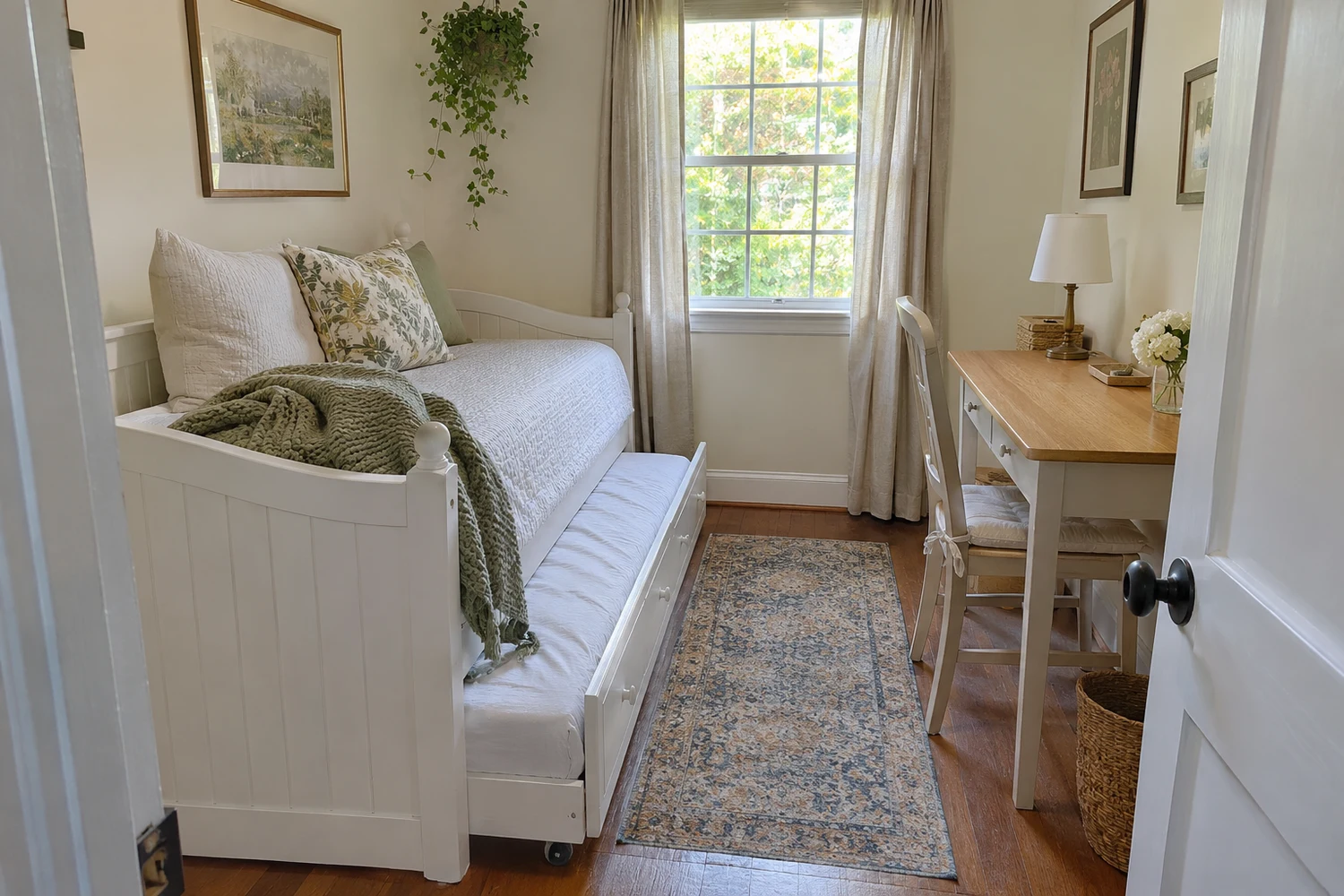
The measurements that matter are the full frame dimensions and its open footprint. A daybed can fit neatly against the wall while its trundle blocks the doorway.
Upholstered arms, thick backs, and projecting legs also add space around the mattress. Mark the full outline on the floor with suitable removable tape, including anything that pulls out.
Then use the room normally. Open the wardrobe, move the desk chair, and walk past with a laundry basket. Those everyday movements tell you more than an empty floor plan.
| What the room needs | A useful daybed feature | Space to allow |
|---|---|---|
| Somewhere for spare bedding | Drawers or lift-up storage | Access to the storage compartment |
| A second sleeping place | Pull-out trundle | The full open bed and a clear walking route |
| Seating and occasional sleeping | Supportive back and suitable mattress | Comfortable sitting depth |
| An office and guest bed | Frame placed beside a compact workspace | Desk-chair movement and overnight access |
| A reading corner | Low frame near a window | A reachable table and usable window |
Note: A trundle usually occupies the space beneath the main mattress. That area cannot also hold storage boxes while the trundle is tucked underneath. Back shelving can add storage without competing for the same space.
1. A Daybed Against the Wall Leaves More Room in the Middle
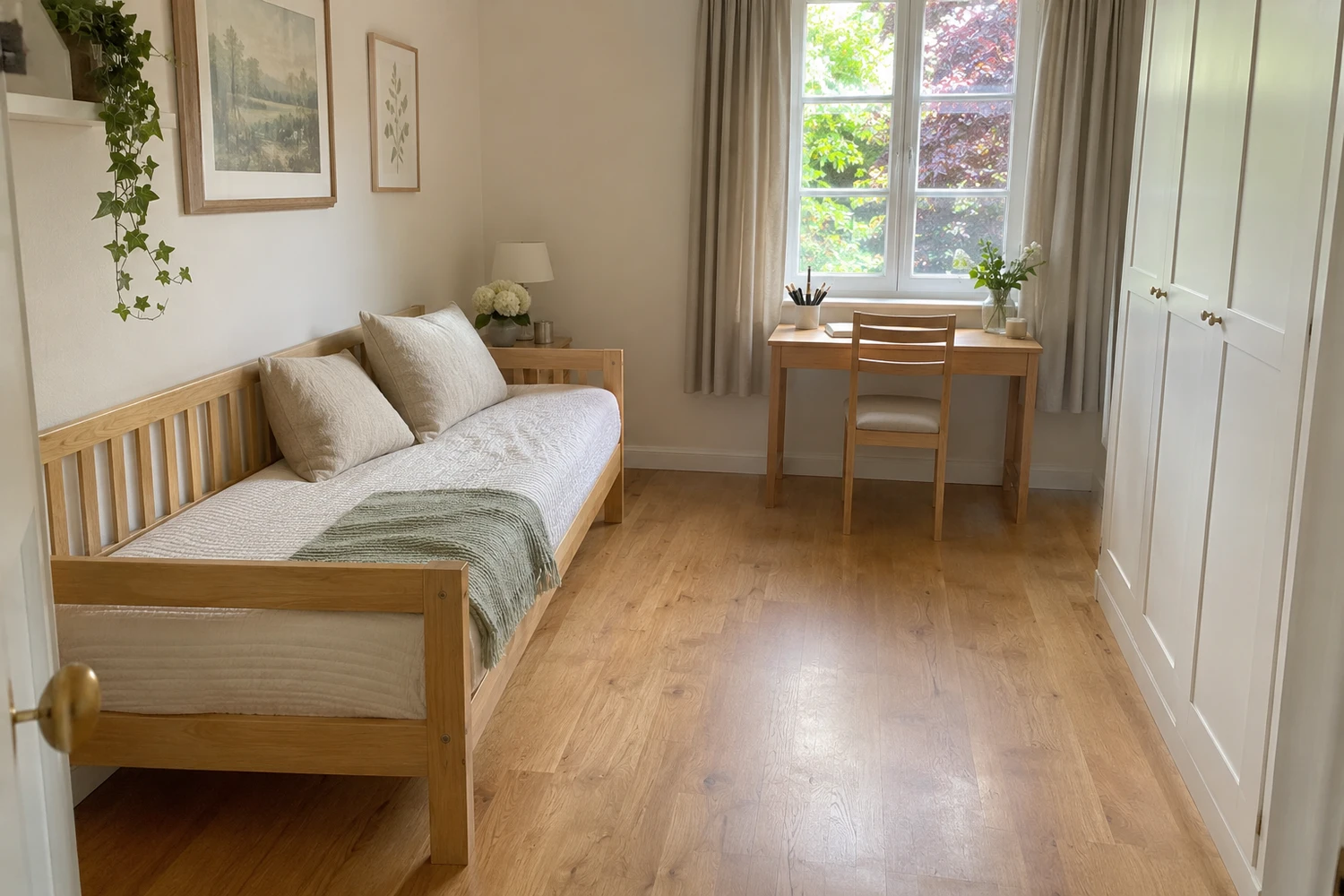
Lengthwise wall placement often makes a narrow room easier to use. Instead of leaving small gaps on both sides of a bed, it can create one larger area of open floor.
That extra space might be enough for a desk chair to move comfortably or for a child to spread out a puzzle.
For a corner arrangement, the SOFTSEA Upholstered Daybed with an L-Shaped Backrest provides backing along two sides. Its corduroy upholstery also adds texture without needing a patterned cover.
The best wall is the one that leaves doors and furniture accessible. A long wall beside the wardrobe won’t help if the frame prevents the doors from opening.
Access for changing the bedding matters, too. A slightly less snug arrangement can make laundry day much easier.
2. Turn a Window Corner Into a Reading Spot
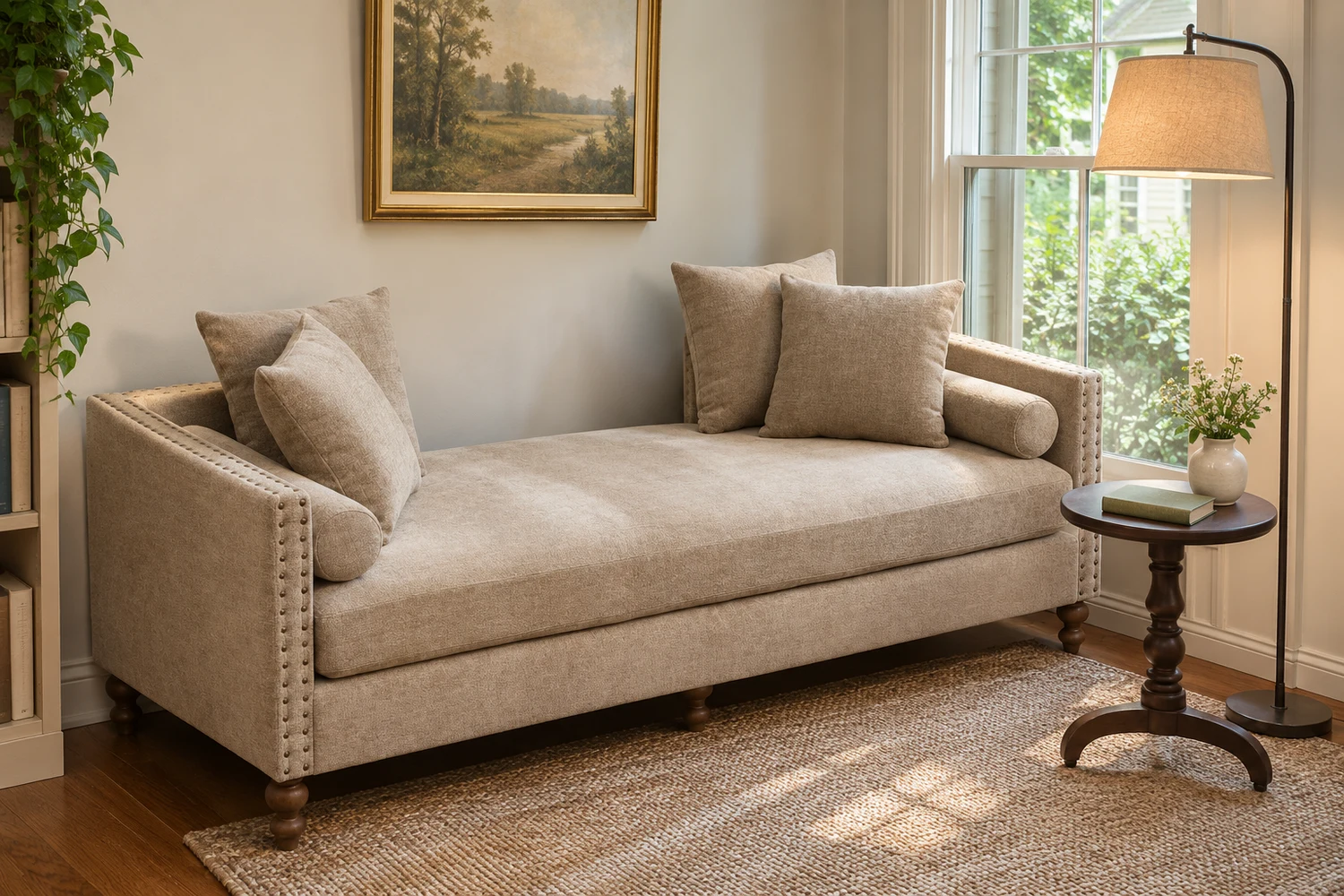
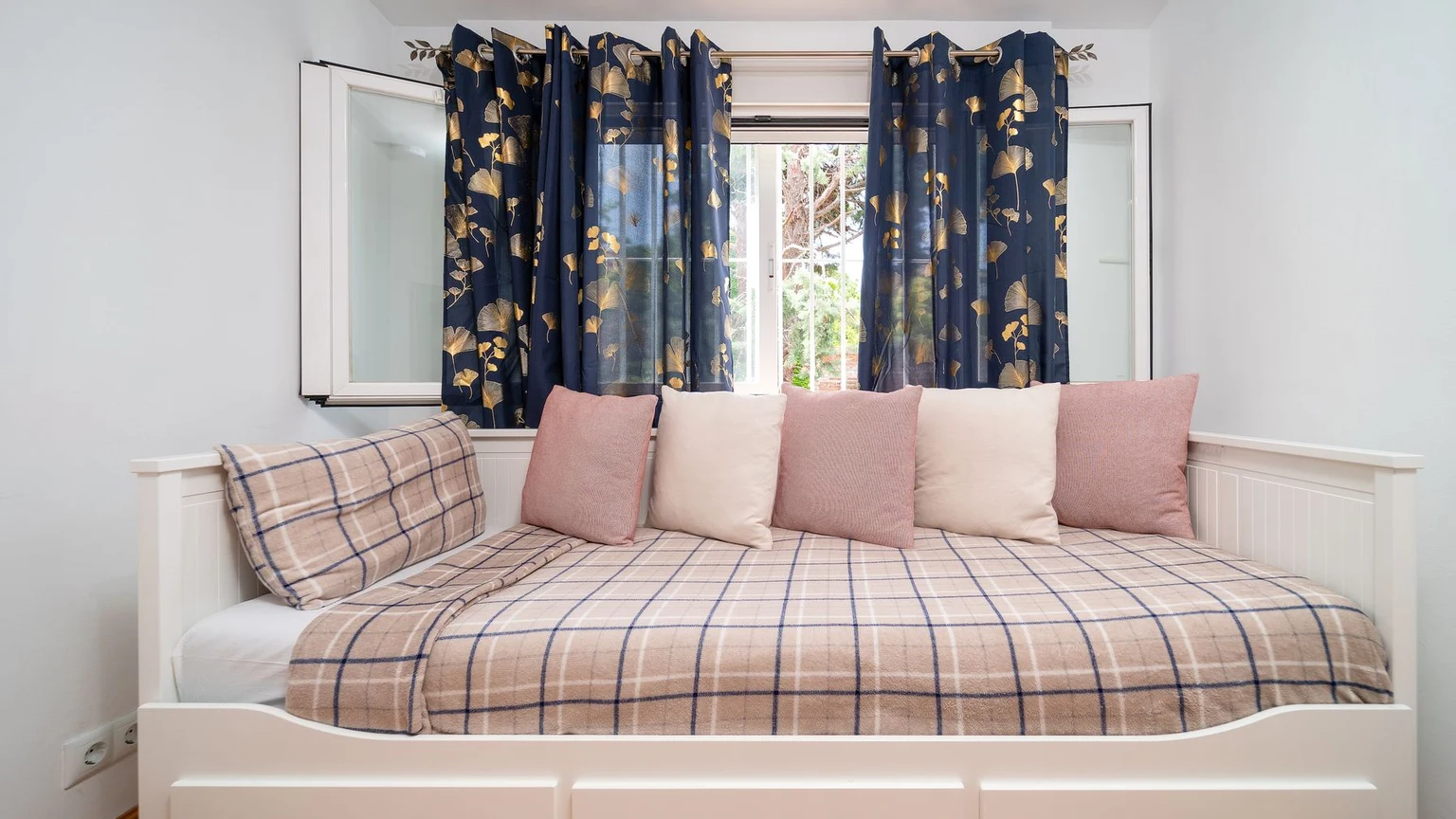
A low daybed beneath or beside a window can provide a reading spot without adding a separate armchair.
Beside the window often works better when the frame would cover the glass or interfere with the opening. You still get daylight, and the curtains remain easy to reach.
The Aortzio Oversized Chenille Daybed is an option for a room where lounging is the main priority. Its upholstered design suits a relaxed reading area, though its oversized format needs a generous stretch of floor space.
A firm back cushion, a small table, and an evening reading light complete the arrangement. The table should be close enough to reach without leaning across the seat.
Keep window openings, curtains, and heating or ventilation accessible. If the window wall is awkward, the neighboring wall can work just as well.
4. Let the Home Office Double as a Guest Room
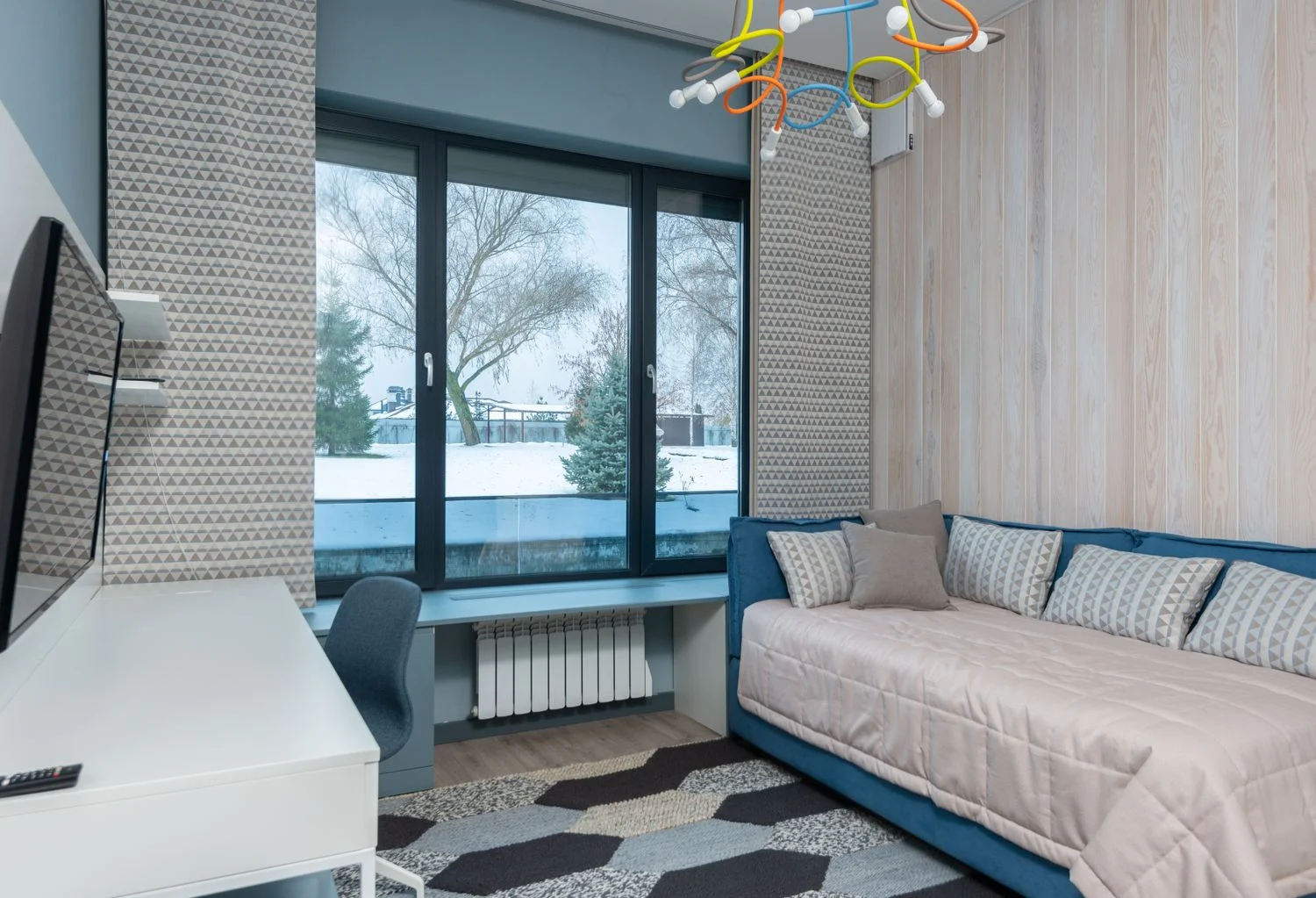
An office and guest room work best when the everyday workspace stays comfortable. If you work there most days, the desk chair needs room to move even when the bed is ready for use.
A daybed along one wall and a shallow desk on another can leave the middle clear. A folding desk is another option when the overnight arrangement needs more floor space.
An upholstered design such as the Latitude Run Orrin Daybed can also provide a comfortable-looking place to take a break from the desk. Its padded back and arms suit a room that needs both seating and a bed.
The evening changeover should be simple. Work materials go into a drawer, decorative cushions go into a cupboard, and the guest has somewhere for a bag.
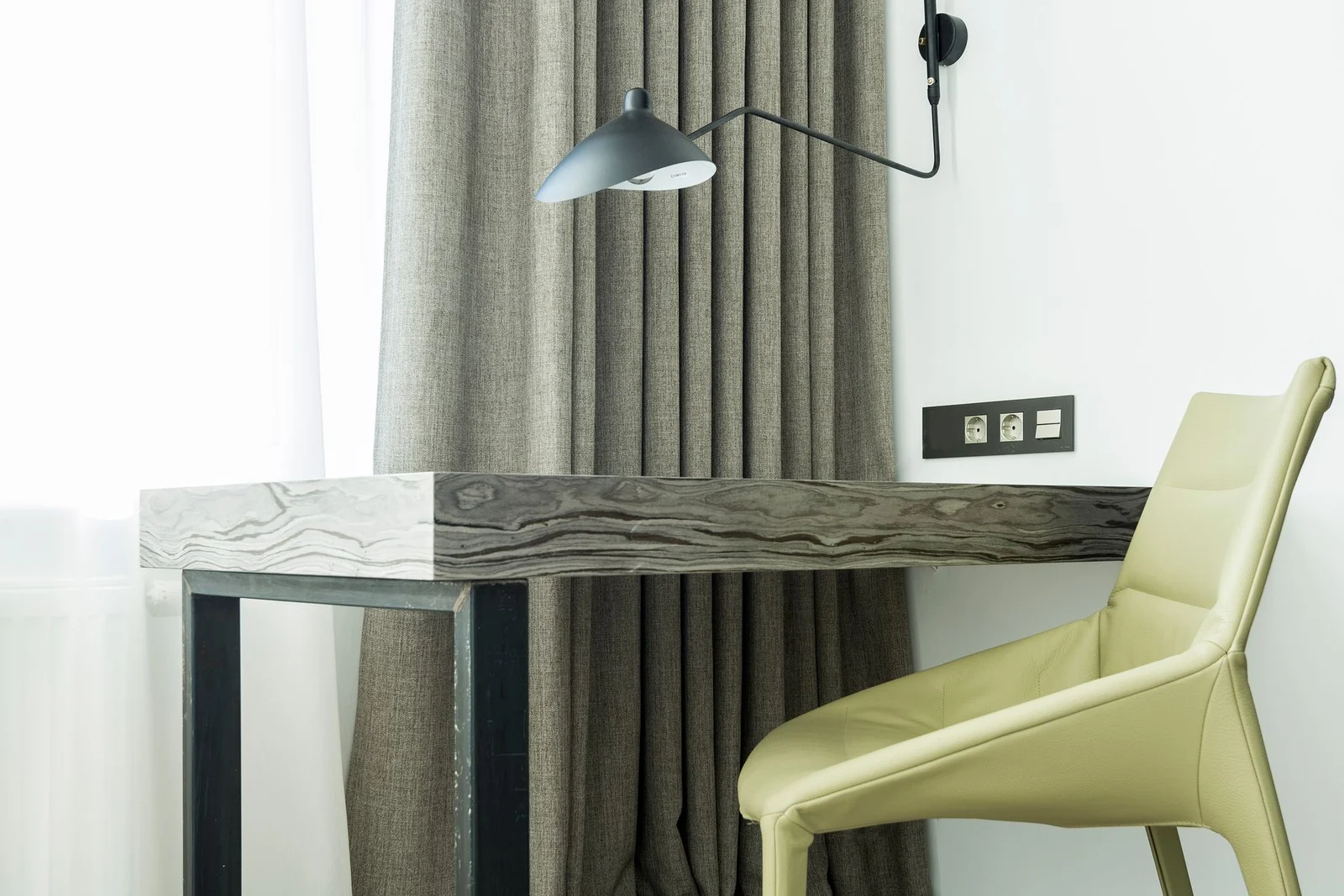
An adjacent desk can sometimes serve as a bedside surface. A clear corner for a phone and glass of water may remove the need for another table.
For more arrangements, see our home office layout ideas.
5. A Trundle Adds a Bed When You Need It
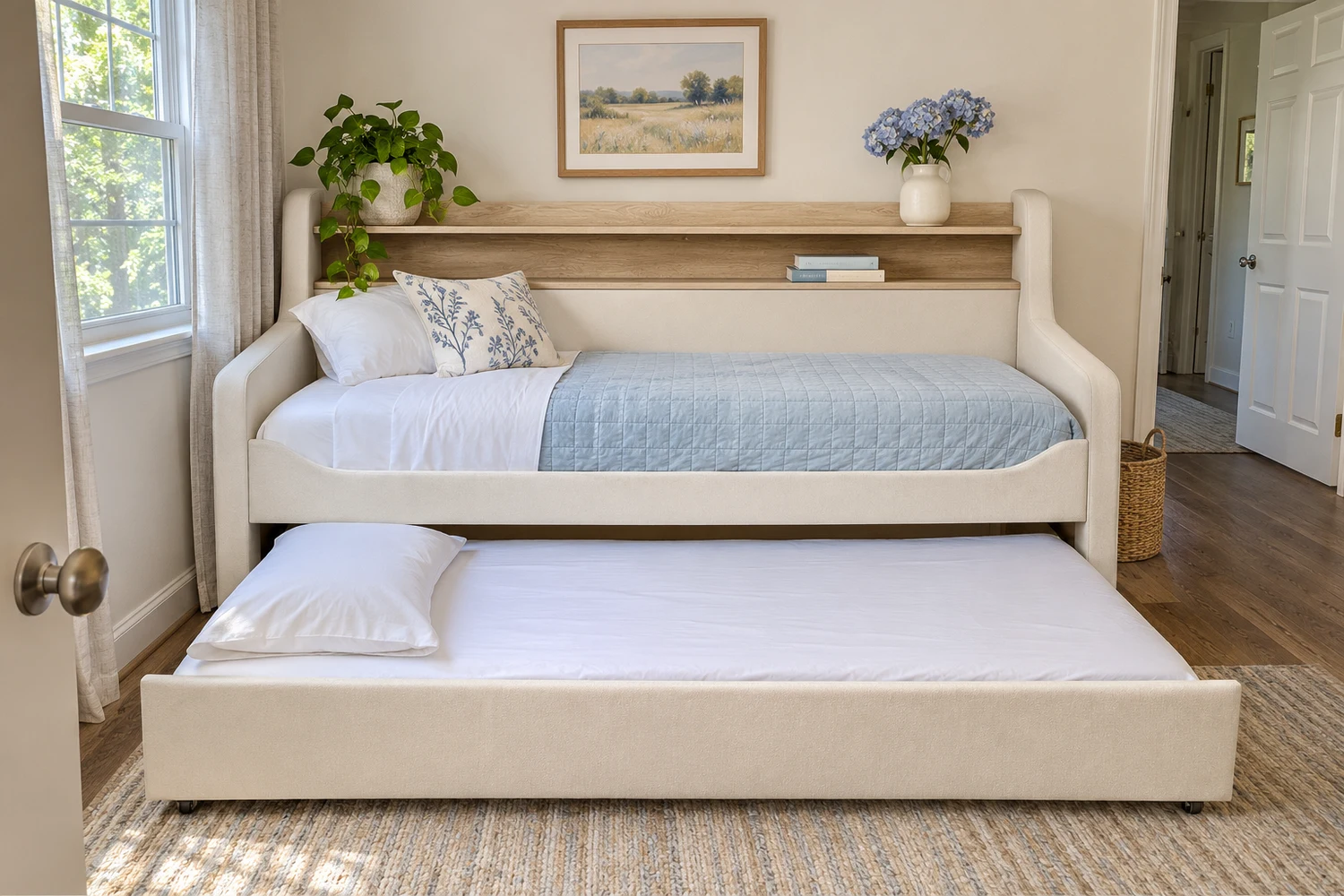
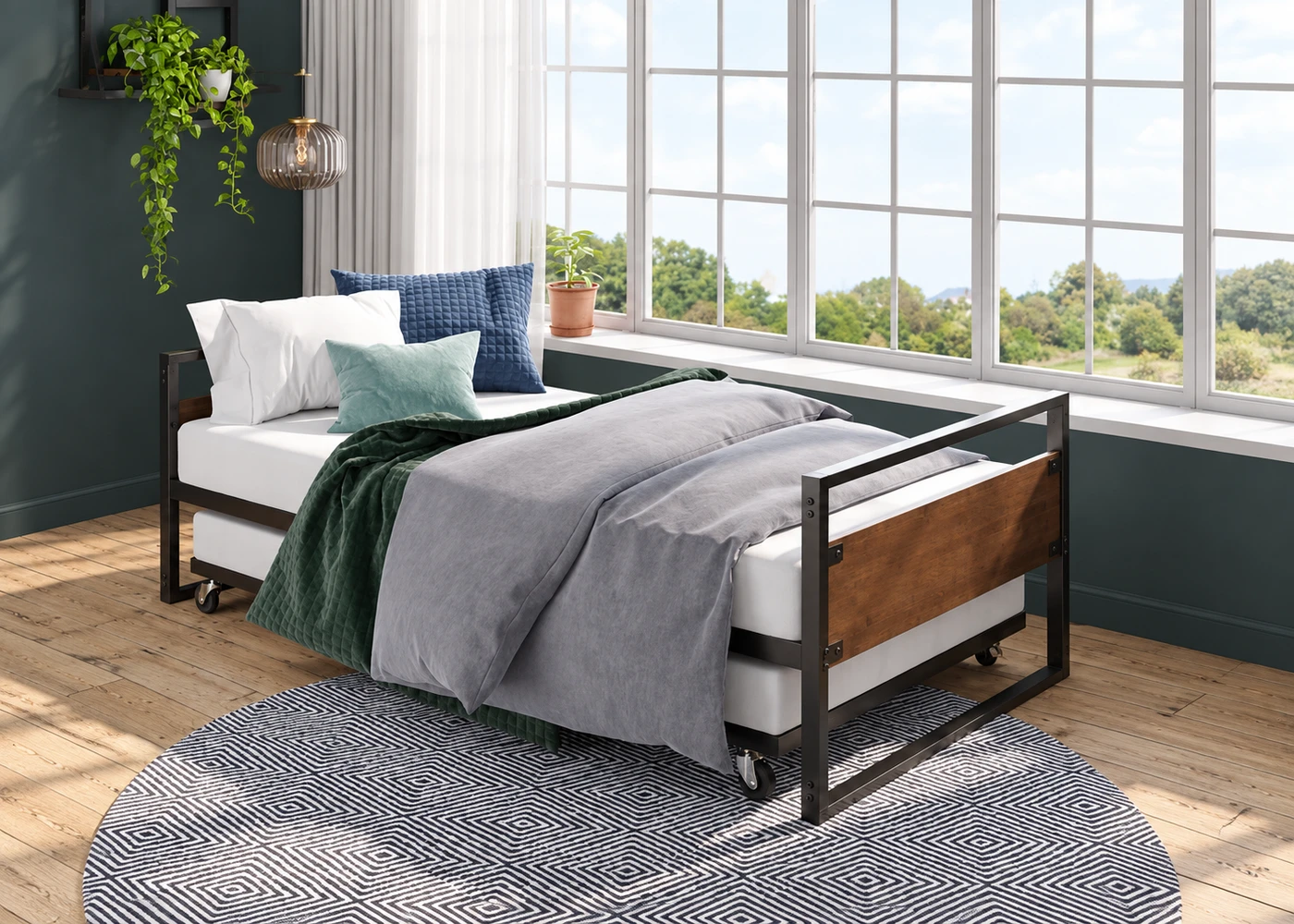
A pull-out trundle provides another sleeping place without keeping two beds spread across the room all week.
The Jocisland Twin Upholstered Daybed with Trundle and Storage Headboard combines a lower guest bed with shelving in the back. That gives books and small essentials a place within reach while preserving the space underneath for the trundle.
A trundle and an extending daybed work differently:
- A trundle stores a separate sleeping platform beneath the main bed.
- An extending daybed opens into a wider sleeping surface.
The Loaf Tip Top Daybed is an example of the extending approach, with a low oak frame and a pull-out section.
Whichever arrangement you use, the open bed needs a clear route around it. A coffee table, desk chair, and suitcase still need somewhere to go.
Trundles also have mattress thickness limits so the lower bed can close properly. Our guides to daybeds with trundles and trundle mattresses cover those details.
6. Slim Frames Make a Small Room Feel Less Crowded
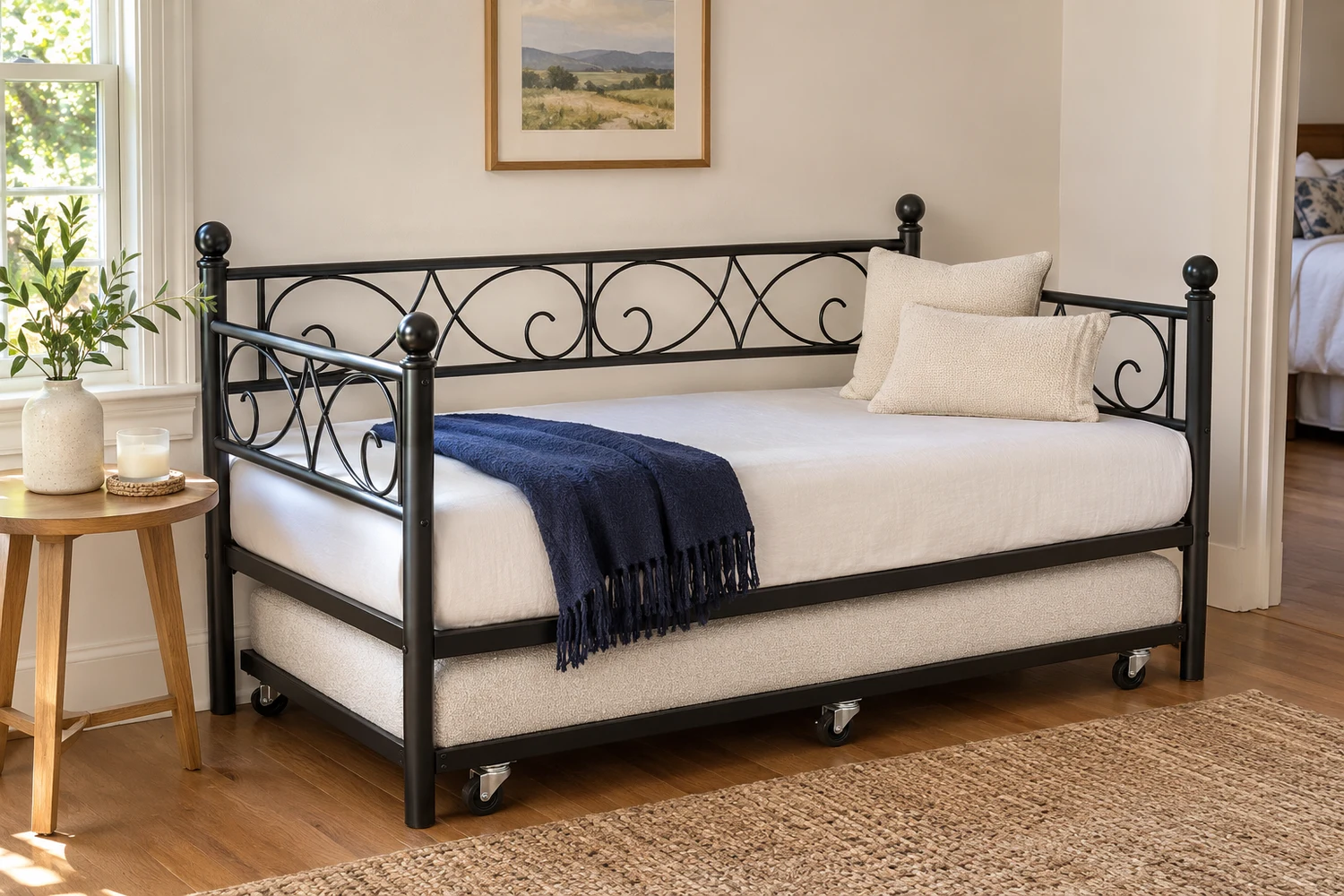
Slim frames and open sides can make a daybed look less bulky, particularly when the room already contains a wardrobe or desk.
The GarveeHome Twin Metal Daybed with Trundle combines an open metal frame with a pull-out sleeping platform. Its decorative metalwork adds detail without a solid upholstered back filling the same view.
A wood or metal frame can leave more wall visible. Thick upholstered arms provide a softer surface to lean against, but they may also add width.
There’s a trade-off underneath, too. An open base looks lighter, while enclosed storage hides bedding.
Looking smaller and taking up less space are different things. The frame’s actual footprint still decides whether the room will be comfortable to use.
7. Make the Daybed Comfortable Enough to Be Your Main Seat
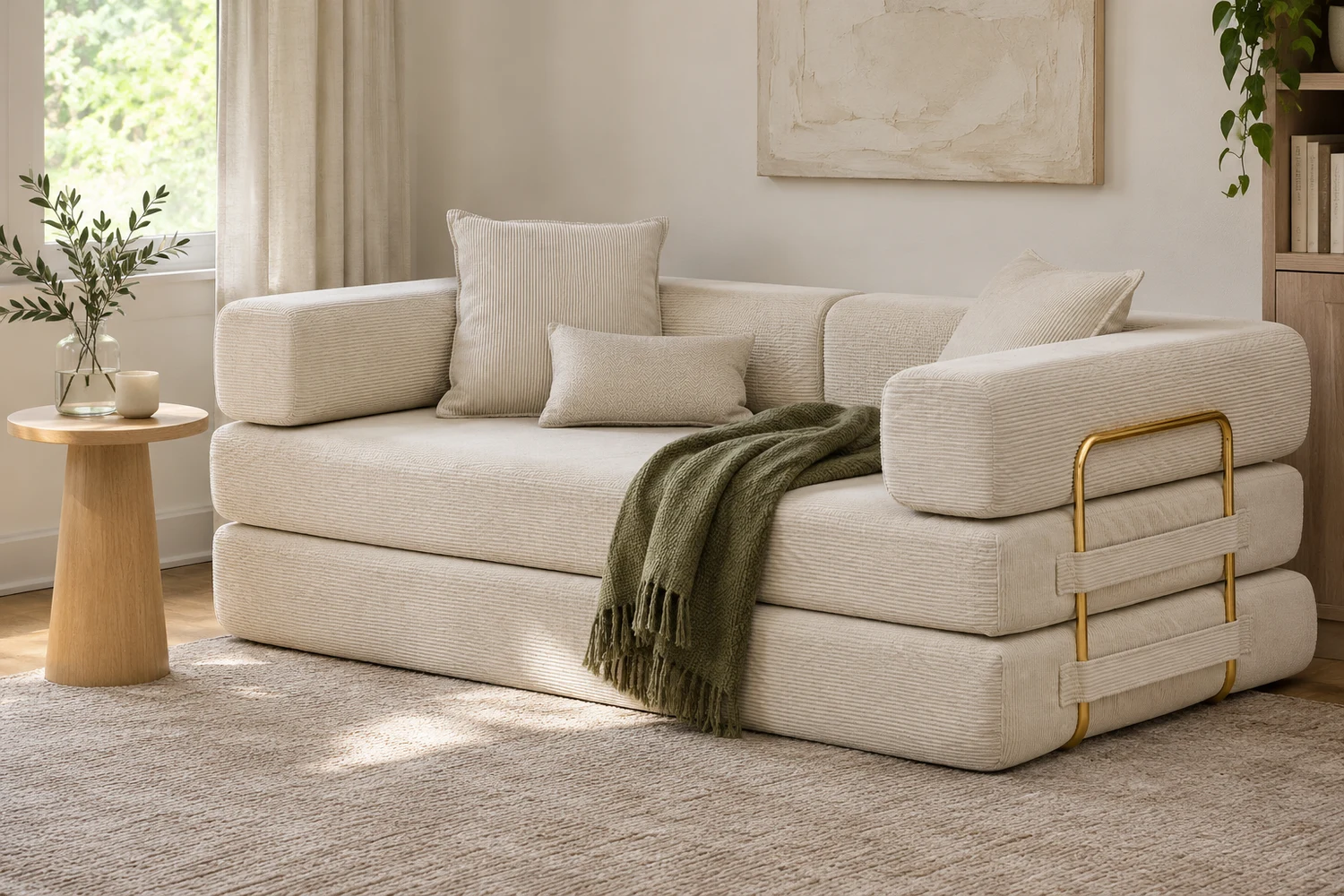
A mattress-based daybed usually needs firm back cushions for comfortable upright sitting. Otherwise, the seat may be too deep to lean back while keeping your feet on the floor.
A long wedge cushion or a row of supportive pillows brings the backrest forward. An end cushion can also soften a hard side rail.
For a more casual arrangement, the ivoros Folding Convertible Sofa Bed offers a low corduroy seat that unfolds into a sleeping surface. It provides another way to combine seating and occasional sleeping, especially in a relaxed lounge or studio.
Its low position means getting up involves more effort than rising from a higher seat. The unfolded surface also needs substantially more floor space than the closed sofa.
For a conventional daybed, a fitted cover or neatly tucked coverlet keeps the mattress looking tidy. Leave enough clear seating space after adding cushions.
Our guide to making a daybed look like a couch covers cushion placement and covers in more detail.
8. An Awkward Alcove Can Become a Useful Seat
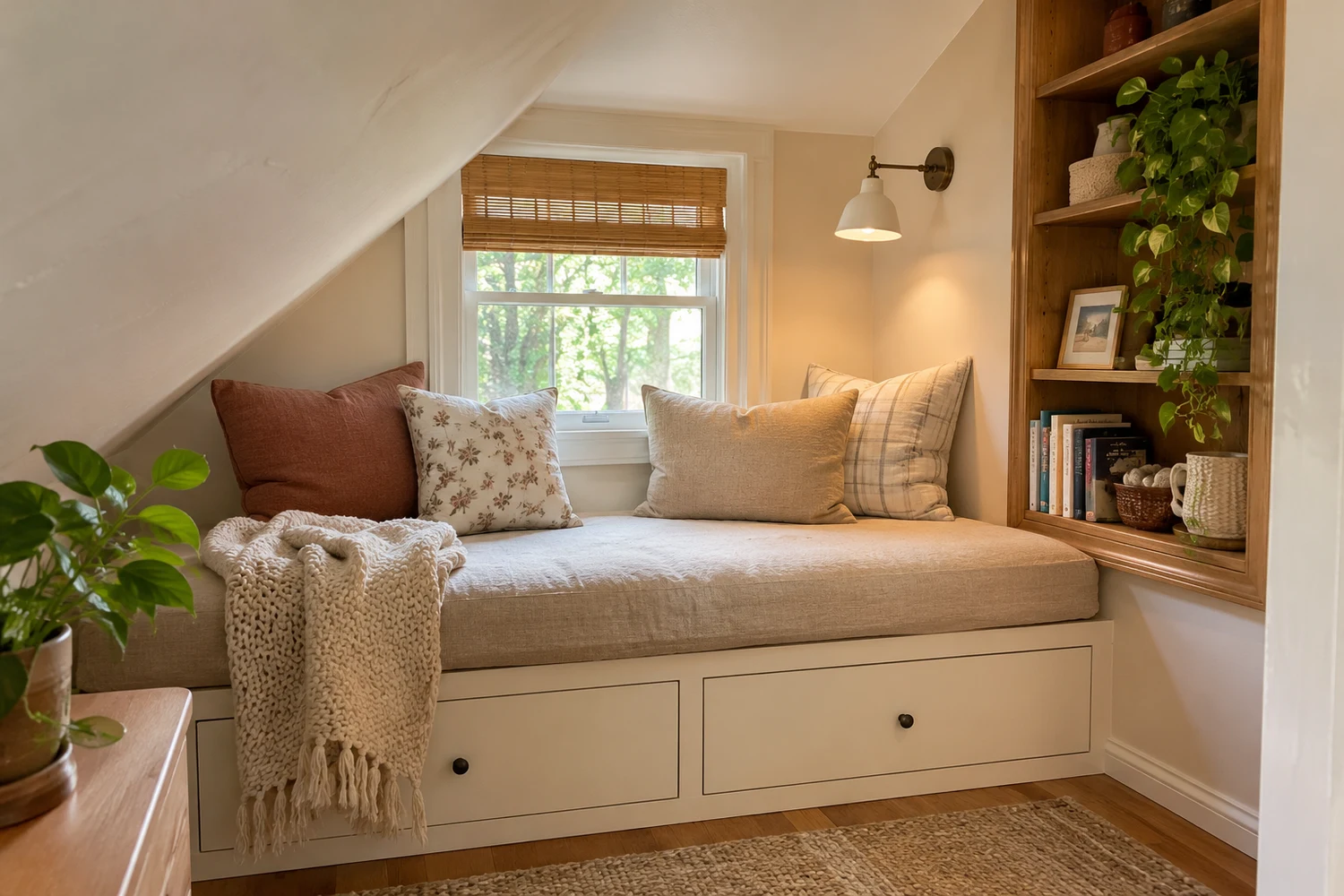
A built-in daybed or bench can make good use of an alcove where standard furniture leaves awkward gaps.
A suitable stair recess or window nook may provide enough space for a reading seat, with drawers underneath and a small surface beside it.
The intended use decides the design. A shallow nook can be comfortable for reading with your feet up. An overnight guest needs a sufficiently long and wide sleeping surface, plus comfortable headroom.
For a built-in guest bed, a standard mattress size makes future replacement easier. The platform also needs proper support and ventilation beneath the mattress.
Storage beside the seat can be more convenient than deep shelving overhead. A small side shelf is often enough for a book, phone, and lamp.
9. Give a Child’s Room More Space to Play
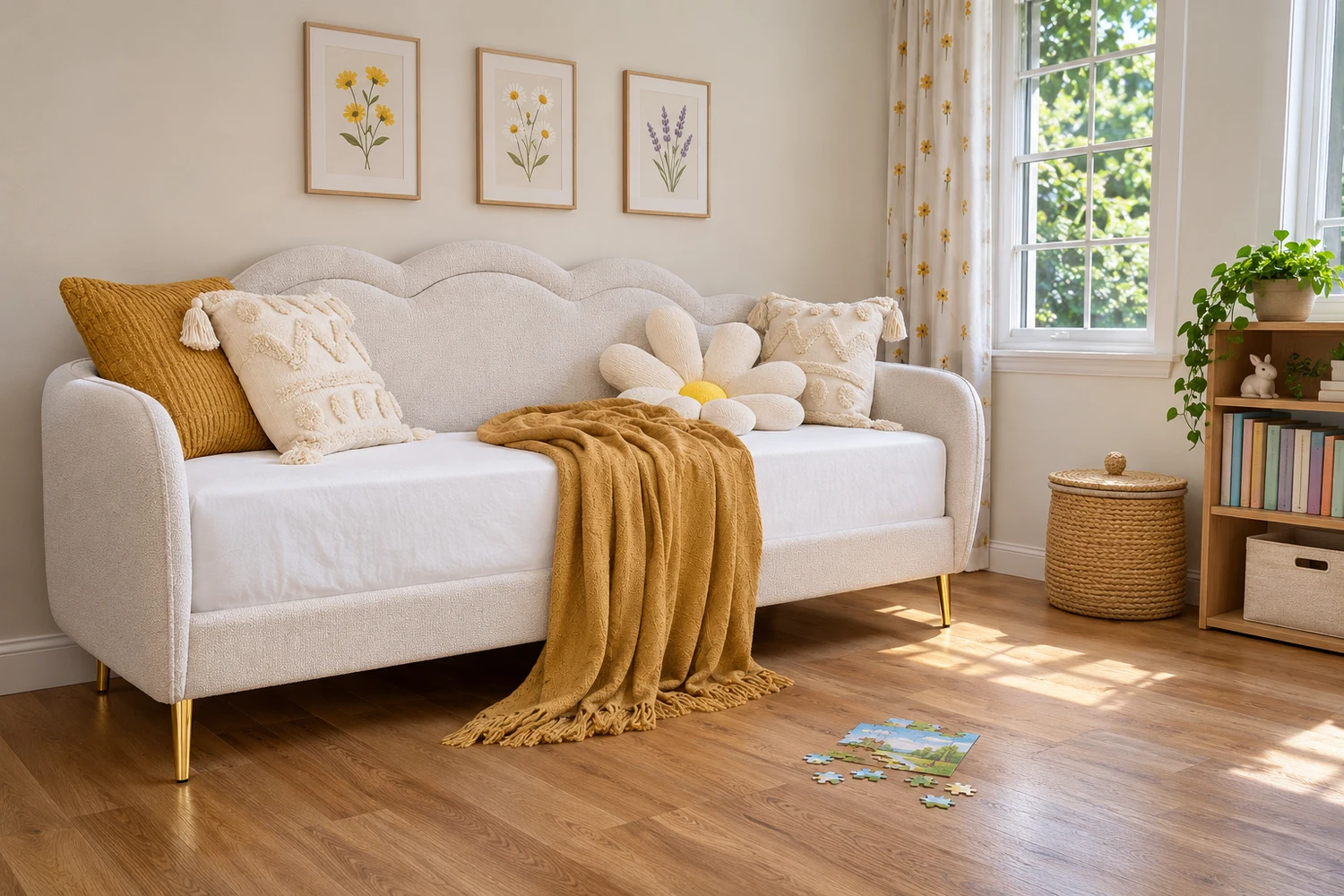
A daybed can serve as the main bed and a daytime seat, reducing the need for extra furniture in a child’s room.
Lengthwise placement often leaves a more useful play area. A couple of cushions provide back support for reading and can go into a basket at bedtime.
The VELOCAVA Twin Upholstered Daybed with Cloud-Shaped Backrest adds a playful shape through the frame itself. Simple bedding lets the curved back stand out without filling the room with more decorations.
A trundle can be useful for occasional sleepovers, while storage is helpful for bedding used every day. The better choice depends on which need comes up more often.
A few cushions are enough. Too many extra pillows and small seats can take back the floor space you’ve just freed up.
10. Smaller Tables and Wall Lights Keep the Floor Clear
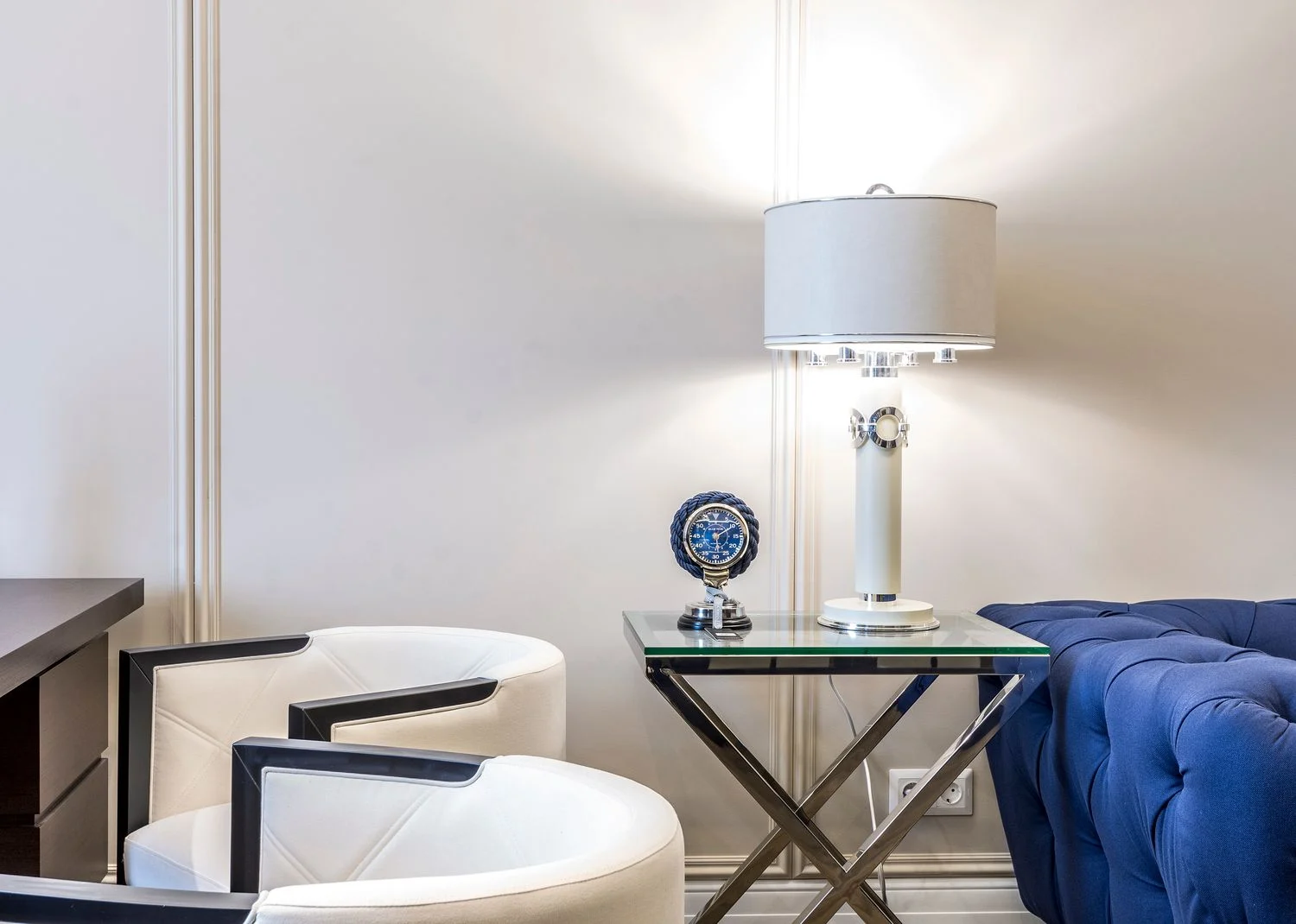
A small surface and a reading light are often all a daybed needs nearby. A full bedside cabinet may be unnecessary when the frame already has storage.
A compact table holds a drink and phone. Nesting tables provide another surface when needed, while an ottoman with a firm tray can also offer occasional seating.
For a trundle setup, a lightweight table is easier to move at bedtime. A heavy coffee table makes the changeover much more work.
Wall-mounted reading lights free up tabletop space. A shelf beside the daybed can also hold small essentials without adding another piece of furniture to the floor.
If the daybed has back shelving, that may already provide enough space for a book and phone.
11. Add Color Without Adding More Furniture
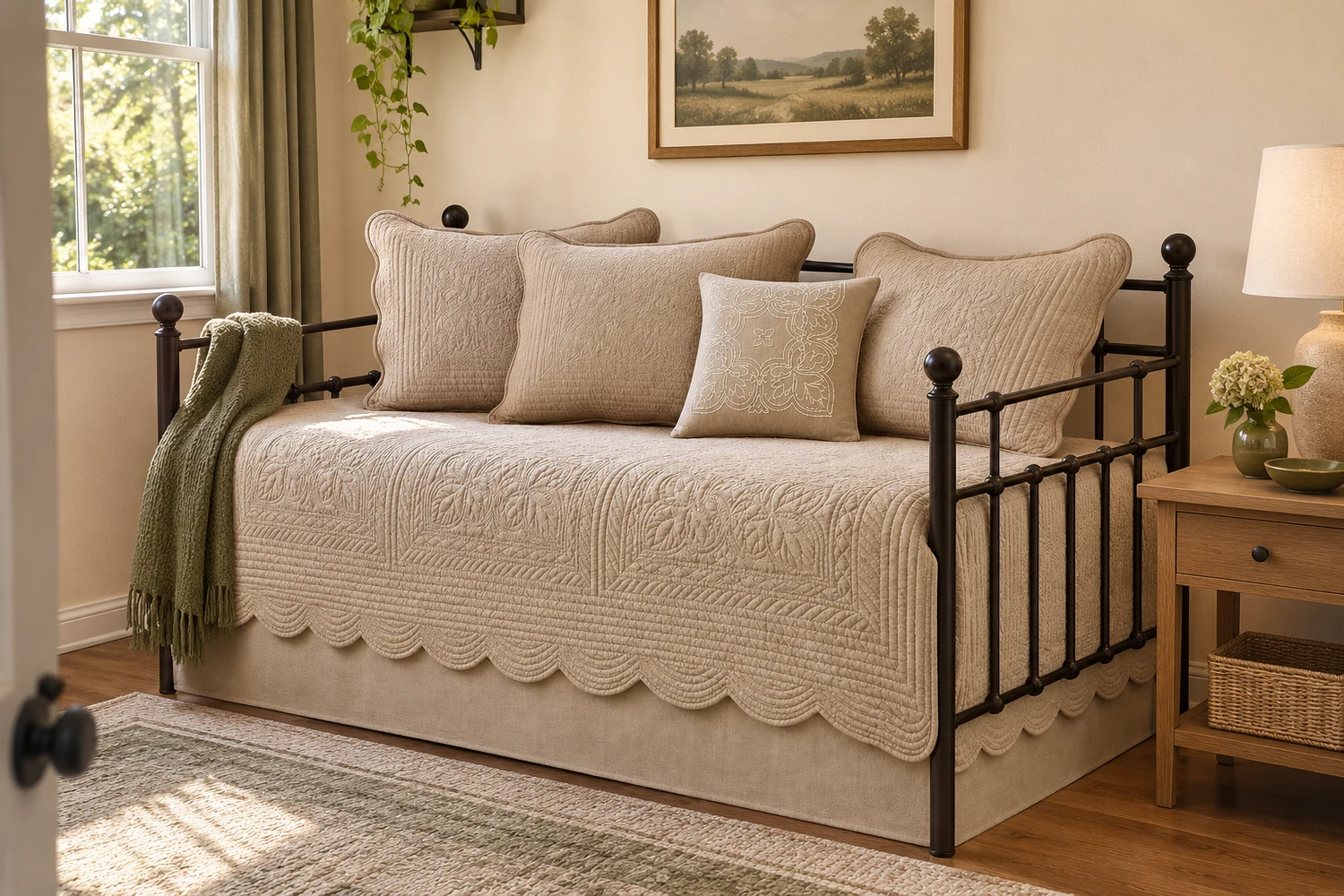
Bedding and upholstery can make the daybed feel like part of the room without adding more objects around it.
The Madison Park Quilted Daybed Cover Set provides a coordinated approach, with a cover, matching shams, a bed skirt, and a decorative pillow. It suits a finished guest-room look without having to find every piece separately.
For a calm arrangement, cream bedding, warm wood, and muted blue cushions work well together. For something warmer, try off-white, olive, and rust.
A patterned cover can provide most of the visual interest. Plain back cushions keep the arrangement from feeling busy.
There’s no need to use every decorative piece at once. If the daybed is your main seat, a clear place to sit matters more than a full row of matching pillows.
A Quick Checklist for Your Daybed Setup
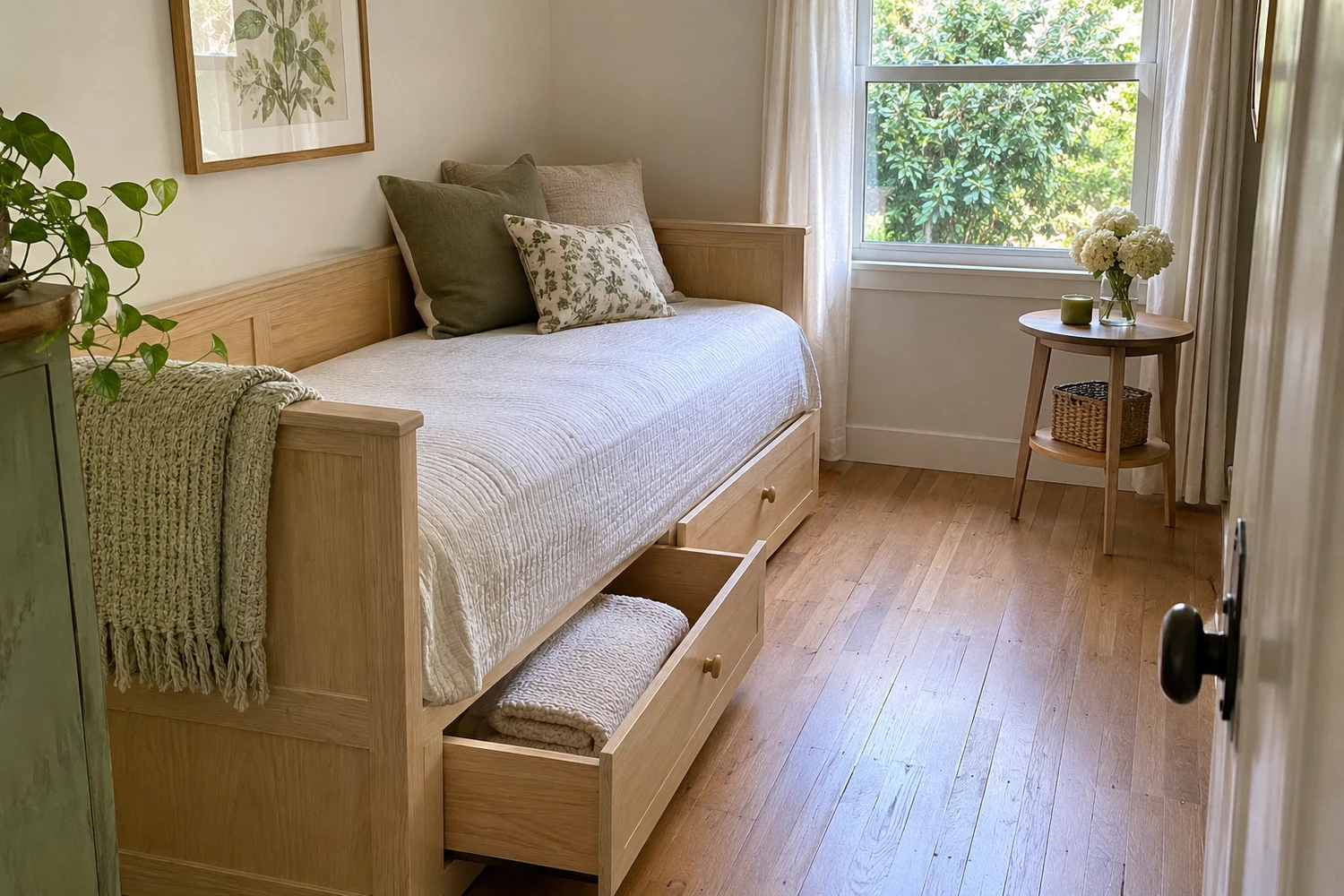
The setup is ready when storage, seating, and sleeping all work without blocking the room.
- The full frame fits without blocking a doorway.
- Wardrobe doors and storage compartments open freely.
- A trundle or extending section has enough room to open.
- The desk chair can move comfortably.
- The mattress suits the frame and intended use.
- Bedding and extra cushions have somewhere to go.
- A light and small surface are within reach.
- Windows, curtains, and heating or ventilation remain accessible.
- There is a clear walking route when the guest bed is open.
Common Questions About Daybeds in Small Rooms
Is a Storage Daybed or a Trundle More Useful?
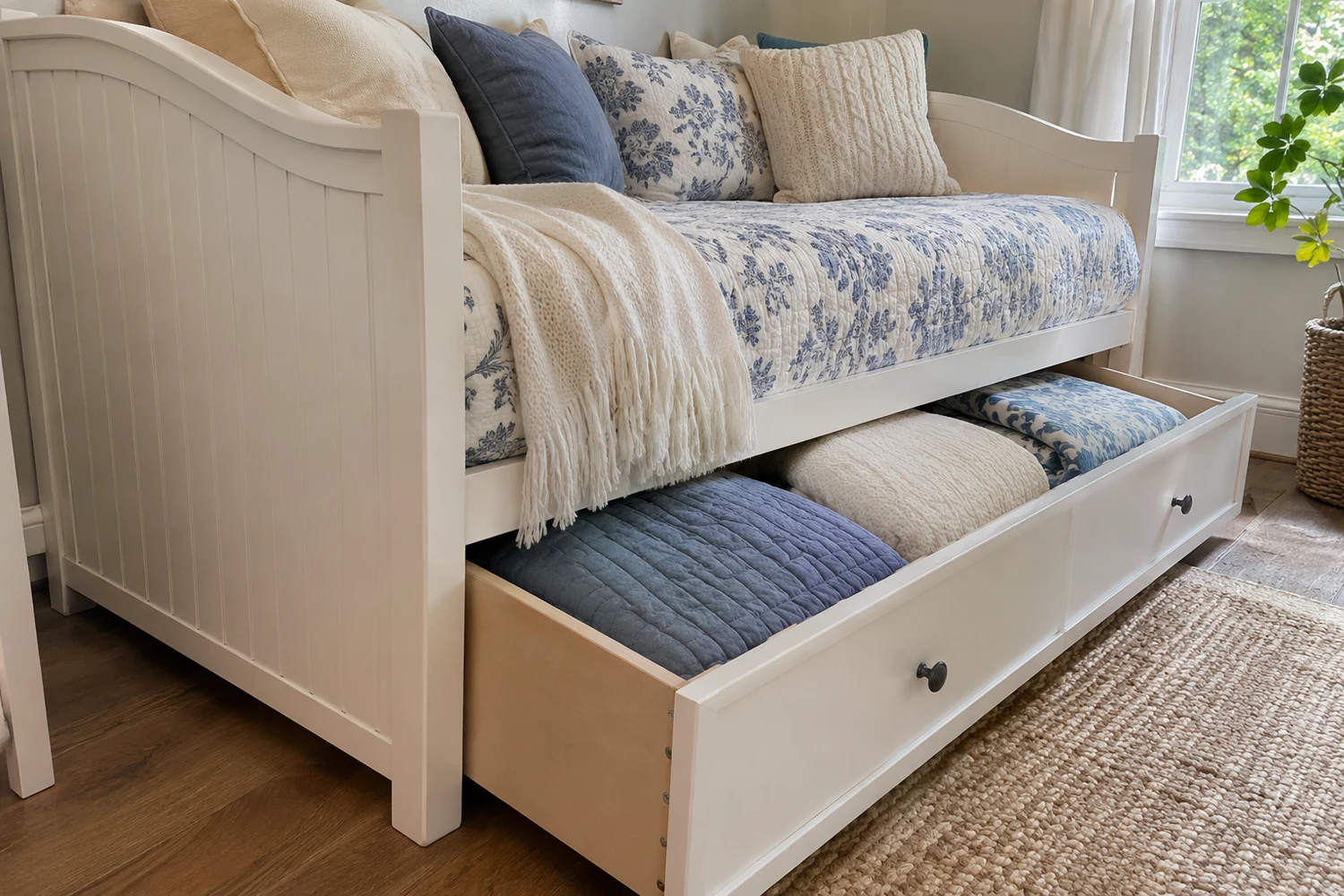
Storage helps with clutter; a trundle helps with overnight guests. The better choice depends on which problem you have more often.
If spare blankets fill the office cupboard every day but a second guest stays once a year, storage may be more useful. Regular sleepovers make a trundle more worthwhile.
Some designs combine a trundle with back shelving, so you can still keep small essentials nearby.
Can a Daybed Replace a Sofa?
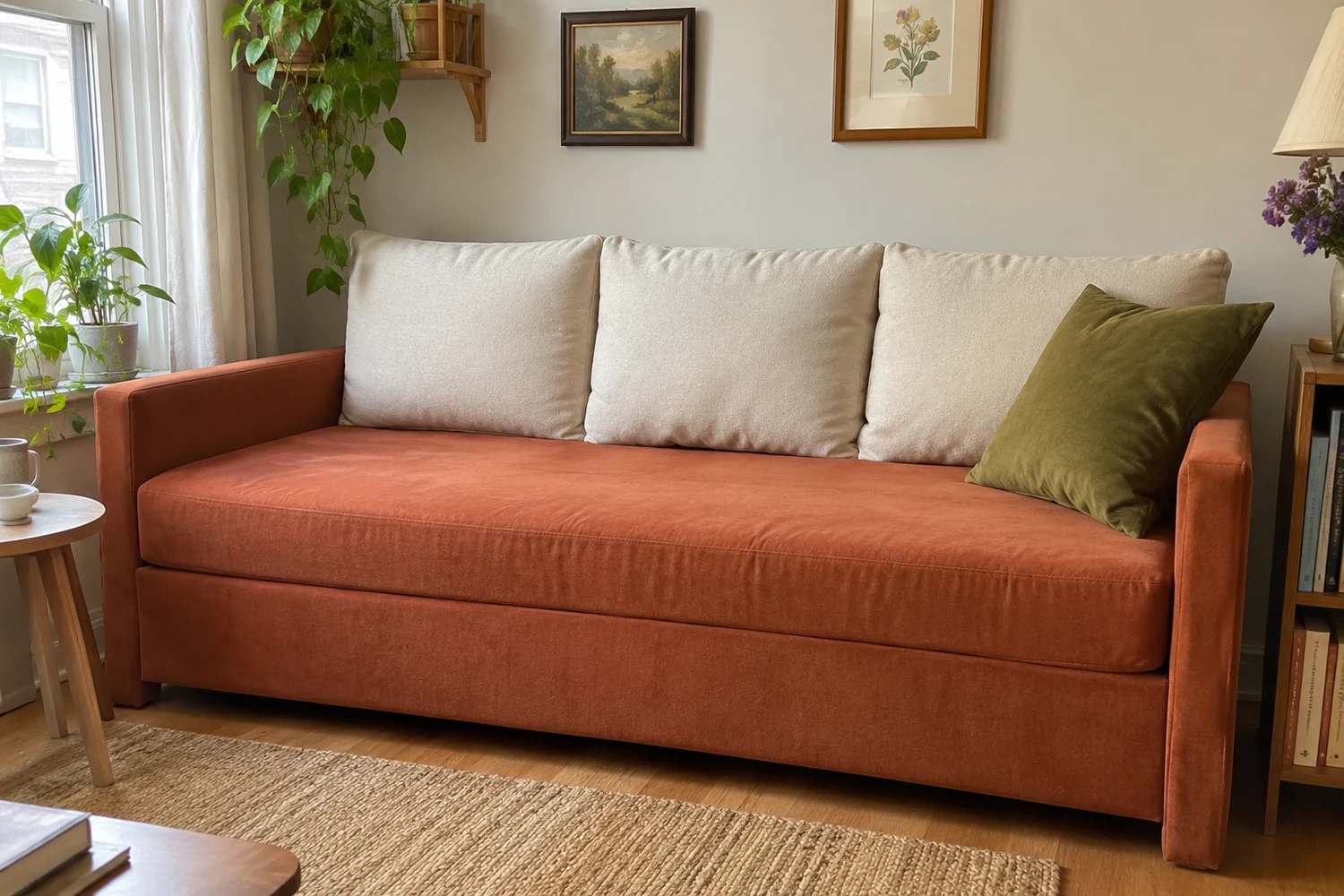
Yes, with suitable back support and a comfortable seat. A deep mattress alone may feel better for lounging than sitting upright.
Supportive cushions help, but they should leave enough space for the people using the seat. A tidy arrangement with a few firm pillows is often easier to live with than a large pile.
Can You Sleep on a Daybed Every Night?
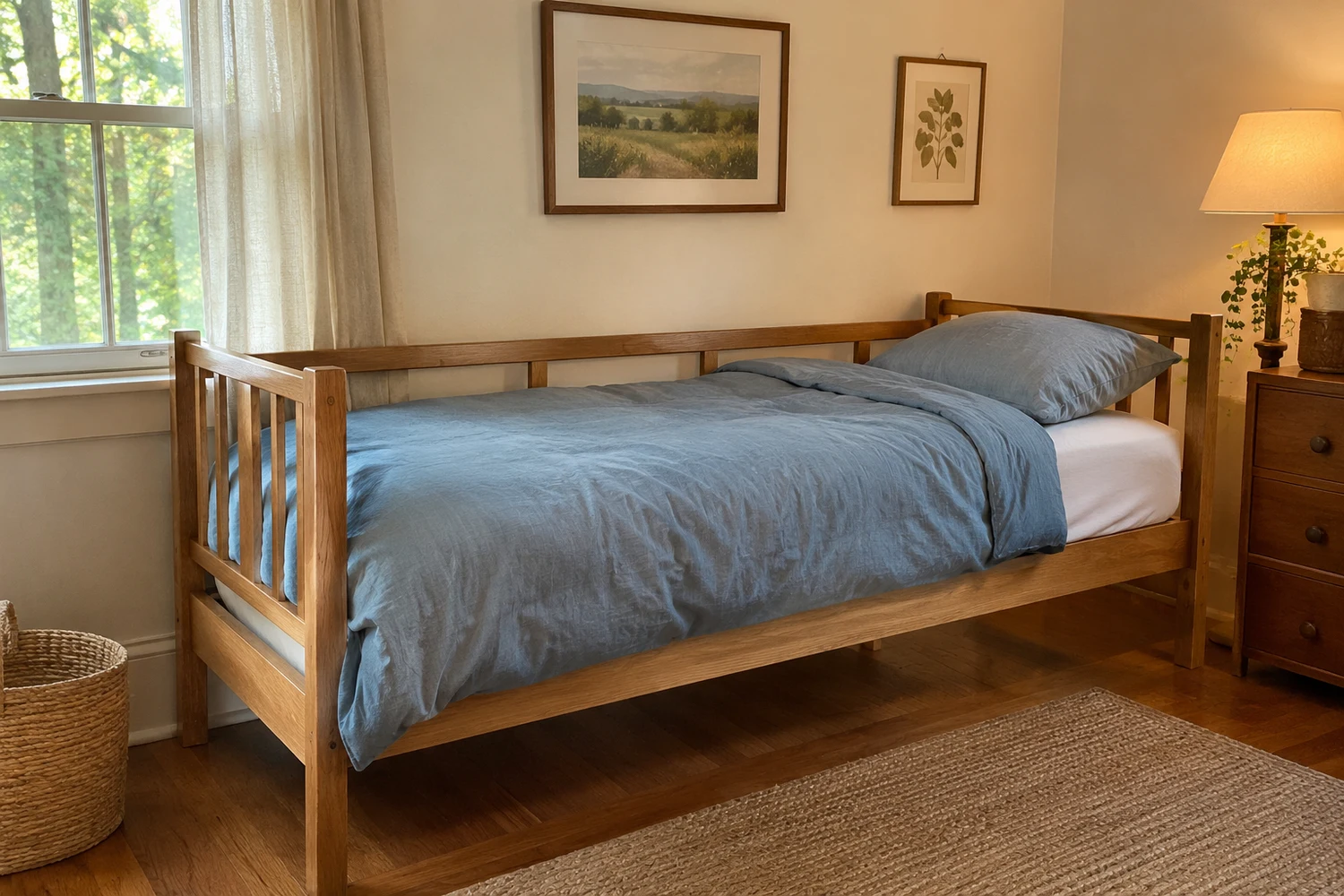
Yes, when the frame and mattress are intended for regular sleeping. A mattress-based daybed can function as an everyday bed.
A short upholstered bench or thin lounging cushion serves a different purpose. For nightly use, mattress support and comfort matter most.
Can a Daybed Go in Front of a Window?
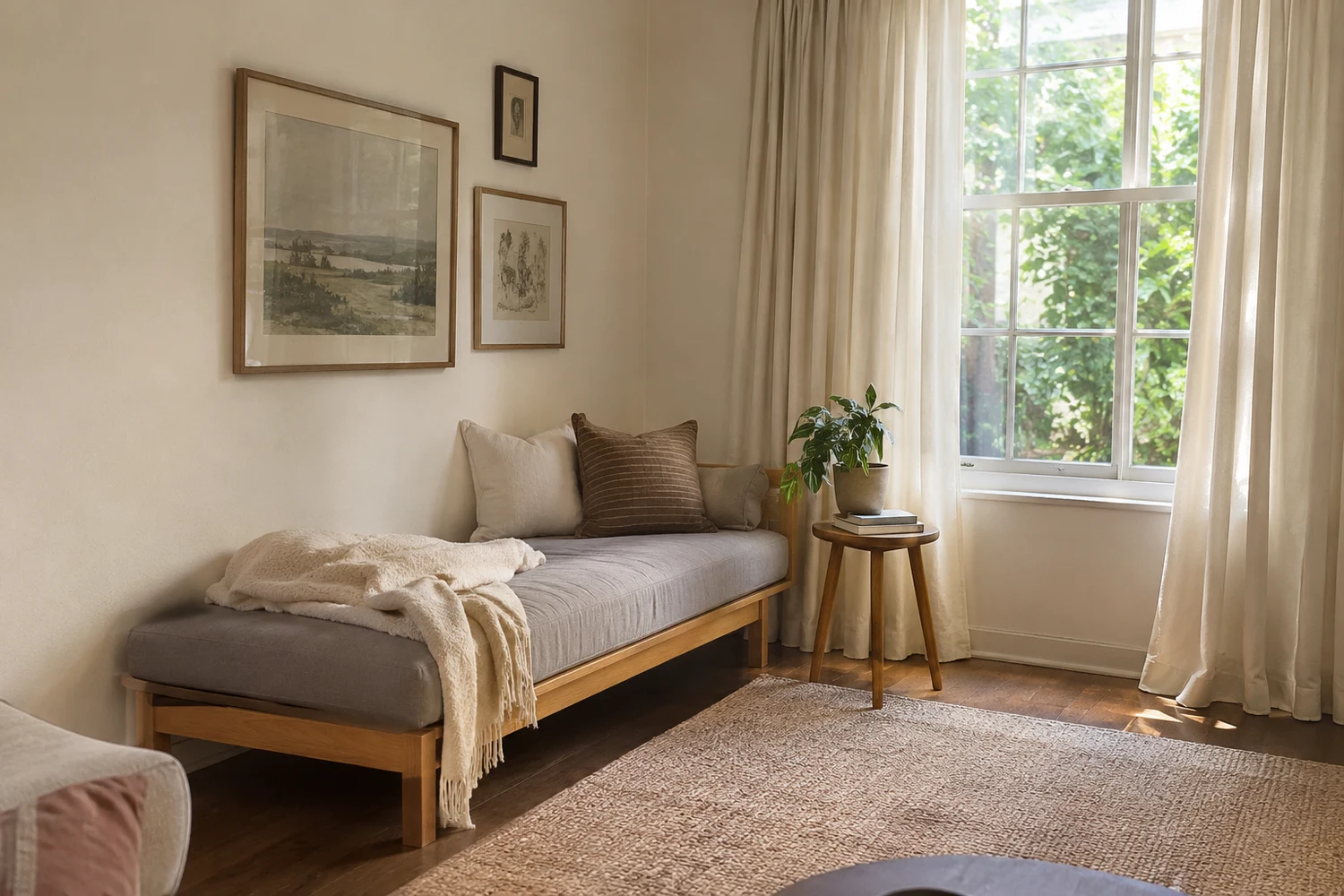
Yes, when the window remains usable and the surrounding area stays clear. A low back is often the easiest arrangement.
If the frame would cover much of the glass or interfere with the opening, a position beside the window can still provide a bright reading spot.
Daybeds and Covers for Small Spaces
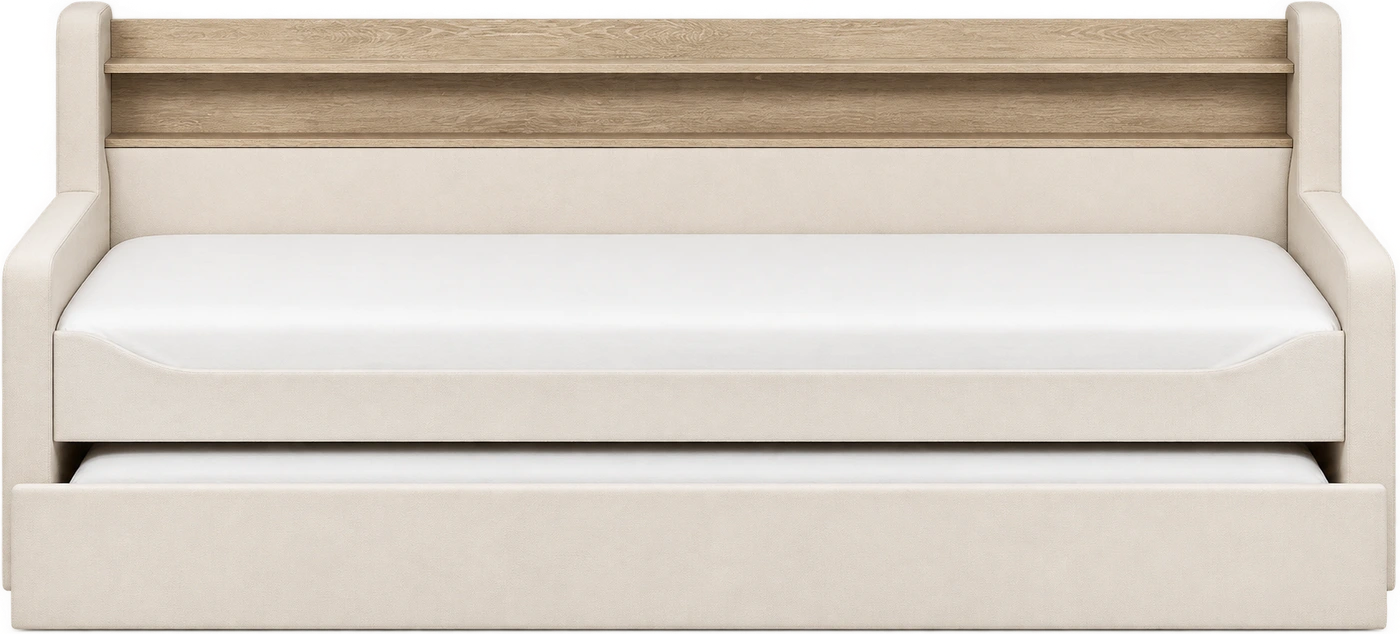 Jocisland Twin Upholstered Daybed with Trundle and Storage HeadboardA pull-out guest bed with back shelving for books and small essentials.
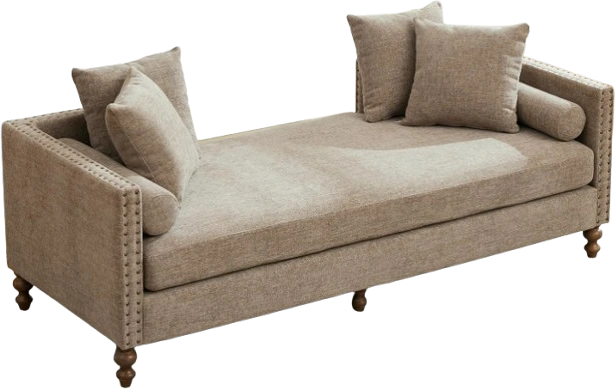 Aortzio Oversized Chenille DaybedAn upholstered lounging option for a reading area with room for a larger seat.
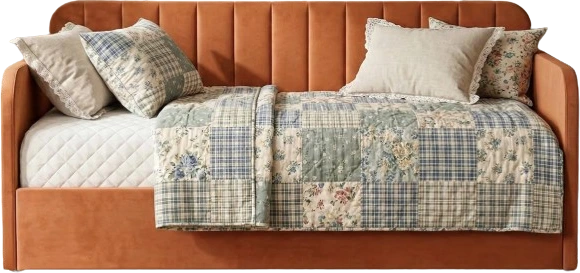 Zanmintaobo Upholstered Daybed with Lift-Up StorageStorage beneath the mattress for spare bedding and other items you want out of sight.
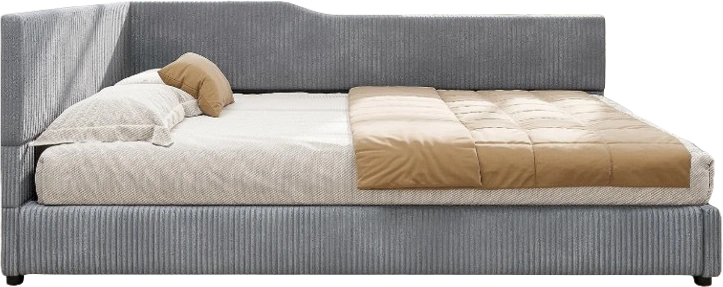 SOFTSEA Upholstered Daybed with L-Shaped BackrestA corduroy-upholstered design with backing along two sides for a corner arrangement.
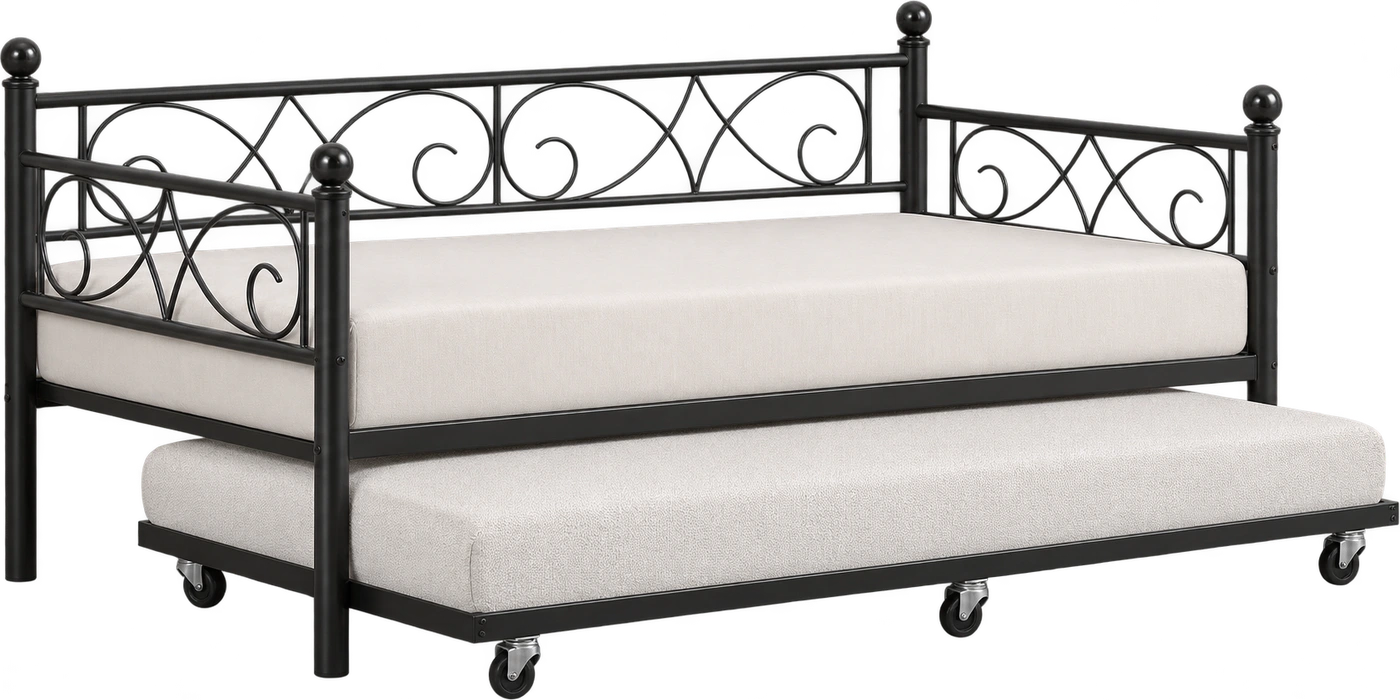 GarveeHome Twin Metal Daybed with TrundleAn open metal frame with decorative detailing and a pull-out sleeping platform.
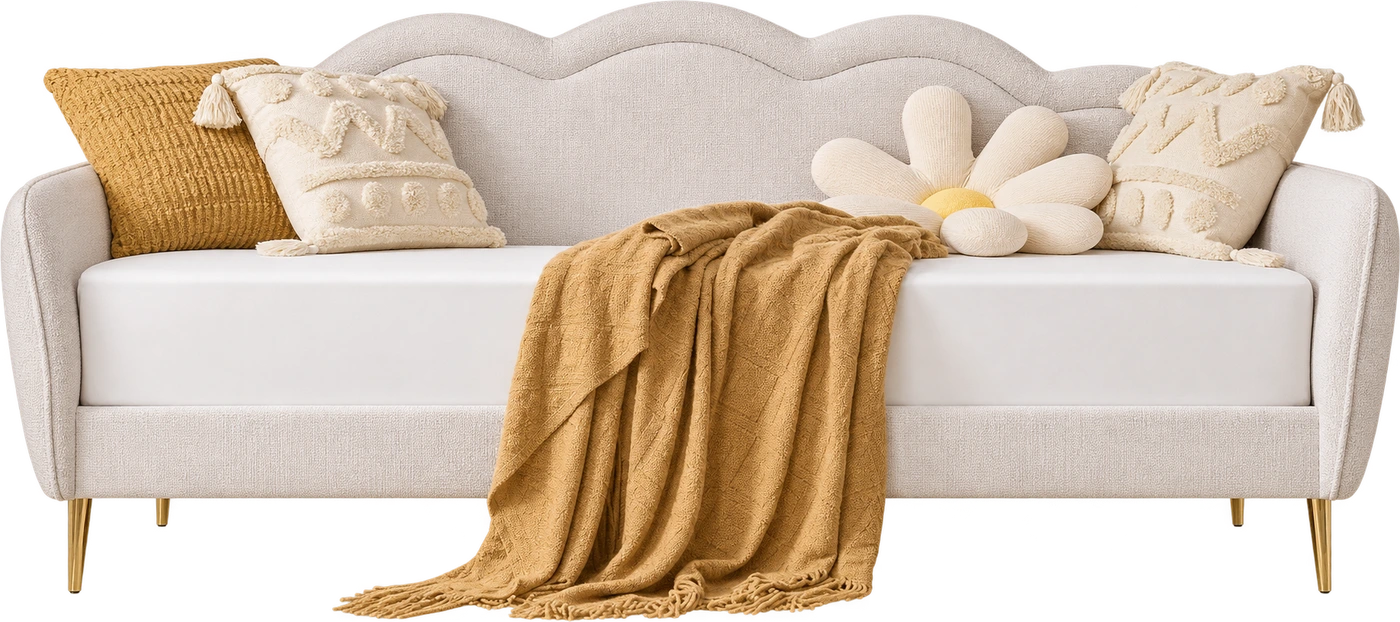 VELOCAVA Twin Upholstered Daybed with Cloud-Shaped BackrestA curved upholstered back that adds character to simple bedding.
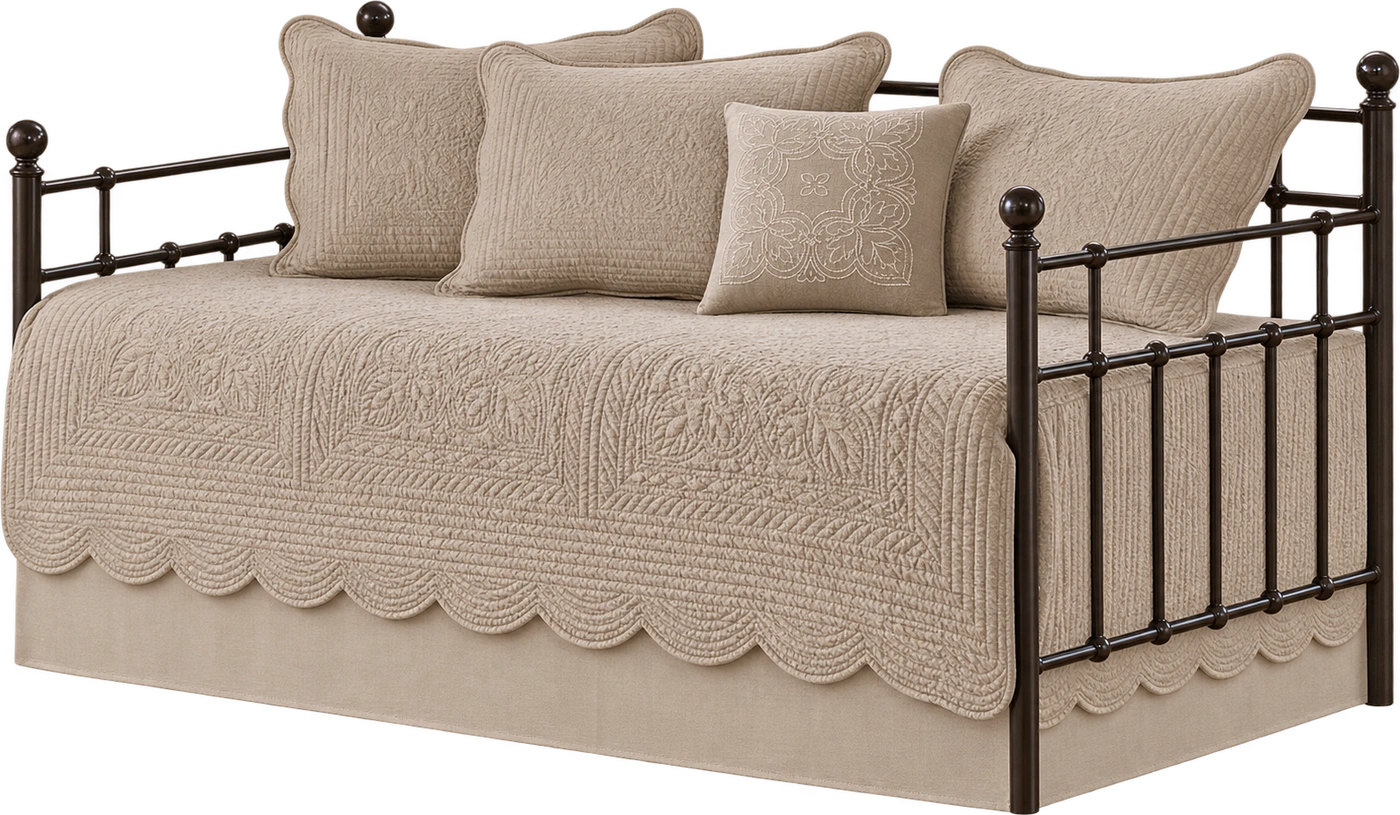 Madison Park Quilted Daybed Cover SetCoordinated bedding with matching shams, a bed skirt, and a decorative pillow.
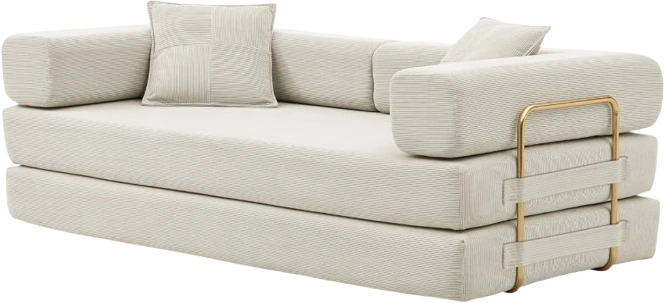 ivoros Folding Convertible Sofa BedA low corduroy sofa that unfolds into a larger sleeping surface.
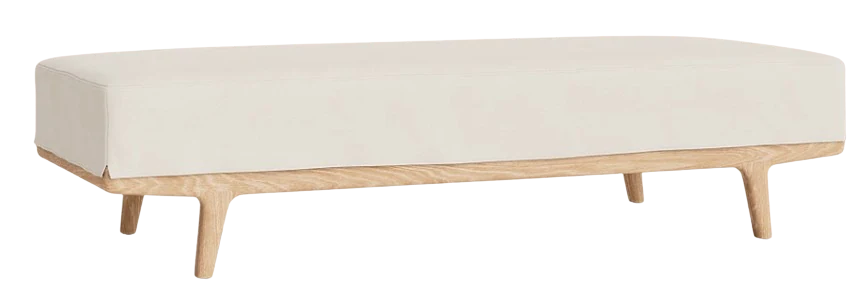 Loaf Tip Top DaybedA low oak design with a pull-out section for a wider sleeping arrangement.
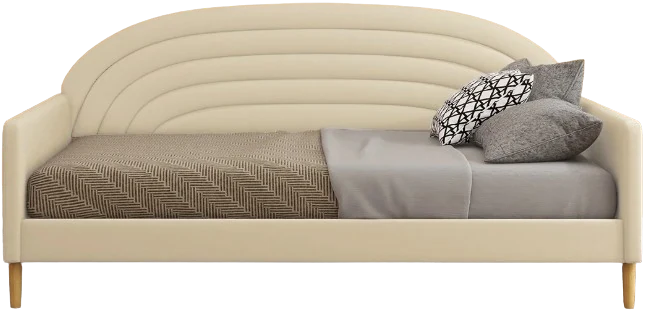 Latitude Run Orrin Upholstered DaybedAn upholstered frame with a padded back and arms for a sofa-style seating area.