12 Renter Friendly Ways to Decorate Walls Without Damage

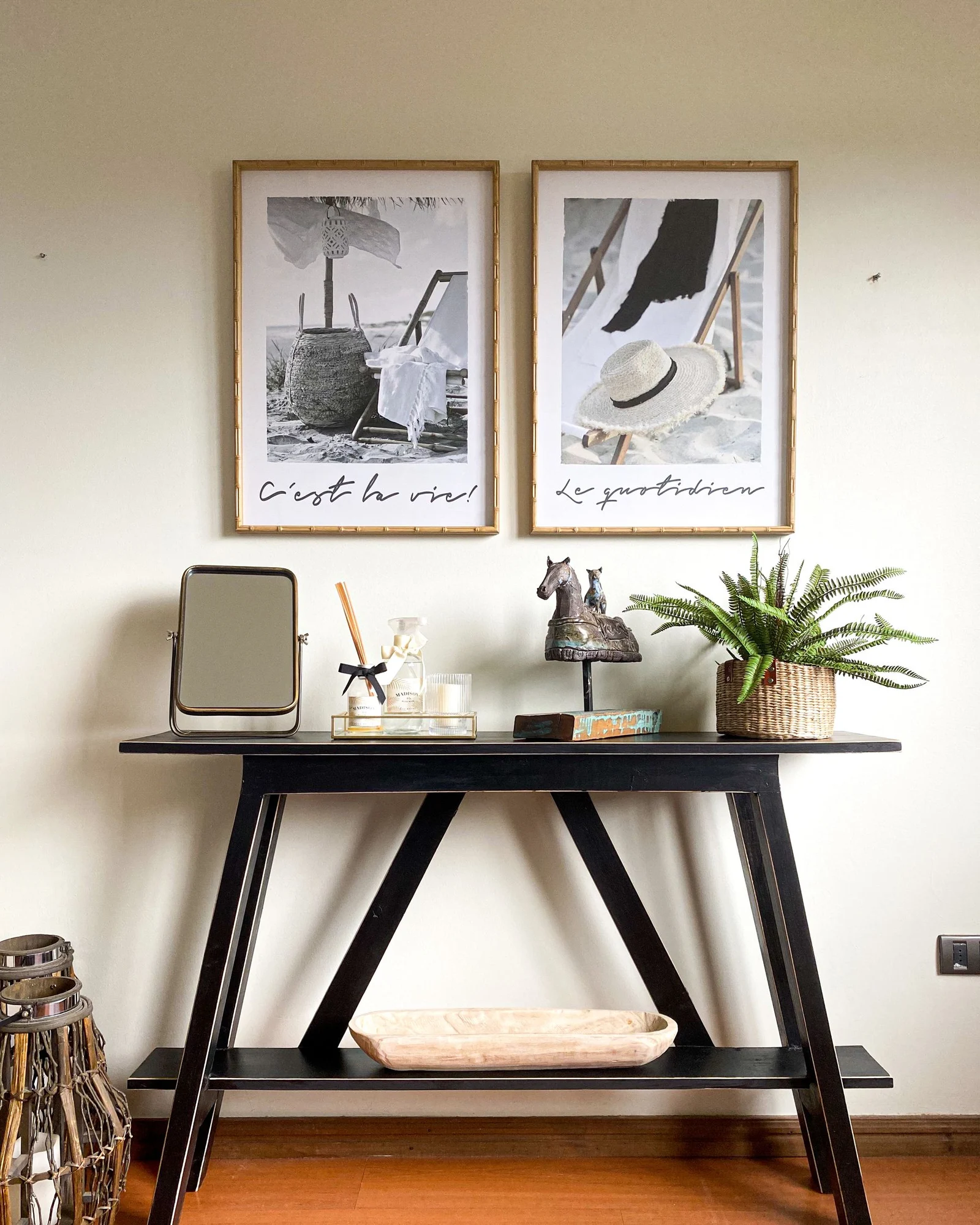
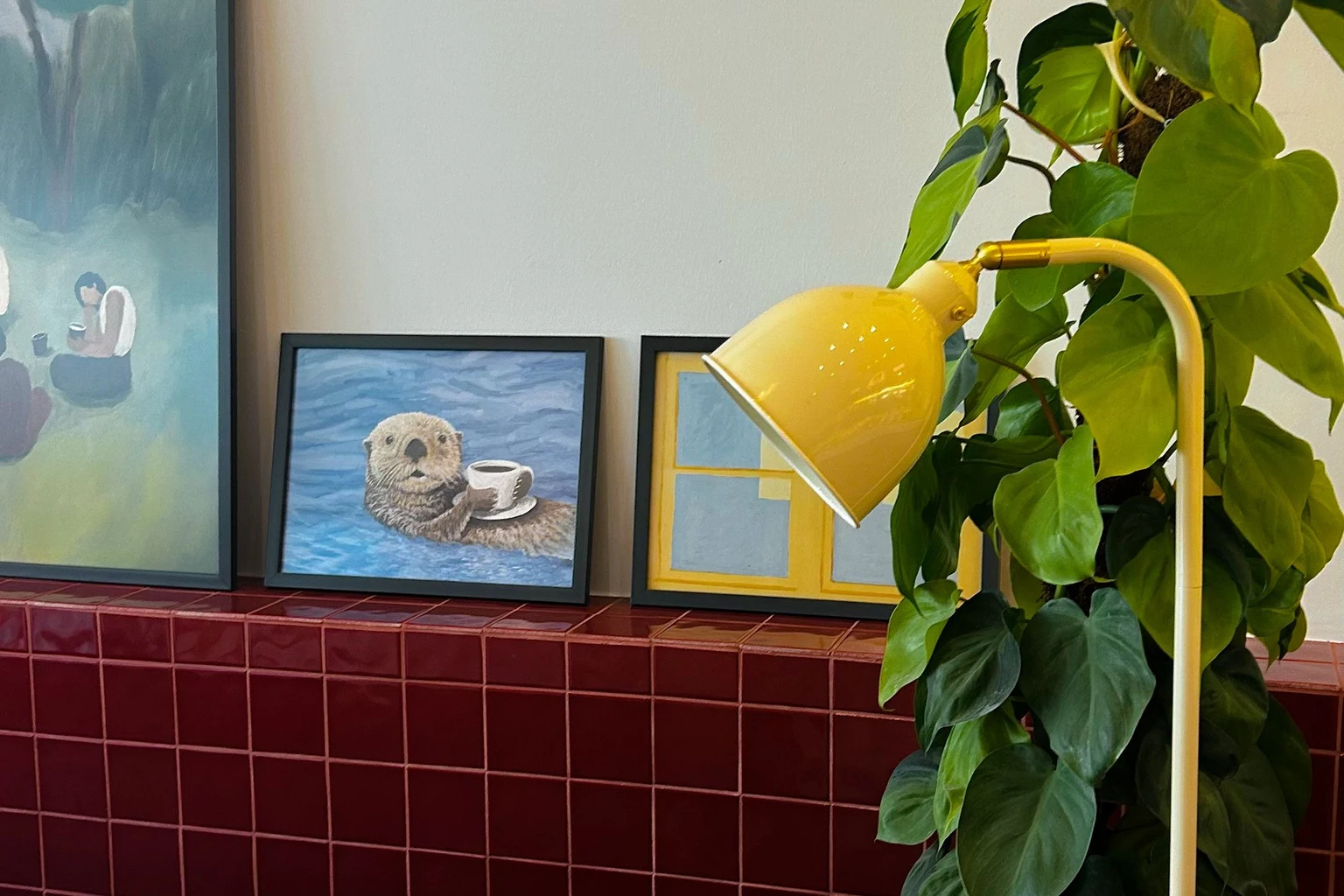
Your furniture is in place, but the blank wall above the dresser still makes the room feel unfinished. Decorating walls without damage can be as simple as displaying framed art on furniture or using suitable removable hanging products for lightweight pieces.
The best choice depends on what you’re displaying, the wall finish, and whether adhesive is allowed. A few photos, a fabric hanging, or a patterned corner can make the place feel more like yours without a weekend of drilling.
The quick answer
- No adhesive: Artwork on furniture, desktop boards, and existing picture rails.
- Lightweight frames: Removable picture-hanging strips on compatible surfaces.
- Photos and posters: Removable poster strips.
- Color and pattern: Wall decals or removable wallpaper on compatible paint.
- Fabric: Existing curtain hardware or a tension rod inside an alcove.
The Right Hanging Method for Your Decoration
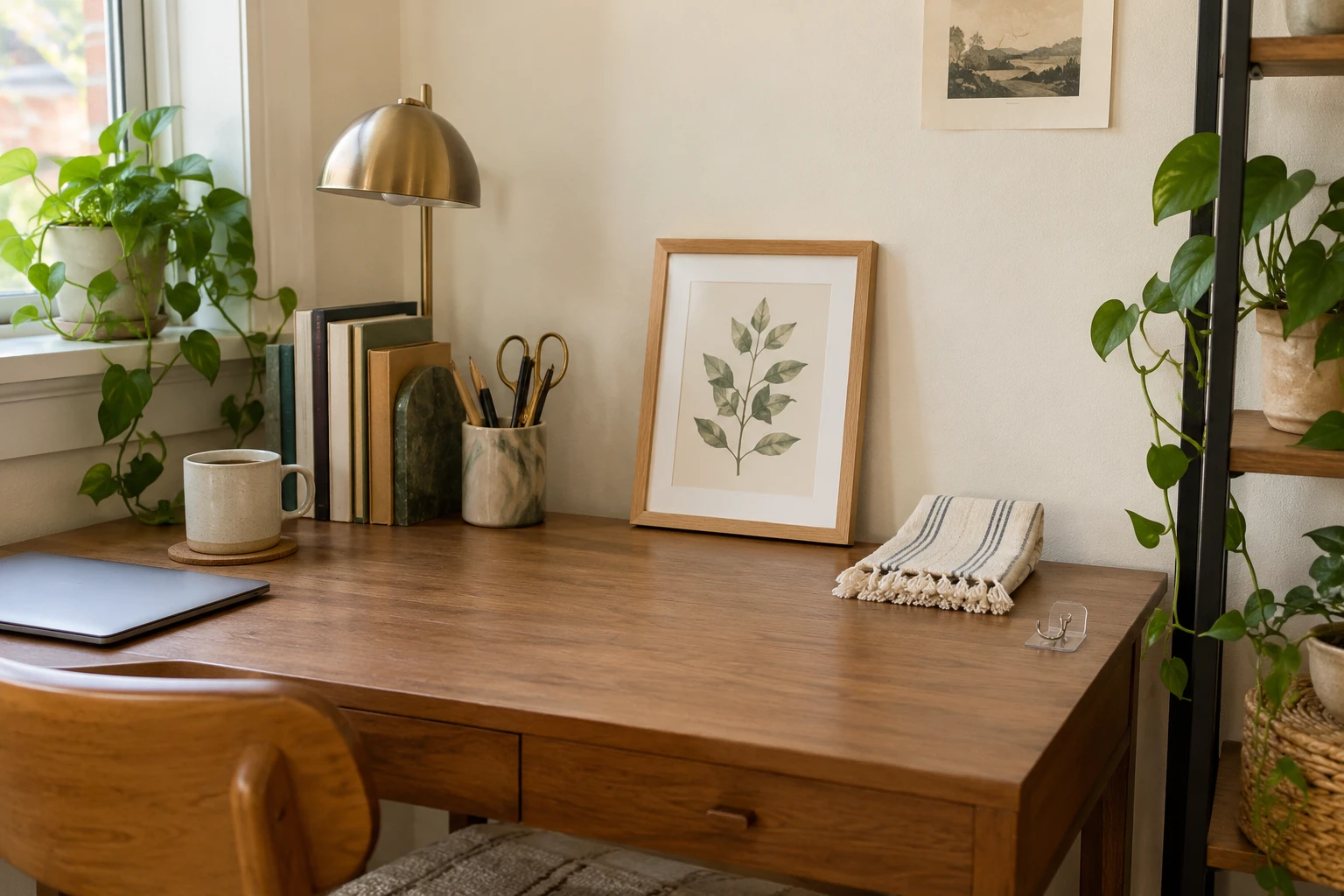
Paint note: Removable adhesives can still lift weak, damaged, or uncured paint. Furniture-supported displays avoid both mounting holes and adhesive on the wall.
The best method matches the decoration and the wall surface. A strip made for a paper poster has a different job from one designed for a framed picture.
| What you want to display | A useful hanging method | What matters most |
|---|---|---|
| Lightweight framed prints | Removable picture-hanging strips | Frame weight, size, and a compatible wall |
| Photos and paper posters | Removable poster strips | A product intended for lightweight paper |
| A light fabric hanging | Suitable removable hook or existing hardware | The combined weight of the fabric and hanger |
| Curtains inside a recessed opening | Tension rod | Firm opposing surfaces and a suitable rod length |
| Small decorative shapes | Removable wall decals | Compatible paint and gentle removal |
| A larger area of pattern | Removable wallpaper | Smooth, sound, fully cured paint |
| Art where adhesive is prohibited | Furniture-supported display | A stable surface and secure placement |
A product’s weight limit applies to its intended setup. Adding extra strips or hooks does not automatically increase that limit. Command’s product guidance explains how its hanging products differ.
1. Framed Art on a Dresser or Console
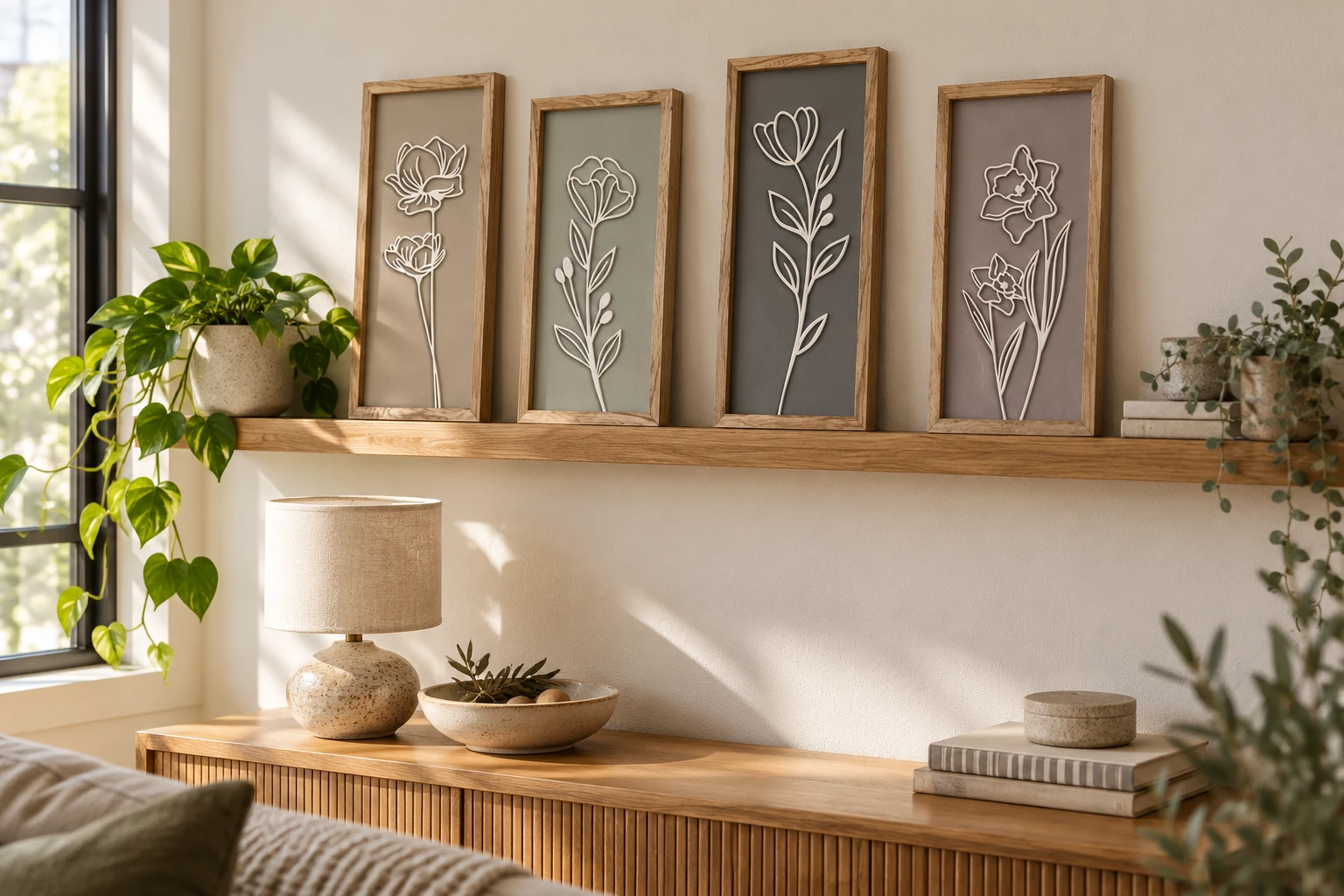
A dresser, console, or existing shelf can support the artwork without a new wall attachment.
Maybe you already have a print waiting in a cupboard because hanging it feels like a commitment. A smaller frame with a built-in stand can go straight onto the dresser. A larger piece can rest securely behind it.
The Tide and Tales 3D Floral Wall Art Set offers another look, with four wooden panels featuring raised floral designs. Each panel measures 7 × 16 inches, making them useful for a narrow existing picture ledge or a supported display on a console.
The set includes hanging hardware, but that does not make the hardware a no-hole mounting method. For this idea, the furniture or existing ledge supports the panels.
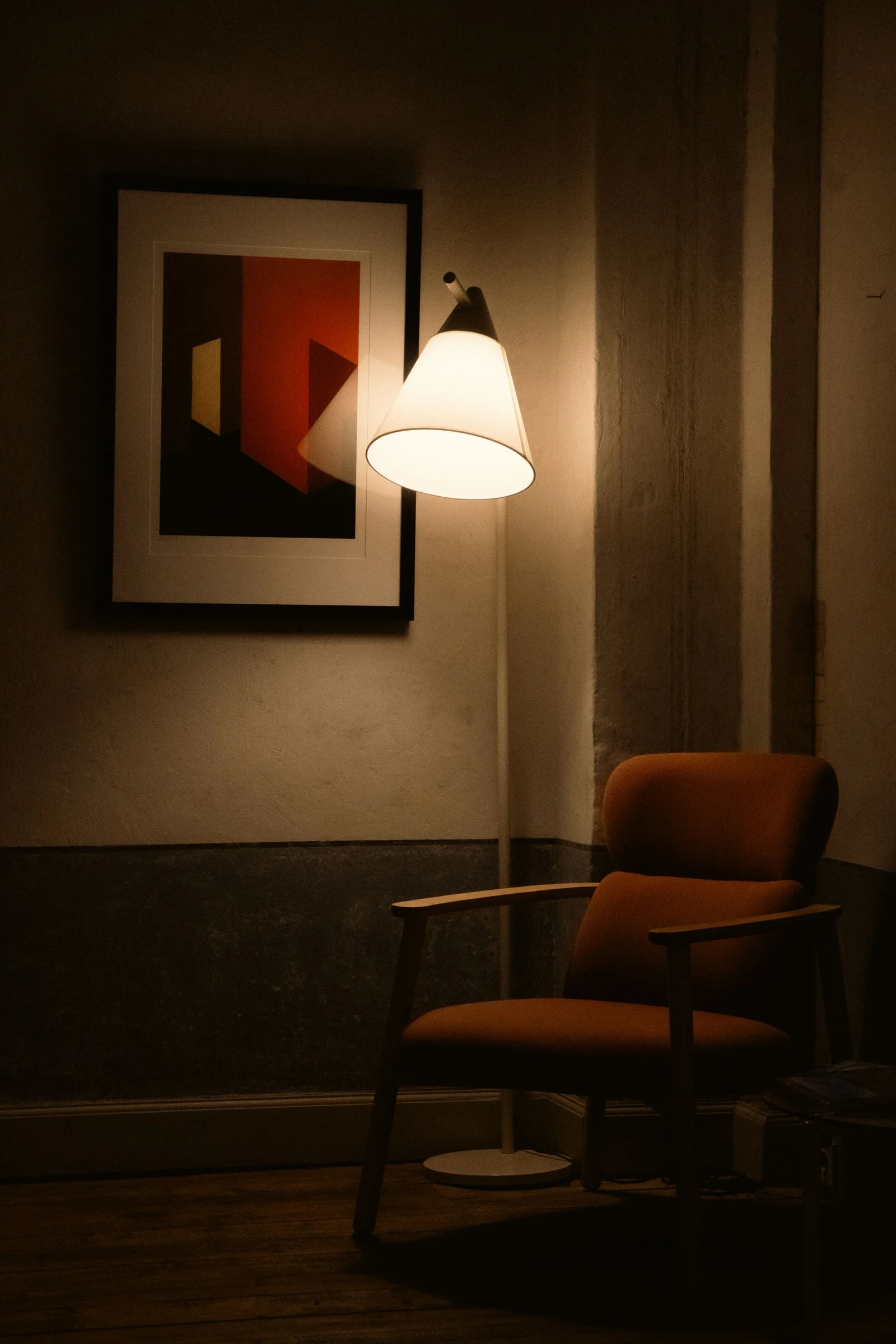
Two or three pieces are plenty. A medium print, a small family photo, and a lamp give the wall some interest while leaving room for everyday things.
Soft frame bumpers can help prevent rubbing where artwork touches the wall. They do not hold it upright, so the display still needs a stable position away from the edge.
For more ideas using furniture you already own, see our guide to decorating a small apartment on a budget.
2. A Small Gallery Wall With Lightweight Frames
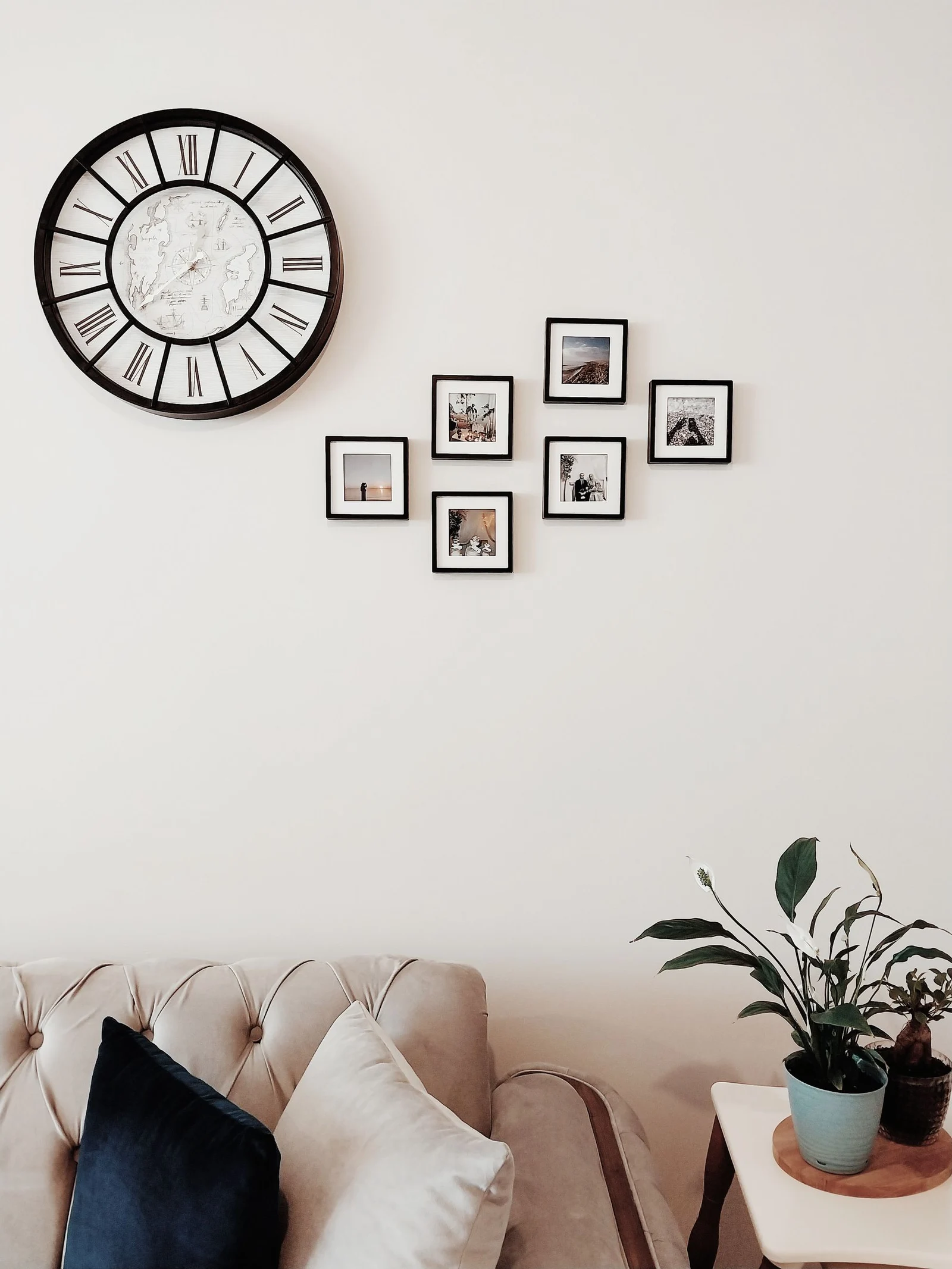
Suitable removable picture-hanging strips can hold lightweight frames on compatible smooth walls.
Three frames beside a desk or five above a low console make a manageable gallery. Lightweight frames with acrylic glazing also weigh less than chunky frames with glass.
The Command Large Picture Hanging Strips are an option for suitable frames. Their interlocking pairs connect the frame to the wall without a protruding picture hook.
A Layout on the Floor First
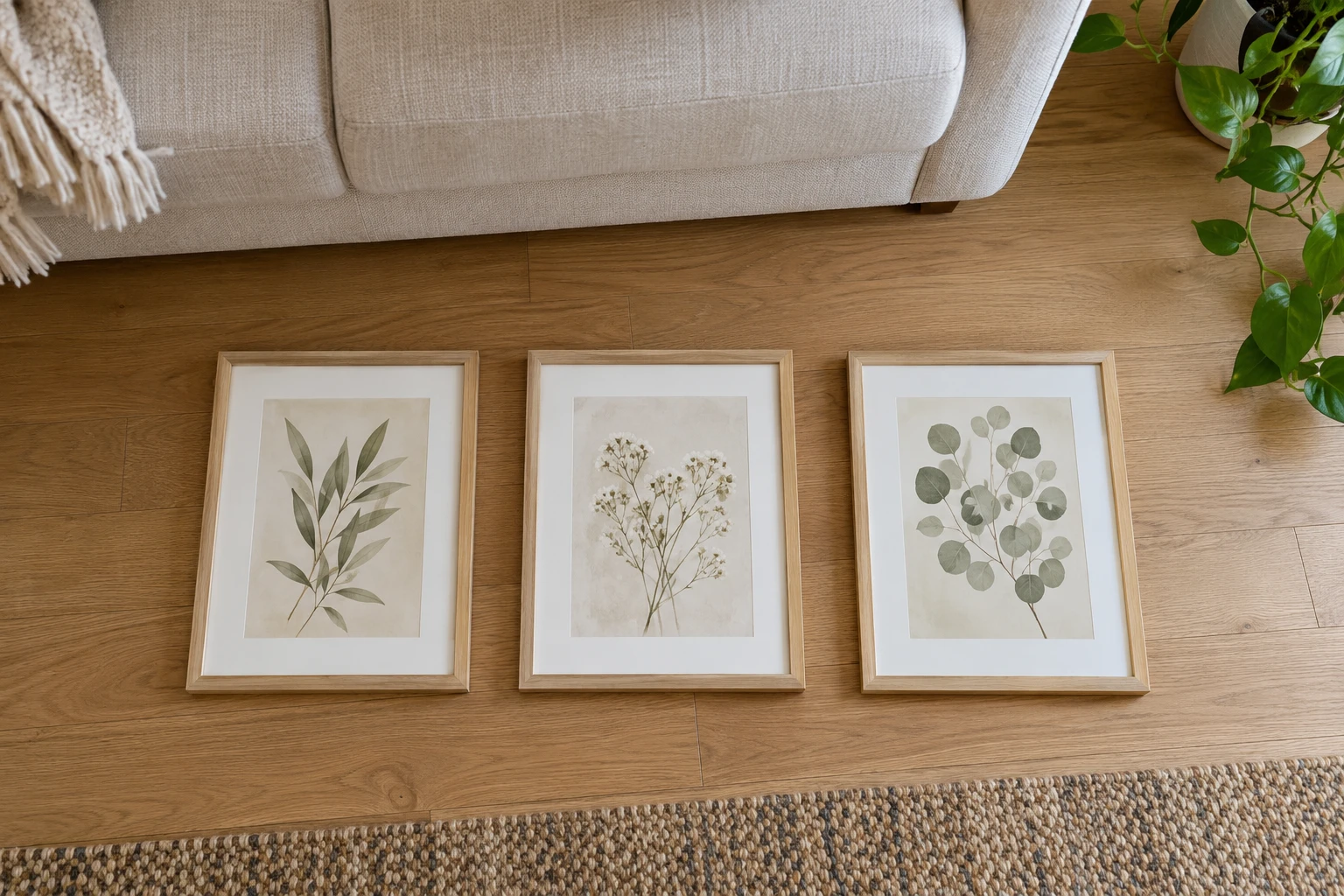
The floor lets you try the arrangement before attaching anything.
A row of three matching frames is easy to organize. For a looser arrangement, one larger print can sit beside two smaller ones.
Similar gaps help the group look tidy. There is no need for a complicated pattern or a wall full of frames.
Picture Strips and Hooks Have Different Jobs
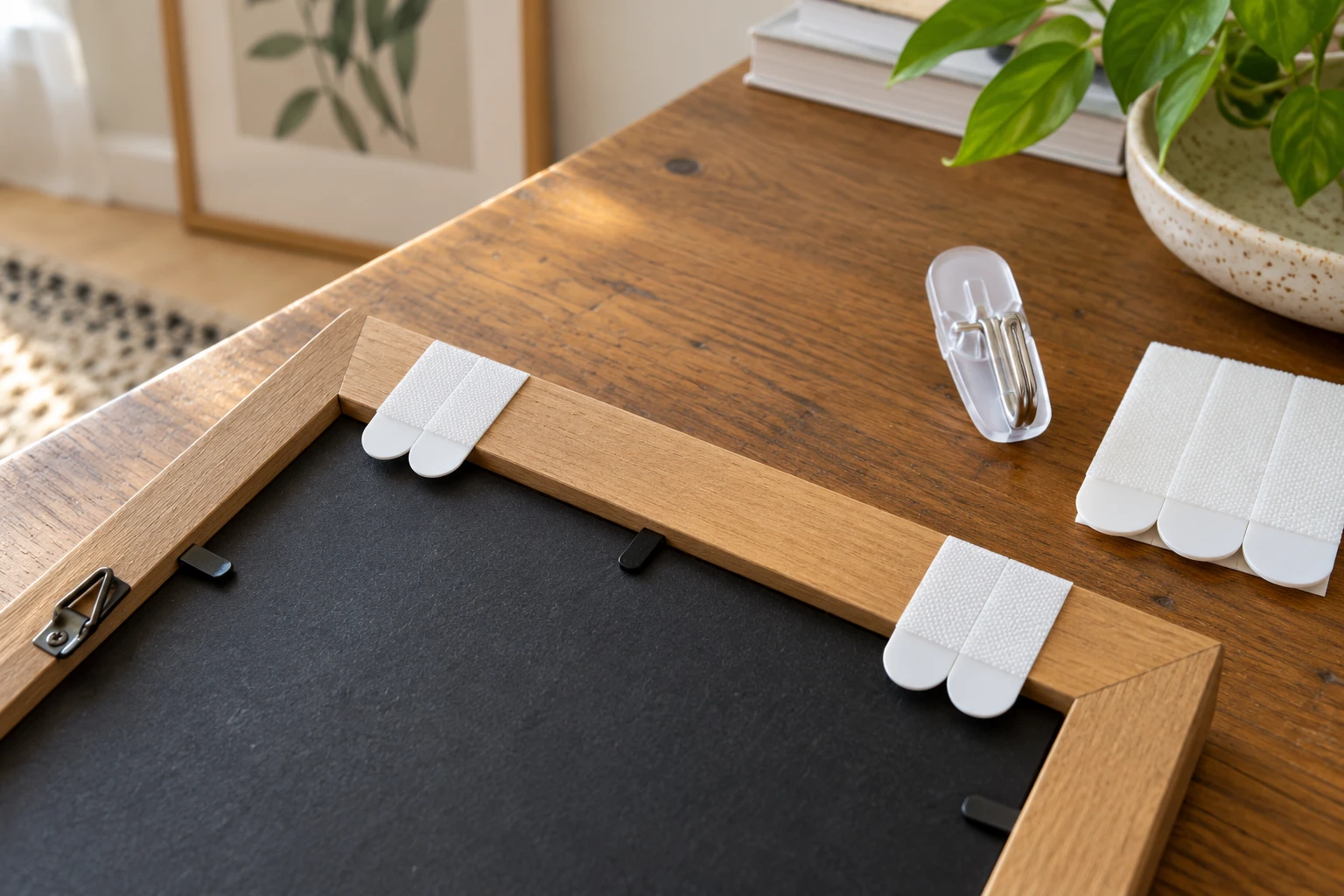
Picture-hanging strips attach to suitable flat areas on the frame. Picture hooks and hangers support the frame through its hanging hardware.
For standard Command Picture Hanging Strips, the wall is cleaned with rubbing alcohol. The strips are pressed into place and given time to bond before the frame goes back up. The standard application guide includes a one-hour wait.
These strips are not intended for wallpaper or placement over beds. Command’s application instructions.
A small gallery beside the bed gives you the same personal touch without hanging adhesive-supported frames directly above your pillow.
3. Photos and Posters With Simple Borders
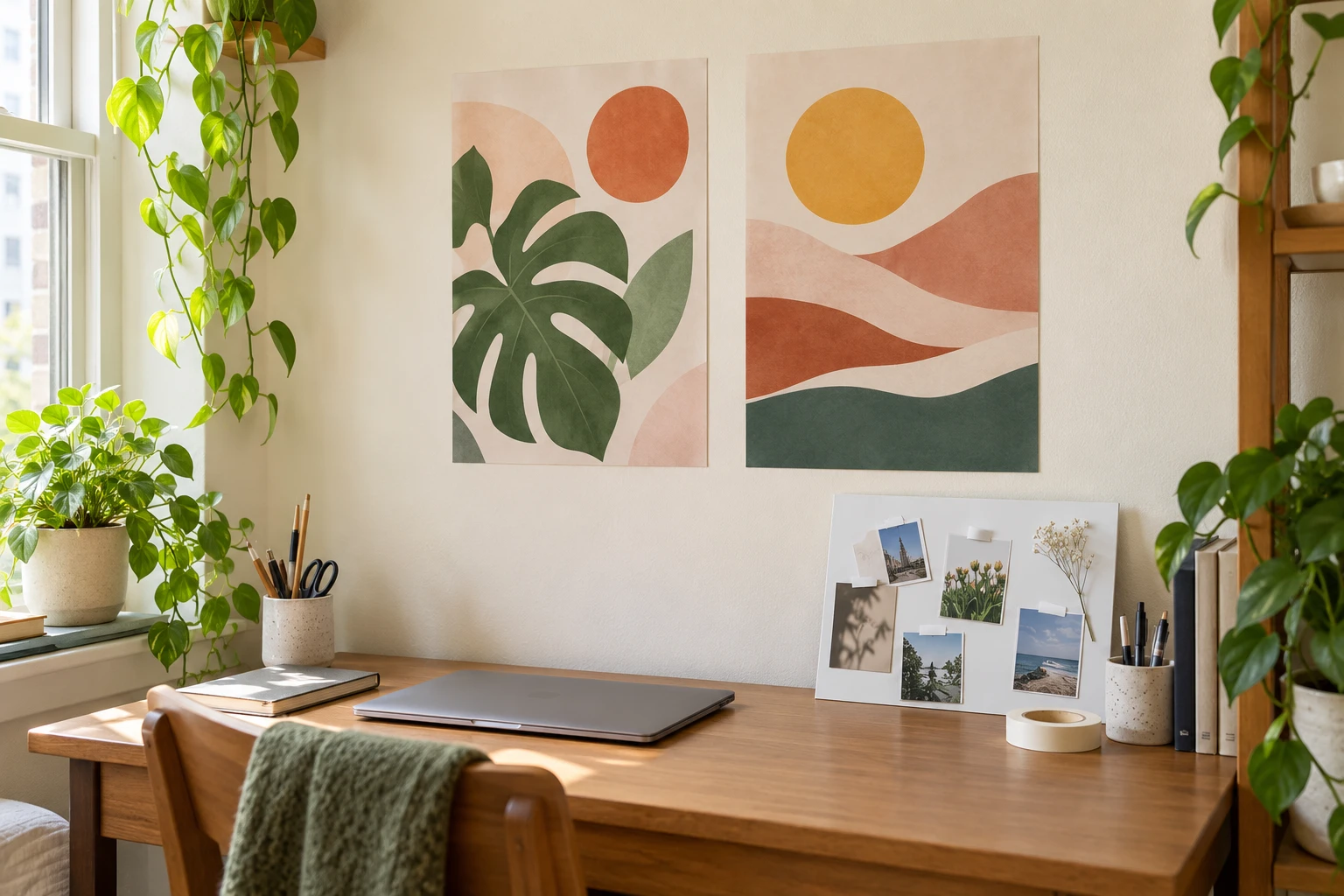
Removable poster strips can support lightweight paper without a frame.
The Command Poster Strips suit paper posters and signs on compatible smooth surfaces. They make sense for a favorite film poster, a small art print, or a few inexpensive travel photos.
A straight row of postcards beside a desk looks tidy. Two larger prints above a dresser can work just as well.
For a separate display board, the JusArt Artist Tape gives you a simple white border. It is ½ inch wide and comes on a 200-foot roll.
This is low-tack artist tape intended for paper and craft work. In this setup, it belongs on the display board or paper project, rather than being treated as a painted-wall hanging product.
That keeps the roles clear: poster strips hold suitable paper on the wall, while the artist tape helps decorate a separate board.
4. A Photo Board You Can Rearrange
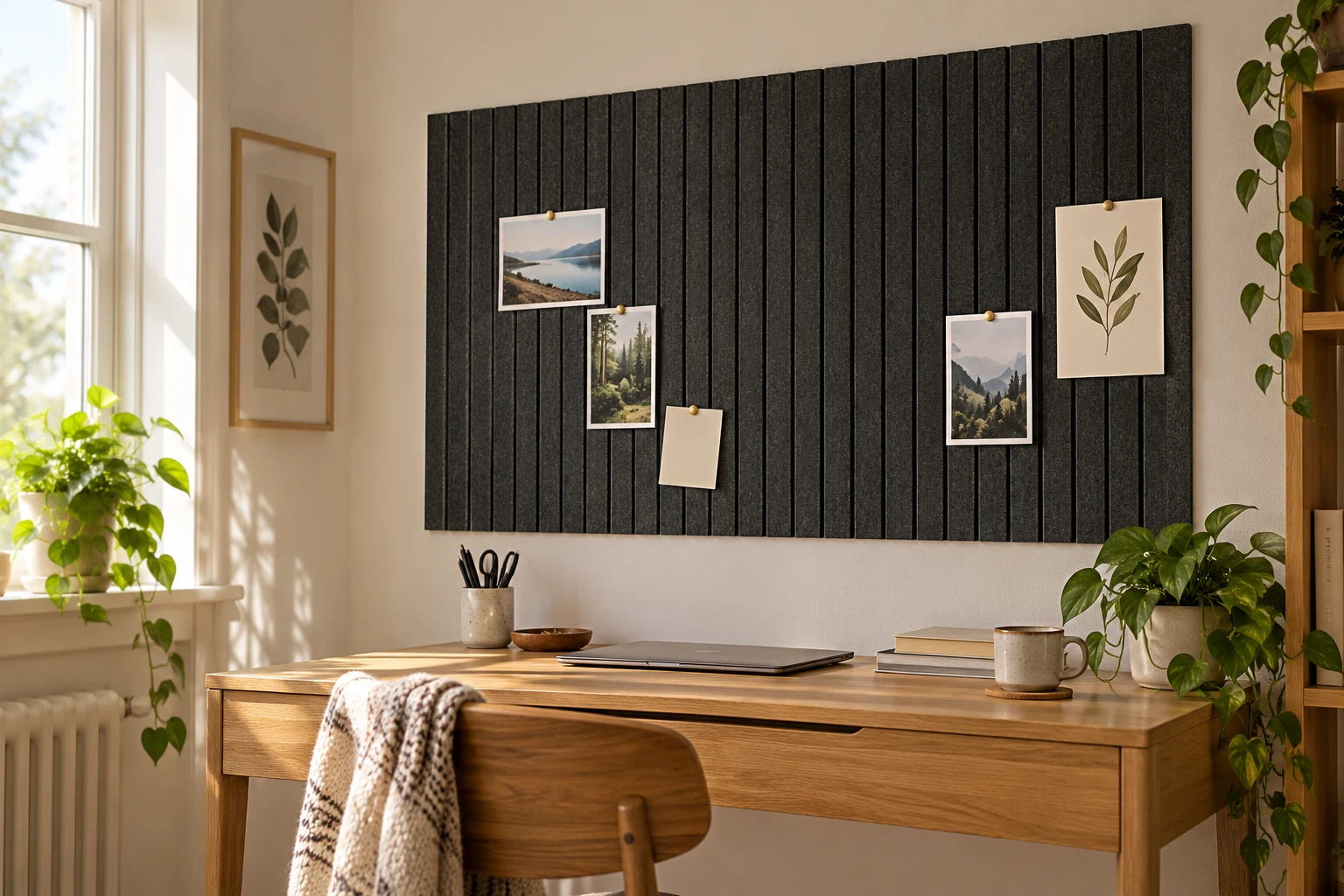
A freestanding desktop board keeps pins and changing decorations off the wall.
This works well when your collection keeps growing. One week it holds birthday cards; the next, a few holiday photos and a reminder you actually need to see.
A small board with its own base is easier to position securely than a large board propped loosely behind a laptop.
For a larger pinboard, the Fluxynara Felt Bulletin Board Tiles provide 12 charcoal-gray felt tiles that can form different arrangements.
These are adhesive-mounted tiles, rather than a ready-made desktop board. Their supplied adhesive tabs attach the tiles to a suitable surface, so the wall finish still matters.
Another approach is to attach the tiles to a separate rigid backing board and support that board securely on its own stand. The backing board and stand are additional pieces.
Whichever setup you choose, leave enough desk space for the things you use every day. A display is less enjoyable when it keeps knocking over your coffee.
5. A Lightweight Fabric Hanging
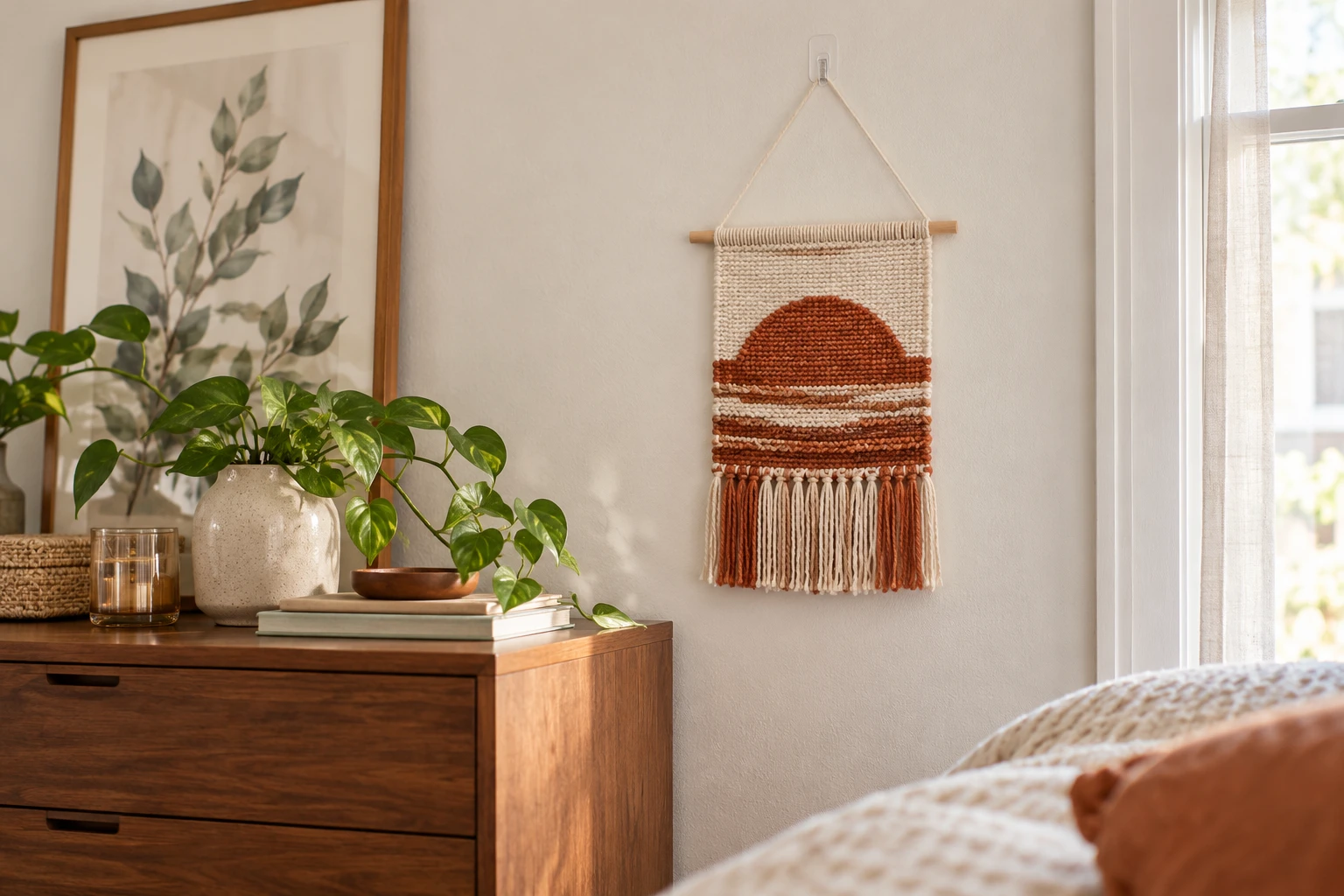
A lightweight textile gives you a larger area of color without a bulky frame.
It could be a small woven hanging, a printed cotton panel, or a fabric piece in colors you already have on the bed. A slim dowel or wooden hanger keeps the top edge straight.
A suitable removable hook can support a lightweight hanging where the wall finish allows it. The total weight includes the fabric, dowel, cord, and any other parts.
The Command Medium Clear Wire Hooks have a clear base and a small wire hook for lightweight decorations. One hook is rated for up to 2 pounds.
A spot beside a dresser or above a small cabinet works well. Adhesive-supported hangings should stay away from directly above the bed.
If the room already feels crowded, our bedroom furniture layout guide can help you find a suitable spot.
6. Curtains Across an Alcove
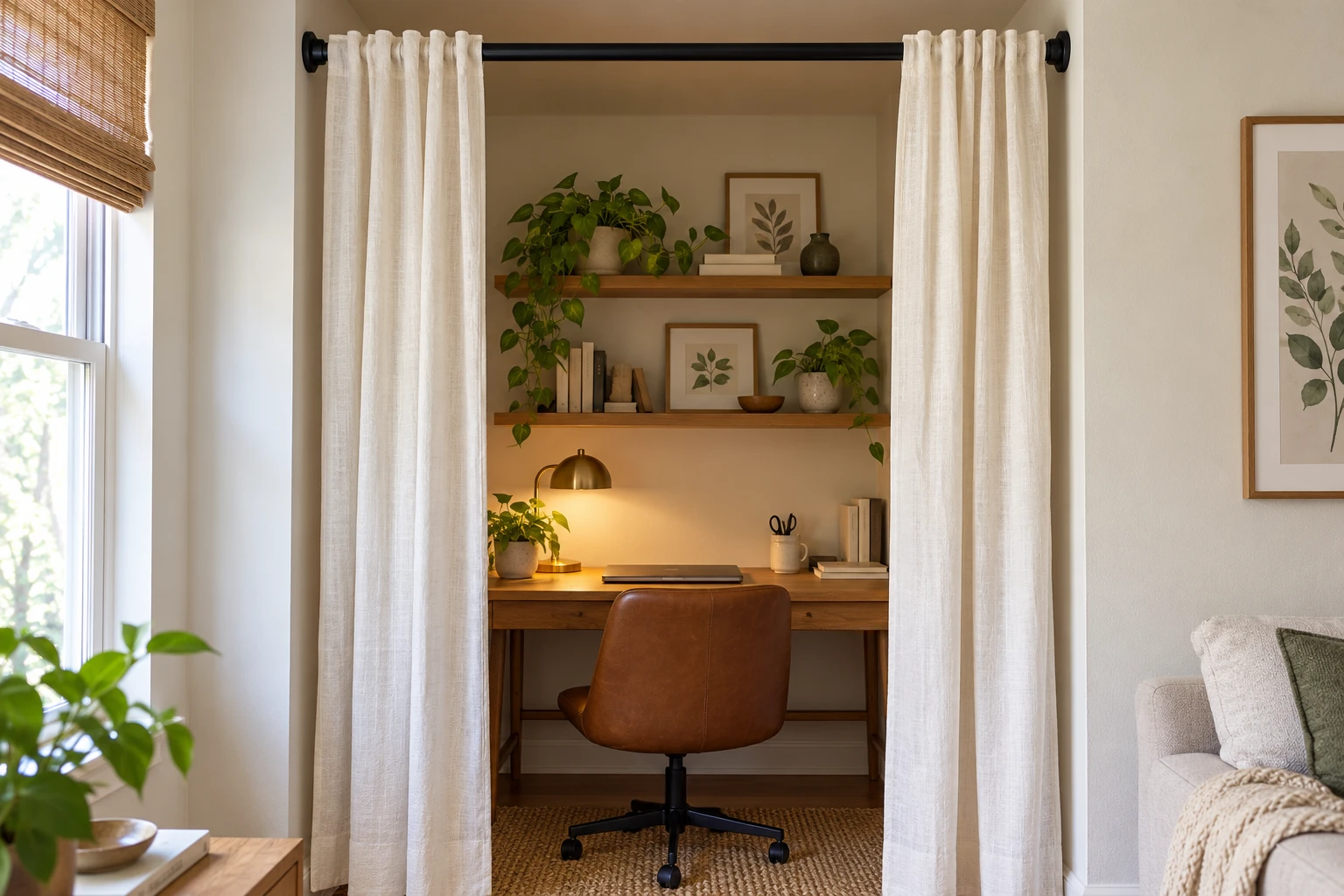
A tension rod can hold suitable lightweight curtains between two firm opposing surfaces.
That makes a recessed window or narrow alcove useful. A curtain across a storage nook can also hide the everyday things you would rather not look at.
The MEXAU Tension Curtain Rod is a black spring-loaded rod for 28–48-inch openings. It has rubber end caps and fits without drilled brackets.
A light curtain panel makes a practical pairing. Heavy curtains need more support and are not a good match for a small spring rod.
A flat wall gives a tension rod nothing to press between. Existing curtain hardware is the easier option there.
Too much pressure can mark a surface, so a tension rod should fit comfortably within its intended size range.
Our guide to dividing a room without building a wall has more examples of curtains around living and sleeping areas.
7. Wall Decals for a Small Patch of Pattern
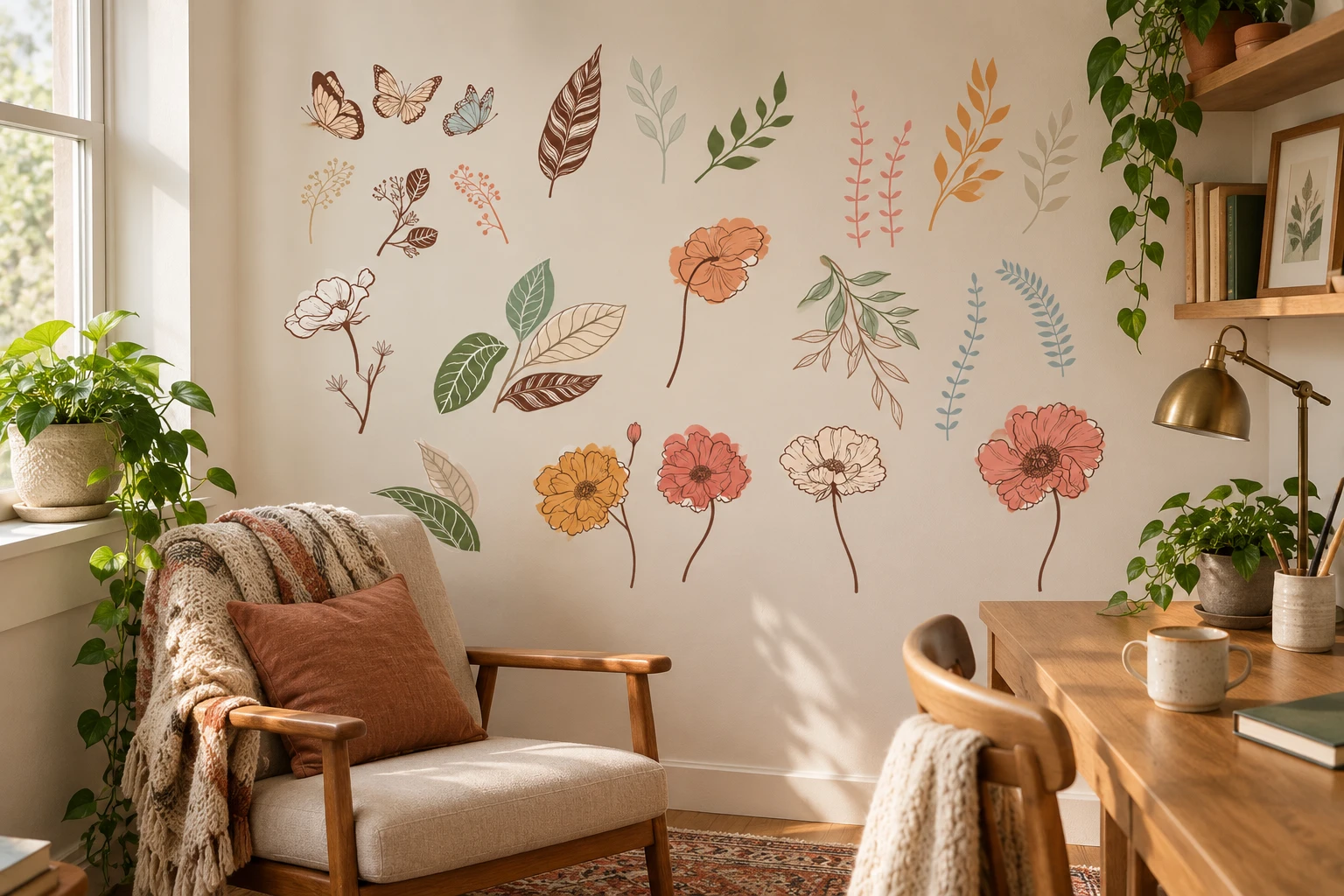
Removable wall decals add small areas of pattern without covering the entire wall.
The wondever Boho Flower Wall Decals include wildflower and grass designs. They suit a botanical arrangement beside a desk, above a low cabinet, or around a reading corner.
You can group the flowers closely or leave more space between them. Keeping the arrangement within one area usually looks calmer than spreading individual pieces across every wall.
These decals are intended for smooth, flat, clean, dry surfaces. Their removable backing does not make flaking or fragile paint a suitable base.
Where wall adhesive is prohibited, the flowers can decorate a separate smooth display panel instead.
8. Removable Wallpaper for One Accent Area
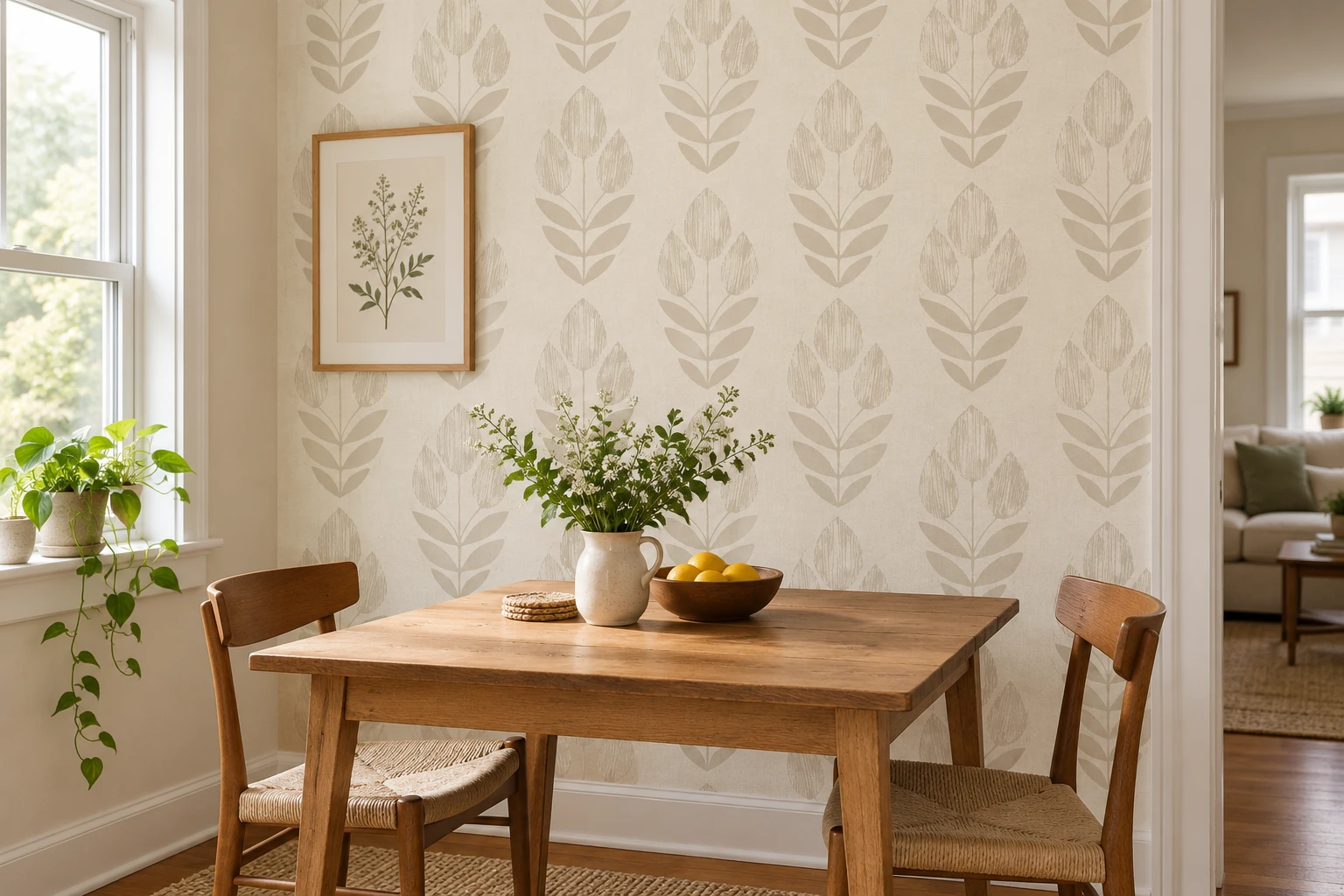
Removable wallpaper adds a larger area of pattern on a compatible surface.
The back wall of a desk alcove is a good example. So is a short wall beside a dining table. Both give the pattern a clear area without spreading it throughout the room.
The NuWallpaper Cream Folk Tulip Wallpaper has a repeating tulip design for a more patterned look. The roll measures 20.5 inches wide by 18 feet long.
It is peel-and-stick wallcovering, so it does not need separate wallpaper paste.
A Smooth, Fully Cured Wall
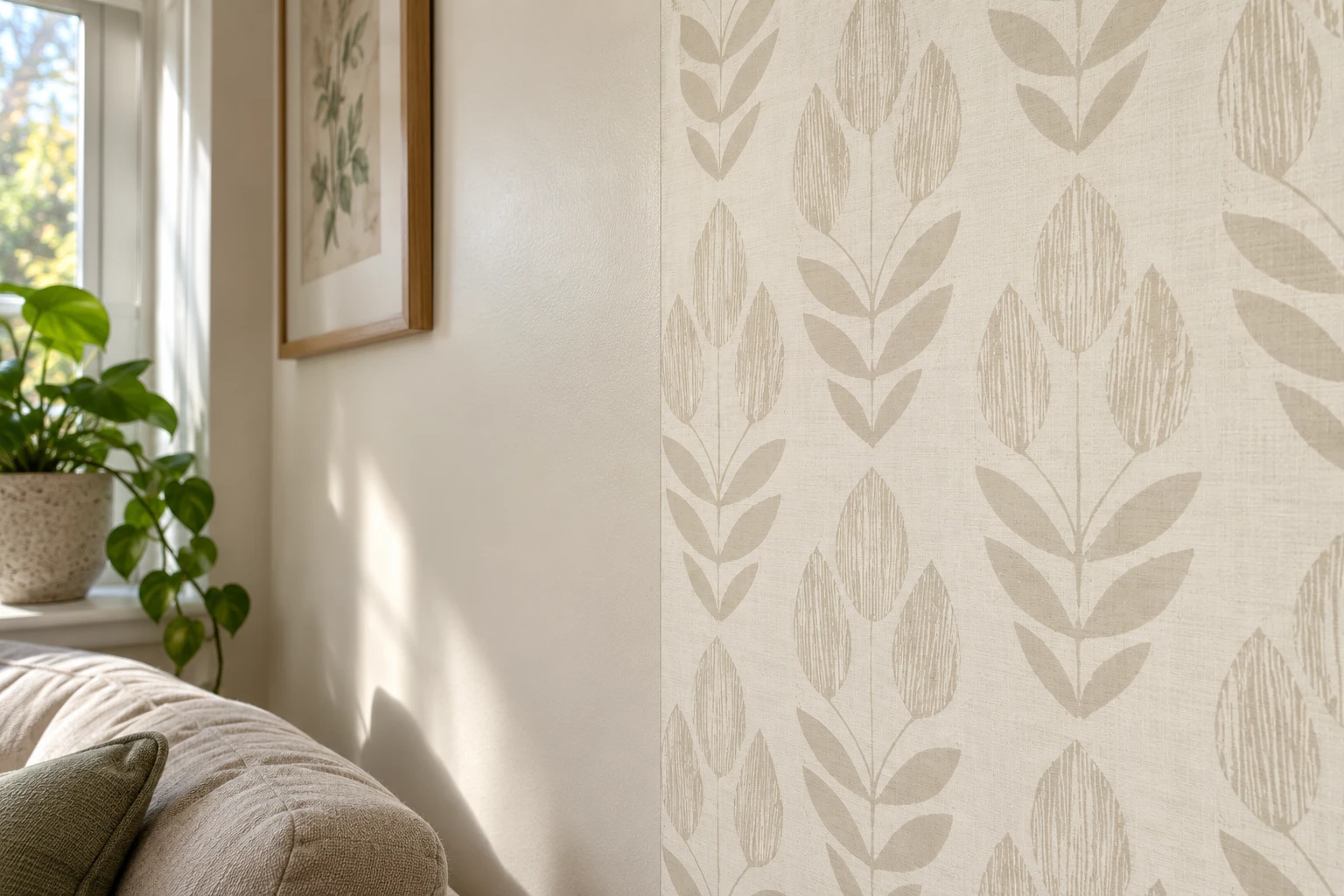
The wallpaper needs smooth, clean, dry, firm paint.
NuWallpaper is not recommended for textured walls, brick, cinder block, unpainted drywall, or non-stick paint. Fresh paint also needs time to cure.
Its hanging instructions specify at least four weeks after painting, with longer waits where the paint requires them. The wallpaper also needs at least 48 hours in the room before installation. NuWallpaper’s hanging instructions.
Wallpaper note: A removable backing does not repair loose paint beneath it. A separate display panel keeps the wallpaper off an unsuitable wall.
A Small Area Is Easier to Manage
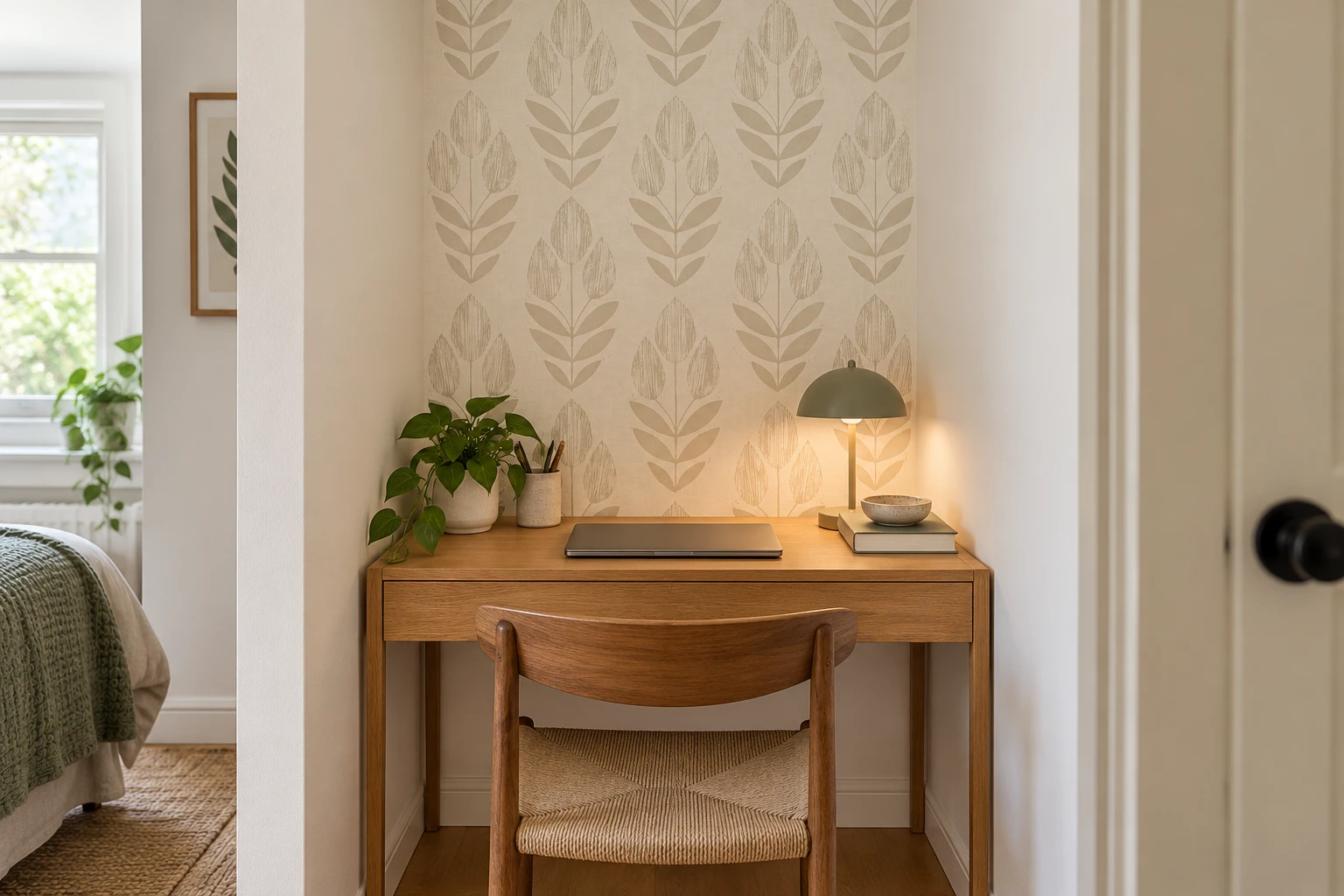
A small accent area means less wallpaper to line up, trim, and remove later.
A simple pattern is easier to match than a large design that must continue precisely across every seam.
There is also less waste when the wall has fewer sockets, awkward corners, or sloping edges. A small area can still make a noticeable difference.
9. Wallpaper on a Panel You Can Take With You
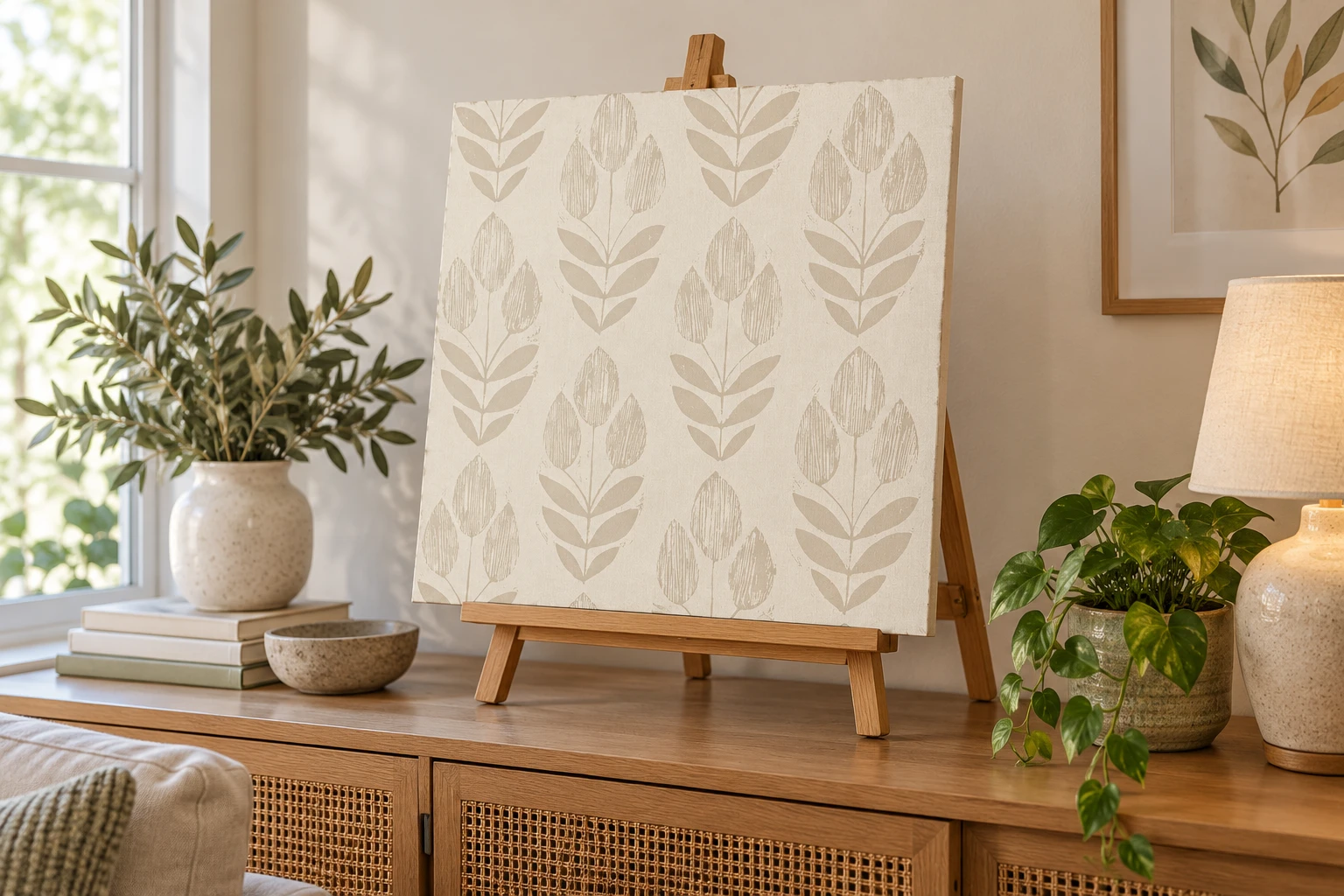
A separate display panel lets you use wallpaper without applying it to the wall.
A small wallpaper-covered panel can sit on a stable tabletop easel. A larger panel needs a support designed to hold it securely.
The NuWallpaper tulip design from the previous section can work on a suitable smooth panel too. That gives you a patterned backdrop behind a console or on a sideboard.
The panel stays on its own support. Attaching it to the wall would need a separate hanging method.
A lightweight panel and tabletop display easel make a useful pairing for smaller spaces. There is no need to cover the entire wall to enjoy the pattern.
10. Woven Baskets and Paper Fans
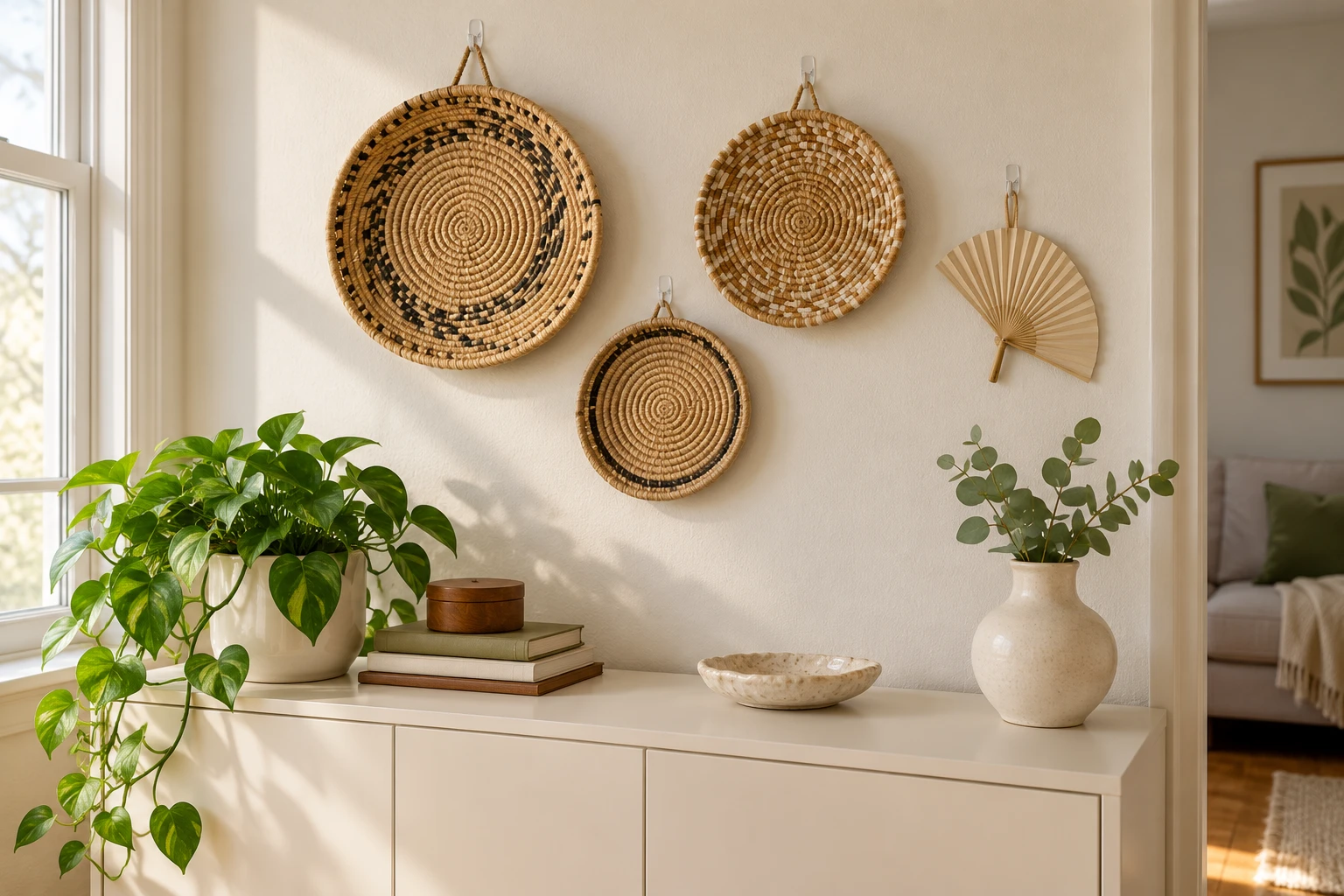
Lightweight woven decorations and paper fans work with suitable removable hooks on compatible surfaces.
Three shallow decorative baskets above a low cabinet add texture without introducing much color. Paper fans suit a more playful arrangement beside a desk or in a craft corner.
Different sizes help, but a repeated color keeps the group from looking busy. Two natural tones and one muted accent are enough.
The Command Medium Clear Wire Hooks mentioned earlier can support suitable lightweight decorations through their hanging loops or cords. Each item needs to stay within the individual hook’s capacity.
Shallow baskets made for wall display are a better fit than filled storage baskets or heavy bowls.
11. Artwork on an Existing Picture Rail
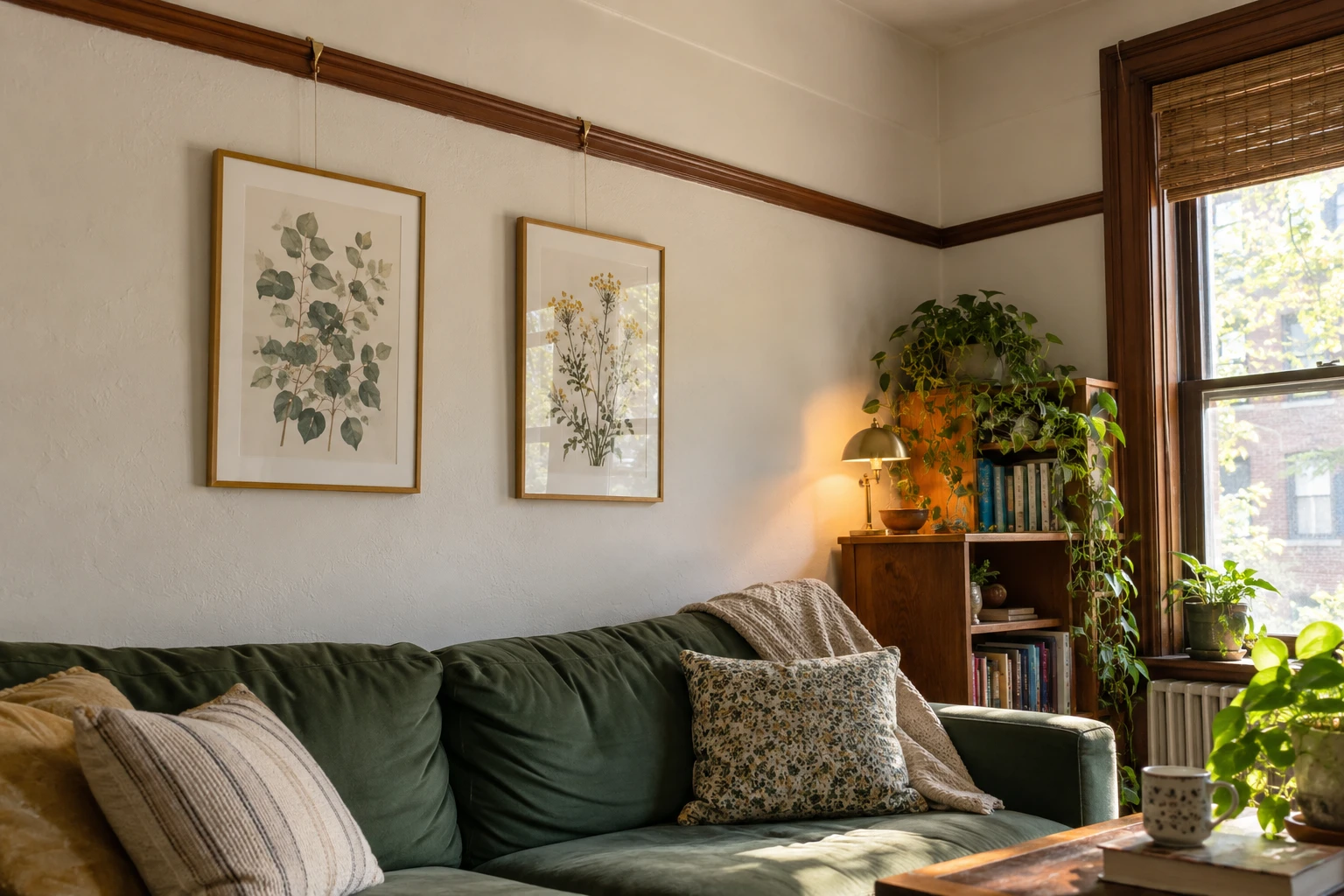
An existing picture rail can support compatible hooks and picture cords without new mounting holes.
A traditional picture rail is usually a narrow molding near the top of the wall with a shaped edge that accepts a rail hook. The artwork hangs below on a cord or wire.
The hook and cord need to match the rail and the artwork’s weight. Ordinary decorative trim should not be treated as a picture rail.
This arrangement is useful when you like changing prints. The hanging position can move along the rail without a fresh set of adhesive strips each time.
Proper picture-rail hooks and hanging cord belong in this setup. Push-in drywall hooks attach differently and do not use the existing rail.
Installing a new rail would be a separate project involving wall fixings.
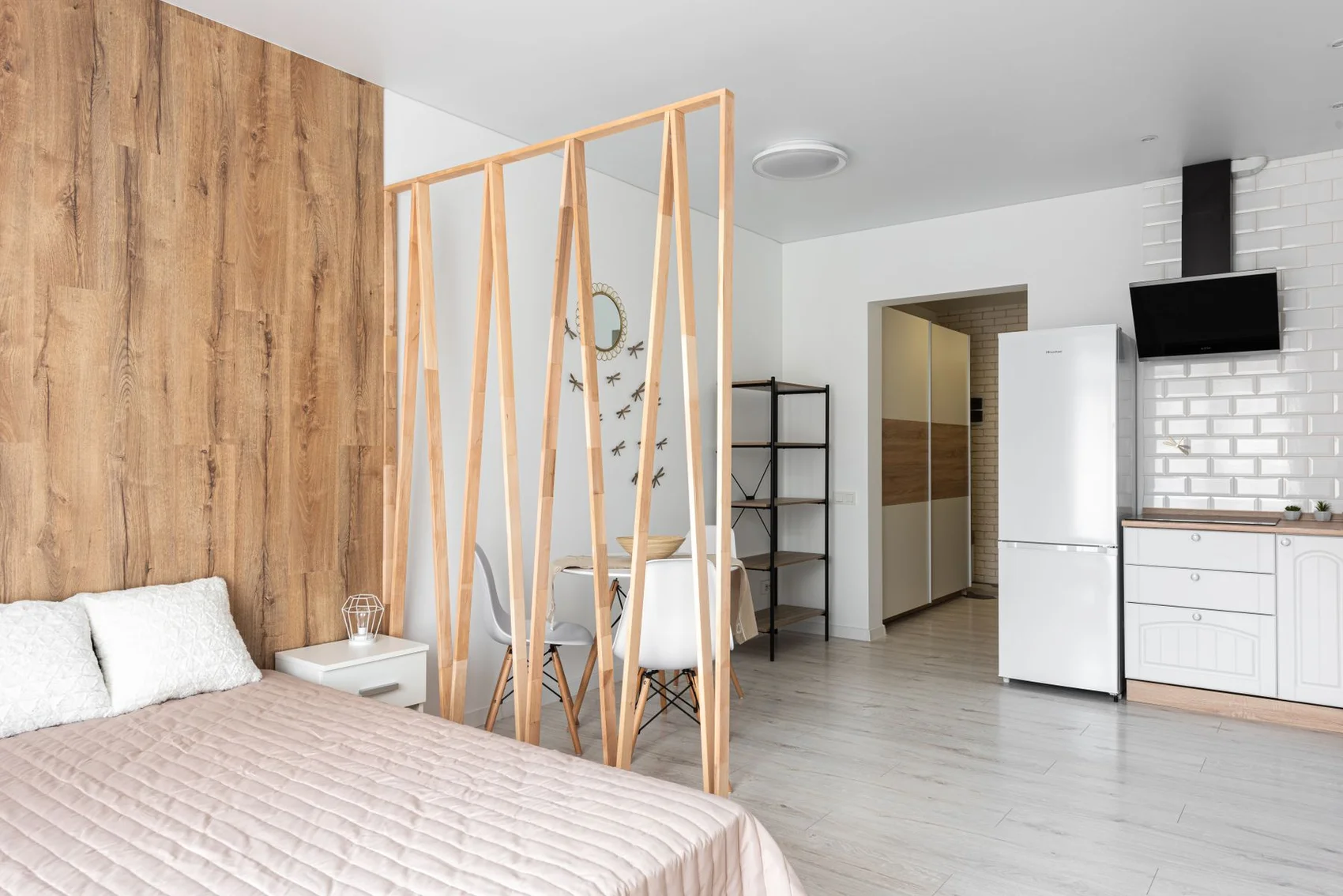
12. A Folding Screen or Tall Plant Beside the Wall
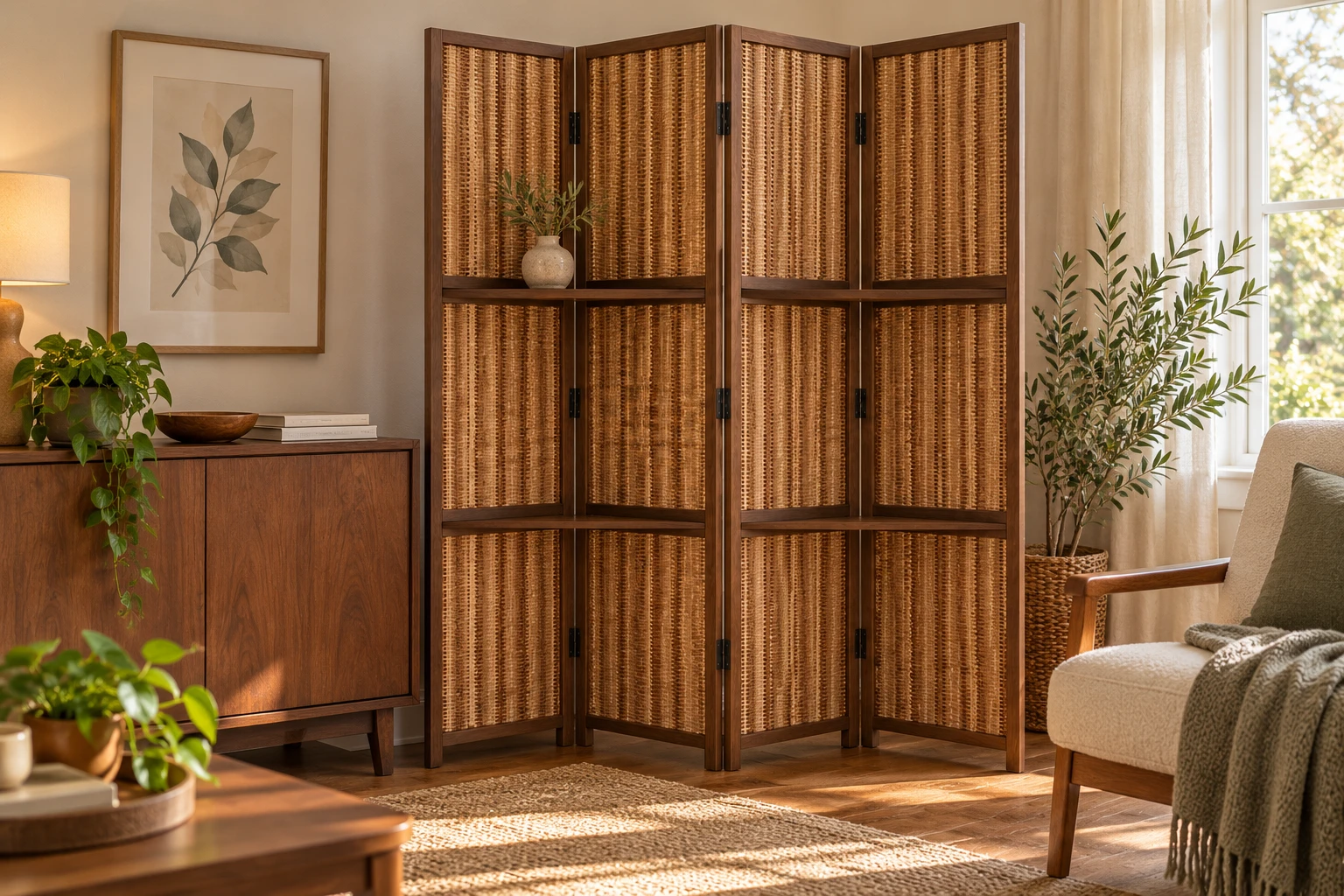
A decorative screen or floor-standing plant adds height and interest without wall adhesive.
The JOSTYLE Bamboo Room Divider With Shelves gives you a woven backdrop and two removable display shelves.
It has four folding panels and stands 67 inches high. Behind a reading chair or beside a low cabinet, it fills more of the blank wall without attaching decorations to the paint.
The panels need enough room to open into a stable position. The shelves are useful for a few small decorative pieces, rather than a crowded display.
For a narrower gap, a floor planter or artificial tree may fit more easily. Neither should block a doorway or walking route.
Our guide to decorating an awkward corner has more ways to use those smaller spaces beside furniture.
Your Wall-Decor Checklist
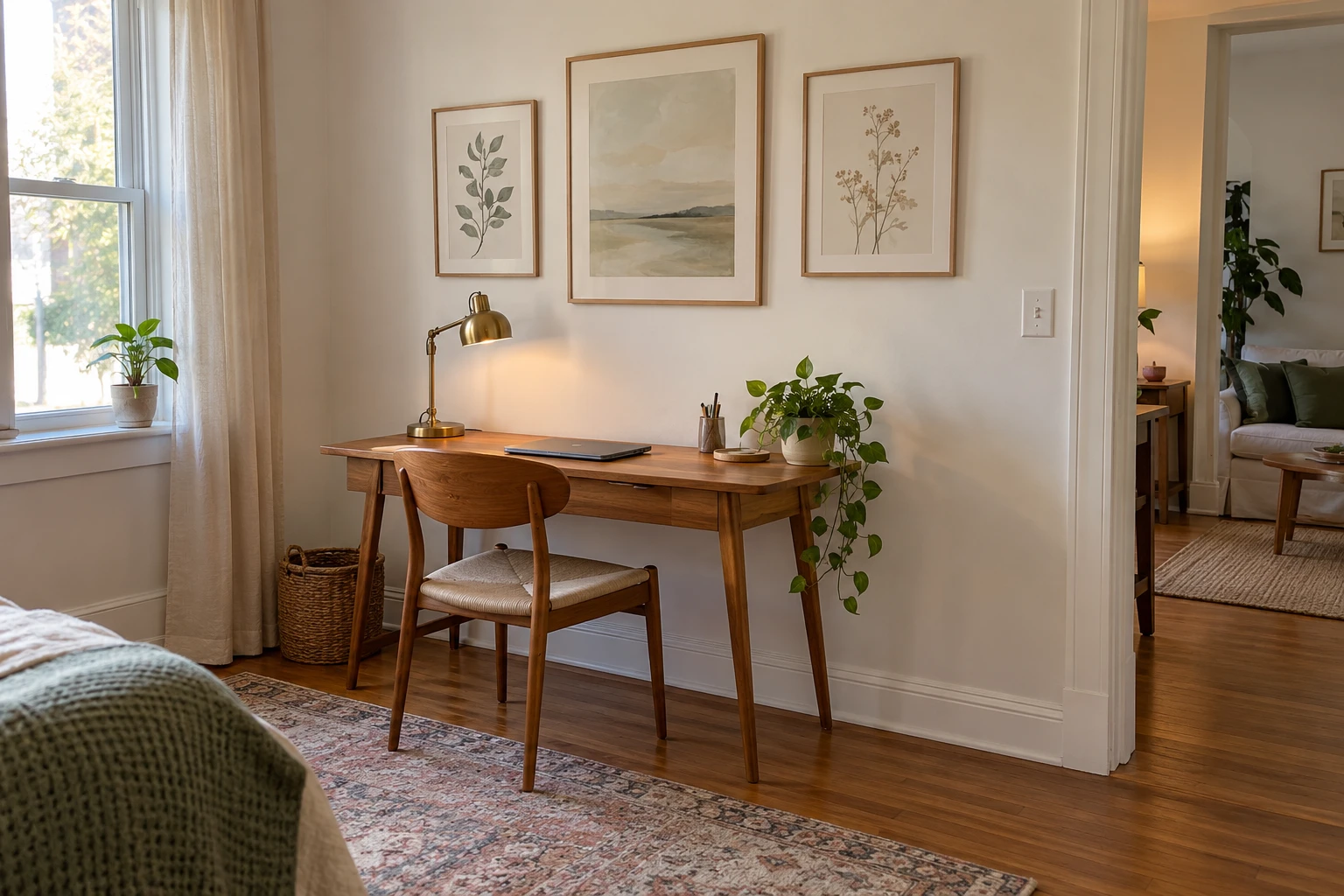
A suitable display has the right support, a compatible surface, and accessible removal tabs.
- Wall adhesive is allowed where I am decorating.
- The hanging method suits the wall finish.
- The total weight includes the frame, hanger, and other parts.
- The decoration fits the product’s weight and size limits.
- The paint is sound and fully cured.
- The surface preparation suits the hanging product.
- The required waiting time has passed before adding weight.
- Adhesive-supported decorations are away from directly above the bed.
- Removal tabs remain accessible.
- Desktop and furniture-supported displays sit securely.
- Screens and planters leave walking routes clear.
- The removal instructions are saved.
Removal Without the Last-Minute Panic
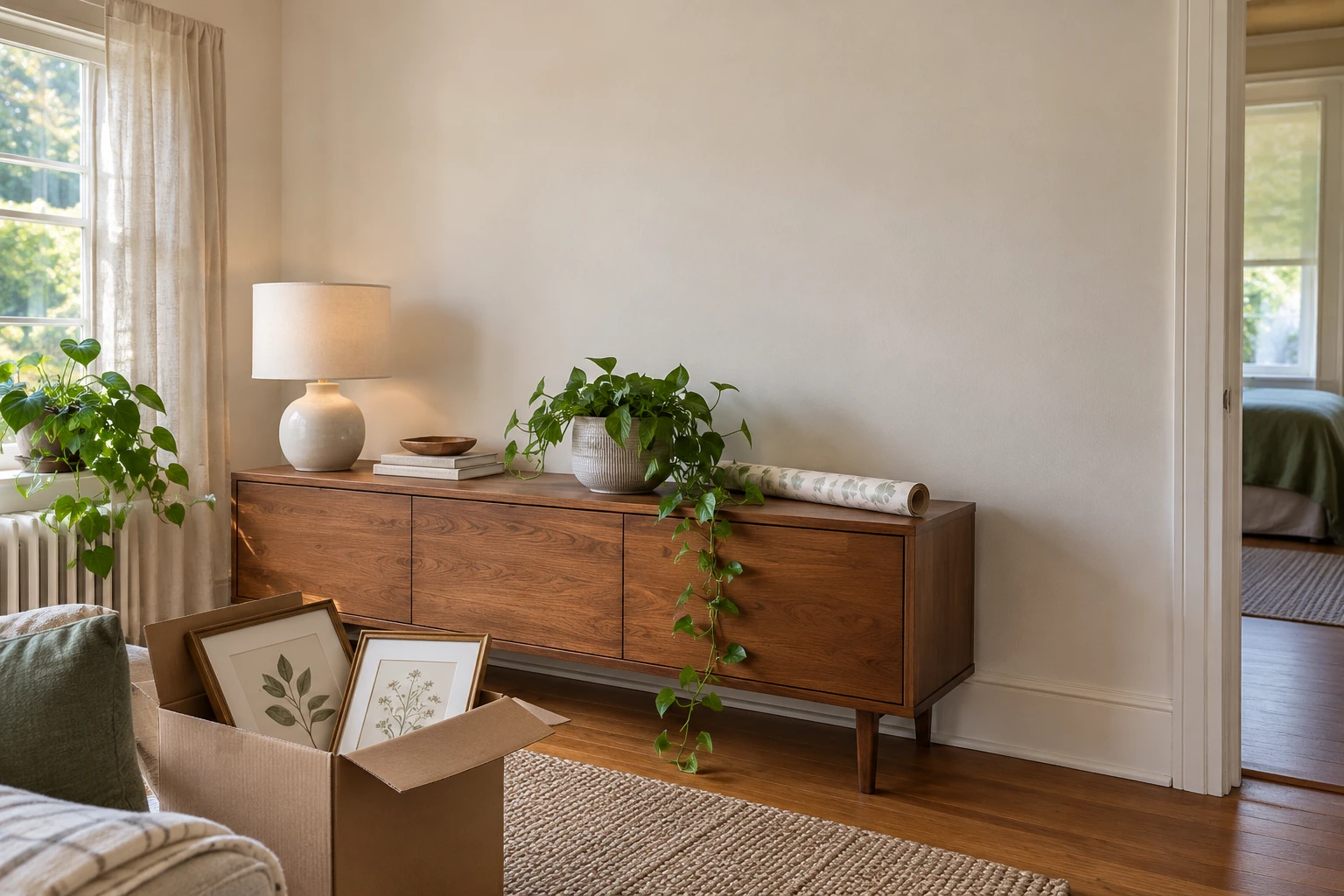
The right removal method depends on the adhesive you used. Picture strips, wallpaper, and decorative tape come off differently.
Stretch-Release Strips
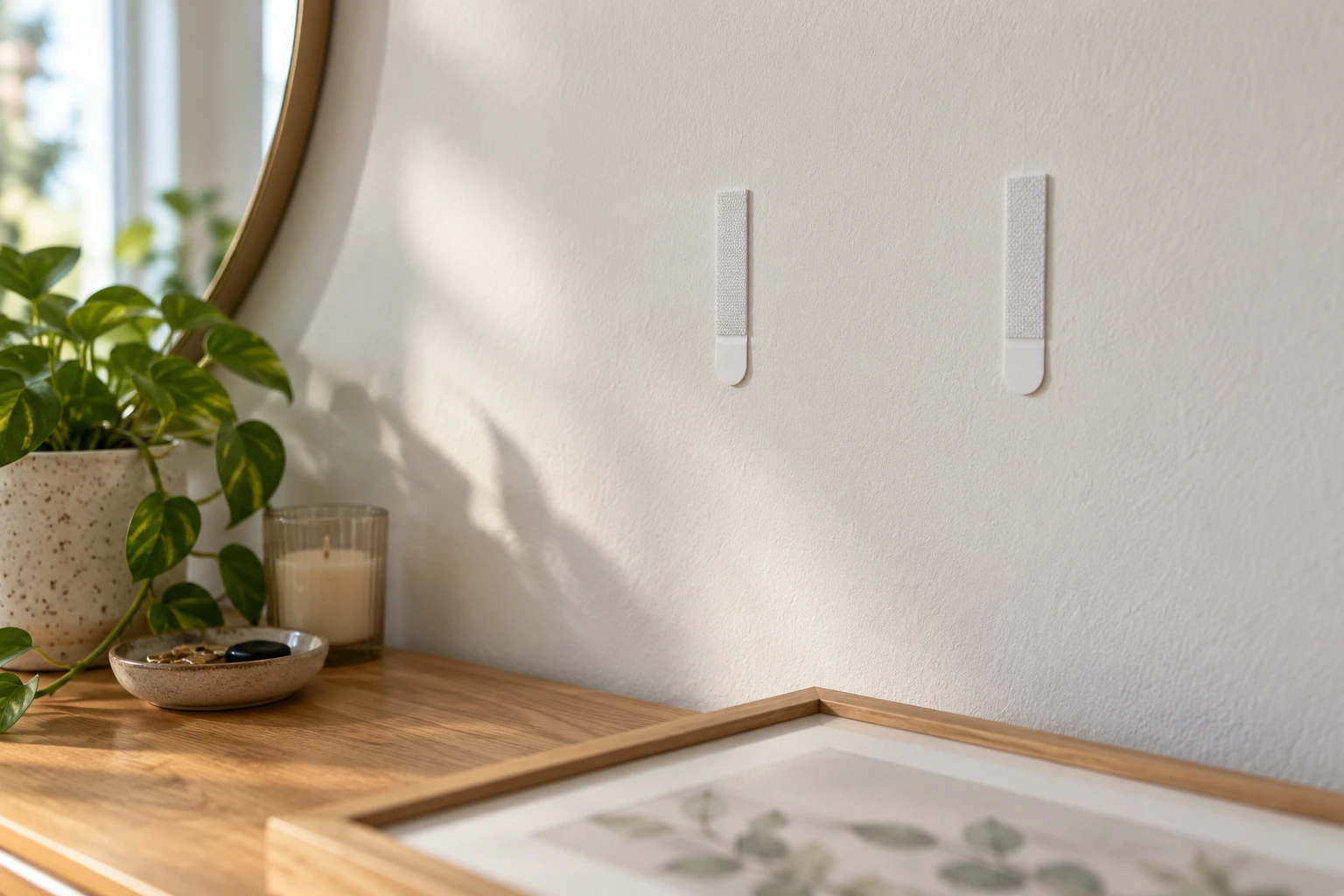
For standard Command Picture Hanging Strips, the frame comes away first. Each adhesive tab is then stretched slowly down along the wall.
The tab stays close to the surface as it stretches. Pulling outward puts force on the paint.
The standard instructions call for stretching the strip at least 15 inches to release it. That is why the tab needs space beneath the display.
The adhesive strips are single-use, even when the reusable parts of the hanging product are kept. Command’s removal instructions.
Wallpaper and Decals
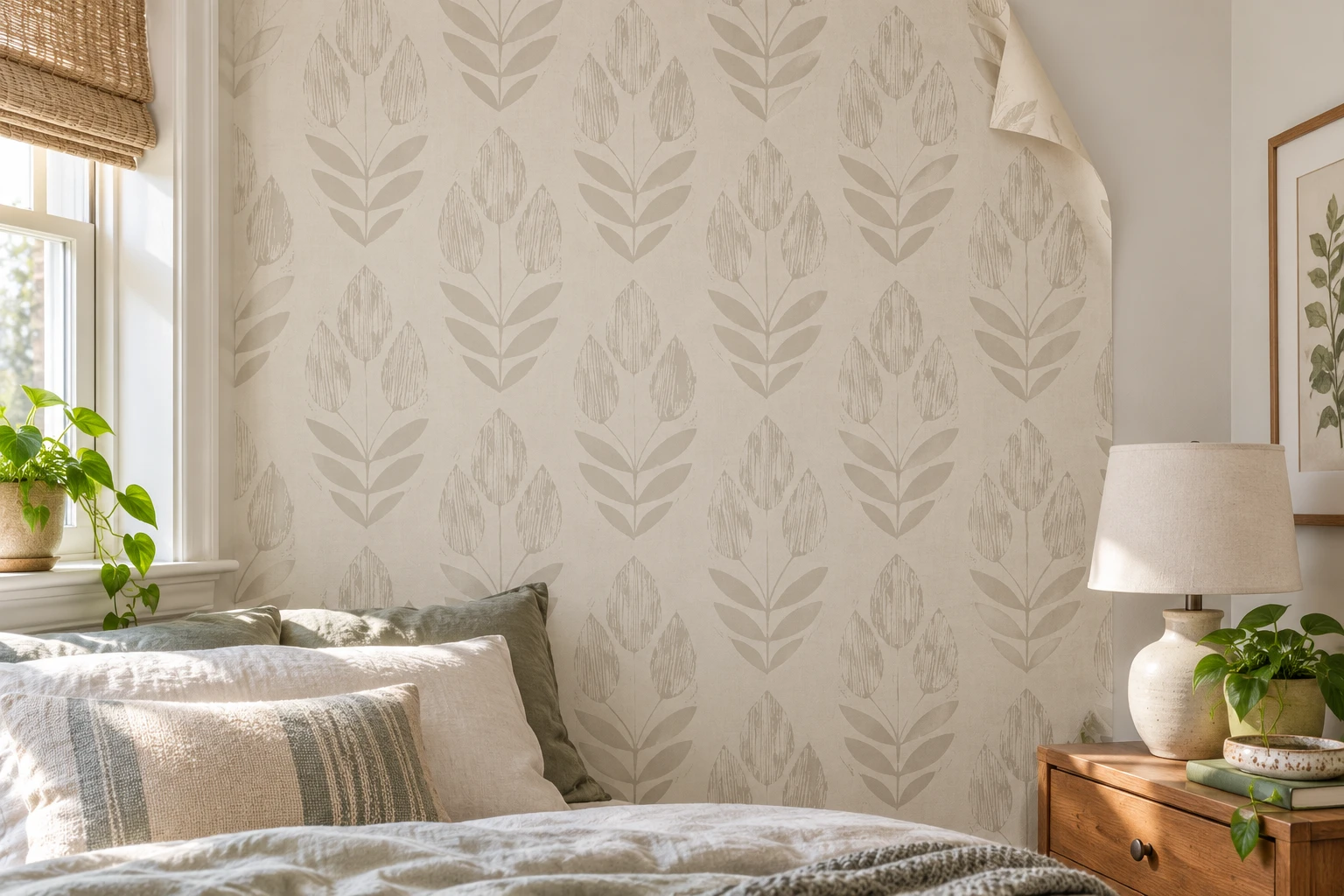
Removable wallpaper and decals need slow peeling using their own removal method.
For NuWallpaper, removal begins at a top corner, with the material pulled slowly downward.
A slow peel makes it easier to see what is happening underneath. If paint begins lifting, continuing to pull can enlarge the damaged patch.
Wallpaper does not release by stretching like a Command strip. Its removal directions should stay with the leftover roll.
Tape and Putty
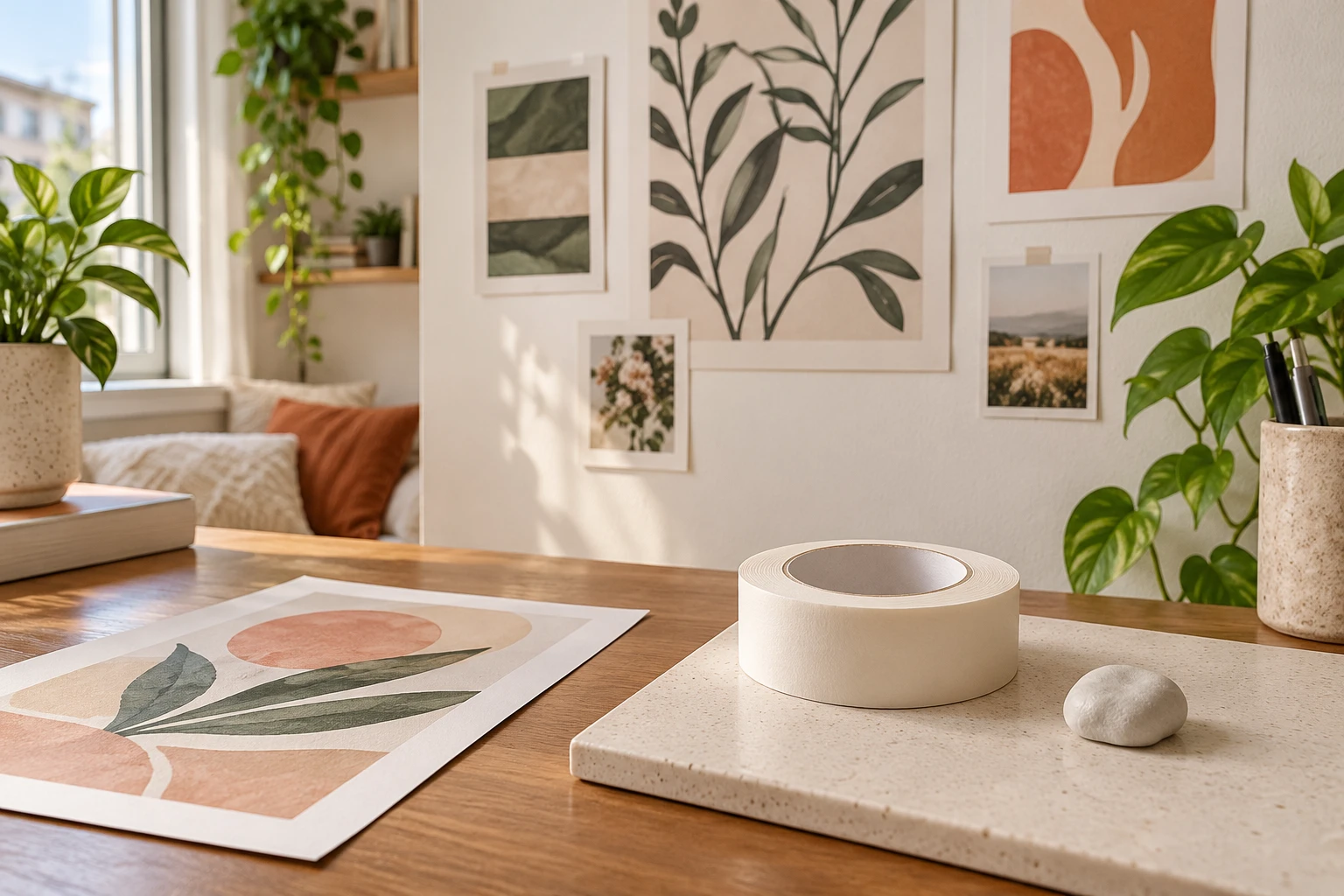
Artist tape on a display board should come away slowly. Mounting putty is lifted carefully from the surface.
For Scotch Removable Mounting Putty, leftover putty can be dabbed with another piece. The product may stain some surfaces and is not recommended for wallpaper, delicate finishes, or flat-painted walls. Scotch’s putty instructions.
A scraping blade or strong cleaner can create a bigger problem than the original residue.
Common Questions About Decorating Walls Without Damage
There are plenty of ways to decorate, but no adhesive suits every surface.
Can Command Strips Still Pull Off Paint?
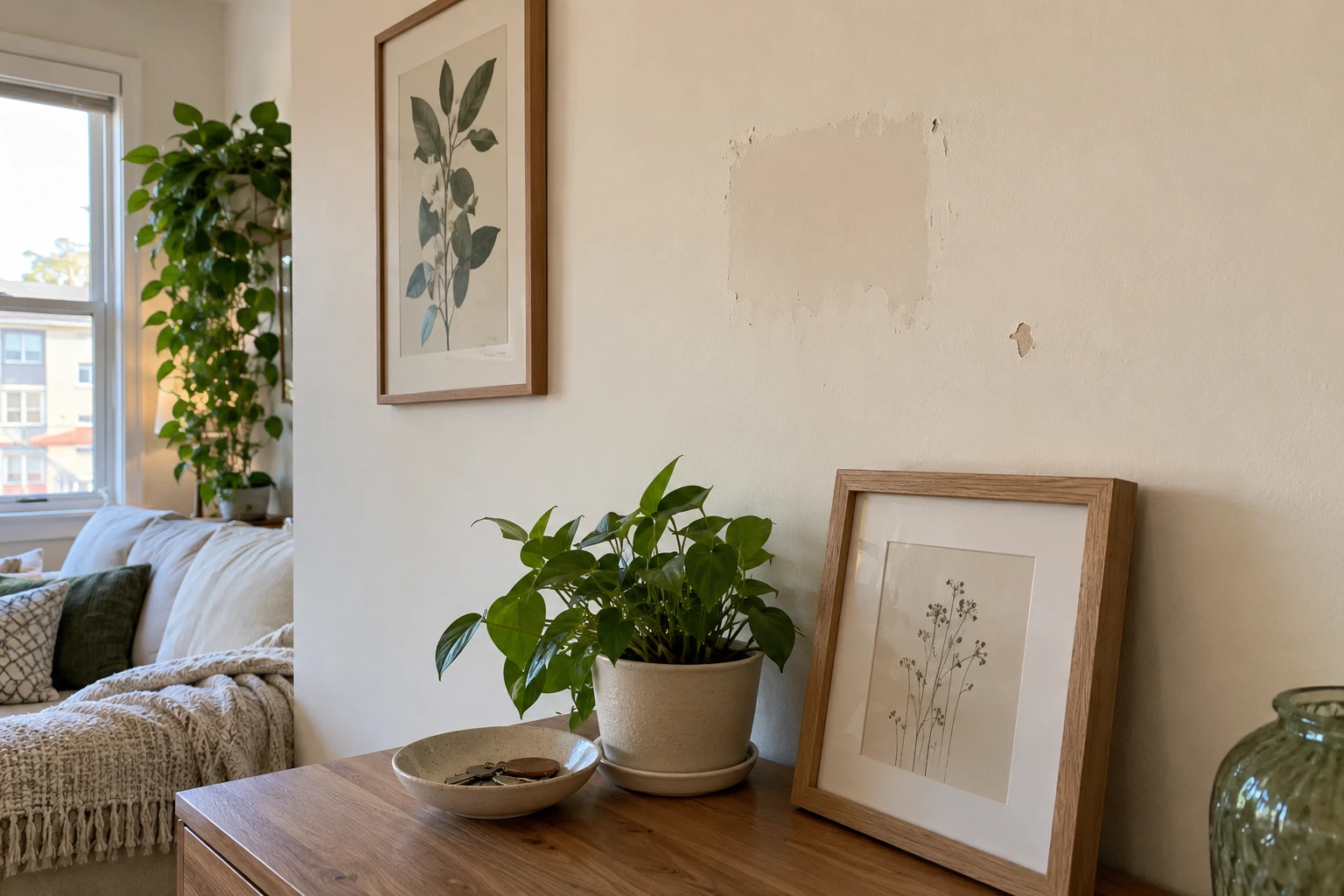
Yes. Weak, damaged, or uncured paint can lift. Pulling a strip outward during removal can also cause damage.
For fragile paint, artwork on furniture and freestanding displays avoid adhesive contact.
What Works on Textured Walls?
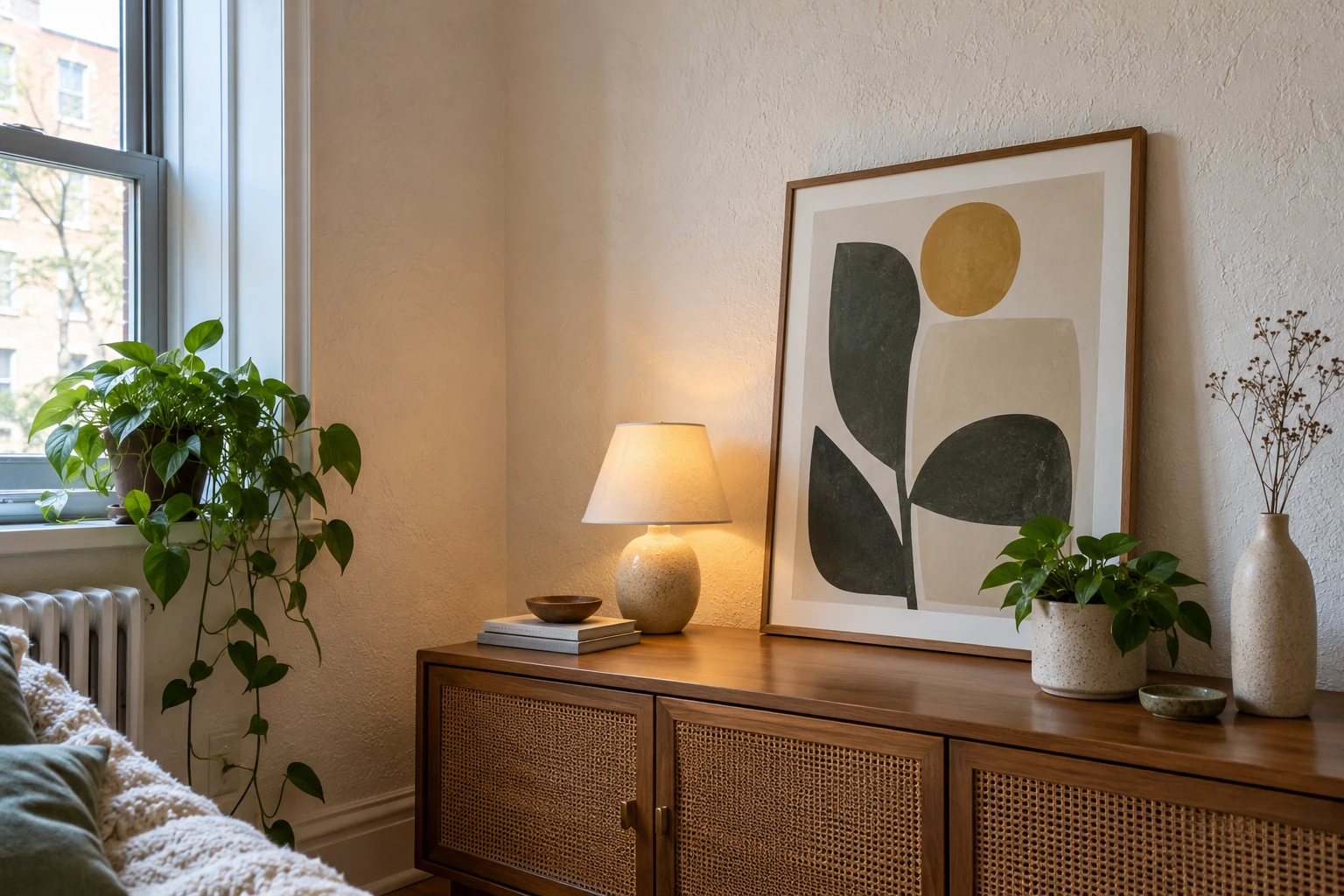
Furniture-supported art, desktop boards, and existing picture rails are useful options.
Adhesive picture strips need enough contact with the surface to hold properly. Rough textures can leave gaps beneath them.
What Can I Use When Wall Adhesives Are Not Allowed?
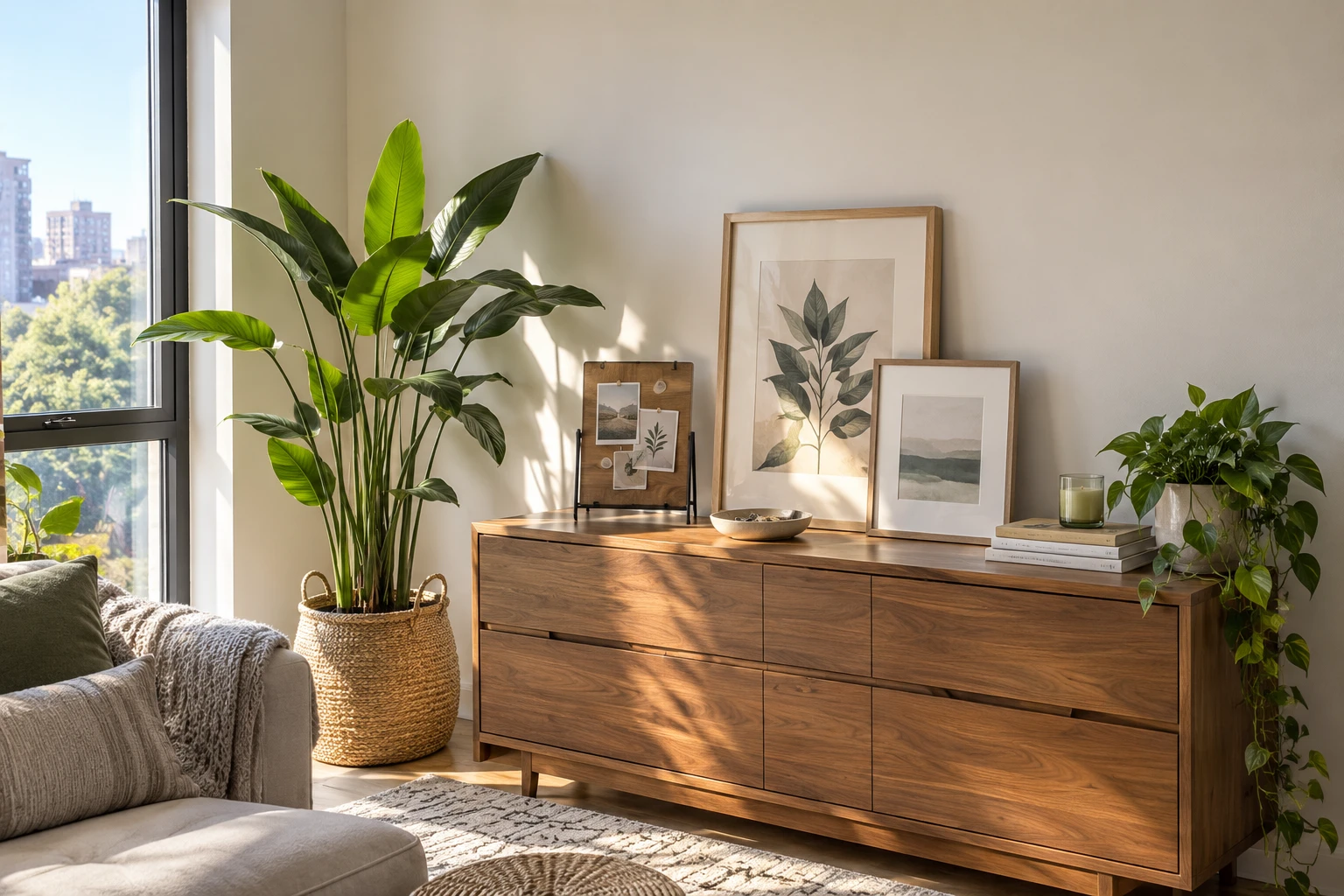
Tabletop frames, freestanding boards, decorative screens, and floor plants all give you options.
Existing shelves and suitable picture rails can also help. A small collection on a dresser is often enough to make the wall behind it feel less bare.
Is Artist Tape the Same as Wall-Safe Tape?
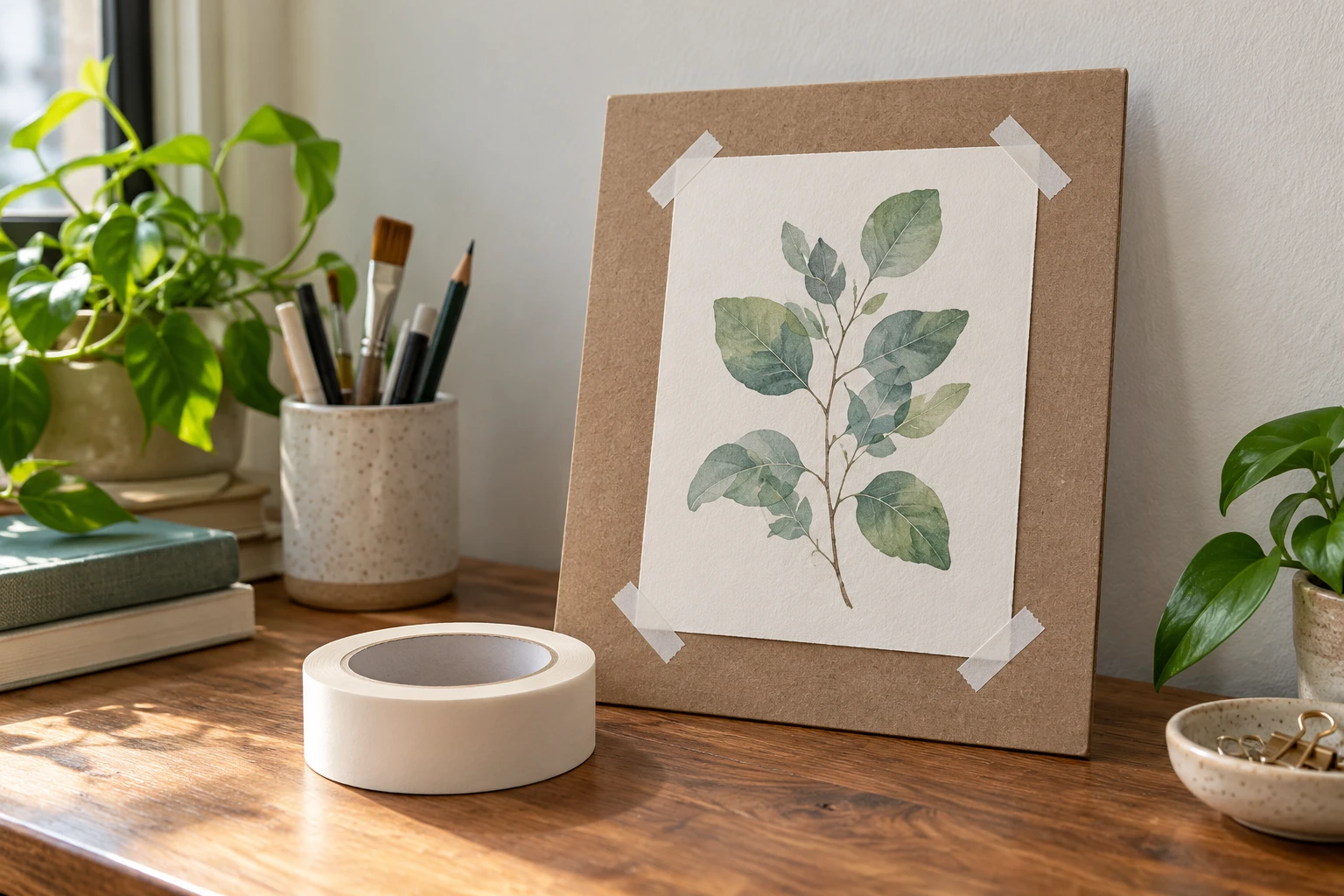
No. The JusArt tape in this article is intended for art and paper projects. Here, it is used on a separate display board.
Its low-tack adhesive does not establish that it will remove cleanly from every painted wall.
Can I Hang a Heavy Mirror Without Drilling?
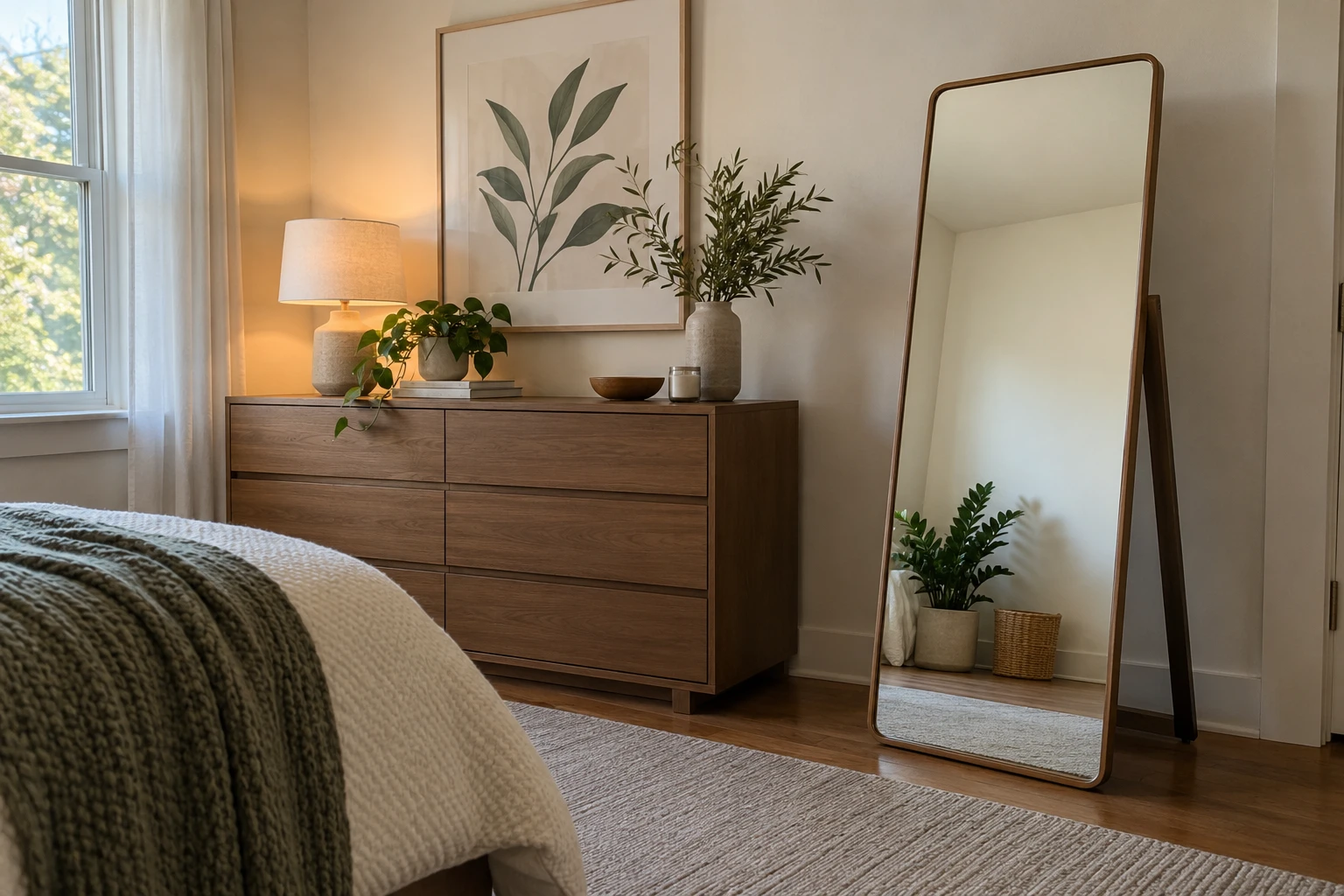
There is no universal adhesive solution for a heavy mirror. Its mounting method must support the full weight and match the mirror’s design.
A mirror with a built-in stand offers another arrangement, but some models still require an anti-tip fixing. Simply leaning a heavy mirror does not automatically make it secure.
Do Tool-Free Claw Hooks Leave Holes?
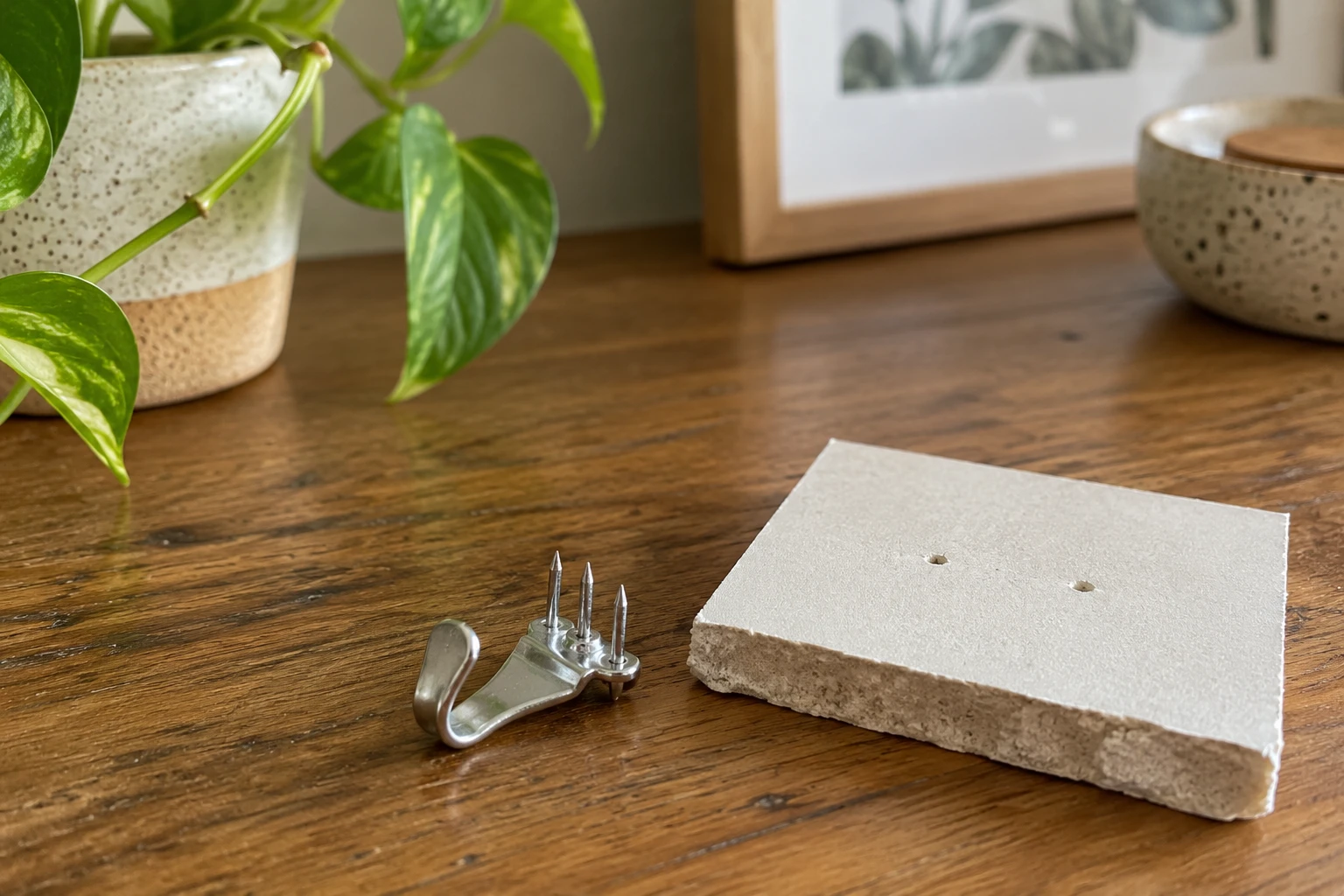
Yes. The LZC Claw Drywall Picture Hangers push metal claws into drywall and leave small holes when removed.
They are not picture-rail hooks or a no-hole alternative. For this article’s no-hole displays, furniture-supported artwork and suitable removable products are the relevant options.
Are Adhesive Shelves and Peel-and-Stick Molding Damage-Free?
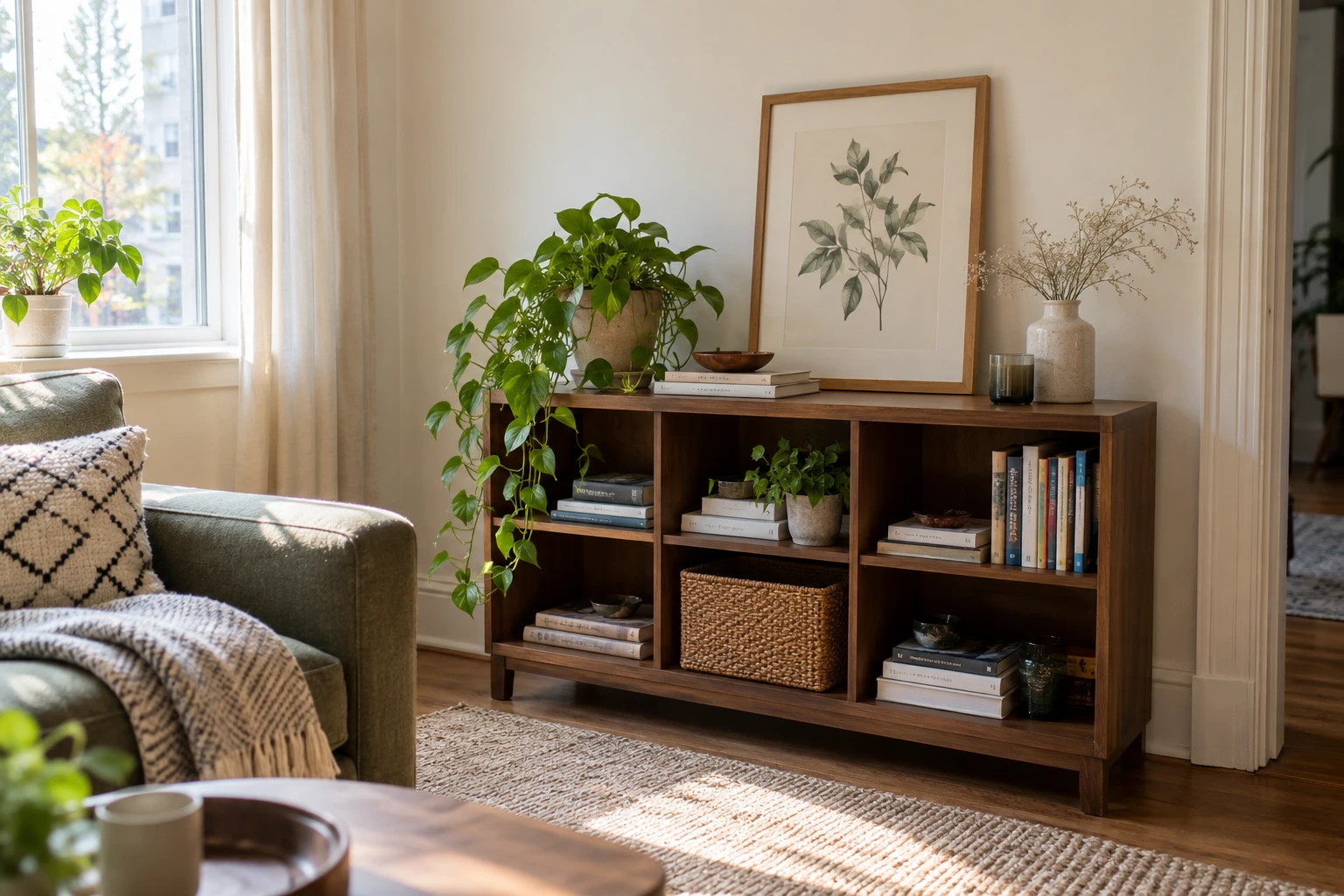
Not automatically. Adhesive can lift paint, and a shelf must support its own weight plus everything placed on it.
An existing shelf or low cabinet is a more straightforward place for books, plants, and heavier decorations.
Useful Finds for Your Wall Display
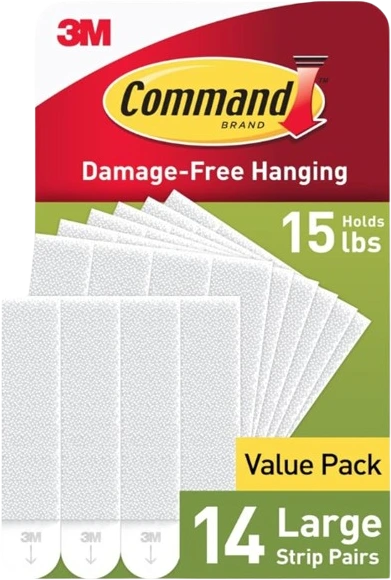 Command Large Picture Hanging StripsInterlocking strips for suitable frames on compatible smooth surfaces.
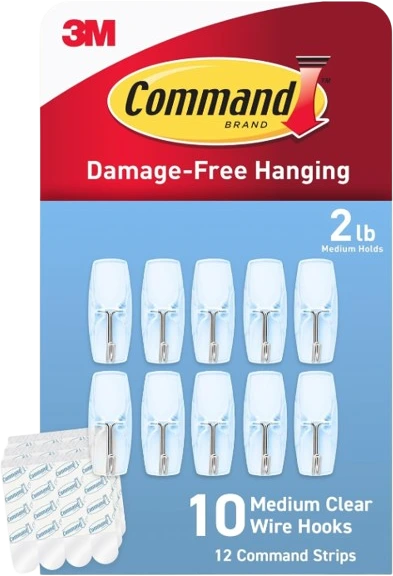 Command Medium Clear Wire HooksClear-base wire hooks for suitable lightweight decorations, rated up to 2 pounds each.
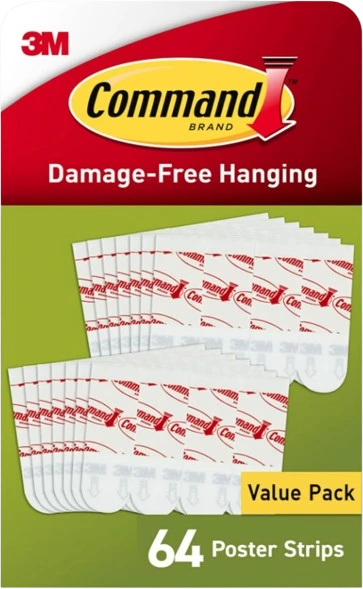 Command Poster StripsRemovable strips for lightweight paper posters and signs.
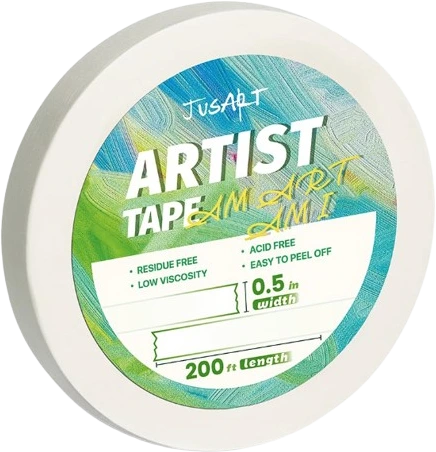 JusArt Artist TapeWhite low-tack artist tape for paper borders and separate display-board projects.
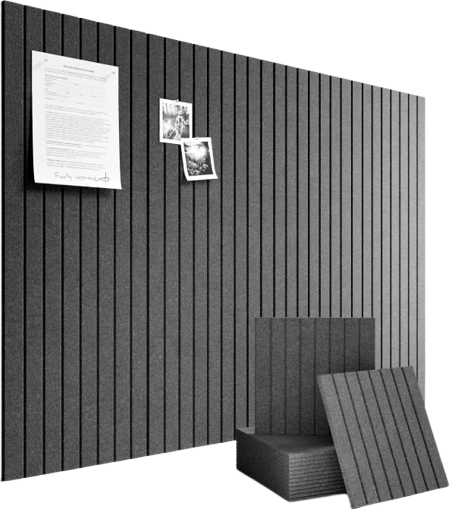 Fluxynara Felt Bulletin Board TilesTwelve charcoal-gray felt tiles for an adhesive-mounted pinboard or a separate supported backing board.
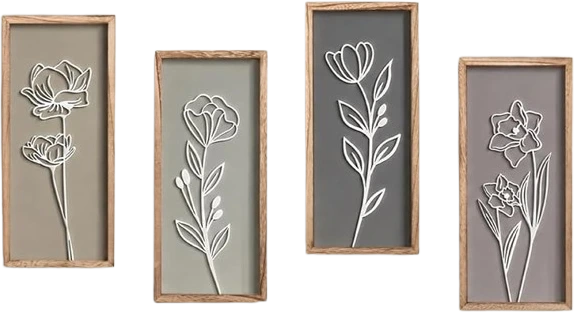 Tide and Tales 3D Floral Wall ArtFour wooden floral panels for a supported display on an existing ledge or console.
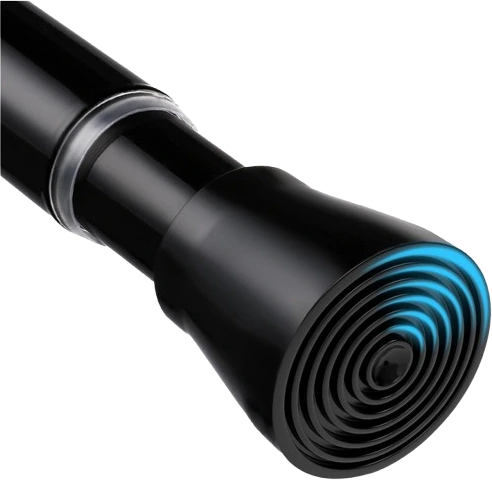 MEXAU Tension Curtain RodA black spring-loaded rod for lightweight curtains inside 28–48-inch openings.
 wondever Boho Flower Wall DecalsWildflower and grass stickers for suitable smooth surfaces.
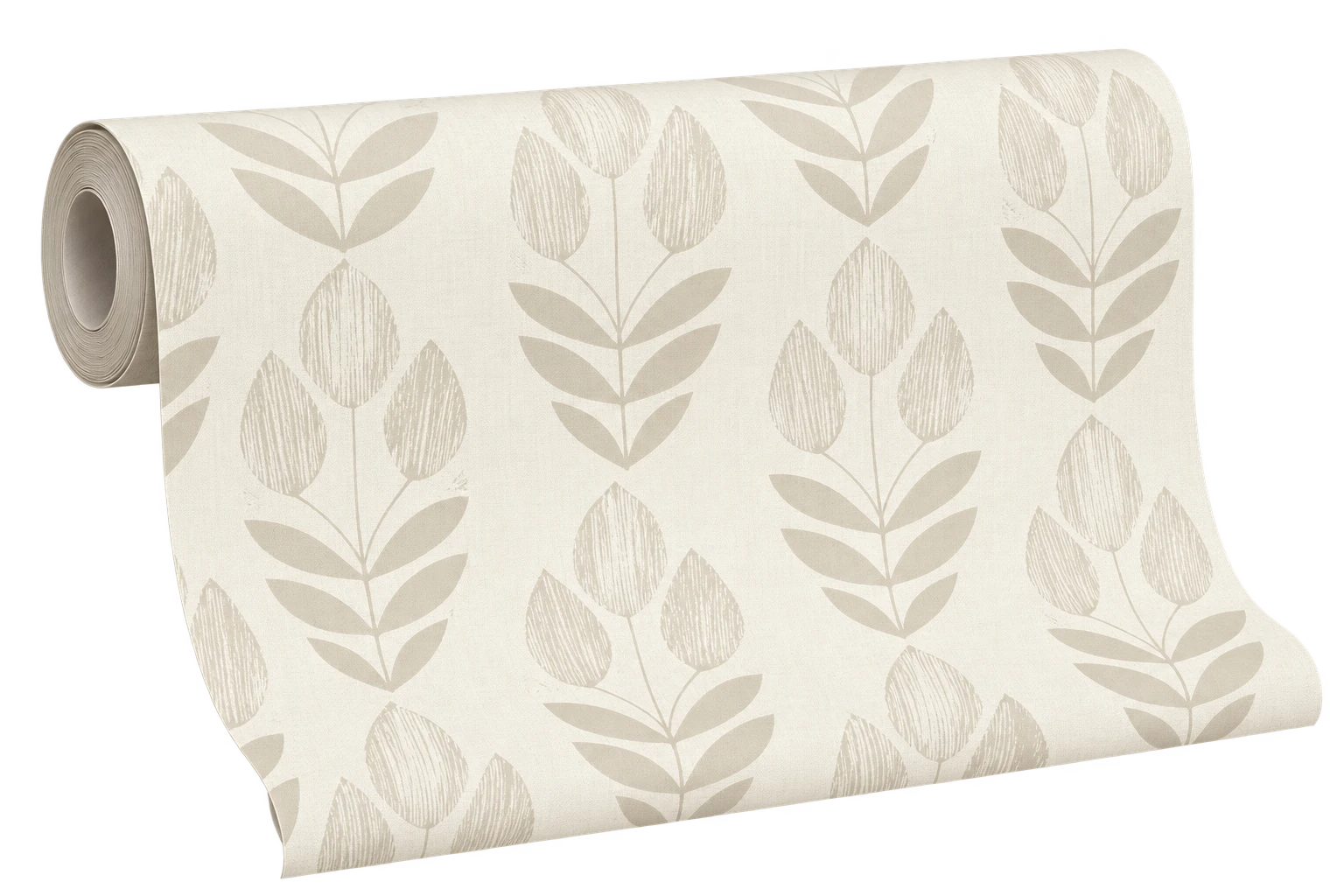 NuWallpaper Cream Folk Tulip WallpaperPeel-and-stick tulip wallpaper for a compatible wall or separate smooth panel.
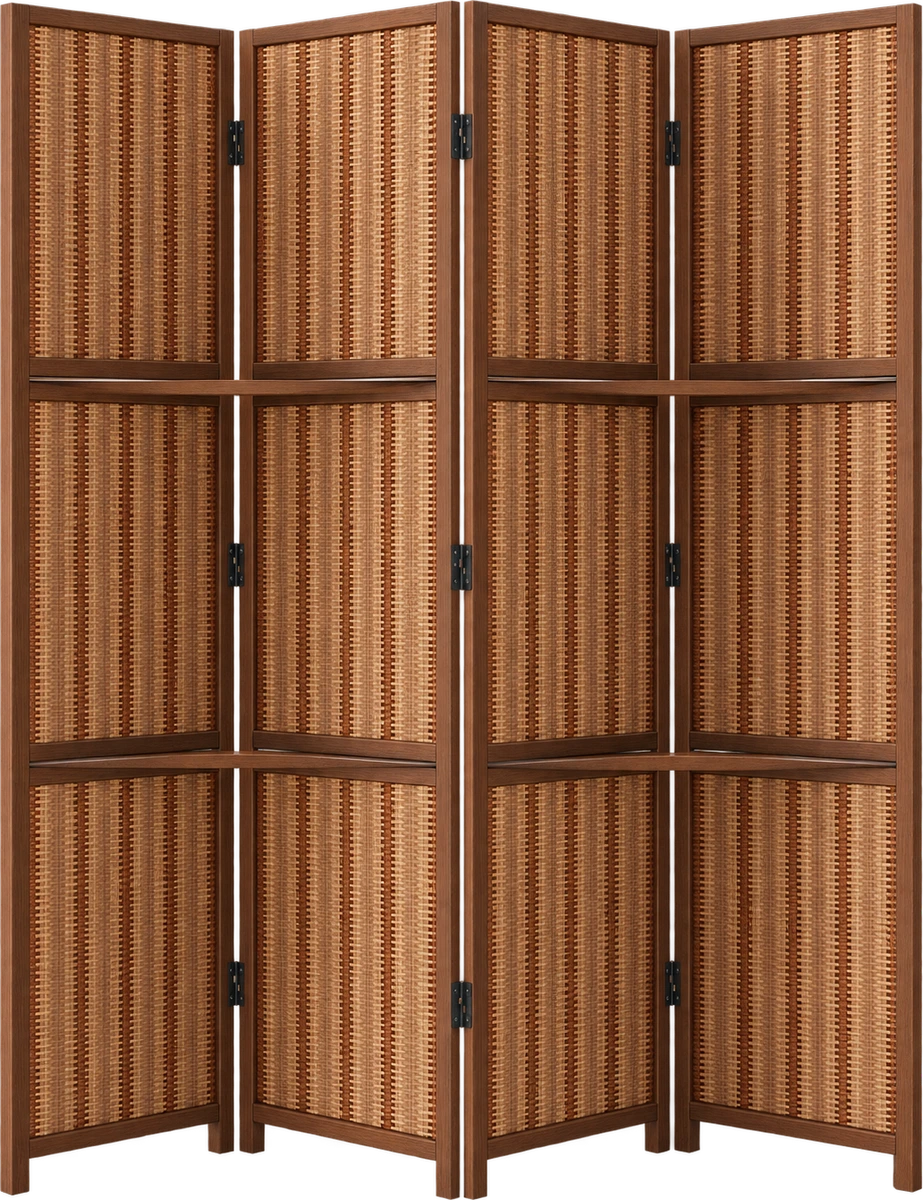 JOSTYLE Bamboo Room Divider With ShelvesA four-panel bamboo screen with two removable shelves for a decorative backdrop beside the wall.