Create a Dining Area in a Small Apartment: 15 Ideas to Maximize Space

Paying city rent in New York or Los Angeles can feel especially frustrating when the apartment still has no obvious place to eat. After work, you want dinner at a table, not another meal balanced on your lap. Creating a dining area in a small apartment can seem like it will cost precious floor space, but a few flexible pieces can make that corner feel easy to live with.
The quick answer
- A drop-leaf or folding table adds dining space that can shrink when you need more floor room.
- Chairs that tuck in and a storage bench make better use of a small dining corner.
- Allow space to pull out chairs and walk past seated diners before choosing the table.
- A nearby lamp or pendant gives the dining area its own lighting within a shared room.
You may have room for a permanent nook or only a table that opens at dinner. The ideas below cover both, including ways to make an odd corner work and to host friends without living around extra chairs every day.
Before Buying a Table, Find the Space You Can Actually Use
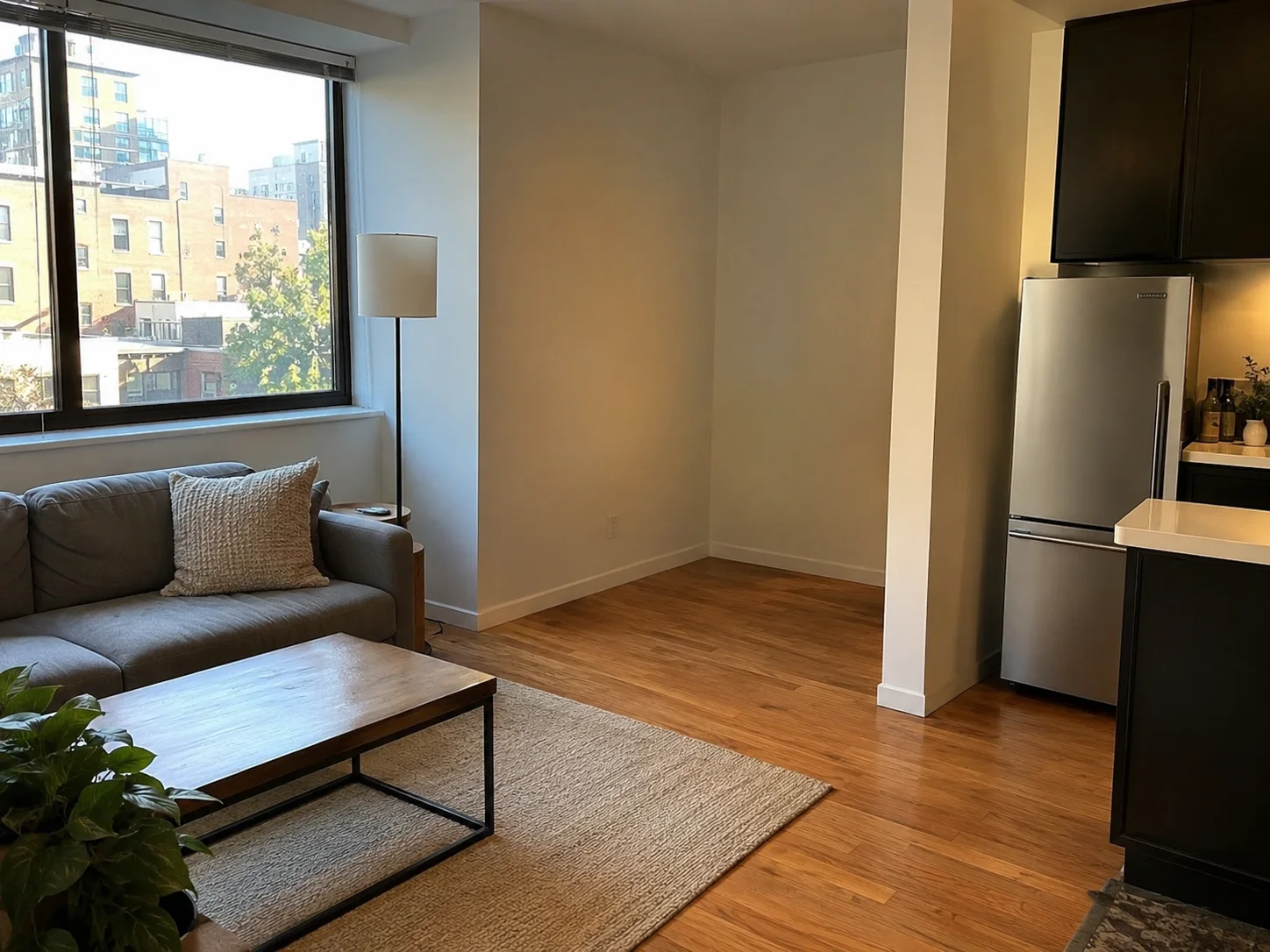
Look for a place where two people can sit comfortably without cutting through the route you use every day. The best spot might be next to the kitchen, beside a window, or along the back of the sofa.
Put two existing chairs where the future seats would go. Sit down, stand up, and carry a plate past them. If that works, you have a better starting point than a table measurement alone.
If you live alone and occasionally invite a friend over, two comfortable seats may be enough. Furniture that folds or tucks away can also free up the dining area for a larger gathering. These options can help you match the setup to your room:
| Space you have | Setup to try | Check before buying |
|---|---|---|
| Window corner | Small round table with two chairs | Does a chair block the curtain or radiator? |
| Long, narrow wall | Slim table or wall-mounted drop-leaf | Can people pass while someone is seated? |
| Open living room | Compact table behind or beside the sofa | Can drawers and doors still open? |
| Kitchen counter | Two stools that tuck underneath | Is there enough knee space and a useful overhang? |
| Awkward corner | Round table or angled arrangement | Does the shape improve the walking route? |
1. Give Two Everyday Seats a Proper Place
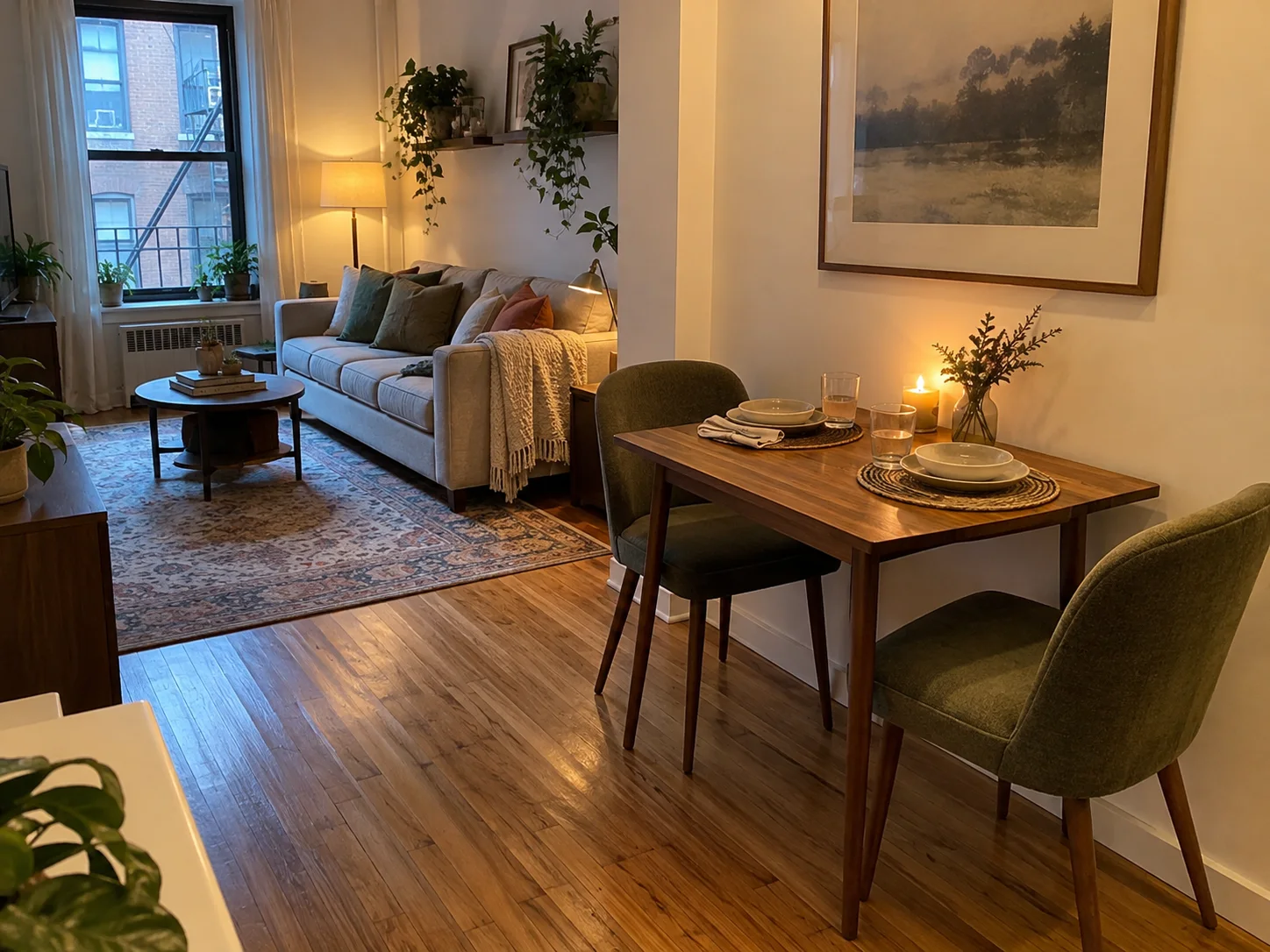
Make room for the number of people who eat at home most nights. A two-seat table can be far more pleasant than balancing dinner on the coffee table, even if friends visit now and then.
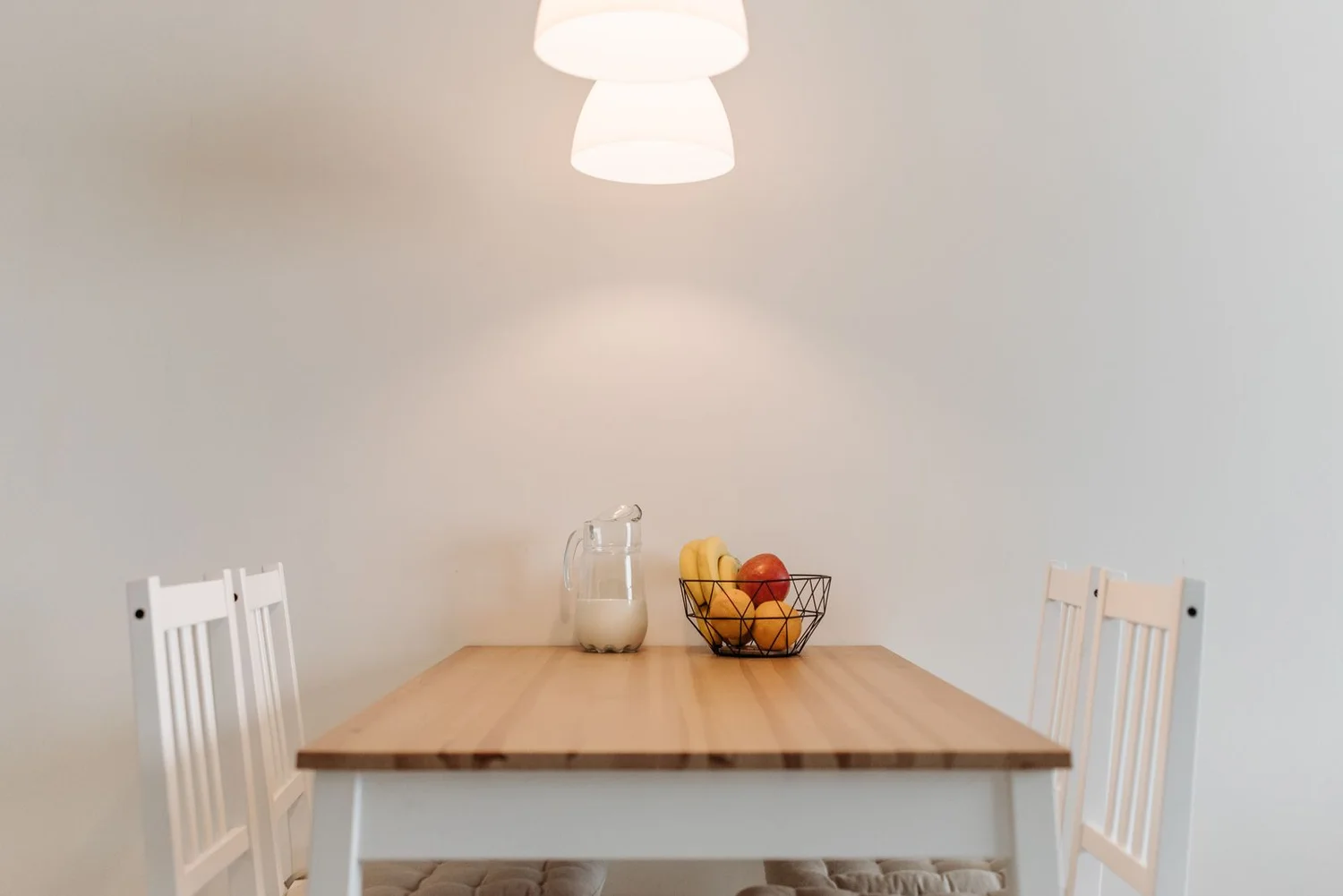
Try a small table near the kitchen or window and leave enough space to pull the chairs out. A table with a pedestal base can give knees more freedom than four legs at the corners. Save extra chairs for the occasions when you actually need them.
If your small space also needs a conversation area, our sofa layout guide can help you keep both zones usable.
2. Turn a Window Corner Into Your Favorite Breakfast Spot
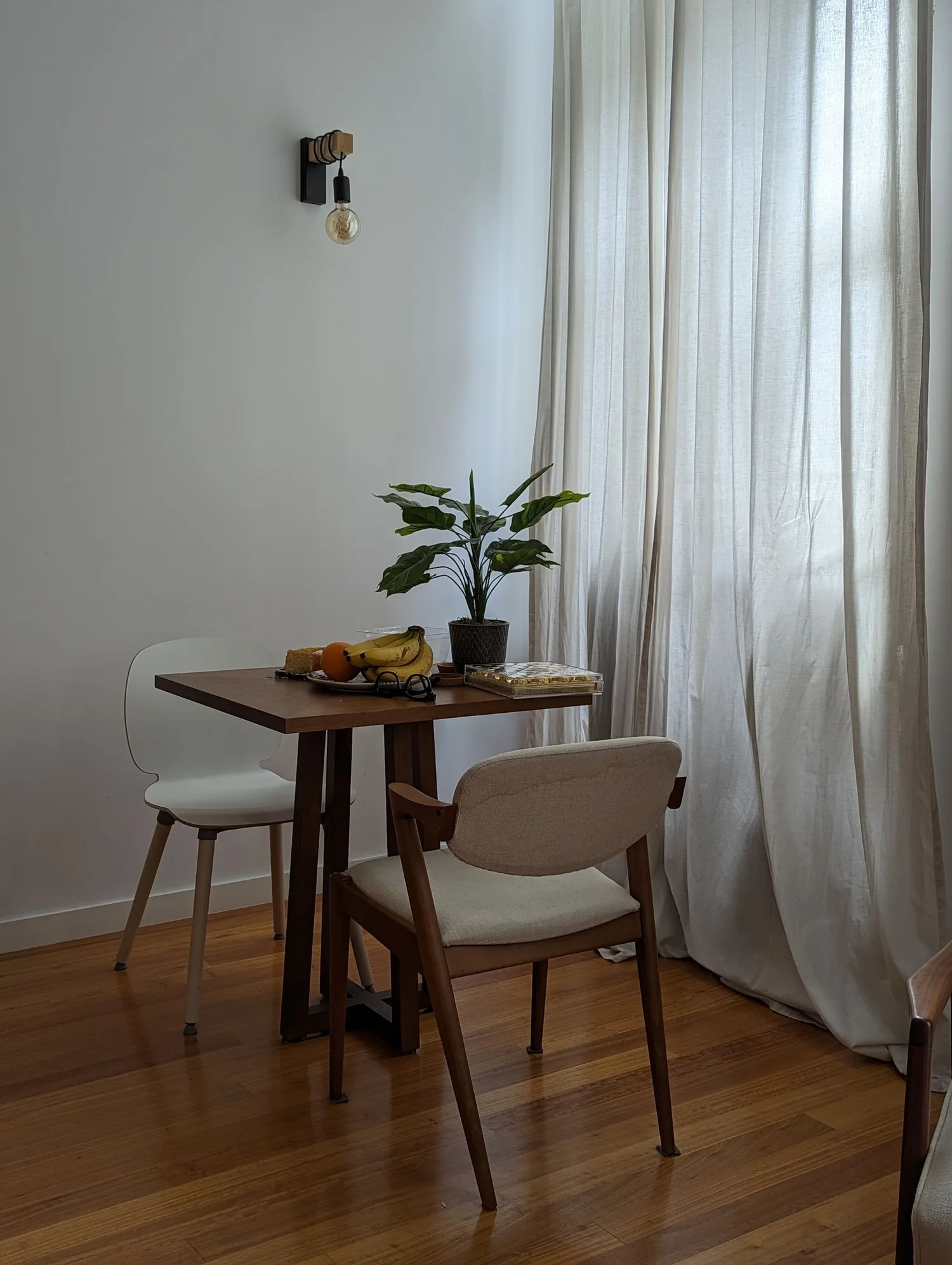
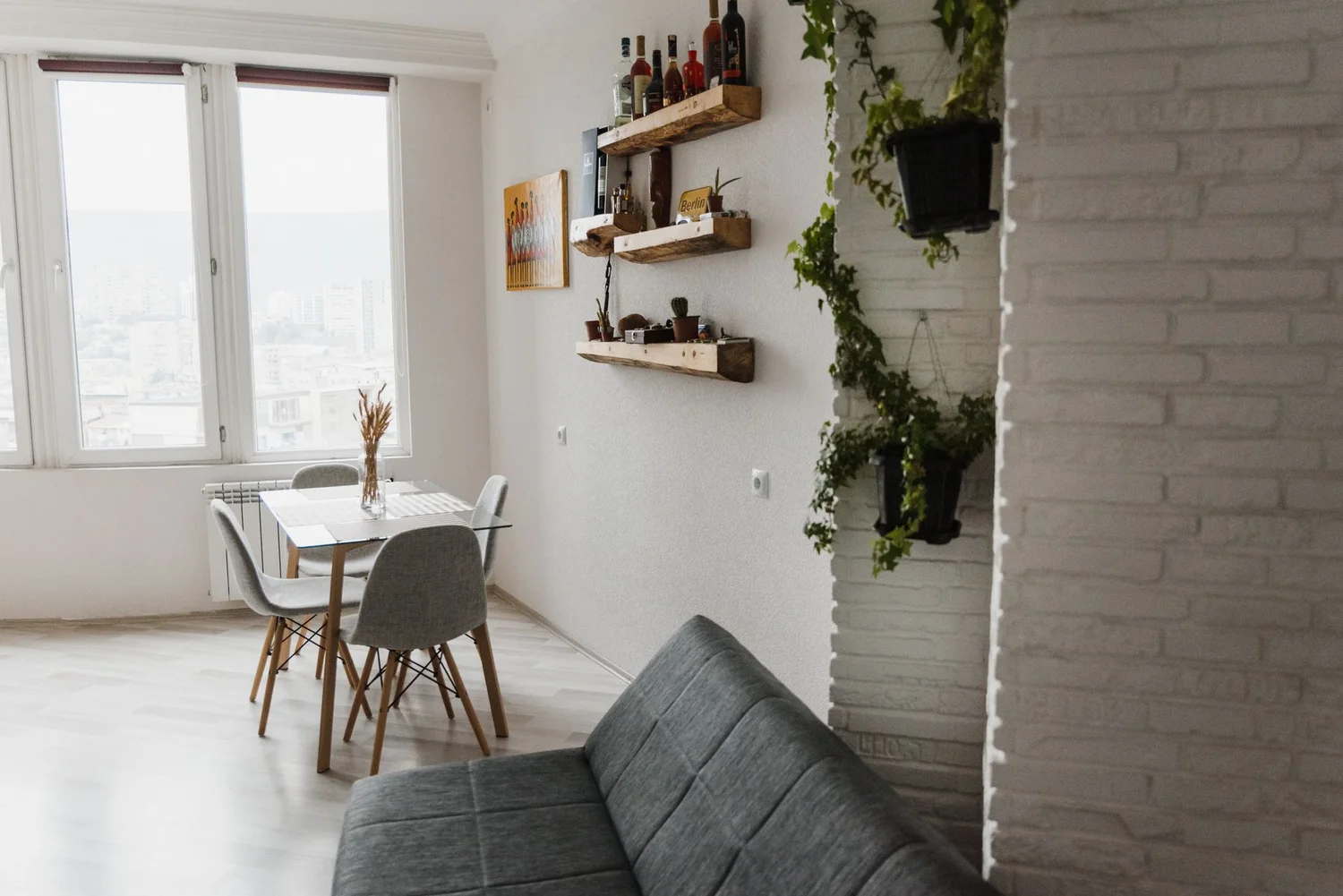
Put a small table near the window if the chairs can move freely and the window still opens. Morning light and a view can make a modest corner feel worth sitting in.
Keep the tabletop simple: a small plant or one vase leaves room for plates. Check whether a radiator, curtain, or balcony door needs clearance. If the sun is strong at dinner, a shade or curtain can make the seat comfortable again.
3. Use a Narrow Wall for a Slim Dining Table
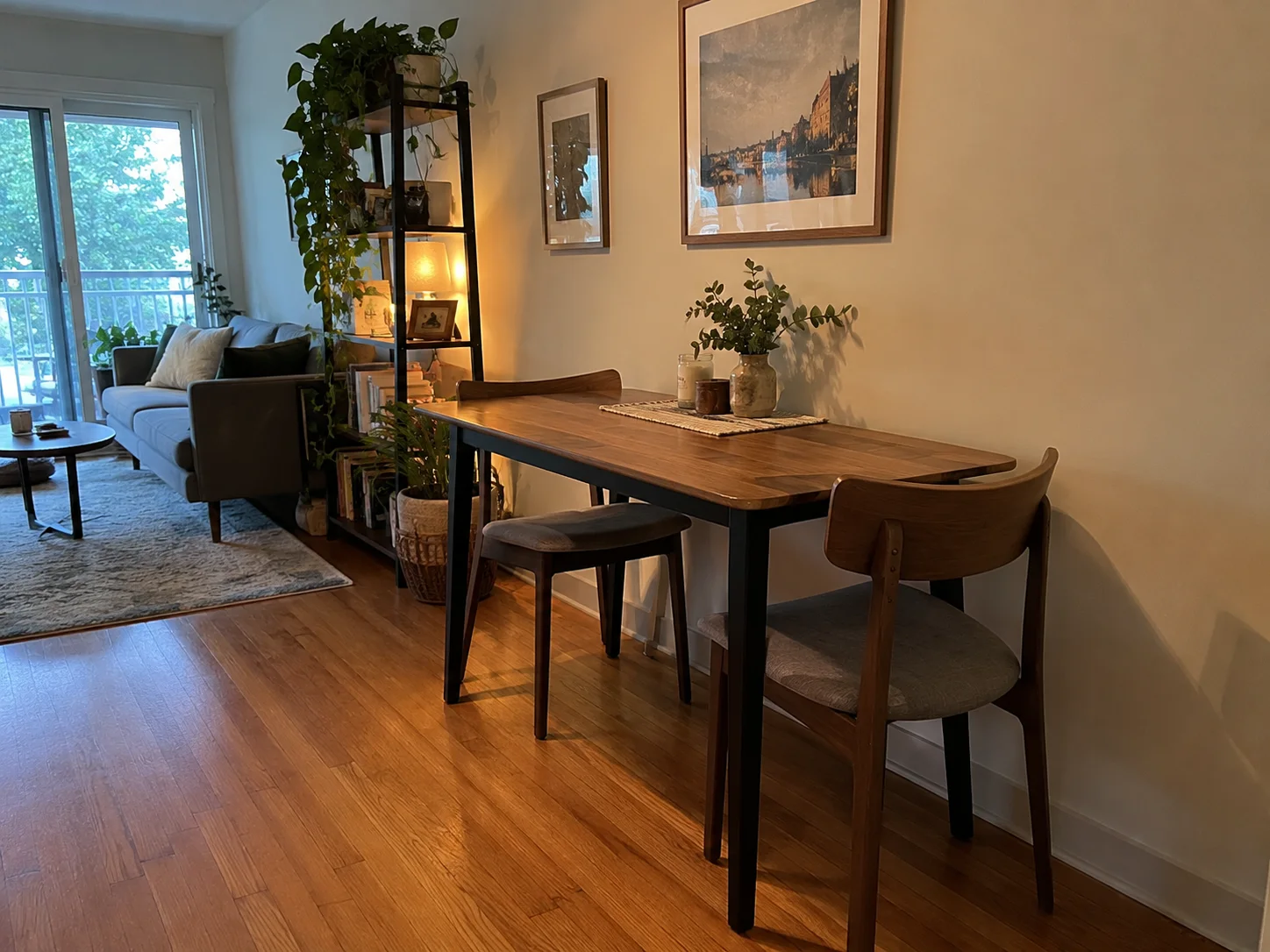
Try a slim rectangular table along the wall when the apartment has length but little spare width. Pull it a little farther out for a meal, then move it back when the chairs are empty.
Two chairs on the open side may suit everyday meals. If the table will sit against the wall all the time, check that its depth still leaves space for a dinner plate and a drink. A shallow console can look clever online and feel cramped by the second bite.
4. Add a Divider Without Closing Off the Room
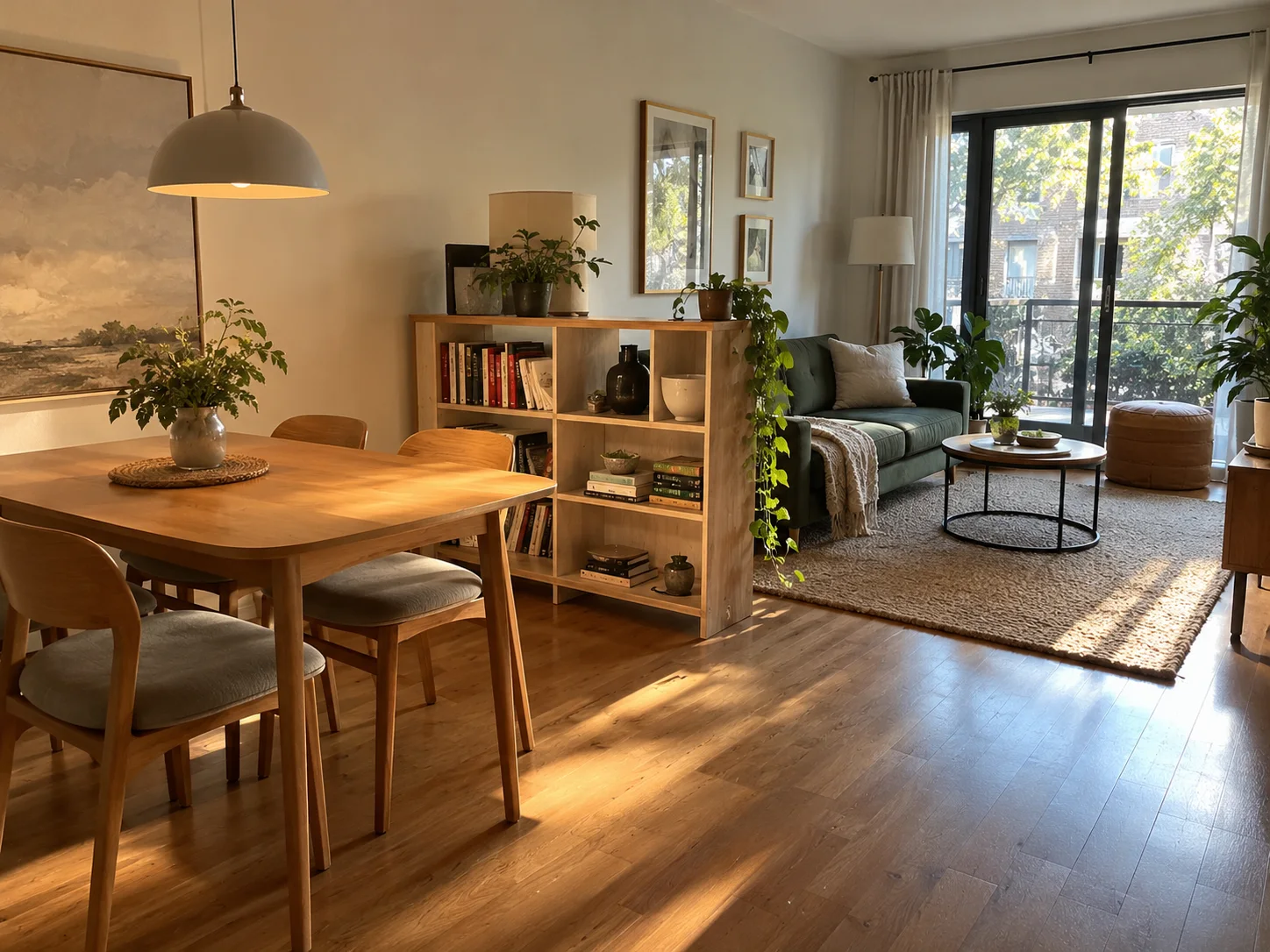
Use a sofa back, low open shelf, or movable screen to mark the dining area without building a wall. The boundary helps the room feel organized while light can still travel through it.
A sofa is especially handy when its back already faces the dining spot. Set the table beyond it and leave enough room for seated diners and anyone walking behind them. With an open shelf, secure it as directed by the maker and avoid loading the top with heavy decor.
5. Add a Bench for a Cozy Dining Nook
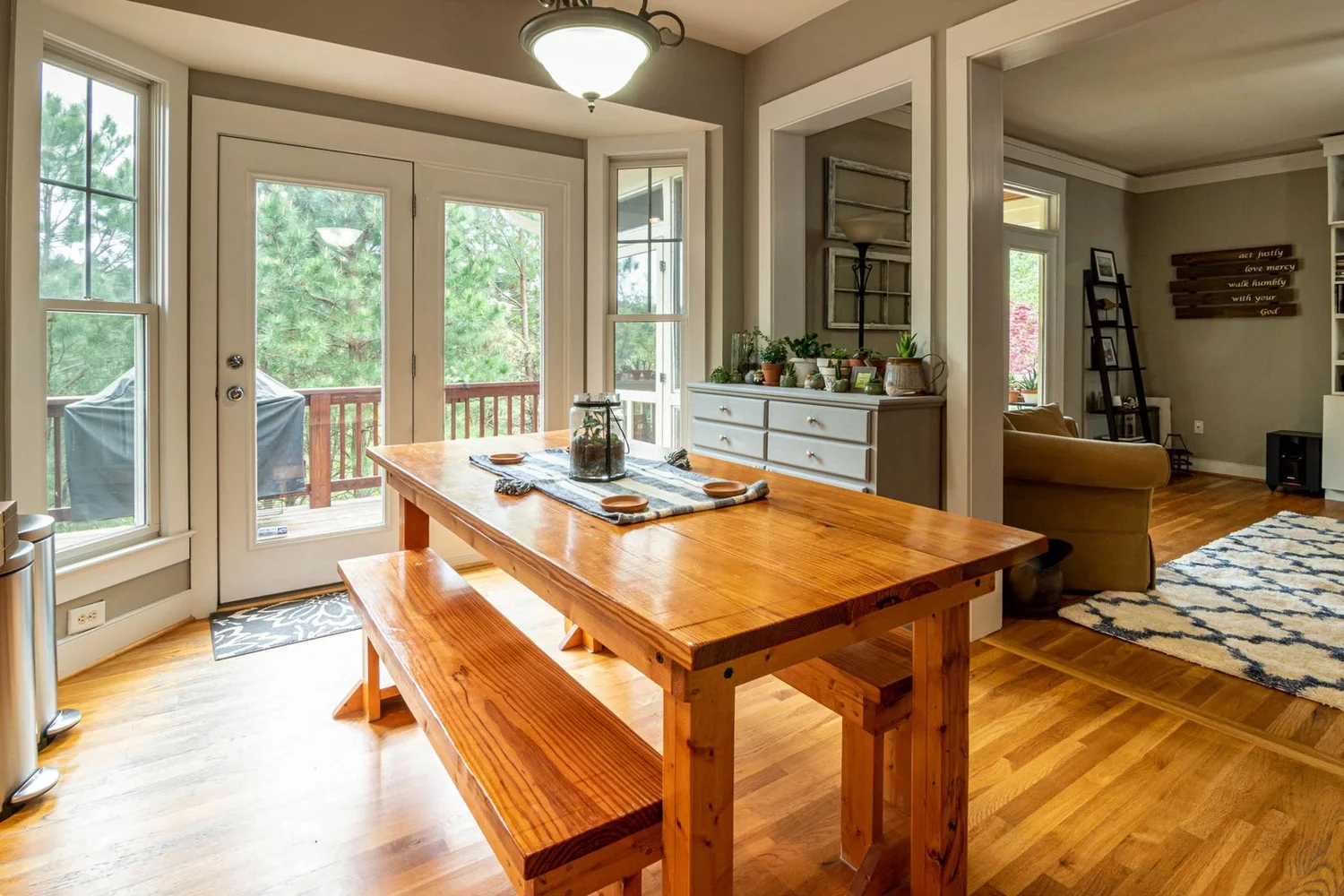
Place a bench against the wall and pull chairs to the open side of the table. That keeps one side visually calm and can make the nook feel intentional rather than squeezed in.
A freestanding bench is easier to move than a built-in banquette. If you need storage, choose a bench with an easy-opening lid or drawers and check that the table will not block them. An L-shaped banquette can make good use of a corner, but only if people can actually slide in and out.
6. Try a Round Pedestal Table Where People Walk Around It
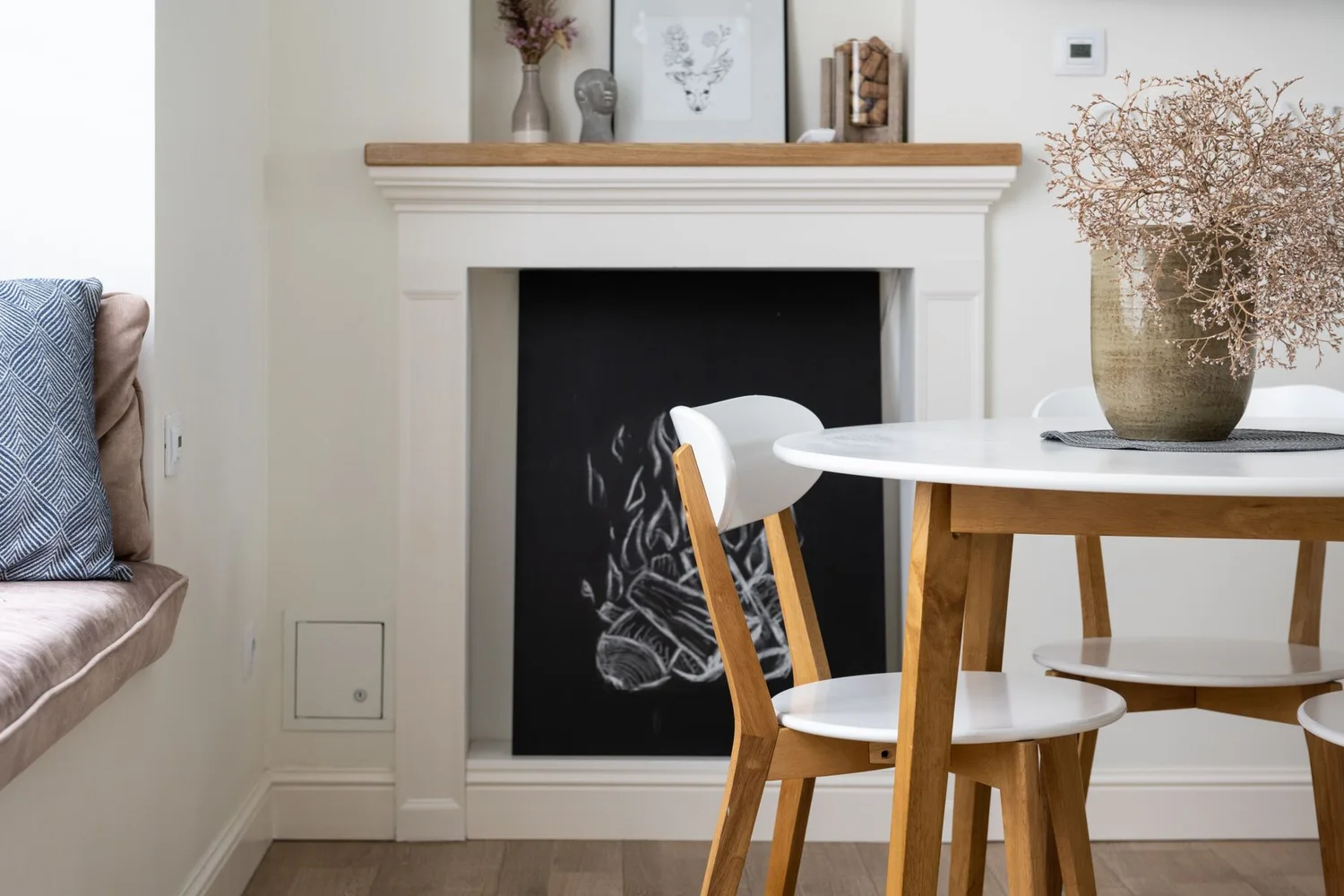
Choose a round pedestal table when you need to move around more than one side of it. No sharp corners and fewer legs can make a tight route easier to navigate.
The CB2 Babylon 30-inch Torrento Grey Marble Bistro Table is one compact example if you want a substantial stone look. Its weight and footprint are worth checking before you order. A lighter secondhand pedestal table may suit a renter who moves often.
Shape alone will not fix a poor fit. Our round versus rectangular table guide walks through the tradeoffs room by room.
7. Let a Drop-Leaf Table Grow With the Evening
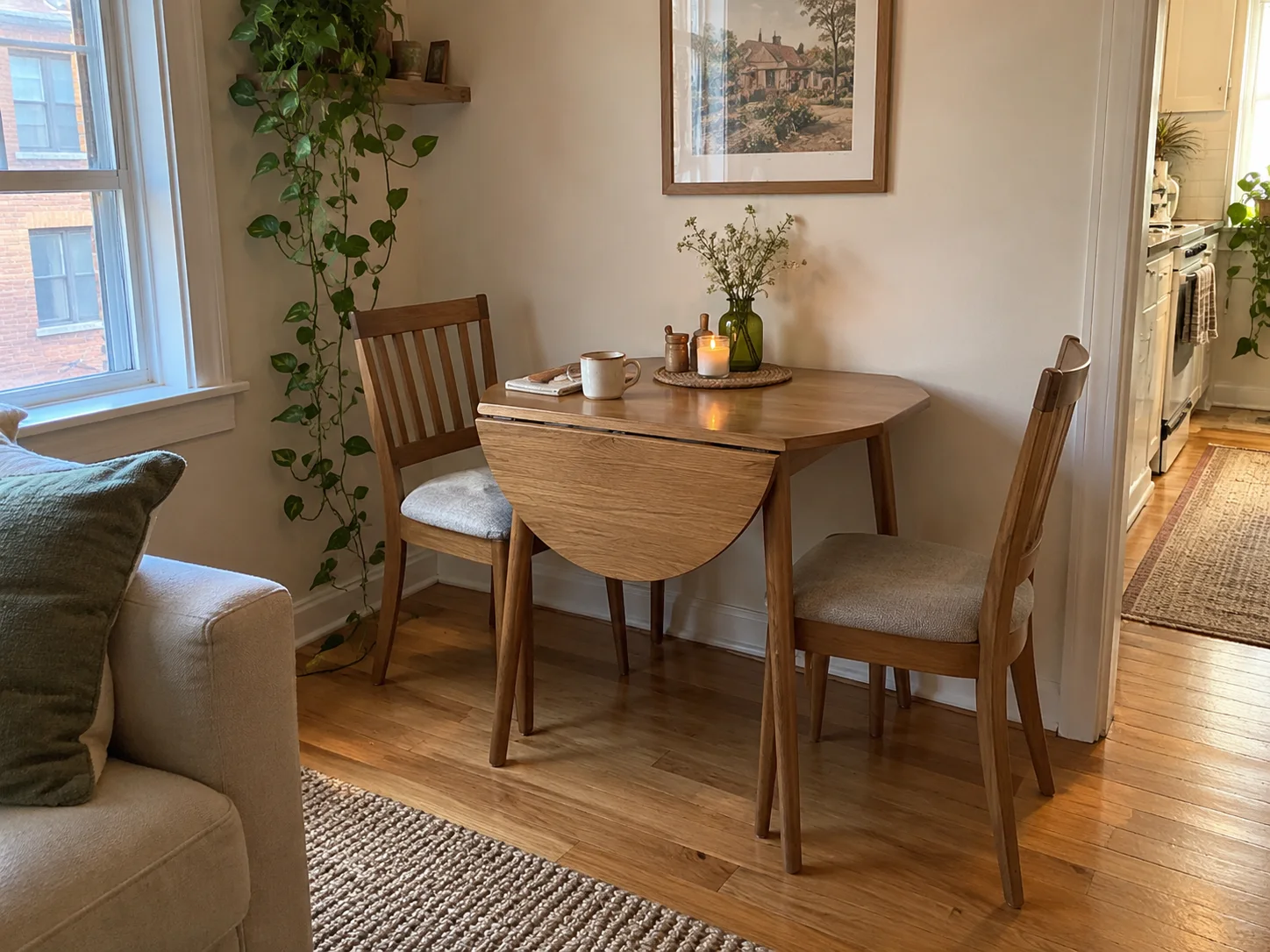
A drop-leaf table gives you a compact daily footprint and more tabletop when a friend comes over. Keep one leaf down against a wall, then raise it when you need room for extra plates.
The World Market Jozy Round Wood Drop Leaf Dining Table offers that flexibility in a warm wood finish. Check the dimensions in both positions and make sure there is room to pull out the extra seat after opening the leaf.
A folding tabletop does not make the chairs disappear, so plan a place for guest seating too.
8. Fold the Table Away for Open Space
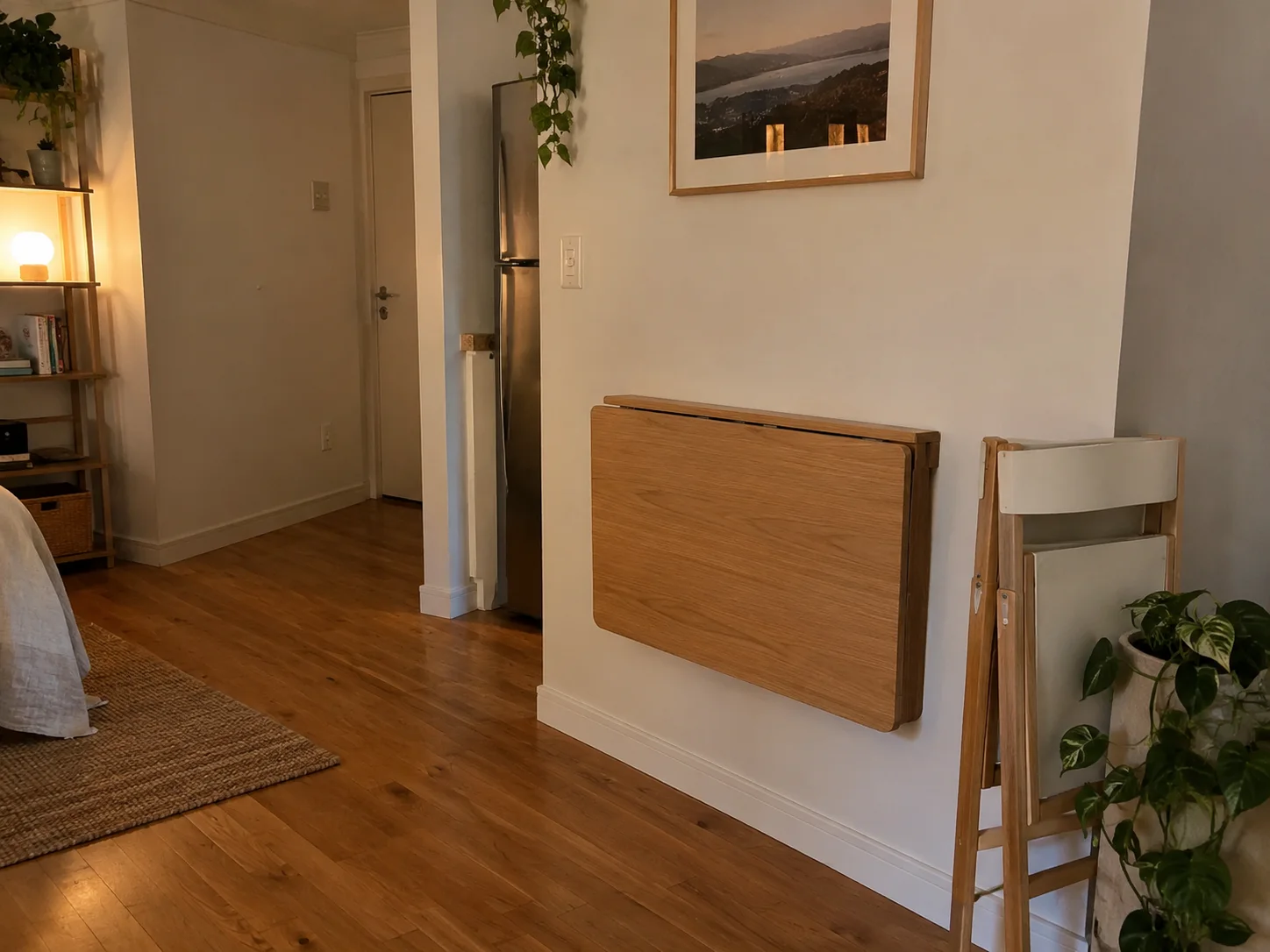
Use a wall-mounted fold-down table if an open floor matters more than keeping a table out all day. Pair it with chairs that stack or fold, and the dining setup can disappear between meals.
Check the wall, mounting instructions, and your lease first. If drilling is out of the question, a freestanding folding table can give you a similar routine. Open it where the chairs have room, then store it in a closet or behind a door.
9. Choose Chairs That Tuck In or Stack Away
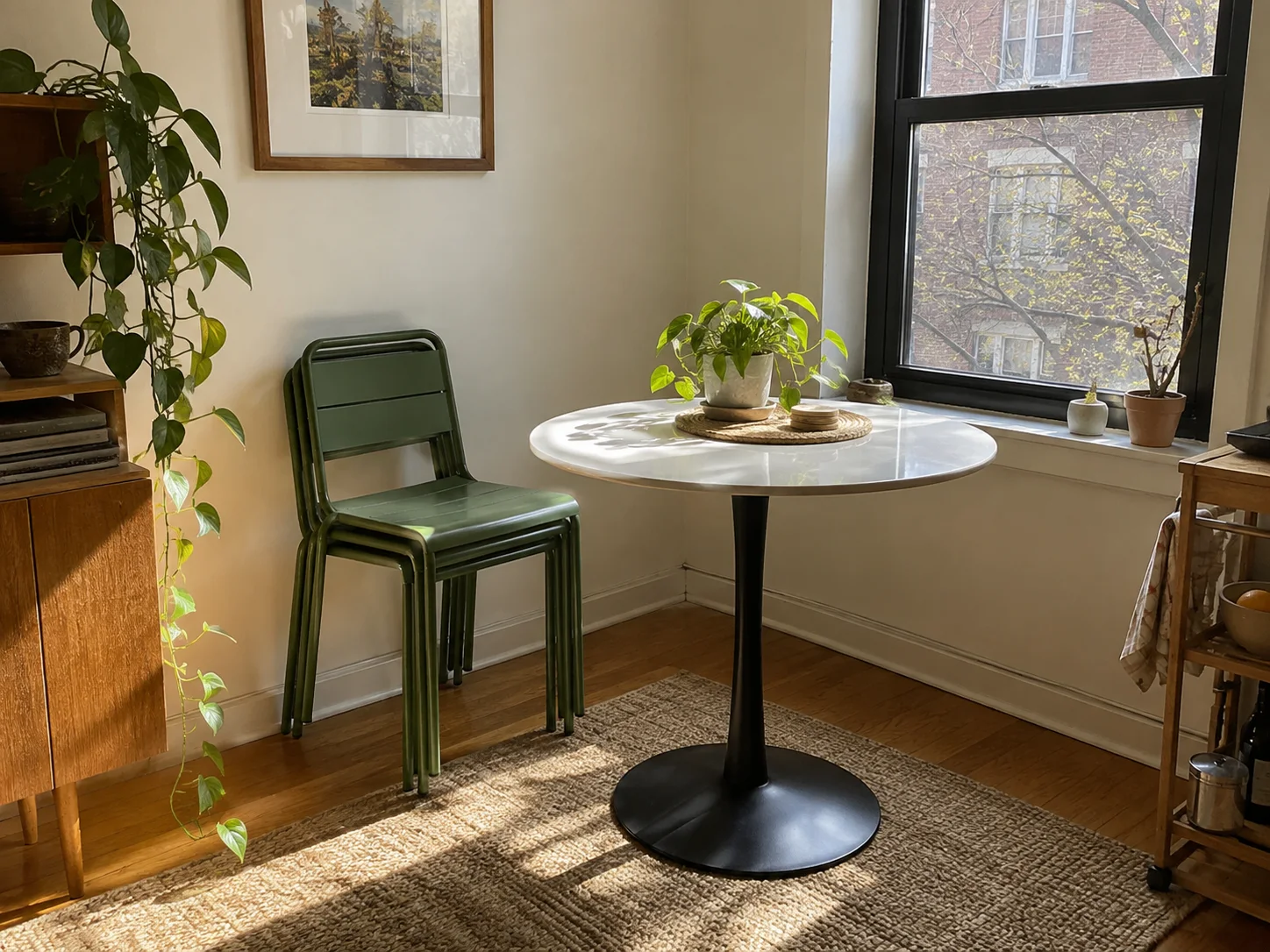
Keep your everyday chairs comfortable, then choose extra seats that stack, fold, or tuck fully under the table. That way a dinner for four does not dictate the room layout all week.
The 17 Stories Lilian stacking side chairs can wait in a closet or corner when guests leave. Check how high the stack gets and where you would keep it.
If an extra chair will stay out every day, the transparent Kartell Louis Ghost chair keeps sight lines open. Its arms and shape still need room, even though you can see through it.
Check seat height and comfort before choosing either chair. If the table has a chunky apron or pedestal, test how far a seat really slides under it. “Tuckable” only helps when the legs and arms cooperate.
10. Try a Different Angle in an Awkward Corner
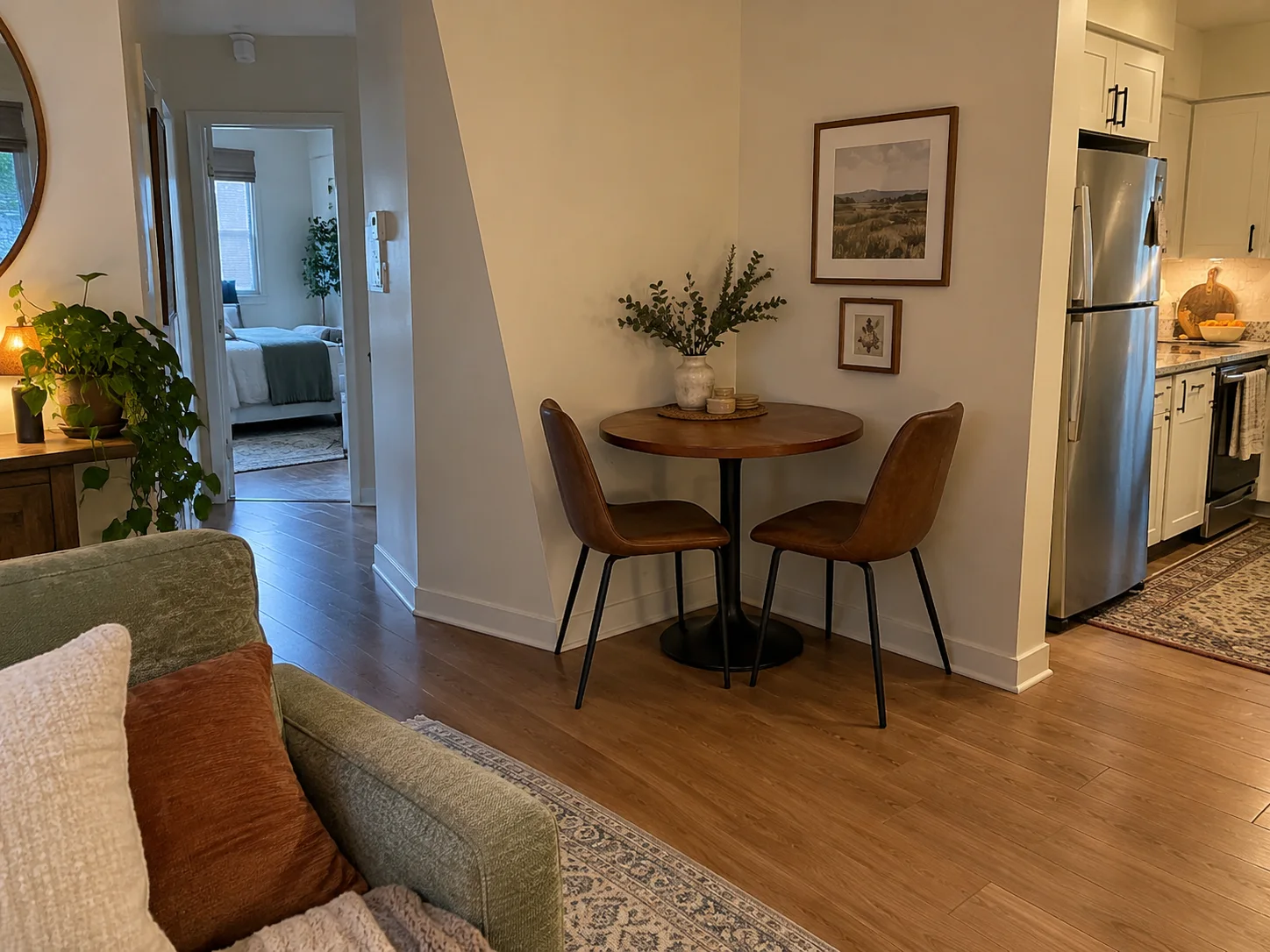
Turn a small table to follow the usable space rather than forcing it parallel to every wall. In a corner with an angled wall, radiator, or doorway, a slight rotation may make the chairs and walking route fit better.
Move your current table or mark the proposed footprint with removable paper. Then walk past with a bag and pull out the chair. If the diagonal arrangement creates a pinch point, turn it back. The room gets the final vote.
11. Share One Table for Meals and Laptop Time
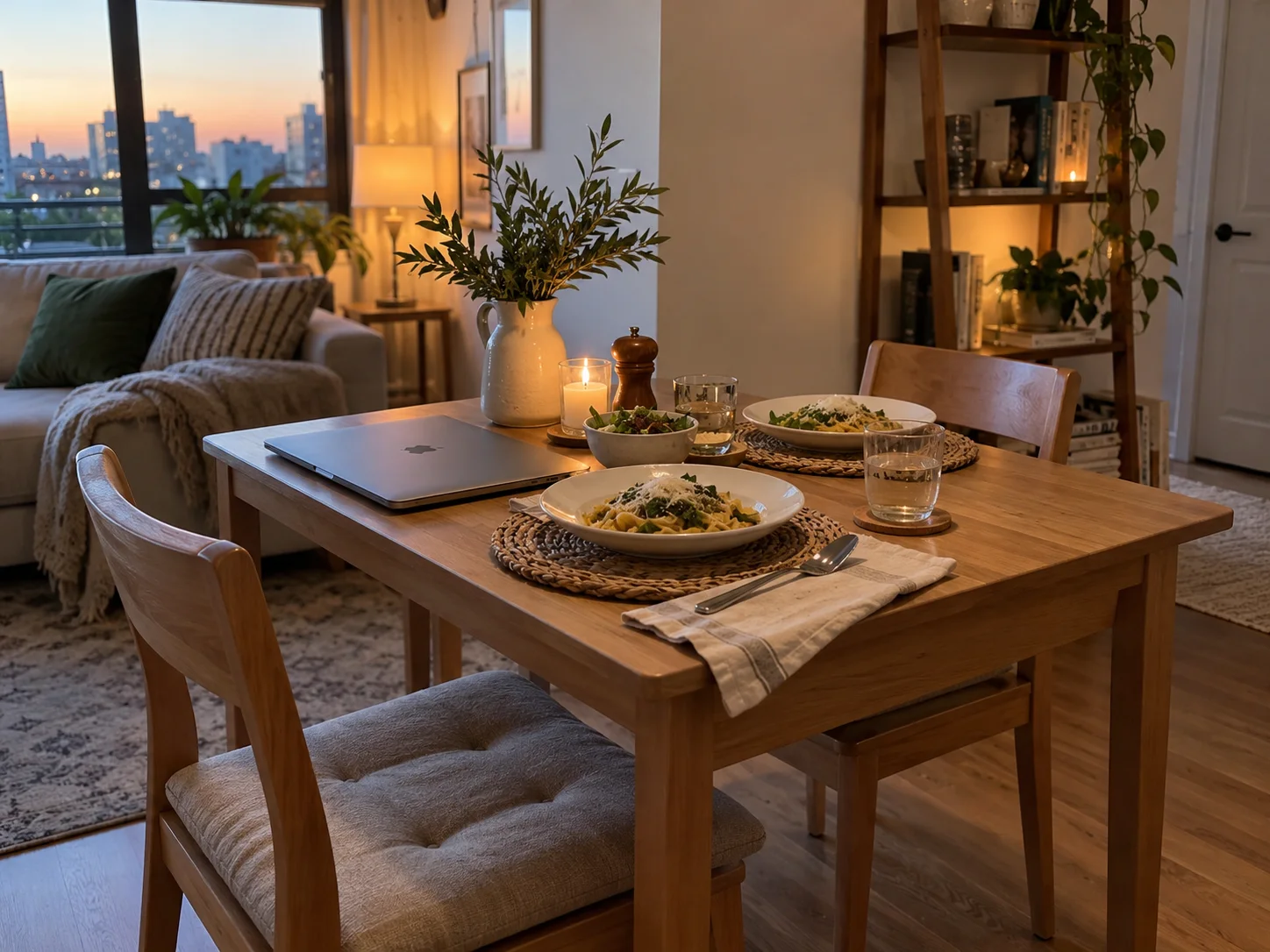
Choose a dining table that also feels comfortable for occasional laptop time, then give work supplies a nearby home. A drawer, basket, or shelf can clear the surface quickly when you are ready to eat.
A table that is too shallow for a laptop and a plate will feel crowded in both roles. If working from home is a daily routine, our home office layout guide has more ideas for keeping the setup comfortable.
12. Use the Counter You Already Have When It Works Better
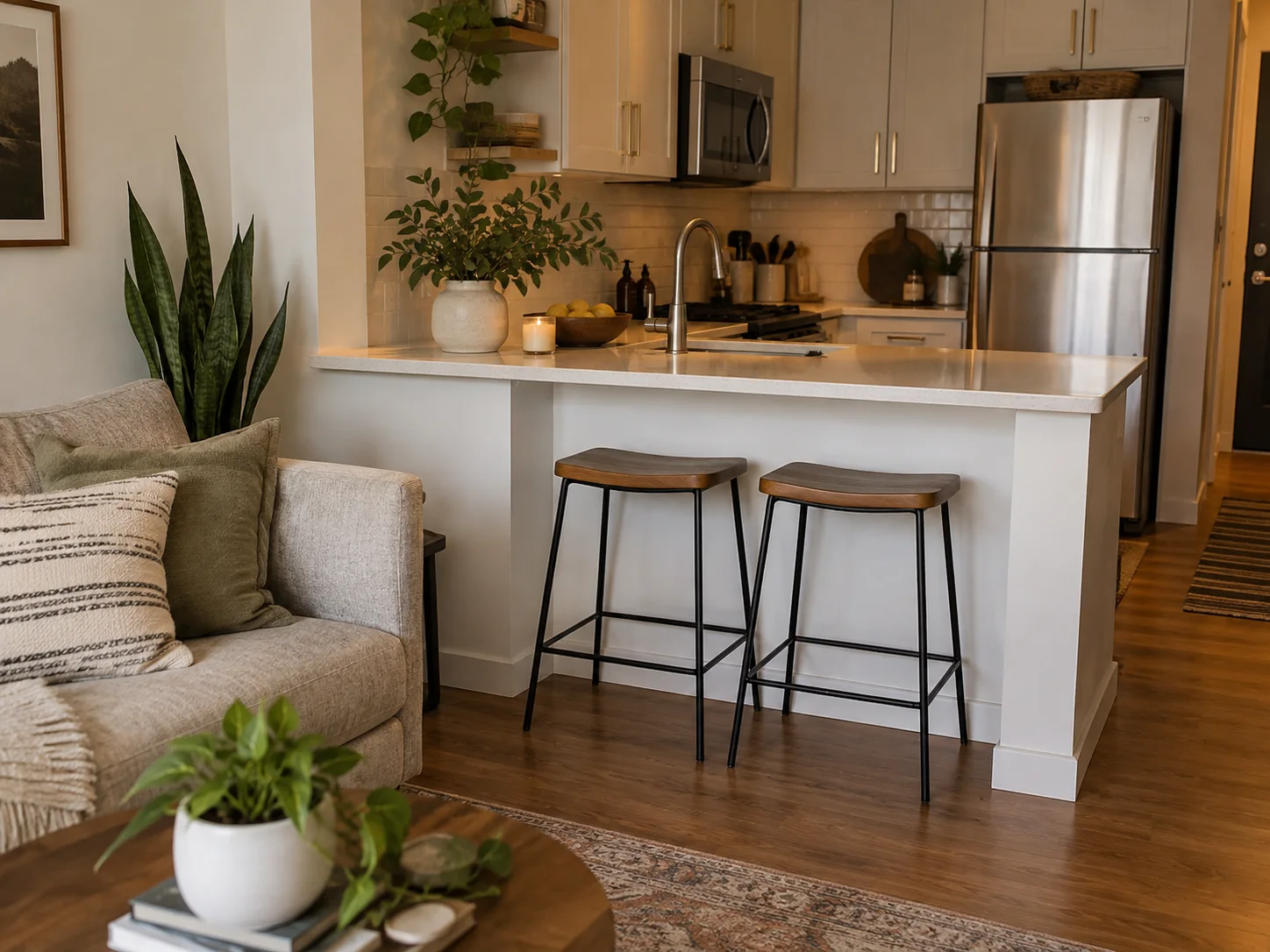
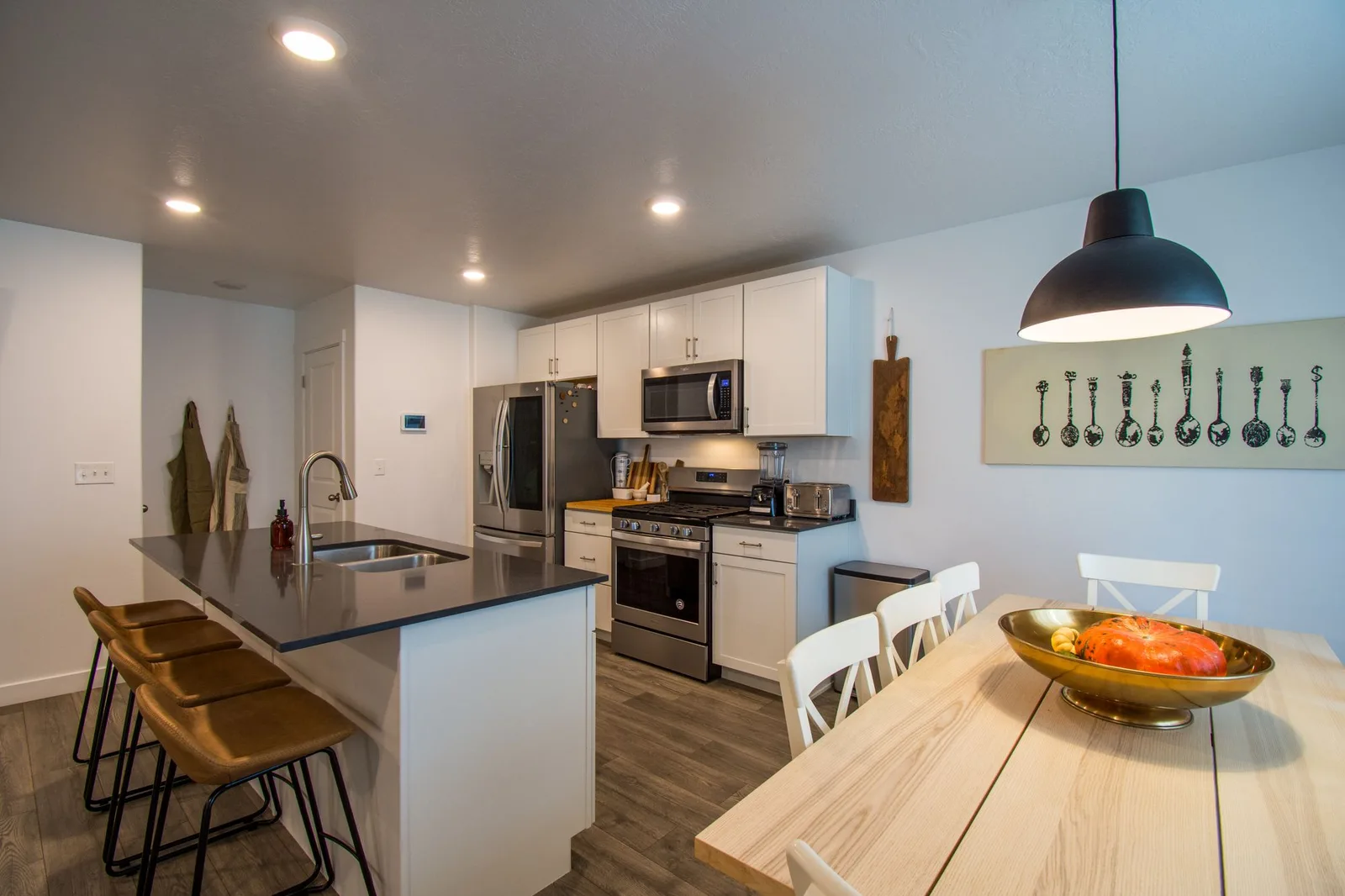
Use a kitchen peninsula or counter overhang for daily meals if two stools fit without blocking cabinets or the walkway. It can leave the living area free for a sofa and a larger gathering.
Make sure knees have real room below the counter and that the stools feel steady at the right height. A counter with no useful overhang may be uncomfortable even when it looks wide enough. For a fuller comparison, see our dining table or kitchen island guide.
13. Move Storage Off the Table
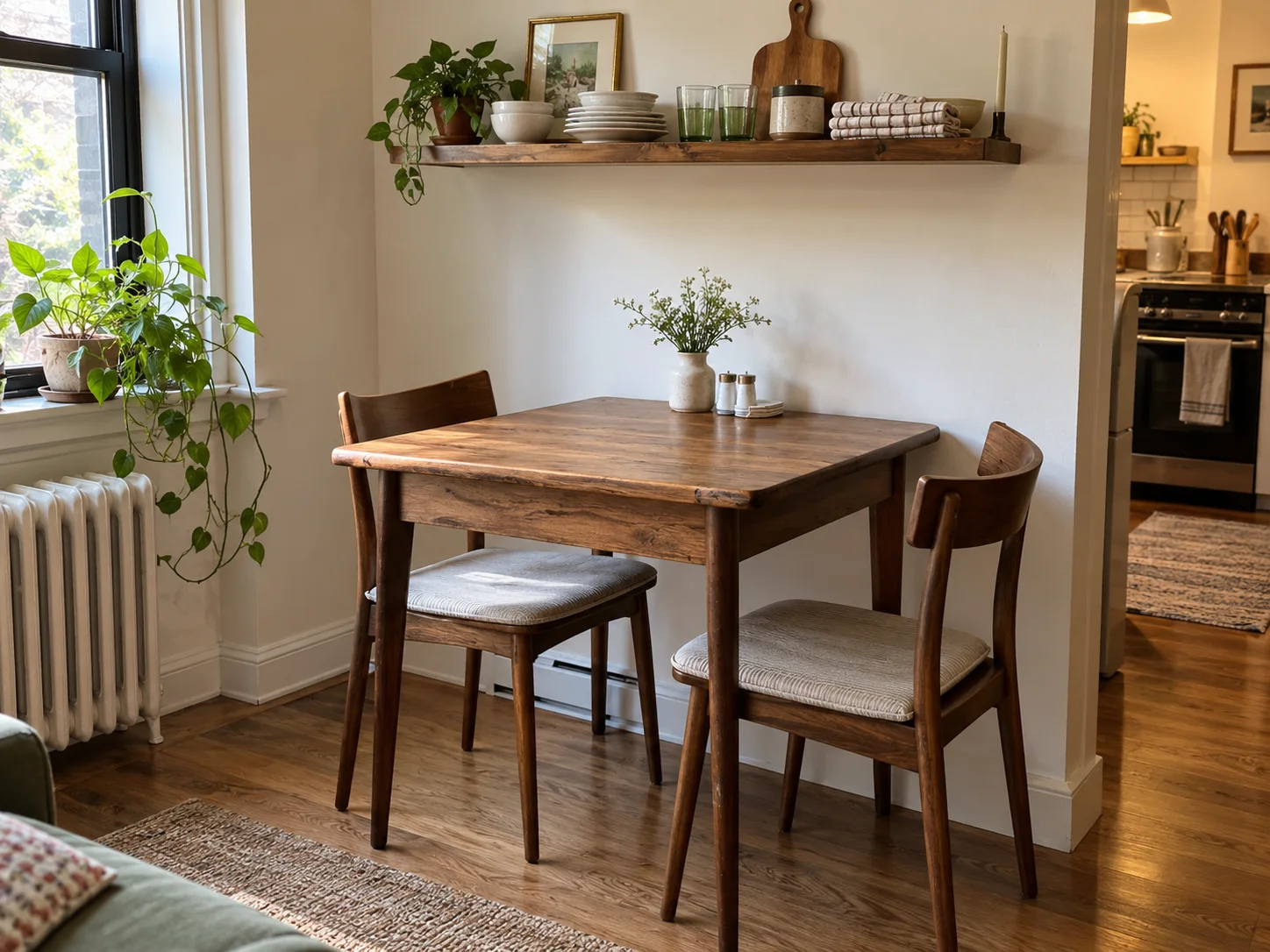
Keep placemats, napkins, and the everyday odds and ends in a nearby shelf, cabinet, or storage bench. You should not have to relocate a week of mail before setting down a bowl.
A shallow wall shelf can hold light items without projecting far into the room. If you rent, use an existing cabinet or a slim freestanding piece instead. Keep heavy dishes where the furniture and fittings are rated to hold them.
14. Give the Dining Spot Its Own Light
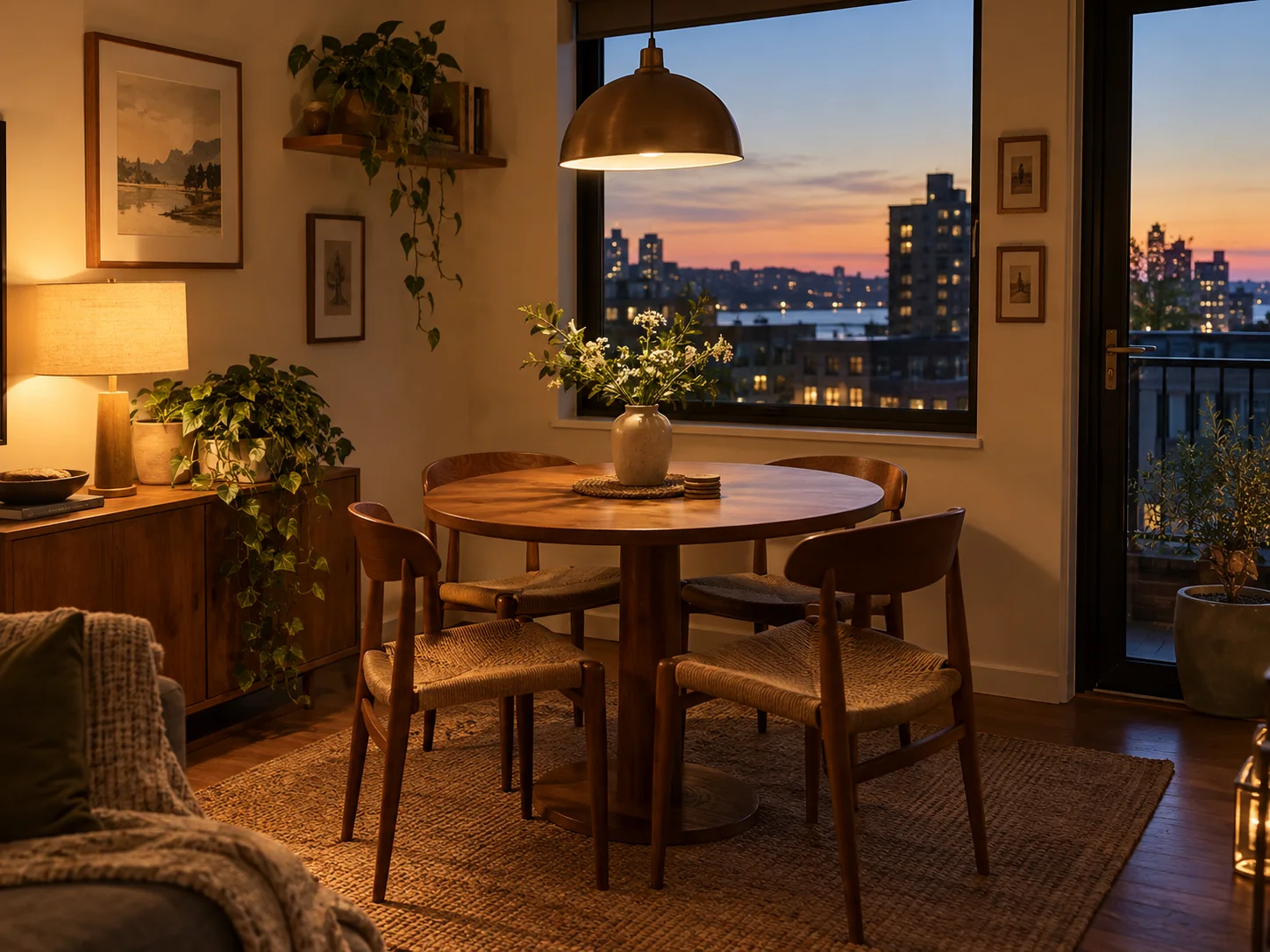
Add a warm pendant, plug-in wall light, or small nearby lamp to make the dining area inviting after work. Light is especially useful in a combined living and dining room because it gives the eating spot a clear identity.
Aim for light that reaches the plates without shining in anyone’s eyes. A plug-in lamp is often the simplest rental-friendly choice. If the room already has a harsh overhead fixture, a softer second source can change the mood without changing wiring.
15. Hang a Mirror to Make the Dining Corner Feel Bigger
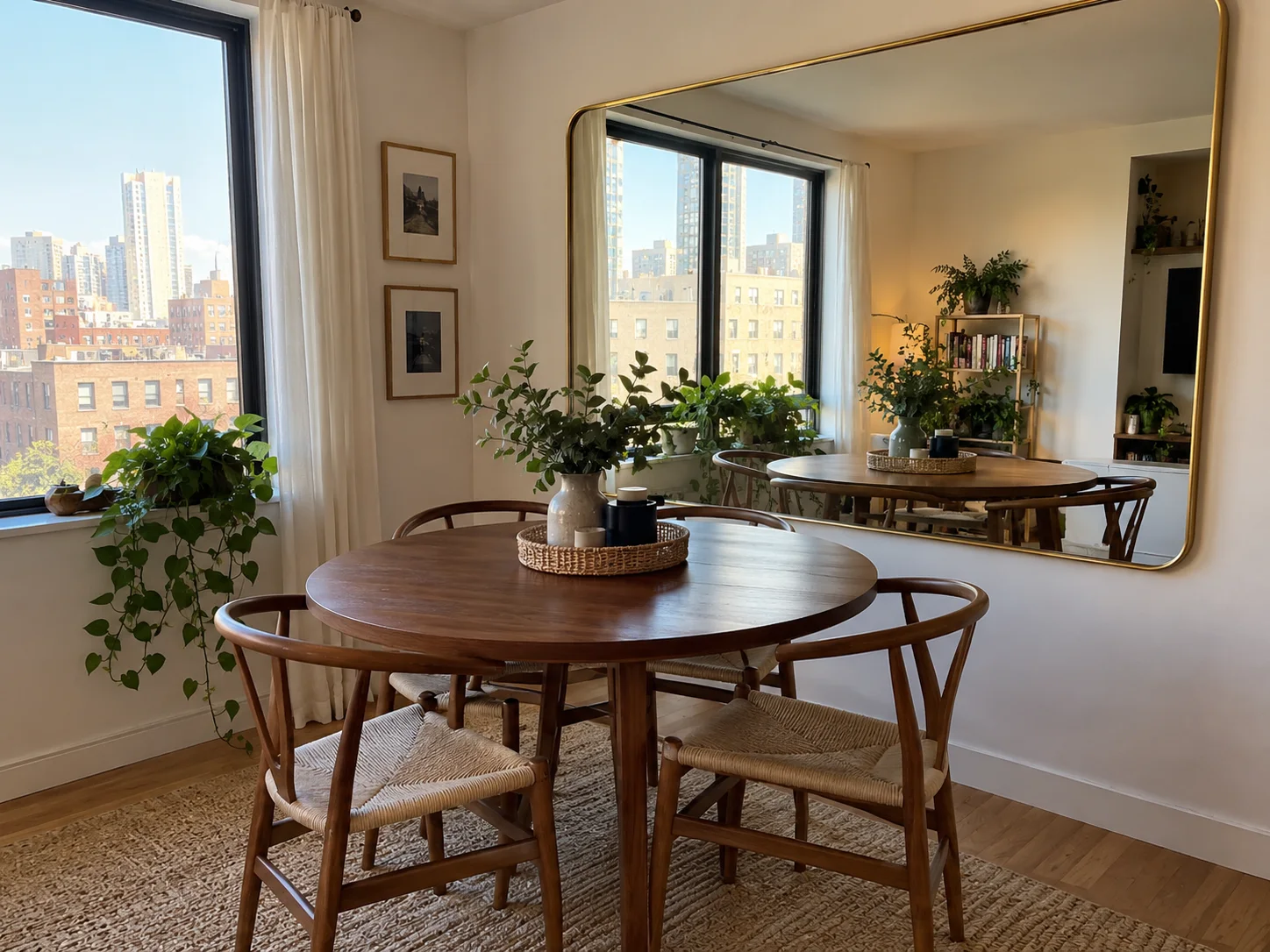
Hang a mirror where it reflects a window, lamp, or attractive part of the room. The added light and depth can make a compact dining corner feel more open.
Check the reflection from a seated position before mounting the mirror. A mirror that only doubles a cluttered counter will not give the effect you want. If the wall feels dim too, sample the soft green-gray of Farrow & Ball Pale Powder beside your existing furniture.
For a brighter backdrop, try a sample of the warm Farrow & Ball Wimborne White. Look at it in evening light, when the dining corner is most likely to need a lift.
Hosting More People Without Living Around a Bigger Table
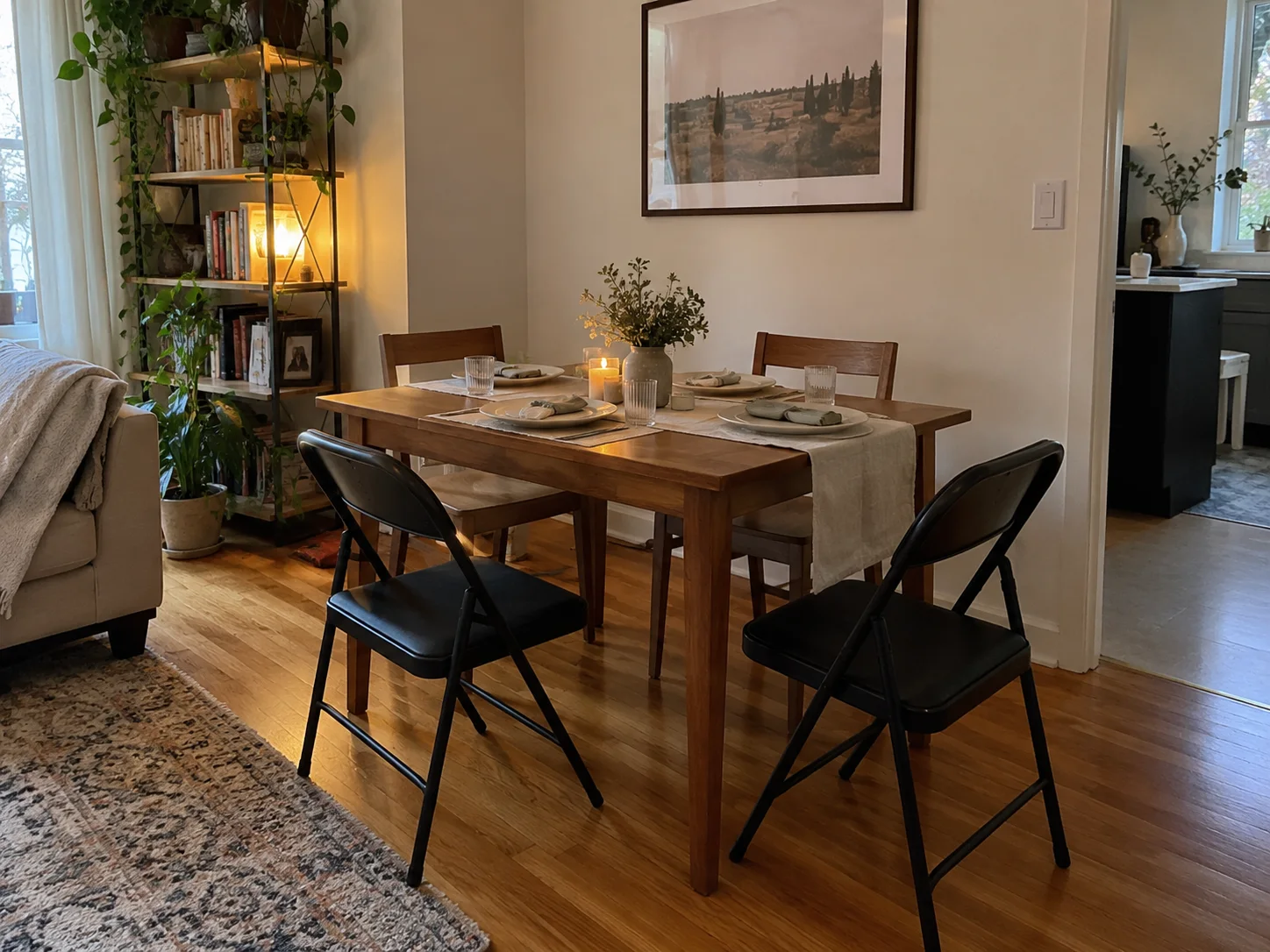
Keep the daily setup for two and make a simple plan for guests. Raise a drop leaf, move the table away from the wall, or pull out folding chairs when company arrives.
If the group is larger, serve food on the counter and let people sit across the living area. Your dining corner does not need to behave like a full dining room all week just because you host once a month.
Try the expanded arrangement before the doorbell rings. Check where the extra chairs go and whether anyone can still get to the kitchen and bathroom.
A Quick Checklist Before You Set Up Your Dining Area
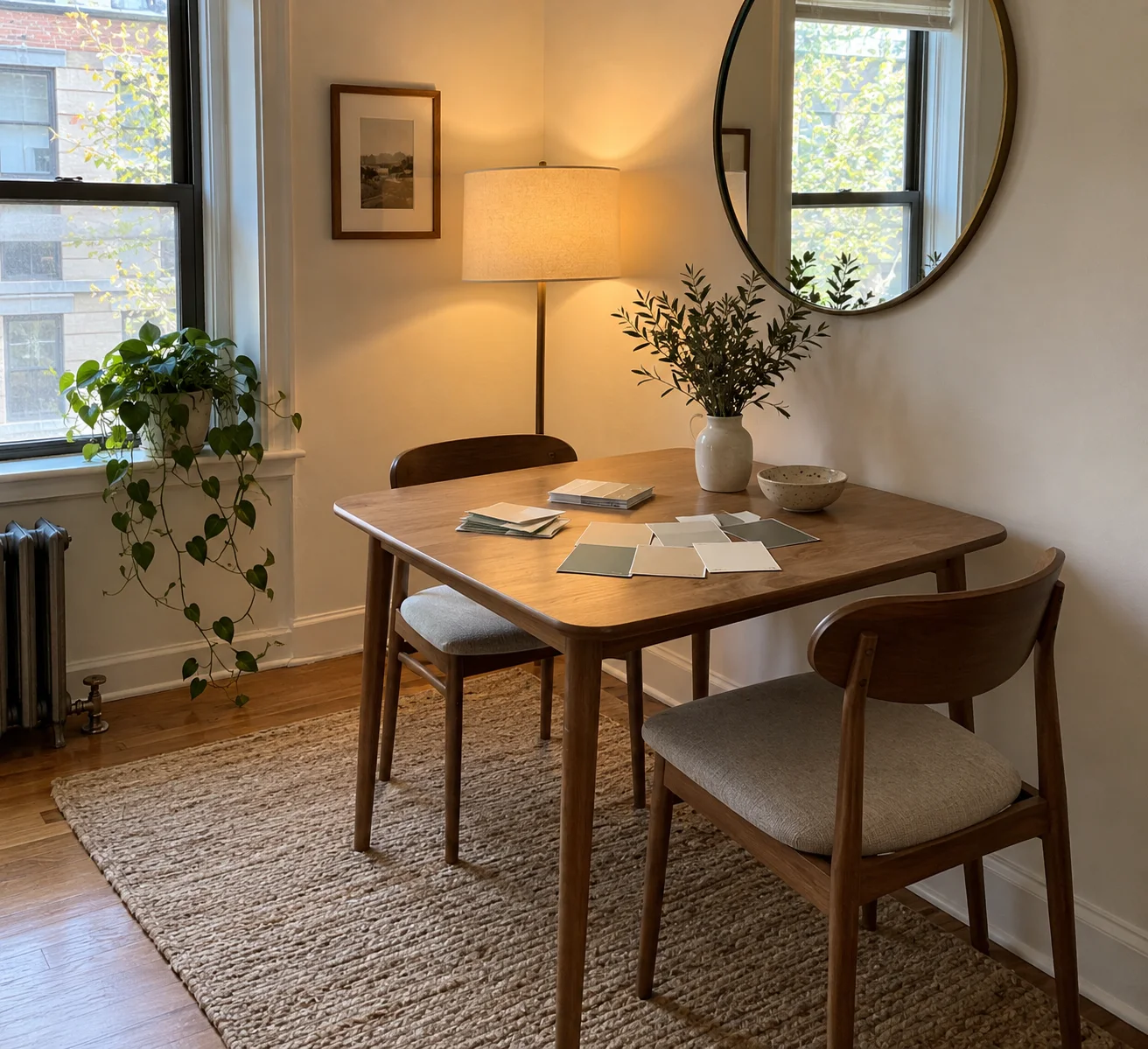
Walk through the setup as though you were serving dinner tonight. Check the occupied chairs and open doors, then pick the furniture that works for that real scene.
- Where could two people eat without blocking the usual walk through the room?
- Do the chairs still fit when someone sits in them?
- Can a door, drawer, or curtain open fully?
- Would a drop-leaf table, stacking chair, or storage bench free up space later?
- Is there a nearby outlet or safe way to add warm light?
- Will the table fit through the entry and around any tight delivery turns?
- Does the setup suit the people who eat there most evenings?
If one answer is uncertain, try the arrangement with furniture you already own before placing an order.
FAQs About Dining Areas in Small Apartments
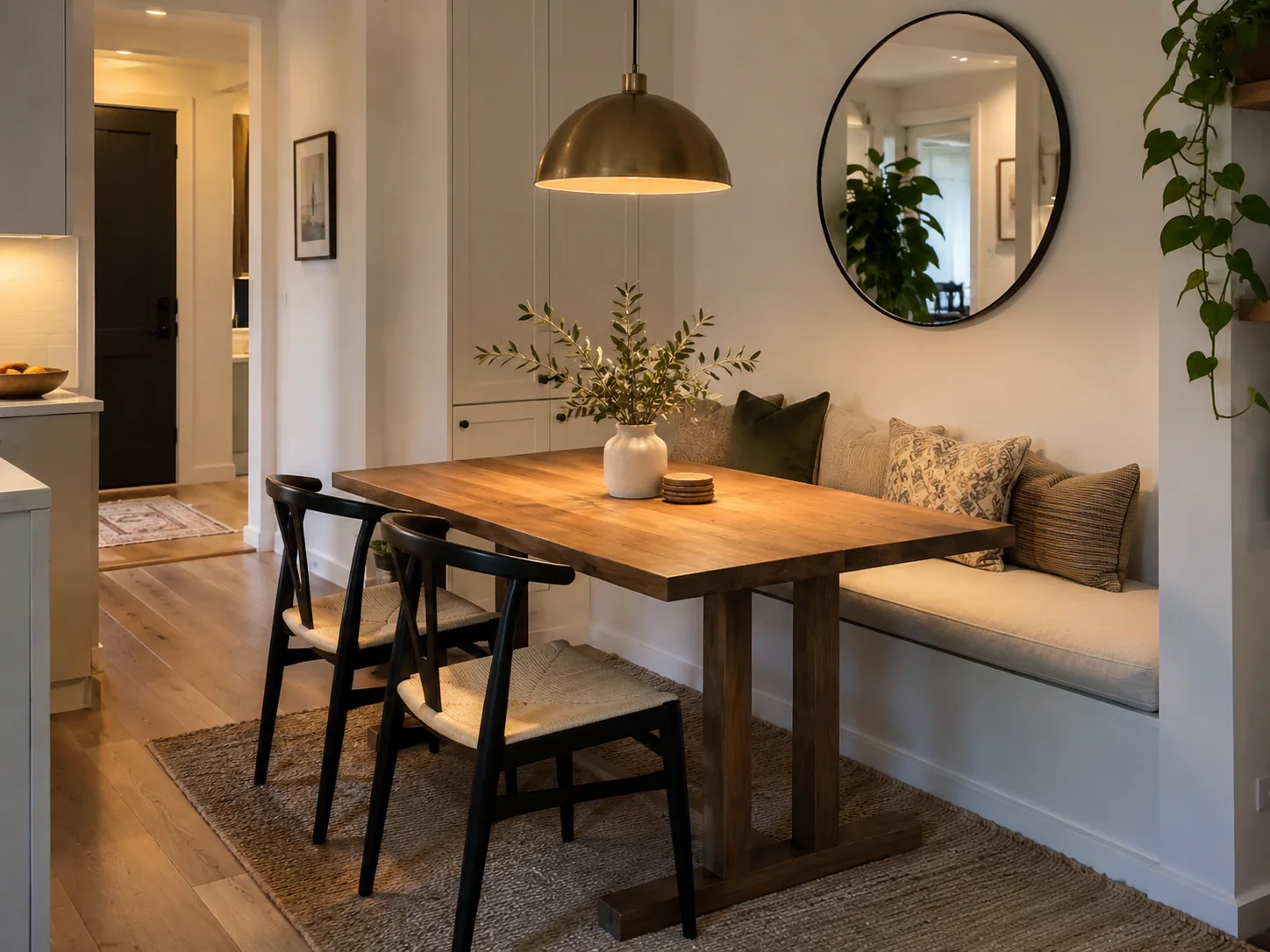
Where Should You Put a Dining Table in a Small Apartment?
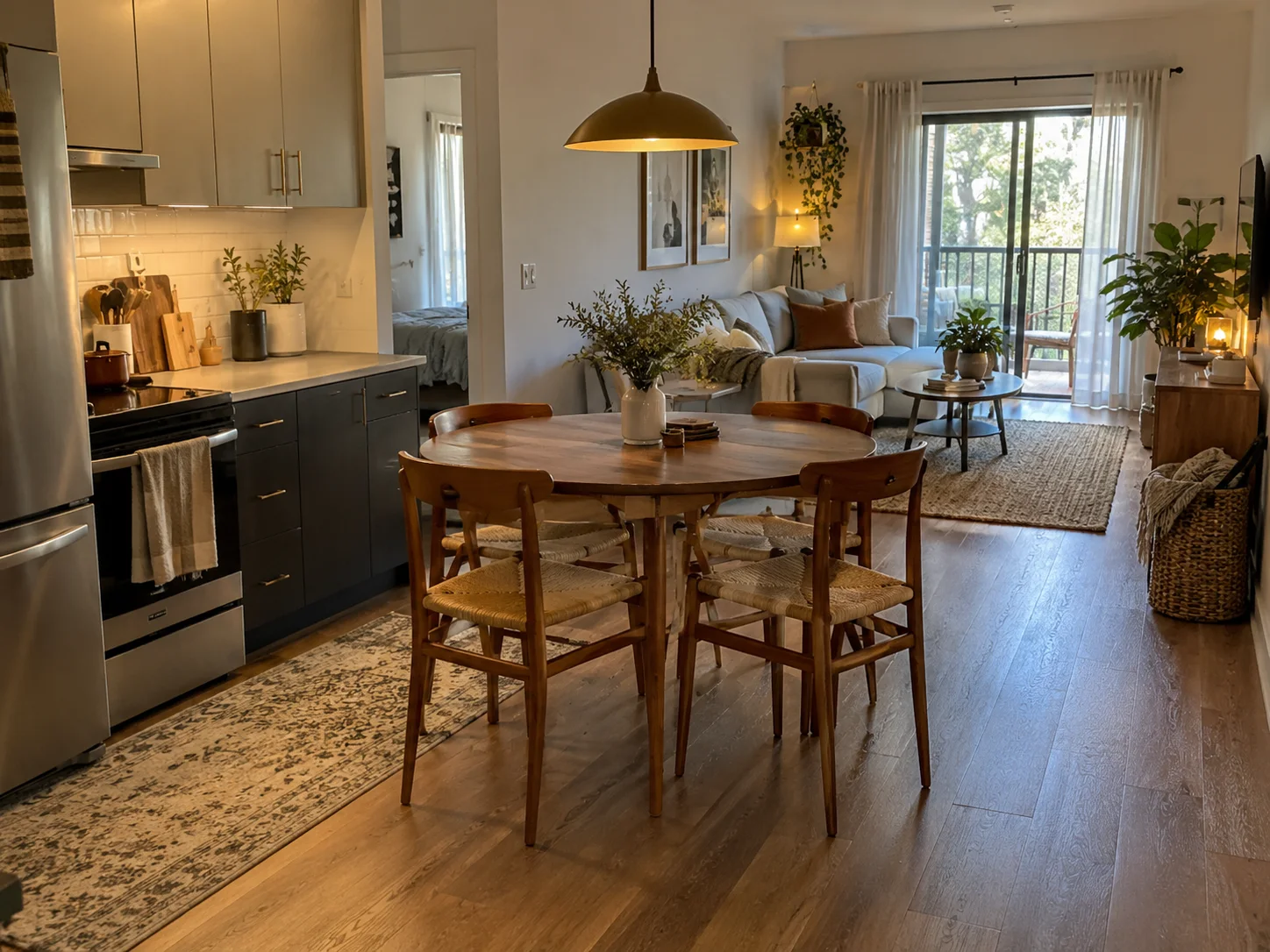
Choose a spot near the kitchen where occupied chairs leave a clear walking route. A window corner, narrow wall, or area behind the sofa can work. Test each location with chairs pulled out before deciding.
Is a Round or Rectangular Table Better for a Small Apartment?
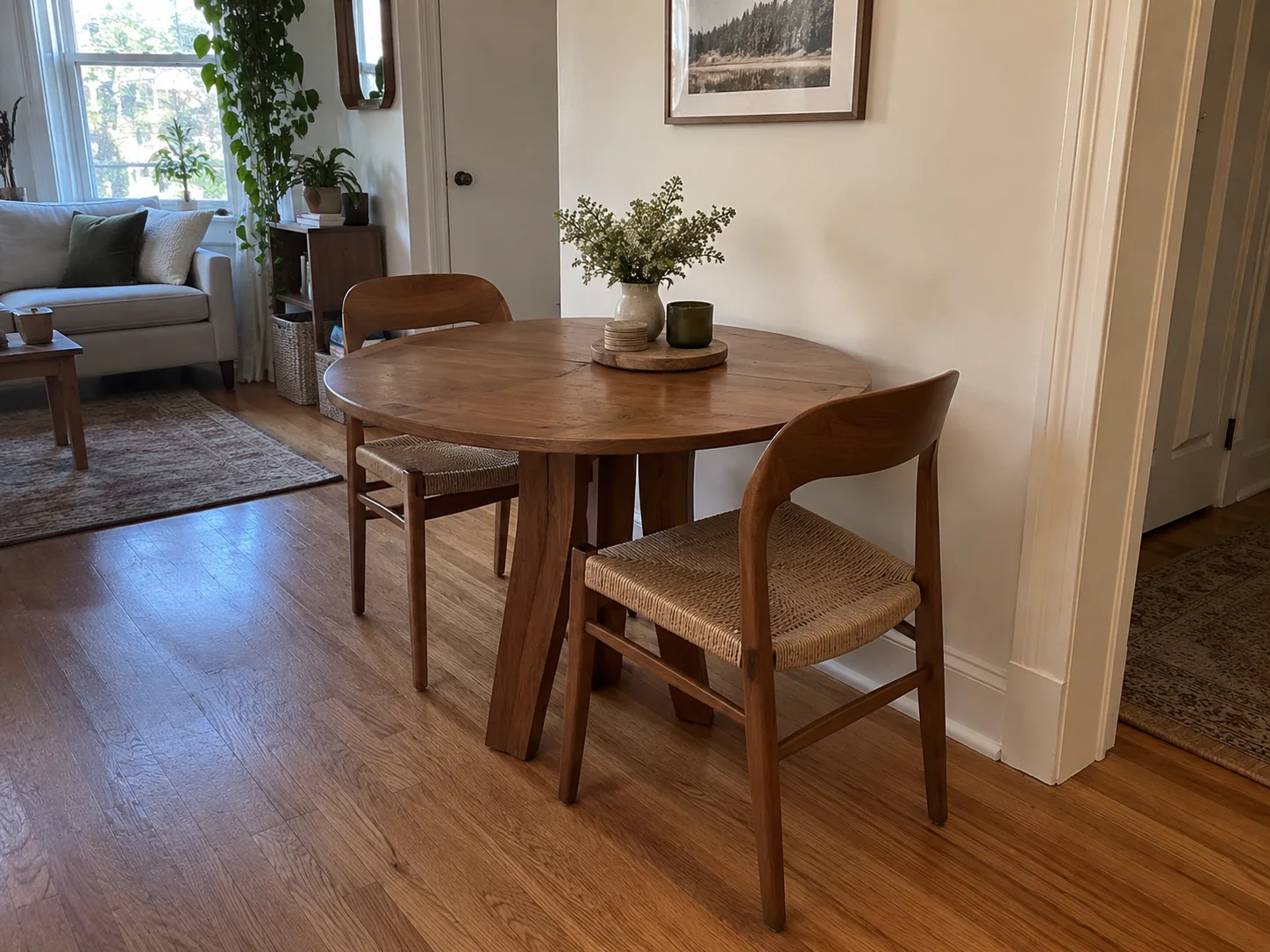
A round table often works well when you walk around it; a slim rectangular table can fit better against a wall. Check the full occupied footprint in your particular room. The smaller-looking shape is not always the easier one to use.
Can You Create a Dining Area Without a Separate Dining Room?
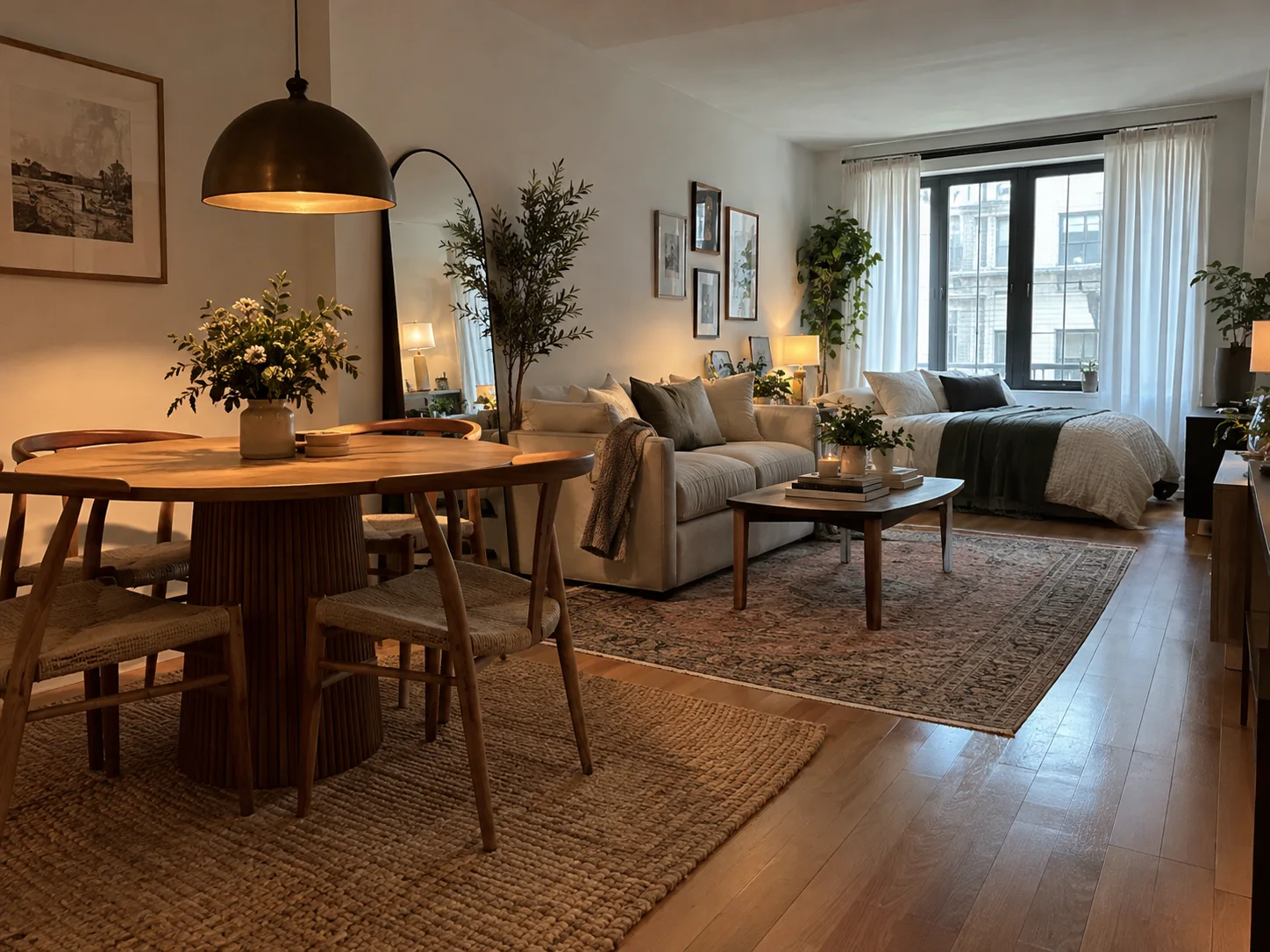
Yes. Place a compact table near the kitchen and mark the spot with lighting, a bench, or a low divider. Keep the walking route open and let the dining furniture match the scale of the rest of the room.
How Do You Fit Four People Around a Small Dining Table?
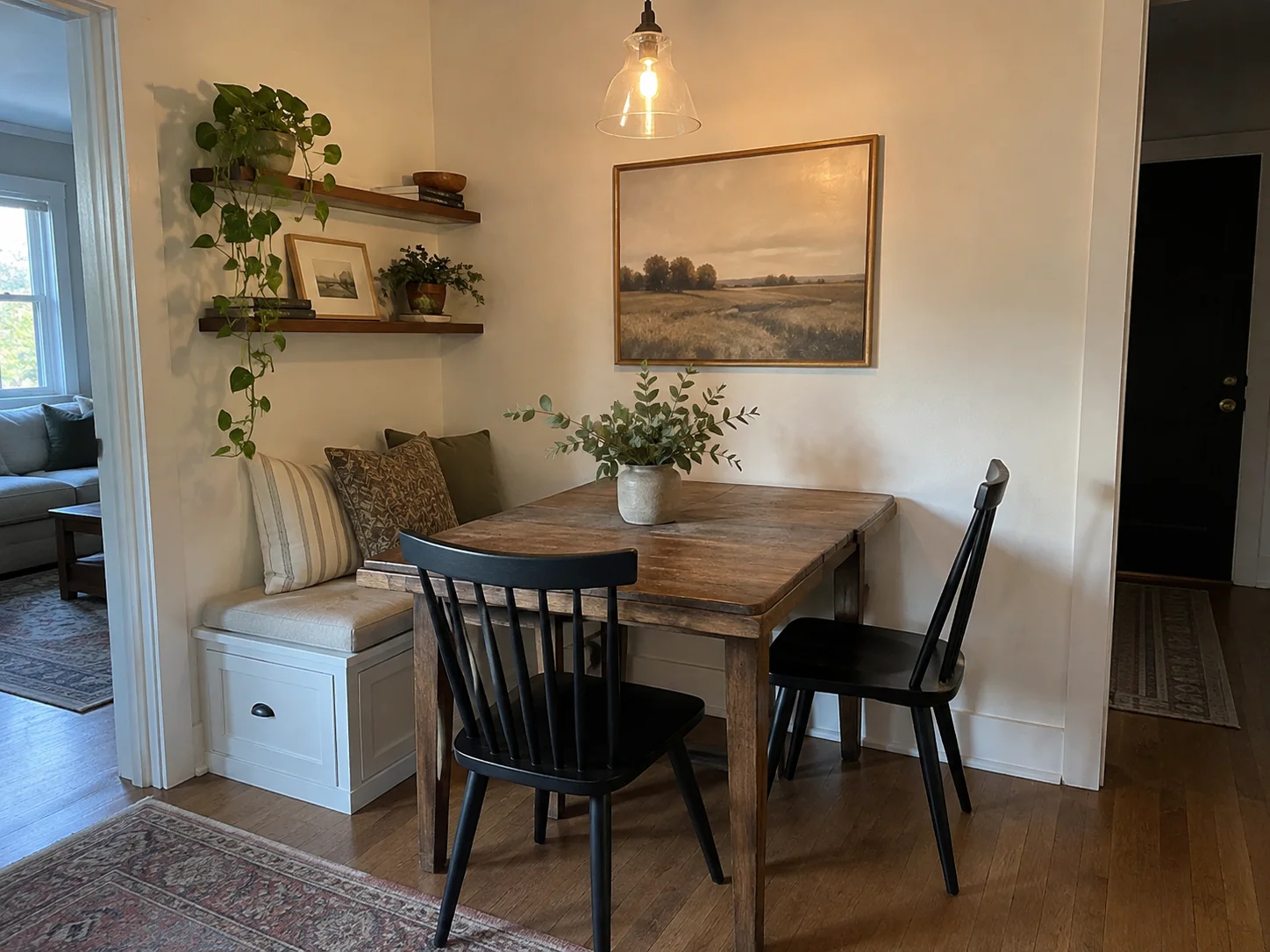
Use a drop-leaf table or move a compact table away from the wall, then add folding or stacking chairs. A bench can take one side. Check elbow room and access to the kitchen with all four people actually seated.
Is a Bench Better Than Chairs in a Small Dining Area?
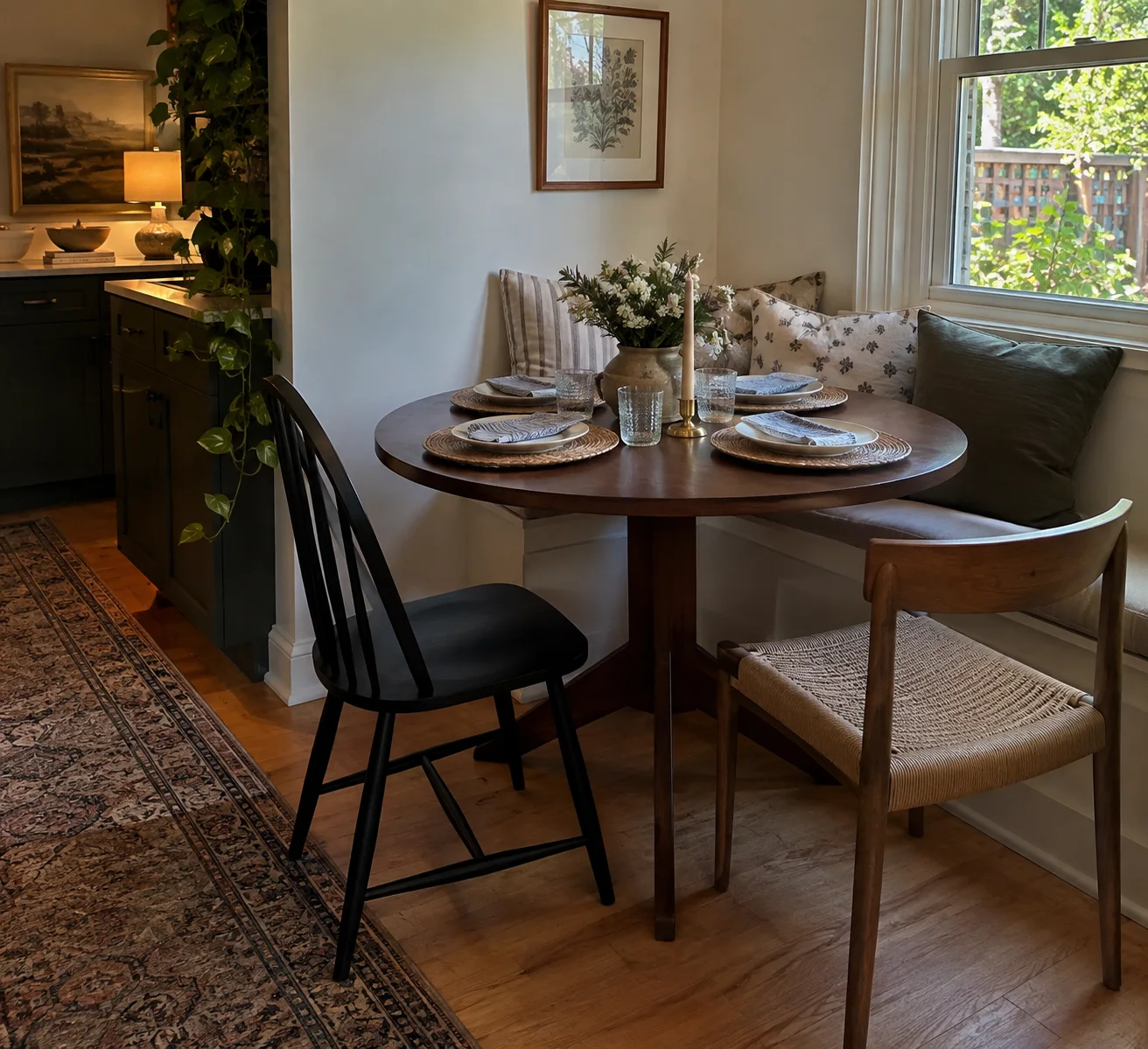
A bench can save space along a wall and may add storage; chairs are easier for each person to move independently. Pick the one that suits daily meals. If the bench is tucked into a deep corner, make sure no one has to climb over another diner to leave.
What Can You Use When a Dining Table Will Not Fit?
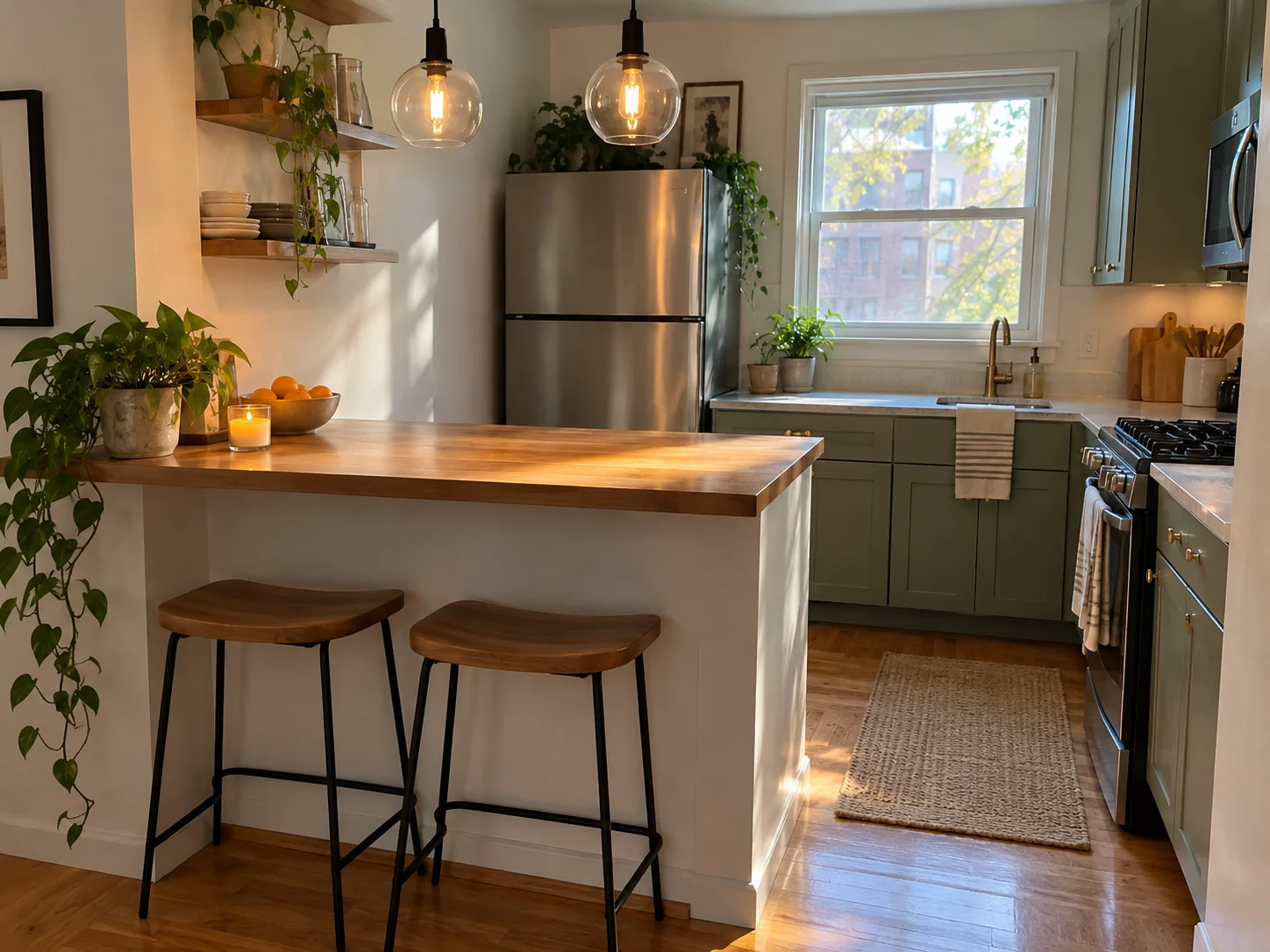
Use a kitchen counter with a proper overhang, a wall-mounted fold-down surface, or a small portable folding table. Check knee room and seat height first. A comfortable counter setup can be more useful than a standalone table that blocks the apartment.
Useful Furniture and Finishes for a Small Apartment Dining Area
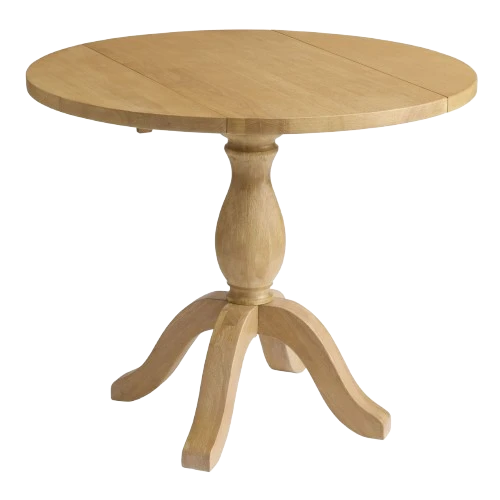 World Market Jozy Round Wood Drop Leaf Dining TableA round wood table that opens for guests and folds down for ordinary evenings.
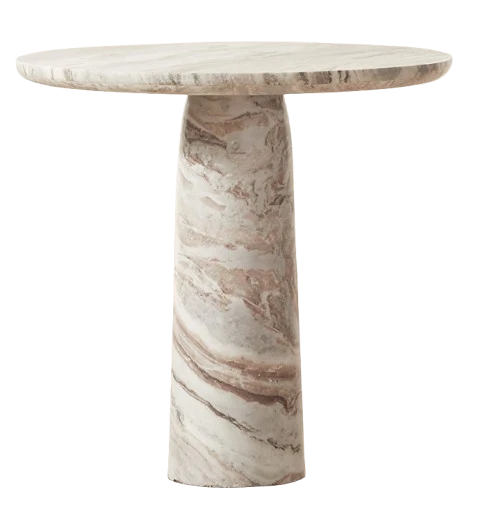 CB2 Babylon 30-inch Torrento Grey Marble Bistro TableA compact pedestal table with room to move around its curved edge.
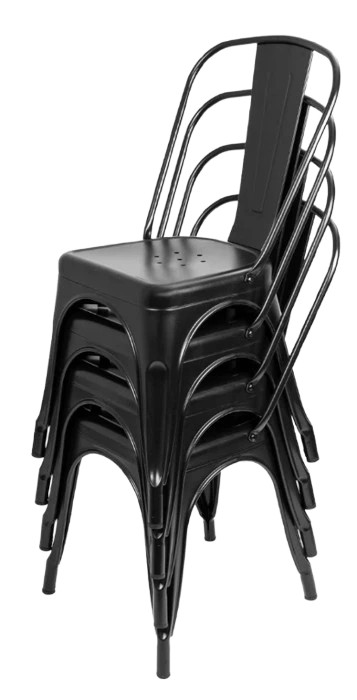 17 Stories Lilian stacking side chairsExtra dining seats that stack away between visits.
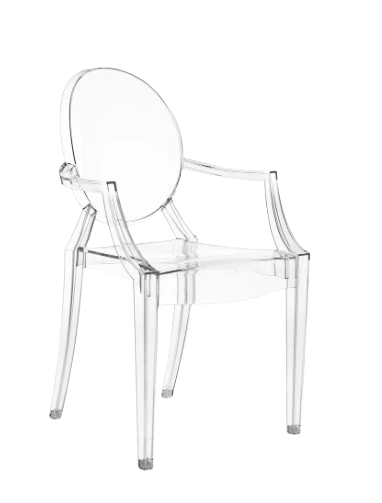 Kartell Louis Ghost chairA clear chair that keeps a small dining corner visually open.
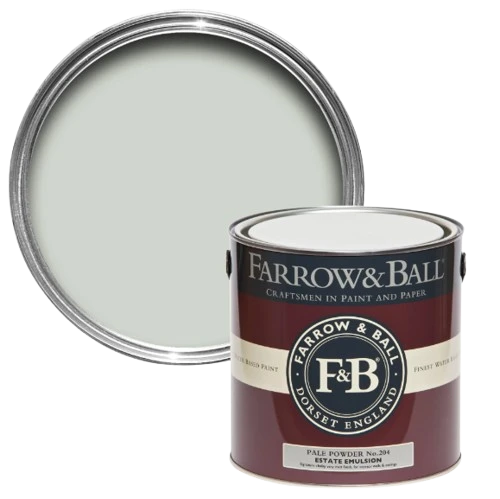 Farrow & Ball Pale PowderA soft green-gray to sample in a dining corner before painting.
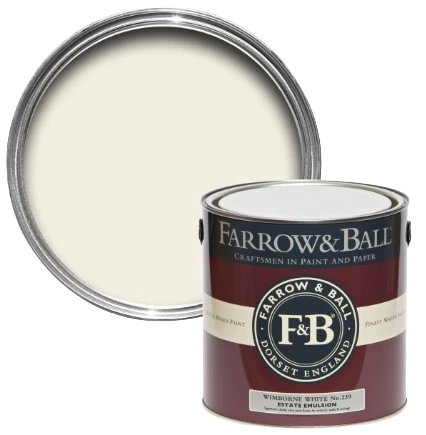 Farrow & Ball Wimborne WhiteA warm white that can brighten a compact eating spot.