
No Ceiling Light? 9 Living Room Lighting Ideas

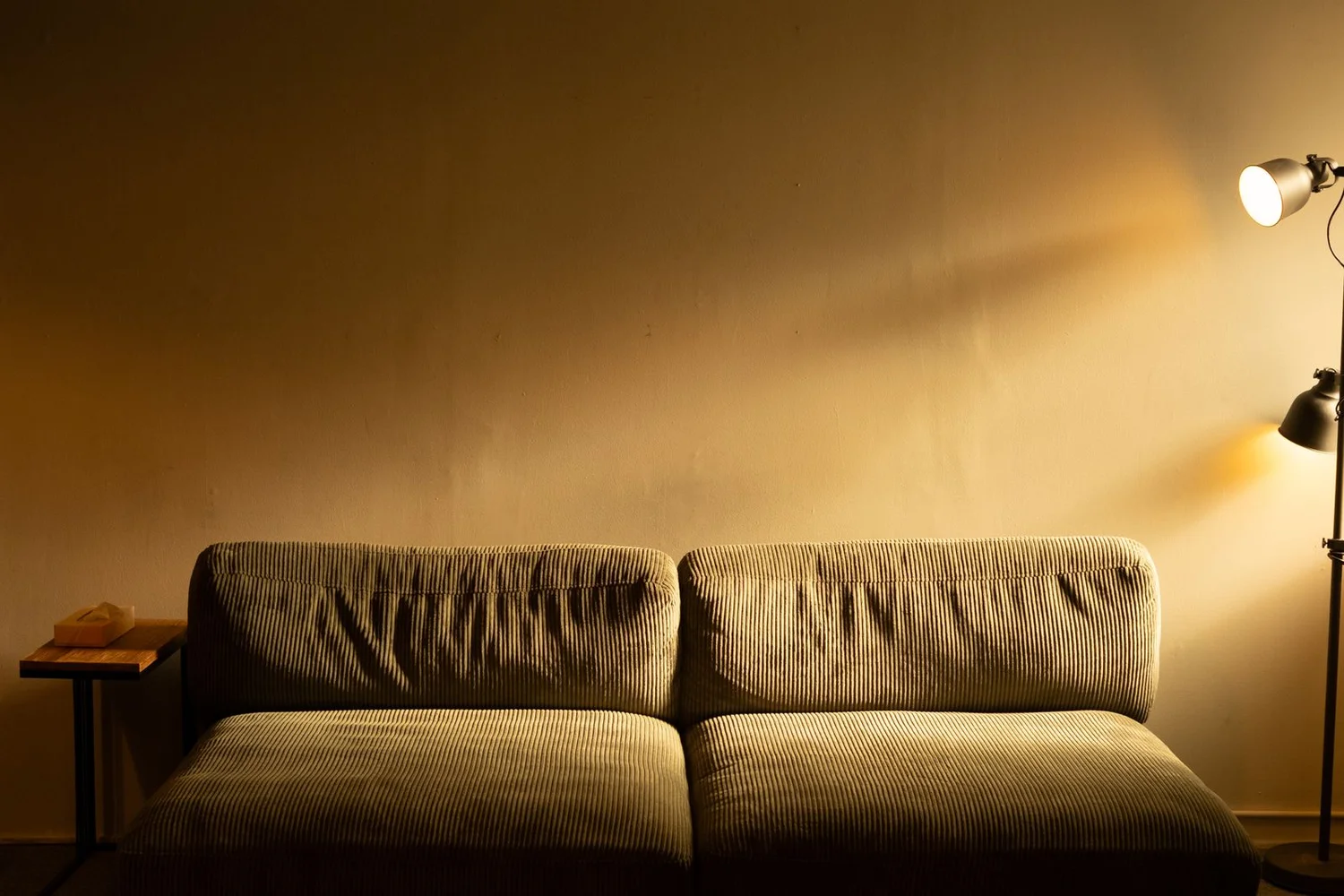
The living room looked lovely at three in the afternoon. By eight, the corners have disappeared, someone’s squinting at a book, and the TV is doing most of the lighting.
For a living room with no ceiling light, several well-placed lights usually work better than one bright lamp beside the sofa. You need enough light to see across the room, plus something closer for reading and other activities.
The good news? You can do plenty with the outlets you already have. Floor lamps, shaded table lamps, and plug-in wall lights can make evenings comfortable without a new ceiling fixture. A few smaller lights can fill the gaps once the main seating area feels bright enough.
The quick answer
- For overall brightness: an uplight floor lamp bounces light off a pale ceiling.
- For reading: a nearby adjustable lamp puts light on the page.
- For crowded side tables: wall sconces leave more space for drinks, books, and everyday things.
- For corners without outlets: rechargeable lights add a useful glow without a trailing power cord.
- For relaxed evenings: warm bulbs and adjustable brightness make the room easier to settle into.
Before Another Lamp Arrives, Where Is the Room Actually Dark?
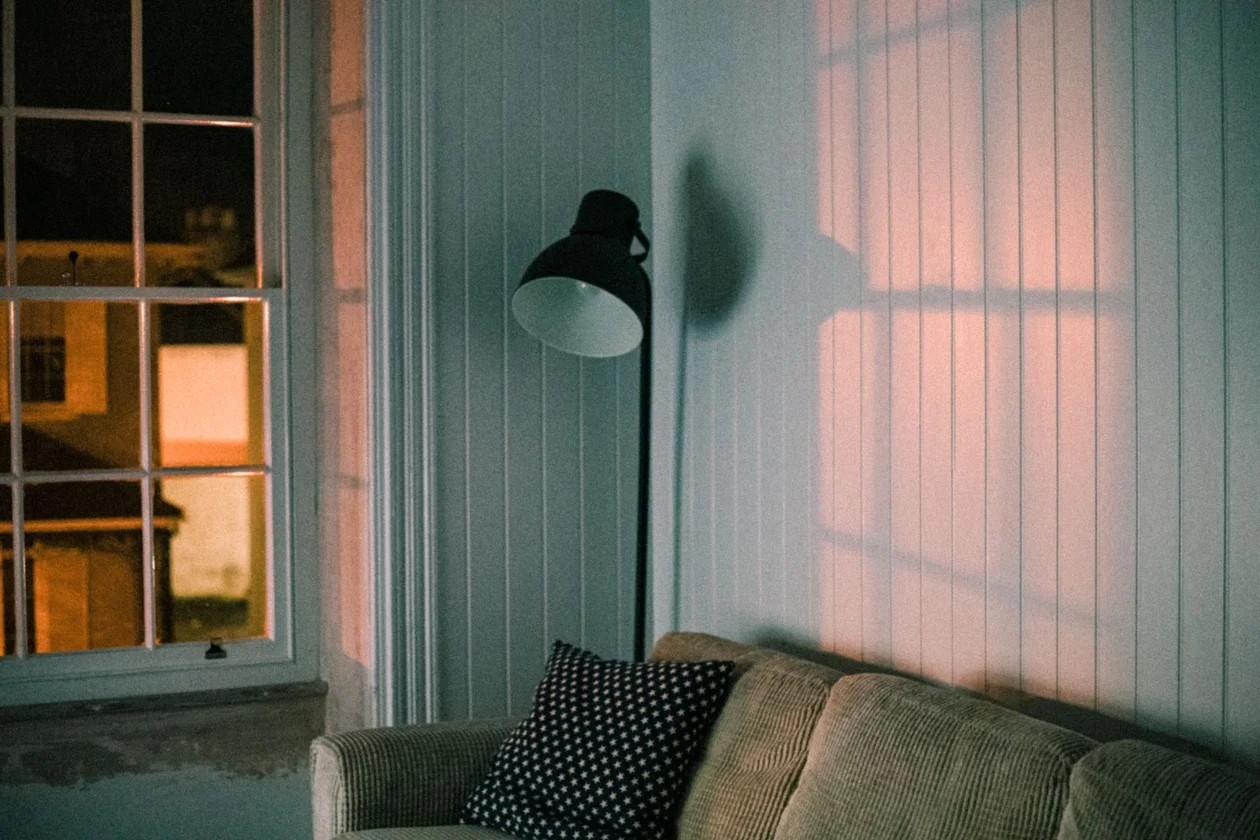
The darkest areas after sunset tell you where another light will help. Walk through the room with your usual evening lights on, then sit in the places you use most.
Maybe the sofa is fine, but the armchair across from it feels gloomy. Perhaps there’s plenty of light on the coffee table, yet the entrance is dark. Those are different problems, so putting a brighter bulb in the same lamp may leave you frustrated.
Think about three simple layers:
- Room light: enough light to see the furniture, faces, and walking routes.
- Activity light: something close enough for reading, knitting, or a puzzle.
- Decorative light: a softer glow around shelves, artwork, or the TV.
There’s no need to buy everything at once. The first purchase should solve the biggest problem you’ve noticed.
Before planning a cord route, try the wall switch with a lamp plugged into the nearby outlets. In some rooms, that seemingly useless switch controls a receptacle, sometimes just one half of it.
Our guide to hiding cords and cables has ideas for tidying the setup once you know where the lamps belong.
1. The Ceiling Can Still Help, Even Without a Fixture
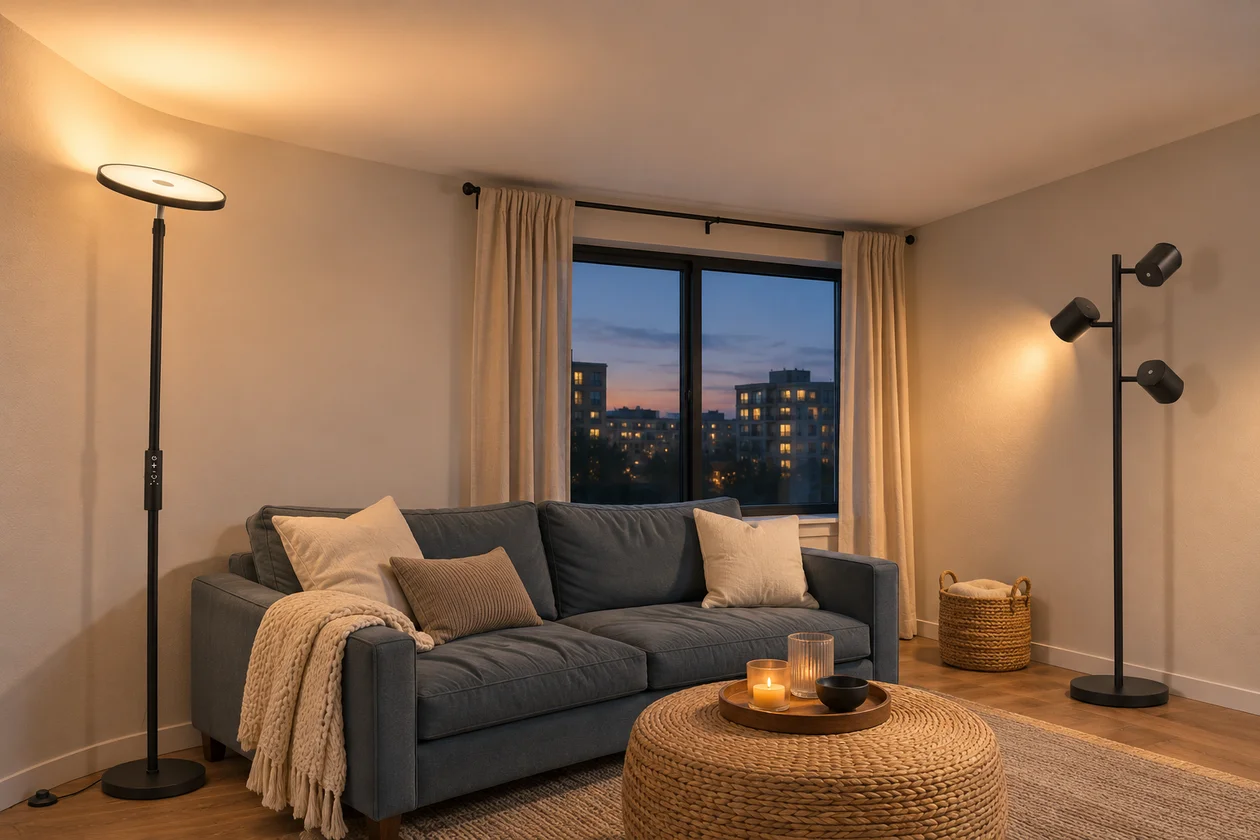
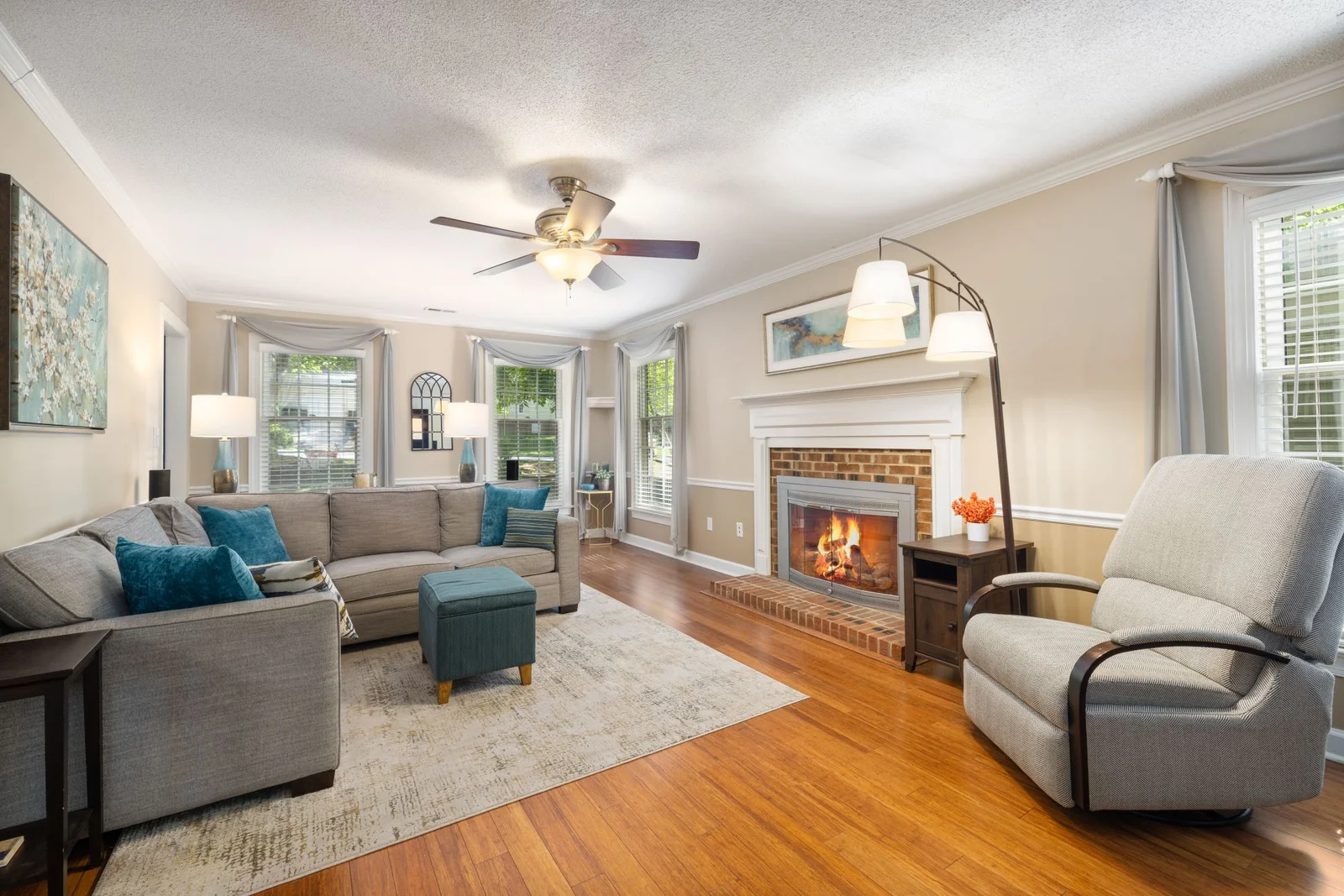
An uplight floor lamp is a useful choice when the whole room feels dim. Instead of directing all its light toward one chair, it sends light upward so the ceiling can reflect it around the space.
The SUNMORY Torchiere Floor Lamp fits this approach, with adjustable brightness and remote control. Beside the sofa or near a dark corner, it can provide broader light while leaving the side table free.
Pale ceilings help this arrangement work. Dark paint absorbs more light, while a very high ceiling puts the reflecting surface farther away. Those rooms often need additional lamps nearer the seating.
For more control over direction, the Govee Tree Floor Lamp has three rotating lights. You can aim them toward different parts of the room instead of sending everything into the same corner.
Placement matters: the lamp needs an open path to the ceiling or wall. Wedging it behind a tall cabinet blocks the light you’re trying to spread.
2. Your Sofa Could Use Some Company After Dark
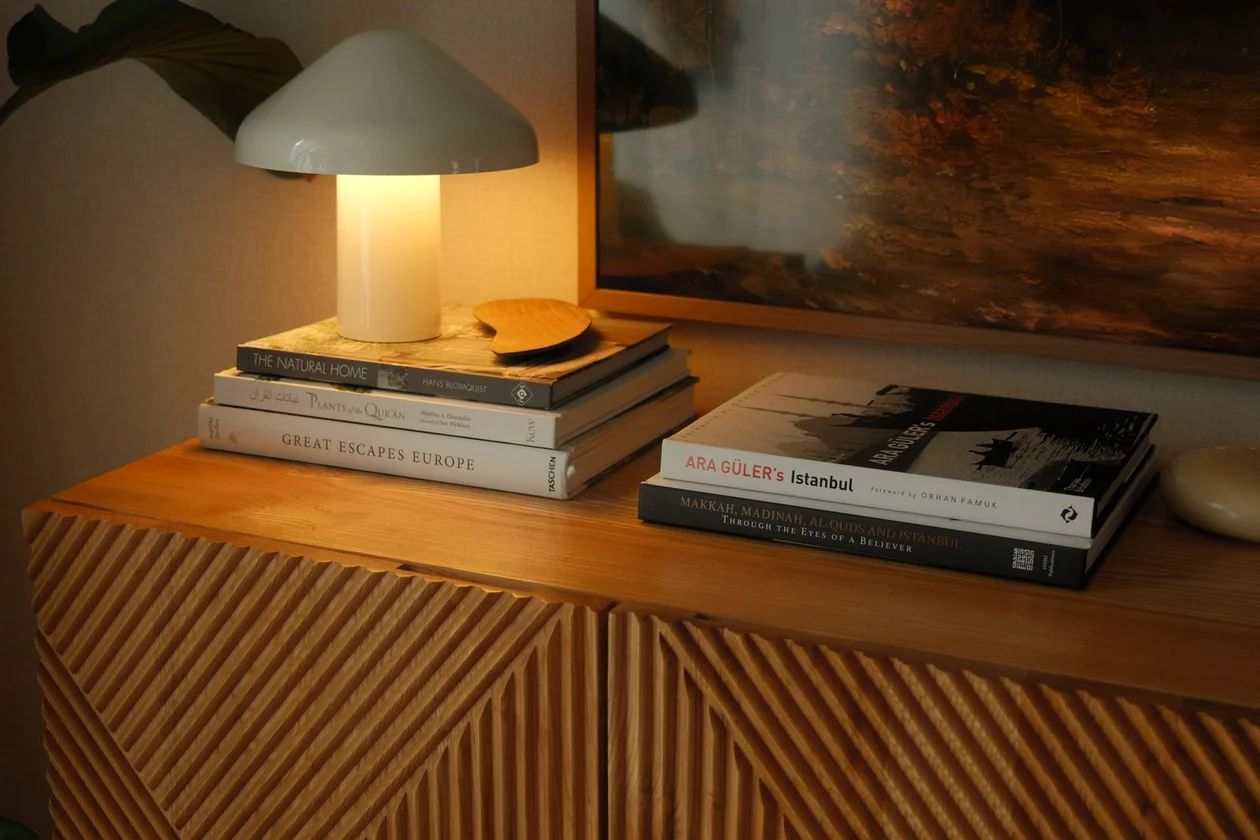
Table lamps bring light closer to the people using the room. They’re especially useful for conversations, quiet evenings, and that spot where you always put your drink.
A side table is an obvious home for one, though a console behind the sofa or a nearby cabinet can work just as well. In a long room, lamps at different ends help avoid a bright seating area surrounded by darkness.
The shade affects how the light spreads. Translucent fabric and opal glass soften and diffuse it. An opaque metal shade sends more light through its openings, making the direction more noticeable.
From your usual seat, the bulb should be comfortably screened from view. If it shines straight into your eyes, the lamp’s height, shade, or position needs adjusting.
For more shaded options, browse our table lamps for evenings at home.
When There’s No Room for a Side Table
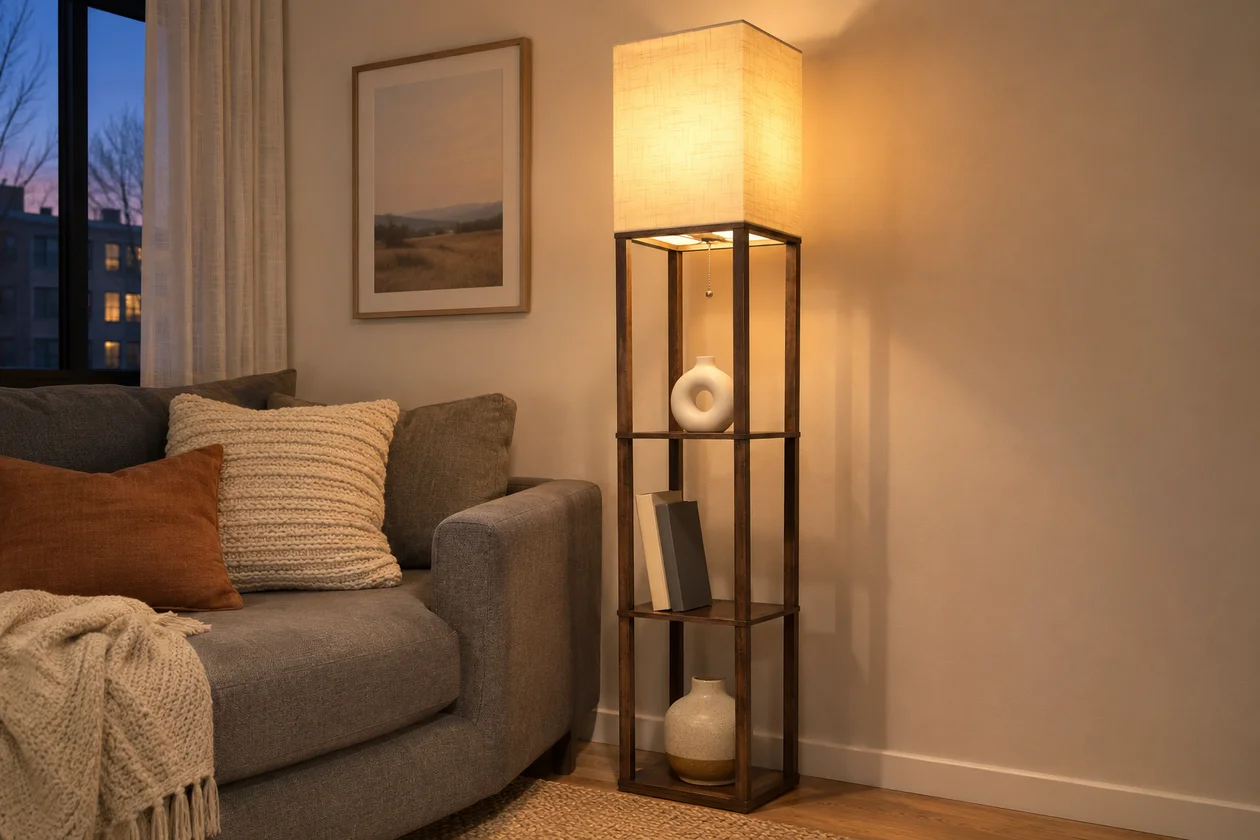
The RUNTOP Shelf Floor Lamp combines a shaded light with shelves underneath. It’s a practical alternative when there’s room for one narrow piece beside the sofa, rather than a separate lamp and table.
3. Still Squinting at Your Book? Bring the Light Closer
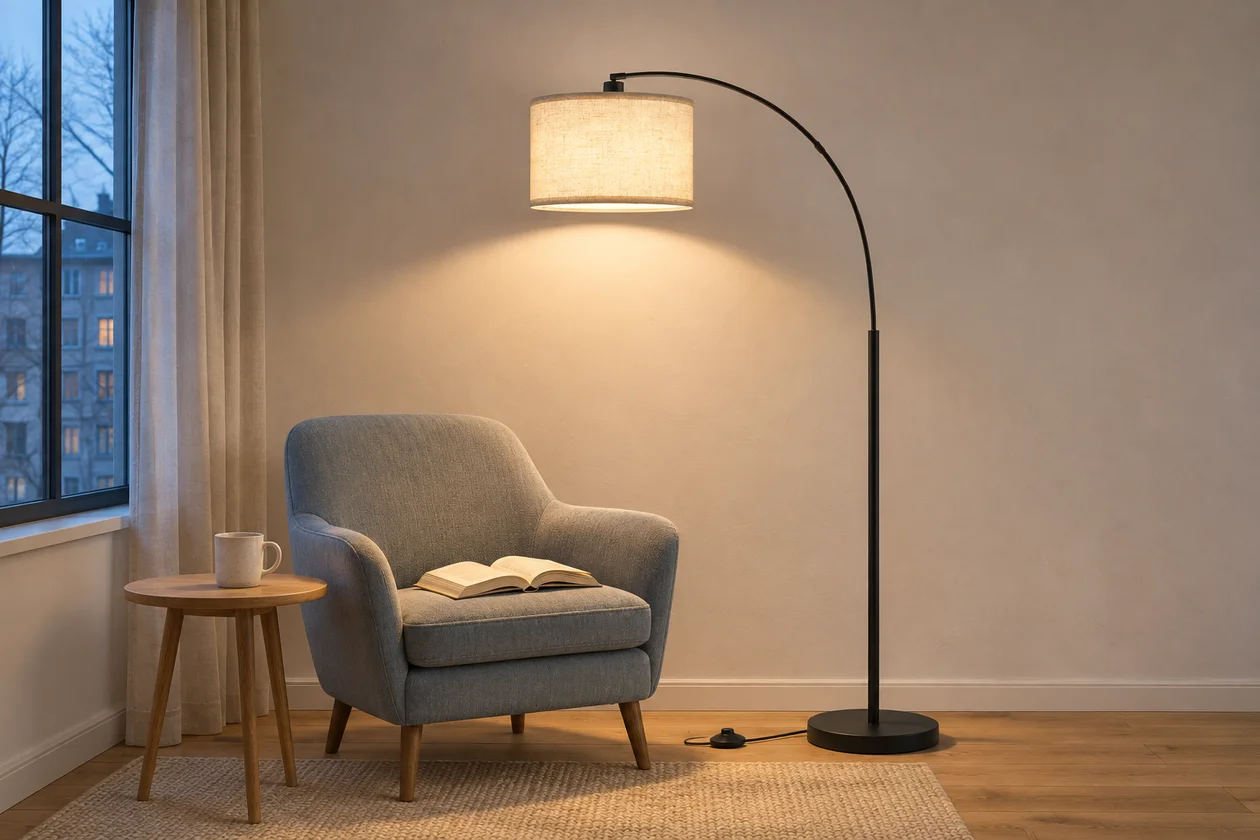
Reading needs light on the page, even when the room looks reasonably bright.
Picture your usual evening: someone’s watching TV while you finish a chapter. Turning up every lamp makes the screen harder to enjoy, but moving a reading light closer lets both people stay comfortable.
The Seaside Village Adjustable Floor Lamp has an adjustable gooseneck and two light panels. Its adjustable shape suits a reading chair or a spot where you switch between a book and a craft project.
For a more traditional look beside the sofa, the Luvkczc Arc Floor Lamp extends a hanging shade over the seating area. The base can sit beside the furniture while the light reaches farther inward.
Usually, a position beside and slightly behind your shoulder works well. The aim is to light the page without your head casting a shadow over it.
The base needs floor space, too. An arc looks airy above the sofa, but its stand still needs a spot outside the walking route.
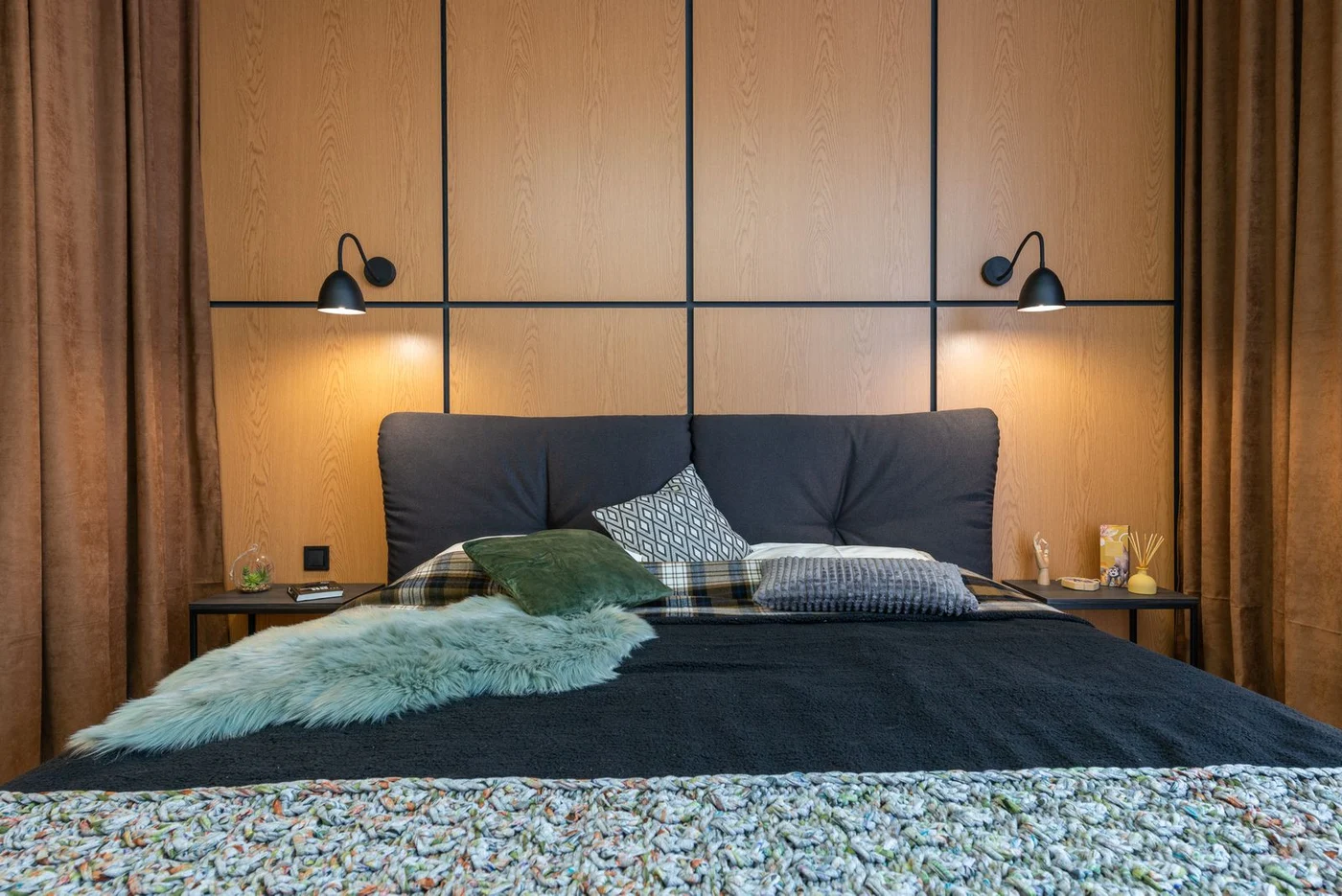
4. No Room for Another Side Table? Try the Wall
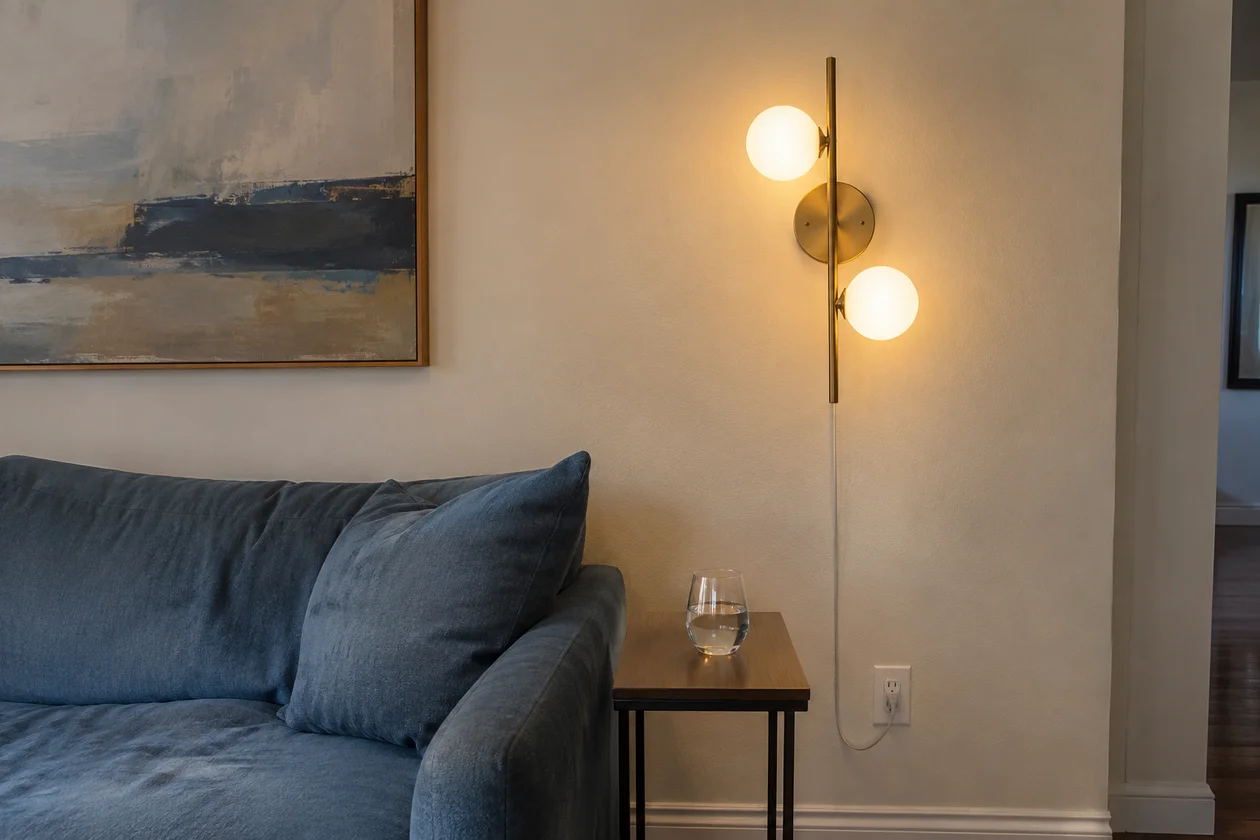
Plug-in sconces are useful when the seating area needs light and the floor is already crowded.
They can sit beside a sofa, above a console, or near a reading corner. The West Elm Staggered Glass Plug-In Sconce is one example of a wall fixture that uses an outlet.
The most natural location is usually near furniture that already belongs there. Two sconces can frame a sofa, while one can light a chair tucked into a corner.
Before settling on the height, think about the view from the seat. A fixture that looks perfect while you’re standing may put a bright bulb directly in your eyes when you sit down.
A straight cord route along the wall looks tidier than a loose cable hanging diagonally toward an outlet. A suitable cord cover can make that route less noticeable.
Note: Plug-in describes how the light gets power. The fixture may still need screws or other mounting hardware.
5. That Awkward Corner Has No Outlet
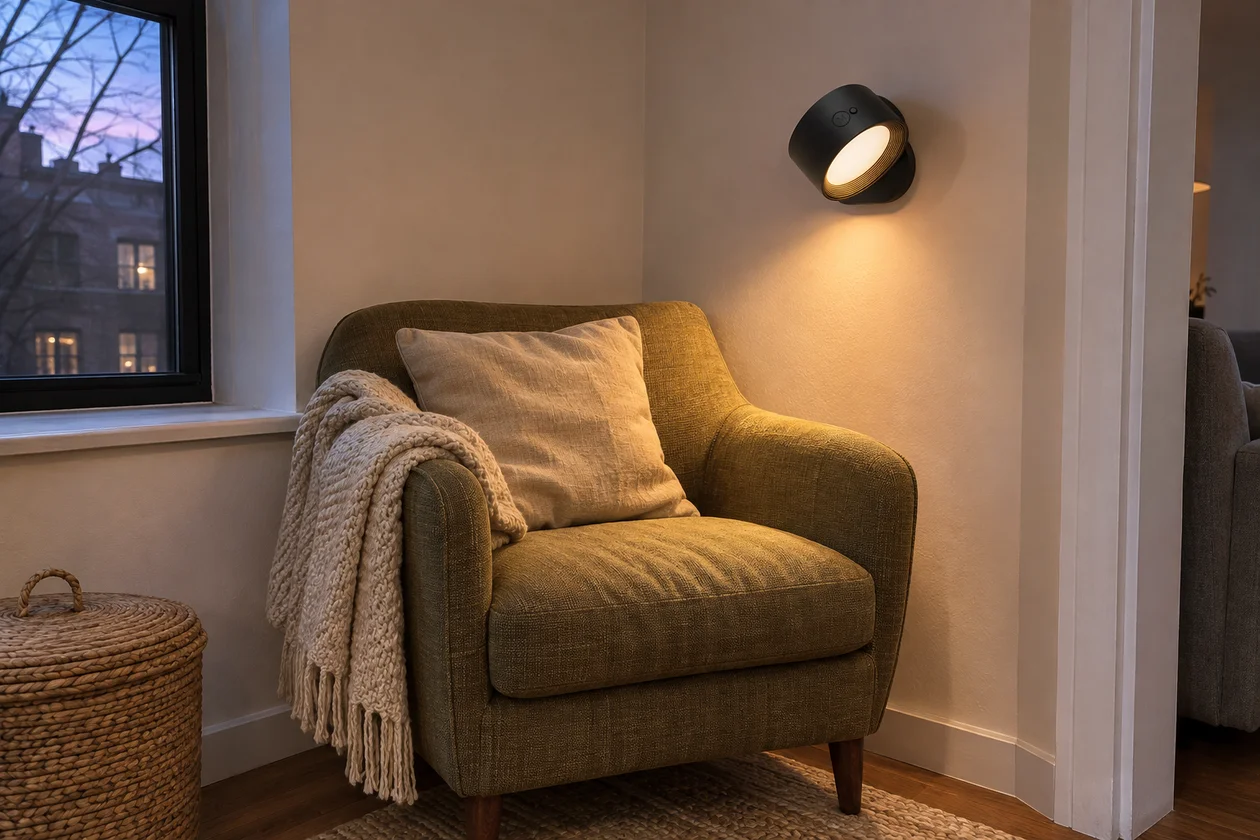
Rechargeable lights are handy for places where a power cord would be awkward. They can brighten a reading nook, an empty stretch of wall, or a seat far from the nearest outlet.
The AMETHEUS Rechargeable Wall Sconces offer adjustable light heads with remote and touch controls. Their cordless setup makes them useful for adding light near a particular seat.
The trade-off is charging. If you use the lights for hours every evening, charging becomes part of the routine. Higher brightness also uses the battery more quickly.
For that reason, rechargeable wall lights are especially convenient as extra lighting alongside your everyday room lamps. You can switch them on when someone uses that corner, rather than relying on them to light the entire room all night.
A reachable mounting position helps, too. Taking a light down to charge is much easier when you don’t need to fetch a stepladder.
6. Yes, a Pendant Can Plug Into the Wall
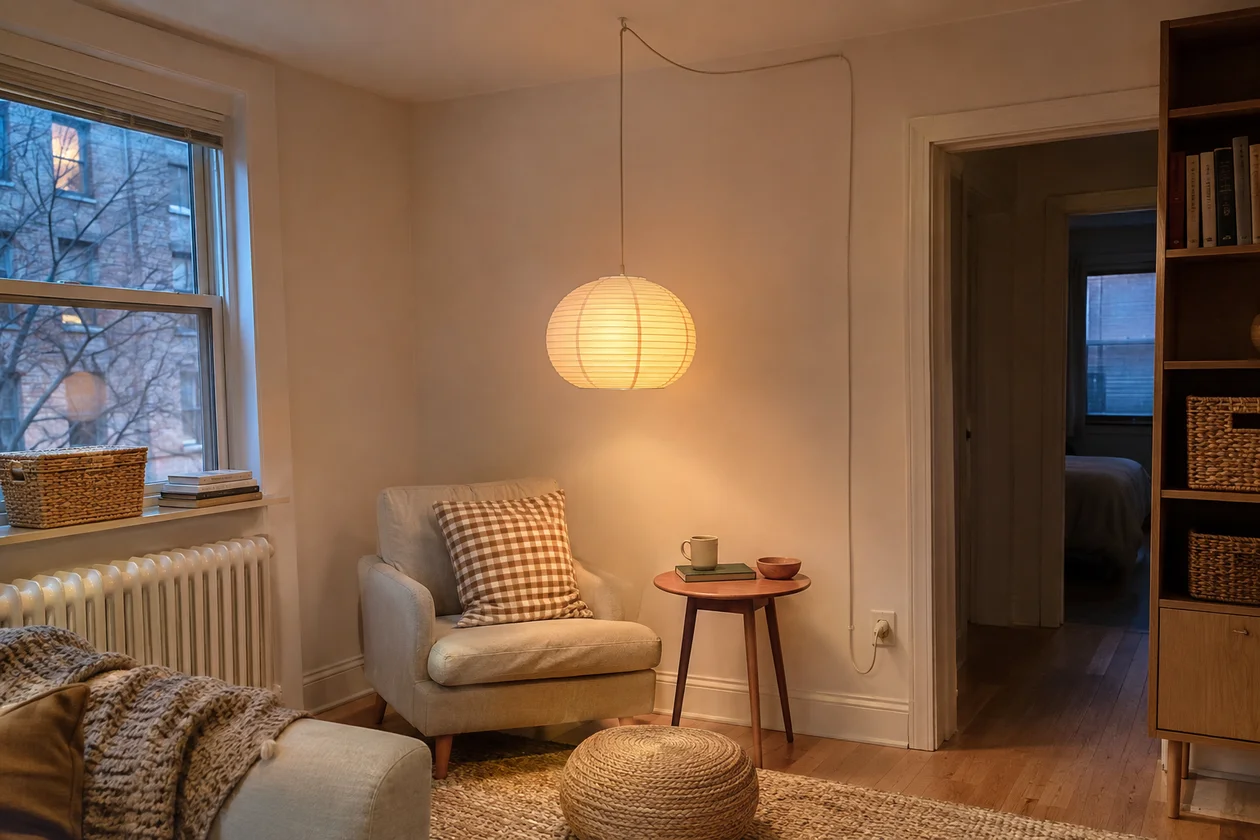
A plug-in pendant gives you light from above using a wall outlet. The cord runs up the wall and across to the hanging position, supported by suitable hooks.
This works particularly well over a side table, a reading nook, or a small seating area. A paper or fabric shade can spread the light softly and add something interesting above otherwise simple furniture.
The cord route deserves as much thought as the shade. Following the edge of the wall and ceiling usually looks more deliberate than stretching a cable across open space.
Above a chair or table, the pendant can hang lower than it could over a walkway. Anywhere people pass underneath, there needs to be comfortable head clearance.
The hooks and supports must suit the fixture’s weight and the surface they attach to. The electrical cord shouldn’t carry the load unless the pendant is designed for that arrangement.
If drilling is off the table, an arc floor lamp offers a similar reach over the seating without a ceiling attachment.
7. The Bookshelf Can Glow, Too
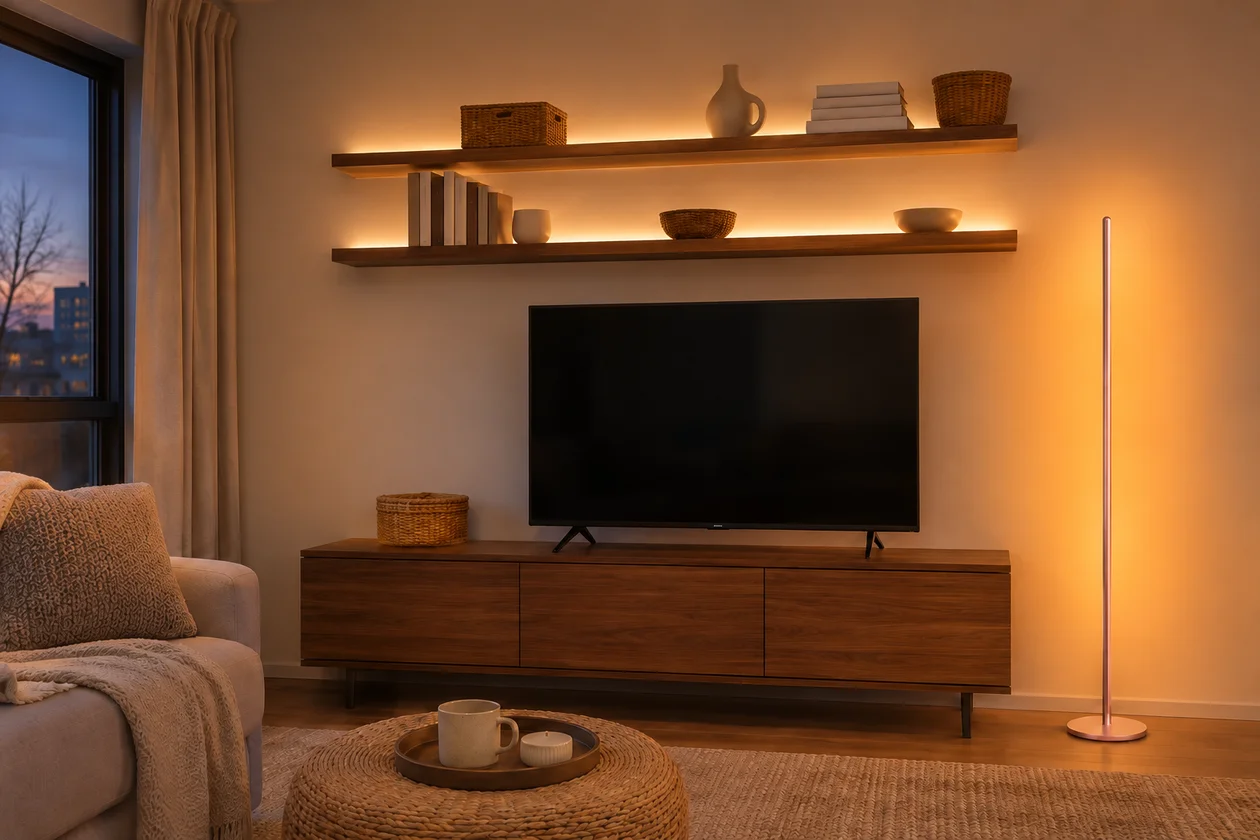
LED strips work well as background lighting once the room’s main lighting is in place.
Along the back of a shelf or behind a media cabinet, they illuminate the surrounding surface while the strip itself stays mostly hidden. That placement looks calmer than a row of exposed light points facing the sofa.
The Govee COB LED Strip Lights 2 offer adjustable white and colored lighting for this kind of setup. A warm-white setting suits an ordinary evening; color can be an occasional extra.
Where sticking a strip to furniture isn’t practical, the Govee RGBIC Floor Lamp Basic offers another way to add background light. Positioned toward a wall, its slim shape can fit beside a media unit or in a corner.
Around a TV, soft reflected light is more comfortable than a bright lamp mirrored in the screen. From your normal seat, any obvious reflection is a reason to move or redirect the light.
Shelves can look lovely with a glow behind them, but the chair across the room may still need its own reading lamp.
8. There’s More Than One Way to Brighten a Blank Wall
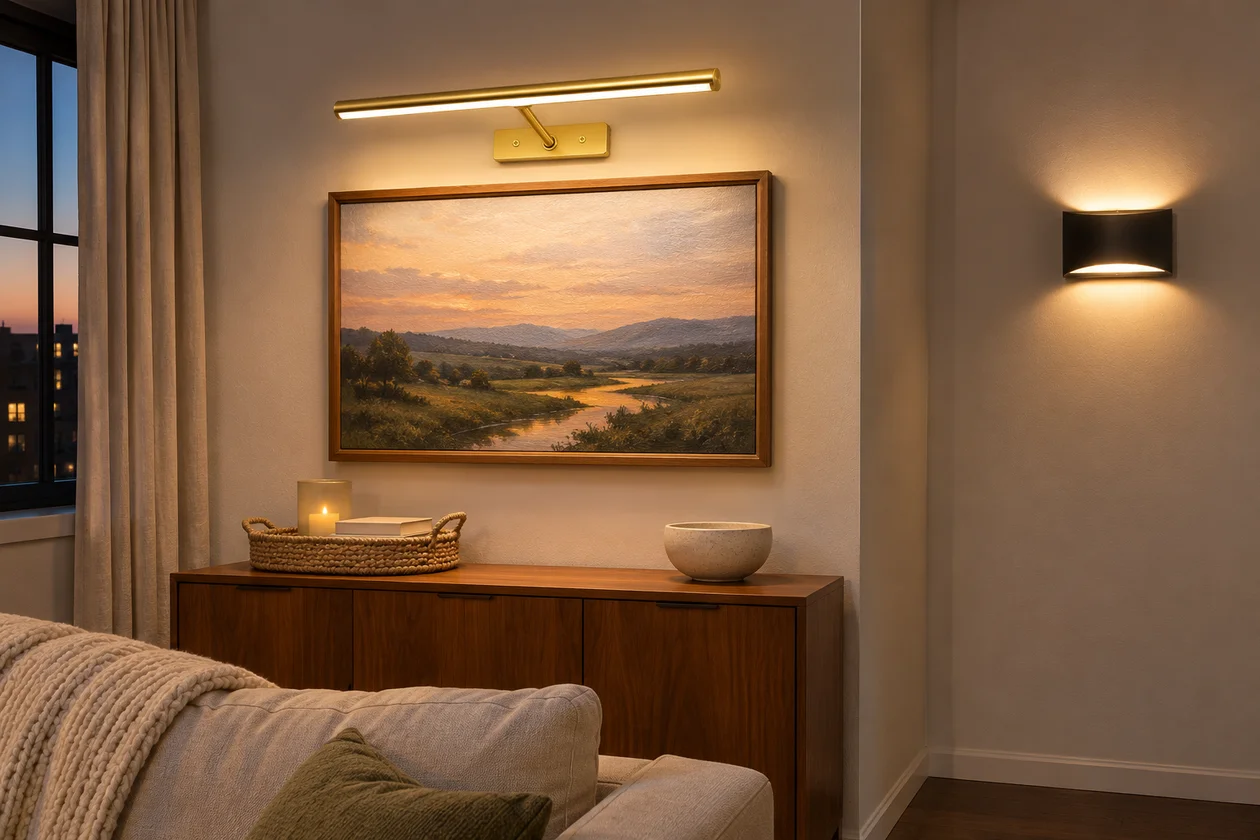
Lighting a wall adds brightness beyond the furniture, which helps when all your existing lamps are clustered around the sofa.
For artwork, the EZVALO Rechargeable Picture Light provides a focused light above the frame. Its rechargeable design avoids a power cord running down beside the picture.
The angle matters with glass-fronted artwork. If you see a bright reflection from the sofa, tilting the light or adjusting its position can make the picture easier to enjoy.
For a permanent installation, the Aipsun Up-and-Down Wall Sconces send light above and below the fixture. These are hardwired, so they belong in a plan with existing wall connections or electrical installation.
They can suit a room without a ceiling fixture, though they aren’t a quick plug-in solution.
Meanwhile, a mirror can reflect an existing lamp or daylight into your view. Positioning it opposite a pleasantly lit area is more useful than letting it reflect an unlit wall.
A mirror reflects light already in the room. It won’t solve a shortage of lamps by itself.
9. A Little Light for the Last Hour of the Evening
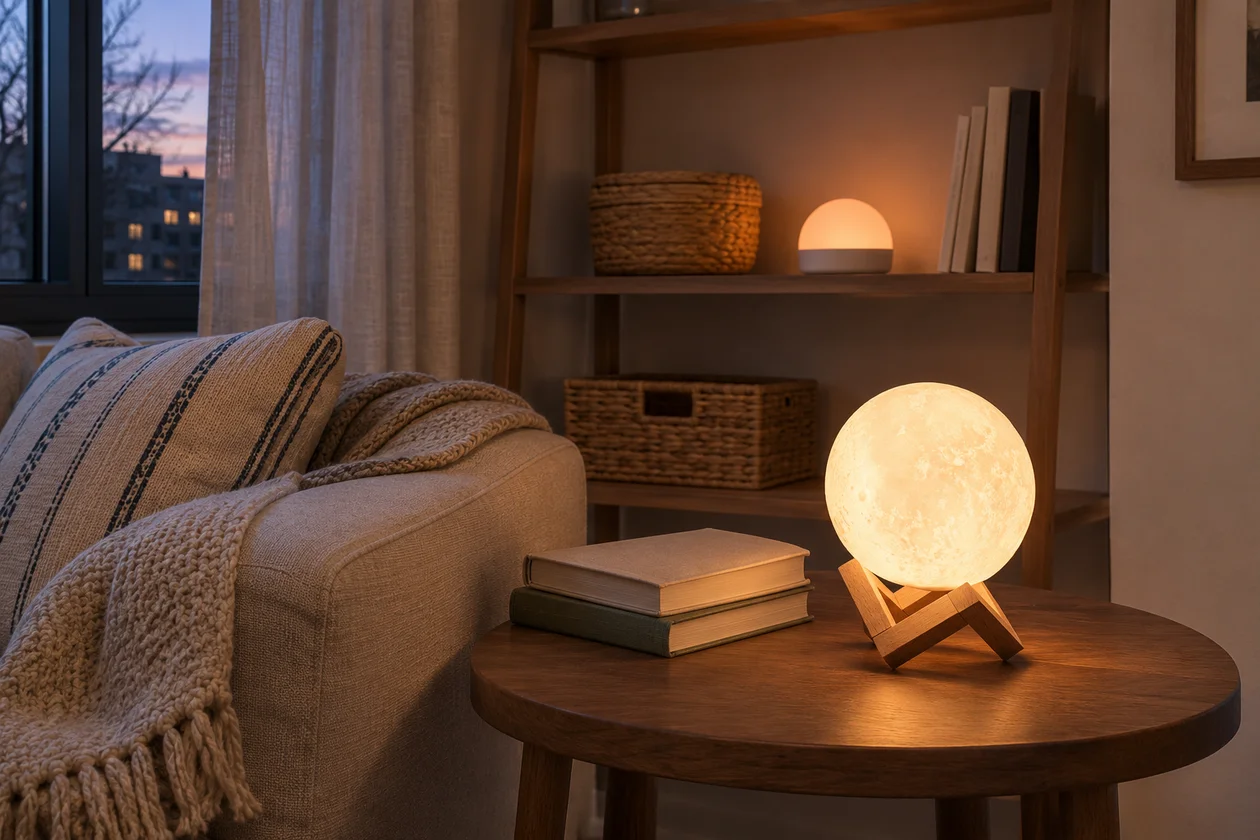
Small accent lamps are useful when you want a little light without keeping every room lamp on.
Maybe the film has finished, the mugs are empty, and nobody’s ready to head to bed. This is where a low glow on a shelf or side table feels right.
The LOGROTATE Moon Lamp adds a playful, moon-shaped light with adjustable colors. It suits a relaxed family room or a shelf that could use something less serious than another vase.
The Amazon Echo Glow is another small color-changing option. It belongs near a power outlet, so its compact size shouldn’t be confused with a cordless design.
Neither needs to brighten the whole living room to be useful. Their place is gentle decorative light, while larger lamps handle reading and everyday visibility.
Why Does the Room Still Feel Harsh?
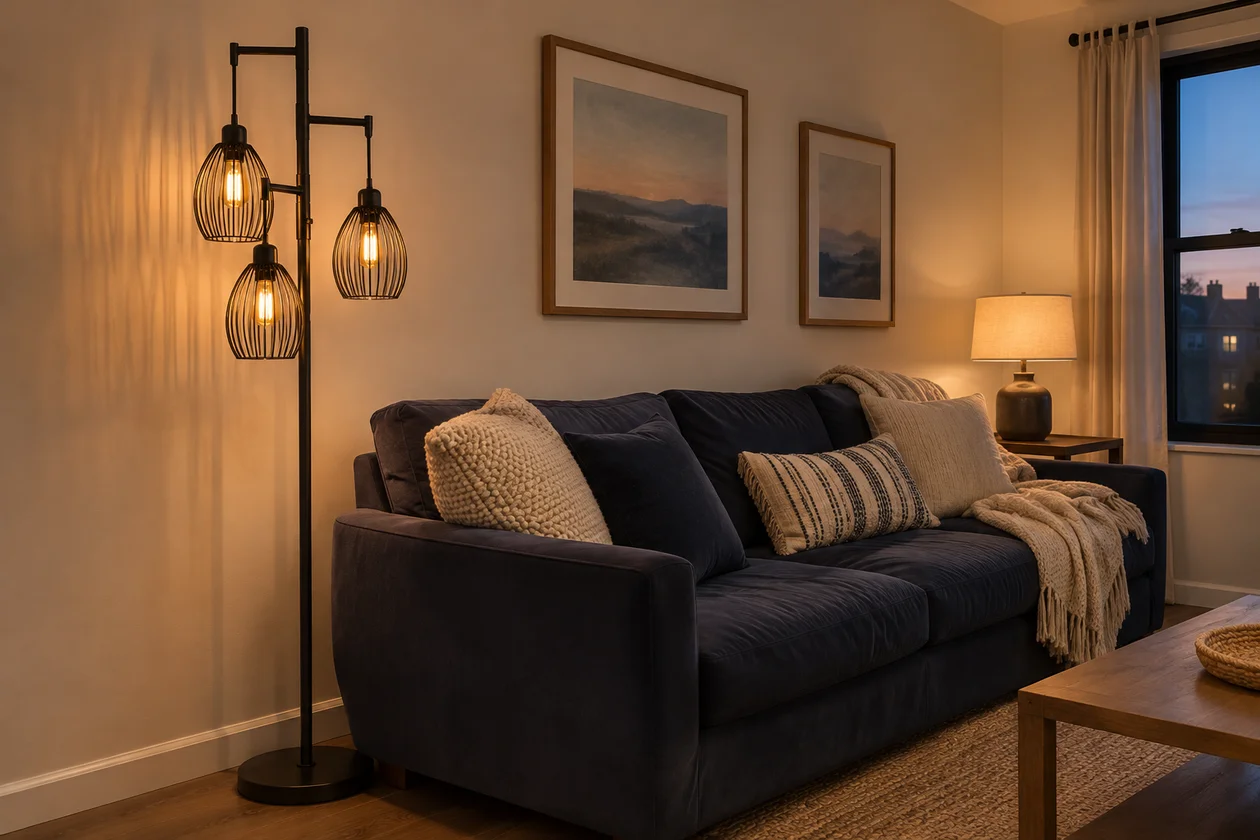
A room can have enough light and still feel uncomfortable because of glare or a mismatched bulb color.
If the lamp beside you feels piercing while the opposite wall stays dark, turning it up further probably won’t help. Spreading the light and screening the bulb are better fixes.
Two terms make bulb shopping much easier:
| Term | What it means | How it helps |
|---|---|---|
| Lumens | The amount of light a bulb produces | More lumens means more light |
| Kelvin | How warm or cool the light appears | Lower numbers look warmer; higher numbers look cooler |
Wattage describes energy use, so it isn’t the best way to judge the brightness of different LED bulbs. The FTC’s bulb guide explains the distinction.
For a warm living room, 2700–3000K is a useful range. Similar color temperatures across the main lamps help the room look more consistent.
Dimming is useful when one lamp needs to suit several activities. The Dimmable Three-Light Cage Floor Lamp, for example, pairs adjustable brightness with an open industrial design.
Its exposed bulbs are also a good example of why placement matters. Lower brightness and a position outside your direct seated view will feel gentler than putting the bulbs right beside your face.
Note: Replaceable bulbs and external dimmers need to be compatible. Lamps with built-in LED controls use their own adjustment system.
Three Setups That Make This Easier to Picture
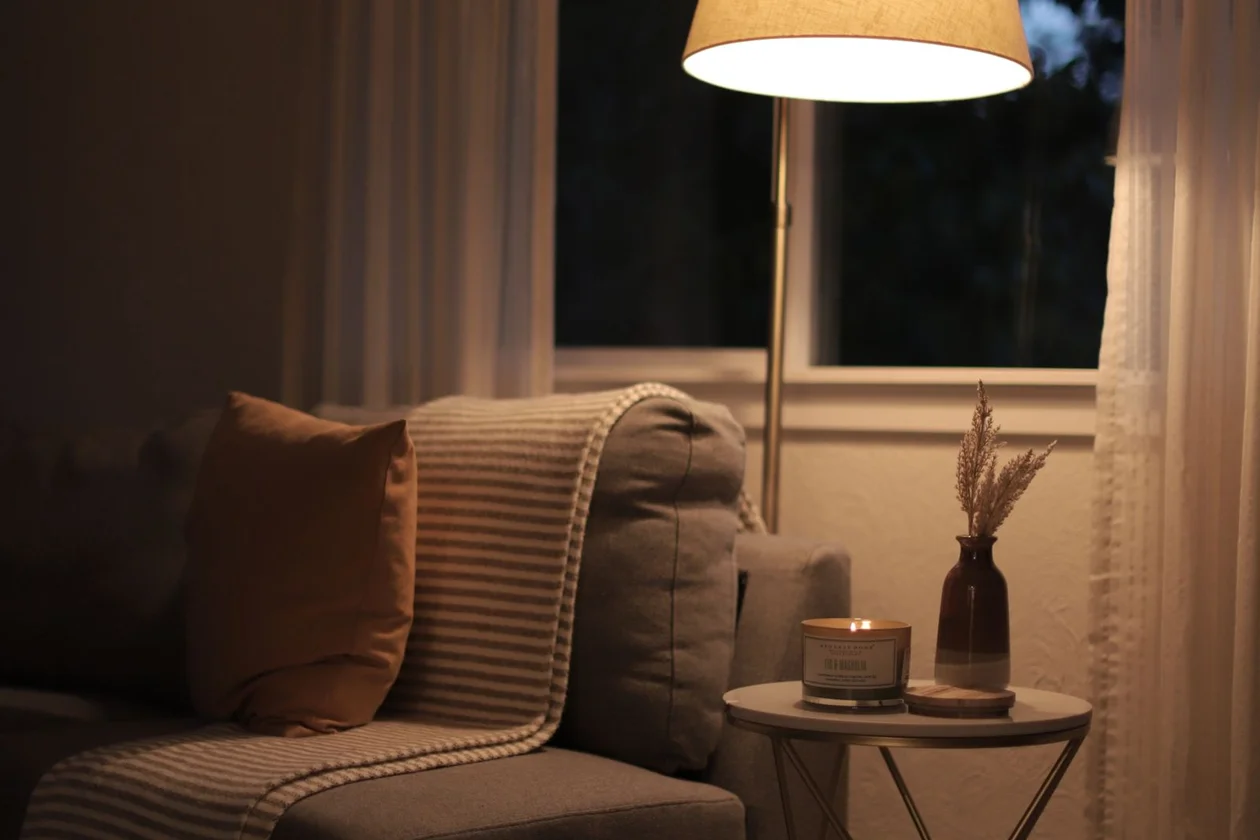
The simplest useful setup covers the room, the seat you use most, and any dark route between them. These arrangements show how that can work without filling every corner with a lamp.
Small Rental, Two Main Lights
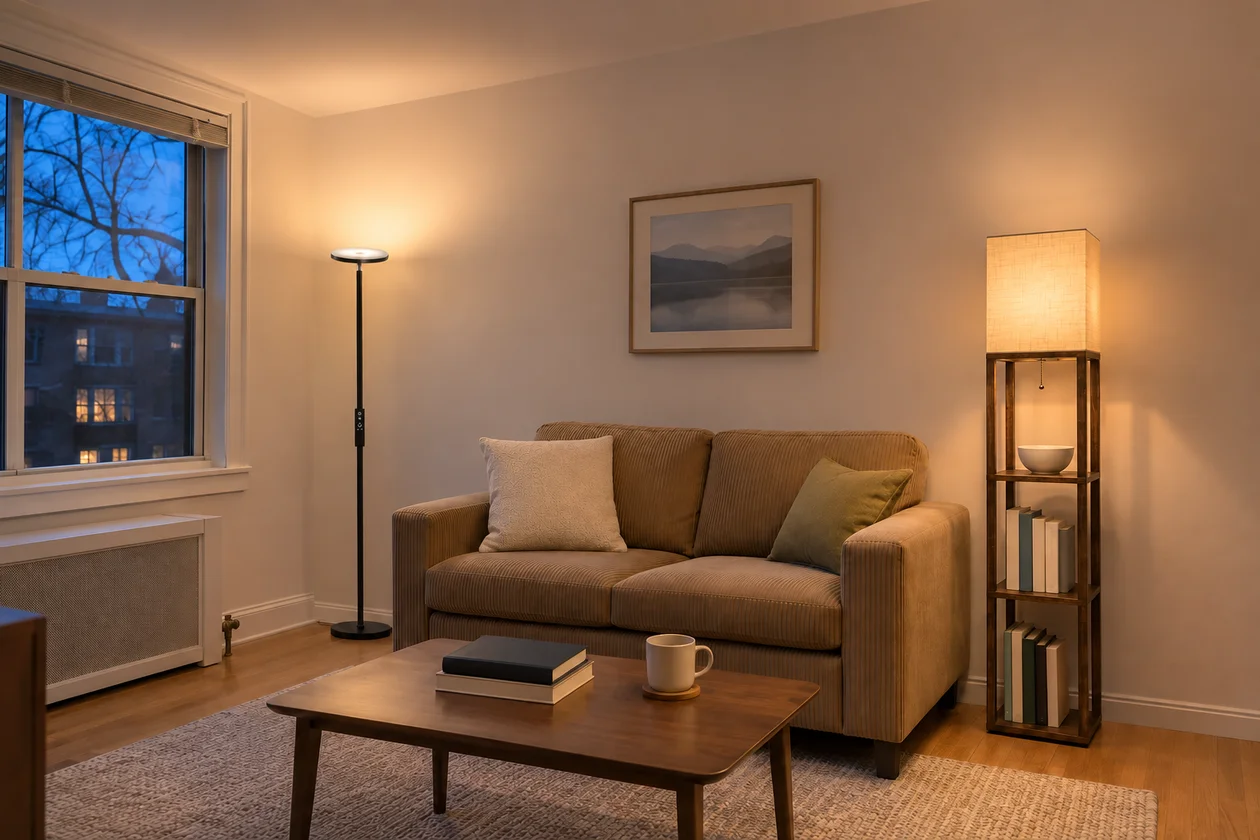
One uplight plus one shaded lamp is a practical arrangement for a small rental.
The uplight helps brighten the wider space. The shaded lamp makes the sofa comfortable for conversation and relaxing.
If there’s no side table, a shelf lamp can combine light and a little storage. Furniture placement can do more for the room than buying several extra decorative lights.
Our budget living room updates offer more ways to improve the space using what’s already there.
Someone’s Reading, Someone’s Watching TV
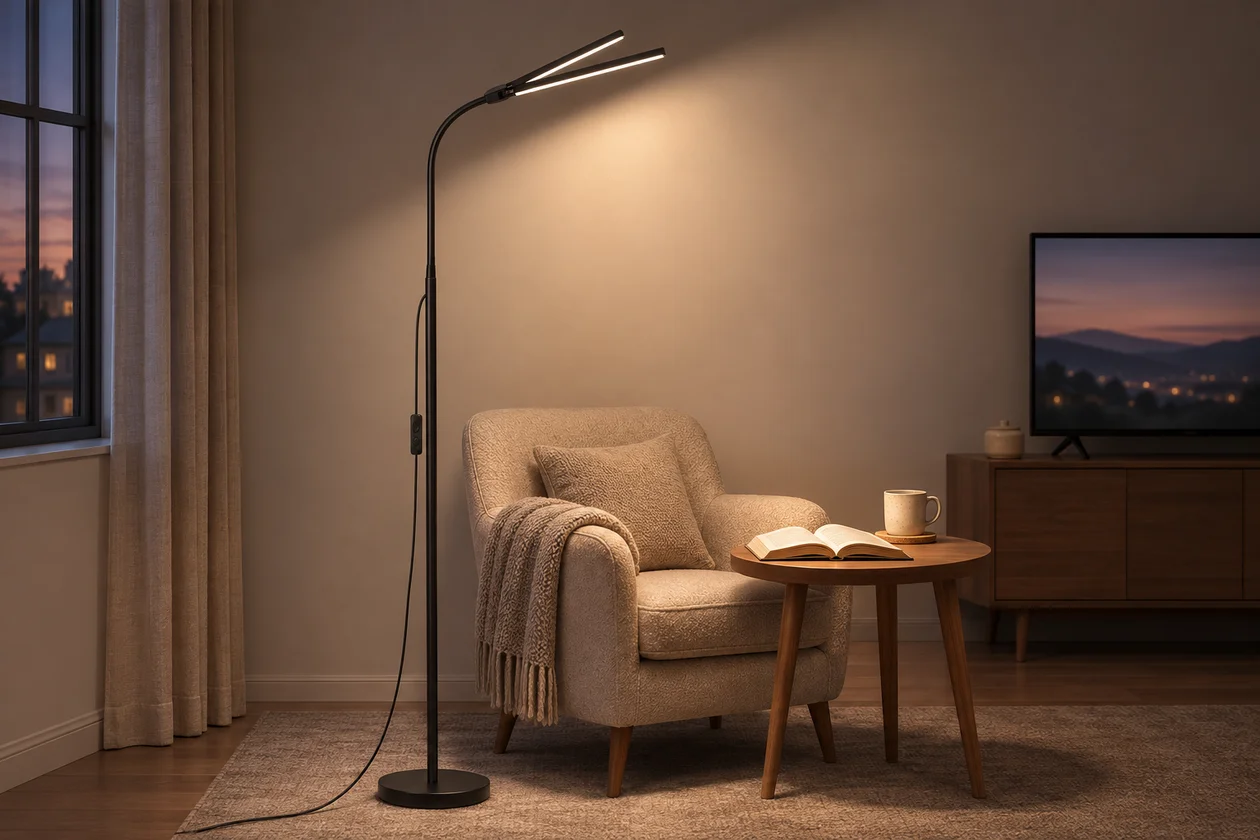
A nearby reading lamp and softer room lighting let the reader see clearly without making the TV area too bright.
The reading light belongs close to the book. Another lamp across the room prevents the chair from sitting in a bright pool surrounded by darkness.
Any lamp reflected in the screen needs a new position or angle. Sometimes moving it a little solves more than dimming everything.
The Movie’s Over, but You Still Need to See the Door
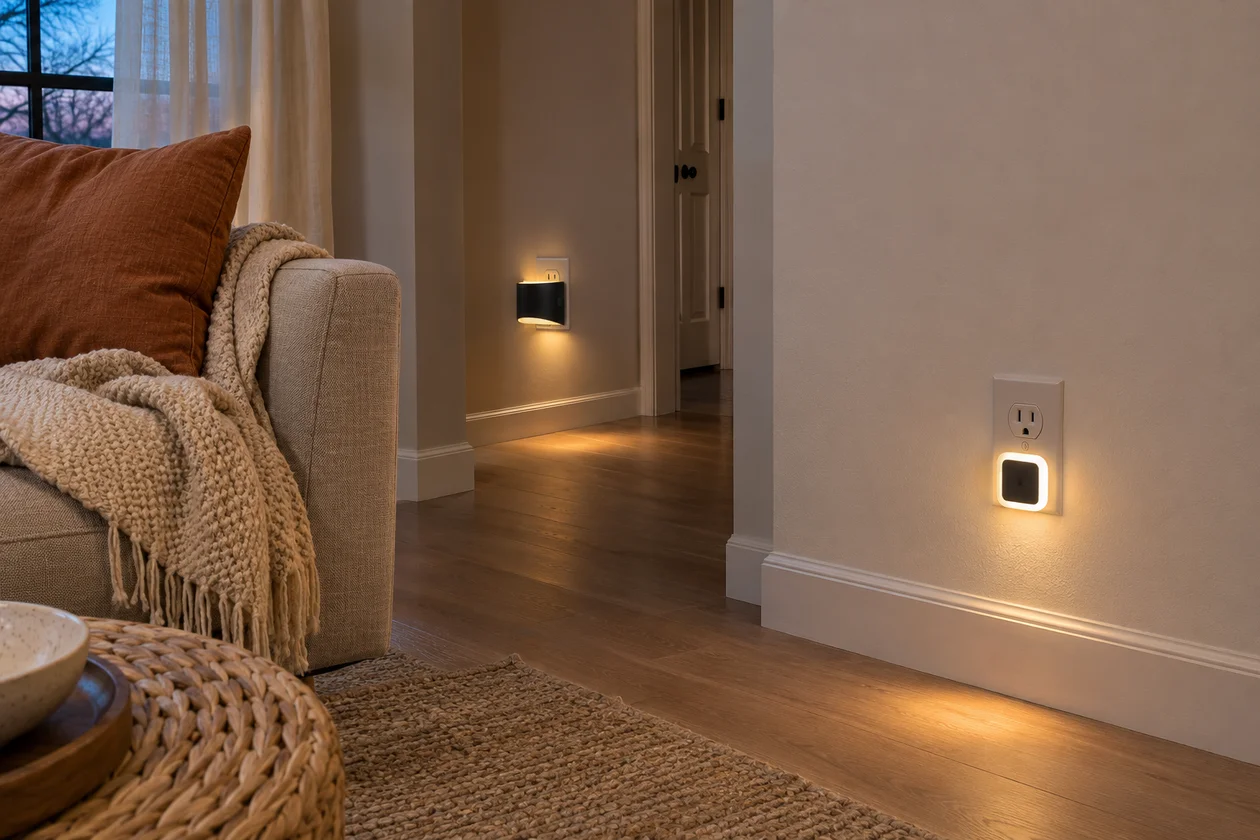
A plug-in night light can make the route to the door easier to see after the main lamps are off.
The Sujeet Plug-In Night Lights suit this small, practical addition near a doorway or adjoining hallway.
For adjustable brightness, the DORESshop Plug-In Night Light gives you another option.
These lights are for nearby visibility. The sofa, coffee table, and reading chair still need their normal lighting while you’re using the room.
Before You Buy: The Evening Walk-Through
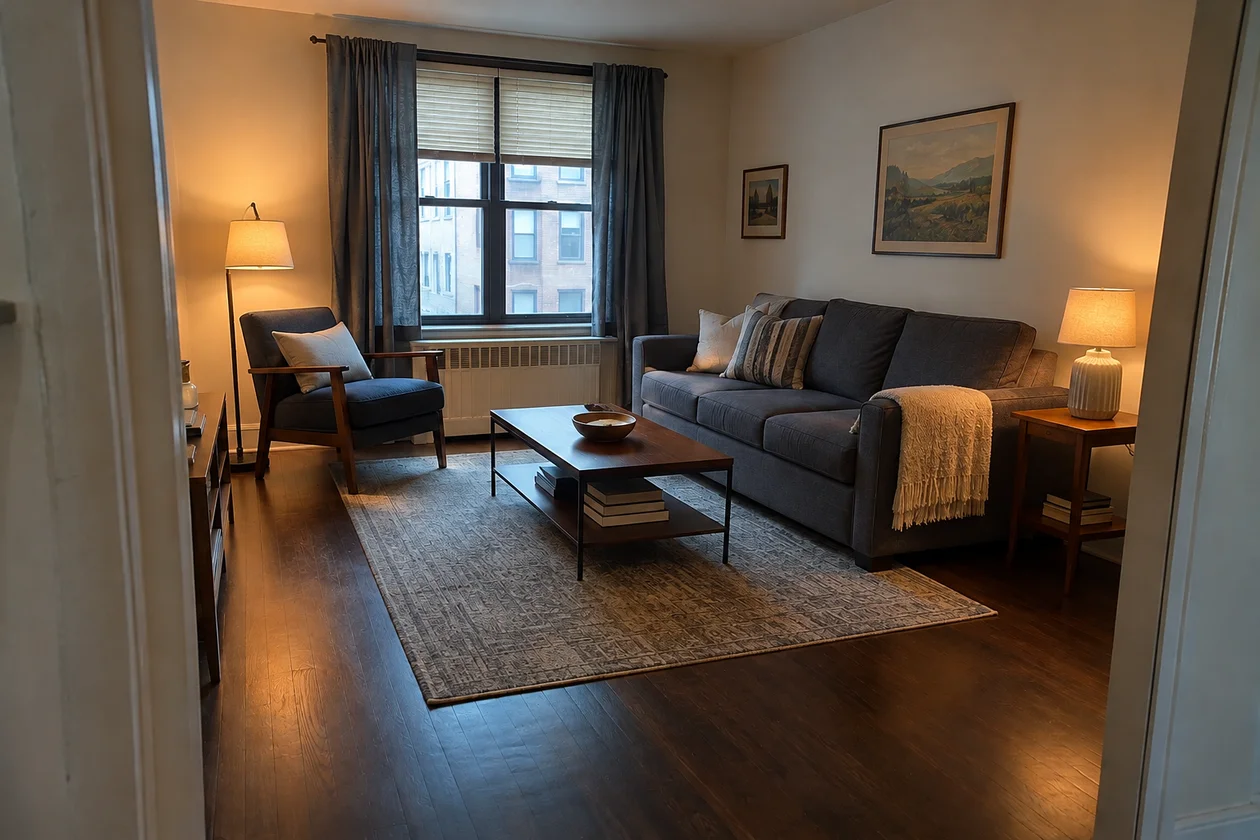
A useful lighting plan should make your usual evening easier. This checklist helps catch the awkward details before another lamp arrives.
- The main seating area has enough light to see faces comfortably.
- Reading light reaches the page without a shadow from my head.
- The route between the sofa and the door is visible.
- Lamp bases leave the walking routes clear.
- Cords stay out of walkways and aren’t tucked under rugs.
- Exposed bulbs don’t glare into seated eyes.
- Lamps don’t create distracting reflections in the TV.
- Rechargeable lights are easy to reach and charge.
- At least one main light is easy to switch on when entering.
A Few Questions Before the Lights Go On
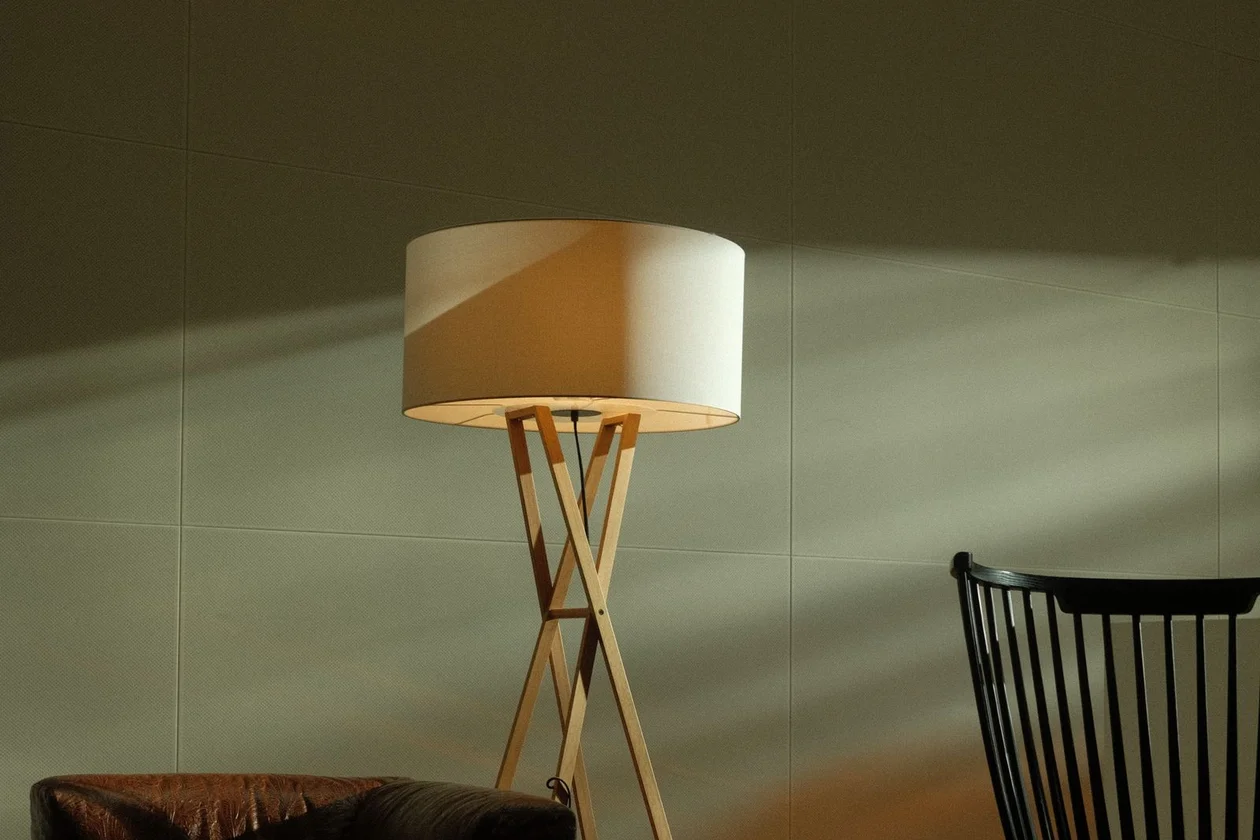
Can One Floor Lamp Light an Entire Living Room?
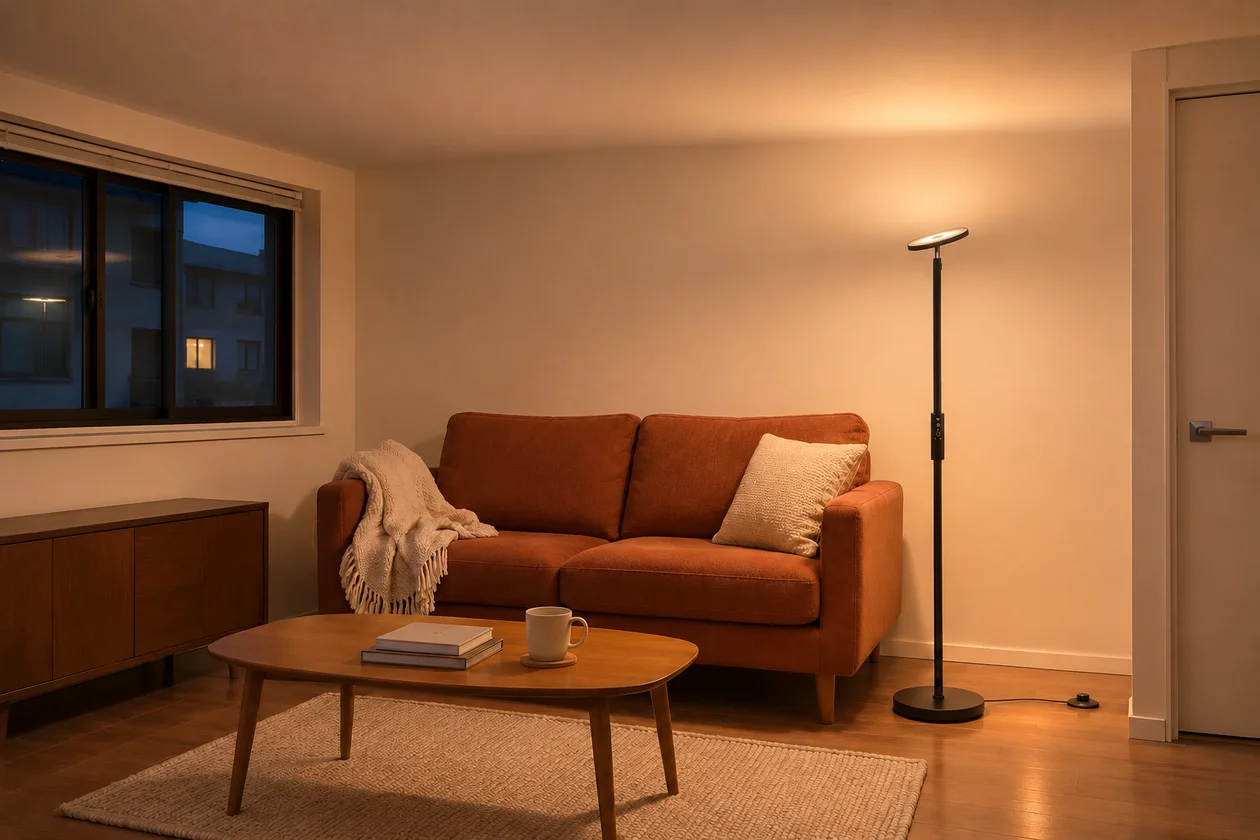
Sometimes, especially in a small, light-colored room. A bright uplight can provide enough general illumination, though a reading chair may still need a closer light.
Larger rooms, dark finishes, and high ceilings usually benefit from light in more than one place. The useful test is whether the seats and walking routes are comfortably lit.
What Works in a Rental Where Drilling Isn’t Allowed?
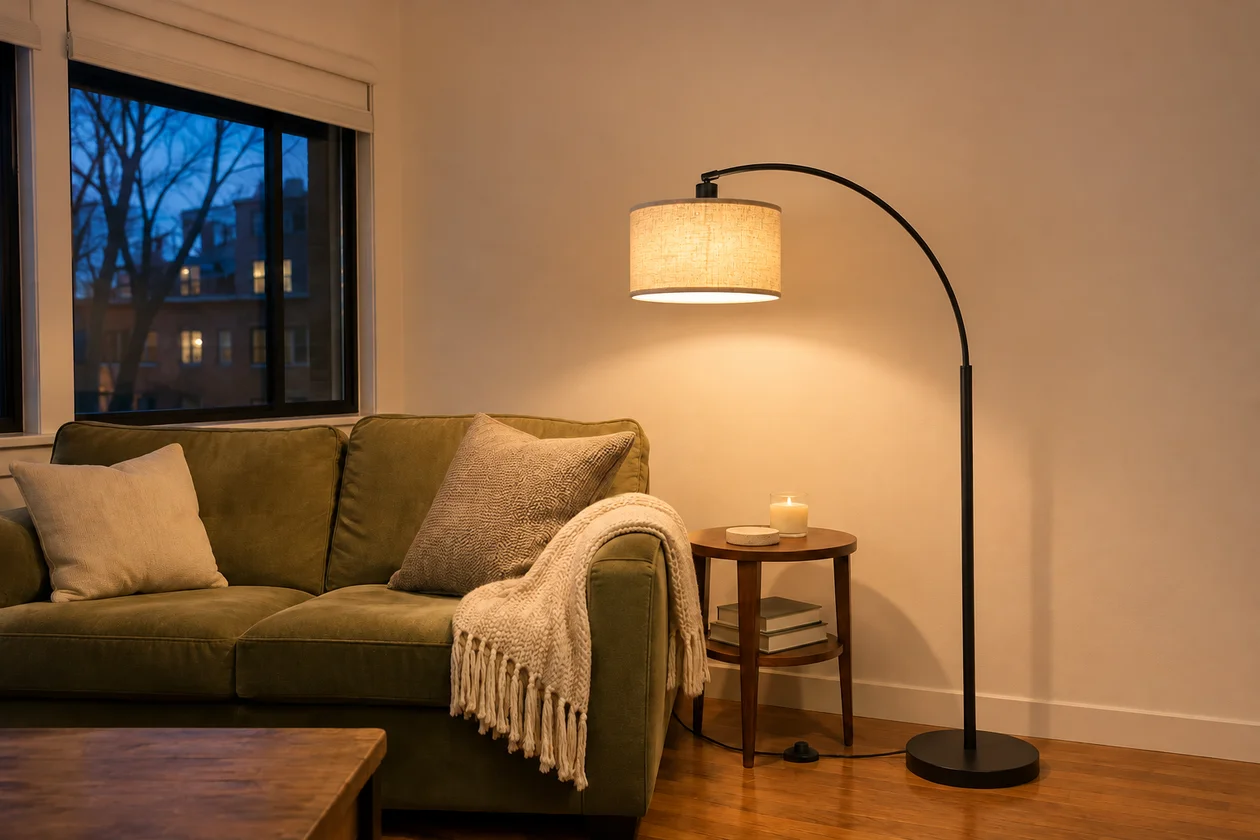
Floor lamps, table lamps, and portable lights are the easiest options. An arc lamp can reach over seating, while a shelf lamp combines lighting and storage in one piece.
Rechargeable wall lights still need a mounting method. For a completely freestanding setup, a lamp with its own base avoids that issue.
How Many Lamps Does a Living Room Need?
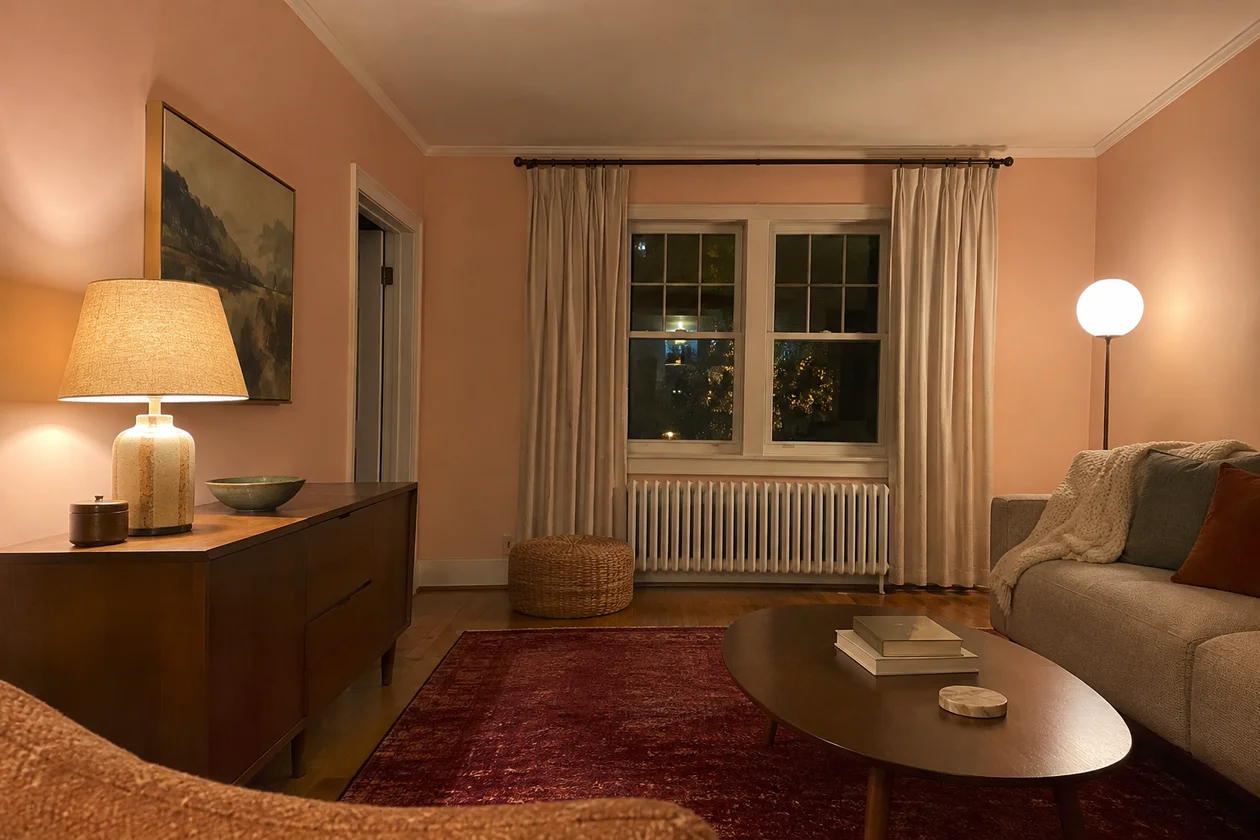
There’s no fixed number that suits every room. Enough light beside the sofa doesn’t guarantee enough at the entrance or reading chair.
For many small rooms, two main lights in different positions are a useful first arrangement. Additional lighting should solve a specific dark spot or activity, rather than simply fill an empty surface.
Do All the Lamps Need to Match?
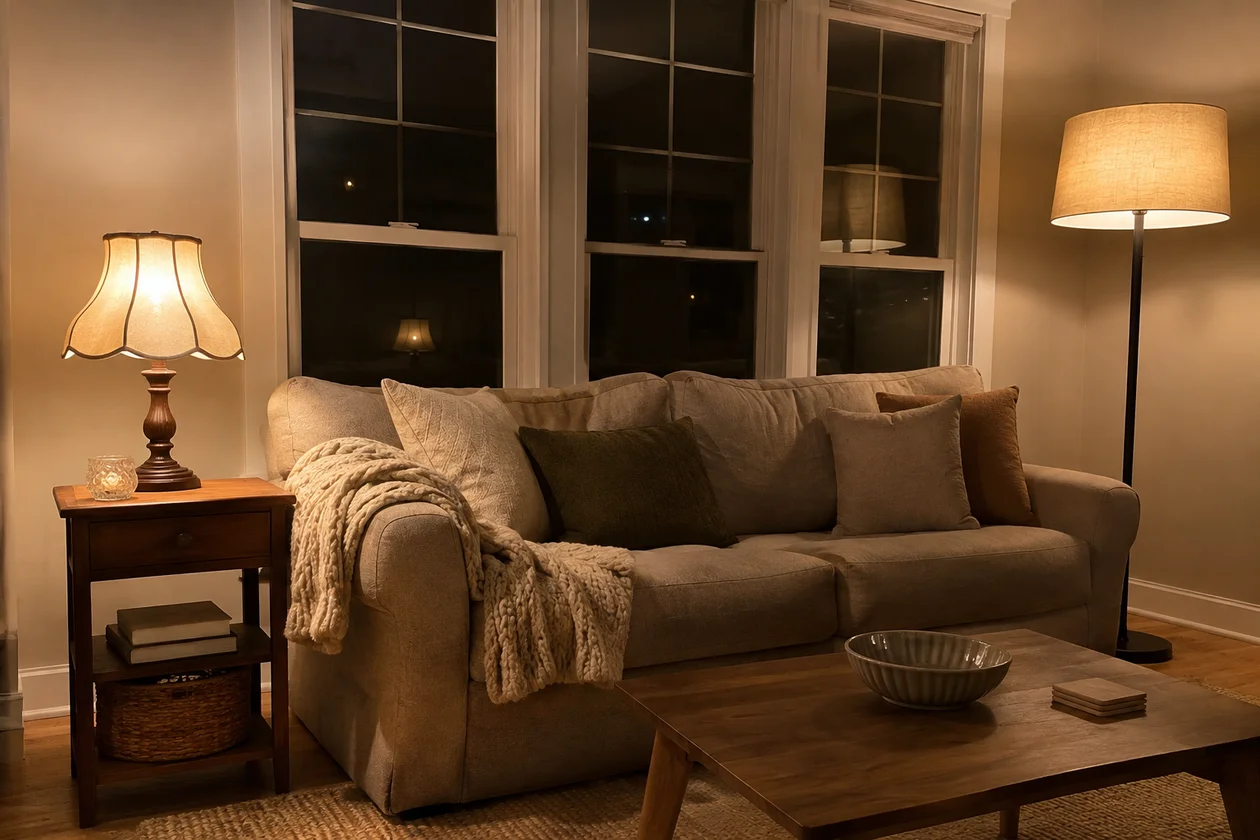
No, different lamps can look good together. A shared detail, such as cream shades or black metal, helps them feel related without buying a matching set.
Similar bulb colors also make a difference. A warm table lamp beside a cool-white floor lamp can look disconnected even when the fixtures match.
Lamps Worth a Look
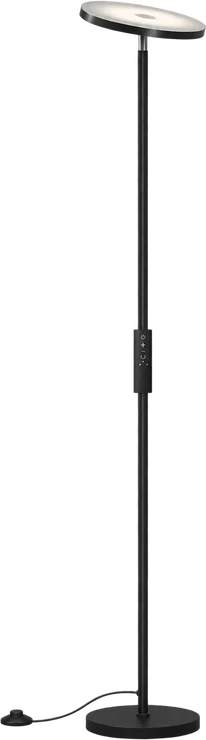 SUNMORY Torchiere Floor LampAdjustable uplighting for broader room brightness.
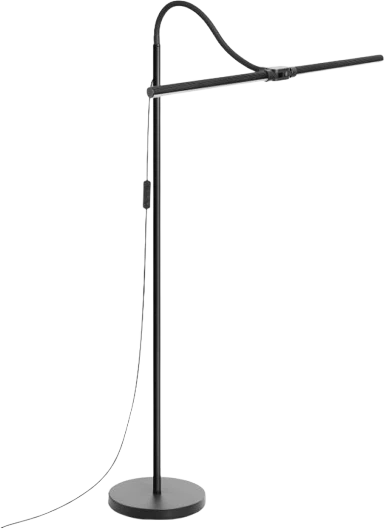 Seaside Village Adjustable Floor LampFlexible light panels for reading and detailed activities.
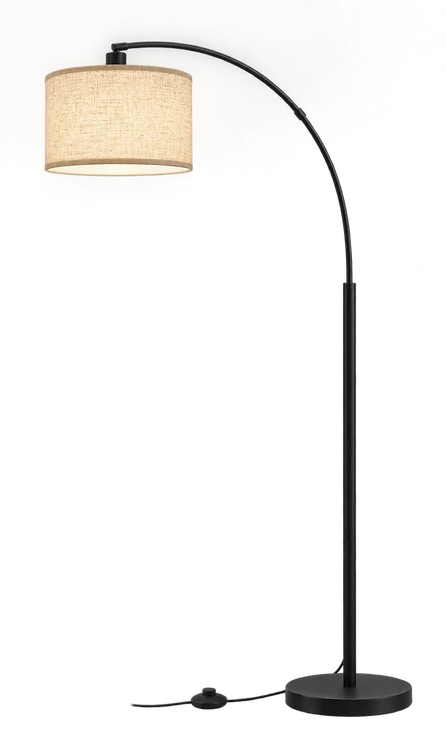 Luvkczc Arc Floor LampA hanging shade that reaches over seating.
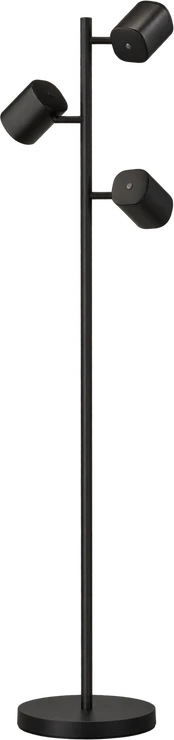 Govee Tree Floor LampThree rotating lights for different directions.
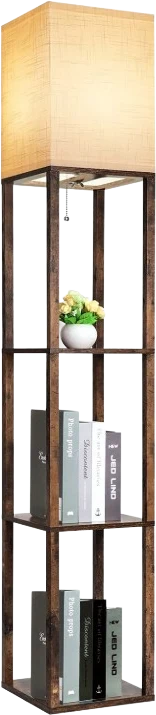 RUNTOP Shelf Floor LampShaded lighting with shelves underneath.
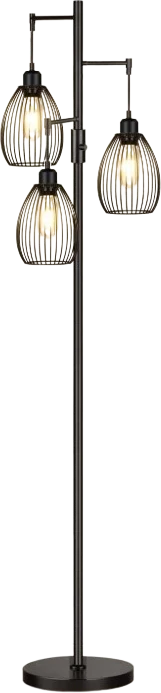 Dimmable Three-Light Cage Floor LampAdjustable lighting with an industrial look.
 Govee RGBIC Floor Lamp BasicA slim option for reflected background light.
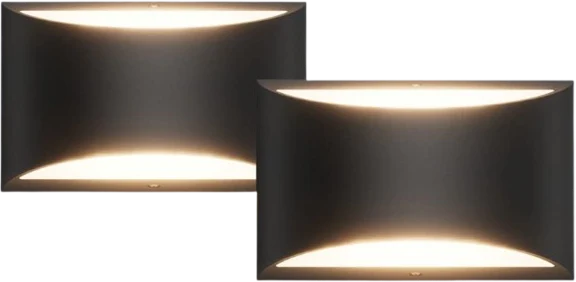 Aipsun Up-and-Down Wall SconcesHardwired fixtures for permanent wall lighting.
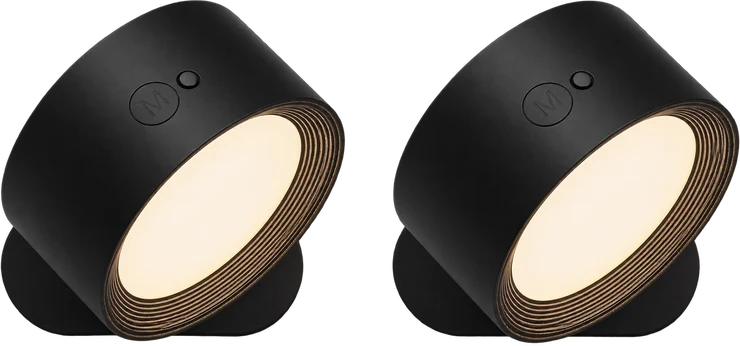 AMETHEUS Rechargeable Wall SconcesCordless lights for an extra glow near seating.
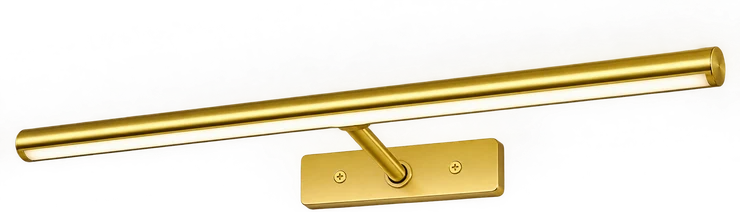 EZVALO Rechargeable Picture LightFocused illumination above artwork.
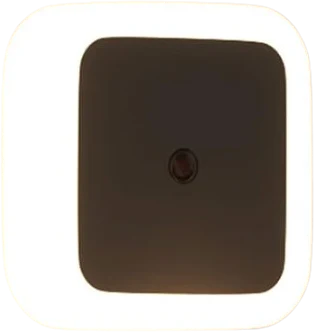 Sujeet Plug-In Night LightsSmall lights for doorways and nearby walking routes.
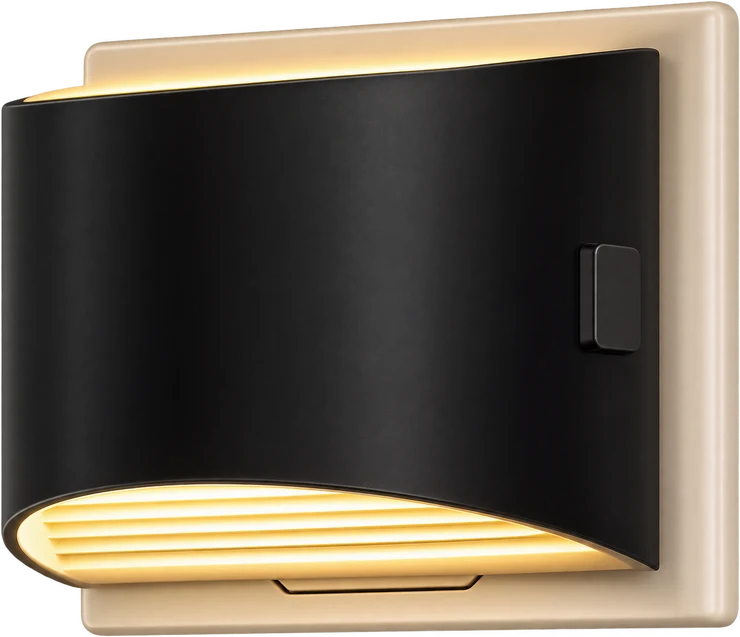 DORESshop Plug-In Night LightAdjustable low lighting near an outlet.
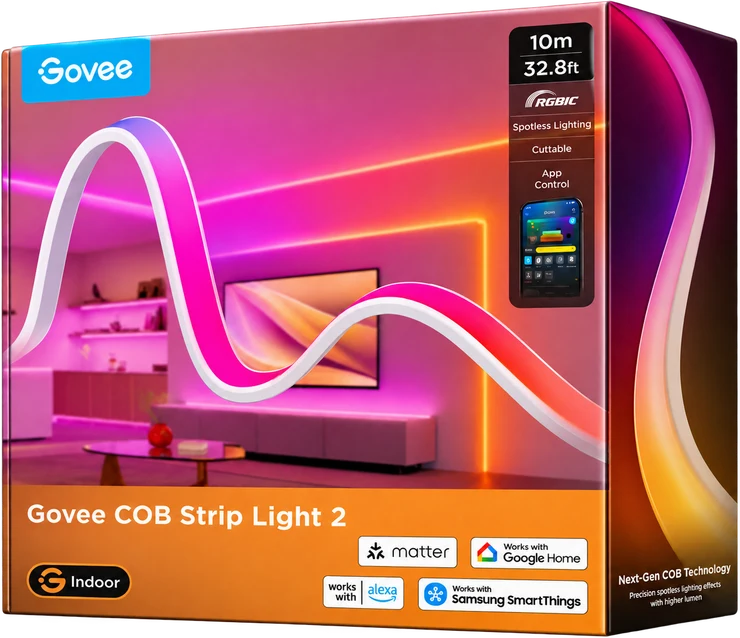 Govee COB LED Strip Lights 2Background lighting around shelves and media furniture.
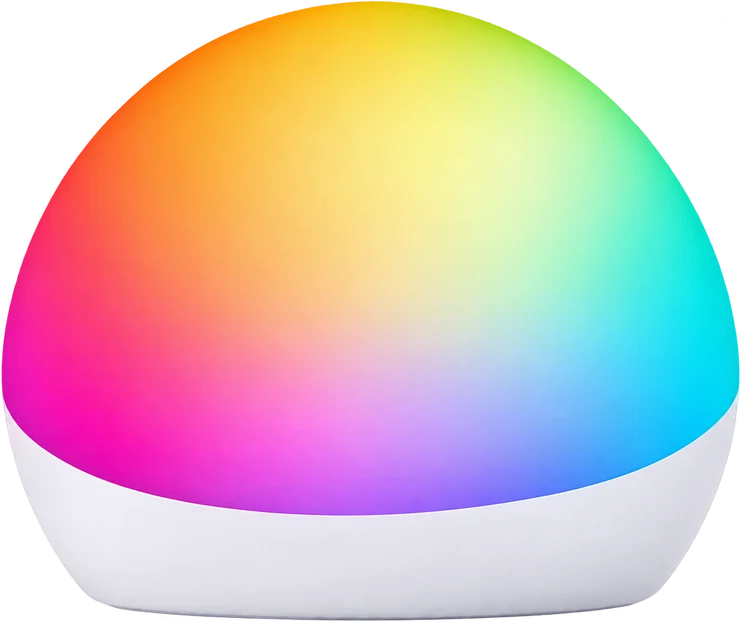 Amazon Echo GlowA compact color-changing accent light.
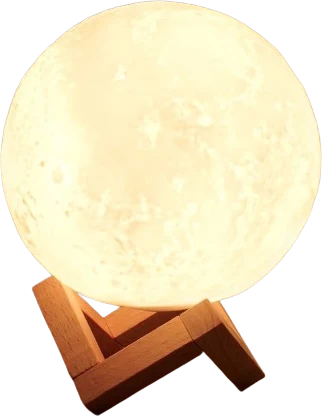 LOGROTATE Moon LampA playful decorative glow for a shelf or side table.
Comments
Loading the conversation…