
10 Formal Living Room Conversion Ideas Into a Functional Space

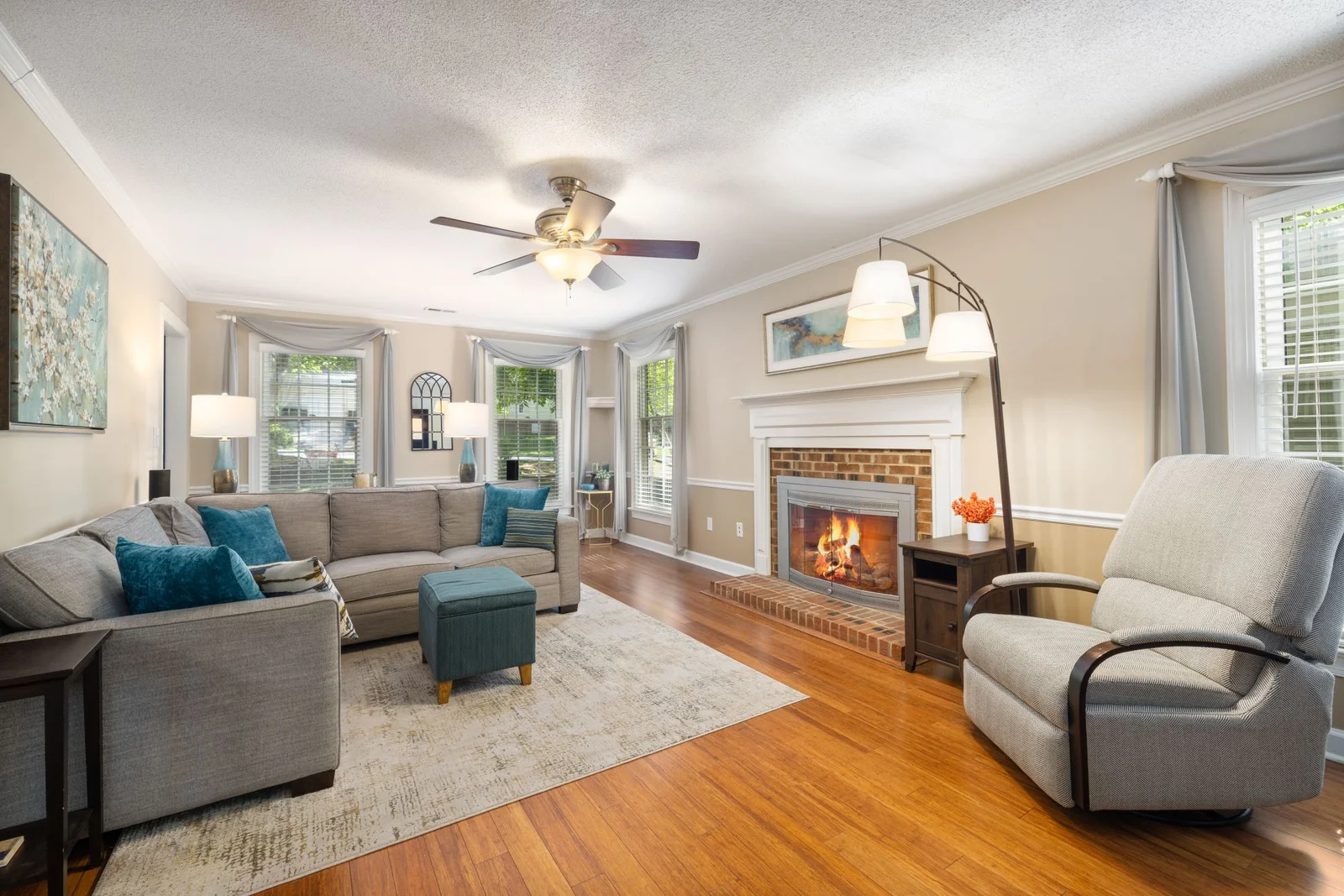
By six o’clock, the kitchen table is buried under two laptops and a half-finished puzzle. Meanwhile, the formal living room looks just as it did this morning. The best way to repurpose it is to ask what you wish you had room for today.
Maybe you’d like to close a door during work calls. Or maybe you’d just like to finish that puzzle on Sunday without spending every dinner this week on the couch.
Some formal living room conversions take little more than moving furniture you already own. Others take a bit of planning, especially if someone will sleep there. Here’s how each idea works day to day.
The quick answer
- Work or homework? Move the laptops to the front room so everyone can sit down to dinner together.
- Looking for an easy change? Your favorite chairs can become a reading nook or a spot to catch up over coffee.
- Often have friends over? With cards on the table or drinks on the sideboard, there’s somewhere to gather outside the kitchen.
- Overnight guests? Guests can unfold a sleeper sofa at bedtime, and you still have a place to sit the rest of the week.
- Projects taking over? Toys can stay in a playroom, or you can set up a hobby table where the sewing can wait until tomorrow.
What Would Make You Use This Room Tomorrow?
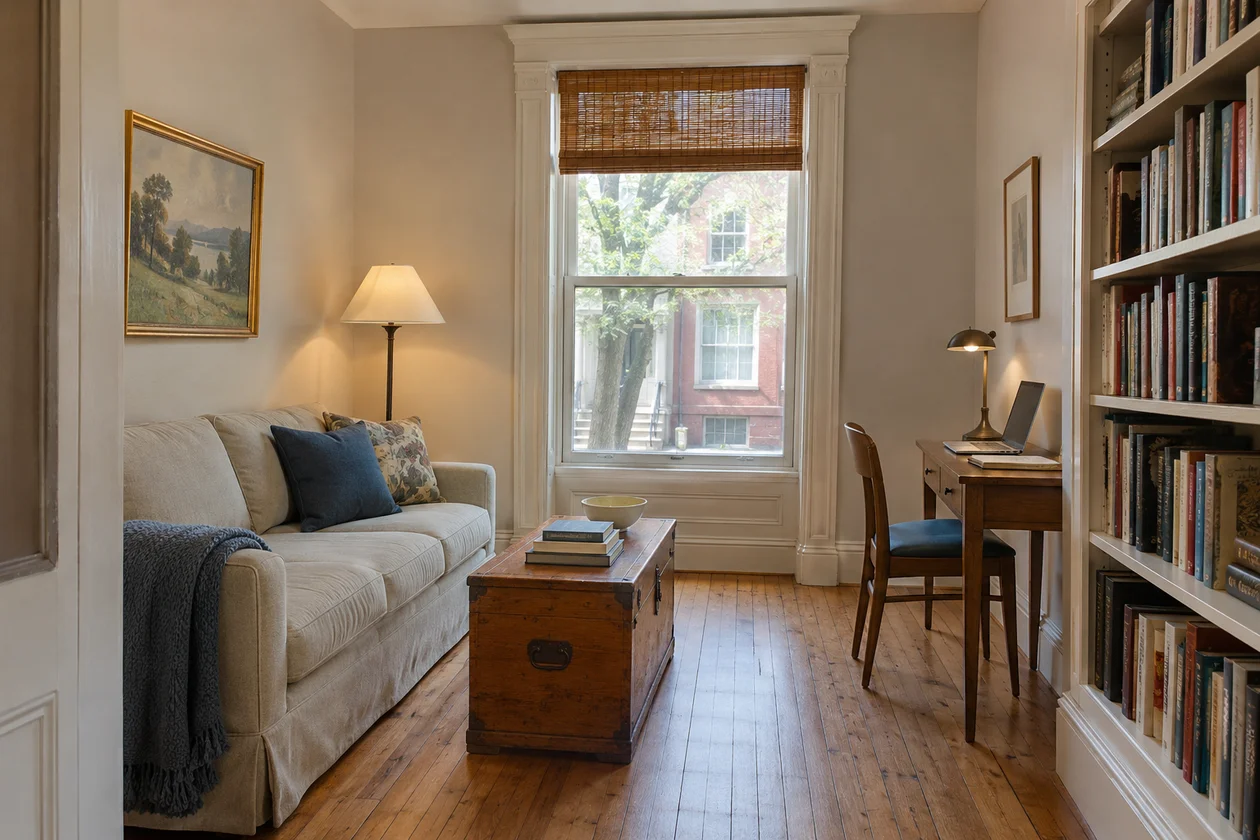
Think about the last time you ran out of space at home. Whatever you had to pack up or work around is a good clue. If everyone reads on the sofa but the board games sit unopened, you’ll probably get more use out of a little library.
| If this sounds familiar… | Try this conversion | The detail that makes it work |
|---|---|---|
| “There’s nowhere quiet for a call.” | Home office | Privacy and a comfortable desk setup |
| “Everything has to move before dinner.” | Homework room | Separate storage for each person |
| “The books are piled beside the bed.” | Home library | Shelves, a good chair, and reading light |
| “Everyone ends up standing in the kitchen.” | Conversation room | Seats arranged close enough to chat |
| “The puzzle needs another day.” | Game room | A table that can stay occupied |
| “Coffee supplies are taking over the counter.” | Coffee or drinks lounge | A cabinet and serving surface |
| “Where will guests sleep?” | Guest and sitting room | Privacy and space around the open bed |
| “There’s nowhere to leave this project.” | Hobby room | A worktable and organized supplies |
| “The toys are everywhere.” | Playroom | Reachable storage and open floor space |
| “The piano barely gets played.” | Music room | An inviting place to play or listen |
1. Is Your Kitchen Table Also Your Office?
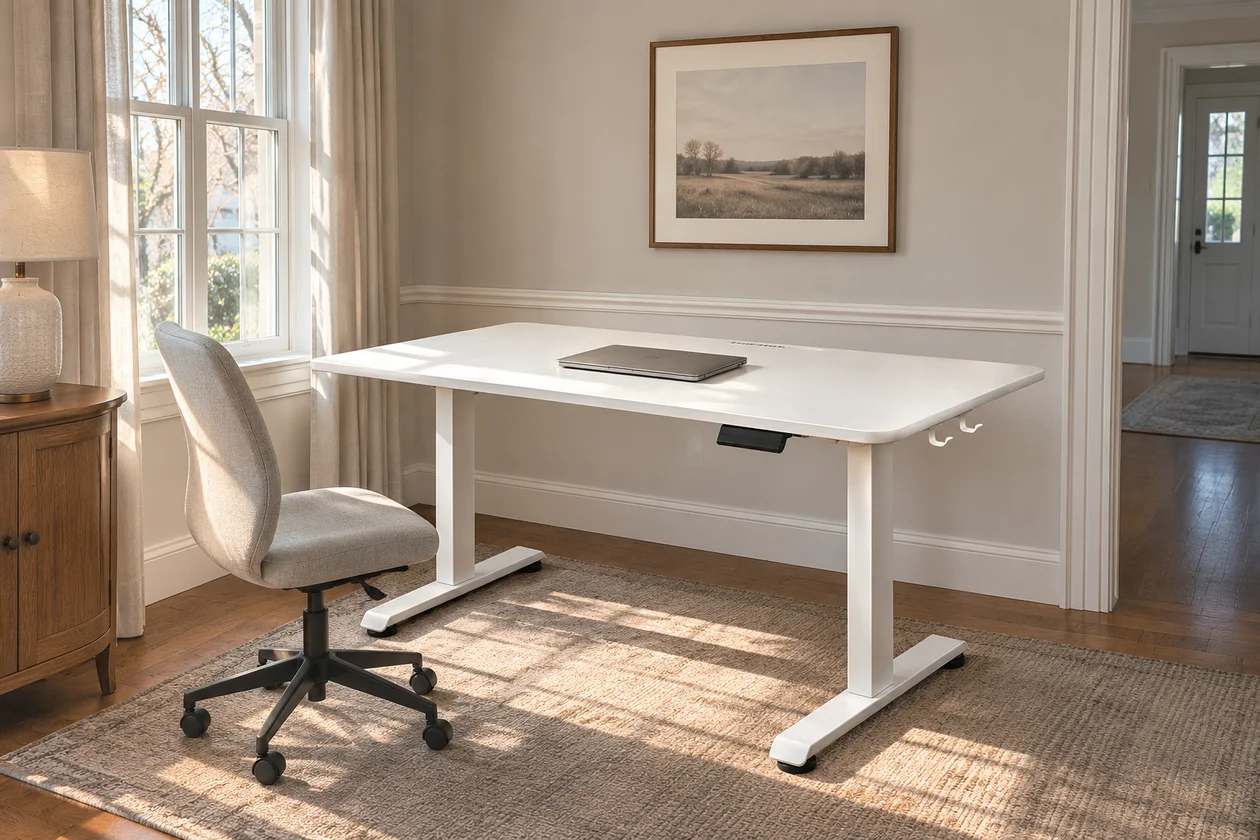
When you work from home a few days a week, somewhere to leave the desk set up makes Monday morning easier. The charger stays plugged in, your notes stay open, and dinner can happen on time.
Window light is usually easiest to work with when it comes from the side. If there’s an outlet on the same wall, the charger cord can stay out of the walkway, too.
Prefer to stand for part of the day? With the Veken Electric Standing Desk, you can raise your laptop for a call and lower it again when you want to sit.
Before you settle on a spot, roll the chair back as if you’re getting up. If someone at the door has to wait for you to tuck it in, try the next wall.
For frequent calls, being able to close the door is worth more than a view of the front garden. An open room works well for quieter tasks.
You’ll find more ways to position the desk in our guide to home office layouts for productivity.
2. Homework Can Stay Out. Dinner Can Still Happen.
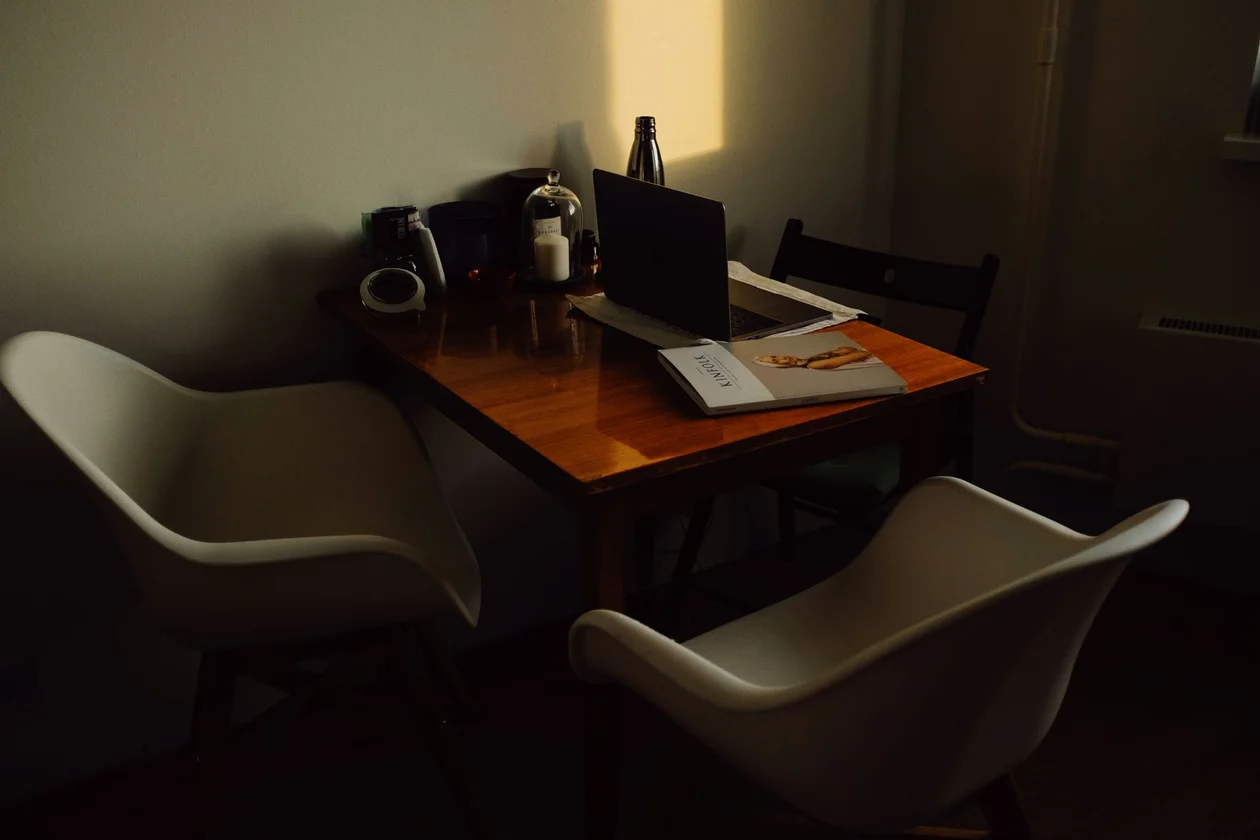
When one person needs a laptop and another has a poster to finish, a shared homework table lets them spread out. Nobody has to clear the glue sticks just to set down a plate.
Your old dining table probably has enough elbow room for both. Pull up its usual chairs and try an afternoon of homework there before shopping for desks.
Two desks along a wall work better if each person wants a spot of their own. With younger kids, it’s handy to have a table in the middle so you can pull up a chair on either side.
Label one drawer, basket, or shelf for each person. Tomorrow morning, everyone knows where to find yesterday’s worksheet.
If the room is visible from the entrance, a lamp and a comfortable chair near the doorway can soften the view of the workspace.
Worth knowing: Sharing a desk is easy enough when everyone’s reading or writing. Two video calls at the same table are another story.
3. There’s Room for a Little Library
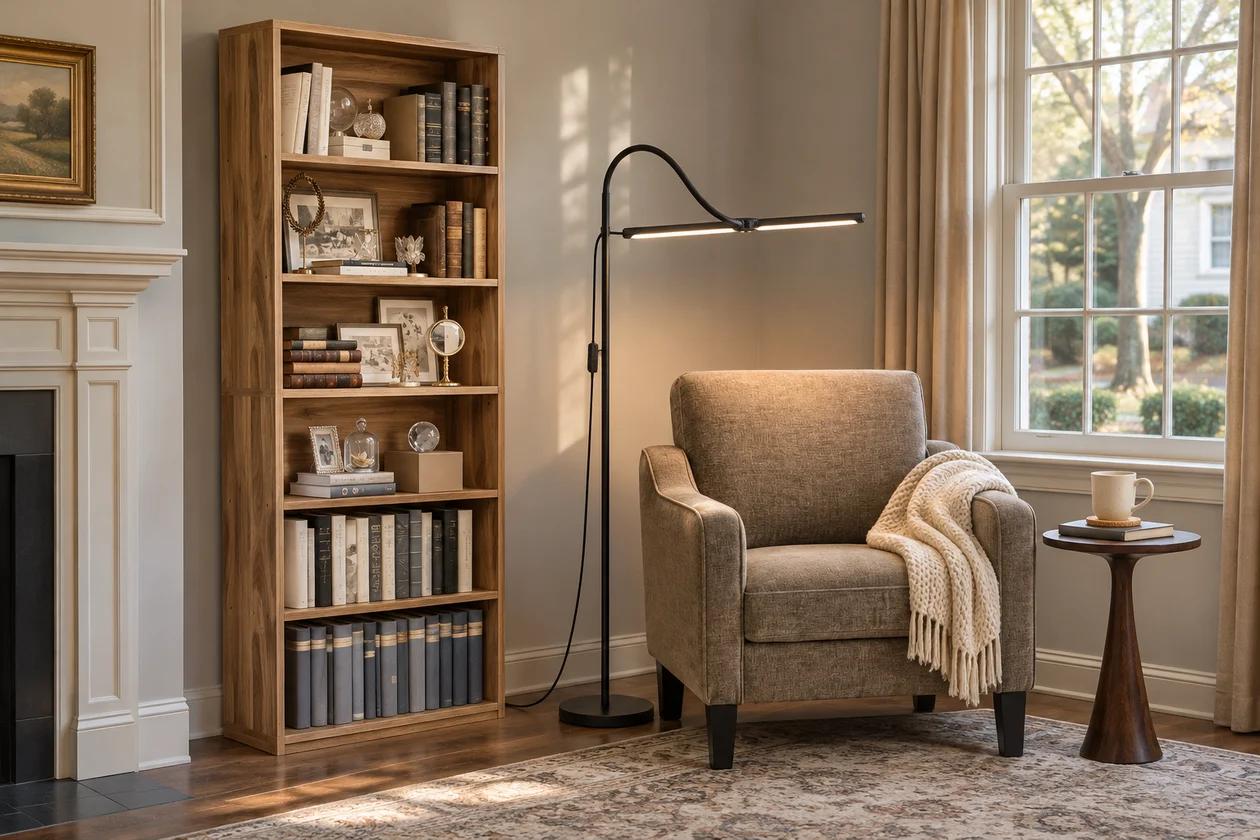
Half a shelf of unread books is a good excuse for a little library. All you really need is a chair you like reading in, shelves within reach, and light on the page.
Built-ins can wait. The IRONCK Bookcase holds the books now and can move with you if you decide the other wall works better.
The padded arms on the VINGLI Accent Chair make it a comfortable spot to prop an elbow while you read. Beside it, even a small table has room for your glasses and a mug.
Ever sat down under a bright ceiling light only to find your book in shadow? From beside the chair, the Seaside Village Adjustable Floor Lamp lets you aim the light at the page.
With room for one more chair, two people can read together. It’s also a nice place for company when someone else has the TV on.
4. Good Company Doesn’t Need a TV
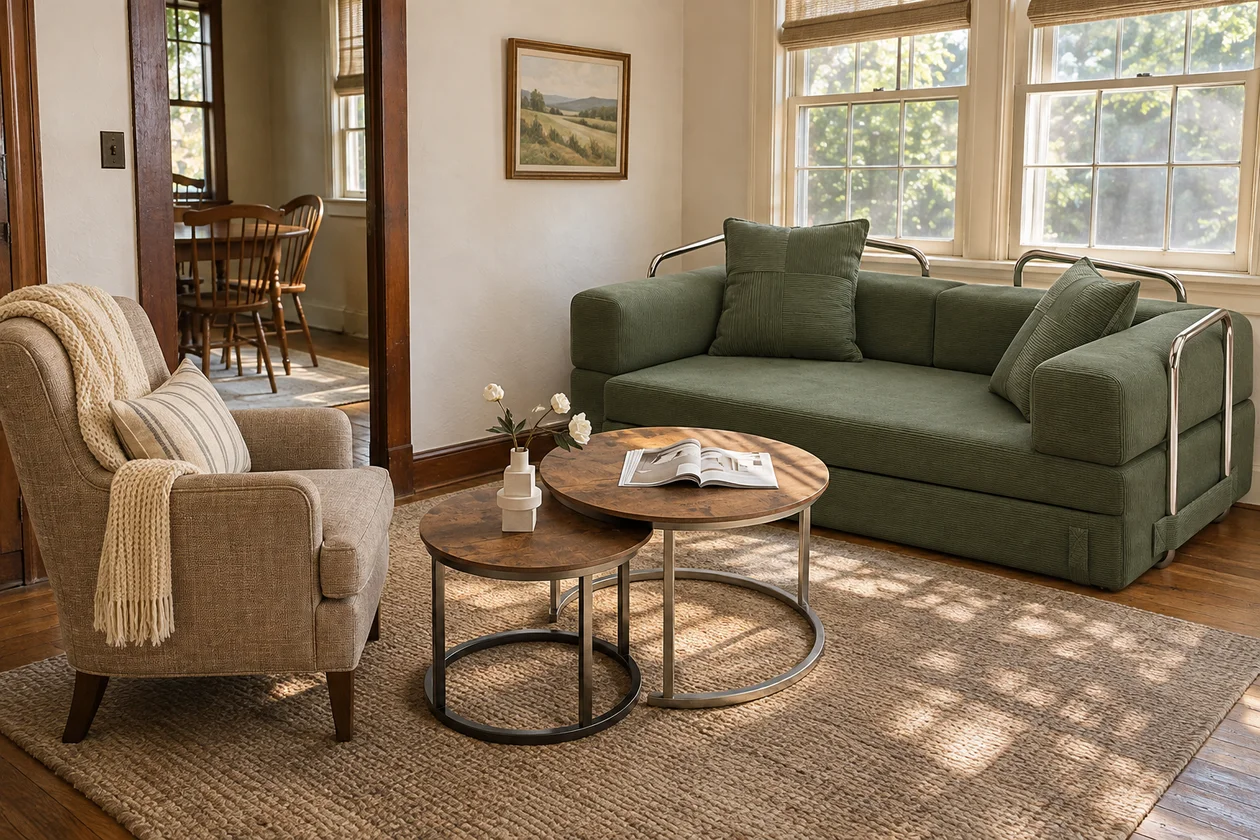
When the TV already has a home elsewhere, arrange this room around the people you want to talk to. Over coffee or after dinner, it helps to be able to see everyone’s face.
Four chairs around a table work well for a group. Already own a sofa and two chairs? Turn the chairs toward the sofa and you have the same setup.
If you have to lean forward to hear a friend across the rug, the seats are too far apart. Bring them closer until you can both sit back and talk.
For lounging, the GRUSIGN Convertible Sofa sits low and folds out. Pair it with a regular armchair so guests who prefer a higher seat have that option.
When friends come over, split the Aboxoo Nesting Tables between the seats so nobody has to lean across the sofa to put down a drink. They tuck together again afterward.
Grandma’s sideboard can stay right where it is. It’ll look just as at home behind a sofa where people put their feet up.
5. The Puzzle Can Stay Until Sunday
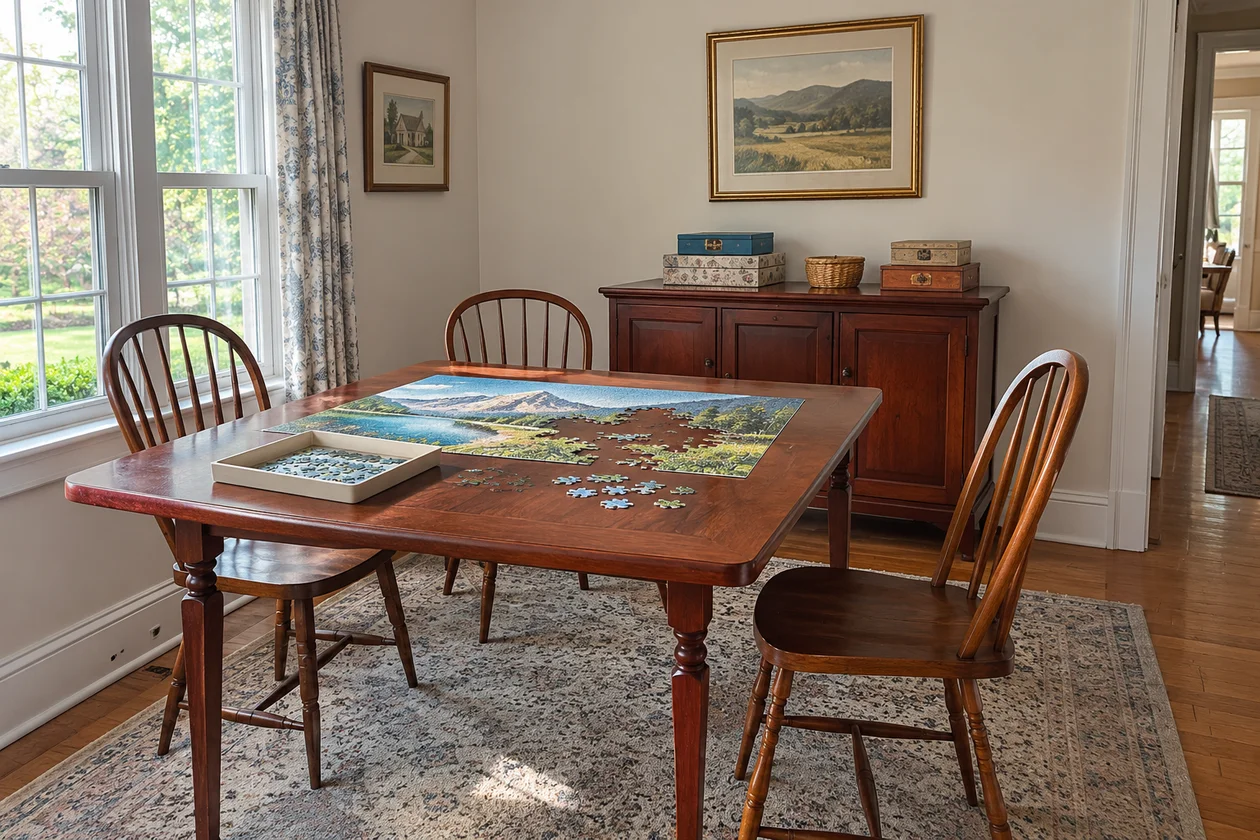
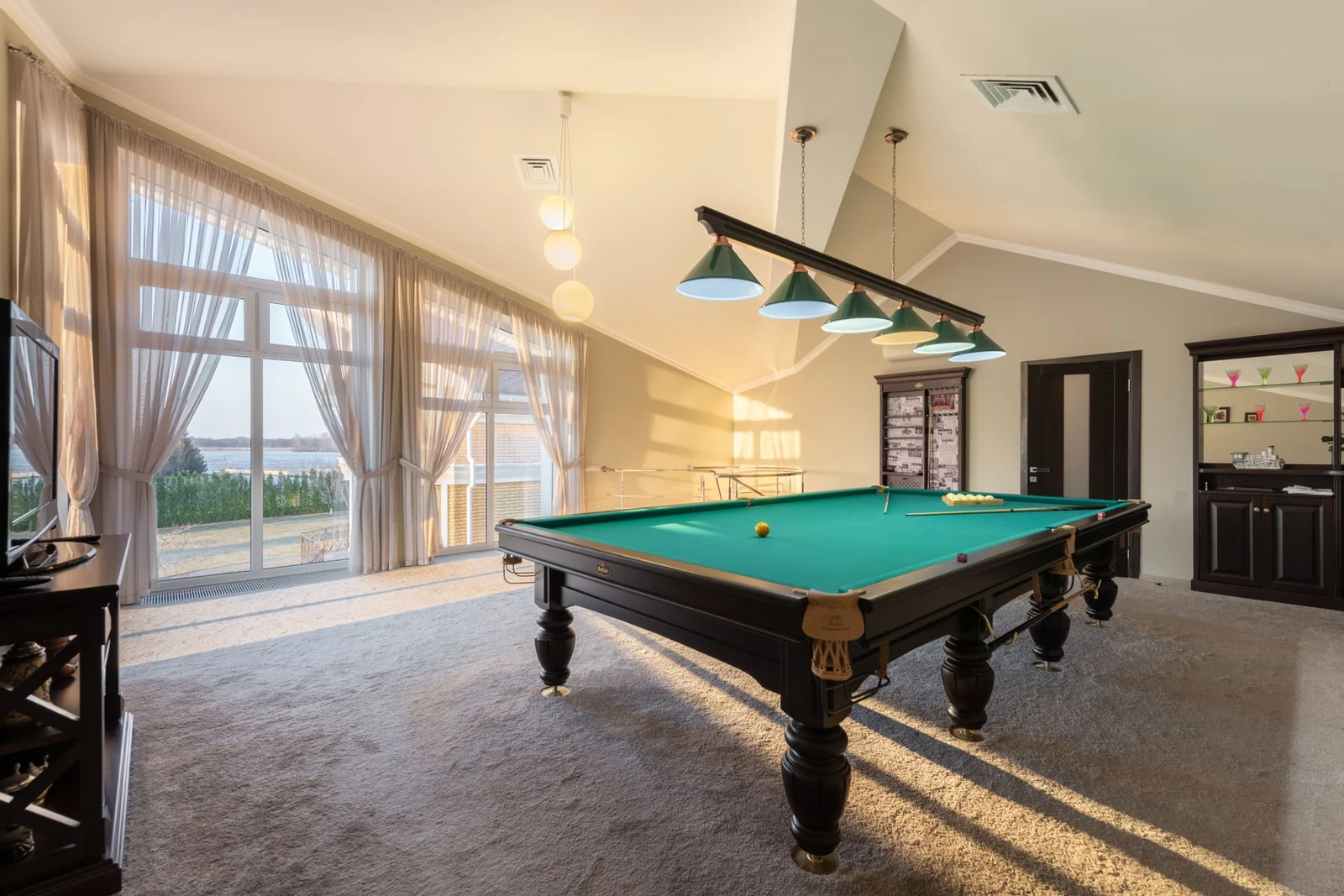
If you regularly lose your dining table to a jigsaw, a table where the puzzle can stay out is reason enough for a game room. Pick up where you left off tomorrow, even if you only have ten minutes.
How big a table? A deck of cards takes up very little room. Lay out your biggest board game, including each player’s cards and pieces, to see what actually fits.
Game night can run long. Comfortable chairs help, especially if the person in the far seat can slip out for a snack without asking everyone to stand.
Game boxes can go in a nearby cabinet. Little trays are handy for dice and loose pieces, and a puzzle board lets you lift a whole unfinished jigsaw onto a shelf.
That spare dining table is worth trying first. If the game fits and everyone can reach the middle, you already own what you need.
For more layouts and storage ideas, browse these game room ideas.
6. Coffee at Ten, Cocktails at Seven
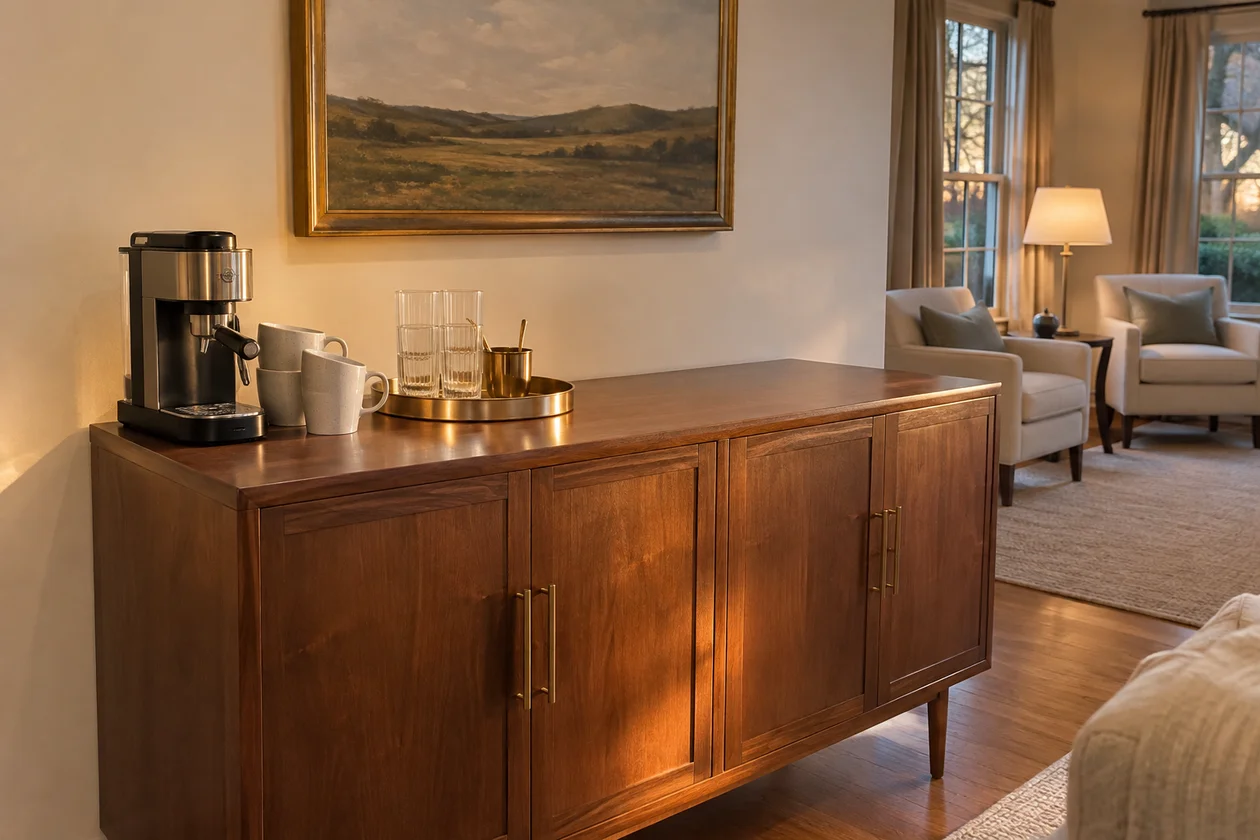
When guests gather in the kitchen while you’re trying to cook, serve drinks in the front room. People can help themselves there, whether it’s coffee on Sunday morning or cocktails before dinner.
For a dry bar, the sideboard you own may be all you need. Bottles and glasses go inside, with a clear spot on top to mix a drink.
More of a coffee household? The old hutch can hold mugs and beans, with spoons and sugar together on a tray.
When someone’s pouring coffee, there should still be room for a friend to walk past with a full cup. Try the layout with the cabinet doors open.
Coffee makers belong near an outlet so the cord stays out of the walkway. Spills are easier to clean up on a wipeable tray or countertop.
Plumbing note: You can set up a dry bar almost anywhere. A wet bar has a sink, so its location also depends on where the plumbing can go.
7. A Guest Room for the Weekend
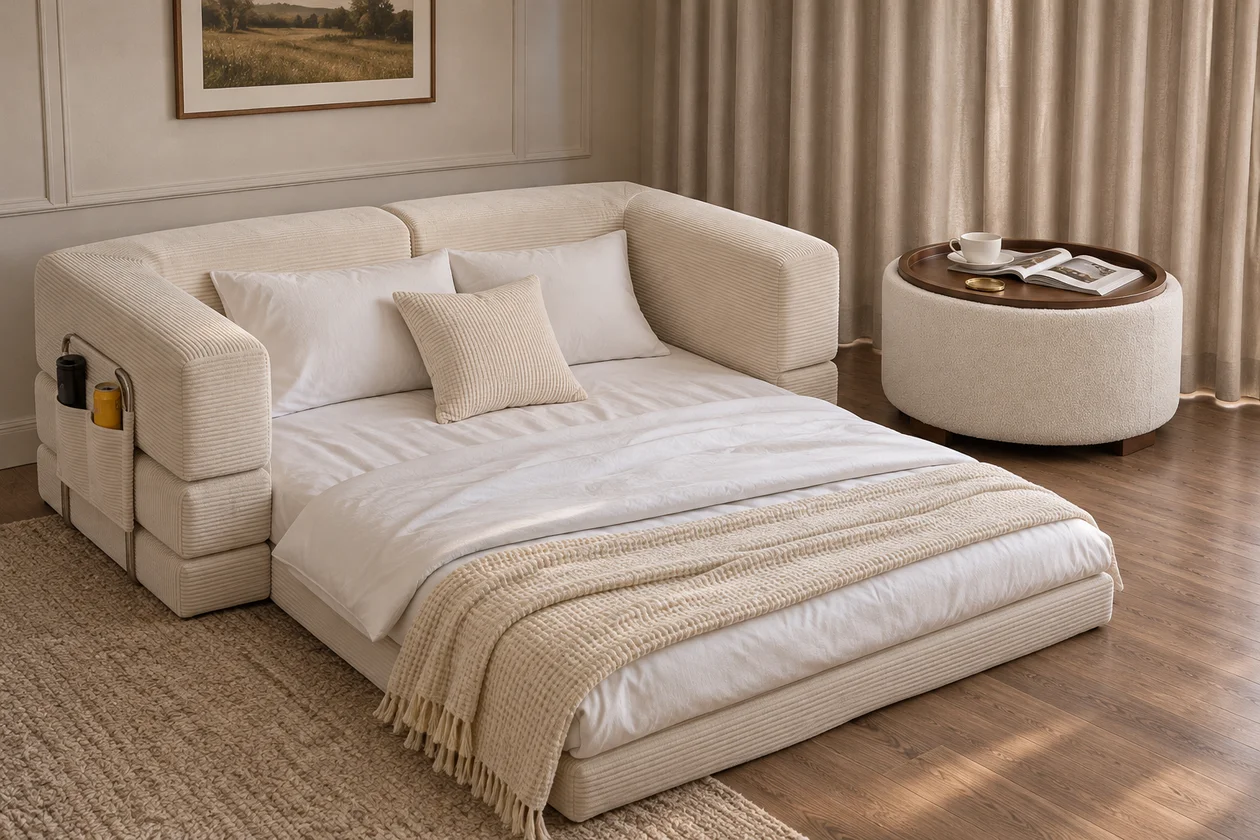
Most of the week this can still be your sitting room. For overnight visits, the two things that matter are privacy and space to walk around the open bed.
Guests who are happy sleeping close to the floor can unfold the GEARIVY Folding Sofa Bed at bedtime. Folded up, it’s a low sofa for lounging.
If getting up from the floor is difficult, a raised sleeper or daybed is easier to use. Our guides to sleeper sofas for small spaces and daybeds with trundles show both options.
With the bed open, try the walk from the pillow to the door. Your guest will also want a spot for a bag and a light within reach.
When the linen closet is full, the Zihanhome Storage Ottoman can hold a spare throw right beside the sofa.
Streetlights can make a lovely front room surprisingly bright at midnight. Curtains or blinds that close fully help with light and privacy.
8. Half-Finished Projects Welcome
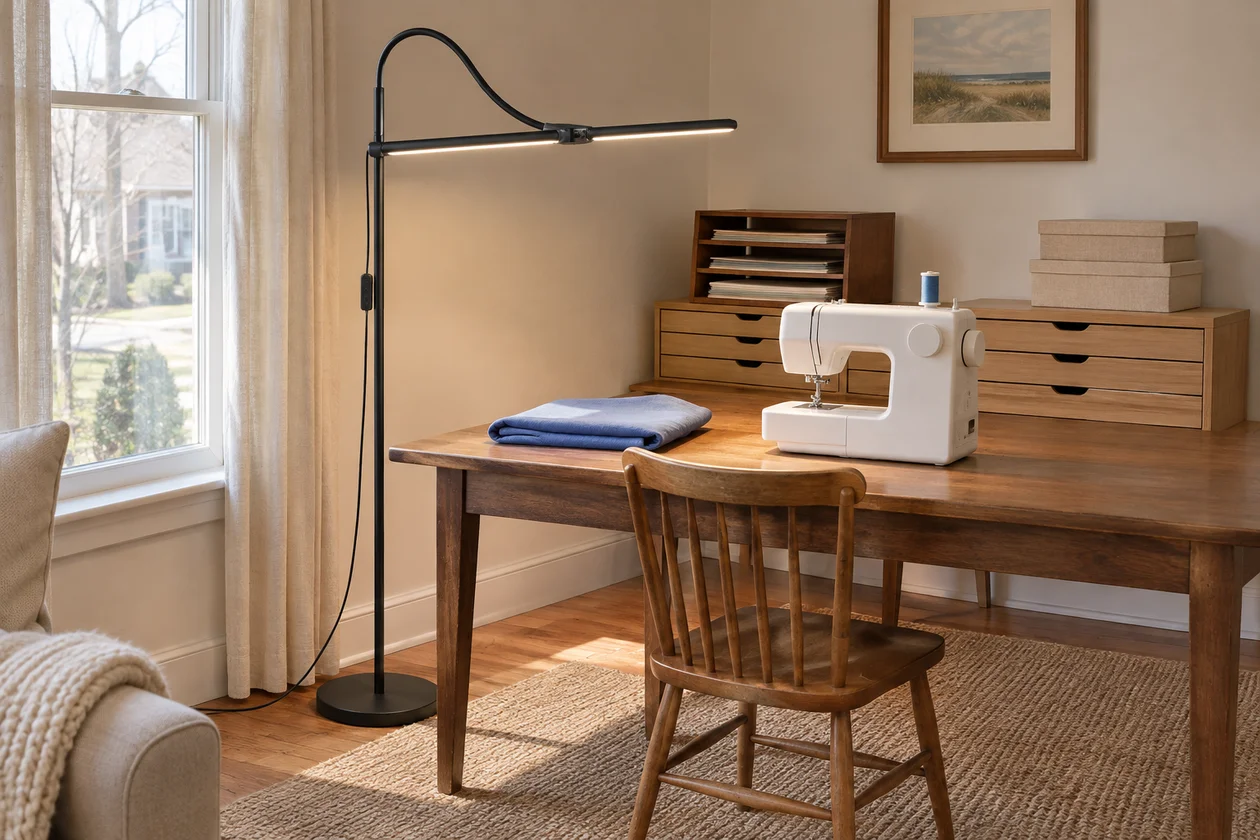
One of the nicest things about a hobby room is leaving a project exactly where you stopped. Tomorrow you can go straight back to sewing instead of unpacking the machine again.
For sewing, leave room beside the machine for the fabric to feed through. Sketchbooks need less space, while wrapping a large gift is easier if you can reach the table from both sides.
Supplies you reach for every day can go in the top drawer or on a rolling cart. You can sort out the rest once you know what you actually use.
Beads and model pieces are easier to manage on a shallow tray. When it’s time to stop, slide the whole tray onto a shelf.
For close work, the adjustable floor lamp shines onto the project without taking up space on the table.
If you can see the room from the front door, try closed storage for spare supplies. The quilt can stay out without every spool of thread on display.
9. A Playroom That Can Grow Up, Too
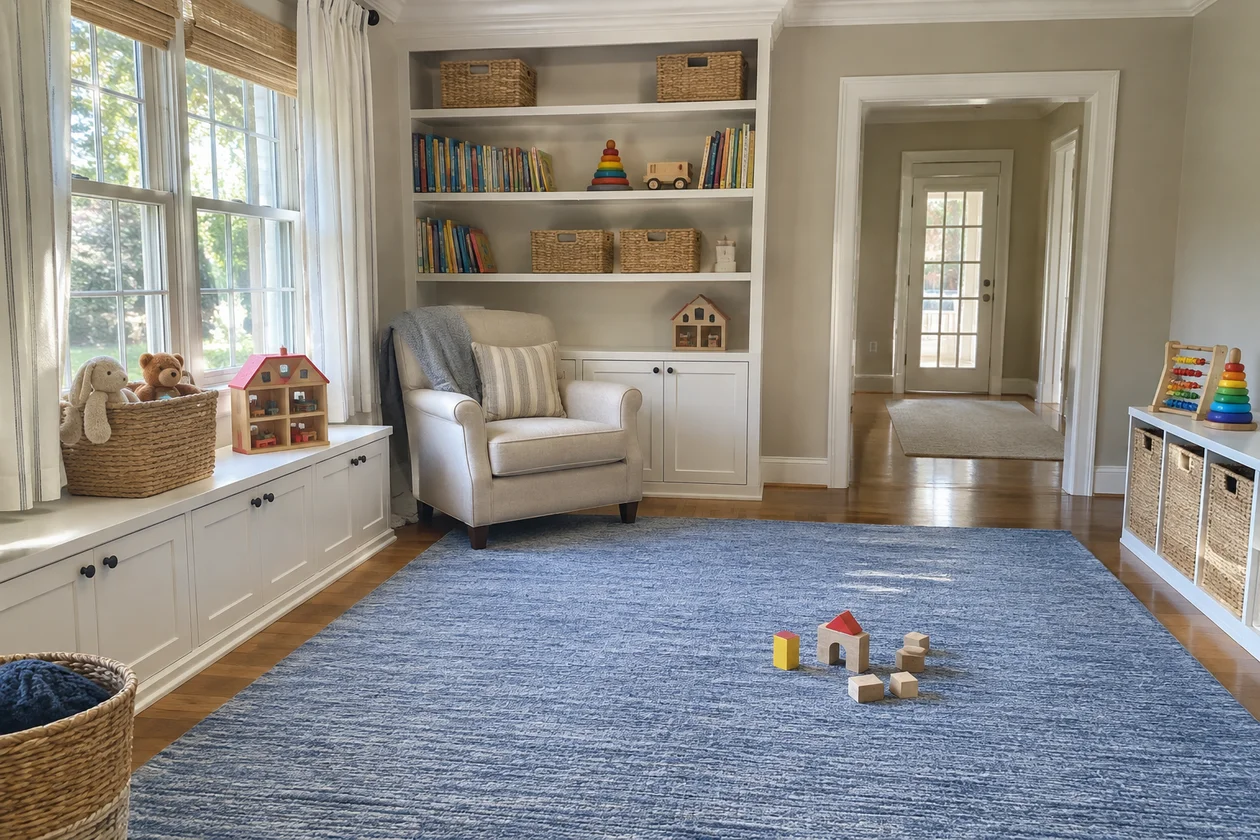
Cleanup gets easier when kids can reach the place each toy belongs. That leaves more room for the fun part, whether it’s a train track or a block tower.
Low shelves around the walls leave the middle of the floor open. Blocks in one bin and toy cars in another are easier to sort than a shelf full of tiny compartments.
Where will you sit for story time? Tuck a comfortable chair near the play area so there’s room for a lap and a book.
As kids get older, the activity table can become a homework spot. Those same shelves will hold schoolbooks long after the toy cars go.
Safety note: Anchor storage furniture securely to the wall and leave a clear path to the door, even with the train track out.
10. What If This Became the Music Room?
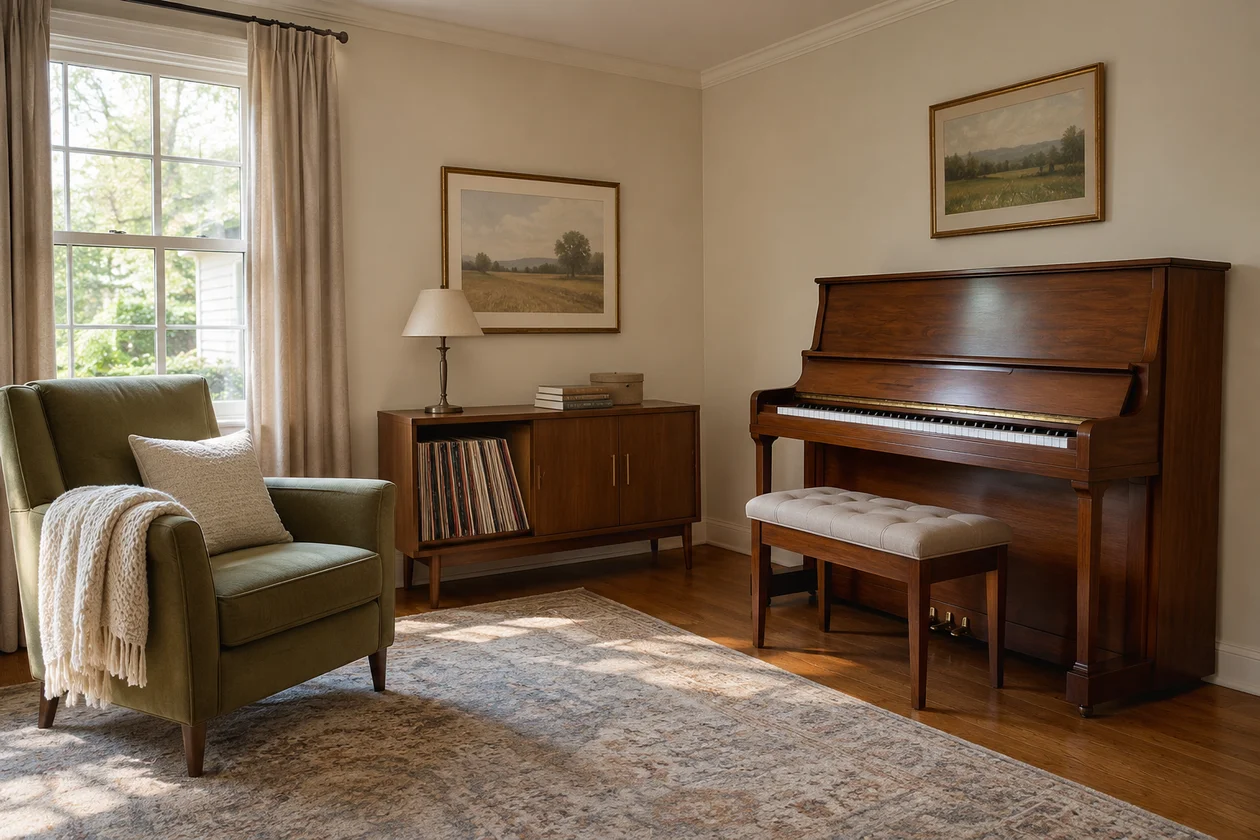
How often would you play if you could sit down and play a song without setting anything up? That’s the appeal of turning the front room into a music room, even if you only have a few minutes after work.
Listening counts, too. Put your favorite records within reach of a comfortable chair, with a spot beside it for the sleeve while a record plays.
At the piano, leave enough room to slide the bench back. If someone comes over to teach or play along, a second chair is handy.
Bare floors and walls can make the room sound echoey. Rugs, curtains, and upholstered chairs soften that echo, though you’ll still hear the piano through an open door.
Timing matters if the family room is next door. Try playing during the hours you normally practice and see whether anyone has to turn up the TV.
Before the Shopping Cart Gets Too Full
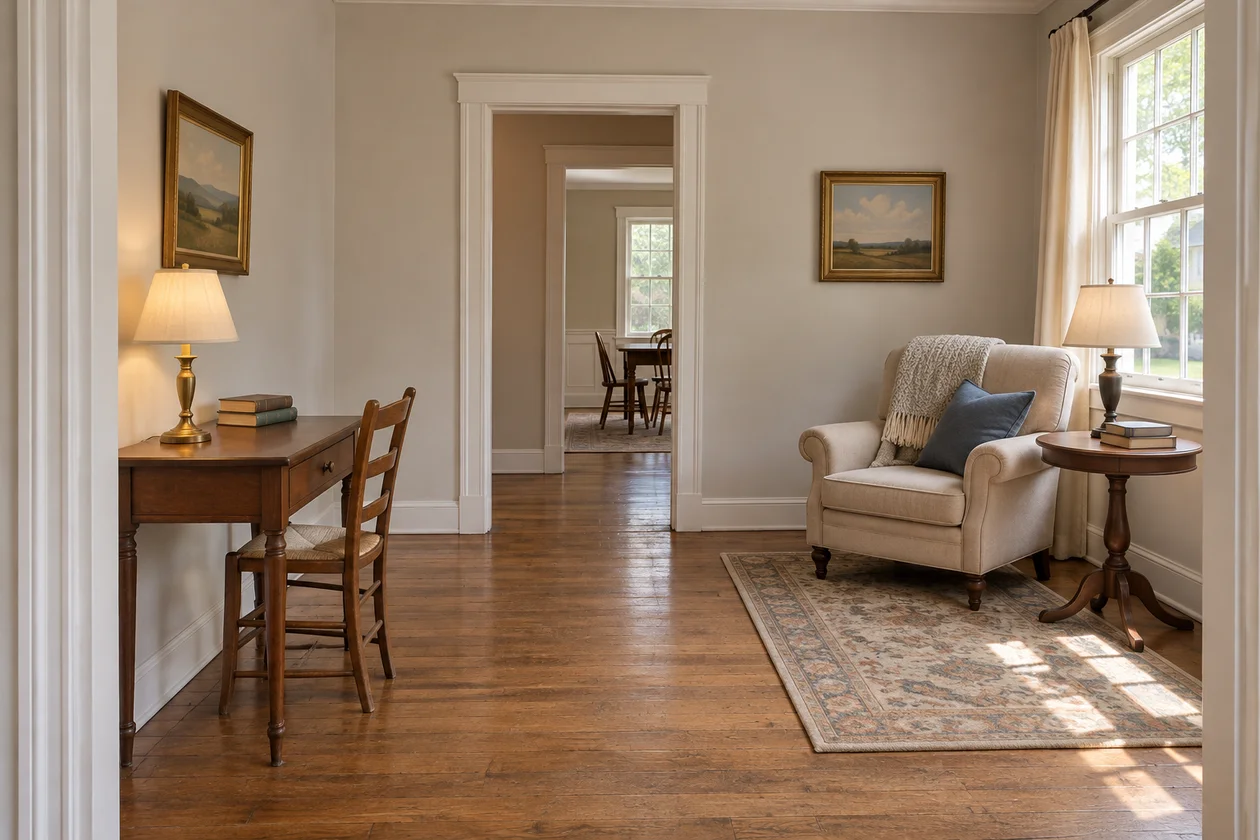
Before you shop, try the room the way you’ll actually use it. Roll the desk chair back, open the sofa bed, or pull out all four chairs for cards. That’s when you’ll notice whether someone can still get through the door.
One Main Use Is Usually Enough
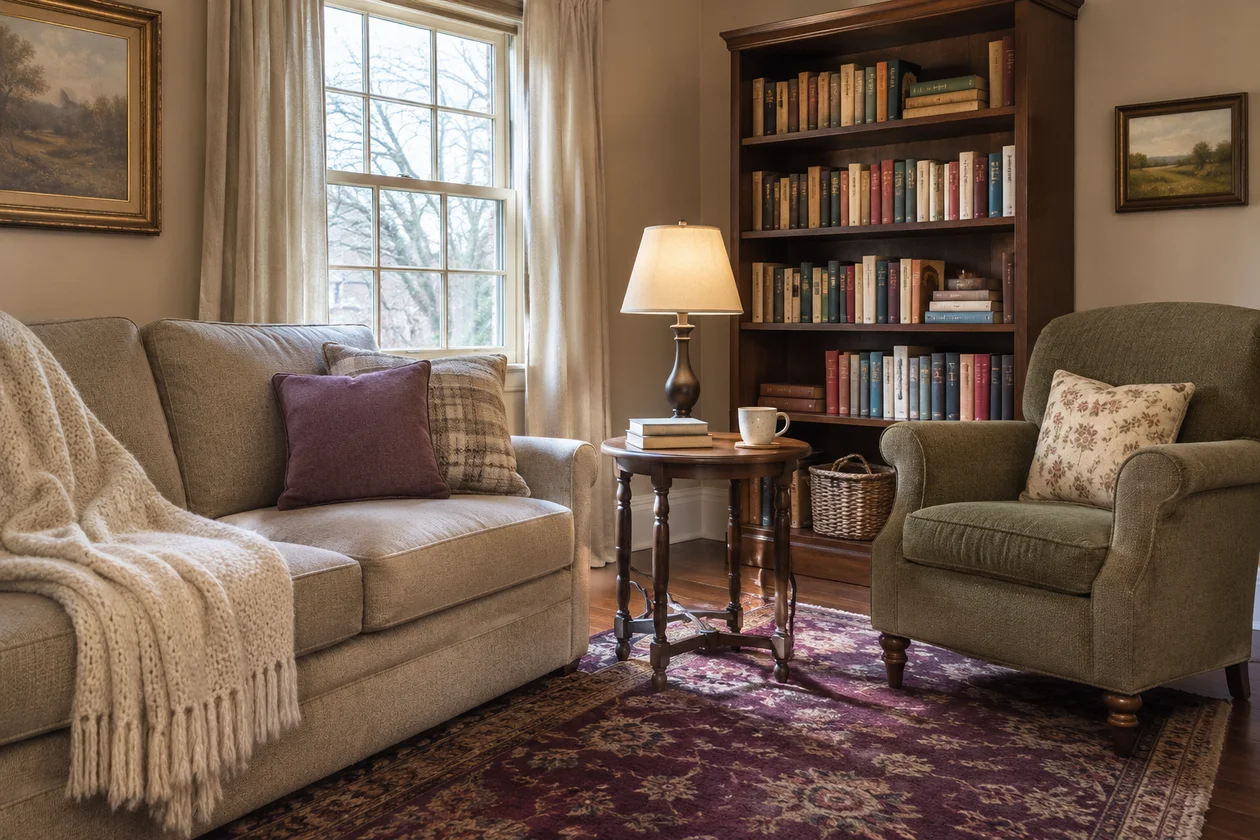
It’s easier to arrange the room around the thing you’ll do there most often. Add a second use if it fits the same setup.
Bookshelves and facing chairs work for reading and visiting. At a game table, the cards can go away when someone wants to spread out craft paper.
Once an office, a playroom, and a guest bed all compete for the same floor space, everyday life gets awkward. Which one would you miss most?
Can Someone Still Walk Through?
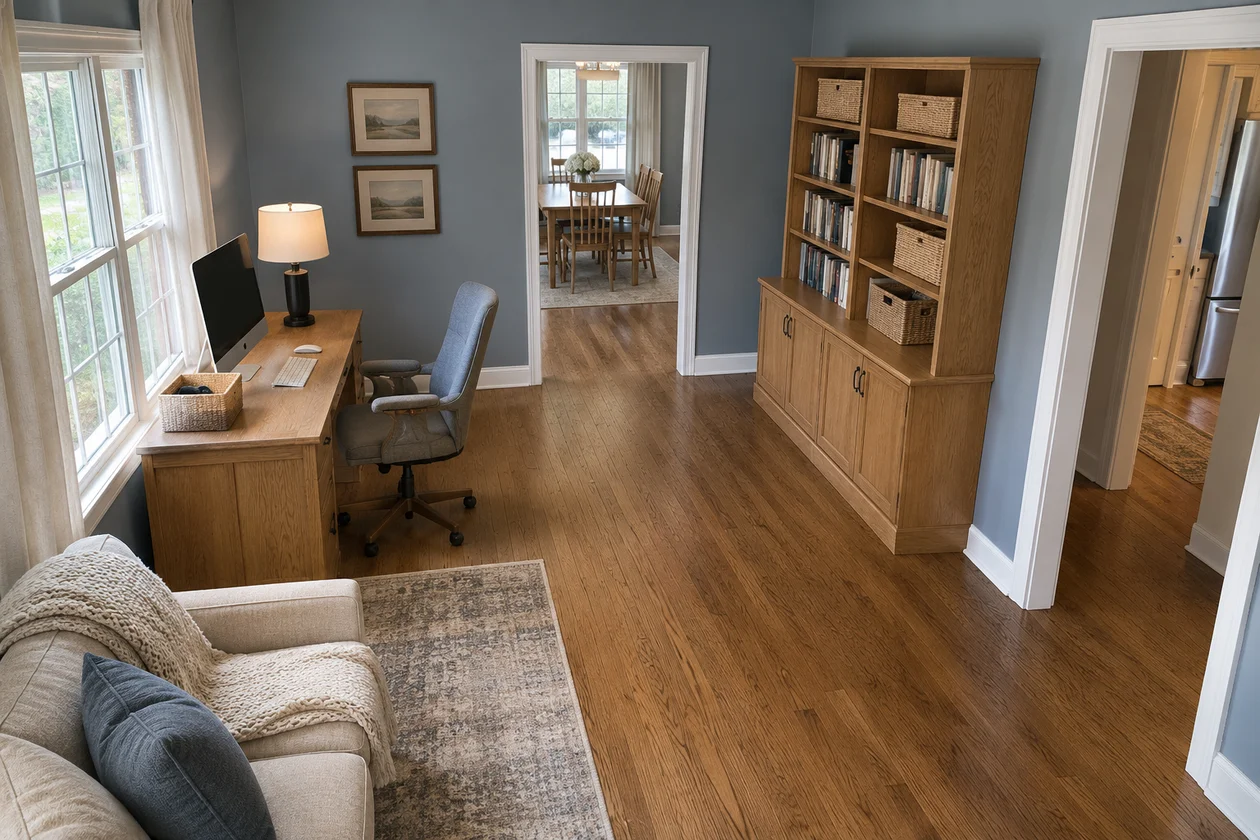
There should be a clear route through the room even with the furniture in use.
That matters most beside the entrance, where the quickest way to the stairs or dining room might go straight past somebody’s desk.
Try walking that route while someone is sitting at the desk. If you have to squeeze behind their chair, move the desk before you settle in.
Does This Room Need a Door?
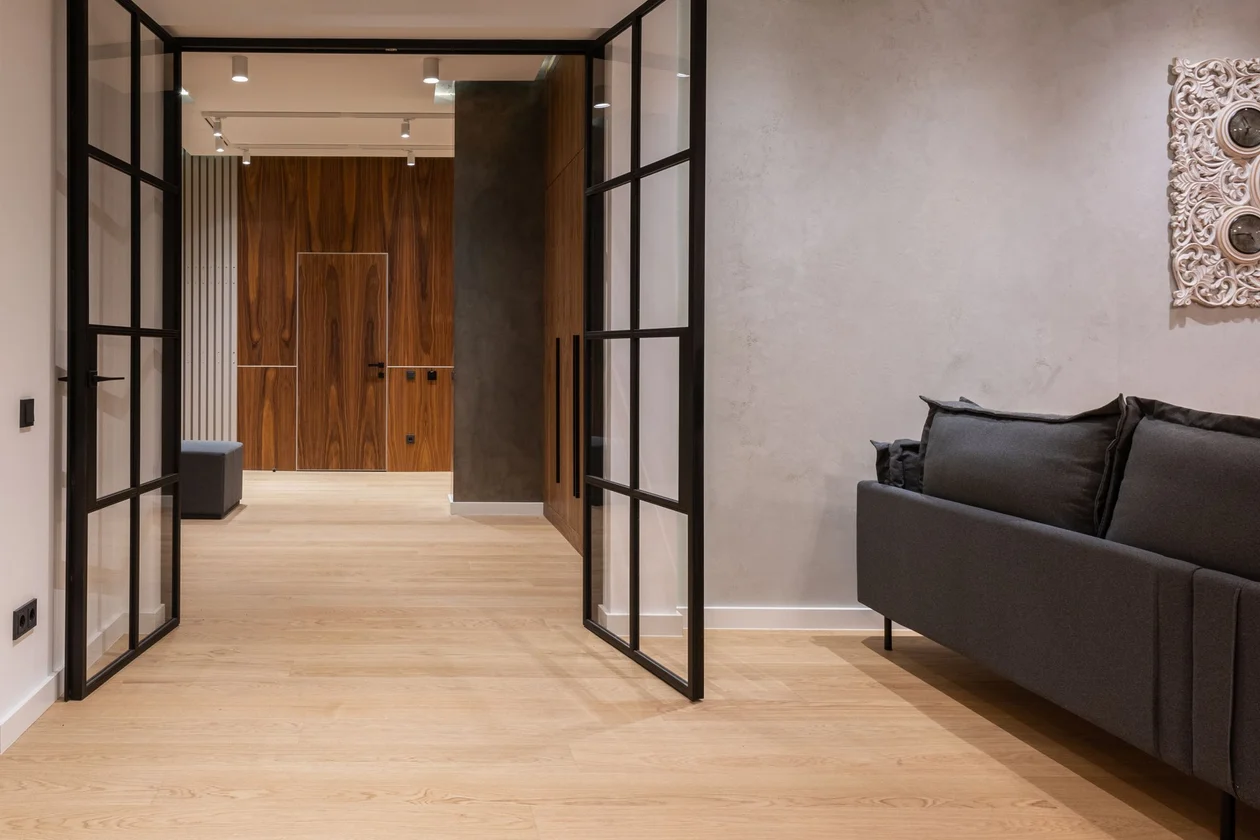
For private calls or overnight guests, a door you can close makes a difference.
Reading, conversation, and homework usually work fine in an open room. If you just want the desk out of sight from the hall, a folding screen can do that.
You’ll still hear a conversation on the other side of a screen. For corners that only need a little separation, these ways to divide a room without walls show a few layouts.
The Old Furniture Might Be the Best Part
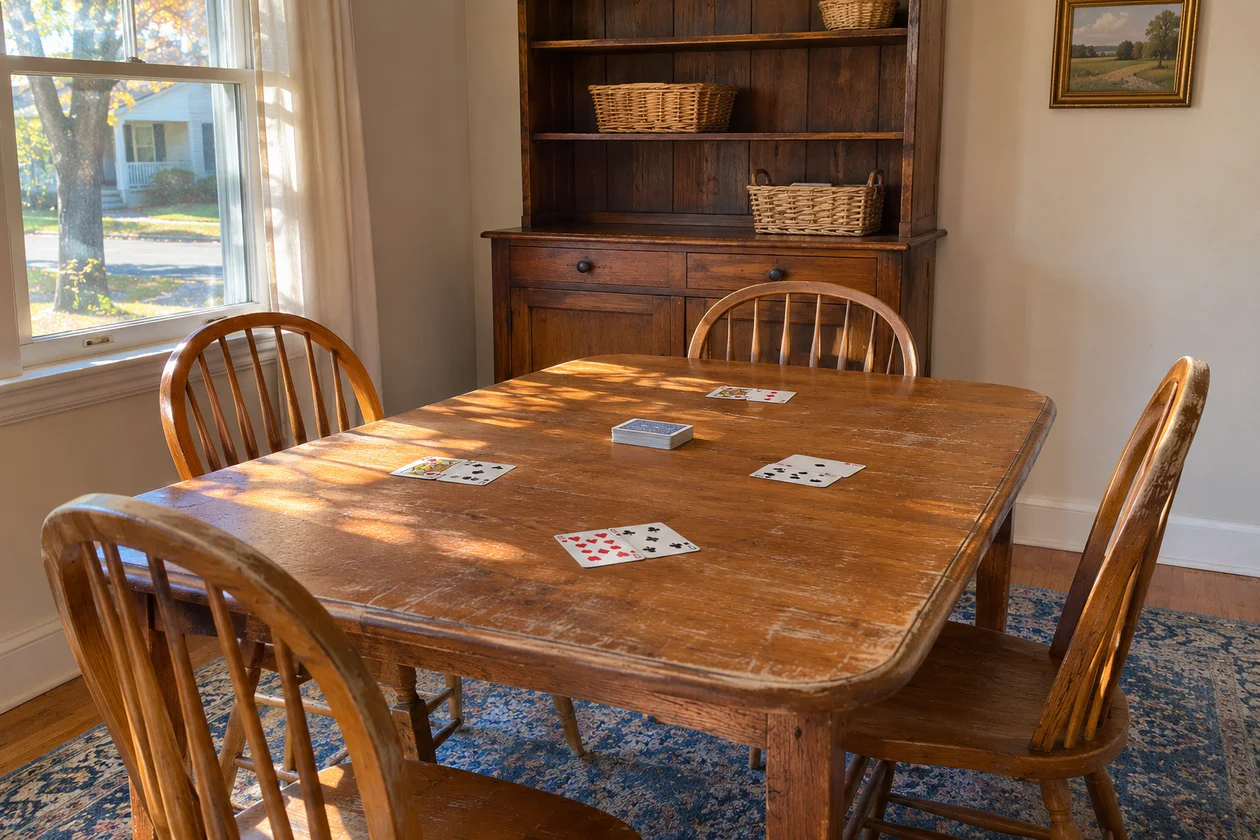
Before buying a desk or sideboard, try a piece you already like in the room.
Could you work at the old dining table? Try it for an afternoon. The hutch beside it could hold coffee mugs, or you could clear a sideboard drawer for fabric and scissors.
After a few days, you’ll know what’s missing. Sometimes it’s just a lamp or a chair you can sit in comfortably for longer.
A Ceiling Light Won’t Do Everything
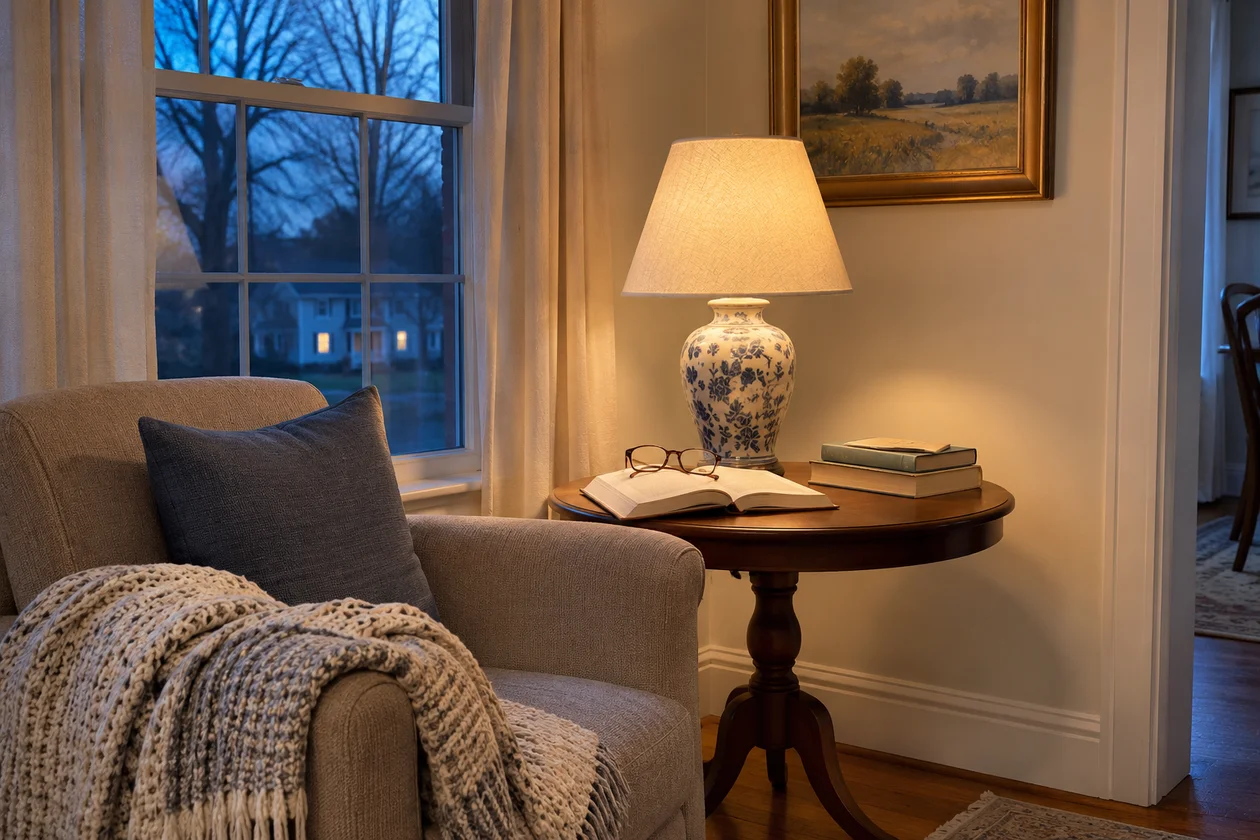
After dark, what matters is whether you can see the page or the project in front of you.
From your reading chair, notice where the light falls on an open book. At the desk you want the paperwork lit, and by a guest bed you want a switch within reach of the pillow.
The same goes for supplies. It’s easier to stay with a book or a sketch when your glasses or pencils are beside you.
For a desk, sideboard, or bedside spot, here are our picks for table lamps.
Is the Room Ready for Its New Routine?
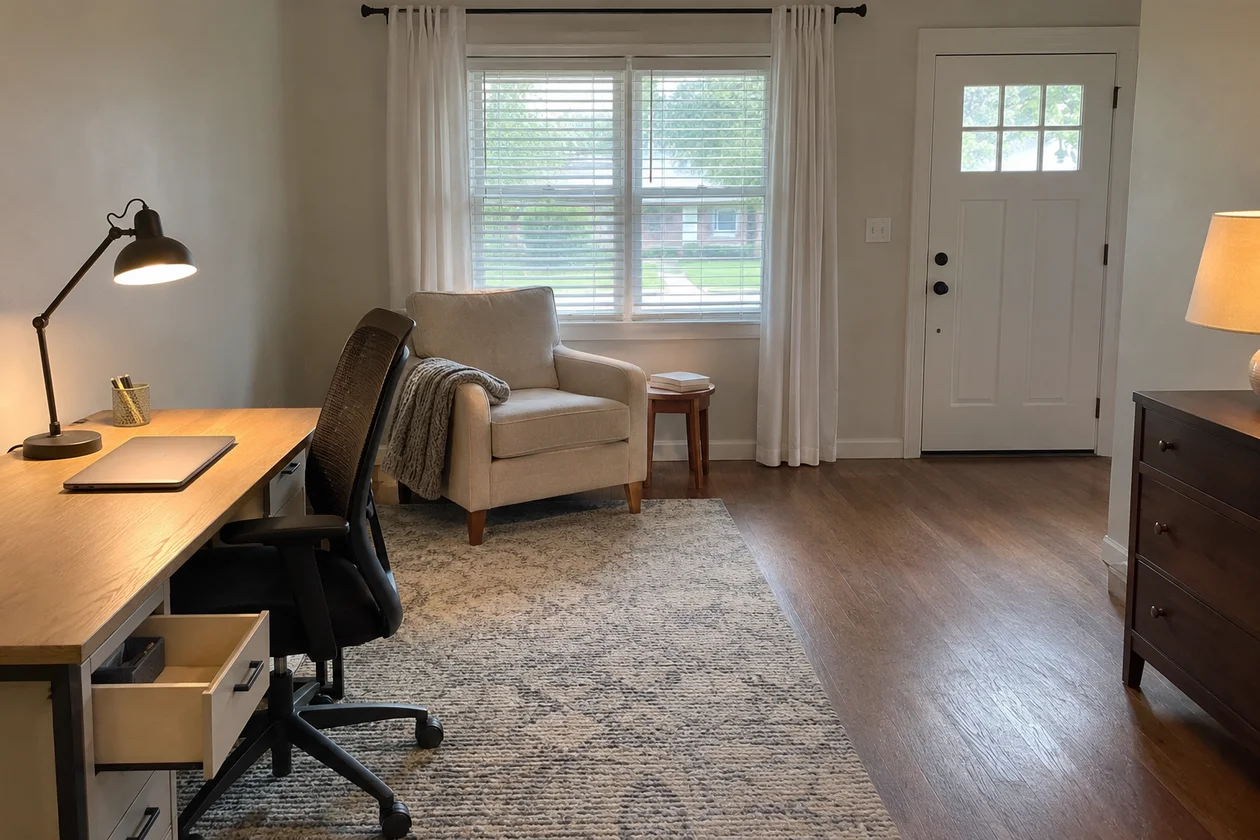
- There’s a main use the household will enjoy regularly.
- The route through the room stays clear.
- Doors, drawers, and cabinets can open.
- Chairs have space to pull out.
- An open guest bed leaves a route to the door.
- Outlets are accessible without cables crossing walkways.
- Reading, working, and hobby areas have suitable lighting.
- Supplies, toys, or bedding have somewhere to go.
- The room offers the privacy its new use needs.
- Existing furniture has been tried before buying replacements.
A Few Questions Before the Furniture Moves
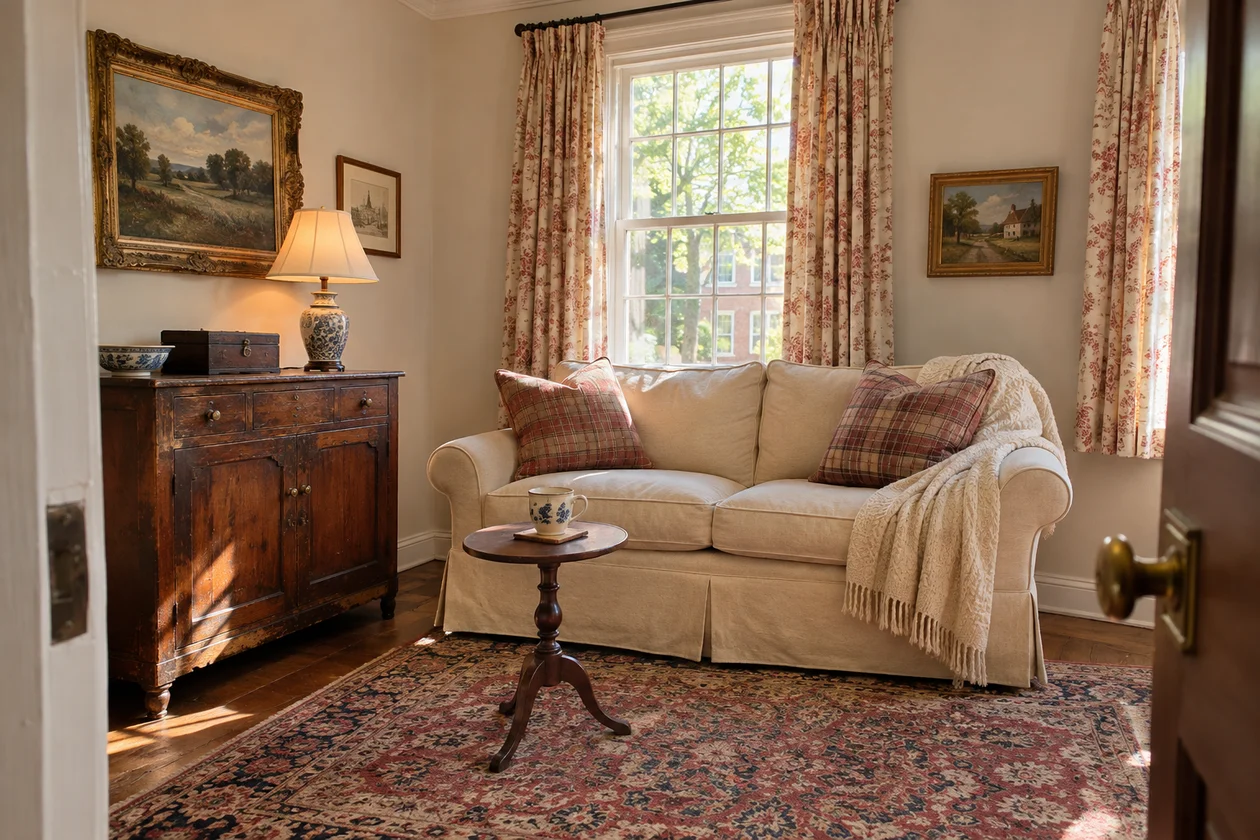
How much needs to change? That depends mostly on whether you need privacy. You could have a reading corner ready this afternoon. Turning the same spot into an overnight guest room takes a little more thought.
What’s the Easiest Conversion?
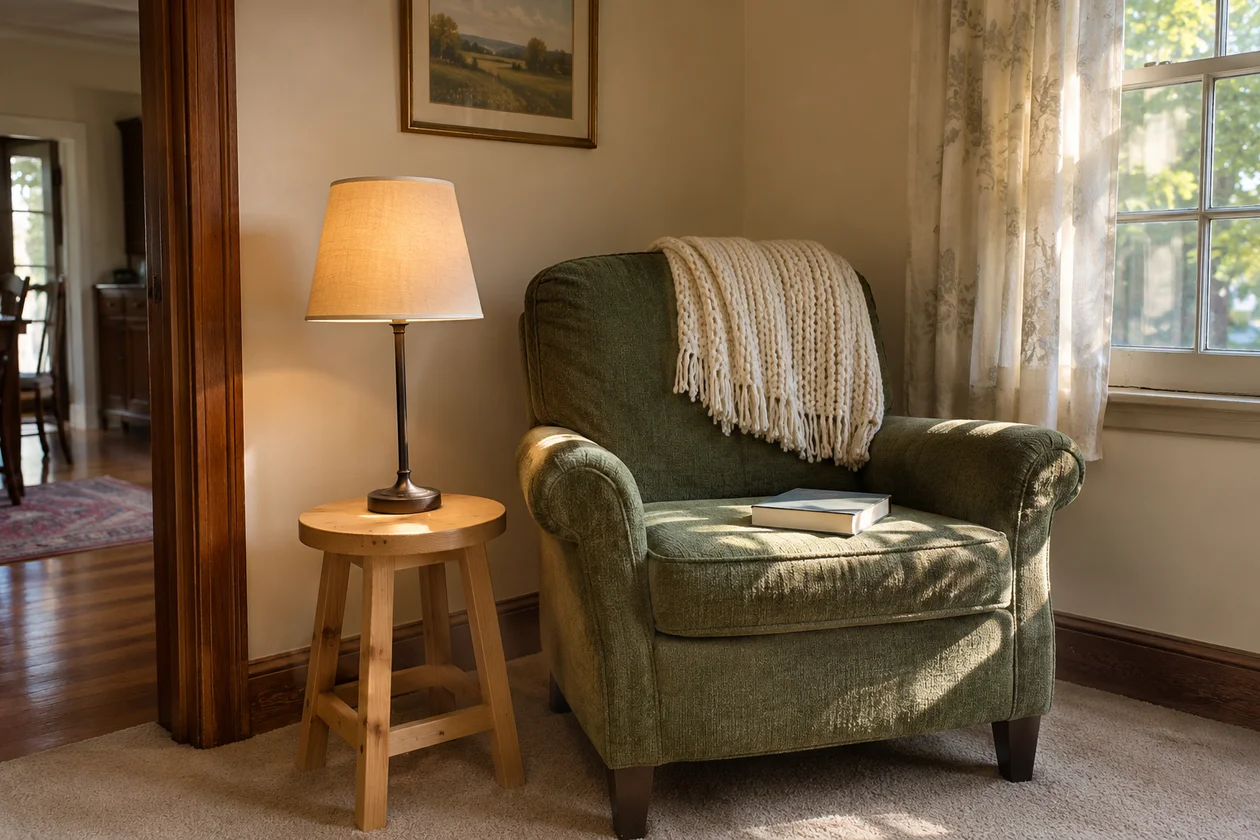
Usually, it’s a reading nook or conversation room. You probably already have the main piece of furniture for either one.
For reading, try your favorite chair beside a lamp. For company, turn two seats toward each other and put a small table between them.
Can the Room Change Without Building Walls?
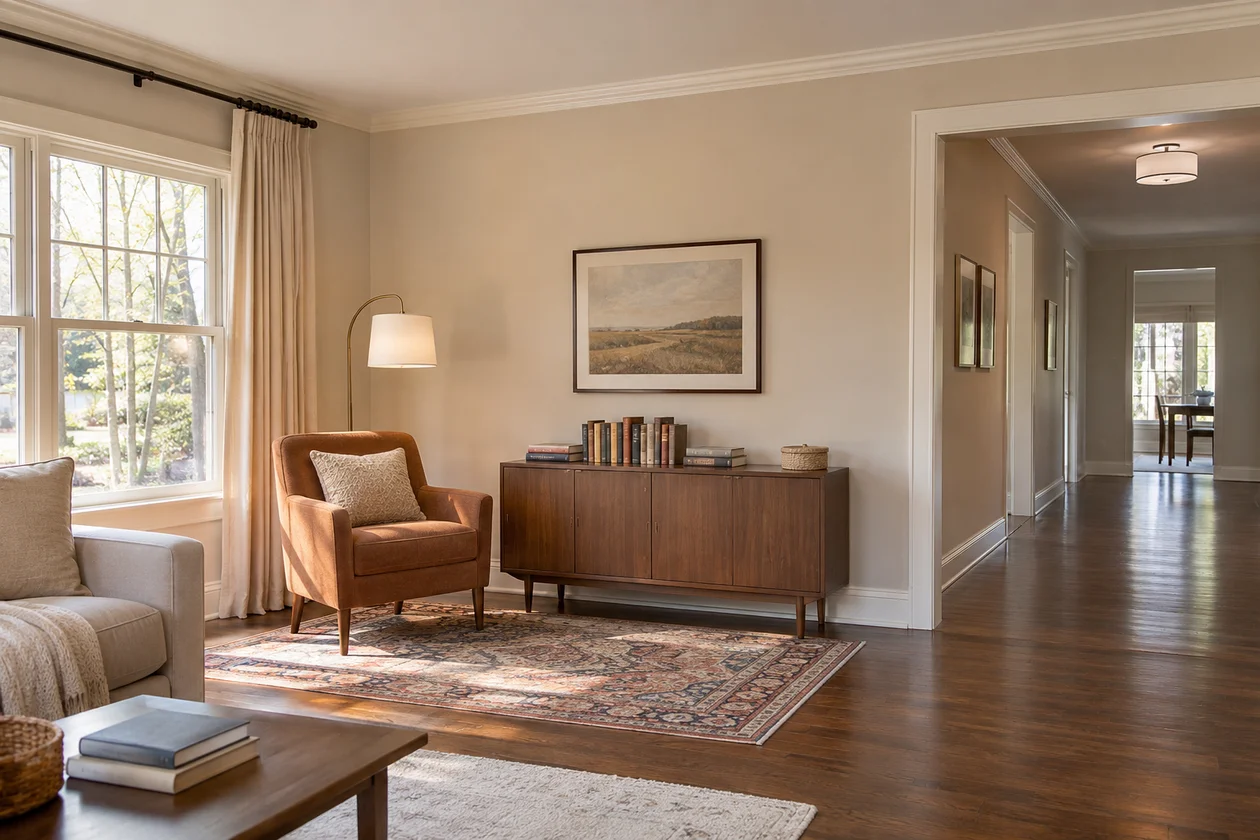
Yes. Reading, board games, and shared homework all work in an open room.
Where two activities share the space, a low cabinet can mark the edge of each area. If the real problem is hearing someone else’s work calls, a room with a door will serve you better.
What Works Near the Front Door?
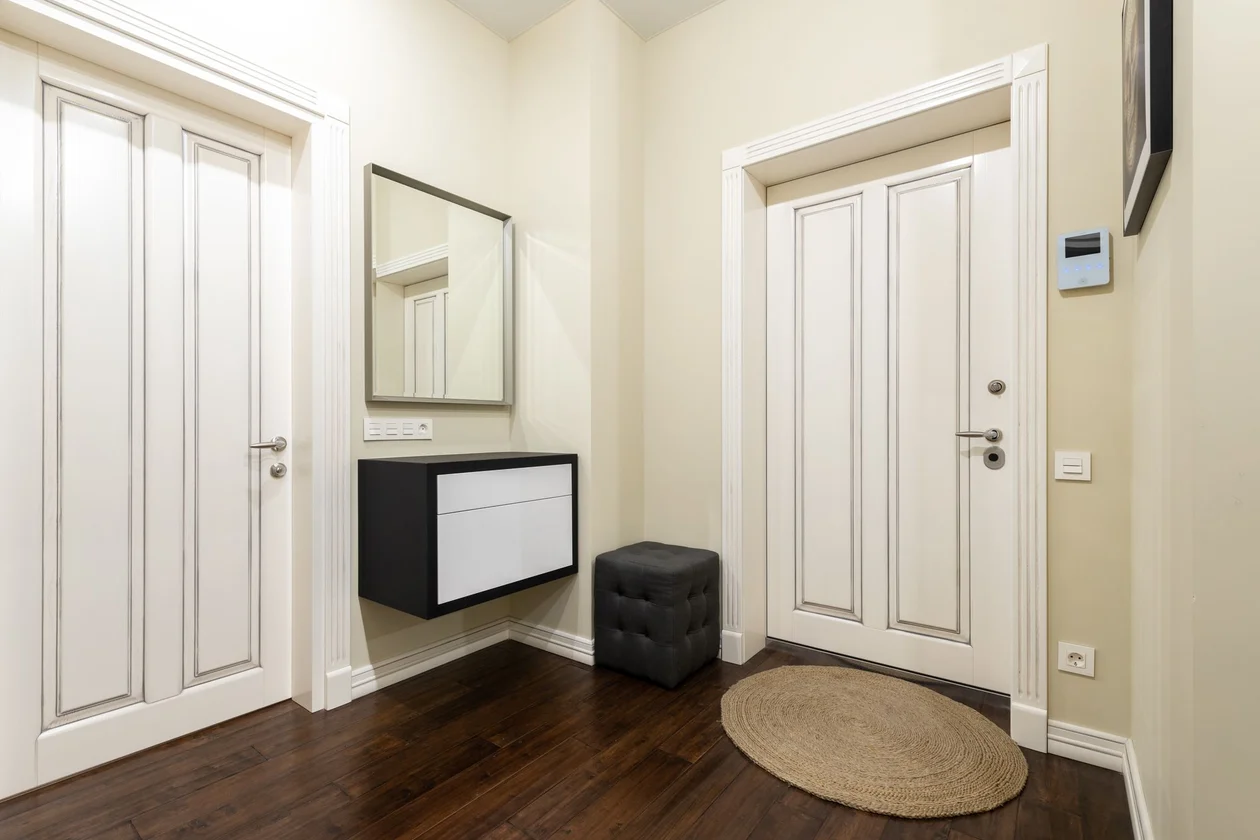
Just inside the front door, bookshelves and a couple of chairs make a welcoming spot to read or catch up. There’s room for a desk there, too, if people can pass behind it.
Behind cabinet doors, paperwork and supplies stay out of sight. Leave the path into the house wide enough to carry in the groceries.
Can an Office Also Be a Guest Room?
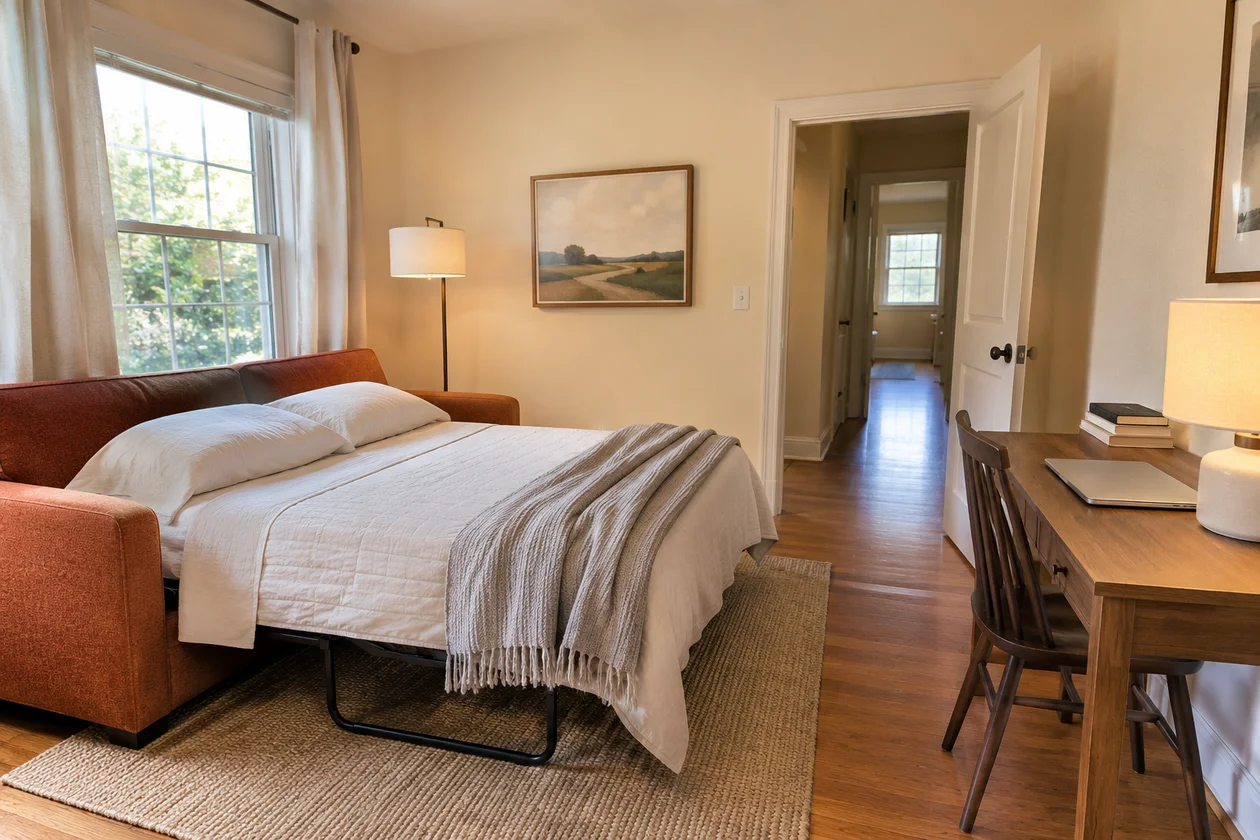
Yes, if the bed opens fully and your guest can still reach the door and get past the desk.
Before a visit, tuck your work papers in a drawer and put sheets near the sofa. Curtains that close properly will matter more to the person sleeping there than a perfectly tidy desk.
What’s the Best Way to Keep Costs Down?
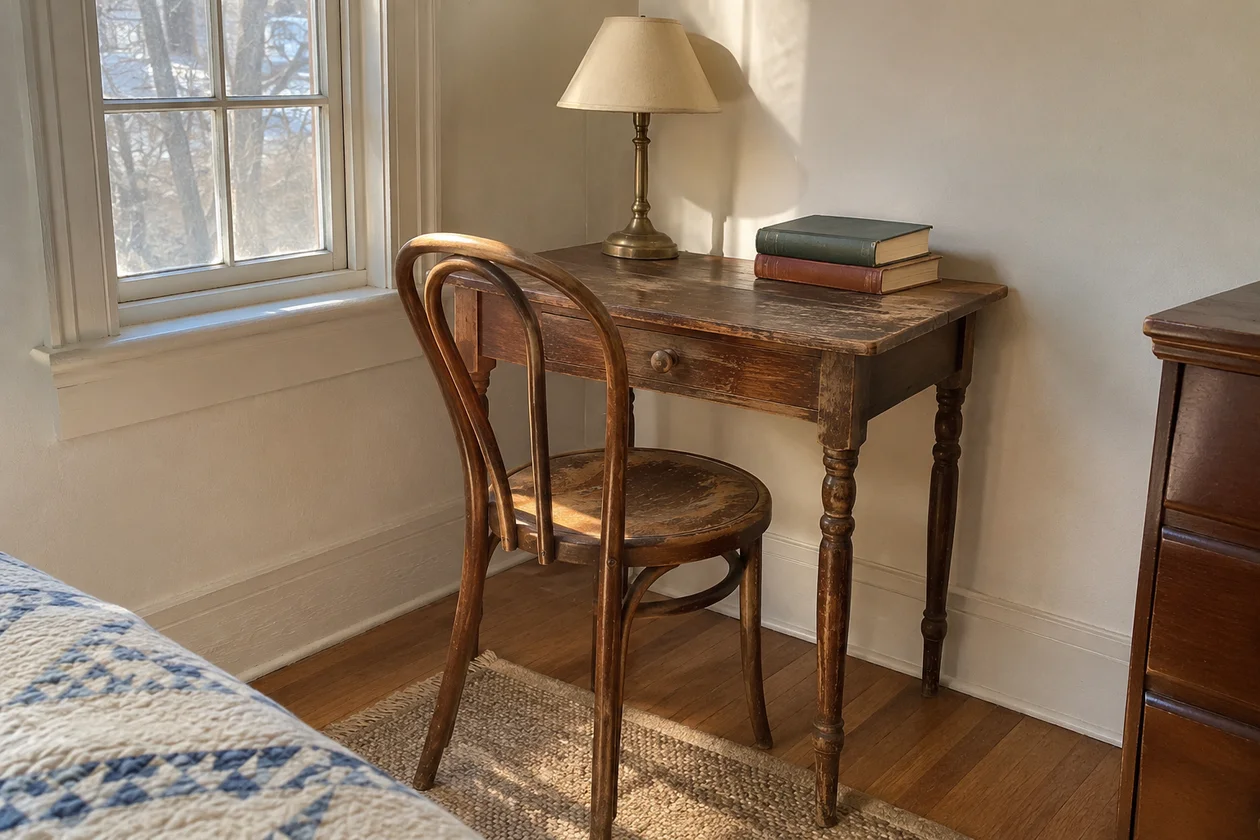
The biggest saving usually comes from reusing the table, chairs, or cabinet you own.
Spend an evening using them in the new layout. If you like the chair but can barely see your book, the lamp is the purchase that will help.
You might even be able to skip a purchase. Clearing one shelf in the old cabinet could make all the space you need for games.
Can It Still Look Traditional?
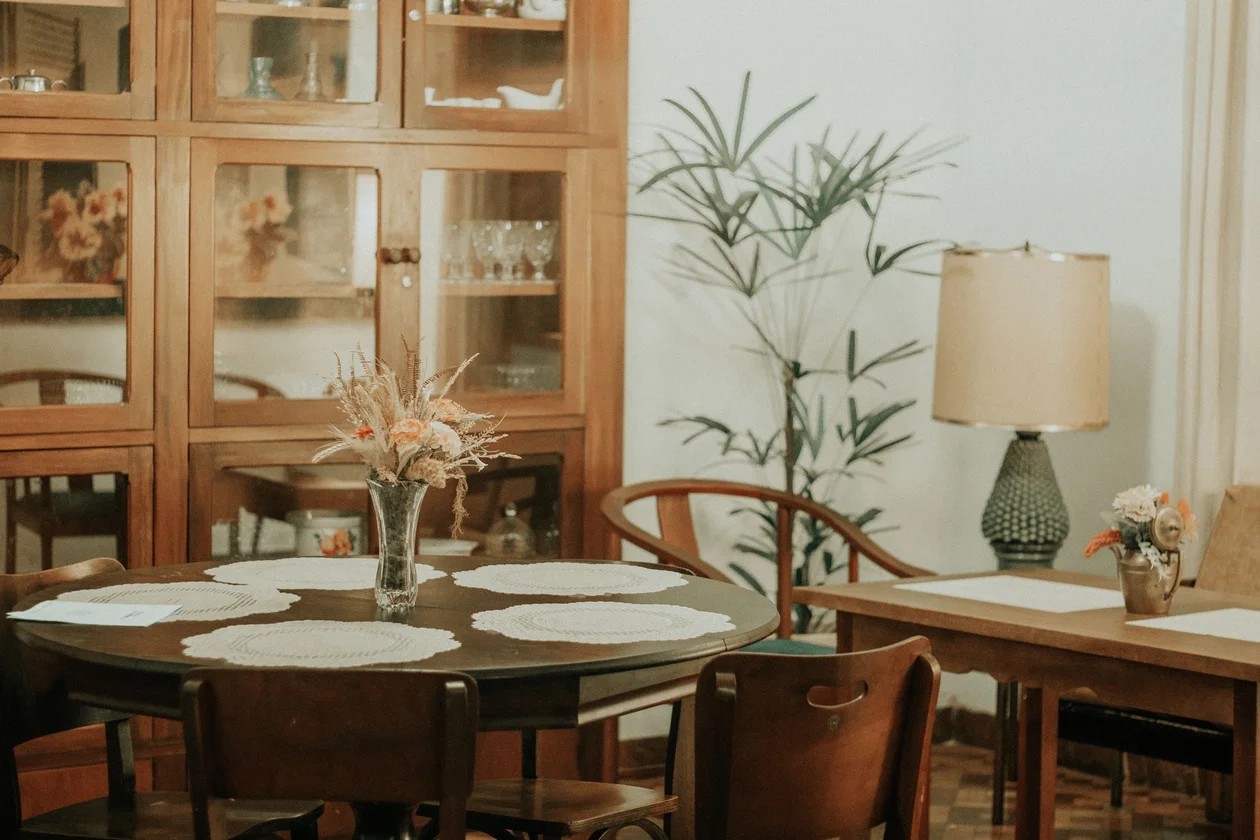
Yes. Classic pieces feel at home in a room you use every day, especially the ones you genuinely enjoy.
Behind those wood cabinet doors, there’s room for board games. Your antique table can hold a laptop during the week, and the patterned rug still looks good under an easy chair. There’s no need to find a matching set.
Useful Finds for the Room You Have in Mind
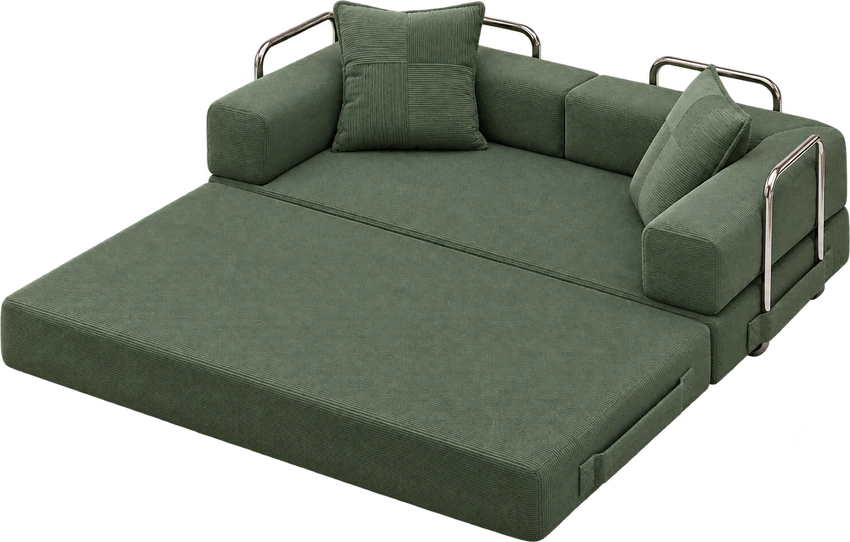 GRUSIGN Convertible SofaCorduroy seating with a foldout design for a relaxed lounge.
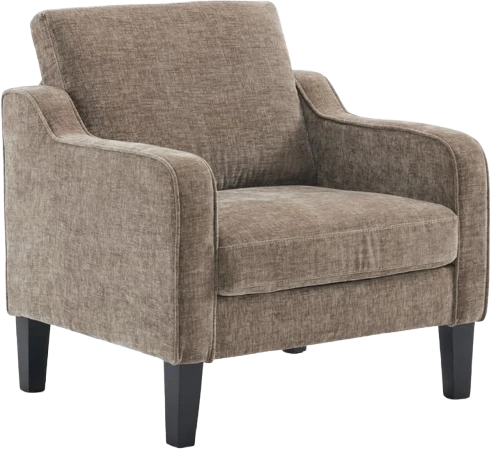 VINGLI Accent ChairAn upholstered seat for a reading corner, conversation area, or music room.
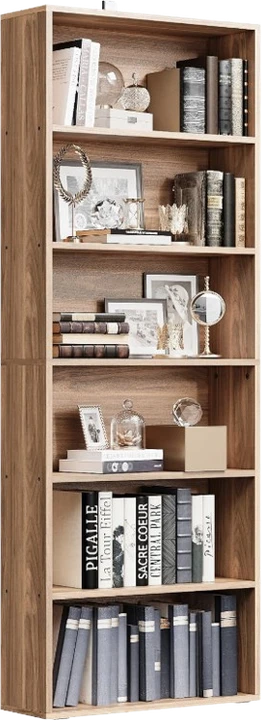 IRONCK BookcaseFreestanding shelving for a home library or organized workspace.
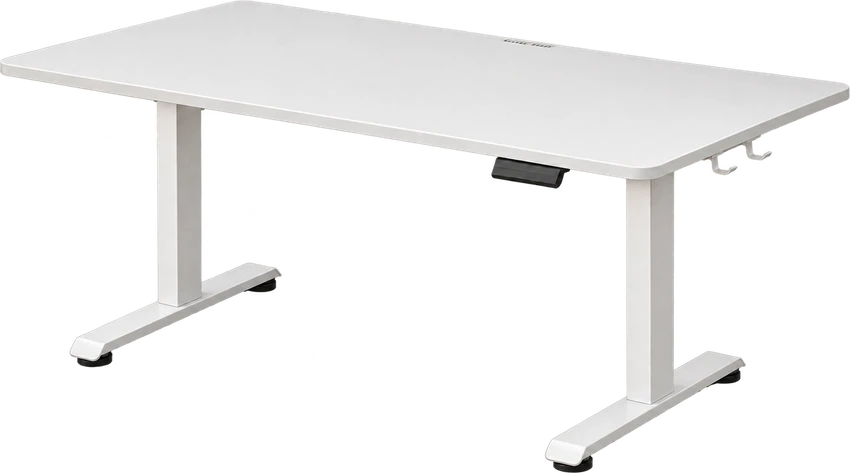 Veken Electric Standing DeskAn adjustable desk for a dedicated home office.
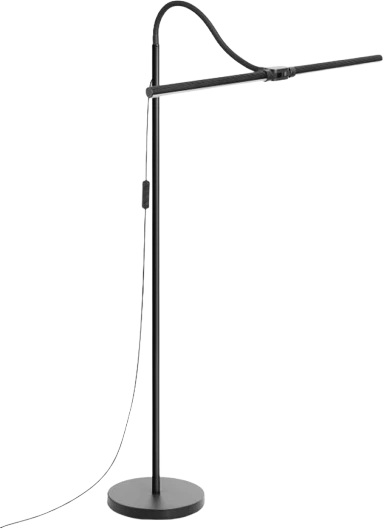 Seaside Village Adjustable Floor LampDirectional lighting beside a reading chair or hobby table.
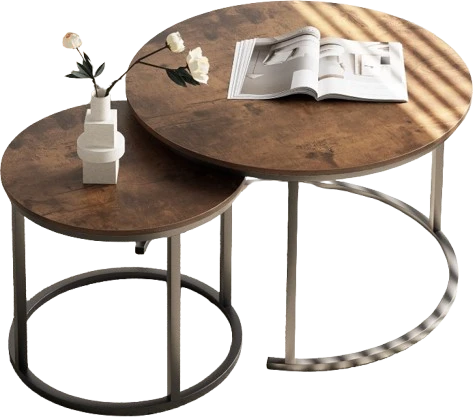 Aboxoo Nesting TablesSeparate surfaces for drinks that tuck together between visits.
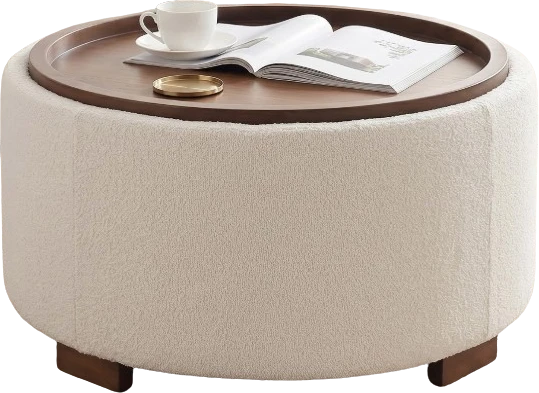 Zihanhome Storage OttomanHidden storage for small soft items beside the seating.
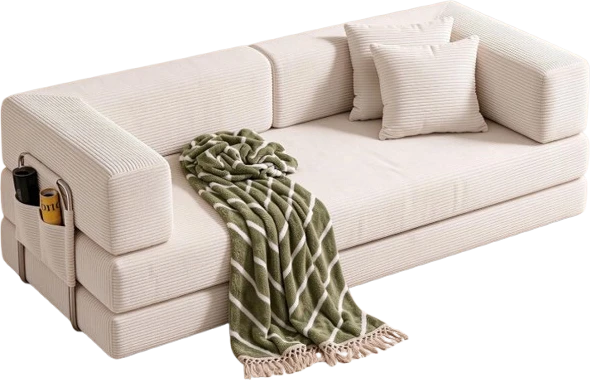 GEARIVY Folding Sofa BedA modular floor-level sofa bed for casual lounging and overnight guests.
Comments
Loading the conversation…