12 Living Room Without Couch Ideas That Still Feel Cozy and Complete

Looking for living room without couch ideas usually means something about the usual setup isn’t working. Maybe the sofa blocks the easiest route to the kitchen. Maybe it takes up most of your apartment, yet you still end up reading in the chair by the window. Giving that space a different job can make everyday life a little more comfortable.
The quick answer
- Two armchairs or four chairs around a table can provide the main seating in a living room without a couch.
- A daybed, chaise, or cushioned window bench suits a room where stretching out matters more.
- A rug, reachable tables, and lighting beside the seats make the arrangement comfortable for everyday use.
Someone who hosts board-game nights needs a different setup from someone who wants to stretch out with a book. These ideas cover both, along with the small details that keep a couch-free room from feeling unfinished.
Which Couch Alternative Fits Your Living Room?
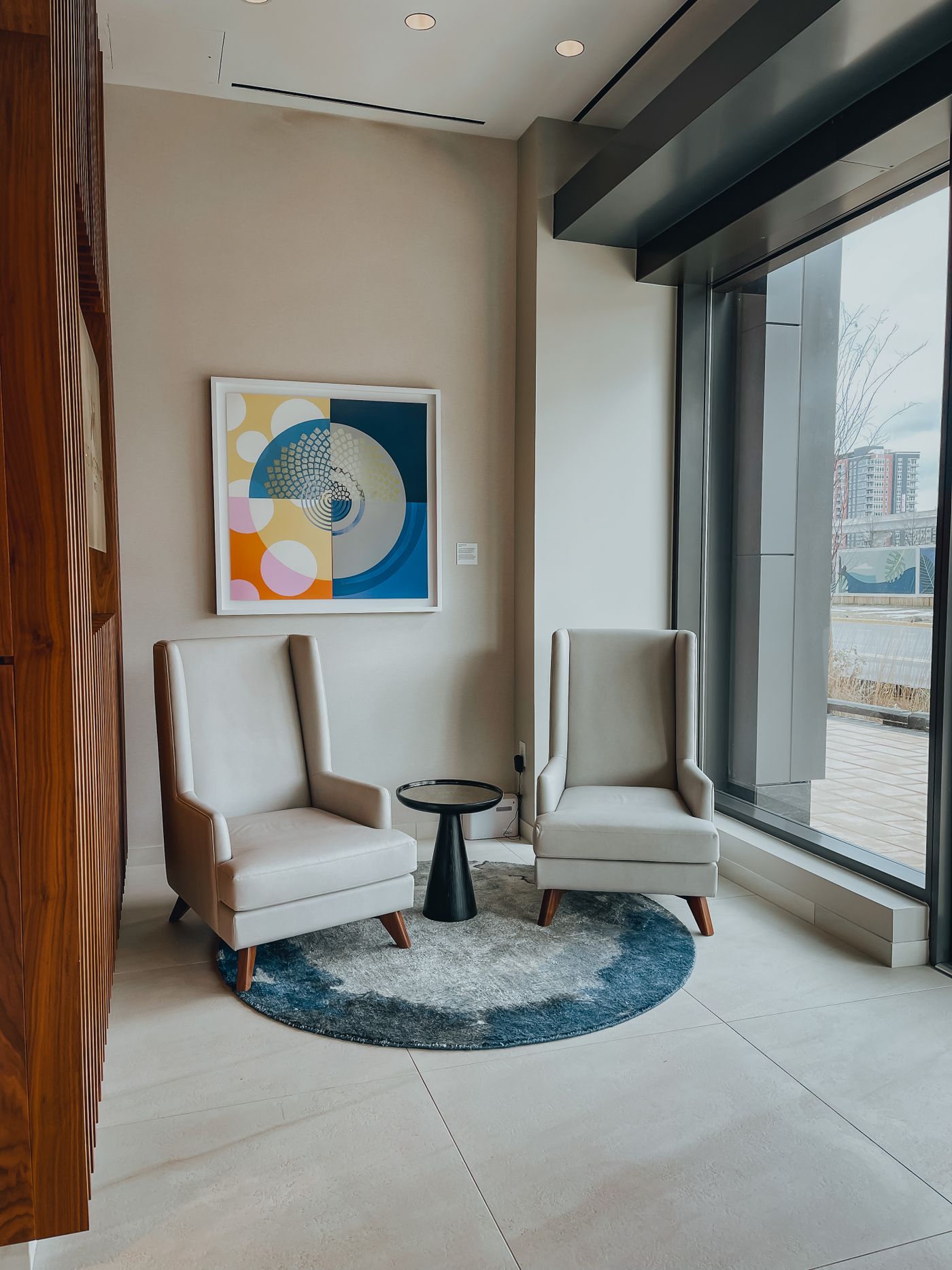
Choose your main seating around what happens in the room most days. Occasional guests matter, but your everyday comfort deserves the most attention.
| What you need | Arrangement to explore | Main tradeoff |
|---|---|---|
| Everyday seating for one or two | Two armchairs and a shared table | Limited seating for larger gatherings |
| A room for conversation | Four chairs around a central table | Four bulky chairs can occupy substantial space |
| Seating for TV and company | Swivel chairs | Each chair needs clearance to rotate |
| Somewhere to stretch out | A chaise or lounge chair with an ottoman | Usually prioritizes one person |
| A place for overnight guests | A daybed | A deep mattress needs thoughtful back support |
| Seating along a window wall | A cushioned bench | Comfort depends on the cushion and back support |
| A casual floor-level lounge | Floor cushions or structured beanbags | Getting up from low seating will not suit everyone |
If this is your only living room, think through a whole evening. Where will you sit for dinner on the occasional takeaway night? Can you watch a film comfortably? Is there somewhere to lie down when you feel tired?
Those answers are more useful than choosing furniture from a photo alone.
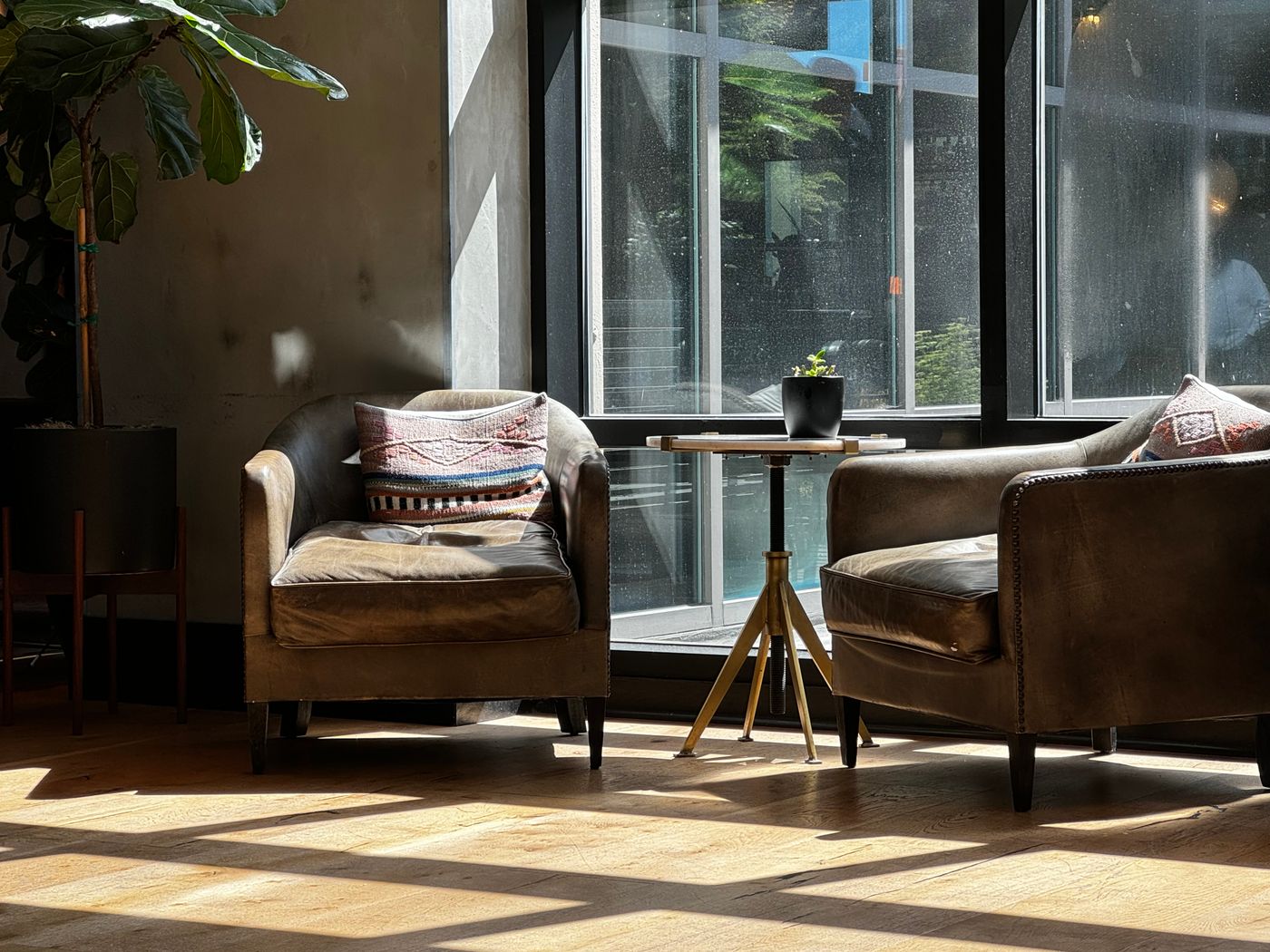
1. Give Two Armchairs the Best Seats in the Room
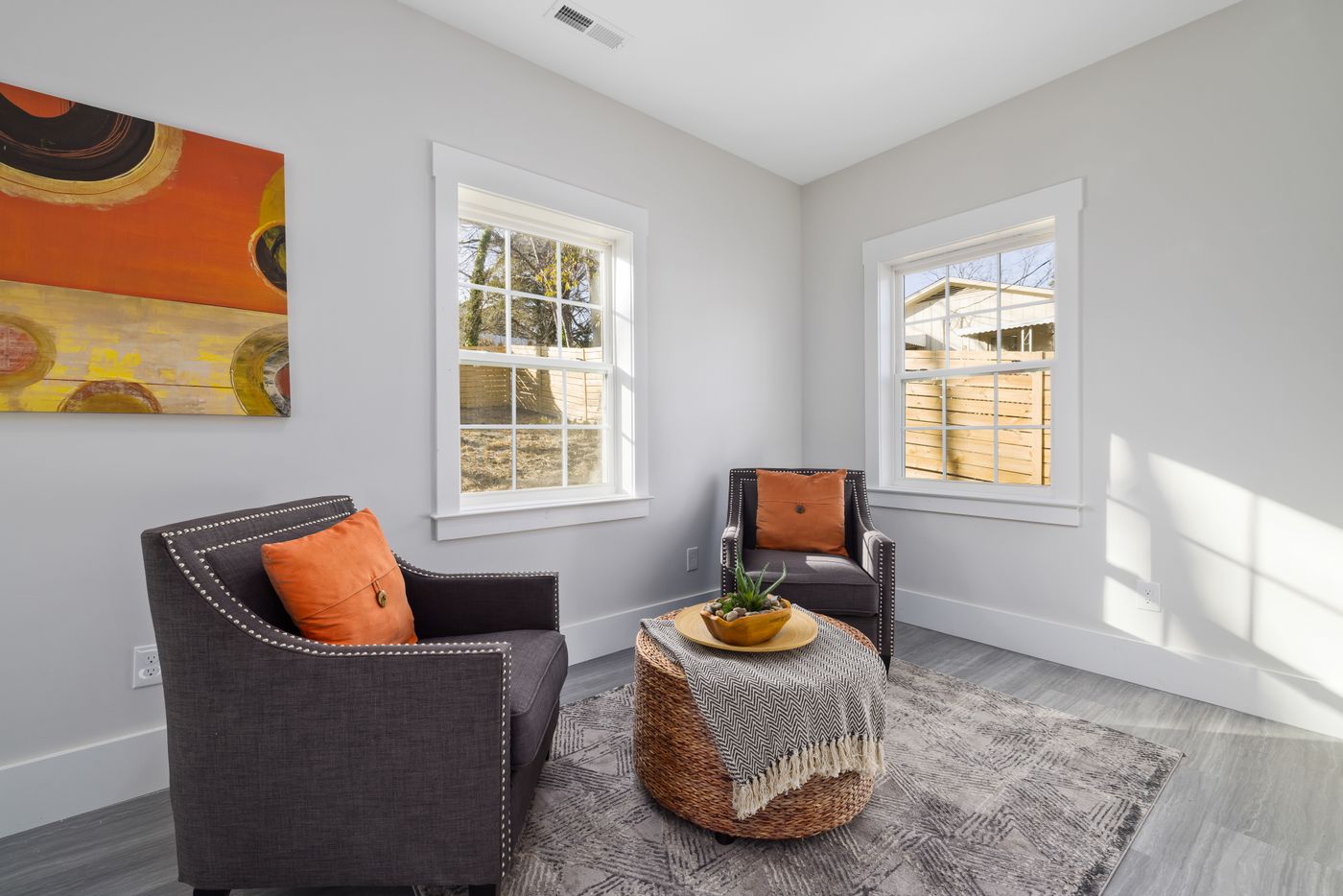
Two comfortable armchairs and a shared table can be enough when one or two people use the room most days. Give them the spot with the best light, the nicest view, or the clearest sightline to the TV.
For conversation, turn the chairs slightly toward each other. For regular TV watching, position them so both people can face the screen without sitting sideways. A small table between them gives everyone somewhere to put a drink.
This arrangement makes particular sense if you and your partner usually occupy opposite ends of the sofa anyway. Each person gets their own seat, and the furniture can move independently when you need to rearrange the room.
The IKEA POÄNG Armchair is one option for this setup. Its exposed bentwood frame keeps the arrangement visually open, while the high back suits a dedicated sitting spot.
Try the chair before buying a pair if you can. Seat height, firmness, and the position of the arms matter much more once it becomes your everyday seat.
For more ways to make a compact room work comfortably, see Small Space, Big Feeling: 8 Ideas That Really Work.
2. Arrange Four Chairs for Conversation That Flows
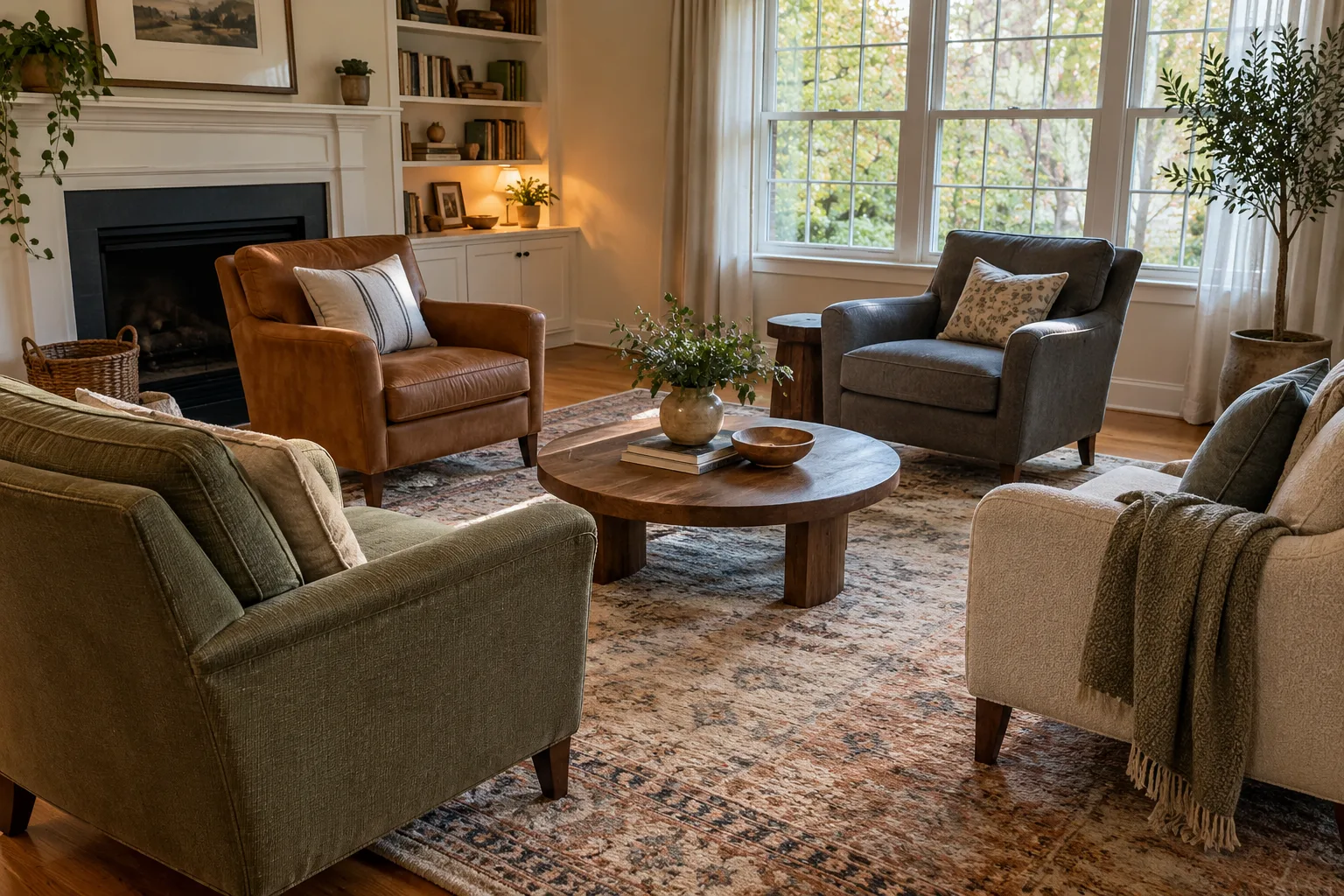
Four chairs around a shared table work well when the room’s main purpose is spending time together. Nobody has to twist around to speak to someone at the far end of a sofa.
Arrange them in a loose circle or as two facing pairs. Leave openings between the chairs so people can get in and out without stepping over the table.
The table can hold drinks, snacks, or a card game, but its size needs to match the group. If someone has to stand up every time they reach for their coffee, the arrangement needs adjusting.
A wood-frame option such as the Crate & Barrel Ojai Wood Accent Chair can suit this style of room. Check its full dimensions before planning a group of four.
Four chairs do not automatically save space. Generous lounge chairs can occupy more floor area than a compact sofa, especially after adding access gaps and a table.
Our guide to a living room layout built for conversation goes further into making a seating group feel connected.
3. Let Swivel Chairs Handle the TV and the Conversation
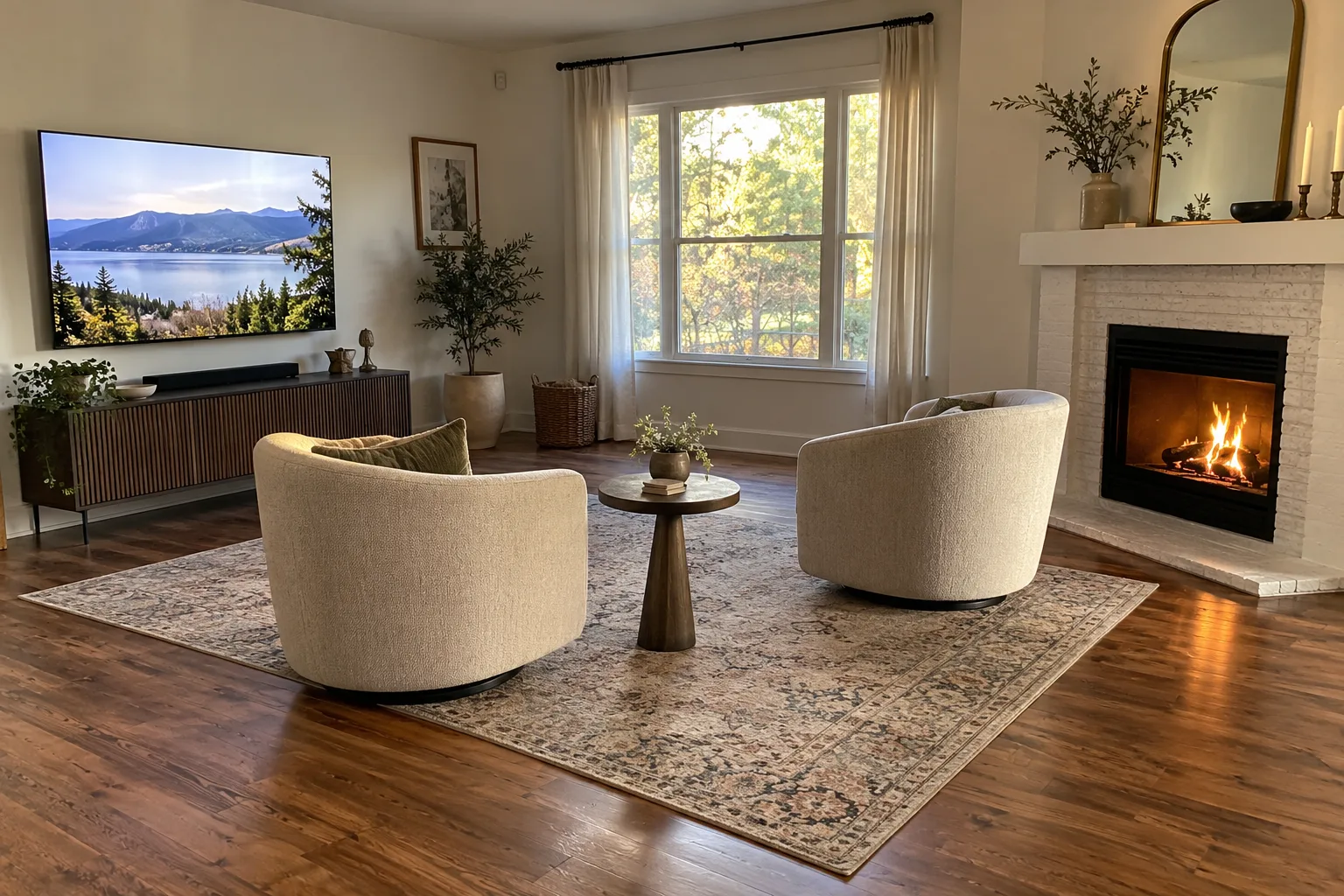
Swivel chairs are useful when your seating needs to face different parts of the room. You can turn toward the TV, a friend, or the kitchen opening without dragging furniture across the floor.
Say the television is on one wall and the fireplace is on another. Fixed chairs can leave you choosing a favorite direction. Swivels give you more flexibility, provided both positions are comfortable.
The Threshold designed with Studio McGee Detailed Slope Arm Slipcover-style Swivel Accent Chair is a product option for this arrangement.
Leave enough room for the back and arms to rotate without hitting a table or catching a curtain. Test the movement with someone seated, since feet also need space.
A swivel base solves direction; it does not guarantee lounging comfort. Check back support and seat depth if the chair will handle long films.
4. Make a Lounge Chair and Ottoman Your Evening Spot
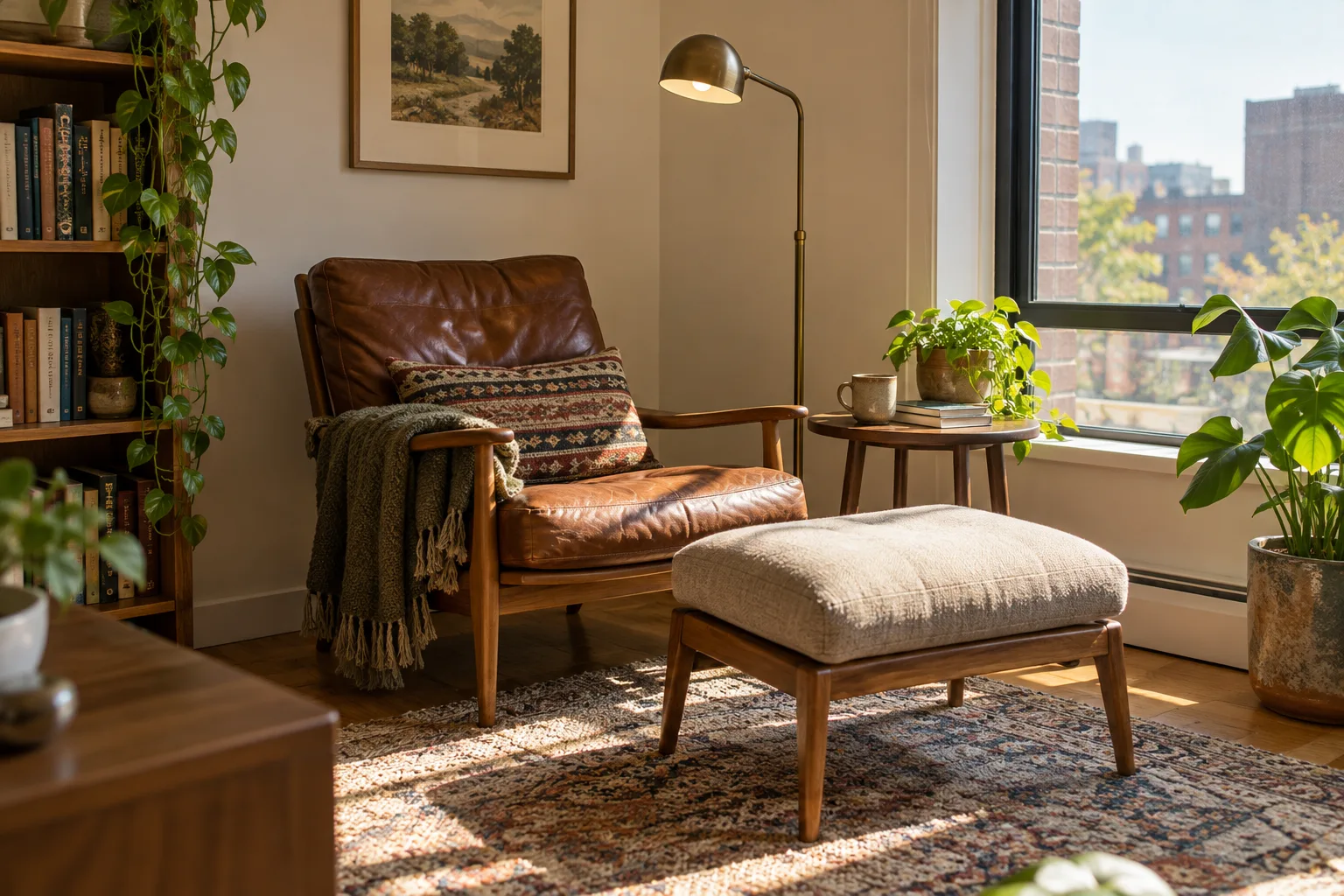
A supportive lounge chair and a separate ottoman can replace the part of a sofa you actually use. This is especially appealing when your favorite evening involves reading, listening to music, or watching a show on your own.
Put a lamp beside the chair and a small table within reach. Position the ottoman where your legs rest comfortably, rather than leaving it at a distance that looks tidy but feels awkward.
The Herman Miller Eames Lounge Chair and Ottoman is a premium option for this kind of dedicated lounge area. An IKEA POÄNG chair with its matching ottoman offers another route to the same basic arrangement.
The useful part is the separation. You can move the footrest when cleaning, entertaining, or opening up the room.
Do not count every ottoman as an extra guest seat. Some are intended primarily as footrests, so check the manufacturer’s guidance before including one in your seating total.
5. Choose a Chaise When Stretching Out Comes First
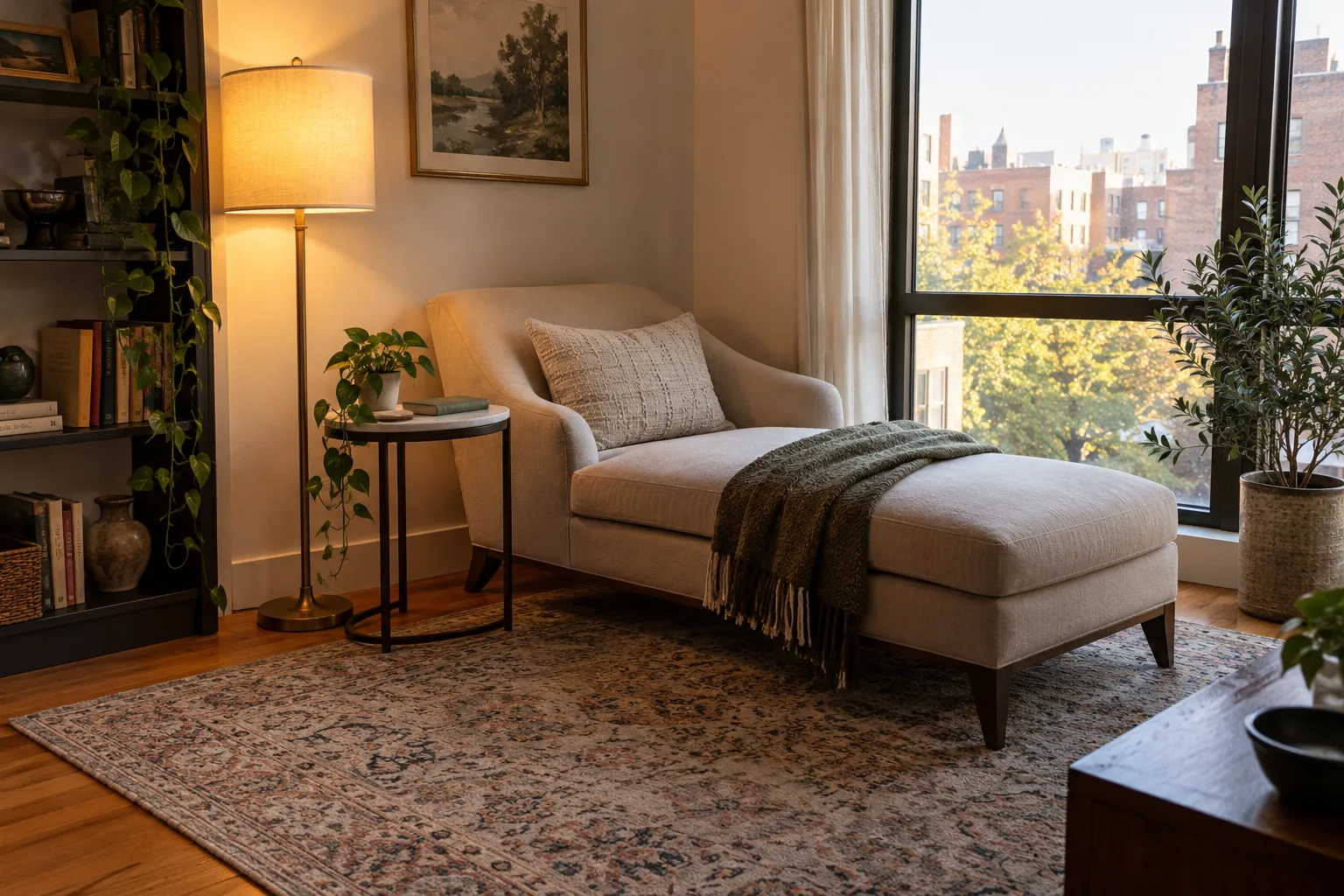
A chaise suits someone who wants to recline more often than they want to seat a crowd. It gives one person an extended lounging surface with a different shape from a conventional sofa.
Place it beside a window for reading or along a wall where its length will not interrupt a walking route. Add a table near the supported end so your drink stays within reach.
Pay attention to the position of the back and arm. A chaise that feels natural on the left side of a room might be awkward on the right, particularly if you need to climb around it to sit down.
This is a good moment to be honest about your habits. If you regularly host three friends, a single chaise will need companion seating. If most evenings involve one person and a blanket, it could earn its floor space.
Compare the complete footprint before assuming a chaise will fit better. Some models are both long and wide.
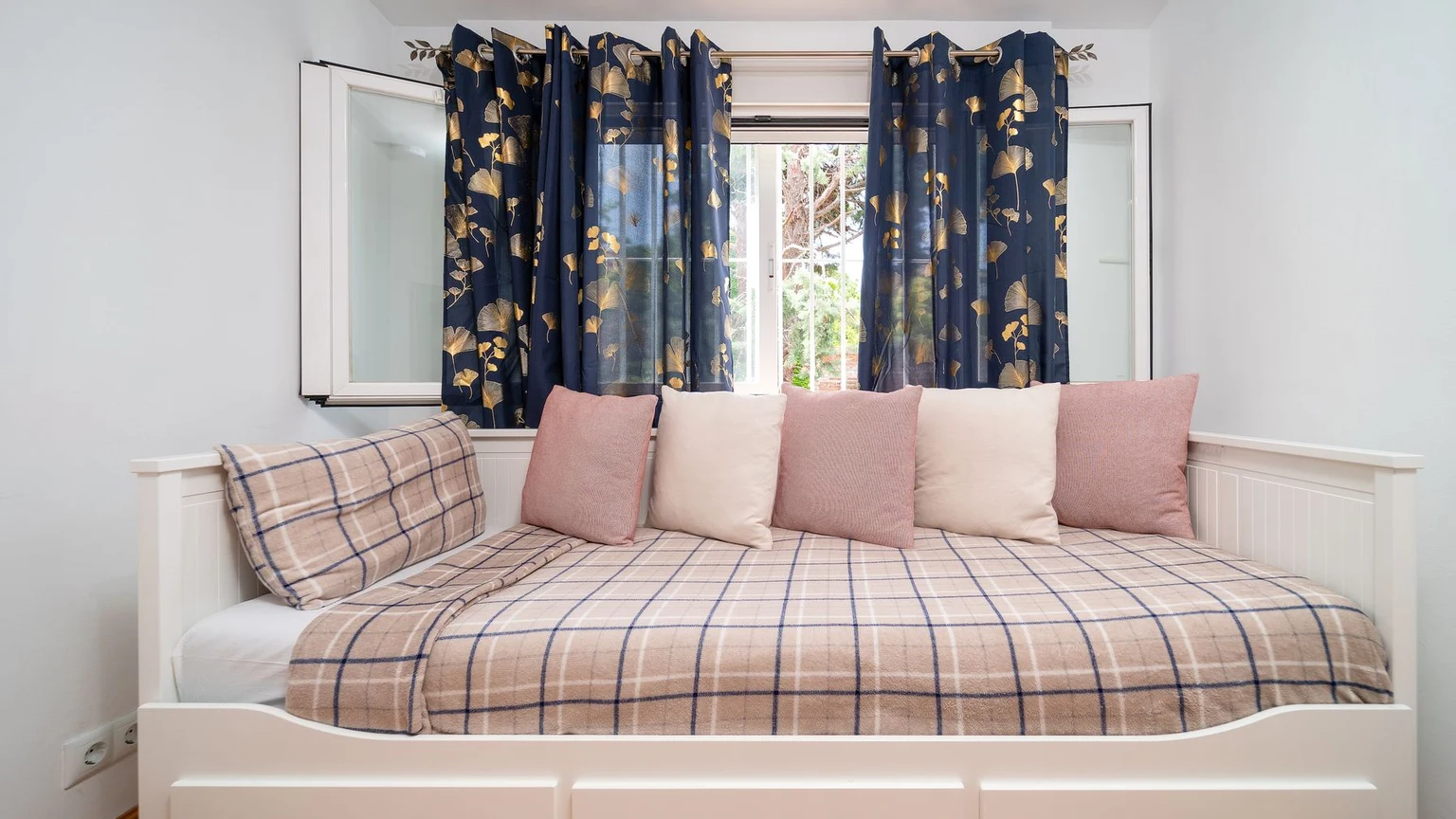
6. Use a Daybed When the Living Room Also Hosts Guests
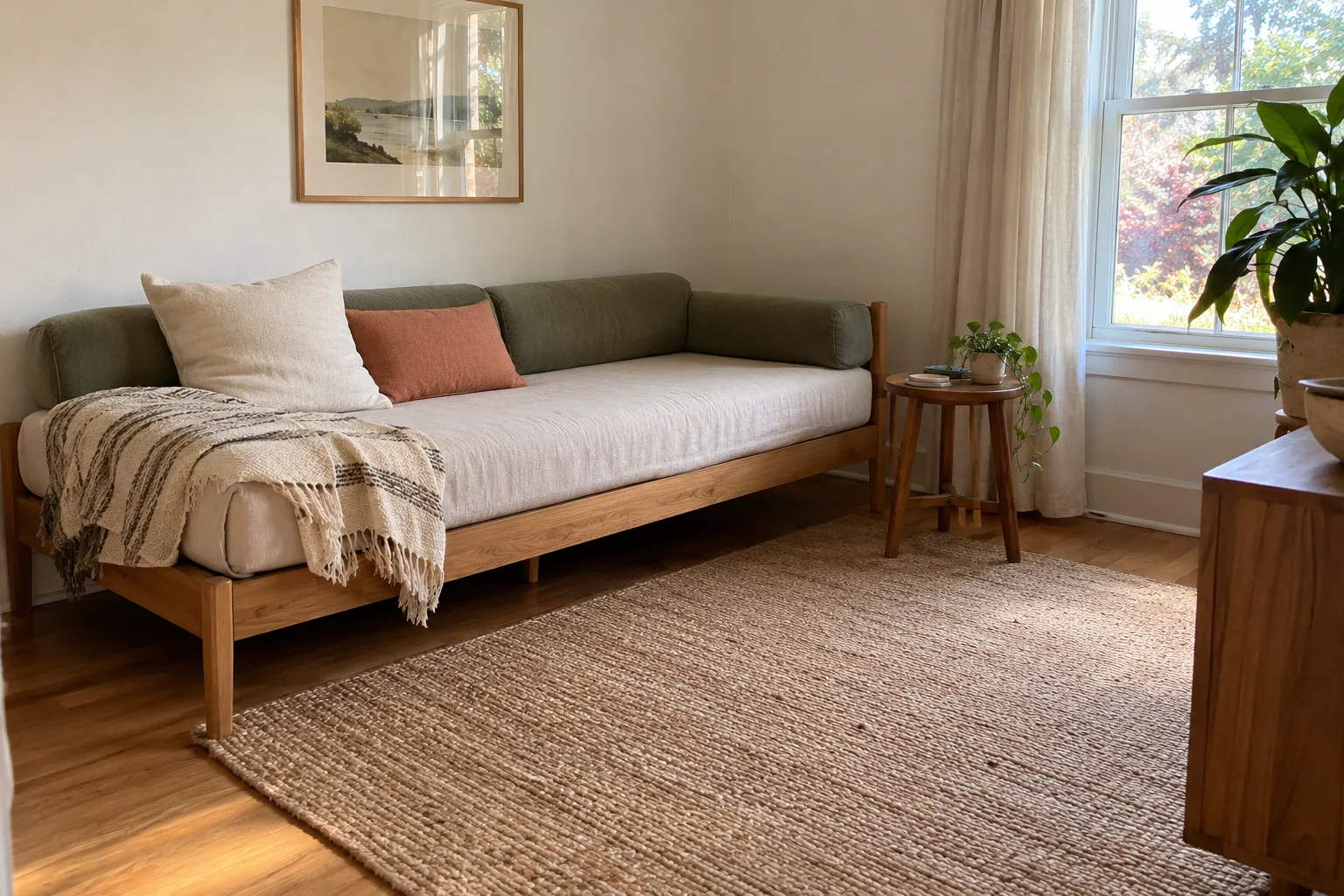
A daybed makes sense when you need daytime seating and a proper sleeping surface in the same room. It can handle reading, lounging, and overnight visits without bringing in another large piece of furniture.
The main challenge is sitting upright. A mattress is often deeper than a comfortable chair seat, so use substantial bolsters or supportive back cushions to bring the backrest forward.
A fitted cover helps the surface stay tidy. Keep the everyday cushion arrangement manageable, too. Moving a mountain of decorative pillows every night gets old quickly.
If you choose a trundle, check the space it needs when fully extended. The bed should open without trapping someone behind a table or blocking the room’s only useful route.
Choose the mattress and cushions for how the daybed will be used most often. A guest bed used twice a year still needs to feel comfortable during the other evenings.
See How to Make a Daybed Look Like a Couch for styling and back-support ideas, or explore these daybed ideas for a small room.
7. Turn the Window Area Into Your Favorite Seat
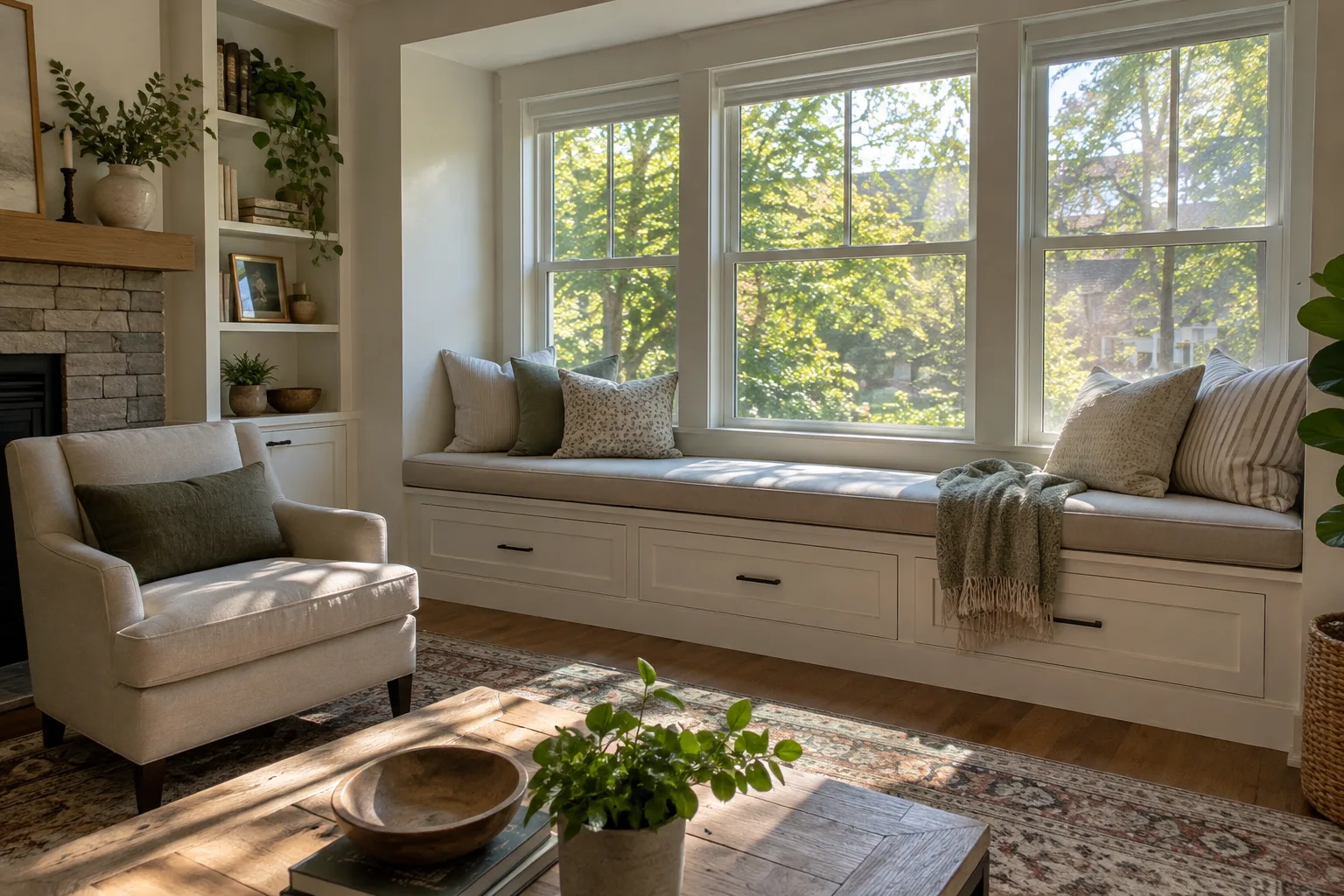
A properly built window seat can provide useful seating while leaving the center of the room open. It works particularly well when the window area is already a place you gravitate toward.
Comfort depends on more than adding a cushion. The seat needs suitable depth, supportive padding, and somewhere comfortable to lean. A few loose pillows will not fix a perch that is too shallow for the way you want to sit.
Storage below can hold blankets or games. Think about how it opens: drawers may be easier to access than lifting a cushion and a hinged lid.
Place an armchair nearby if you want a conversation area. Otherwise, the bench can become a lovely seat that faces away from everyone else.
Keep window operation, vents, and heaters accessible. A freestanding, purpose-built bench may be a practical alternative when custom joinery would complicate the room.
8. Pair a Cushioned Bench With Comfortable Chairs
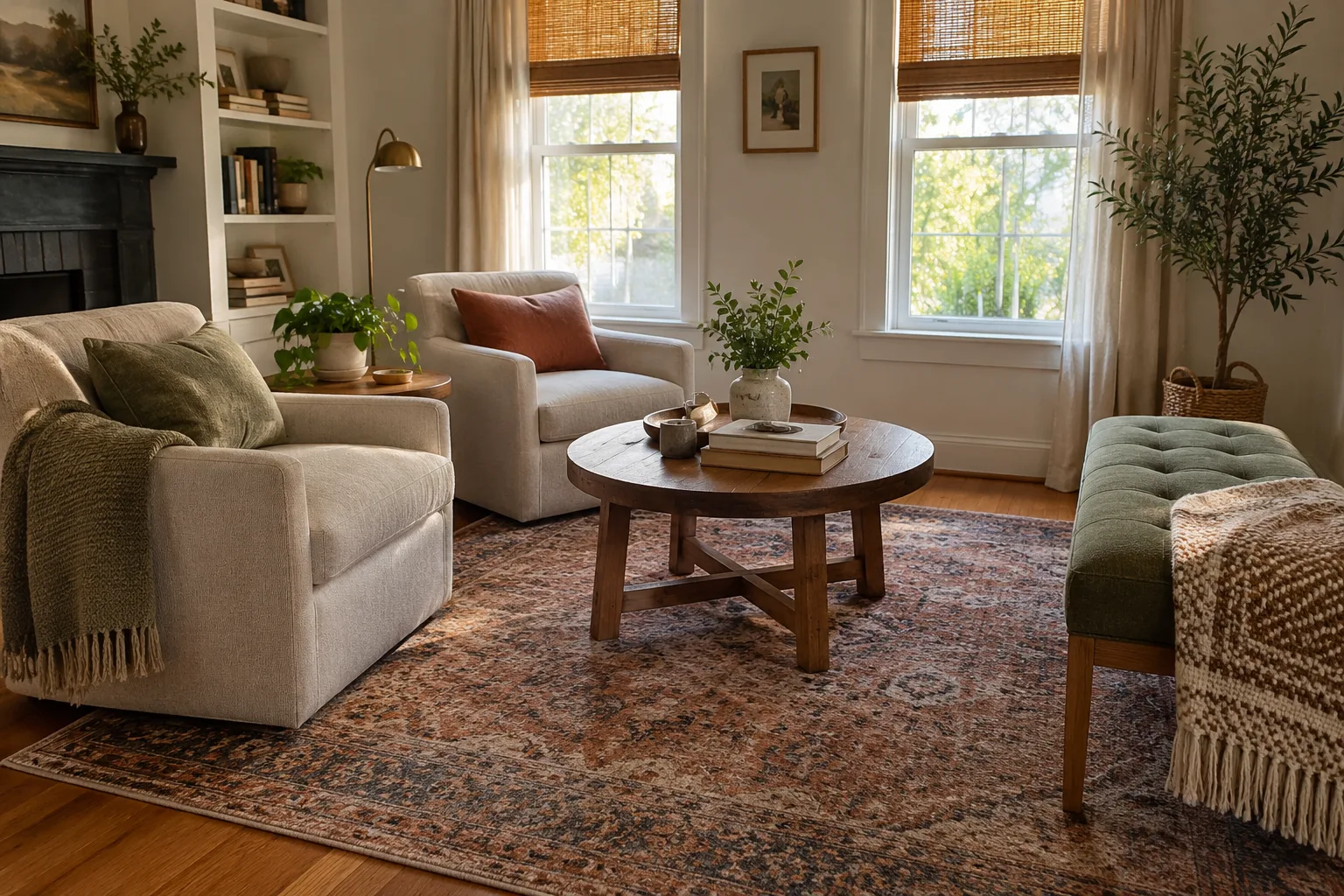
A freestanding bench works well beside comfortable armchairs when you need flexible seating for visitors. It can move around the room more easily than a built-in seat.
Picture two chairs used every evening, with an upholstered bench nearby for friends. The chairs provide dependable everyday comfort, while the bench expands the group when needed.
A backless bench is usually better for shorter visits. For longer conversations, a backed design or suitable placement against a wall can offer more support.
Repeat one or two details to connect the furniture. A similar wood finish, a shared upholstery color, or cushions that pick up the rug’s pattern can bring different pieces together.
For an additional footrest with concealed storage, the Threshold designed with Studio McGee Box Pleat Skirt Storage Ottoman is a related option. Use it where it serves a purpose rather than filling every remaining gap.
Keep the most comfortable seats for everyday use, and let the bench handle the extra company.
9. Build a Floor Lounge Around a Low Table
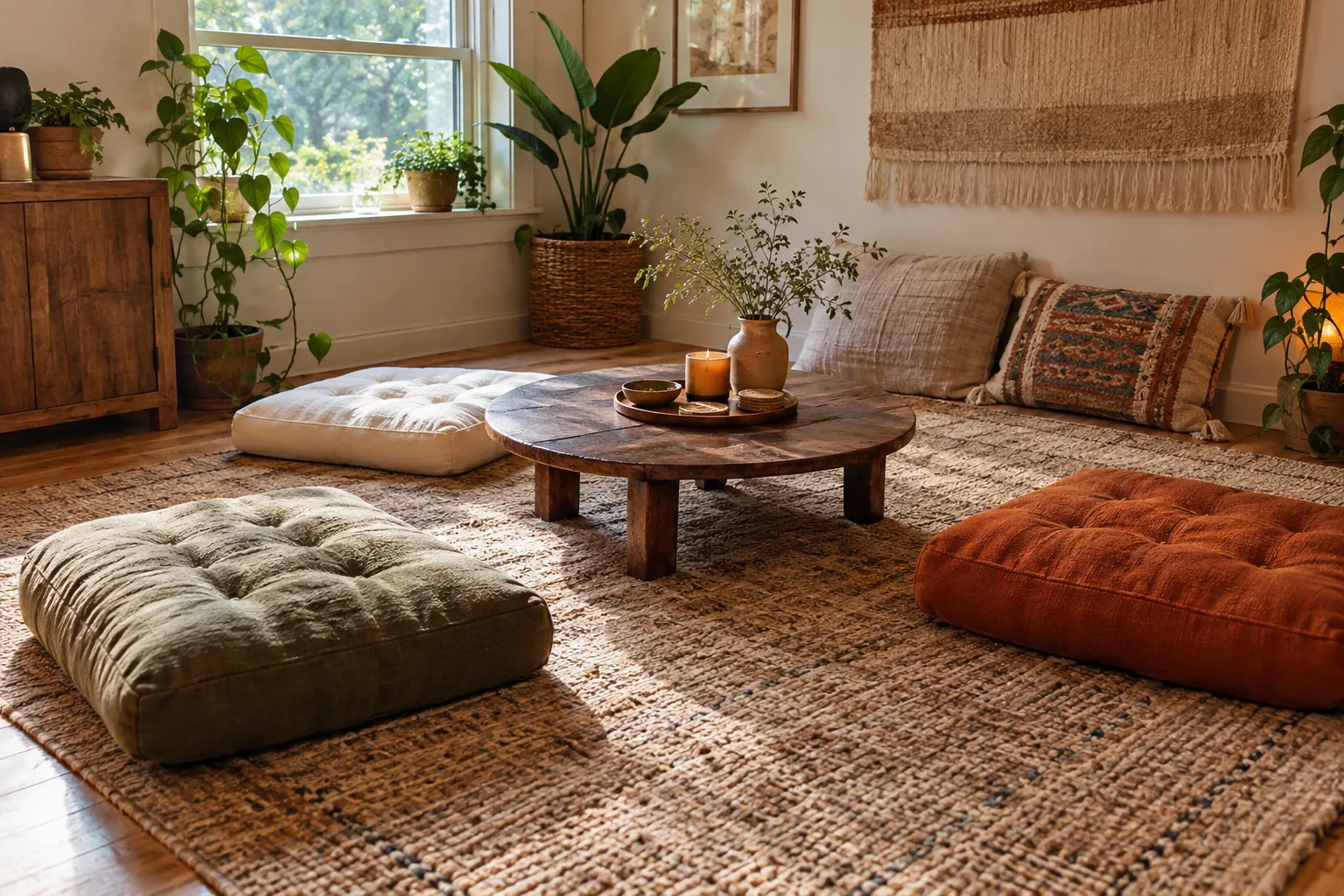
Floor cushions can form your main seating when the people using the room are comfortable sitting down low. A low table and supportive cushions make the arrangement more useful for games, tea, or casual evenings.
Choose cushions substantial enough to keep you comfortable beyond the first few minutes. Ordinary throw pillows tend to flatten and shift when used as seats.
The Lulu & Georgia Camden Floor Pillow is one option for this setup. Its square, tufted shape works in a group around a low table.
Back support still matters. Position some seating near a suitable wall or use cushions designed to support a seated posture. Match the table to the seating height so nobody spends the evening reaching upward.
Keep a conventional chair available for anyone who finds floor seating uncomfortable. That small addition makes the room easier to share with a wider range of guests.
10. Give Beanbags a More Grown-Up Setting
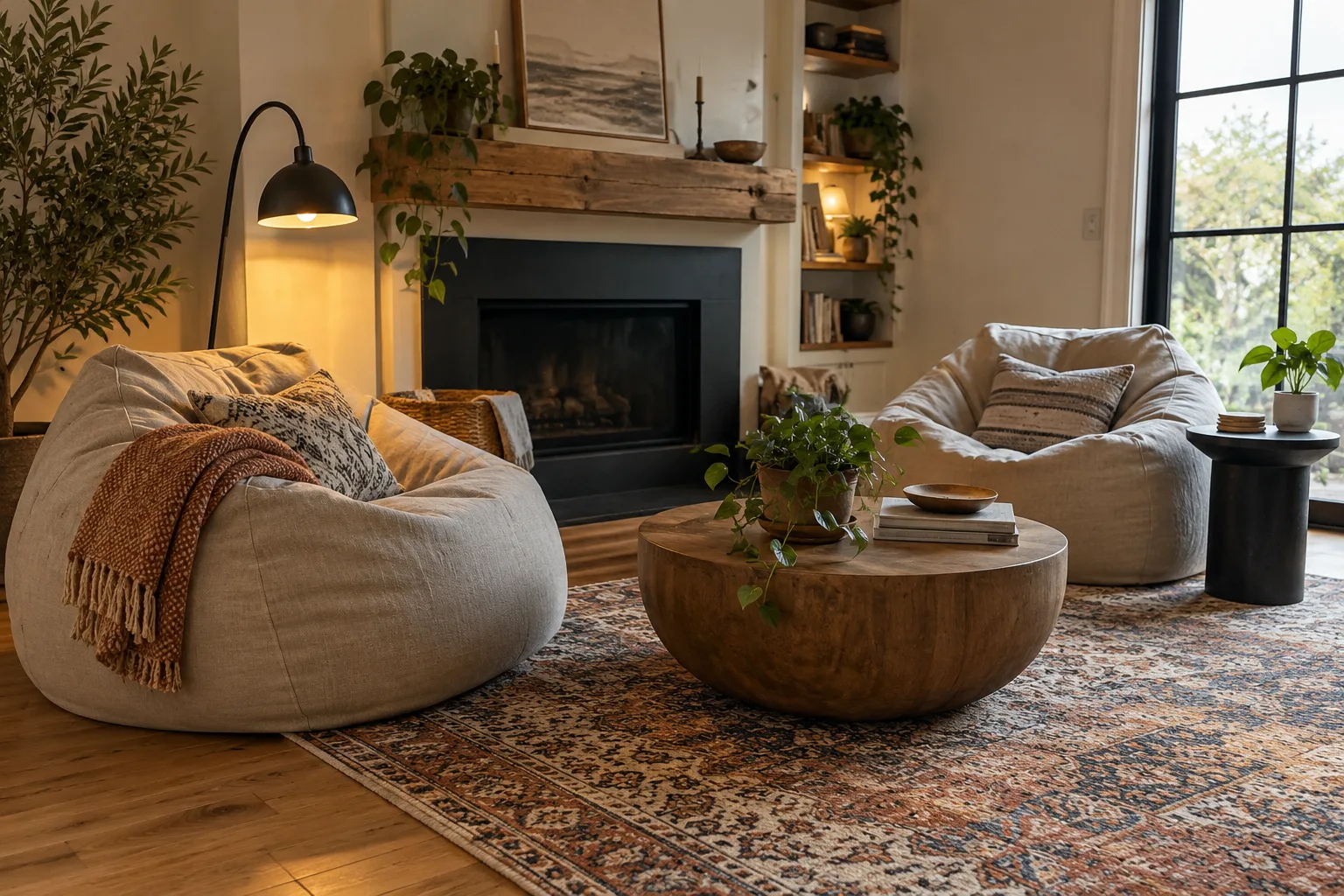
Choose a beanbag with a defined shape, then give it the same practical surroundings you would give an armchair. A lamp, a stable table, and a rug help it function as a regular seat.
This arrangement can suit a casual gaming room or a household that likes to rearrange things for movie night. Look at how the chair supports someone sitting upright as well as someone reclining.
Cover care matters if snacks, pets, or children are part of the picture. Check whether the cover is removable and how the manufacturer says to clean it.
Also check the occupied shape. A soft chair may spread outward when someone sits down, taking up more space than its neat product photo suggests.
Oversized beanbags can be bulky to move and awkward to store. Choose one because you enjoy sitting in it, rather than assuming every soft seat is a compact solution.
11. Make a Hanging Chair the Seat Everyone Notices
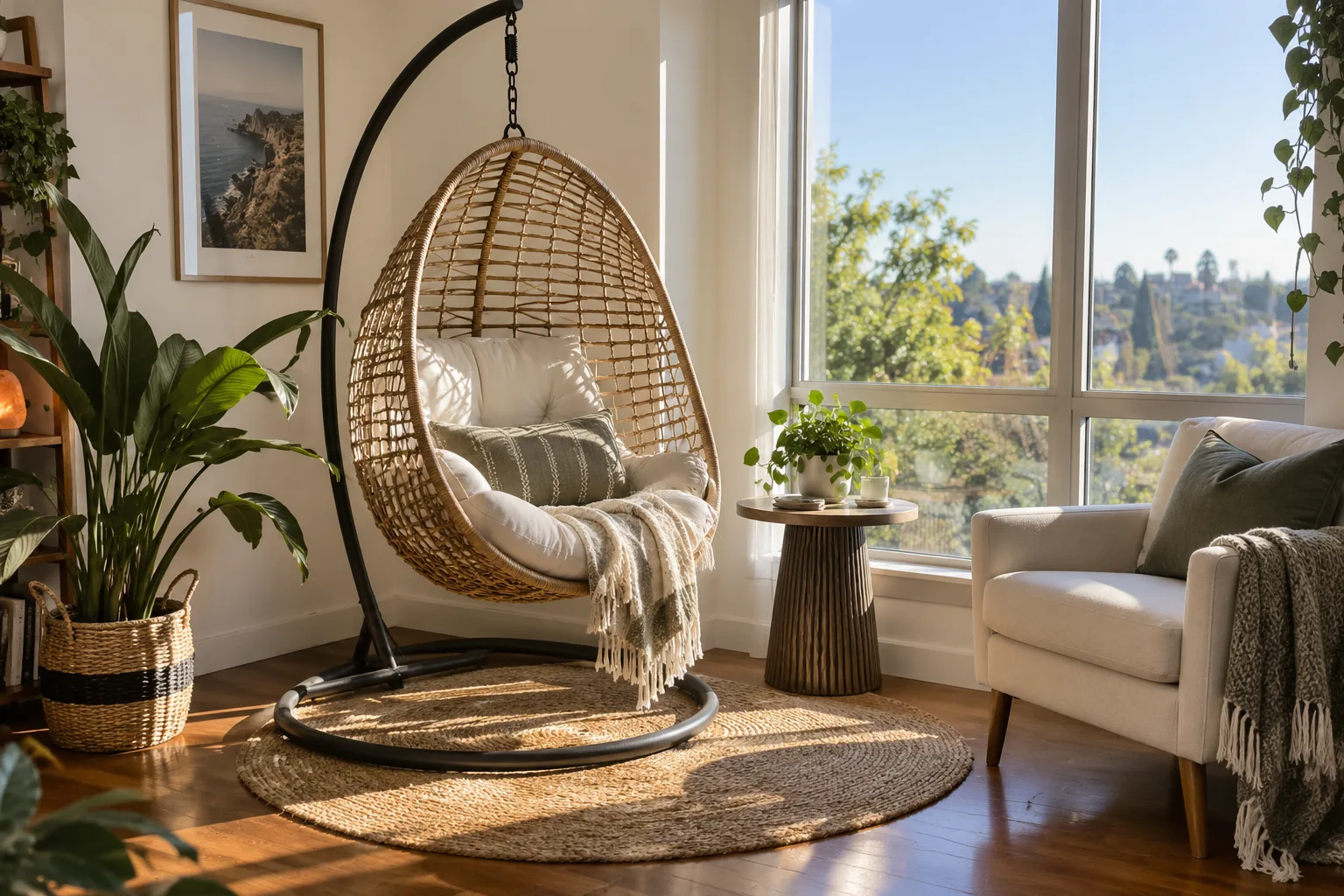
A hanging chair can become a feature seat when the room has suitable support and enough space for movement. It works best as part of an arrangement that still covers your everyday seating needs.
A model with a compatible stand avoids attaching the chair to the ceiling, although the stand can occupy a substantial patch of floor. Account for its full base rather than measuring only the seat.
For a ceiling-mounted version, follow the manufacturer’s installation requirements and use appropriate structural support. The mounting point needs to handle an occupied chair in motion.
Keep the chair clear of glazing, lamps, tables, and regular walking routes.
Try the getting-in-and-out part as carefully as the sitting part. A chair can feel lovely once settled while being inconvenient as the room’s only everyday seat.
12. Divide the Room Into Places to Read, Play, and Chat
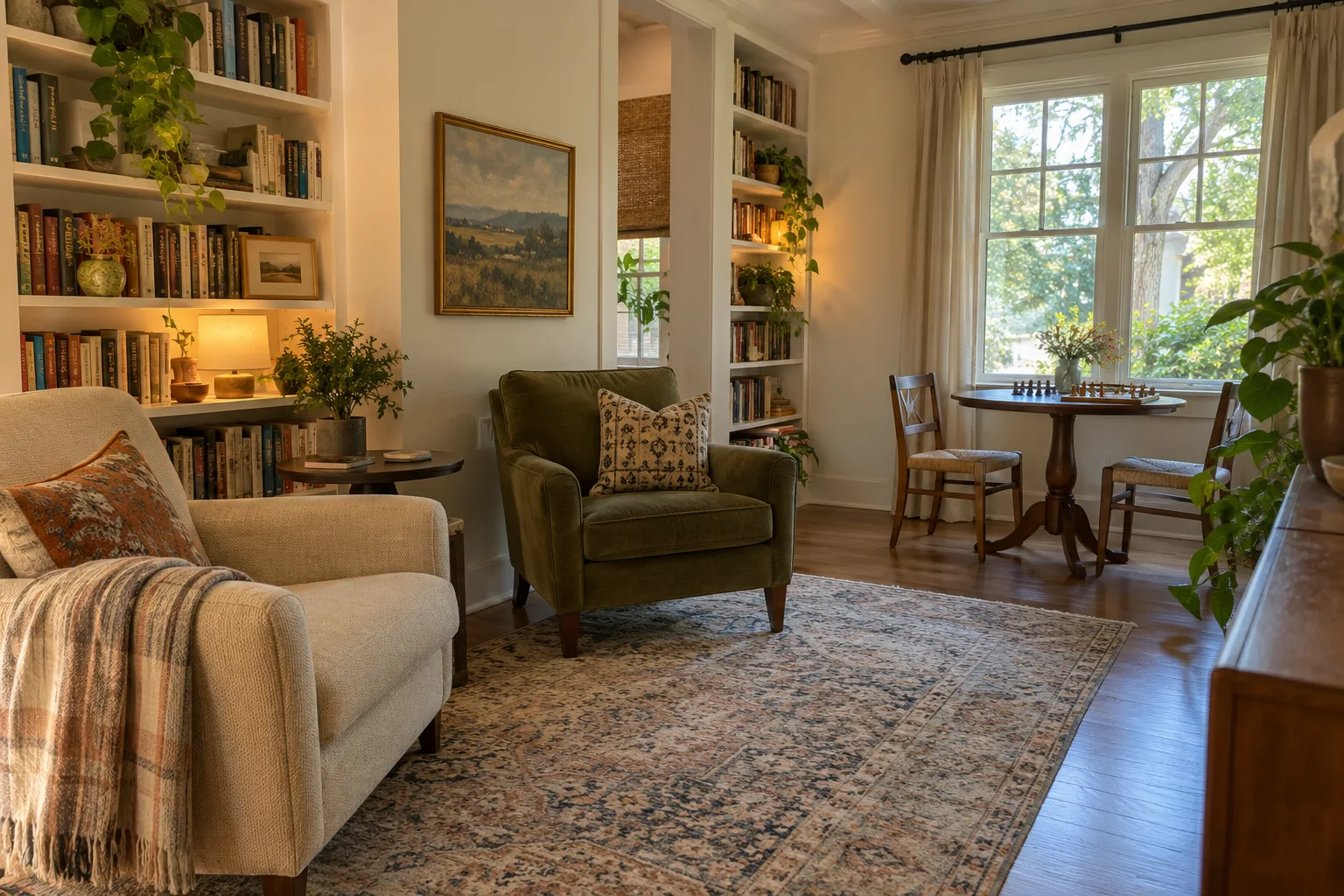
Separate activity areas work well when the living room serves several purposes. You might place two lounge chairs beside the bookshelves and a small game table closer to the window.
This gives the room places to use throughout the day. Someone can read while another person works on a puzzle, without every activity revolving around the same central table.
Smaller side tables can be particularly useful here. They provide surfaces where needed while leaving room to move between activities.
An option such as the AllModern Crawford Rocking Chair could suit a reading area, provided you allow space for the rocking motion.
Let each area have a clear purpose, and keep a comfortable route between them. In a smaller room, two useful zones are usually easier to live with than several cramped ones.
How to Make a Living Room Without a Couch Feel Finished
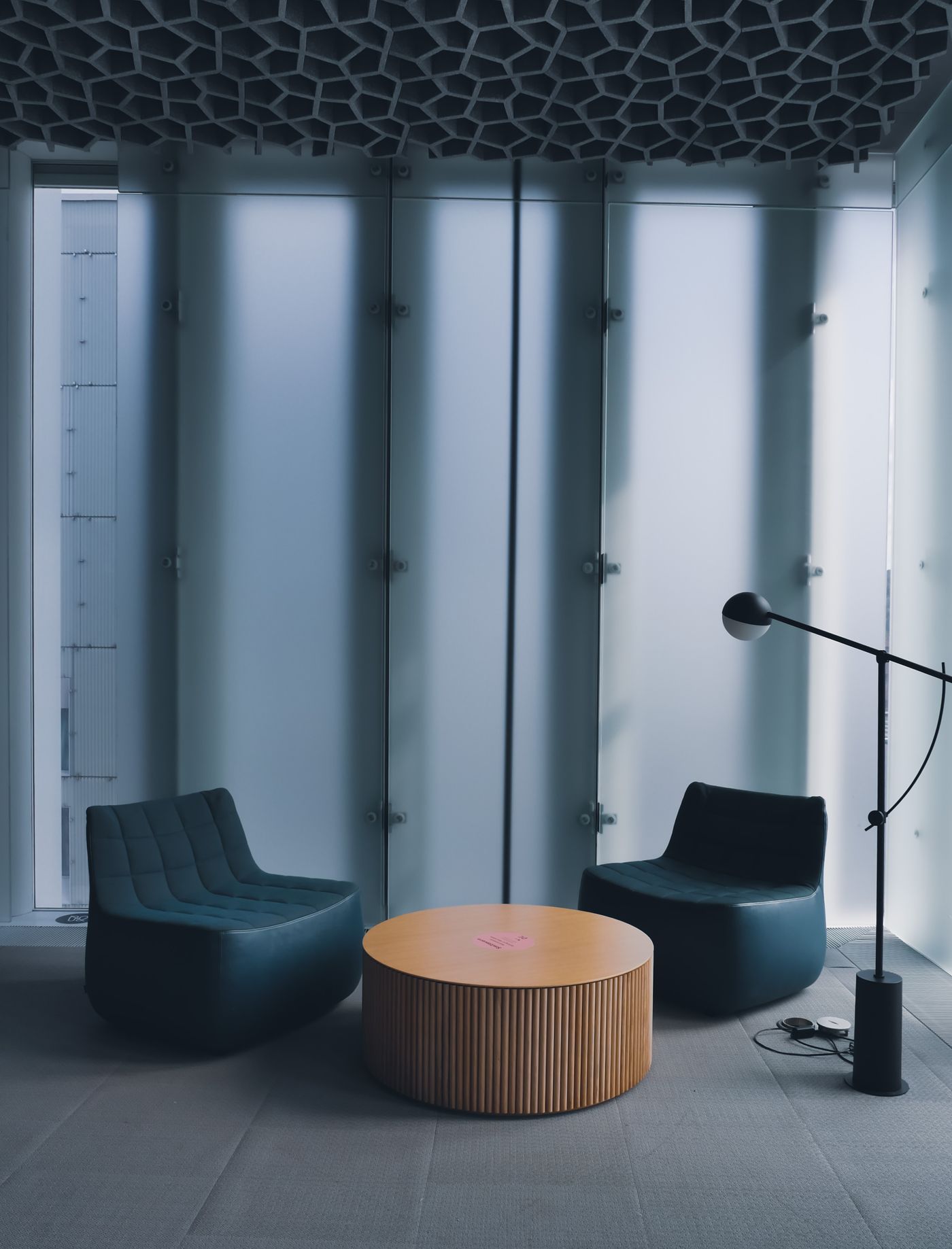
A couch-free room feels complete when the seating works as a connected group and supports everyday activities. The finishing pieces make a real difference to both comfort and appearance.
Connect the Seating With One Well-Sized Rug
Use a rug large enough to connect the main seats visually. In many arrangements, having the front legs of the chairs on the rug helps define the group.
A tiny rug stranded between distant chairs can make the furniture feel unrelated. Bring the seats into a useful arrangement first, then choose a rug that supports it.
Our rug size guide can help you work through the proportions.
Give Every Regular Seat Somewhere to Set a Drink
Every seat used regularly needs a stable surface within comfortable reach. That might be one table between two chairs or several smaller tables around a larger group.
Sit down and test the position. If reaching the table requires a deep lean or standing up, move it closer.
For floor seating, choose a correspondingly low surface. A standard side table can feel surprisingly tall from a cushion.
Put Light Where People Actually Sit
Place task lighting near reading seats and softer light around the rest of the room. One ceiling light may leave a favorite chair too dim while making the middle of the room overly bright.
Position lamps so they illuminate the activity without shining directly into someone’s eyes or reflecting awkwardly on the TV.
Keep cords away from walking routes, especially around chairs that move.
Repeat a Few Colors or Materials
Repeat a small number of colors or finishes so mixed furniture feels connected. The chairs do not need to match exactly.
A wood-framed chair and an upholstered bench might share a warm tone. A patterned cushion can repeat a color from the rug. Two very different chairs can feel related through similar upholstery.
Give yourself a few connecting details rather than trying to make every piece identical.
Leave a Comfortable Route Through the Room
Keep the paths between doorways and regularly used areas free of furniture. Test them with chairs occupied and movable seats in their usual positions.
Walk the route carrying something ordinary, such as a laundry basket. It quickly reveals gaps that look adequate in a photo but feel awkward in real life.
Also check doors, drawers, and window access. A layout needs to work beyond the moment when everything is neatly closed.
Mistakes That Can Make the Room Less Comfortable
The biggest mistake is replacing the sofa without replacing the comfort and usefulness it provided. Watch for these common problems:
- Buying several bulky chairs without comparing the total footprint. Include tables and access space in the plan.
- Choosing accent chairs mainly for appearance. A chair used for two hours needs different comfort from a chair used to put on shoes.
- Relying entirely on backless or floor-level seating. Give regular users and visitors suitable support.
- Placing every seat against a different wall. Bring conversation seating close enough for people to talk naturally.
- Forgetting tables and lighting. These are part of a usable seat, especially for reading and relaxing.
- Removing your only place to lie down. Keep a chaise or daybed in the plan if stretching out matters to your household.
Your Checklist Before You Replace the Couch
A workable plan covers comfort, movement, and the people who use the room most.
- There are enough comfortable seats for everyday use.
- The seating suits our main activities.
- Doorways and regular walking routes stay clear.
- Swivel, rocking, or hanging chairs have room to move.
- Every regular seat has a reachable table.
- Reading seats have suitable lighting.
- At least one seat suits visitors who find low seating difficult.
- We have somewhere to stretch out if that matters to us.
- Guest beds or trundles can open comfortably, where included.
- The total cost of chairs, tables, and accessories fits the budget.
Frequently Asked Questions
The right arrangement depends on comfort, seating capacity, and how you use the space. These are the questions that help narrow it down.
Can a Living Room Look Complete Without a Couch?
Yes. A living room can look complete with enough comfortable seating, useful tables, a defined arrangement, and appropriate lighting. A rug can connect separate pieces, while a fireplace, window, artwork, or bookshelf gives the room a focal point.
What Can I Put in My Living Room Instead of a Sofa?
Armchairs, a chaise, a daybed, a cushioned bench, or floor seating can replace a conventional sofa. Armchairs suit individual seating and conversation; a chaise suits reclining; a daybed adds sleeping space.
Choose the furniture around the activities you want to keep doing comfortably.
Can You Use Four Chairs Instead of a Sofa?
Yes, if the room comfortably accommodates the chairs, a shared surface, and access between seats. This setup is especially useful for conversation.
Compare the complete arrangement before buying. Four deep chairs may require more room than expected, even when each chair looks fairly compact.
What Is the Best Couch Alternative for Watching TV?
A supportive lounge chair with an ottoman, or a comfortable swivel chair positioned toward the screen, is a practical option. Check whether the backrest and seat feel comfortable for the length of time you normally watch.
For two people, a pair of suitable chairs gives each person their own seating position.
How Do You Make a Small Living Room Cozy Without a Couch?
Use comfortable seating sized for the room, a rug that connects it, and lighting near the places where you relax. Add a few useful textiles, such as a cushion or throw, without crowding the seats.
Keeping the arrangement compact and connected often feels more inviting than scattering furniture around the edges.
Is Furnishing a Living Room Without a Couch Cheaper?
It can be, but several chairs and accessories can cost more than a sofa. Compare the complete setup, including tables, ottomans, cushions, and any extra lighting.
Reusing a comfortable chair you already own can help. Buying four new premium chairs is a different budget altogether.
Does a Loveseat Count as a Couch Alternative?
A loveseat is a small sofa, so it does not create a couch-free room. It can still be a useful option if your real problem is the size of your current couch.
If you enjoy sitting together or want familiar sofa seating, a smaller model may suit your household better than switching entirely to chairs.
Shop the Seating and Accessories Mentioned in This Guide
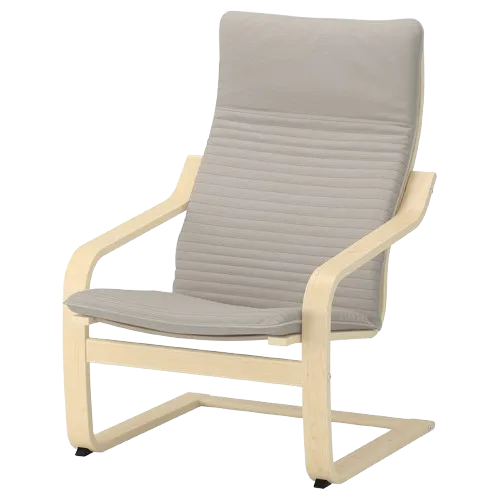 IKEA POÄNG ArmchairA high-back bentwood armchair for a two-chair arrangement or a dedicated reading spot.
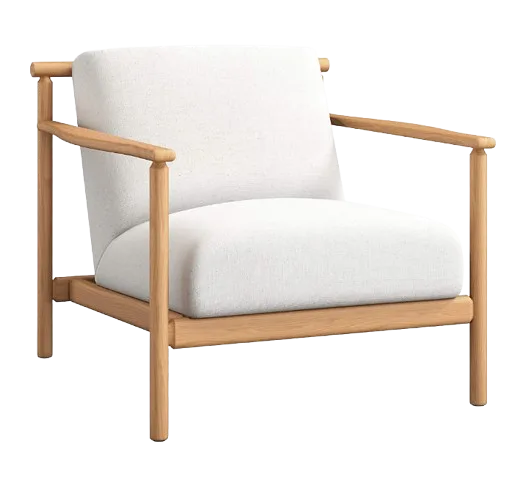 Crate & Barrel Ojai Wood Accent ChairUpholstered wood-frame seating for a conversation group with room for generously sized chairs.
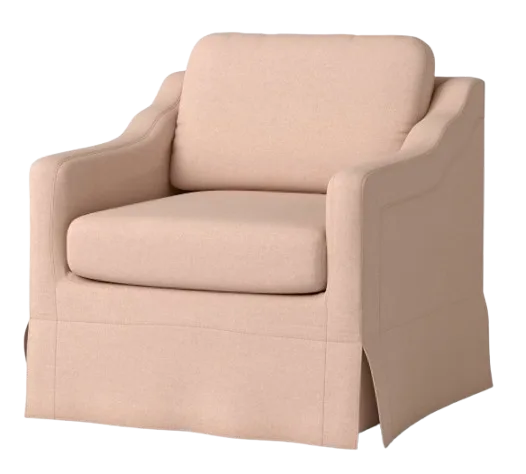 Threshold designed with Studio McGee Swivel Accent ChairA slipcover-style swivel seat for turning between the television and the conversation.
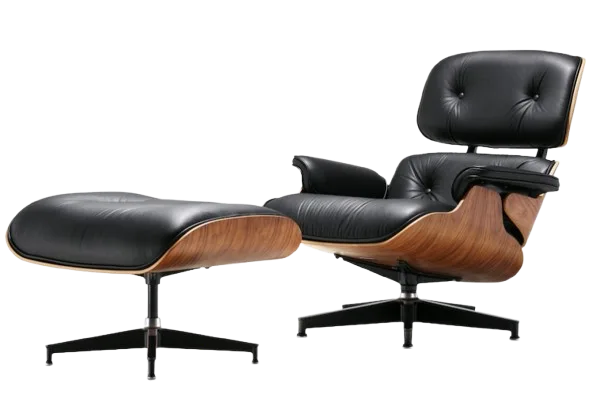 Herman Miller Eames Lounge Chair and OttomanA premium lounge chair and matching footrest for a dedicated place to read and relax.
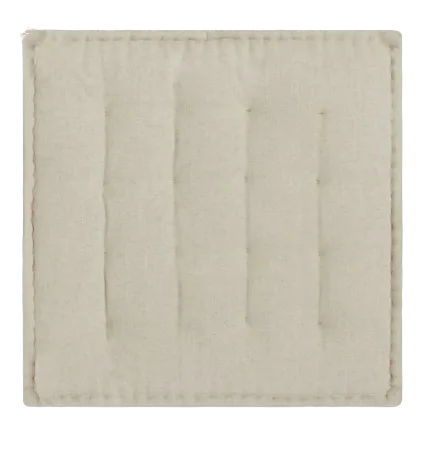 Lulu & Georgia Camden Floor PillowA square, tufted cushion for casual seating around a low table.
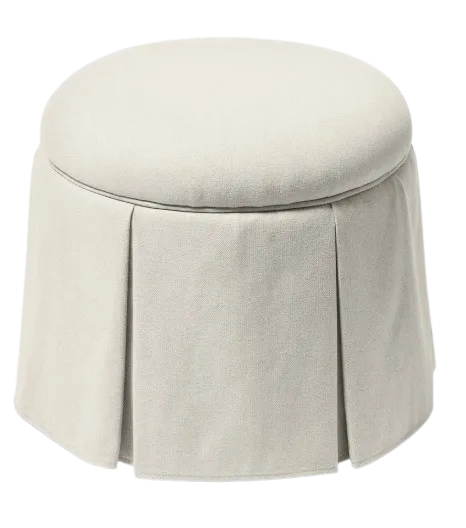 Threshold designed with Studio McGee Storage OttomanA skirted upholstered ottoman that combines a footrest with concealed storage.
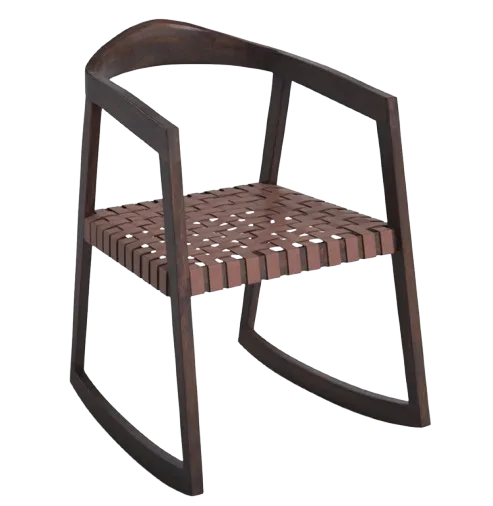 AllModern Crawford Rocking ChairA rocking-chair option for a reading area with enough clearance for movement.