20 Living Room Design Mistakes and How to Fix Them

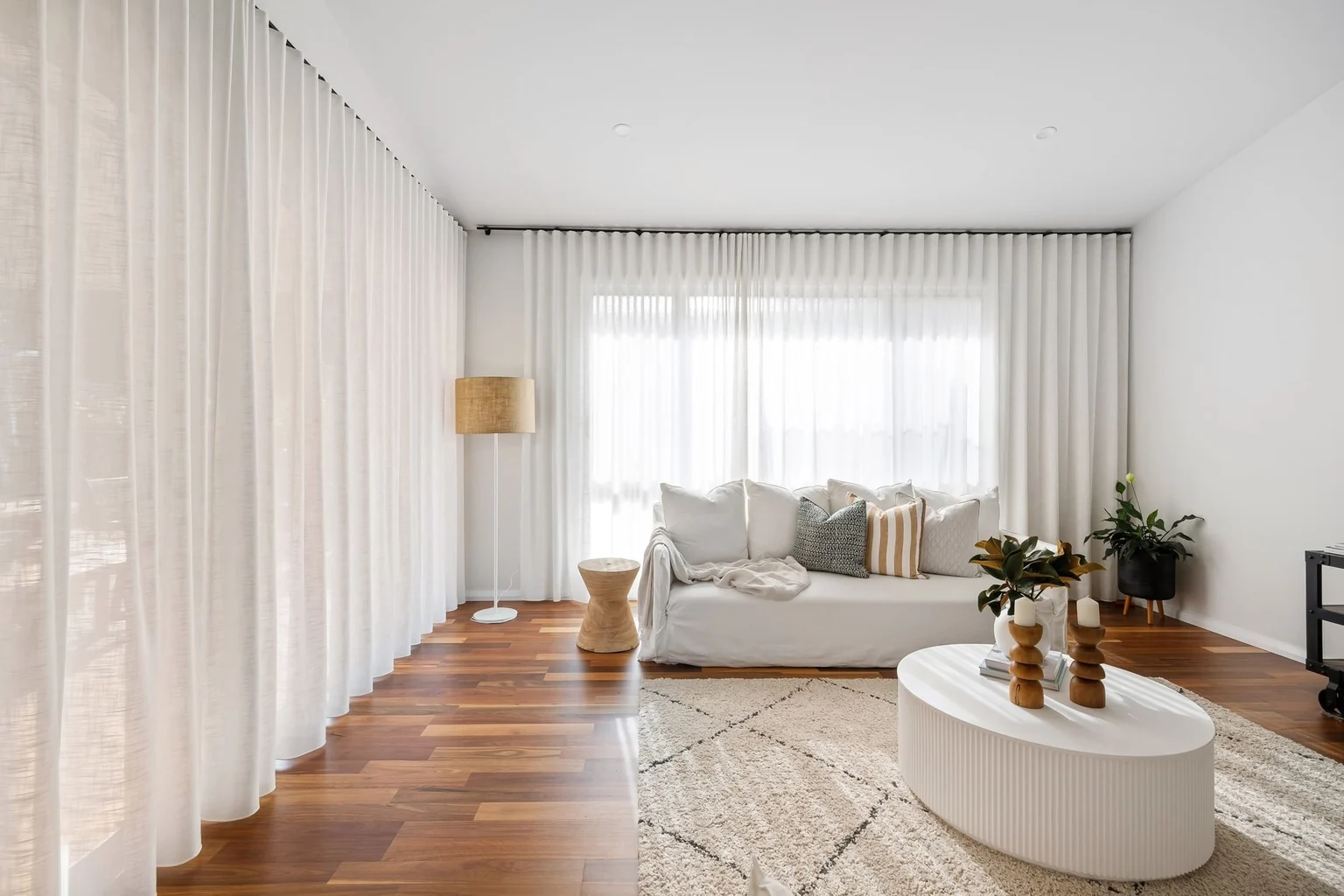
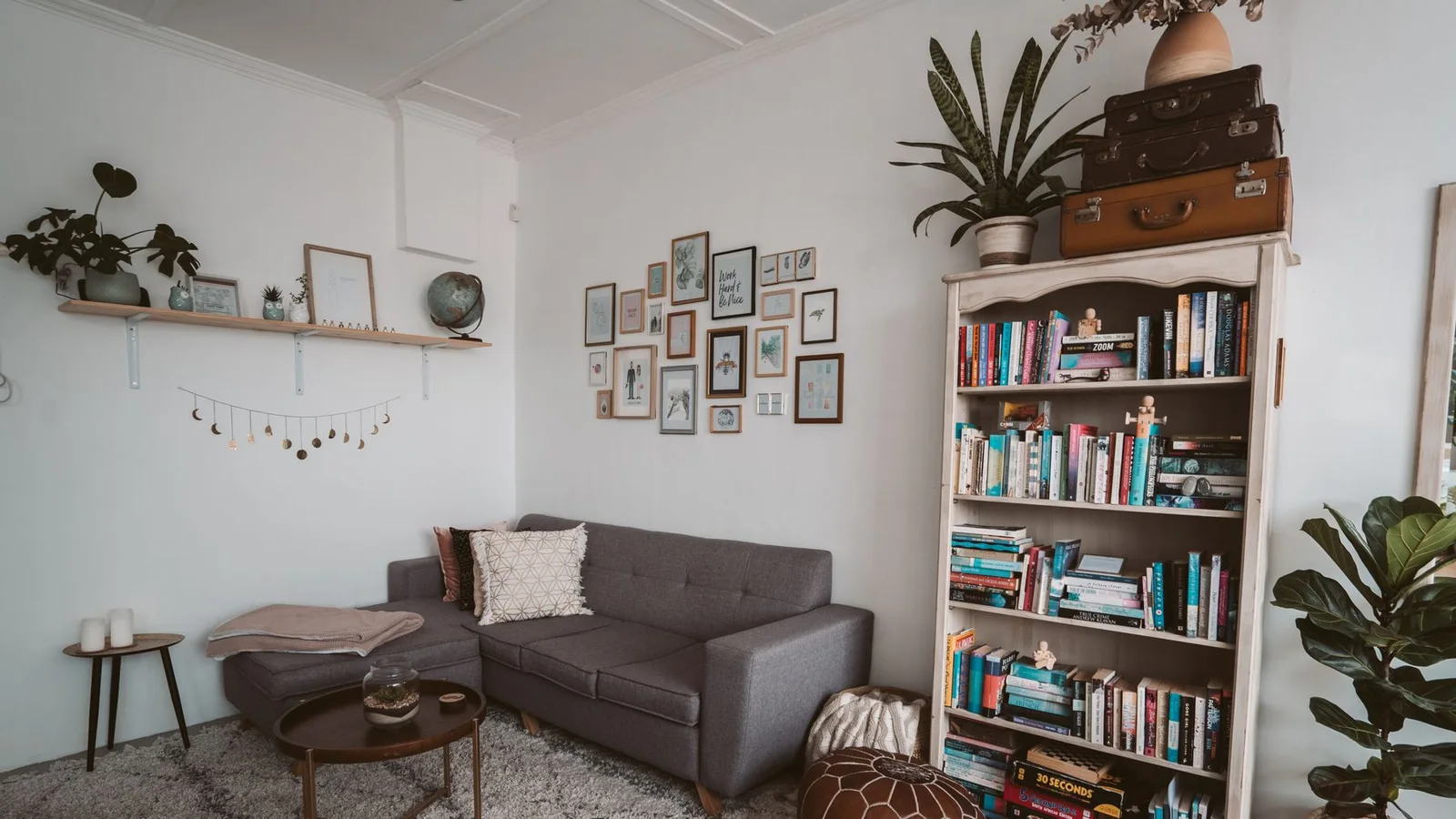
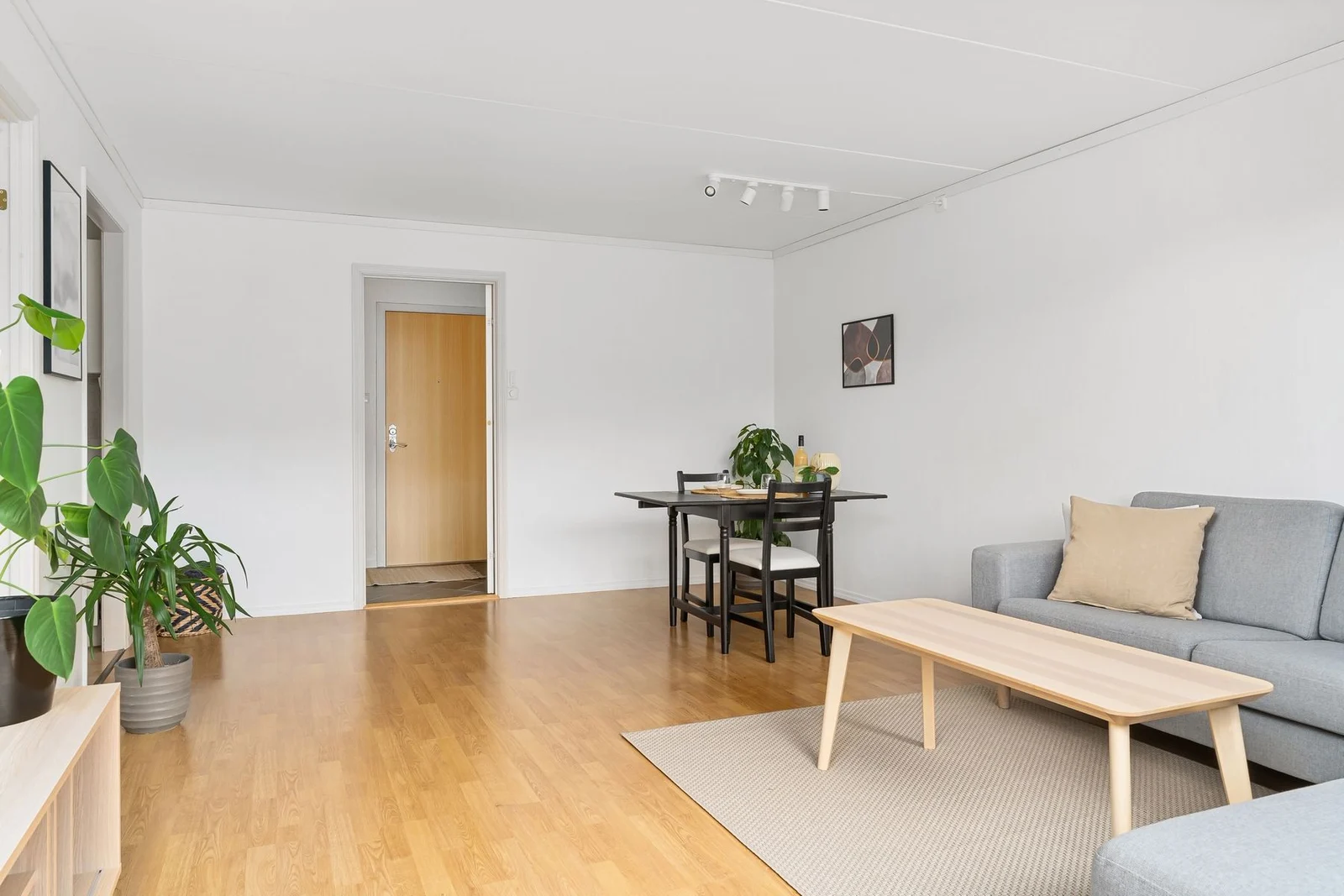
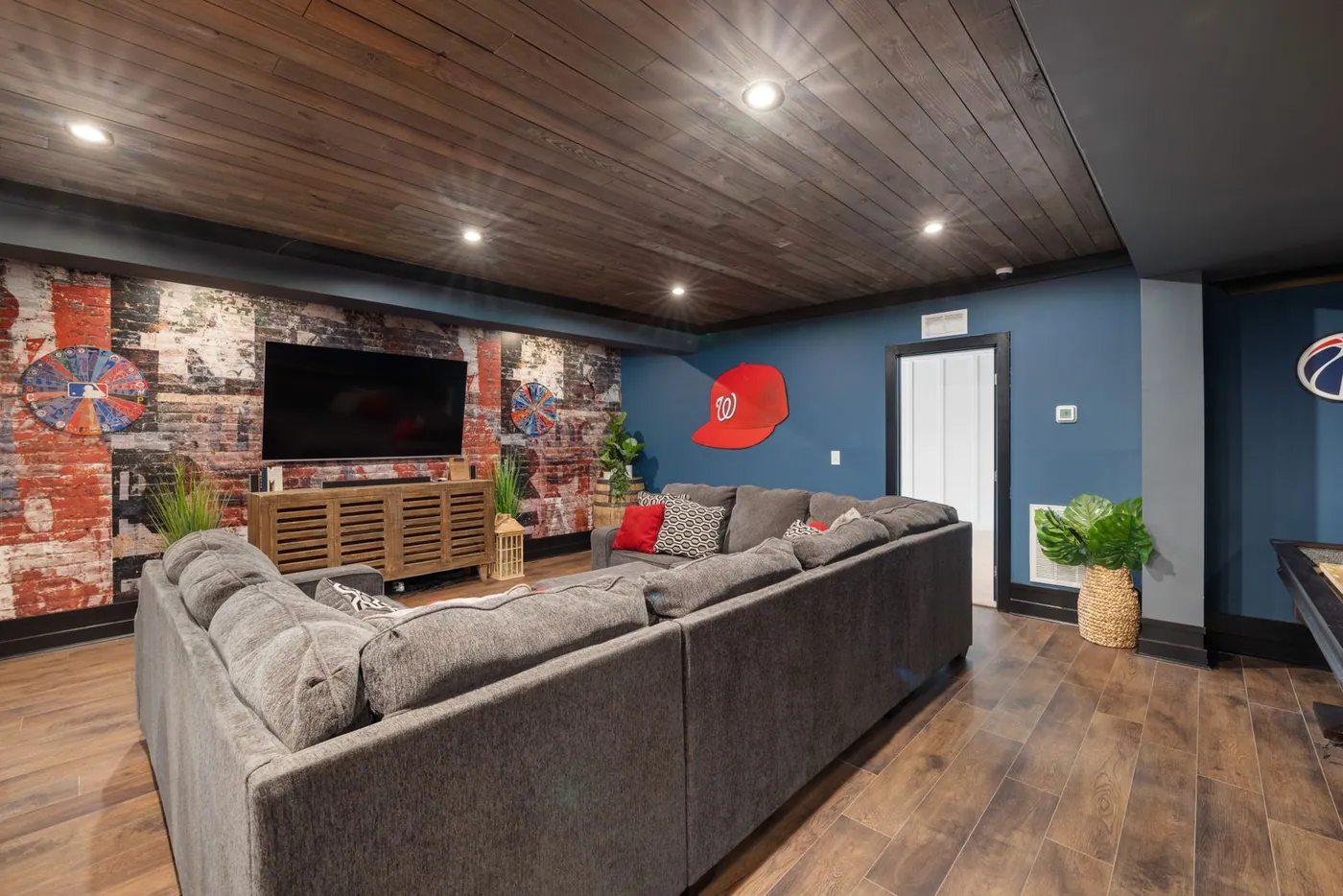
A few common living room design mistakes can leave a perfectly furnished space feeling cramped, strangely formal, or about as cozy as the office waiting area.
The quick answer
- Oversized furniture and blocked walkways make a living room harder to use, even when everything fits against the walls.
- A rug that reaches the seating helps the arrangement look connected, while a comfortably positioned TV avoids an awkward viewing angle.
- Replace reliance on one harsh ceiling light with lamps near the places you sit.
- Coordinated colors, useful storage, and clearer surfaces and hidden cords reduce distractions.
Some only become obvious during an ordinary evening. You stretch to reach your coffee, squeeze past the table, or look up at the television and realize something isn’t quite working.
Below, we’ll walk through 20 living room design mistakes, how to spot them in your own space, and practical fixes that don’t require replacing everything you own.
1. A Beautiful Room That Doesn’t Quite Fit Your Routine
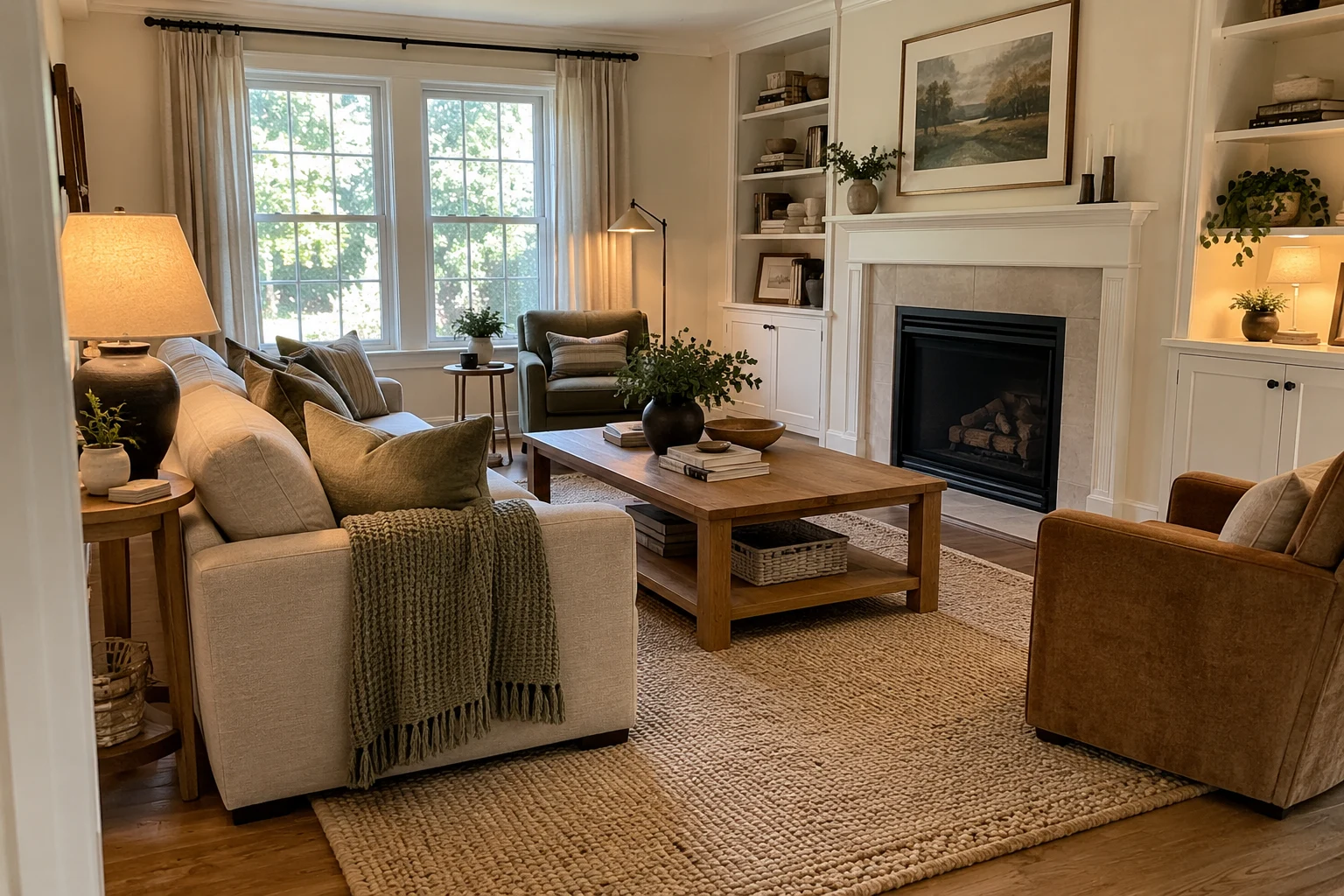
A room can look beautifully arranged and still make everyday life awkward. If your favorite reading seat has no light or there’s nowhere to put your drink, the furniture needs to work around your habits.
Perhaps you chose two accent chairs because they looked balanced opposite the sofa. If nobody uses them because the backs feel too upright, they’re taking up valuable space without doing much work.
Think through an ordinary evening in practical terms: where does the drink go, where do your feet land, and where does the blanket end up?
Solve those everyday needs before adding finishing touches. A room becomes inviting when the things you enjoy doing there feel easy.
2. The Sofa Fits the Wall, but Leaves Little Room Around It
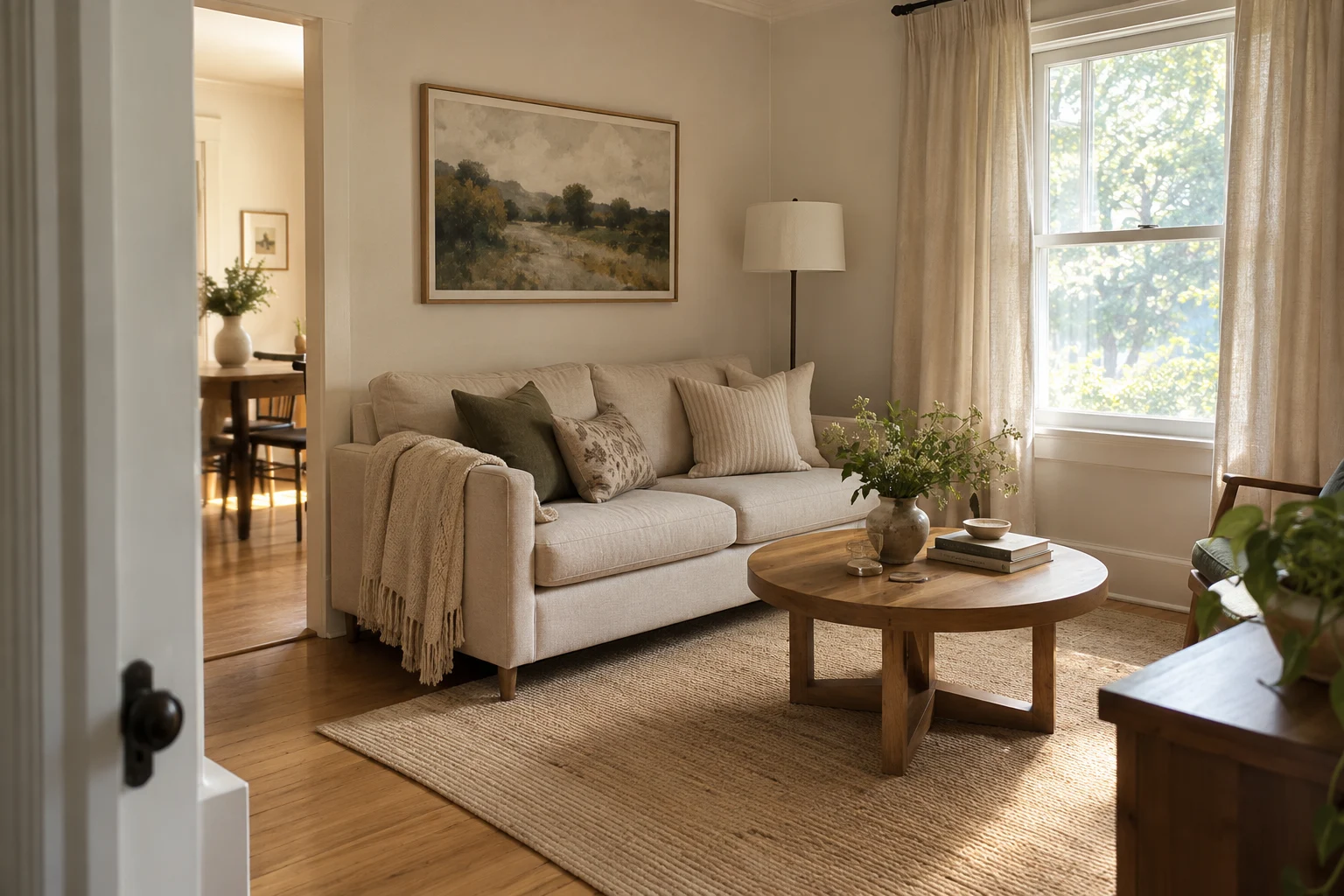
Sofa width is only part of the equation. Deep seats, chunky arms, and a projecting chaise can leave surprisingly little room for tables and movement, even when the sofa fits neatly along the wall.
Map out the sofa and nearby tables, then walk around that arrangement. Include the space needed to sit down, stretch your legs, and stand up.
Our guide to small sofas for small living rooms has ideas for finding a comfortable balance.
3. A Seating Arrangement That Feels Too Far Apart
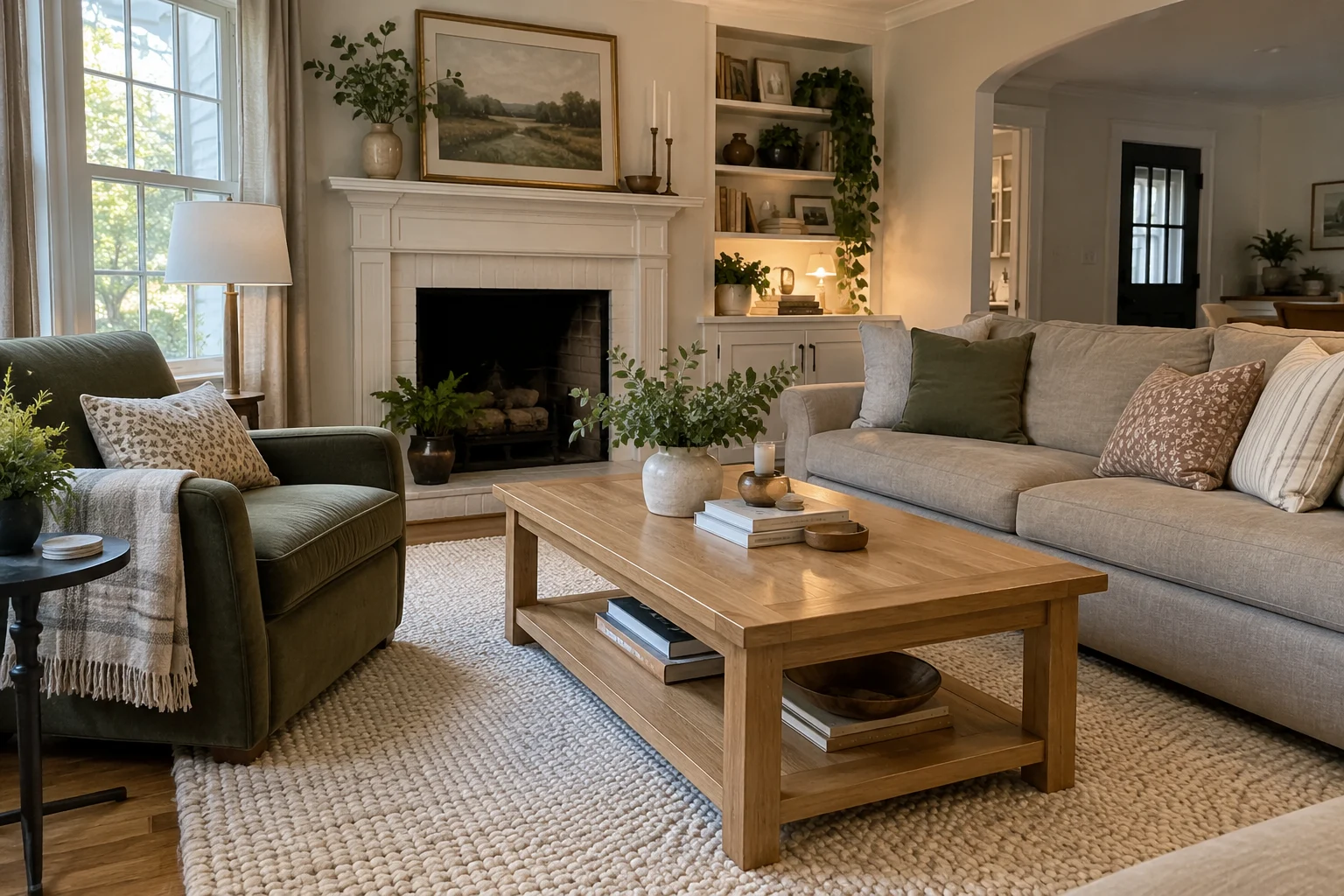
Conversation feels less comfortable when the seats are scattered around the room’s edges. Sometimes all it takes is bringing one chair closer to the sofa and turning it toward the people sitting there.
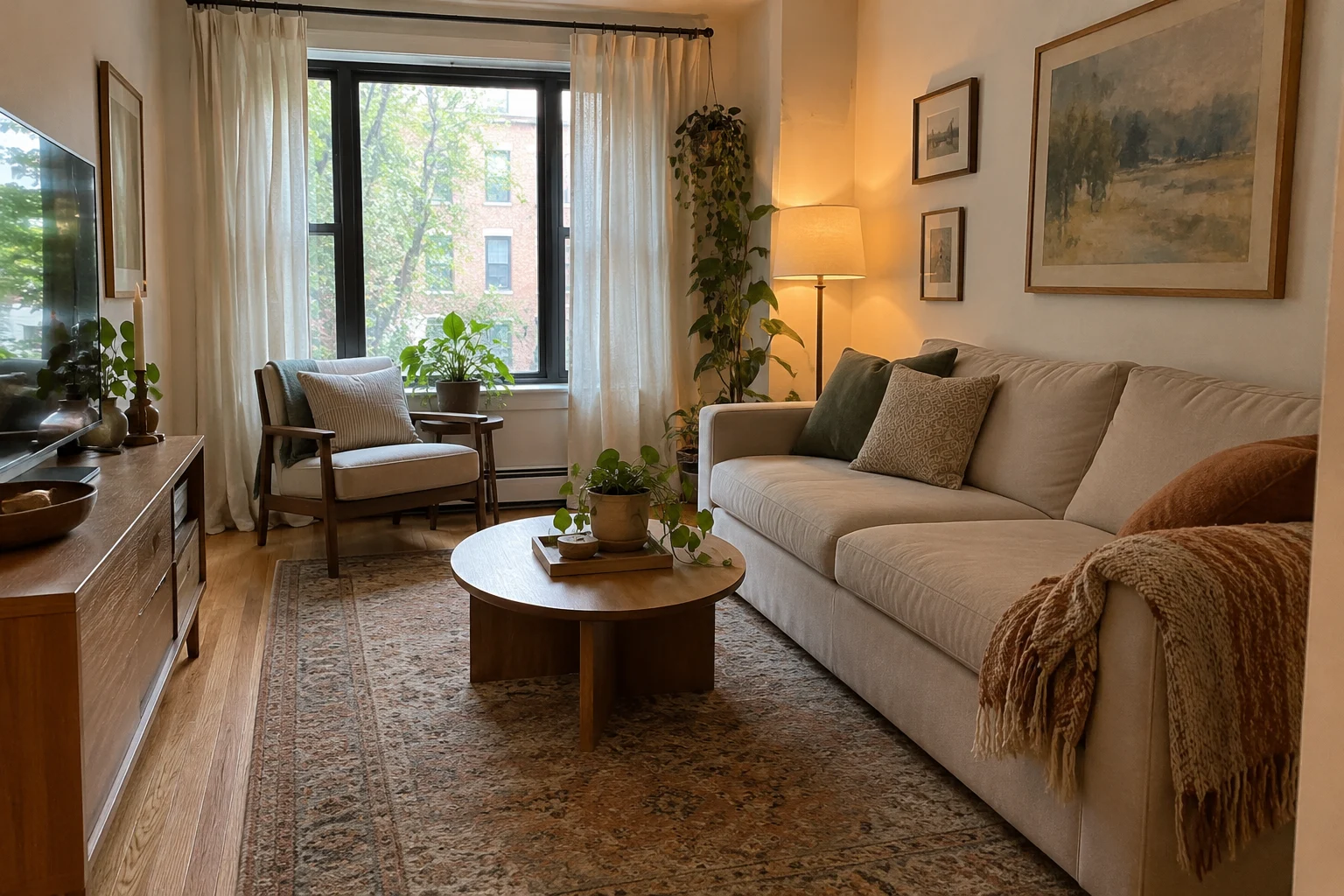
A sofa against the wall can work beautifully in a narrow room. You don’t need to float every piece simply because a decorating rule says so.
Let the room’s shape and the way people interact guide the layout. Our living room layout for conversation explains how to bring the seating together.
4. Everything Fits Until You Open a Drawer
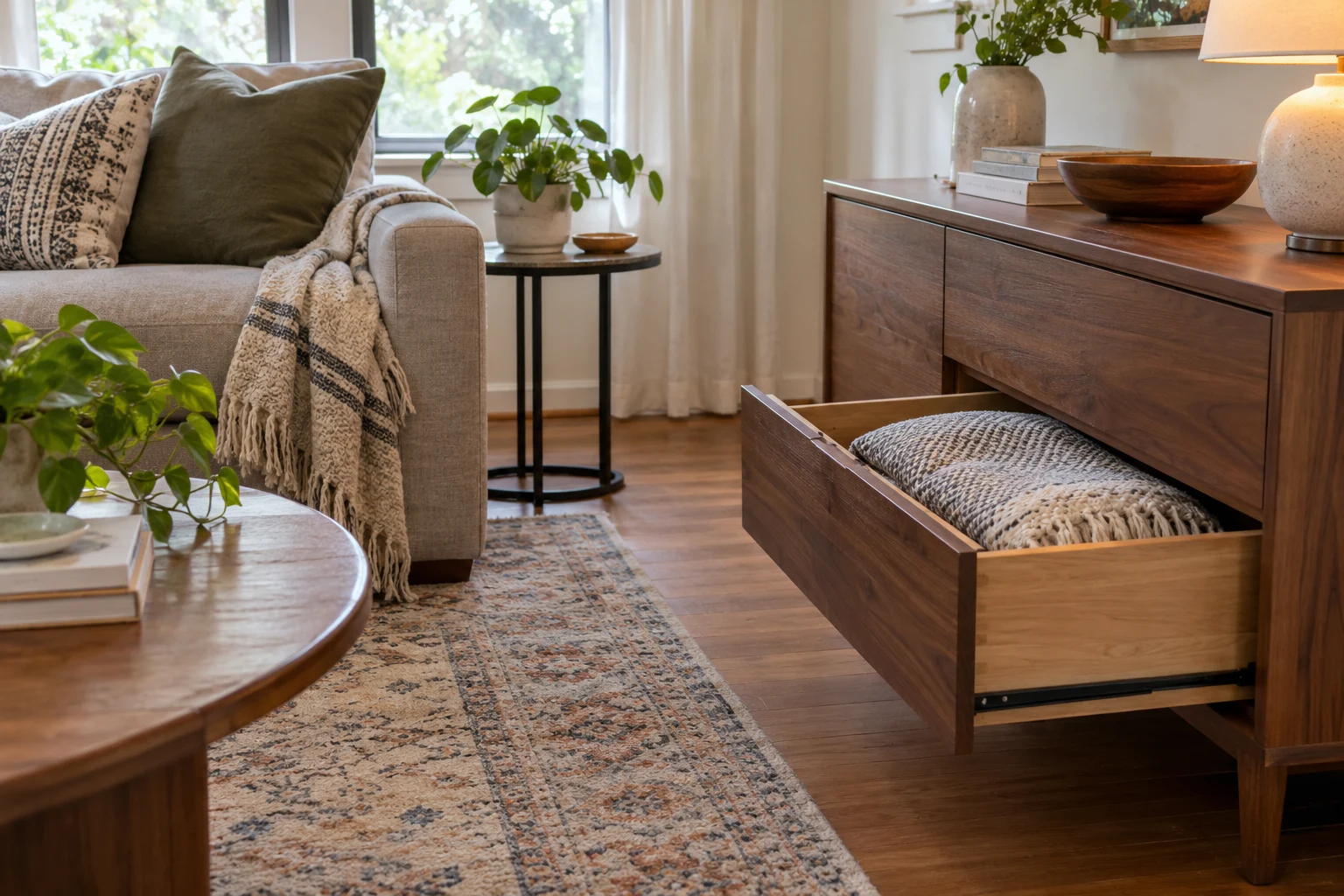
A layout hasn’t earned its place until the drawers open and people can move comfortably. That means trying the room in action: sitting down, standing up, opening cabinets, and walking through with something in your hands.
A cabinet can fit beside a chair while its door hits the armrest. A coffee table can leave enough room for your feet but block an ottoman’s opening lid.
Act out a few ordinary moments:
- Carry a laundry basket through the main walkway.
- Open cabinet doors and drawers fully.
- Extend the recliner or pull-out bed.
- Sit down and stand up from each regular seat.
- Reach the curtains and windows.
A layout works when the furniture functions comfortably. Leave room for the movements you repeat every day.
5. Furniture That Can’t Keep Up With a Changing Day
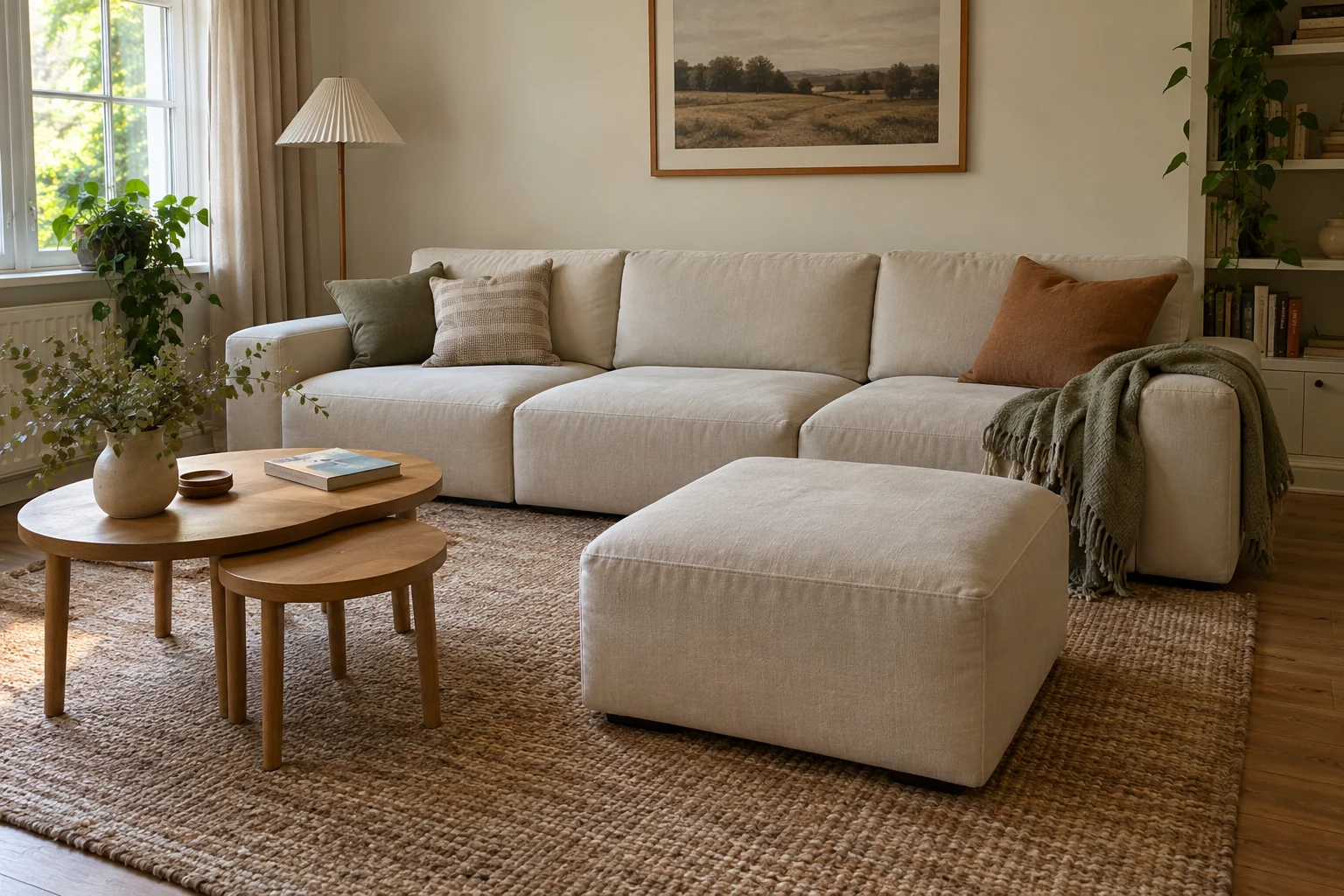
Movie night, visiting friends, and an afternoon of children’s play need slightly different arrangements. Furniture with only one useful configuration can make a shared living room harder to adapt. Rearrangeable sofa sections, movable seating, and a lift-top table offer more flexibility.
Movable stools can provide occasional seating without keeping several extra chairs in the room. A modular arrangement gives you options when guests visit or you want more open floor space.
The VASAGLE Lift-Top Coffee Table offers another kind of flexibility: a surface that rises when needed, with hidden storage beneath it. It suits a living room where the coffee table sometimes becomes a spot for a laptop or casual meal.
Leave room for the raised top to operate comfortably.
Flexibility is most useful when it supports something you already do.
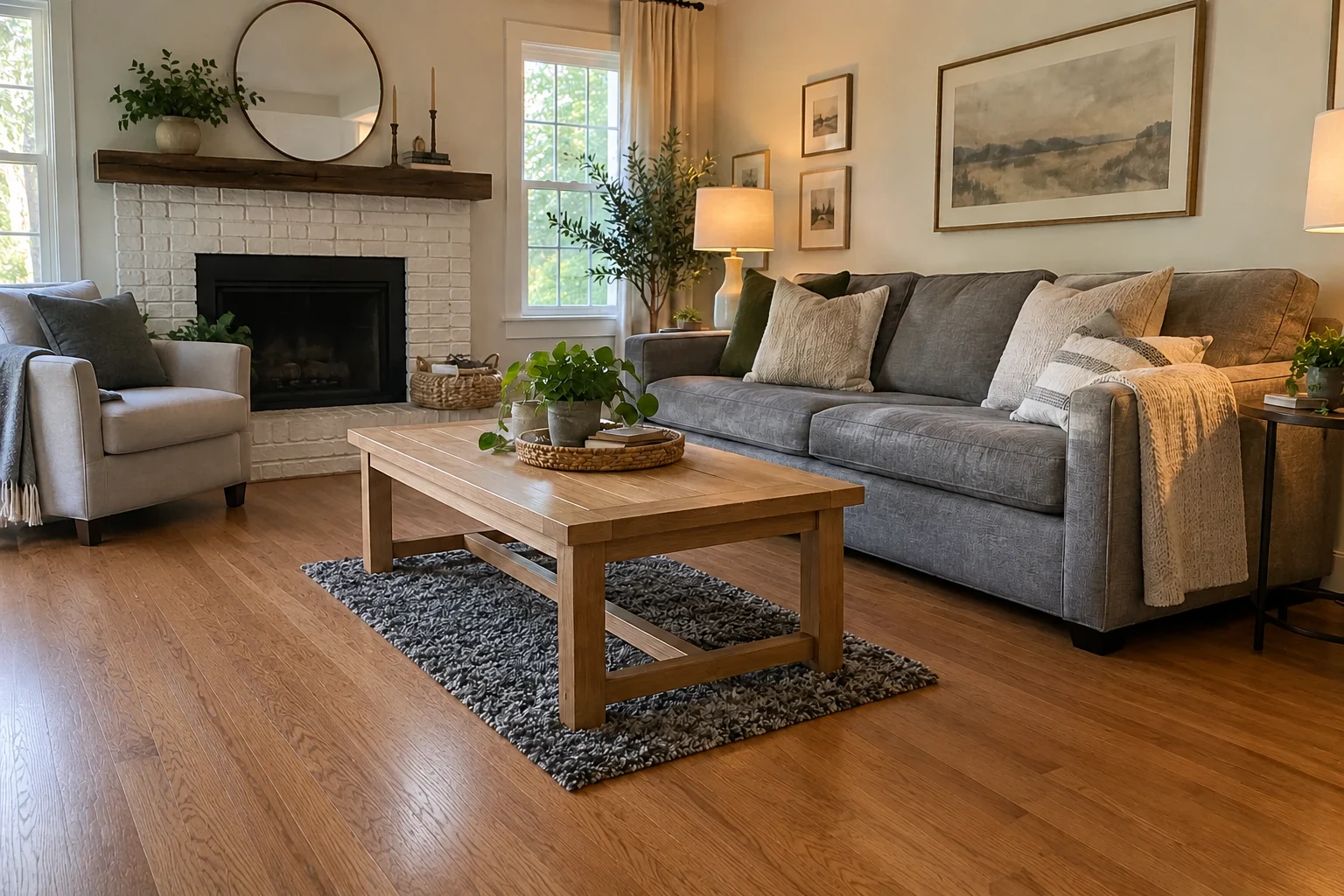
6. A Lovely Little Rug That Doesn’t Reach the Sofa
 BeforeAfter
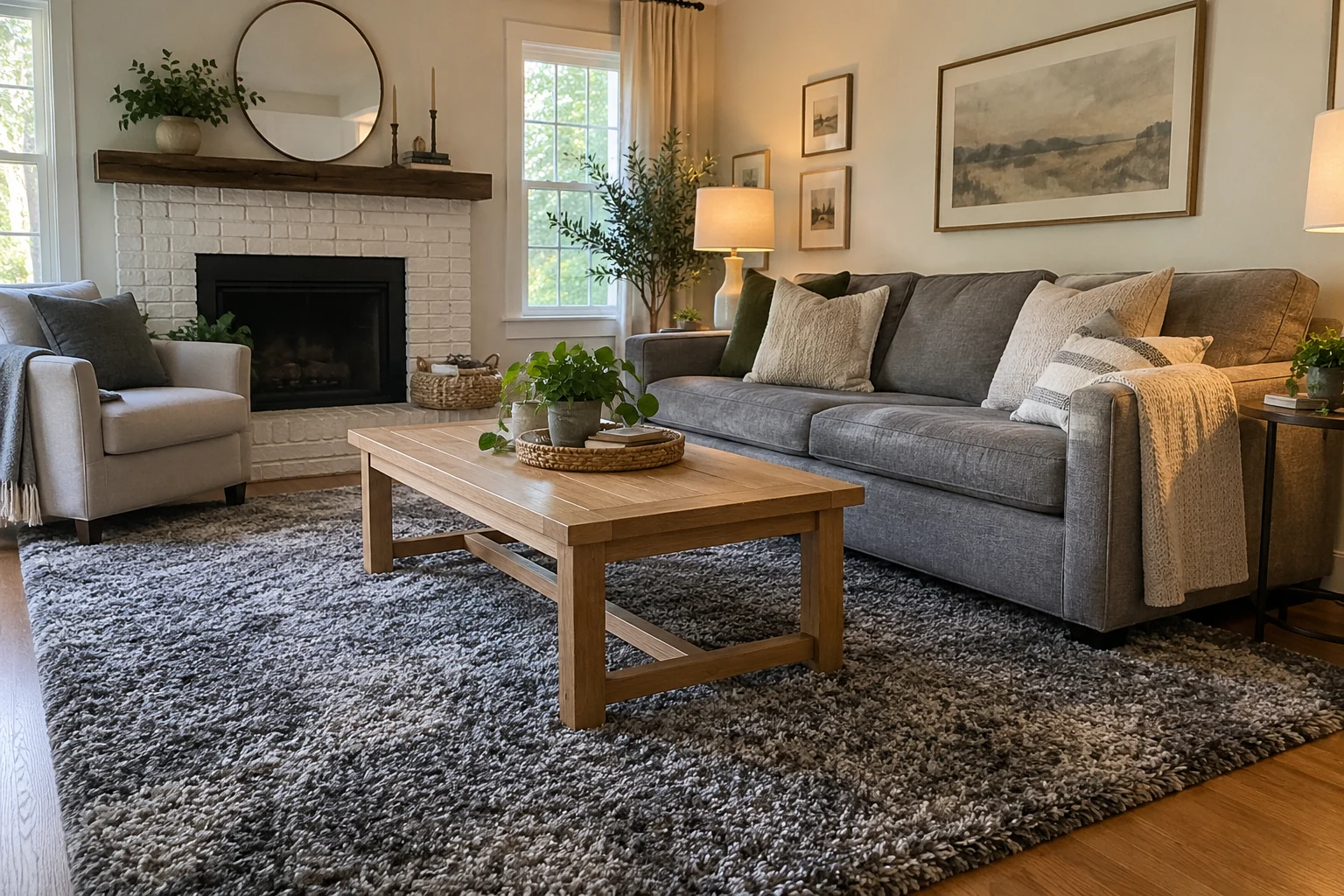
If the rug sits entirely beneath the coffee table, it may be too small to connect the seating. A larger footprint that reaches beneath the front legs of the sofa and chairs usually gives the arrangement a more settled appearance.
Arrange the seating first, then choose the rug footprint that brings it together. That makes it easier to see which size will connect the pieces you use.
For a soft, textured look, the PLHXFR Black Grey Shag Area Rug comes in an 8-by-10-foot size. Its fluffy surface suits a cozy seating area where softness is a priority.
That generous size still needs to match your furniture arrangement. Our rug size guide explains how to find the right fit.
7. A Comfortable Seat With Nowhere for Your Coffee
 BeforeAfter
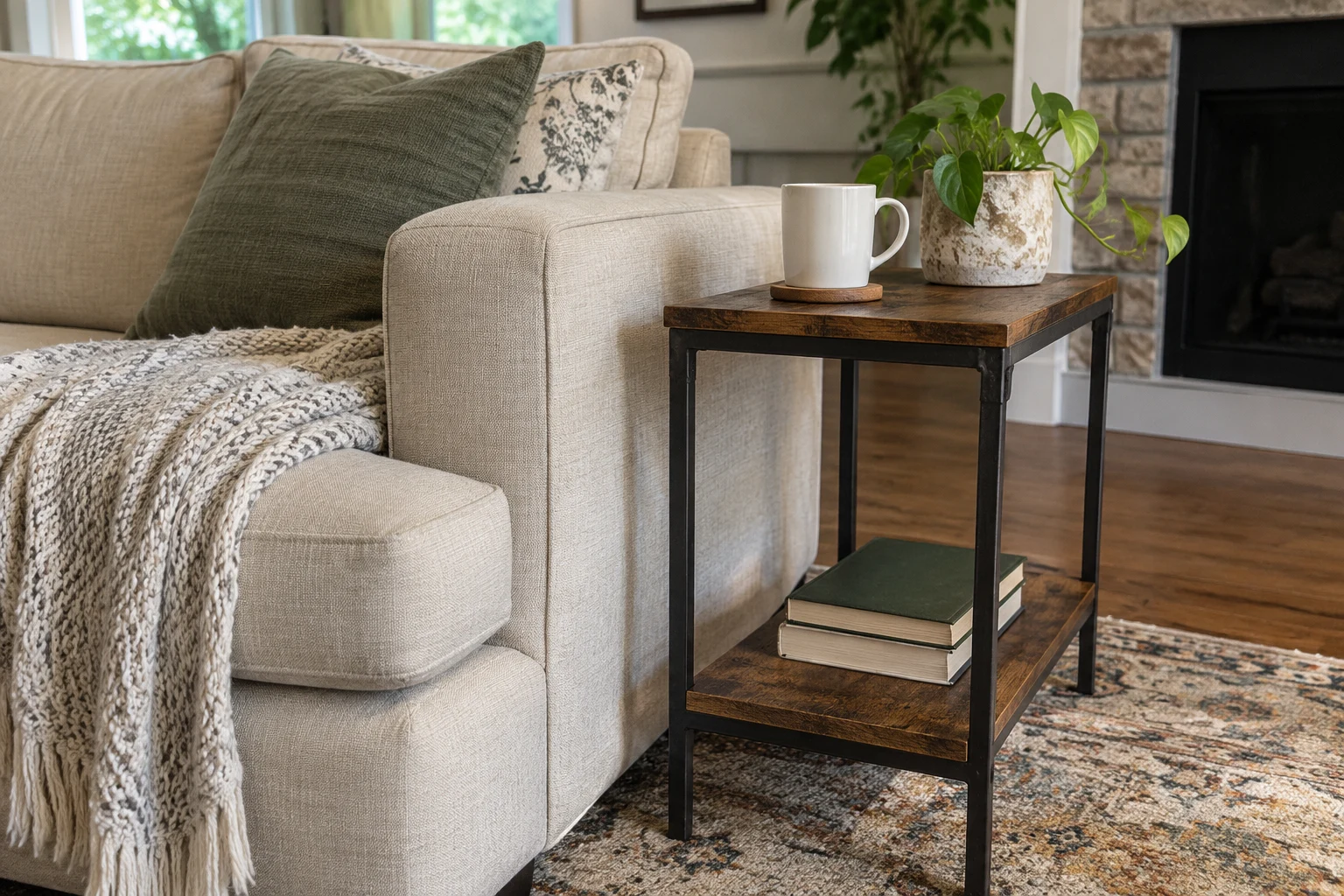
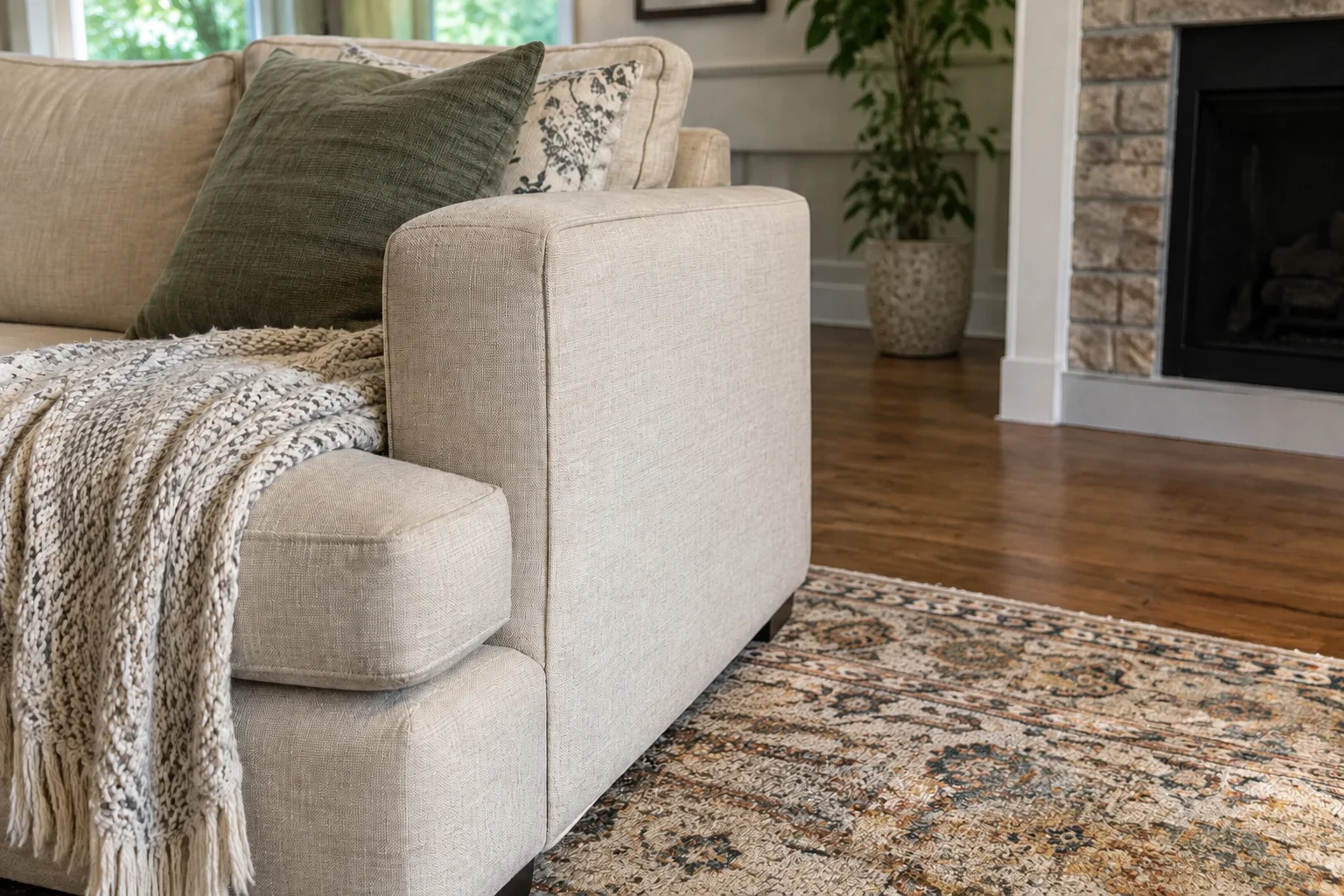
That little stretch every time you put down your mug is a sign the table isn’t serving your seat. A closer coffee table or a side table beside the armrest can make lounging noticeably more comfortable.
Sometimes a side table is more useful than moving the coffee table, particularly when the sofa is long or the chair sits off to one side.
The SLEEPING LAMB Three-Tier Side Table offers a tabletop beside the seat, with lower shelves for books and smaller belongings. Its rustic brown finish also brings some warmth to a neutral room.
Keep the upper surface useful rather than filling it with decorations.
The best table placement lets you put down a drink without rearranging yourself.
8. One Ceiling Light Doing All the Work
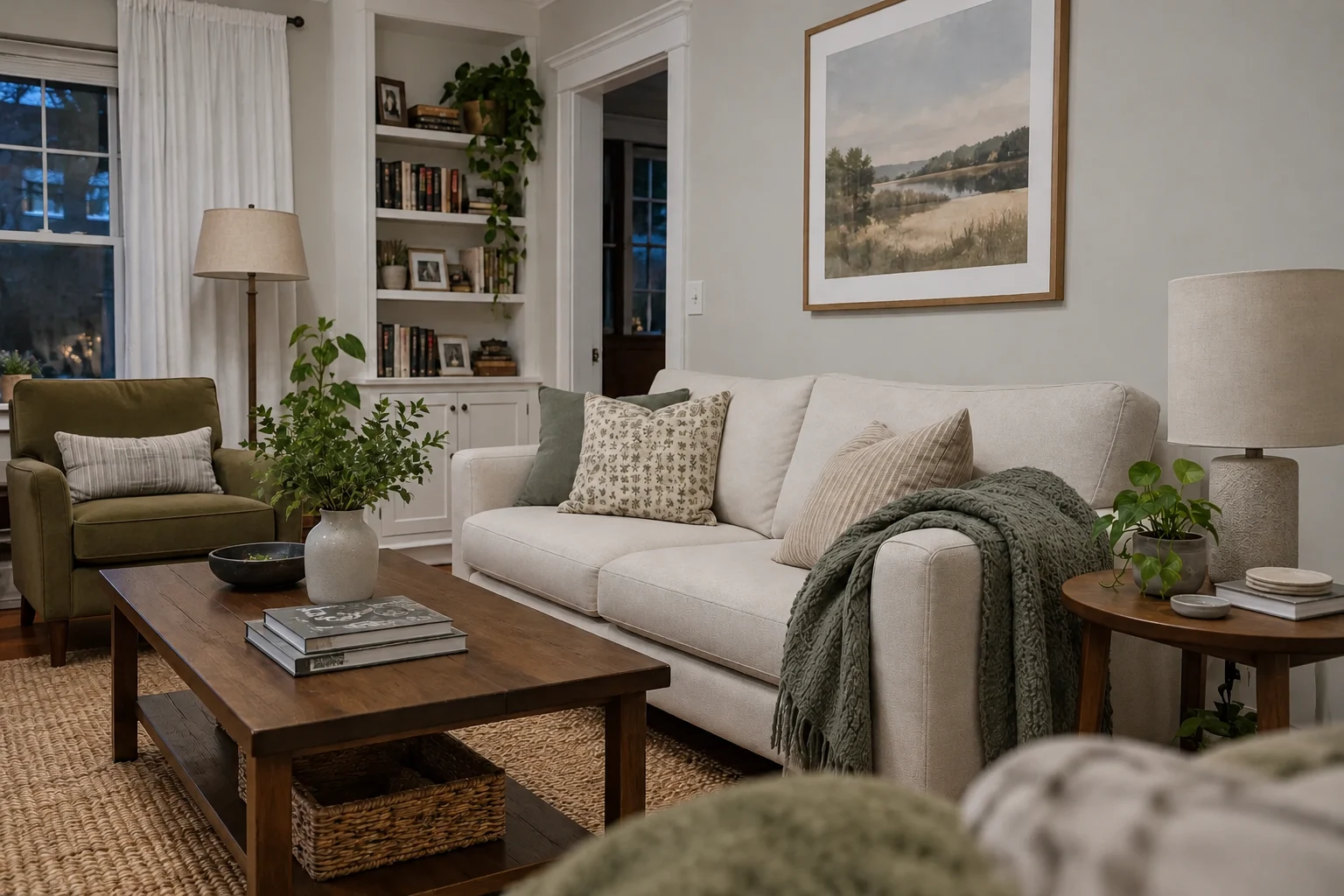 BeforeAfter
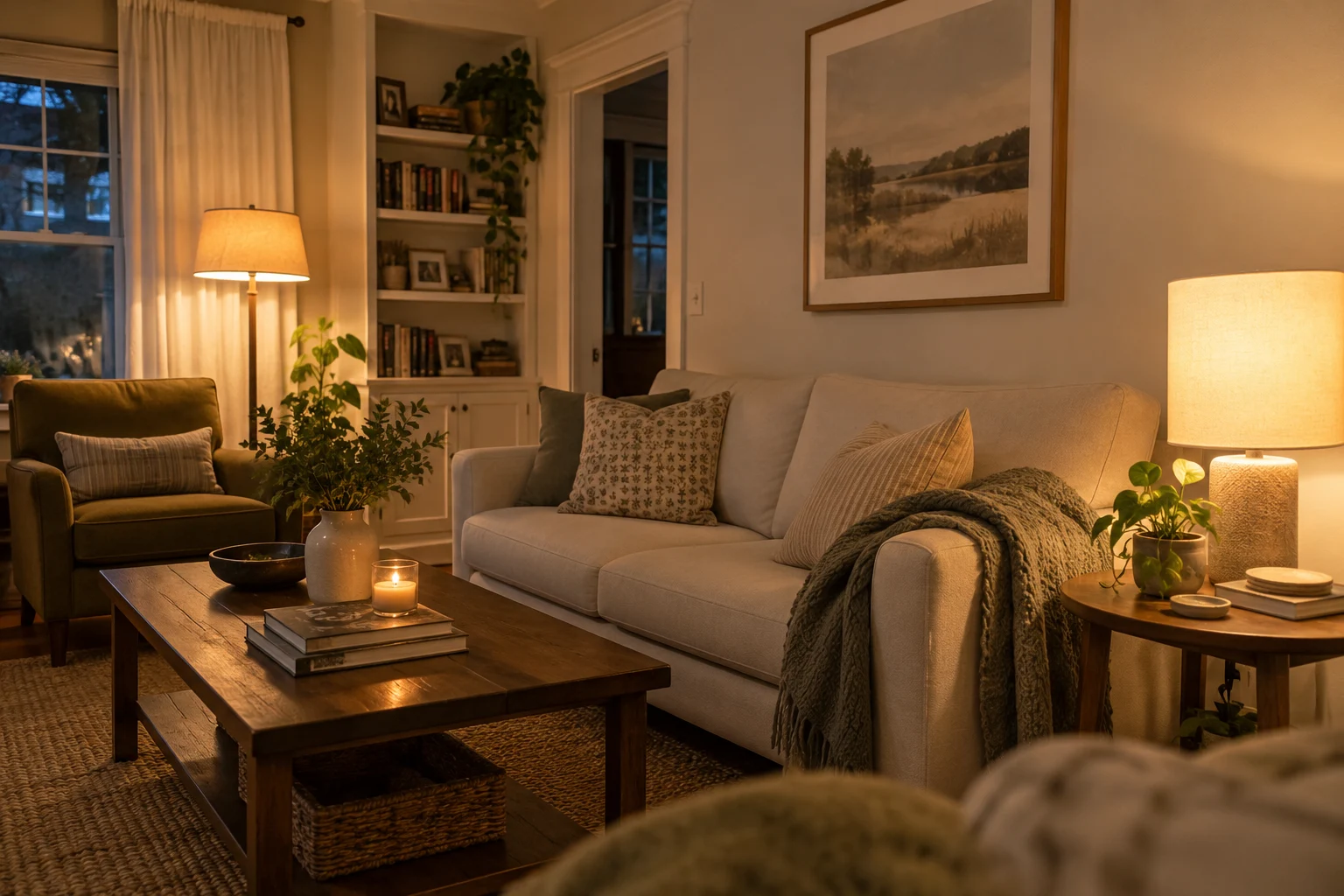
One overhead light often leaves the room bright in the middle and less inviting around the seats. Lamps beside the sofa and chairs bring light closer to everyday activities and create a softer evening atmosphere.
Keep the ceiling fixture for general illumination, then use a table lamp for softer background light and a suitable reading light where you settle down with a book.
The ROOTRO Touch Table Lamp is a compact option for adding ambient light. It offers dimmable warm-white light and color modes, so it can sit on a side table without requiring another floor-standing piece.
Use its warm-white setting for a relaxed everyday look.
Our table lamp guide has more ideas for making a room feel good after dark.
9. Lighting That Feels Too Bright for the Evening
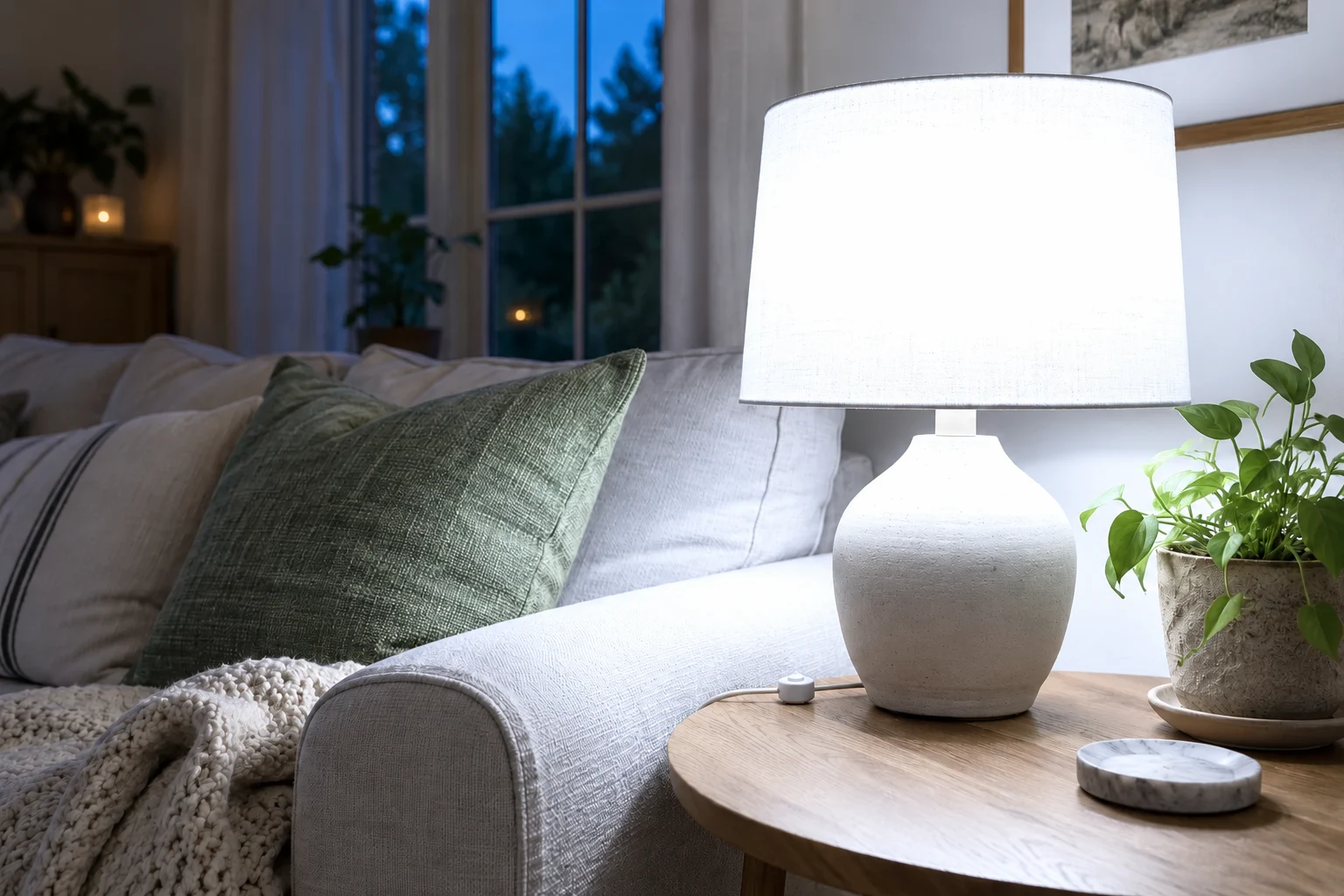 BeforeAfter
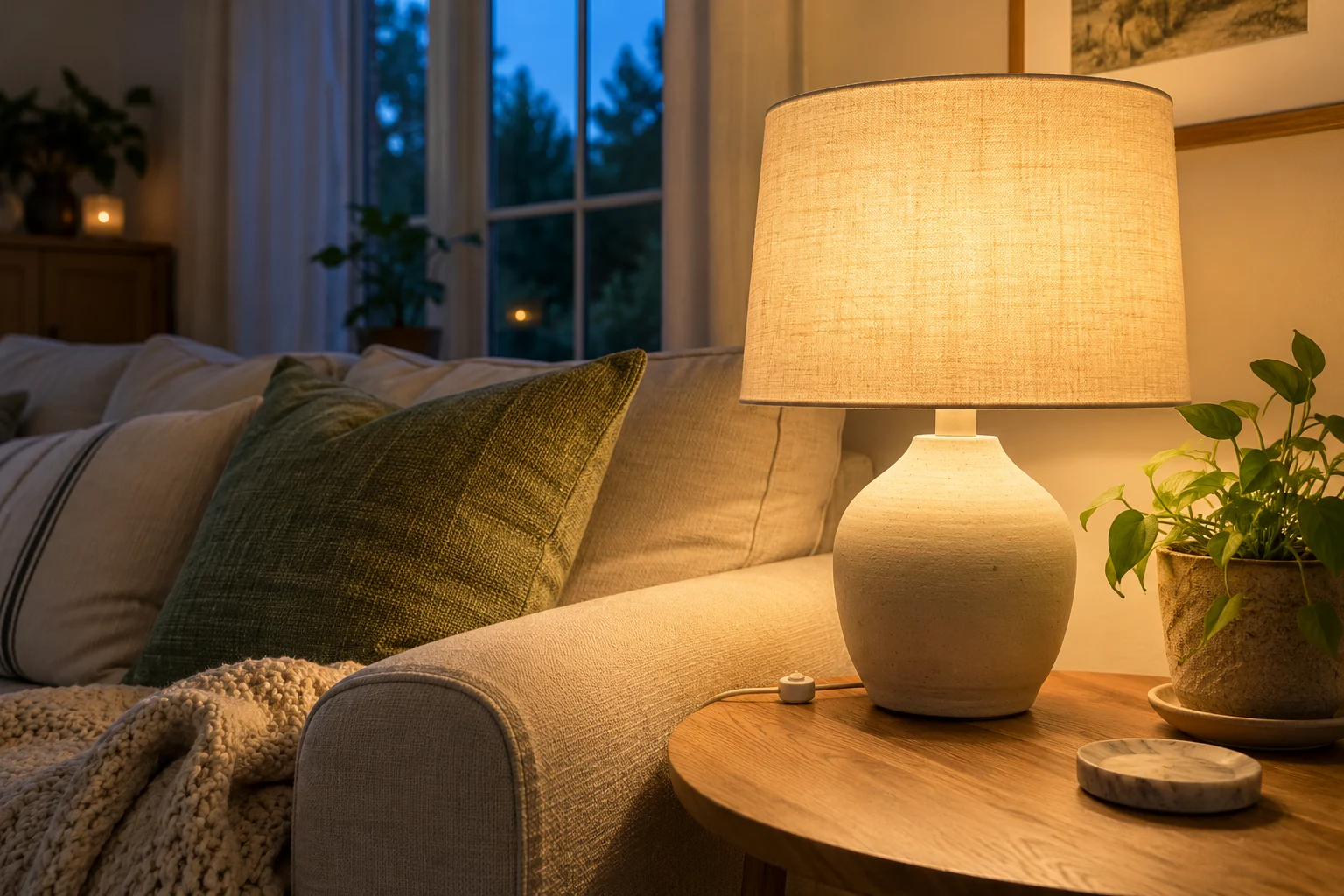
Full brightness has its moment, especially when you’re cleaning or searching for something. The problem is having no gentler setting once you’re ready to relax. Dimmable lighting lets the same room suit a busy afternoon and a quiet evening.
The Linkind 2700K Dimmable LED Bulbs provide warm-white light in an A19 shape with an E26 base. They’re a practical option for suitable lamps and fixtures, with an LED-compatible dimmer providing brightness control.
Keep nearby lights reasonably consistent. A cool-white ceiling light beside a warm table lamp can make the room feel visually unsettled.
Aim for enough light for the activity, with the option to soften it afterward.
10. The Television Sits a Little Too High
 BeforeAfter
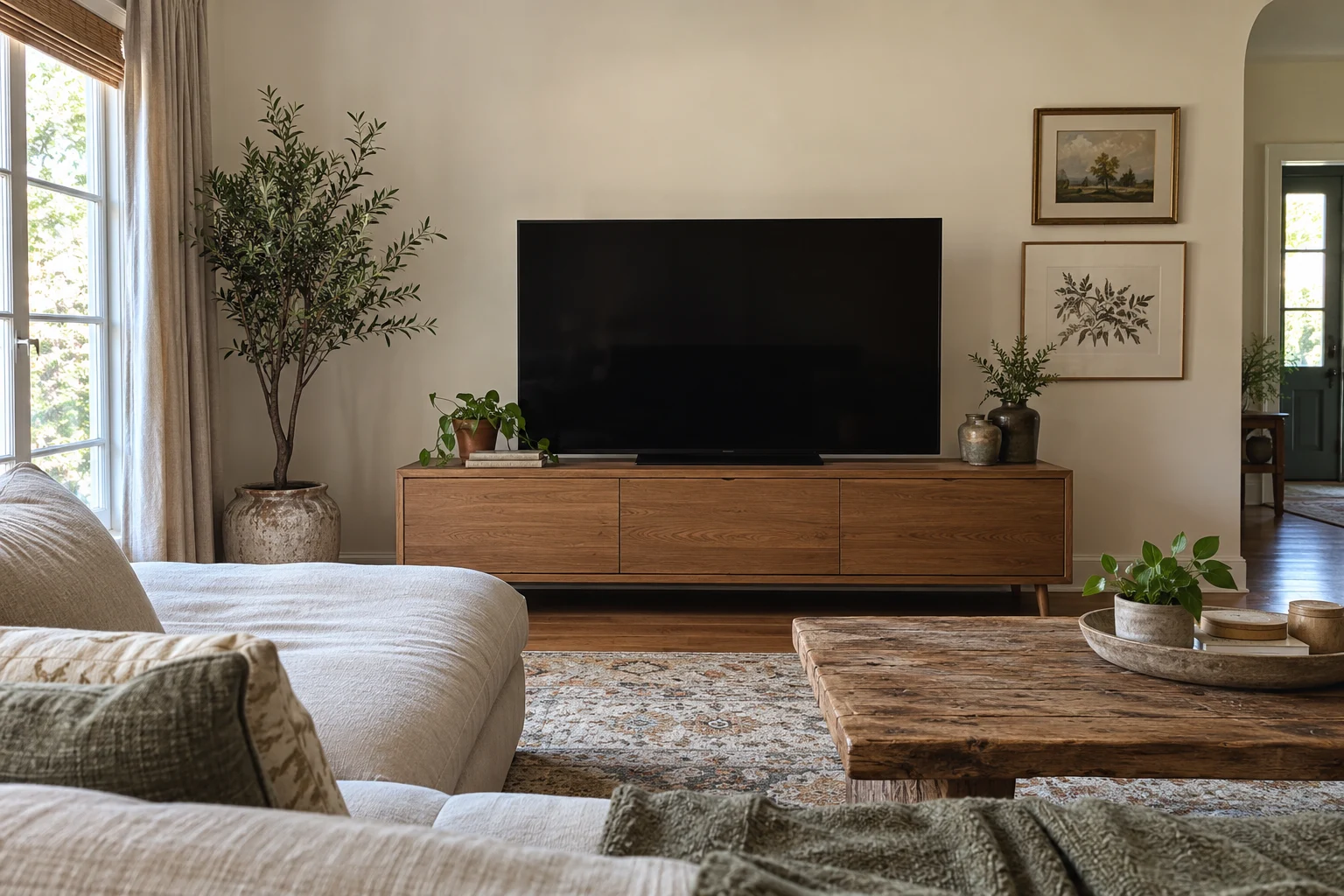
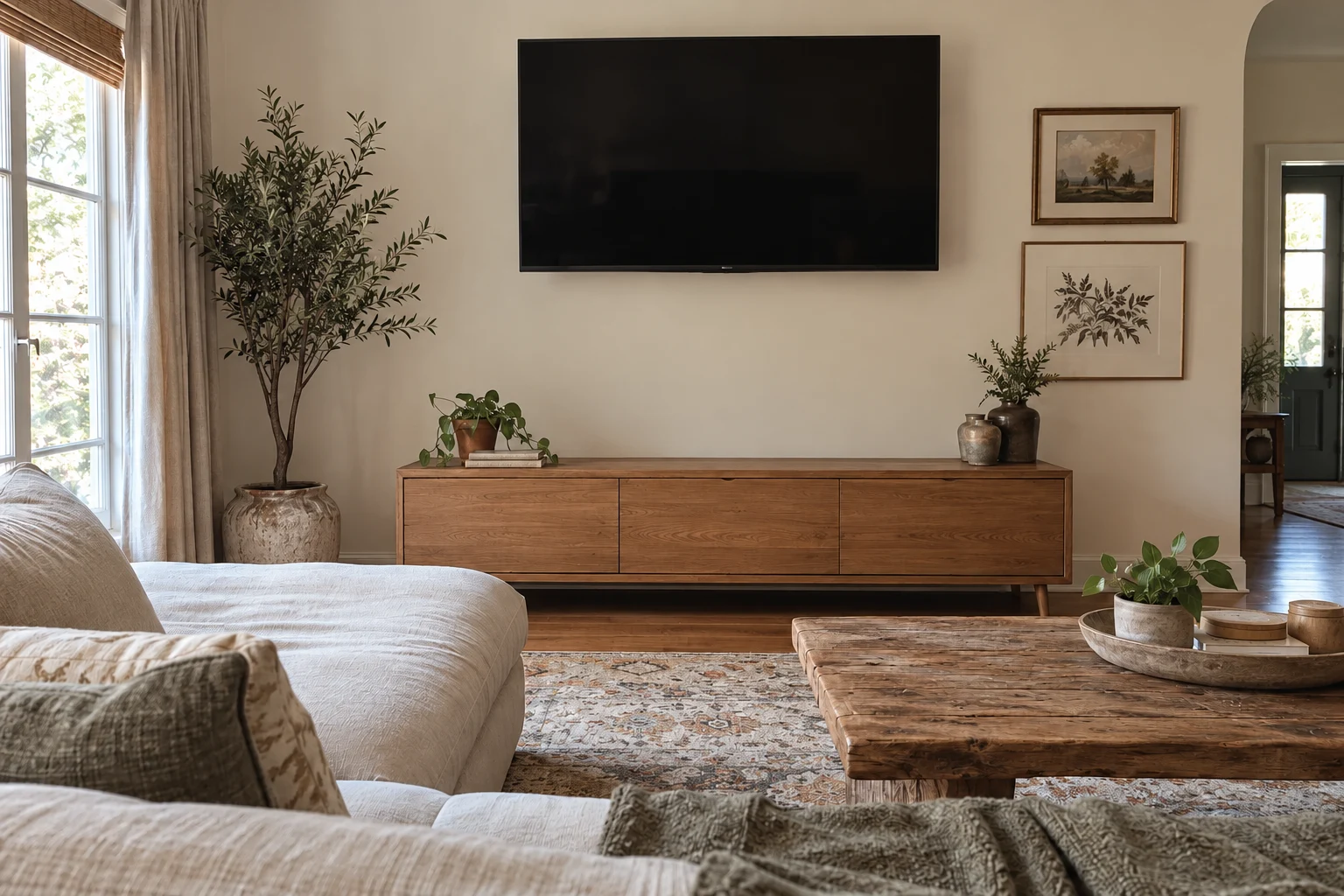
Your usual seat is the best reference point for television height. If watching means tipping your head upward, the screen is probably too high for that arrangement. A lower position can make movie night feel much more relaxed.
We’re not giraffes here, and a relaxed evening shouldn’t involve looking upward the whole time.
A screen can look beautifully centered on an empty wall while feeling too high from the sofa. Judge its position from the seats people actually use.
A lower media console may offer a more comfortable arrangement than mounting the television above a fireplace.
Let your seated eye line guide the placement, allowing for viewing distance and whether you usually sit upright or recline.
11. Artwork That Feels Disconnected From the Furniture
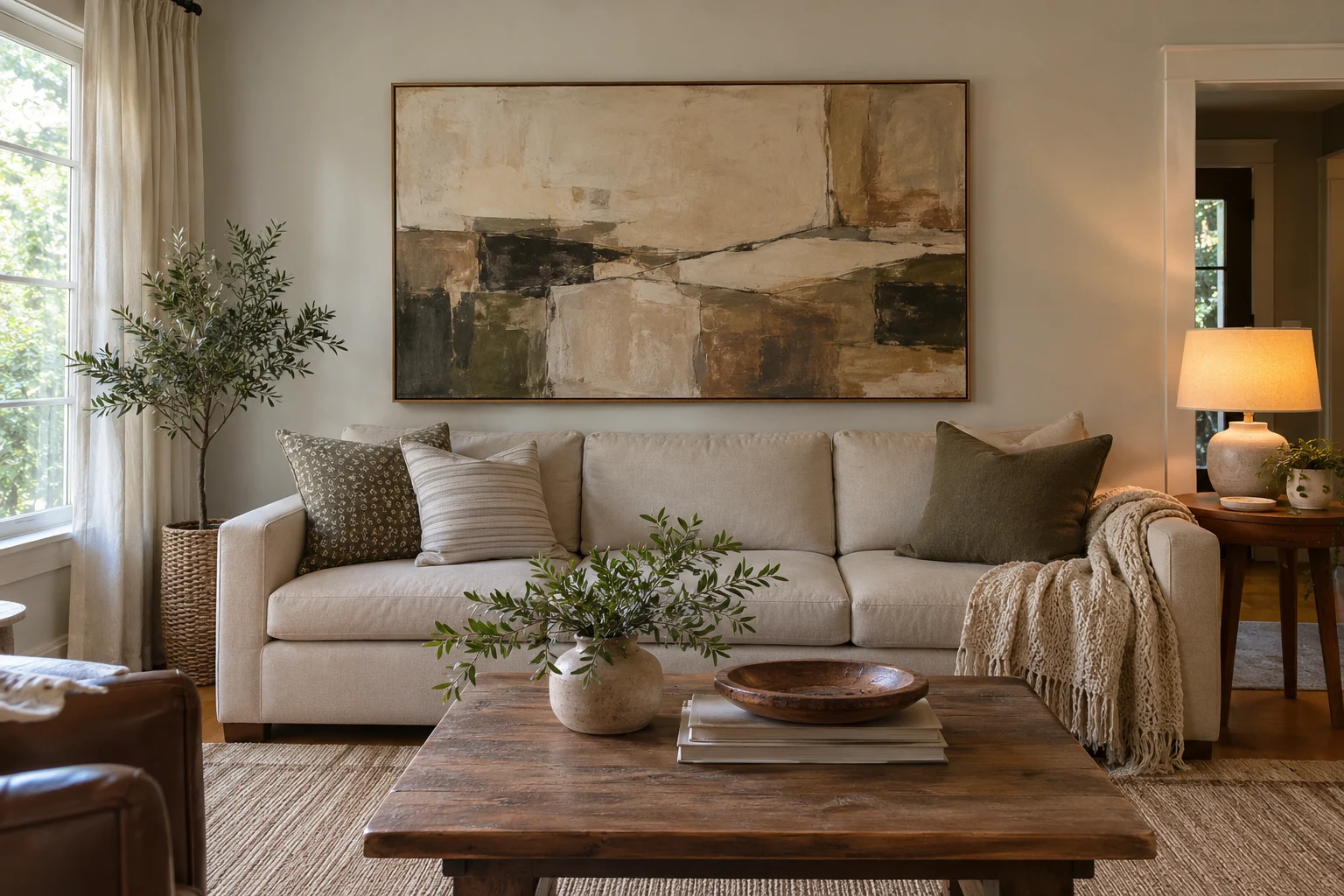
Artwork can look stranded when it hangs too high or feels too small above a substantial piece of furniture. A closer, more proportionate grouping helps the wall and the furniture feel connected.
Several little frames scattered across a large wall may create the same effect. Existing photographs or prints can form a larger grouping when the spacing feels deliberate.
You don’t need to fill every wall. One well-placed arrangement can do more for the room than several unrelated pieces spread around it.
12. Curtains That's Too Short
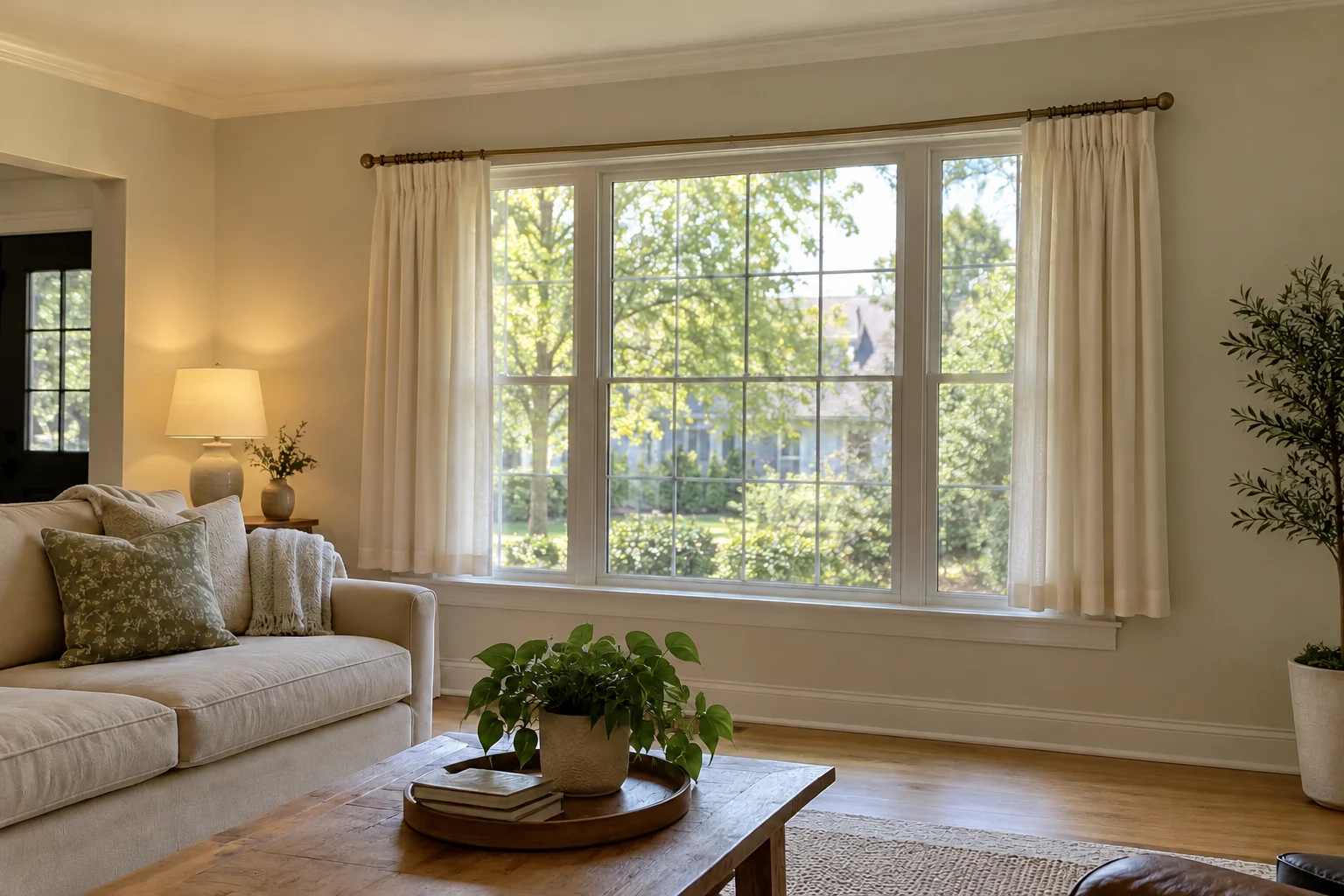 BeforeAfter
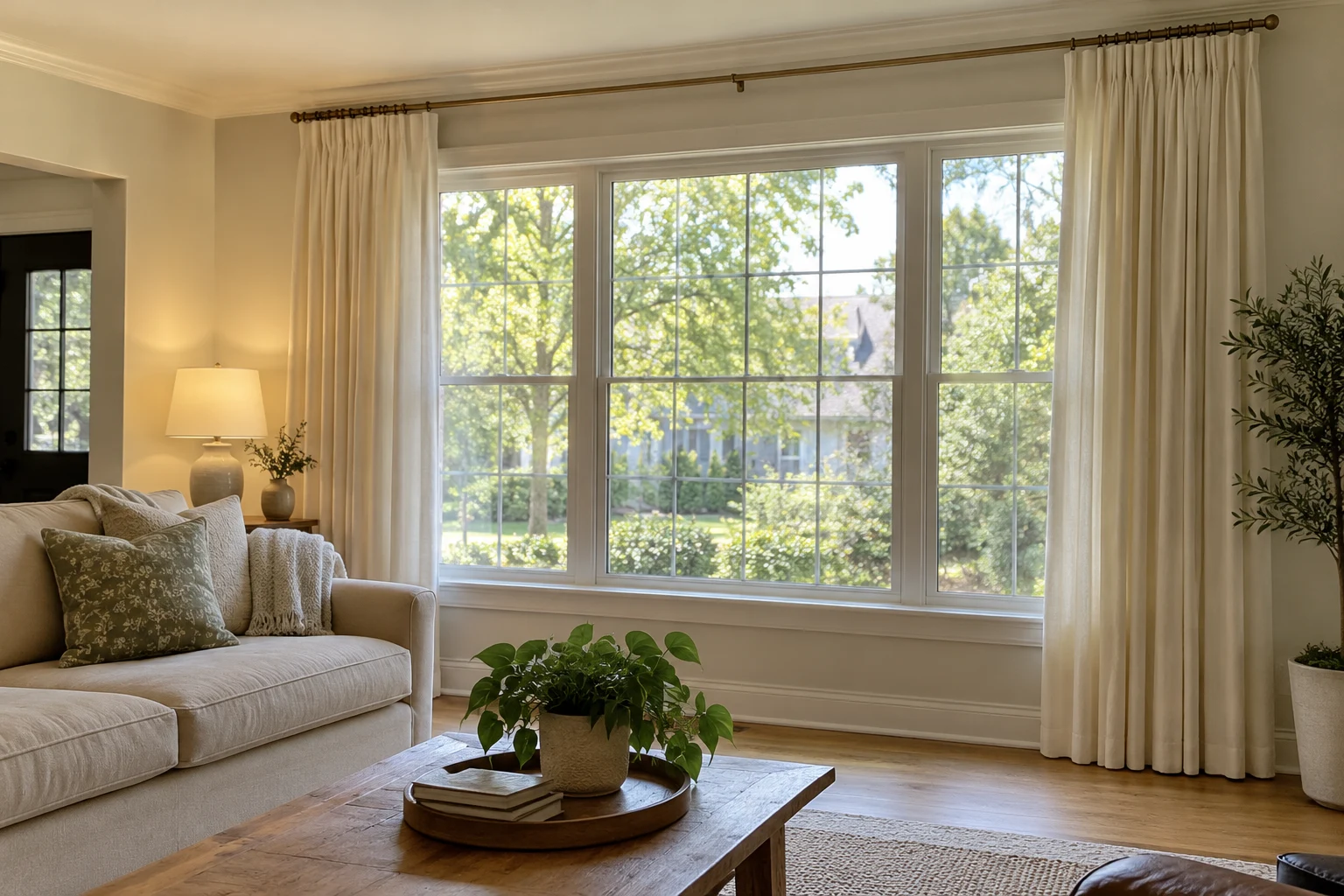
Curtains can make a window feel smaller when the panels cover too much glass, even while open. A wider rod and well-proportioned panels give the daylight more space and frame the window more comfortably.
Short curtains can also make the wall feel abruptly divided. Where the room allows, a higher rod and full-length panels can improve the proportions. A floor-skimming finish is practical for a room you vacuum regularly.
Keep the fabric clear of heaters and vents.
The curtains should support the window’s light and proportions while remaining easy to use.
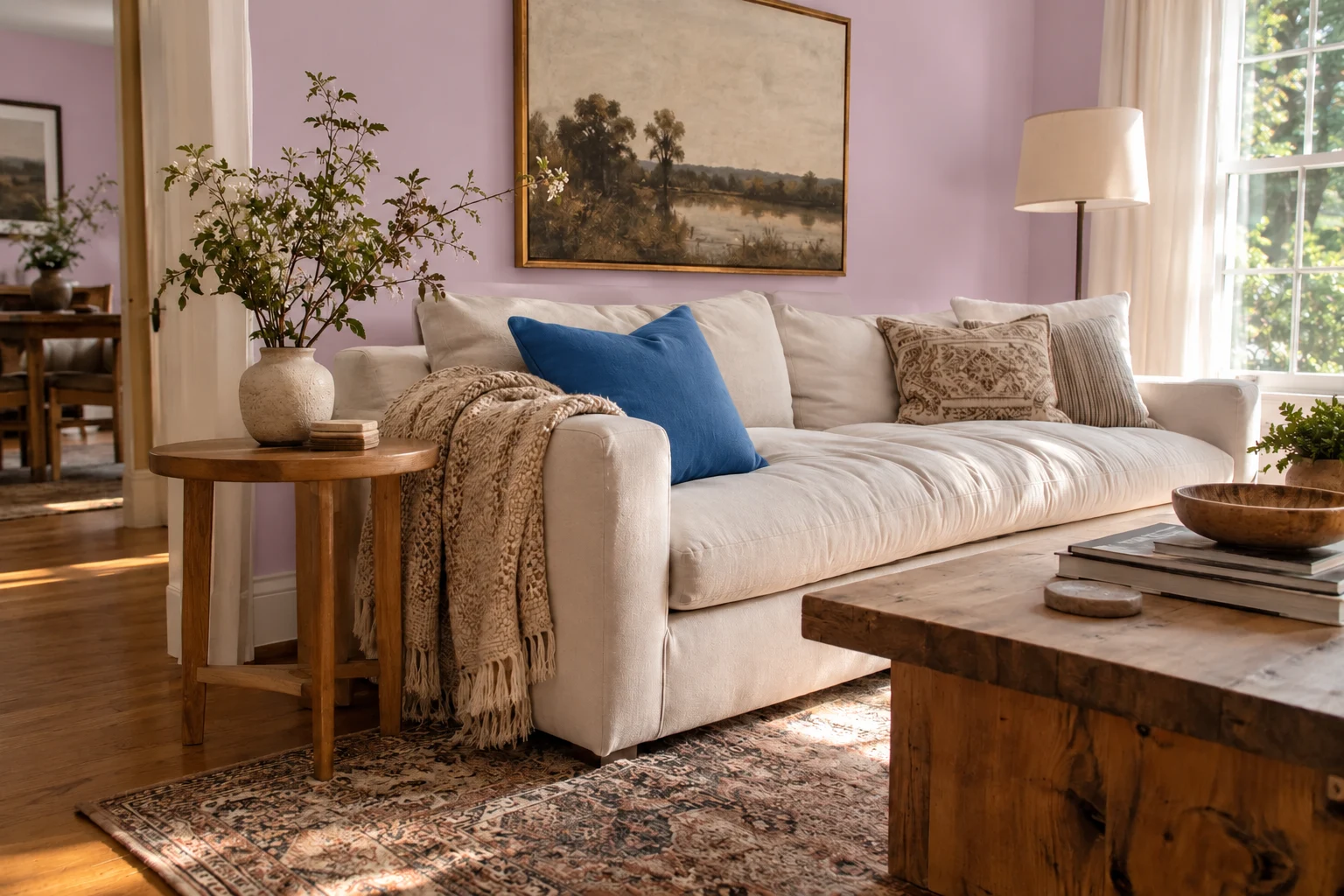
13. Colors That Don’t Quite Work Together
 BeforeAfter
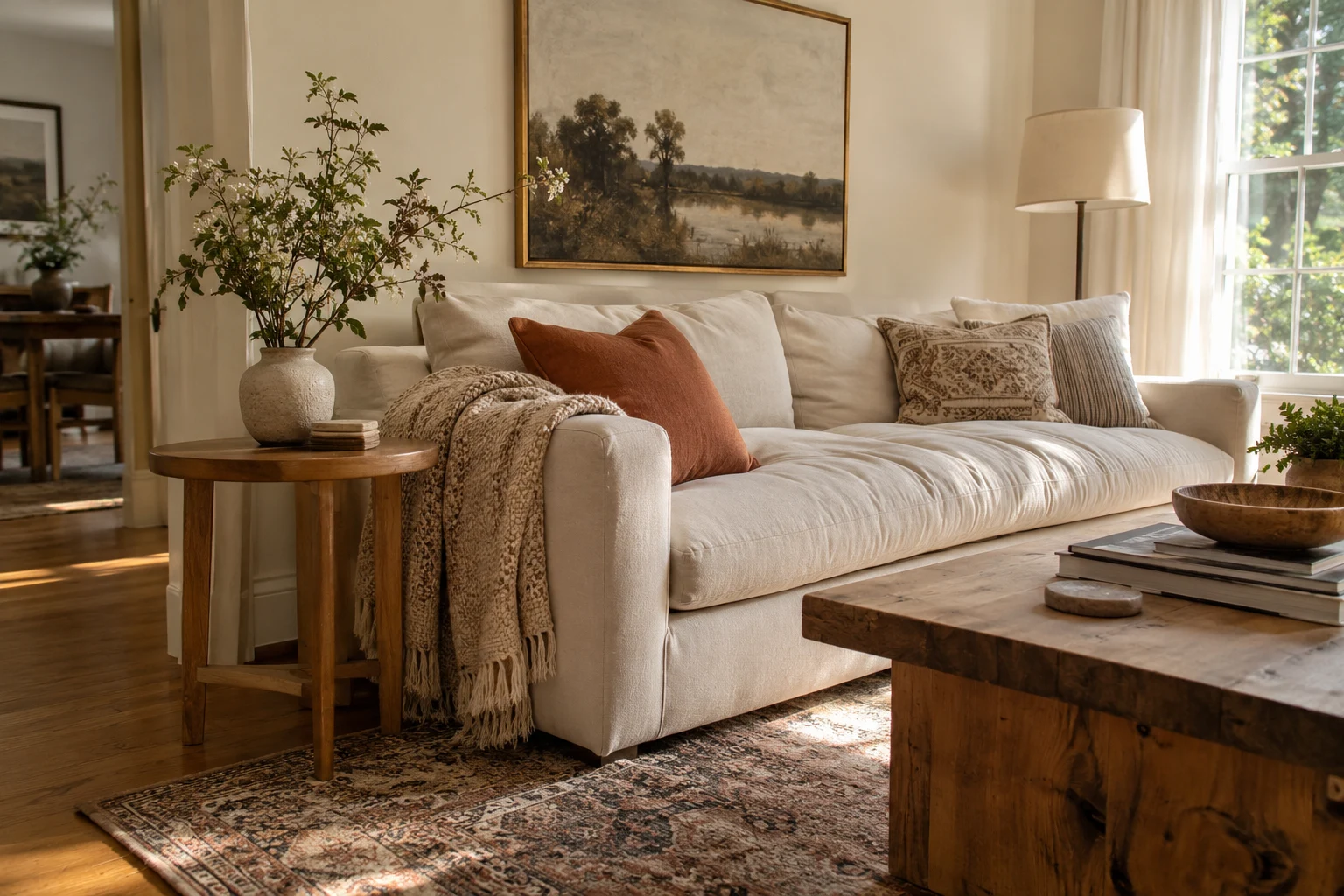
Sometimes the colors seem right individually, yet feel awkward together. Different undertones may be causing the mismatch. The flooring, sofa, and wood finishes provide useful clues for choosing colors that belong in the same palette.
Two shades can both be called beige while one leans pink and the other leans yellow. Together, that difference can become much more noticeable.
With warm oak, cream upholstery, and terracotta details, a soft warm white offers a straightforward connection. Cooler furnishings may call for a different balance.
Our earth-tone color palettes show combinations you can repeat across walls, furniture, and accessories.
Note: Dark and bright colors can both work. Their surroundings and the atmosphere you want matter more than a blanket rule about which colors to avoid.
14. A Room Where Everything Is the Same Color
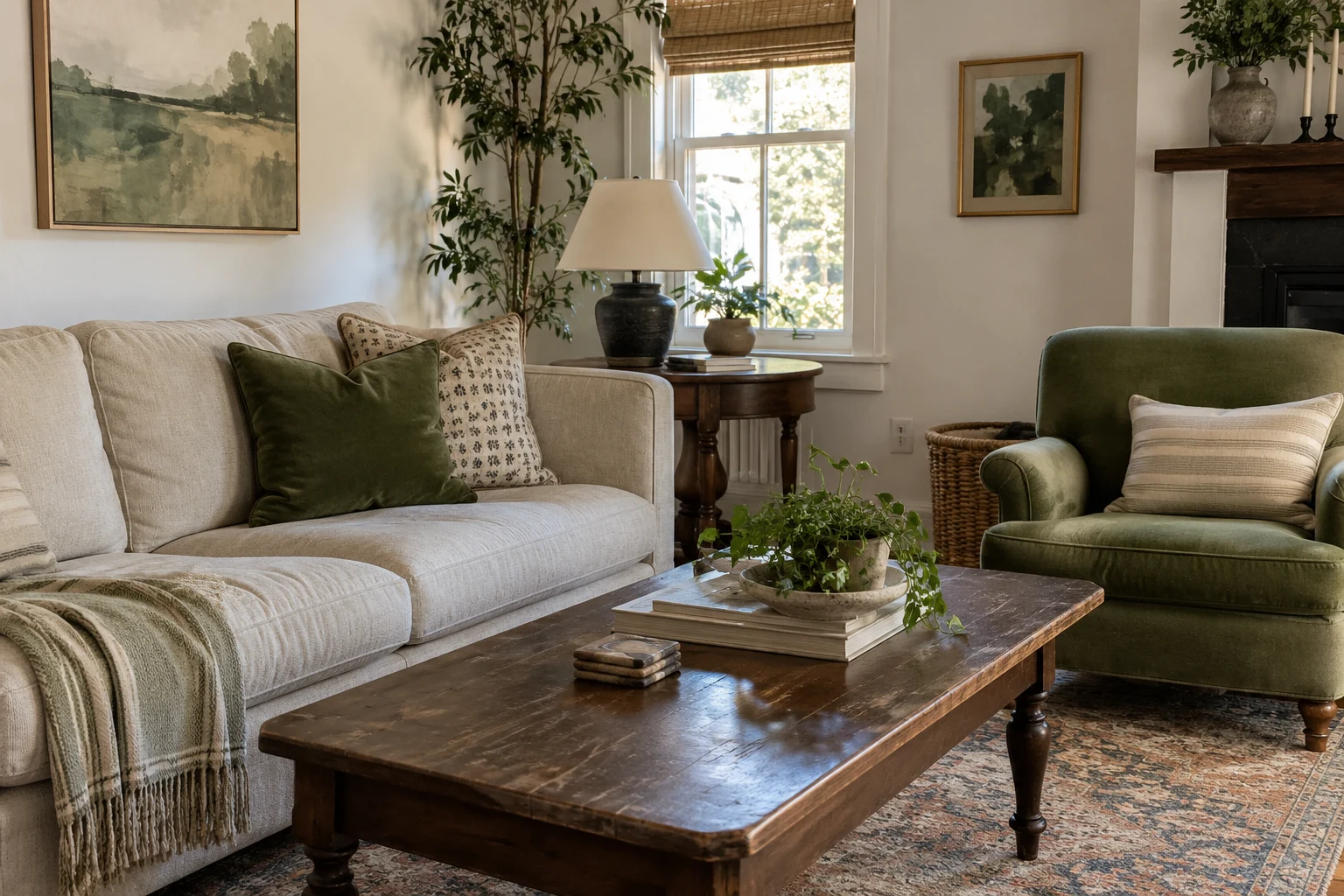
A matching palette can feel flat when every surface has a similar tone and texture. Some lighter and darker shades, warmer wood, or a more textured fabric can add depth while keeping the room coordinated.
Gray walls, a gray sofa, gray cushions, and a gray rug can feel rather formal when everything has a similar finish. The room may need some warmth and depth.
A wood table, textured cushion, patterned rug, or colorful artwork can make a useful difference. You can keep the main furniture and work around it.
A single-color palette can still be beautiful. Variation within that palette is what keeps it from feeling flat.
15. Too Many Styles Without Something to Connect Them
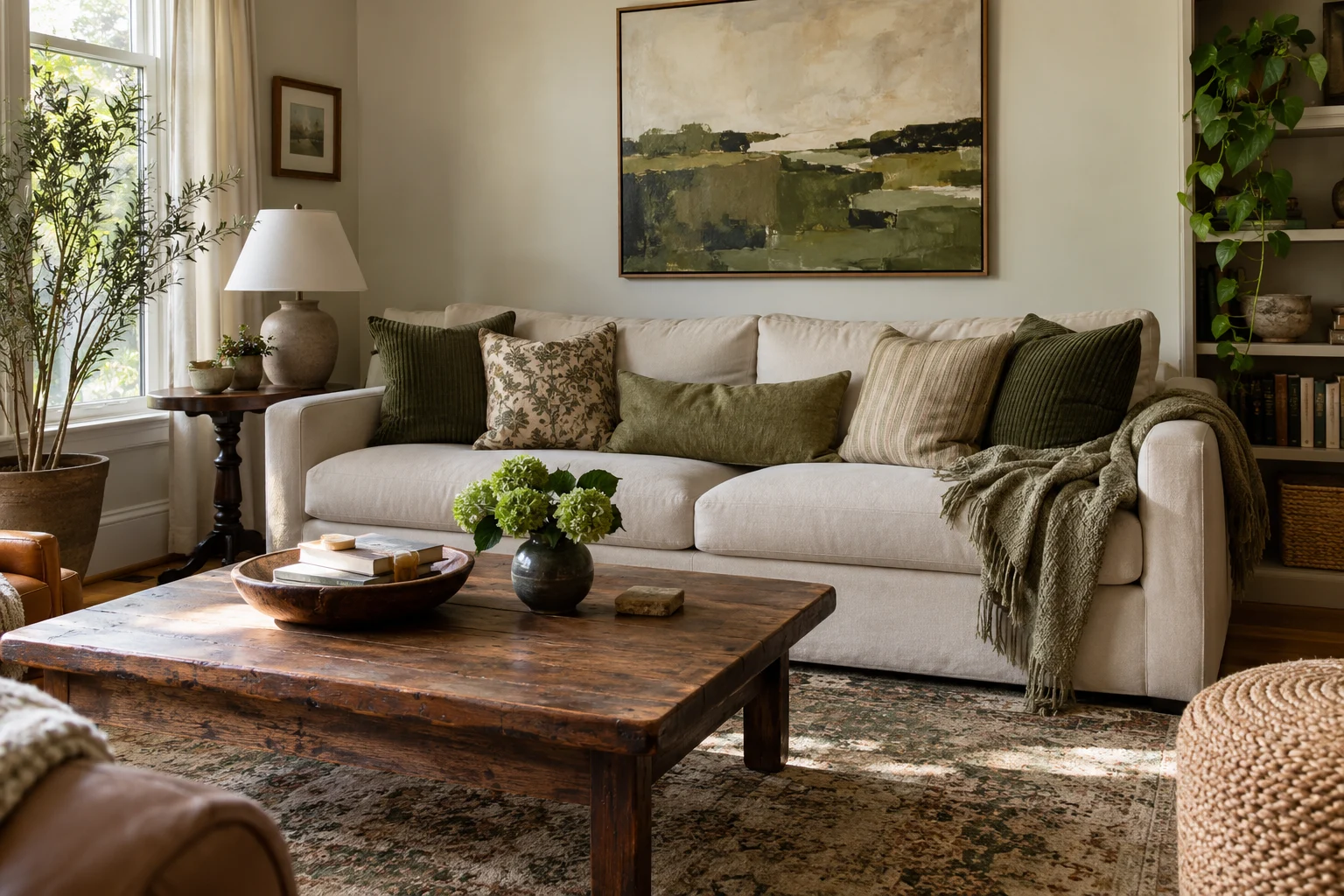
Different styles can share a room successfully when a few details connect them. The mix becomes harder to follow when every piece introduces another unrelated color, material, and shape. A repeated accent color or wood finish helps bring things together.
Think of the room like an outfit. Several interesting pieces can work together when a few details connect them. A rustic table and modern sofa might share warm wood tones with a vintage lamp nearby.
Cushions are an easy place to create a connection. The MIULEE Forest Green Corduroy Pillow Covers bring green tones and ribbed texture to a neutral sofa. Pair those greens with similar shades in artwork or the rug.
For more color ideas, see our Sanzo Wada-inspired home palettes.
16. A Room With Very Little Variation in Height
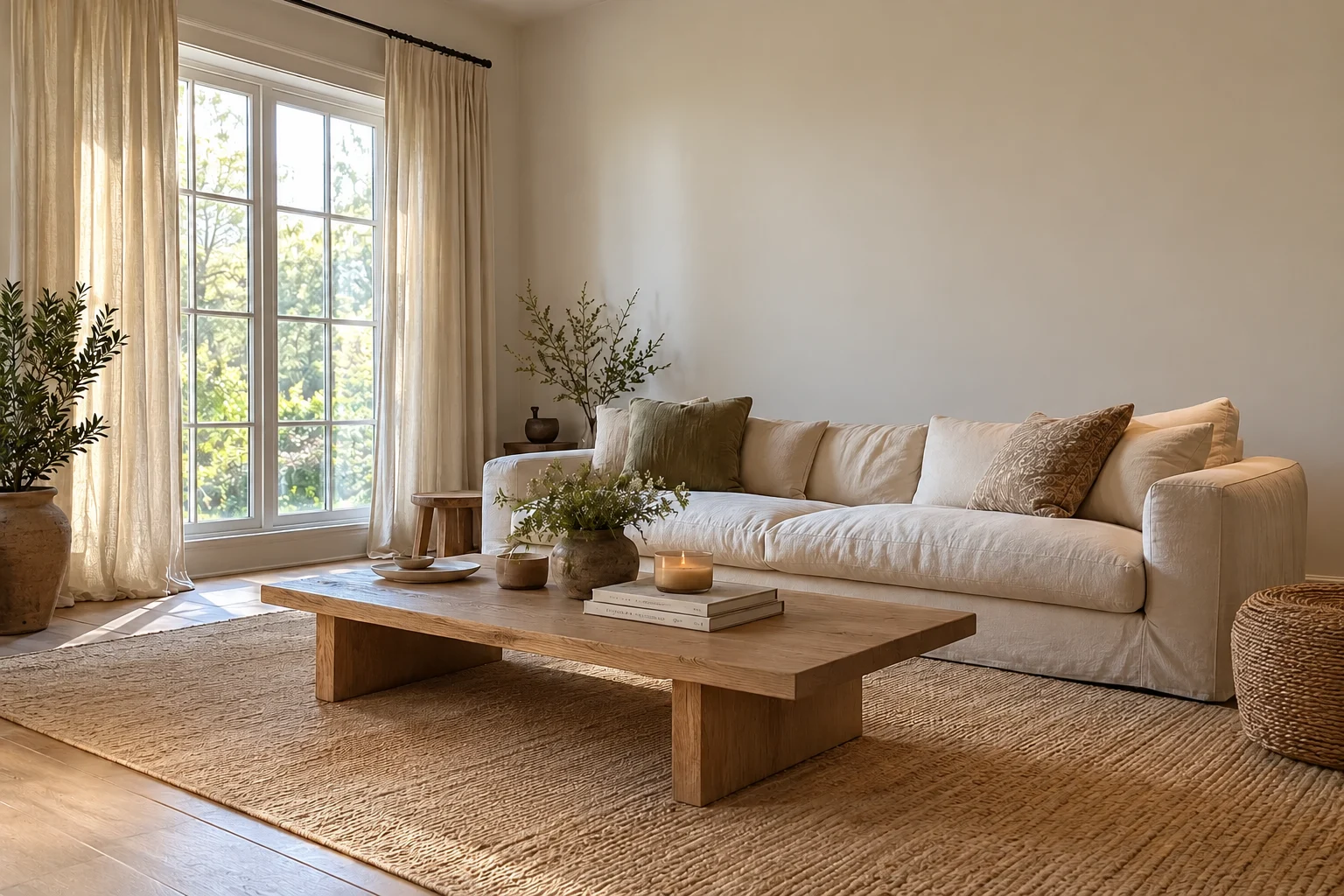 BeforeAfter
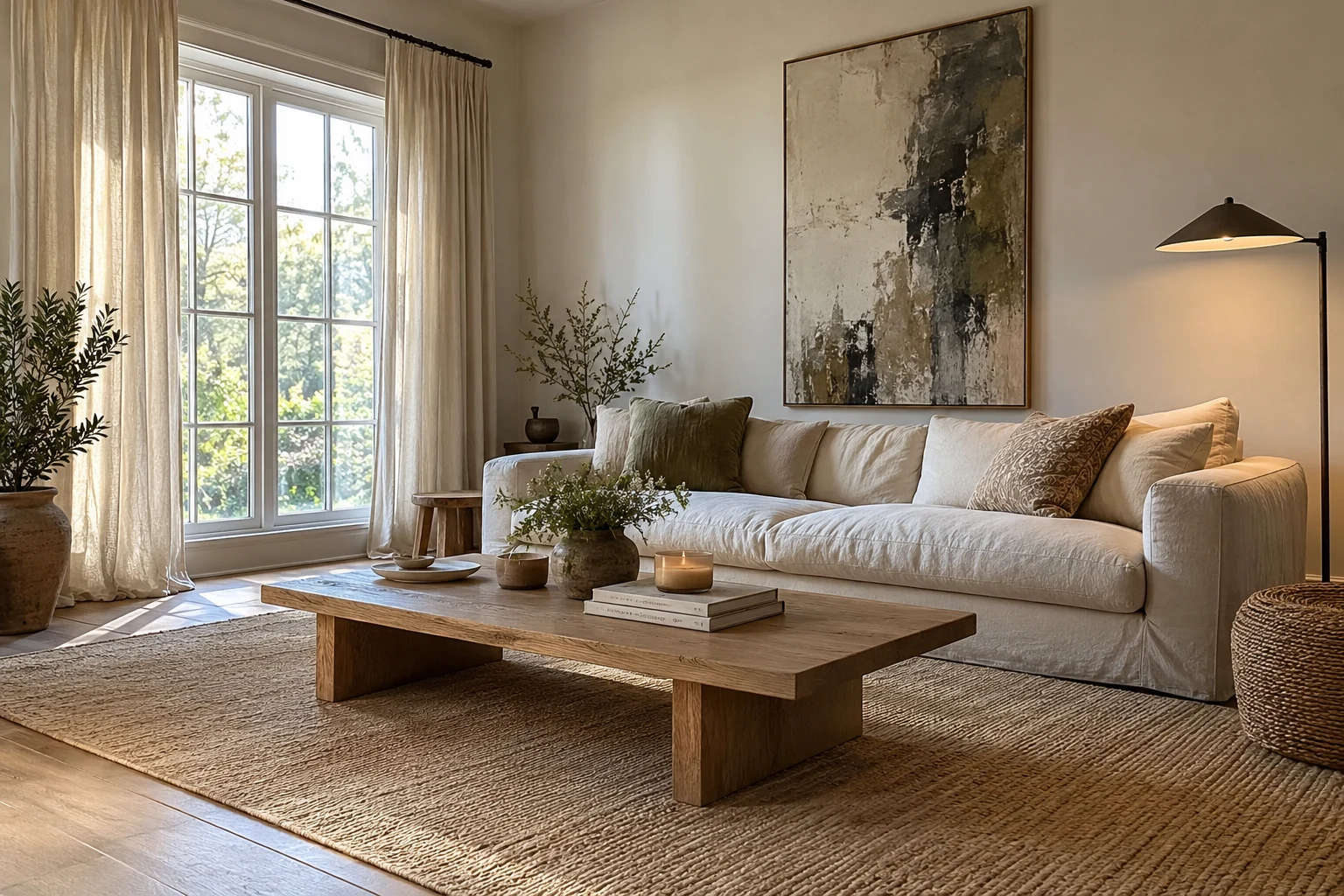
When the sofa, tables, and storage all sit low, the room can feel visually unfinished above them. A taller lamp, substantial artwork, or full-length curtains can balance those low lines without adding much furniture.
Choose something that serves the room. A reading lamp adds both light and a taller shape.
One useful addition is often enough. There’s no need to fill every bare stretch of wall.
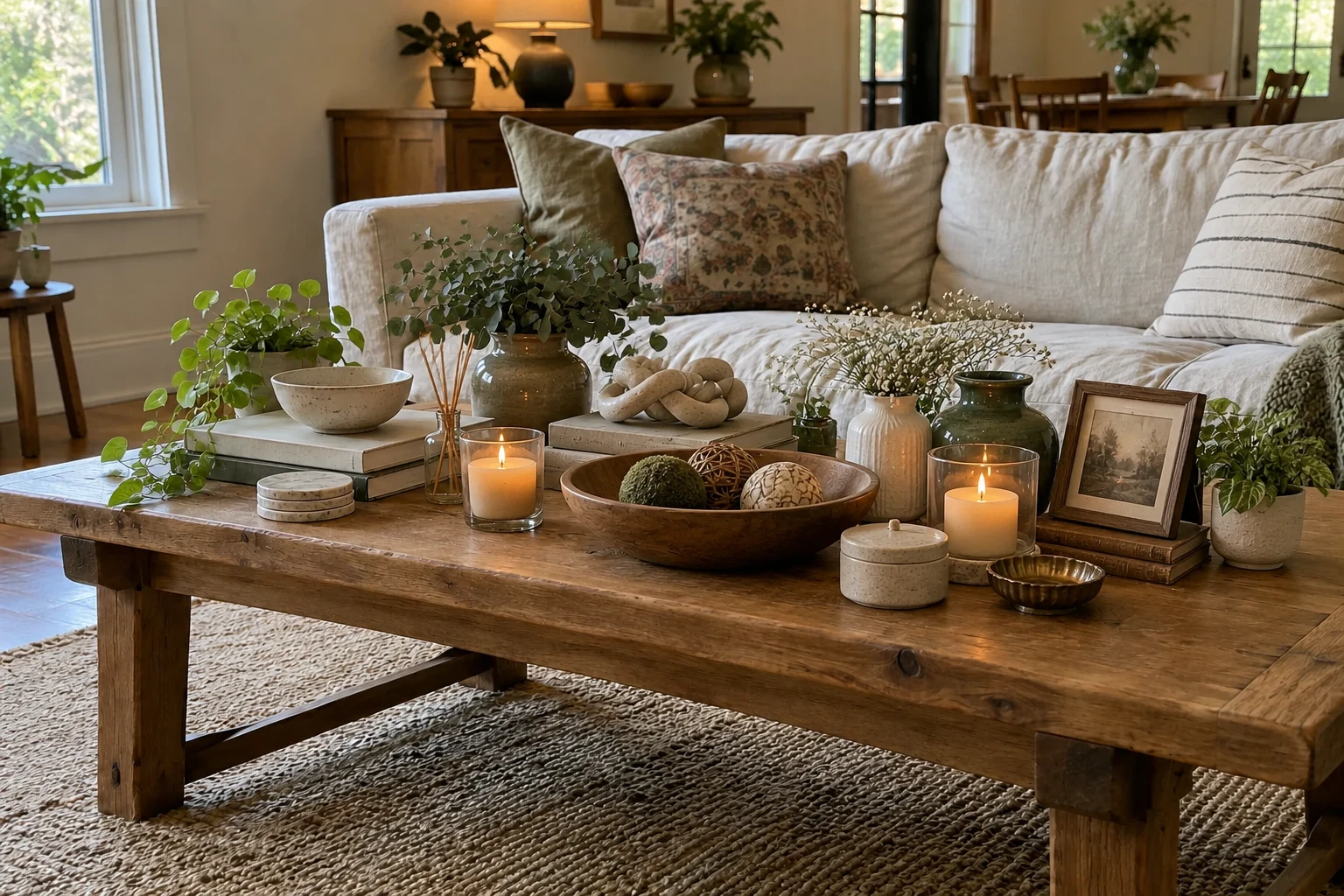
17. Surfaces With No Space Left for Everyday Life
 BeforeAfter
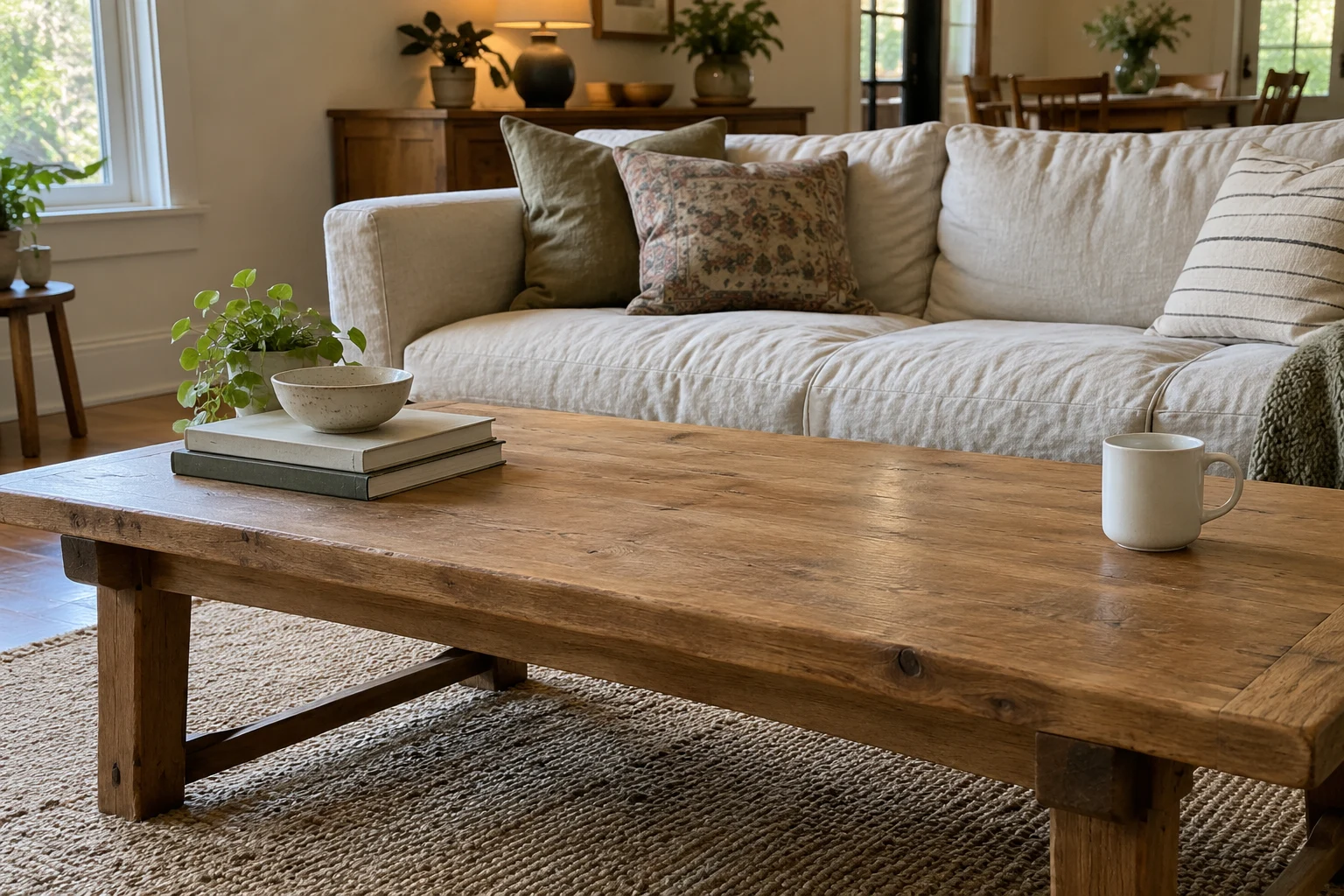
A table is overcrowded when putting down a plate means moving the decorations first. A little open space makes favorite objects easier to appreciate and leaves the surface ready for everyday use.
Group the pieces you enjoy and remove anything that feels like filler. A tray can gather a small collection, but it still needs to leave usable space around it.
Apply the same idea to plants and cushions. Keep what adds comfort or character without crowding the room.
Our decluttering guide can help you decide which objects no longer deserve the space.
18. Storage That Doesn’t Match the Actual Clutter
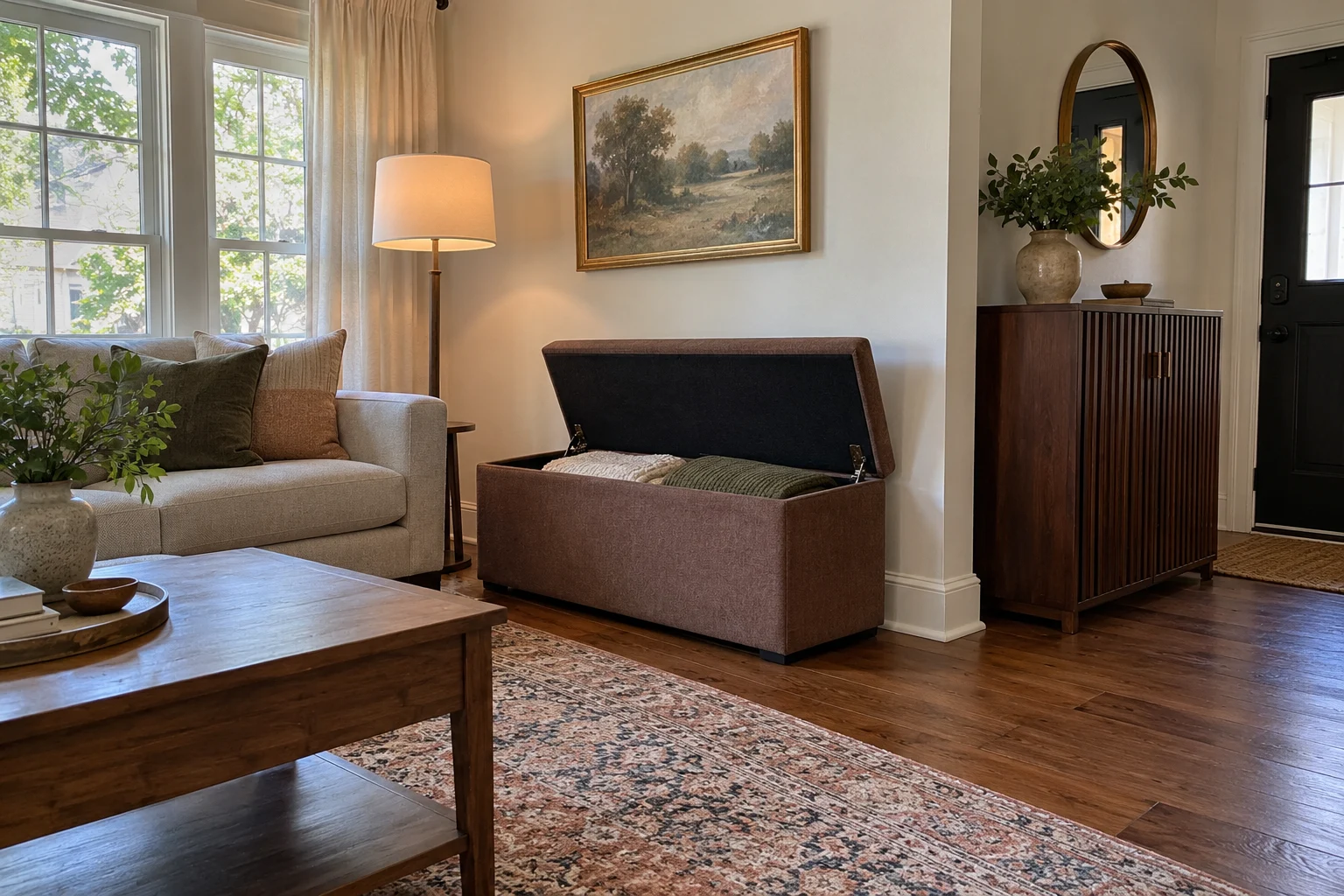
More storage only helps when it suits the things you need to put away. Blankets need a different home from shoes or charging accessories. The most useful piece solves the clutter that repeatedly appears in your room.
The VATROS Brown Storage Ottoman Bench combines an upholstered top with a hinged storage compartment. It’s a useful place for spare throws or cushions without adding another open display surface.
If your front door opens into the living room, the VINGLI Fluted Shoe Cabinet addresses the shoes gathering by the entrance. Its two flip drawers keep footwear contained, while the dark walnut finish gives the entry area a more furnished appearance.
For more multipurpose options, see our storage ottoman guide.
19. Materials That Ask for More Upkeep Than You Want
 BeforeAfter
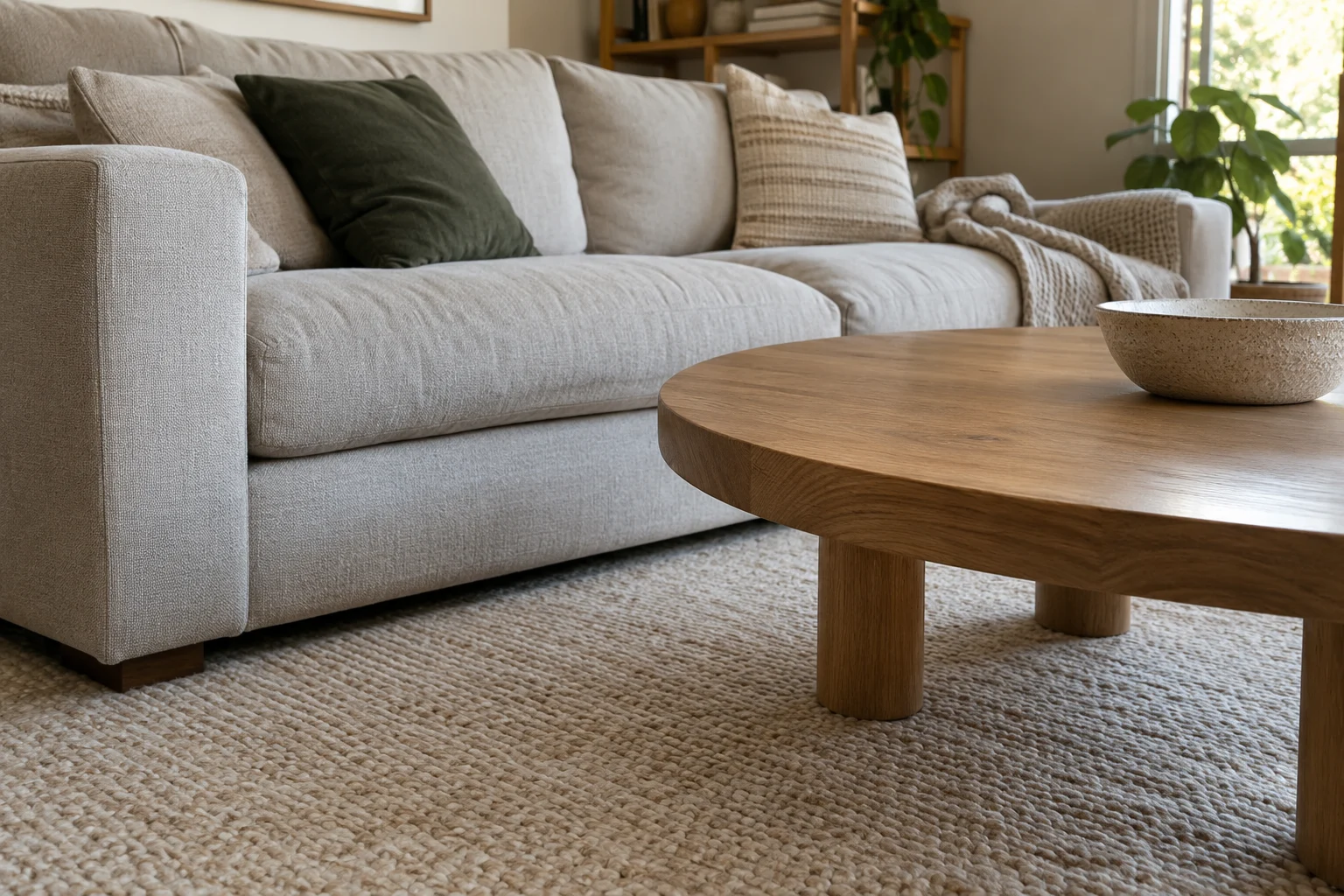
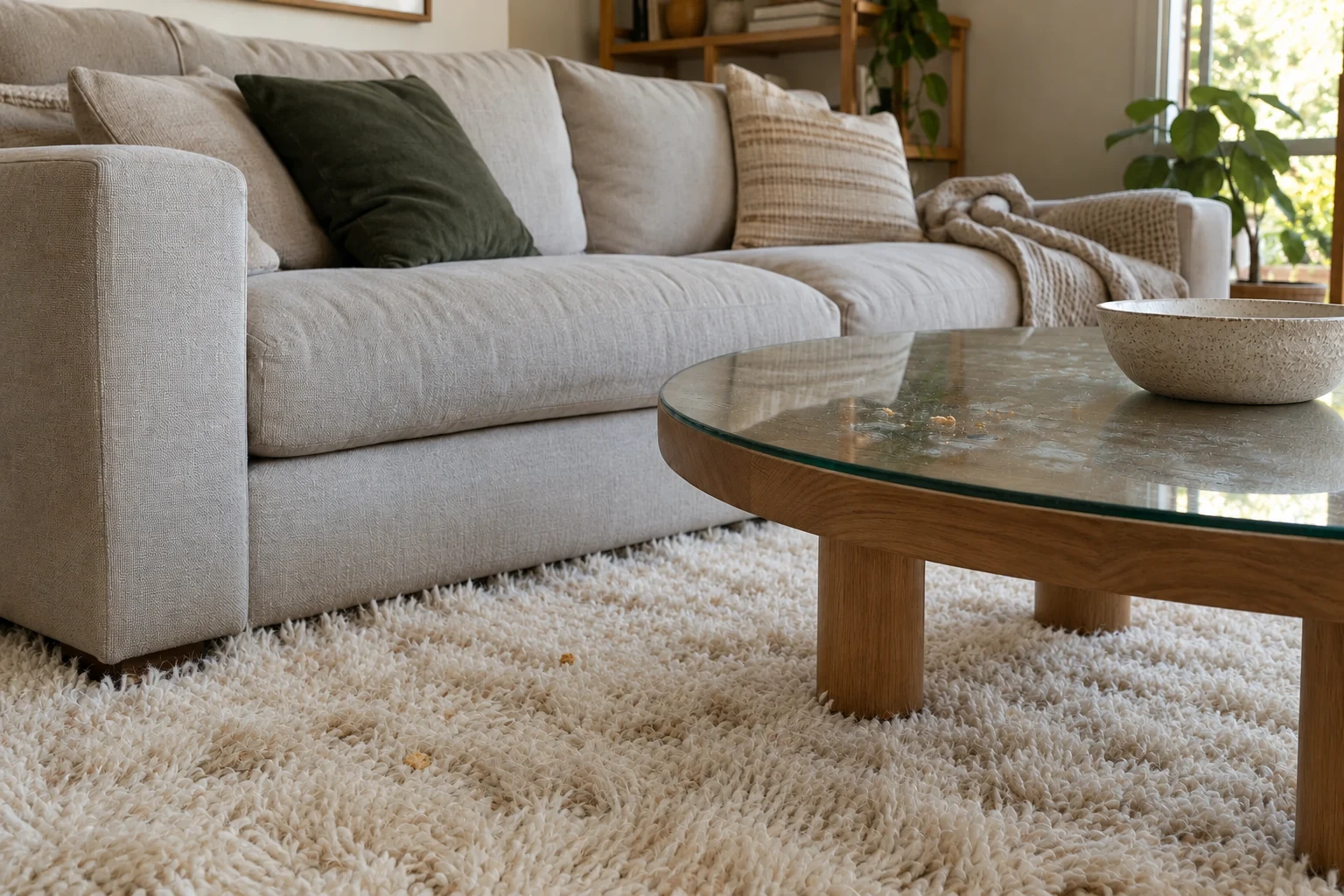
Softness, shine, and texture all come with different cleaning needs. A plush rug or glass table can be a lovely choice, but the upkeep needs to fit your household. Otherwise, a feature you enjoyed buying can become something you spend too much time maintaining.
A fluffy rug can make a seating area feel wonderfully soft, but its pile takes more attention when crumbs or pet hair collect. Frequently touched glass shows marks, while crowded shelves mean moving more objects during dusting.
If quicker vacuuming is your priority, a low-pile rug is a practical choice. If you love a plush texture, use it where that extra upkeep feels worthwhile.
Color alone doesn’t determine how easy upholstery is to maintain. Fabric construction and care requirements matter, and dark upholstery can still show pale pet hair.
20. Visible Cords That Distract From the Room
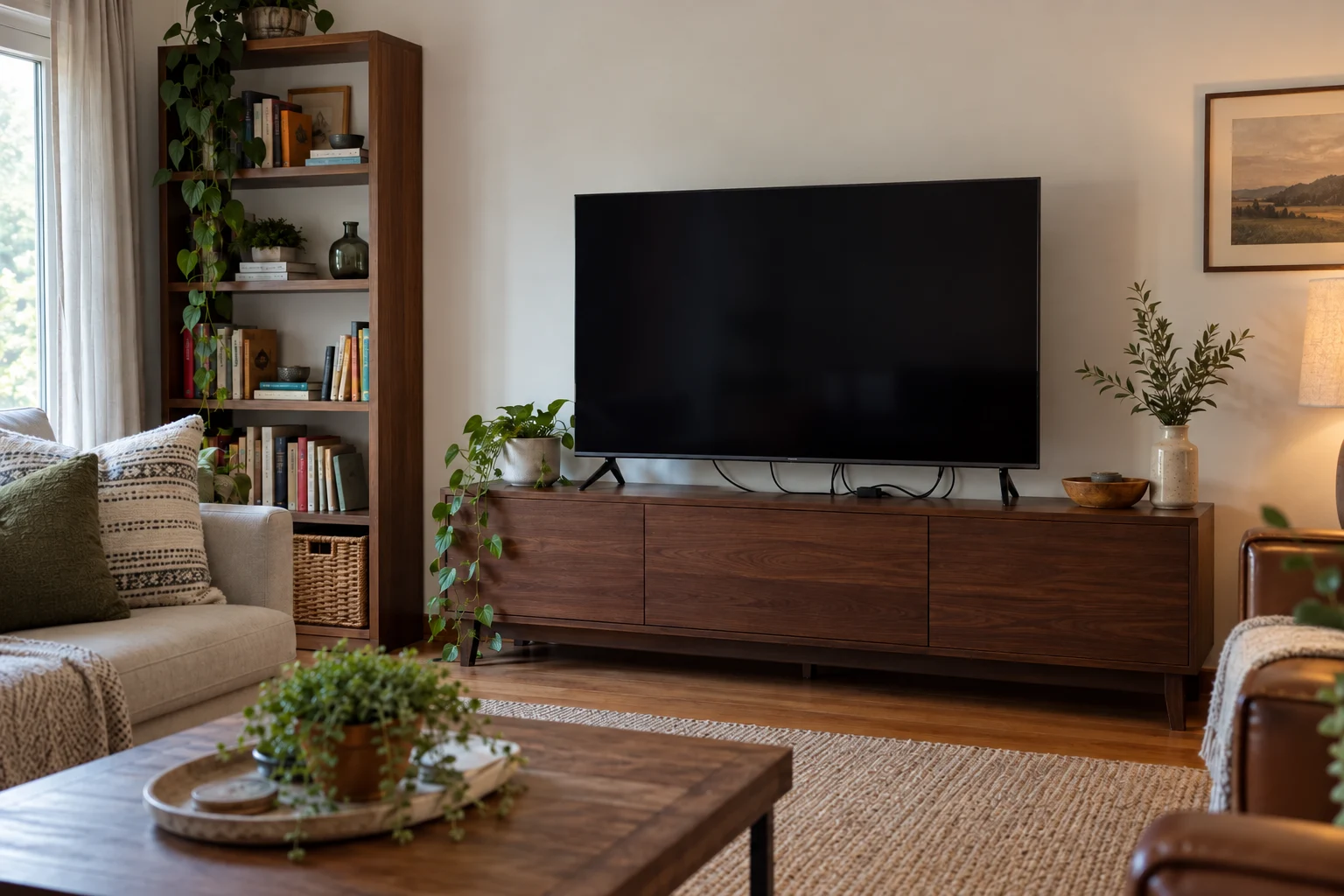 BeforeAfter
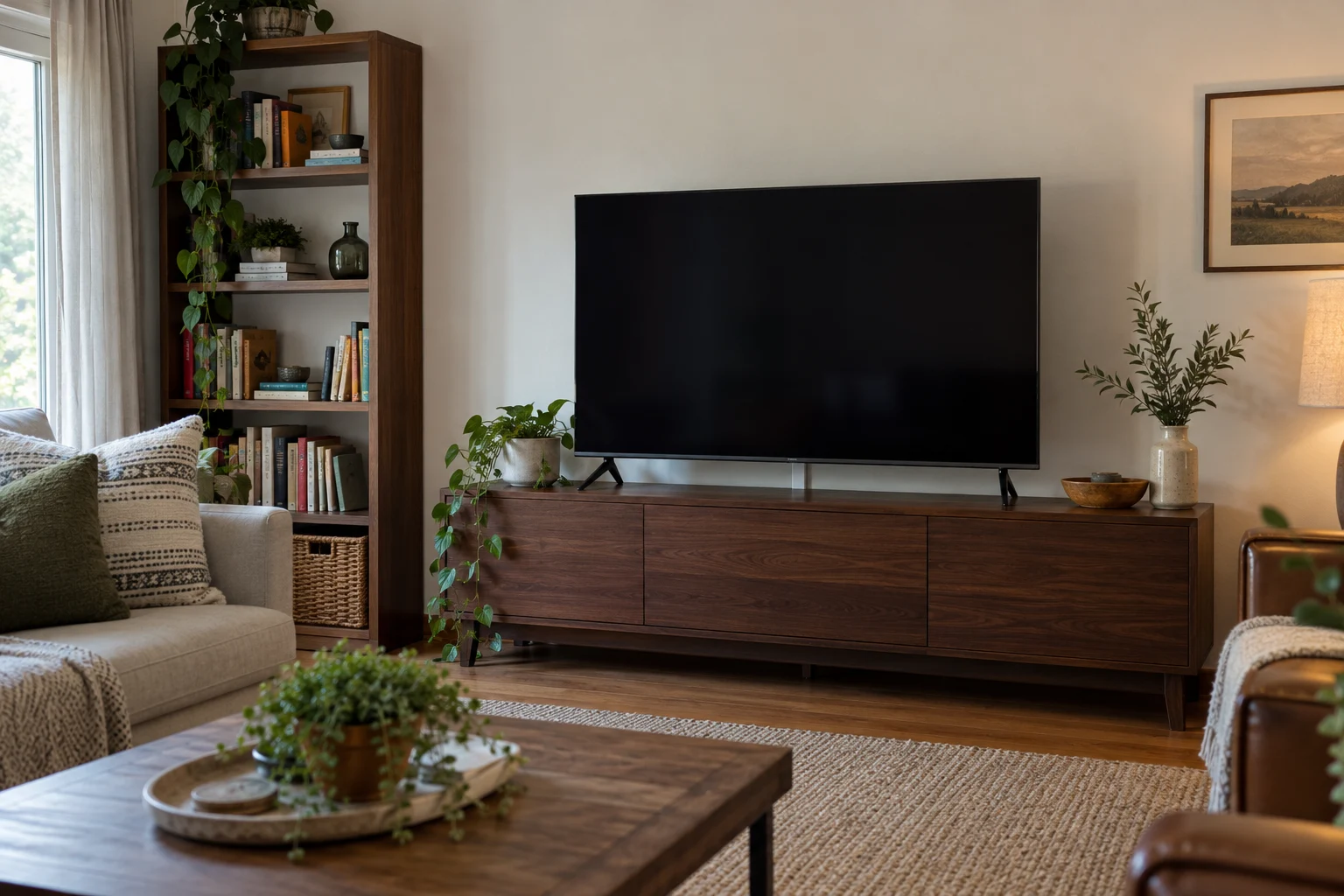
Loose cables can make an otherwise finished corner look untidy. A deliberate route behind furniture or through a wall-mounted cord cover keeps the leads contained and lets the room’s furnishings hold your attention.
A lamp cord stretched across a walkway creates another problem. Position lamps close to outlets and keep leads away from feet.
The Delamu Cord Hider Kit provides surface-mounted channels for gathering visible cables. The channels can be cut to length and painted to blend with the wall.
Keep plugs accessible, and leave ventilation space around power equipment.
A small amount of cable organization can make the whole corner feel more finished.
A Quick Living Room Reset Before You Buy Anything
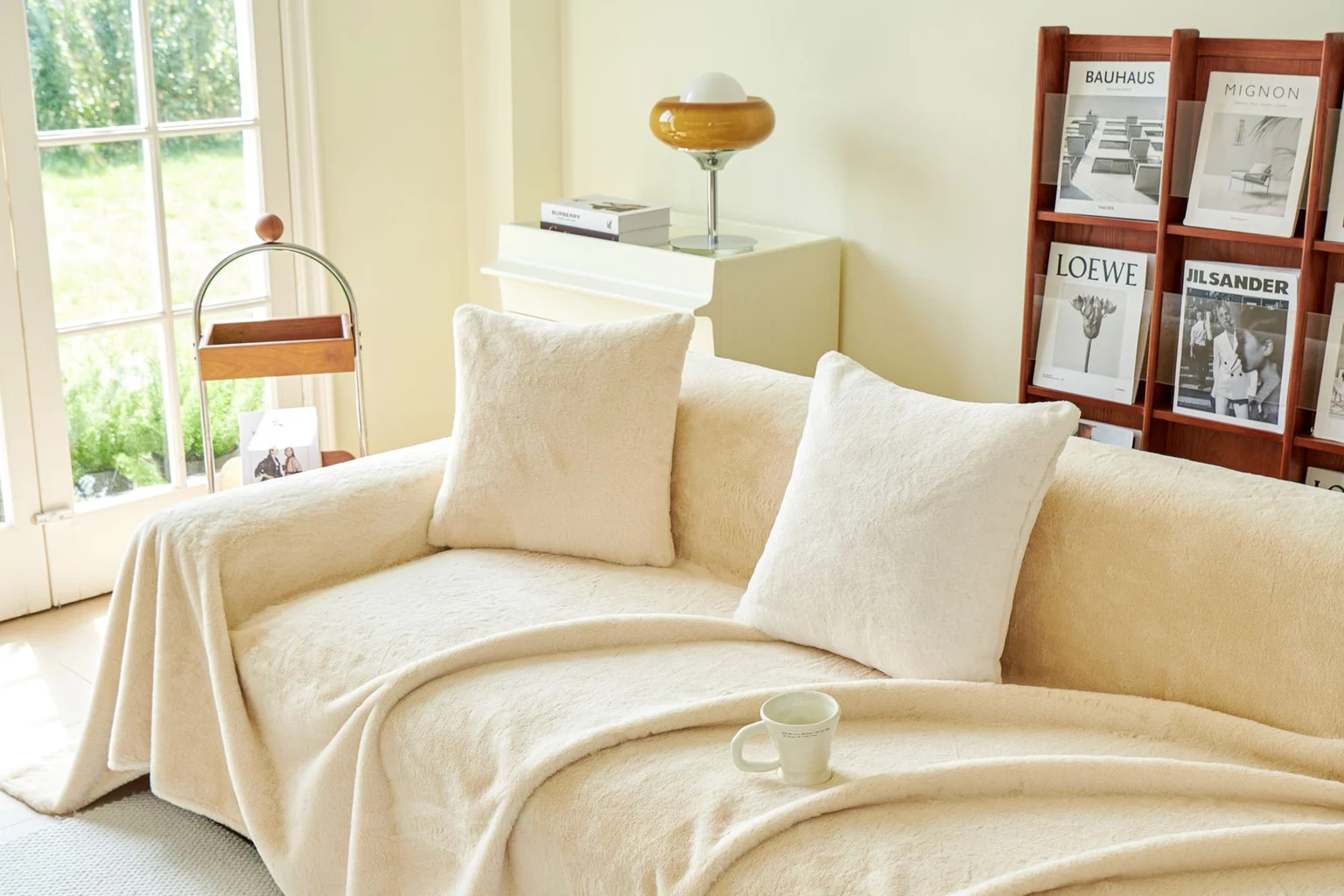
The most useful changes often involve furniture and accessories you already own. A quick rehearsal of everyday activities shows where rearranging, editing, or one useful addition would help.
Work through this checklist:
- Walk through normally. Notice where you turn sideways or step around furniture.
- Open everything. Give drawers, cabinet doors, storage lids, and reclining seats room to work.
- Sit down and stand up. Every regular seat should be comfortable to approach and use.
- Put down a drink. Make sure a stable surface is within easy reach.
- Switch on the evening lights. Look for harsh brightness, dark corners, and mismatched light colors.
- Watch the television from your usual seat. Your head and neck should feel relaxed.
- Clear one crowded surface. Leave enough space for its daily purpose.
- Put recurring clutter away. Give frequently used belongings a convenient home.
- Move something you already own. A chair, lamp, or side table may work better elsewhere.
Note: Fix the inconvenience you notice every day before buying another decorative object.
For more affordable improvements, see 15 ways to update your living room on a budget.
Living Room Questions, Answered
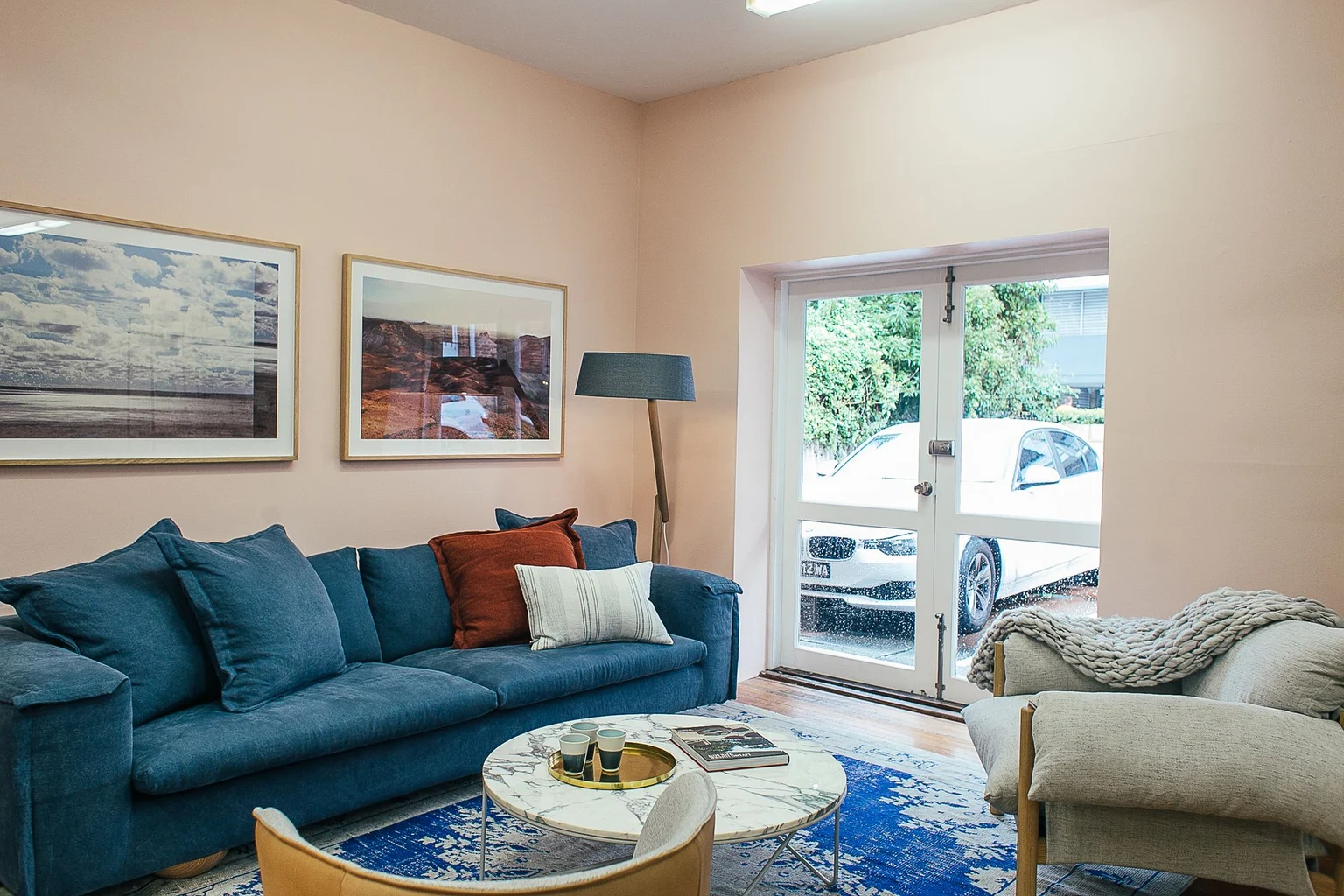
Which Change Usually Makes the Biggest Difference?
The layout deserves attention first when furniture blocks movement or makes seats awkward to use. Once the arrangement works, lighting and rug size are useful next steps.
Decorative details are easier to judge when the room already feels comfortable.
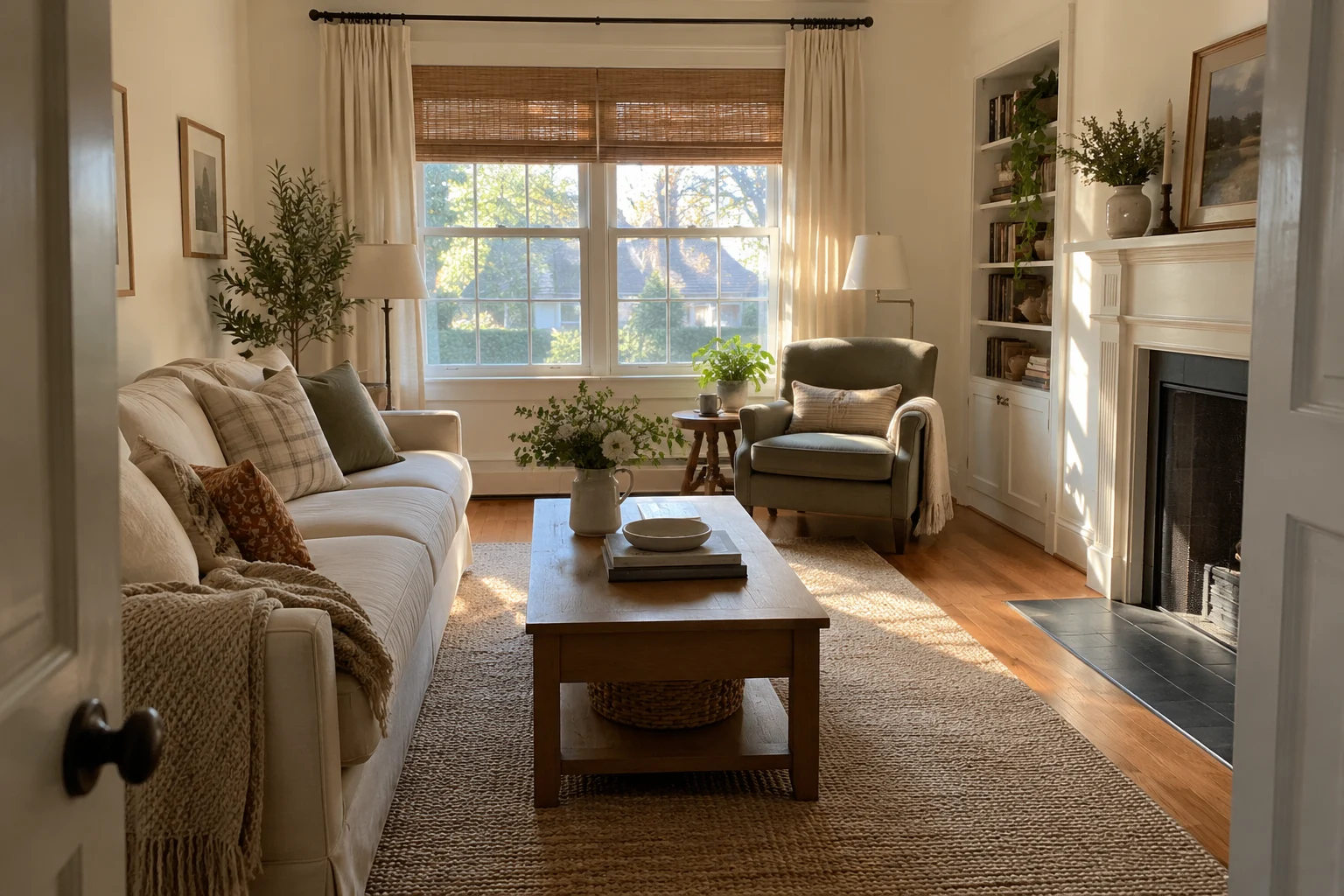
Is a Sofa Against the Wall Always a Mistake?
No. A sofa against the wall often preserves valuable floor space.
The problem is placing every piece around the perimeter without thinking about conversation distance or walking routes. Keep the sofa where it works and adjust nearby chairs or tables if needed.
Can Dark Paint Work in a Small Living Room?
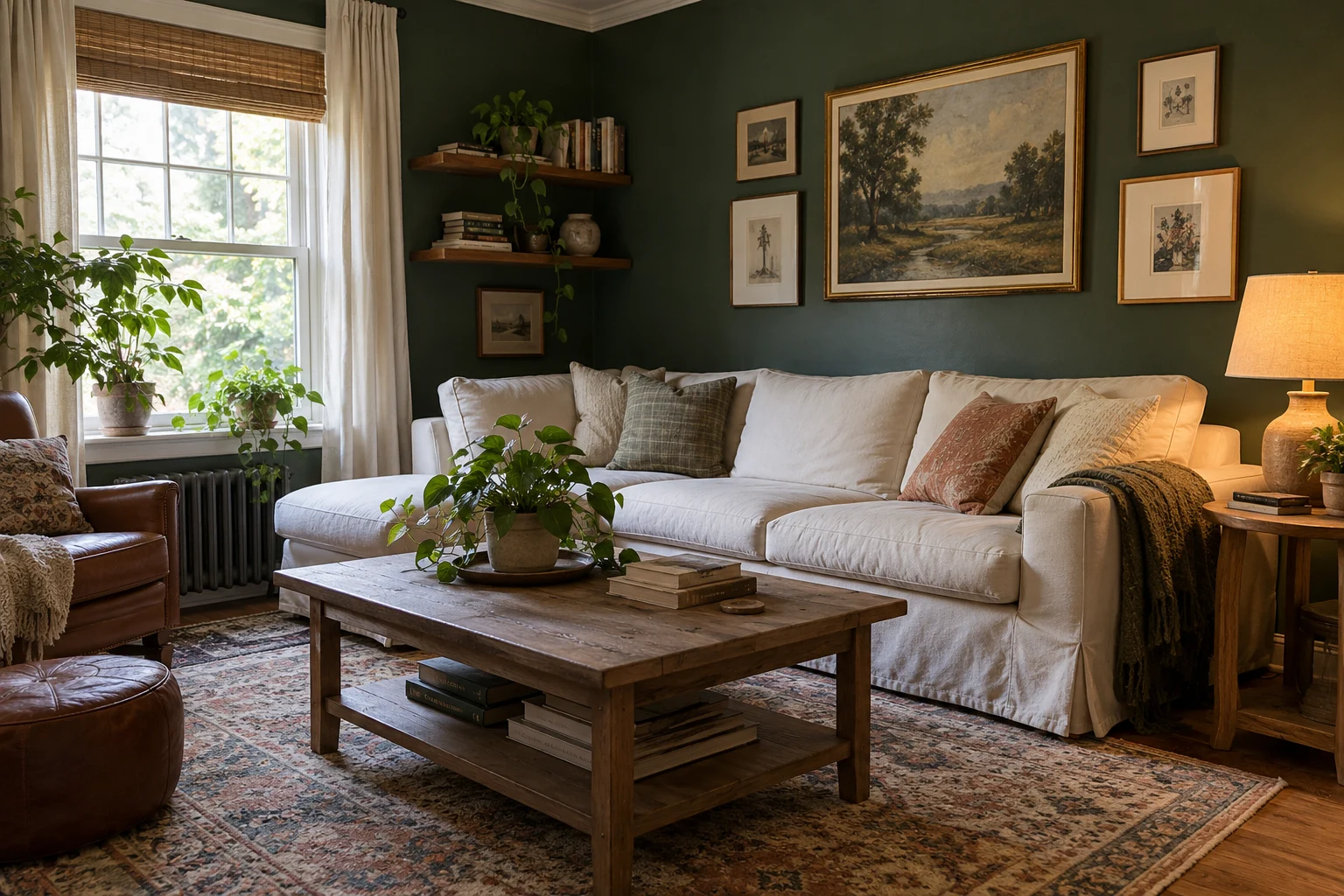
Yes. Dark paint can work beautifully when you want the room to feel intimate and settled.
Balance it with the available daylight, lamps, furnishings, and textiles. Light paint offers a different effect, so choose according to the atmosphere you enjoy.
Does All the Furniture Need to Match?
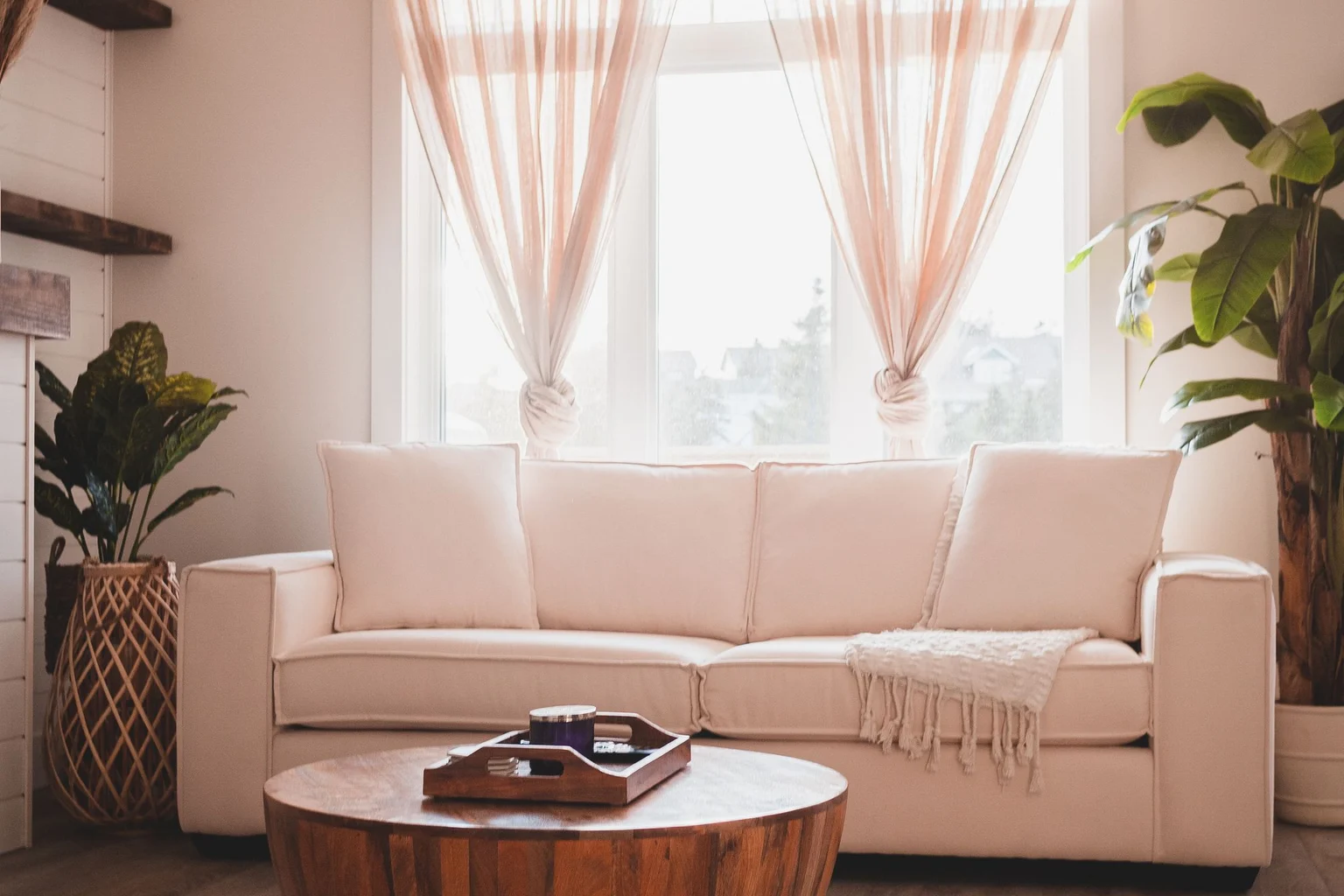
Furniture can vary in style, age, and finish while still feeling connected.
Warm wood can link two different tables, while a color in the artwork can appear again in cushions or a throw. A few repeated details give varied pieces something in common.
Is a Modular Sofa Better for a Small Living Room?
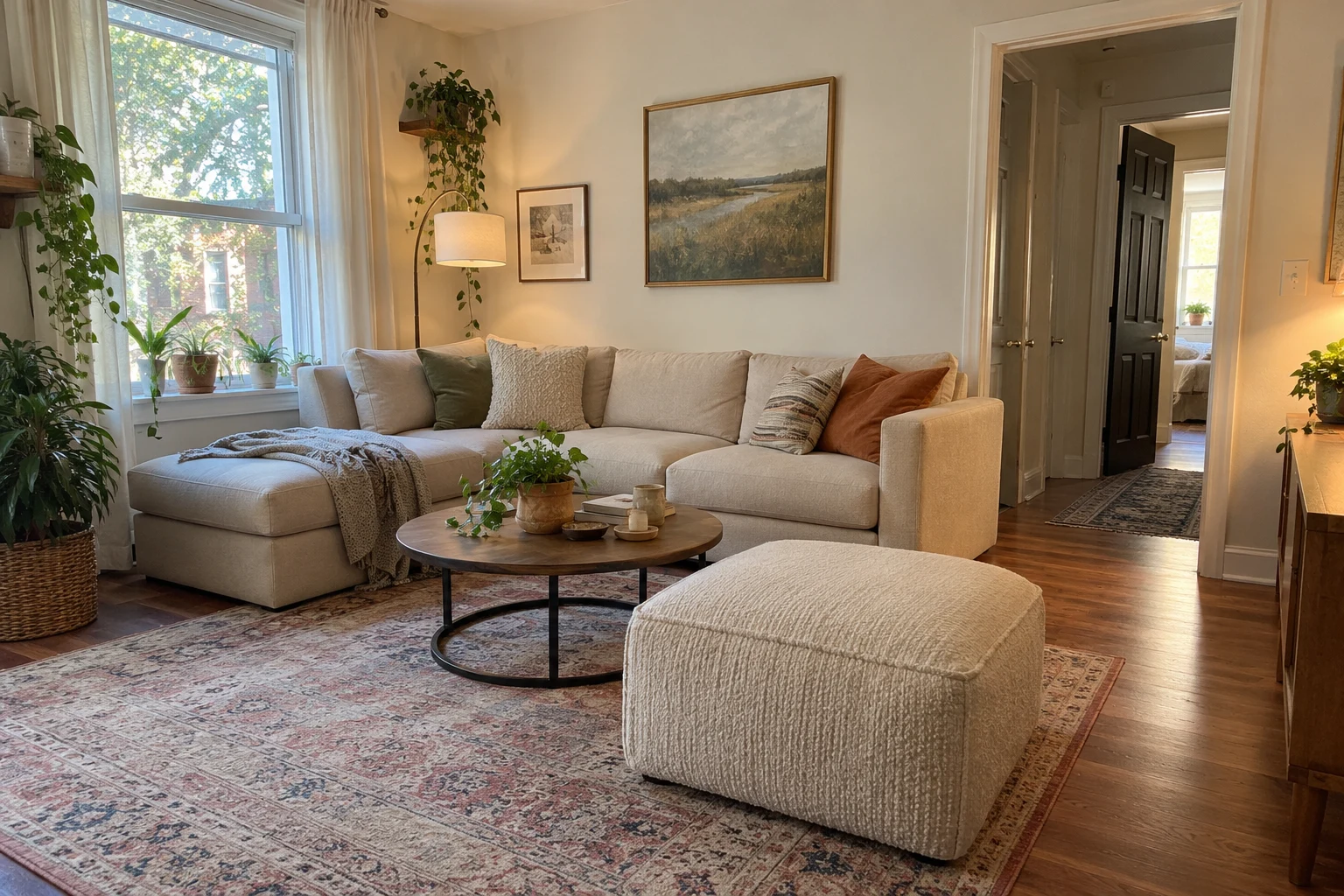
A modular sofa is useful when its sections can form arrangements that suit your space.
Flexibility doesn’t remove the need for suitable proportions. Deep seats and bulky modules can still overwhelm a compact room. Choose an arrangement that works comfortably every day, with additional configurations you’ll actually use.
How Can I Improve the Room Without Spending Anything?
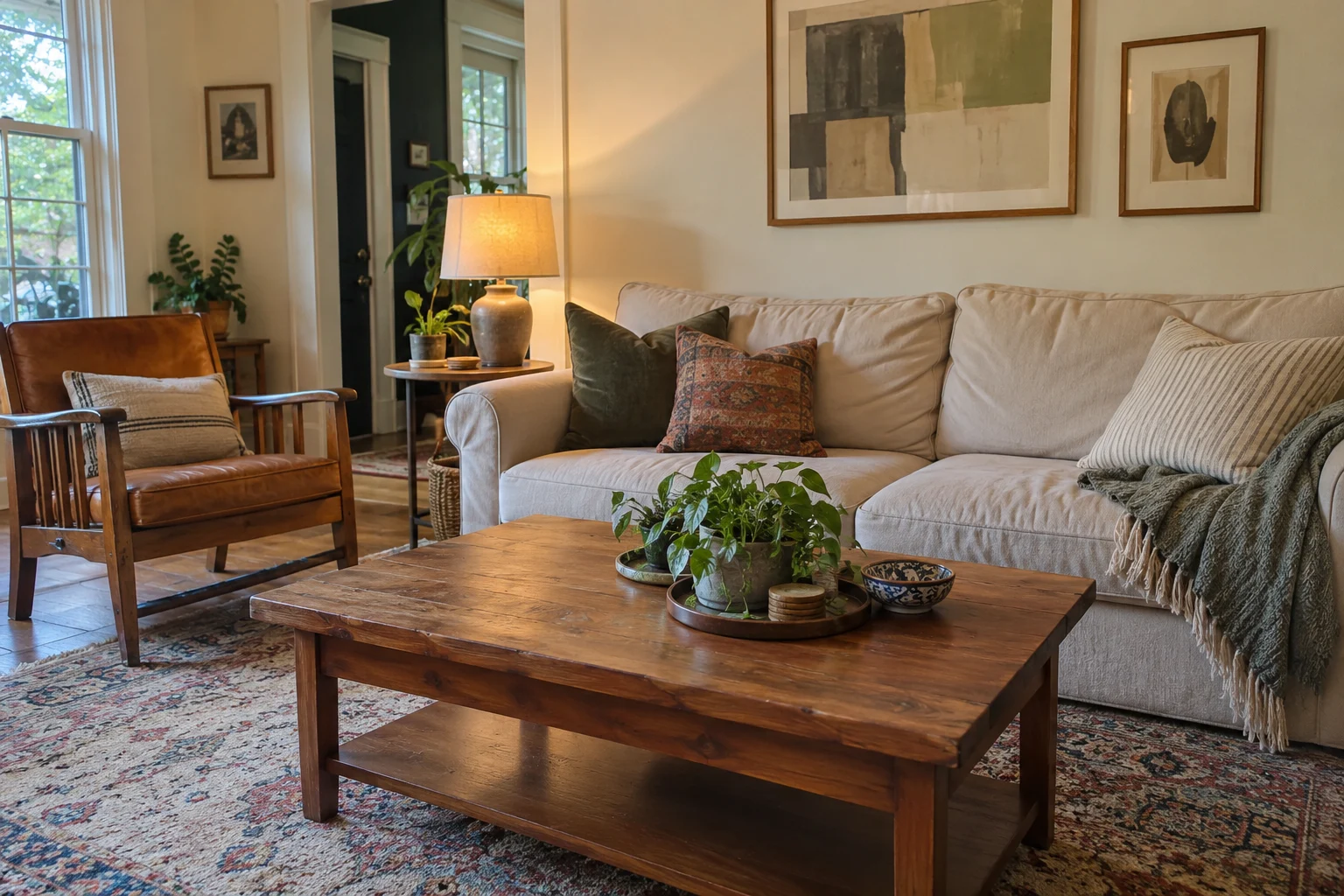
A better position for a chair, lamp, or table can improve the room without a purchase. Regrouping accessories and clearing obstructed surfaces help too.
You can also lower artwork, remove an unused chair, or gather scattered colors into a more connected arrangement.
Try each change during an ordinary evening. Keep the adjustments that make the room easier and more pleasant to use.
Useful Finds for a More Comfortable Living Room
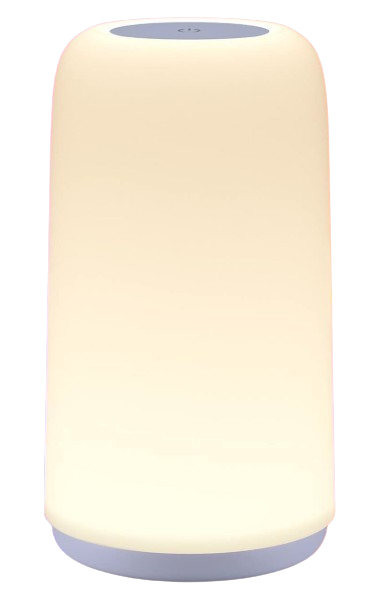 ROOTRO Touch Table LampA compact ambient lamp with dimmable warm-white light and color modes for a side table or quiet corner.
 Linkind 2700K Dimmable LED BulbsWarm-white A19 bulbs with E26 bases for suitable fixtures, with dimming available through a compatible control.
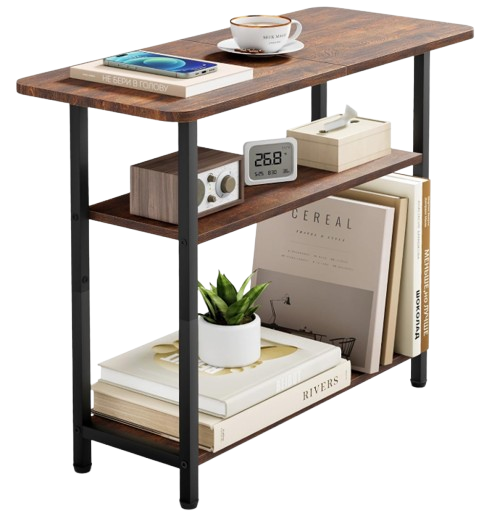 SLEEPING LAMB Three-Tier Side TableA rustic brown side table with a useful top and lower shelves for keeping everyday essentials beside your seat.
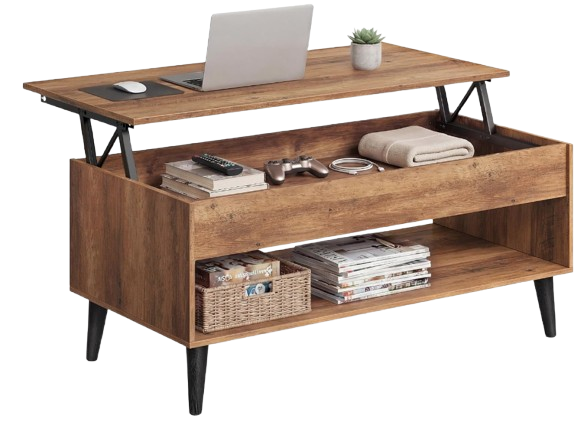 VASAGLE Lift-Top Coffee TableA rising tabletop and hidden storage for a living room that handles lounging, occasional laptop use, and casual meals.
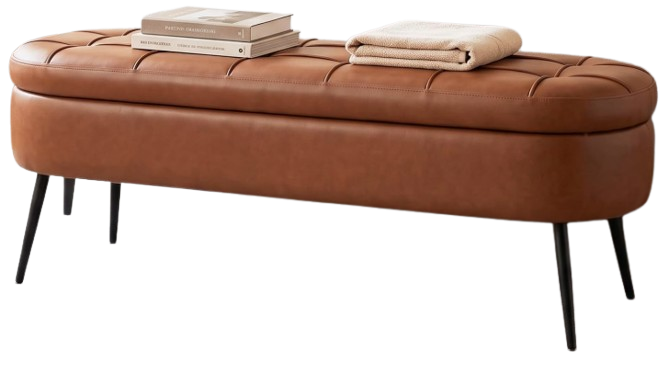 VATROS Brown Storage Ottoman BenchAn upholstered storage bench with a hinged compartment for spare throws, cushions, and other everyday belongings.
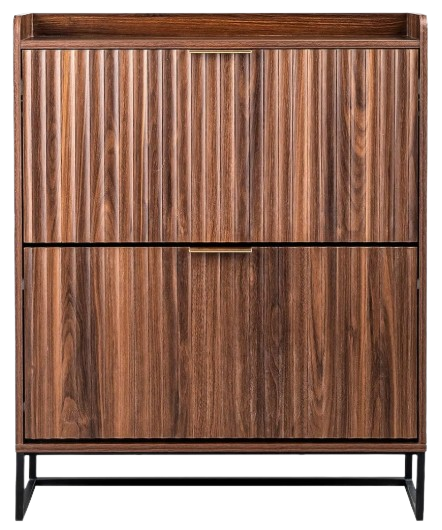 VINGLI Fluted Shoe CabinetA dark walnut shoe cabinet with two flip drawers for keeping footwear organized where the entry meets the living room.
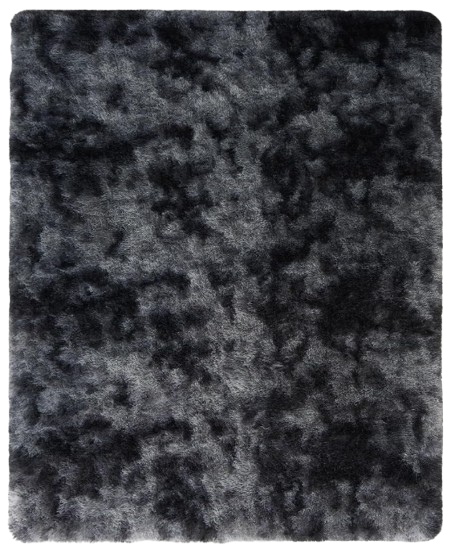 PLHXFR Black Grey Shag Area RugAn 8-by-10-foot fluffy rug for adding softness and a generous footprint beneath a suitably sized seating arrangement.
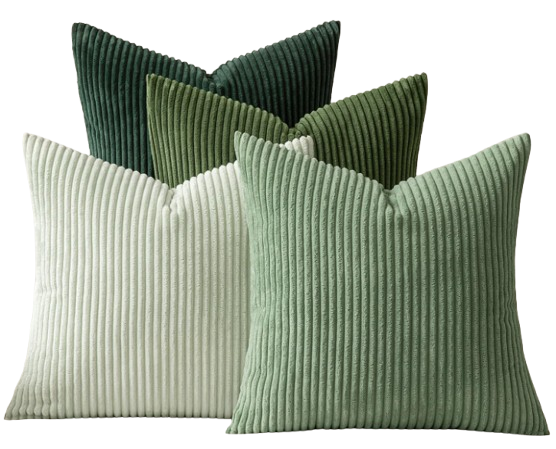 MIULEE Forest Green Corduroy Pillow CoversTextured green pillow covers bring a repeated accent color and ribbed detail to a neutral sofa.
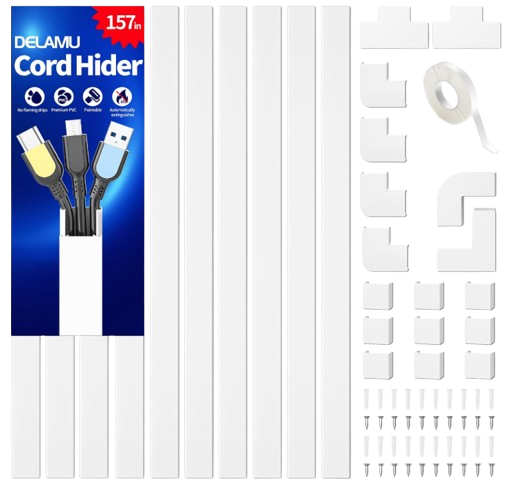 Delamu Cord Hider KitCuttable, paintable cable channels for tidying visible leads along a television wall or beside furniture.